Medjool Dates: Nature's Energy Bar
You carry an energy bar in your pocket. It has ten ingredients you can't pronounce. It tastes synthetic. It gives you energy for 45 minutes, then you crash. You're hungry again by mid-afternoon. There is something better. Something that's been feeding athletes and workers for millennia. Something that sits in every Middle Eastern home and has done so for thousands of years. A Medjool date. One date. That's all you need.
By Niall Kiddle, Founder, Organised

Reviewed by Pedro Rodrigues, Agronomist (farming and sourcing only) ·
5 min read · Published · Updated · 4 cited sources
Makers of the Organised Daily blend, a grass-fed beef organ supplement from regenerative UK farms
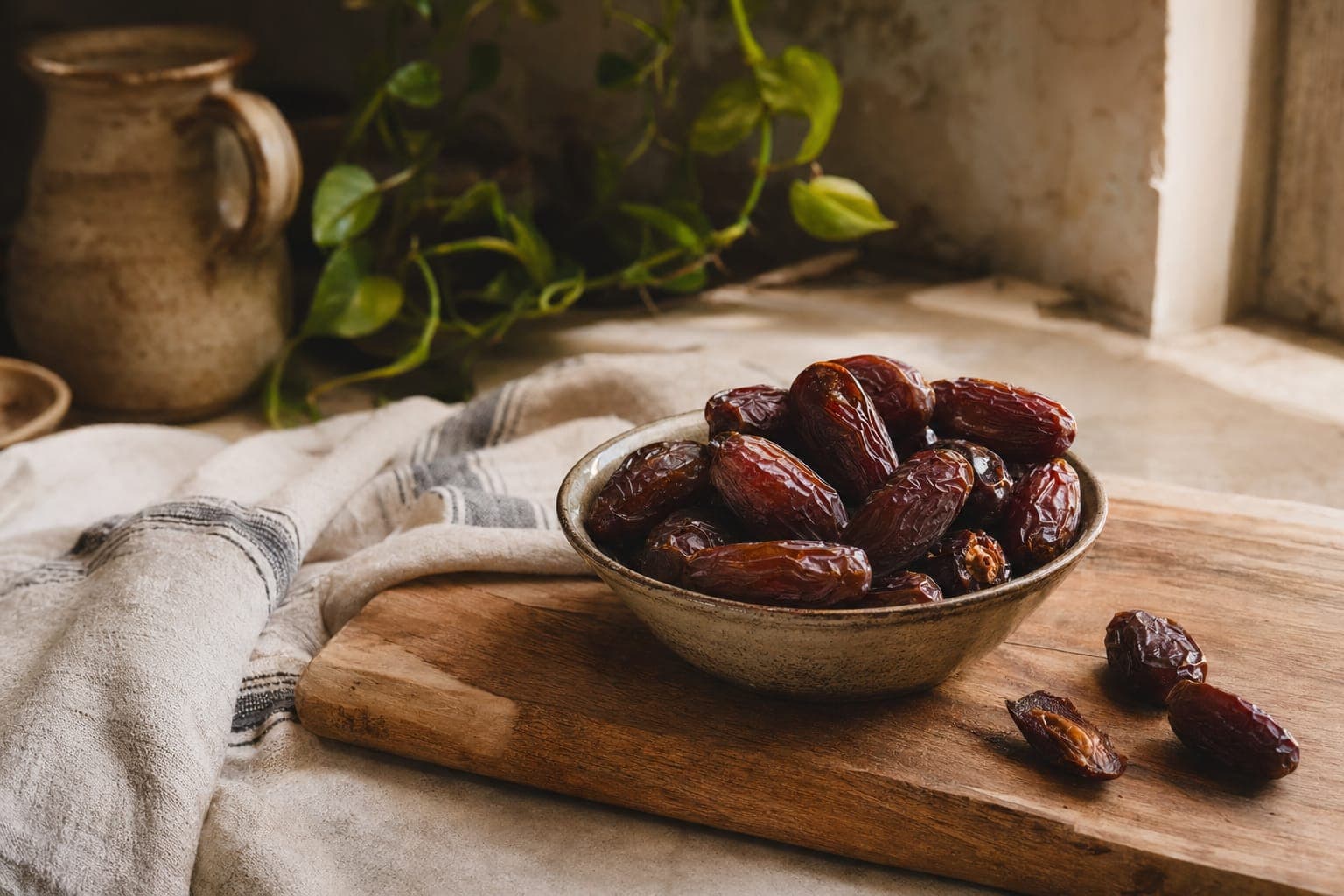
A single Medjool date contains roughly 66 calories and approximately 18 grams of carbohydrate.1 That sounds simple. But the way those carbohydrates are packaged, and what comes alongside them, is what makes dates one of the best energy foods available.
What a Medjool date actually is
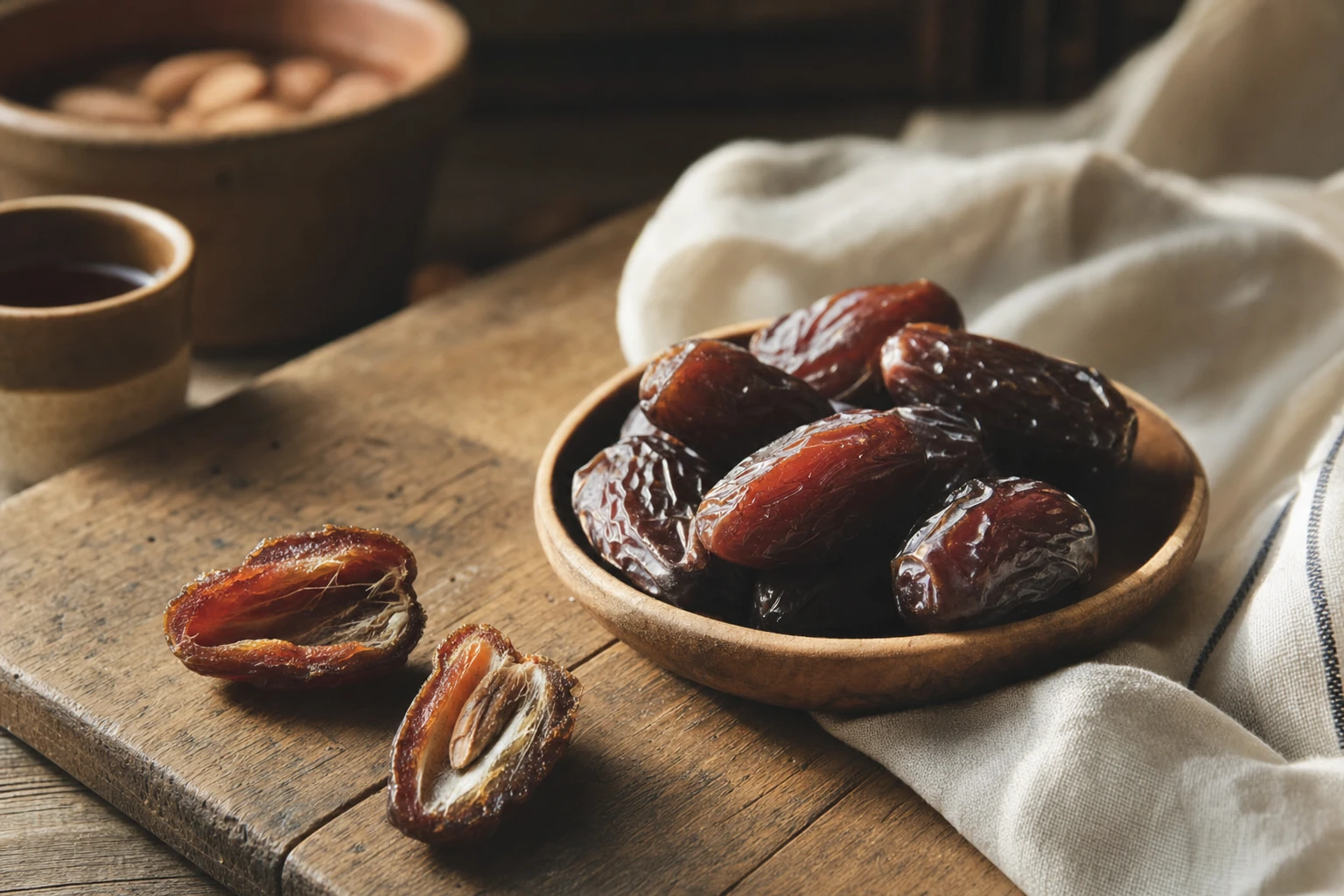
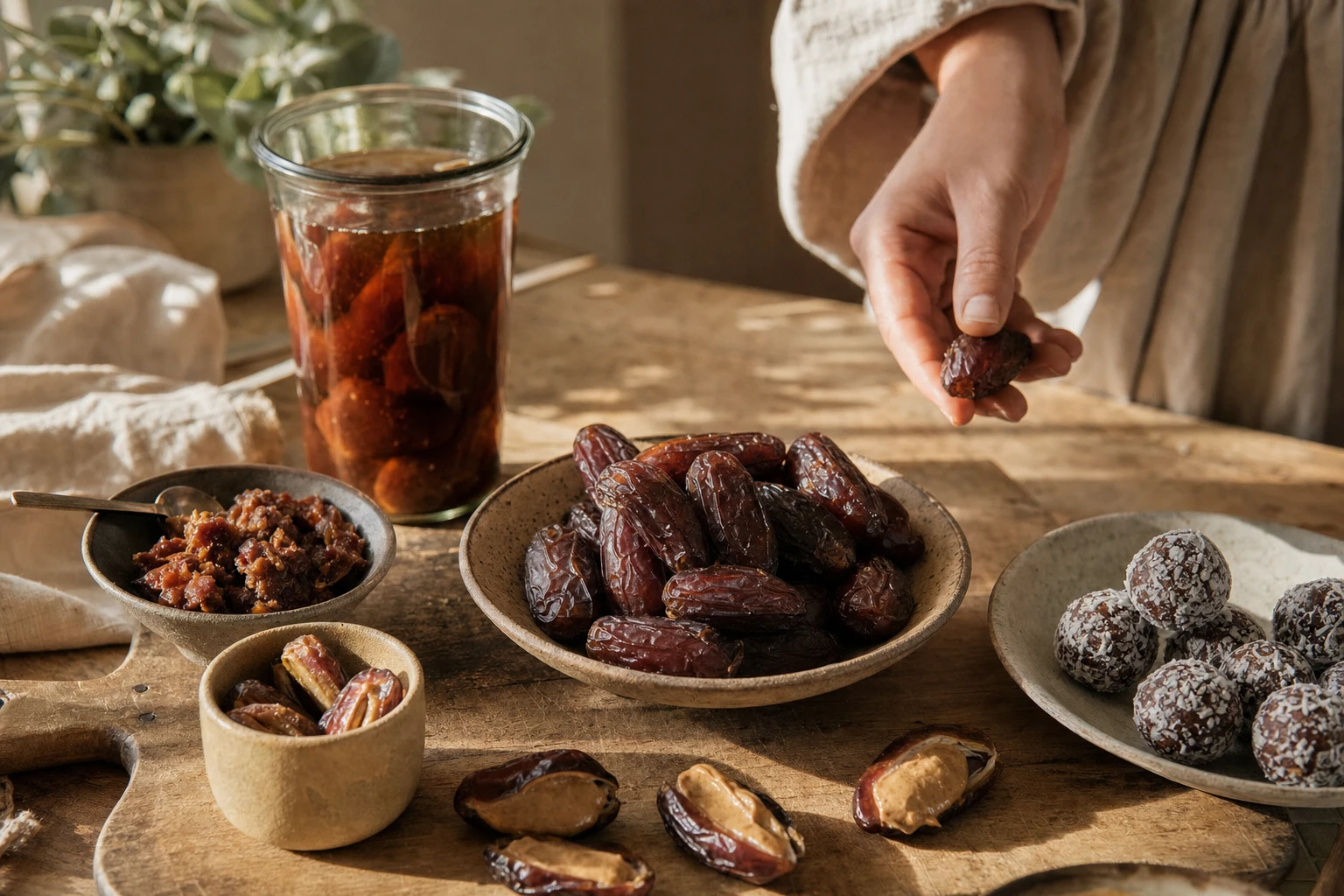
A Medjool date is the fruit of the date palm. It's been cultivated in the Middle East and North Africa for over 5,000 years.2 The Medjool variety is the largest, the sweetest, and the most prized. It has a thin skin, soft flesh, and a single large pit in the centre. It's essentially concentrated fruit: sunshine, water, and energy stored in a small, shelf-stable package.
That concentration is important. When you eat a Medjool date, you're not eating a whole plant. You're eating the fruit that the plant spent months developing to feed its seed and draw animals to disperse it. Every nutrient in that date was put there for a purpose.
A Medjool date is nature's answer to the energy bar. It's been packaged by evolution to provide exactly what a body needs for sustained activity: quick energy, slow-release fibre, and minerals to support muscle function.
The fibre and sugar combination
Here's what separates dates from refined sugar and processed energy bars: dates contain roughly 6 to 8 grams of fibre per 100 grams of fruit. That's roughly 2 grams of fibre per Medjool date.1
That fibre is critical. The sugars in a date are not isolated. They are surrounded by soluble and insoluble fibre. The fibre slows the rate at which the sugar is absorbed. The sugar doesn't hit your bloodstream all at once. It trickles in. Your pancreas doesn't have to dump a massive amount of insulin. Your blood sugar rises gently, peaks gently, and falls gently. No crash. No post-energy-bar letdown.
The fibre also makes you feel full. A Medjool date is small, but because of the fibre content, it actually satisfies hunger. You don't finish it and immediately want to eat three more. One date is genuinely enough.
Compare that to an energy bar. Most contain roughly 1 to 2 grams of fibre and 20 to 30 grams of refined sugar or sugar alcohols. The sugar hits fast. Your blood sugar spikes. Your body releases a surge of insulin. The sugar gets shuttled into cells, your blood sugar drops below baseline, and suddenly you're more hungry and more tired than you were before you ate it.
Potassium and mineral content
A single Medjool date contains roughly 200 milligrams of potassium.1 That might not sound like much compared to the recommended daily intake of 2,600 to 3,400 milligrams.3 But it's potassium delivered in a food, not in isolation, and it's accompanied by other minerals that support how your body actually uses potassium.
Potassium is critical for muscle function, nerve transmission, and cardiovascular regulation. Most people are chronically deficient in potassium because modern diets have been stripped of the whole foods that contain it. Processed foods are low in potassium and high in sodium. The balance is wrong. Dates correct that.
Dates also contain magnesium, roughly 54 milligrams per 100 grams.1 Magnesium is required for over 300 enzymatic reactions in your body, including energy production, muscle relaxation, and nervous system function.4 When you're active, you burn through magnesium. Dates replenish it.
The combination of potassium, magnesium, and carbohydrate is exactly what your body needs after exertion. It's why dates have been the food of choice for athletes and desert travellers for thousands of years. Your body recognises this combination. It uses it immediately.
An energy bar will give you sugar and salt. Dates give you sugar, fibre, potassium, magnesium, and a dozen other minerals, all working together. That's the difference between fuel and nutrition.
Get ingredient guides like this, free
Two short reads a week on the ingredients that matter and how to actually use them.
By signing up you agree to receive emails from us. No spam, unsubscribe anytime.
Energy that doesn't crash
The reason dates provide sustained energy is the combination of quick-release and slow-release carbohydrates, all bound up in fibre. A Medjool date contains roughly equal parts glucose, fructose, and sucrose. These are different sugars with different absorption rates.
Glucose is fast. It enters the bloodstream quickly and is available for immediate energy. That's the spike you want when you need energy now. But it's balanced by fructose and sucrose, which are slower. They provide energy that continues for the next 60 to 90 minutes. And the whole package is slowed by fibre.
The result is an energy curve that rises, plateaus, and then falls gradually. You get the immediate energy you need to start running or working, and then sustained energy that carries you through the effort. Most people report that a single date provides enough energy for 90 to 120 minutes of moderate activity.
Dates versus processed energy bars
Energy bars are engineered products. They're designed to fit in your pocket, to have a long shelf life, to taste consistent, to appeal to marketing. They achieve those goals. But they sacrifice nutrition to get there.
Most energy bars contain:
- Refined carbohydrates from oats, rice, or wheat that have been stripped of fibre
- Added sugars from cane juice, brown rice syrup, or sugar alcohols
- Vegetable oils that become rancid during storage
- Artificial sweeteners or flavourings
- Binders and preservatives
- Protein from whey or plant isolates
A Medjool date contains:
- Natural sugars from the fruit itself
- Whole food fibre
- Minerals that exist nowhere else in that ratio
- No added ingredients
- No processing
The energy bar is a technological solution to a problem that dates solved 5,000 years ago. The fact that we've moved away from dates to synthetic alternatives says something about how modern food production has distorted our priorities.

1 of 9
Daily blend
100,000+ thriving families4.9 on Trustpilot
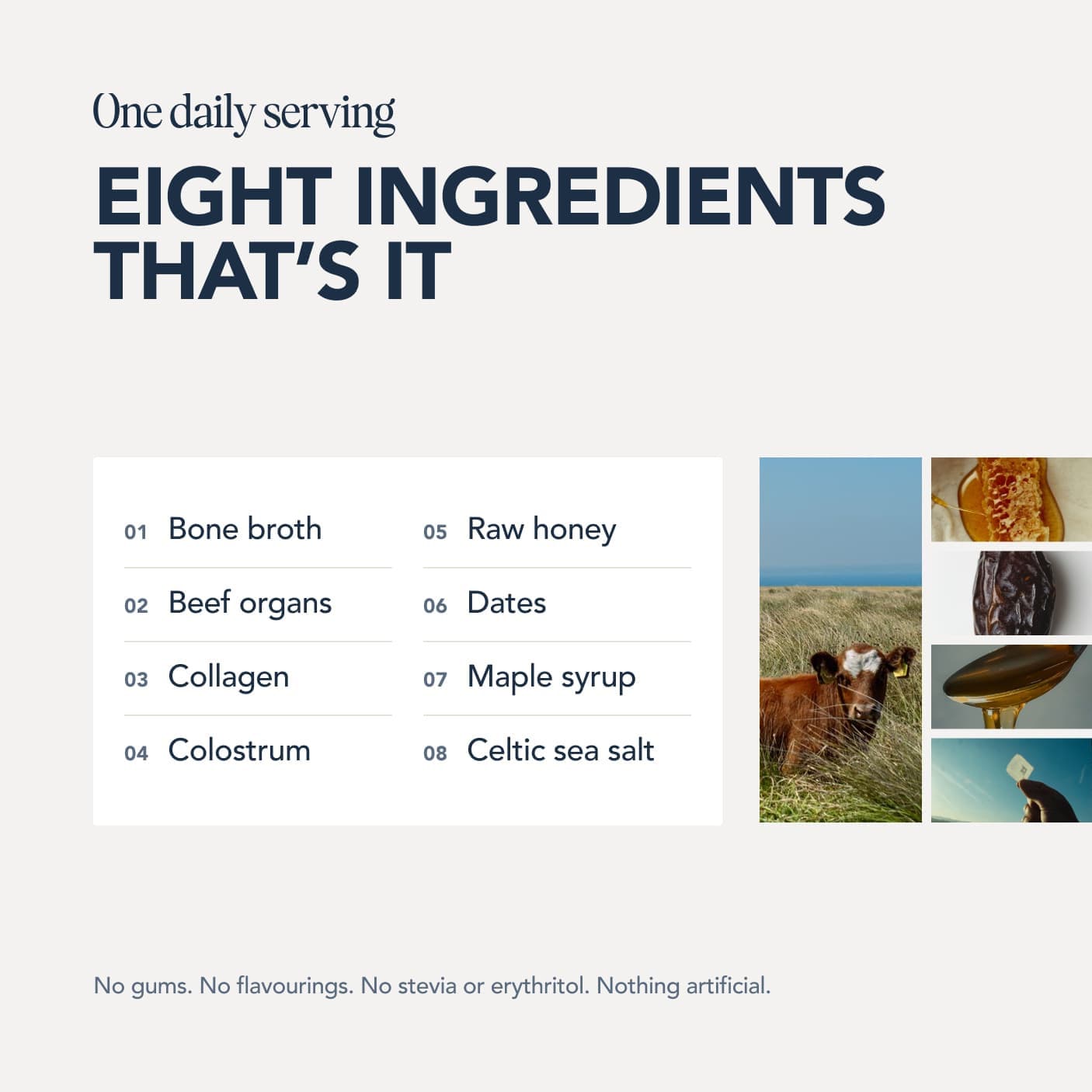
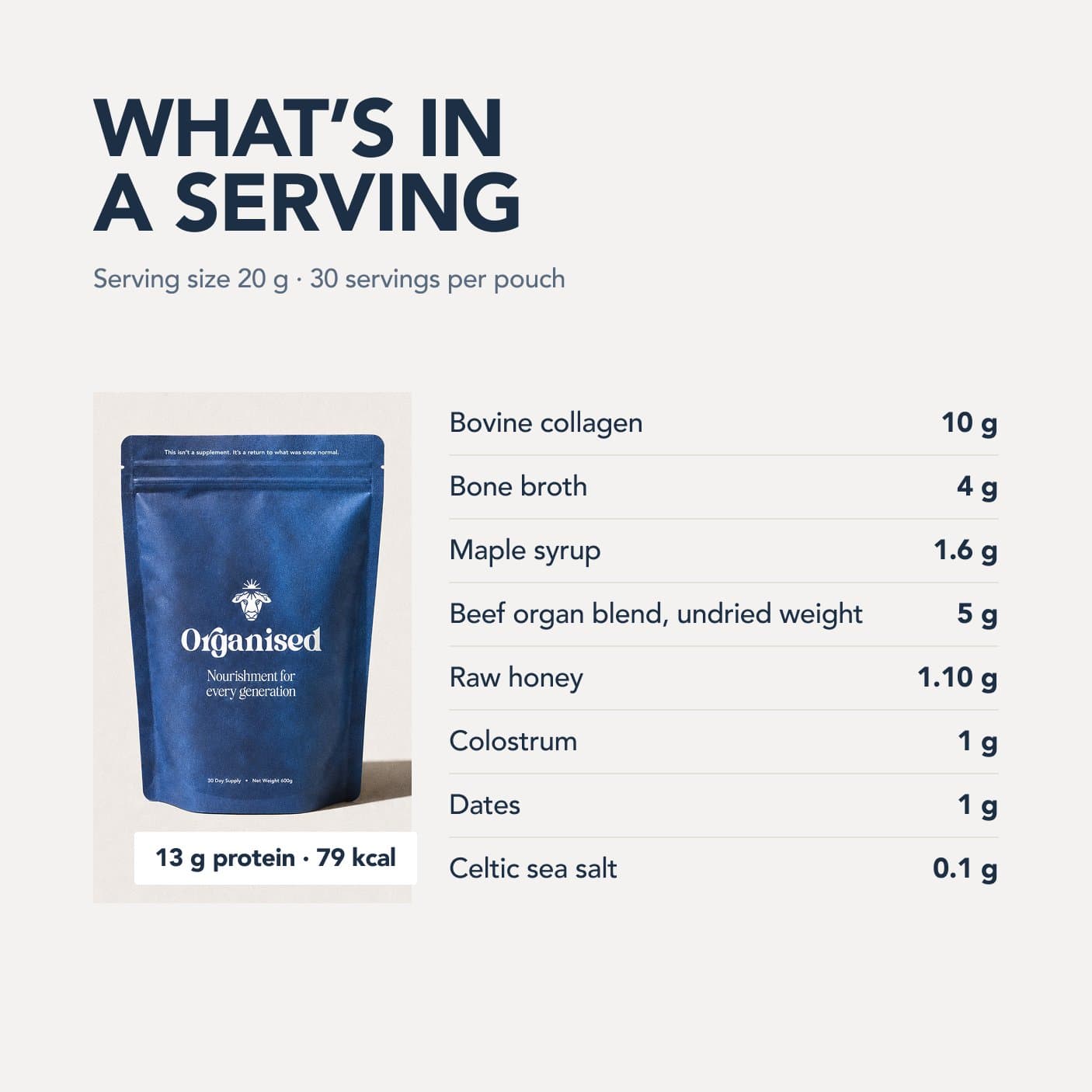
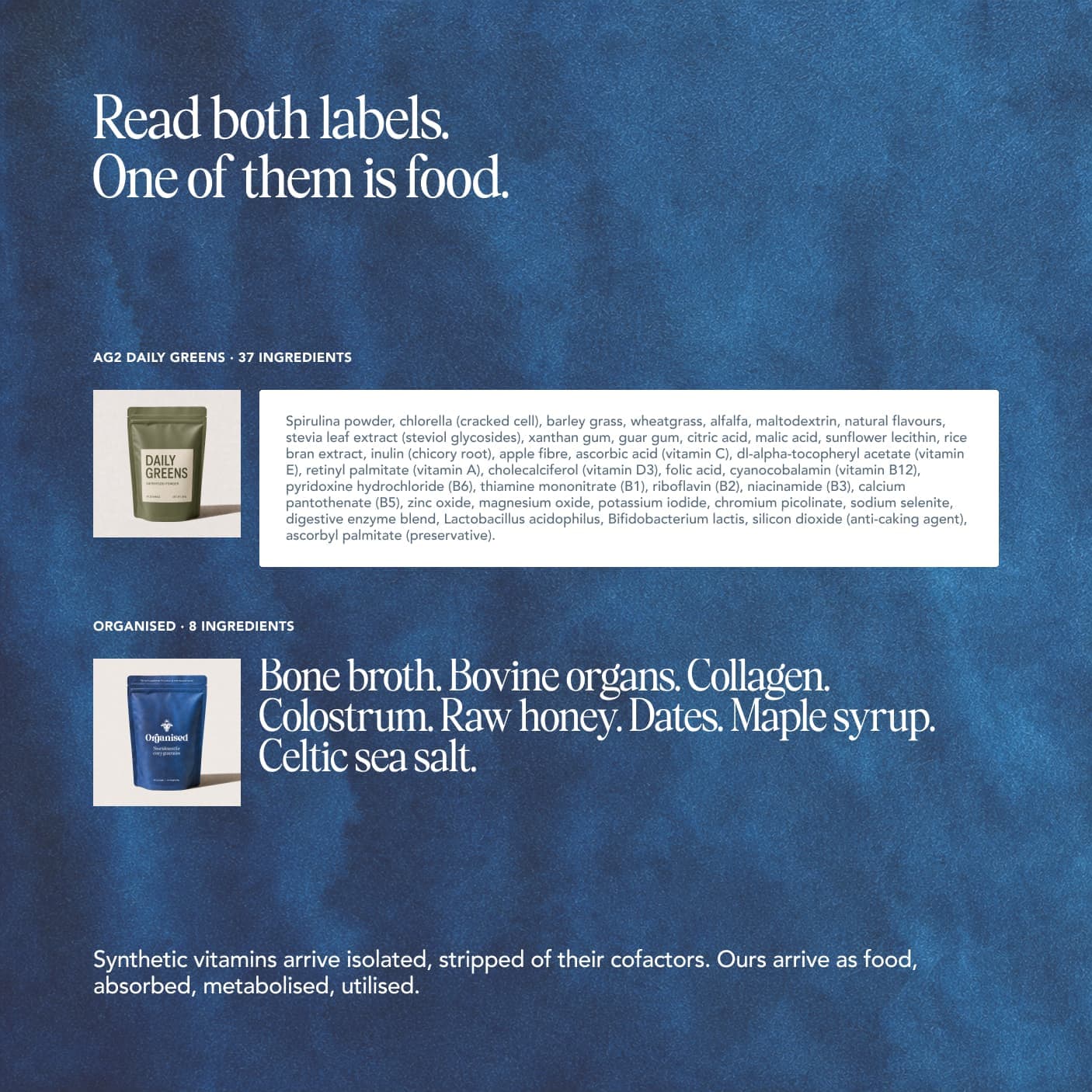
Eight real ingredients built around grass-fed beef organs, collagen and colostrum. Nothing synthetic added.
Free with your first order, worth £38. Plus £10 off the pouch with a subscription.

Free UK shipping · Made in England · 100 day money back guarantee on your first pouch · Skip, pause or cancel anytime
When and how to eat dates
Dates work best as a pre-activity snack. Eat one 20 to 30 minutes before exercise or a period of activity. Your body will absorb the immediate glucose, you'll have the minerals available for muscle function, and the slower carbohydrates and fibre will sustain you through the effort.
Dates also work well as an afternoon snack when your energy dips. Unlike coffee, which stimulates your nervous system and can interfere with sleep, dates provide genuine nutrition. You'll get energy without the crash, and without the jittery feeling that caffeine creates.
Medjool dates are soft and don't require preparation. Eat them whole. The pit is easy to remove. Pair them with a fat if you want to slow the sugar absorption even further: eat a date with a handful of almonds, or with some nut butter, and you'll have even more sustained energy.
The bottom line
Dates have been feeding humans for millennia. They remain one of the most nutrient-dense energy foods available. A single Medjool date provides the exact combination of quick and sustained energy, fibre, and minerals that your body actually needs. That's not marketing. That's just how they're built.
The next time you reach for an energy bar, reach for a date instead. It's cheaper. It's simpler. It works better. And it's been proven by thousands of years of human experience.
References
Every source below was checked on 27 August 2026. Each link was requested and read. Where a citation and its identifier disagreed, the citation was corrected to the record or the reference was deleted along with the sentence marker that pointed at it, and where the resolved paper turned out not to support the sentence, the sentence was cut back to what it does support. Borrowed authority is worse than none, because it looks like rigour.
- U.S. Department of Agriculture, FoodData Central. Dates, medjool (FDC ID 168191).
- Tengberg M. Beginnings and early history of date palm garden cultivation in the Middle East. Journal of Arid Environments. 2012;86:139-147.
- National Institutes of Health, Office of Dietary Supplements. Potassium: Fact Sheet for Health Professionals.
- National Institutes of Health, Office of Dietary Supplements. Magnesium: Fact Sheet for Health Professionals.
Who wrote and reviewed this guide
Niall Kiddle
Author · Founder, Organised
Niall is the founder of Organised. He started the company in 2024 after fixing his own health the slow way: in 2022 he swapped a cupboard of synthetic supplements for real food, raw milk, organ meats, bone broth and honey, and felt the difference within months.
Areas of expertise: Ancestral nutrition, Organ meats, Whole-food supplementation, Gut health, Regenerative sourcing
Read Niall's full profile
Pedro Rodrigues
Reviewer · Agronomist (farming and sourcing only)
Pedro is the agronomist Organised works with on farming and sourcing. His job on the guides is to keep the science honest: he reviews what we publish about soil health, regenerative agriculture, grazing and the way food is actually produced.
Areas of expertise: Regenerative agriculture, Agronomy, Soil health, Grass-fed farming, Food sourcing
Reviewed this guide on
Read Pedro's full profileBrowse the guides library
All guidesKeep reading

Ingredients
Colostrum and the Immune System: What the Science Actually Shows
See how colostrum may support immune function, what IgA, IgG, and athlete studies show, and what the research can and cannot tell us so far.
Ingredients
The Antimicrobial Power of Raw Honey
Learn how the antimicrobial properties of raw honey, like hydrogen peroxide and MGO, set it apart from processed honey, and why it is a real whole food.

Ingredients
When Does Your Body Start Losing Collagen? (And What to Do About It)
When does your body start losing collagen? Learn what age decline begins, the signs to watch for, and practical ways to slow it and protect your skin.
Real food, made effortless
Try the organ blendA few ways to use it
All recipes
Bone Broth from Scratch: A Step-by-Step Guide
Step-by-step guide to making bone broth at home. Stovetop, slow cooker, and Instant Pot methods. Rich in collagen and gut-healing minerals.
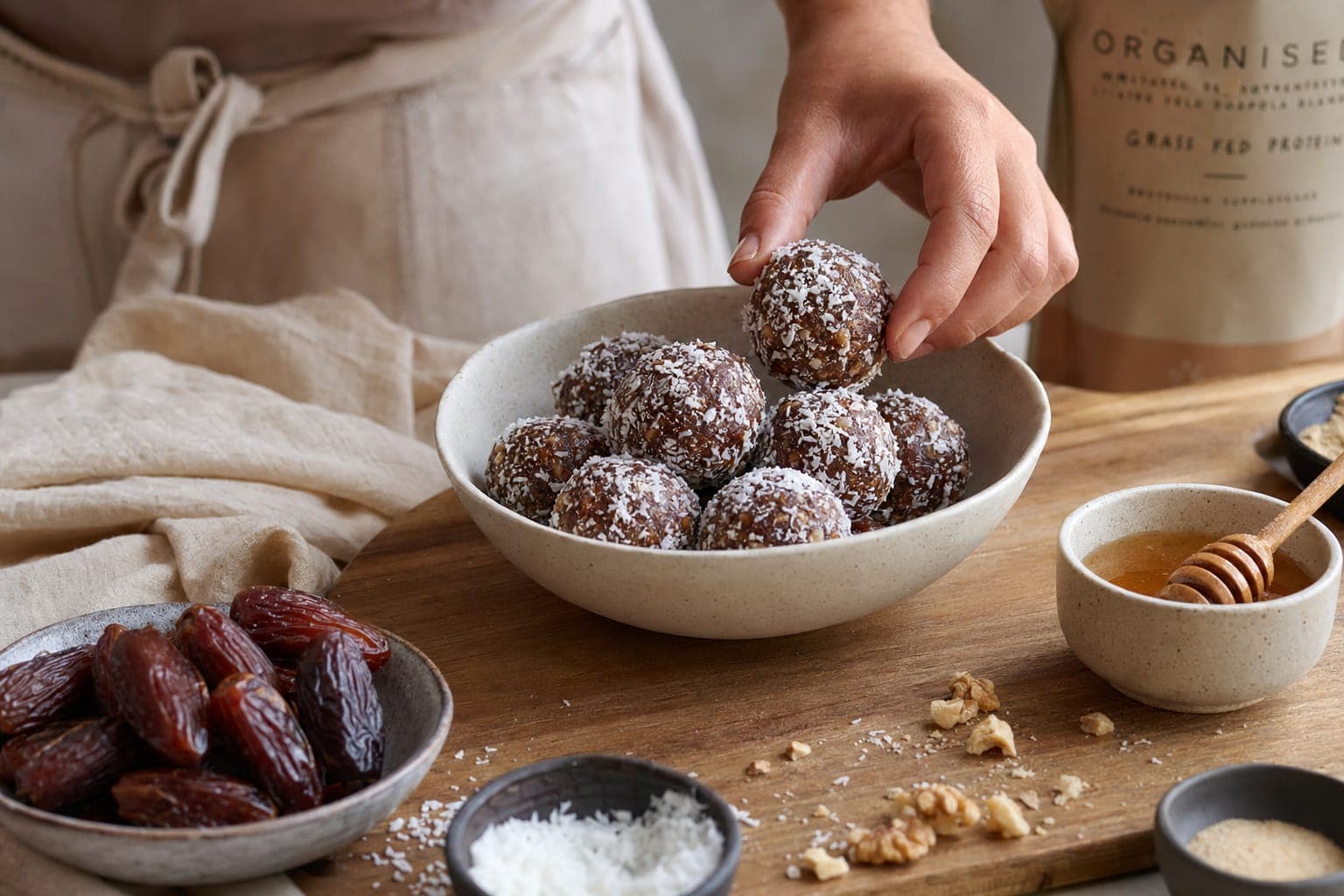
Energy Balls with Organised, Dates and Raw Honey
Make no-bake energy balls with Organised, dates, and raw honey. Perfect lunch box, pre-workout, or on-the-go snack. Simple recipe.
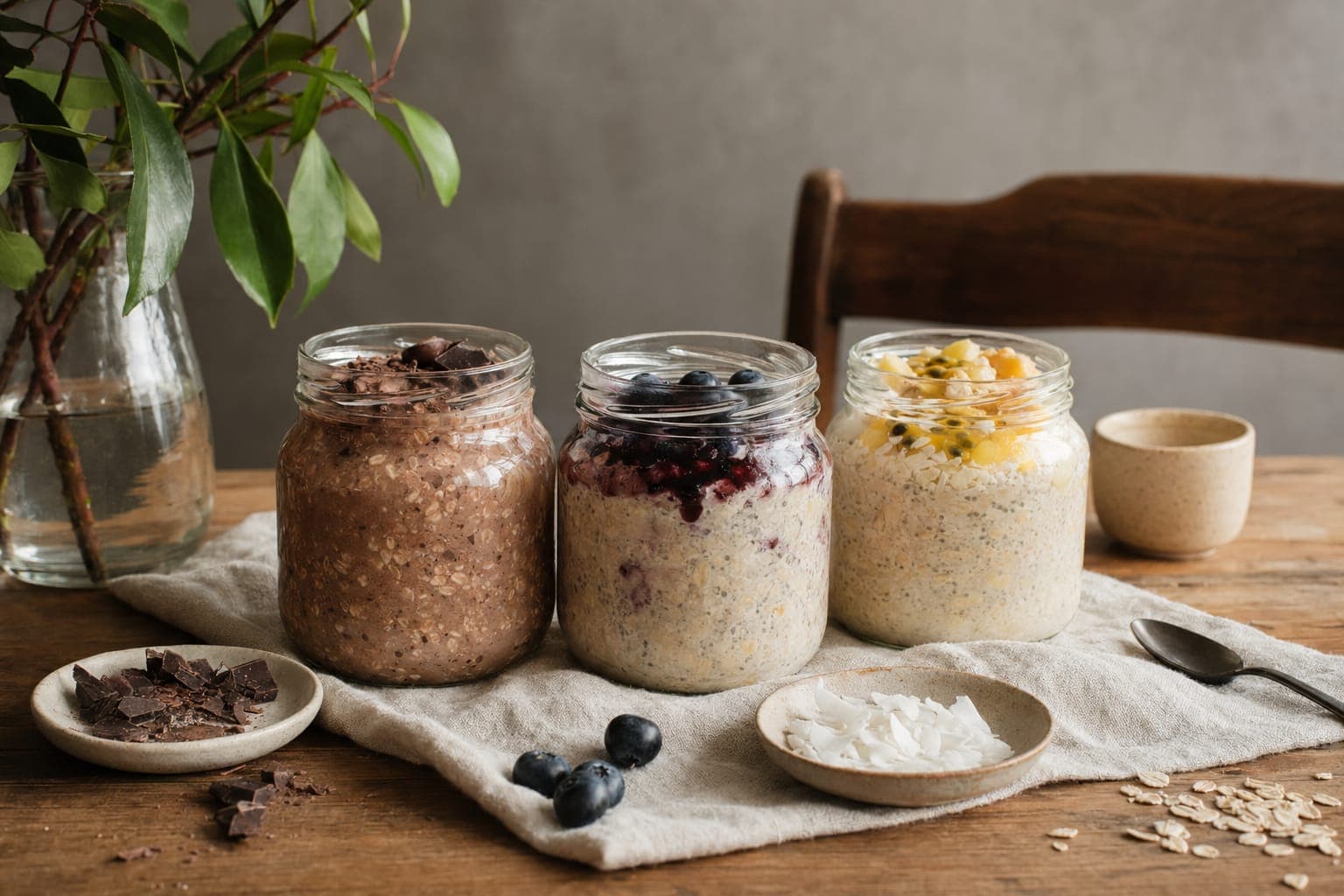
Organised Overnight Oats: 3 Variations
Three delicious overnight oats variations with Organised. Chocolate, berry, tropical flavours. Make them Sunday, eat them all week.


 Join over 100,000+ members
Build a better food system with us
The Organised community is thousands of people choosing real food and backing the farmers who grow it, all of us trying to leave the world a little better than we found it. If that is what you care about too, you belong here.