The Nutrients You Can Only Get from Organ Meats
Some nutrients don't exist in muscle meat at all. Some exist in such minuscule quantities that you could eat kilograms of steak and still be deficient. This is why your ancestors ate organs.

By Niall Kiddle, Founder, Organised

Reviewed by Pedro Rodrigues, Agronomist (farming and sourcing only) ·
7 min read · Published · Updated · 5 cited sources
Makers of the Organised Daily blend, a grass-fed beef organ supplement from regenerative UK farms
Retinol: the usable form of vitamin A
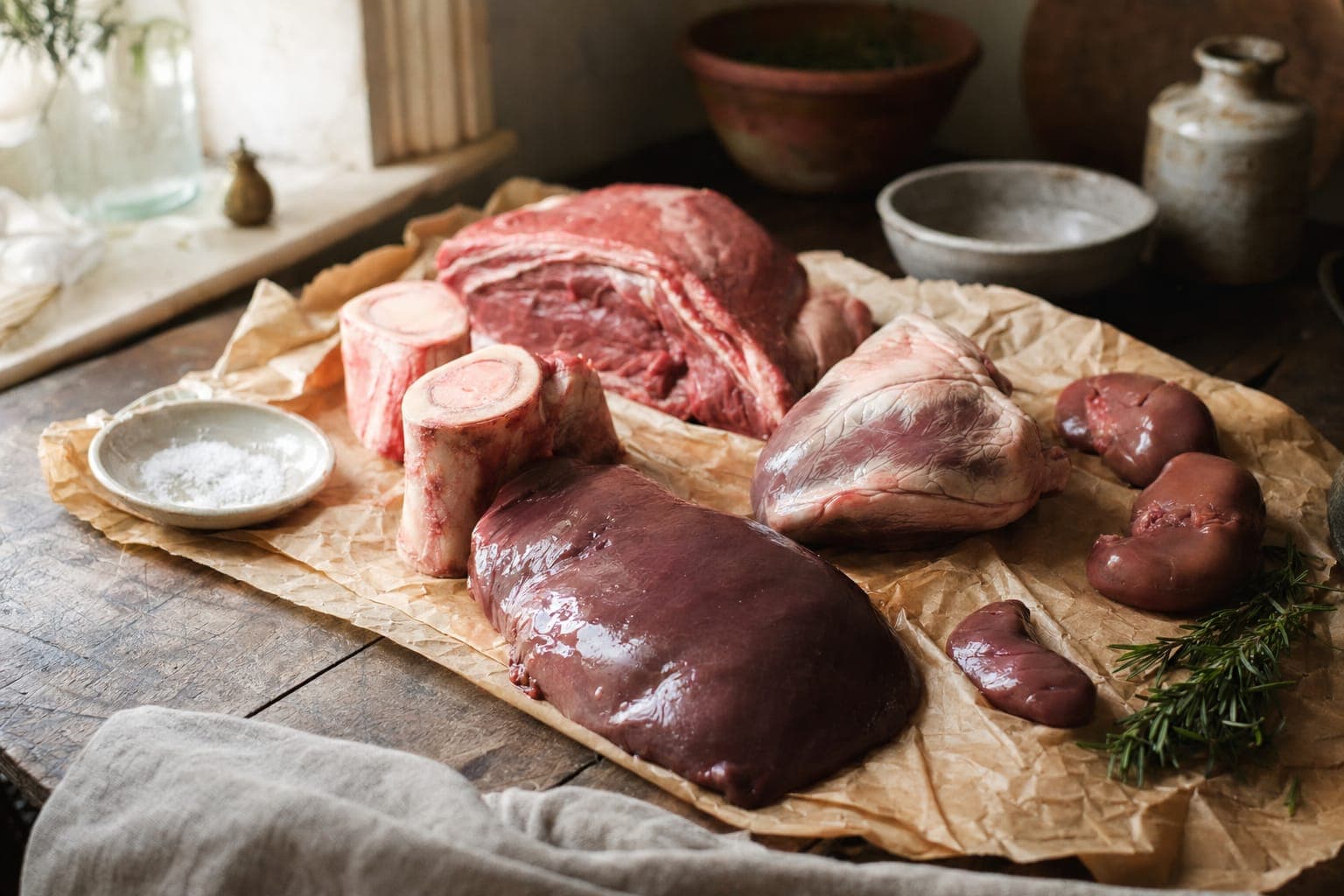
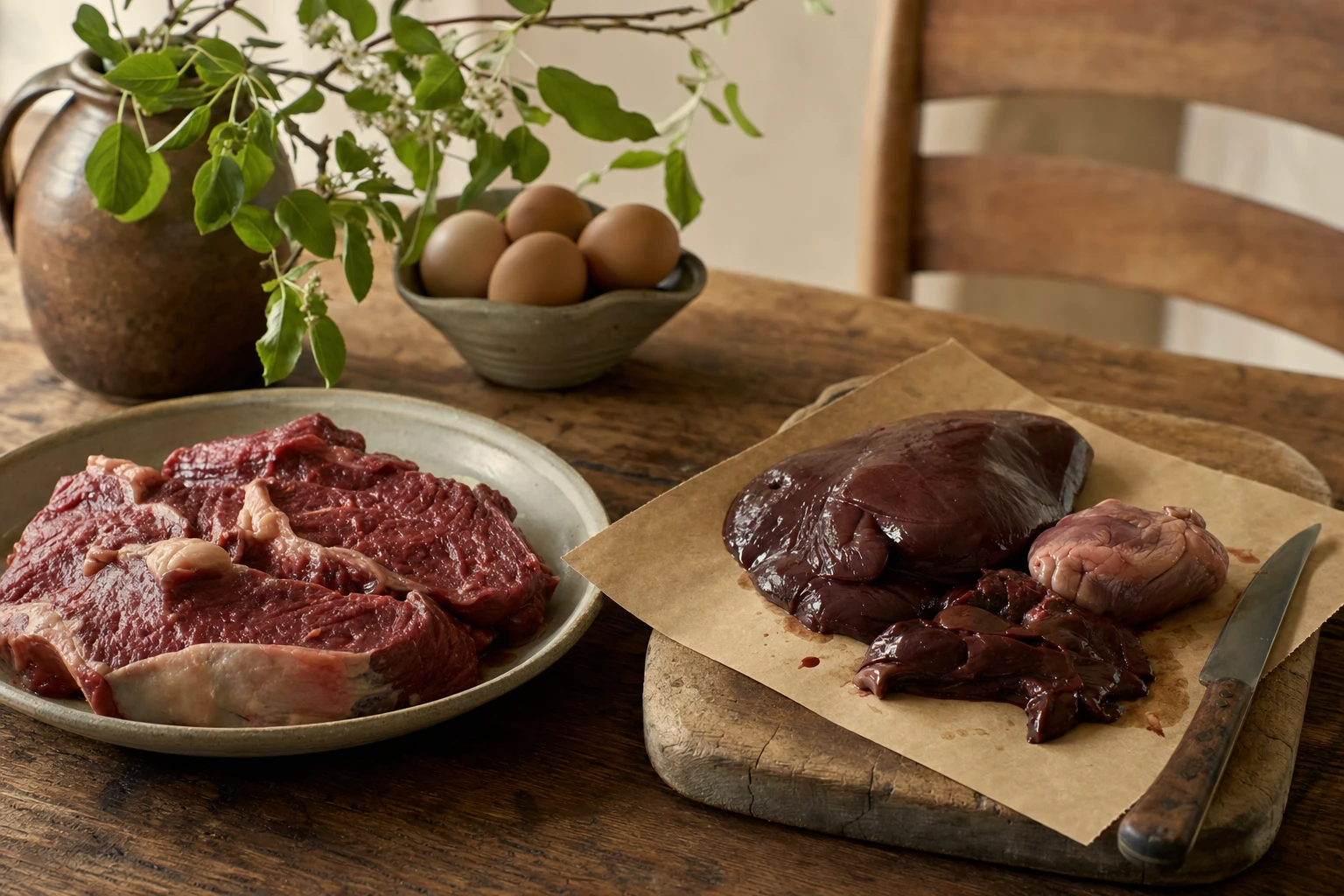
Retinol (active vitamin A) is found almost exclusively in animal organs. Beef liver contains 7,000-10,000 micrograms per 100 grams. Muscle meat contains roughly 10-20 micrograms per 100 grams.1 You'd need to eat 500 kilograms of steak to match one serving of liver.
Plant foods contain beta-carotene, which your body must convert to retinol, a process that's inefficient (3-6% conversion for most people).1 And the conversion efficiency declines with age, diabetes, and other health conditions.
Retinol supports vision, immune function, skin health, and gene expression. Deficiency is widespread but silent. Your eyes don't suddenly go blind; you just develop dry eyes and poor night vision. Your skin doesn't erupt; it just becomes rough and vulnerable. Your immune system doesn't collapse; it just becomes less responsive.
You cannot get adequate retinol from muscle meat or plants. You need organs.
CoQ10: the mitochondrial powerhouse
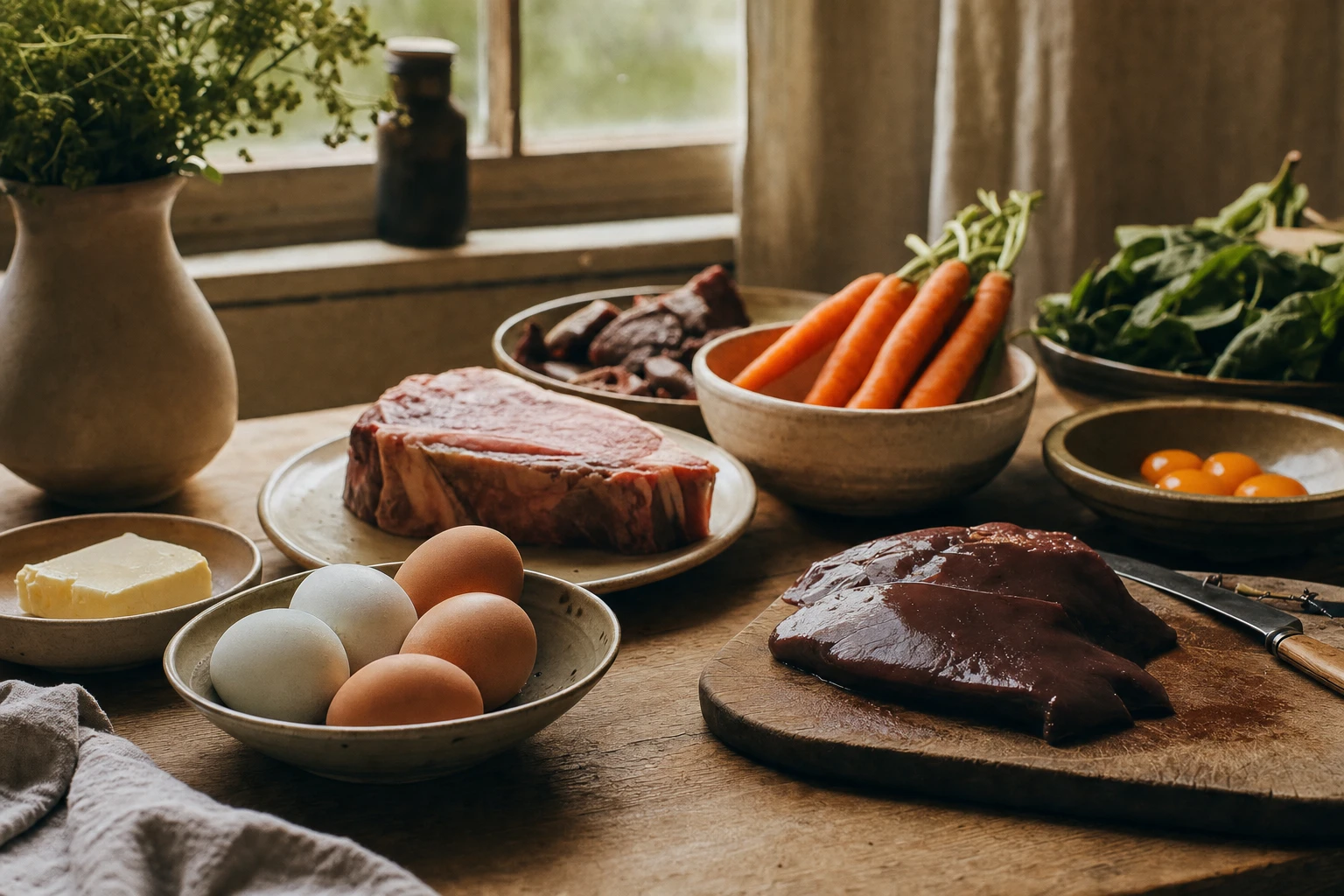
CoQ10 (ubiquinone) is found almost exclusively in organ meats, particularly heart. A 100-gram serving of beef heart contains 3-5 milligrams of CoQ10. Muscle meat contains trace amounts.2 Plant foods have virtually none.
CoQ10 is essential for mitochondrial energy production. It's the electron transporter in the electron transport chain, the fundamental process that converts food into usable energy.3 Without CoQ10, your cells simply don't produce energy efficiently.
CoQ10 supplementation is expensive and doesn't match the bioavailability of CoQ10 from whole food. Heart is the ancestral solution: concentrated CoQ10 in a food matrix that supports absorption.
Everyone focused on energy, athletic performance, or longevity should be eating heart. You can't get equivalent CoQ10 from steak, no matter how much you eat.
Choline: the brain nutrient
Choline is a nutrient your body can synthesise from methionine and serine, but most people don't synthesise enough. Adequate choline is essential for brain health, cell membrane integrity, and fat metabolism.
Beef liver contains 400-500 milligrams of choline per 100 grams. Muscle meat contains 50-100 milligrams. Eggs contain 150 milligrams.4 Plant foods are low.
Deficiency in choline is associated with cognitive decline, fatty liver disease, and increased cardiovascular risk.4 It's one of the most common micronutrient deficiencies in the developed world.
You cannot eat enough muscle meat to meet choline requirements. You need liver or eggs, and liver is more concentrated.

The DAO enzyme: histamine management
DAO (diamine oxidase) is an enzyme that breaks down histamine. It's found almost exclusively in kidney and liver. Muscle meat contains almost none.
Histamine is a natural compound in fermented foods, aged cheeses, cured meats, and certain vegetables. If your DAO status is low, histamine accumulates, causing headaches, digestive distress, anxiety, and skin reactions.
Many people with "histamine sensitivity" don't actually have excessive histamine in their diet; they have inadequate DAO to break down normal amounts. By consuming kidney or liver (which are rich in DAO), you can increase your DAO status and improve your tolerance for fermented foods and aged dairy.
Kidney is particularly concentrated in DAO. A serving of kidney can meaningfully improve your ability to tolerate histamine-containing foods.
Copper, iron, and the trace minerals
Organs are concentrated sources of minerals that muscle meat lacks:
- Copper: Liver contains 10-12 milligrams per 100 grams. Muscle meat contains 0.1-0.2 milligrams. You'd need to eat 100 times as much steak to match liver's copper content.
- Heme iron: Organs contain heme iron in a form your body absorbs efficiently. Muscle meat has some, but organs have more, and the context (supported by copper, vitamin C, and vitamin A) makes absorption better.
- Selenium: Kidney is the richest source of selenium available. Selenium deficiency is widespread in UK soils, leading to low intake across the population.
- Zinc: Organs contain more zinc than muscle meat, and in forms that compete less with other minerals for absorption.
Minerals are cofactors for hundreds of enzymatic reactions. Deficiency in any of them cascades into broader health problems. Organs provide density of these minerals that muscle meat simply cannot match.
The ancestral pattern
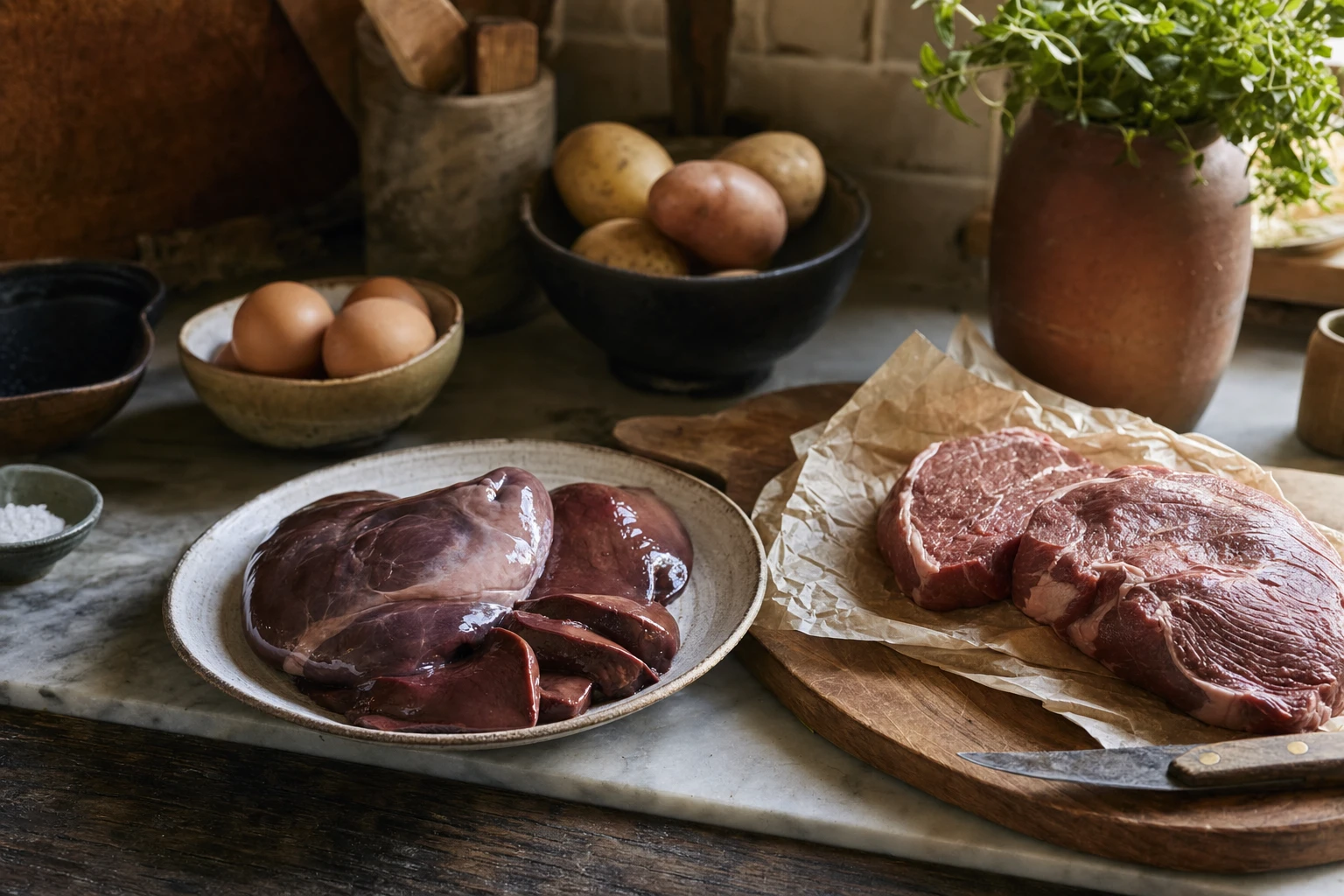
Your ancestors ate organs deliberately. They knew something that modern nutrition science is slowly rediscovering: organs contain nutrients that muscle meat doesn't, and plant foods cannot replace them.
The modern food system sells you muscle meat (cheap to produce, high volume) and convinces you it's complete nutrition. It's not. Muscle meat is protein and some amino acids. Organs are the nutrient systems that make protein useful.
You cannot meet your micronutrient needs on muscle meat alone. You need organs. Or you need to supplement, which is expensive and less bioavailable than whole food.
The bottom line
Retinol, CoQ10, choline, DAO, copper, selenium, and heme iron are found almost exclusively in organ meats. These nutrients are non-negotiable for health. You can't get adequate quantities from muscle meat, and plant-based replacements are either absent or poorly bioavailable.
Eat nose-to-tail. Rotate through organs. Start with liver (highest overall nutrient density), add heart (CoQ10), kidney (selenium and DAO), and spleen (immune support). Your body will thank you immediately, and your long-term health will reflect the difference.
Get ingredient guides like this, free
Two short reads a week on the ingredients that matter and how to actually use them.
By signing up you agree to receive emails from us. No spam, unsubscribe anytime.
Beyond the major nutrients: trace elements and cofactors
The nutrients we've covered (retinol, CoQ10, choline, DAO, copper) are the headliners. But organs contain dozens of other compounds that matter.
Carnosine is found almost exclusively in muscle and organ tissue. It's a dipeptide that acts as an antioxidant, buffers lactic acid in muscles, and supports cognitive function. Beef contains roughly 350 milligrams per 100 grams.5 Plant foods have virtually none.
Anserine is another muscle dipeptide with antioxidant and anti-inflammatory properties. Like carnosine, it's found almost exclusively in meat.
Taurine is synthesised in your body but requires adequate cysteine and methionine to make. Organs and meat provide both precursors and direct taurine. Deficiency is rare but leads to muscle weakness and poor heart function.
Creatine is essential for muscle energy production. Your body makes it, but meat provides it directly in bioavailable form. This matters for muscle strength and cognitive function.
These aren't exotic or rare. They're fundamental compounds your body uses every day. Plant foods simply don't contain them. This is why nose-to-tail eating has always been the pattern in healthy cultures, and why modern diets that exclude animal products struggle to provide the full micronutrient picture.
The synergy between these compounds is also critical. Carnosine works better in the presence of adequate zinc. Taurine synthesis requires B vitamins. Creatine utilisation requires adequate phosphate and ATP production. Eating organ meats provides all of these compounds together, in the ratios your body expects. This is why eating organs is categorically different from taking isolated supplements.

1 of 9
Daily blend
100,000+ thriving families4.9 on Trustpilot
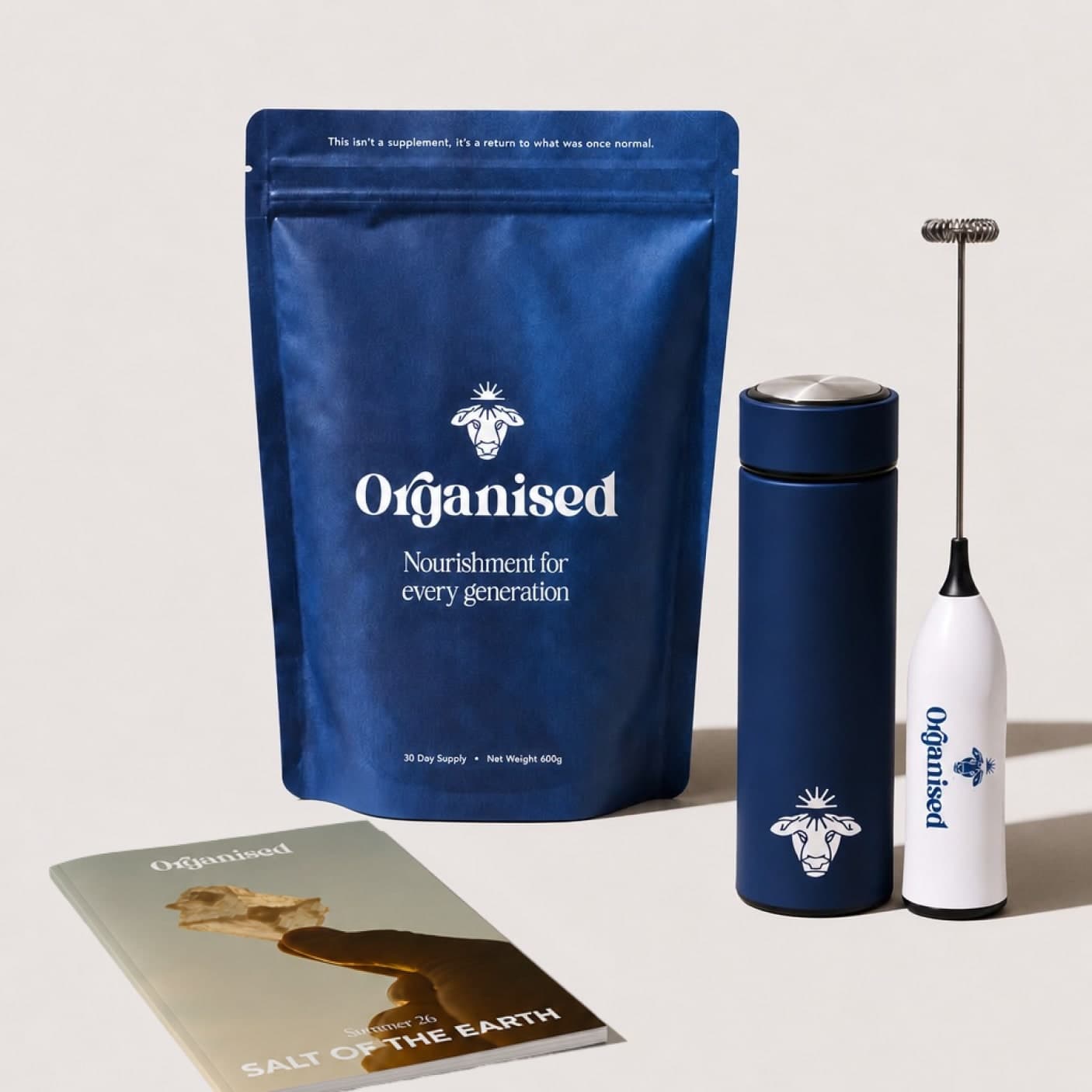
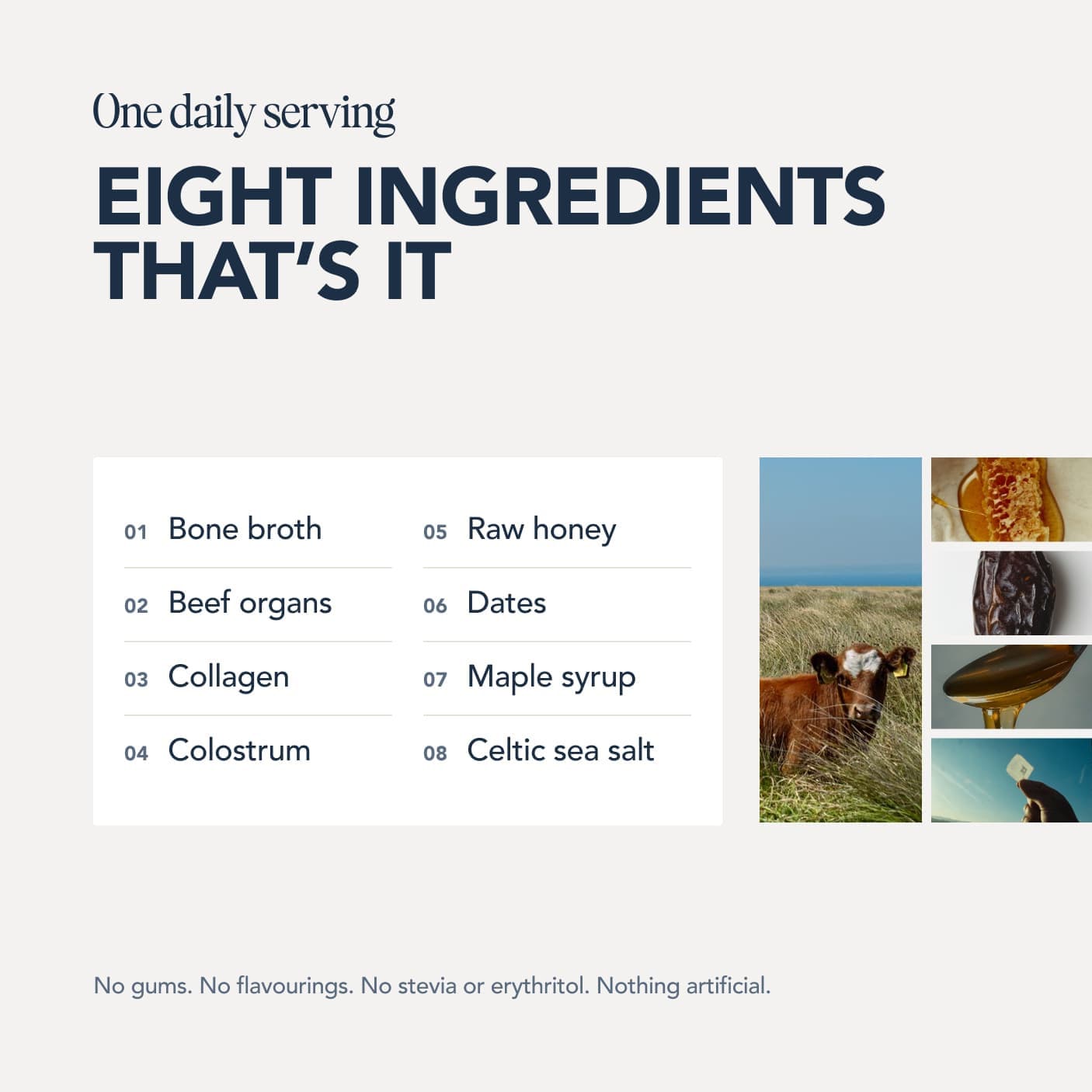
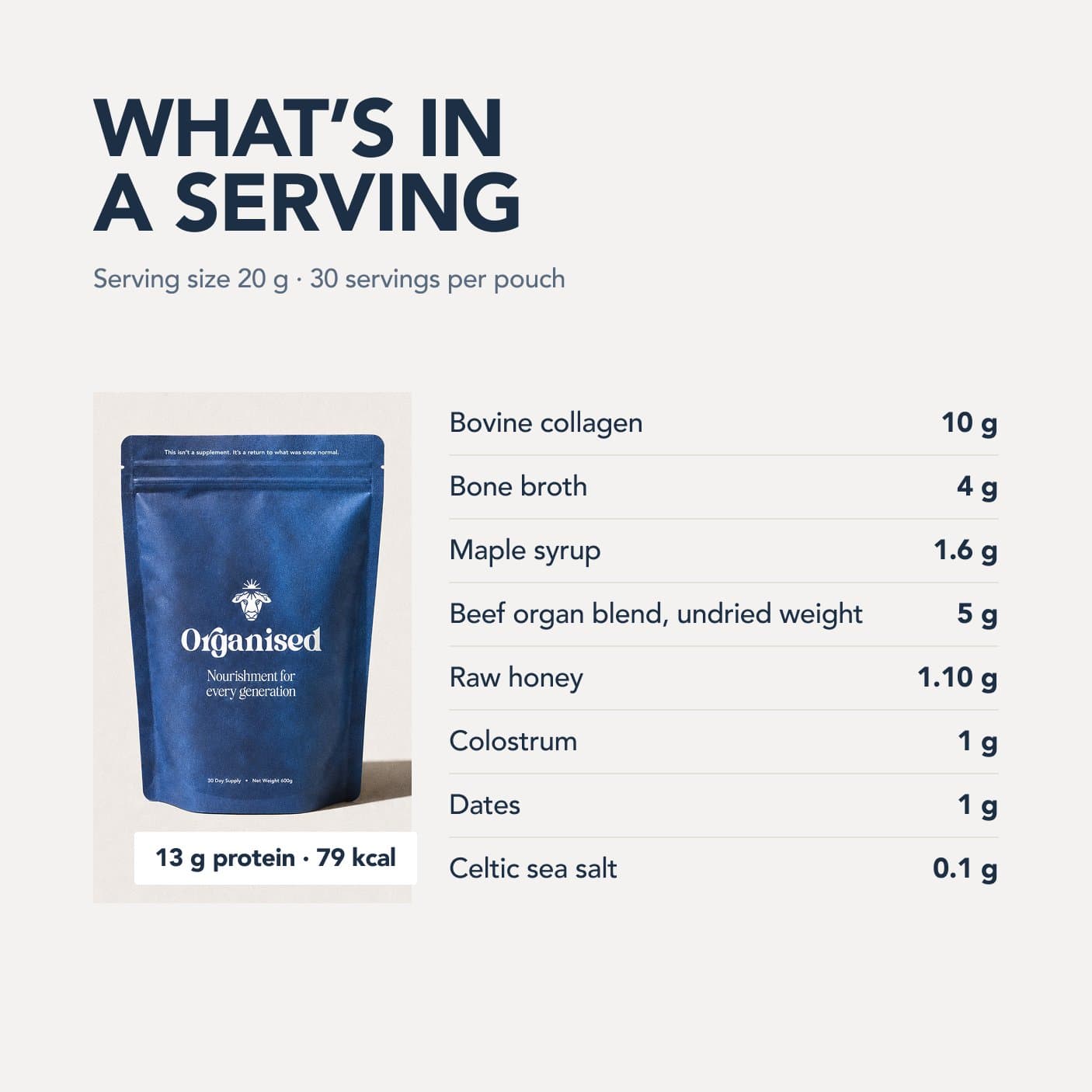
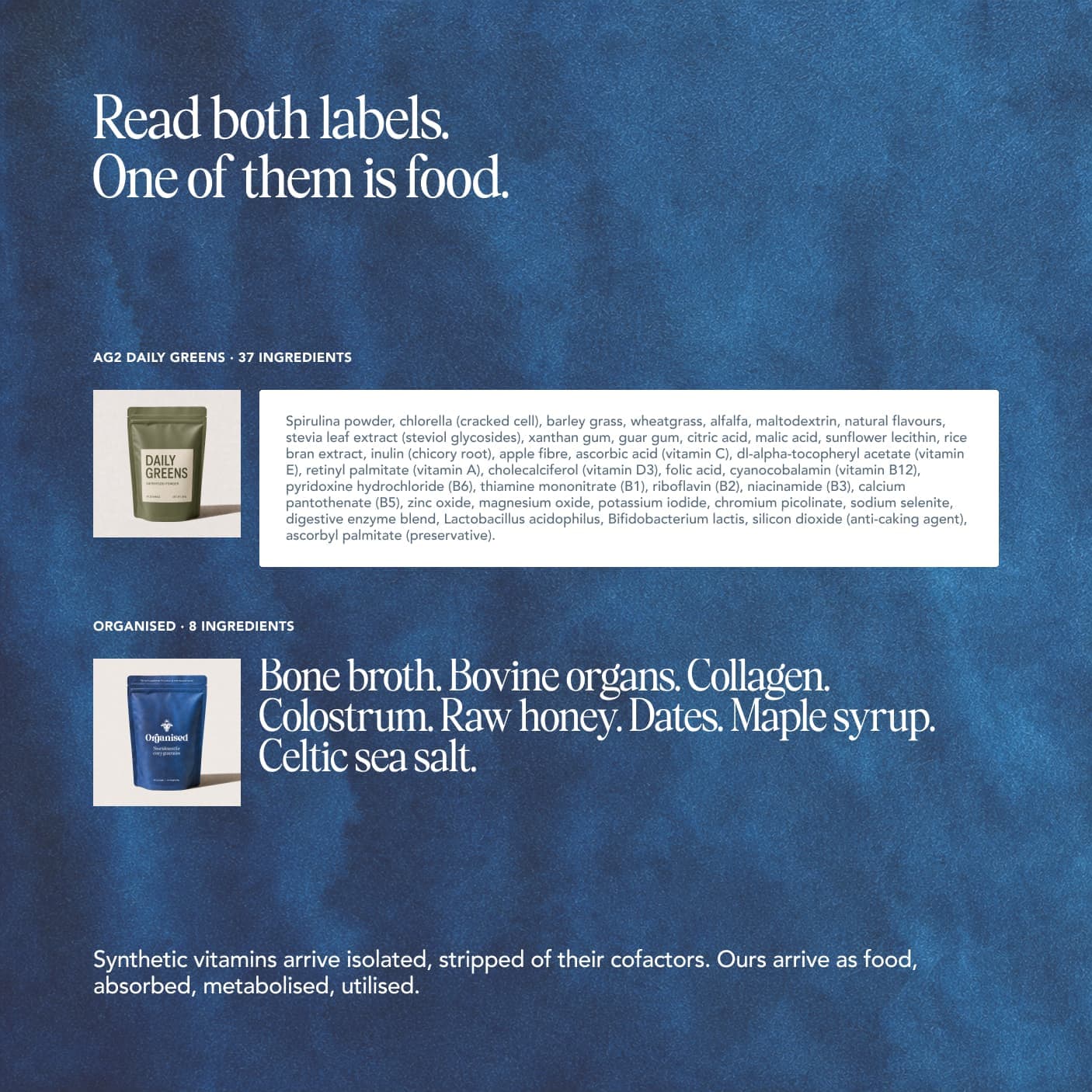
Eight real ingredients built around grass-fed beef organs, collagen and colostrum. Nothing synthetic added.
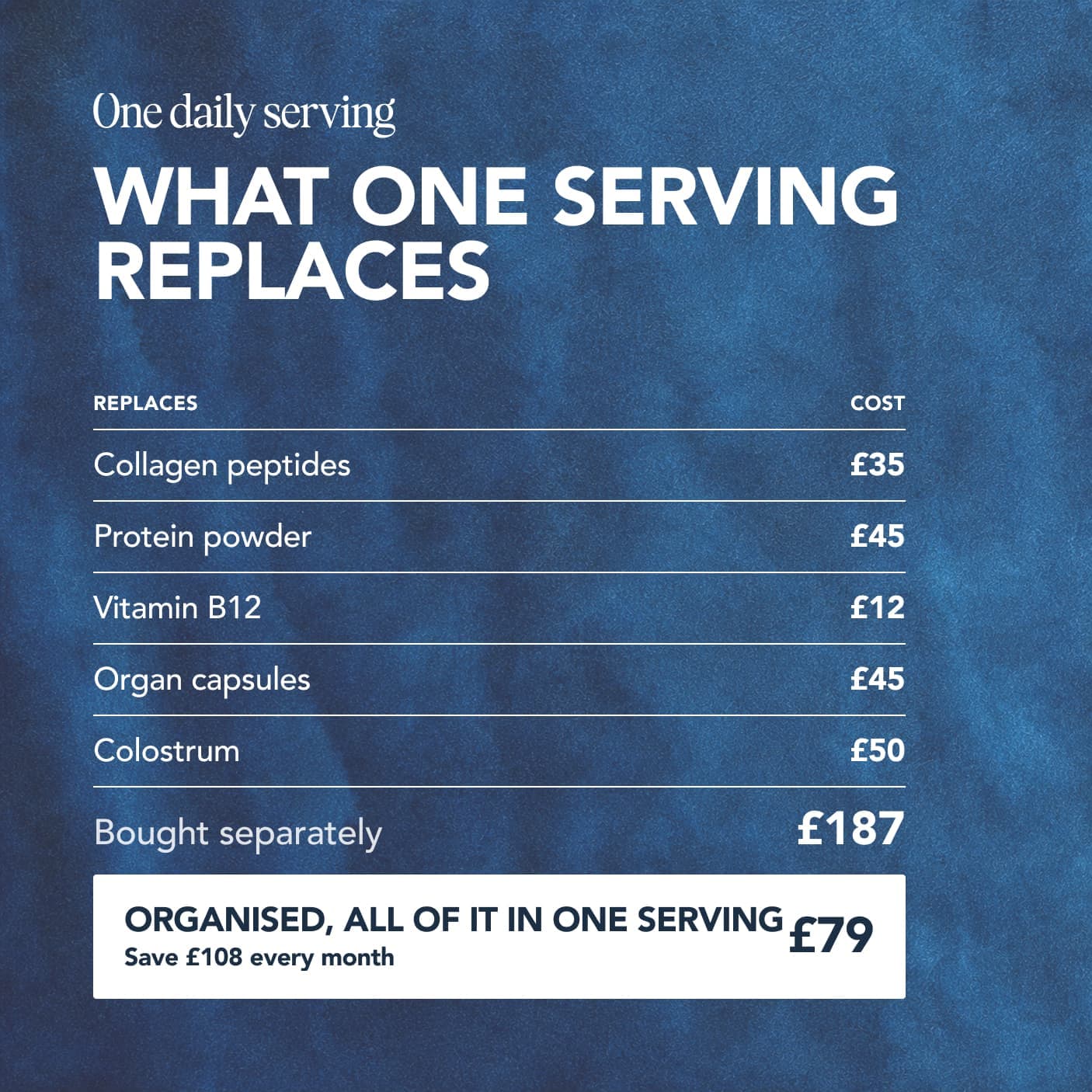
Free with your first order, worth £38. Plus £10 off the pouch with a subscription.

Free UK shipping · Made in England · 100 day money back guarantee on your first pouch · Skip, pause or cancel anytime
How to source organs if whole meat isn't available
Not everyone has access to butchers who sell organs, and not everyone wants to cook them. That's fine. Organ supplements exist for exactly this reason.
The key is choosing supplement forms that preserve nutrient density. Freeze-dried organs are the best option because the freezing process preserves heat-sensitive nutrients (some B vitamins, cofactors) that would be damaged by heat drying. A 100mg serving of freeze-dried liver contains nutrients comparable to a serving of whole liver, just in concentrated form.
Ground organs in capsules are also good, though slightly less concentrated than freeze-dried (because the processing temperature is higher). They're easier to swallow if you dislike the taste or texture of organs.
Bone broth is a way to access some organ benefits without eating organs directly, though it's less concentrated. Bone broth provides collagen, minerals, and amino acids. It's not a replacement for organs, but it's a useful addition.
Avoid heat-dried, powdered organs. The high-temperature drying process damages heat-sensitive nutrients and cofactors. You're paying for organ nutrition but getting a diminished product.
The question of palatability
Let's be honest: organs taste different from steak. Liver is intense, salty, and mineral-rich. Heart is milder. Kidney is stronger and requires soaking in milk before cooking if you find the taste overwhelming. Spleen is mild and slightly sweet.
If you're a newcomer to organs, start with heart. Cook it simply: slice it, season it with salt and pepper, sear it briefly in butter. It tastes more like meat than liver does.
Then try liver, but prepare it well. A simple recipe: slice liver thin, dust it with flour, sear it hard in hot butter until the surface is coloured but the inside is still soft (overcooked liver is rubbery). The hard sear develops flavour and the quick cooking keeps it tender.
Your taste buds adapt. Organs taste strange the first time. By the third or fourth time, your body recognises them as food and the taste becomes normal. Stick with it.
If you truly can't tolerate whole organs, supplements are a legitimate alternative. The nutrient profile is there. Your body will benefit. It's not ideal (whole food has cofactors and synergy that supplements lack), but it's far better than avoiding organs entirely.
Organ supplements vs whole organs
A common question: are organ supplements as good as whole organs?
The honest answer is almost, but not quite. Whole organs have cofactors, mineral interactions, and subtle nutrient relationships that we don't fully understand yet. A supplement captures the main nutrients but misses some of the complexity.
That said, a high-quality organ supplement is vastly better than no organs at all. And it's certainly better than muscle meat, which lacks these nutrients entirely.
If you can eat whole organs, do it. If you can't or won't, supplements are a legitimate strategy. The nutrients are there. Your body will use them.
References
Every source below was checked on 27 August 2026. Each PubMed, PMC and DOI identifier was resolved against NCBI or Crossref, and what it opens is printed under the citation, so you can see the link goes where the citation says without leaving the page. Where a citation and its identifier disagreed, the citation was corrected to the record or the reference was deleted along with the sentence marker that pointed at it, and where the resolved paper turned out not to support the sentence, the sentence was cut back to what it does support. Borrowed authority is worse than none, because it looks like rigour.
- National Institutes of Health Office of Dietary Supplements. Vitamin A and Carotenoids - Health Professional Fact Sheet. NIH ODS Vitamin A.
- Pravst I et al. Coenzyme Q10 contents in foods and fortification strategies. PMC3178961.Checked 27 August 2026: PMC3178961 opens Saini R, Coenzyme Q10: The essential nutrient. J Pharm Bioallied Sci 2011;3(3):466-7.
- Saini R. Coenzyme Q10: The essential nutrient. J Pharm Bioallied Sci. PMC3178961.Checked 27 August 2026: PMC3178961 opens Saini R, Coenzyme Q10: The essential nutrient. J Pharm Bioallied Sci 2011;3(3):466-7.
- National Institutes of Health Office of Dietary Supplements. Choline - Health Professional Fact Sheet. NIH ODS Choline.
- Boldyrev AA et al. Physiology and pathophysiology of carnosine. Physiol Rev. PubMed PMID: 24137022.Checked 27 August 2026: PMID 24137022 opens Boldyrev AA, Aldini G, Derave W, Physiology and pathophysiology of carnosine. Physiol Rev 2013;93(4):1803-45. PubMed indexes it as: Review.
Who wrote and reviewed this guide
Niall Kiddle
Author · Founder, Organised
Niall is the founder of Organised. He started the company in 2024 after fixing his own health the slow way: in 2022 he swapped a cupboard of synthetic supplements for real food, raw milk, organ meats, bone broth and honey, and felt the difference within months.
Areas of expertise: Ancestral nutrition, Organ meats, Whole-food supplementation, Gut health, Regenerative sourcing
Read Niall's full profile
Pedro Rodrigues
Reviewer · Agronomist (farming and sourcing only)
Pedro is the agronomist Organised works with on farming and sourcing. His job on the guides is to keep the science honest: he reviews what we publish about soil health, regenerative agriculture, grazing and the way food is actually produced.
Areas of expertise: Regenerative agriculture, Agronomy, Soil health, Grass-fed farming, Food sourcing
Reviewed this guide on
Read Pedro's full profileMore on beef organs
View all- The Complete Guide to Beef Organ Supplements
- Are Beef Organs Safe? Everything You Need to Know
- Beef Heart: The Organ Your Mitochondria Have Been Waiting For
- Beef Lung: What It Contains and Why It Matters
- Benefits of Beef Organ Supplements: Nature's Multivitamins
- Choline: The Essential Nutrient Almost Nobody Gets Enough Of
- Freeze-Dried vs Fresh Organs: Does the Method Matter?
- How Much Vitamin A Is in Beef Liver? (And Is It Too Much?)
- Is Beef Liver Good for You? 7 Benefits of Eating Beef Liver
- Spleen: The Forgotten Organ That Powers Your Immune System
- What Does Beef Liver Actually Do for Your Body?
- Why Beef Kidney Deserves a Place in Your Daily Routine
Browse the guides library
All guidesKeep reading
Ingredients
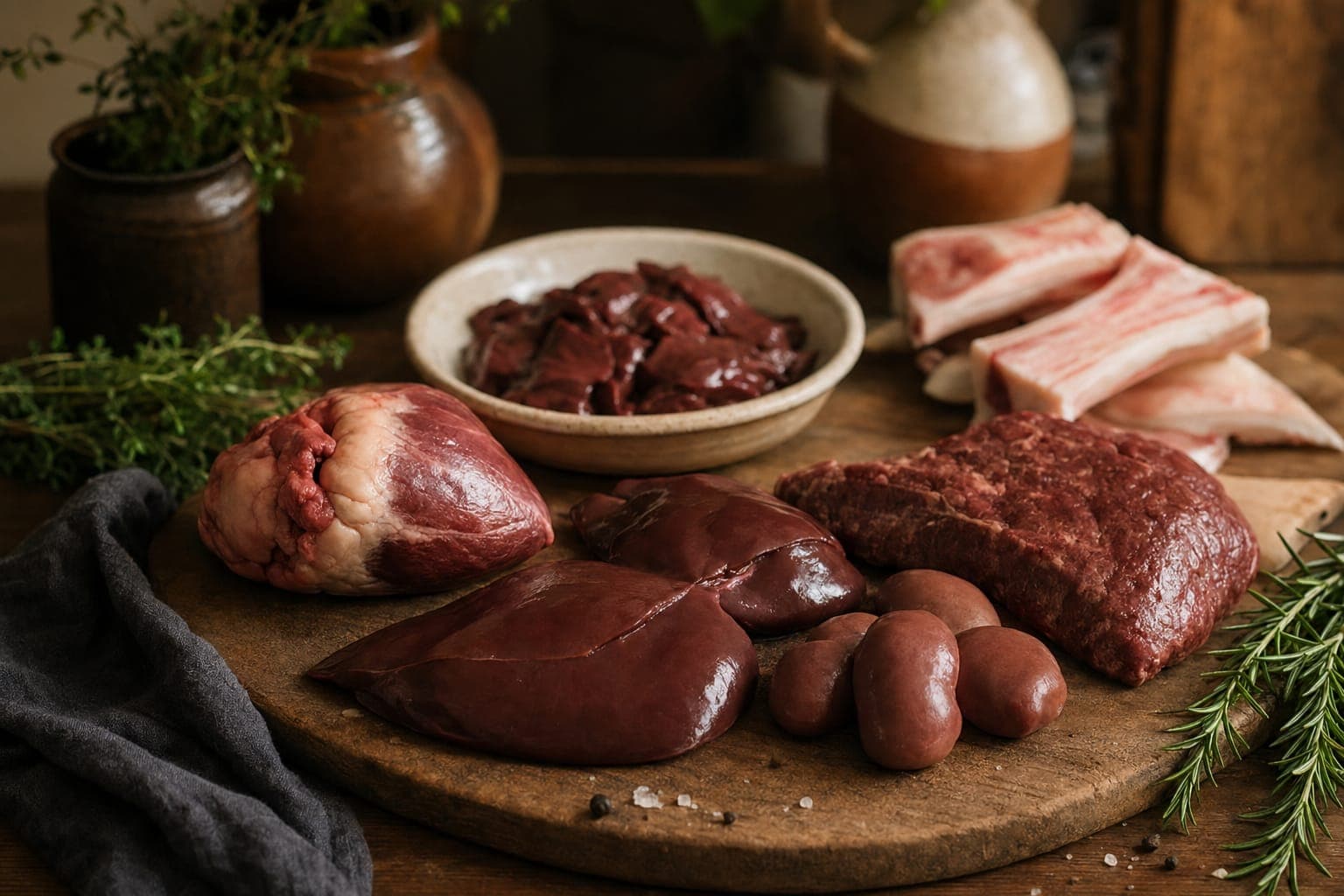
The Complete Guide to Beef Organ Supplements
Beef organ supplements explained from the composition data: what each organ carries, how they compare to muscle meat, and the vitamin A ceiling that limits the dose.
Ingredients
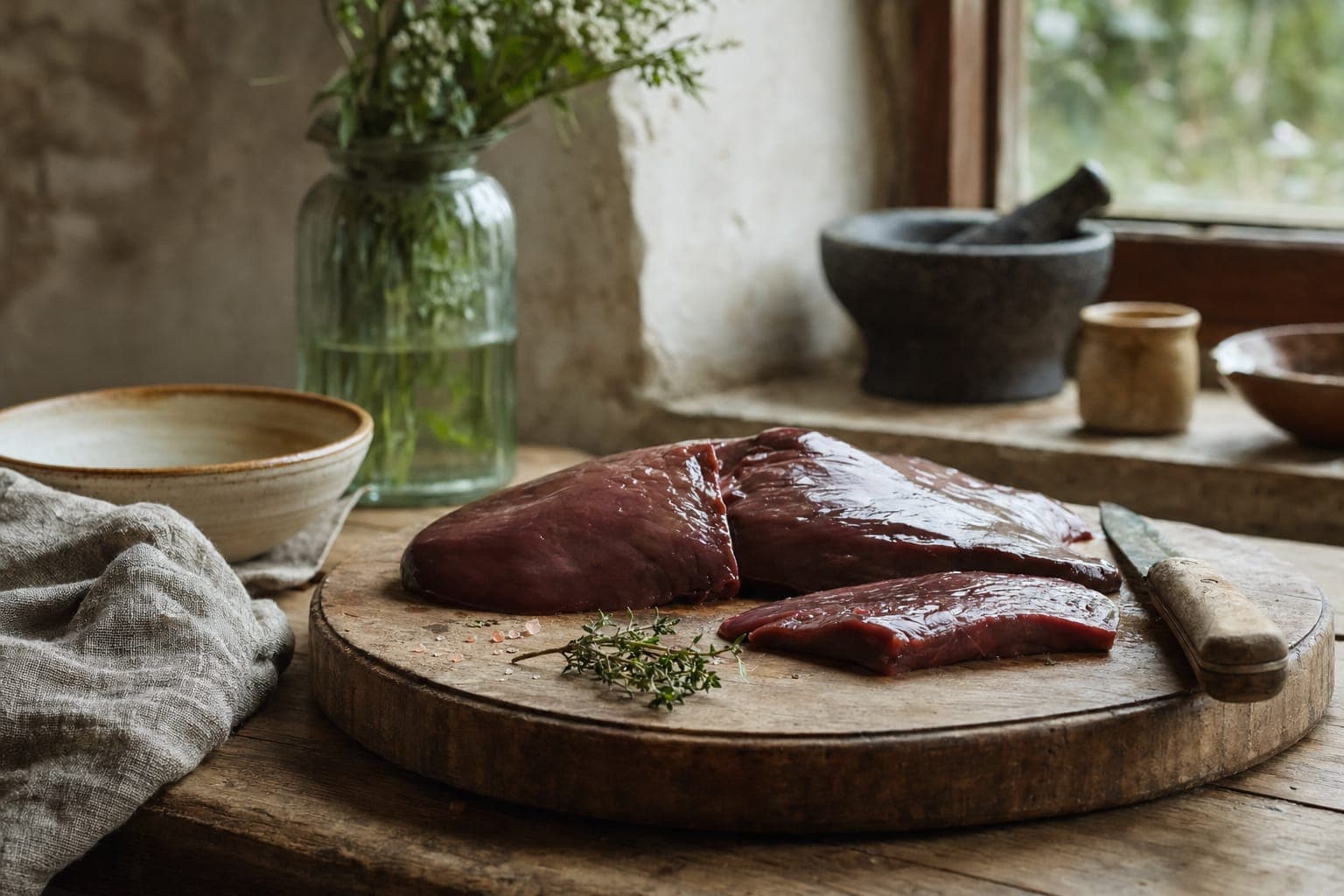
What Does Beef Liver Actually Do for Your Body?
What does beef liver actually contain? Retinol, B12, folate, iron, choline. Plus why the toxin myth is completely wrong.
Ingredients
Can Adults Benefit from Colostrum? (It's Not Just for Calves)
Colostrum isn't just for calves. Adults with compromised gut barriers, weak immunity, or intense training can benefit. Here's what the science actually shows.
Real food, made effortless
Try the organ blendA few ways to use it
All recipes
5-Minute High-Protein Breakfasts Using Organised
Quick, high-protein breakfast ideas using Organised. Five recipes you can make in minutes with real food. No fussing around.

Organised Smoothie Bowl Recipes for Every Season
Four seasonal smoothie bowl recipes using Organised. Berry in summer, apple-cinnamon in autumn, tropical in spring, warming chocolate in winter.
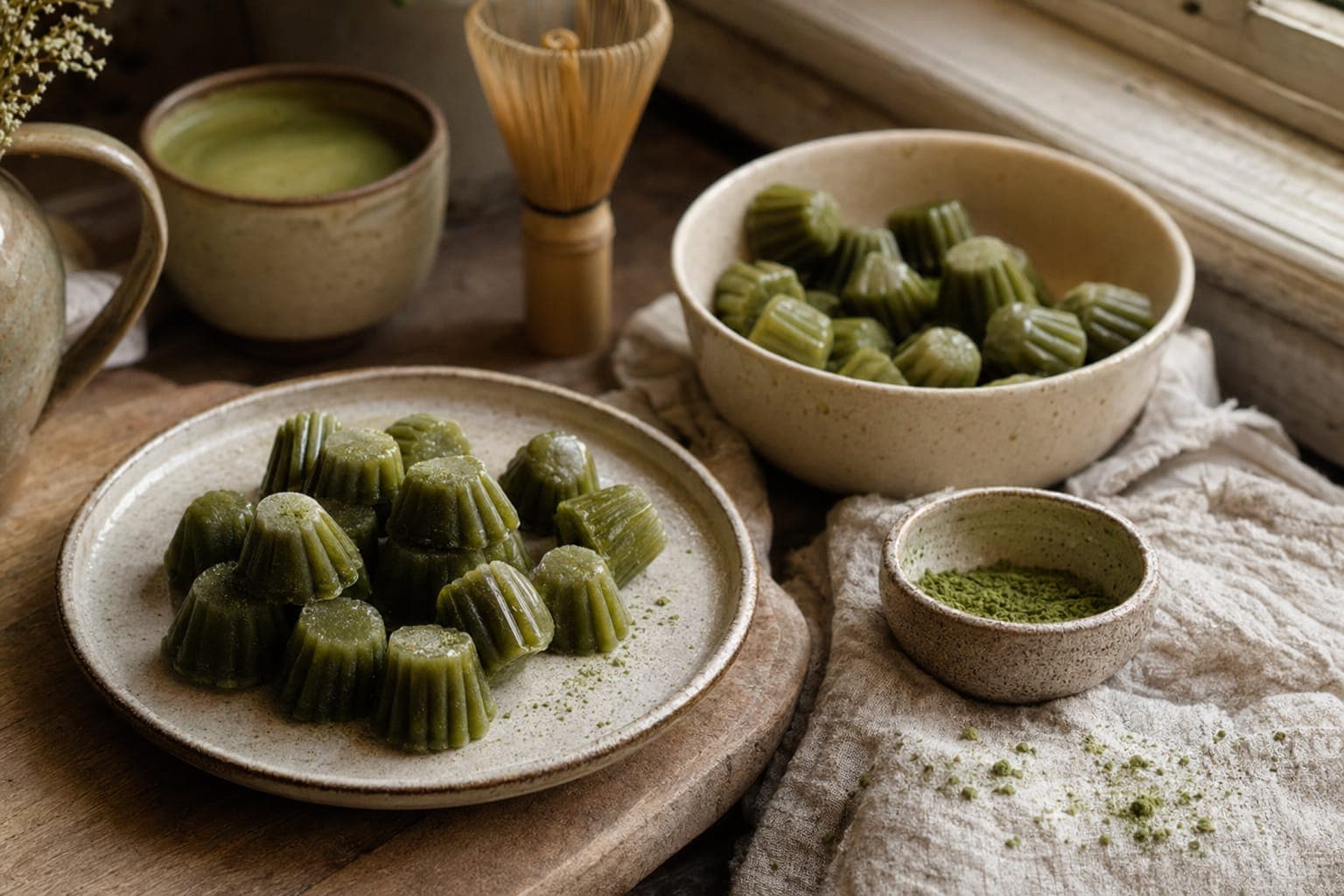
Matcha Latte Gummies with Collagen and Gelatine
Make visually stunning matcha latte gummies infused with collagen and gelatine. Simple recipe for gut-healing sweets you'll actually want to eat.


 Join over 100,000+ members
Build a better food system with us
The Organised community is thousands of people choosing real food and backing the farmers who grow it, all of us trying to leave the world a little better than we found it. If that is what you care about too, you belong here.