What Happens When You Take Collagen Every Day for 90 Days?
The problem with most collagen claims is they're either exaggerated or vague. "Better skin!" But when? How much better? What if you stay consistent for the full 90 days? Here's what actually happens.

By Niall Kiddle, Founder, Organised

Reviewed by Pedro Rodrigues, Agronomist (farming and sourcing only) ·
7 min read · Published · Updated · 4 cited sources
Makers of the Organised Daily blend, a grass-fed beef organ supplement from regenerative UK farms


Weeks 1-2: the baseline phase
The first two weeks are about establishing consistency. You're not going to notice much. Your body is absorbing the collagen peptides, breaking them down, and incorporating the amino acids into your circulation, but the effects are still too subtle to feel.
What you might notice: zero digestive distress if you chose well. A good collagen peptide dissolves completely in warm liquid and has no taste. If you're experiencing bloating or flavour issues, you've chosen a lower-quality product.
What you shouldn't expect: skin changes, energy changes, joint improvements. The collagen is working, but the timeframe is too short. Don't give up now.
Weeks 3-4: first subtle signs
By week three, you might notice your skin feels slightly hydrated. Not dramatically. Just slightly. You might wake up and notice your skin isn't as dull as usual. You might notice your hair feels slightly thicker when you run your fingers through it, but it's subtle.
Some people notice improved recovery from training around week 3-4. Joint soreness decreases slightly. Sleep might improve, though this is less common and might be placebo.
What you still shouldn't expect: visible wrinkle reduction, dramatic energy changes, or significant joint pain relief. These take longer.
Week 3-4 is when you start believing the collagen might actually work. The changes are real but subtle. Easy to dismiss.
Weeks 5-8: tangible improvements
By week five, the changes become harder to dismiss. Skin hydration is noticeably improved. Your face looks plumper, smoother. Fine lines become less prominent.2 You might notice you need less moisturiser than before.
Hair visibly thickens. This is one of the most noticeable changes.3 Your hair looks fuller, feels stronger, and you might notice less shedding when you wash it.
Joint pain decreases noticeably if you had any. Training recovery improves. You feel less sore 24-48 hours post-training.
Some people report improved digestion around week 6-8. If you had bloating or gut distress, it might decrease. This is especially true if you have a compromised gut lining, which collagen actively repairs.
Sleep quality often improves by week 5-8. Not dramatically, but you might wake up more rested.

Weeks 9-12: visible transformation
By week nine, the changes are undeniable. Your skin looks noticeably firmer. Fine lines are less prominent. Your complexion is brighter. You might get compliments on your skin without mentioning collagen.
Your hair is visibly thicker and shinier. The transformation is significant enough that people might ask if you've changed your hair routine.
Nails become stronger and less brittle. This is a bonus nobody mentions much, but it happens. Your nails grow faster and break less frequently.
Joint pain, if present, has decreased significantly. Training feels easier. Recovery is noticeably faster.
Energy and mental clarity often improve by week 9-12. This might be indirect (better sleep, improved gut health, reduced inflammation) rather than collagen specifically, but the net effect is positive.
By week 9-12, collagen has worked its way into your skin, joints, and connective tissue. The transformation is visible and undeniable.
What doesn't change
Collagen doesn't change your face shape. It improves skin quality and firmness, but if you have structural features you don't like, collagen won't change them.
Collagen doesn't reverse sun damage. It can reduce fine lines and improve texture, but deep wrinkles and severe sun damage require more aggressive intervention.
Collagen doesn't cure hair loss caused by genetics or hormones. It improves the quality of existing hair and might slow loss, but it won't regrow hair that genetics is determined to shed.
Collagen doesn't eliminate cellulite. It might improve the appearance slightly by improving skin firmness, but cellulite is a structural feature that requires other interventions.
Collagen doesn't cure joint disease. It supports joint health and reduces pain from normal wear and tear, but it won't rebuild a joint destroyed by severe osteoarthritis.

To maximise the 90-day window
Take it consistently. Every single day. The timeline above assumes daily supplementation. Skip days and the timeline extends.
Pair it with vitamin C. At least 500 mg daily from food or supplement. Vitamin C is a cofactor for collagen synthesis. Without it, the effect is diminished.1
Get adequate sleep. Collagen synthesis happens during sleep. Six hours is minimal; aim for seven or more.
Manage stress. Cortisol breaks down collagen. High stress undermines the supplement.
Protect from sun. UVB damage breaks down collagen faster than supplementation can rebuild it. Sunscreen matters.
Eliminate obvious gut irritants. If you're supplementing collagen while eating foods that inflame your gut (seed oils, excess sugar, glyphosate-sprayed crops), you're fighting against yourself.
Weeks 4-6: Deeper skin changes begin
By week 4, consistent collagen supplementation reaches systemic levels. You'll notice your skin feels different, more resilient, less prone to breakouts. Fine lines soften noticeably. Hair and nails improve significantly.
Get ingredient guides like this, free
Two short reads a week on the ingredients that matter and how to actually use them.
By signing up you agree to receive emails from us. No spam, unsubscribe anytime.
Weeks 7-12: Compound effects accelerate
Joint pain (if present) often starts improving around week 8. Digestion improves as your gut lining strengthens. Sleep quality often deepens. These changes compound, better sleep leads to better recovery, which amplifies collagen's effects on skin and joints.
Beyond 90 days: the plateau and maintenance
Most benefits plateau around the 12-week mark. You won't see dramatic new changes, but benefits consolidate. Maintaining daily collagen (10-15 grams) keeps these improvements locked in.4 If you stop, benefits fade over 4-6 weeks as your body depletes the supplemented collagen.
Week 1-2: Initial adjustment phase
First week, your digestive system adjusts to collagen supplementation. Some people experience mild bloating, this resolves by day 3-5. Most people report no side effects. Start with 10 grams daily and work up to your full dose (15-20 grams) by day 4-5.
Week 3-4: The first visible changes
By week 3, skin hydration improves noticeably. Fine lines around the eyes soften. If you have joint pain, week 3-4 is when you first notice reduced stiffness, particularly after exercise. Hair texture improves, less breakage, more shine. These changes accelerate through week 4.
Reality check: what collagen can and cannot do
Collagen is powerful, but it's not magic. It cannot eliminate deep wrinkles (though it softens fine lines), reverse severe joint damage, or replace a healthy lifestyle. It's most effective as part of a comprehensive approach: whole foods, sun protection, stress management, and sleep. Combined with these, collagen's benefits are dramatic and measurable.
Supporting collagen with complementary nutrients
Collagen's effectiveness amplifies when combined with supporting nutrients: vitamin C (needed to cross-link collagen), silica (supports collagen structure), hyaluronic acid (attracts water to skin). Most people see better results from collagen + these supporting nutrients than from collagen alone. The combined protocol accelerates results by roughly 2-3 weeks.
Measuring your progress: how to track results
Track skin by taking mirror photos weekly (same lighting, same time of day). Measure joint improvements by testing range of motion or pain level with specific movements. Monitor hair and nail growth (they'll visibly strengthen by week 6). Keep a simple journal noting energy, sleep quality, and recovery. By day 90, the differences are objective and measurable.
Common mistakes and how to avoid them
Mistake 1: Using insufficiently pure collagen or collagen mixed with other supplements. Buy single-ingredient collagen peptides from reputable grass-fed sources. Mistake 2: Not maintaining consistency. Collagen benefits require daily dosing for at least 8 weeks. Sporadic supplementation produces no measurable results. Mistake 3: Forgetting to support collagen with vitamin C and basic lifestyle (sleep, nutrition, sun protection). Collagen works best with these supporting factors.
1 of 9
Daily blend
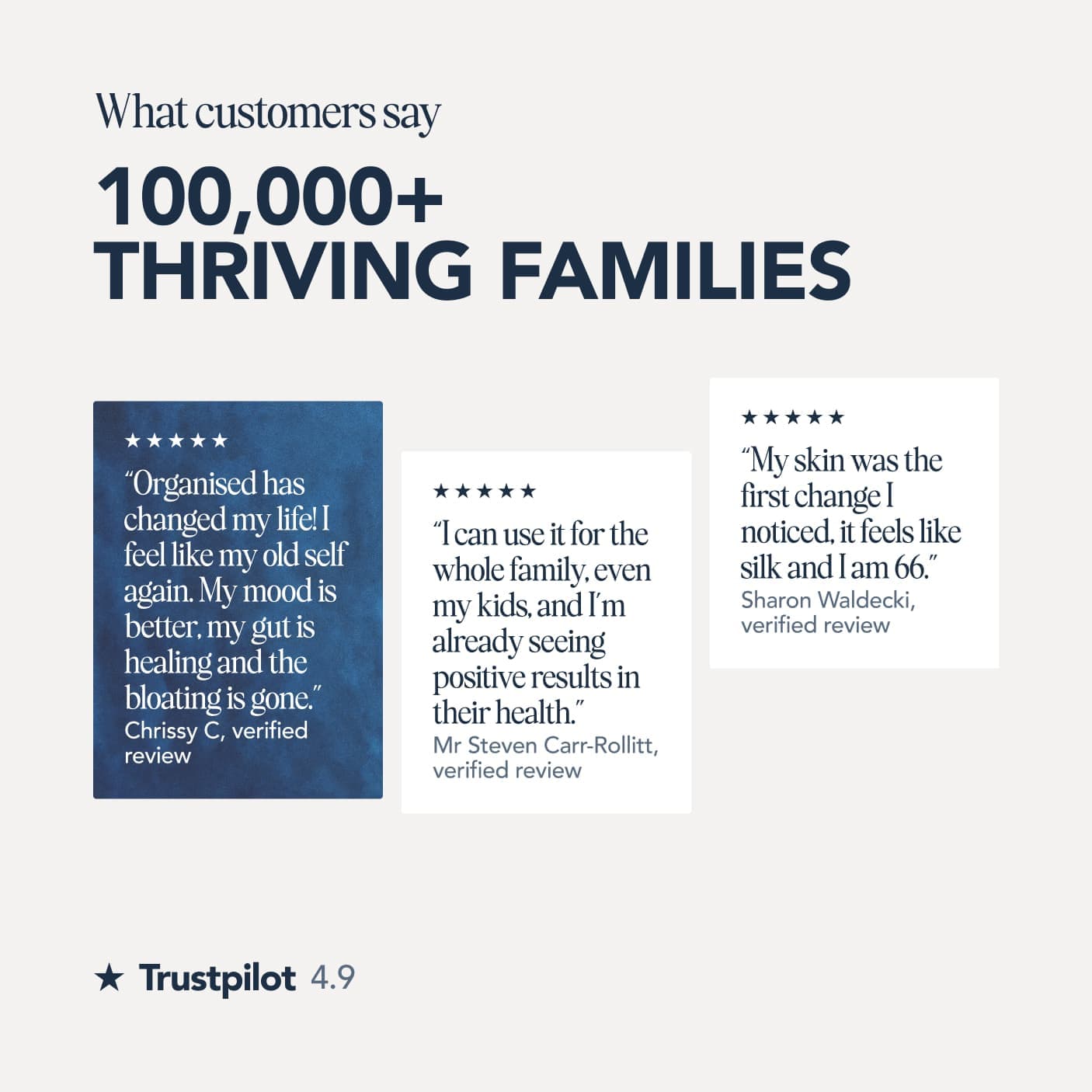
100,000+ thriving families4.9 on Trustpilot
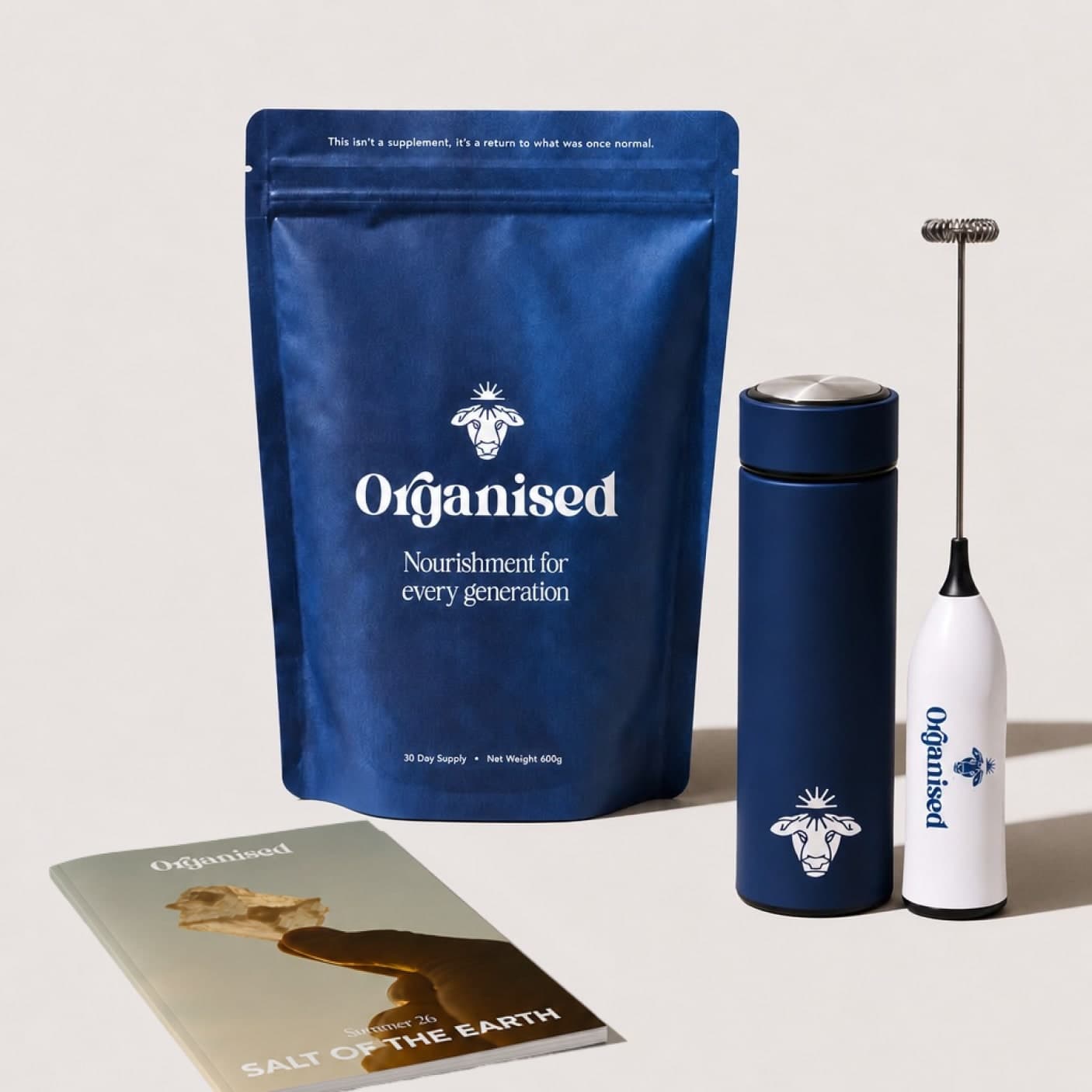
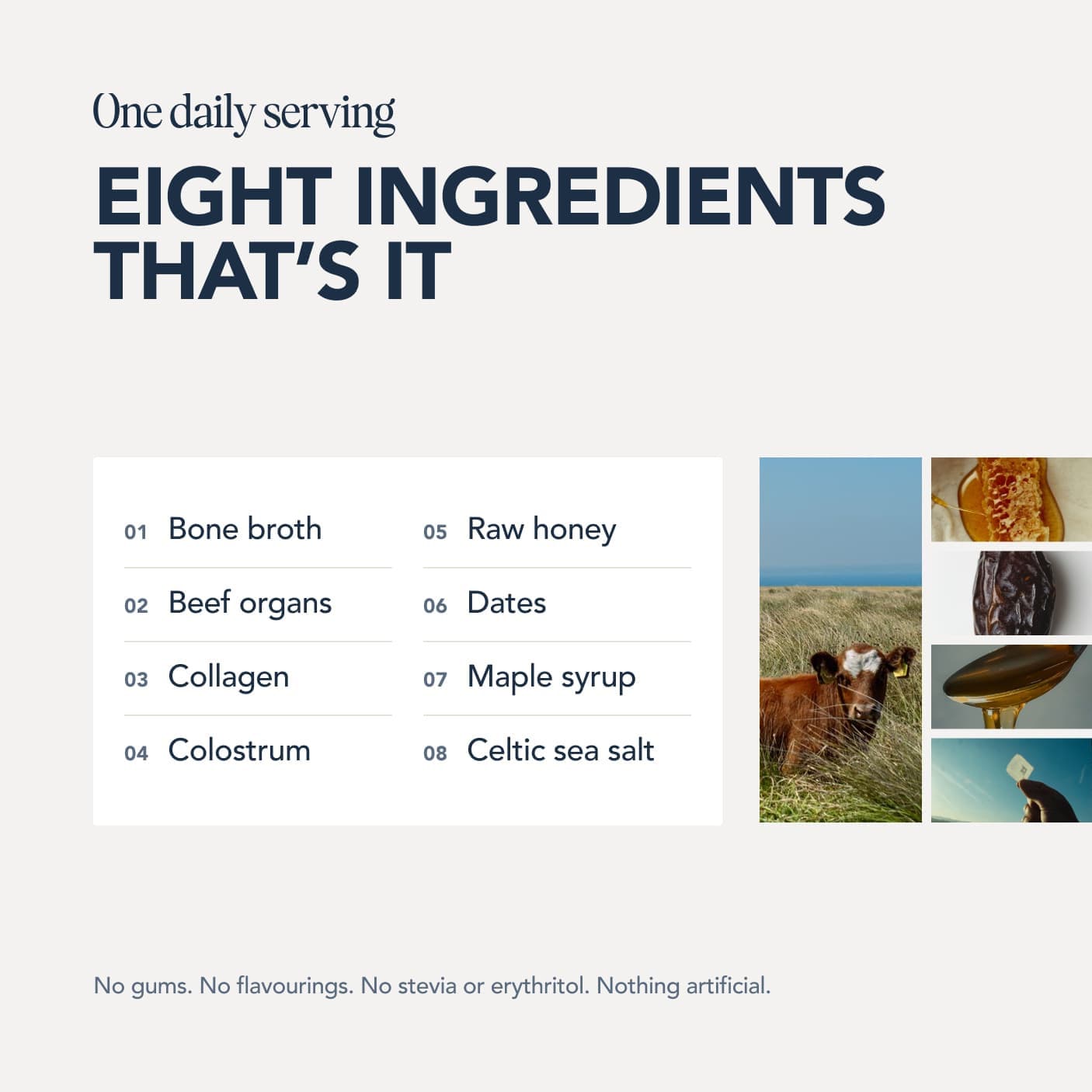
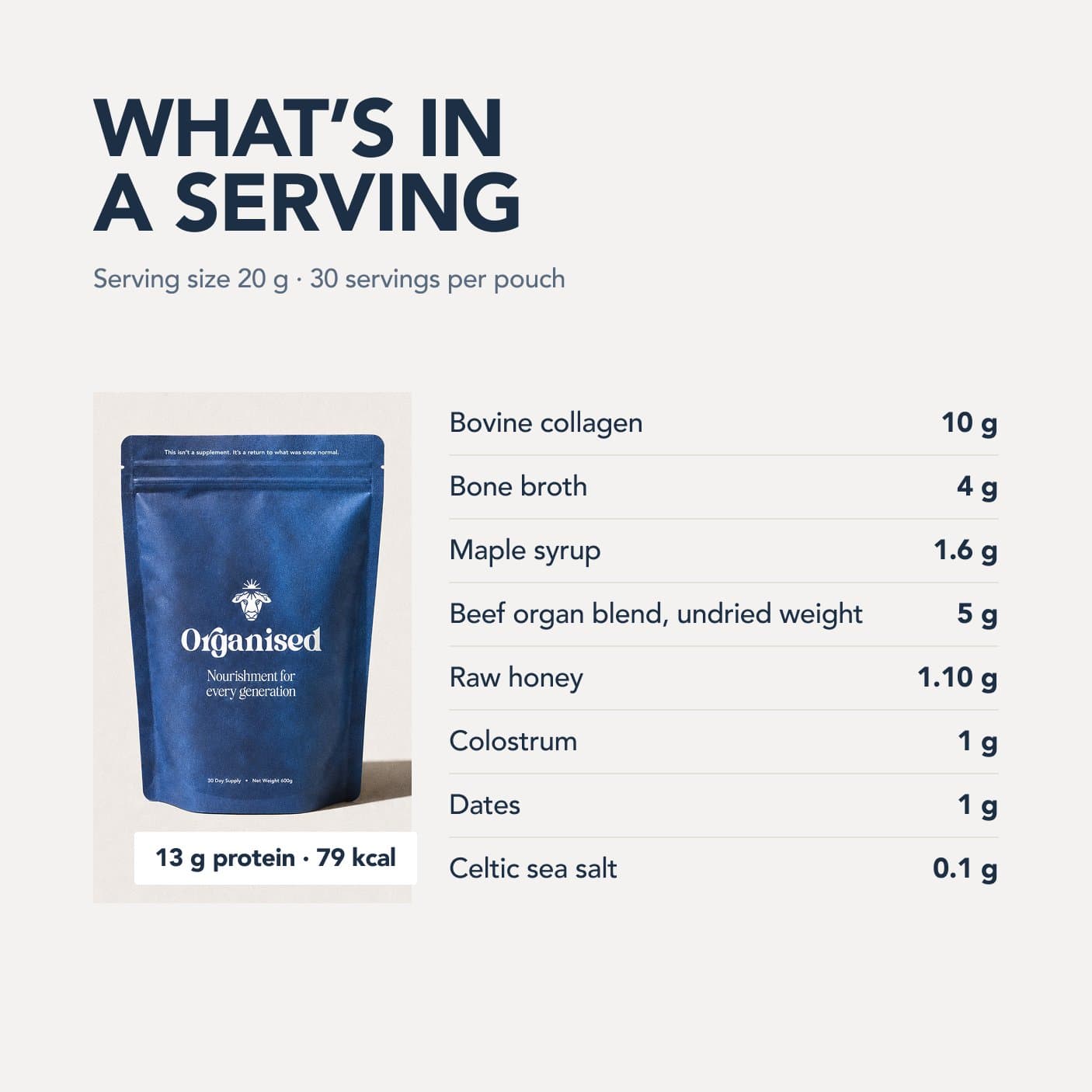
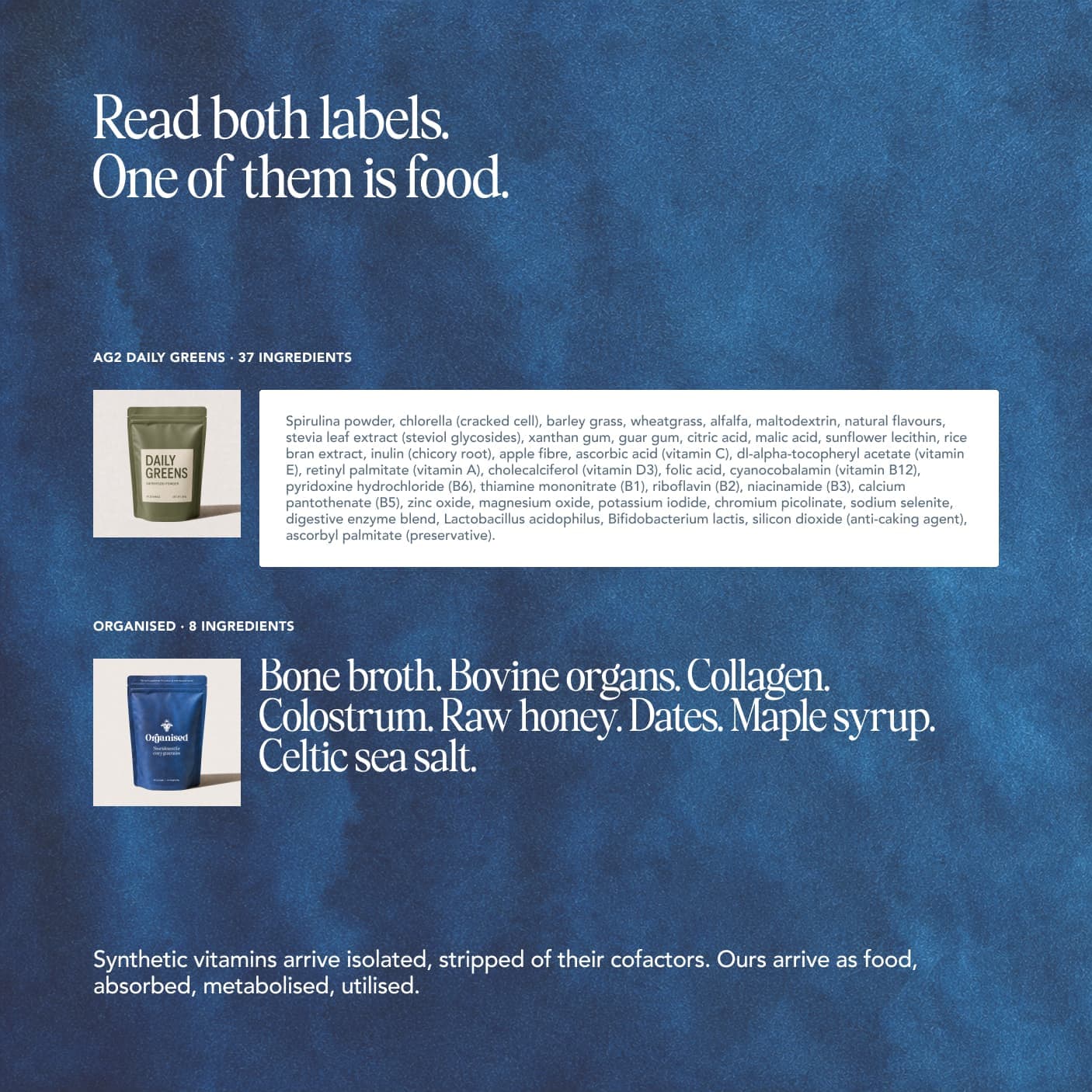
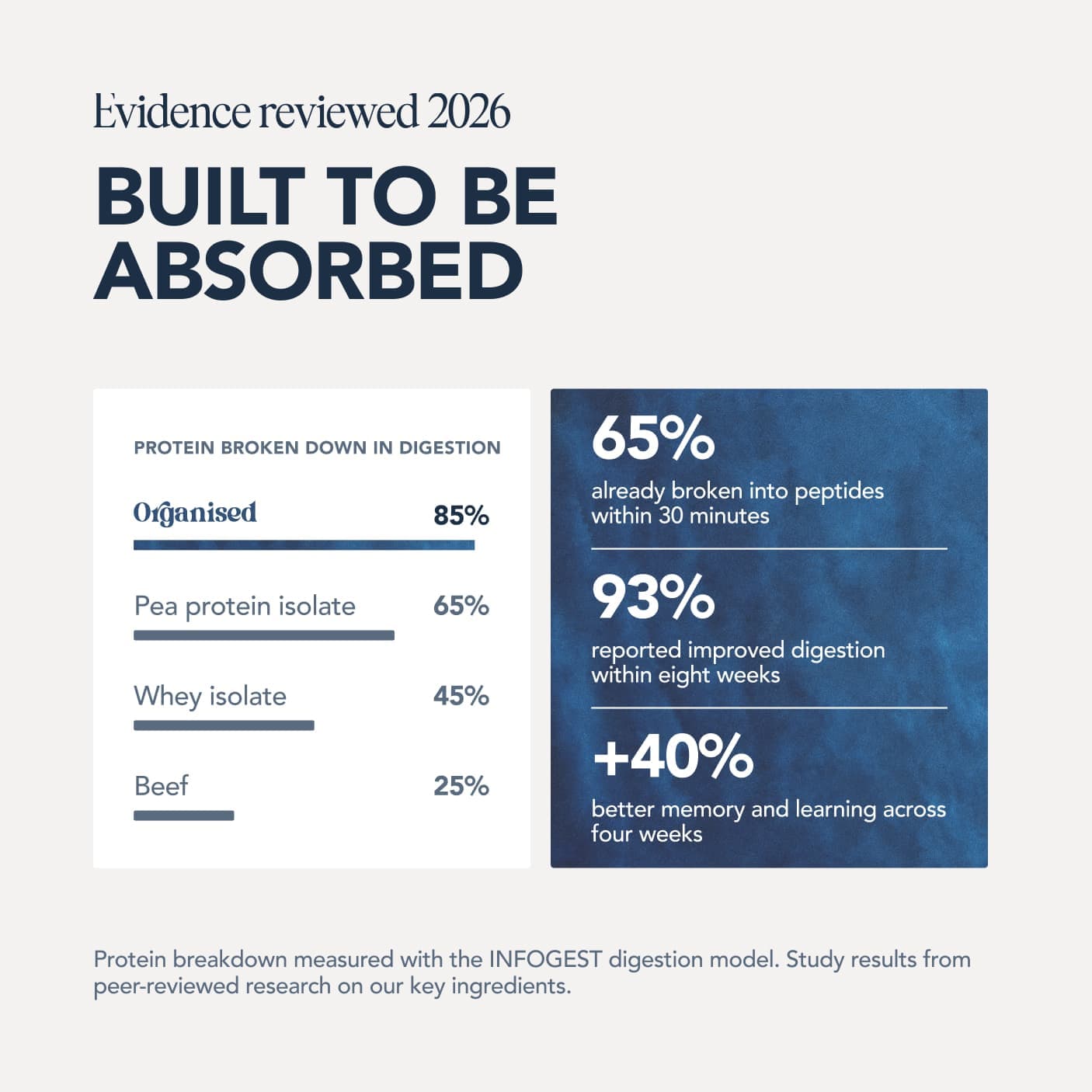
Eight real ingredients built around grass-fed beef organs, collagen and colostrum. Nothing synthetic added.
Free with your first order, worth £38. Plus £10 off the pouch with a subscription.


Free UK shipping · Made in England · 100 day money back guarantee on your first pouch · Skip, pause or cancel anytime
The long-term maintenance protocol
After reaching your goals at 90 days, most people drop to maintenance dosing: 10 grams daily instead of 15-20. This preserves benefits without ongoing cost. If you skip collagen entirely, benefits fade over 4-6 weeks. The long-term protocol is consistency, not heroic dosing.
The bottom line
Week 1-2, you're establishing consistency and nothing dramatic happens. Week 3-4, subtle changes appear. Week 5-8, improvements become undeniable. Week 9-12, you have a visibly transformed face, thicker hair, and better joints.
These timelines assume good dosing (10-15 grams daily), grass-fed bovine collagen, and a generally healthy lifestyle. If you're cutting corners, the timeline extends.
Collagen is not a miracle supplement. It's a tool that works when everything else is in place. But if you're consistent for 90 days, you'll understand why your ancestors prioritised collagen-rich foods like bone broth, cartilage, and skin. The transformation is worth waiting for.
References
Every source below was checked on 27 August 2026. Each PubMed, PMC and DOI identifier was resolved against NCBI or Crossref, and what it opens is printed under the citation, so you can see the link goes where the citation says without leaving the page. Where a citation and its identifier disagreed, the citation was corrected to the record or the reference was deleted along with the sentence marker that pointed at it, and where the resolved paper turned out not to support the sentence, the sentence was cut back to what it does support. Borrowed authority is worse than none, because it looks like rigour.
- Gelse K, Pöschl E, Aigner T. Collagens — structure, function, and biosynthesis. Adv Drug Deliv Rev. 2003;55(12):1531-46. PMID: 14623400.Checked 27 August 2026: PMID 14623400 opens Gelse K, Pöschl E, Aigner T, Collagens--structure, function, and biosynthesis. Adv Drug Deliv Rev 2003;55(12):1531-46. PubMed indexes it as: Review.
- Proksch E et al. Oral supplementation of specific collagen peptides has beneficial effects on human skin physiology. Skin Pharmacol Physiol. 2014;27(1):47-55. PMID: 23949208.Checked 27 August 2026: PMID 23949208 opens Proksch E, Segger D, Degwert J et al, Oral supplementation of specific collagen peptides has beneficial effects on human skin physiology: a double-blind, placebo-controlled study. Skin Pharmacol Physiol 2014;27(1):47-55. PubMed indexes it as: Randomized Controlled Trial.
- Reilly DM et al. A clinical trial shows improvement in skin collagen, hydration, elasticity, wrinkles, scalp, and hair condition following 12-week oral intake of a supplement containing hydrolysed collagen. Dermatol Res Pract. 2024;2024:8752787. PMID: 39021368.Checked 27 August 2026: PMID 39021368 opens Reilly DM, Kynaston L, Naseem S et al, A Clinical Trial Shows Improvement in Skin Collagen, Hydration, Elasticity, Wrinkles, Scalp, and Hair Condition following 12-Week Oral Intake of a Supplement Containing Hydrolysed Collagen. Dermatol Res Pract 2024;2024:8752787.The authors' own declaration, from the record: The authors declare that there are no conflicts of interest.
- Pu SY et al. Effects of oral collagen for skin anti-aging: a systematic review and meta-analysis. Nutrients. 2023;15(9):2080.Checked 27 August 2026: PMC10180699 opens Pu SY, Huang YL, Pu CM et al, Effects of Oral Collagen for Skin Anti-Aging: A Systematic Review and Meta-Analysis. Nutrients 2023;15(9). PubMed indexes it as: Meta-Analysis, Systematic Review.The authors' own declaration, from the record: The authors declare no conflict of interest. The funders had no role in the design of the study; in the collection, analyses, or interpretation of data; in the writing of the manuscript; or in the decision to publish the results.
Who wrote and reviewed this guide
Niall Kiddle
Author · Founder, Organised
Niall is the founder of Organised. He started the company in 2024 after fixing his own health the slow way: in 2022 he swapped a cupboard of synthetic supplements for real food, raw milk, organ meats, bone broth and honey, and felt the difference within months.
Areas of expertise: Ancestral nutrition, Organ meats, Whole-food supplementation, Gut health, Regenerative sourcing
Read Niall's full profile
Pedro Rodrigues
Reviewer · Agronomist (farming and sourcing only)
Pedro is the agronomist Organised works with on farming and sourcing. His job on the guides is to keep the science honest: he reviews what we publish about soil health, regenerative agriculture, grazing and the way food is actually produced.
Areas of expertise: Regenerative agriculture, Agronomy, Soil health, Grass-fed farming, Food sourcing
Reviewed this guide on
Read Pedro's full profileMore on collagen
View all- Collagen Peptides: A Complete Guide to Types, Sources and Benefits
- Can You Get Enough Collagen from Food Alone?
- Collagen and Hair Growth: Separating Fact from Hype
- Collagen for Gut Health: Rebuilding Your Intestinal Lining
- Collagen for Joint Pain: What Does the Evidence Say?
- Collagen Supplements on Reddit: Do They Actually Work?
- Does Collagen Actually Work for Skin? What the Research Says
- The Amino Acids in Collagen and Why They Matter
- When Does Your Body Start Losing Collagen? (And What to Do About It)
Browse the guides library
All guidesKeep reading

Ingredients
Collagen Peptides: A Complete Guide to Types, Sources and Benefits
Complete guide to collagen peptides. What they are, why type I and III matter, grass-fed vs marine, and the research behind them.

Ingredients
Can You Get Enough Collagen from Food Alone?
Explore whether real food sources of collagen are sufficient for joint health and skin quality, and when supplementation becomes necessary.

Ingredients
Collagen for Joint Pain: What Does the Evidence Say?
Review of clinical evidence on collagen supplementation for joint pain, including type II collagen, hydrolysed collagen, and optimal dosing protocols.
Real food, made effortless
Try the organ blendA few ways to use it
All recipes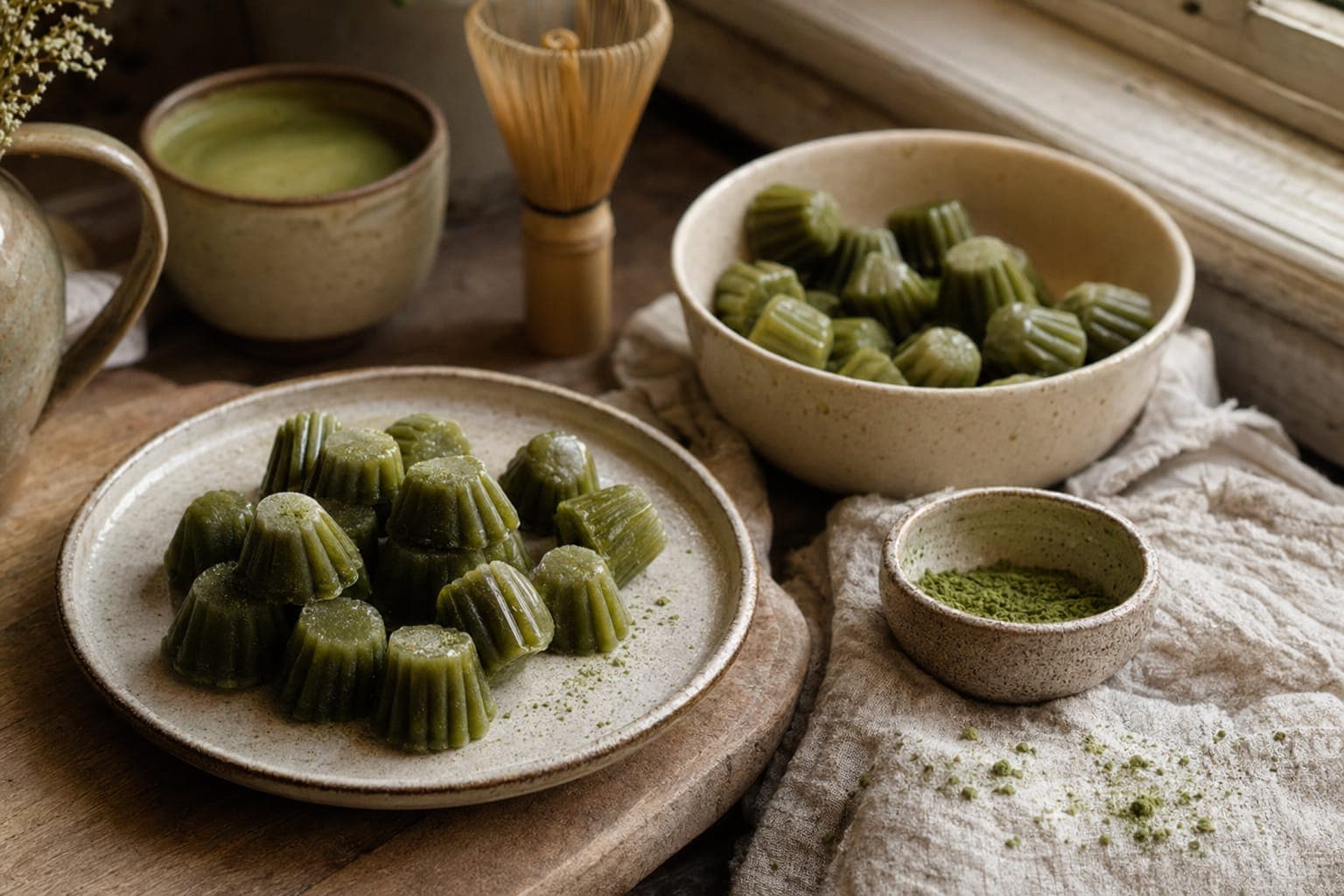
Matcha Latte Gummies with Collagen and Gelatine
Make visually stunning matcha latte gummies infused with collagen and gelatine. Simple recipe for gut-healing sweets you'll actually want to eat.

Raw Milk Hot Chocolate with Collagen
A nourishing evening hot chocolate made with raw milk, grass-fed collagen, raw cacao, and honey. A nighttime ritual that supports sleep and gut health.

Gut-Healing Marshmallows with Collagen and Raw Honey
Learn to make gut-healing marshmallows with collagen and raw honey. A shareable treat that sneaks nutrition into every bite. Easy recipe with video tips.


 Join over 100,000+ members
Build a better food system with us
The Organised community is thousands of people choosing real food and backing the farmers who grow it, all of us trying to leave the world a little better than we found it. If that is what you care about too, you belong here.