The Athlete's Guide to Whole Food Performance Nutrition
You train hard. You rest. You still plateau. Your nutrition is probably fine by most standards. It's just not optimised for performance. There's a difference. Here's how to close that gap with whole foods.
By Niall Kiddle, Founder, Organised

Reviewed by Pedro Rodrigues, Agronomist (farming and sourcing only) ·
8 min read · Published · Updated · 3 cited sources
Makers of the Organised Daily blend, a grass-fed beef organ supplement from regenerative UK farms

Performance nutrition isn't just about eating enough protein and carbohydrates. It's about timing them around your training, choosing carbohydrate sources that actually spike insulin and glucose availability when you need it, providing electrolytes in forms your body can absorb, and using nutrient timing to maximise recovery and adaptation.

Performance nutrition is different from regular nutrition
Most nutrition advice is designed to keep sedentary people healthy. Eat vegetables, don't overeat, avoid sugar. That's fine baseline advice. But athletes have specific demands.
During training, your muscles are demanding glucose immediately. After training, your muscles are primed to absorb amino acids and rebuild. Your nervous system is depleted. Your hydration status is compromised. Your electrolytes are depleted. General population nutrition doesn't address any of this specifically.
Performance nutrition is targeted at these windows. It's precise. It's not restrictive. It's expansive. You eat more, you eat strategically timed around your training, and your performance improves because your body is genuinely being fuelled optimally.
Protein timing around training
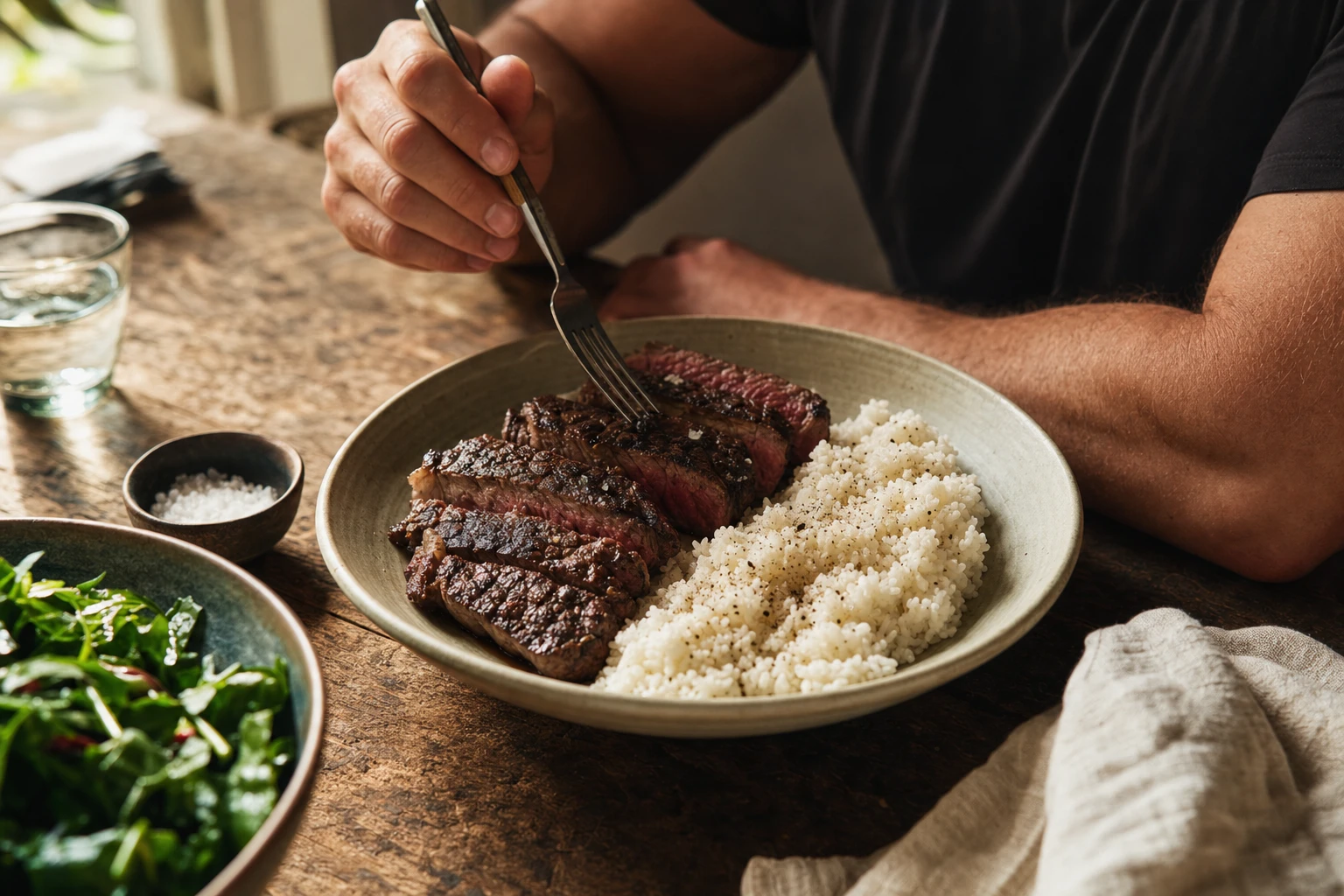
Muscle protein synthesis is elevated for many hours after resistance exercise. The International Society of Sports Nutrition recommends consuming a high-quality protein dose of roughly 0.25–0.40 g/kg body mass per meal across 3–4 meals per day, and a per-meal protein dose of 20–40 g maximally stimulates muscle protein synthesis.1
The amount is roughly 0.25-0.4 grams per kg of body weight. For a 70kg athlete, that's roughly 20-30 grams of protein. A tin of tuna, three eggs, 100g of grilled chicken, 150g of red meat: any of these hit the target.
Combined with carbohydrate (to spike insulin and aid amino acid uptake), protein post-training is synergistic. Carbohydrate + protein together create a recovery signal more powerful than either alone. Eat steak with rice, or chicken with white rice, or fish with potatoes. The carbohydrate helps absorb and utilise the protein.
Protein throughout the day also matters. Spread it across meals rather than spiking it all at dinner. 30-40 grams per meal, 4-5 meals daily, gives you 120-200 grams total daily protein, which is sufficient for most athletic pursuits.
Post-training, your muscles are primed. Get protein and carbohydrate in within 90 minutes. This single window of opportunity accelerates recovery profoundly.

Carbohydrate quality and glucose availability
Most athletes hear "carbs are good for performance" and then eat brown rice, whole wheat bread, and oats, thinking complexity is always superior. Actually, for performance, simple carbohydrates around training are often better.
Your muscles need glucose immediately post-training. White rice spikes blood glucose and insulin faster than brown rice. White bread spikes faster than wholemeal. Fruit, honey, and white potatoes are rapidly absorbed. These are advantages post-training. Your muscles are asking for glucose urgently. Deliver it fast.
During training, if you're exercising longer than 90 minutes, glucose availability becomes the limiting factor. Simple carbohydrates (sports drinks, gels, dried fruit) maintain blood glucose and spare your glycogen stores. For training shorter than 60-90 minutes, these aren't necessary. For longer efforts, they enhance performance meaningfully.
Outside training windows, complex carbohydrates (brown rice, oats, legumes) have advantages: slower glucose release, more fibre, more micronutrients. Use both. Simple carbs around training. Complex carbs at other meals. This strategy optimises both performance and overall health.
Creatine: the most researched supplement
Creatine is a compound synthesised from amino acids and stored primarily in muscle. It acts as an immediate energy donor during high-intensity exercise. Low creatine levels limit performance. Adequate levels (achieved through diet or supplementation) enhance strength, power, and recovery from high-intensity training.
Creatine monohydrate is one of the most well-studied ergogenic aids; the International Society of Sports Nutrition position stand concludes that 3 g/day of creatine monohydrate over a sufficient period increases muscle creatine stores and improves performance during high-intensity, short-duration exercise.2
If you want to supplement, creatine monohydrate is cheapest, most researched, and most effective. 3-5 grams daily (no loading phase necessary, just consistent daily intake) increases muscle creatine stores and enhances performance in strength and power activities. Effects take 2-4 weeks to become apparent.
Alternative: eat 150-200g of red meat or fish daily and get modest supplementation through diet. For high-level performance, supplementation is often necessary because dietary creatine alone is insufficient.

Electrolytes and hydration done properly
Sweat contains sodium, potassium, magnesium, and calcium. If you're training hard in heat and sweating heavily, replacing these isn't optional. Dehydration impairs performance. Electrolyte depletion impairs recovery and can cause muscle cramps.
The commercial sports drink industry has engineered drinks with specific sodium and carbohydrate ratios to enhance absorption and performance. These work. But you can achieve similar results with whole foods.
Before training: eat a meal with salt, adequate carbohydrate, and electrolytes. Rice with sea salt and meat, for example. During training (if longer than 90 minutes): simple carbohydrate and sodium. White rice cakes with salt, or homemade electrolyte drink (water, honey, salt, lemon). After training: rehydrate with water, eat a meal with salt and potassium-rich foods (white potatoes, bananas, fish).
The American College of Sports Medicine and other expert bodies recommend replacing sodium during prolonged exercise (greater than ~2 hours) or in heavy heat to maintain plasma sodium and prevent hyponatraemia, with sodium losses varying widely by individual sweat rate.3

Get life-stage nutrition guides, free
Two short reads a week on eating well through pregnancy, childhood and older age.
By signing up you agree to receive emails from us. No spam, unsubscribe anytime.
Sleep and nutrient timing
Sleep is where adaptation happens. Growth hormone peaks during deep sleep. Muscle protein synthesis accelerates. Neurological recovery occurs. An athlete sleeping 6 hours is performing at a handicap compared to one sleeping 8-9 hours, regardless of nutrition.
Nutrient timing supports sleep. A carbohydrate-heavy meal 2-3 hours before bed (white rice, potatoes, bread) helps serotonin production and promotes sleep. Magnesium (300-400 mg through food or supplementation) improves sleep quality and duration.
Avoid heavy protein close to sleep; it takes longer to digest and can disrupt sleep quality. Carbohydrate, moderate fat, minimal protein 2-3 hours before sleep is ideal. A bowl of rice with butter and honey, or toast with honey, or potatoes with salt and butter,these promote the glucose and hormonal environment that facilitates sleep.
Sleep is not negotiable for athletic performance. It's the foundation everything else builds on. Prioritise 8-9 hours nightly. Use nutrient timing to support it.
Organ meats for nutrient density
Athletes have higher micronutrient demands than sedentary people. Training increases oxidative stress, requiring more antioxidants. Training increases energy production, requiring more B vitamins. Training damages muscle tissue, requiring more minerals for recovery.
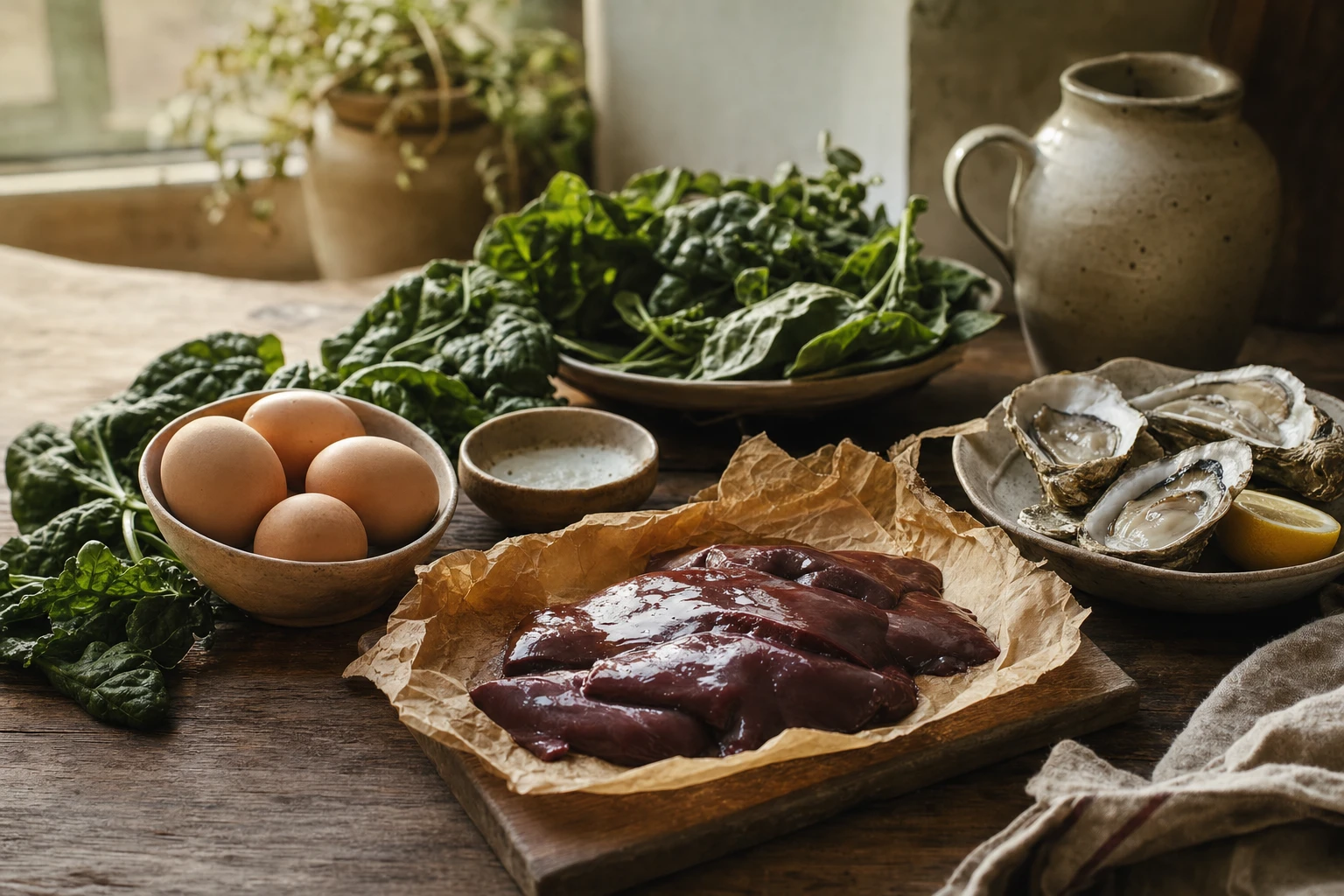
Meeting these demands with whole plant foods alone is possible but challenging. Organ meats compress micronutrient density in a way almost no plant food does. Beef liver contains: iron (6 mg per 100g), B12 (60 mcg), folate (145 mcg), selenium (36 mcg), copper (12 mg), zinc (4 mg), all in one portion.
A single serving of liver weekly gives you micronutrient coverage that would require eating pounds of vegetables. Athletes benefit disproportionately from regular liver consumption. If liver isn't palatable, start with liver pate (easier texture, similar nutrient density). Or grass-fed beef, which has higher micronutrient levels than grain-fed.
Eggs, fish, shellfish (oysters especially), and red meat provide supporting micronutrient density. Build your athletic diet around these, and micronutrient deficiency stops being a limiting factor in recovery.
Athletes aren't special. Your body just demands more fuel and more recovery support. Give it dense nutrition, properly timed around training, and performance improvements follow.

1 of 9
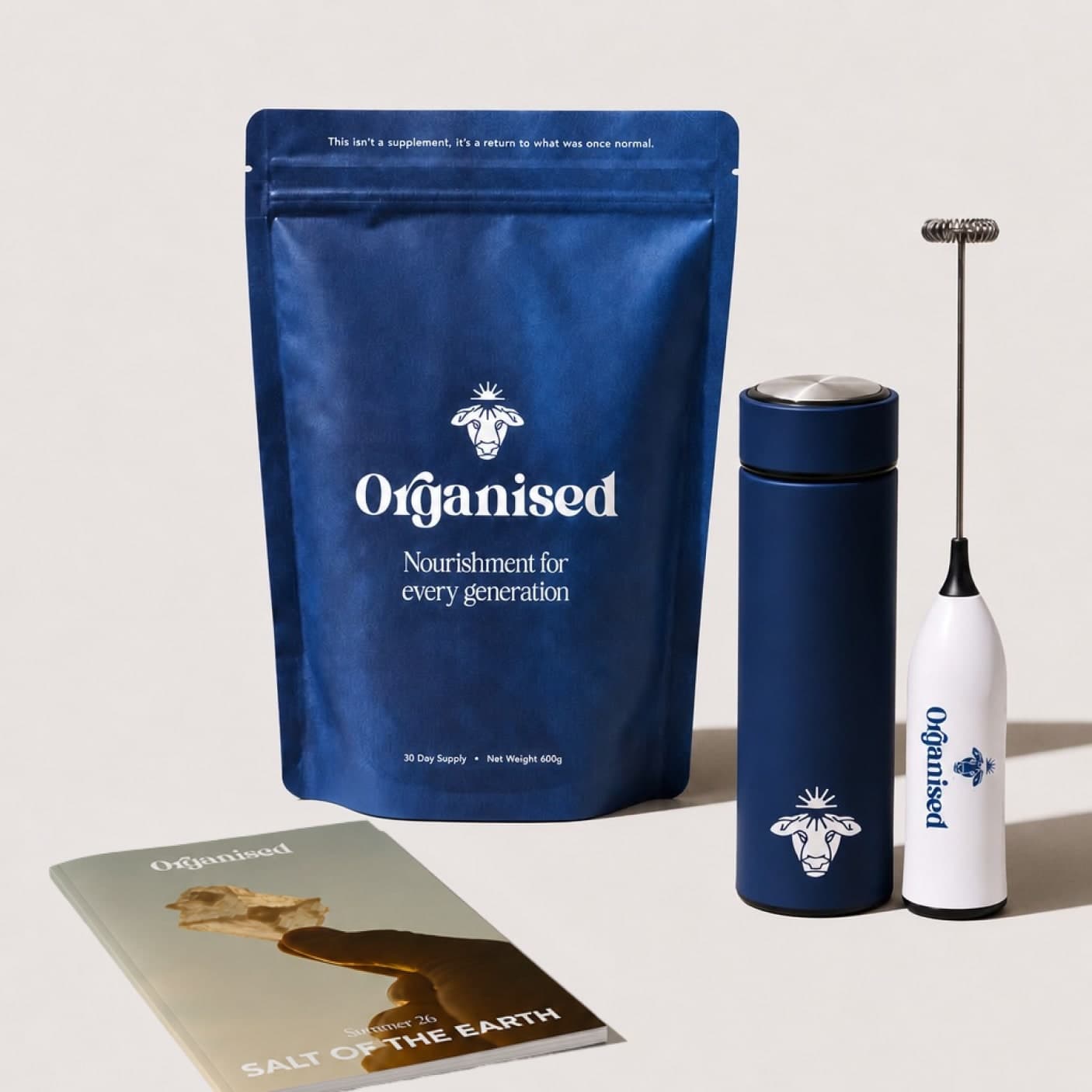
Daily blend
100,000+ thriving families4.9 on Trustpilot
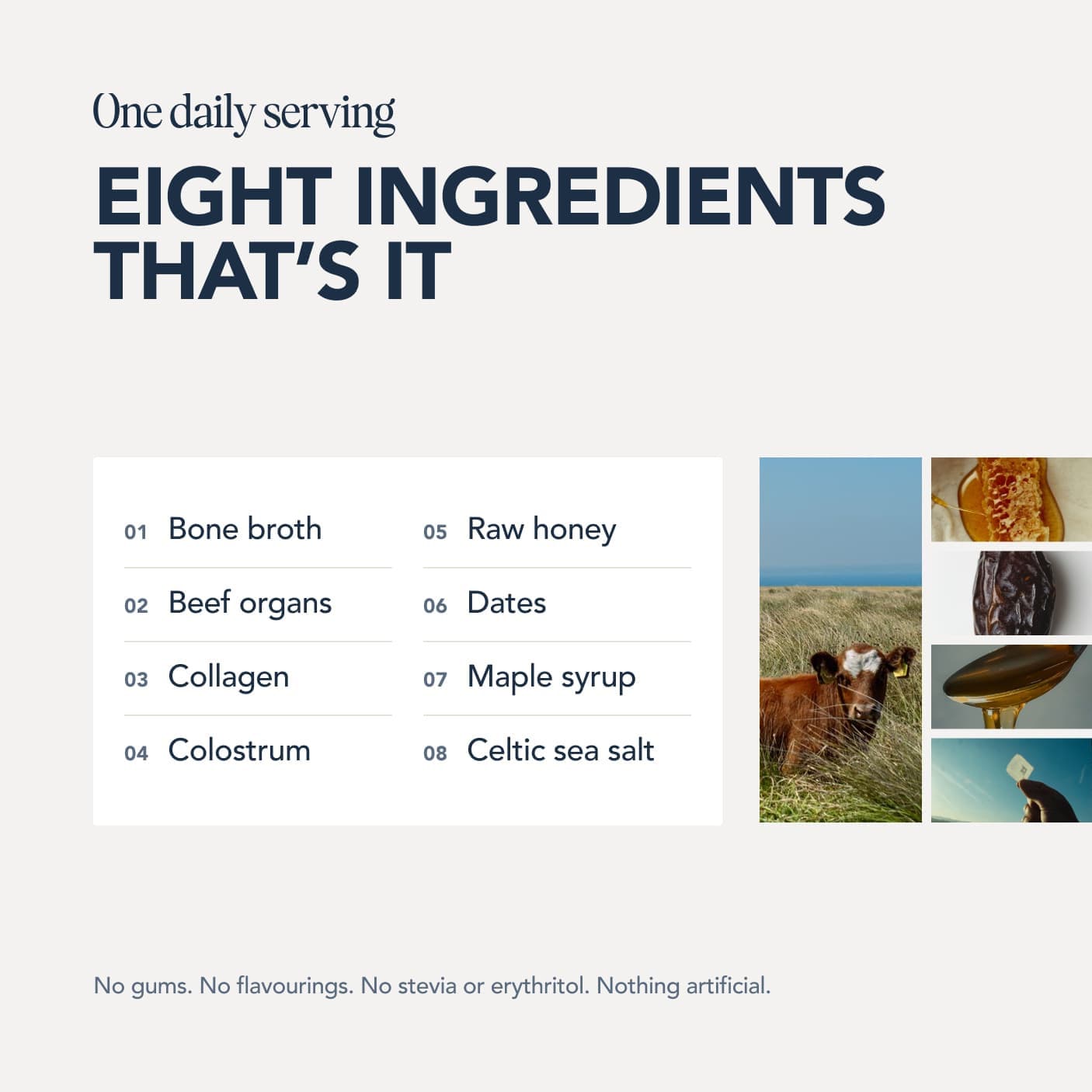
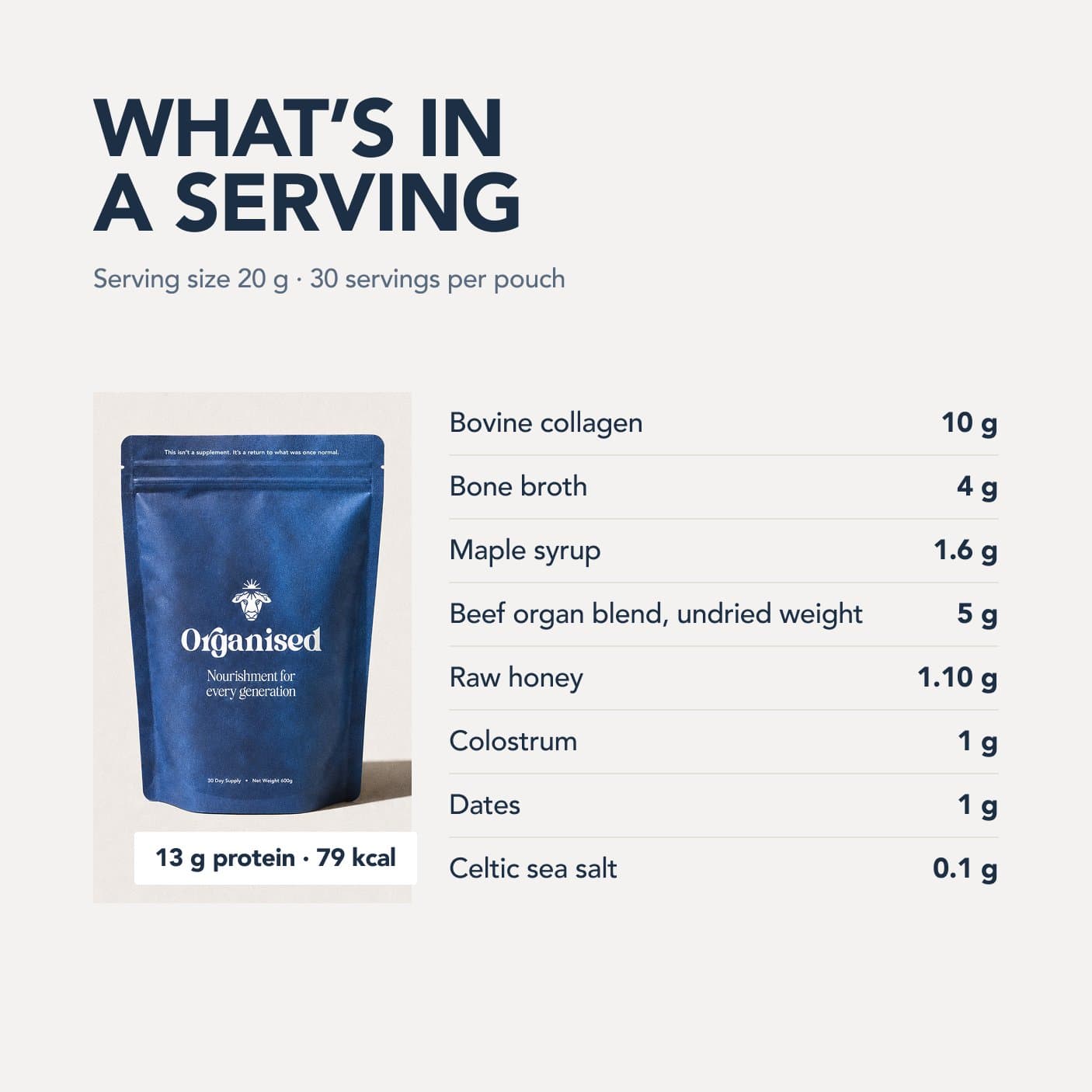
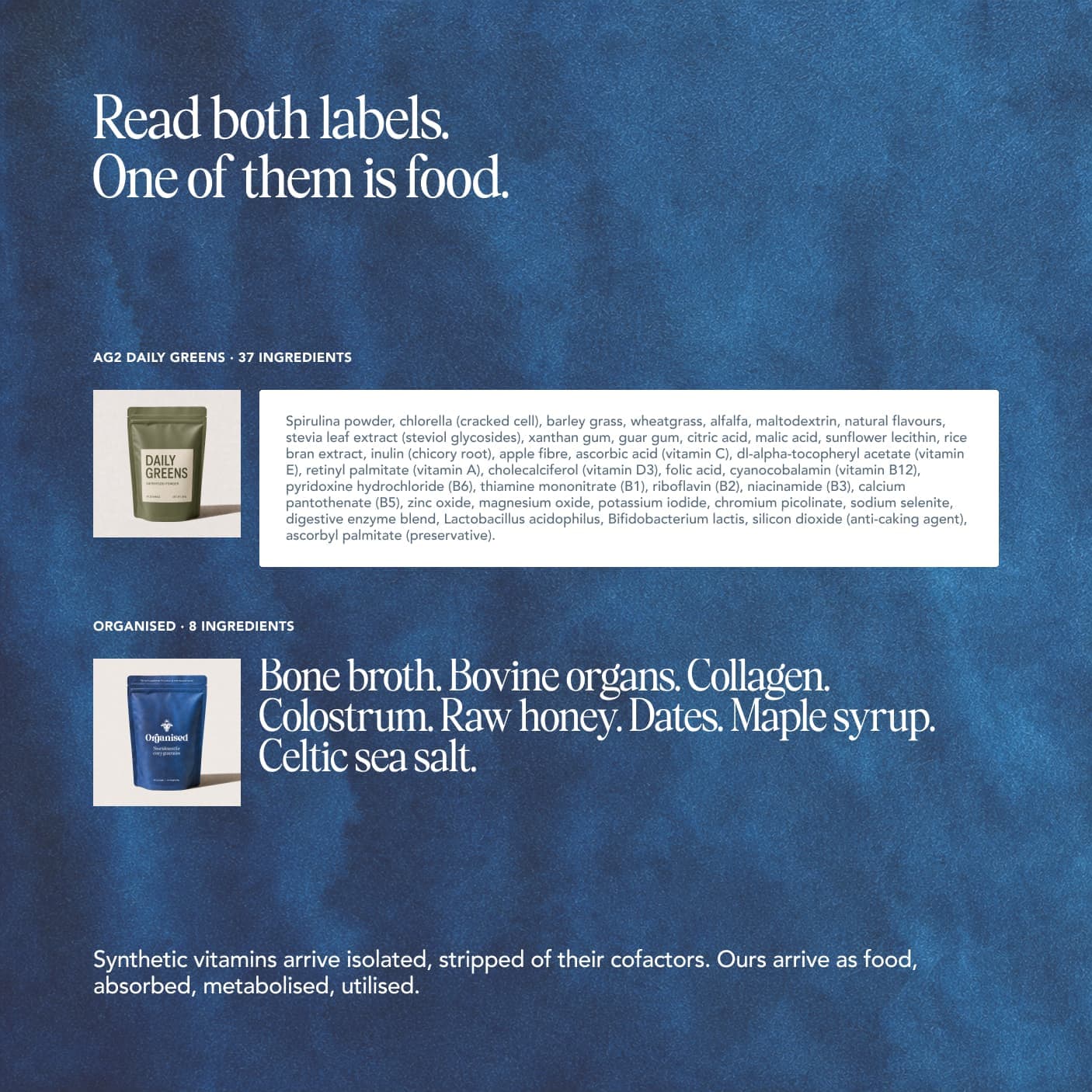
Eight real ingredients built around grass-fed beef organs, collagen and colostrum. Nothing synthetic added.
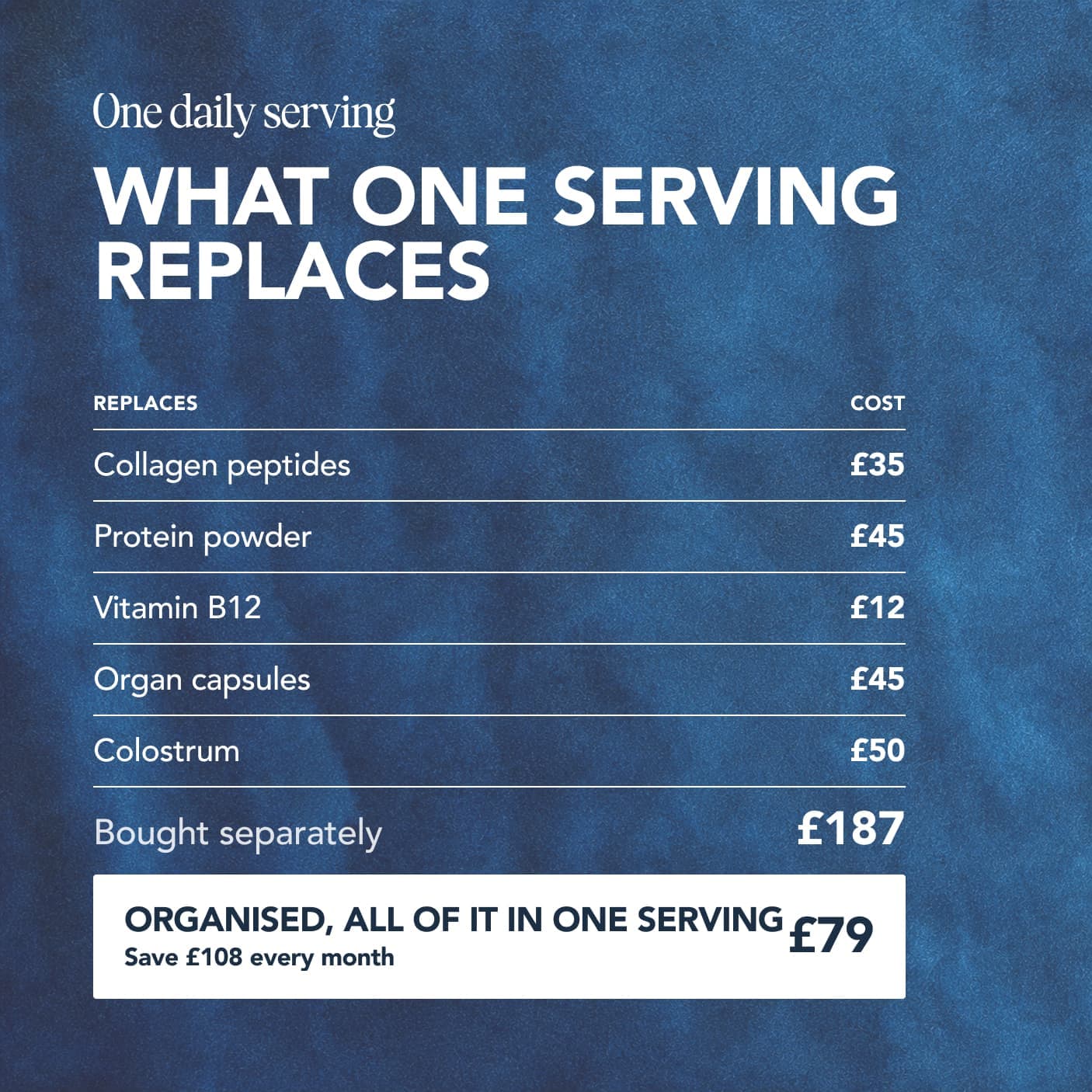
Free with your first order, worth £38. Plus £10 off the pouch with a subscription.


Free UK shipping · Made in England · 100 day money back guarantee on your first pouch · Skip, pause or cancel anytime
Training frequency and nutrient demands
An athlete training once daily has different demands than one training twice daily. An endurance athlete has different demands than a strength athlete. Training volume directly determines whether your current protein intake is sufficient or whether you need to increase it.
If you're training strength three times weekly, 1.2 grams of protein per kilogramme of body weight is probably adequate. If you're training strength five times weekly or combining strength and endurance, 1.4-1.6 grams per kilogramme becomes necessary. For a 70-kilogramme person, that's the difference between 84 grams and 112 grams of protein daily. It matters.
Similarly, training intensity determines your carbohydrate needs. A moderate-intensity training session of 60 minutes depletes roughly 300-400 grams of glycogen. Your muscles are hungry for carbohydrate post-training. Providing it within 90 minutes accelerates recovery and adaptation. Failing to provide it means slow recovery and persistent fatigue.
Track your training. Know your volume. Know your intensity. Then match your nutrition to it, not to some generic recommendation that assumes all athletes are the same.
The recovery hierarchy athletes get wrong
Most athletes rank their priorities as: training, then sleep, then nutrition. It should be: training, then nutrition, then sleep. Because without adequate nutrition, sleep quality plummets anyway. You lie in bed eight hours and get three hours of deep sleep. Nutrition fuels recovery. Sleep is just the vehicle.
A well-nourished athlete with seven hours of sleep will recover better than an under-nourished athlete with nine hours. The nutrient status is the limiting factor, not the sleep hours.
This means that even when you're tired and pressed for time, the priority is getting adequate protein, carbohydrates, and minerals. Missing a meal matters more than missing an hour of sleep. Nutrient depletion is the bottleneck in athletic recovery, not sleep deprivation alone.
Athletes obsess over sleep and overlook nutrition, then wonder why they plateau. Your body rebuilds muscle from amino acids, not from rest. Get the protein first. Sleep comes after you're fed.
The bottom line
Eat protein around training (within 90 minutes, roughly 25-30g). Use simple carbohydrates in this window too. Spread protein throughout the day in balanced meals. Use complex carbohydrates outside training. Supplement creatine if strength or power is your goal. Replace electrolytes adequately during and after training. Prioritise sleep and use nutrient timing to support it. Eat organs regularly for micronutrient density. These aren't hacks. They're the fundamentals of athletic nutrition. Master them and your performance will improve measurably.
References
Every source below was checked on 27 August 2026. Each PubMed, PMC and DOI identifier was resolved against NCBI or Crossref, and what it opens is printed under the citation, so you can see the link goes where the citation says without leaving the page. Where a citation and its identifier disagreed, the citation was corrected to the record or the reference was deleted along with the sentence marker that pointed at it, and where the resolved paper turned out not to support the sentence, the sentence was cut back to what it does support. Borrowed authority is worse than none, because it looks like rigour.
- Jager R, Kerksick CM, Campbell BI, et al. International Society of Sports Nutrition Position Stand: protein and exercise. J Int Soc Sports Nutr. 2017. https://pmc.ncbi.nlm.nih.gov/articles/PMC5477153/Checked 27 August 2026: PMC5477153 opens Jäger R, Kerksick CM, Campbell BI et al, International Society of Sports Nutrition Position Stand: protein and exercise. J Int Soc Sports Nutr 2017;14:20. PubMed indexes it as: Review.
- Kreider RB, Kalman DS, Antonio J, et al. International Society of Sports Nutrition position stand: safety and efficacy of creatine supplementation in exercise, sport, and medicine. J Int Soc Sports Nutr. 2017. https://pmc.ncbi.nlm.nih.gov/articles/PMC5469049/Checked 27 August 2026: PMC5469049 opens Kreider RB, Kalman DS, Antonio J et al, International Society of Sports Nutrition position stand: safety and efficacy of creatine supplementation in exercise, sport, and medicine. J Int Soc Sports Nutr 2017;14:18. PubMed indexes it as: Review.
- National Institutes of Health, Office of Dietary Supplements. Dietary Supplements for Exercise and Athletic Performance — Health Professional Fact Sheet. https://ods.od.nih.gov/factsheets/ExerciseAndAthleticPerformance-HealthProfessional/
Who wrote and reviewed this guide
Niall Kiddle
Author · Founder, Organised
Niall is the founder of Organised. He started the company in 2024 after fixing his own health the slow way: in 2022 he swapped a cupboard of synthetic supplements for real food, raw milk, organ meats, bone broth and honey, and felt the difference within months.
Areas of expertise: Ancestral nutrition, Organ meats, Whole-food supplementation, Gut health, Regenerative sourcing
Read Niall's full profile
Pedro Rodrigues
Reviewer · Agronomist (farming and sourcing only)
Pedro is the agronomist Organised works with on farming and sourcing. His job on the guides is to keep the science honest: he reviews what we publish about soil health, regenerative agriculture, grazing and the way food is actually produced.
Areas of expertise: Regenerative agriculture, Agronomy, Soil health, Grass-fed farming, Food sourcing
Reviewed this guide on
Read Pedro's full profileBrowse the guides library
All guidesKeep reading

Life stage
A Woman's Nutritional Guide: From Periods to Menopause
Nutritional needs change across a woman's life. Master iron, B vitamins, and fat-soluble vitamins to support your hormones from periods through menopause.

Life stage
Joint Pain After 50: A Nutritional Approach
Joint pain responds to collagen, glycine, omega-3s, vitamin D, and curcumin. These nutrients rebuild cartilage and reduce inflammation systemically.

Life stage
Digestive Changes After 50: How to Maintain Gut Health
Your digestion shifts after 50, from stomach acid to enzymes. Learn what is happening and how to maintain nutrient absorption and gut health as you age.
Real food, made effortless
Find my daily blendA few ways to use it
All recipes
The Organised Recovery Smoothie for After Exercise
A recovery smoothie made with beef protein, raw milk, frozen berries, collagen, and honey. Optimal nutrition in the 30-minute window after exercise.

Liver Pate for Beginners: A Gentle Introduction to Organ Meats
Simple liver pate recipe to start eating organ meats. Chicken liver, butter, and herbs. Gentle introduction to nutrient-dense whole foods.

The Perfect Organised Morning Shake: Our Favourite Recipe
Our signature morning shake: Organised, raw milk, banana, honey. Simple, nourishing, and optimised for an empty stomach.


 Join over 100,000+ members
Build a better food system with us
The Organised community is thousands of people choosing real food and backing the farmers who grow it, all of us trying to leave the world a little better than we found it. If that is what you care about too, you belong here.