Joint Pain After 50: A Nutritional Approach
Your knees ache when you walk up stairs. Your shoulders feel stiff in the morning. You've always been active, but something is changing. Your doctor says it's age. But ageing joints are not inevitable. They're a nutritional situation waiting to be addressed.
By Niall Kiddle, Founder, Organised

Reviewed by Pedro Rodrigues, Agronomist (farming and sourcing only) ·
7 min read · Published · Updated · 3 cited sources
Makers of the Organised Daily blend, a grass-fed beef organ supplement from regenerative UK farms
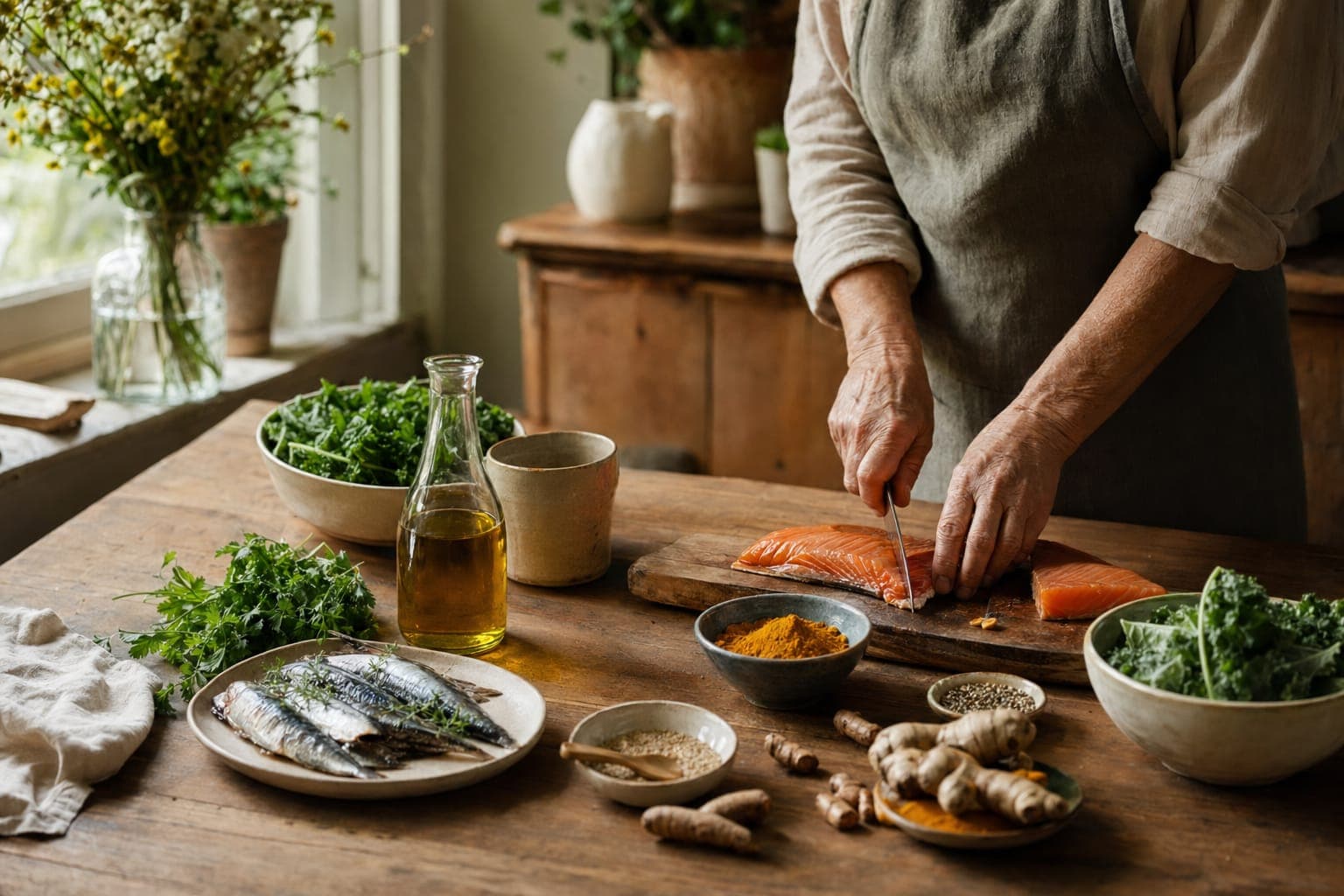
Joint pain after 50 is common but not necessary. It's a sign of cartilage degradation, inflammatory cascade, and insufficient nutritional support for repair. None of these are irreversible.

Why joint pain appears after 50
Cartilage is a living tissue that requires constant maintenance. It's made primarily of collagen, water, and proteoglycans.2 As you age, collagen synthesis slows and cartilage breaks down faster than it repairs. When breakdown exceeds repair, cartilage thins and joint pain appears.
Simultaneously, the inflammatory environment shifts. Ageing is associated with chronic low-grade inflammation (sometimes called inflammageing).1 This systemic inflammation accelerates cartilage breakdown and delays healing. A joint that would recover quickly in a 30-year-old lingers in a 60-year-old because the inflammatory environment is less favourable.
Finally, the nutrients that support joint repair become less abundant. Collagen synthesis requires adequate vitamin C, zinc, copper, and amino acids. Most people over 50 are eating fewer nutrients, not more. The nutrient gap widens just as demand increases.
Joint pain after 50 is not inevitable. It's the result of increased breakdown, increased inflammation, and decreased nutritional support colliding at the same time.
The good news: all three are addressable through nutrition. You cannot reverse age, but you can shift the balance back toward repair and away from breakdown.
Collagen as the structural foundation
Collagen is the scaffolding of cartilage, tendons, and ligaments. When collagen is abundant and high-quality, joints are resilient and pain-free. When collagen is degraded or insufficient, pain appears.
Collagen cannot be absorbed intact from food. You cannot eat collagen and have it become cartilage. But collagen in food (bone broth, gelatinous cuts of meat, fish skin) provides the amino acids that your body uses to synthesise its own collagen. The signal to increase collagen synthesis comes from consuming collagen-rich foods and the amino acids they contain.
Bone broth made from bones, joints, and connective tissue is rich in collagen and gelatin. Two to three cups per week, sipped warm or used as a base for soups, provides a steady supply of collagen-building amino acids. This is not optional supplementation. This is food that signals your body to repair connective tissue.
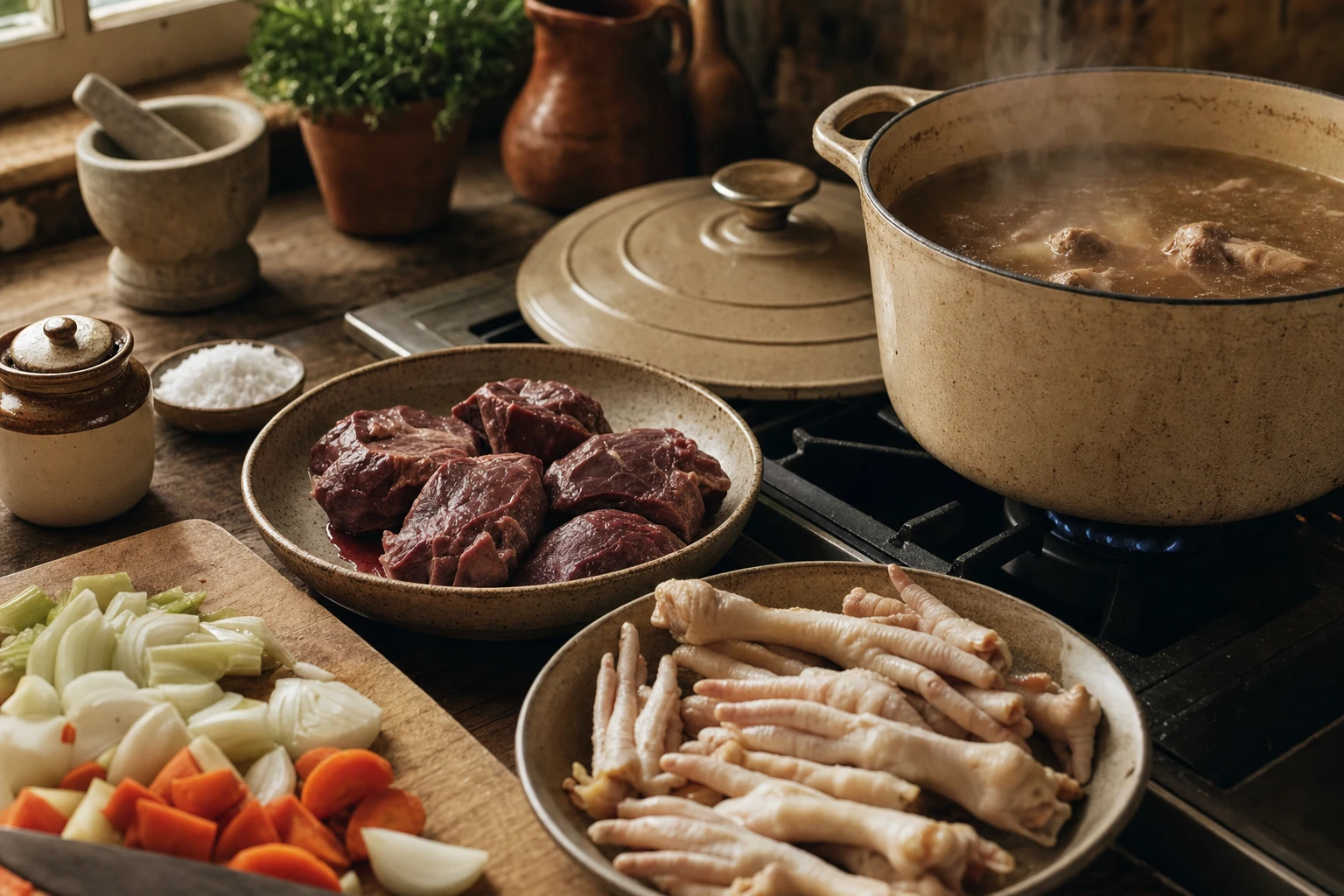
Gelatinous cuts of meat (oxtail, beef cheeks, chicken feet) are similarly rich. A stew made from beef cheeks slowly cooked until falling apart is arguably the best food for joint repair available. The gelatin, the slow cooking, the amino acids, and the minerals all work together to support joint healing.
Your body rebuilds collagen from the amino acids you eat. Give it bone broth, give it gelatinous meat, give it fish with the skin, and it will rebuild the joints.
Specific amino acids matter: glycine, proline, and hydroxyproline are particularly important for collagen synthesis. These are abundant in collagen-rich foods and scarce in muscle meat alone.
Glycine, the amino acid that signals repair
Glycine is an amino acid with special status in joint health. It's a key component of collagen and it also acts as a signalling molecule that promotes healing. Glycine tells your body that repair is needed and that resources should be allocated to fixing connective tissue.
Bone broth is rich in glycine. Beef collagen is rich in glycine. Gelatinous cuts of meat are rich in glycine. A person eating these foods regularly is sending a constant signal: repair collagen, rebuild joints.
Glycine also reduces inflammation directly. Glycine is an inhibitory neurotransmitter in the nervous system and can dampen inflammatory cascades. Some research suggests that glycine supplementation (1 to 3 grams per day) can reduce joint pain and inflammatory markers.
For most people, getting glycine from food (bone broth, gelatinous meats) is more practical than supplementing. But if food sources are limited, glycine supplementation is inexpensive and well-tolerated.
Glycine does double duty: it provides the amino acid backbone for collagen synthesis and it actively dampens inflammatory cascades.
Make bone broth a weekly ritual. Use it in cooking, drink it warm, build soups around it. The glycine accumulates and compounds over weeks and months of consistent intake.
Anti-inflammatory eating that actually works
Most anti-inflammatory diet advice is vague and contradictory. Eat less red meat. Eat more fish. Cut out wheat. Here's what actually matters for joint inflammation: omega-3 to omega-6 ratio, micronutrient density, and avoidance of processed foods that contain high-heat oils.
Omega-3 fatty acids (found in fish, grass-fed meat, and some seeds) are anti-inflammatory. Omega-6 fatty acids (found in seed oils like canola and sunflower) are pro-inflammatory in excess. The modern diet is heavily skewed toward omega-6. Simply removing seed oils and replacing them with butter and olive oil shifts the ratio back toward anti-inflammatory.
Processed foods cooked in seed oils, emulsified with industrial ingredients, and packed with refined carbohydrates create a pro-inflammatory environment. A person eating nothing but whole foods (meat, fish, vegetables, fruit, nuts, seeds) has a fundamentally less inflammatory system than a person eating even small amounts of processed food.
Anti-inflammatory diet is not about special foods. It's about removing inflammatory foods and eating whole foods consistently.
Eliminate seed oils entirely. Cook with butter, olive oil, or coconut oil. Buy whole foods. Avoid packaged items with long ingredient lists. This is not complicated. It's just consistent choice.
Get life-stage nutrition guides, free
Two short reads a week on eating well through pregnancy, childhood and older age.
By signing up you agree to receive emails from us. No spam, unsubscribe anytime.
Omega-3 and vitamin D as systemic protectors
Omega-3 fatty acids reduce systemic inflammation through multiple mechanisms. They shift immune cell balance away from pro-inflammatory phenotypes and toward regulatory phenotypes. Over weeks and months of consistent intake, this translates to reduced joint pain.
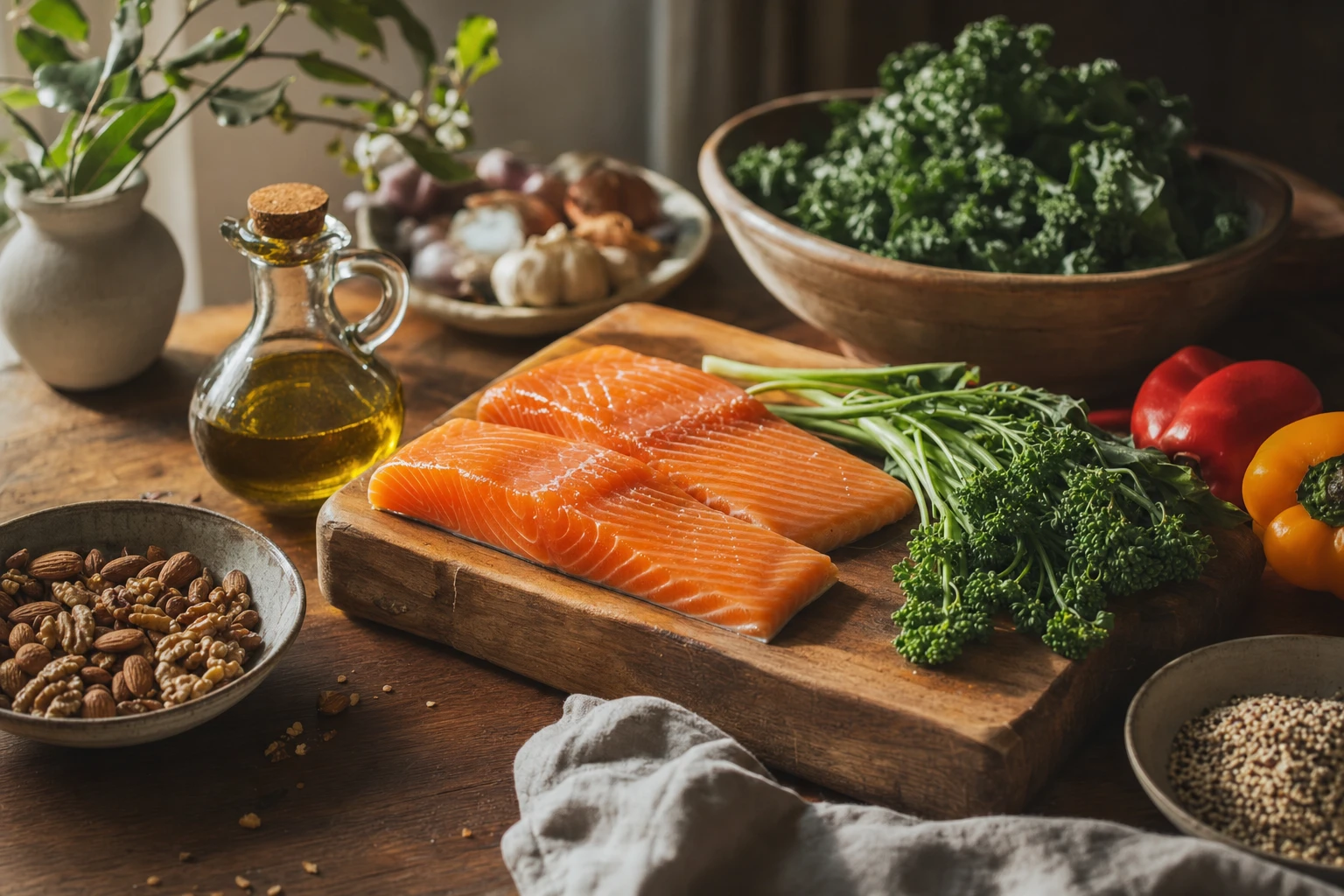
Fatty fish (salmon, mackerel, sardines) are the richest source. Two to three servings per week provides a meaningful dose. If you cannot manage that, supplementing fish oil or algae-based omega-3 can be useful.
Vitamin D status correlates strongly with joint health, inflammation, and bone density. Deficiency is associated with increased joint pain and accelerated cartilage loss. In the UK, vitamin D deficiency is common, especially in winter and in people with darker skin or limited sun exposure.
Vitamin D is produced in the skin in response to sun exposure and is found in fatty fish and egg yolks. In winter or if sun exposure is limited, supplementation is reasonable. 1,000 to 2,000 IU per day is a reasonable maintenance dose for most adults, though individual needs vary.
Omega-3 and vitamin D status are directly correlated with joint health. Neither is optional if you want to reduce pain.
Get blood work done if possible to check vitamin D status. If deficient (below 30 ng/mL), supplementation is justified. Even if replete, maintaining levels above 40 ng/mL seems beneficial for joint health.
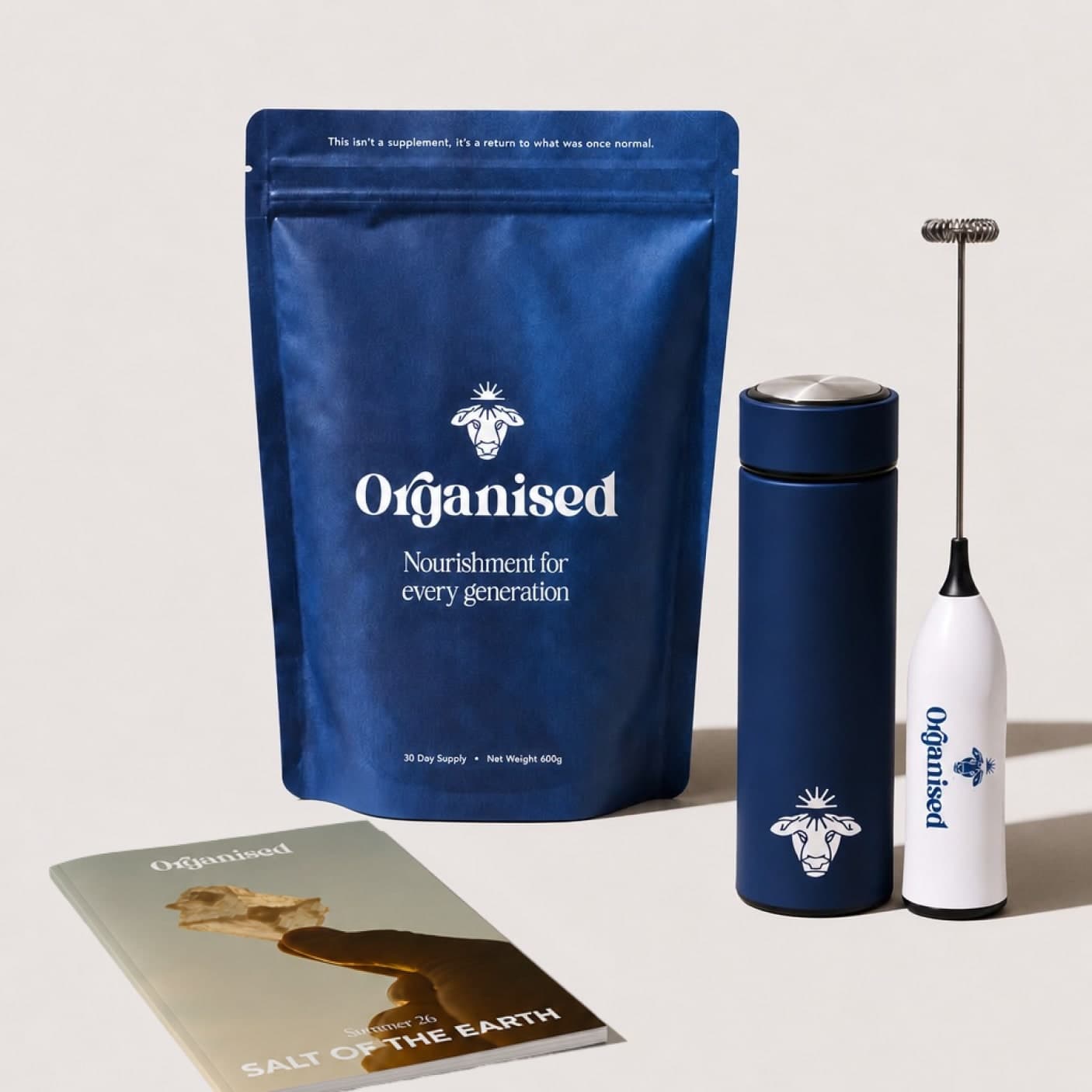
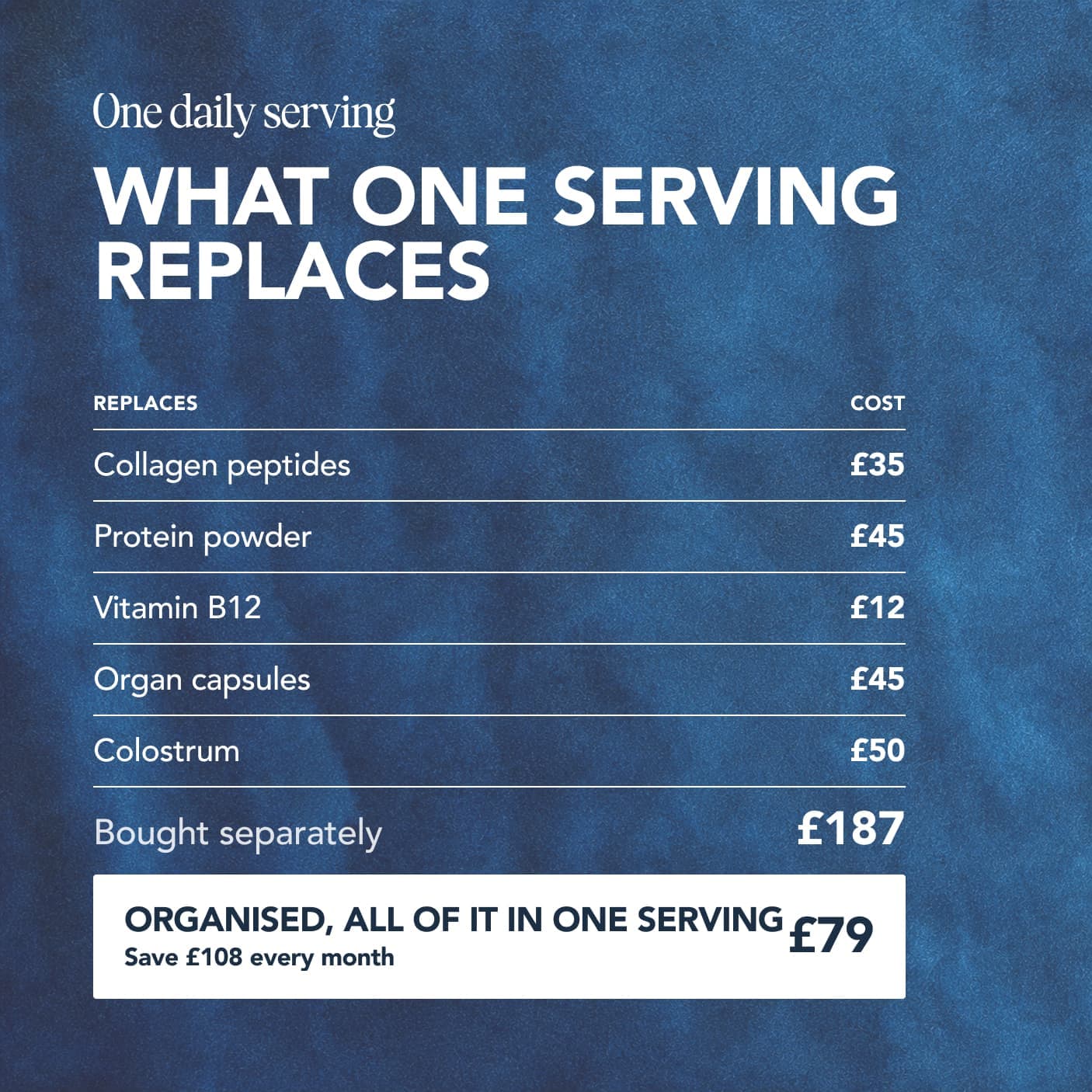

1 of 9
Daily blend
100,000+ thriving families4.9 on Trustpilot
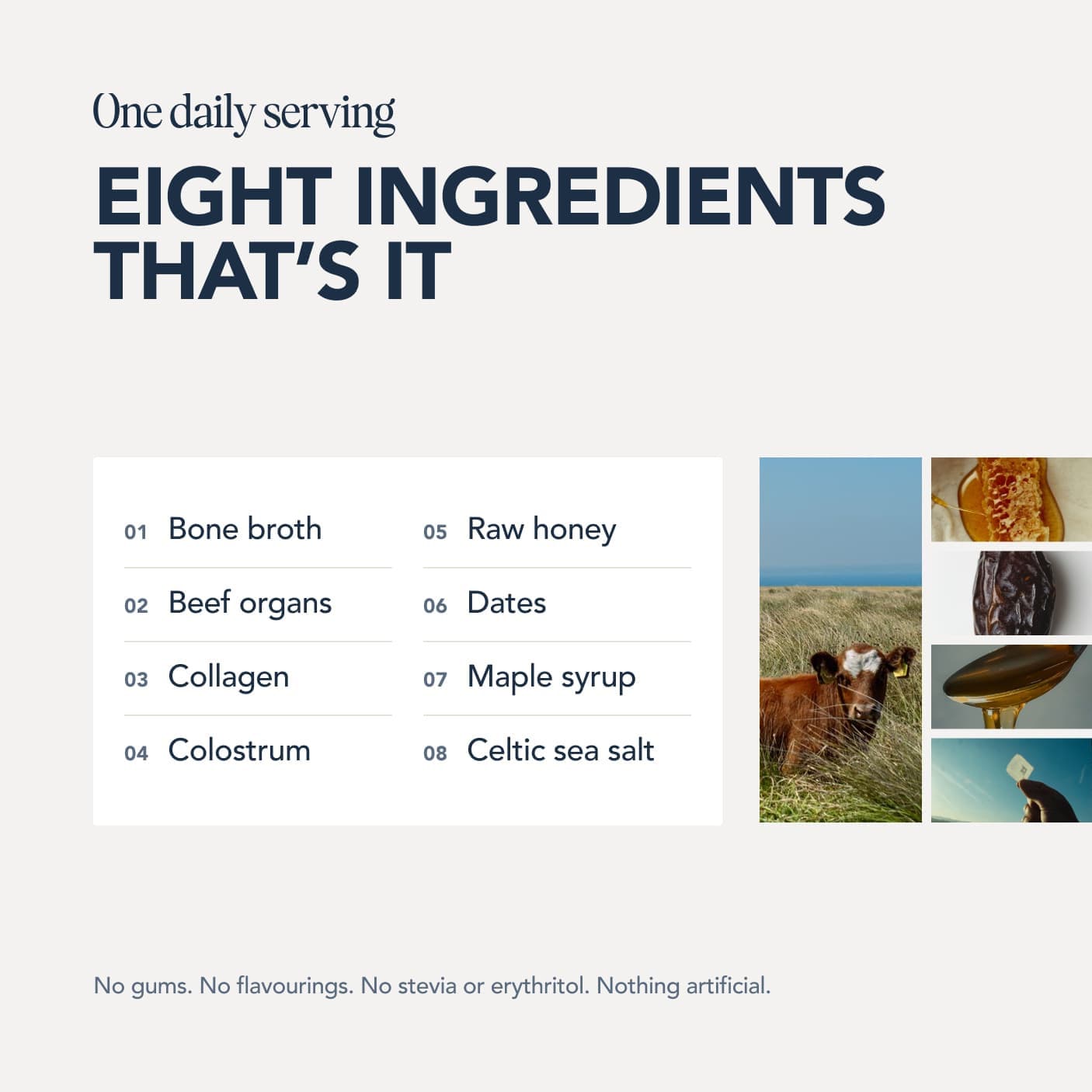
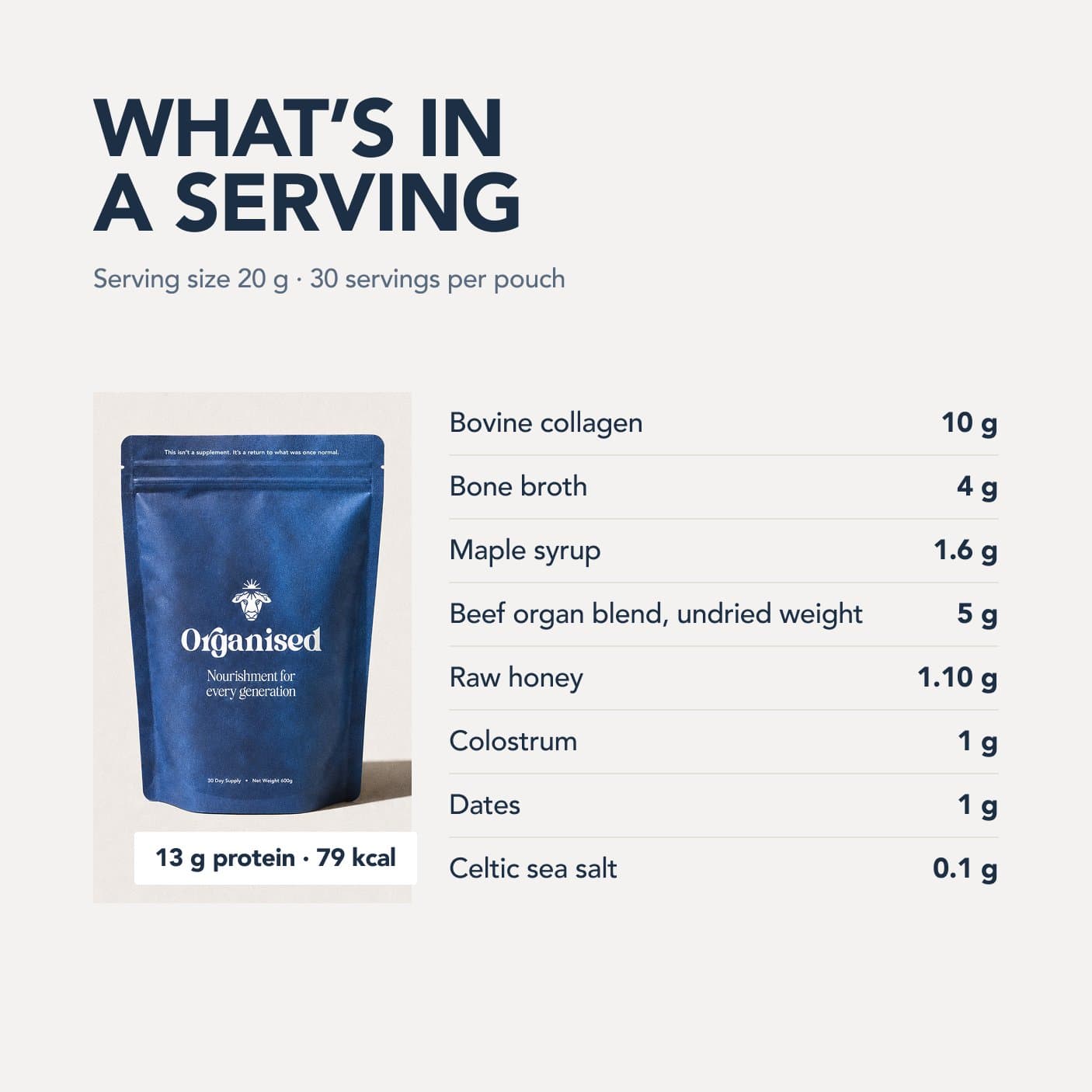
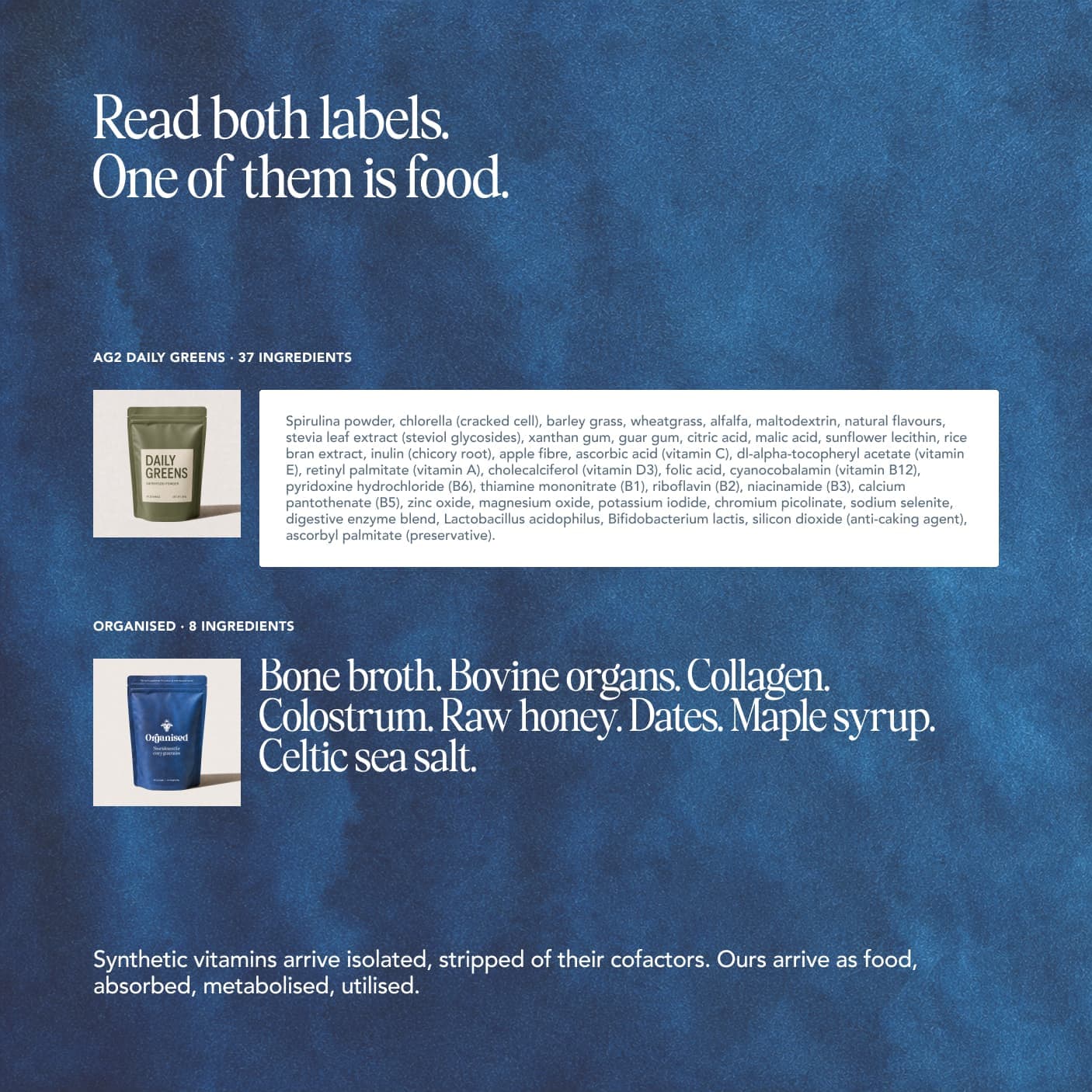
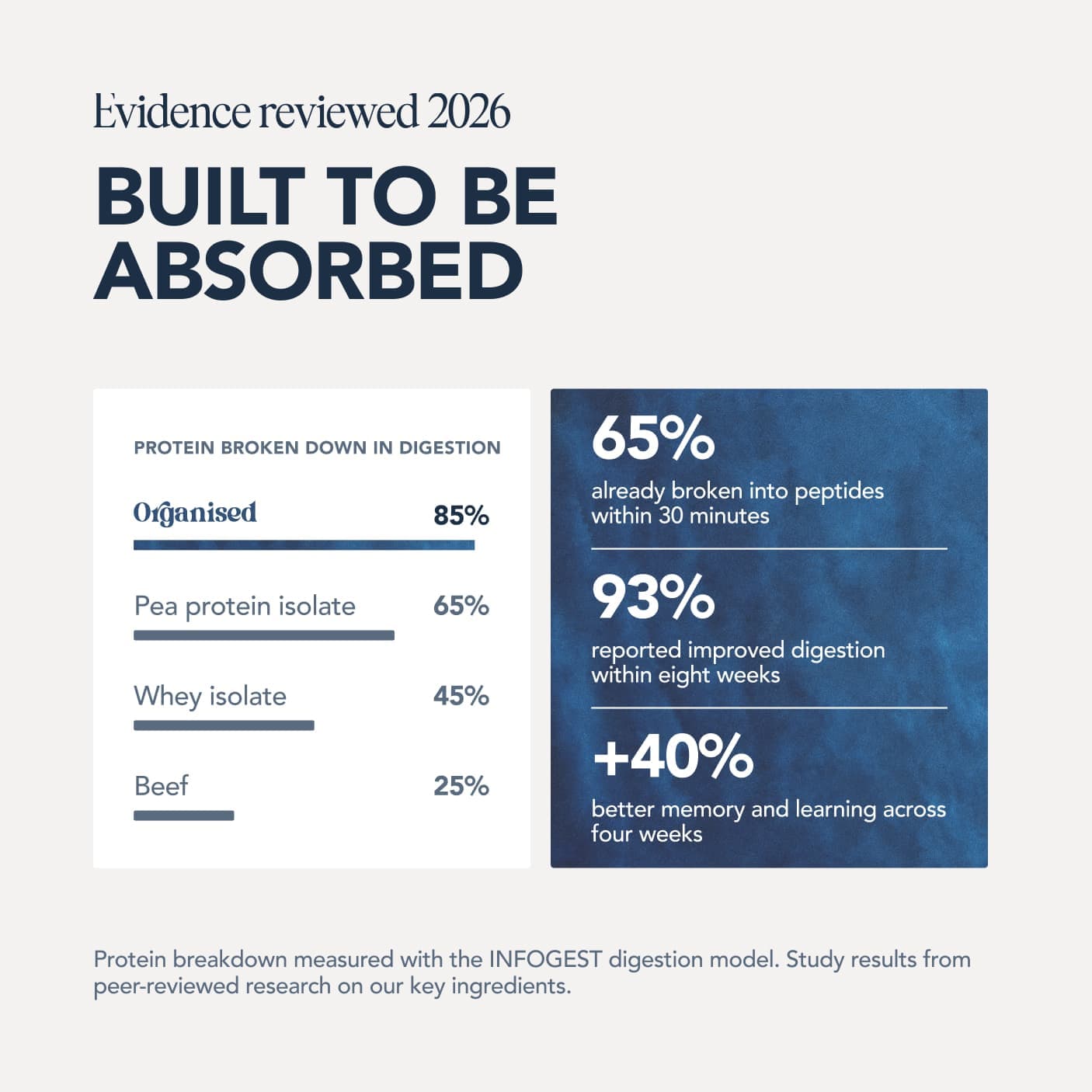
Eight real ingredients built around grass-fed beef organs, collagen and colostrum. Nothing synthetic added.
Free with your first order, worth £38. Plus £10 off the pouch with a subscription.

Free UK shipping · Made in England · 100 day money back guarantee on your first pouch · Skip, pause or cancel anytime
Curcumin and other active compounds
Curcumin, the active compound in turmeric, has research behind it as a joint pain reducer. It reduces inflammatory cytokines and appears to inhibit cartilage breakdown in osteoarthritis. Regular turmeric consumption (a teaspoon per day, incorporated into food) or curcumin supplementation can be useful alongside nutritional foundations.
Ginger similarly has anti-inflammatory properties and can reduce joint pain. A cup of ginger tea daily, or ginger incorporated into cooking, provides a steady supply.
Boswellia serrata (frankincense) has research supporting joint pain reduction through inflammatory modulation. If you're going to supplement anything, boswellia alongside curcumin is reasonably evidence-based.
These compounds are useful. But they work best on top of nutritional foundations, not instead of them.
Turmeric and ginger are foods and can be incorporated easily into cooking. Boswellia and curcumin supplements are available inexpensively and are generally safe.
Building the joint nutrition foundation
A joint-protective diet has bone broth weekly, gelatinous meats regularly, fatty fish twice per week, whole foods exclusively, no seed oils, adequate vitamin D, and consistent omega-3 intake. This is not restrictive. This is foundational eating.
- Bone broth: Two to three cups per week, warm or used in soups.
- Gelatinous meats: Beef cheeks, oxtail, chicken feet, or tripe once per week.
- Fish: Salmon, mackerel, or sardines twice per week.
- Whole foods only: Vegetables, fruit, nuts, seeds, eggs, dairy, no processed items.
- Vitamin D: 1,000 to 2,000 IU daily, or more if deficient.3
- Olive oil and butter: Exclusively for cooking and dressing. No seed oils.
You will not feel improvement immediately. But over six to twelve weeks of consistent practice, joint pain typically reduces significantly. The collagen is being rebuilt, the inflammatory environment is shifting, and the joints are responding.
The bottom line
Joint pain after 50 is not inevitable. It's a signal that collagen breakdown exceeds repair and that the inflammatory environment is unfavourable. Address both: eat collagen-rich foods, reduce inflammation through whole-food eating and omega-3 intake, ensure adequate vitamin D, and be patient. Your joints will respond.
References
Every source below was checked on 27 August 2026. Each PubMed, PMC and DOI identifier was resolved against NCBI or Crossref, and what it opens is printed under the citation, so you can see the link goes where the citation says without leaving the page. Where a citation and its identifier disagreed, the citation was corrected to the record or the reference was deleted along with the sentence marker that pointed at it, and where the resolved paper turned out not to support the sentence, the sentence was cut back to what it does support. Borrowed authority is worse than none, because it looks like rigour.
- Franceschi C, et al. Inflammaging: a new immune-metabolic viewpoint for age-related diseases. Nat Rev Endocrinol. 2018. PMID 30046148.Checked 27 August 2026: PMID 30046148 opens Franceschi C, Garagnani P, Parini P et al, Inflammaging: a new immune-metabolic viewpoint for age-related diseases. Nat Rev Endocrinol 2018;14(10):576-590. PubMed indexes it as: Review.
- Sophia Fox AJ, et al. The basic science of articular cartilage: structure, composition, and function. Sports Health. 2009. PMC3445147.Checked 27 August 2026: PMC3445147 opens Sophia Fox AJ, Bedi A, Rodeo SA, The basic science of articular cartilage: structure, composition, and function. Sports Health 2009;1(6):461-8.The authors' own declaration, from the record: No potential conflict of interest declared.
- NHS. Vitamin D fact sheet. nhs.uk/conditions/vitamins-and-minerals/vitamin-d.
Who wrote and reviewed this guide
Niall Kiddle
Author · Founder, Organised
Niall is the founder of Organised. He started the company in 2024 after fixing his own health the slow way: in 2022 he swapped a cupboard of synthetic supplements for real food, raw milk, organ meats, bone broth and honey, and felt the difference within months.
Areas of expertise: Ancestral nutrition, Organ meats, Whole-food supplementation, Gut health, Regenerative sourcing
Read Niall's full profile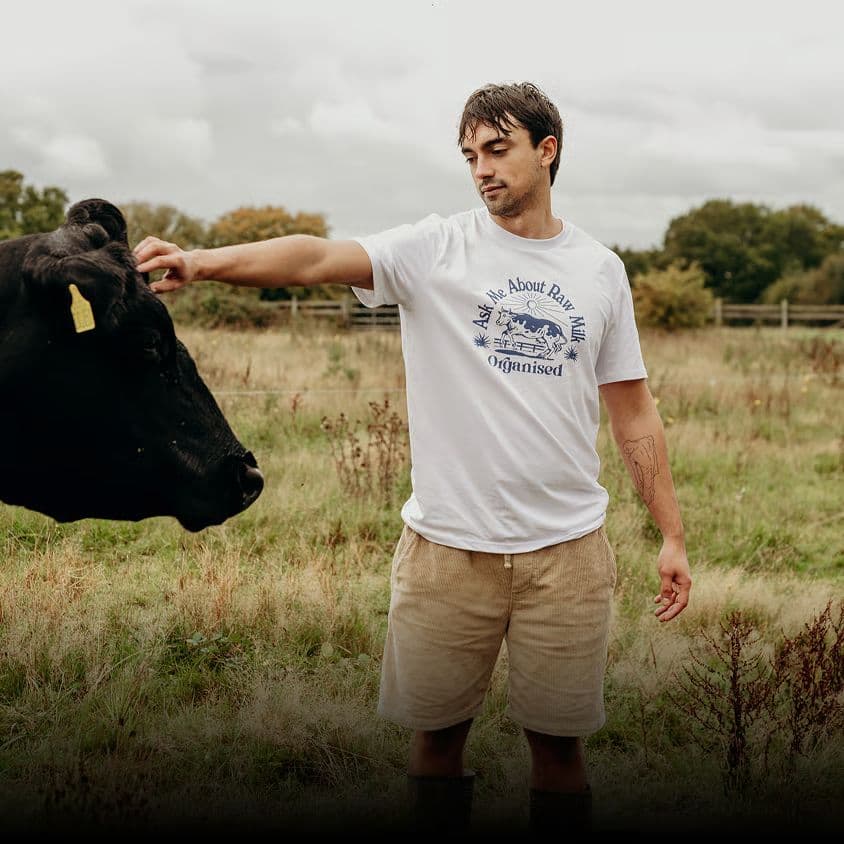
Pedro Rodrigues
Reviewer · Agronomist (farming and sourcing only)
Pedro is the agronomist Organised works with on farming and sourcing. His job on the guides is to keep the science honest: he reviews what we publish about soil health, regenerative agriculture, grazing and the way food is actually produced.
Areas of expertise: Regenerative agriculture, Agronomy, Soil health, Grass-fed farming, Food sourcing
Reviewed this guide on
Read Pedro's full profileBrowse the guides library
All guidesKeep reading
Life stage
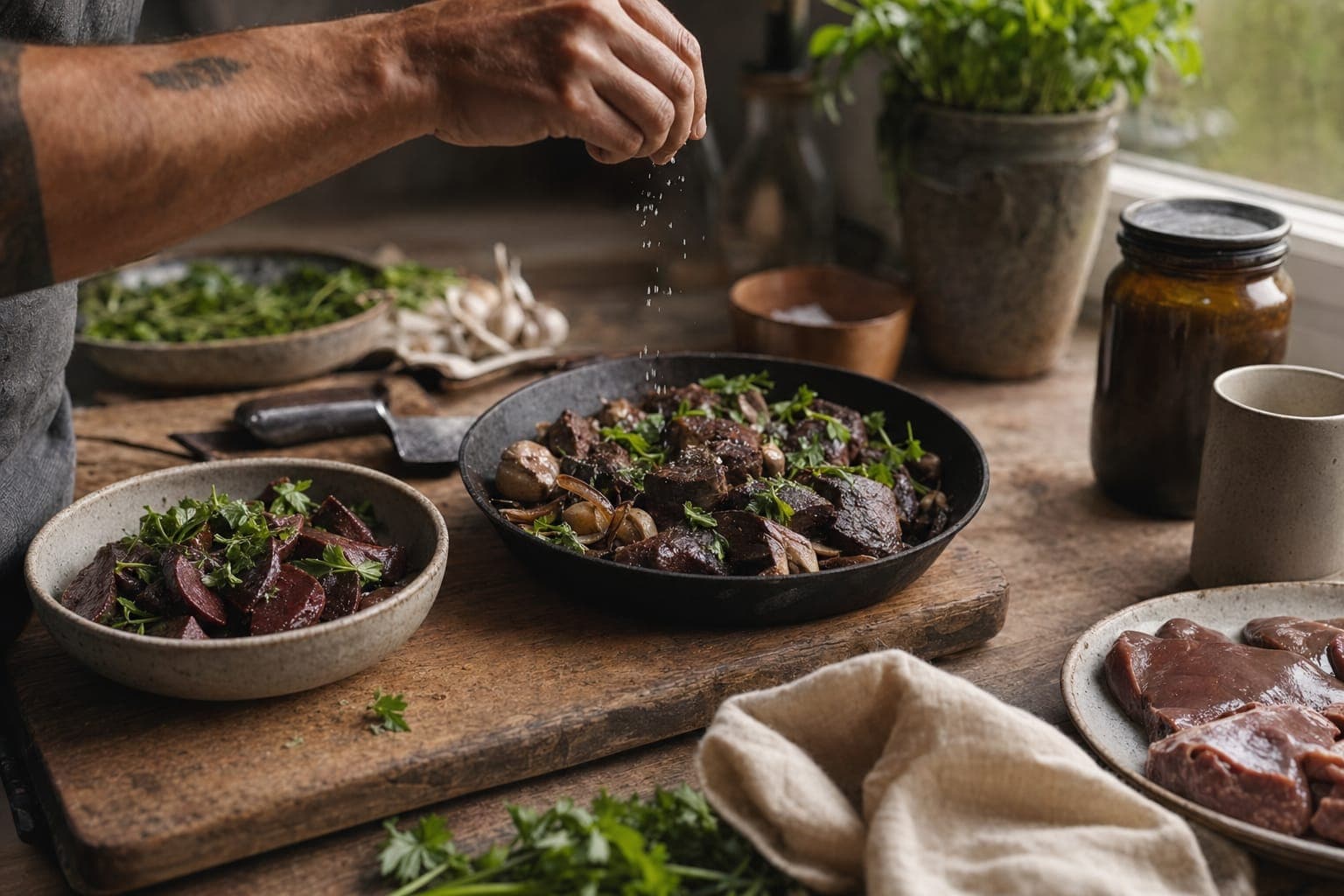
Endurance Athletes and Organ Meats: An Overlooked Advantage
Endurance athletes need heme iron, B12, and CoQ10. Organ meats deliver all three. Discover why heart, liver, and kidney are performance fuel.

Life stage
Menopause and Bone Density: Protecting Your Skeleton
Oestrogen drop in menopause accelerates bone loss. Calcium plus K2 plus D plus adequate protein plus resistance training prevents fracture risk.
Life stage
The Fourth Trimester: Why Mothers Need Organ Nutrition
The fourth trimester is when mothers face severe nutrient depletion. Learn why organ nutrition is critical for recovery and what to eat.
Real food, made effortless
Find my daily blendA few ways to use it
All recipes
Raw Milk Ice Cream with Organised
Make raw milk ice cream at home with Organised for a seasonal, nutrient-dense treat. Three simple flavours to try whenever the craving strikes.
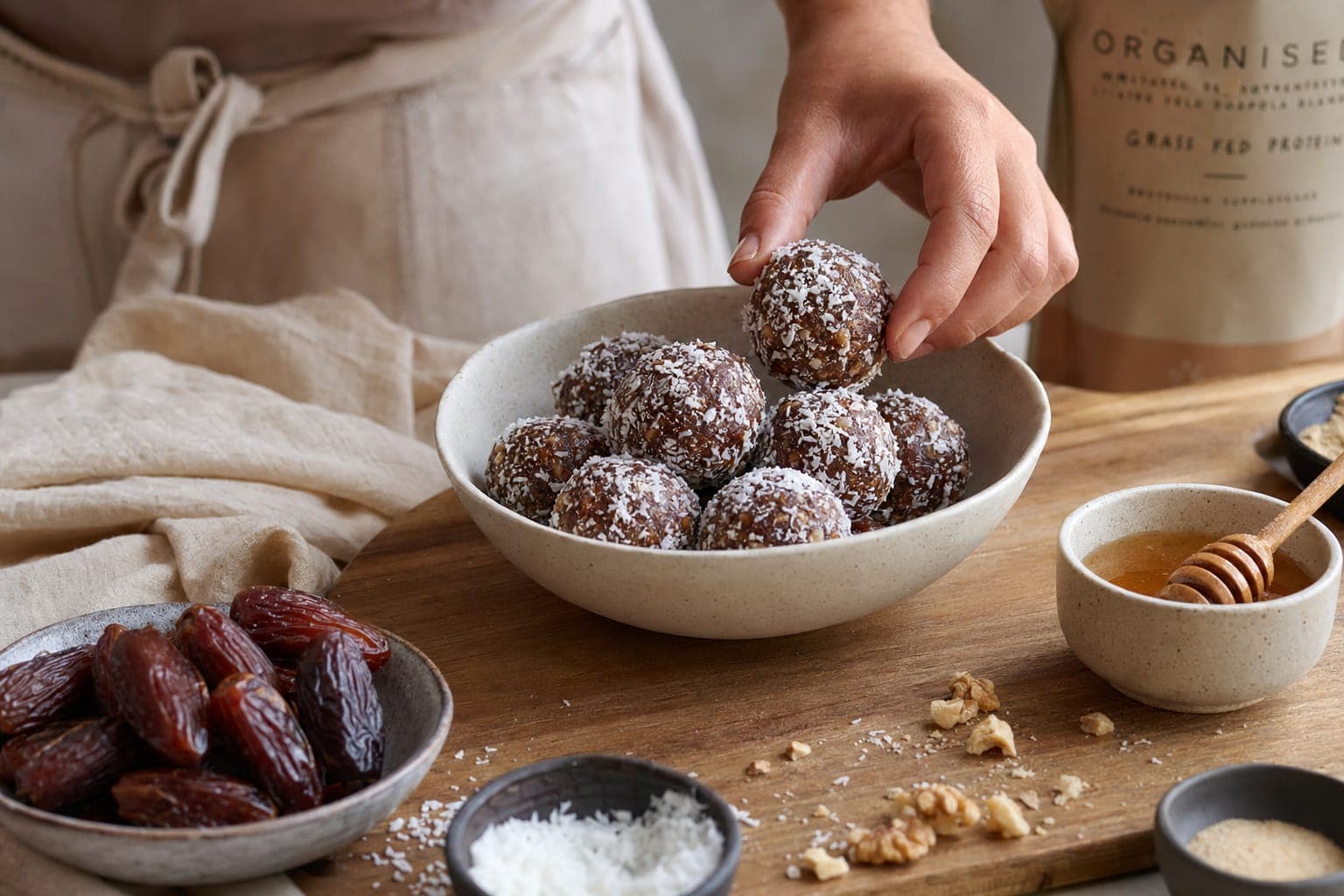
Energy Balls with Organised, Dates and Raw Honey
Make no-bake energy balls with Organised, dates, and raw honey. Perfect lunch box, pre-workout, or on-the-go snack. Simple recipe.
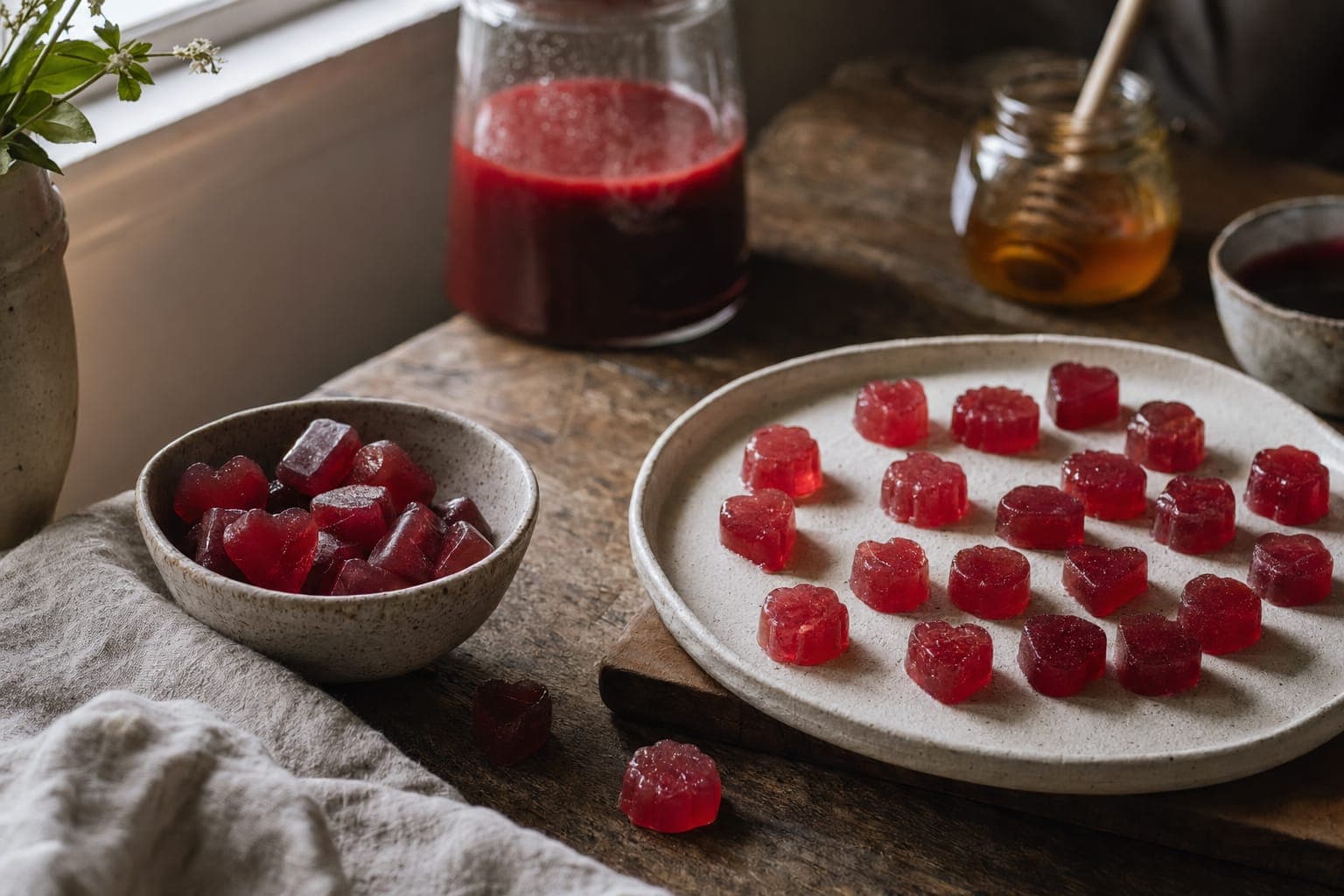
How to Make Your Own Gelatine Gummies
A simple recipe for homemade gelatine gummies using grass-fed gelatine, fresh juice, and raw honey. Better than shop-bought, kids love them.


 Join over 100,000+ members
Build a better food system with us
The Organised community is thousands of people choosing real food and backing the farmers who grow it, all of us trying to leave the world a little better than we found it. If that is what you care about too, you belong here.