A Woman's Nutritional Guide: From Periods to Menopause
Your nutritional needs are not static. They shift with your cycle, they deepen in your 30s, they transform at perimenopause. Yet we're told to eat the same way at 22 as at 52. That's the problem. Here's what your body actually needs.
By Niall Kiddle, Founder, Organised

Reviewed by Pedro Rodrigues, Agronomist (farming and sourcing only) ·
8 min read · Published · Updated · 3 cited sources
Makers of the Organised Daily blend, a grass-fed beef organ supplement from regenerative UK farms
A woman's body is rhythmic. Hormonal. Changing constantly. And almost every nutrition guide in existence has been built for bodies that don't menstruate.
Your body is not a man's body
The Recommended Dietary Allowance for iron is 8 mg/day for adult men and 18 mg/day for premenopausal women, reflecting menstrual blood losses.1
But that's just the beginning of where women's nutrition diverges from the textbook. Oestrogen affects how you absorb nutrients. It changes how you metabolise glucose. It influences your need for magnesium, for B6, for folate. It changes what happens to your mood, your energy, your recovery when those nutrients are missing.
And then there's the shift at perimenopause. Oestrogen doesn't disappear smoothly. It fluctuates wildly, which means nutrient needs flux too. Iron needs stay high even after you stop menstruating because oestrogen's drop creates other problems: bone loss, cardiovascular strain, metabolic shifts that only whole food nutrition can address.
You are not a smaller man with breasts. You have a cyclical metabolism, specific nutrient losses, and hormonal drives that require a completely different nutritional architecture.
Iron: the element you're probably missing
Iron deficiency in women is widespread and often invisible. You might not feel dramatically anaemic. You might just feel perpetually tired, brain fog, struggling with mood, your hair thinning, your nails brittle, struggling on stairs, cold all the time. All of those can be iron. And most of the time, nobody tests for it properly because they only look at haemoglobin, which is the last marker to drop.
The issue is threefold. First, you're losing it monthly through menstrual blood. An average period bleeds roughly 30-40ml of blood, which contains 15-20mg of iron. That's nearly your entire monthly iron intake gone in a few days. Second, plant-based iron is poorly absorbed compared to animal iron. A handful of spinach does not replace a portion of liver. The body converts between 3 and 6 per cent of plant iron into usable form, whereas animal iron (heme iron) is absorbed at around 15 to 35 per cent. That gap matters if you're trying to build reserves. Third, your gut health affects iron absorption. If your stomach acid is low or your gut is inflamed, even good iron sources won't be absorbed well.
Ferritin, the storage form of iron, should ideally sit above 70 ng/mL for optimal energy, mood, and hair health. If your ferritin is in the 20-30 range, you'll likely feel it. Below 12, you're clinically anaemic. But here's the thing: subclinical deficiency, where your haemoglobin looks okay but your ferritin is low, is the most common state for women and it's the state that steals your energy first. You won't fail a traditional blood test. You'll just live in a fog.
The richest dietary sources of iron include organ meats, red meat, oysters, clams, and poultry. Heme iron from animal sources is absorbed at roughly 14–18% from a mixed diet, compared with 5–12% from a vegetarian diet, and ascorbic acid (vitamin C) enhances non-heme iron absorption.1
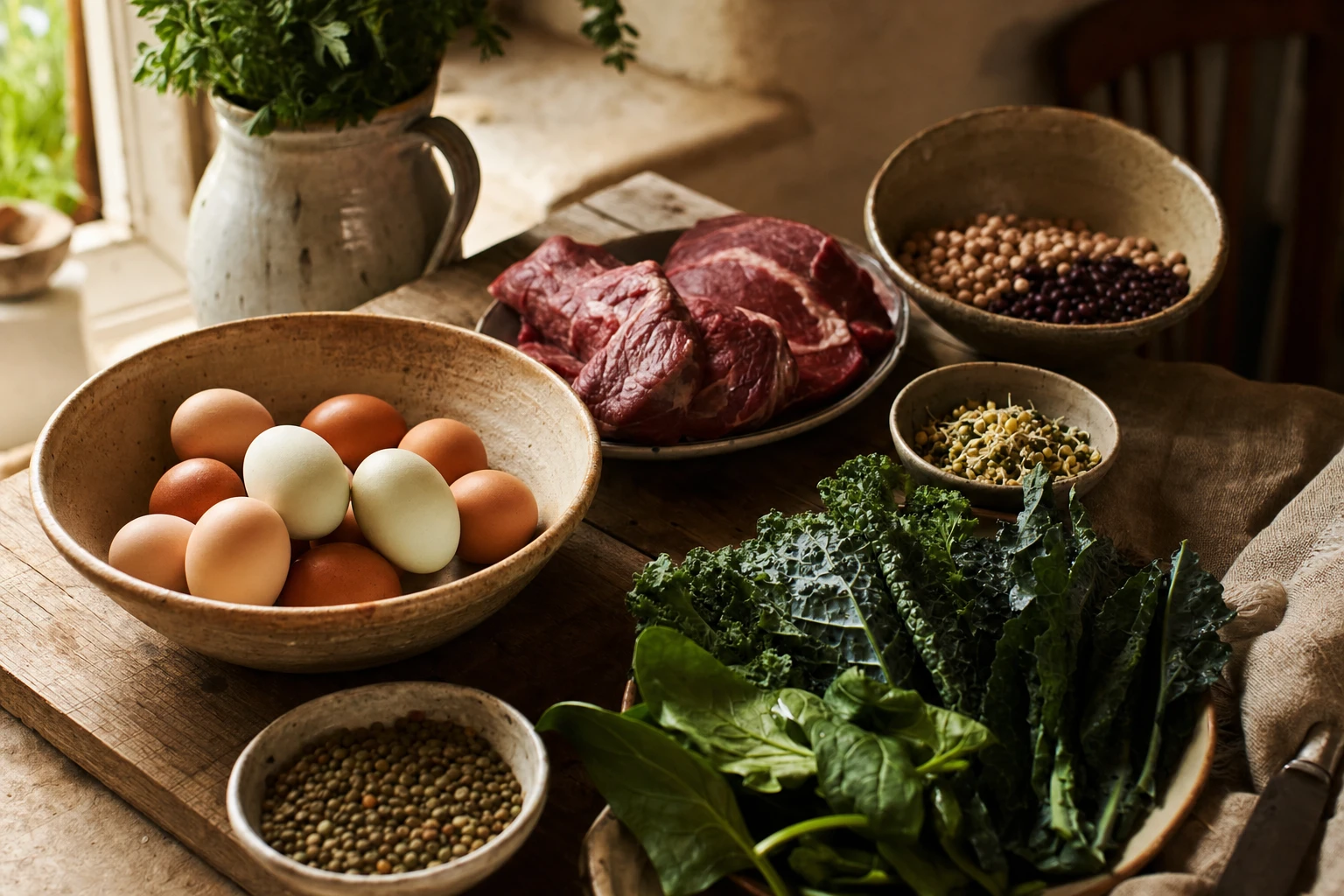
The strategy is simple: hunt iron deliberately. Aim for organ meats (liver, kidney, heart) at least weekly. Red meat at least twice weekly. Shellfish monthly. This isn't optional supplementation. This is primary nutrition.
If you want to feel genuinely energised, iron should be a food you hunt deliberately, not hope appears accidentally in your diet. Organ meats, red meat, fish: these are the reliable sources.
The B vitamins that run your cycle
Oestrogen affects B vitamin metabolism directly and profoundly. Higher oestrogen phases of your cycle (the follicular phase, roughly day 1-14) increase the breakdown of B vitamins, particularly B6 and folate. Your luteal phase (roughly day 15-28) is when progesterone rises and B vitamin needs intensify. B6 is essential for serotonin production, which is why mood often dips in the luteal phase when B6 is low. This isn't mood weakness or PMS hysteria. It's a biochemical reality. Folate is involved in methylation, the biochemical process that keeps your nervous system calm and your mood stable. It's also essential for managing homocysteine, an inflammatory marker that rises when folate is low.
Vitamin B12 occurs naturally only in animal-source foods, with liver, clams, fish, red meat, eggs and dairy as the main sources. People who avoid animal foods are at substantially higher risk of B12 deficiency.2
Choline is an essential nutrient required for synthesis of phosphatidylcholine and acetylcholine, with eggs and beef liver among the densest dietary sources. The Adequate Intake is 425 mg/day for non-pregnant women, rising during pregnancy and lactation.3
The pattern is consistent: animal foods dramatically outperform plant alternatives for B vitamin density and bioavailability. If you want to support your cycle, prioritise liver and eggs across the entire month, then slightly increase B-rich foods in your luteal phase (roughly day 15-28) to offset the increased metabolic demand. Two to three eggs daily, liver weekly, and red meat at least twice weekly creates a robust B vitamin foundation.
Get life-stage nutrition guides, free
Two short reads a week on eating well through pregnancy, childhood and older age.
By signing up you agree to receive emails from us. No spam, unsubscribe anytime.
Fat-soluble vitamins and hormonal health
Vitamins A, D, E, and K live in fat, and they require dietary fat to be absorbed. This is why low-fat diets are particularly damaging for women: you cannot optimise hormonal health on a low-fat diet. You simply cannot. Oestrogen production depends on dietary fat. Progesterone signalling depends on it. Vitamin D absorption depends on it. These are not negotiable.
Vitamin A supports the health of the uterine lining and the production of cervical mucus (the clear, stretchy mucus during fertile days). Deficiency correlates with heavier, more painful periods and difficulty conceiving. The richest source is liver (retinol, the active form): 100g of beef liver contains 6000+ IU of vitamin A. Grass-fed dairy and pastured eggs contain significant amounts. Orange vegetables contain beta-carotene, which converts to vitamin A poorly (the conversion rate is roughly 12:1 by weight, and it requires dietary fat for absorption anyway). A woman trying to get vitamin A primarily from carrots is fighting uphill.
Vitamin D is involved in oestrogen and progesterone production, immune function, and bone health. Most women are deficient, particularly if they live north of 40 degrees latitude or work indoors. If you're not supplementing or getting regular midday sun exposure in summer (which most of us aren't), you're probably low on your own. Egg yolks contain about 40-60 IU per yolk. Wild salmon contains 400-1000 IU per 100g. Grass-fed butter contains some. Supplementation is often necessary in northern climates, particularly October through March. Consider 2000-4000 IU daily, ideally checked with blood work.
Vitamin K2, the activated form, is critical for bone and cardiovascular health and is chronically overlooked. It's found in fermented foods (sauerkraut, natto, aged miso), grass-fed butter, aged cheeses (particularly Gouda and Gruyère), and organ meats. A serving of natto (fermented soya beans) contains roughly 200 mcg of K2. As oestrogen declines at perimenopause, K2 becomes even more important for maintaining bone density and preventing arterial calcification.
The practical approach: eat butter and whole fat dairy, eat liver and red meat, eat egg yolks, and don't fear dietary fat. It's not the enemy of your hormones. It's the foundation.
Eating fat is not the problem. The fats you're eating,or not eating,are shaping your hormonal health in ways restrictive dieting never captures.

1 of 9
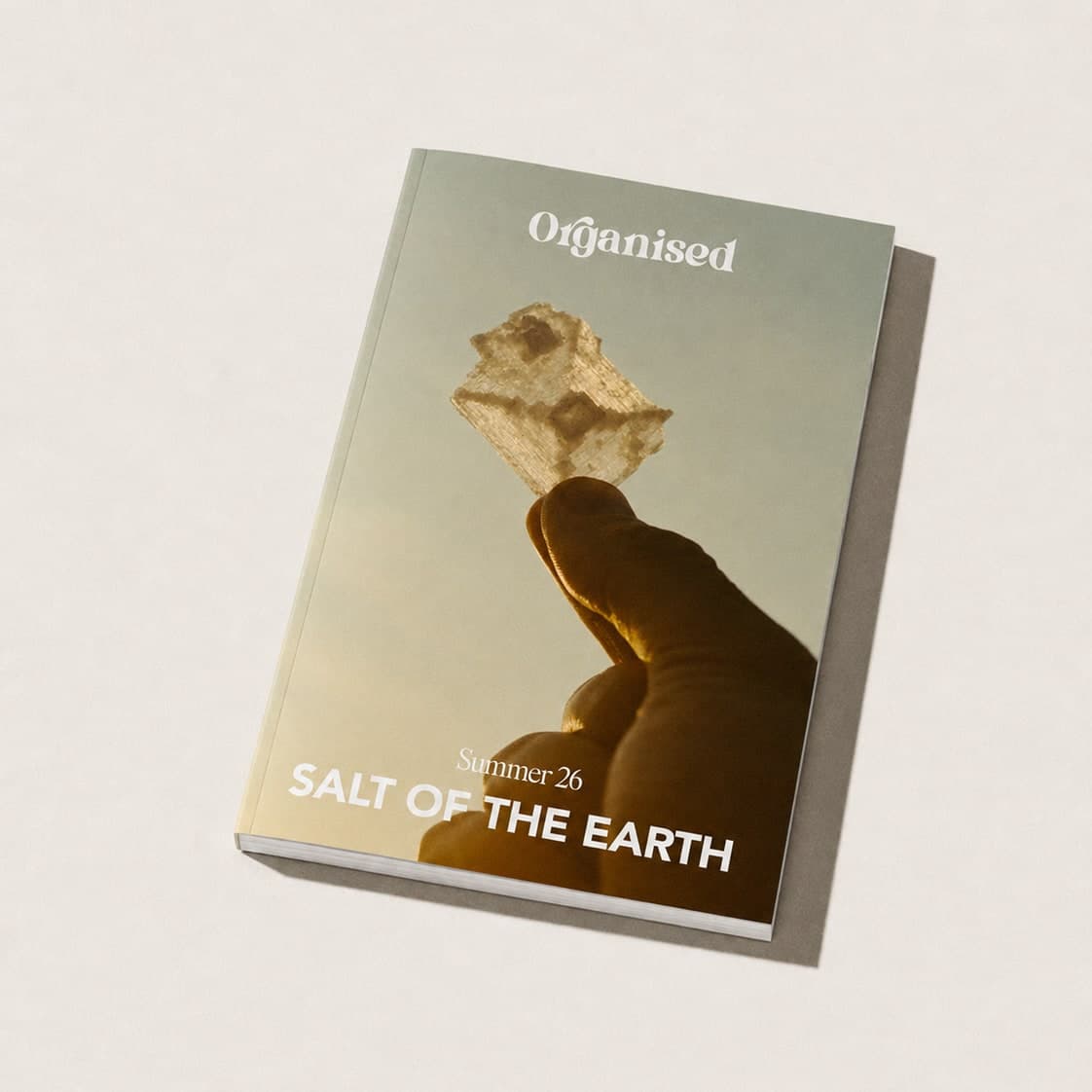
Daily blend
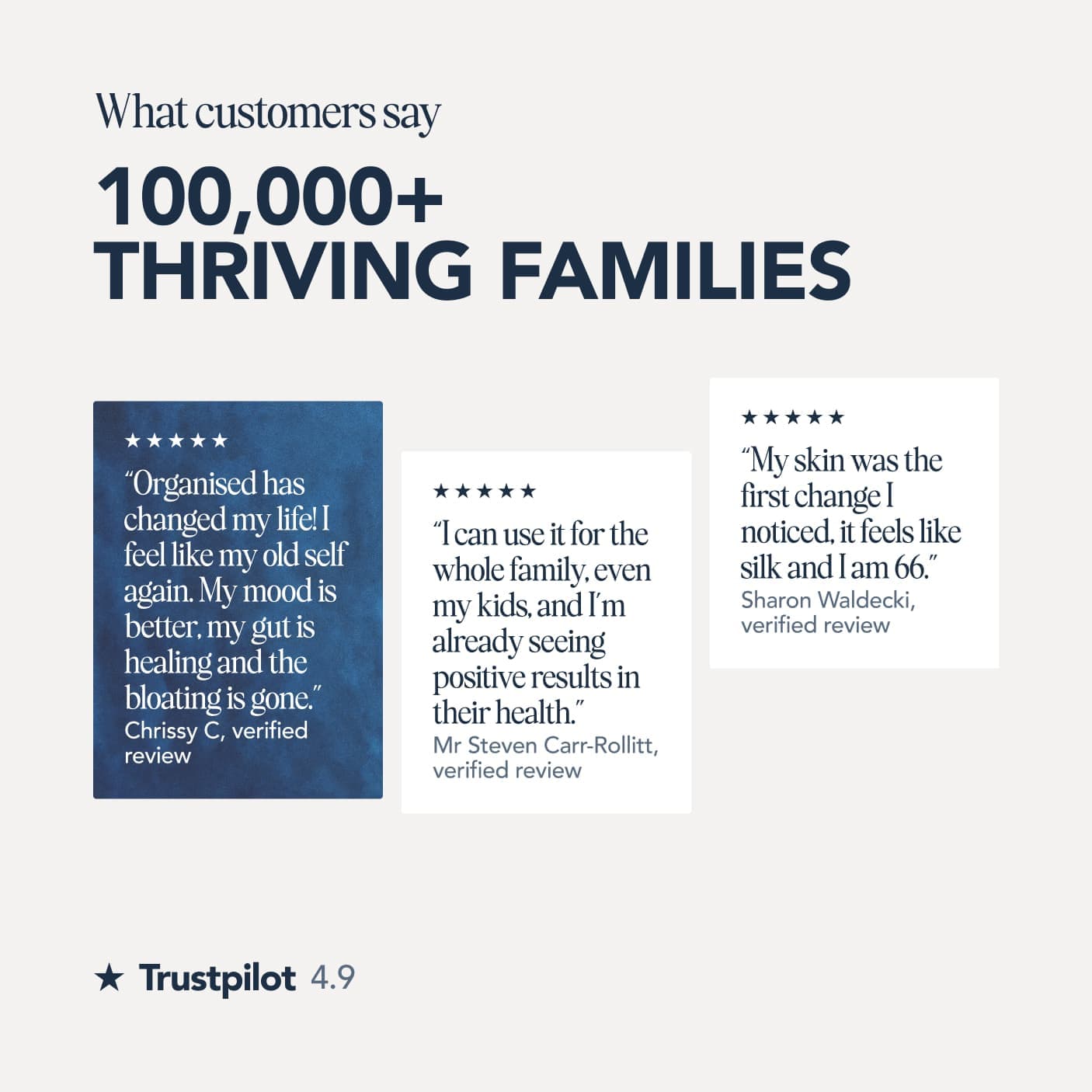
100,000+ thriving families4.9 on Trustpilot
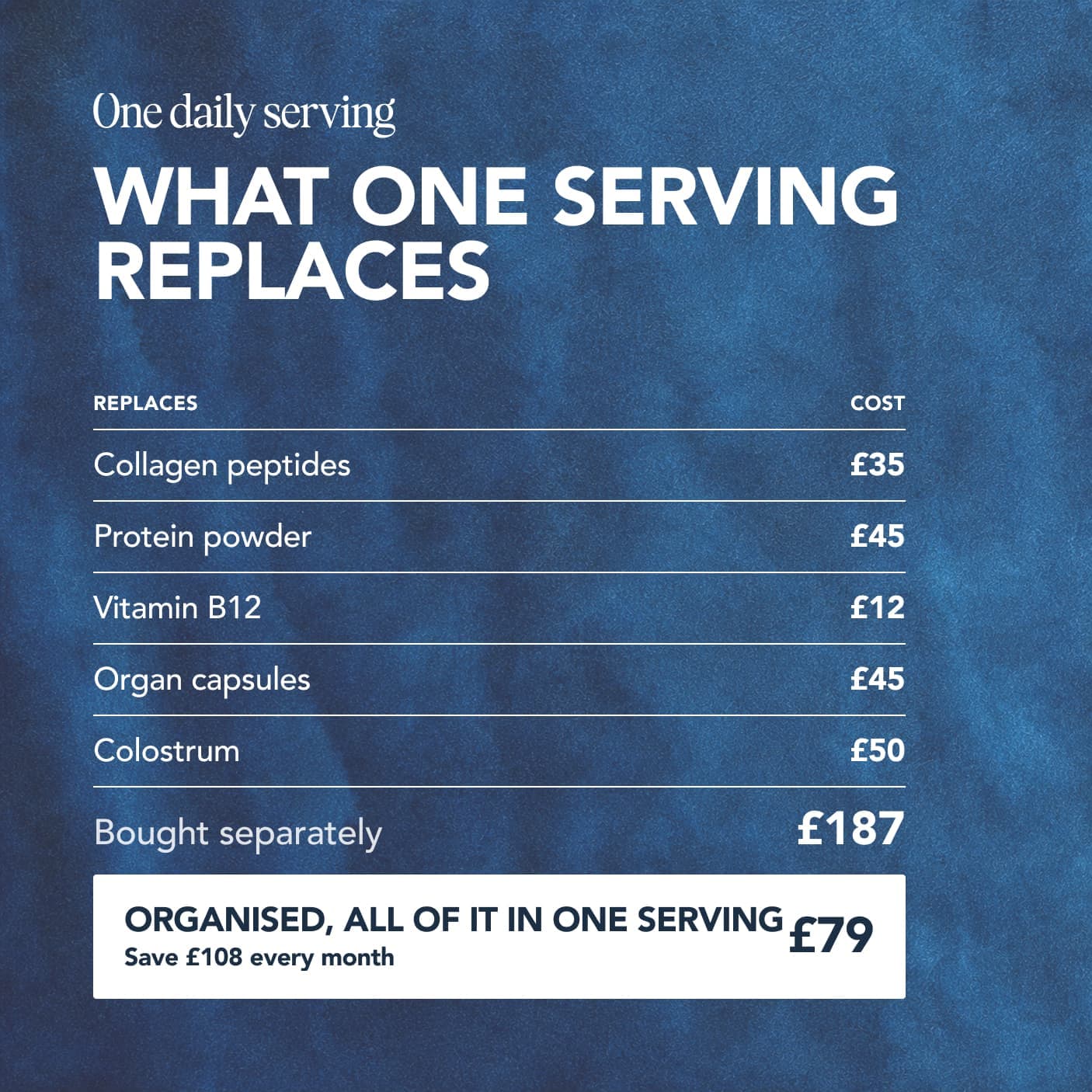
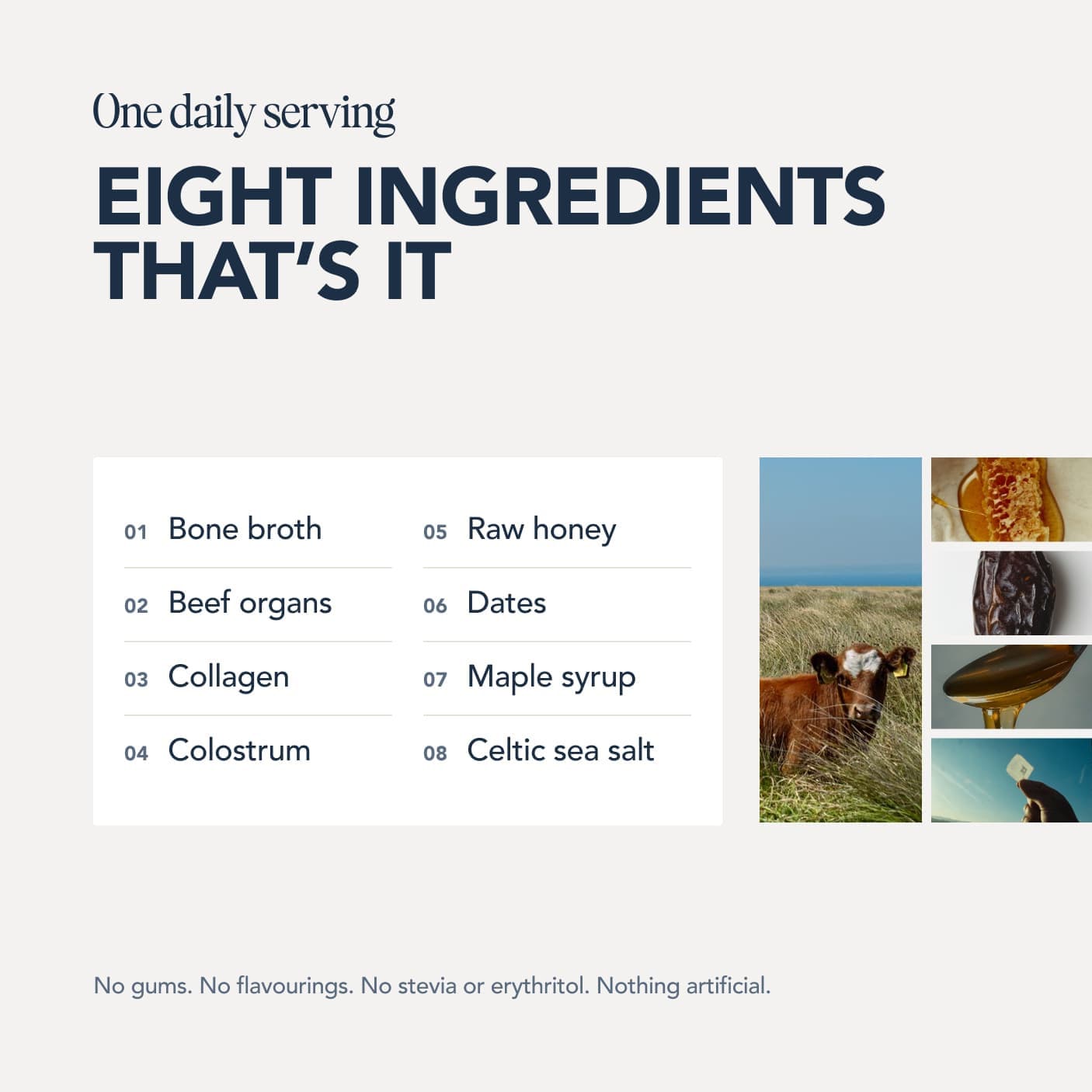
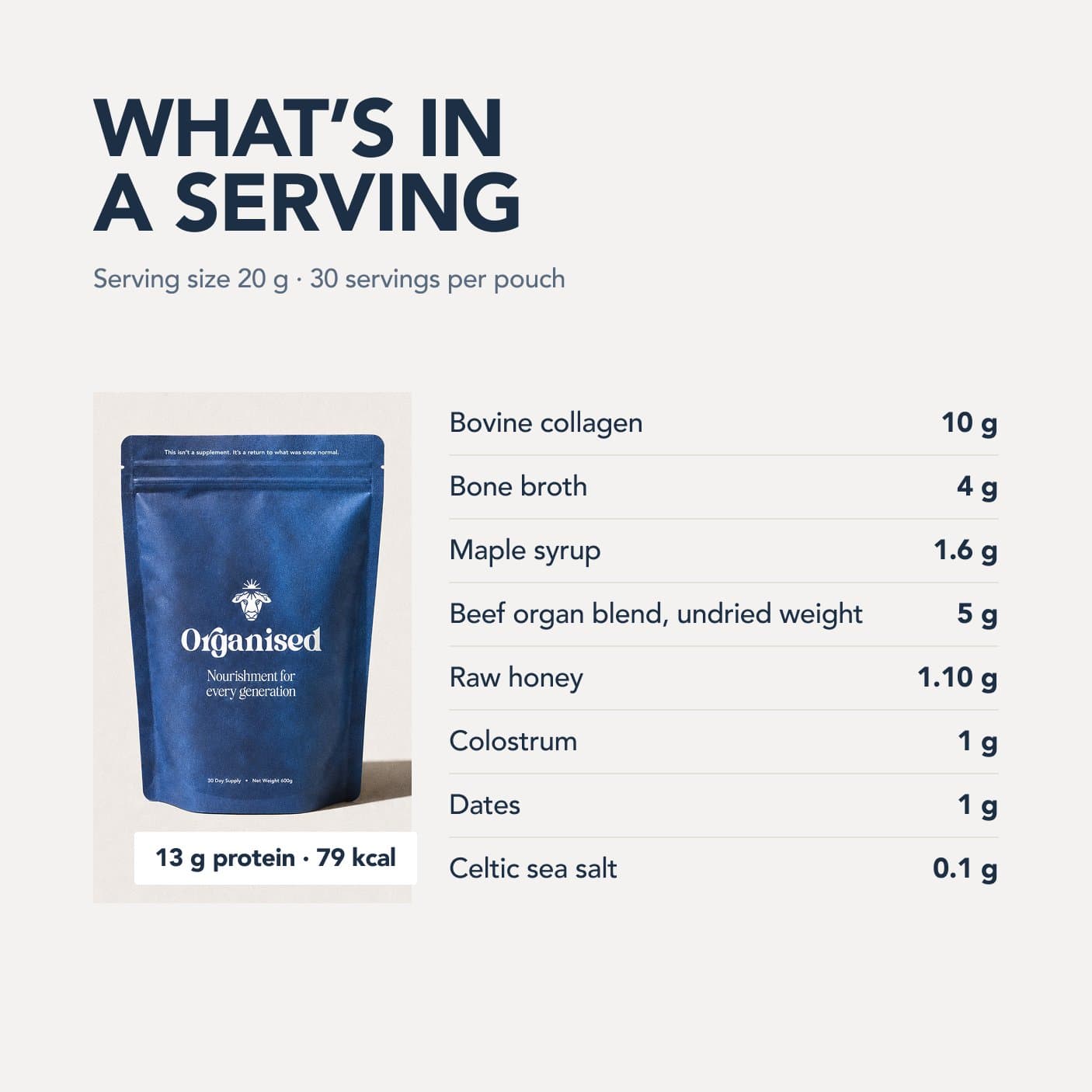
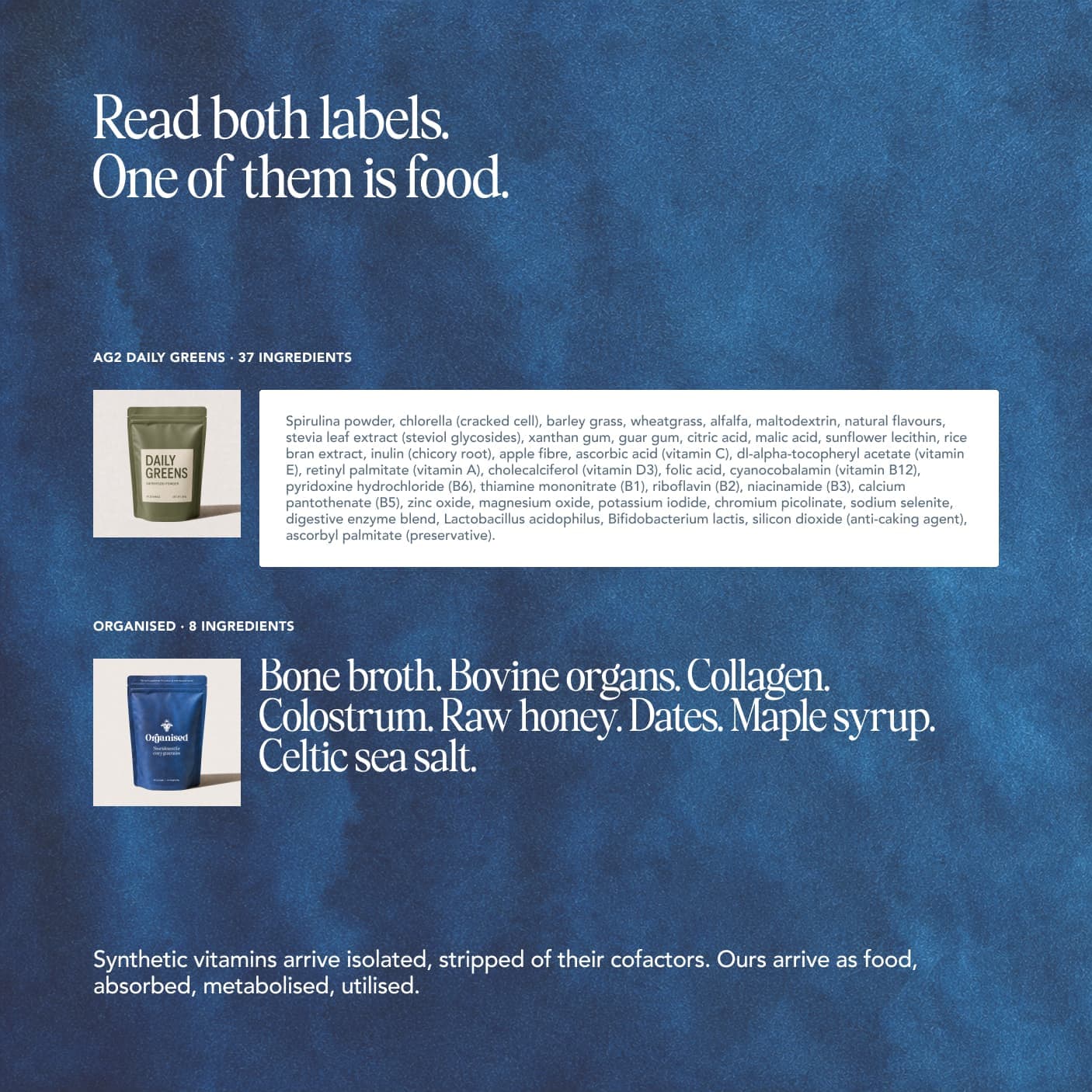
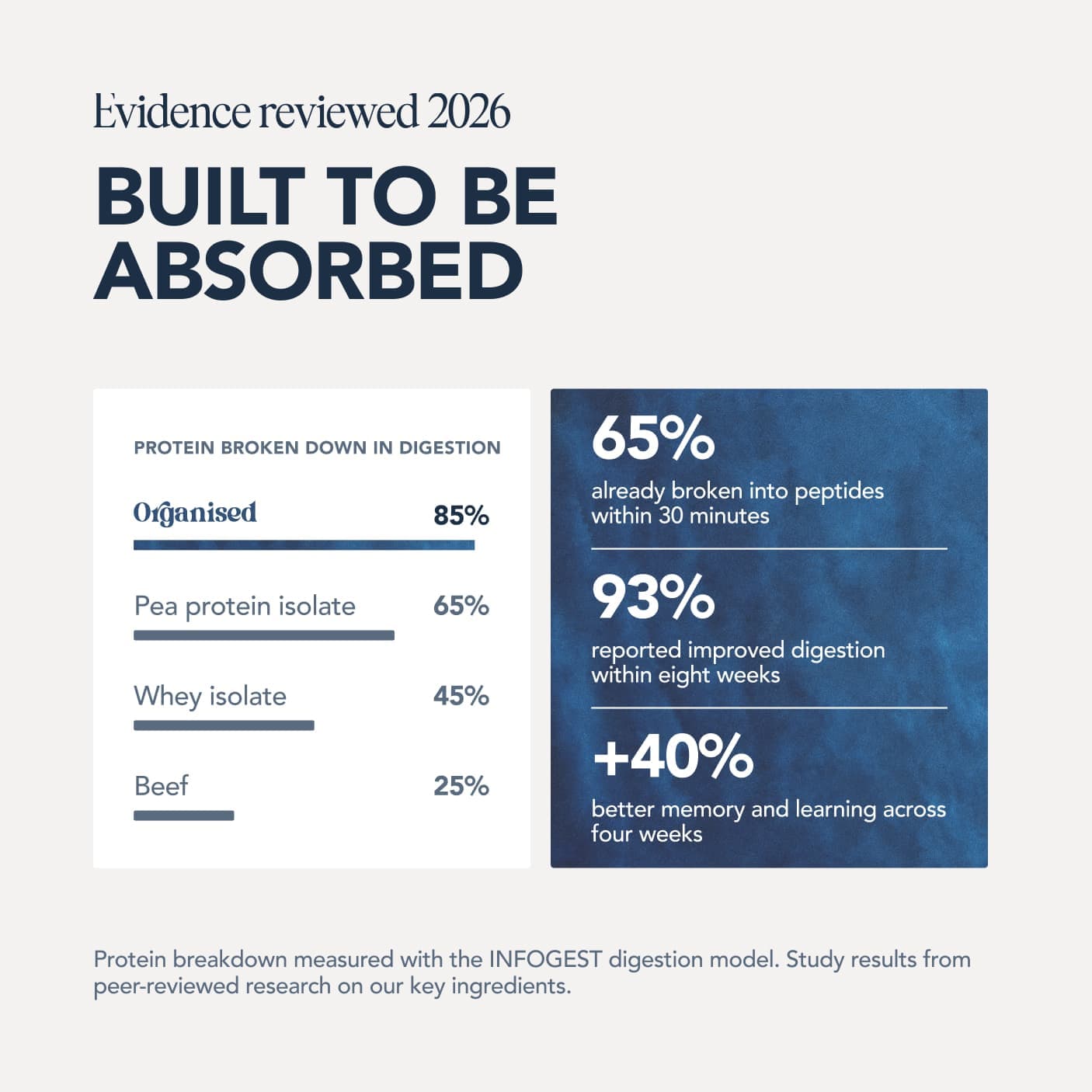
Eight real ingredients built around grass-fed beef organs, collagen and colostrum. Nothing synthetic added.
Free with your first order, worth £38. Plus £10 off the pouch with a subscription.
Free UK shipping · Made in England · 100 day money back guarantee on your first pouch · Skip, pause or cancel anytime
Cycle syncing basics
Your metabolic needs are not constant across your cycle. Your follicular phase (roughly day 1-14) is higher in oestrogen. Your luteal phase (roughly day 15-28) is higher in progesterone. These hormones shift your nutrient needs, your hunger, your energy expenditure.
In the follicular phase, oestrogen is rising. Your metabolic rate is lower, your appetite is lower, your energy is more stable. This is when lighter meals, more movement, and more complex carbohydrates work well. Your body is processing nutrients efficiently.
In the luteal phase, progesterone is rising. Your metabolic rate increases. Your appetite genuinely increases (this is not weakness, it's biology). You need more calories, more magnesium, more B6, more complex carbohydrates to stabilise blood sugar. Skipping food or restricting heavily in the luteal phase is fighting your biology, not honouring it.
This isn't about eating different foods. It's about eating the same foods in different quantities and timing. More meals in the luteal phase. More magnesium-rich foods (pumpkin seeds, dark chocolate, leafy greens). More complex carbs. More balanced protein at each meal.
Perimenopause and menopause: reframe what nutrition looks like
Perimenopause typically begins in your 40s. Oestrogen doesn't decline smoothly; it fluctuates chaotically. This is when most women experience the worst symptoms: mood swings, night sweats, irregular periods, brain fog, weight gain. Nutrition cannot prevent menopause, but it can make the transition dramatically more manageable.
Iron remains essential even after you stop menstruating. Oestrogen's decline increases your cardiovascular risk and your bone loss risk. Iron is critical for both. Keep hunting liver and red meat deliberately.
Calcium and K2 become central. Your bone loss accelerates at menopause. Calcium from whole food (raw dairy if you can source it, leafy greens, bone broth, eggs) combined with K2 and vitamin D creates the conditions for maintaining bone density. Supplemental calcium without K2 and D is largely wasted.
Magnesium is perhaps more important in menopause than at any other life stage. It supports sleep quality, mood stability, bone health, and cardiovascular function. Most menopausal women are chronically deficient. Pumpkin seeds, dark chocolate, leafy greens, and magnesium baths become your friends.
Phytoestrogens (plant compounds that mimic oestrogen weakly) appear in soya, flax seeds, and sesame seeds. They do not replace oestrogen, but they may ease some symptoms. More importantly, whole food nutrition that stabilises blood sugar and supports liver function (which processes hormones) is the real foundation.
The bottom line
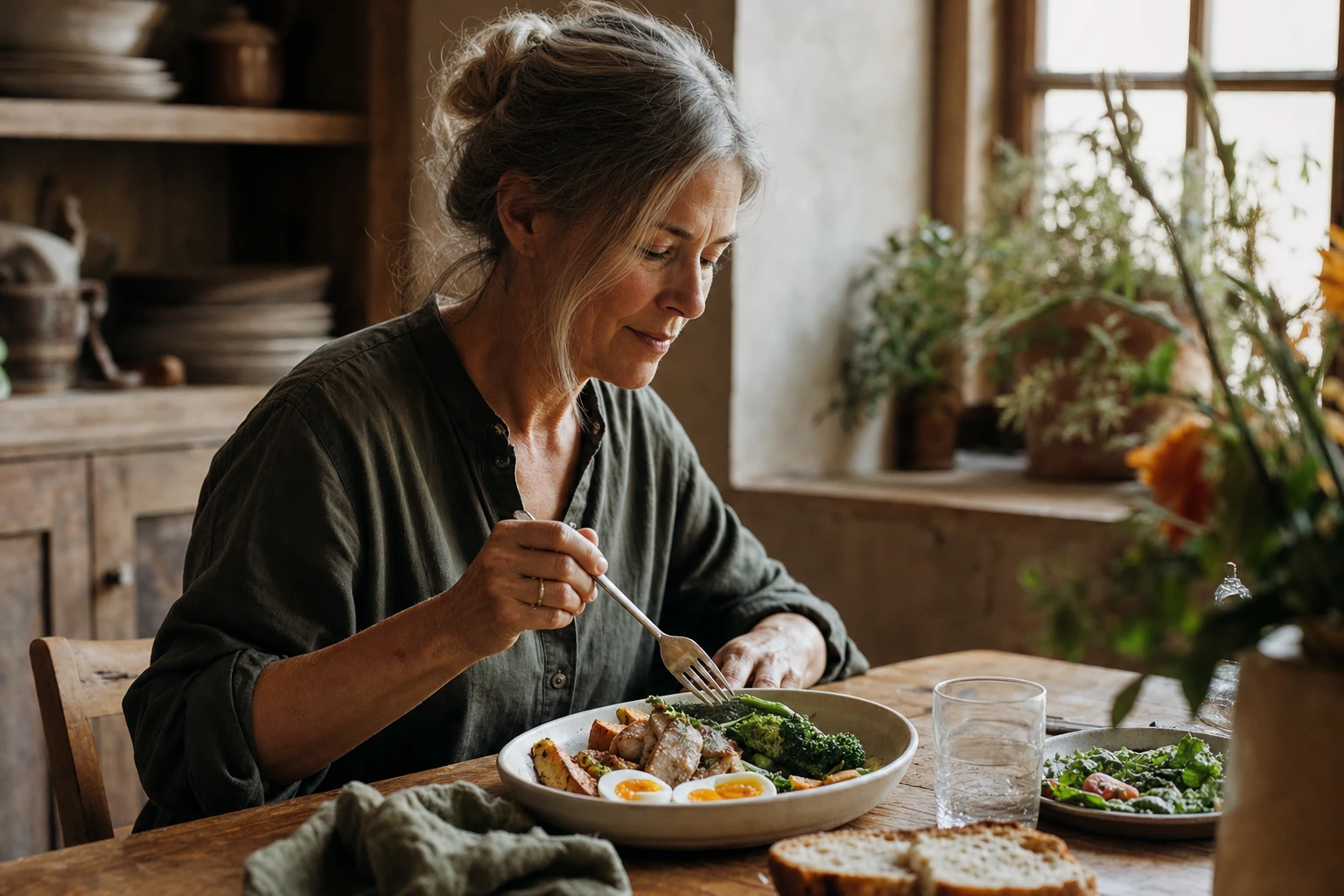
You need iron more than men do. You need B vitamins in rhythm with your cycle. You need fat-soluble vitamins, and that requires eating fat. At perimenopause and beyond, bone health and cardiovascular health become the urgent priorities, and nutrition is the primary lever.
This is not complicated. Eat liver and red meat, eggs and dairy, leafy greens and root vegetables, whole food fats like butter and olive oil. Eat more in your luteal phase. Eat consistently through perimenopause and menopause. Your body changes across your lifespan. Your nutrition should change with it.
References
Every source below was checked on 27 August 2026. Each link was requested and read. Where a citation and its identifier disagreed, the citation was corrected to the record or the reference was deleted along with the sentence marker that pointed at it, and where the resolved paper turned out not to support the sentence, the sentence was cut back to what it does support. Borrowed authority is worse than none, because it looks like rigour.
- National Institutes of Health, Office of Dietary Supplements. Iron — Health Professional Fact Sheet. https://ods.od.nih.gov/factsheets/Iron-HealthProfessional/
- National Institutes of Health, Office of Dietary Supplements. Vitamin B12 — Health Professional Fact Sheet. https://ods.od.nih.gov/factsheets/VitaminB12-HealthProfessional/
- National Institutes of Health, Office of Dietary Supplements. Choline — Health Professional Fact Sheet. https://ods.od.nih.gov/factsheets/Choline-HealthProfessional/
Who wrote and reviewed this guide
Niall Kiddle
Author · Founder, Organised
Niall is the founder of Organised. He started the company in 2024 after fixing his own health the slow way: in 2022 he swapped a cupboard of synthetic supplements for real food, raw milk, organ meats, bone broth and honey, and felt the difference within months.
Areas of expertise: Ancestral nutrition, Organ meats, Whole-food supplementation, Gut health, Regenerative sourcing
Read Niall's full profile
Pedro Rodrigues
Reviewer · Agronomist (farming and sourcing only)
Pedro is the agronomist Organised works with on farming and sourcing. His job on the guides is to keep the science honest: he reviews what we publish about soil health, regenerative agriculture, grazing and the way food is actually produced.
Areas of expertise: Regenerative agriculture, Agronomy, Soil health, Grass-fed farming, Food sourcing
Reviewed this guide on
Read Pedro's full profileMore on women's health
View allBrowse the guides library
All guidesKeep reading
Life stage
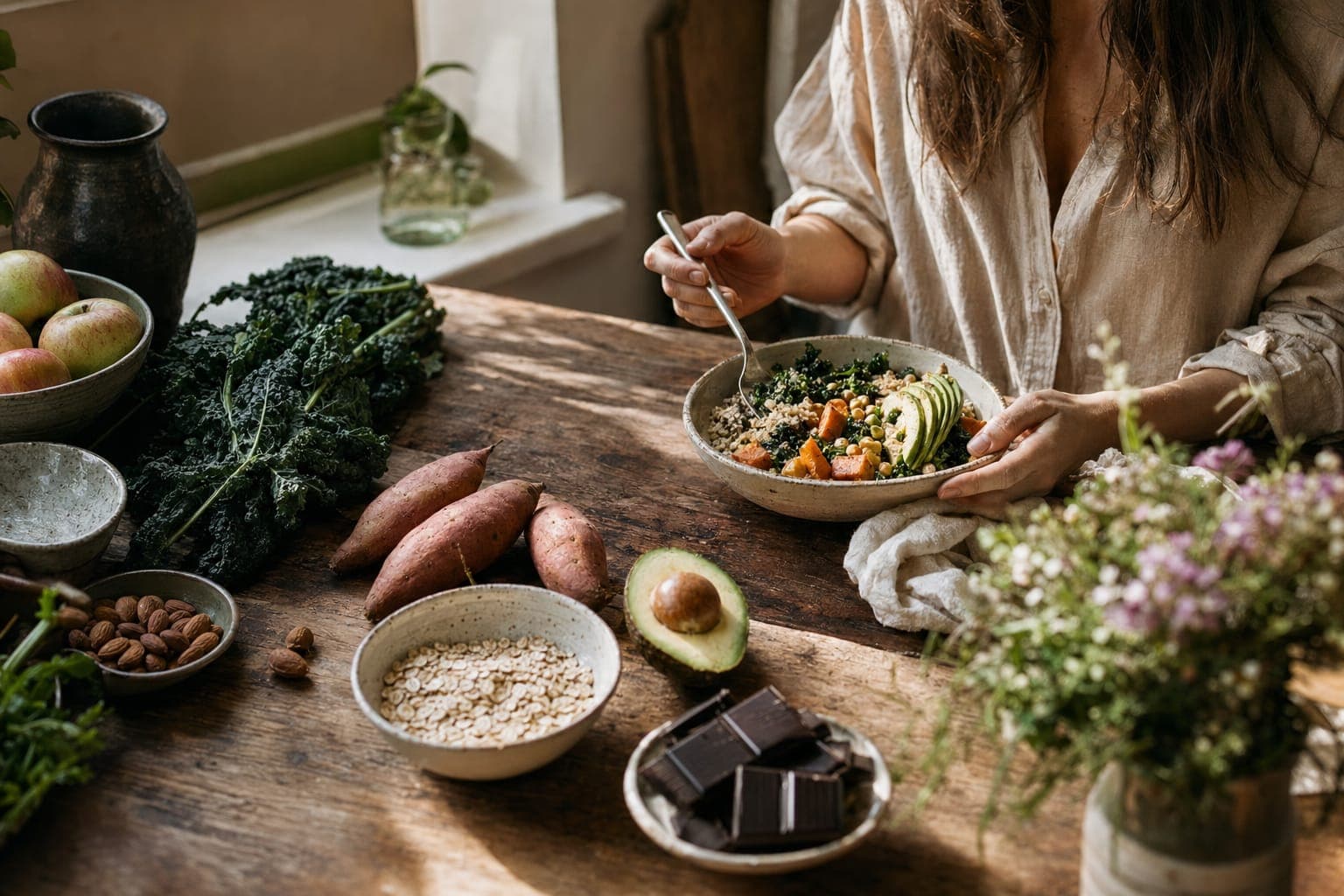
Why Women Need More Iron Than Men
Women need nearly 3x the iron of men. Understand menstrual loss, ferritin depletion, and why plant iron isn't enough. Learn which foods actually work.
Life stage
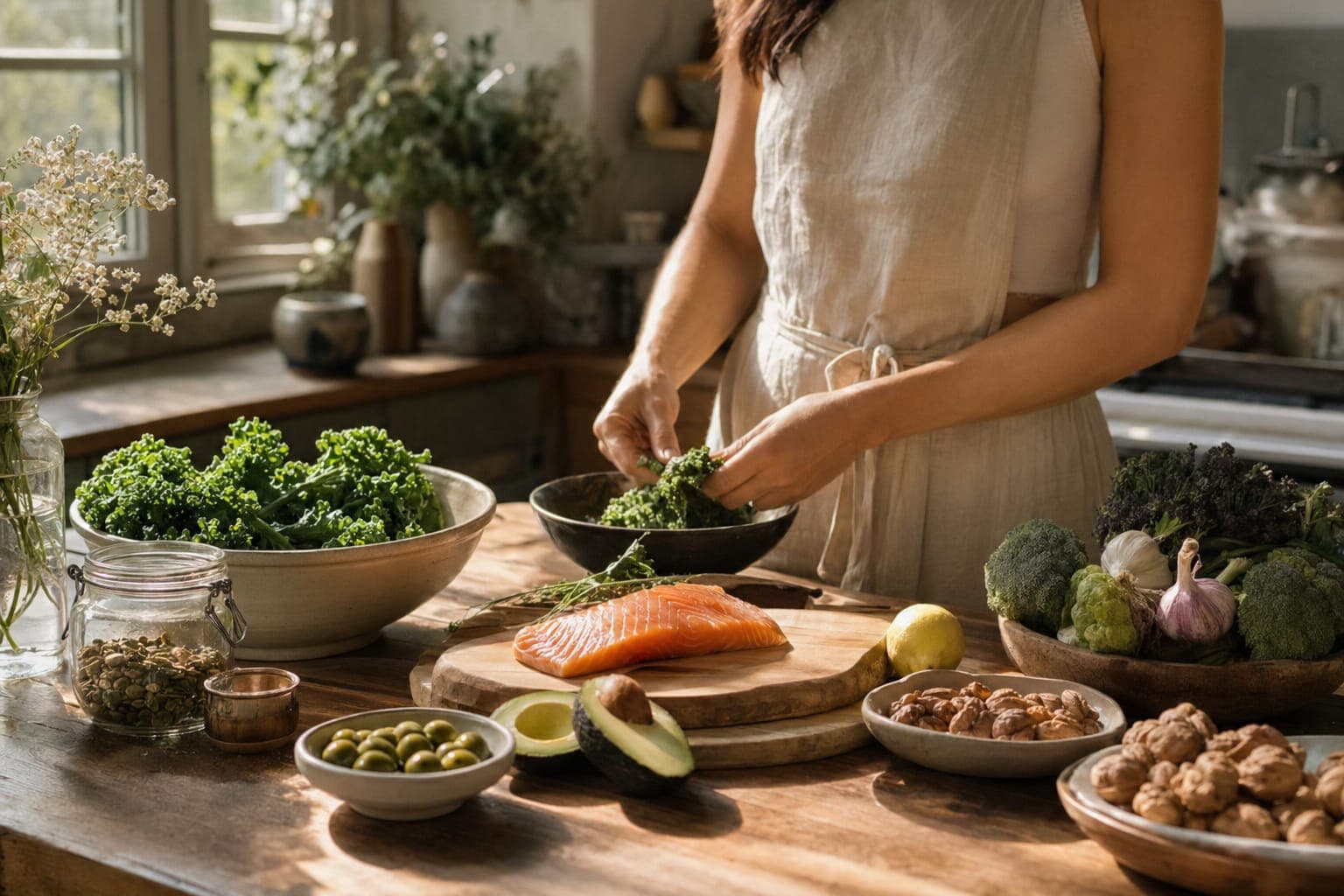
PMS Nutrition: What to Eat in Your Luteal Phase
PMS isn't inevitable. Master magnesium, B6, calcium, and complex carbs in your luteal phase. Specific foods that stabilise mood and energy.
Life stage
Endometriosis and Nutrition: An Evidence-Based Approach
Nutrition cannot cure endometriosis, but it can reduce pain and inflammation. Master anti-inflammatory fats, reduce seed oils, and eliminate xenoestrogens.
Real food, made effortless
Find my daily blendA few ways to use it
All recipes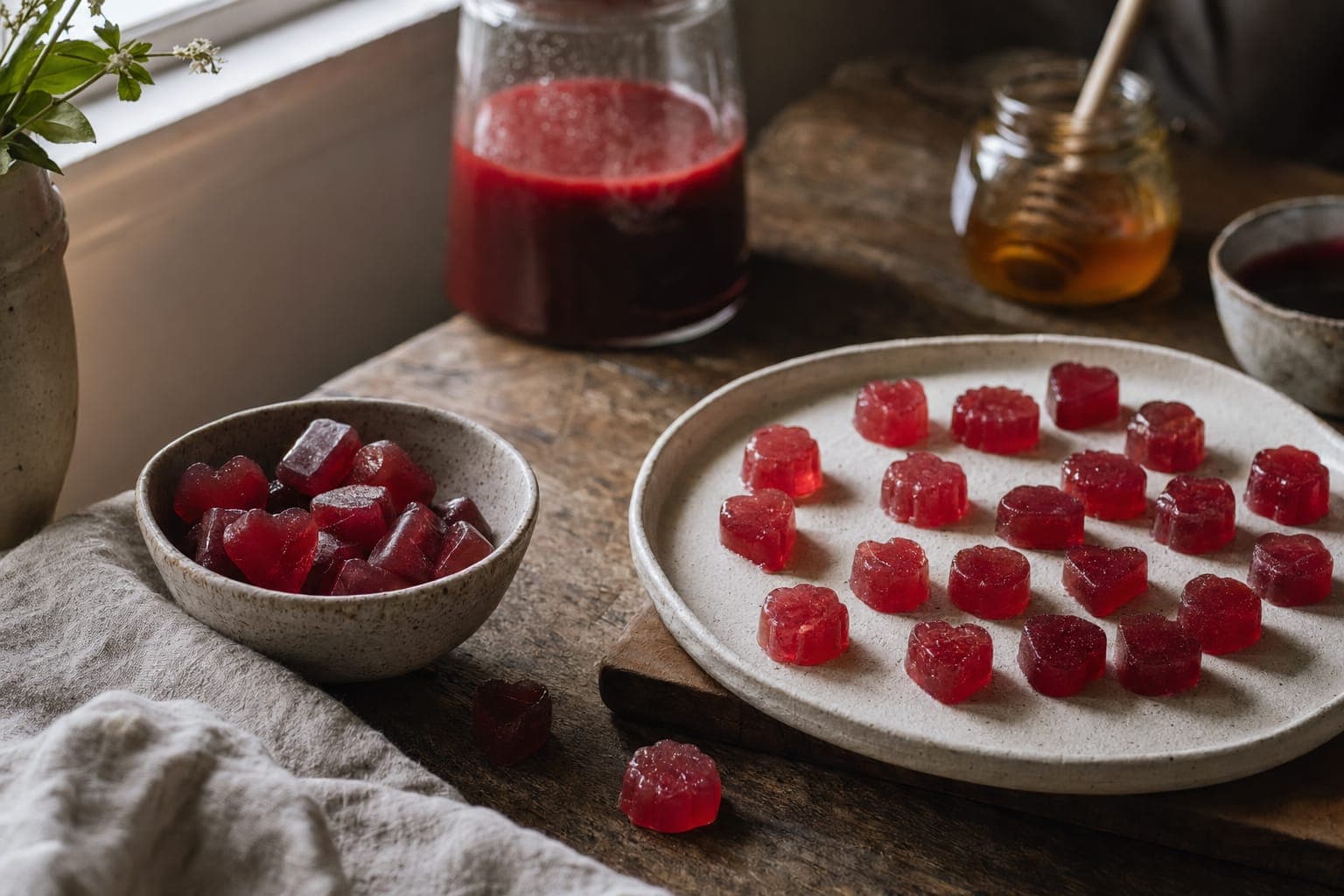
How to Make Your Own Gelatine Gummies
A simple recipe for homemade gelatine gummies using grass-fed gelatine, fresh juice, and raw honey. Better than shop-bought, kids love them.
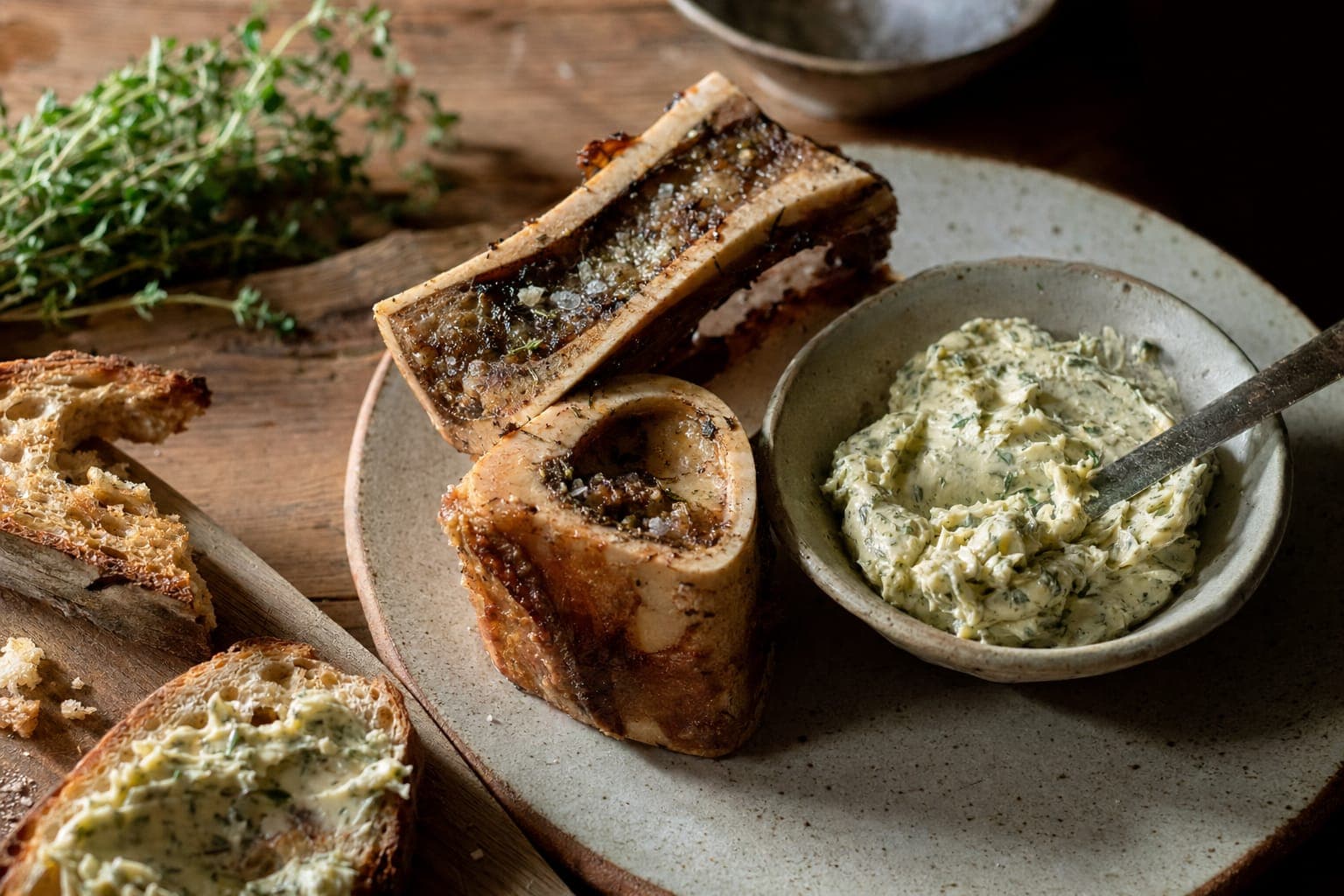
How to Make Bone Marrow Butter
Roast grass-fed marrow bones, scoop the marrow, and mix with butter and herbs. A nutrient-dense spread with fat-soluble vitamins.
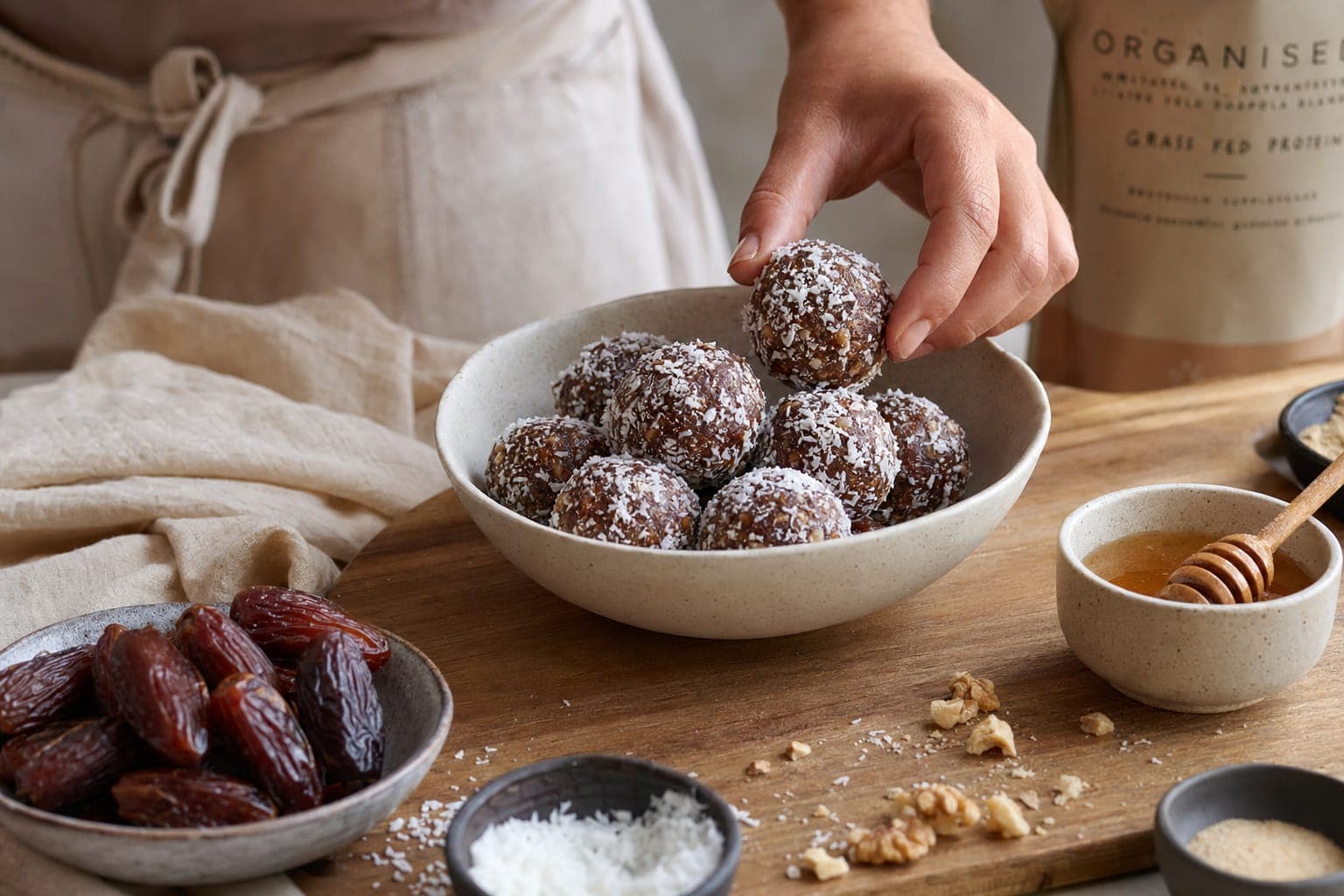
Energy Balls with Organised, Dates and Raw Honey
Make no-bake energy balls with Organised, dates, and raw honey. Perfect lunch box, pre-workout, or on-the-go snack. Simple recipe.


 Join over 100,000+ members
Build a better food system with us
The Organised community is thousands of people choosing real food and backing the farmers who grow it, all of us trying to leave the world a little better than we found it. If that is what you care about too, you belong here.