B12 Absorption Declines with Age: Here's What to Do
You might be eating enough B12. Your body might not be getting it. After 50, the system that absorbs B12 from food starts to fail, silently creating a deficiency that looks a lot like ageing.
By Niall Kiddle, Founder, Organised

Reviewed by Pedro Rodrigues, Agronomist (farming and sourcing only) ·
5 min read · Published · Updated · 3 cited sources
Makers of the Organised Daily blend, a grass-fed beef organ supplement from regenerative UK farms

A person in their 60s who's become forgetful, fatigued, and irritable isn't necessarily ageing normally. They might be B12 deficient. The trouble is, the deficiency is invisible until the damage is advanced.

Why B12 absorption breaks down
Vitamin B12 is water-soluble and found almost exclusively in animal products.1 Your body doesn't manufacture it. You have to get it from food. But getting it into your bloodstream requires a complex series of steps, and almost every one of those steps gets worse with age.
First, stomach acid must release B12 from the protein matrix of food. Stomach acid production declines naturally with age. By 60, many people produce less than half the stomach acid they did at 30. This is called hypochlorhydria, and it's profoundly common.3
Second, B12 must bind to a protein called intrinsic factor, produced by parietal cells in the stomach lining.2 Without intrinsic factor, B12 cannot be absorbed in the terminal ileum where absorption occurs. Parietal cell function declines with age. Production of intrinsic factor drops.
Third, the intestinal lining becomes less efficient. The absorption surface area declines. Overall nutrient absorption capacity decreases. B12 absorption specifically becomes less efficient even when intrinsic factor is present.
The result is that even if someone over 50 is eating adequate B12, their body is absorbing a smaller percentage of it. Combined with the fact that B12 is stored in the liver and takes years to become deficient, the problem compounds silently until symptoms emerge.
After 50, eating enough B12 isn't enough. You need to ensure your body can actually absorb what you're eating.
The intrinsic factor problem
Intrinsic factor is the critical bottleneck. Without it, B12 doesn't get absorbed, regardless of how much you're eating or supplementing orally.
Some people develop antibodies against parietal cells or intrinsic factor itself, a condition called pernicious anaemia. This is an autoimmune condition that becomes more common with age. It's not fixable through dietary changes alone. It requires B12 injections to bypass the absorption problem.
But even without autoimmunity, intrinsic factor production simply declines with age. This isn't pathological. It's age-related physiology. Parietal cell counts decrease. Less intrinsic factor is made. The absorption of dietary B12 becomes less and less efficient.
This is why standard oral B12 supplements often fail in older people. If intrinsic factor is low, the B12 just passes through and gets excreted. It doesn't matter if it's a massive dose. Without the transport mechanism, it doesn't get absorbed.
This is also why sublingual B12 supplements and B12 injections bypass the problem. They don't require intrinsic factor binding. They get directly into the bloodstream or are absorbed through different pathways.

Why symptoms get mistaken for ageing
B12 deficiency shows up as fatigue, brain fog, forgetfulness, and irritability. These symptoms are also perfectly normal presentations of ageing. That's why B12 deficiency in older people goes undiagnosed so often.
But there's a difference between ageing normally and being B12 deficient. A B12-deficient person feels significantly worse than they should for their age. They're more forgetful. More fatigued. More irritable. Their mood is lower. They recover more slowly from illness.
B12 is essential for myelin formation, the insulation around nerves. Without it, nerve conduction slows. The brain becomes less sharp. Long-term deficiency can cause permanent neurological damage if left untreated.
Checking B12 status becomes important after 50. A simple blood test can determine whether deficiency is developing. If it is, addressing it early can prevent the progression to more severe symptoms and irreversible neurological damage.
Get life-stage nutrition guides, free
Two short reads a week on eating well through pregnancy, childhood and older age.
By signing up you agree to receive emails from us. No spam, unsubscribe anytime.
The richest whole food sources
B12 is found almost exclusively in animal products. That's not a limitation. It's a feature. Animal products are the most B12-dense foods available.
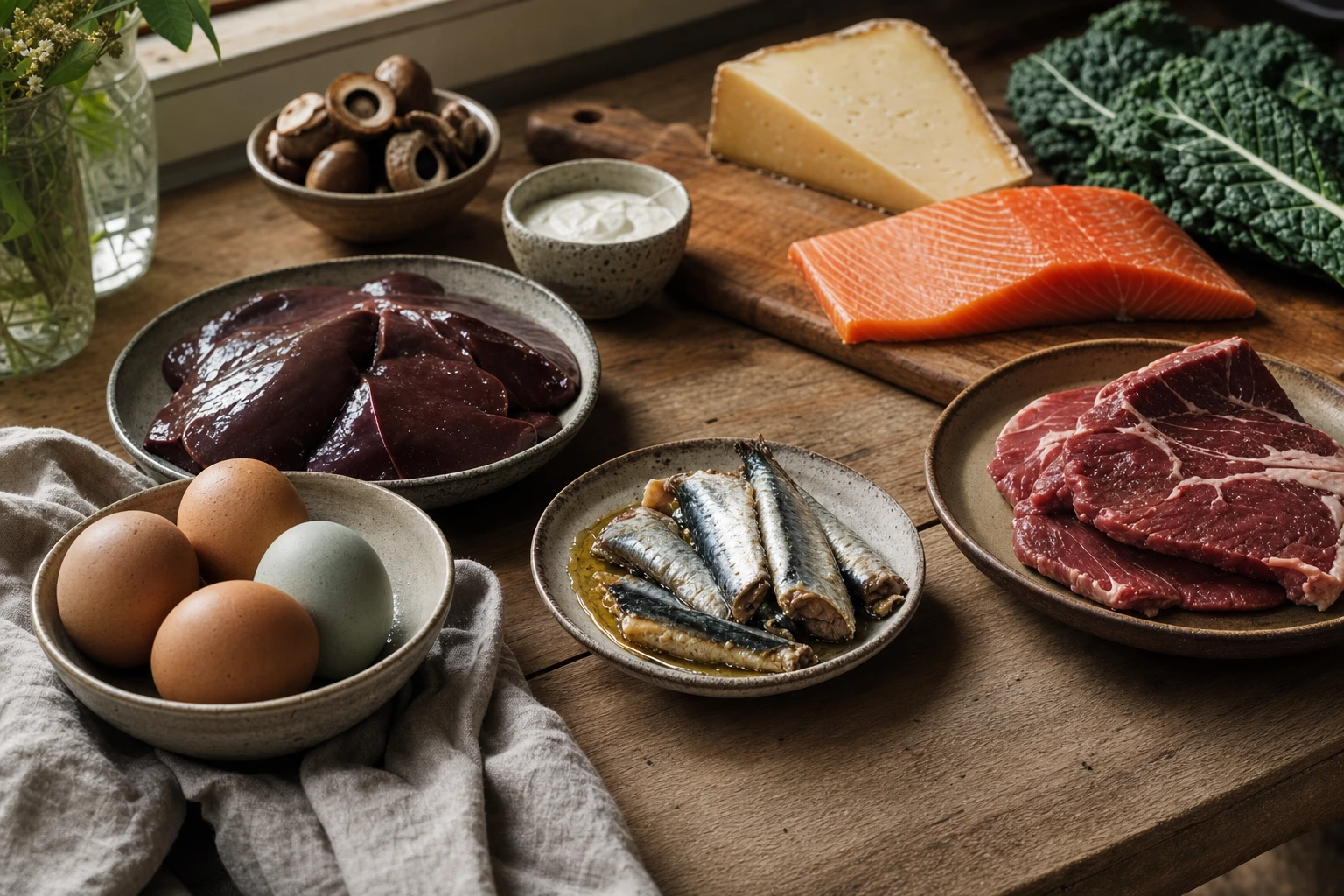
Organ meats are the most concentrated sources. Beef liver, lamb liver, and pork liver all contain extraordinary amounts of B12. A single serving of liver provides far more than the daily requirement. The bioavailability is exceptional because the vitamin comes packaged with the amino acids and cofactors that support its absorption.
Red meat, particularly beef, contains significant B12. The amount varies by cut, but muscle meat reliably provides a contribution to daily needs.
Fish and shellfish are excellent sources. Herring, mackerel, sardines, and oysters all provide B12 alongside other minerals and omega-3 fats.
Eggs from properly raised hens contain B12, though in lower concentrations than organs or fish. They're a useful regular food source.
Dairy provides B12, particularly in cultured products like yogurt and cheese where fermentation makes other nutrients more bioavailable as well.
- Beef liver (100g): 80 micrograms B12, far exceeds daily need
- Lamb liver (100g): 65 micrograms B12, exceptional density
- Herring (100g): 8 micrograms B12, plus omega-3s
- Oysters (6 medium): 20 micrograms B12, also zinc-rich
- Beef (100g): 2-3 micrograms B12, reliable contribution
- Eggs (2): 1-2 micrograms B12, daily staple
1 of 9
Daily blend
100,000+ thriving families4.9 on Trustpilot
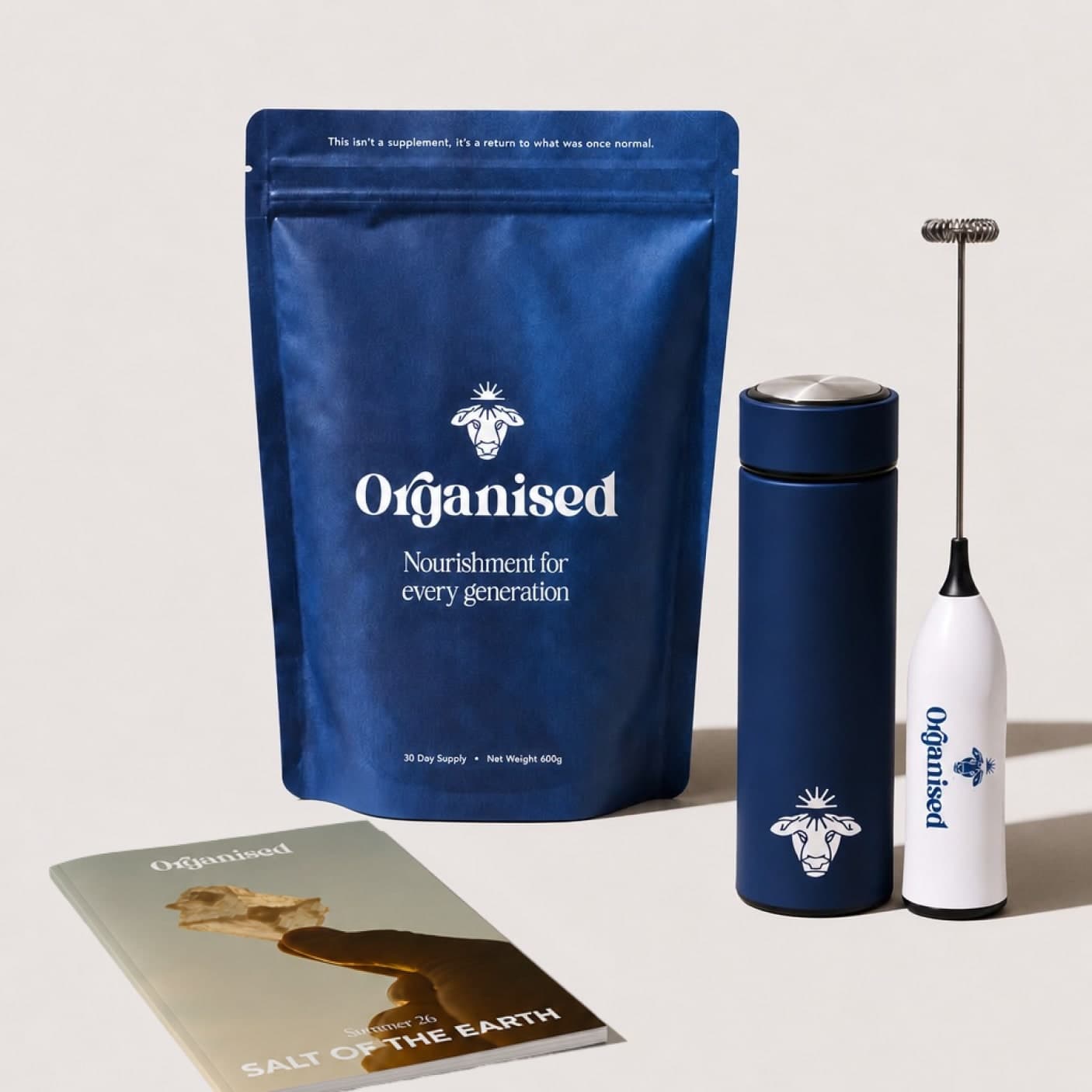
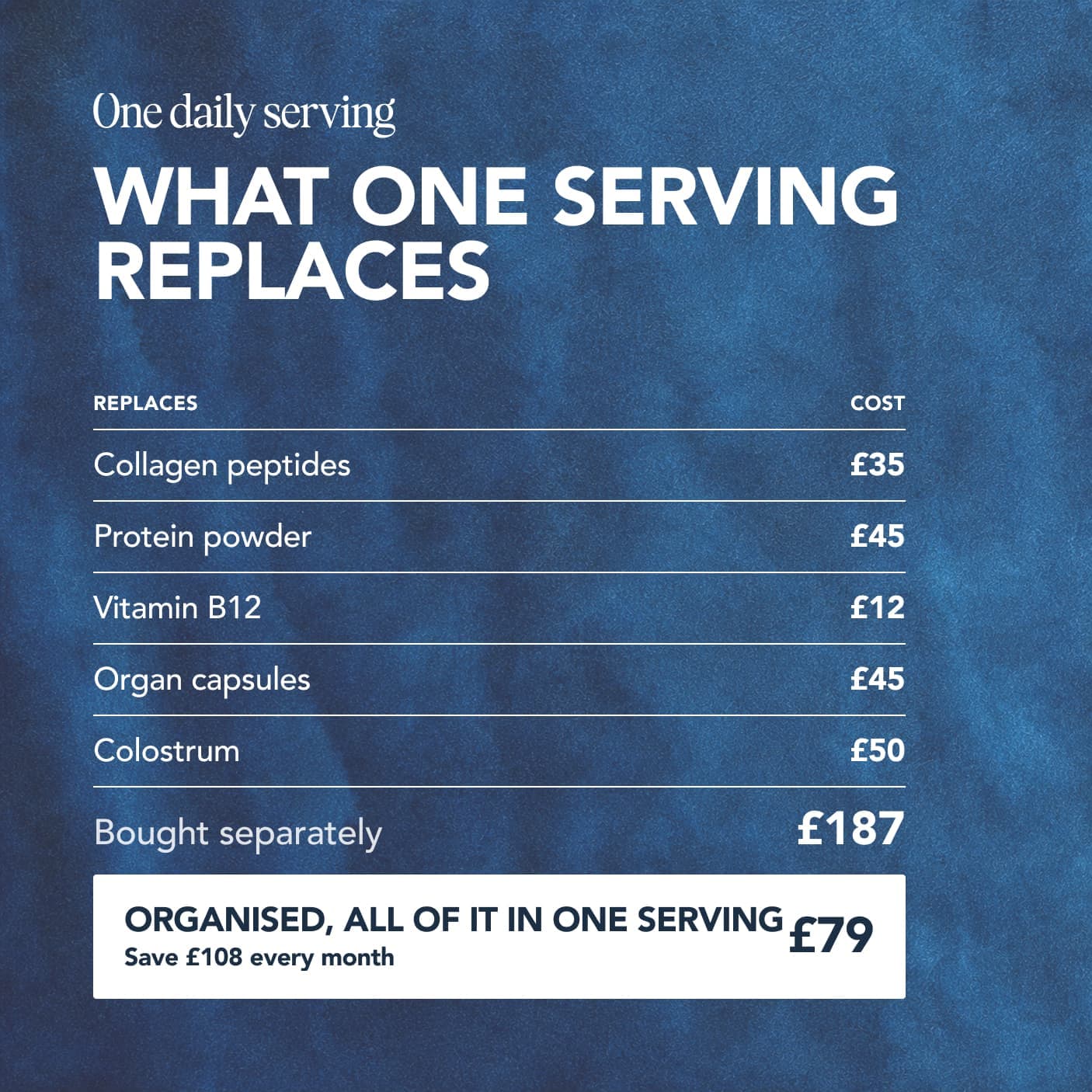
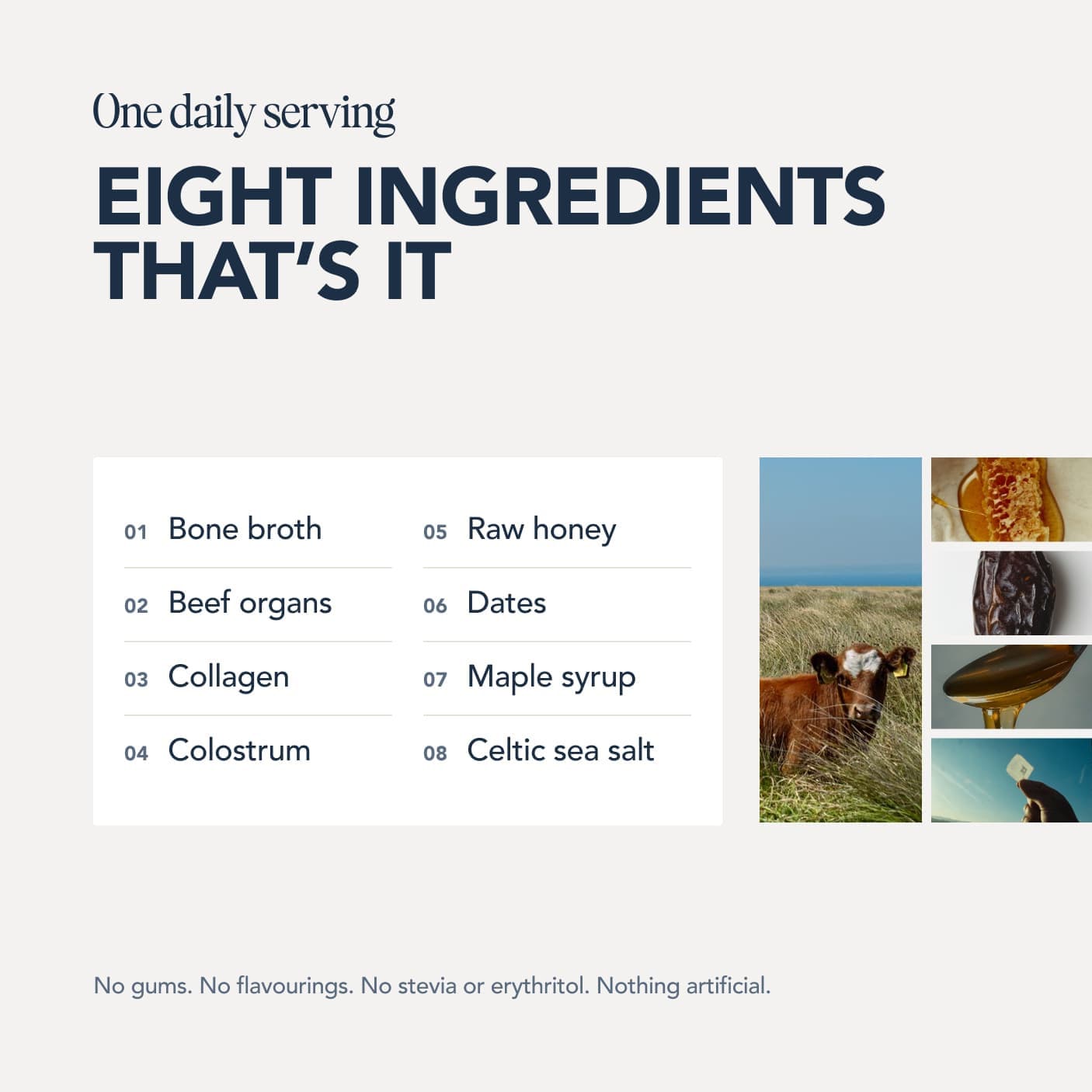
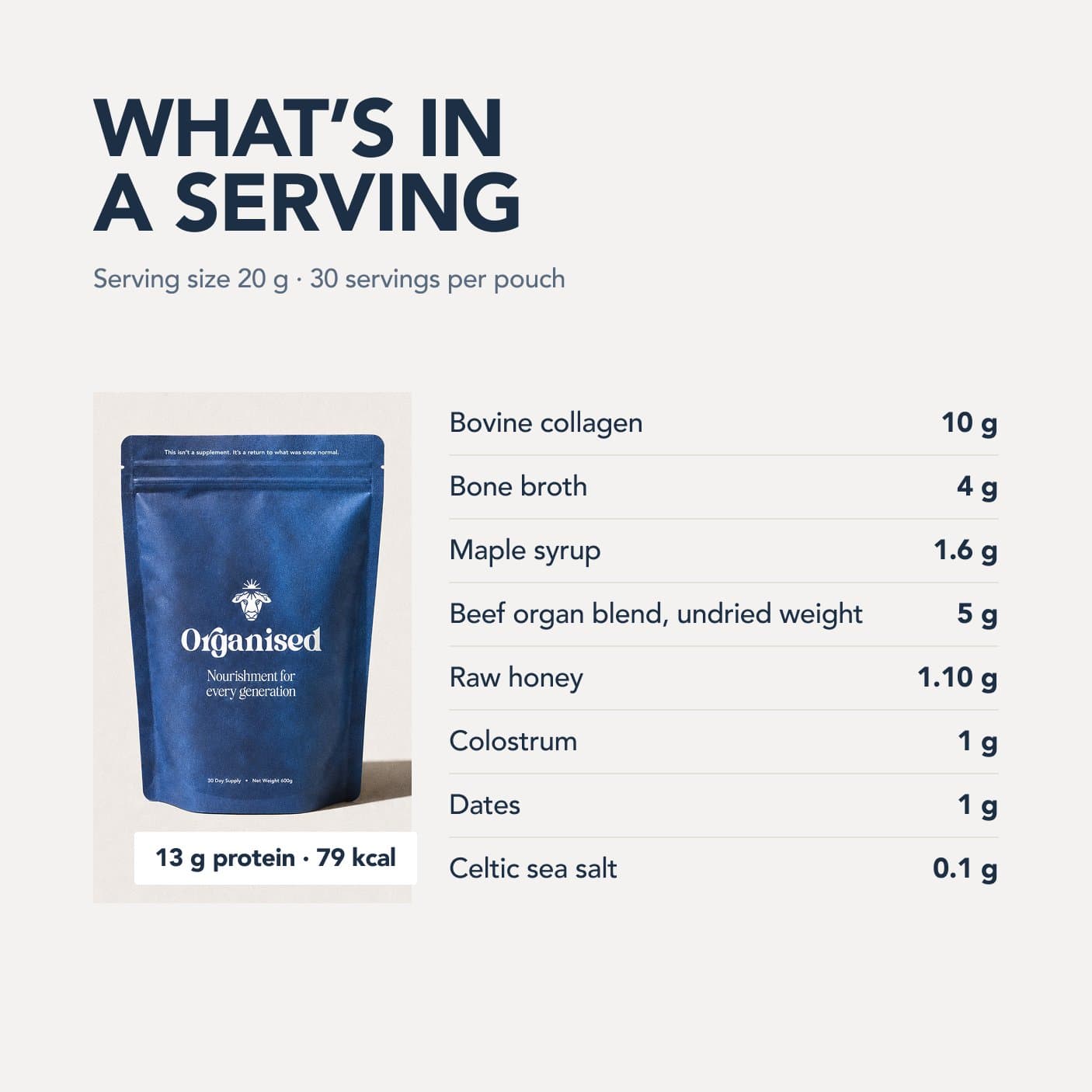
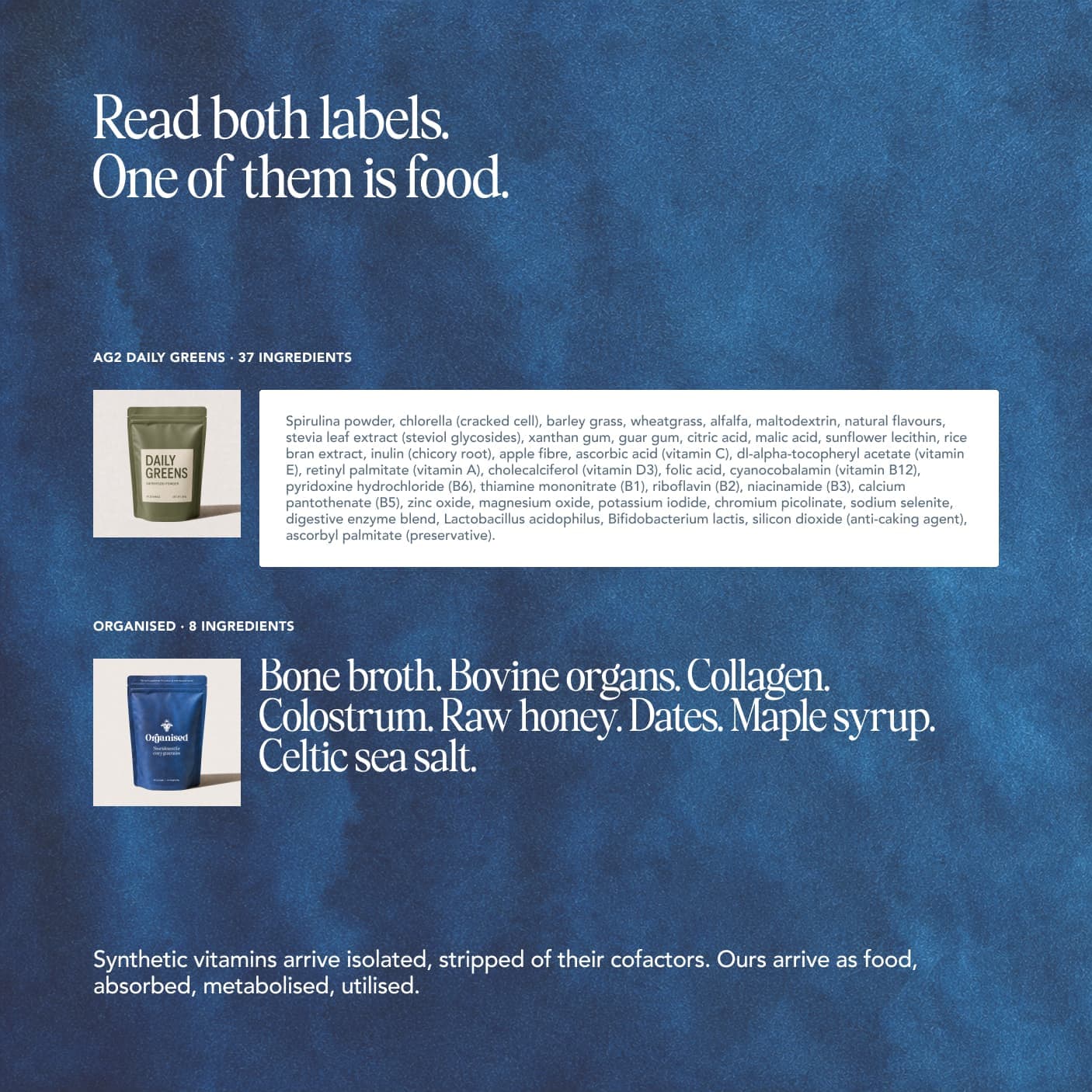
Eight real ingredients built around grass-fed beef organs, collagen and colostrum. Nothing synthetic added.
Free with your first order, worth £38. Plus £10 off the pouch with a subscription.


Free UK shipping · Made in England · 100 day money back guarantee on your first pouch · Skip, pause or cancel anytime
Getting B12 your body can actually use
After 50, eating B12-rich foods is necessary but might not be sufficient. You need to ensure absorption is actually happening.
First, prioritise whole food sources over supplements where possible. The B12 in liver or fish comes packaged with amino acids, cofactors, and other nutrients that support absorption in ways an isolated supplement might not. Your body has evolved to absorb nutrients as they naturally occur in whole foods.
Second, if you're experiencing symptoms of B12 deficiency despite eating well (fatigue, brain fog, mood changes), get your B12 status tested. A simple blood test can reveal whether you're deficient. If you are, you might need supplementation beyond what food provides.
Third, consider sublingual B12 supplements (dissolved under the tongue) if standard oral supplements aren't working. They bypass the intrinsic factor requirement and get absorbed directly through the mucous membranes.
Fourth, if deficiency is severe or if you have pernicious anaemia, B12 injections become necessary. These bypass the absorption problem entirely and get B12 directly into the bloodstream. They're effective and well-tolerated.
Finally, address stomach acid if it's low. Betaine hydrochloride supplements taken with meals can increase stomach acid and improve overall nutrient absorption, including B12. This is a foundational intervention that helps with multiple nutrients simultaneously.
After 50, B12 status matters more than most people realise. Check it. Address it if needed. The investment in your cognitive function is worth it.
The bottom line
B12 deficiency is common in older people and often missed because the symptoms look like normal ageing. Eating B12-rich whole foods is the foundation, but after 50, you also need to ensure your body can actually absorb what you're eating.
Prioritise organ meats and fish. Get your B12 status checked if you're experiencing unexplained fatigue or cognitive changes. Consider supplementation if dietary sources alone aren't sufficient. Your brain depends on it, and protecting your cognitive function now prevents decline later.
References
Every source below was checked on 27 August 2026. Each PubMed, PMC and DOI identifier was resolved against NCBI or Crossref, and what it opens is printed under the citation, so you can see the link goes where the citation says without leaving the page. Where a citation and its identifier disagreed, the citation was corrected to the record or the reference was deleted along with the sentence marker that pointed at it, and where the resolved paper turned out not to support the sentence, the sentence was cut back to what it does support. Borrowed authority is worse than none, because it looks like rigour.
- NIH Office of Dietary Supplements. Vitamin B12 fact sheet for health professionals. ods.od.nih.gov/factsheets/VitaminB12-HealthProfessional.
- NHS. Vitamin B12 or folate deficiency anaemia: causes. nhs.uk/conditions/vitamin-b12-or-folate-deficiency-anaemia.
- Allen LH. How common is vitamin B-12 deficiency? Am J Clin Nutr. 2009. PMID 19116323.Checked 27 August 2026: PMID 19116323 opens Allen LH, How common is vitamin B-12 deficiency? Am J Clin Nutr 2009;89(2):693S-6S. PubMed indexes it as: Review.
Who wrote and reviewed this guide
Niall Kiddle
Author · Founder, Organised
Niall is the founder of Organised. He started the company in 2024 after fixing his own health the slow way: in 2022 he swapped a cupboard of synthetic supplements for real food, raw milk, organ meats, bone broth and honey, and felt the difference within months.
Areas of expertise: Ancestral nutrition, Organ meats, Whole-food supplementation, Gut health, Regenerative sourcing
Read Niall's full profile
Pedro Rodrigues
Reviewer · Agronomist (farming and sourcing only)
Pedro is the agronomist Organised works with on farming and sourcing. His job on the guides is to keep the science honest: he reviews what we publish about soil health, regenerative agriculture, grazing and the way food is actually produced.
Areas of expertise: Regenerative agriculture, Agronomy, Soil health, Grass-fed farming, Food sourcing
Reviewed this guide on
Read Pedro's full profileMore on over 50s
View all- Cognitive Decline and Nutrition: Protecting Your Brain as You Age
- Digestive Changes After 50: How to Maintain Gut Health
- Eye Health and Nutrition: Protecting Your Vision as You Age
- Nutrition After 50: What Changes and What to Prioritise
- Preventing Bone Loss with Nutrition (Not Just Calcium)
- Sarcopenia: The Silent Muscle Loss Epidemic
Browse the guides library
All guidesKeep reading

Life stage
Nutrition After 50: What Changes and What to Prioritise
After 50, your nutritional needs shift. Discover how declining absorption, protein, bone health, and cognition reshape what you should be eating.

Life stage
Cognitive Decline and Nutrition: Protecting Your Brain as You Age
Cognitive decline isn't inevitable. The nutrients you eat today protect your brain from decline years from now. Here's what the research shows.

Life stage
Building Strong Bones in Childhood: Beyond Just Milk
Children's bone health needs vitamin K2, vitamin D, magnesium, and protein. Milk alone is not enough. Sardines, egg yolks, and weight-bearing play matter.
Real food, made effortless
Find my daily blendA few ways to use it
All recipes
Energy Balls with Organised, Dates and Raw Honey
Make no-bake energy balls with Organised, dates, and raw honey. Perfect lunch box, pre-workout, or on-the-go snack. Simple recipe.

Organised Protein Pancakes: A Weekend Favourite
A high-protein pancake recipe using beef protein, eggs, and raw milk. Cooked in cast iron, naturally sweetened with banana and honey. Real food breakfast.
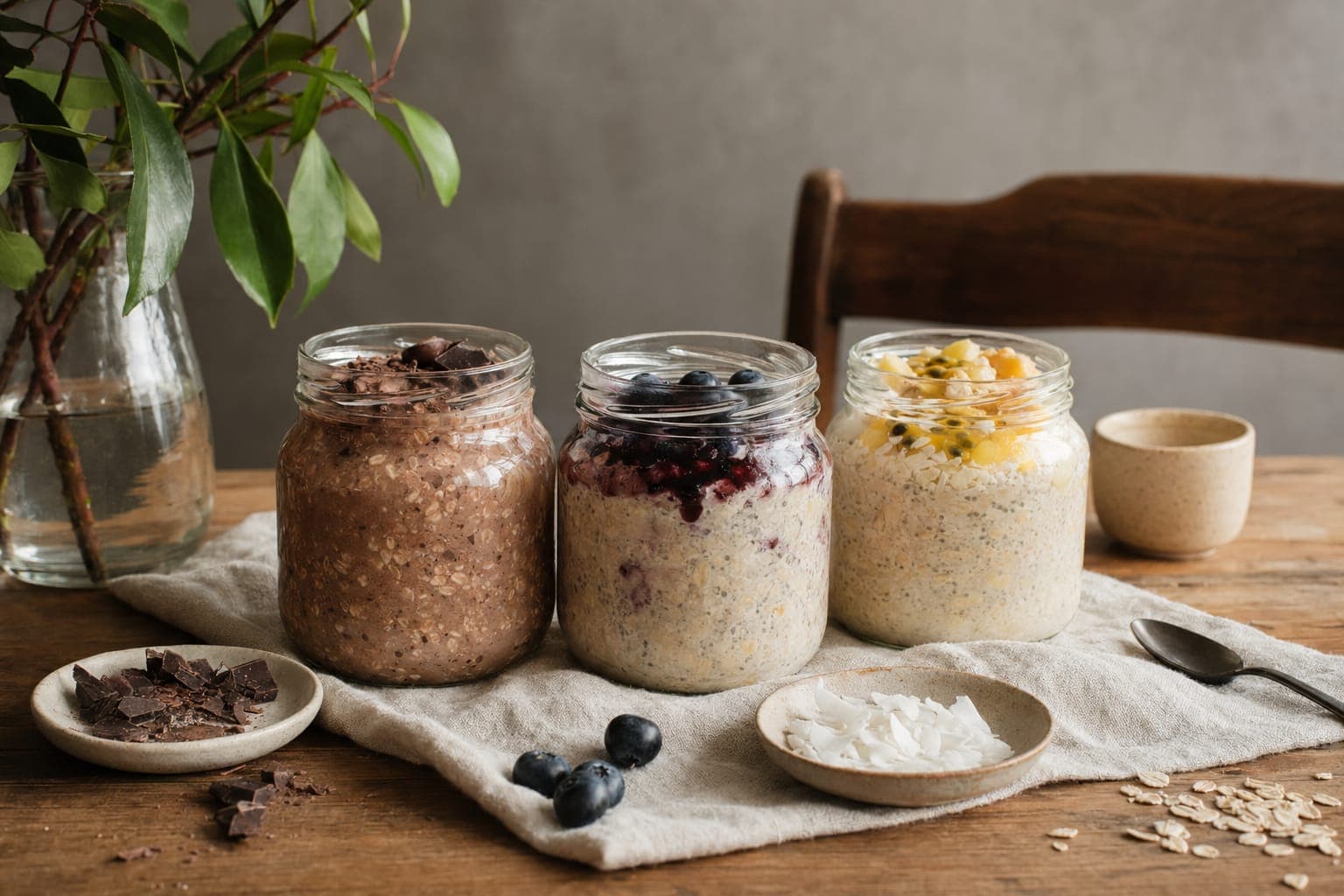
Organised Overnight Oats: 3 Variations
Three delicious overnight oats variations with Organised. Chocolate, berry, tropical flavours. Make them Sunday, eat them all week.


 Join over 100,000+ members
Build a better food system with us
The Organised community is thousands of people choosing real food and backing the farmers who grow it, all of us trying to leave the world a little better than we found it. If that is what you care about too, you belong here.