Nutrition After 50: What Changes and What to Prioritise
Your nutritional needs don't stay static. At 50, your body enters a new phase where the rules change, absorption declines, and what worked before stops working as well. Understanding these shifts is the foundation for staying vital in your 50s, 60s, and beyond.
By Niall Kiddle, Founder, Organised

Reviewed by Pedro Rodrigues, Agronomist (farming and sourcing only) ·
9 min read · Published · Updated · 5 cited sources
Makers of the Organised Daily blend, a grass-fed beef organ supplement from regenerative UK farms
Most people over 50 are eating the same way they did at 30. They're not. Their bodies have changed. Their nutrient requirements have changed. The cost of ignoring this shift compounds year after year.
What actually changes after 50
Ageing doesn't happen uniformly. Your cardiovascular system doesn't age the same way your digestive system does. Your bones experience different pressures than your brain. But several nutritional changes occur across the board, and understanding them is critical.
First, your stomach acid production declines. By 50, many people are producing significantly less stomach acid than they did in their 20s. This sounds minor. It's not. Stomach acid is essential for breaking down protein, releasing B vitamins from food, and absorbing minerals like calcium, iron, and zinc.
Second, your intestinal lining becomes less efficient at absorption. Nutrient uptake decreases. You could be eating perfectly and still be deficient at the cellular level simply because your gut isn't absorbing what you're consuming.
Third, your metabolism shifts. Muscle mass naturally declines, a process called sarcopenia. Your metabolic rate slows. Body composition changes even if your weight doesn't. This means your protein and micronutrient needs actually increase, not decrease.
Fourth, hormonal changes accelerate. For women, menopause brings a dramatic shift in oestrogen and progesterone. For men, testosterone gradually declines. These hormonal shifts influence how your body handles calcium, iron, and other key minerals.
The nutrition that kept you well at 35 won't keep you well at 55. Your body has changed. Your food needs to change with it.
Declining nutrient absorption is real
This is where most nutrition advice for older people goes wrong. Recommendations are based on outdated assumptions about absorption and bioavailability. They assume your gut works the same way it always did. It doesn't.
Vitamin B12 is the clearest example. B12 must be separated from food protein by stomach acid, then bound to intrinsic factor, a protein made in the stomach lining. After 50, both stomach acid and intrinsic factor decline. Atrophic gastritis and reduced gastric acid output are common in older adults, and a substantial proportion of people over 50 have impaired food-bound B12 absorption.1
Calcium absorption declines. Vitamin D absorption becomes less efficient. Iron absorption changes, particularly for women past menopause when iron loss through menstruation stops but absorption capacity has already declined.
Magnesium, zinc, and other minerals follow similar patterns. Your body can absorb less. The challenge isn't just eating enough. It's choosing sources that are bioavailable even in a declining absorption state.
This is why whole food sources matter more after 50 than they did before. A supplement of isolated vitamin might not be absorbed. Vitamin B12 from beef liver, where it comes packaged with amino acids and other cofactors, is absorbed differently. The entire nutrient package matters.
You can't supplement your way around declining absorption. But you can eat foods designed by nature to be absorbed by ageing bodies.

Protein needs increase, not decrease
This is counterintuitive, but the data is clear. Older adults need more protein per kilogramme of body weight than younger adults. Your body has become less efficient at using protein for muscle synthesis. You need more of it to maintain muscle mass and strength.
Expert consensus recommendations (PROT-AGE) for older adults suggest 1.0 to 1.2 g/kg/day, rising to 1.2-1.5 g/kg/day in those who are acutely or chronically ill.2 For a 70-kilogramme person, that's 84 to 105 grams daily. Many older people are eating significantly less.
This matters because muscle mass is a survival asset. Sarcopenia, the age-related loss of muscle, is associated with frailty, falls, fractures, and loss of independence.3 Adequate protein, combined with resistance exercise, is the primary intervention for preventing it.
The quality of the protein matters enormously. Protein that's high in amino acid diversity, particularly leucine, is more effective at stimulating muscle protein synthesis in older bodies. Animal proteins, with their complete amino acid profile and high leucine content, are superior to plant proteins for this purpose.
This means beef, fish, eggs, and dairy should form the foundation of nutrition after 50, not be minimised. The idea that older people should eat less protein is nutritionally backwards.
Bone health becomes non-negotiable
Bone density peaks in your 30s, then gradually declines. After 50, the rate of decline accelerates, particularly for women post-menopause. This creates a window of opportunity where nutrition can meaningfully slow or halt bone loss.
Calcium is only part of the story. You also need magnesium, potassium, vitamin K2, vitamin D, and adequate protein. Bone is a living tissue, not an inert mineral deposit. It needs the full nutrient spectrum to remain strong.
Vitamin K2 (menaquinones), found primarily in fermented foods and some animal products, is required for the carboxylation of osteocalcin and other vitamin K-dependent bone proteins.5 Grass-fed dairy, aged cheeses, natto, and sauerkraut are the richest sources. Most people over 50 are getting almost none of it.
Magnesium, a cofactor in more than 300 enzyme systems including those involved in bone formation, is commonly under-consumed in older populations.4 Mineral water, certain foods, and in some cases supplementation can help, but the foundation should be whole food sources.
Weight-bearing exercise is essential, but without the nutritional support, your body can't respond properly. Eat to build bone strength, not just to prevent deficiency.
Protecting cognitive function through food
Cognitive decline doesn't have to be inevitable. The same nutrients that protect your heart and bones also protect your brain. The food you eat today influences your cognitive clarity ten years from now.
B vitamins, particularly B12, B6, and folate, are essential for brain health. They control homocysteine levels. Elevated homocysteine is a risk factor for cognitive decline. After 50, with declining B12 absorption, these vitamins become even more critical.
Choline, found in eggs and organ meats, is required for the production of acetylcholine, the neurotransmitter essential for memory and learning. It's also a precursor to phosphatidylcholine, a structural component of brain cell membranes.
Omega-3 fatty acids, particularly DHA, form part of the brain's cellular structure. Fish, shellfish, and grass-fed animal products are the richest sources. The brain isn't passive. It's actively building and remodelling itself based on the nutrients you provide.
Antioxidants from whole foods, minerals like copper and zinc, and amino acids from adequate protein all contribute to maintaining cognitive function as you age.
Get life-stage nutrition guides, free
Two short reads a week on eating well through pregnancy, childhood and older age.
By signing up you agree to receive emails from us. No spam, unsubscribe anytime.
The practical framework
Nutrition after 50 isn't complicated, but it requires intention. Here's the framework.
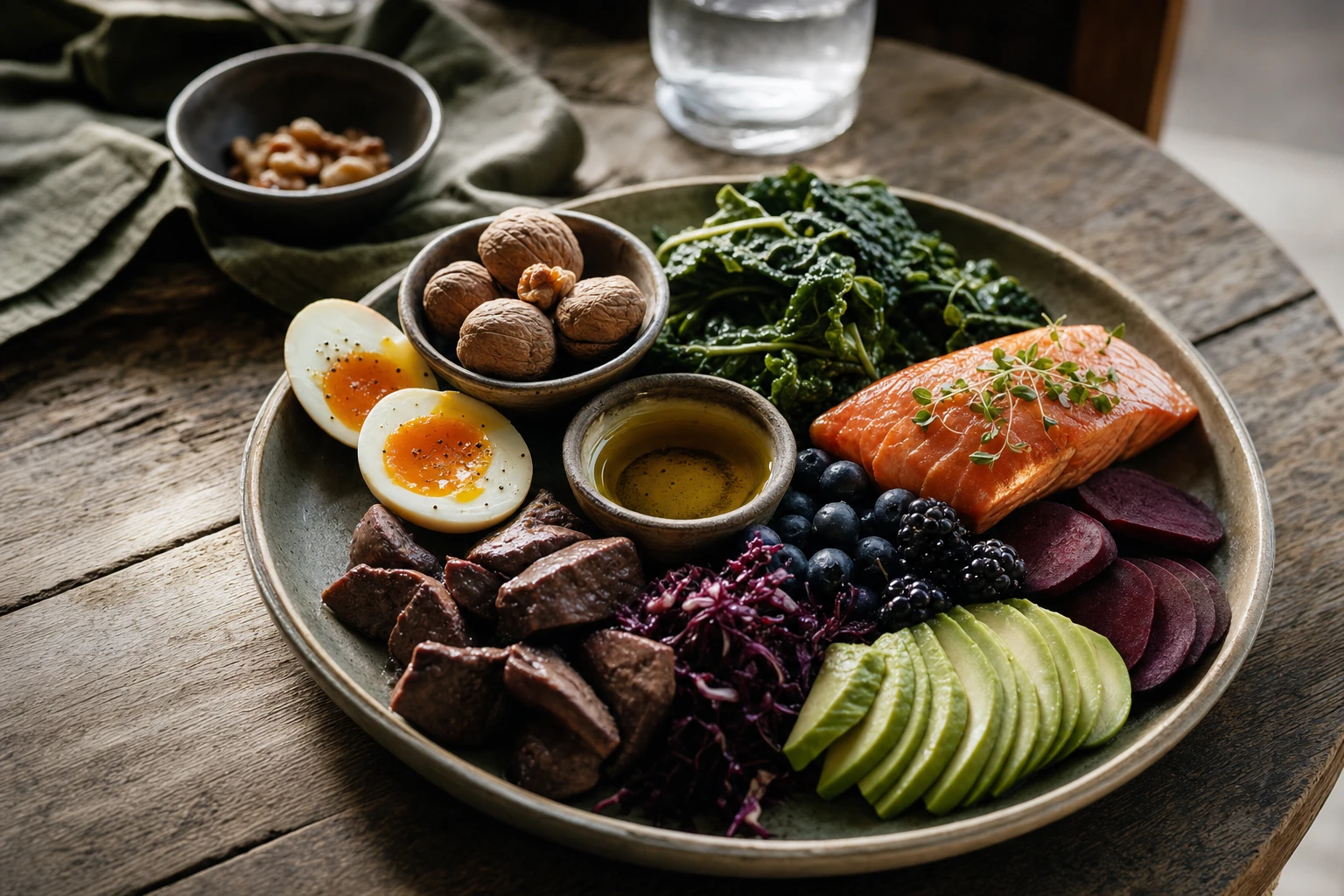
Protein at every meal. Aim for 30 to 40 grams at each meal. Prioritise animal sources. Beef, fish, eggs, and dairy. Include some organ meat weekly. This is non-negotiable.
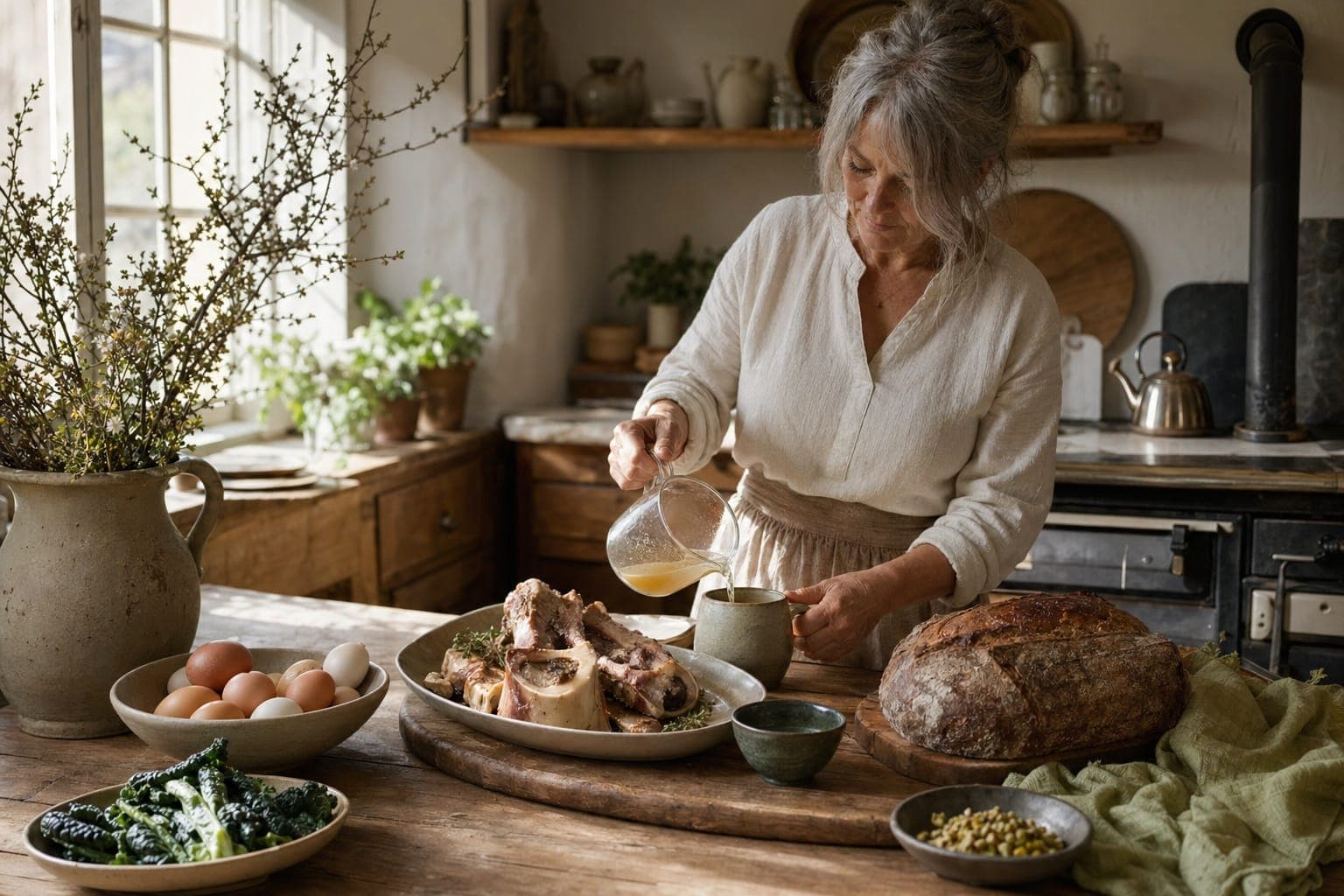
Mineral-rich whole foods. Leafy greens, bone broth, shellfish, and seaweed all provide minerals declining in absorption. Make these frequent, not occasional.
Fat-soluble vitamins. Eggs, grass-fed butter, fatty fish, and liver all provide vitamins A, D, E, and K2. These vitamins are increasingly important after 50.
Fermented foods. Sauerkraut, aged cheese, kefir, and other fermented foods support gut health and provide vitamin K2. Include them regularly.
Nose-to-tail eating. Organ meats provide nutrients in density that muscle meat cannot match. Liver, kidney, and heart should be regular parts of the diet.
Hydration with minerals. Drink when thirsty. Mineral water and foods like bone broth provide minerals and hydration together, more effective than plain water alone.
After 50, you're not eating the same diet you did at 30. You shouldn't be. Your body is different. Feed it accordingly.
Nutrient-nutrient interactions after 50
One critical shift after 50 is the importance of nutrient synergy. Single nutrients matter less than their relationship to other nutrients. Your body has become more dependent on cofactors and complementary minerals.
Iron and copper: Iron absorption requires adequate copper for the ceruloplasmin enzyme that transports iron. After 50, with declining absorption, this relationship becomes critical. Eating iron-rich organs alongside copper-rich organs (liver provides both) ensures better absorption.
Calcium and magnesium: Both are needed for bone health, but they compete for absorption. The ratio matters more than absolute quantity. Traditional whole food diets tend to have ratios around 2:1 calcium to magnesium. Modern diets often have 10:1 or worse. This imbalance drives bone loss despite adequate calcium consumption.
Vitamin D and K2: These vitamins work together to direct calcium into bones and out of arteries. Without both, calcium ends up calcifying soft tissues instead of strengthening bone. After 50, vitamin K2 becomes non-negotiable for bone health and cardiovascular protection.
B vitamins and methylation: B12, B6, and folate work together to manage homocysteine. Elevated homocysteine is linked to cognitive decline and cardiovascular disease. After 50, with declining B12 absorption, the other B vitamins become even more critical. They can't compensate fully, but they matter enormously.
This is why supplementing individual nutrients is less effective after 50 than choosing whole food sources. Whole foods come packaged with these relationships intact. Your body recognises the matrix and absorbs more efficiently.
1 of 9
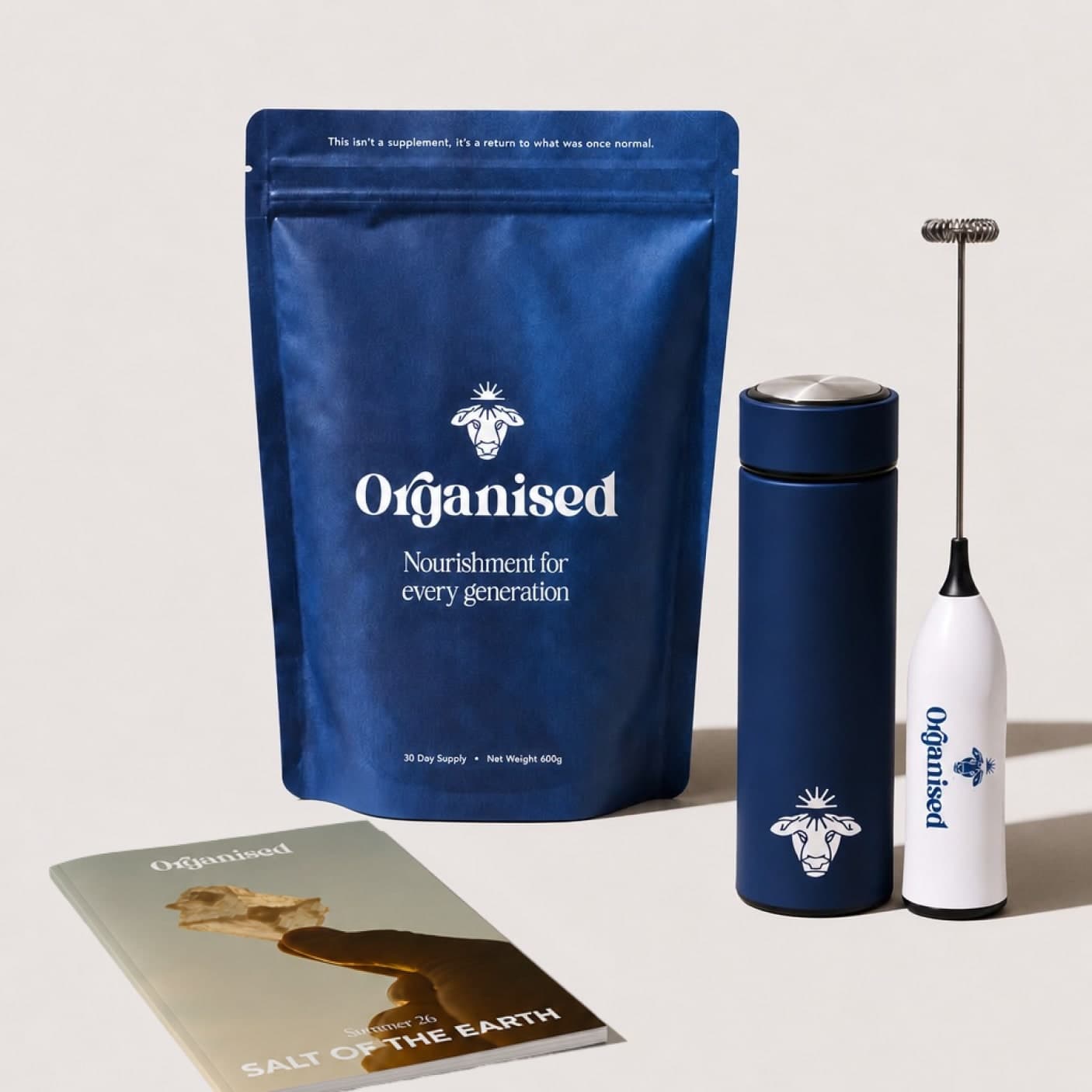
Daily blend
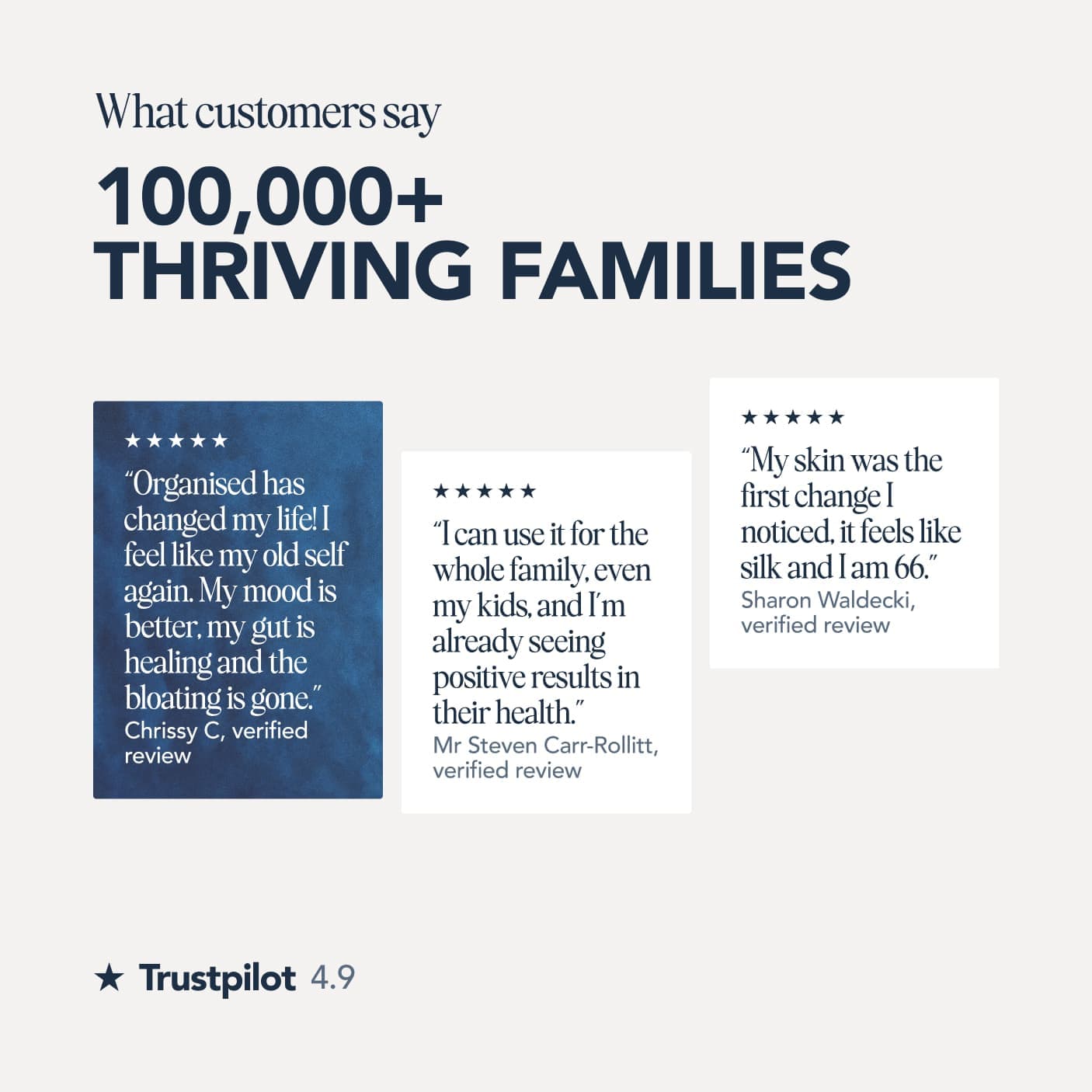
100,000+ thriving families4.9 on Trustpilot
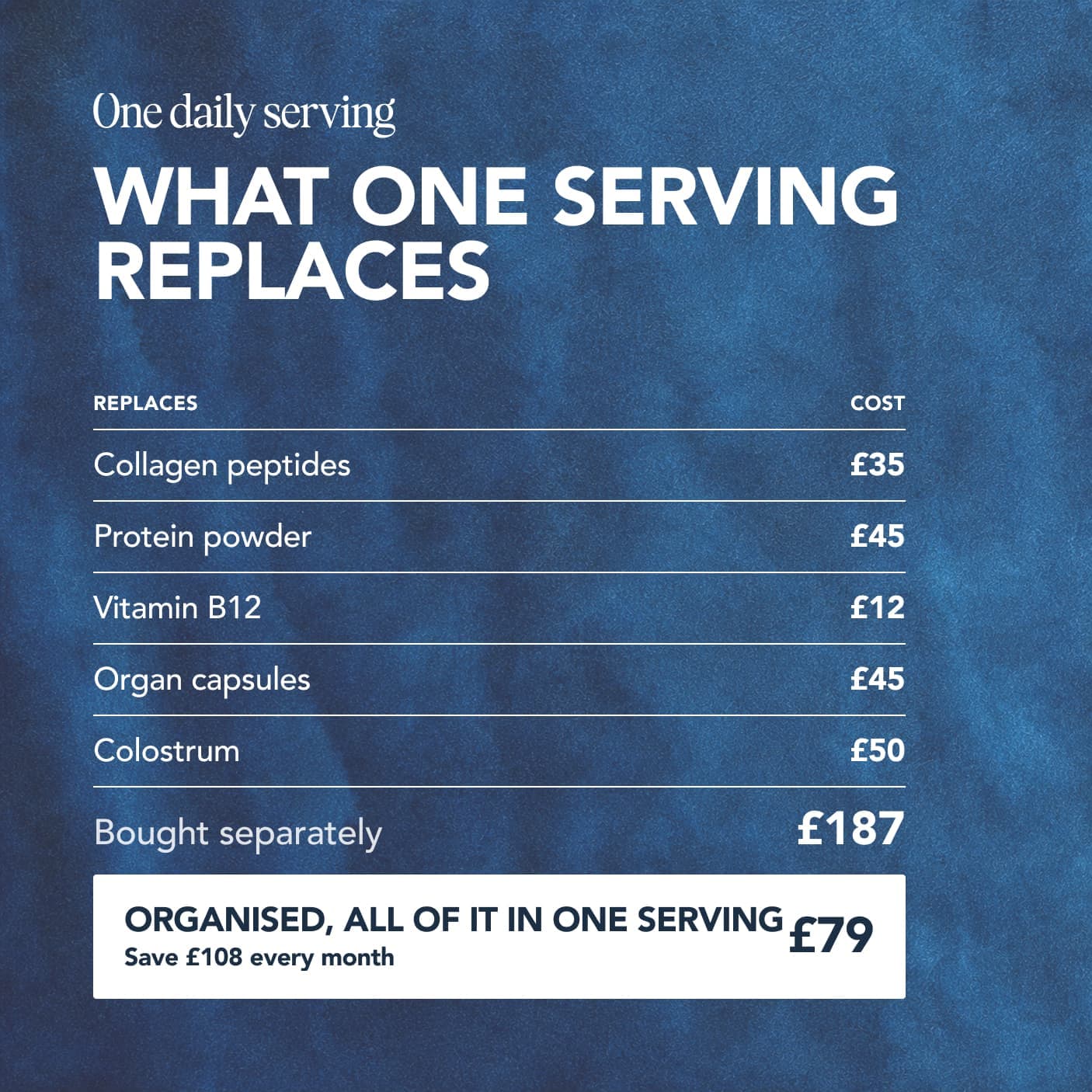
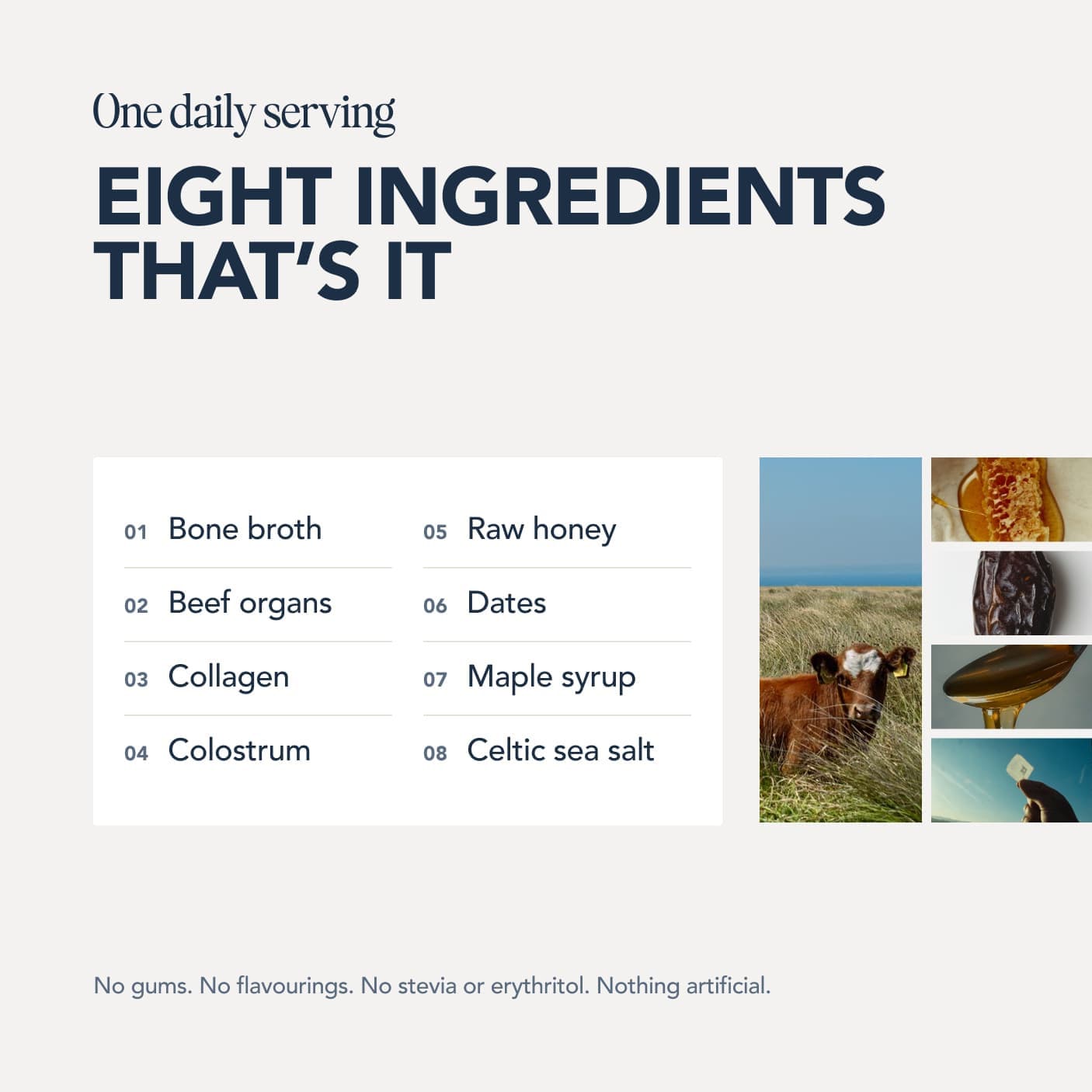
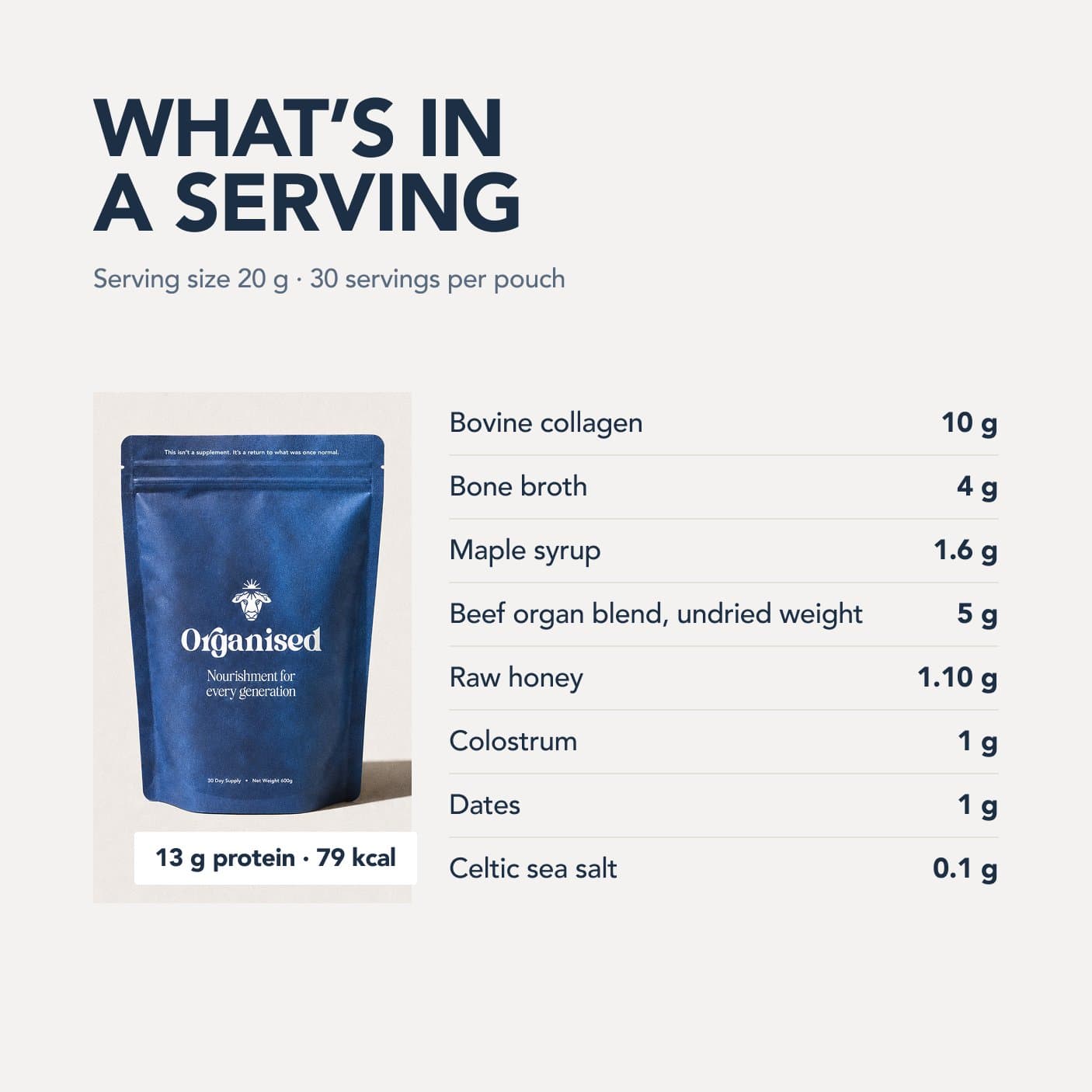
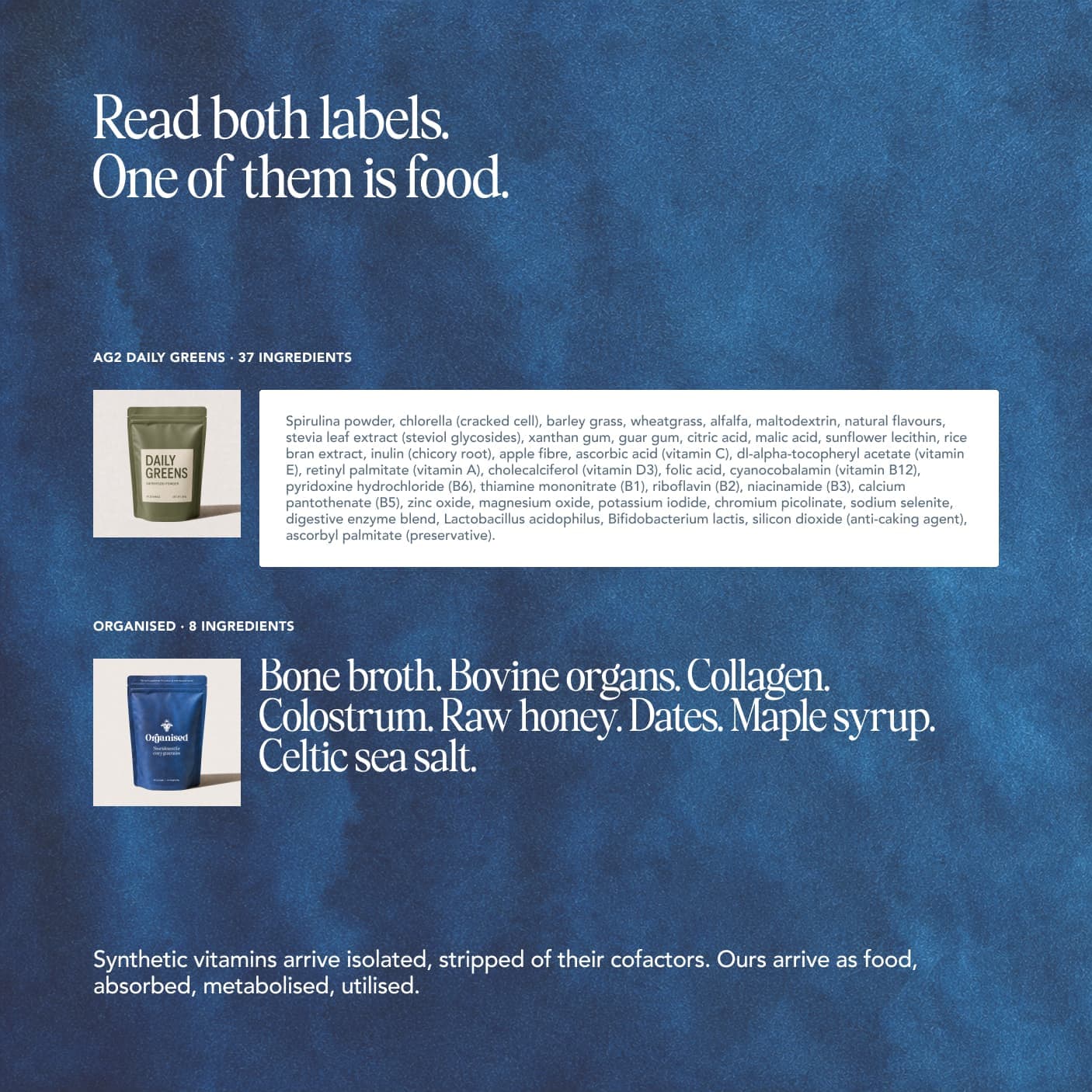
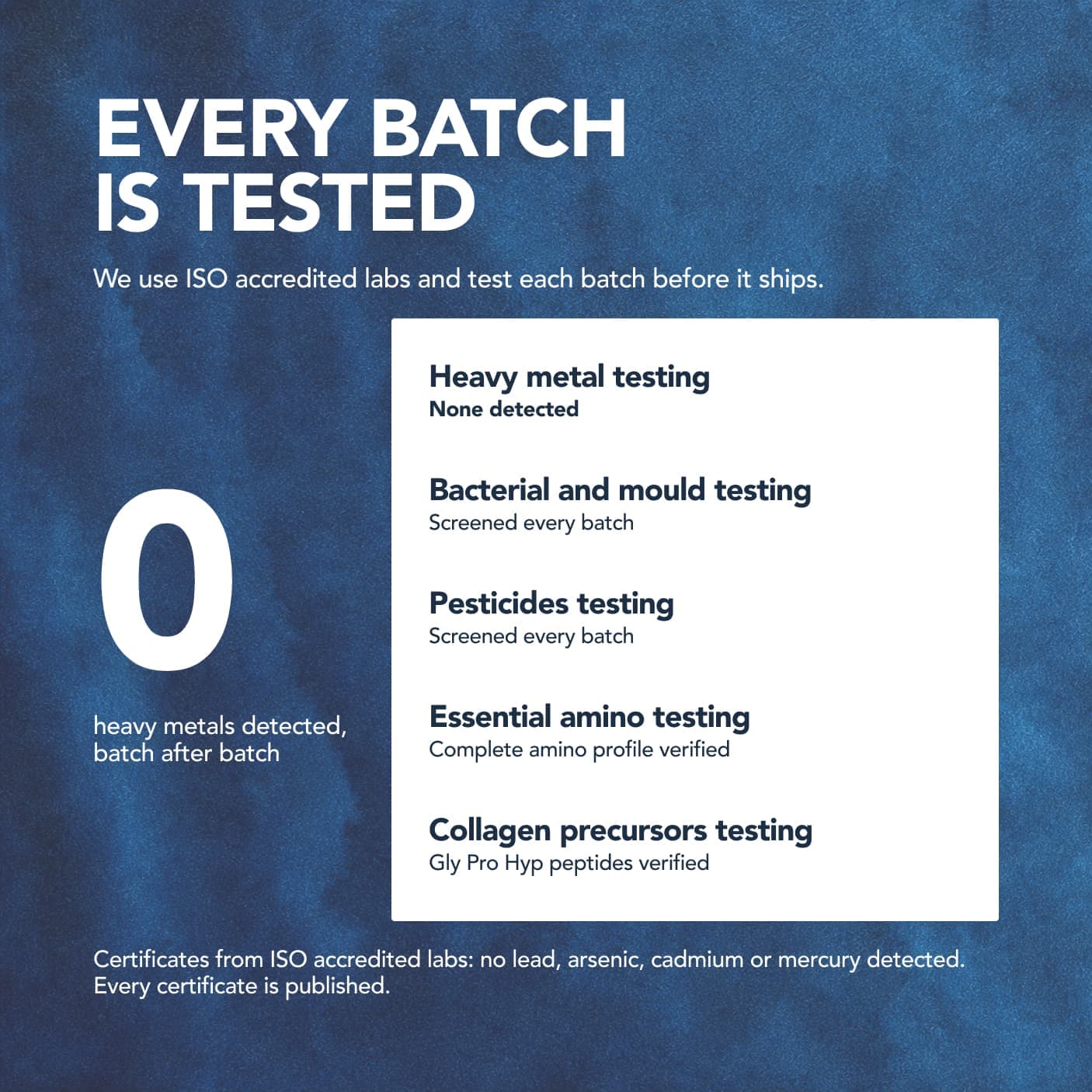
Eight real ingredients built around grass-fed beef organs, collagen and colostrum. Nothing synthetic added.
Free with your first order, worth £38. Plus £10 off the pouch with a subscription.
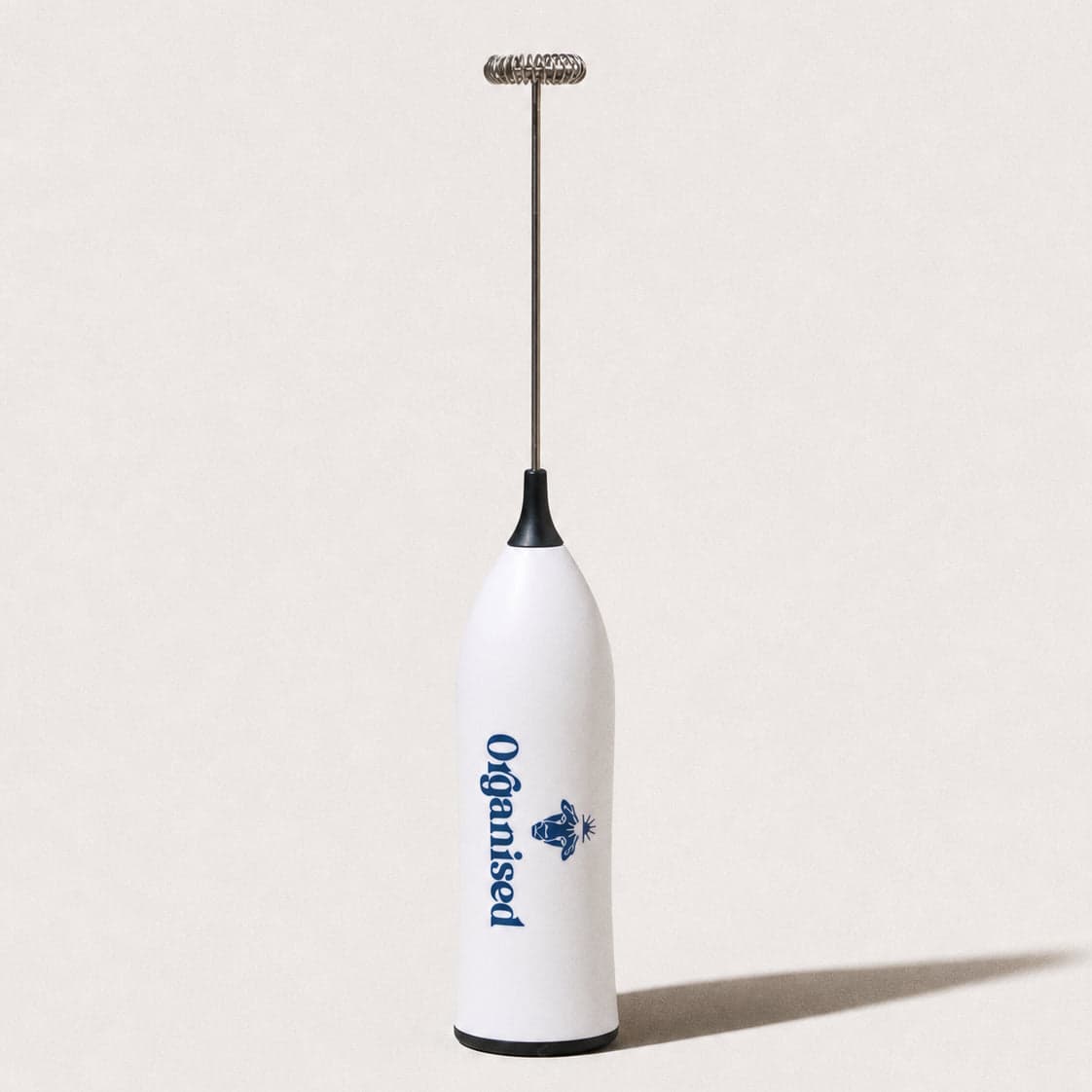
Free UK shipping · Made in England · 100 day money back guarantee on your first pouch · Skip, pause or cancel anytime
Exercise and nutrition: the inseparable pair after 50
Nutrition after 50 cannot be separated from physical activity, particularly resistance training. The two amplify each other. Without resistance exercise, adequate protein doesn't prevent muscle loss. Without adequate nutrition, exercise cannot build or maintain muscle effectively.
Your body only synthesises muscle protein in response to mechanical stress. If you're not providing that stress through exercise, you're fighting muscle loss from a position of disadvantage. But if you are exercising, protein becomes even more critical. The window for muscle protein synthesis after exercise lasts only 24 to 48 hours. You need adequate amino acids available within that window.
This is why older people who exercise but eat poorly still lose muscle, and why older people who eat well but don't exercise also lose muscle. Both are necessary.
The practical implication: resistance training three times weekly, combined with adequate protein at every meal, combined with sufficient micronutrients. All three must be present. Leave one out, and you're fighting a losing battle against sarcopenia.
Bone density follows a similar pattern. Weight-bearing exercise builds bone density, but only if you're providing the nutrients needed for actual bone formation. This is why calcium supplementation without exercise doesn't prevent fractures, and exercise without nutrition doesn't build bone effectively either.
The research is clear: after 50, ageing is not inevitable decline. It's a choice. The people who stay strong, capable, and independent are the ones who treat nutrition and exercise as non-negotiable. The people who decline are often those who've given up on one or the other.
The bottom line
The idea that nutritional needs decrease with age is backwards. Your body is less efficient at absorption and synthesis. You need more nutrient density, not less. You need more protein, not less. You need whole foods, not processed alternatives.
The good news is that these aren't restrictions. They're not deprivation. Eating nutrient-dense whole foods is genuinely delicious and satisfying. Building your diet around real food, adequate protein, and complete micronutrients isn't a sacrifice. It's an investment in remaining capable, clear, and vital for decades to come.
Treat nutrition after 50 as seriously as you'd treat any other health priority. Because that's what it is.
References
Every source below was checked on 27 August 2026. Each PubMed, PMC and DOI identifier was resolved against NCBI or Crossref, and what it opens is printed under the citation, so you can see the link goes where the citation says without leaving the page. Where a citation and its identifier disagreed, the citation was corrected to the record or the reference was deleted along with the sentence marker that pointed at it, and where the resolved paper turned out not to support the sentence, the sentence was cut back to what it does support. Borrowed authority is worse than none, because it looks like rigour.
- National Institutes of Health, Office of Dietary Supplements. Vitamin B12 - Health Professional Fact Sheet. ods.od.nih.gov
- Bauer J, et al. Evidence-based recommendations for optimal dietary protein intake in older people: a position paper from the PROT-AGE Study Group. J Am Med Dir Assoc. 2013;14(8):542-59. PMID 23867520Checked 27 August 2026: PMID 23867520 opens Bauer J, Biolo G, Cederholm T et al, Evidence-based recommendations for optimal dietary protein intake in older people: a position paper from the PROT-AGE Study Group. J Am Med Dir Assoc 2013;14(8):542-59. PubMed indexes it as: Consensus Statement, Review.
- Cruz-Jentoft AJ, et al. Sarcopenia: revised European consensus on definition and diagnosis. Age Ageing. 2019;48(1):16-31. PMID 30312372Checked 27 August 2026: PMID 30312372 opens Cruz-Jentoft AJ, Bahat G, Bauer J et al, Sarcopenia: revised European consensus on definition and diagnosis. Age Ageing 2019;48(1):16-31. PubMed indexes it as: Consensus Statement.
- National Institutes of Health, Office of Dietary Supplements. Magnesium - Health Professional Fact Sheet. ods.od.nih.gov
- Schurgers LJ, Vermeer C. Determination of phylloquinone and menaquinones in food. Haemostasis. 2000. See also Knapen MH et al. Osteoporos Int. 2013. PMID 23525894Checked 27 August 2026: PMID 23525894 opens Knapen MH, Drummen NE, Smit E et al, Three-year low-dose menaquinone-7 supplementation helps decrease bone loss in healthy postmenopausal women. Osteoporos Int 2013;24(9):2499-507. PubMed indexes it as: Randomized Controlled Trial.
Who wrote and reviewed this guide
Niall Kiddle
Author · Founder, Organised
Niall is the founder of Organised. He started the company in 2024 after fixing his own health the slow way: in 2022 he swapped a cupboard of synthetic supplements for real food, raw milk, organ meats, bone broth and honey, and felt the difference within months.
Areas of expertise: Ancestral nutrition, Organ meats, Whole-food supplementation, Gut health, Regenerative sourcing
Read Niall's full profile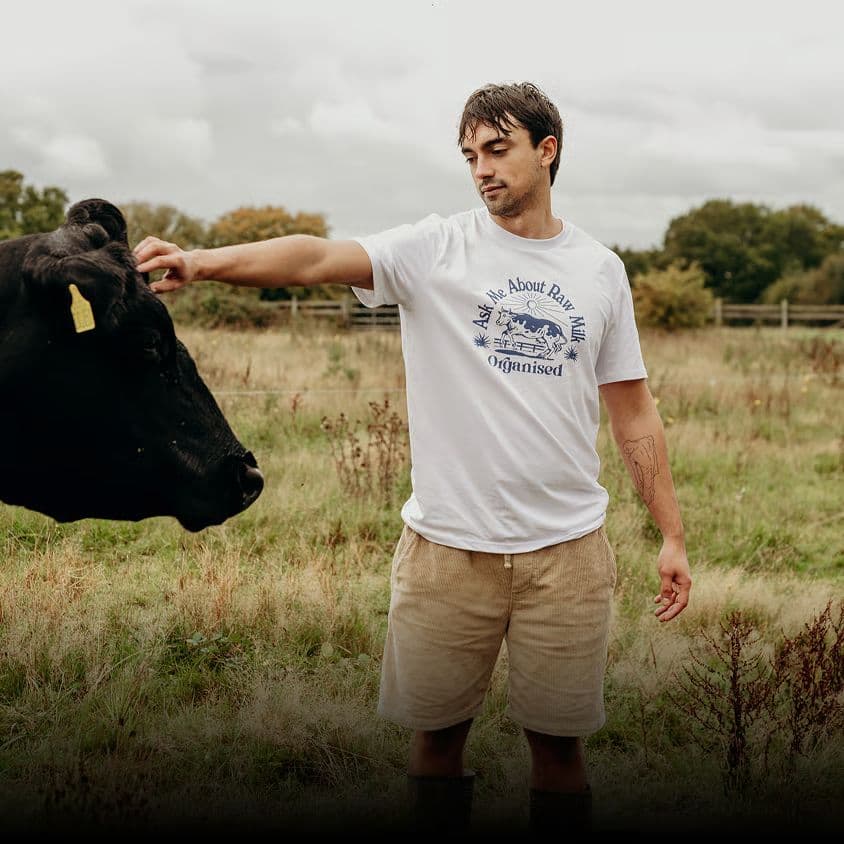
Pedro Rodrigues
Reviewer · Agronomist (farming and sourcing only)
Pedro is the agronomist Organised works with on farming and sourcing. His job on the guides is to keep the science honest: he reviews what we publish about soil health, regenerative agriculture, grazing and the way food is actually produced.
Areas of expertise: Regenerative agriculture, Agronomy, Soil health, Grass-fed farming, Food sourcing
Reviewed this guide on
Read Pedro's full profileMore on over 50s
View all- B12 Absorption Declines with Age: Here's What to Do
- Cognitive Decline and Nutrition: Protecting Your Brain as You Age
- Digestive Changes After 50: How to Maintain Gut Health
- Eye Health and Nutrition: Protecting Your Vision as You Age
- Preventing Bone Loss with Nutrition (Not Just Calcium)
- Sarcopenia: The Silent Muscle Loss Epidemic
Browse the guides library
All guidesKeep reading
Life stage
Preventing Bone Loss with Nutrition (Not Just Calcium)
Bone is living tissue. It needs calcium, yes, but also K2, magnesium, and the right mechanical stress. Discover how nutrition builds unbreakable bones.

Life stage
B12 Absorption Declines with Age: Here's What to Do
By 50, your stomach is producing less acid and intrinsic factor. Standard B12 intake isn't enough. Here's how to ensure your body actually gets it.

Life stage
Cognitive Decline and Nutrition: Protecting Your Brain as You Age
Cognitive decline isn't inevitable. The nutrients you eat today protect your brain from decline years from now. Here's what the research shows.
Real food, made effortless
Find my daily blendA few ways to use it
All recipes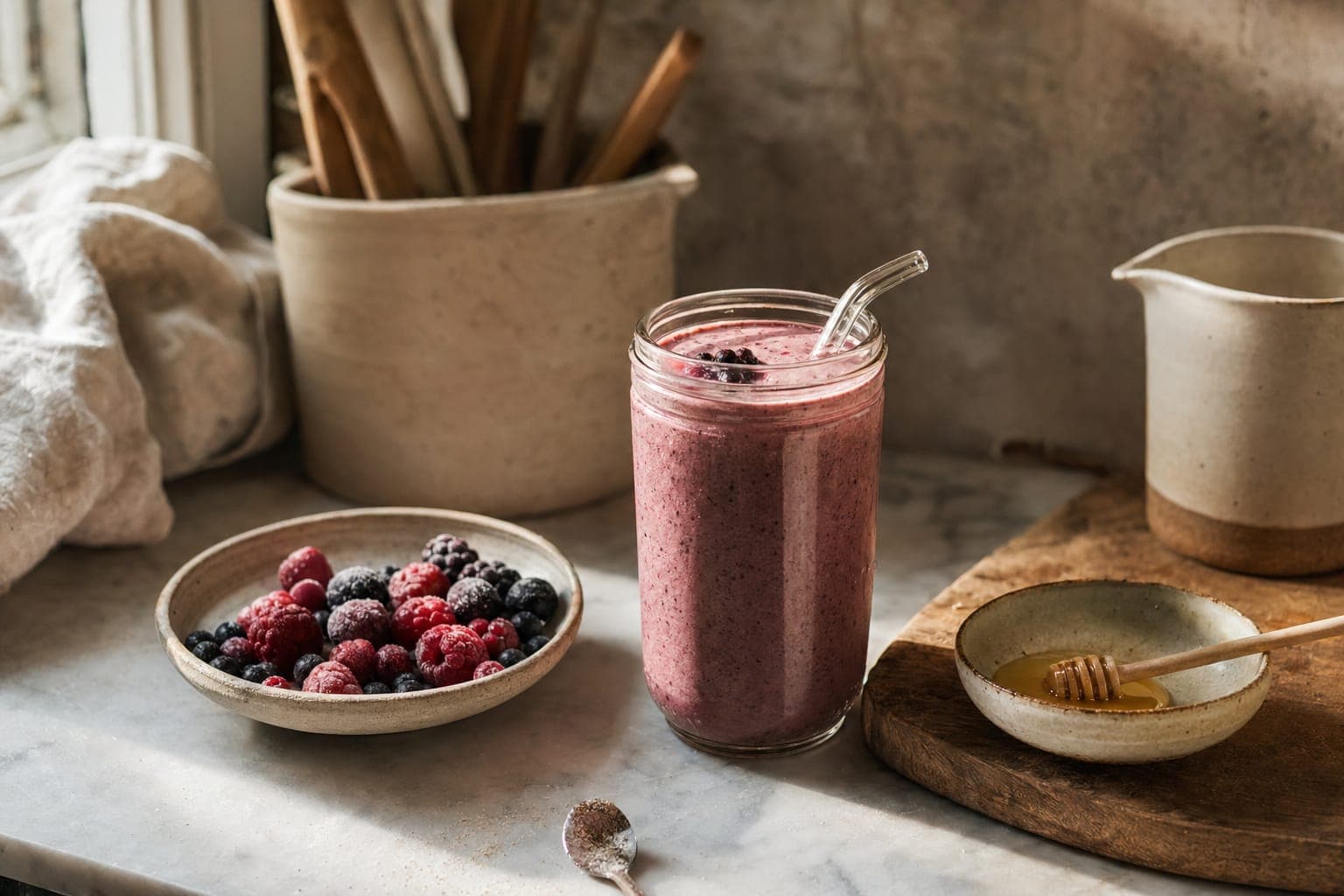
The Organised Recovery Smoothie for After Exercise
A recovery smoothie made with beef protein, raw milk, frozen berries, collagen, and honey. Optimal nutrition in the 30-minute window after exercise.
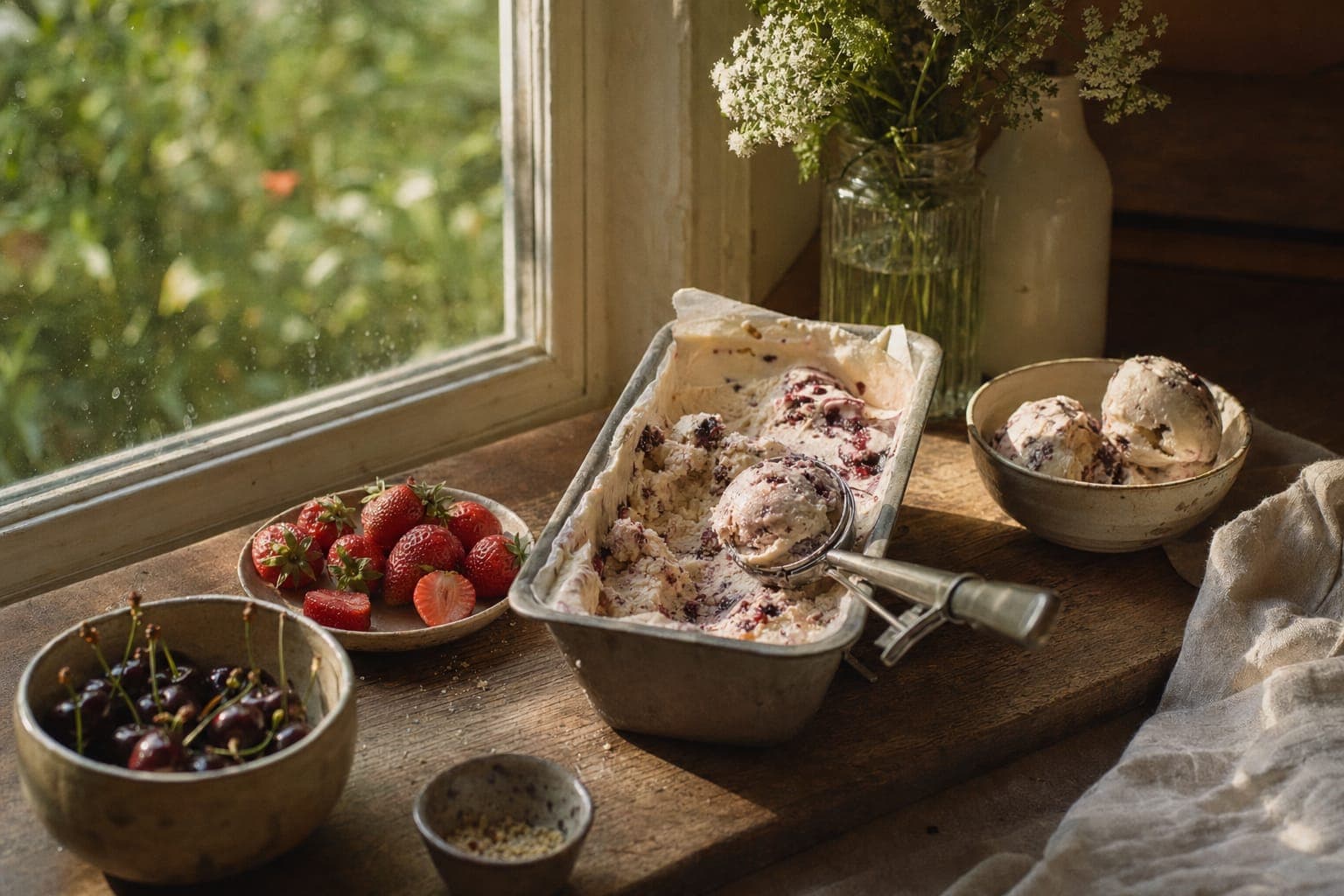
Raw Milk Ice Cream with Organised
Make raw milk ice cream at home with Organised for a seasonal, nutrient-dense treat. Three simple flavours to try whenever the craving strikes.
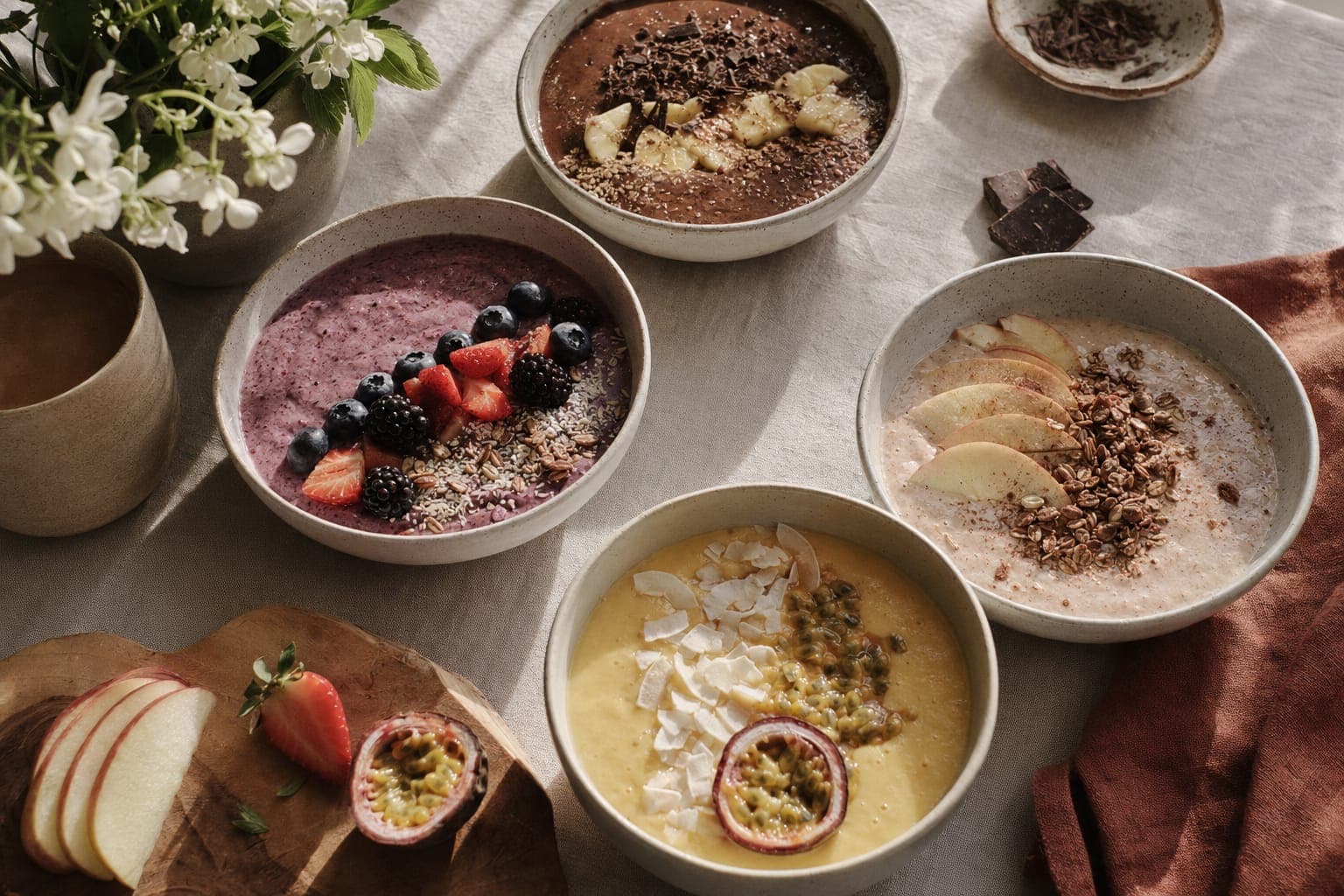
Organised Smoothie Bowl Recipes for Every Season
Four seasonal smoothie bowl recipes using Organised. Berry in summer, apple-cinnamon in autumn, tropical in spring, warming chocolate in winter.


 Join over 100,000+ members
Build a better food system with us
The Organised community is thousands of people choosing real food and backing the farmers who grow it, all of us trying to leave the world a little better than we found it. If that is what you care about too, you belong here.