Cognitive Decline and Nutrition: Protecting Your Brain as You Age
Cognitive decline feels inevitable. It's not. The brain is remarkably responsive to nutrition, and the food choices you're making right now directly influence whether you'll remain sharp and clear in your 70s and 80s.
By Niall Kiddle, Founder, Organised

Reviewed by Pedro Rodrigues, Agronomist (farming and sourcing only) ·
7 min read · Published · Updated · 4 cited sources
Makers of the Organised Daily blend, a grass-fed beef organ supplement from regenerative UK farms

Some people in their 80s are sharp as they were at 40. Others are significantly declined by 60. The difference isn't entirely genetic. Lifestyle and nutrition play an enormous role, one that's often overlooked.

The brain ages at different rates
Cognitive decline isn't a single process. It's multiple processes happening simultaneously. Memory can fade while processing speed remains sharp. Logic stays intact while emotional regulation declines. A person can have excellent recall for remote events but struggle with recent memories.
The good news is that different aspects of cognition respond to different interventions. Exercise is neurotropic, meaning it builds brain tissue. Social engagement strengthens neural networks. Cognitive challenge maintains plasticity. And nutrition provides the raw materials and protection for all of these processes to work optimally.
Research consistently shows that people who prioritise whole food nutrition, remain physically active, engage socially, and maintain cognitive challenge have significantly lower rates of cognitive decline. The combination matters more than any single intervention.
But if nutrition is poor, even good exercise and social engagement can only do so much. The brain needs specific nutrients to build myelin, support neurotransmitter production, reduce neuroinflammation, and protect against oxidative damage. Without those nutrients, the brain ages faster.
Neuroinflammation is the hidden driver
Neuroinflammation, chronic inflammation within the brain and nervous system, is central to cognitive decline. It's involved in Alzheimer's disease, Parkinson's disease, and general age-related cognitive decline.1
Modern processed foods drive neuroinflammation. Refined carbohydrates, seed oils, and processed foods containing oxidised fats all trigger inflammatory cascades. The blood-brain barrier becomes more permeable. Glial cells become activated. The brain becomes inflamed.
Over years, this inflammation damages neurons, reduces synaptic connections, and impairs memory formation and recall. It's the underlying mechanism linking poor diet to cognitive decline.
The solution is twofold. First, eliminate foods that drive inflammation. Processed foods, seed oils, refined carbohydrates, and excess sugar all need to be minimised or removed. Second, consume foods that actively reduce neuroinflammation. Fatty fish, organs, leafy greens, and polyphenol-rich whole foods all contain compounds that lower inflammatory markers in the brain.
The brain that's inflamed is a brain that will decline. Feed it real food and remove the inflammatory triggers.

The nutrients that protect cognition
Omega-3 fats, particularly DHA, form part of the brain cell membrane. The brain is roughly 60% fat, and much of that is omega-3 DHA.2 Fish, shellfish, and grass-fed animal products are the primary sources. Supplementing with fish oil is useful, but whole food sources are superior because they provide DHA alongside other protective compounds.
Choline, found in eggs and organ meats, is a precursor to acetylcholine, the neurotransmitter essential for memory and learning. It's also required for the structural integrity of cell membranes. Most people over 50 are deficient.
B vitamins, particularly B12, B6, and folate, control homocysteine levels. Elevated homocysteine is a risk factor for cognitive decline and Alzheimer's disease.3 After 50, with declining B12 absorption, ensuring adequate intake becomes essential. Organ meats, leafy greens, and fish all provide these vitamins.
Antioxidants from polyphenol-rich foods protect against oxidative damage in the brain. Berries, dark chocolate, coffee, red wine in moderation, and colourful vegetables all provide polyphenols. The brain is particularly vulnerable to oxidative damage because it has high energy demands and produces reactive oxygen species as a byproduct.
Magnesium is essential for synaptic plasticity, the ability of neurons to form new connections. It's also required for NMDA receptor function, critical for learning and memory formation. Mineral deficiency is associated with cognitive decline.
Zinc is required for neurotransmitter synthesis and synaptic transmission. Deficiency is associated with impaired memory and cognition. Organ meats and oysters are the densest sources.
Vitamin E, found in nuts, seeds, and oils, protects neuronal cell membranes from oxidative damage. The brain's high oxygen consumption makes it particularly vulnerable to lipid peroxidation, a process vitamin E helps prevent.
Whole foods over supplements
While individual nutrients are important, isolated supplements rarely match the cognitive benefit of whole foods providing multiple nutrients simultaneously.
A piece of beef liver provides B12, B6, folate, choline, zinc, iron, copper, and vitamin A, all working together in a nutrient profile your brain has evolved to use. A B12 supplement alone won't have the same impact.
Fatty fish provides DHA, EPA, vitamin D, selenium, and iodine alongside other compounds that support neurological function. Fish oil supplements provide isolated DHA and EPA but lack the other nutrients and compounds found in the whole fish.
Berries provide anthocyanins, resveratrol, and other polyphenols alongside fibre and minerals. A berry supplement provides isolated anthocyanins but loses the synergistic benefits of the whole food profile.
This doesn't mean supplements have no role. For people with documented deficiencies, targeted supplementation is necessary. But the foundation should be whole foods, and supplements should augment, not replace, adequate nutrition from real food.
The brain responds best to whole food nutrition. Supplements fill the gaps. They don't replace the foundation.
Get life-stage nutrition guides, free
Two short reads a week on eating well through pregnancy, childhood and older age.
By signing up you agree to receive emails from us. No spam, unsubscribe anytime.
What a brain-protective diet looks like
A diet that protects your brain looks very different from standard low-fat, low-cholesterol recommendations.
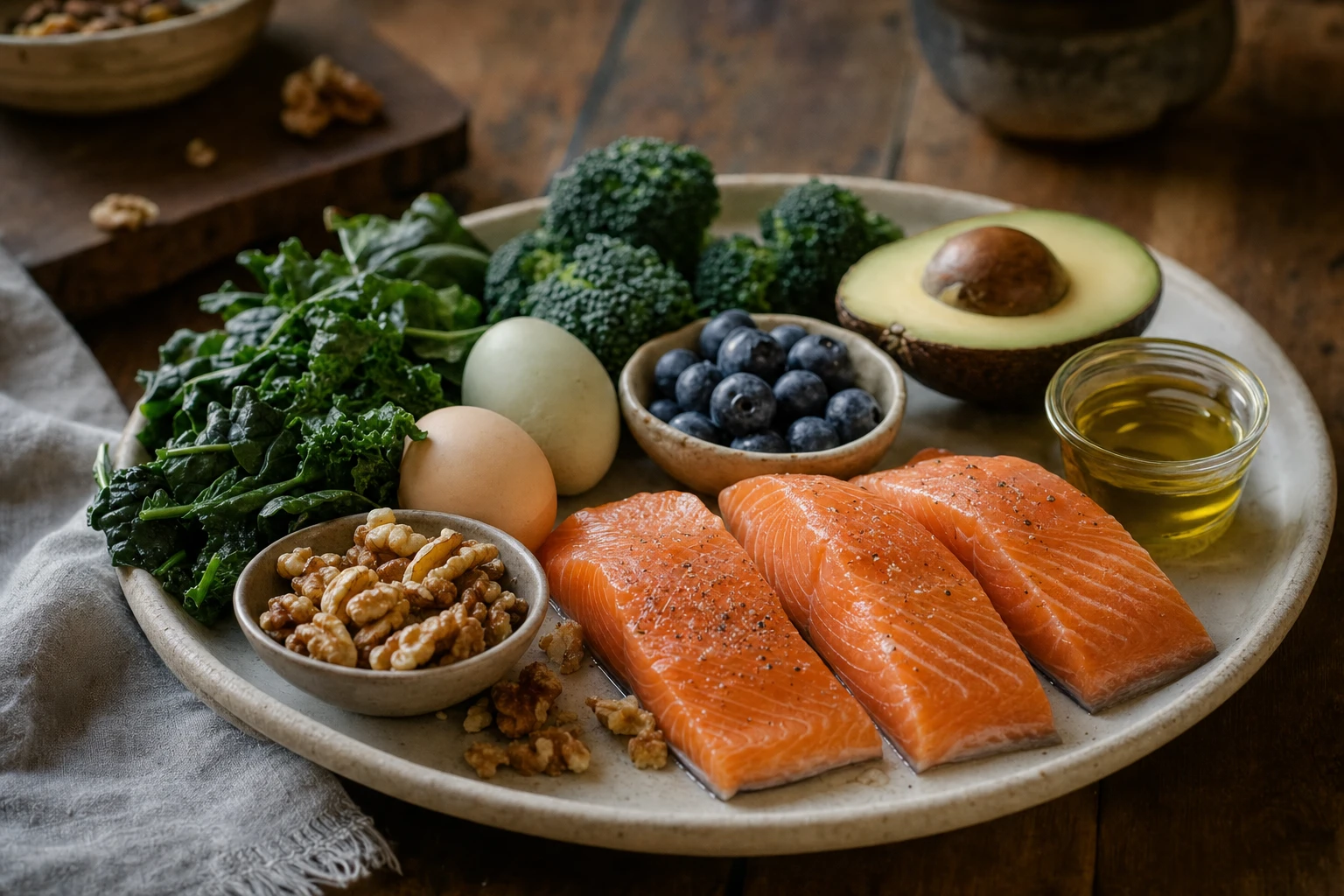
Fatty fish and shellfish should feature regularly, at least two to three times weekly. This provides DHA, omega-3s, and minerals the brain needs. Aim for variety: mackerel, sardines, herring, oysters, mussels.
Organ meats should be eaten weekly. Beef liver or lamb liver provides choline, B vitamins, and minerals in extraordinary density. Even one meal weekly provides significant cognitive protection.
Eggs from pastured hens should be a regular breakfast or meal component. Choline, lutein, and zeaxanthin from eggs all support brain health. Don't avoid the yolk. That's where the nutrients live.
Grass-fed beef and lamb provide minerals and amino acids supporting neurotransmitter synthesis. Quality matters. Grass-fed animal products have a better nutrient profile than grain-fed.
Leafy greens, particularly dark greens like spinach and kale, provide magnesium, folate, and antioxidants. They're not sufficient on their own, but they're an important component of the full dietary picture.
Berries and other colourful foods provide polyphenols that reduce neuroinflammation. Blueberries, blackberries, and dark chocolate are all accessible options with research supporting their protective effects.
Whole food fats from olive oil, butter from grass-fed cows, coconut oil, and avocado all provide fat-soluble nutrients and support healthy cell membranes. Don't fear fat. The brain needs it.
Avoid processed foods, seed oils, refined carbohydrates, and excess sugar. These actively drive neuroinflammation and accelerate cognitive decline. It's not about moderation with these foods. It's about removal or extreme limitation.
The role of exercise and nutrition together
Nutrition protects your brain. Exercise builds your brain. Together they're synergistic in ways neither achieves alone. A well-nourished sedentary person will decline cognitively slower than a malnourished exerciser, but not as slowly as someone who combines both.
Exercise increases brain-derived neurotrophic factor (BDNF), a compound that supports neuron survival and growth.4 Nutrition provides the raw materials those neurons need to function. Without nutrition, BDNF's signals fall on starved tissue. Without exercise, you're not activating the systems that build resilience.
The practical implication: if you're cognitively concerned and you're not exercising, exercise becomes your priority. If you're not eating nutrient-dense food, that becomes your priority. But ideally you're doing both. One complements the other profoundly.

1 of 9
Daily blend
100,000+ thriving families4.9 on Trustpilot
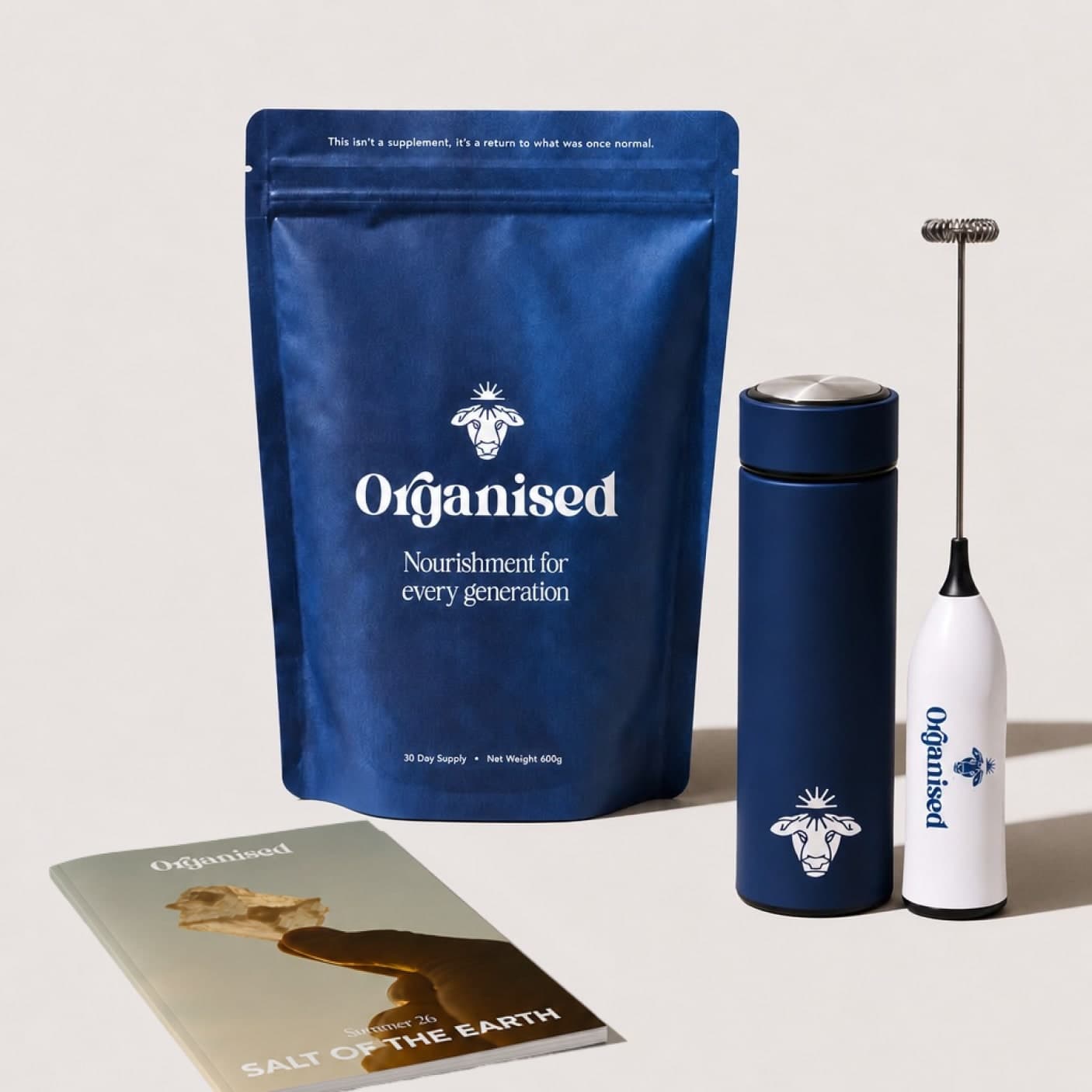
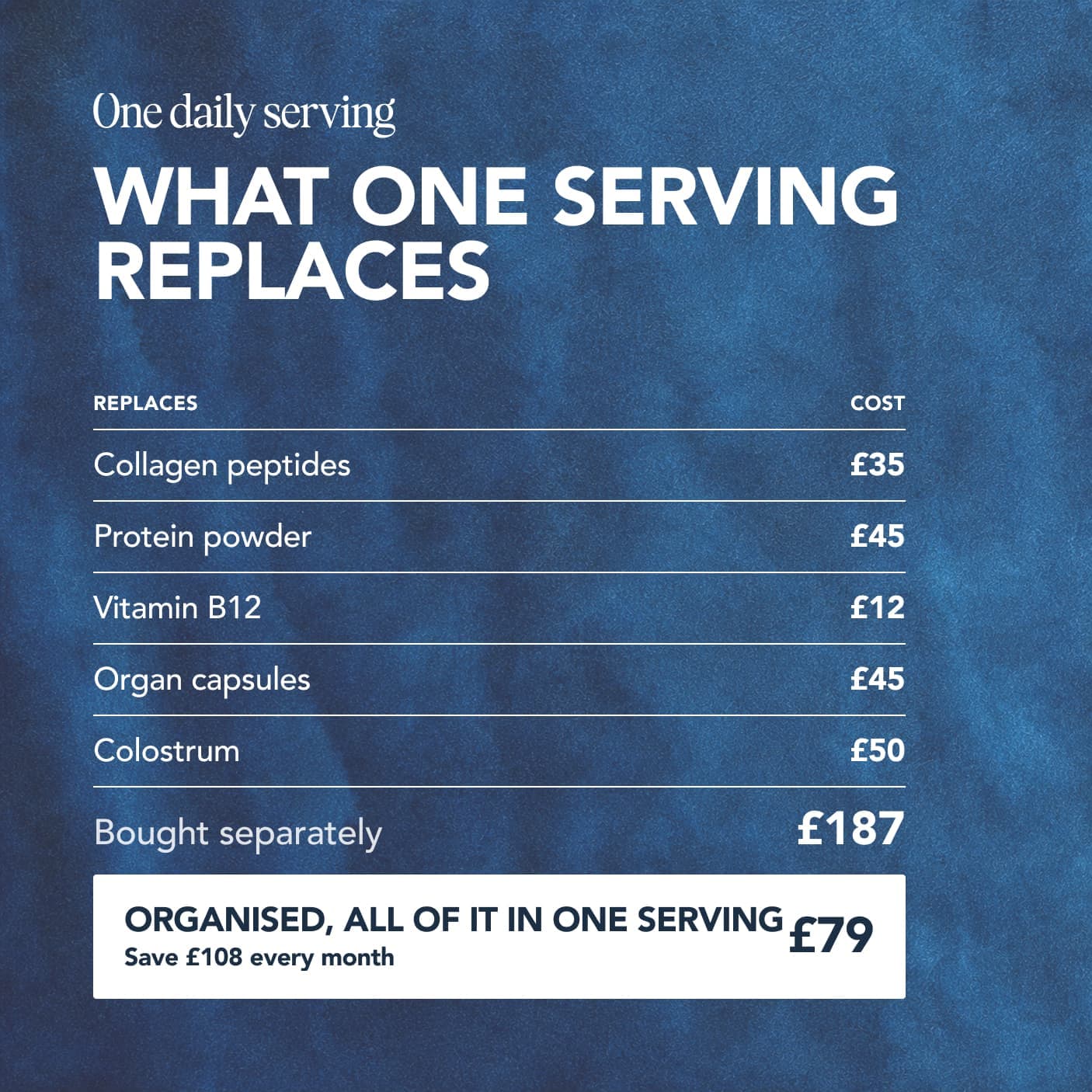
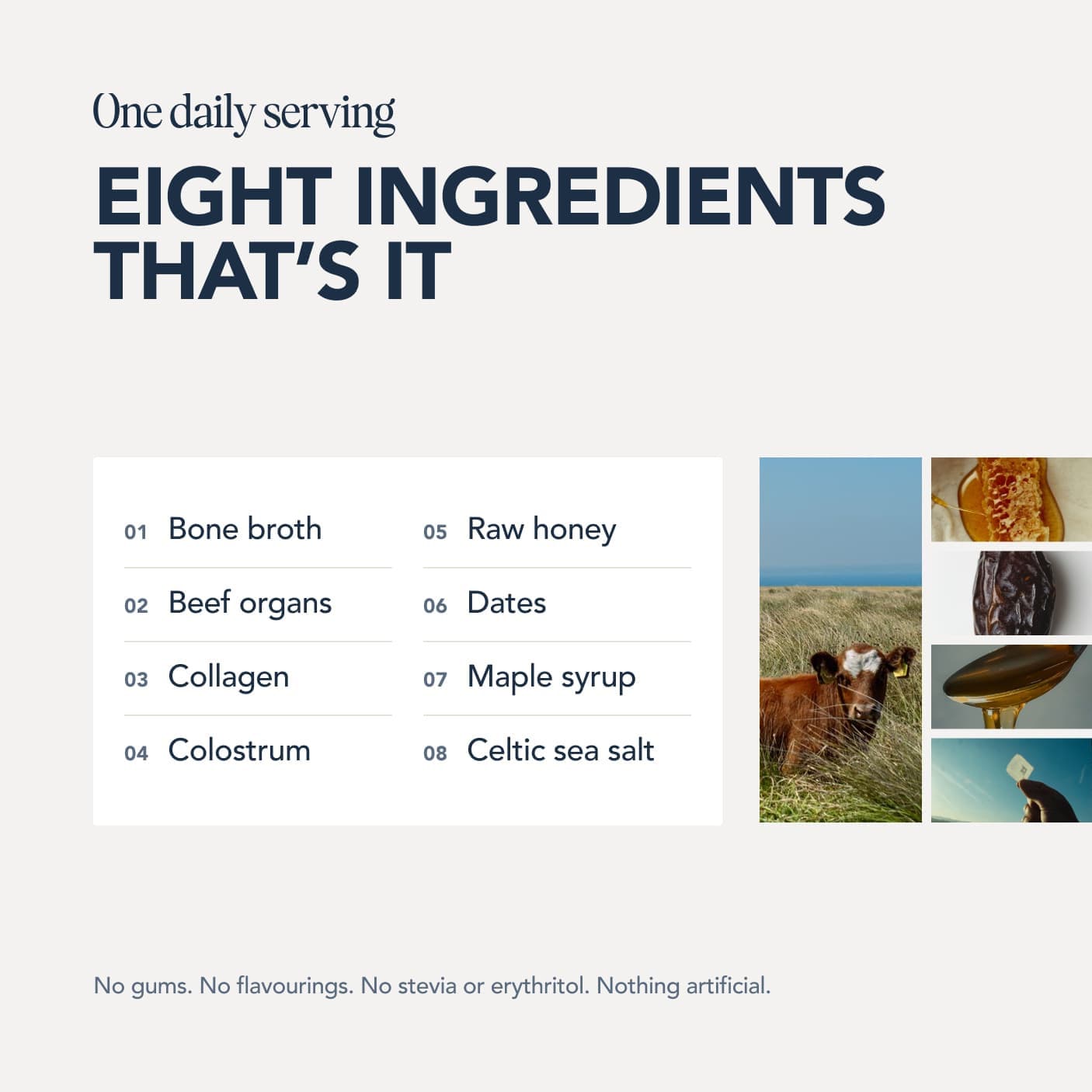
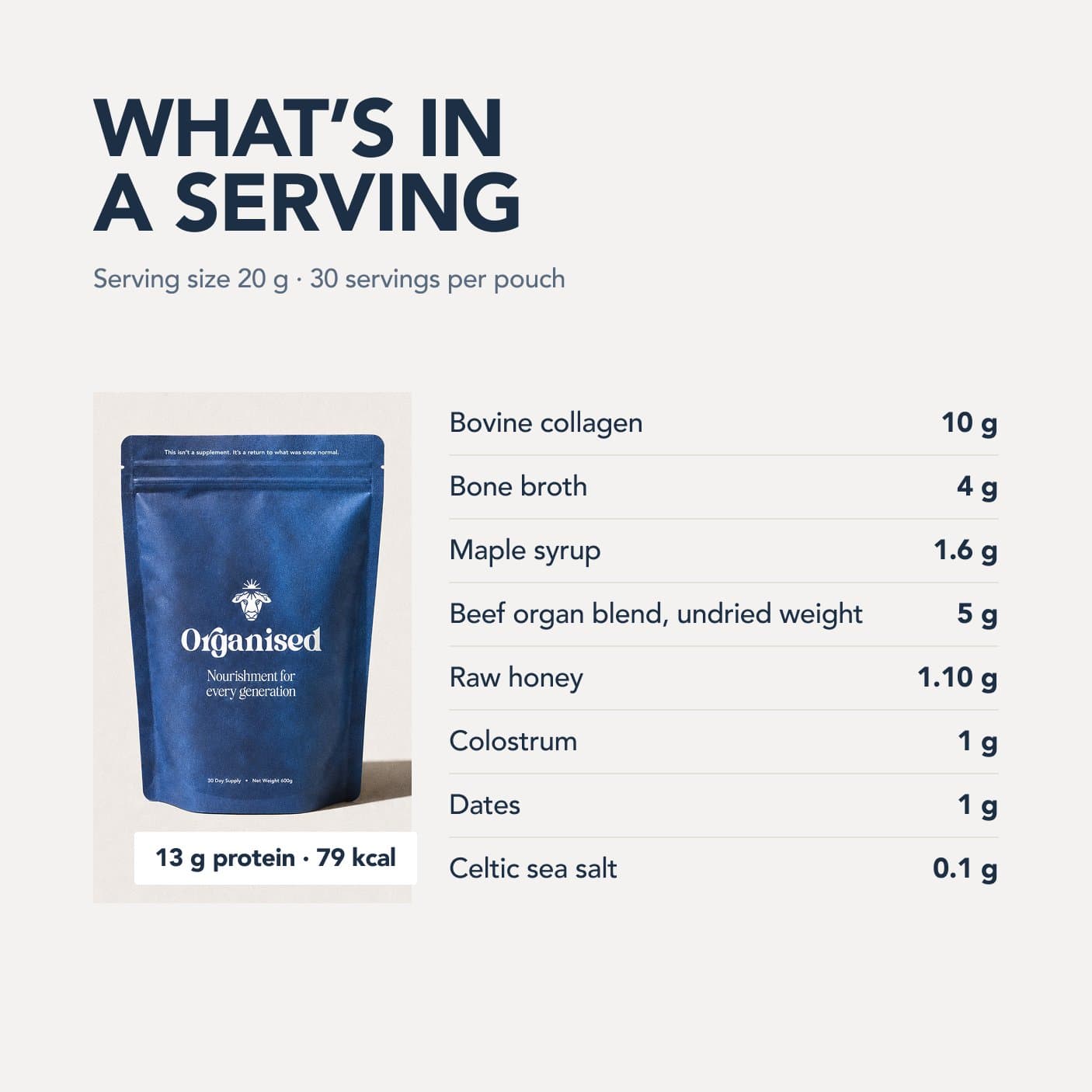
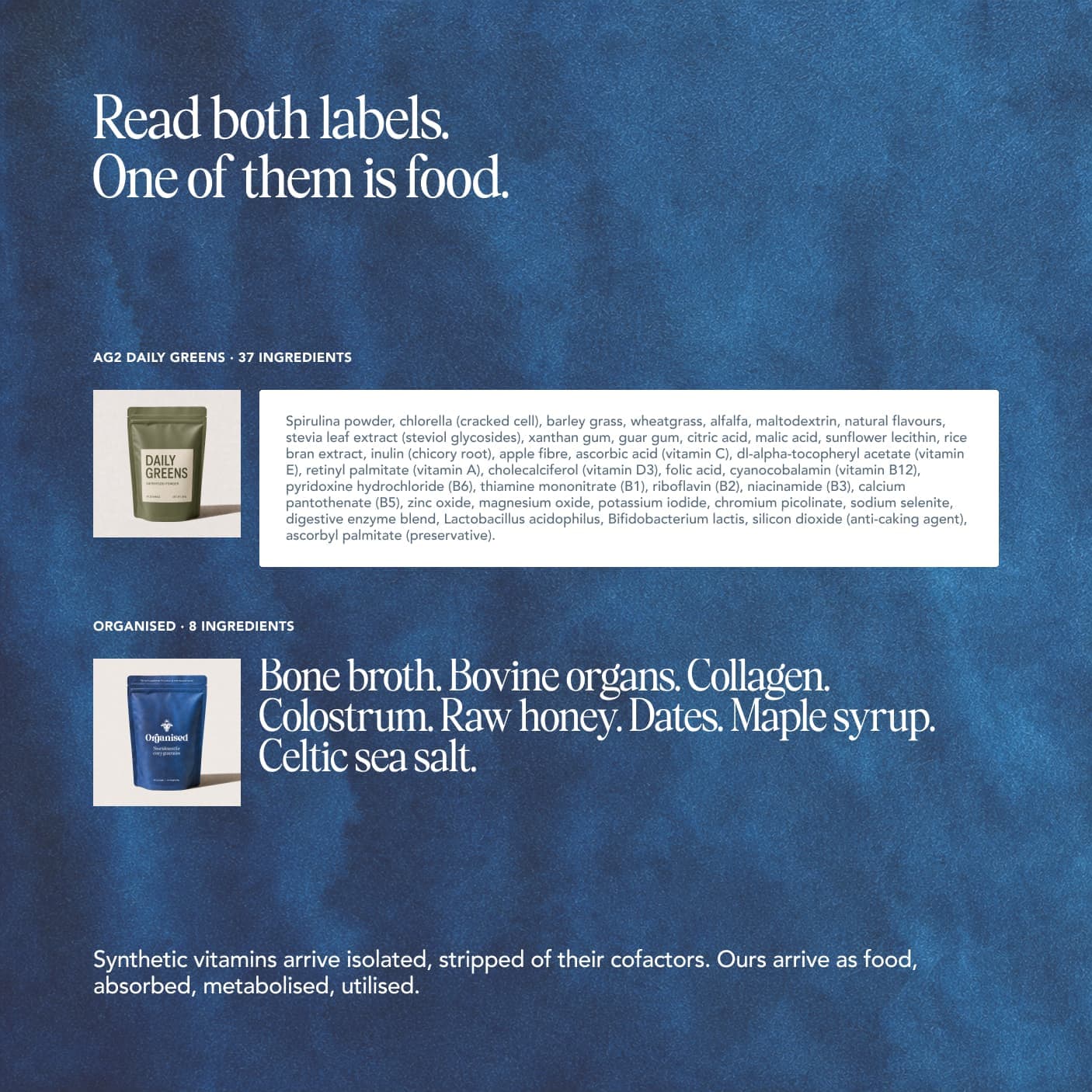
Eight real ingredients built around grass-fed beef organs, collagen and colostrum. Nothing synthetic added.
Free with your first order, worth £38. Plus £10 off the pouch with a subscription.


Free UK shipping · Made in England · 100 day money back guarantee on your first pouch · Skip, pause or cancel anytime
Starting now, no matter your age
If you're reading this at 55, you might think the cognitive damage is done. It's not. The brain maintains neuroplasticity throughout life. Nutritional intervention starting now will slow decline and may even reverse some of it, particularly if the decline is nutritionally rooted.
A 60-year-old who starts eating fatty fish twice weekly and organs weekly will notice improved clarity within weeks. A 75-year-old who does the same may find their memory strengthens, their concentration deepens, their mood stabilises. It's never too late.
The brain doesn't care when you start feeding it well. It just responds when you do.
The bottom line
Cognitive decline is not inevitable. Your brain is responsive to the nutrition you provide, and the food choices you're making now directly influence your cognitive clarity in your 70s and 80s.
Build your diet around fatty fish, organ meats, eggs, and whole foods rich in the nutrients your brain needs. Eliminate the foods that drive inflammation. The investment in your dietary habits is an investment in your cognitive longevity.
Your brain is capable of remaining sharp, creative, and functional well into old age, but it needs your help to get there. The steps aren't complicated. They just require intention and real food.
References
Every source below was checked on 27 August 2026. Each PubMed, PMC and DOI identifier was resolved against NCBI or Crossref, and what it opens is printed under the citation, so you can see the link goes where the citation says without leaving the page. Where a citation and its identifier disagreed, the citation was corrected to the record or the reference was deleted along with the sentence marker that pointed at it, and where the resolved paper turned out not to support the sentence, the sentence was cut back to what it does support. Borrowed authority is worse than none, because it looks like rigour.
- Heneka MT, Carson MJ, El Khoury J, et al. Neuroinflammation in Alzheimer's disease. Lancet Neurol. https://pmc.ncbi.nlm.nih.gov/articles/PMC5909703/ [accessed May 2026].Checked 27 August 2026: PMC5909703 opens Heneka MT, Carson MJ, El Khoury J et al, Neuroinflammation in Alzheimer's disease. Lancet Neurol 2015;14(4):388-405. PubMed indexes it as: Review.
- Dyall SC. Long-chain omega-3 fatty acids and the brain: a review of the independent and shared effects of EPA, DPA and DHA. Front Aging Neurosci. https://pmc.ncbi.nlm.nih.gov/articles/PMC4404917/ [accessed May 2026].Checked 27 August 2026: PMC4404917 opens Dyall SC, Long-chain omega-3 fatty acids and the brain: a review of the independent and shared effects of EPA, DPA and DHA. Front Aging Neurosci 2015;7:52. PubMed indexes it as: Review.
- Smith AD, Refsum H, Bottiglieri T, et al. Homocysteine and Dementia: An International Consensus Statement. J Alzheimers Dis. https://pmc.ncbi.nlm.nih.gov/articles/PMC5836397/ [accessed May 2026].Checked 27 August 2026: PMC5836397 opens Smith AD, Refsum H, Bottiglieri T et al, Homocysteine and Dementia: An International Consensus Statement. J Alzheimers Dis 2018;62(2):561-570. PubMed indexes it as: Consensus Statement.
- Sleiman SF, Henry J, Al-Haddad R, et al. Exercise promotes the expression of brain derived neurotrophic factor (BDNF) through the action of the ketone body beta-hydroxybutyrate. eLife. https://pmc.ncbi.nlm.nih.gov/articles/PMC4915811/ [accessed May 2026].Checked 27 August 2026: PMC4915811 opens Sleiman SF, Henry J, Al-Haddad R et al, Exercise promotes the expression of brain derived neurotrophic factor (BDNF) through the action of the ketone body β-hydroxybutyrate. Elife 2016;5.The authors' own declaration, from the record: MVC: Reviewing editor, eLife . EBH: is a consultant for KDAc Therapeutics which has licensed compounds from the Broad Institute. The other authors declare that no competing interests exist.
Who wrote and reviewed this guide
Niall Kiddle
Author · Founder, Organised
Niall is the founder of Organised. He started the company in 2024 after fixing his own health the slow way: in 2022 he swapped a cupboard of synthetic supplements for real food, raw milk, organ meats, bone broth and honey, and felt the difference within months.
Areas of expertise: Ancestral nutrition, Organ meats, Whole-food supplementation, Gut health, Regenerative sourcing
Read Niall's full profile
Pedro Rodrigues
Reviewer · Agronomist (farming and sourcing only)
Pedro is the agronomist Organised works with on farming and sourcing. His job on the guides is to keep the science honest: he reviews what we publish about soil health, regenerative agriculture, grazing and the way food is actually produced.
Areas of expertise: Regenerative agriculture, Agronomy, Soil health, Grass-fed farming, Food sourcing
Reviewed this guide on
Read Pedro's full profileMore on over 50s
View all- B12 Absorption Declines with Age: Here's What to Do
- Digestive Changes After 50: How to Maintain Gut Health
- Eye Health and Nutrition: Protecting Your Vision as You Age
- Nutrition After 50: What Changes and What to Prioritise
- Preventing Bone Loss with Nutrition (Not Just Calcium)
- Sarcopenia: The Silent Muscle Loss Epidemic
Browse the guides library
All guidesKeep reading

Life stage
Nutrition After 50: What Changes and What to Prioritise
After 50, your nutritional needs shift. Discover how declining absorption, protein, bone health, and cognition reshape what you should be eating.

Life stage
B12 Absorption Declines with Age: Here's What to Do
By 50, your stomach is producing less acid and intrinsic factor. Standard B12 intake isn't enough. Here's how to ensure your body actually gets it.
Life stage
Folate vs Folic Acid: Why the Form Matters in Pregnancy
Understand the difference between folate and folic acid, MTHFR genetics, and why the form matters for your pregnancy. Food sources and supplement guidance.
Real food, made effortless
Find my daily blendA few ways to use it
All recipes
Organised Protein Pancakes: A Weekend Favourite
A high-protein pancake recipe using beef protein, eggs, and raw milk. Cooked in cast iron, naturally sweetened with banana and honey. Real food breakfast.

Organ Bolognese: The Family Dinner That Heals
Practical organ meat recipe using fresh beef liver and heart. Family-friendly bolognese that bridges supplements to whole food.

Raw Milk Hot Chocolate with Collagen
A nourishing evening hot chocolate made with raw milk, grass-fed collagen, raw cacao, and honey. A nighttime ritual that supports sleep and gut health.


 Join over 100,000+ members
Build a better food system with us
The Organised community is thousands of people choosing real food and backing the farmers who grow it, all of us trying to leave the world a little better than we found it. If that is what you care about too, you belong here.