The Best Foods to Eat in Each Trimester
You're pregnant and suddenly everyone has opinions about what you should eat. You're nauseous so you eat crackers. You're anaemic so someone recommends spinach. You're tired so you load up on carbs. But pregnancy is not one nutritional state. It's three completely different phases, each with specific needs.
By Niall Kiddle, Founder, Organised

Reviewed by Pedro Rodrigues, Agronomist (farming and sourcing only) ·
9 min read · Published · Updated · 8 cited sources
Makers of the Organised Daily blend, a grass-fed beef organ supplement from regenerative UK farms
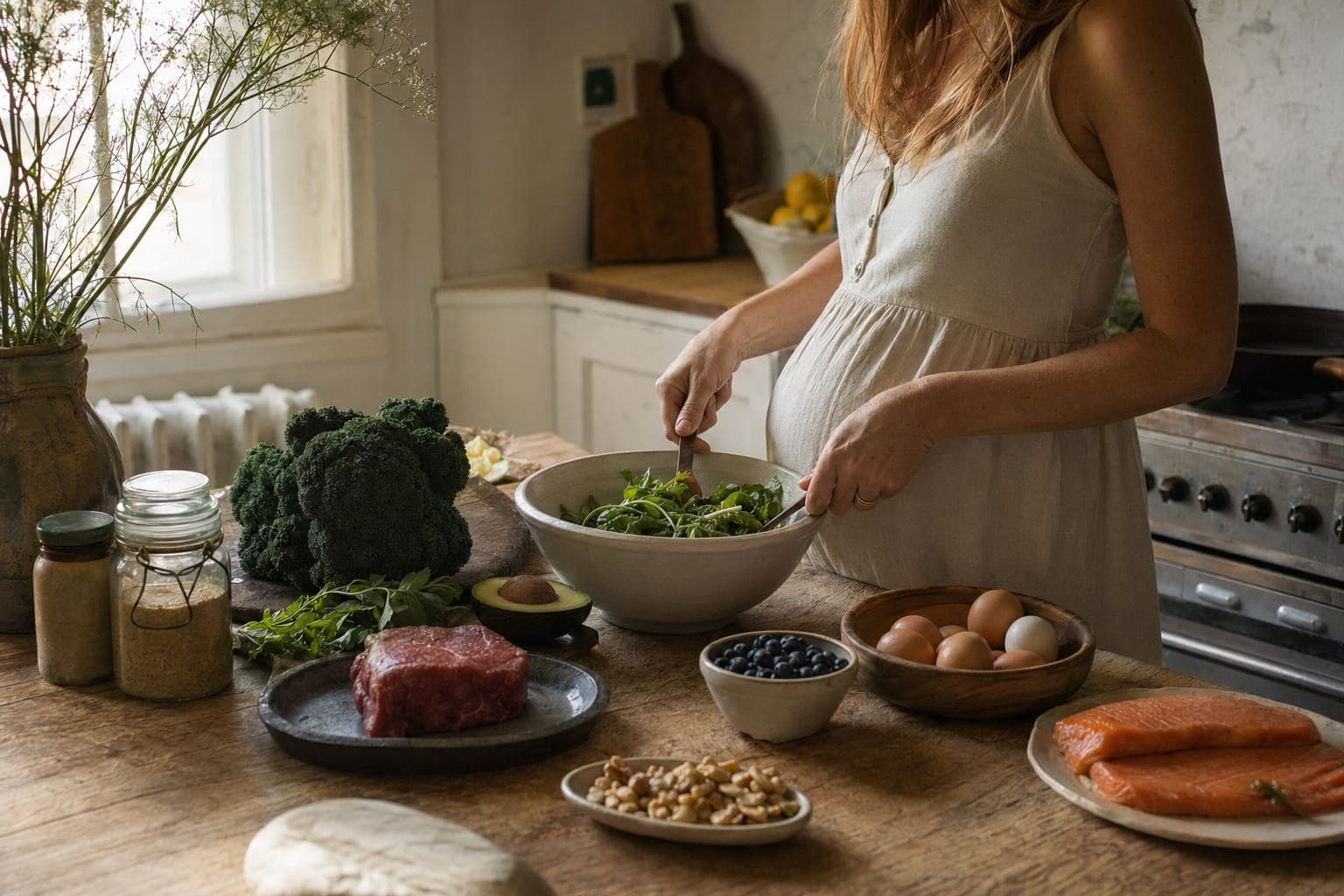
The foods your baby needs in the first trimester are different from the second and completely different from the third. Getting this right transforms how you feel and how your baby develops.
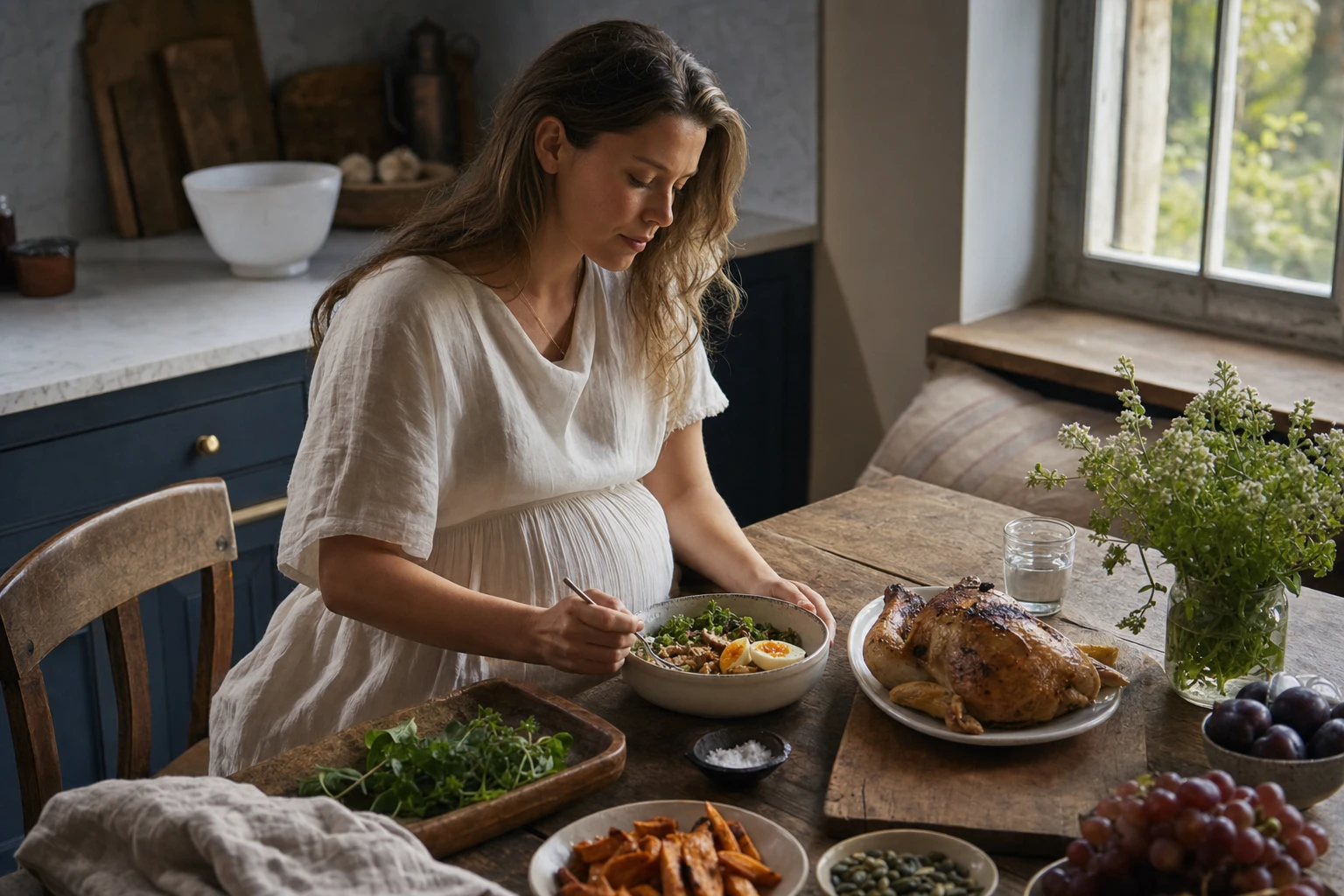
Why trimester nutrition changes
Pregnancy demands change as your baby develops. In the first trimester, the priority is foundational development: the nervous system, heart, and organs are forming. Your baby's brain is taking shape and the neural tube is closing. This stage is vulnerable to folate deficiency.
In the second trimester, growth accelerates. Your baby is building muscle and bone, and the brain is developing rapidly. Iron demand increases dramatically. Choline, an essential nutrient for brain development, becomes critical. DHA (docosahexaenoic acid), an omega-3 fatty acid, is being incorporated into developing brain tissue at a rapid rate.
In the third trimester, the priority shifts to maternal preparation for birth and final baby growth. Your body needs adequate magnesium for muscle function and to prevent cramping. You need healthy fats to support placental health and prepare for lactation. Protein becomes the scaffolding for the final growth spurt.
Your pregnancy has different nutritional seasons. Feed each one properly and your baby develops optimally at every stage.
This is not complicated. It's not about counting calories or micromanaging intake. It's about understanding what your body and baby need and eating foods that provide it.
First trimester: B6, ginger, and managing nausea
Nausea in early pregnancy affects roughly 70-80% of pregnancies.1 It's miserable and it makes eating properly nearly impossible. But vitamin B6, found in specific foods, has research behind it as a nausea reducer. Not elimination. Reduction.
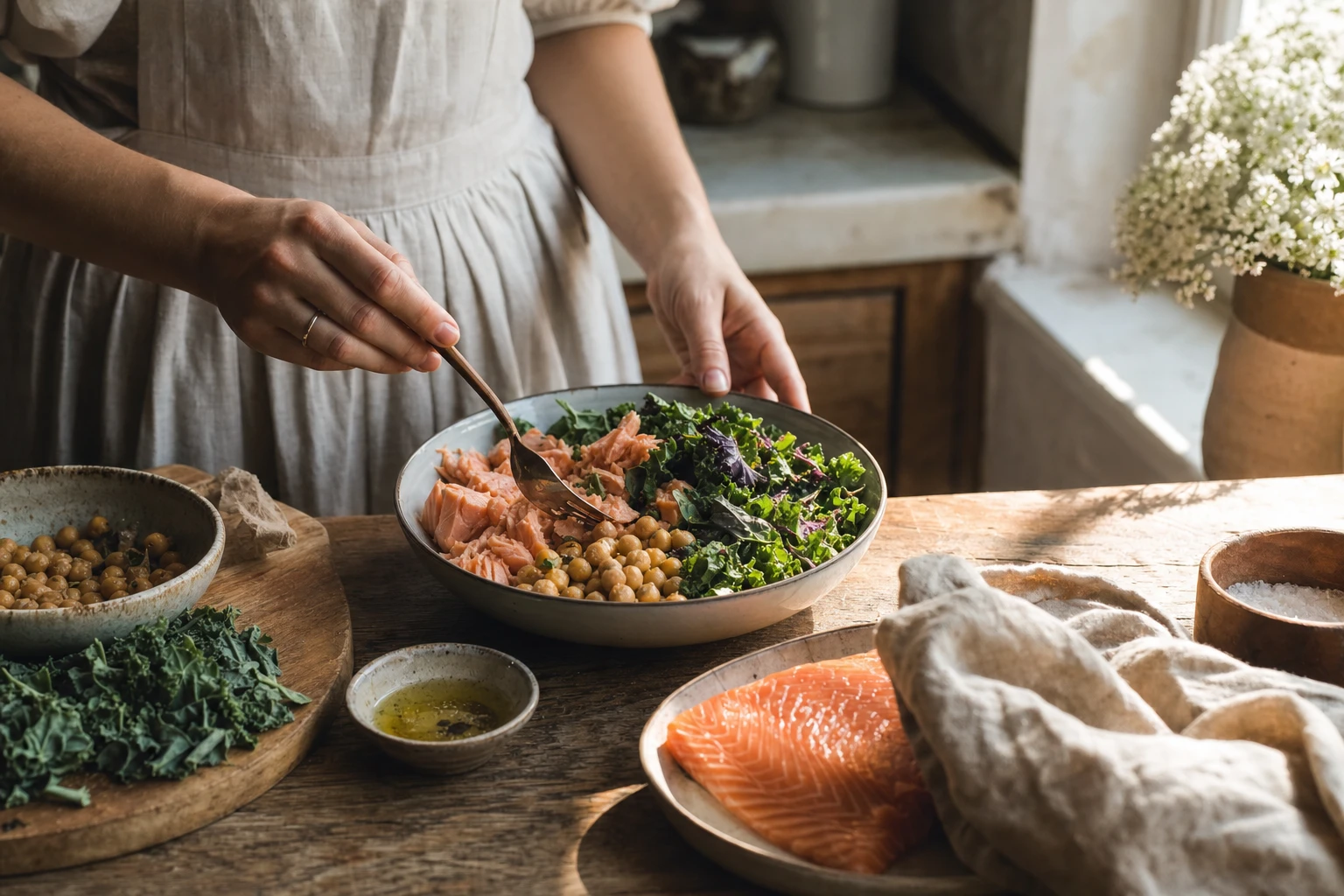
Chickpeas are the standout. A 100-gram serving of cooked chickpeas provides 1.5 milligrams of B6. Salmon provides 0.6 milligrams per 100 grams. Banana provides 0.4 milligrams per medium fruit. Vitamin B6 (pyridoxine) supplementation has been shown in trials to reduce nausea severity, and B6-rich foods such as chickpeas and salmon contribute to intake.2
Ginger has shown moderate efficacy in reducing pregnancy-related nausea in multiple trials and reviews.3 It's not dramatic, but it helps. A cup of ginger tea after meals, or a small piece of crystallised ginger when nausea rises, can take the edge off.
Folate is critical in the first trimester. The neural tube closes in weeks 3-4 of pregnancy and adequate folate (or folic acid) reduces the risk of neural tube defects.4 Sources include liver, dark leafy greens, asparagus, and legumes.
- Chickpeas: Hummus, roasted chickpeas, or cooked chickpeas with olive oil and lemon.
- Salmon: Smoked salmon on wholemeal toast, or fresh salmon with butter and lemon.
- Leafy greens: Spinach, kale, or chard in salads or lightly cooked with butter.
- Liver: Once per week if nausea allows, pate on toast, or liver and onions.
- Ginger: Fresh ginger tea, or candied ginger as needed for nausea.
The first trimester is when your baby's foundational structures form. You cannot restore folate and B6 in the second trimester if they're deficient now.
In the first trimester, eat what you can tolerate. If that's crackers and soup for a month, that's okay. But prioritise the foods above when you can manage them. They'll reduce your nausea and support your baby's critical development.
Second trimester: Iron, choline, and baby brain development
By week 13, nausea usually improves and your appetite returns. The second trimester is when you can actually eat properly again. And it's the perfect time to prioritise iron, choline, and omega-3 fats.
The RDA for iron rises from 18 mg/day in non-pregnant women of reproductive age to 27 mg/day in pregnancy.5 Your blood volume expands and your baby needs iron to build their own blood supply. Anaemia in pregnancy is common and it affects how you feel: exhaustion beyond the normal pregnancy fatigue, shortness of breath, brain fog.
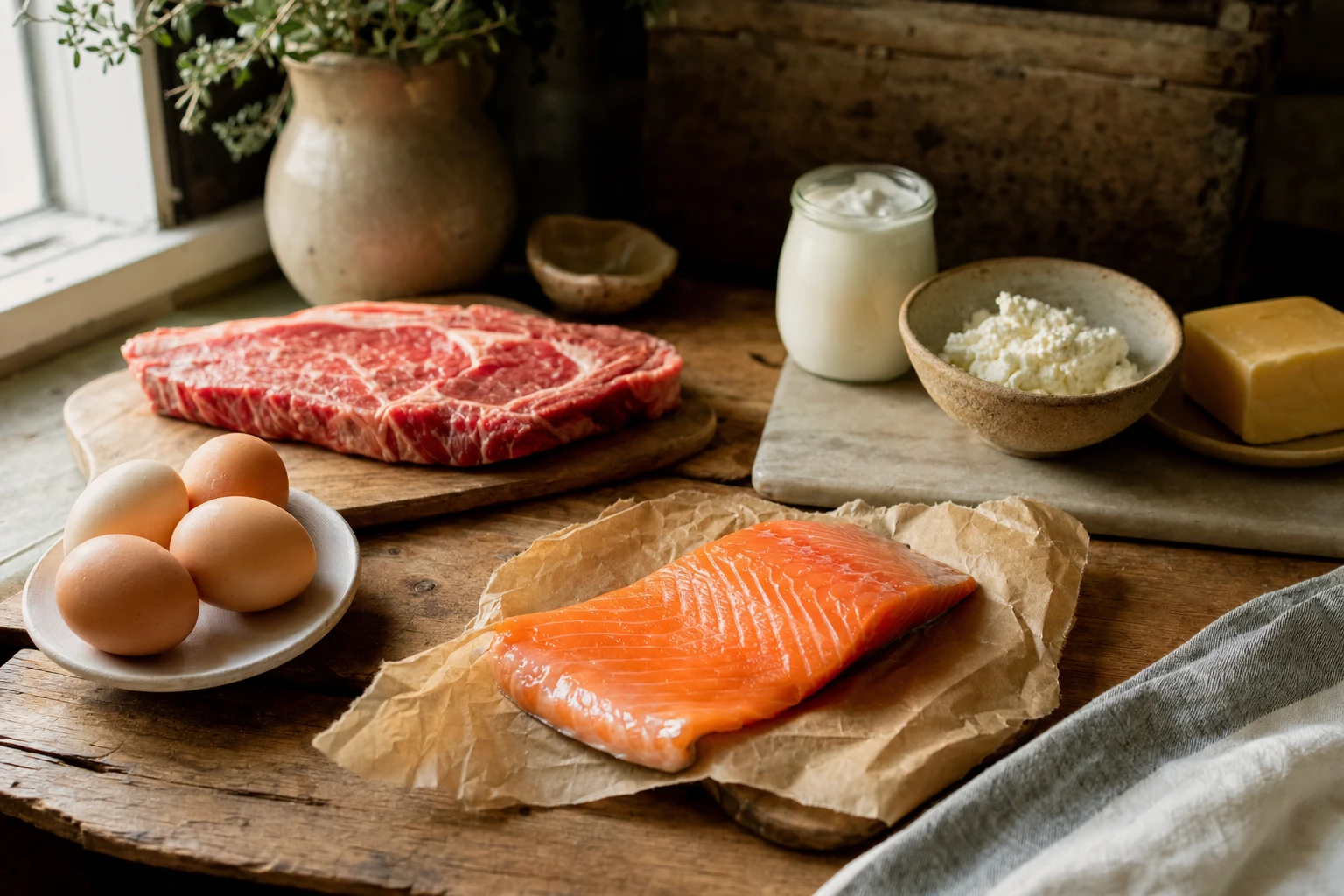
Heme iron from animal foods is absorbed at roughly 15-35%, compared with 2-20% for non-heme iron from plants.5 For pregnancy, when iron demand is acute, heme iron sources matter. Red meat, beef liver, and fatty fish are your best sources.
Choline is less well-known but profoundly important. This nutrient supports placental health and is incorporated into your baby's brain tissue during development. Eggs are a major dietary source of choline, and the AI for choline in pregnancy is 450 mg/day.6
DHA is an omega-3 fatty acid that becomes part of your baby's brain tissue and visual system. Fatty fish like salmon, mackerel, and sardines are rich in DHA. Aim for two servings of fatty fish per week.
- Red meat: Grass-fed beef three to four times per week for iron and carnitine.
- Liver: Once per week for iron, choline, B12, and folate.
- Eggs: Two to three per day for choline and complete protein.
- Fatty fish: Salmon or mackerel twice per week for DHA and omega-3.
- Full-fat dairy: Milk, cheese, yoghurt for calcium and fat-soluble vitamins.
Your baby's brain is building itself from the foods you eat. Second trimester is the critical window for choline and DHA incorporation.
The second trimester is your opportunity to build iron stores and establish robust nutrition. If you're anaemic, this is when it's fixable through diet. If you're choline deficient, this is when it matters most.
Get life-stage nutrition guides, free
Two short reads a week on eating well through pregnancy, childhood and older age.
By signing up you agree to receive emails from us. No spam, unsubscribe anytime.
Third trimester: Fats, magnesium, and preparing for birth
By the third trimester, your baby is huge. Your nutrient demand is at its peak. Your body is also preparing for birth and lactation. The focus shifts to fat, magnesium, and adequate protein for the final growth spurt.
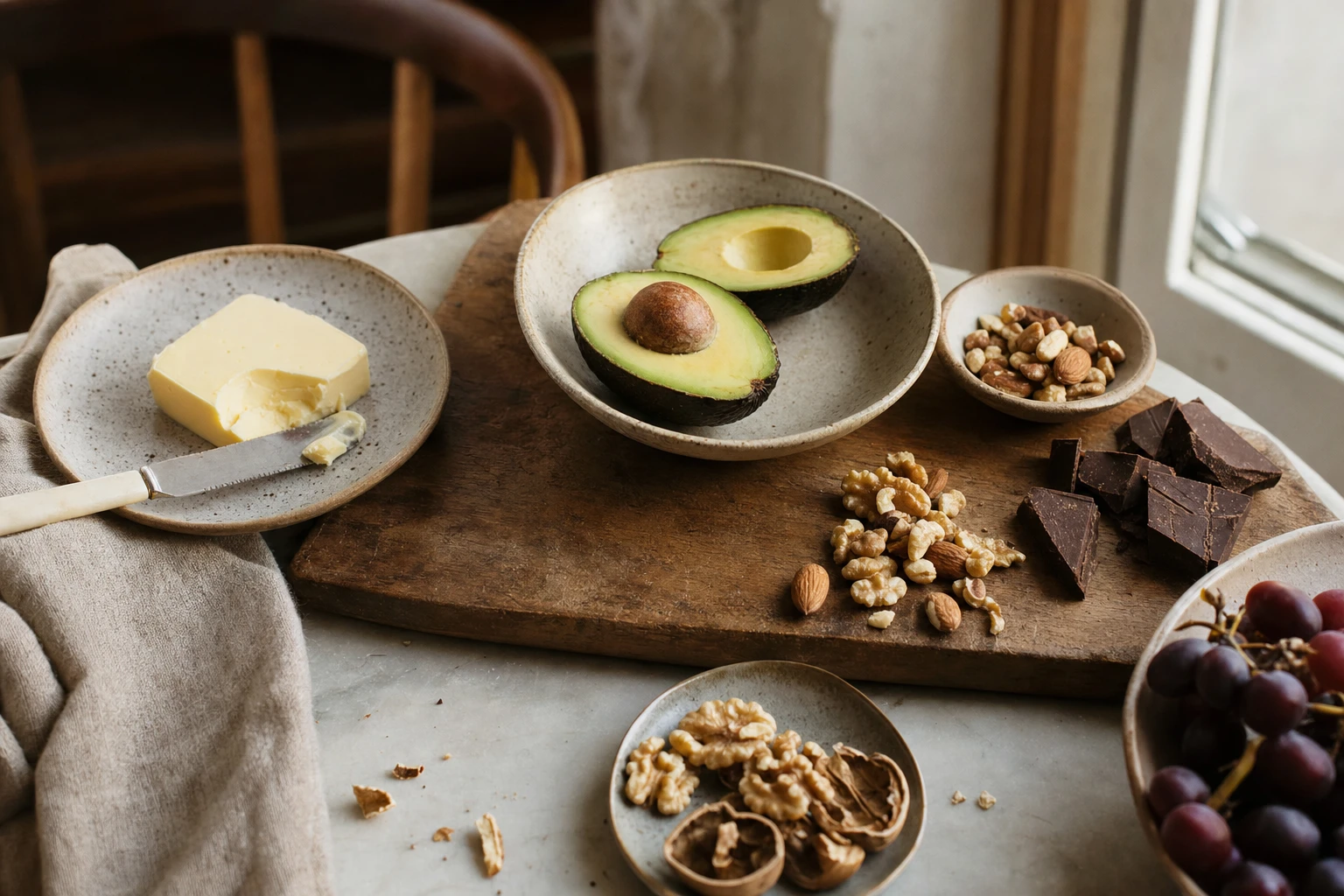
Healthy fats are essential. Your baby's brain is 60 percent fat. The final weeks of pregnancy are when fat is incorporated most rapidly. Olive oil, butter, avocado, nuts, seeds, and fatty fish should be a visible part of every meal.
Magnesium becomes critical in the third trimester. This mineral supports muscle function and relaxation. Deficiency is associated with leg cramps, insomnia, and constipation. Whole grains, nuts, seeds, leafy greens, and dark chocolate are good sources. A square of dark chocolate with dinner is actually nutritional strategy in pregnancy.
Protein demand increases to support your baby's final growth. Aim for 100 to 120 grams per day. This is not excessive. It's what supports both your baby's final growth and your tissue preparation for lactation.
- Butter and olive oil: Visible fat on every meal. Not hidden, not minimal. Abundant.
- Nuts and seeds: Handful with breakfast, snacks, or sprinkled on salads.
- Avocado: One per day if you can tolerate it. Perfect fat and magnesium.
- Dark chocolate: 70 percent or higher. Magnesium, antioxidants, and morale boost.
- Protein: Beef, fish, eggs, dairy at every meal. Aim for 25 to 30 grams per meal.
The third trimester is not the time to restrict fat. It's the time to embrace it. Your baby needs it. Your body needs it. Your breast milk will be made from it.
Many women gain the most weight in the third trimester and panic about it. But adequate fat and protein intake in the third trimester reduces the risk of preeclampsia, supports normal birth weight, and ensures adequate nutrition for breastfeeding. The weight is building your baby and preparing your body. It's appropriate.
Mineral sufficiency across all three trimesters
Some nutrients matter throughout: calcium, magnesium, zinc, and selenium. These minerals are being incorporated into your baby's bones, organs, and tissues at all stages.
Calcium from dairy, leafy greens, sardines with bones, and almonds. Magnesium from nuts, seeds, whole grains, and dark chocolate. Zinc from red meat, shellfish, seeds, and legumes. Selenium from eggs, fish, and Brazil nuts. None of these are exotic. They're foods your body recognises.
Pregnancy is not about supplements and special formulas. It's about eating whole foods that provide everything your baby needs to develop properly.
If you're taking a prenatal vitamin, that's fine. But it's not a replacement for food. The nutrients in whole food come with cofactors and synergists that supplements cannot replicate. Eat well. The supplement is insurance, not the foundation.
How to eat for each stage
First trimester: Prioritise folate, B6, and ginger for nausea. Eat what you can. Chickpeas, liver, leafy greens, and salmon when tolerance allows. Small frequent meals. No large portions. Just consistent nutrition.
Second trimester: Prioritise iron, choline, and DHA. Red meat, liver, eggs, and fatty fish become your anchors. Three meals per day with adequate protein at each. Your appetite is back. Use it.
Third trimester: Prioritise fat, magnesium, and protein. Butter, avocado, nuts, and seeds visible on every plate. Protein at every meal. Dark chocolate for magnesium and morale. Your baby is building. Feed that process abundantly.
The bottom line
Your pregnancy has nutritional seasons. The foods your baby needs change as your baby develops. Feed each trimester well and your baby develops optimally at every stage. This is not complicated nutrition. It's whole foods that your body knows how to use. Eat them. Your baby will thank you.
1 of 9
Daily blend
100,000+ thriving families4.9 on Trustpilot
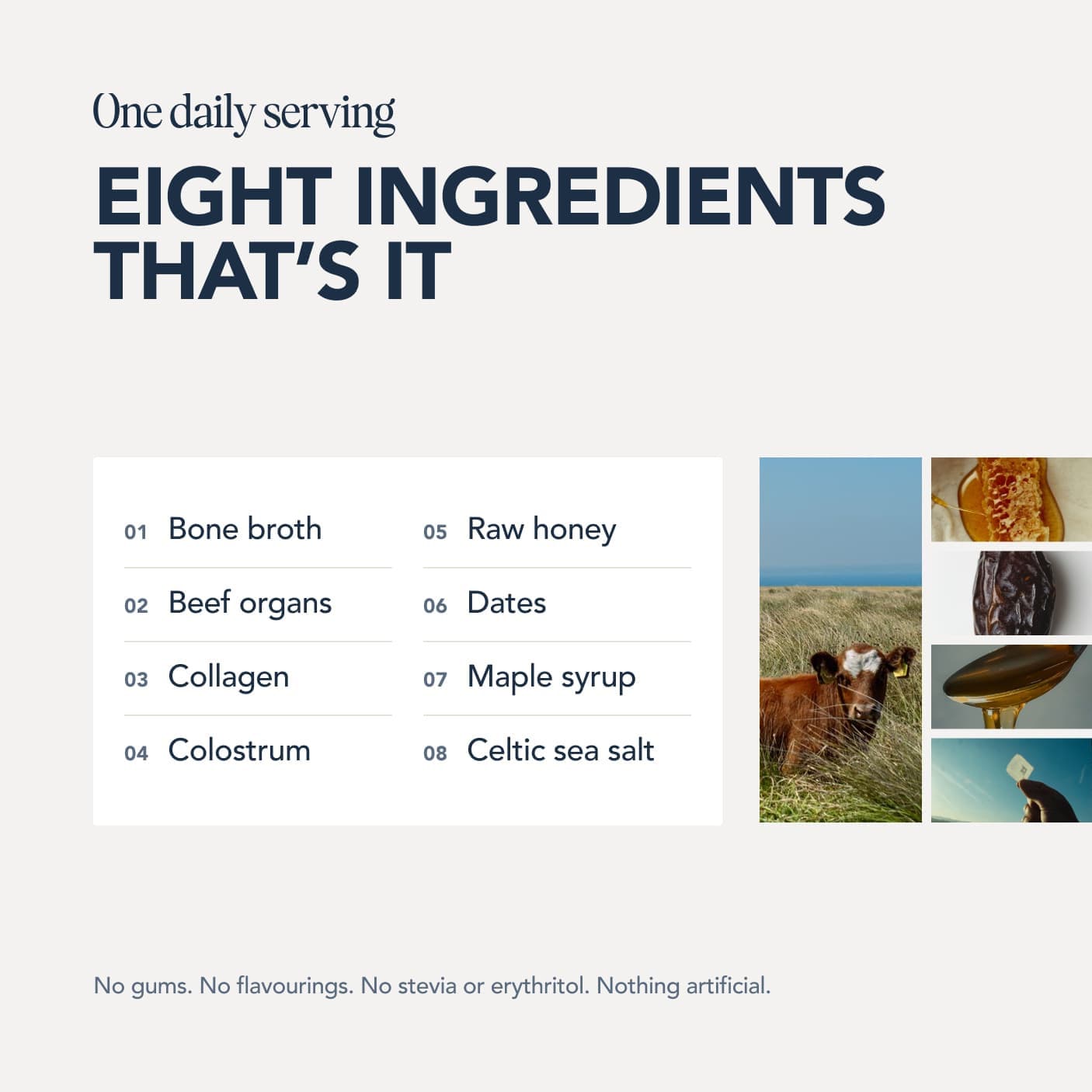
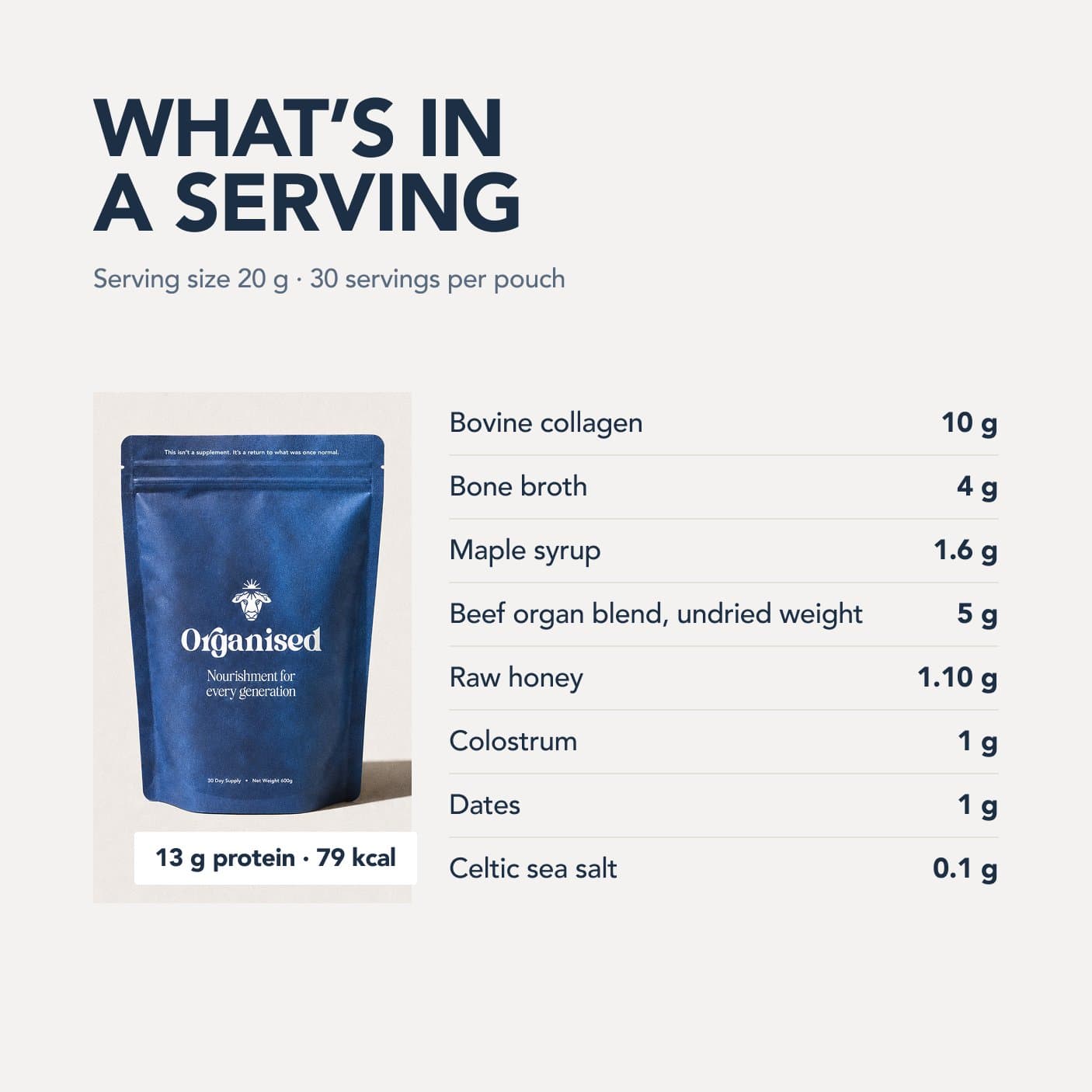
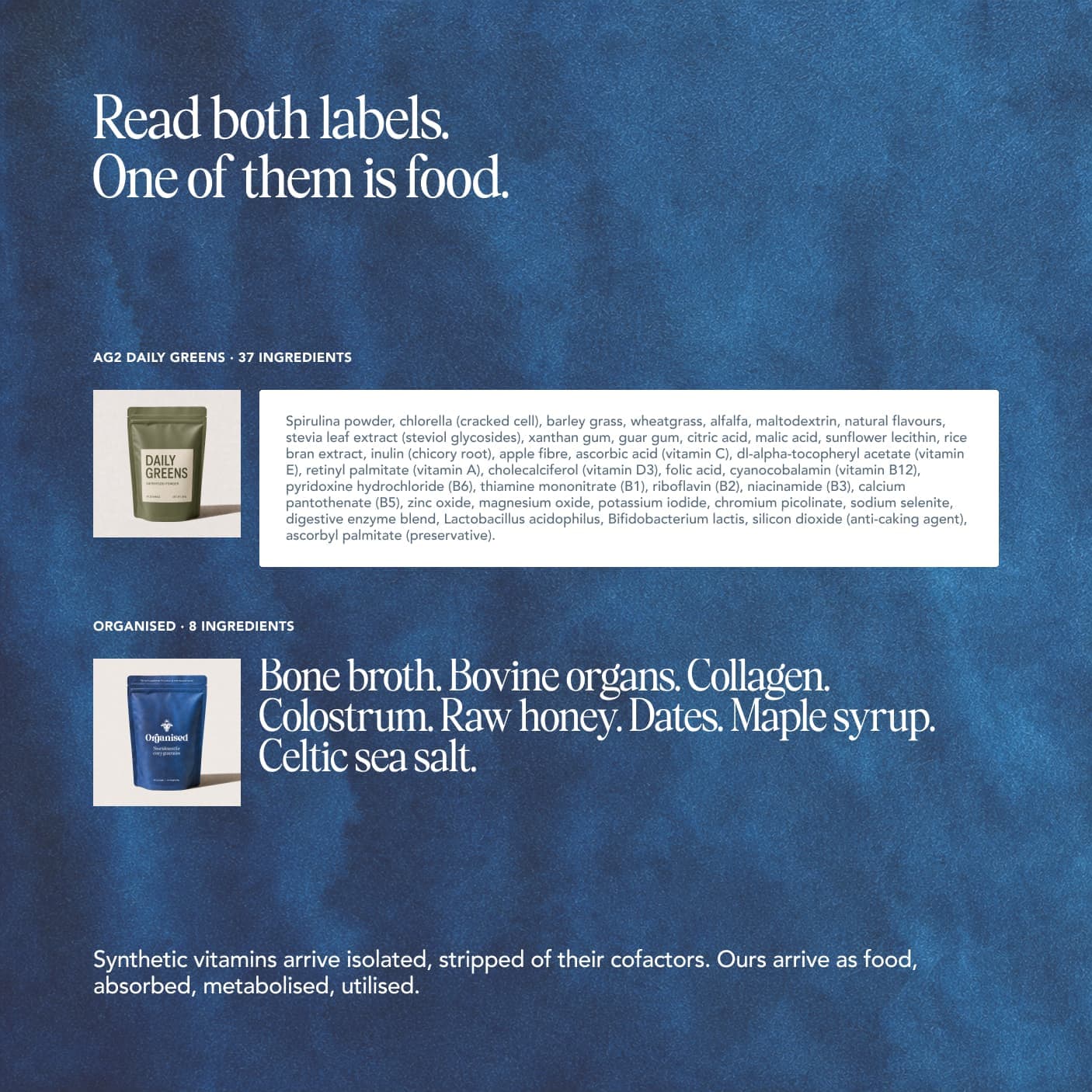
Eight real ingredients built around grass-fed beef organs, collagen and colostrum. Nothing synthetic added.
Free with your first order, worth £38. Plus £10 off the pouch with a subscription.

Free UK shipping · Made in England · 100 day money back guarantee on your first pouch · Skip, pause or cancel anytime
On UK NHS guidance and liver in pregnancy
The NHS recommends pregnant women avoid liver and liver products entirely, on the grounds that liver is dense in preformed retinol and high doses of preformed retinol are teratogenic. That guidance errs heavily on the side of total avoidance. The published evidence is more specific.
The Rothman 1995 NEJM study, which underpins most modern retinol-in-pregnancy advice, found increased risk of birth defects in women whose chronic intake of preformed retinol exceeded roughly 10,000 IU per day (about 3,000 mcg RAE per day) during the first trimester. That figure is also the NIH ODS Tolerable Upper Intake Level for adults.
A 100-gram serving of cooked beef liver delivers roughly 7,800 to 11,100 mcg RAE depending on preparation (USDA FoodData Central; NIH ODS). The published threshold is for chronic daily intake, not for a single serving — Rothman 1995 explicitly framed the risk around habitual intake during the first trimester, not occasional consumption. A 30-gram serving once a week averages around 330 mcg RAE per day across the week, well below the 3,000 mcg/day UL. Even a 50-gram weekly portion averages around 600 mcg per day. Traditional pregnancy diets observed by Weston Price across multiple cultures included occasional liver as a sacred food, in portions and frequencies consistent with this weekly-average framing rather than daily heavy consumption.
Our position: the brand recommends small, occasional liver servings (30 to 50 grams once or twice a week) for pregnant and preconception women who choose to include it, alongside the rest of a nutrient-dense whole-food diet. If you want to follow NHS guidance and avoid liver entirely, you can still hit the same fat-soluble-vitamin profile through pastured egg yolks, grass-fed dairy and modest amounts of cod liver oil. Discuss any pregnancy nutrition decision with your midwife or obstetrician, particularly if you are already supplementing with vitamin A, multivitamins containing retinol, or acne-treatment retinoids.
References
Every source below was checked on 27 August 2026. Each PubMed, PMC and DOI identifier was resolved against NCBI or Crossref, and what it opens is printed under the citation, so you can see the link goes where the citation says without leaving the page. Where a citation and its identifier disagreed, the citation was corrected to the record or the reference was deleted along with the sentence marker that pointed at it, and where the resolved paper turned out not to support the sentence, the sentence was cut back to what it does support. Borrowed authority is worse than none, because it looks like rigour.
- Einarson TR, et al. Prevalence of nausea and vomiting of pregnancy: a systematic review and meta-analysis. J Popul Ther Clin Pharmacol. 2013. PMID 23863545Checked 27 August 2026: PMID 23863545 opens Einarson TR, Piwko C, Koren G, Prevalence of nausea and vomiting of pregnancy in the USA: a meta analysis. J Popul Ther Clin Pharmacol 2013;20(2):e163-70. PubMed indexes it as: Meta-Analysis.
- Matthews A, et al. Interventions for nausea and vomiting in early pregnancy. Cochrane Database Syst Rev. 2015. PMID 26348534Checked 27 August 2026: PMID 26348534 opens Matthews A, Haas DM, O'Mathúna DP et al, Interventions for nausea and vomiting in early pregnancy. Cochrane Database Syst Rev 2015;2015(9):CD007575. PubMed indexes it as: Meta-Analysis, Systematic Review.The authors' own declaration, from the record: No declarations of interest.
- Viljoen E, et al. A systematic review and meta-analysis of the effect and safety of ginger in the treatment of pregnancy-associated nausea and vomiting. Nutr J. 2014;13:20. PMID 24642205Checked 27 August 2026: PMID 24642205 opens Viljoen E, Visser J, Koen N et al, A systematic review and meta-analysis of the effect and safety of ginger in the treatment of pregnancy-associated nausea and vomiting. Nutr J 2014;13:20. PubMed indexes it as: Meta-Analysis, Systematic Review.
- National Institutes of Health, Office of Dietary Supplements. Folate - Health Professional Fact Sheet. ods.od.nih.gov
- National Institutes of Health, Office of Dietary Supplements. Iron - Health Professional Fact Sheet. ods.od.nih.gov
- National Institutes of Health, Office of Dietary Supplements. Choline - Health Professional Fact Sheet. ods.od.nih.gov
- Rothman KJ, Moore LL, Singer MR, Nguyen UD, Mannino S, Milunsky A. Teratogenicity of high vitamin A intake. New England Journal of Medicine. 1995;333(21):1369-1373. https://pubmed.ncbi.nlm.nih.gov/7477116/Checked 27 August 2026: PMID 7477116 opens Rothman KJ, Moore LL, Singer MR et al, Teratogenicity of high vitamin A intake. N Engl J Med 1995;333(21):1369-73.
- National Institutes of Health, Office of Dietary Supplements. Vitamin A and Carotenoids: Fact Sheet for Health Professionals. https://ods.od.nih.gov/factsheets/VitaminA-HealthProfessional/ [accessed May 2026].
Who wrote and reviewed this guide
Niall Kiddle
Author · Founder, Organised
Niall is the founder of Organised. He started the company in 2024 after fixing his own health the slow way: in 2022 he swapped a cupboard of synthetic supplements for real food, raw milk, organ meats, bone broth and honey, and felt the difference within months.
Areas of expertise: Ancestral nutrition, Organ meats, Whole-food supplementation, Gut health, Regenerative sourcing
Read Niall's full profile
Pedro Rodrigues
Reviewer · Agronomist (farming and sourcing only)
Pedro is the agronomist Organised works with on farming and sourcing. His job on the guides is to keep the science honest: he reviews what we publish about soil health, regenerative agriculture, grazing and the way food is actually produced.
Areas of expertise: Regenerative agriculture, Agronomy, Soil health, Grass-fed farming, Food sourcing
Reviewed this guide on
Read Pedro's full profileMore on pregnancy & postpartum
View all- Nourishing Pregnancy with Whole Food Nutrition
- Postpartum Recovery Nutrition: Rebuilding After Birth
- Beef Organ Supplements and Pregnancy: Understanding Vitamin A Safety
- Breastfeeding and Nutrition: What to Eat to Nourish Two
- Folate vs Folic Acid: Why the Form Matters in Pregnancy
- Gestational Diabetes and Nutrition: What Helps and What Doesn't
- Iron Needs During Pregnancy: Why Heme Iron Makes a Difference
- Morning Sickness and Nutrition: What Helps and What Makes It Worse
- Pregnancy Nutrition on Reddit: What Real Mums Recommend vs the Evidence
- Pregnancy Prep: Nutritional Foundations to Lay Before Conceiving
- Rebuilding Your Iron Stores After Birth
- The Fourth Trimester: Why Mothers Need Organ Nutrition
Browse the guides library
All guidesKeep reading
Life stage
Gestational Diabetes and Nutrition: What Helps and What Doesn't
Gestational diabetes responds to protein-first meals, refined carb limits, and post-meal movement. Work with your midwife or GP using these proven strategies.
Life stage
Building Strong Bones in Childhood: Beyond Just Milk
Children's bone health needs vitamin K2, vitamin D, magnesium, and protein. Milk alone is not enough. Sardines, egg yolks, and weight-bearing play matter.
Life stage
Endometriosis and Nutrition: An Evidence-Based Approach
Nutrition cannot cure endometriosis, but it can reduce pain and inflammation. Master anti-inflammatory fats, reduce seed oils, and eliminate xenoestrogens.
Real food, made effortless
Find my daily blendA few ways to use it
All recipes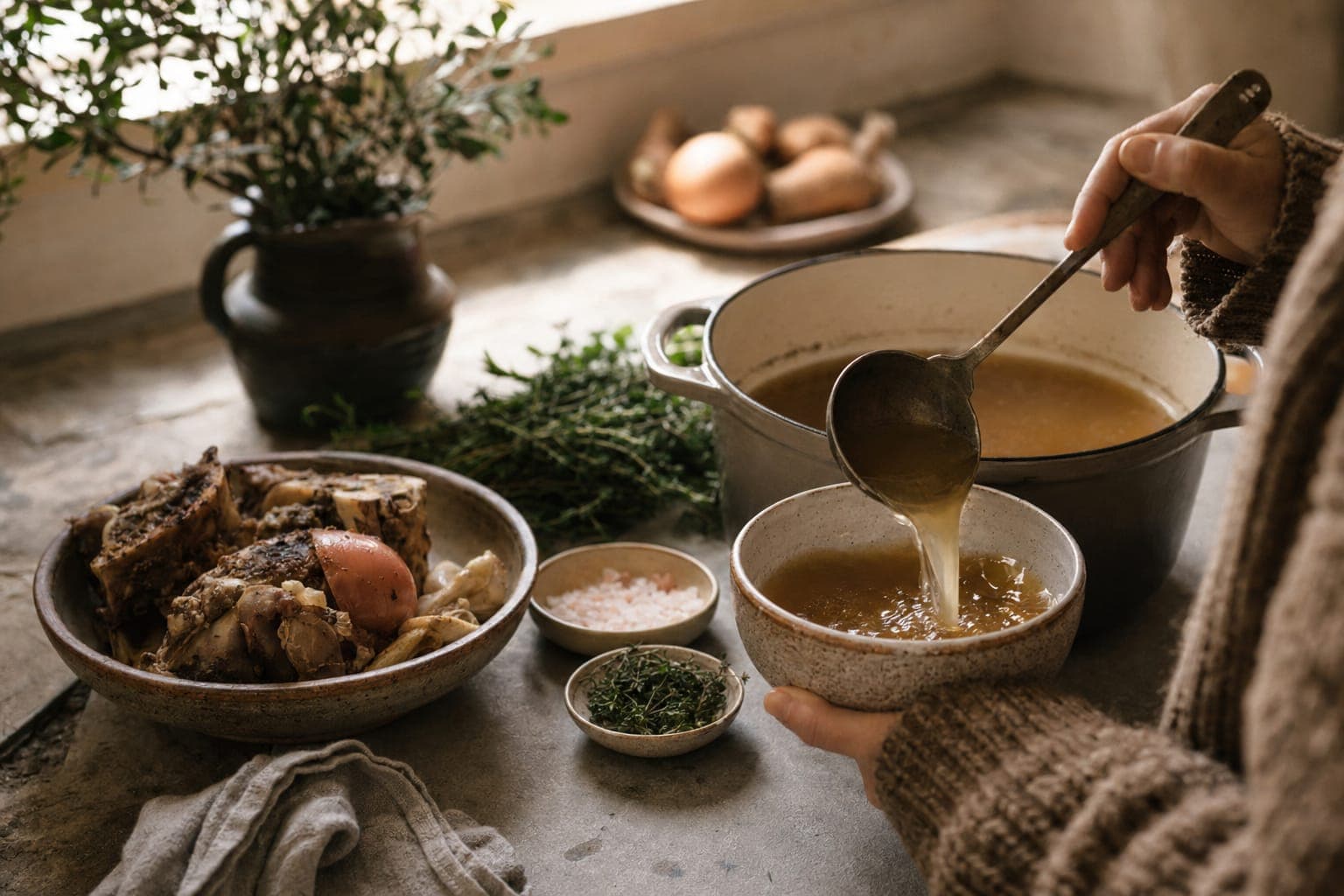
Bone Broth from Scratch: A Step-by-Step Guide
Step-by-step guide to making bone broth at home. Stovetop, slow cooker, and Instant Pot methods. Rich in collagen and gut-healing minerals.
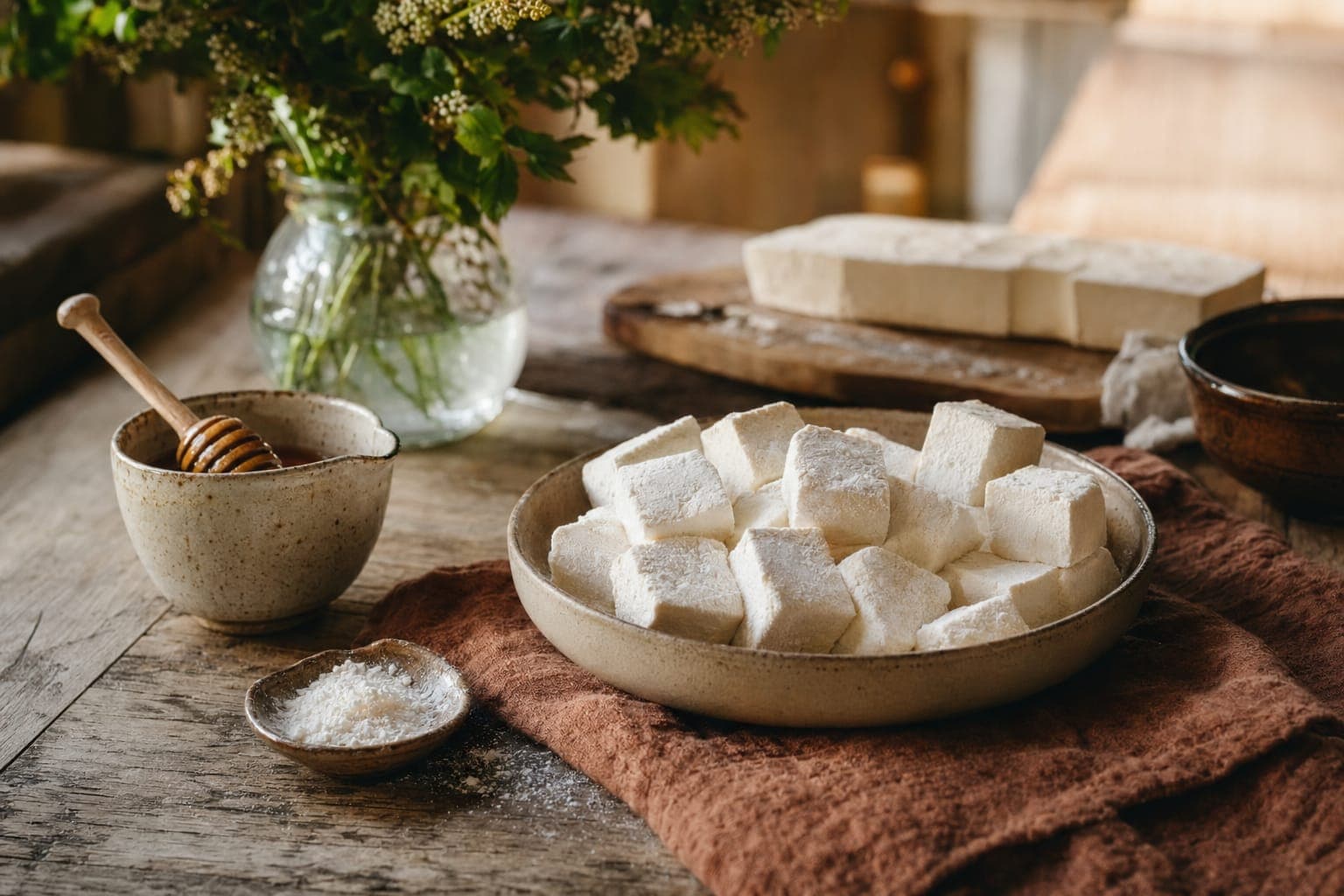
Gut-Healing Marshmallows with Collagen and Raw Honey
Learn to make gut-healing marshmallows with collagen and raw honey. A shareable treat that sneaks nutrition into every bite. Easy recipe with video tips.
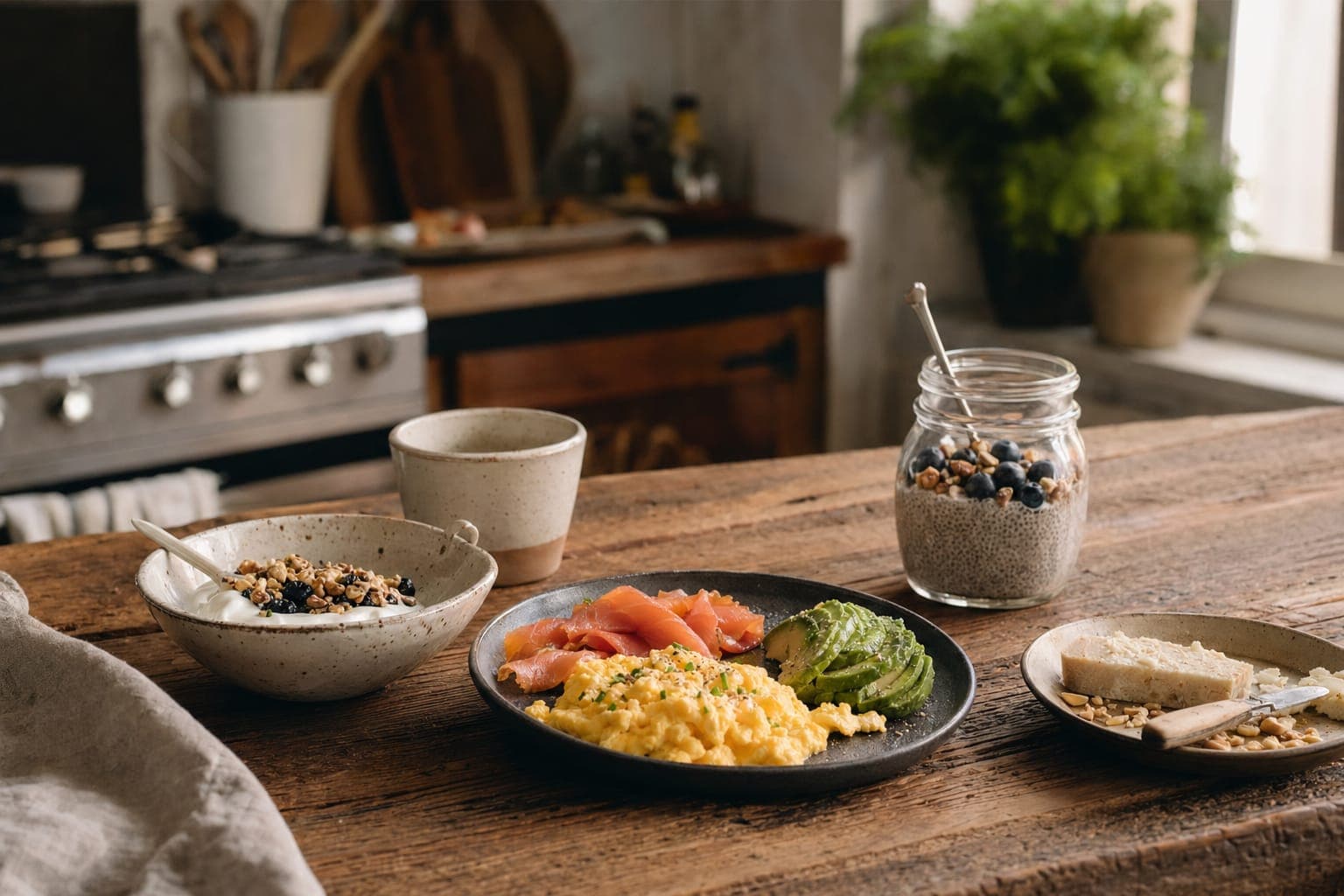
5-Minute High-Protein Breakfasts Using Organised
Quick, high-protein breakfast ideas using Organised. Five recipes you can make in minutes with real food. No fussing around.


 Join over 100,000+ members
Build a better food system with us
The Organised community is thousands of people choosing real food and backing the farmers who grow it, all of us trying to leave the world a little better than we found it. If that is what you care about too, you belong here.