Endometriosis and Nutrition: An Evidence-Based Approach
Endometriosis is a disease of inflammation and oestrogen dysregulation. Nutrition cannot cure it. Your GP and specialists are where you start. But alongside medical care, food choices matter profoundly. Some foods feed the inflammation. Others starve it.
By Niall Kiddle, Founder, Organised

Reviewed by Pedro Rodrigues, Agronomist (farming and sourcing only) ·
6 min read · Published · Updated · 5 cited sources
Makers of the Organised Daily blend, a grass-fed beef organ supplement from regenerative UK farms
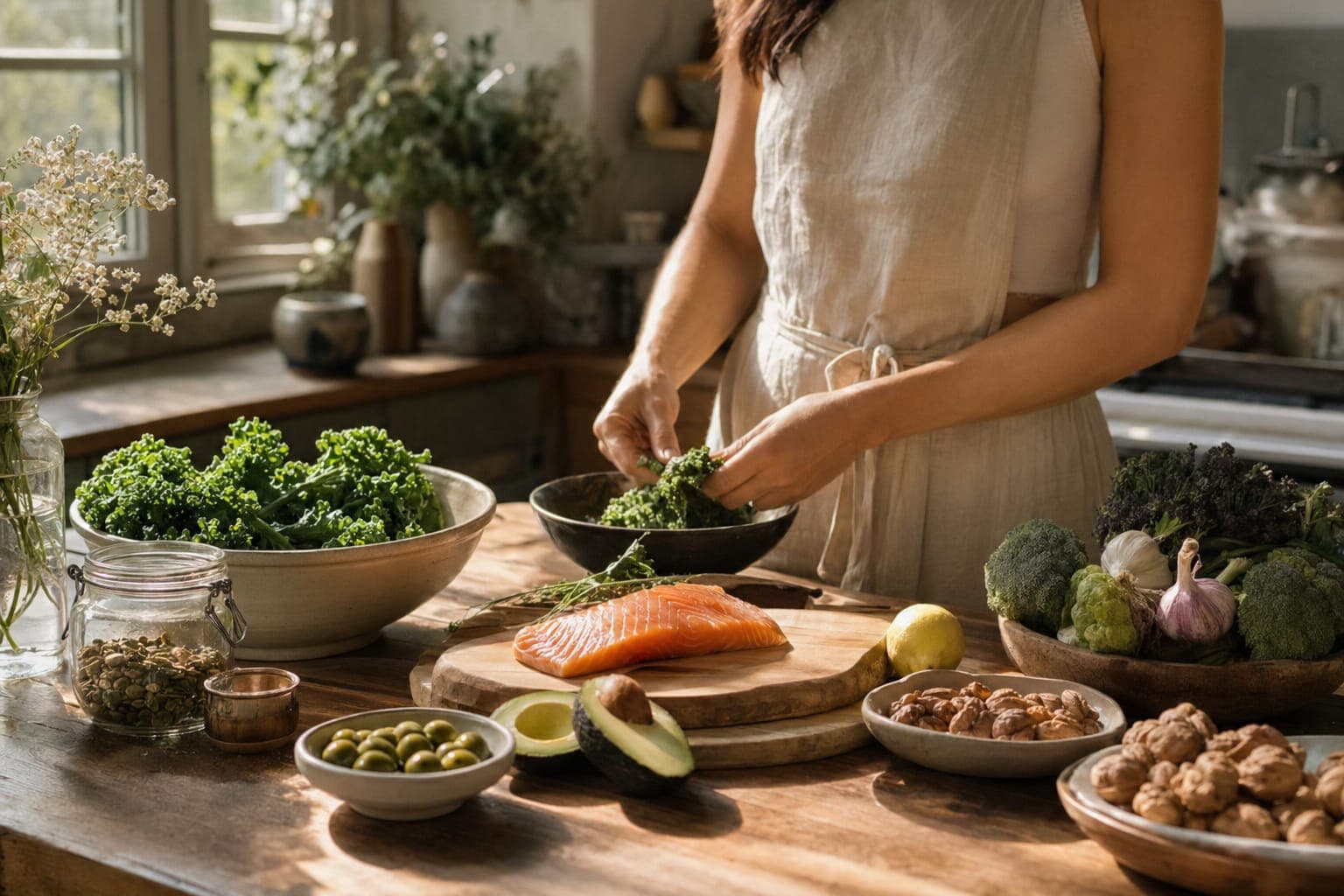
Endometriosis occurs when tissue similar to the uterine lining grows outside the uterus, usually in the pelvis. It's chronically inflamed. It causes pain, often severe, typically worsening with your period. It can affect fertility. It can make daily life difficult.
There is no dietary cure. But there is ample evidence that an anti-inflammatory diet reduces pain, improves quality of life, and may slow progression. This is not replacing medical treatment. This is complementary to it. Work with your GP and specialist first. Then use food as the supporting strategy.
What endometriosis is and why it matters nutritionally
In endometriosis, misplaced endometrial tissue bleeds during your cycle just like the tissue in your uterus. But it has nowhere to go. This triggers inflammation, scarring, and adhesions. Over time, these lesions can grow, spreading to new sites.
The inflammatory cascade in endometriosis is profound. Your immune system is activated. Inflammatory markers like TNF-alpha and IL-6 are chronically elevated.1 Prostaglandins (hormone-like compounds that increase during menstruation) are produced in excess, amplifying pain.
Additionally, the ectopic endometrial tissue produces excess oestrogen locally. This is important: endometriosis is not just a problem of systemic oestrogen, but of local, tissue-level oestrogen production. Nutrition cannot regulate this as precisely as hormonal medication can, but certain foods reduce the inflammatory environment that sustains the disease.
Nutrition is not a replacement for medical care. It is a complementary strategy to reduce inflammation and support your body's resilience while you're managing endometriosis with your healthcare team.
The inflammatory pathway and omega-3 fats
Inflammation is driven by a balance between pro-inflammatory omega-6 polyunsaturated fats and anti-inflammatory omega-3 polyunsaturated fats. Most modern diets are heavily skewed toward omega-6 because seed oils (soya, corn, sunflower, safflower) dominate.
Omega-6 fats are metabolised into arachidonic acid, which then converts into inflammatory prostaglandins. Higher arachidonic acid levels correlate with worsened endometriosis symptoms. Conversely, omega-3 fats (EPA and DHA) compete with arachidonic acid and are metabolised into anti-inflammatory compounds.
Research shows that women with endometriosis who increase omega-3 intake (through fish, particularly fatty fish, or supplementation) experience reduced pain and improved quality of life.2 A study in Human Reproduction found that women consuming omega-3 rich foods 2-3 times weekly had significantly lower dysmenorrhea (period pain) than those eating them rarely.3
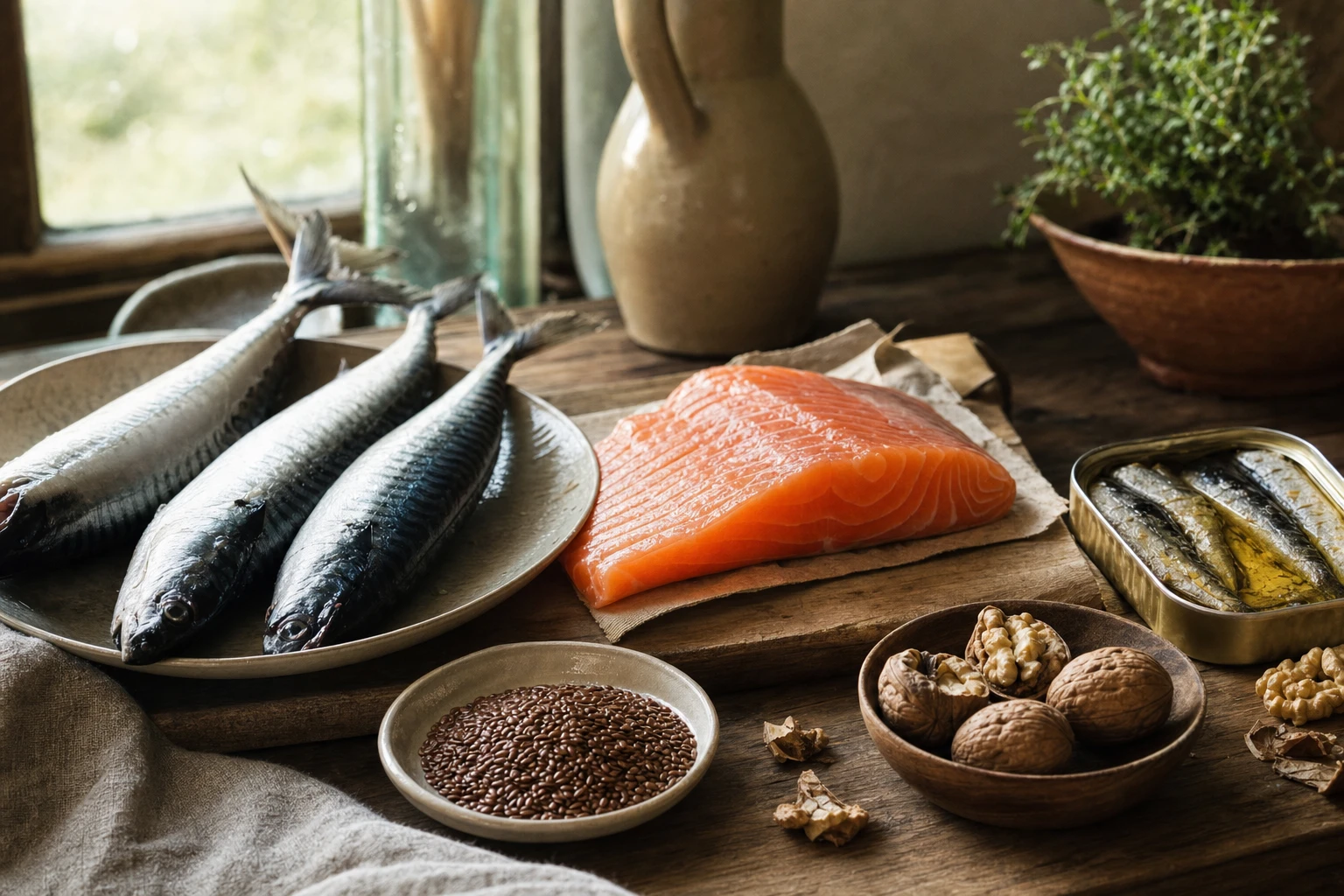
The richest sources of EPA and DHA are fatty fish: wild salmon, mackerel, sardines, anchovies, herring. If you don't eat fish, algae supplements can provide algae-derived EPA and DHA. Flax and chia seeds contain ALA (alpha-linolenic acid), which converts to EPA and DHA but inefficiently (only 5-10% conversion), so they're useful supporting sources but not primary.
The practical protocol: eat fatty fish 2-3 times weekly. If that's not possible, consider a fish oil or algae supplement of 1000-2000 mg EPA+DHA daily.
Why seed oils are the problem
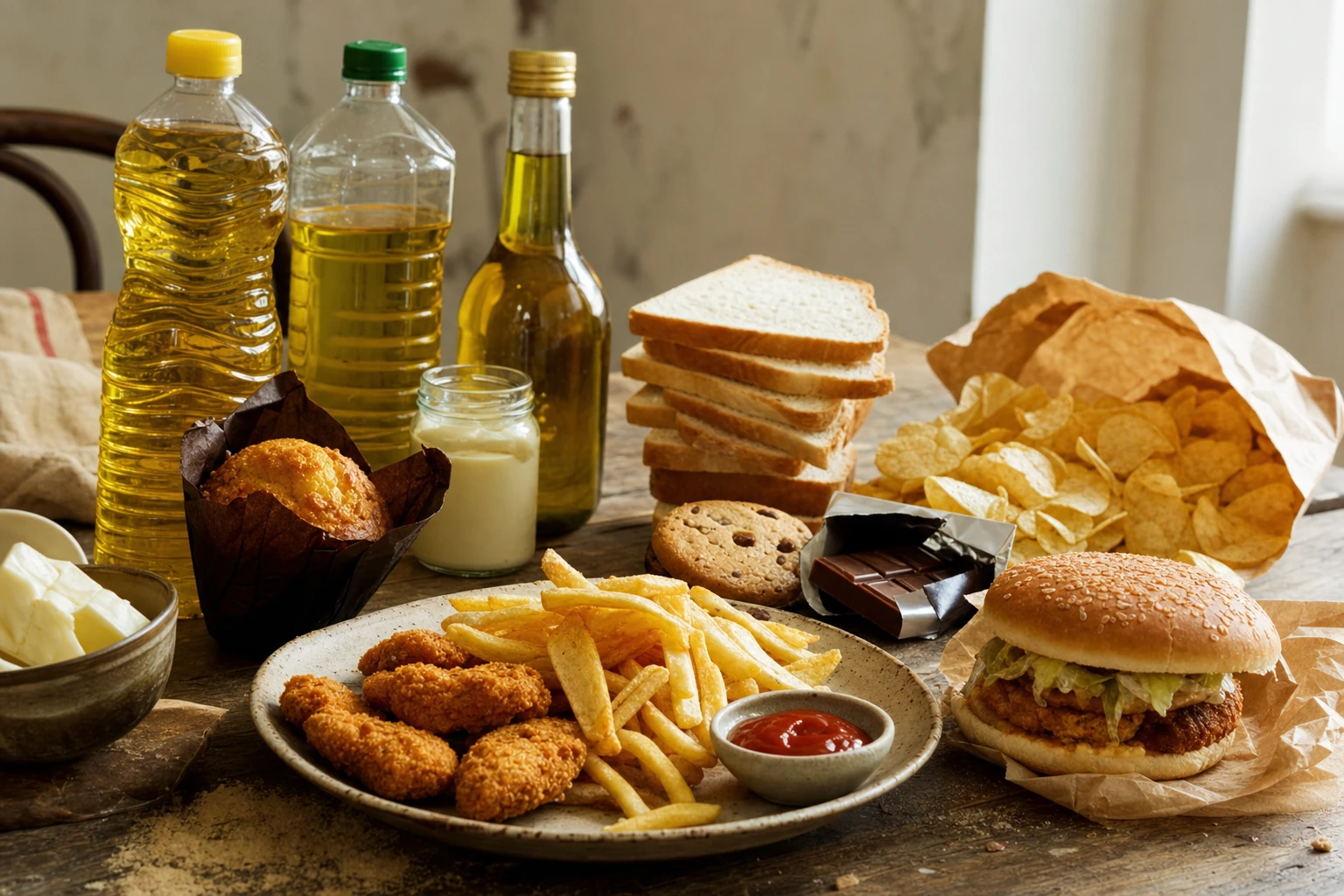
Seed oils (soya, corn, sunflower, safflower, canola) have become ubiquitous in modern food processing. They're cheap, shelf-stable, and heavily subsidised. They're also extremely high in omega-6 polyunsaturated fats and extremely low in omega-3.
When you eat processed food, you're eating seed oil. When you eat restaurant food, you're eating seed oil. When you eat vegetable shortening, margarine, or "vegetable oil" in bulk cooking, you're eating seed oil. Collectively, these fats are feeding inflammation.
This isn't about vilifying any single macronutrient. It's about the ratio. A traditional diet might have had a 1:1 or 3:1 omega-6 to omega-3 ratio. Modern diets are 20:1 or 30:1.4 That massive skew toward omega-6 creates a persistently inflammatory environment that endometriosis exploits.
For endometriosis specifically, the priority is reducing seed oil intake aggressively. Cook with butter, ghee, coconut oil, or olive oil. Avoid ultra-processed foods. Read labels: if "vegetable oil" is listed, put it back. Reduce restaurant eating where possible. These shifts reduce your inflammatory load substantially.
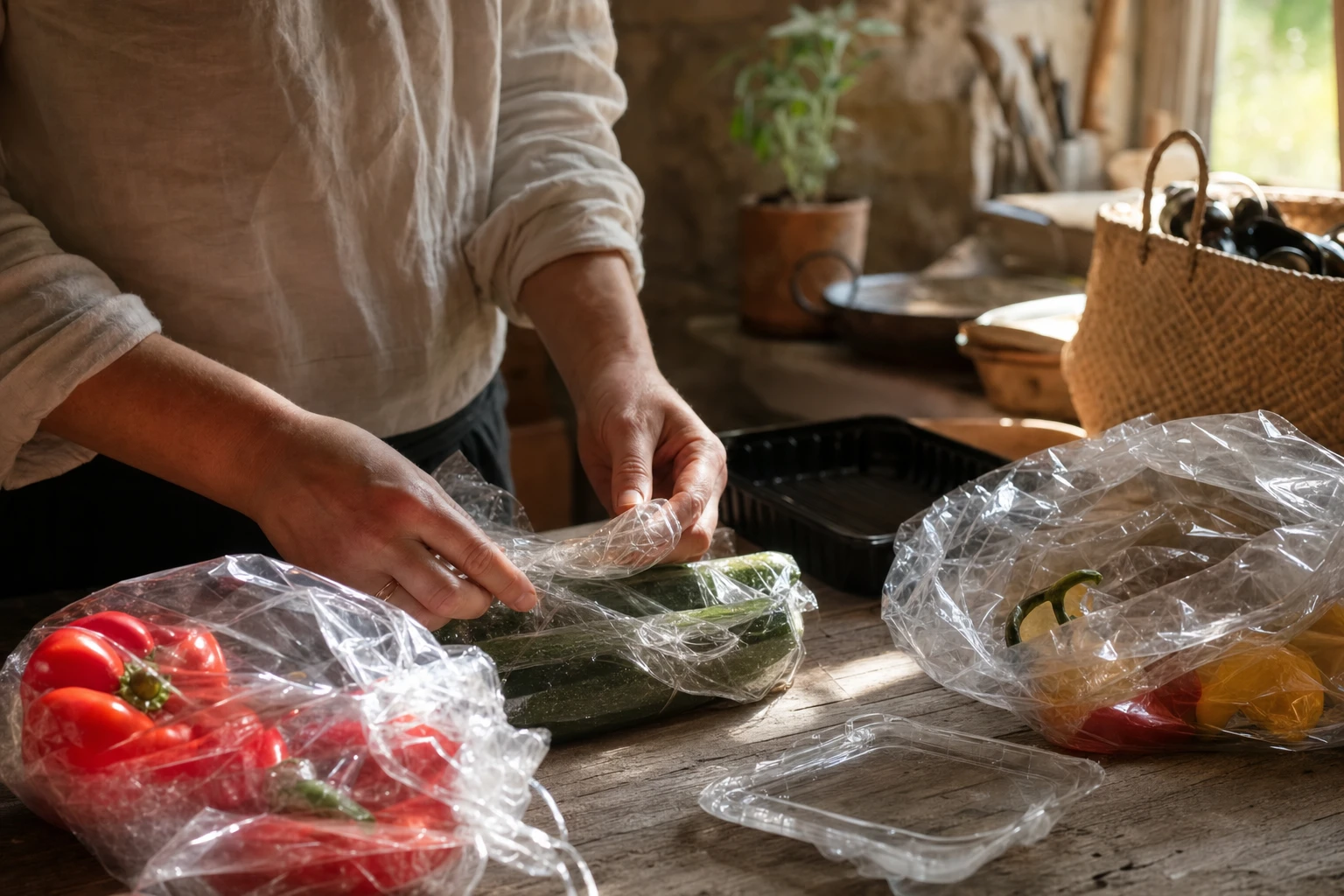
Xenoestrogens: chemicals that confuse your hormones
Xenoestrogens are synthetic chemicals that mimic oestrogen in your body. They're everywhere: in plastics (bisphenol A, or BPA), in pesticides, in personal care products, in non-stick cookware (PFOA).5 They're absorbed through your skin and digestive system and they activate oestrogen receptors.
In endometriosis, where local oestrogen production is already elevated, additional xenoestrogen exposure amplifies the problem. The body doesn't distinguish between natural oestrogen and synthetic xenoestrogens. The receptor gets activated either way.
You cannot eliminate xenoestrogen exposure entirely. But you can reduce it substantially. Use glass or stainless steel food storage instead of plastic. Avoid non-stick cookware (cast iron or stainless steel instead). Buy organic for foods with high pesticide residue (berries, leafy greens, stone fruits). Avoid products with parabens or phthalates. Filter your water if possible.
These changes are not magic. They reduce your xenoestrogen load, but they don't eliminate it. They're part of the broader strategy to reduce the inflammatory and oestrogenic environment that sustains endometriosis.
Get life-stage nutrition guides, free
Two short reads a week on eating well through pregnancy, childhood and older age.
By signing up you agree to receive emails from us. No spam, unsubscribe anytime.
The anti-inflammatory protocol
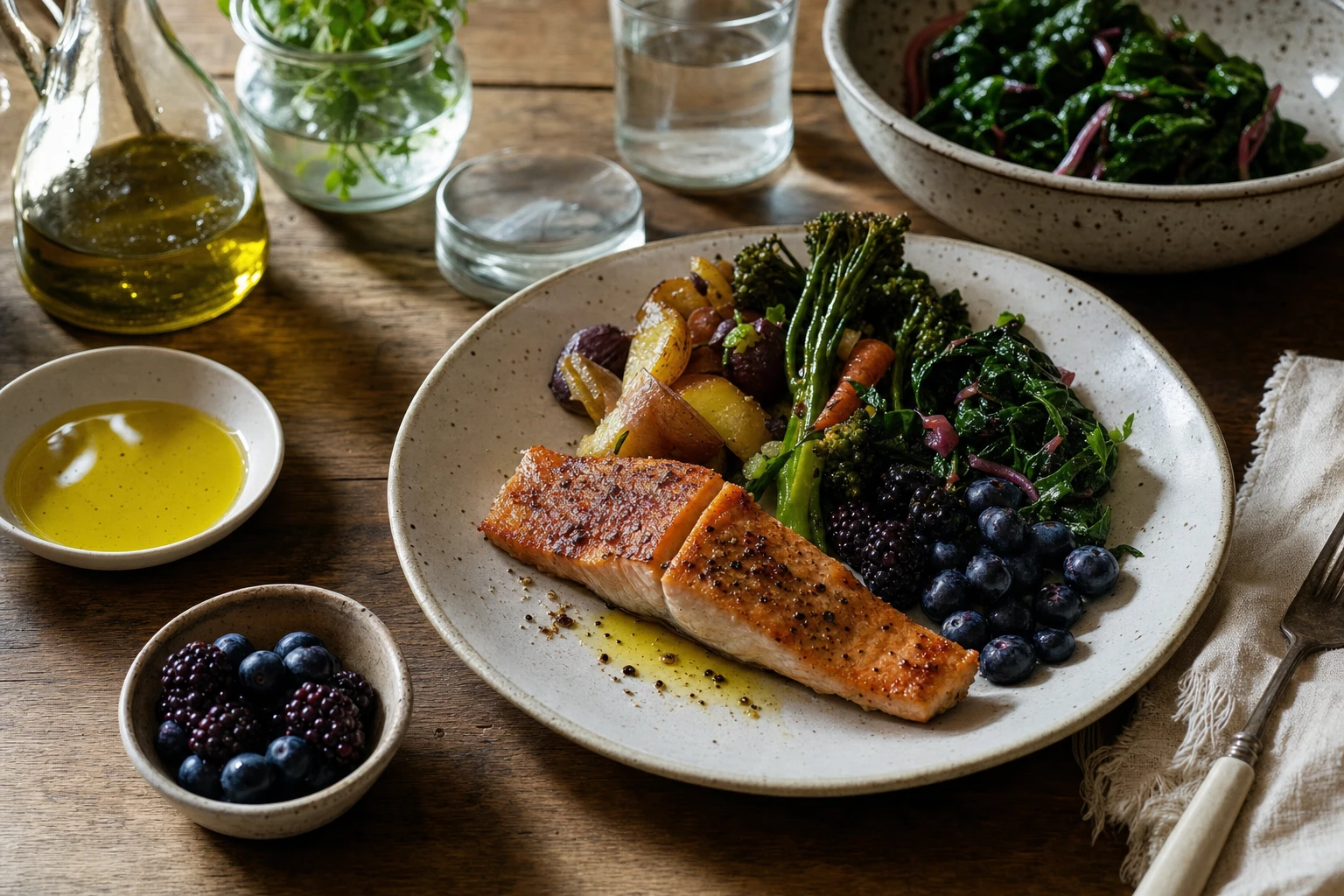
Build your diet around whole foods with proven anti-inflammatory properties. Prioritise fatty fish 2-3 times weekly for omega-3s. Eat red meat and organ meats for iron, B vitamins, and other micronutrients that support resilience. Include berries for their anthocyanins (anti-inflammatory compounds). Leafy greens for their micronutrient density. Olive oil for polyphenols.
Actively reduce seed oil intake. Stop cooking with vegetable oil. Stop buying ultra-processed foods where seed oil dominates. This single shift reduces inflammatory load more than any supplement.
Avoid, or minimise, foods known to worsen prostaglandin production and inflammation: processed sugar, refined carbohydrates, excess alcohol. These amplify the inflammatory state that endometriosis creates.
Add foods with documented anti-inflammatory activity: turmeric (curcumin is a powerful anti-inflammatory), ginger, dark chocolate (cocoa polyphenols), berries, green tea (EGCG compound).
Consider supplementation: omega-3 (fish oil or algae, 1000-2000 mg EPA+DHA daily), curcumin (500-1000 mg daily with black pepper to enhance absorption), and magnesium (300 mg daily) all have research support in endometriosis.
You are not curing endometriosis with food. You are starving the inflammation that sustains it. Alongside your medical care, that matters.
What complementary care means
Complementary means alongside, not instead of. Your specialist's treatment (hormonal, surgical, or both) is the foundation. Your nutrition is the supporting structure. Together, they create the environment where you feel best and the disease progresses most slowly.
Some women find that a rigorous anti-inflammatory diet substantially reduces their pain. Others find it helps but doesn't eliminate symptoms. Medical treatment may still be necessary or beneficial. That's not a failure of nutrition. That's the reality of a complex disease.
Track your symptoms, your food, and your supplement intake for 3-6 months. Notice what helps. Discard what doesn't. Work with your GP and specialist to integrate any supplements you're taking, particularly if you're on hormonal treatments, as some supplements can interact.
Why whole food matters more than supplements
You could take a curcumin supplement, an omega-3 supplement, a magnesium supplement, and feel like you've done your bit. But you'd be getting isolated compounds. Whole foods arrive bundled with their supporting nutrients, enhancing absorption and efficacy.
A piece of wild salmon provides omega-3s (EPA and DHA) alongside vitamin D, selenium, B vitamins, and astaxanthin, a powerful antioxidant. A curcumin tablet provides curcumin. They're not the same.
Turmeric in food, combined with black pepper (which enhances curcumin absorption) and fat (which aids absorption), is more bioavailable and more protective than a curcumin supplement taken alone. Berries eaten whole provide anthocyanins alongside fibre, polyphenols, and minerals. A berry supplement isolates one compound.
Whole food nutrition is more expensive in time (you have to cook) but cheaper in cost and more effective in outcome. Prioritise it. Supplements fill the gaps. They don't replace the foundation.
The women who see the most pain relief are those eating well consistently, not those taking perfect supplements alongside a mediocre diet. The foundation is food. Everything else is support.
1 of 9
Daily blend
100,000+ thriving families4.9 on Trustpilot
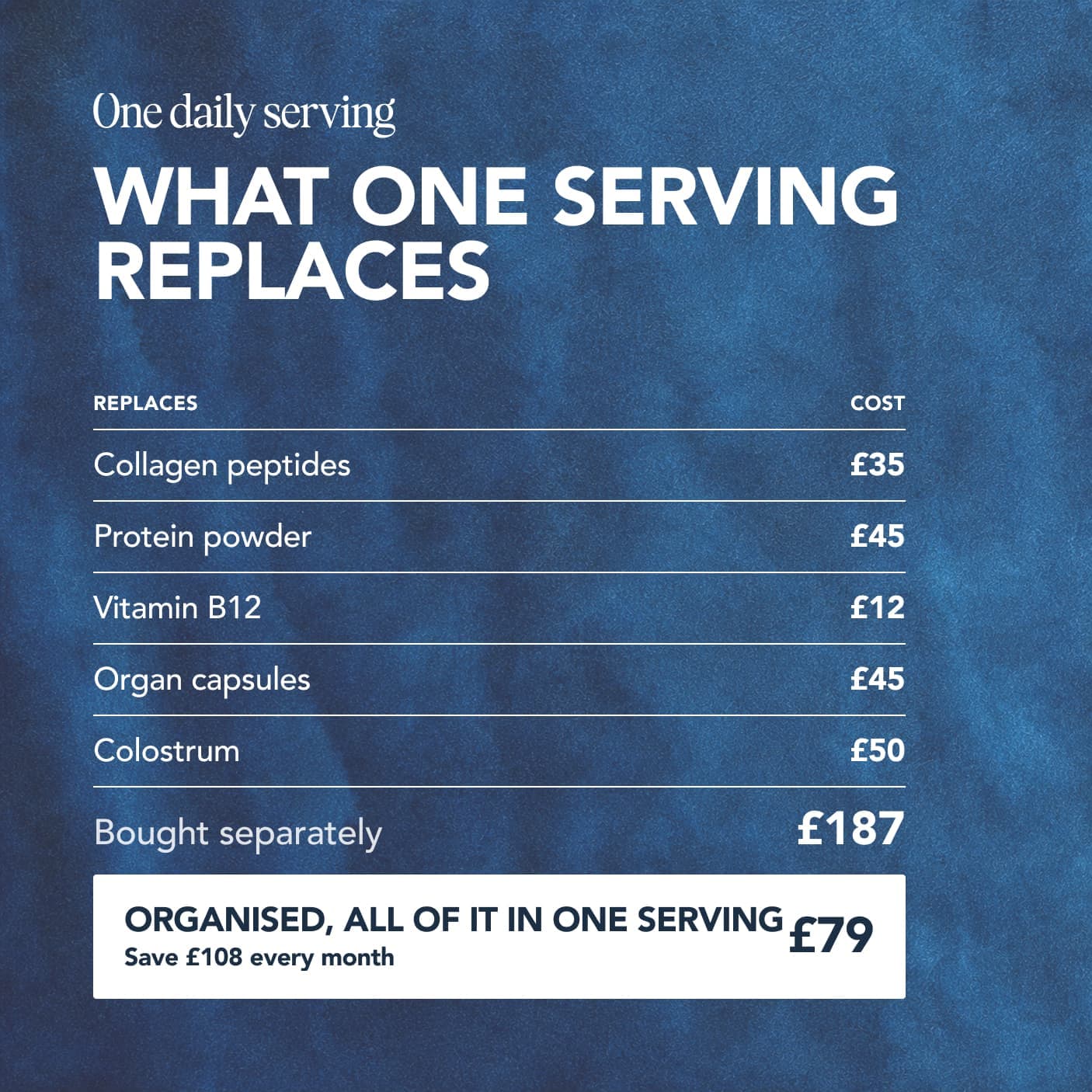
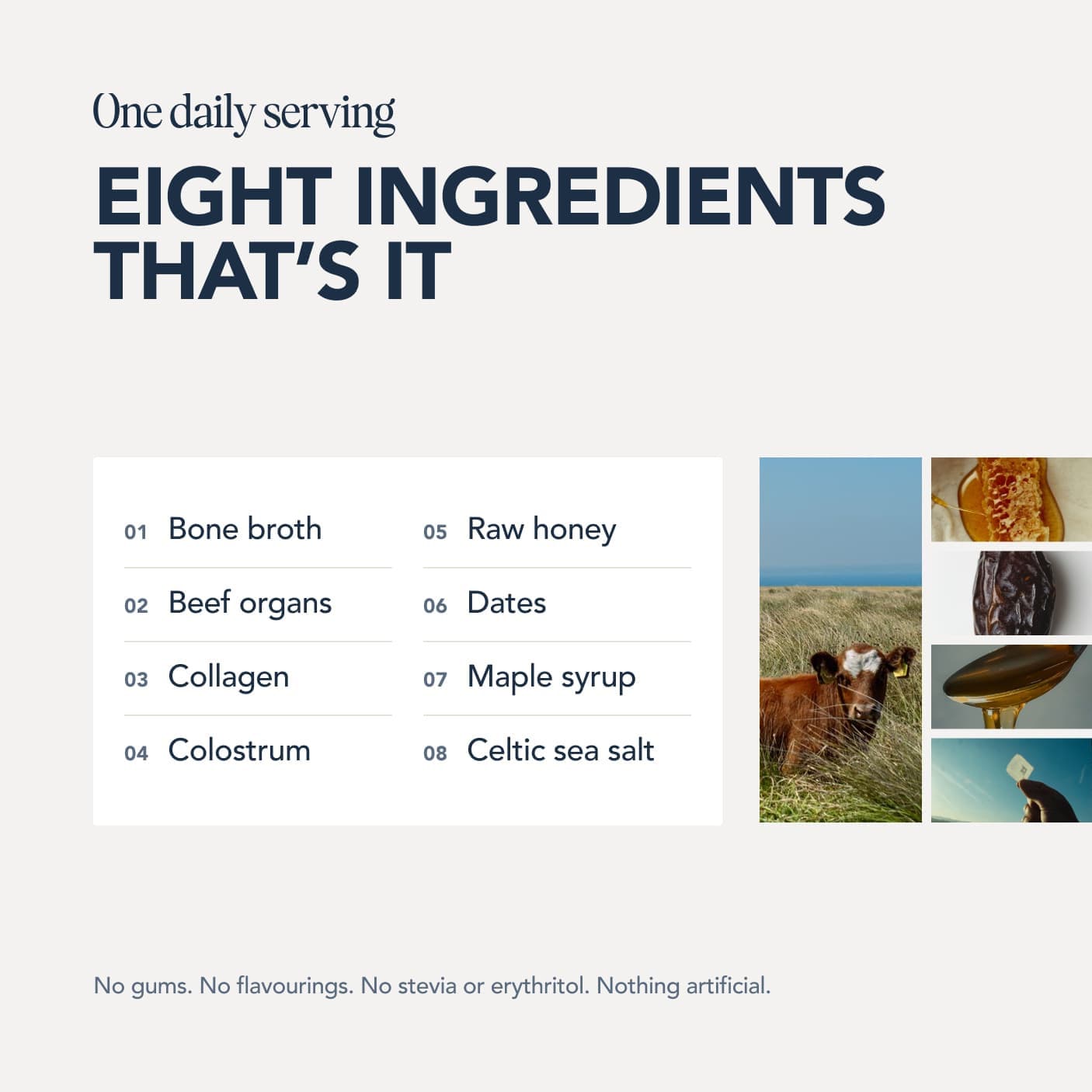
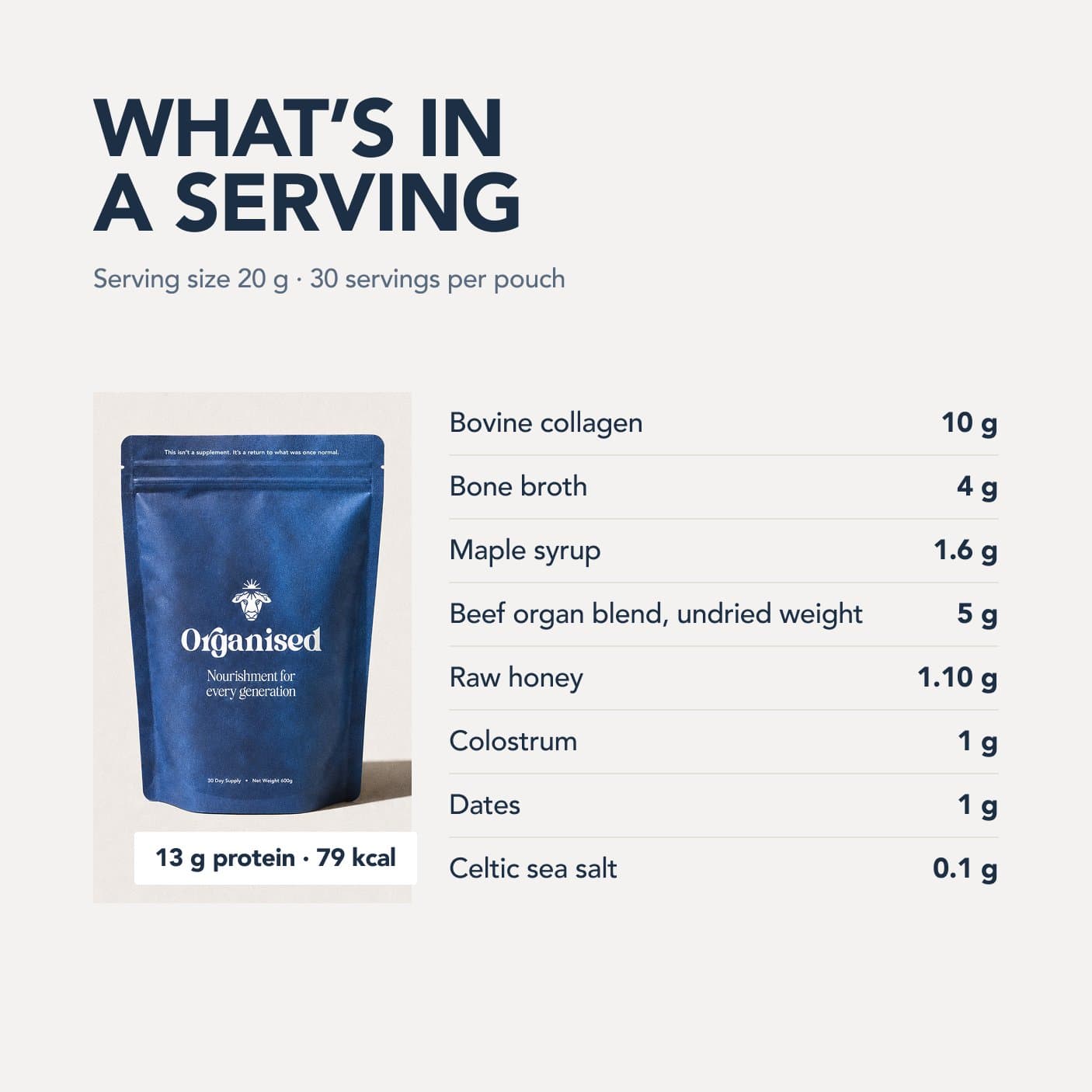
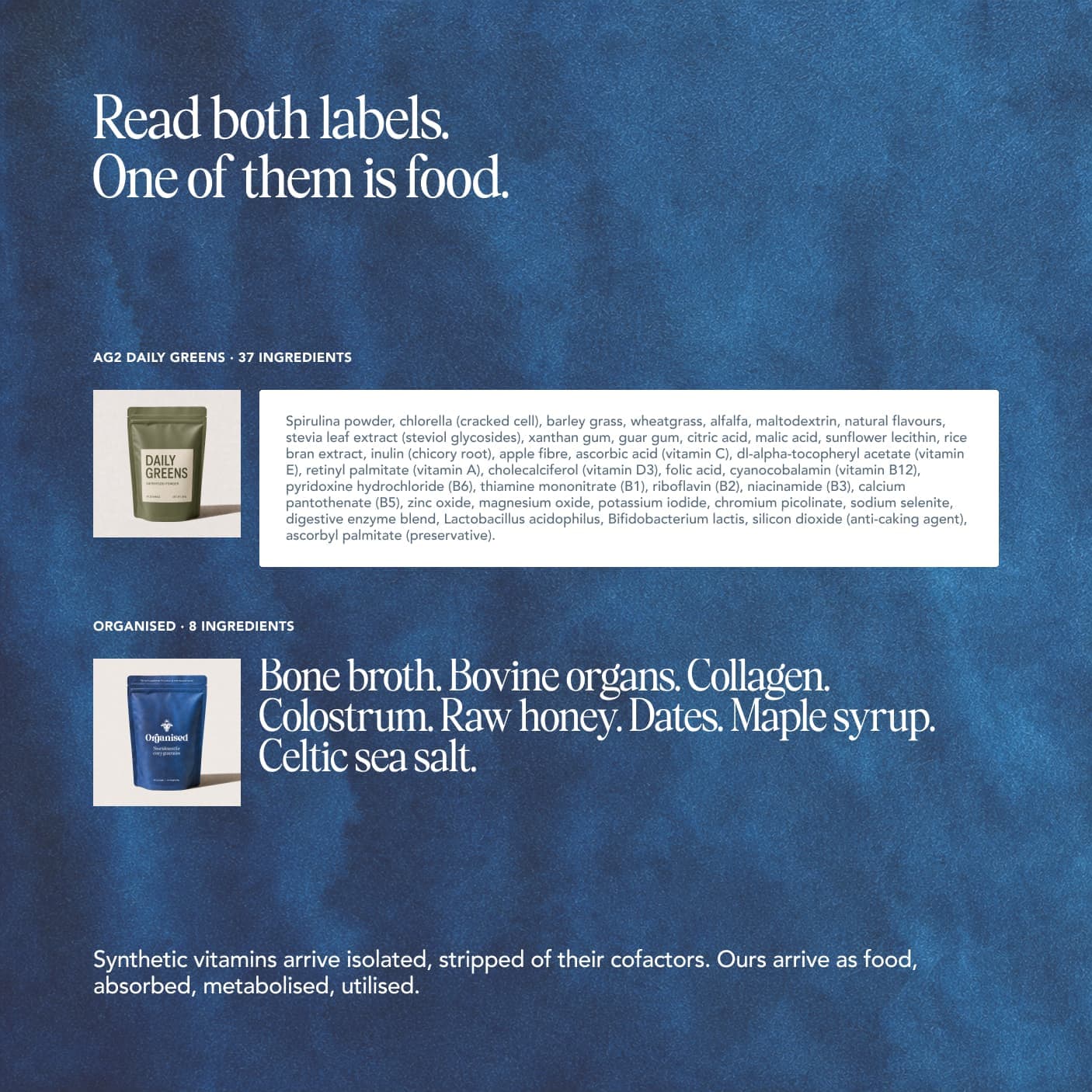
Eight real ingredients built around grass-fed beef organs, collagen and colostrum. Nothing synthetic added.
Free with your first order, worth £38. Plus £10 off the pouch with a subscription.
Free UK shipping · Made in England · 100 day money back guarantee on your first pouch · Skip, pause or cancel anytime
The bottom line
Endometriosis is an inflammatory disease worsened by oestrogen. Nutrition cannot cure it, but anti-inflammatory food choices, adequate omega-3 fats, minimal seed oils, and careful xenoestrogen avoidance reduce pain and slow progression. These strategies are evidence-supported and complementary to medical care. Start with your specialist. Then use food as the supporting lever. Together, they create the best possible outcome.
References
Every source below was checked on 27 August 2026. Each PubMed, PMC and DOI identifier was resolved against NCBI or Crossref, and what it opens is printed under the citation, so you can see the link goes where the citation says without leaving the page. Where a citation and its identifier disagreed, the citation was corrected to the record or the reference was deleted along with the sentence marker that pointed at it, and where the resolved paper turned out not to support the sentence, the sentence was cut back to what it does support. Borrowed authority is worse than none, because it looks like rigour.
- Saunders PTK, Horne AW. Endometriosis: etiology, pathobiology, and therapeutic prospects. Cell. 2021;184(11):2807-2824. https://pubmed.ncbi.nlm.nih.gov/34048704/Checked 27 August 2026: PMID 34048704 opens Saunders PTK, Horne AW, Endometriosis: Etiology, pathobiology, and therapeutic prospects. Cell 2021;184(11):2807-2824. PubMed indexes it as: Review.The authors' own declaration, from the record: Declaration of interests P.T.K.S. declares no competing interests. A.W.H. has consulted for Ferring, Roche Diagnostic, Nordic Pharma, and Abbvie; fees were paid to the University of Edinburgh.
- Liu E, Wang Q, Bai Y, et al. Effect of omega-3 polyunsaturated fatty acid on endometriosis. Clinics. 2025. See also: https://pmc.ncbi.nlm.nih.gov/articles/PMC12051631/Checked 27 August 2026: PMC12051631 opens Liu E, Wang Q, Bai Y et al, Effect of omega-3 polyunsaturated fatty acid on endometriosis. Clinics (Sao Paulo) 2025;80:100654. PubMed indexes it as: Meta-Analysis.The authors' own declaration, from the record: Declaration of competing interest The authors declare no conflicts of interest.
- Missmer SA, Chavarro JE, Malspeis S, et al. A prospective study of dietary fat consumption and endometriosis risk. Human Reproduction. 2010;25(6):1528-1535. https://pubmed.ncbi.nlm.nih.gov/20332166/Checked 27 August 2026: PMID 20332166 opens Missmer SA, Chavarro JE, Malspeis S et al, A prospective study of dietary fat consumption and endometriosis risk. Hum Reprod 2010;25(6):1528-35.
- Simopoulos AP. The importance of the ratio of omega-6/omega-3 essential fatty acids. Biomedicine & Pharmacotherapy. 2002;56(8):365-379. https://pubmed.ncbi.nlm.nih.gov/12442909/Checked 27 August 2026: PMID 12442909 opens Simopoulos AP, The importance of the ratio of omega-6/omega-3 essential fatty acids. Biomed Pharmacother 2002;56(8):365-79. PubMed indexes it as: Comparative Study, Review.
- Vabre P, Gatimel N, Moreau J, et al. Environmental pollutants, a possible etiology for premature ovarian insufficiency: a narrative review of animal and human data. Environmental Health. 2017;16(1):37. https://pubmed.ncbi.nlm.nih.gov/28388912/Checked 27 August 2026: PMID 28388912 opens Vabre P, Gatimel N, Moreau J et al, Environmental pollutants, a possible etiology for premature ovarian insufficiency: a narrative review of animal and human data. Environ Health 2017;16(1):37. PubMed indexes it as: Review.
Corrections
What this page used to say, and why it no longer says it. Corrections are dated and are never removed, because deleting the record of an error is a second error. Every guide we have corrected is listed at our corrections log.
- 27 August 2026. Reference 2 gave a real paper somebody else's byline: it is by Liu, Wang, Bai, Zhang and Wang, not Nodler et al. Corrected.
Who wrote and reviewed this guide
Niall Kiddle
Author · Founder, Organised
Niall is the founder of Organised. He started the company in 2024 after fixing his own health the slow way: in 2022 he swapped a cupboard of synthetic supplements for real food, raw milk, organ meats, bone broth and honey, and felt the difference within months.
Areas of expertise: Ancestral nutrition, Organ meats, Whole-food supplementation, Gut health, Regenerative sourcing
Read Niall's full profile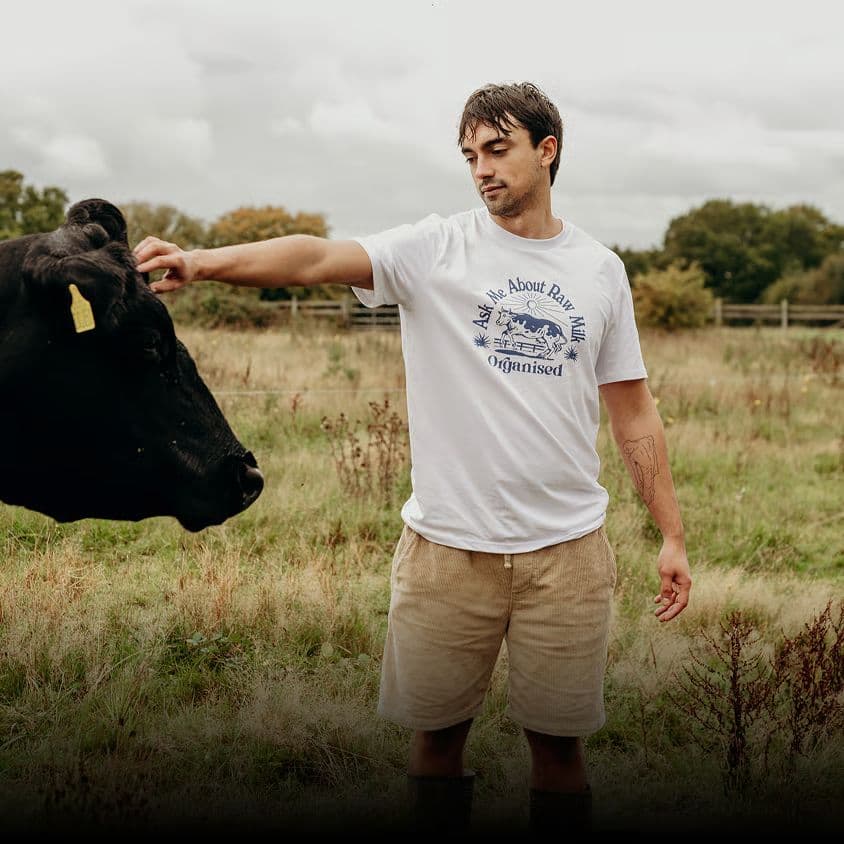
Pedro Rodrigues
Reviewer · Agronomist (farming and sourcing only)
Pedro is the agronomist Organised works with on farming and sourcing. His job on the guides is to keep the science honest: he reviews what we publish about soil health, regenerative agriculture, grazing and the way food is actually produced.
Areas of expertise: Regenerative agriculture, Agronomy, Soil health, Grass-fed farming, Food sourcing
Reviewed this guide on
Read Pedro's full profileMore on women's health
View allBrowse the guides library
All guidesKeep reading
Life stage
A Woman's Nutritional Guide: From Periods to Menopause
Nutritional needs change across a woman's life. Master iron, B vitamins, and fat-soluble vitamins to support your hormones from periods through menopause.
Life stage
Ovulation Pain and Nutrition: Can What You Eat Make a Difference?
Ovulation pain, or mittelschmerz, is often linked to inflammation. Explore how nutrition may help ease it and which foods to lean on. A food-first take.
Life stage
Why Prenatal Vitamins Aren't Always Enough
Why prenatal vitamins miss critical nutrients like choline and K2. What whole foods your baby actually needs during pregnancy.
Real food, made effortless
Find my daily blendA few ways to use it
All recipes
5-Minute High-Protein Breakfasts Using Organised
Quick, high-protein breakfast ideas using Organised. Five recipes you can make in minutes with real food. No fussing around.
Organ Bolognese: The Family Dinner That Heals
Practical organ meat recipe using fresh beef liver and heart. Family-friendly bolognese that bridges supplements to whole food.
10 Ways to Use Organised That Aren't Just a Shake
Move beyond the basic shake. Discover 10 creative ways to use Organised in smoothie bowls, oats, yoghurt, baking, and more.


 Join over 100,000+ members
Build a better food system with us
The Organised community is thousands of people choosing real food and backing the farmers who grow it, all of us trying to leave the world a little better than we found it. If that is what you care about too, you belong here.