Can Children Take Beef Organ Supplements?
Your child won't eat liver. Most don't. But you know liver is extraordinarily nutrient-dense. So you've looked at organ supplements. The capsules are tiny. The dosage seems simple. But is it actually safe? And will it work?
By Niall Kiddle, Founder, Organised

Reviewed by Pedro Rodrigues, Agronomist (farming and sourcing only) ·
6 min read · Published · Updated · 3 cited sources
Makers of the Organised Daily blend, a grass-fed beef organ supplement from regenerative UK farms

The short answer is yes, children can take beef organ supplements, and they're safe at appropriate dosages. But they're not a replacement for actual food, and the dosage matters considerably more than most parents realise.
Why parents consider organ supplements for children
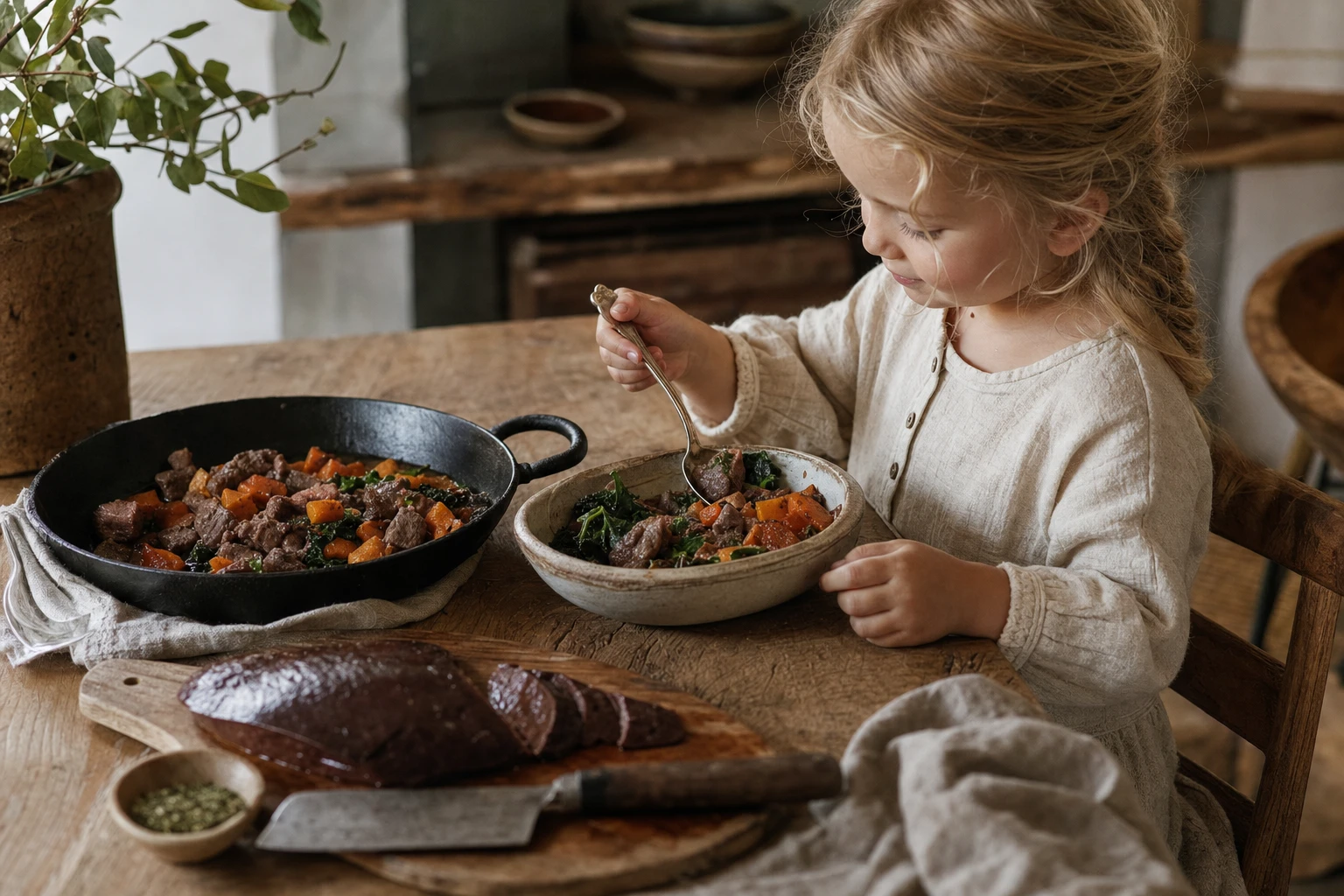
Children are picky eaters.2 This is partly developmental (food neophobia peaks around age 2 to 6)1, partly sensory (children have more taste buds and everything tastes stronger), and partly just normal pickiness. Your child will eat eggs but not liver. Chicken but not fish. Vegetables but inconsistently and only if they're prepared exactly the right way.
When you know your child is missing nutrients3, the desire to fill the gap is strong. Organ supplements seem like an elegant solution. A few capsules daily, no taste, no fuss, and your child gets concentrated nutrition. The temptation is significant.
The reality is more complicated. Organ supplements can help fill nutrient gaps, but they're not a replacement for whole foods. Your child still needs to eat real food. The supplements are a hedge, not a solution.
Age and organ supplement safety
Children under 2 years should not take supplements unless specifically recommended by their healthcare provider. At this age, nutrition comes from milk (breast or formula) and first foods, and the risk of inadvertently introducing too much of a nutrient is real. Whole food is a separate question from supplements: from age 1, a whole-food organ blend can be shared in genuinely tiny amounts, think half a teaspoon, though anything containing raw honey is never for babies under 12 months. When in doubt, ask your GP or health visitor first.
Children aged 2 to 5 can tolerate organ supplements, but they need to be the correct dosage. Desiccated organ powders and capsules are concentrated. A capsule the size of your pinky contains the equivalent of 10 to 30 grams of fresh organ. For a small child, this is a significant amount of nutrient.
Children aged 5+ can take similar dosages to adults, but scaled down. A five-year-old weighing 20 kilograms taking one capsule daily is reasonable. An eight-year-old weighing 30 kilograms taking one to two capsules is reasonable. A twelve-year-old weighing 45+ kilograms can take similar dosages to a smaller adult.
The key is matching dosage to body weight. A child is not a small adult. They're a person with different proportional nutrient needs. Too much of anything, even something good, becomes problematic.
Dosage for children
Most desiccated organ supplements come with adult dosages on the label, typically 1 to 3 capsules daily. For a child, start with much less. One capsule every other day is a reasonable starting point for a child aged 5 to 7. One capsule daily is reasonable for a child aged 8 to 12. Two capsules daily for teenagers.
The nutrient you need to be most careful about is vitamin A, which we discussed in pregnancy but which matters for children too. Desiccated liver contains significant vitamin A in the retinol form. Too much can cause hypervitaminosis A, which causes bone pain, brittle hair, dry skin, and can affect growth. This is rare, but it's worth being cautious.
A quality desiccated liver product should list vitamin A content on the label. If it does and you know the amount, you can calculate whether you're staying within safe limits (3,000 to 10,000 IU daily for children is a reasonable range). If it doesn't list vitamin A content, that's a red flag. Choose a product that's transparent about its nutrient density.
Choosing a quality product
Not all organ supplements are created equal. Some are made from grass-fed, pasture-raised animals. Some are from conventional factory-farmed animals. Some are freeze-dried, which preserves more nutrients. Some are heat-treated, which may reduce nutrient density slightly.
For children, grass-fed products are worth the premium if you can afford them. The nutrient density is higher, and the risk of contaminants is lower. Look for products that specify grass-fed beef from animals that have been raised on pasture.
Check the product label for what's actually in the capsule. You want organ meat powder and potentially some filler like gelatine. You don't want soy, grain, or unnecessary additives. Read the ingredient list. If you can't pronounce what's in it, skip it.
Once-opened capsules should be stored in a cool, dry place. Some products require refrigeration. Follow the label instructions.
Making organs appealing
If your child will swallow a capsule, the problem is solved. Some children won't. In that case, you have options.
Many desiccated organ powders can be mixed into foods without a strong flavour shift. A teaspoon of liver powder mixed into mince beef for tacos goes unnoticed. Mixed into tomato-based pasta sauce, it's invisible. Mixed into a chocolate smoothie, the earthy flavour is masked by the cocoa.
The challenge is that mixed into food, the dosage becomes harder to control. You might be giving more or less than intended. But if the alternative is not supplementing at all, imperfect supplementation is better than nothing.
Get life-stage nutrition guides, free
Two short reads a week on eating well through pregnancy, childhood and older age.
By signing up you agree to receive emails from us. No spam, unsubscribe anytime.
The honey and cocoa trick
If your child will take the capsule mixed into something, honey is your friend. A single capsule opened and the powder mixed into a spoonful of honey is sometimes tolerable to children who otherwise won't cooperate. It's sweet enough to mask the earthy flavour.
Cocoa powder mixed with honey works too. A mixture of cocoa, honey, and organ powder becomes almost like a chocolate paste. Some children will take this. It's not ideal, but it works.
Alternatively, if your child will eat honey by the spoonful, hide the capsule contents there. Swallow it quickly with honey chasing it. This requires cooperation and can become a power struggle, so be cautious about forcing it.
Supplements should support nutrition, not become a battle. If getting your child to take an organ supplement requires a fight, the stress probably negates the benefit. Keep it simple, low-pressure, and light.
1 of 9
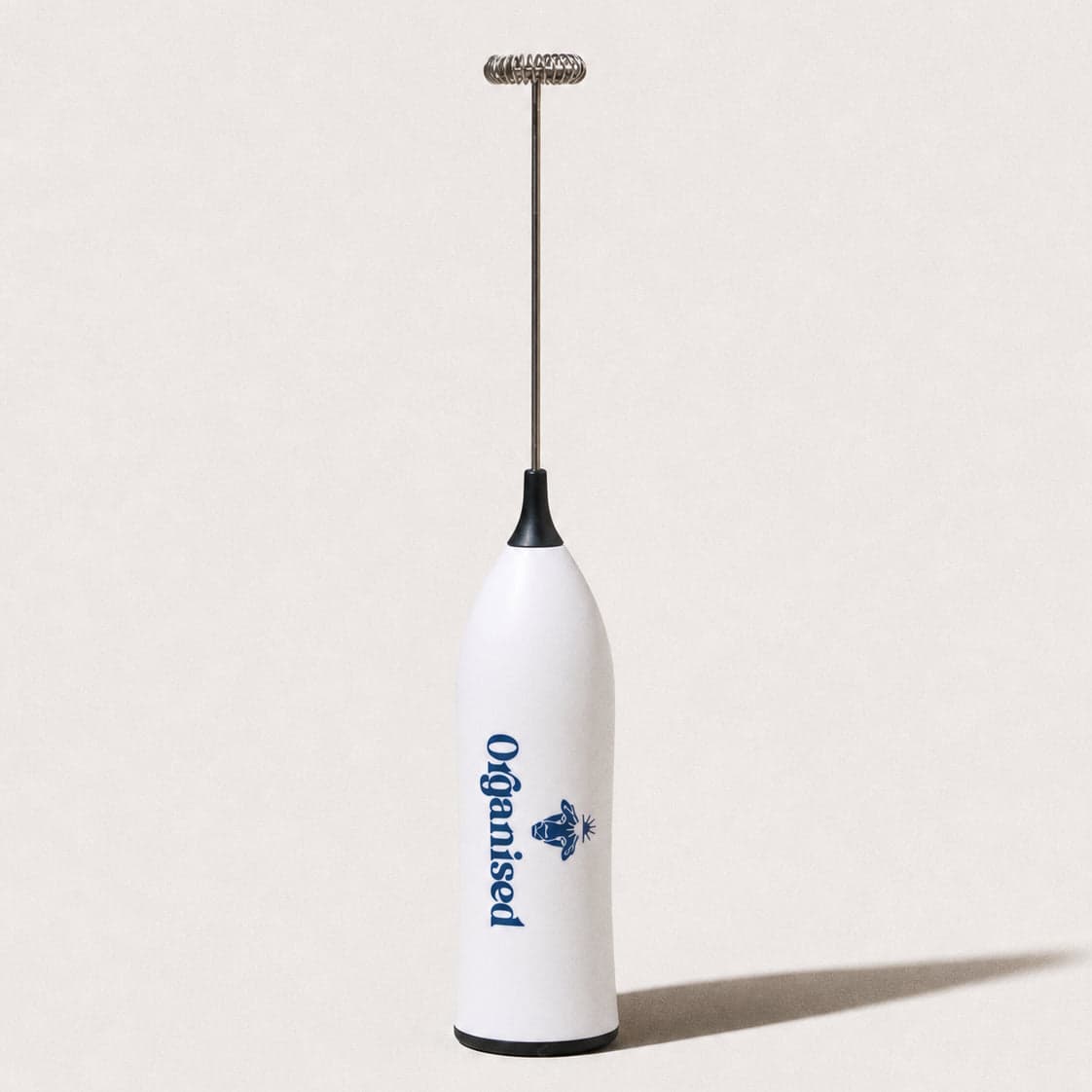
Daily blend
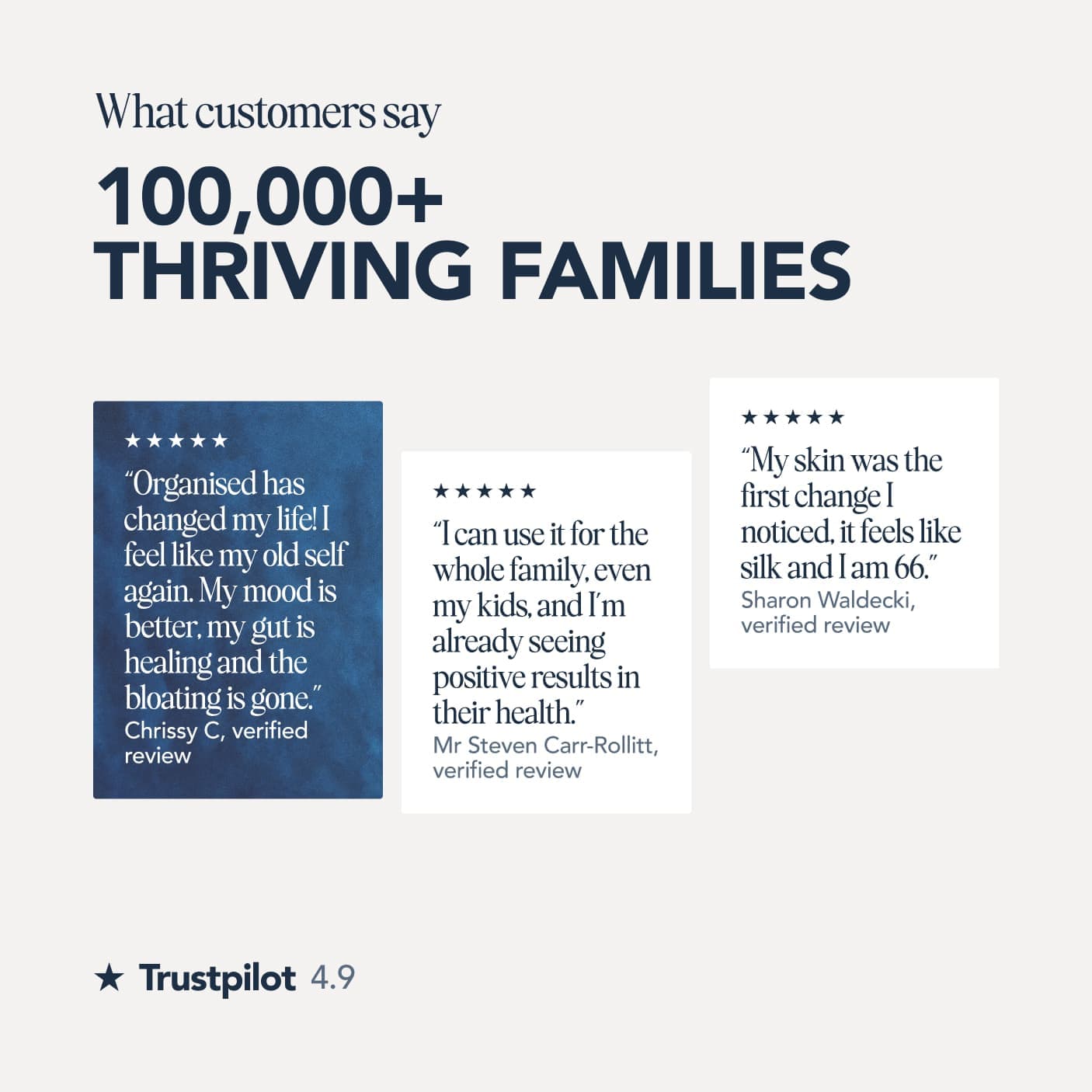
100,000+ thriving families4.9 on Trustpilot
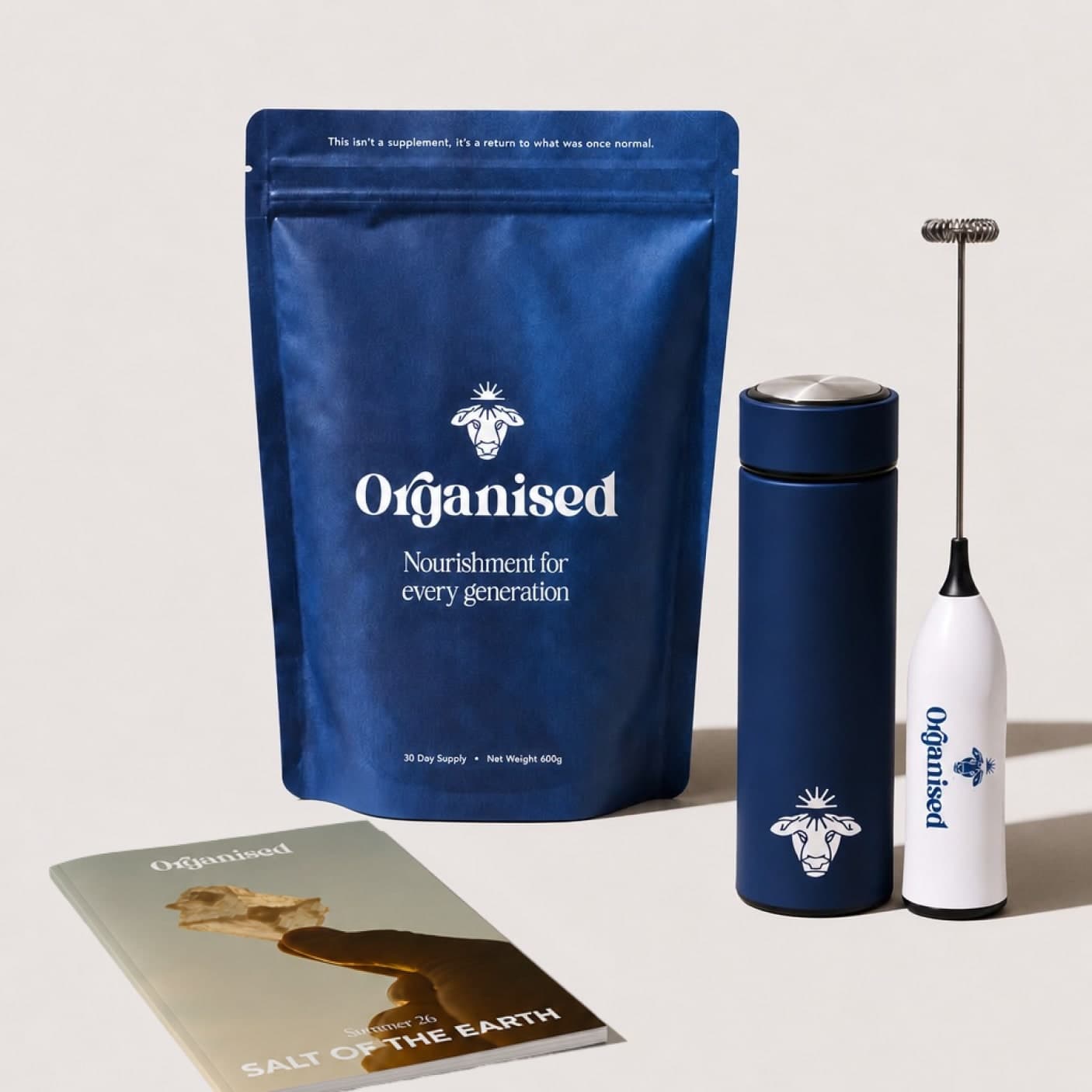
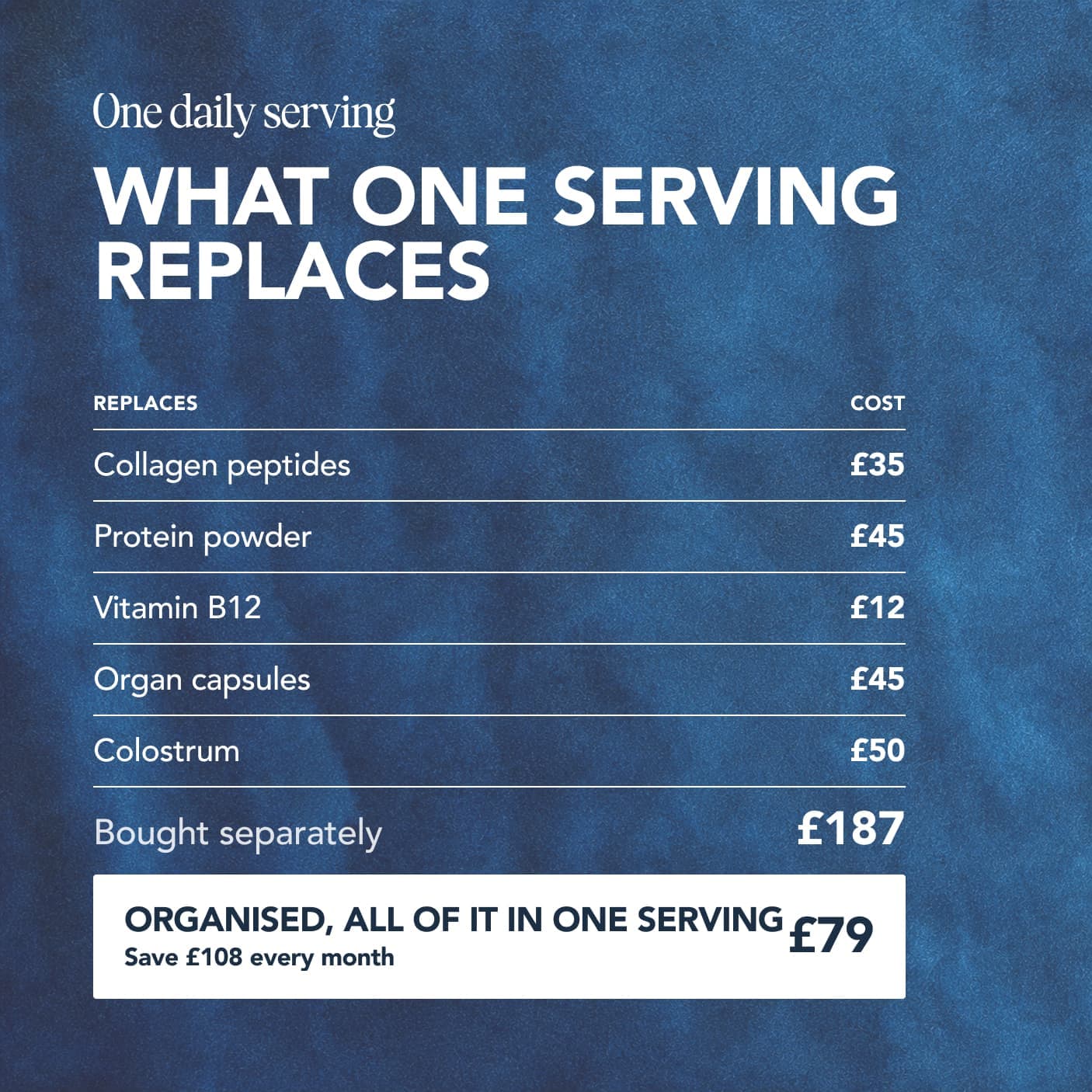
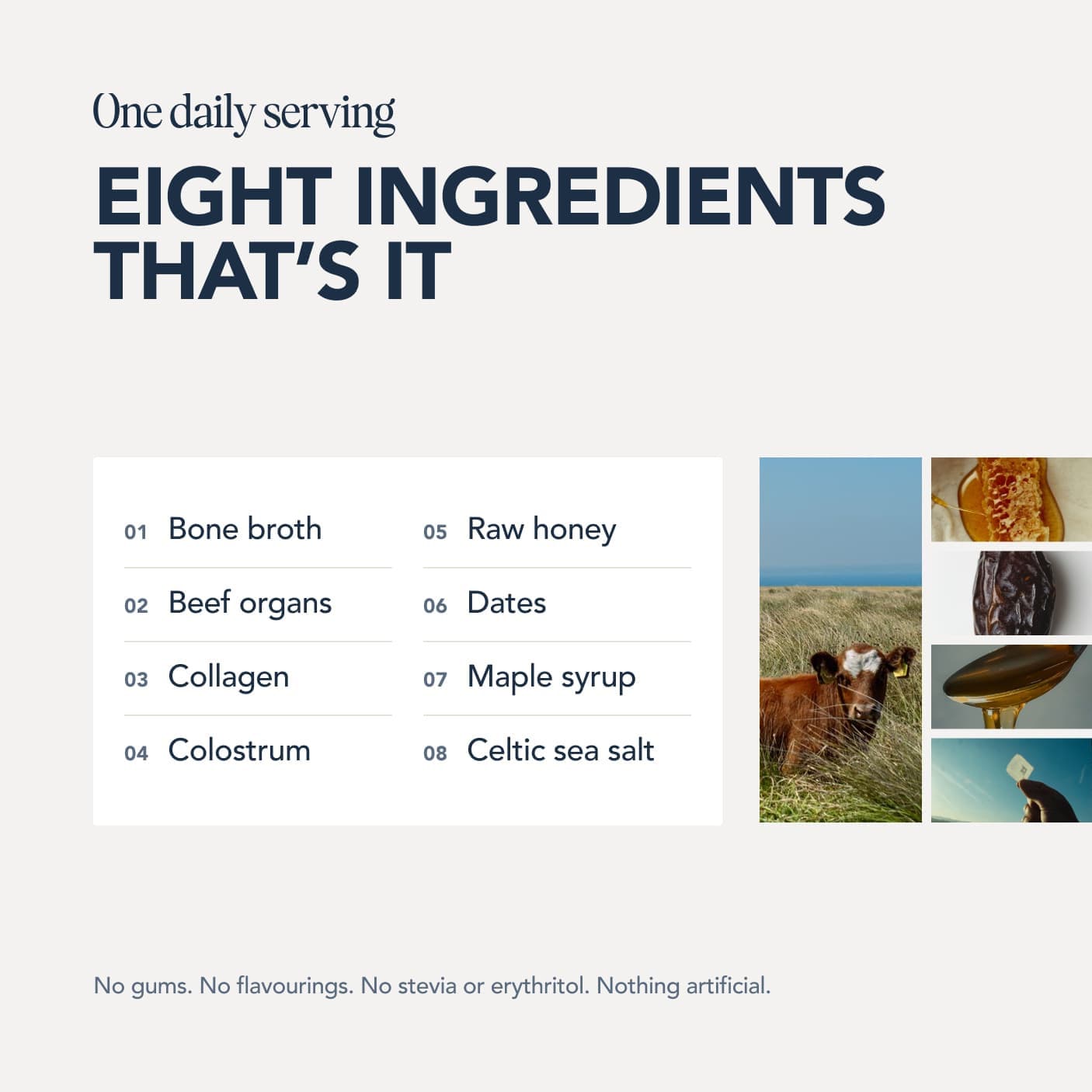
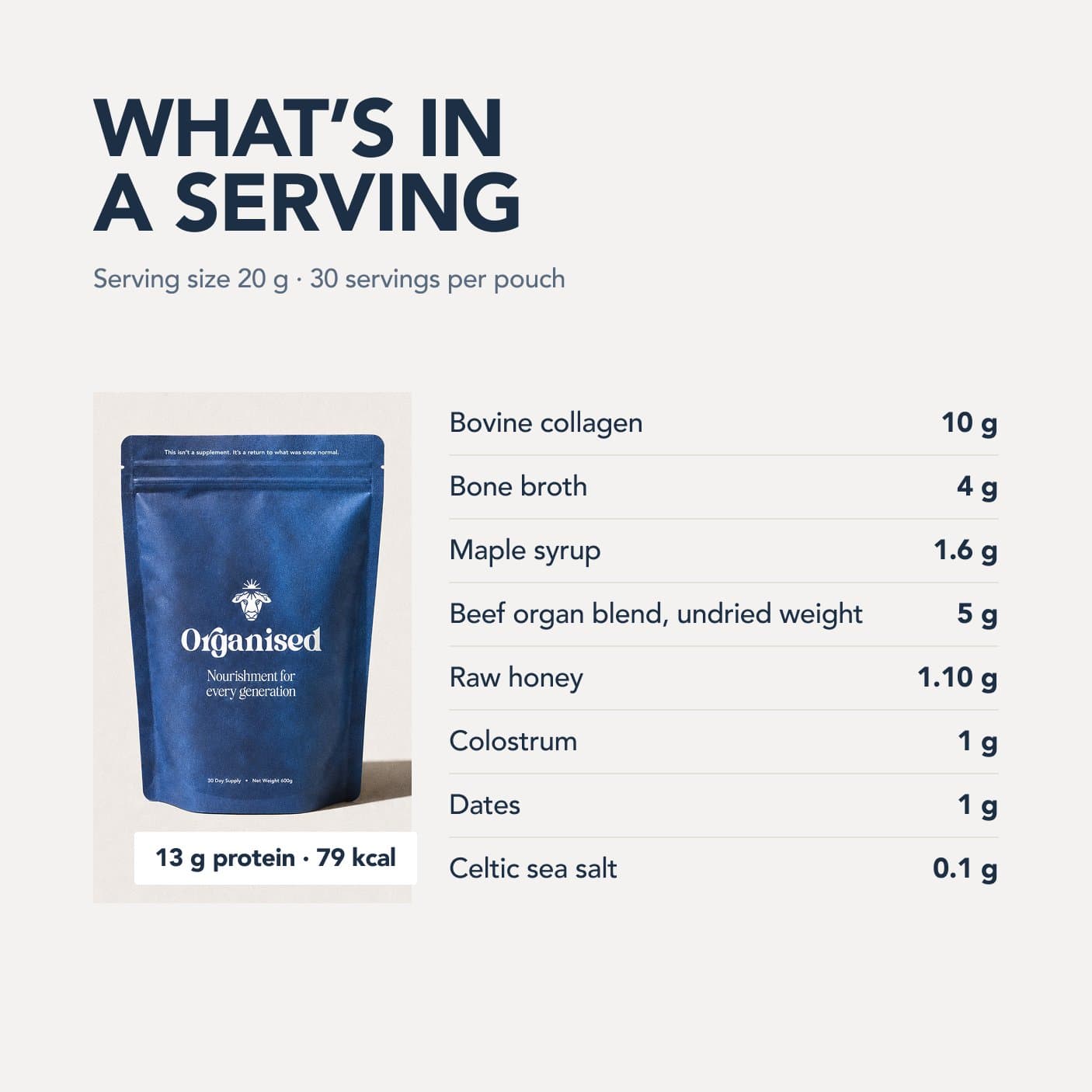
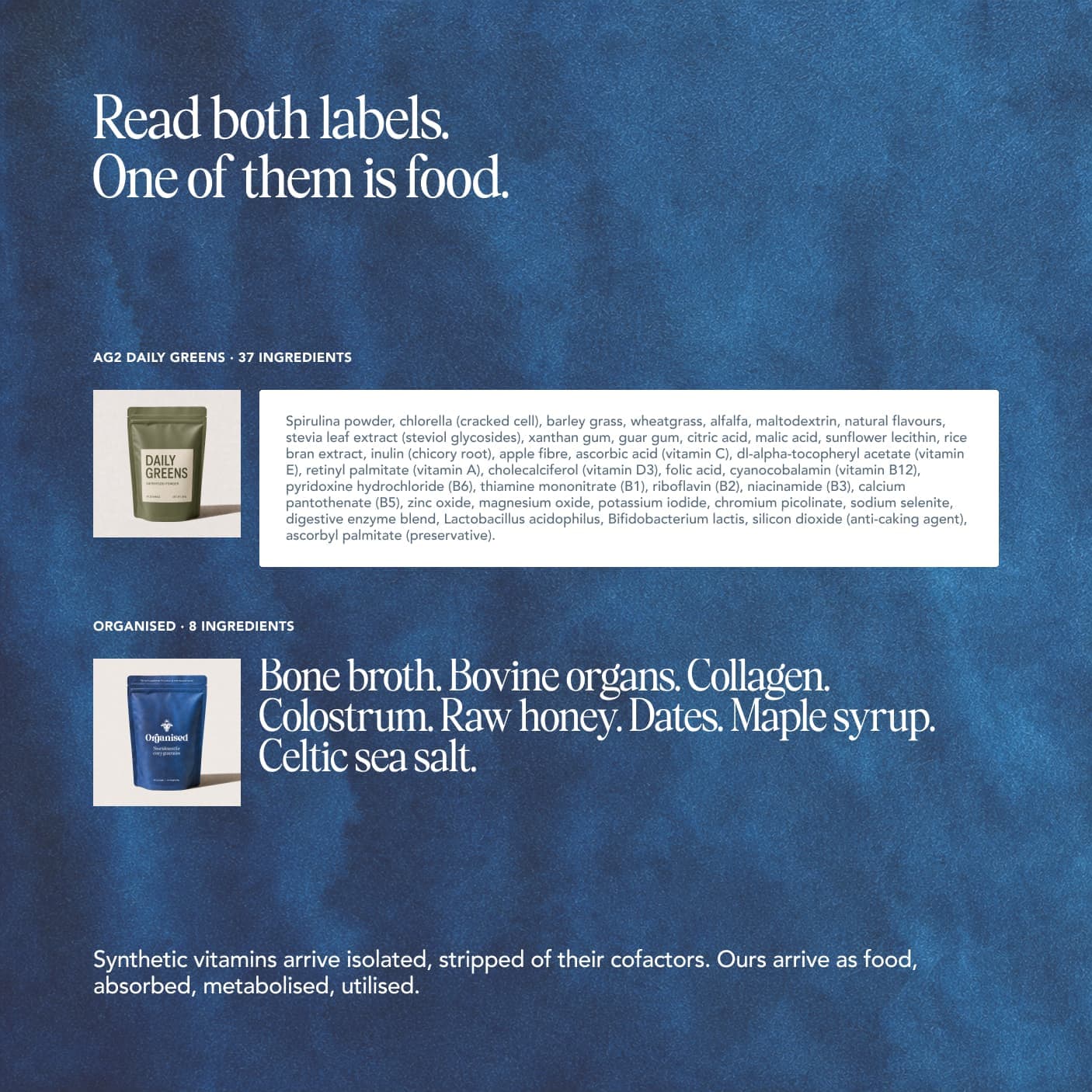
Eight real ingredients built around grass-fed beef organs, collagen and colostrum. Nothing synthetic added.
Free with your first order, worth £38. Plus £10 off the pouch with a subscription.


Free UK shipping · Made in England · 100 day money back guarantee on your first pouch · Skip, pause or cancel anytime
When supplements won't solve the problem
If your child is malnourished, organ supplements won't fix it. If they're not eating enough total food, supplements won't fill the caloric gap. If they're eating only processed foods, a few organ supplement capsules won't rebalance their nutrition. Supplements are not magic pills that turn poor nutrition into good nutrition.
Supplements support a good foundation. They don't replace one. If your child isn't eating whole foods regularly, start there. Add vegetables. Add protein. Add real food variety. Then, if you want to hedge further and ensure they're not deficient in specific nutrients, add the supplements. The order matters.
If your child has specific health issues (failure to thrive, developmental delays, anaemia, slow growth), speak with your GP or a paediatric dietitian before supplementing. They can test for actual deficiencies and recommend targeted interventions. Maybe your child needs iron supplementation specifically. Maybe they need B12. Maybe they just need more calories. Testing identifies the actual problem rather than guessing.
Food first, supplements second
The hierarchy of children's nutrition is: whole food first, supplements second, medication or medical intervention third. Your goal is to get your child eating whole foods. That's the actual goal. Organ supplements are a tool for the cases where whole foods aren't working, not a replacement for the goal itself.
A child eating organ meat regularly (even if it's liver pâté, which is acceptable) is better nourished than a child taking organ supplements but eating no whole foods. The whole food approach creates nutrient density, food acceptance, and proper eating habits. Supplements don't do any of that.
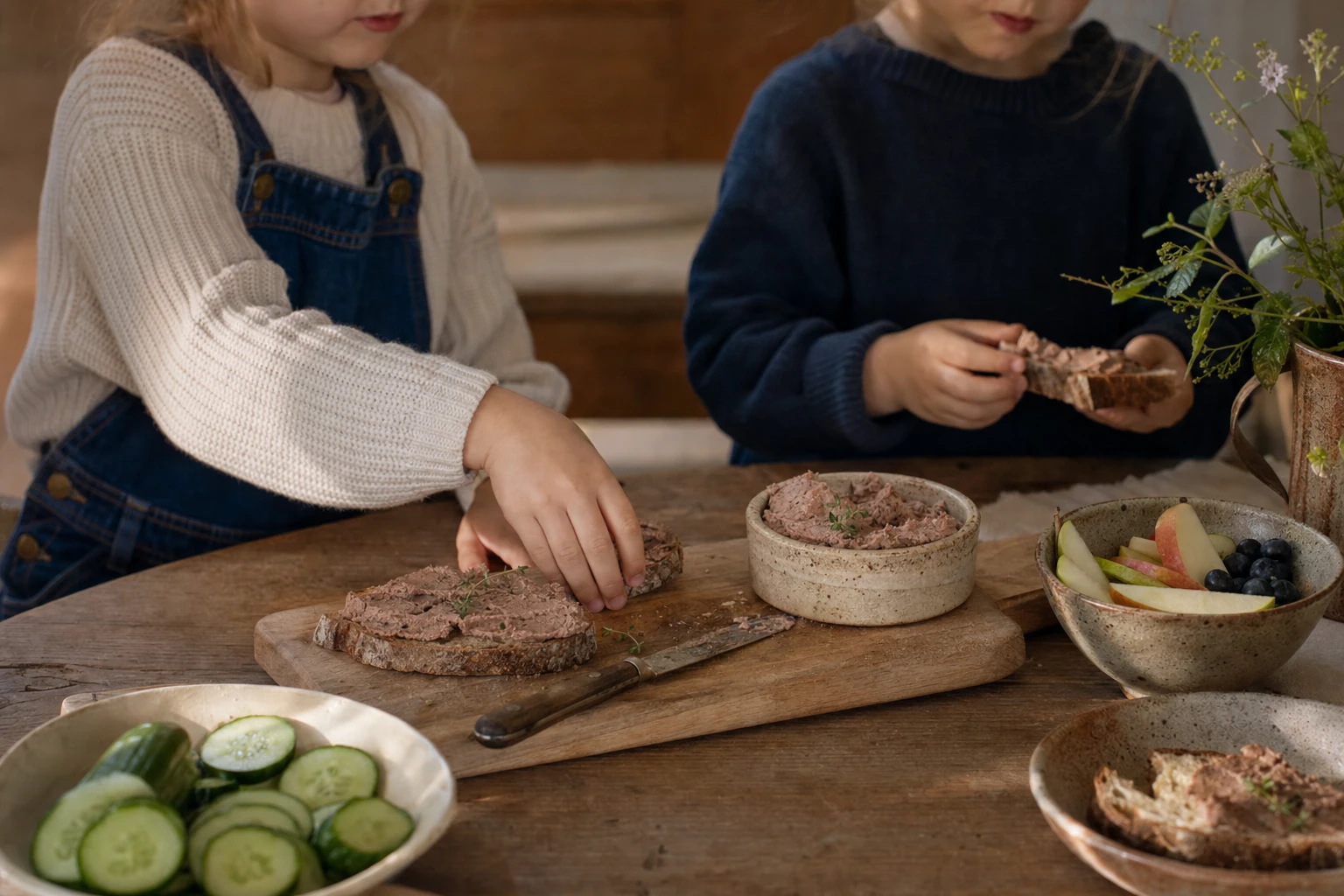
If your child will eat liver pâté on crackers, that's better than capsules. If your child will eat beef with liver mixed in, that's better than capsules. If your child will only accept capsules, then capsules are the right choice. But keep trying to move the hierarchy upward toward whole food.
The bottom line
Beef organ supplements are safe for children at appropriate dosages and can be a reasonable tool if your child won't eat actual organ meat. But they're a supplement to a good diet, not a replacement for one. Prioritise whole foods. Use organ supplements to fill small gaps. Keep dosages modest. Choose quality products. And don't let supplementation become a power struggle. Your goal is to nourish your child, not to win an argument about capsules. If supplementation creates conflict, the stress probably negates the benefit.
References
Every source below was checked on 27 August 2026. Each PubMed, PMC and DOI identifier was resolved against NCBI or Crossref, and what it opens is printed under the citation, so you can see the link goes where the citation says without leaving the page. Where a citation and its identifier disagreed, the citation was corrected to the record or the reference was deleted along with the sentence marker that pointed at it, and where the resolved paper turned out not to support the sentence, the sentence was cut back to what it does support. Borrowed authority is worse than none, because it looks like rigour.
- Dovey TM, et al. Food neophobia and 'picky/fussy' eating in children: a review. Appetite. 2008. PMID 17997196.Checked 27 August 2026: PMID 17997196 opens Dovey TM, Staples PA, Gibson EL et al, Food neophobia and 'picky/fussy' eating in children: a review. Appetite 2008;50(2-3):181-93. PubMed indexes it as: Review.
- NIH Office of Dietary Supplements. Vitamin A and carotenoids fact sheet. ods.od.nih.gov/factsheets/VitaminA-HealthProfessional.
- NHS. Vitamins for children. nhs.uk/conditions/baby/weaning-and-feeding/vitamins-for-children.
Who wrote and reviewed this guide
Niall Kiddle
Author · Founder, Organised
Niall is the founder of Organised. He started the company in 2024 after fixing his own health the slow way: in 2022 he swapped a cupboard of synthetic supplements for real food, raw milk, organ meats, bone broth and honey, and felt the difference within months.
Areas of expertise: Ancestral nutrition, Organ meats, Whole-food supplementation, Gut health, Regenerative sourcing
Read Niall's full profile
Pedro Rodrigues
Reviewer · Agronomist (farming and sourcing only)
Pedro is the agronomist Organised works with on farming and sourcing. His job on the guides is to keep the science honest: he reviews what we publish about soil health, regenerative agriculture, grazing and the way food is actually produced.
Areas of expertise: Regenerative agriculture, Agronomy, Soil health, Grass-fed farming, Food sourcing
Reviewed this guide on
Read Pedro's full profileMore on children & teens
View all- Feeding Children for Optimal Growth and Development
- Teenage Nutrition: Fuelling Growth Spurts and Brain Development
- Building Strong Bones in Childhood: Beyond Just Milk
- How to Introduce Organ Meats to Children
- Picky Eaters: How to Sneak Nutrient-Dense Foods Into Family Meals
- Protein for Young Athletes: How Much Do Teenagers Actually Need?
- Screen Time, Sleep and Nutrition: The Triangle That Affects Every Child
- Sugar, Screens and Soil: Raising Healthy Children in a Modern World
- Teenage Athletes: Protein and Nutrient Needs for Growing Bodies
- The Nutrients Children Need Most (And Aren't Getting)
- Why Children Need More Nutrient-Dense Food (Not More Vitamins)
- Why Teenage Girls Are at the Highest Risk of Iron Deficiency
Browse the guides library
All guidesKeep reading

Life stage
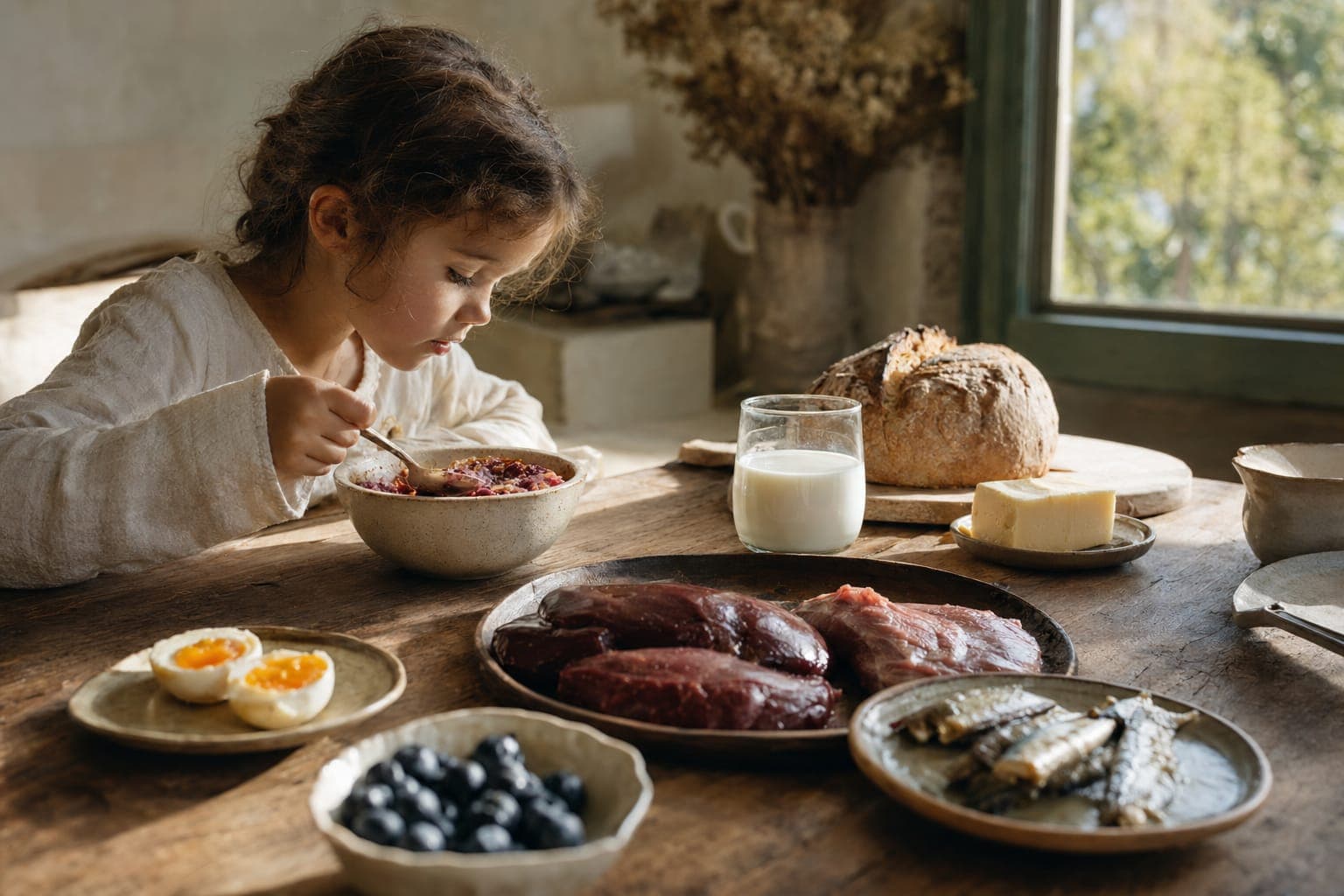
Feeding Children for Optimal Growth and Development
Optimal nutrition for children's growth and development: protein, fats, fat-soluble vitamins, minerals. Whole food approach without shame or perfection.
Life stage
The Nutrients Children Need Most (And Aren't Getting)
The nutrients children are deficient in: iron, zinc, B12, choline, DHA, K2. Food sources and why modern diets miss them.

Life stage
Digestive Changes After 50: How to Maintain Gut Health
Your digestion shifts after 50, from stomach acid to enzymes. Learn what is happening and how to maintain nutrient absorption and gut health as you age.
Real food, made effortless
Find my daily blendA few ways to use it
All recipes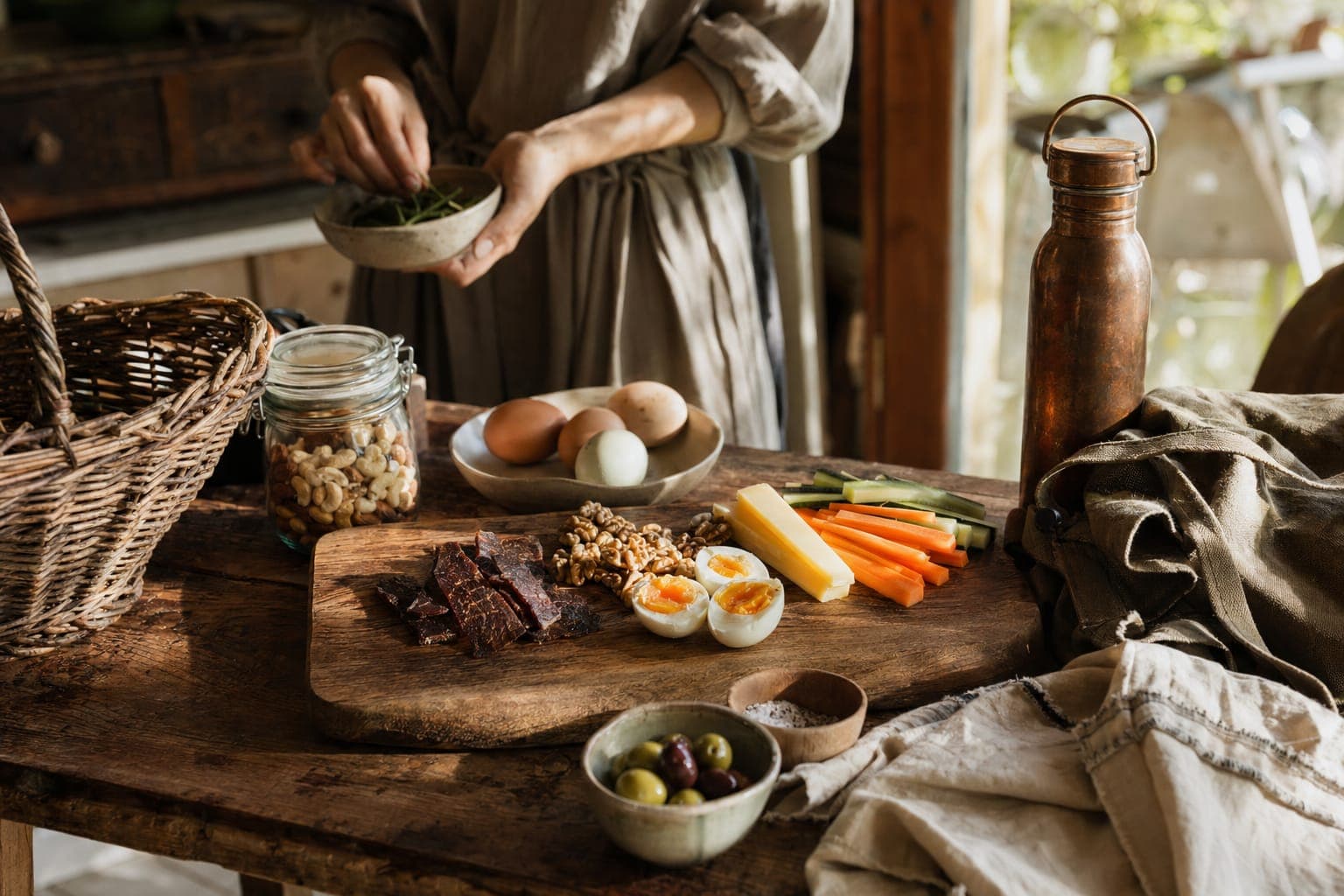
Whole Food Snacks for Busy Days
Practical whole food snacks that travel well and sustain energy. No refined carbs, no seed oils. Real food options for when you're busy.
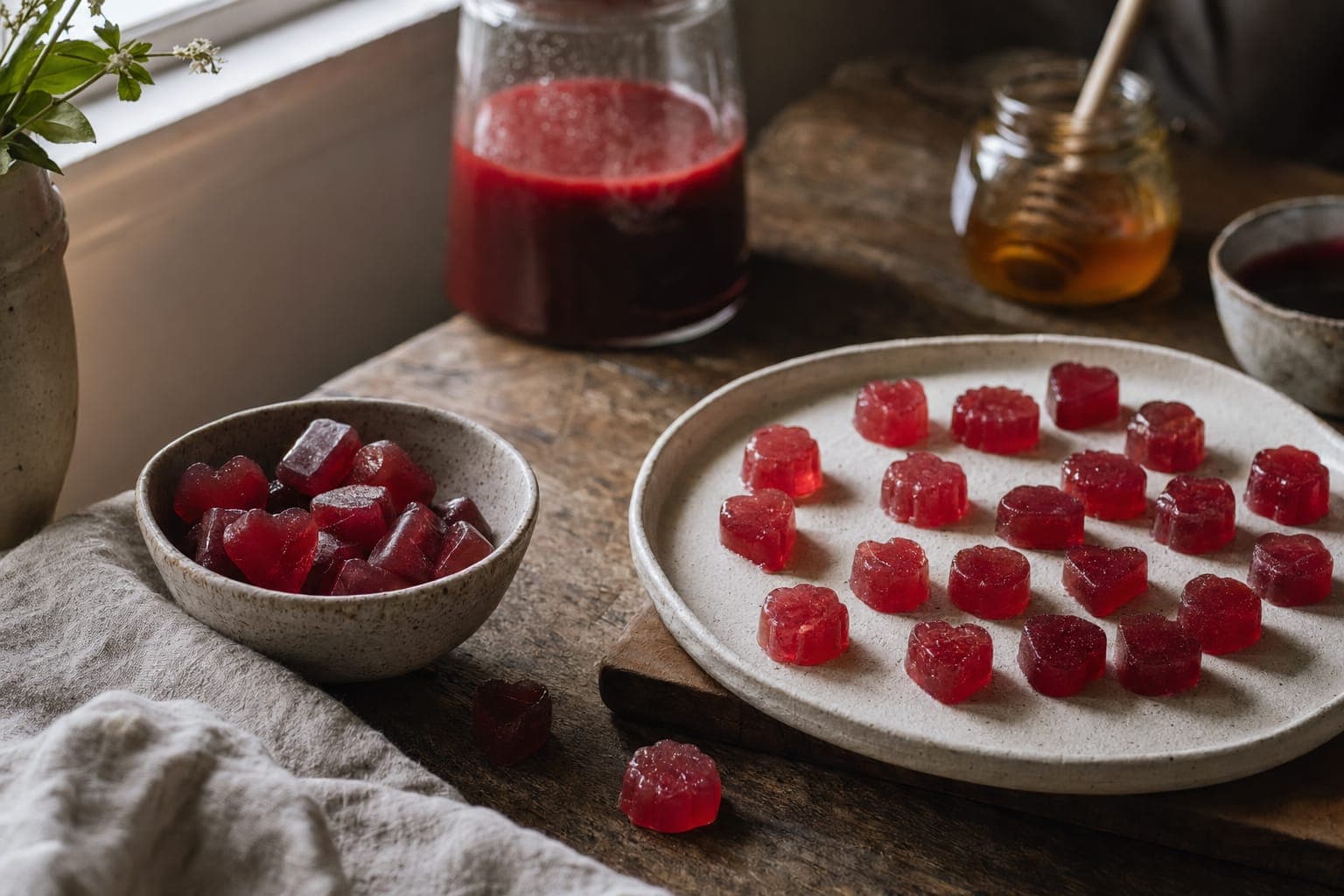
How to Make Your Own Gelatine Gummies
A simple recipe for homemade gelatine gummies using grass-fed gelatine, fresh juice, and raw honey. Better than shop-bought, kids love them.
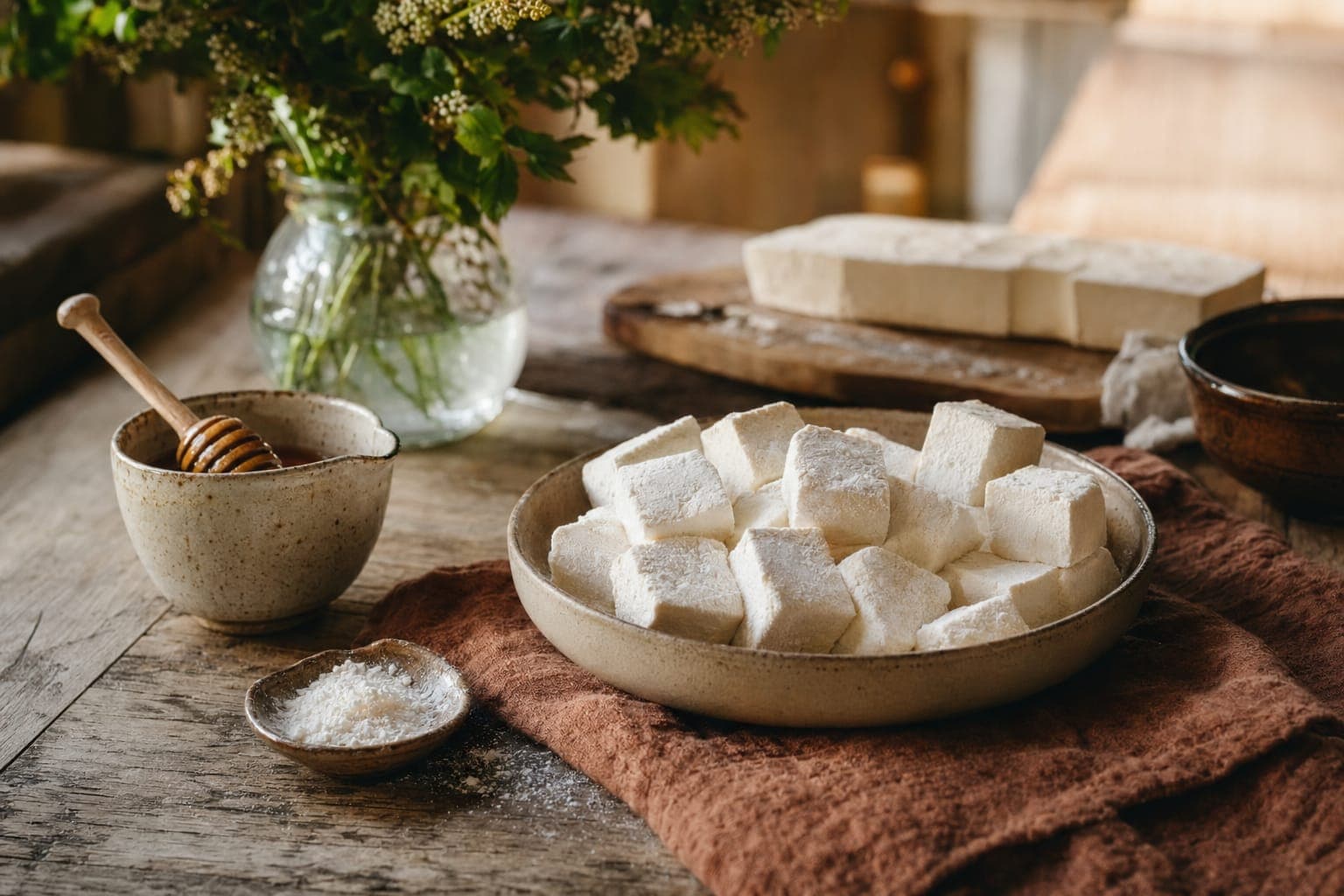
Gut-Healing Marshmallows with Collagen and Raw Honey
Learn to make gut-healing marshmallows with collagen and raw honey. A shareable treat that sneaks nutrition into every bite. Easy recipe with video tips.


 Join over 100,000+ members
Build a better food system with us
The Organised community is thousands of people choosing real food and backing the farmers who grow it, all of us trying to leave the world a little better than we found it. If that is what you care about too, you belong here.