Feeding Children for Optimal Growth and Development
The food you feed your children shapes their height, their strength, their brain function, their behaviour, and their metabolism for life. Not in a metaphorical sense. Literally. The amino acids in that chicken breast become your child's muscles. The saturated fat in that egg yolk becomes their brain. What you feed them matters intensely.
By Niall Kiddle, Founder, Organised

Reviewed by Pedro Rodrigues, Agronomist (farming and sourcing only) ·
8 min read · Published · Updated · 3 cited sources
Makers of the Organised Daily blend, a grass-fed beef organ supplement from regenerative UK farms

Most modern parenting advice around children's nutrition is contradictory and fear-based. Eat low-fat dairy. No, eat full-fat dairy. Limit salt. No, salt is fine. Avoid processed food. But also make things convenient. The result is confusion and often guilt. You're trying to feed your children well, and you're not sure what well actually is.
Why children need different nutrition than adults
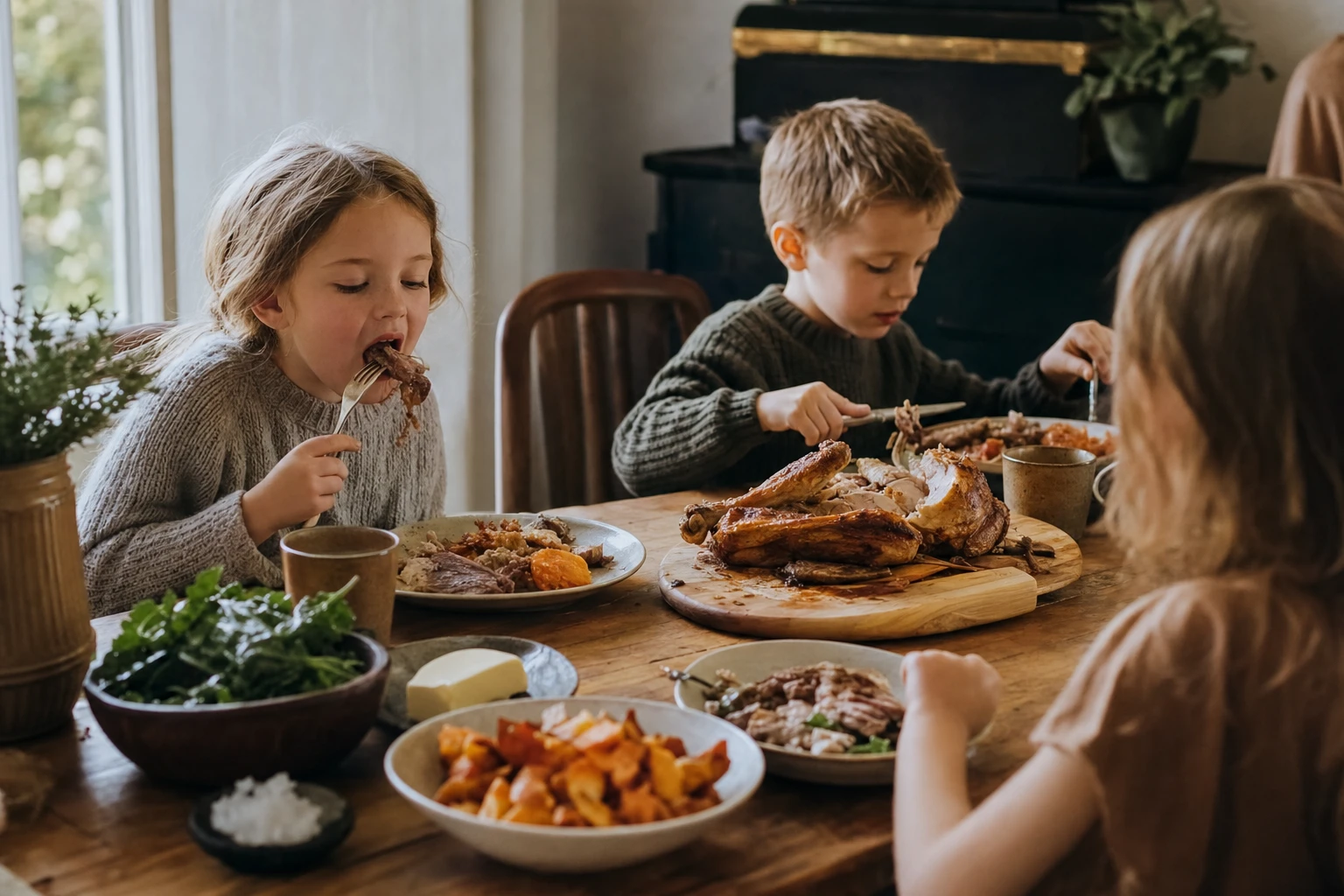
Children are not small adults. Their nutritional demands are utterly different. A growing child is building a body. Every cell division, every inch of growth, every new brain connection requires nutrients. Specifically, it requires nutrients that support growth. Protein, fats, vitamins, and minerals. Not quantity. Nutrient density.
A child's caloric needs are higher per kilogram of body weight than an adult's. But their caloric total is lower because they weigh less. What matters is what those calories contain. A child can survive on 1,000 calories daily if those 1,000 calories come from processed snacks. But they won't grow properly. They won't develop properly. They'll have energy dysregulation, poor focus, and weak bones.
The same 1,000 calories from eggs, meat, full-fat dairy, and vegetables delivers amino acids, fats, vitamins, and minerals that support growth and development. The caloric density is identical. The nutritional outcome is not.
Children also have smaller stomachs and can't eat large volumes. This means their nutrition needs to be more concentrated. Less space for filler. More nutrient density per bite.
Protein for growth and function
Protein is the building block of growth. Children need adequate protein to build muscle, to synthesise neurotransmitters, to function. The recommended dietary allowance is roughly 1 gram per kilogram of body weight, though active children need more.
A seven-year-old weighing 25 kilograms needs roughly 25 grams of protein daily. This sounds like a lot until you realise that a single chicken thigh contains roughly 15 grams of protein. An egg contains 6 grams. A small portion of red meat contains 15-20 grams. Hitting protein targets is straightforward with whole foods.
The richest, most bioavailable sources are animal foods: meat, fish, eggs, and dairy. If your child is vegetarian, legumes, nuts, and seeds contribute, but you'll need to combine them with other protein sources and eat more total volume to hit targets. Nothing wrong with that. Just requires intention.
What matters is consistent inclusion of protein at each meal. Breakfast with eggs and butter. Lunch with chicken and vegetables. Dinner with red meat and potatoes. Snacks with cheese and fruit. This naturally hits protein targets without counting or stress.
Fat and fat-soluble vitamins
Fat is not the enemy of children's nutrition. It's the foundation. Your child's brain is roughly 60% fat.1 Their hormones are made from fat. Their cell membranes are made from fat. Fat is essential for the absorption of fat-soluble vitamins: A, D, E, and K2.
Children on low-fat diets show worse growth, worse bone density, worse brain development, and worse behaviour than children eating adequate fat. This isn't controversial. The research is consistent. Low-fat milk, low-fat yoghurt, and low-fat cheese are inferior to full-fat versions for growing children.
Include butter, full-fat dairy, egg yolks, fatty fish, and fat from meat. A child eating full-fat yoghurt for breakfast, having cheese and fruit for snack, and eating butter with their vegetables gets the fat they need. And crucially, they eat less total food because they're more satiated. Full-fat foods are more satiating than low-fat versions.
Feed your children full-fat dairy, proper butter, and meat with the fat intact. Their brains depend on it. Their growth depends on it. This isn't indulgence. It's nutrition.
Iron and zinc
Iron and zinc are minerals that children often don't get enough of, particularly if they're not eating meat. Iron is essential for oxygen carrying, and deficiency results in fatigue and poor school performance. Zinc is essential for immune function and growth.
Red meat is the richest source of both. A 50-gram portion of red meat provides significant iron and zinc in highly absorbable forms.3 Poultry is okay but less rich. Organ meats are exceptionally dense in both minerals. Eggs contain moderate amounts. Beans and seeds contain iron and zinc but in less absorbable forms because of compounds that inhibit absorption.
If your child eats red meat several times weekly and includes other protein sources, iron and zinc deficiency is unlikely. If your child is vegetarian, particularly if vegan, supplementation or concentrated food sources become more important. A blood test can determine if deficiency exists.
Minerals and bone development
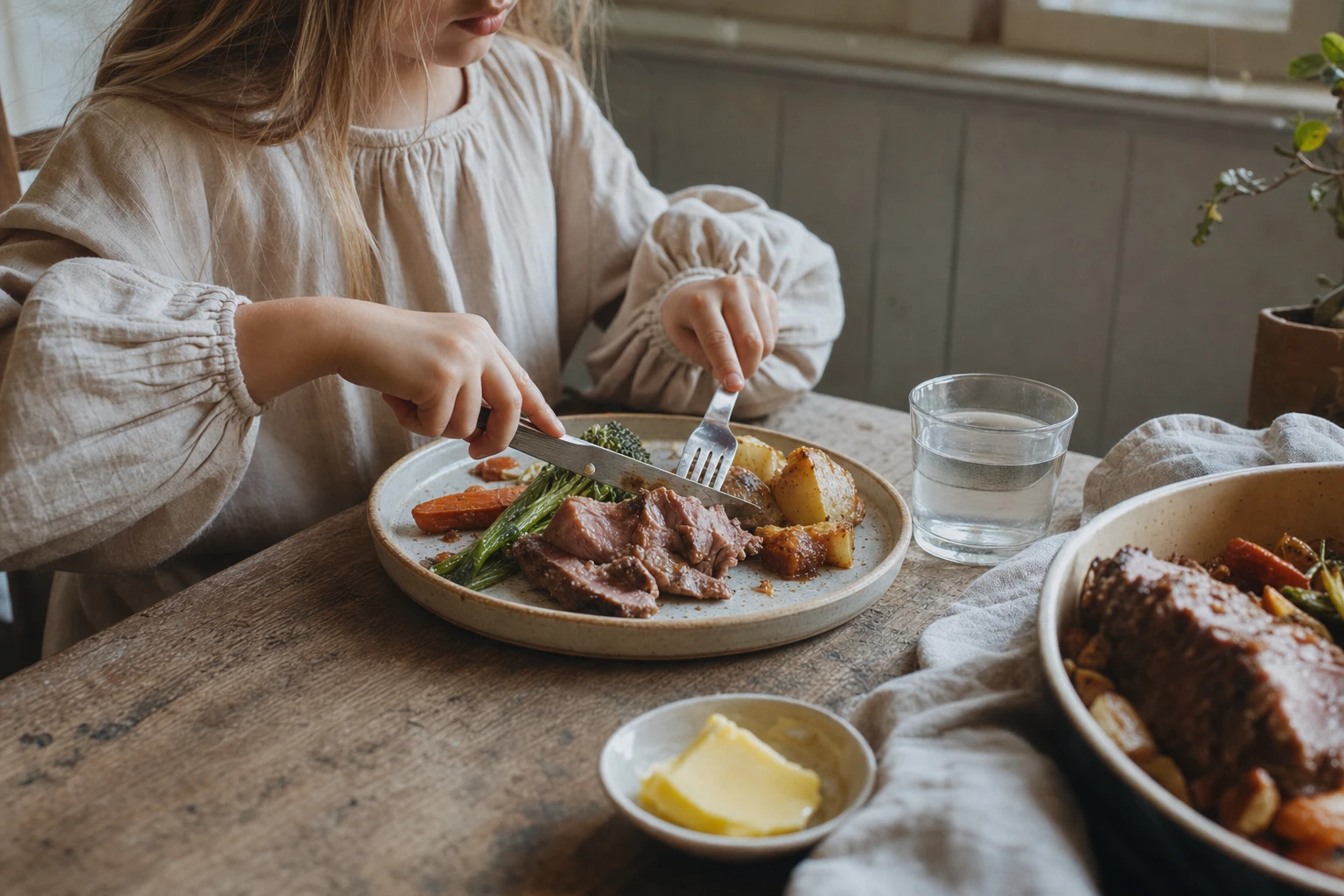
Childhood is when bone is being built. Peak bone mass is achieved in the late twenties, but the foundation is laid in childhood.2 Children who build strong bones in childhood maintain better bone density throughout life. Children who don't struggle with bone health as adults.
Calcium, magnesium, K2, and vitamin D are all essential for bone development. Calcium is found in dairy, particularly full-fat dairy, leafy greens, and tinned fish with soft bones. Magnesium is in nuts, seeds, leafy greens, and whole grains. K2 is in grass-fed butter and full-fat cheese. Vitamin D comes from sunlight and fatty fish.
A child drinking full-fat milk or eating full-fat yoghurt daily, eating vegetables, spending time outside, and eating some fatty fish is hitting their mineral targets. The nutrition is not complicated. The foods are standard.
Get life-stage nutrition guides, free
Two short reads a week on eating well through pregnancy, childhood and older age.
By signing up you agree to receive emails from us. No spam, unsubscribe anytime.
What to prioritise, what to limit
Prioritise whole foods. Meat, fish, eggs, dairy, vegetables, fruit, nuts, and whole grains. These foods together provide the nutrient density children need. There's no food from this list that's bad for children.
Limit ultra-processed foods. This isn't because they're morally wrong. It's because they displace nutrient-dense foods. If your child eats cereal with added vitamins for breakfast, they eat fewer eggs. If they snack on crisps, they eat less cheese. Ultra-processed foods are calorie-dense and nutrient-poor. They leave less room for the foods that actually build bodies and brains.
Ultra-processed foods are also engineered to override satiety signals. Your child's body stops feeling full properly. They eat more than they need. This is not a character flaw in the child. It's the food working as designed.
But this isn't about perfection. It's about proportion. If your child eats whole foods most of the time and ultra-processed foods occasionally, they're fine. If it's the reverse, that's where growth and behaviour issues often surface.
Creating a sustainable approach
The goal is not perfection. It's consistency. You're not trying to optimise every meal. You're trying to make sure that most meals contain protein, fat, and vegetables. Most doesn't mean all. It means most.
Batch cook on weekends. Make large quantities of red meat, chicken, or fish. Roast a tray of vegetables. Cook rice or potatoes. During the week, assemble meals quickly: protein, vegetable, starch, fat. Done. Your child eats well, and you don't have to cook every night. A slow cooker changes everything. A single morning of preparation creates several days of lunches and dinners.
Include your children in cooking when possible. Children who help cook vegetables are more likely to eat vegetables. Children who understand that food builds their bodies are more likely to choose nourishing food. A five-year-old who helps tear lettuce will eat salad. A seven-year-old who helps brown meat will try that beef. Participation drives acceptance.
Create a food environment where whole foods are accessible and convenient. Fruit on the counter. Cheese and nuts in easy-reach containers. Cooked meat in the fridge ready to grab. This isn't about restriction. It's about making the easy choice the good choice. A child who finds apple and cheese easily available will eat apple and cheese. A child who finds biscuits easily available will eat biscuits. Environment shapes behaviour.
Talk to your children about food without moralising. Avoid using words like good and bad. Instead, talk about foods that build strong bones, foods that give you energy, foods that help your brain work well. Children eat better when they understand why they're eating something, not when they're told it's healthy.
Be consistent but flexible. If your child doesn't eat vegetables at one meal, don't panic. Offer them again at the next meal without comment. Food acceptance takes repeated exposure. A child may need to see a food 15-20 times before they accept it. Consistency over time creates preferences.

1 of 9
Daily blend
100,000+ thriving families4.9 on Trustpilot
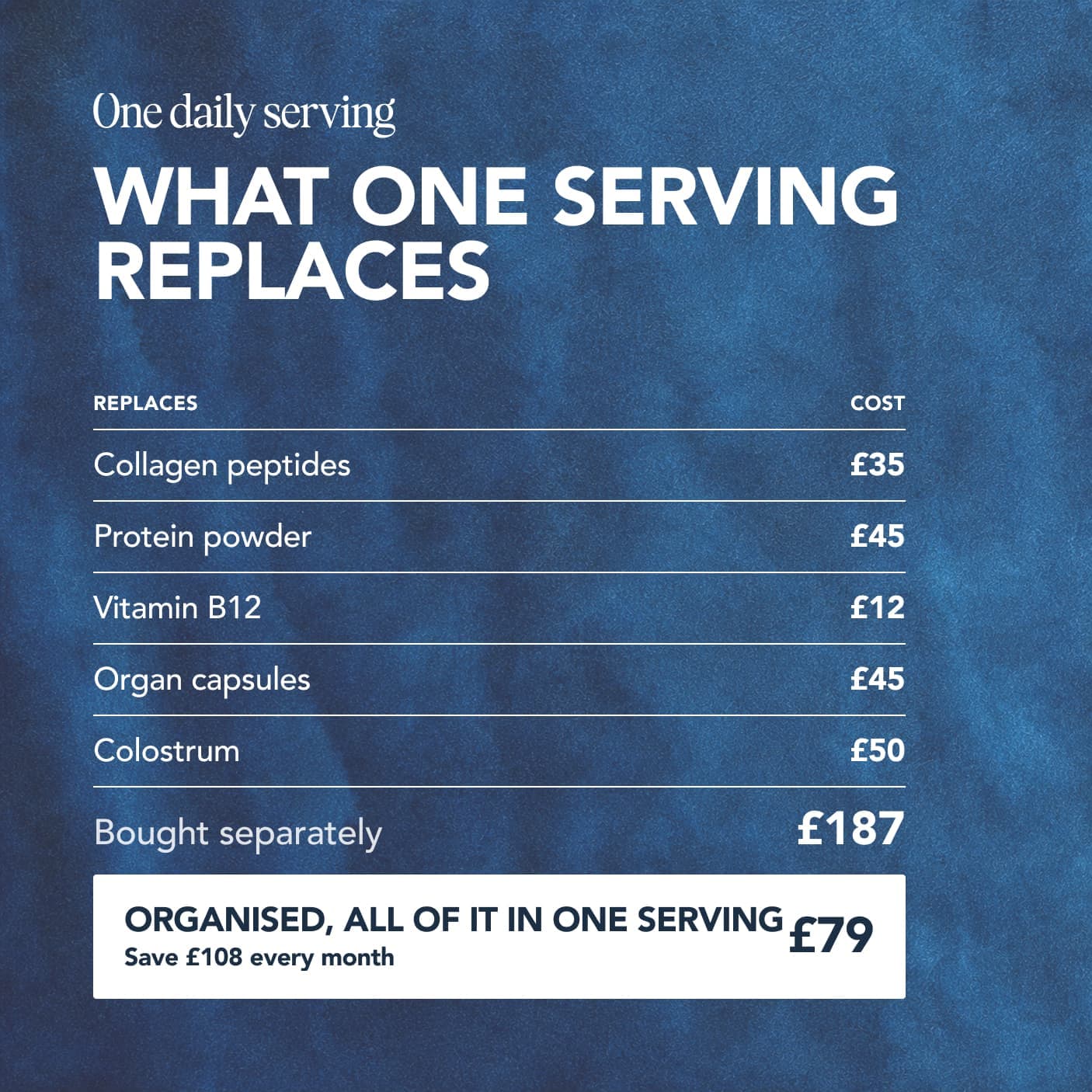
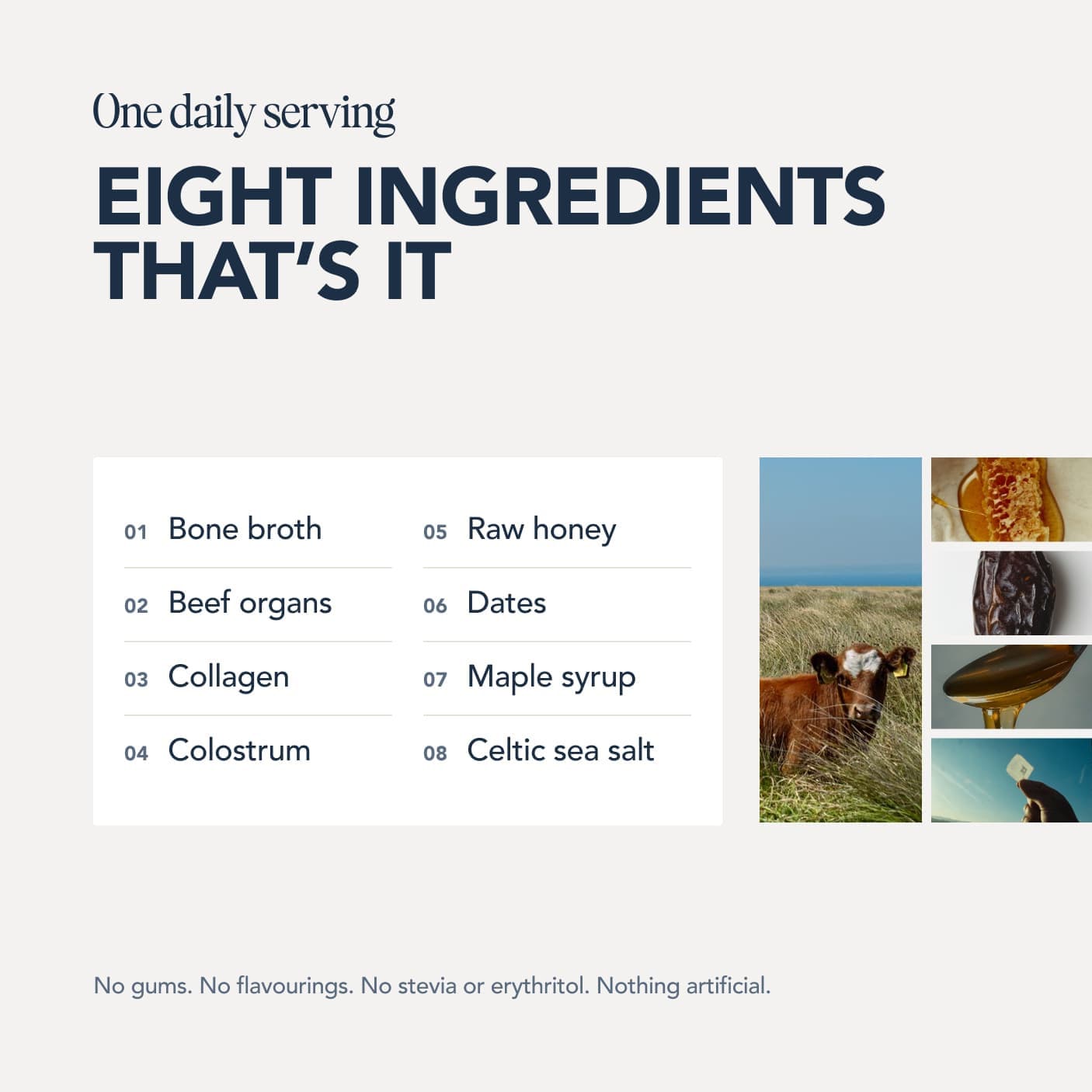
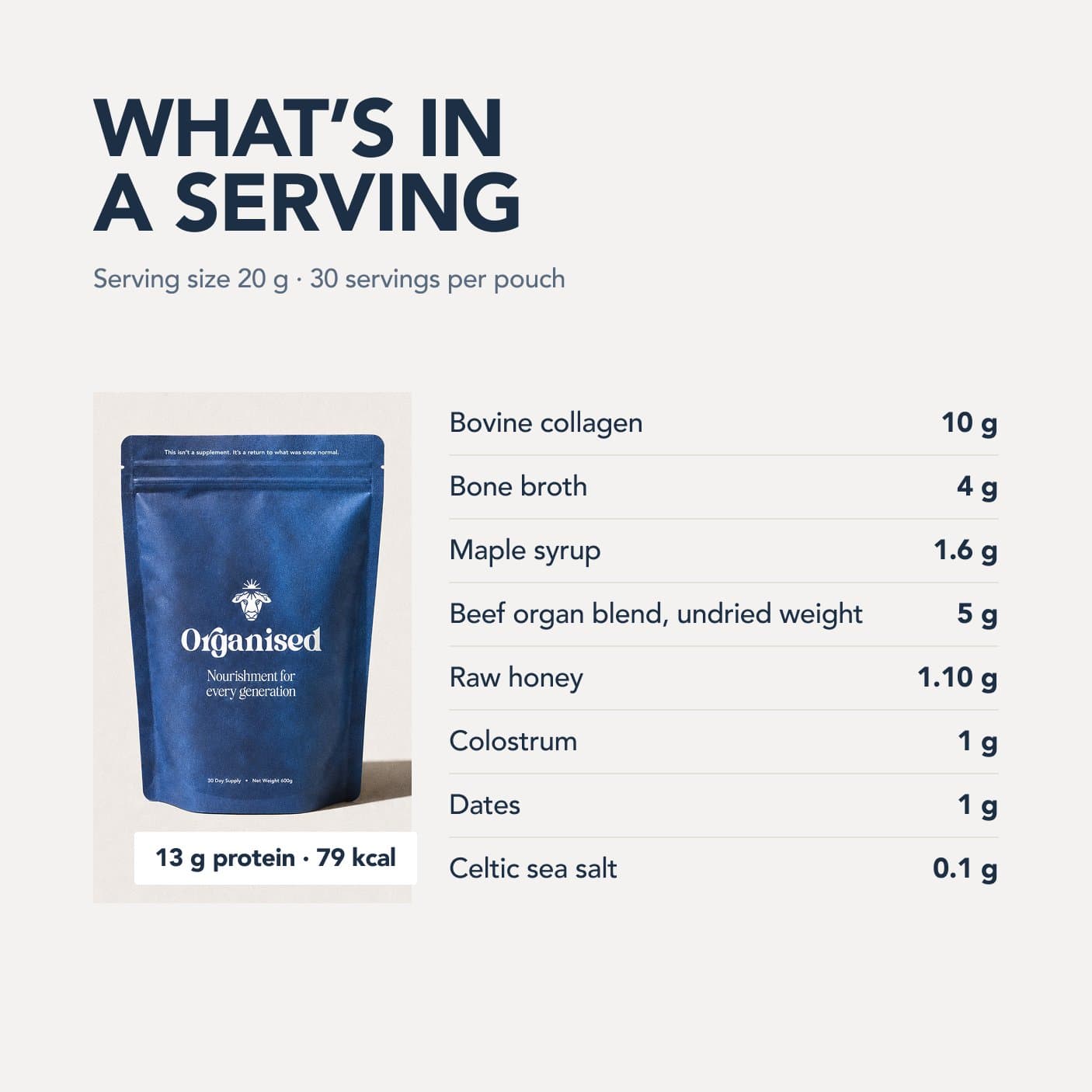
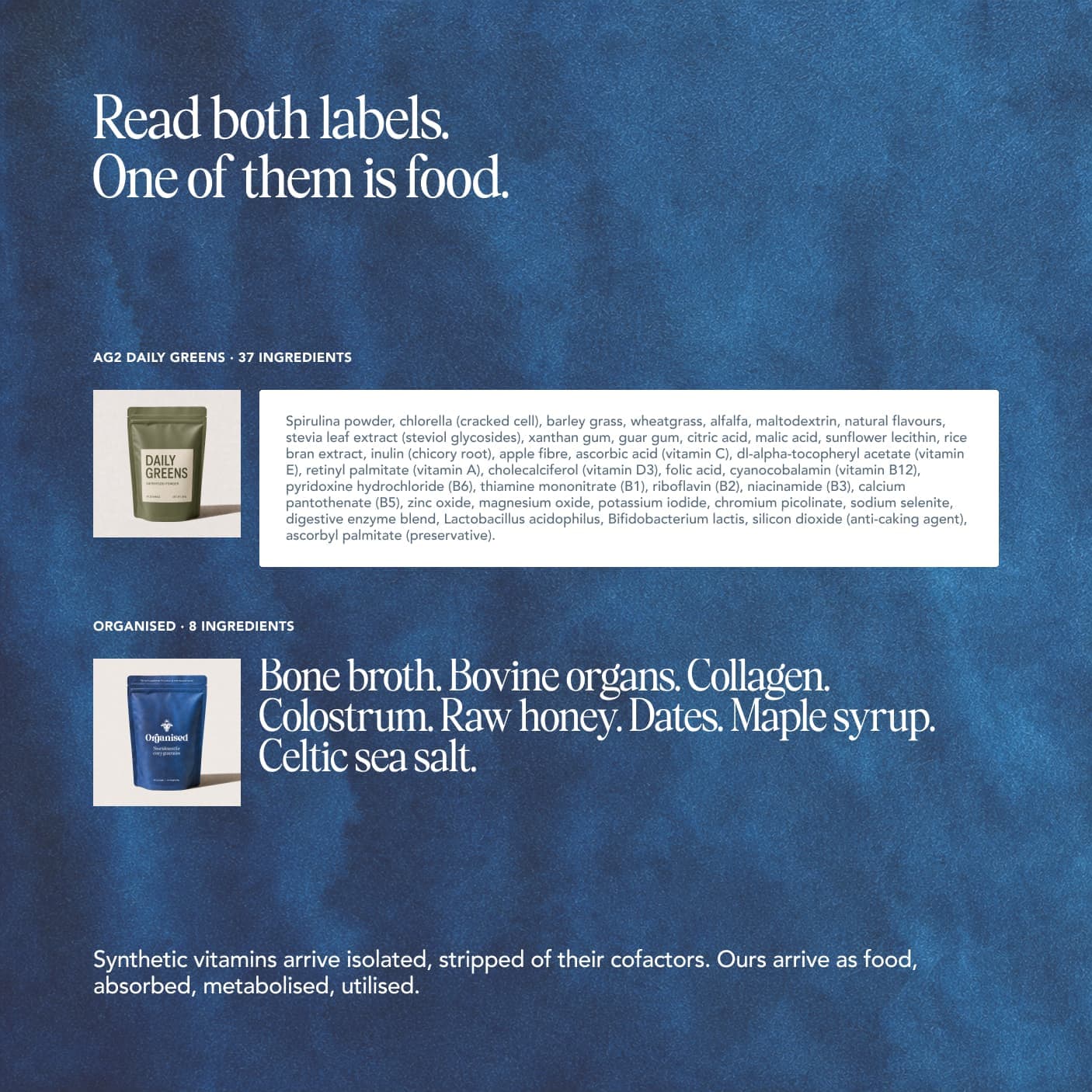
Eight real ingredients built around grass-fed beef organs, collagen and colostrum. Nothing synthetic added.
Free with your first order, worth £38. Plus £10 off the pouch with a subscription.



Free UK shipping · Made in England · 100 day money back guarantee on your first pouch · Skip, pause or cancel anytime
Managing picky eating without despair
Picky eating is normal and developmentally appropriate. Most children go through phases of food rejection. The temptation is to restrict your child to their preferred foods to ensure they eat something. Avoid this. Instead, serve balanced meals and allow your child to choose what they eat from what's on the table.
A plate with chicken, roasted potatoes, and steamed broccoli is on the table. Your child eats only the potatoes. That's fine. There's nutrition in potatoes, and you're not fighting. The next day, a different combination. Slowly, across weeks and months, most children expand their acceptance.
The rule is: you decide what foods come to the table and when meals happen. Your child decides what they eat and how much. This removes pressure and usually improves food acceptance. A child who feels forced to eat often develops worse eating patterns. A child who has autonomy over consumption usually eats reasonably well.
You're not trying to be a perfect parent. You're trying to feed your children with intention, most of the time. That's enough. That matters. Some meals will be processed. Some days will be imperfect. That's normal. What matters is the overall pattern.
The bottom line
Feed your children whole foods. Meat, fish, eggs, full-fat dairy, vegetables, fruit, nuts, and whole grains. Include these foods at each meal, prioritise nutrient density over caloric density, and let your children's bodies do what they're designed to do. Grow, develop, strengthen. Children fed whole foods grow taller, stronger, smarter, and with better behaviour than children fed processed foods. Not because of willpower or discipline, but because nutrition is literally the building material of a human body. Give your children good building material. Their bodies will respond.
References
Every source below was checked on 27 August 2026. Each link was requested and read. Where a citation and its identifier disagreed, the citation was corrected to the record or the reference was deleted along with the sentence marker that pointed at it, and where the resolved paper turned out not to support the sentence, the sentence was cut back to what it does support. Borrowed authority is worse than none, because it looks like rigour.
- O'Brien JS, Sampson EL. Lipid composition of the normal human brain: gray matter, white matter, and myelin. Journal of Lipid Research. 1965;6(4):537-544. https://www.jlr.org/article/S0022-2275(20)39619-X/pdf Brain dry weight is approximately 50-60% lipid (myelin ~78%, white matter ~49-66%, gray matter ~36-40%).
- Weaver CM, Gordon CM, Janz KF, et al. The National Osteoporosis Foundation's position statement on peak bone mass development and lifestyle factors: a systematic review and implementation recommendations. Osteoporosis International. 2016;27(4):1281-1386. See also International Osteoporosis Foundation: Nutrition in children and adolescents. https://www.osteoporosis.foundation/health-professionals/prevention/nutrition-children-and-adolescents
- National Institutes of Health, Office of Dietary Supplements. Iron: Fact Sheet for Health Professionals. https://ods.od.nih.gov/factsheets/Iron-HealthProfessional/ [accessed May 2026]. See also Zinc fact sheet: https://ods.od.nih.gov/factsheets/Zinc-HealthProfessional/ Heme iron in red meat is absorbed at 15-35% versus 2-20% for non-heme iron from plant sources.
Who wrote and reviewed this guide
Niall Kiddle
Author · Founder, Organised
Niall is the founder of Organised. He started the company in 2024 after fixing his own health the slow way: in 2022 he swapped a cupboard of synthetic supplements for real food, raw milk, organ meats, bone broth and honey, and felt the difference within months.
Areas of expertise: Ancestral nutrition, Organ meats, Whole-food supplementation, Gut health, Regenerative sourcing
Read Niall's full profile
Pedro Rodrigues
Reviewer · Agronomist (farming and sourcing only)
Pedro is the agronomist Organised works with on farming and sourcing. His job on the guides is to keep the science honest: he reviews what we publish about soil health, regenerative agriculture, grazing and the way food is actually produced.
Areas of expertise: Regenerative agriculture, Agronomy, Soil health, Grass-fed farming, Food sourcing
Reviewed this guide on
Read Pedro's full profileMore on children & teens
View all- Teenage Nutrition: Fuelling Growth Spurts and Brain Development
- Building Strong Bones in Childhood: Beyond Just Milk
- Can Children Take Beef Organ Supplements?
- How to Introduce Organ Meats to Children
- Picky Eaters: How to Sneak Nutrient-Dense Foods Into Family Meals
- Protein for Young Athletes: How Much Do Teenagers Actually Need?
- Screen Time, Sleep and Nutrition: The Triangle That Affects Every Child
- Sugar, Screens and Soil: Raising Healthy Children in a Modern World
- Teenage Athletes: Protein and Nutrient Needs for Growing Bodies
- The Nutrients Children Need Most (And Aren't Getting)
- Why Children Need More Nutrient-Dense Food (Not More Vitamins)
- Why Teenage Girls Are at the Highest Risk of Iron Deficiency
Browse the guides library
All guidesKeep reading

Life stage
Can Children Take Beef Organ Supplements?
Can children safely take beef organ supplements? Dosage, age-appropriateness, and practical tips for giving organs to kids without resistance.
Life stage
The Nutrients Children Need Most (And Aren't Getting)
The nutrients children are deficient in: iron, zinc, B12, choline, DHA, K2. Food sources and why modern diets miss them.
Life stage
PMS Nutrition: What to Eat in Your Luteal Phase
PMS isn't inevitable. Master magnesium, B6, calcium, and complex carbs in your luteal phase. Specific foods that stabilise mood and energy.
Real food, made effortless
Find my daily blendA few ways to use it
All recipes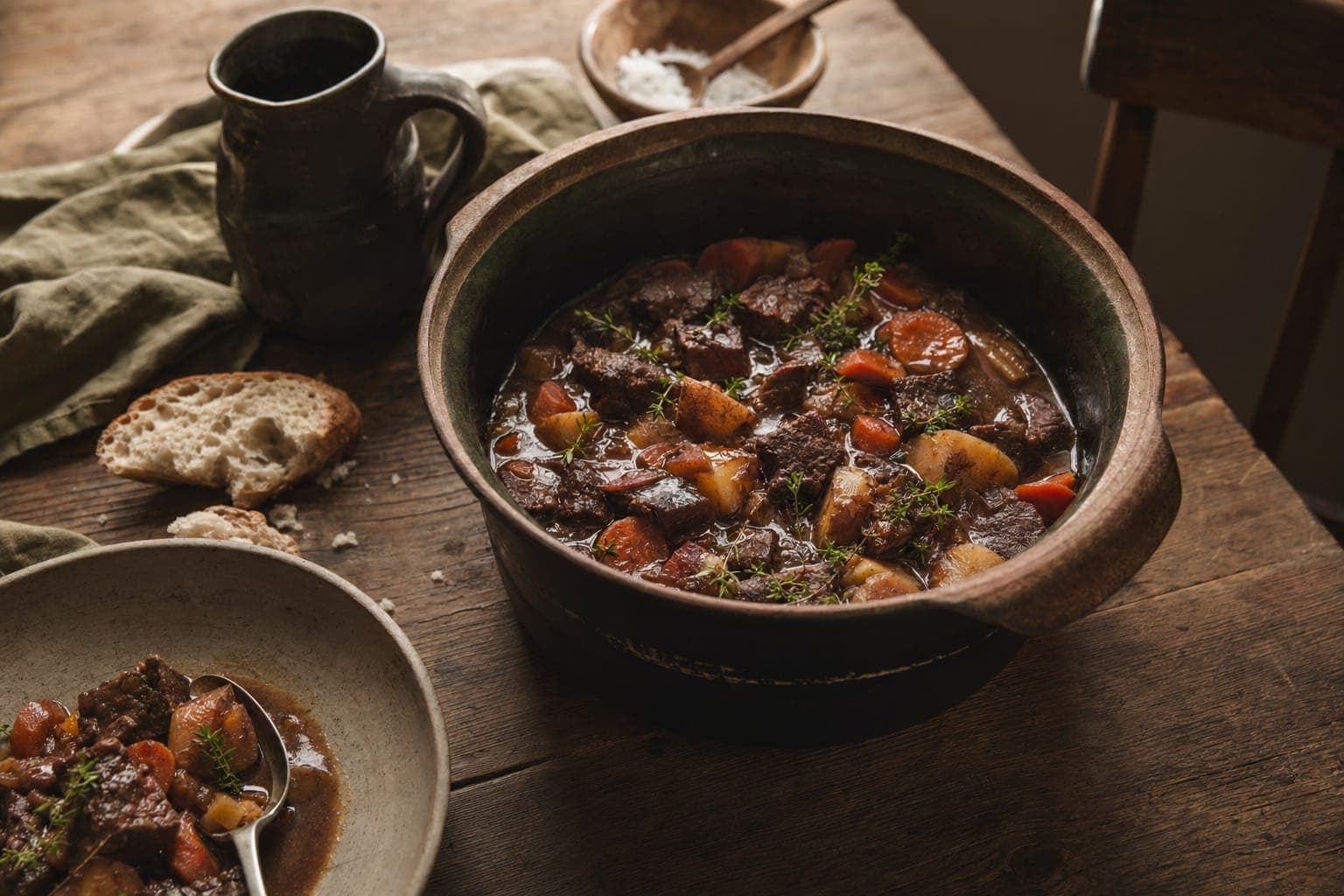
Collagen-Rich Beef Stew: Slow-Cooked Nourishment
Beef stew that delivers collagen from connective tissue and bone broth. Winter comfort food that actually nourishes. Simple slow cooker recipe.
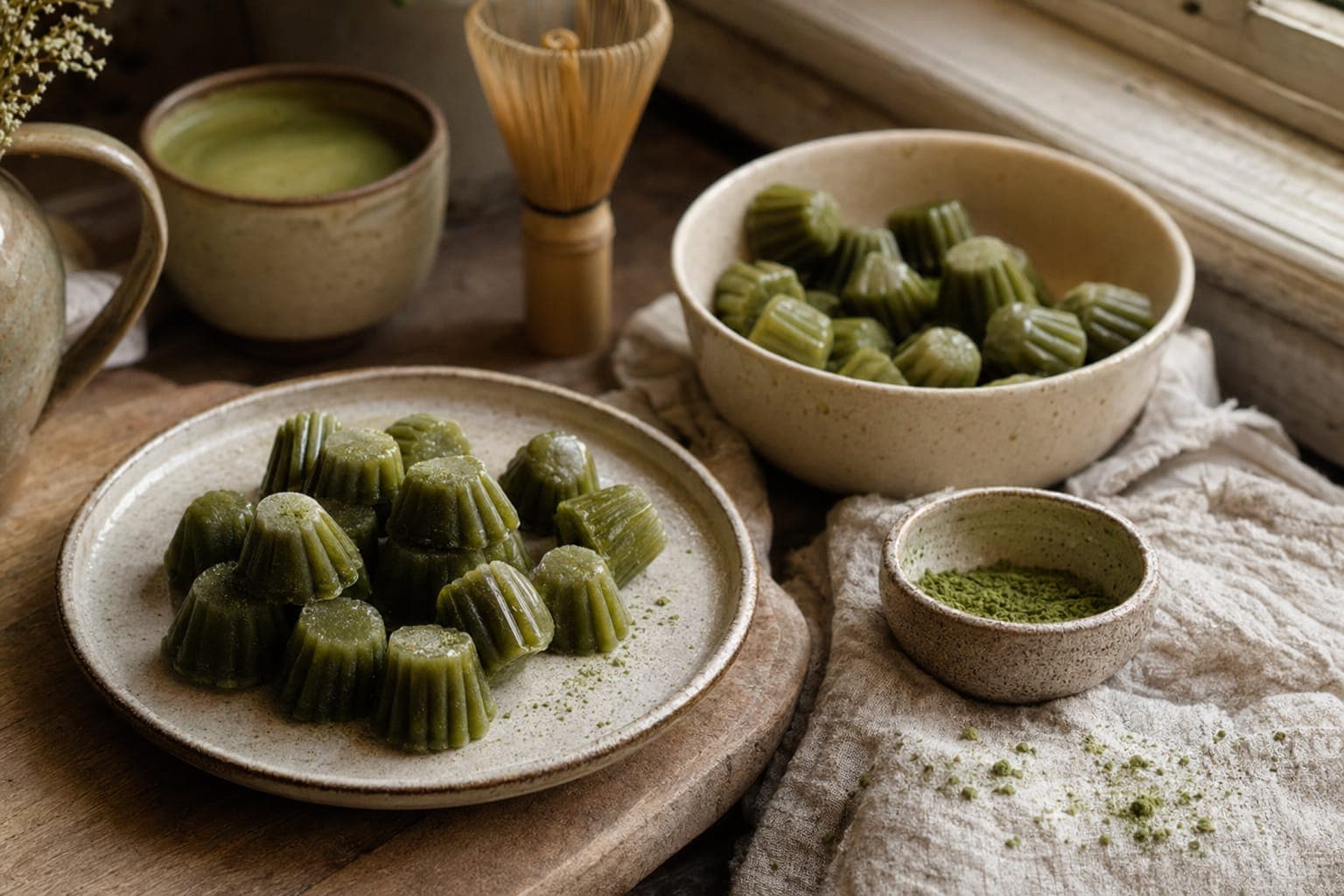
Matcha Latte Gummies with Collagen and Gelatine
Make visually stunning matcha latte gummies infused with collagen and gelatine. Simple recipe for gut-healing sweets you'll actually want to eat.
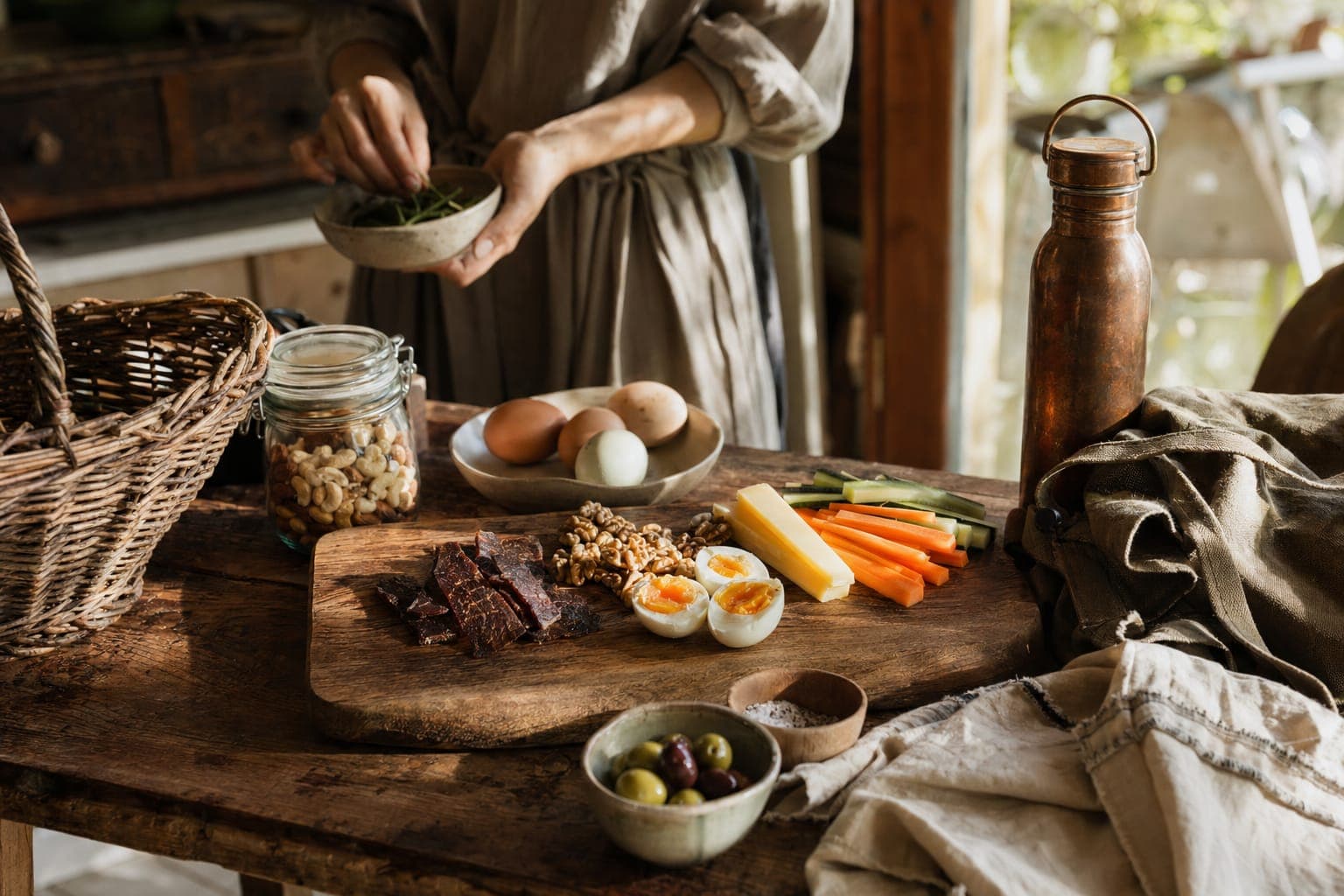
Whole Food Snacks for Busy Days
Practical whole food snacks that travel well and sustain energy. No refined carbs, no seed oils. Real food options for when you're busy.


 Join over 100,000+ members
Build a better food system with us
The Organised community is thousands of people choosing real food and backing the farmers who grow it, all of us trying to leave the world a little better than we found it. If that is what you care about too, you belong here.