Why Prenatal Vitamins Aren't Always Enough
You take your prenatal vitamin every morning and you feel sorted. You're checking the box. Your baby's nutritional needs are covered. Except they're not. Your prenatal vitamin is good at one thing: catching some of the gaps. It's terrible at replacing food.

By Niall Kiddle, Founder, Organised

Reviewed by Pedro Rodrigues, Agronomist (farming and sourcing only) ·
6 min read · Published · Updated · 4 cited sources
Makers of the Organised Daily blend, a grass-fed beef organ supplement from regenerative UK farms
This isn't an argument against prenatal vitamins. It's an argument for understanding what they actually are, what they can and cannot do, and why real food is non-negotiable if you want your baby to develop optimally.
What a prenatal vitamin actually does
A prenatal vitamin is a safety net. It's designed to catch some nutritional deficiencies and prevent the most obvious problems. It covers the bases for a few critical nutrients: folic acid, iron, calcium, some B vitamins.
In that narrowly defined role, it serves a purpose. If you're severely deficient in B12 or folate, a prenatal vitamin can prevent neural tube defects and some neurological damage. If you're anaemic, supplemental iron helps.
But here's what it doesn't do. It doesn't replicate the nutritional density of a diet rich in organ meats, eggs, and grass-fed dairy. It doesn't contain the full spectrum of nutrients your baby's developing brain requires. And it absolutely does not replace food.
A prenatal vitamin is insurance against severe deficiency, not a substitute for eating real, nutrient-dense food throughout pregnancy.
The problem with synthetic forms
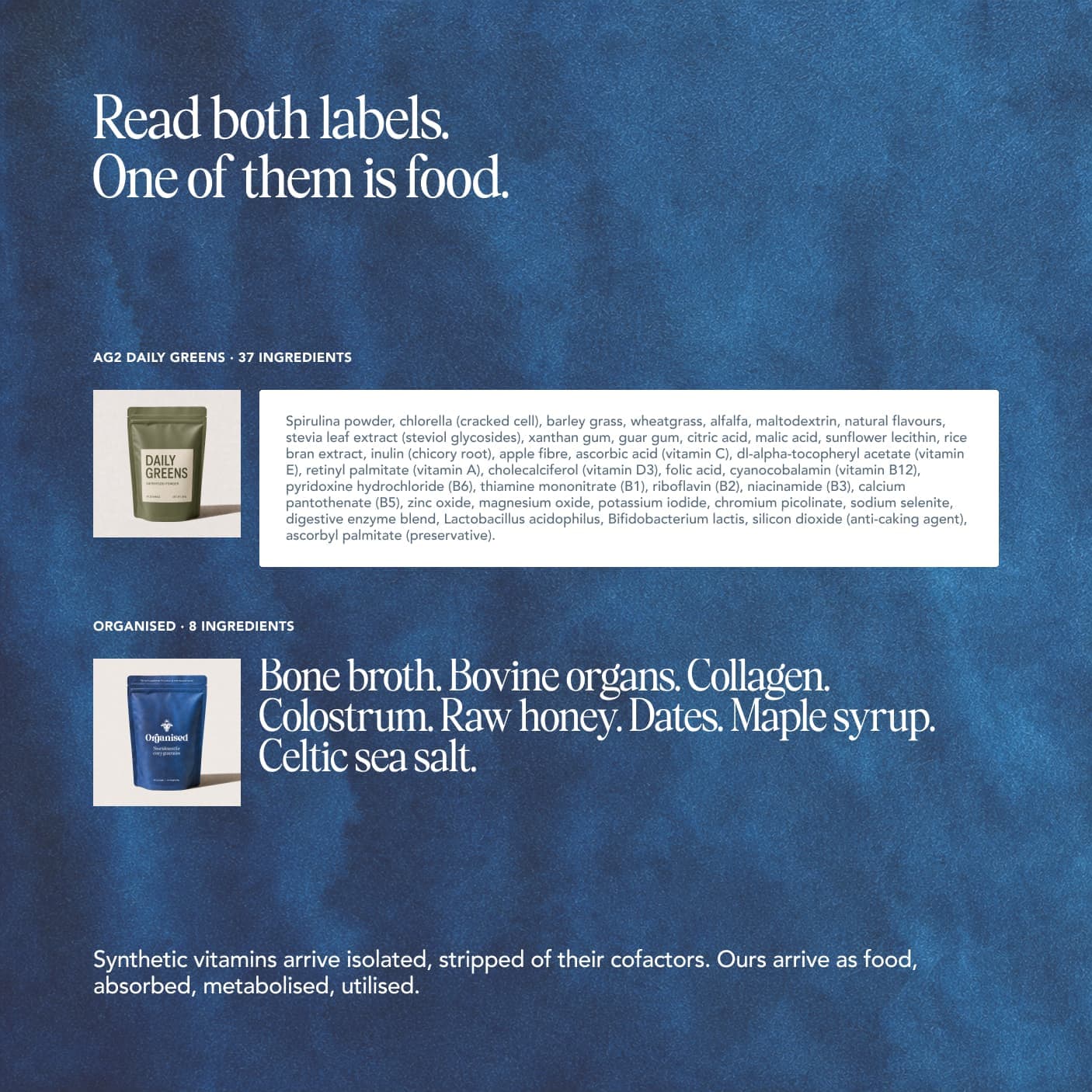
Most prenatal vitamins use synthetic forms of nutrients. Folic acid instead of folate. Cyanocobalamin instead of methylcobalamin.3 These synthetic versions can be used by the body, but they're not identical to the nutrients found in food.
Your body has to convert folic acid into the forms it actually uses. Not everyone's conversion is efficient. Some people have genetic variants that slow or block this conversion. For those people, folic acid supplementation isn't as protective as it should be, but they'd absorb real folate just fine.
The same applies to other synthetic forms. Cyanocobalamin is the cheapest form of B12 to manufacture, so it's what most multivitamins use. It works, but methylcobalamin and adenosylcobalamin are the forms your body actually uses. Real food B12 comes already in these usable forms.
The nutrients prenatal vitamins miss
Most prenatal vitamins don't include choline. Some do, but usually in doses far below the recommended 450 milligrams daily.1 This is a catastrophic oversight. Choline is essential for foetal brain development, and deficiency during pregnancy is linked to poorer cognitive outcomes.
Many prenatal vitamins don't include vitamin K2. K2 is fat-soluble and essential for bone development, brain health, and dental health. Your baby needs it. Food sources are rich in K2. Supplements rarely are.
Most prenatal vitamins include DHA, but in doses often much smaller than optimal. The dose matters. A tiny amount isn't the same as the amount your baby's brain actually needs.
Vitamin D is often included, but in a form that varies in how well your body absorbs it. Iodine is sometimes included, but in doses that may be insufficient if you're not also getting iodine from food. Selenium is often missing entirely.
Choline: the absent nutrient
Choline is the clearest example of what prenatal vitamins miss. Your baby's brain needs choline to form cell membranes, myelin, and neurotransmitters. The developing foetus accumulates choline rapidly, especially in the third trimester.
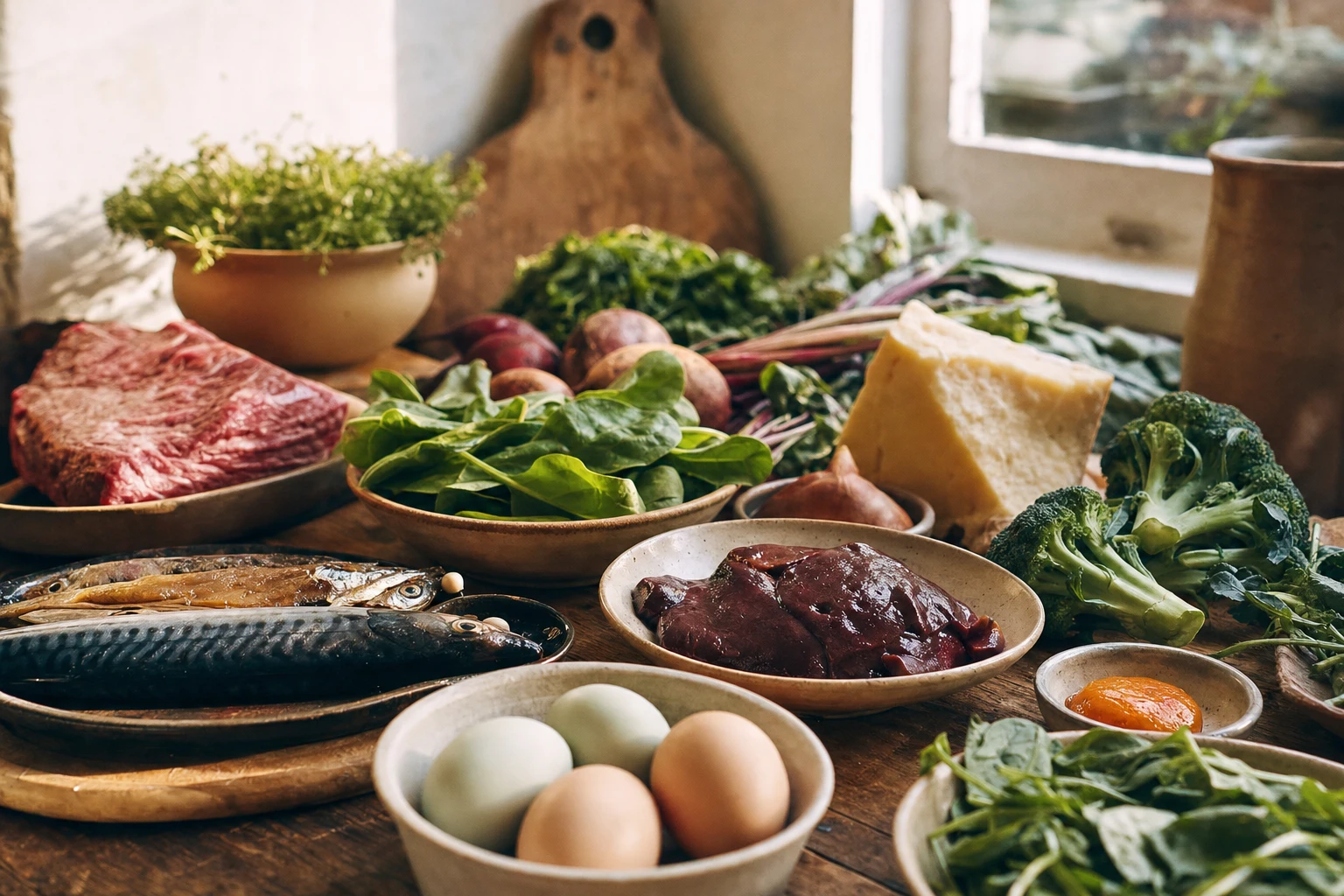
If you're relying on a prenatal vitamin for choline, you're almost certainly not getting enough. The richest food sources are organ meats, egg yolks, and bone broth. A single egg yolk contains 140 milligrams of choline. 100 grams of beef liver contains 400 milligrams.1 Most prenatal vitamins contain either zero choline or 25 to 50 milligrams.
This matters enormously. Choline supplementation during pregnancy is associated with better memory, faster processing speed, and stronger attention in the child.4 Deficiency is linked to the opposite. Your prenatal vitamin is not protecting your baby here.
If your prenatal vitamin doesn't list choline, and you're not eating eggs and liver regularly, your baby is choline-deficient right now.
Vitamin K2: fat-soluble and forgotten
K2 is synthesised by bacteria in your gut and found in fermented foods and foods from grass-fed animals.2 Your baby needs K2 for bone mineralisation and brain development. It's especially important during the third trimester, when foetal bones are mineralising rapidly.
Prenatal vitamins don't include K2. They might include K1, which is the form found in leafy greens and used in clotting. K2 is completely different. You get K2 from fermented dairy like aged cheeses and natto, from grass-fed butter, from the organs of grass-fed animals.
If you're eating conventionally farmed meat and dairy, your K2 intake is likely low. If you're not eating any fermented foods, it's lower still. Your prenatal vitamin isn't covering this gap.
Get life-stage nutrition guides, free
Two short reads a week on eating well through pregnancy, childhood and older age.
By signing up you agree to receive emails from us. No spam, unsubscribe anytime.
Why the other nutrients fall short
Even nutrients that prenatal vitamins do include often come in insufficient doses or in forms that are poorly absorbed compared to food sources. Iron from a supplement isn't absorbed as well as heme iron from meat. Calcium from a supplement is harder to absorb than calcium from dairy, especially when paired with the fat and vitamin D found in full-fat milk.
Vitamin D from supplements can be useful, but the dose varies, and your body absorbs and activates D better when it comes with fat-soluble vitamins like A and K2, which are found together naturally in foods like butter and liver but rarely in supplements.
The reality is that food is a system. Nutrients work together. Folate works better with B12 and B6. Iron absorbs better with vitamin C. Minerals are absorbed better in the presence of fat and adequate stomach acid. A prenatal vitamin gives you isolated nutrients. Food gives you a system.

What your baby actually needs
Your baby needs a diet rich in organ meats, eggs, grass-fed dairy, fatty fish, bone broth, and leafy greens. Your baby needs the full spectrum of fat-soluble vitamins, all the B vitamins, minerals like iodine and selenium, choline, and healthy fats.
A prenatal vitamin can supplement this diet. It's a safety net. But it's a mistake to think a vitamin can replace the nutritional work that real food does. The synthetic forms, the missing nutrients, the inadequate doses, the lack of cofactors that make absorption efficient, the absence of the full spectrum of compounds that food provides, these add up.
Take your prenatal vitamin if you want. It won't hurt. But build your pregnancy diet around whole foods, and your baby will be far better nourished than any vitamin can make them. Your baby's brain doesn't develop on vitamin pills. It develops on the nutrients in the food you eat, three times a day, throughout pregnancy.
A prenatal vitamin supports a nutrient-dense diet. It never replaces one. Your baby's nutrition comes from what you eat, not from what you swallow once a day in capsule form.
This shift in thinking changes what you eat during pregnancy. You stop thinking about supplementing your way to nutrition and start thinking about feeding your baby properly through food. That's the real difference.
1 of 9
Daily blend
100,000+ thriving families4.9 on Trustpilot
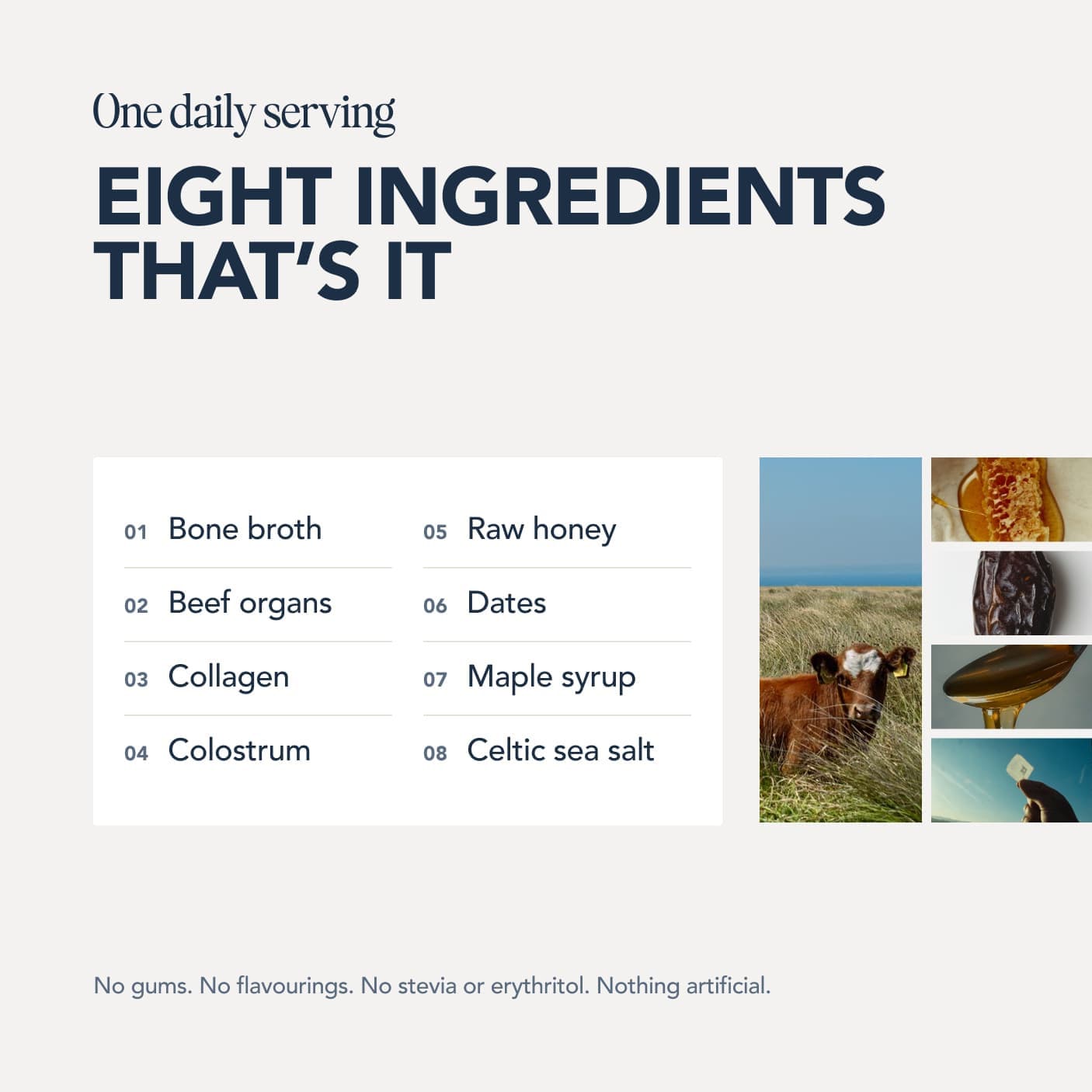
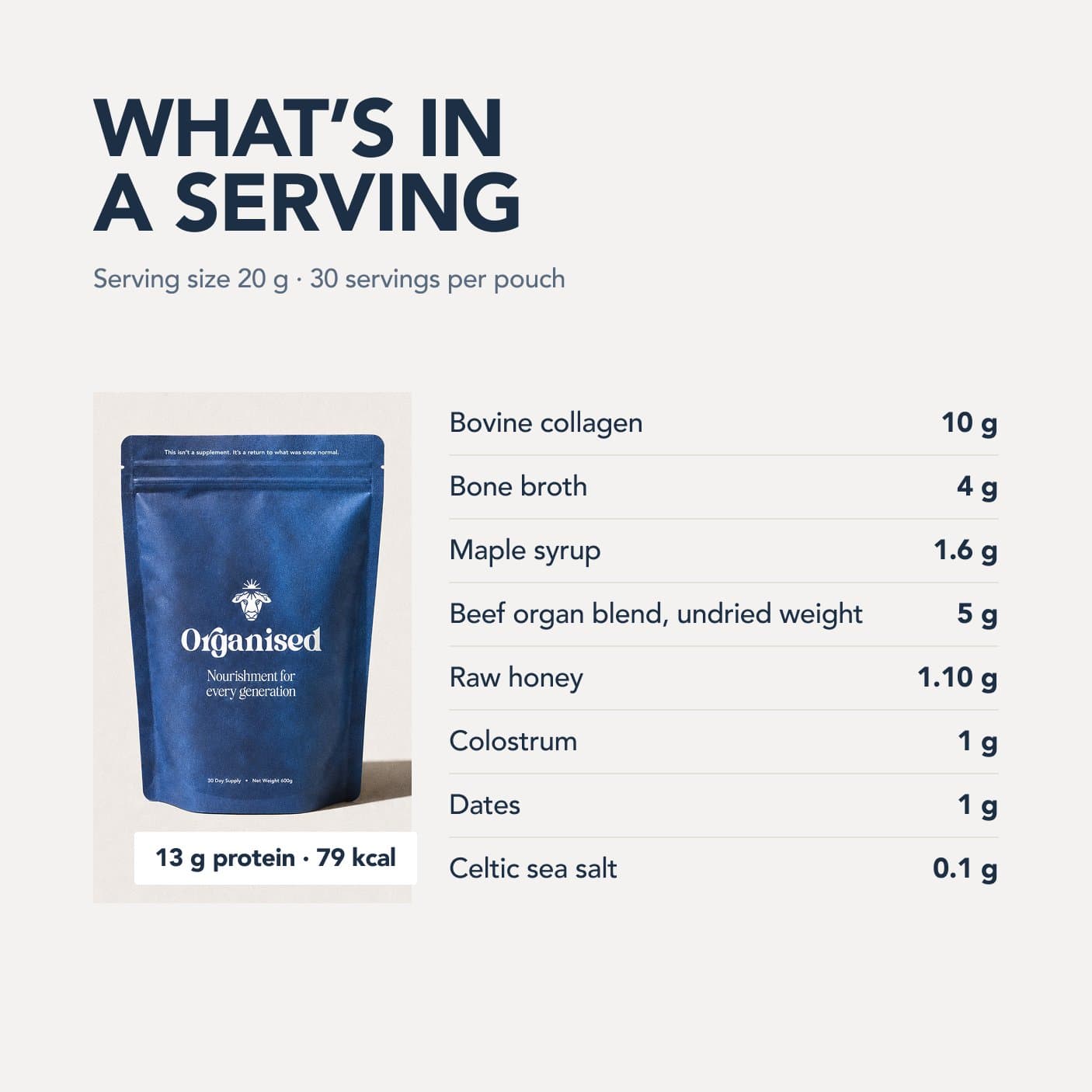
Eight real ingredients built around grass-fed beef organs, collagen and colostrum. Nothing synthetic added.
Free with your first order, worth £38. Plus £10 off the pouch with a subscription.


Free UK shipping · Made in England · 100 day money back guarantee on your first pouch · Skip, pause or cancel anytime
What whole food provides that supplements cannot
Whole foods arrive bundled with synergistic compounds. Liver provides B12 alongside folate, B6, iron, copper, and dozens of other nutrients that work together to support your baby's development. A prenatal vitamin provides isolated nutrients that arrived in a capsule.
The bioavailability difference matters. B12 from liver is immediately available. B12 from a supplement must be absorbed through your digestive system, which may or may not work efficiently. Folate from leafy greens arrives with fibre and minerals that enhance its absorption. Synthetic folic acid is a lone compound.
This isn't to say supplements have no role. For documented deficiencies, they're essential. But the foundation of pregnancy nutrition must be food. Your baby thrives on the nutrient density food provides, not on the insurance policy a vitamin provides.
ReferencesEvery source below was checked on 27 August 2026. Each PubMed, PMC and DOI identifier was resolved against NCBI or Crossref, and what it opens is printed under the citation, so you can see the link goes where the citation says without leaving the page. Where a citation and its identifier disagreed, the citation was corrected to the record or the reference was deleted along with the sentence marker that pointed at it, and where the resolved paper turned out not to support the sentence, the sentence was cut back to what it does support. Borrowed authority is worse than none, because it looks like rigour.
- National Institutes of Health, Office of Dietary Supplements. Choline: Fact Sheet for Health Professionals. https://ods.od.nih.gov/factsheets/Choline-HealthProfessional/ [accessed May 2026].
- National Institutes of Health, Office of Dietary Supplements. Vitamin K: Fact Sheet for Health Professionals. https://ods.od.nih.gov/factsheets/VitaminK-HealthProfessional/ [accessed May 2026].
- Centers for Disease Control and Prevention. MTHFR gene variant and folic acid facts. https://www.cdc.gov/folic-acid/data-research/mthfr/index.html [accessed May 2026].
- Caudill MA, Strupp BJ, Muscalu L, Nevins JEH, Canfield RL. Maternal choline supplementation during the third trimester of pregnancy improves infant information processing speed: a randomized, double-blind, controlled feeding study. FASEB Journal. 2018;32(4):2172-2180. https://pubmed.ncbi.nlm.nih.gov/29217669/Checked 27 August 2026: PMID 29217669 opens Caudill MA, Strupp BJ, Muscalu L et al, Maternal choline supplementation during the third trimester of pregnancy improves infant information processing speed: a randomized, double-blind, controlled feeding study. FASEB J 2018;32(4):2172-2180. PubMed indexes it as: Randomized Controlled Trial.The authors' own declaration, from the record: The authors thank the women participants for their extraordinary cooperation and compliance with the controlled feeding trial and for making their infants available for this neurobehavioral follow-up study. This work was funded, in part, by the Egg Nutrition Center, The Beef Checkoff, the U.S. Department of Agriculture (USDA) Cooperative State Research, Education, and Extension Service (special research Grant … (abridged; the full declaration is on the record)
Corrections
What this page used to say, and why it no longer says it. Corrections are dated and are never removed, because deleting the record of an error is a second error. Every guide we have corrected is listed at our corrections log.
- 27 August 2026. “Choline supplementation during pregnancy is associated with better memory, faster processing speed, and stronger attention in the child” named three outcomes where the cited trial found one. Caudill et al. randomised 26 women and tested 24 infants: mean reaction time was significantly faster, visuospatial memory was tested with no benefit reported, and attention was never measured. The page now reports the trial's size and its actual result, and says that choline dosing in pregnancy is a question for a midwife or doctor.
Who wrote and reviewed this guide
Niall Kiddle
Author · Founder, Organised
Niall is the founder of Organised. He started the company in 2024 after fixing his own health the slow way: in 2022 he swapped a cupboard of synthetic supplements for real food, raw milk, organ meats, bone broth and honey, and felt the difference within months.
Areas of expertise: Ancestral nutrition, Organ meats, Whole-food supplementation, Gut health, Regenerative sourcing
Read Niall's full profile
Pedro Rodrigues
Reviewer · Agronomist (farming and sourcing only)
Pedro is the agronomist Organised works with on farming and sourcing. His job on the guides is to keep the science honest: he reviews what we publish about soil health, regenerative agriculture, grazing and the way food is actually produced.
Areas of expertise: Regenerative agriculture, Agronomy, Soil health, Grass-fed farming, Food sourcing
Reviewed this guide on
Read Pedro's full profileMore on pregnancy & postpartum
View all- Nourishing Pregnancy with Whole Food Nutrition
- Postpartum Recovery Nutrition: Rebuilding After Birth
- Beef Organ Supplements and Pregnancy: Understanding Vitamin A Safety
- Breastfeeding and Nutrition: What to Eat to Nourish Two
- Folate vs Folic Acid: Why the Form Matters in Pregnancy
- Gestational Diabetes and Nutrition: What Helps and What Doesn't
- Iron Needs During Pregnancy: Why Heme Iron Makes a Difference
- Morning Sickness and Nutrition: What Helps and What Makes It Worse
- Pregnancy Nutrition on Reddit: What Real Mums Recommend vs the Evidence
- Pregnancy Prep: Nutritional Foundations to Lay Before Conceiving
- Rebuilding Your Iron Stores After Birth
- The Best Foods to Eat in Each Trimester
Browse the guides library
All guidesKeep reading
Life stage
Joint Pain After 50: A Nutritional Approach
Joint pain responds to collagen, glycine, omega-3s, vitamin D, and curcumin. These nutrients rebuild cartilage and reduce inflammation systemically.
Life stage
How Organ Meats Improve Recovery Between Training Sessions
Organ meats are packed with nutrients muscle recovery relies on. See why beef liver earns a place in many athletes' diets between training sessions.
Life stage
Why Whole Food Beats Synthetic Sports Nutrition
Isolated supplements lack cofactors real athletes need. Discover why whole food outperforms synthetic sports nutrition for lasting performance.
Real food, made effortless
Find my daily blendA few ways to use it
All recipes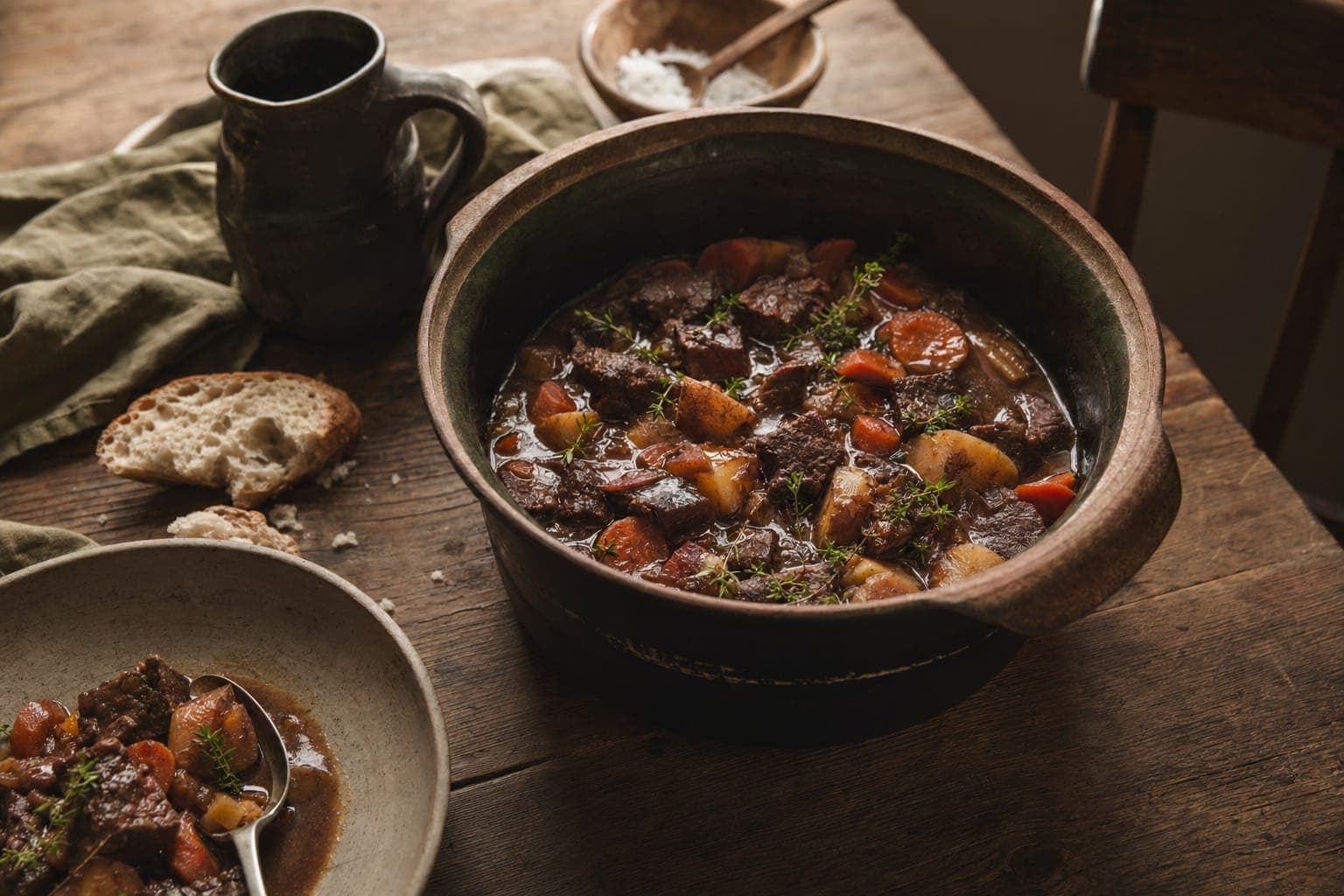
Collagen-Rich Beef Stew: Slow-Cooked Nourishment
Beef stew that delivers collagen from connective tissue and bone broth. Winter comfort food that actually nourishes. Simple slow cooker recipe.
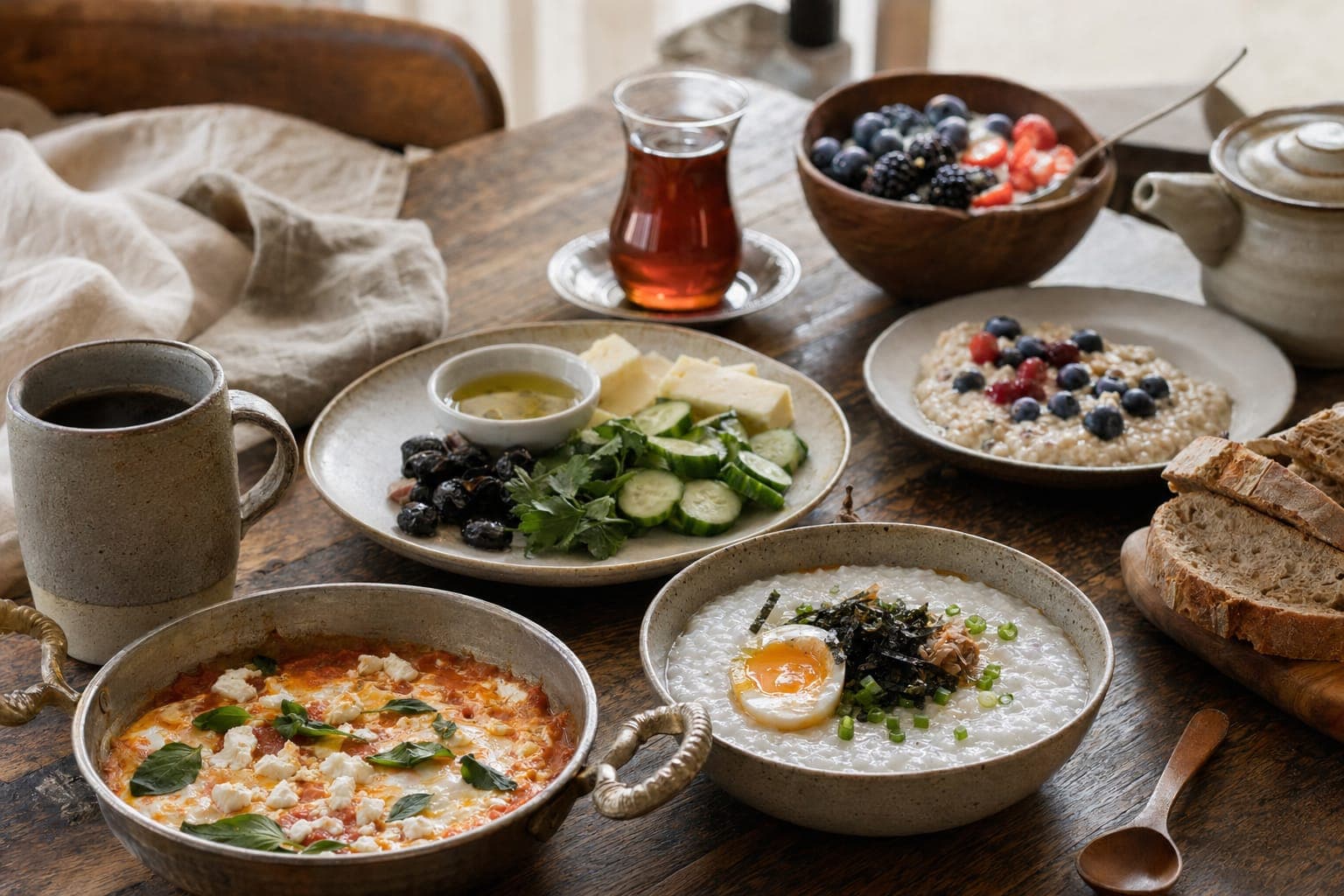
Ancestral Breakfast Ideas from Around the World
Traditional breakfast recipes from cultures that got nutrition right. Japanese, Turkish, Scottish, and more. Whole-food breakfast inspiration.
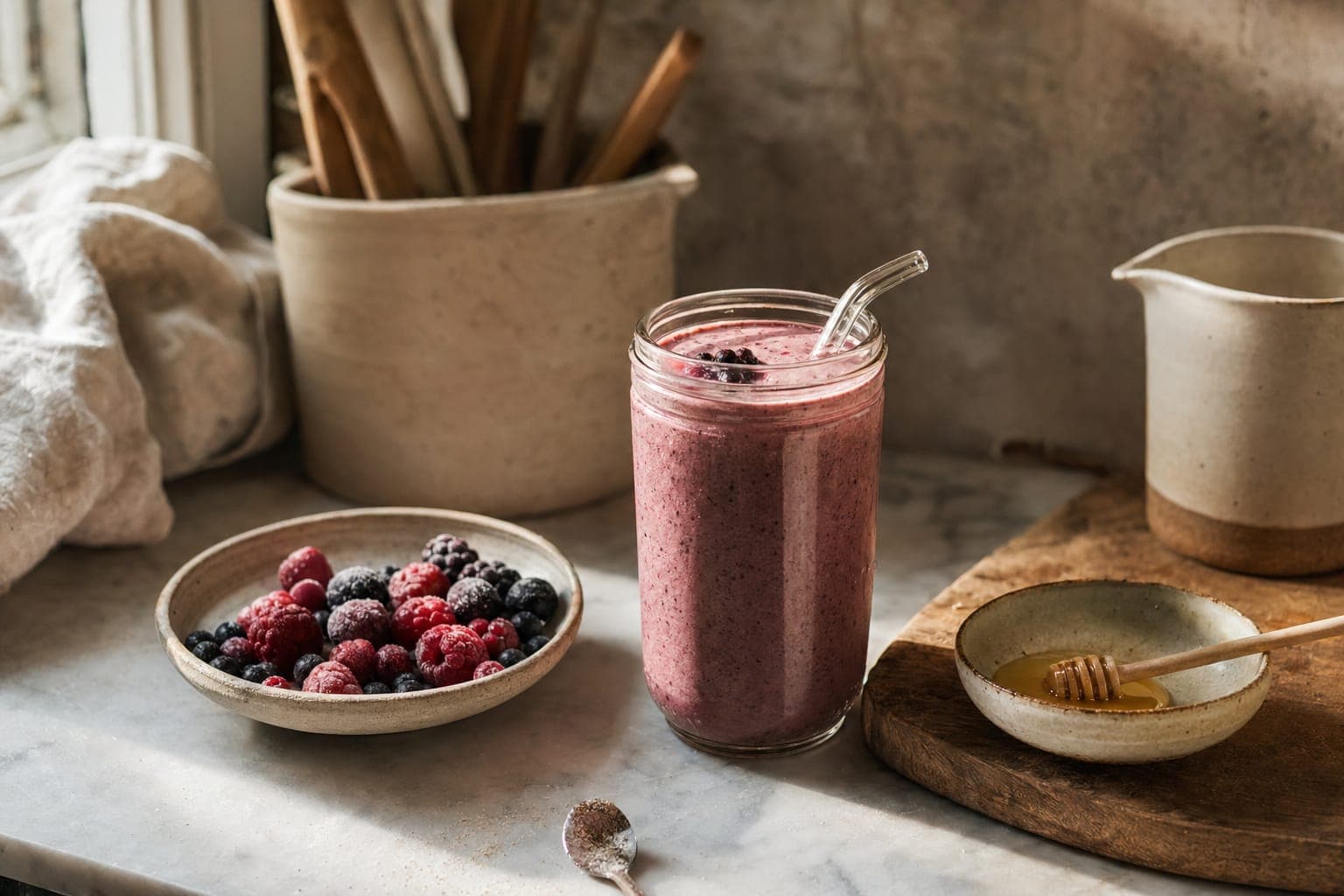
The Organised Recovery Smoothie for After Exercise
A recovery smoothie made with beef protein, raw milk, frozen berries, collagen, and honey. Optimal nutrition in the 30-minute window after exercise.


 Join over 100,000+ members
Build a better food system with us
The Organised community is thousands of people choosing real food and backing the farmers who grow it, all of us trying to leave the world a little better than we found it. If that is what you care about too, you belong here.