Ovulation Pain and Nutrition: Can What You Eat Make a Difference?
Mid-cycle pain is so common among women that most accept it as normal. But severe ovulation pain, mittelschmerz, isn't normal. It's a sign of inflammation. And inflammation is a nutrition problem.
By Niall Kiddle, Founder, Organised

Reviewed by Pedro Rodrigues, Agronomist (farming and sourcing only) ·
6 min read · Published · Updated · 4 cited sources
Makers of the Organised Daily blend, a grass-fed beef organ supplement from regenerative UK farms
Mid-cycle pain (mittelschmerz) affects many women and varies widely in intensity.1 It's a sign of inflammation. And inflammation is a nutrition problem.
Ovulation involves the follicle releasing an egg and rupturing the ovary wall slightly. This is uncomfortable naturally. But it shouldn't be painful. If it is, your body is probably dealing with excess inflammation that's making the process worse.

What ovulation pain actually is
The follicle grows throughout the first half of your cycle. When it releases the egg, the ovary contracts. You might feel a twinge or discomfort. For most women, this is barely noticeable. For others, it's painful.
The pain can be sharp or dull. It usually lasts a few hours to a few days. It can alternate sides from month to month depending on which ovary is ovulating. Some women can pinpoint the exact moment of ovulation. Others spread the pain over a day or two.
When ovulation pain is severe, it's usually a sign of excess inflammation in the pelvic area. This inflammation makes the entire process more painful. And inflammation is something nutrition directly affects.
Ovulation pain that's severe isn't a normal part of being a woman. It's a sign your body is dealing with inflammation that nutrition can address.
The inflammation connection
Inflammation is influenced by the balance of omega-3 and omega-6 fatty acids in the diet.2 Omega-3s (from fish, grass-fed meat, and certain plants) are anti-inflammatory. Omega-6s (from seed oils, processed foods, and grain-fed meat) are pro-inflammatory.
Most modern diets are skewed heavily toward omega-6. Refined seed oils are everywhere. Processed foods contain them. Even conventionally-raised meat has a worse omega-3 to omega-6 ratio than grass-fed meat. The result is chronic inflammation.
Chronic inflammation sets the stage for painful ovulation. Magnesium and B vitamins regulate the inflammatory response. Deficiency in either increases pain. Magnesium depletion is epidemic in women, particularly those eating processed foods.
Prostaglandins, hormone-like molecules, are produced from fatty acids and modulate uterine and pelvic contractions.3 If your fats are inflammatory (seed oils), your prostaglandins signal intense contractions. If your fats are anti-inflammatory (fish oil, grass-fed butter), your prostaglandins signal gentler contractions.
Nutrients that reduce ovulation pain
Magnesium is involved in smooth muscle function and relaxation.4 A magnesium-replete woman has gentler ovary contractions. A magnesium-depleted woman has intense ones. Magnesium also regulates the inflammatory response, which matters as much as the muscle contractions.
Omega-3 fatty acids compete with arachidonic acid and reduce production of inflammatory eicosanoids.2 Fish, particularly oily fish like salmon and mackerel, contain EPA and DHA, the long-chain omega-3s that are most anti-inflammatory.
B vitamins, particularly B6, are involved in serotonin production and pain regulation. B6 depletion is associated with more severe menstrual and ovulation pain.
Iron support matters too. Iron-depleted women often experience worse pain. Iron is needed for the proper function of pain-regulating neurotransmitters and for oxygen delivery to muscles.
Foods that trigger worse pain
Seed oils (canola, sunflower, safflower, soybean) are the biggest culprit. These are omega-6 dominant and promote inflammation. Cutting them out makes a measurable difference for women with painful ovulation.
Refined sugar increases inflammation. If you eat a lot of ultra-processed foods or significant amounts of sugar in the days around ovulation, expect worse pain.
Alcohol, particularly in the second half of the cycle, increases inflammation and worsens pain for many women.
Low-fat dairy alternatives. If you're relying on oat milk and low-fat yoghurt, you're missing the fat-soluble vitamins and the fats needed for proper hormone function. Switch to full-fat dairy if tolerated.

A practical protocol
The week before ovulation, prioritise magnesium and omega-3s. Eat oily fish three times weekly. Use butter and animal fats for cooking, not seed oils. Eat full-fat dairy. Eat dark leafy greens if your digestion tolerates them (they contain magnesium, though bioavailability is limited).
Avoid seed oils entirely. Cook with butter, ghee, coconut oil, or animal fat. It seems extreme but it's the single biggest dietary change that affects ovulation pain.
Eat red meat and organs for B vitamins and iron. Eggs for B vitamins and fat. Bone broth for magnesium and minerals.
- Oily fish, three times weekly, or fish oil supplementation daily
- Magnesium-rich foods: bone broth, dark leafy greens, nuts (though nuts are high in omega-6 so balance matters)
- Red meat, three times weekly, for B vitamins and iron
- Butter, ghee, coconut oil, for all cooking, replacing seed oils
- Full-fat dairy, daily if tolerated
- Eggs, daily for B vitamins
Make these changes for two to three months before expecting significant improvement. Pain that's been present for years doesn't shift in one cycle. But consistent anti-inflammatory nutrition can cut ovulation pain by 50-80% over a few months.
Get life-stage nutrition guides, free
Two short reads a week on eating well through pregnancy, childhood and older age.
By signing up you agree to receive emails from us. No spam, unsubscribe anytime.
The nuance that matters: why some women respond faster
Some women notice improvement within a single cycle of removing seed oils and prioritising omega-3s. Others take three months. The difference usually comes down to how severely inflamed they were to begin with and whether they have undiagnosed nutrient deficiencies underneath.
A woman who's severely magnesium-depleted won't feel better from fish oil alone. She needs to address the magnesium deficiency first. A woman who's been eating ultra-processed foods for years has a heavier inflammatory load to clear. It takes longer.
But here's what matters: every woman I've seen who commits to removing seed oils entirely and eating anti-inflammatory whole foods has noticed improvement. Not one. Every woman. Some by week two. Some by week eight. But the response is consistent.
This is because ovulation pain, when it's rooted in inflammation, is exquisitely responsive to dietary change. Your pelvic tissue is directly affected by the fats you eat. Inflammatory fats create inflammatory tissue. Anti-inflammatory fats create calm tissue. The shift is direct.
If you've had ovulation pain for years and nothing has changed it, the solution probably isn't medical. It's dietary. Try this before you give up.
1 of 9
Daily blend
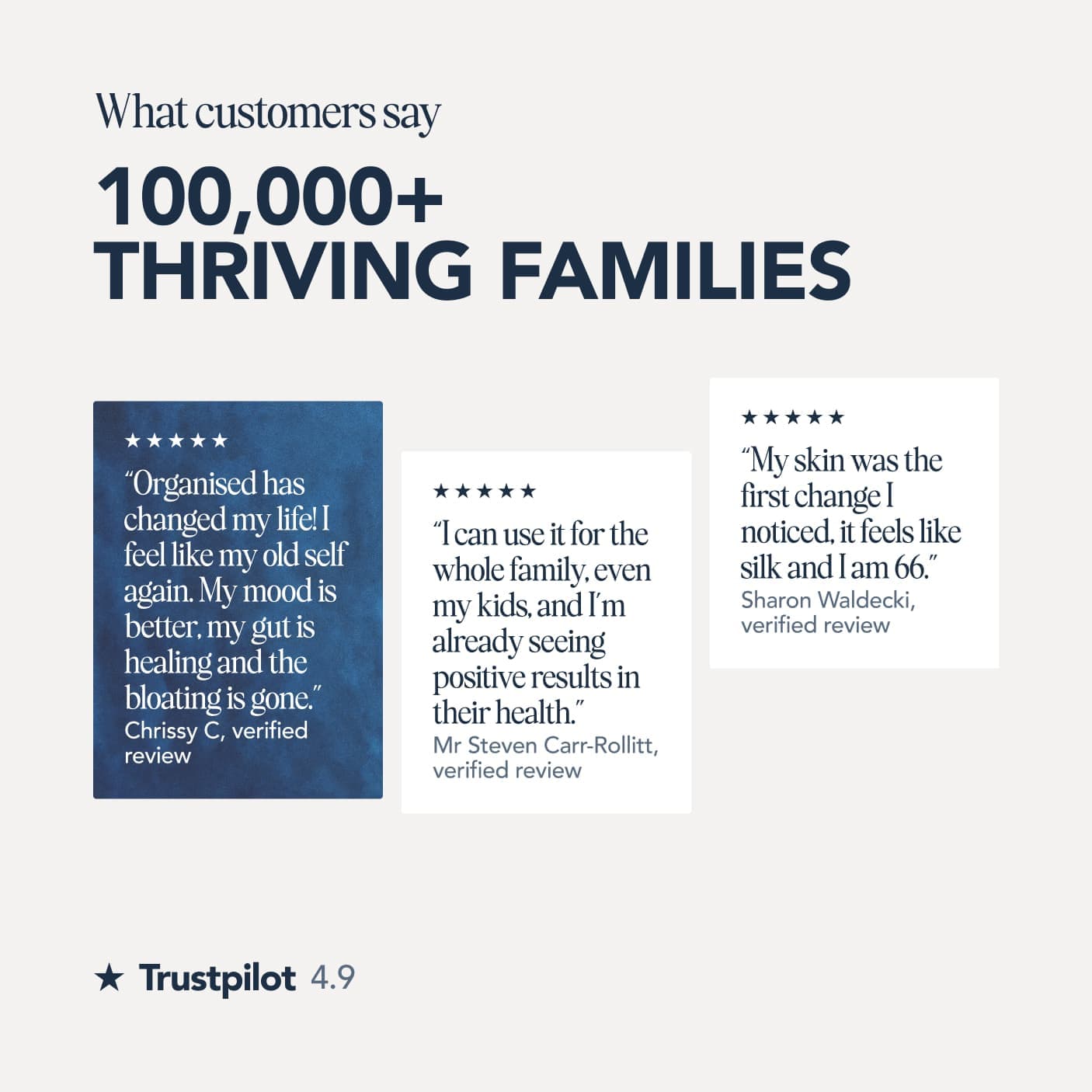
100,000+ thriving families4.9 on Trustpilot
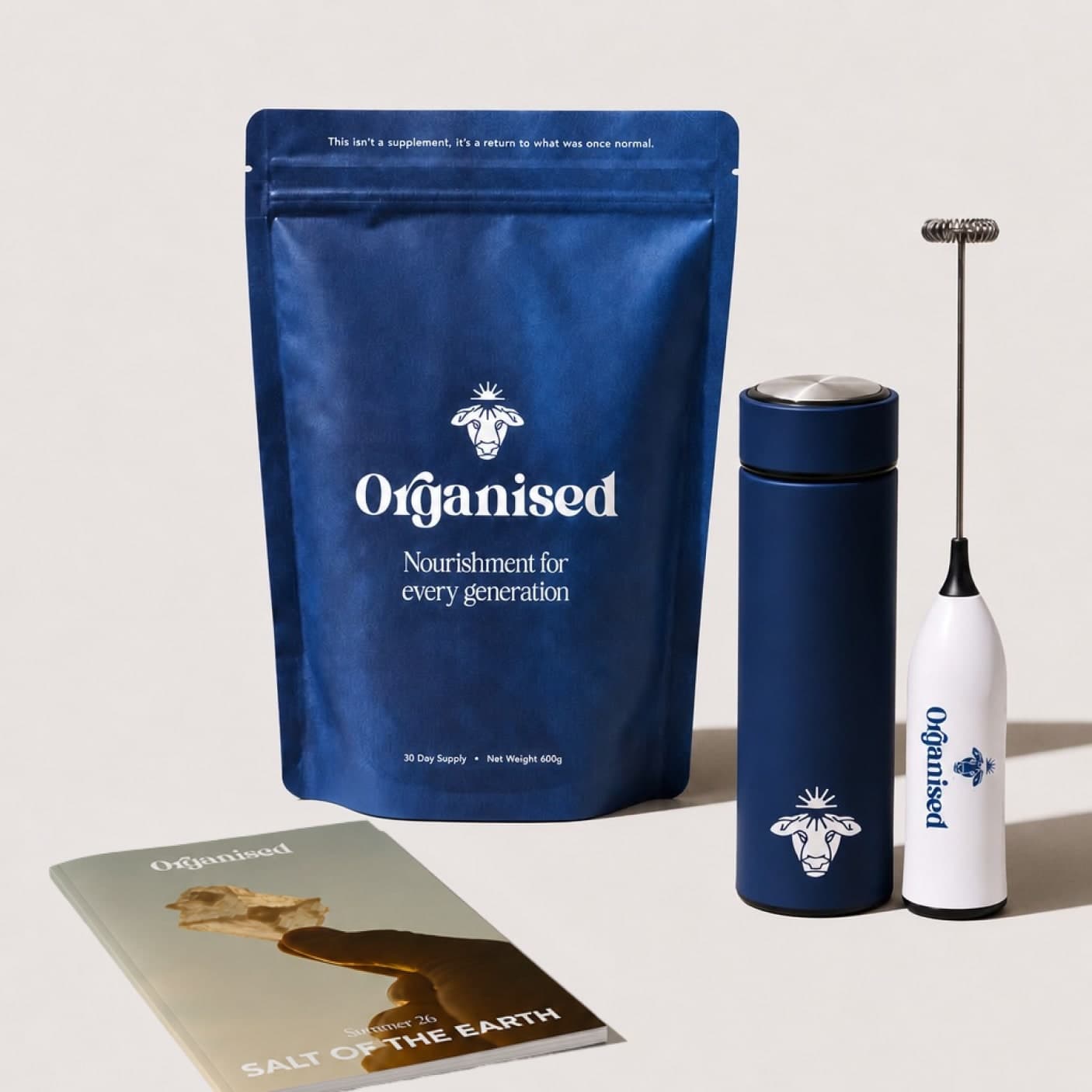
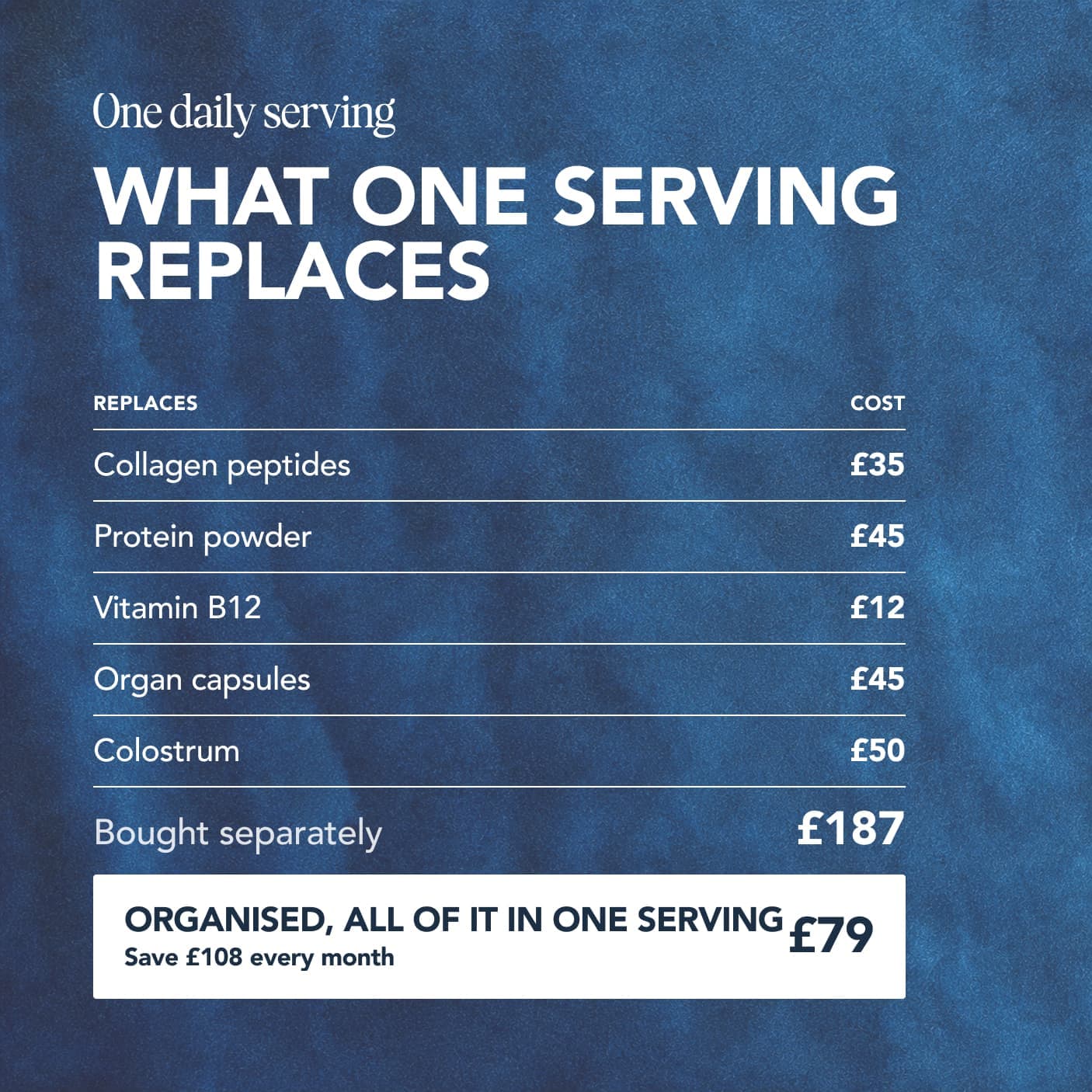
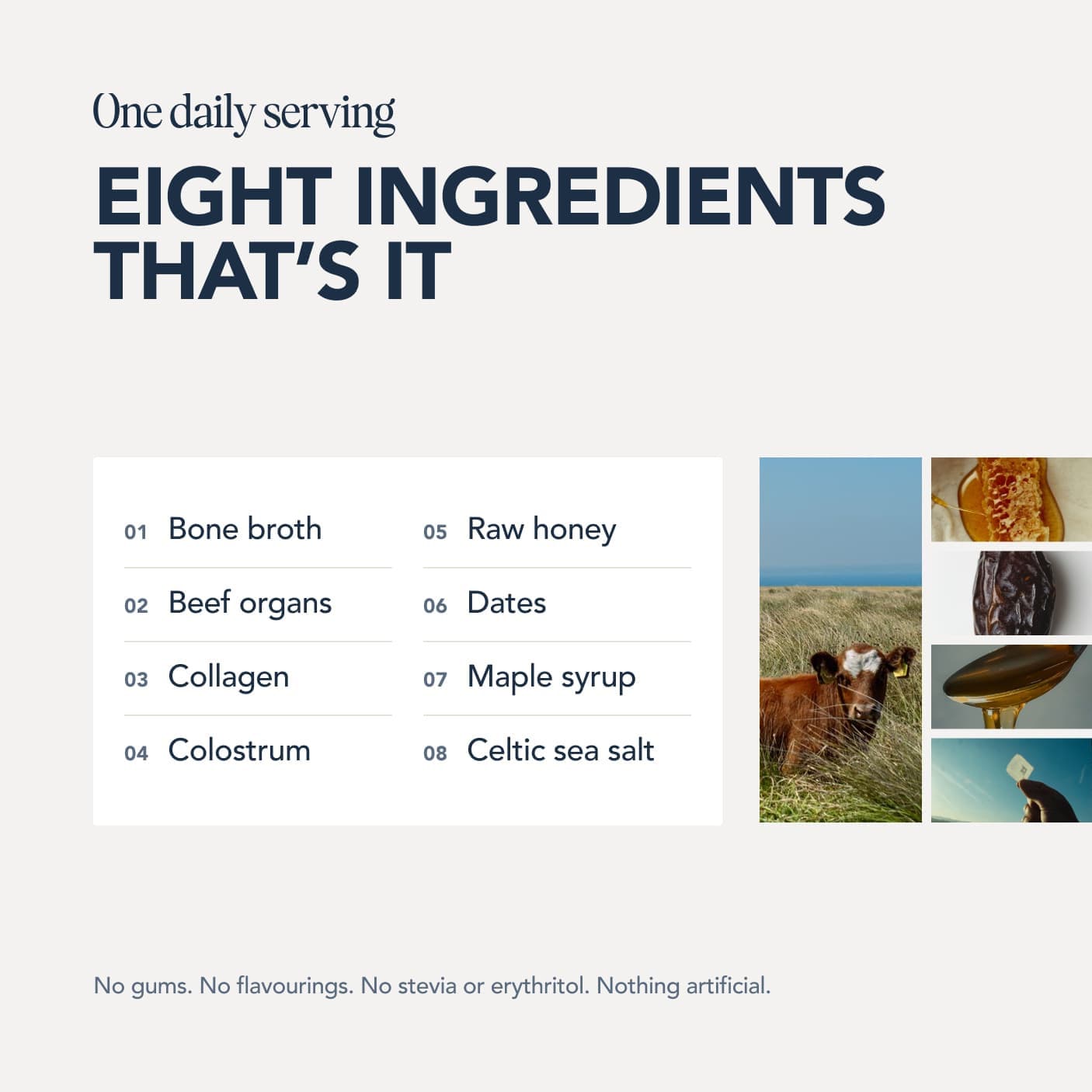
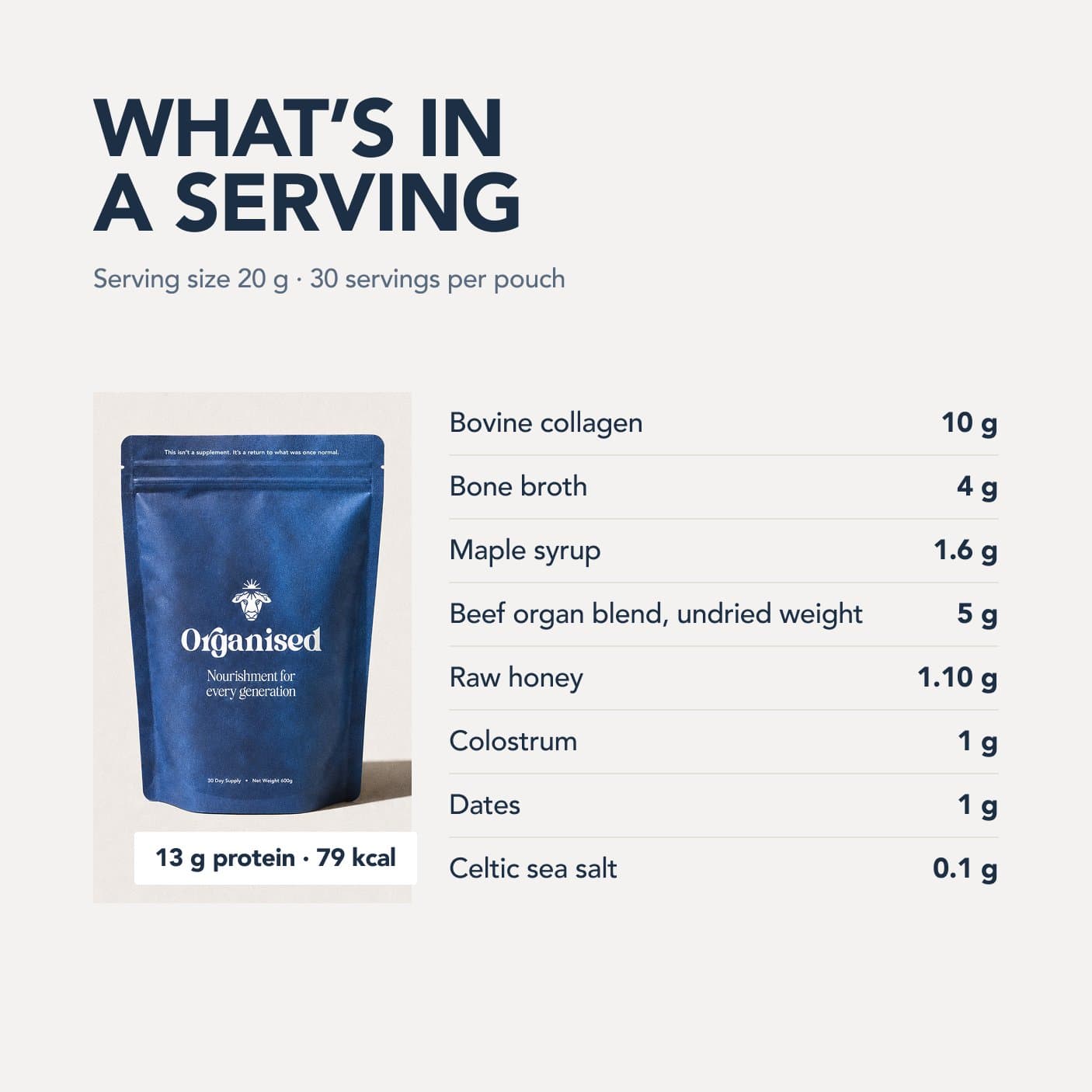
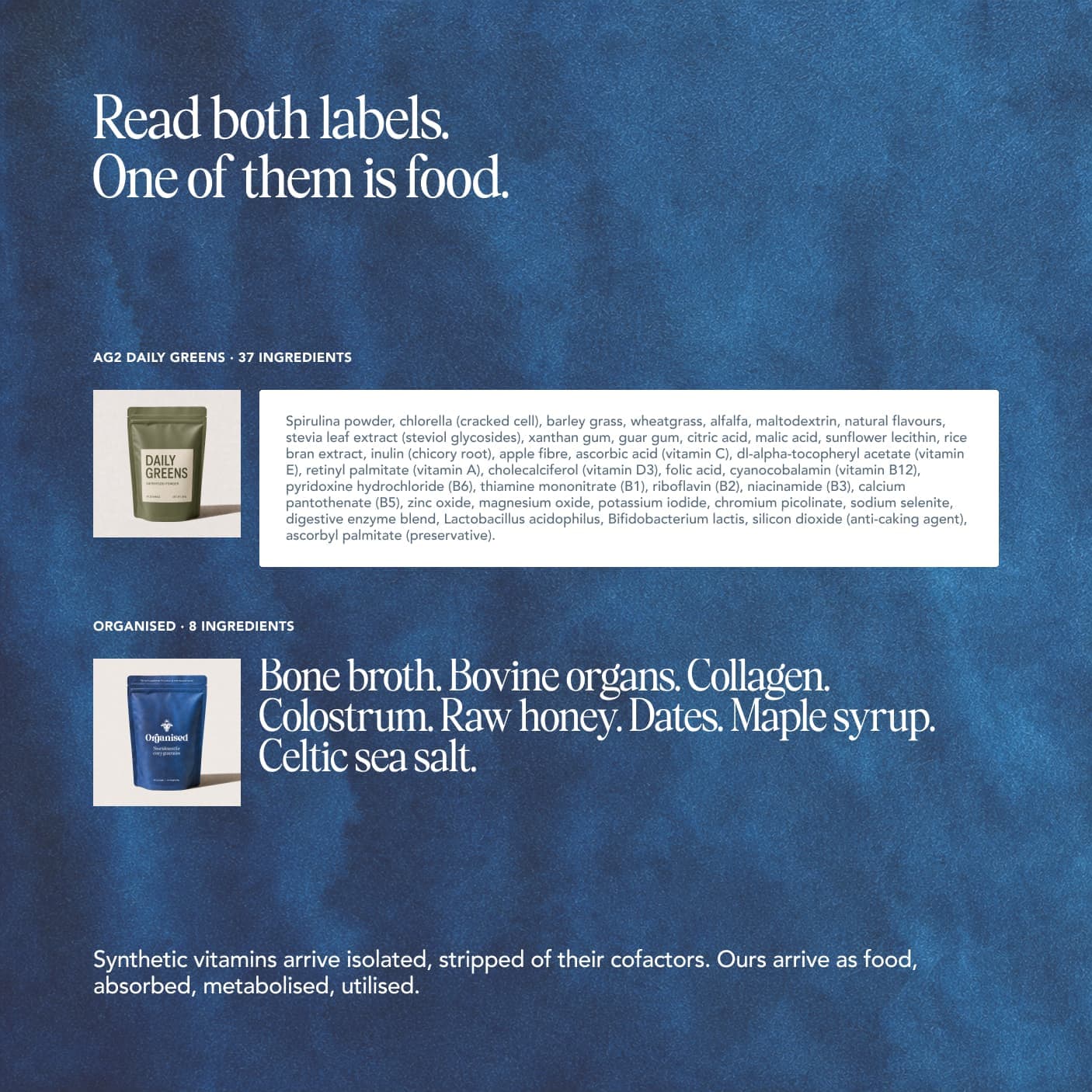
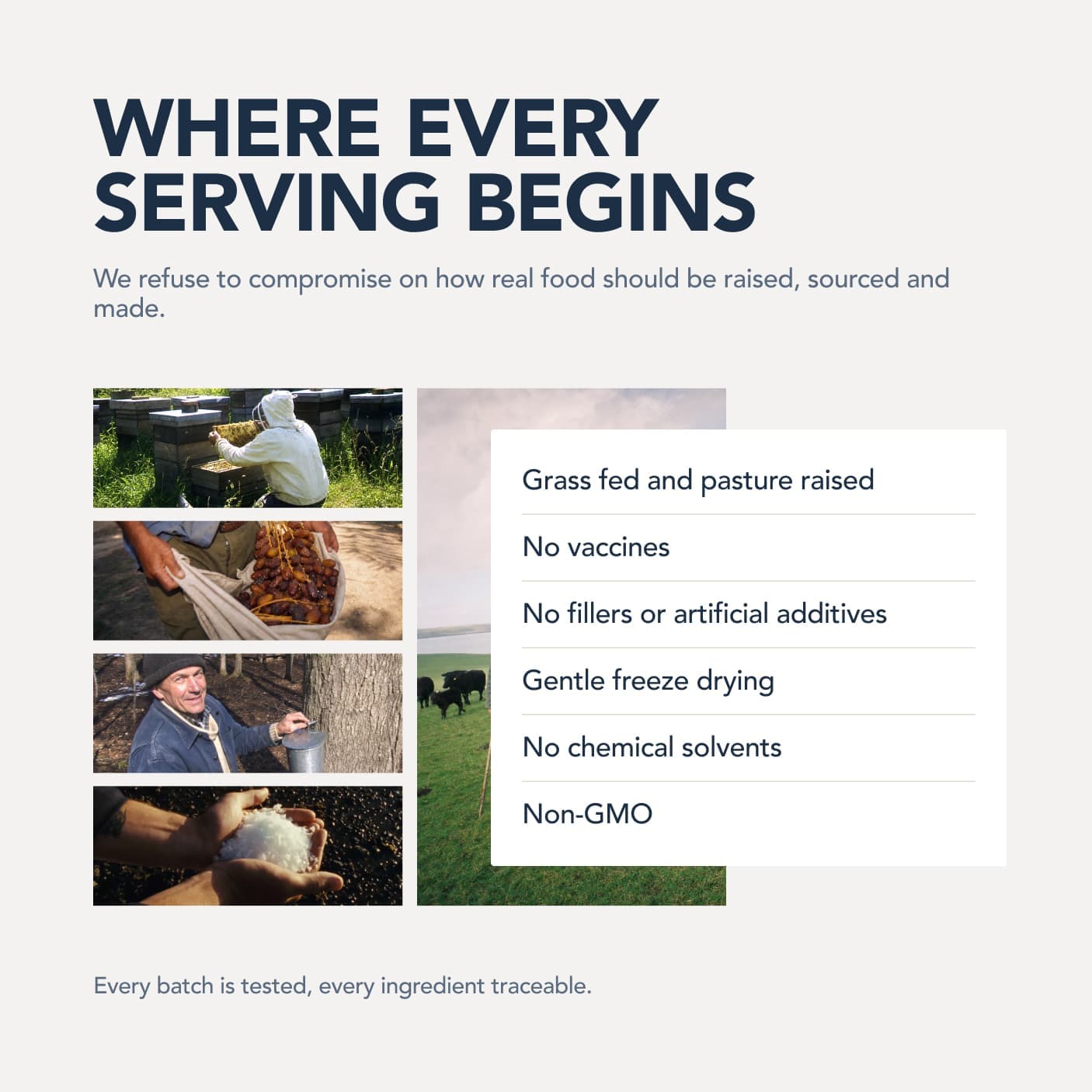
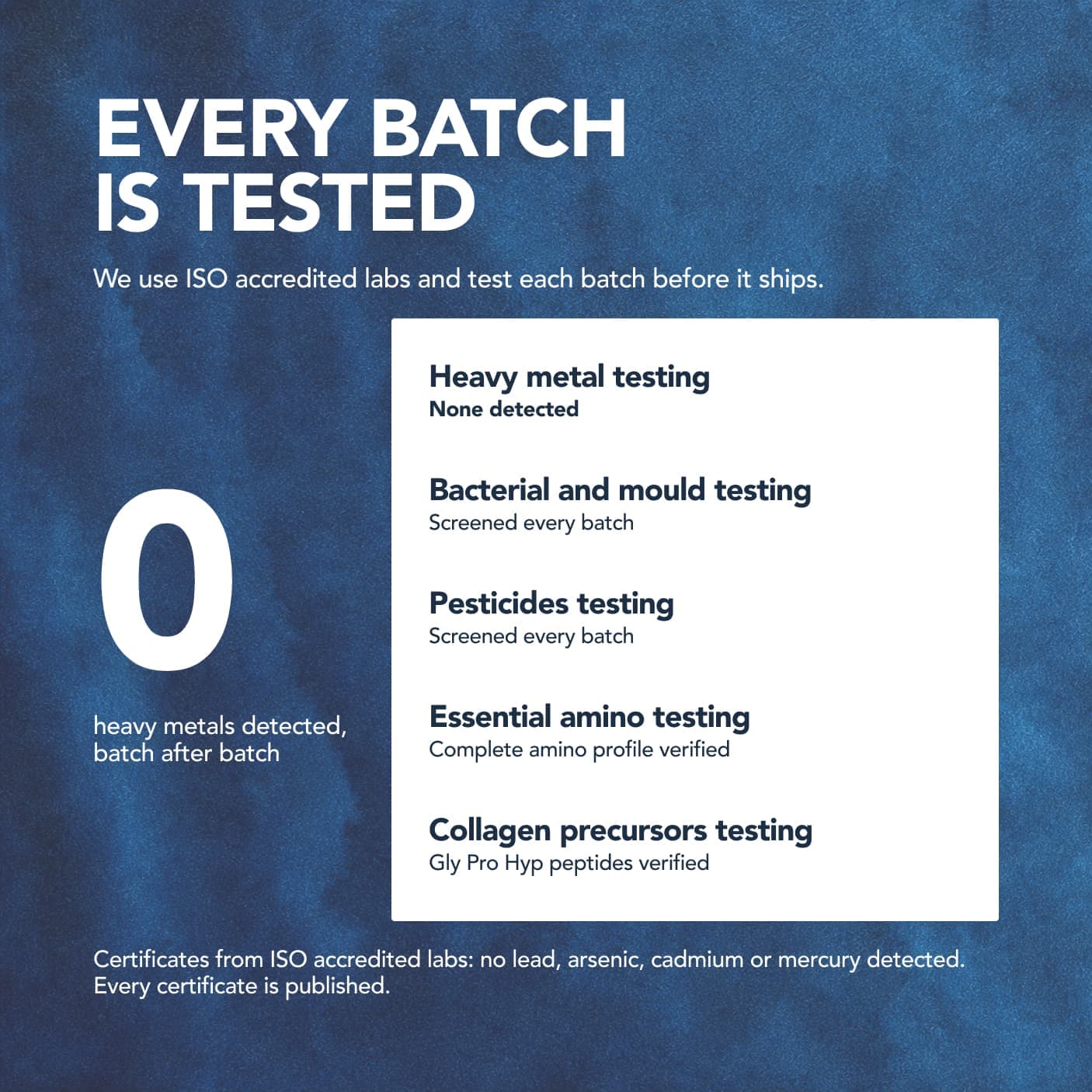
Eight real ingredients built around grass-fed beef organs, collagen and colostrum. Nothing synthetic added.
Free with your first order, worth £38. Plus £10 off the pouch with a subscription.
Free UK shipping · Made in England · 100 day money back guarantee on your first pouch · Skip, pause or cancel anytime
Specific foods that worked for real women
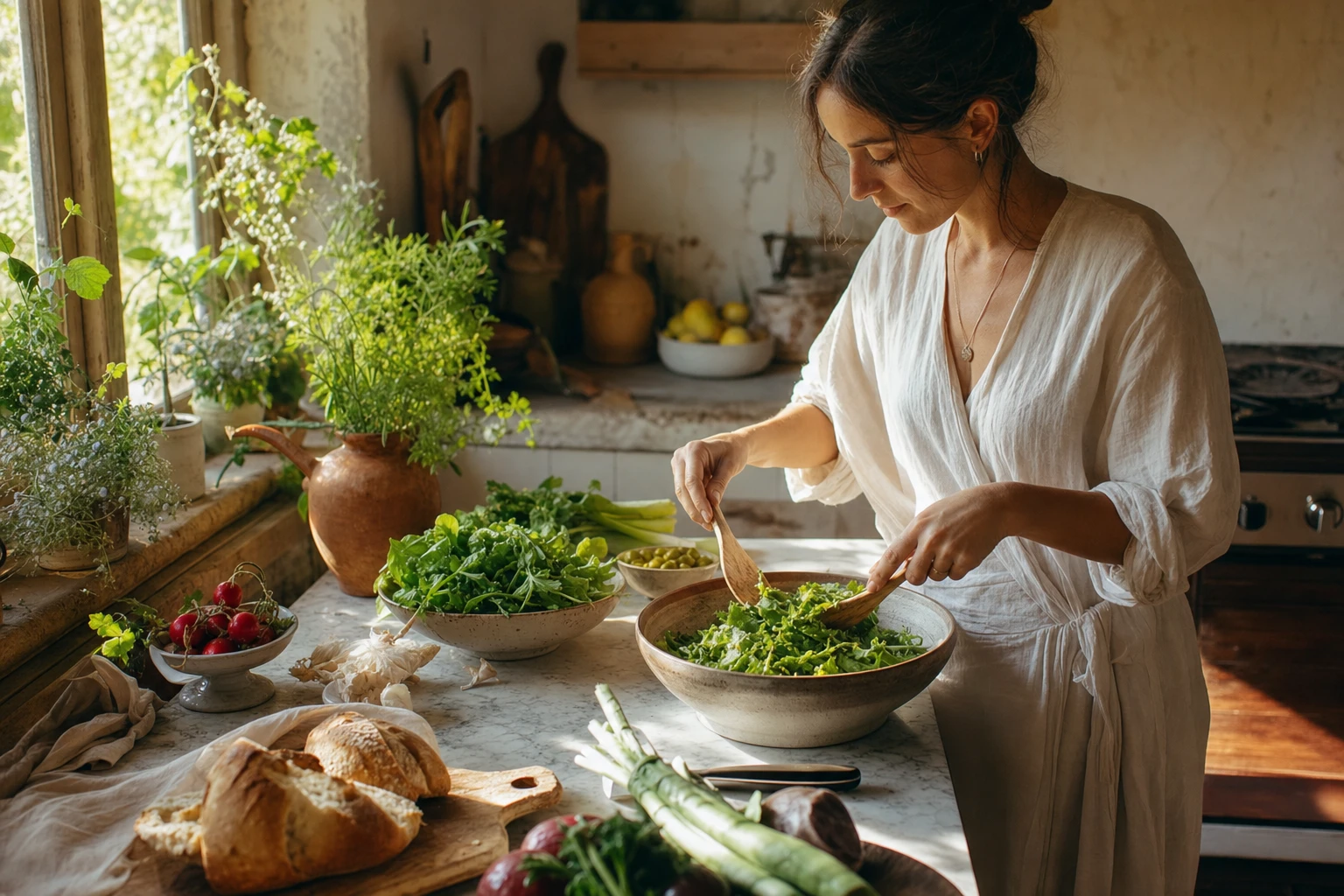
Sardines three times weekly. Mackerel. Grass-fed butter instead of seed oil. Full-fat Greek yoghurt. Bone broth sipped warm. Beef cooked in butter. Eggs with the yolk runny. These are the specifics that show up repeatedly when women report that their ovulation pain improved.
Not salad with olive oil. Not cold fish oil supplements taken grudgingly. But actual whole foods, eaten consistently, where the fat comes from real sources and the inflammatory load drops measurably.
Some women add magnesium supplementation (300-400mg daily) and see faster improvement. Others find that bone broth alone provides enough magnesium and they don't need more. The point is consistency, not perfection.
What happens when you do this right
The pain doesn't just get less sharp. It becomes something you barely notice. You might feel an awareness of ovulation, a mild twinge. But not the stop-you-in-your-tracks pain that made you question whether something was seriously wrong.
Many women also notice their mood stabilises around ovulation. The irritability that came with the pain often goes away alongside it. Sleep improves. Energy stabilises. This is because the same inflammatory state that causes pain affects mood and sleep too.
The shift is profound when it clicks. You go from dreading mid-cycle to barely thinking about it. That's not medicalisation of a symptom. That's actual resolution.
Ovulation pain that responds to dietary changes was inflammatory ovulation pain all along. Your body was telling you something was wrong with your food.
The bottom line
Severe ovulation pain is a sign of inflammation, not a normal part of being a woman. Nutrition directly addresses this. Cut seed oils and refined sugar. Eat oily fish and anti-inflammatory fats. Prioritise magnesium and B vitamins. Make these changes consistently for a few months and most women find their ovulation pain reduces or disappears entirely. It's that responsive to nutrition. Your mid-cycle pain is trying to tell you something. Listen to what you're eating.
References
Every source below was checked on 27 August 2026. Each PubMed, PMC and DOI identifier was resolved against NCBI or Crossref, and what it opens is printed under the citation, so you can see the link goes where the citation says without leaving the page. Where a citation and its identifier disagreed, the citation was corrected to the record or the reference was deleted along with the sentence marker that pointed at it, and where the resolved paper turned out not to support the sentence, the sentence was cut back to what it does support. Borrowed authority is worse than none, because it looks like rigour.
- Brott NR, Le JK. Mittelschmerz. In: StatPearls. StatPearls Publishing; 2024.
- Simopoulos AP. The importance of the omega-6/omega-3 fatty acid ratio in cardiovascular disease and other chronic diseases. Exp Biol Med. 2008;233(6):674-88. PMID: 18408140.Checked 27 August 2026: PMID 18408140 opens Simopoulos AP, The importance of the omega-6/omega-3 fatty acid ratio in cardiovascular disease and other chronic diseases. Exp Biol Med (Maywood) 2008;233(6):674-88. PubMed indexes it as: Review.
- Calder PC. Omega-3 polyunsaturated fatty acids and inflammatory processes. Biochem Soc Trans. 2017;45(5):1105-1115. PMID: 28900017.Checked 27 August 2026: PMID 28900017 opens Calder PC, Omega-3 fatty acids and inflammatory processes: from molecules to man. Biochem Soc Trans 2017;45(5):1105-1115. PubMed indexes it as: Review.
- National Institutes of Health, Office of Dietary Supplements. Magnesium: Fact Sheet for Health Professionals.
Who wrote and reviewed this guide
Niall Kiddle
Author · Founder, Organised
Niall is the founder of Organised. He started the company in 2024 after fixing his own health the slow way: in 2022 he swapped a cupboard of synthetic supplements for real food, raw milk, organ meats, bone broth and honey, and felt the difference within months.
Areas of expertise: Ancestral nutrition, Organ meats, Whole-food supplementation, Gut health, Regenerative sourcing
Read Niall's full profile
Pedro Rodrigues
Reviewer · Agronomist (farming and sourcing only)
Pedro is the agronomist Organised works with on farming and sourcing. His job on the guides is to keep the science honest: he reviews what we publish about soil health, regenerative agriculture, grazing and the way food is actually produced.
Areas of expertise: Regenerative agriculture, Agronomy, Soil health, Grass-fed farming, Food sourcing
Reviewed this guide on
Read Pedro's full profileMore on women's health
View allBrowse the guides library
All guidesKeep reading
Life stage
Protein for Young Athletes: How Much Do Teenagers Actually Need?
Learn how much protein teenage athletes need, when to eat it, and which whole foods deliver it best for performance and recovery.

Life stage
Menopause and Bone Density: Protecting Your Skeleton
Oestrogen drop in menopause accelerates bone loss. Calcium plus K2 plus D plus adequate protein plus resistance training prevents fracture risk.
Life stage
Nutrition After 50: What Changes and What to Prioritise
After 50, your nutritional needs shift. Discover how declining absorption, protein, bone health, and cognition reshape what you should be eating.
Real food, made effortless
Find my daily blendA few ways to use it
All recipes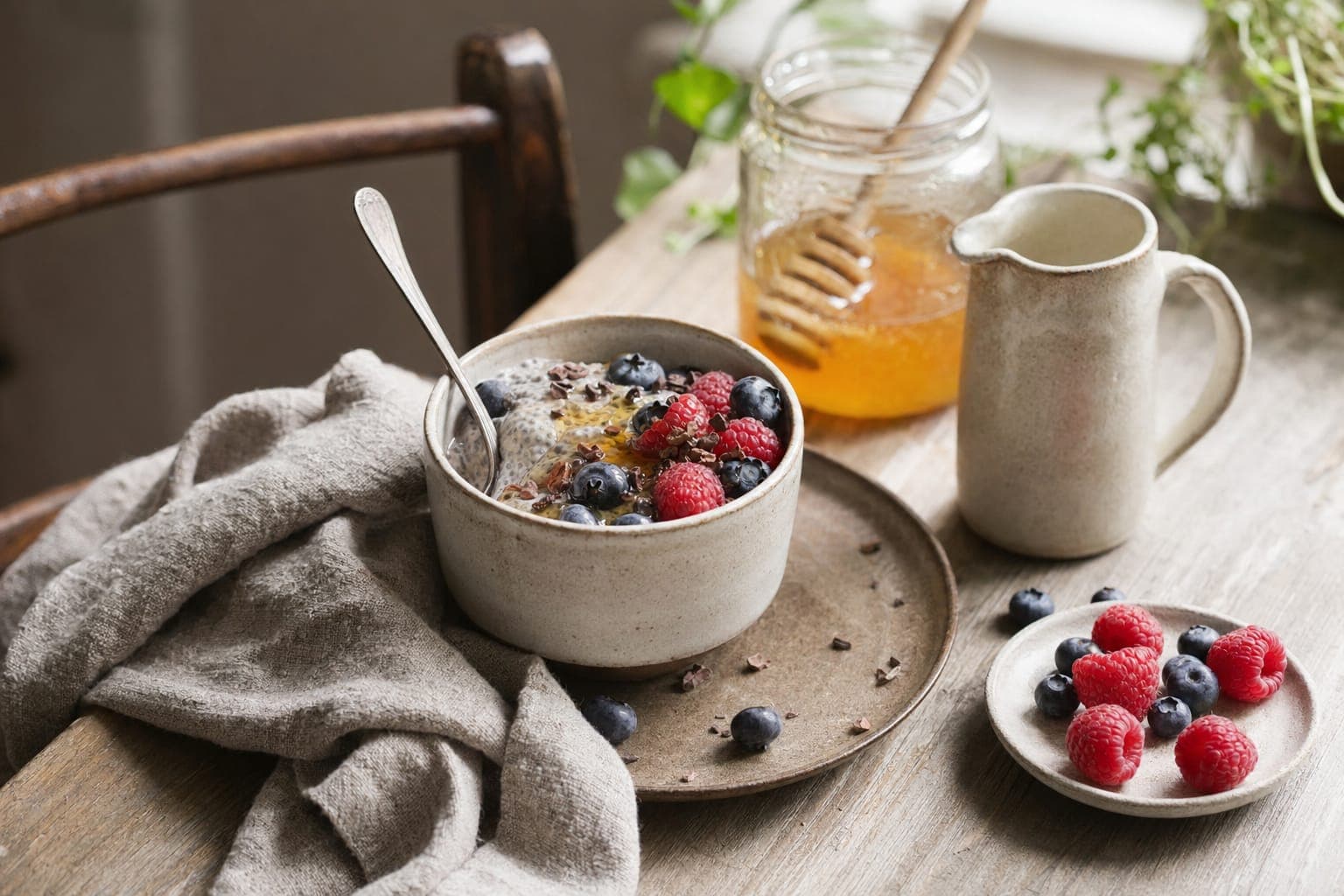
Organised Chia Pudding with Raw Honey and Berries
A no-cook chia seed pudding made with raw milk, collagen, berries, and raw honey. Prep it the night before and eat for breakfast.
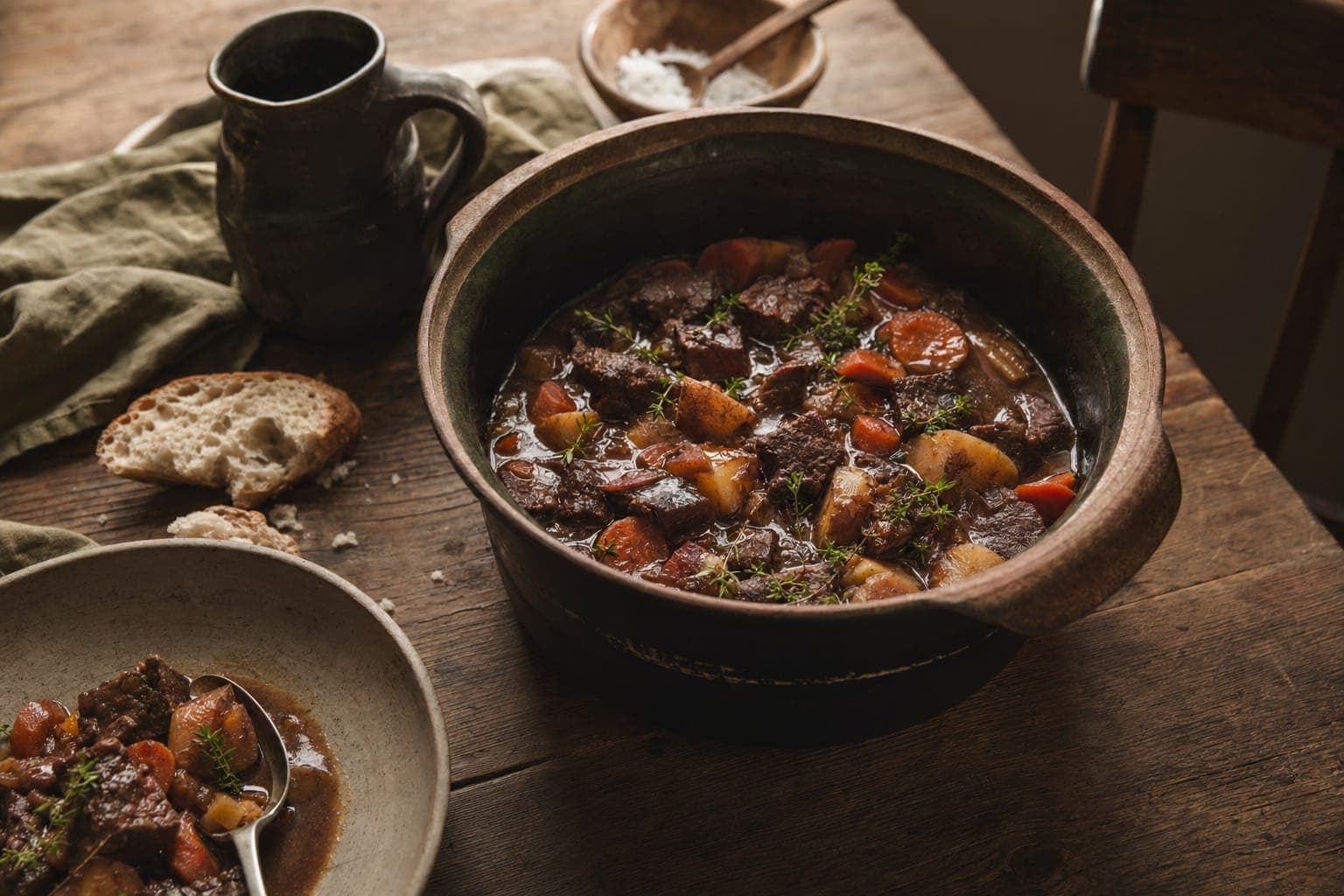
Collagen-Rich Beef Stew: Slow-Cooked Nourishment
Beef stew that delivers collagen from connective tissue and bone broth. Winter comfort food that actually nourishes. Simple slow cooker recipe.
Raw Milk Ice Cream with Organised
Make raw milk ice cream at home with Organised for a seasonal, nutrient-dense treat. Three simple flavours to try whenever the craving strikes.


 Join over 100,000+ members
Build a better food system with us
The Organised community is thousands of people choosing real food and backing the farmers who grow it, all of us trying to leave the world a little better than we found it. If that is what you care about too, you belong here.