Endurance Athletes and Organ Meats: An Overlooked Advantage
Your iron is low. Your energy is flagging. Your period has stopped. You run marathons, eat chicken and salad, and somehow you're more depleted than someone sitting on the sofa. Nobody told you that endurance athletes have completely different nutritional demands than the general population.
By Niall Kiddle, Founder, Organised

Reviewed by Pedro Rodrigues, Agronomist (farming and sourcing only) ·
7 min read · Published · Updated · 4 cited sources
Makers of the Organised Daily blend, a grass-fed beef organ supplement from regenerative UK farms
The endurance athlete isn't eating for maintenance. They're eating for repeated catastrophic energy expenditure. And that changes everything about what your body needs.
Why endurance athletes bleed iron
Endurance exercise creates a unique metabolic demand. When you run long distance, two things happen to your iron status. First, the repetitive impact of running literally damages red blood cells. Running causes mechanical hemolysis, the breakdown of blood cells in the capillaries of your feet.1 It's not severe trauma, but it's constant, chronic blood loss measured in millilitres per week that most athletes never track.
Second, the inflammatory response to intense aerobic training increases hepcidin, a hormone that blocks iron absorption in the gut.2 Your body interprets heavy training as a form of stress and tightens its grip on iron stores, assuming it's preparing for scarcity. Over months of heavy training, this adds up.
Endurance athletes lose iron through sweat, impact, and chronic inflammation. You cannot eat your way around this with chicken breast alone.
Women endurance athletes face an additional burden: menstruation. The female athlete without a period isn't thriving, she's broken. And one of the reasons periods disappear in endurance athletes is iron deficiency combined with relative energy deficiency in sport. Your body shuts down reproduction when nutritional resources are critically low.
The research is consistent. Endurance athletes, especially women, commonly present with iron deficiency that their doctors miss because standard iron tests don't capture the full picture. You can have normal serum iron and haemoglobin whilst your iron stores are depleted. And depleted iron stores kill endurance performance long before anaemia shows up on blood work.
Heme iron versus everything else
Not all iron is created equal. There are two types: heme iron, found only in animal products, and non-heme iron, found in plants and supplements. Your body absorbs heme iron at a rate of 15 to 35 percent. Your body absorbs non-heme iron at a rate of 2 to 20 percent.3 The difference is massive.
A woman eating a spinach salad for iron is getting perhaps 3 percent absorption of the iron present. A woman eating liver is getting 20 to 30 percent. If you're an endurance athlete losing iron chronically, this distinction is not academic. It's the difference between maintaining iron stores and sliding into deficiency.
Heme iron has another advantage: it doesn't compete with other minerals for absorption. Non-heme iron is blocked by calcium, phytates, tannins, and polyphenols. Drink tea or coffee with a non-heme iron source and you've just cut absorption in half. Heme iron bypasses these antagonists entirely.
Beef liver contains 36,000 micrograms of iron per 100 grams. Spinach contains 2,700 micrograms per 100 grams. But you'll absorb roughly ten times more iron from the liver.
Endurance athletes who rely on plant-based or low-meat diets are essentially invisible to iron supplementation. They need heme iron, which means they need animal products. And the best heme iron source is organ meat, specifically liver and heart.
The B12 and CoQ10 story
Vitamin B12 is found almost exclusively in animal products. And endurance athletes cannot afford to be deficient in B12. This vitamin is essential for red blood cell formation, energy production, and nervous system function. Deficiency causes fatigue, poor recovery, and cognitive fog that athletes often mistake for overtraining.
The richest sources of B12 in human food are organ meats. A 100-gram serving of beef liver contains roughly 80 micrograms of B12. The recommended daily intake is 2.4 micrograms. One portion of liver per week covers your entire month's requirement.
But the real hidden advantage in organ meats for endurance athletes is CoQ10. This compound, concentrated in the mitochondria of cells, is critical for aerobic energy production. Your muscles need CoQ10 to convert fat and carbohydrate into ATP, the cellular currency of energy. Endurance athletes running primarily on aerobic metabolism need copious amounts of CoQ10.
CoQ10 is found in beef heart. Not chicken breast. Not supplements. Heart meat contains 5 milligrams of CoQ10 per 100 grams, which is substantially higher than most plant sources and supplements are conveniently measured in micrograms. If you're an endurance athlete, your heart is metabolically demanding. You need the nutrients that support the heart, and that means eating heart.
Your body mirrors the nutritional density of what you eat. Eating nutrient-dense organs builds nutrient-dense tissues.
The traditional wisdom that athletes should eat muscle meat is backwards. Your muscles are relatively nutrient-poor tissue. Organs, where metabolism actually happens, are nutrient density concentrated. Feed your organs with organ meat and your whole system responds differently.
Get life-stage nutrition guides, free
Two short reads a week on eating well through pregnancy, childhood and older age.
By signing up you agree to receive emails from us. No spam, unsubscribe anytime.
Organ meats as performance medicine
Treating organ meats as food rather than as supplements changes how you think about them. Liver, heart, kidney, and even tongue are not special supplements. They're complete proteins with micronutrient density that no powder can match.
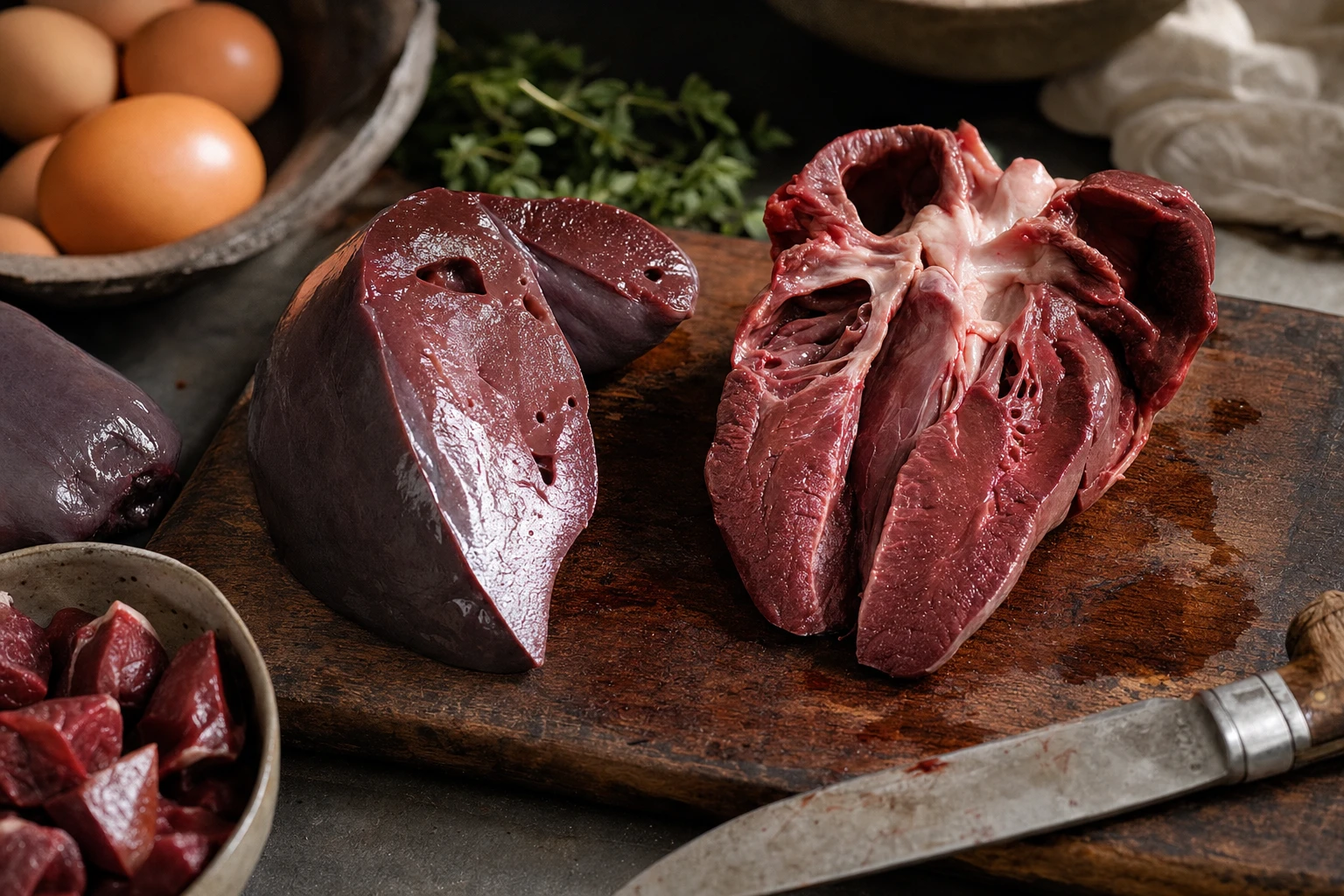
Beef liver is the most accessible. It tastes strong, yes, but that strength is nutrition. A 100-gram serving once per week provides more usable iron, B12, copper, selenium, and choline than your endurance training demands. You cannot overdose on liver from eating it in normal quantities, despite old wives' tales about vitamin A toxicity.
Beef heart is lean, relatively mild in flavour, and concentrated in CoQ10 and taurine. Taurine is an amino acid that supports cardiac function and endurance performance. Grass-fed beef heart contains roughly 1,100 milligrams of taurine per 100 grams.
Kidney contains similar micronutrient density to liver plus substantial quantities of selenium, a mineral critical for thyroid function and antioxidant defence in endurance athletes experiencing high oxidative stress.
- Beef liver: Once per week, 100 grams. Priority for iron, B12, and copper.
- Beef heart: Twice per week if possible. Lean protein, CoQ10, and taurine.
- Beef kidney: Once per week. Selenium and trace minerals.
- Grass-fed or pasture-raised only. Organ nutrient density varies dramatically by animal diet.
The female athlete triangle nobody discusses
The female athlete triad, now expanded to include energy deficiency disorder, describes the relationship between low energy availability, menstrual dysfunction, and compromised bone health.4 Missing your period as an endurance athlete is not a badge of honour. It's a warning light that your body has insufficient nutritional resources.
Women endurance athletes have iron demands 50 percent higher than sedentary women due to menstrual losses plus training-induced haemolysis. Add in the inflammatory suppression of iron absorption and you're looking at demands that cannot be met with chicken breast and multivitamins.
The return of menstrual function in female endurance athletes almost always requires increased energy availability and specific attention to iron. And the iron that works is heme iron from meat, specifically organs.
If your period has stopped, your body has already stopped trusting that food is available. Eating more food doesn't fix this. Eating more nutrient-dense food does.
This is not optional for female athletes hoping to maintain bone health, cardiovascular function, and actual reproductive capacity into midlife. The amenorrheic athlete is experiencing hormonal changes that compromise bone density and fertility. Reversing this requires nutritional density, not caloric quantity.
1 of 9
Daily blend
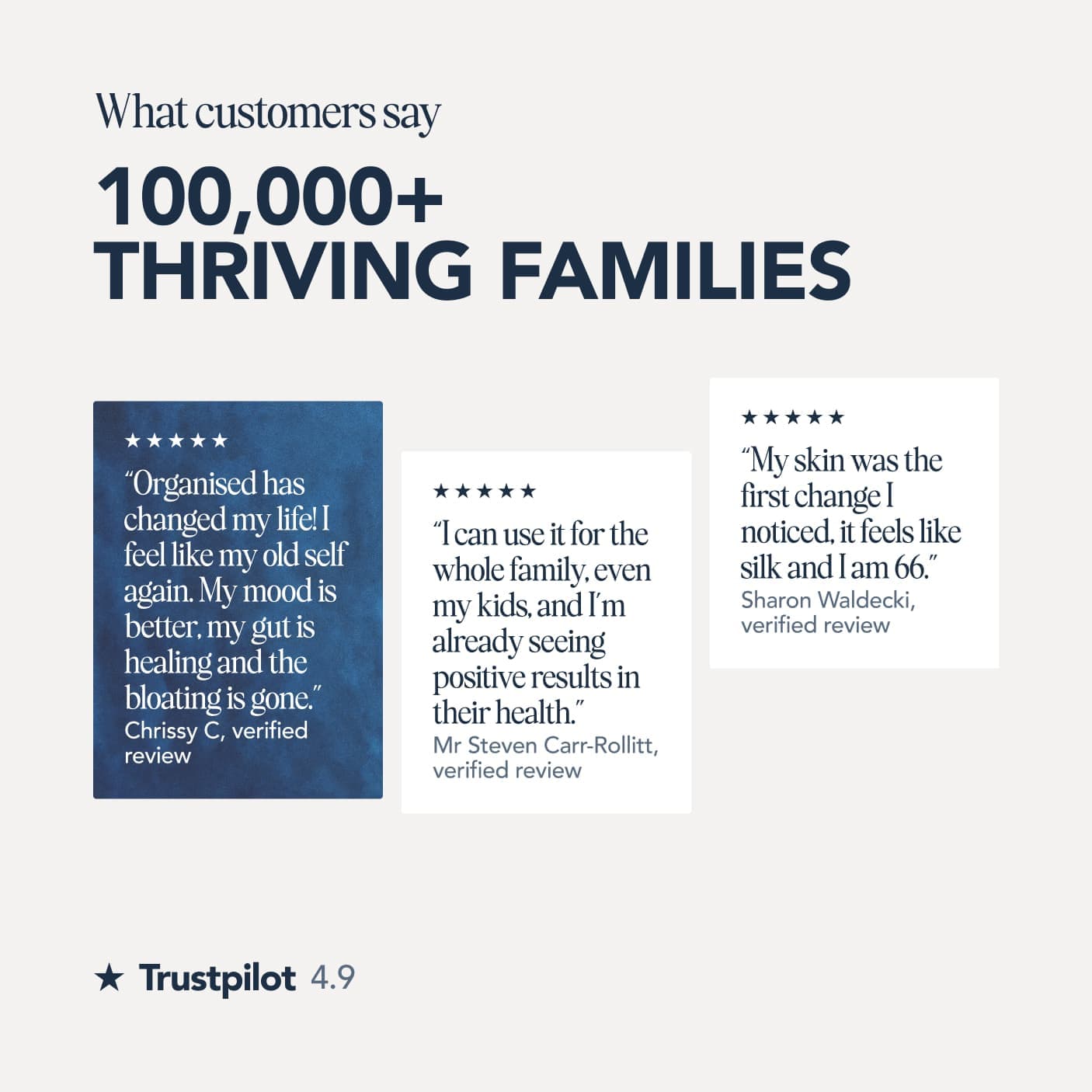
100,000+ thriving families4.9 on Trustpilot
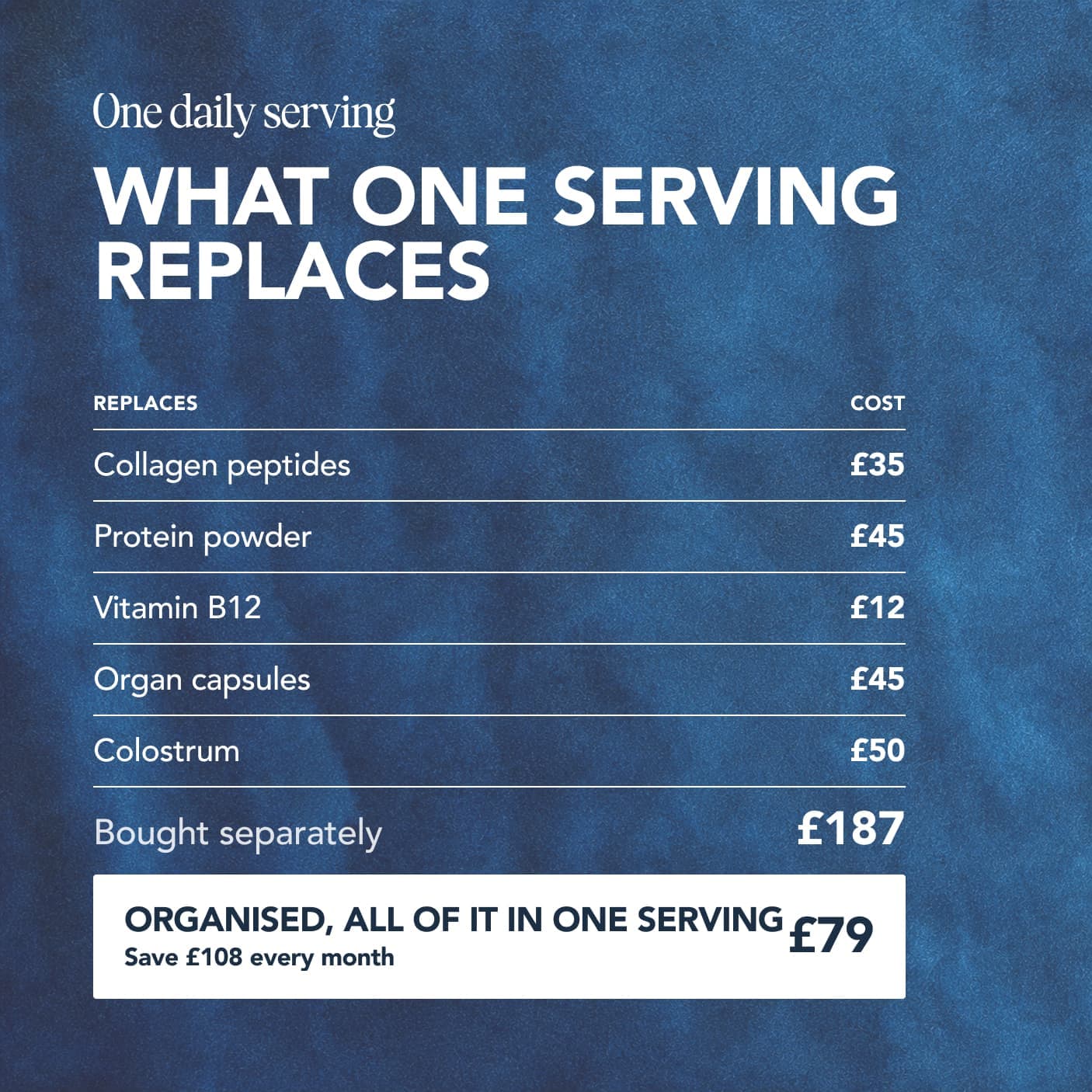
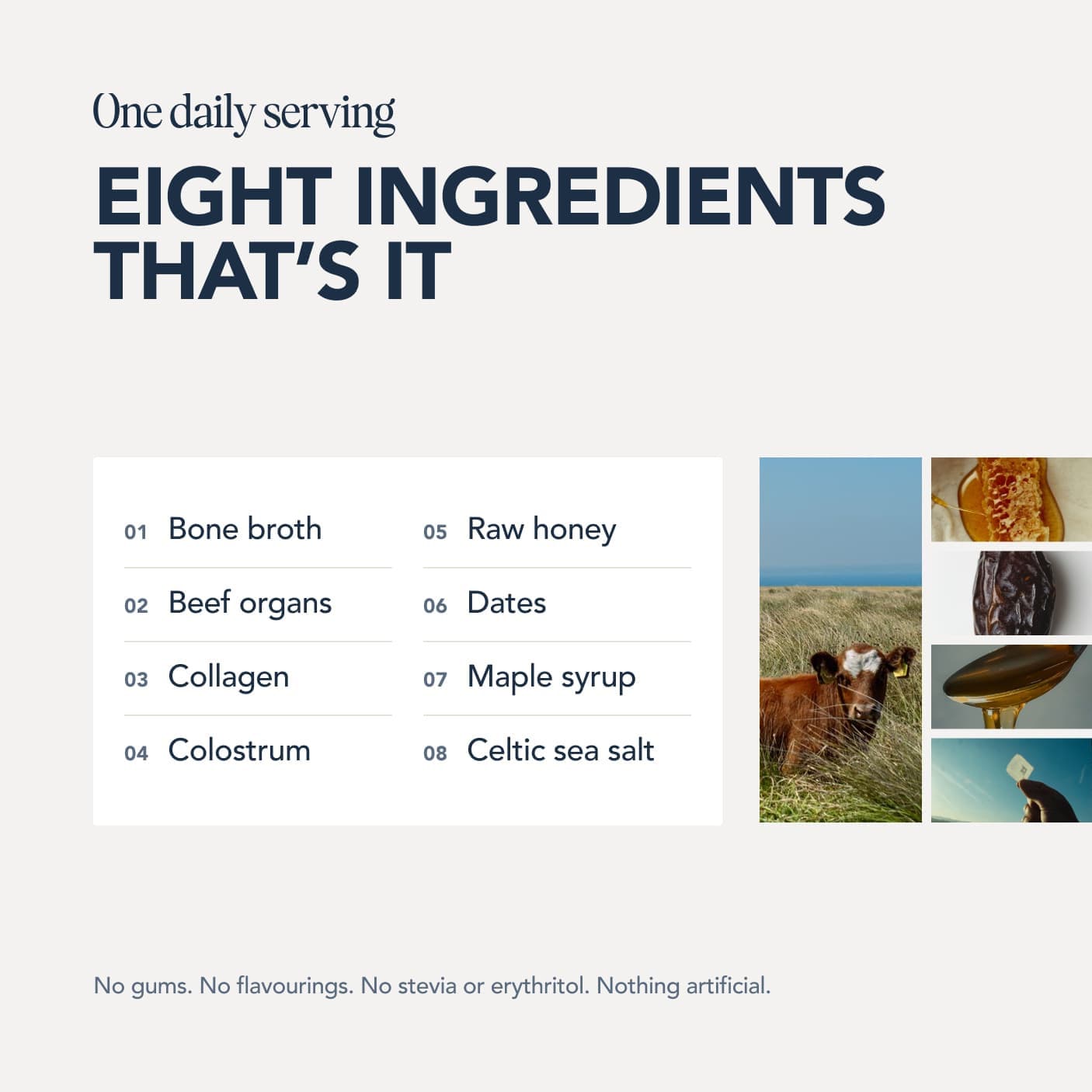
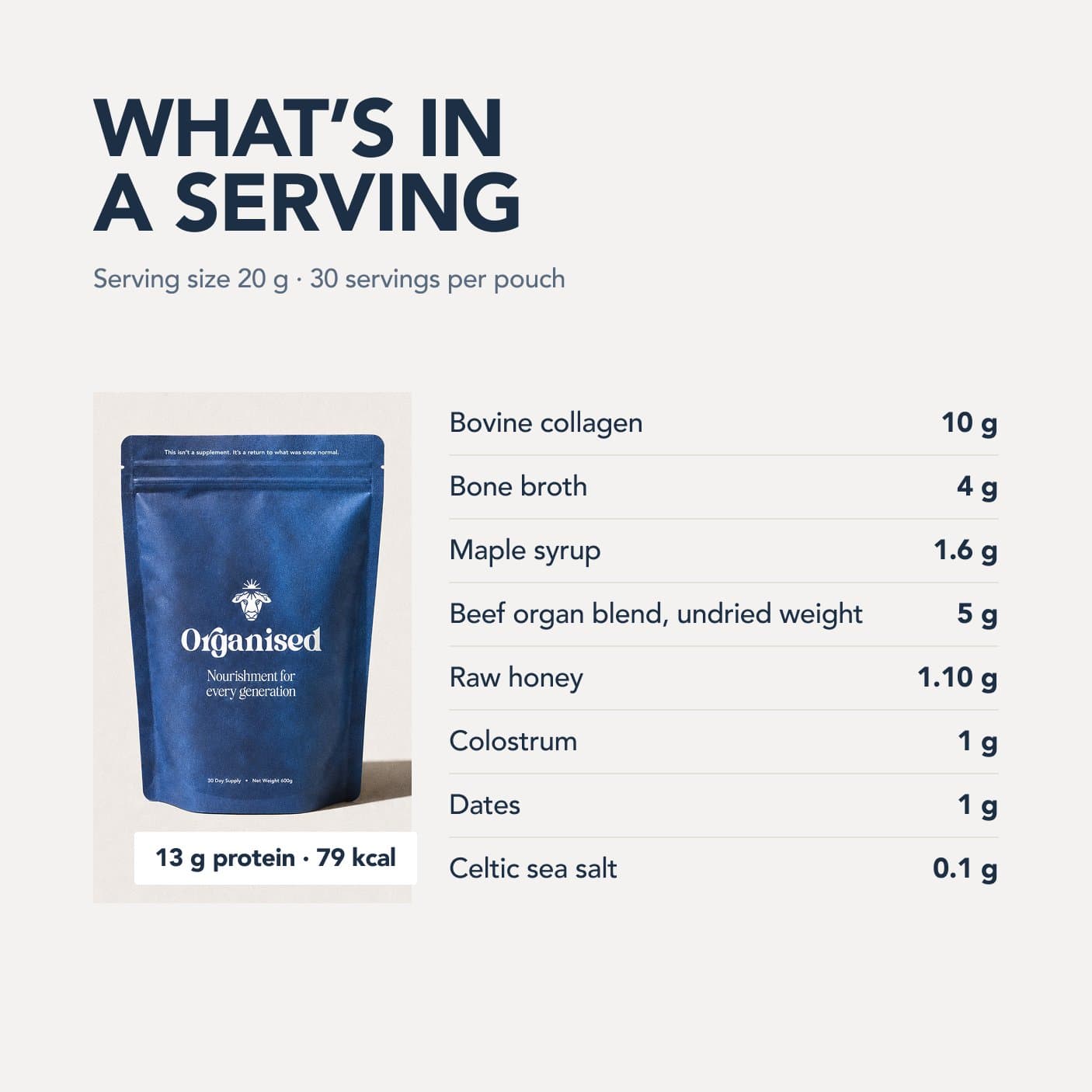
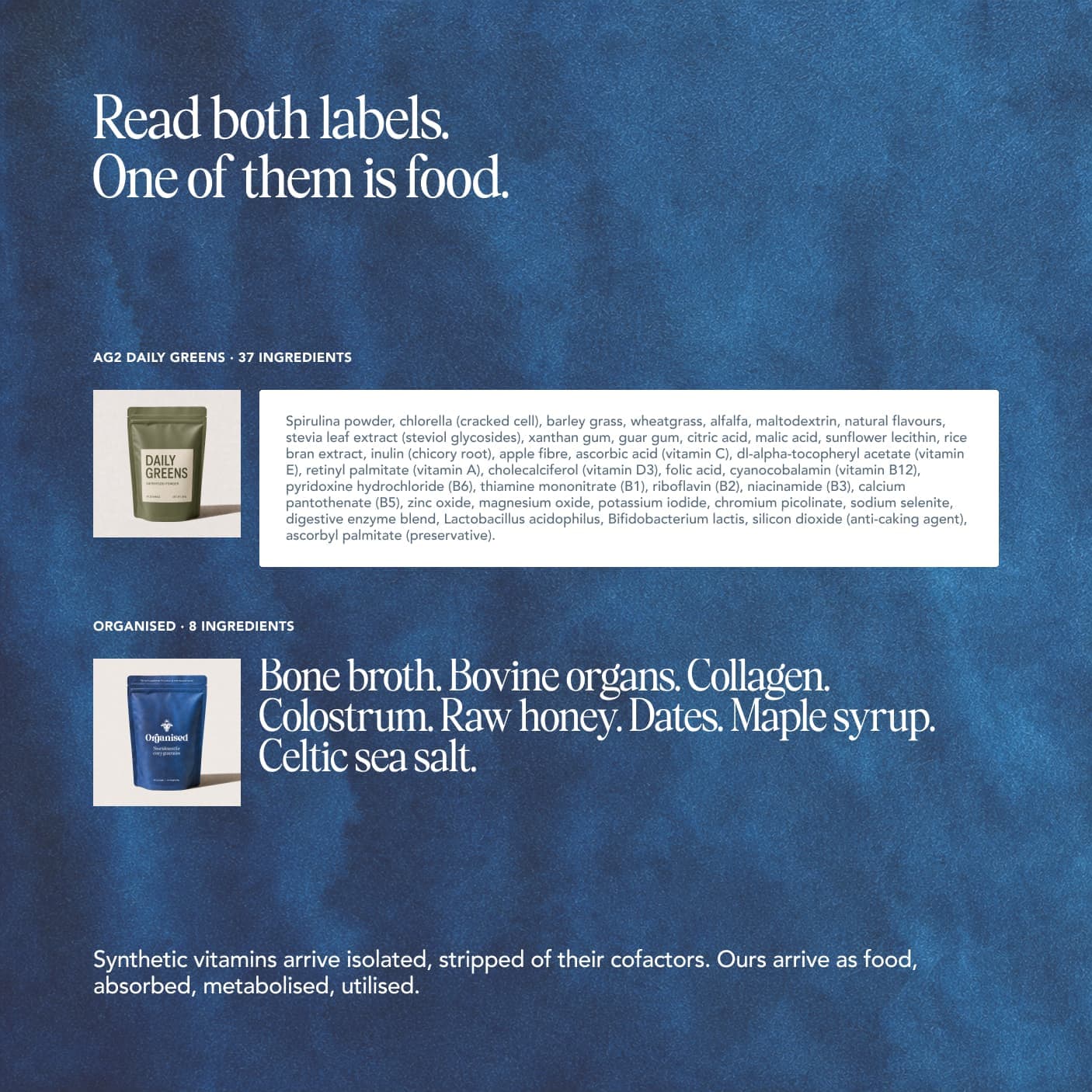
Eight real ingredients built around grass-fed beef organs, collagen and colostrum. Nothing synthetic added.
Free with your first order, worth £38. Plus £10 off the pouch with a subscription.
Free UK shipping · Made in England · 100 day money back guarantee on your first pouch · Skip, pause or cancel anytime
How to start eating offal without the disgust
The modern Western aversion to organ meats is recent and culturally arbitrary. Every traditional culture ate organs routinely. Your grandparents ate them. Your body evolved expecting them. The disgust is conditioning, not biology.
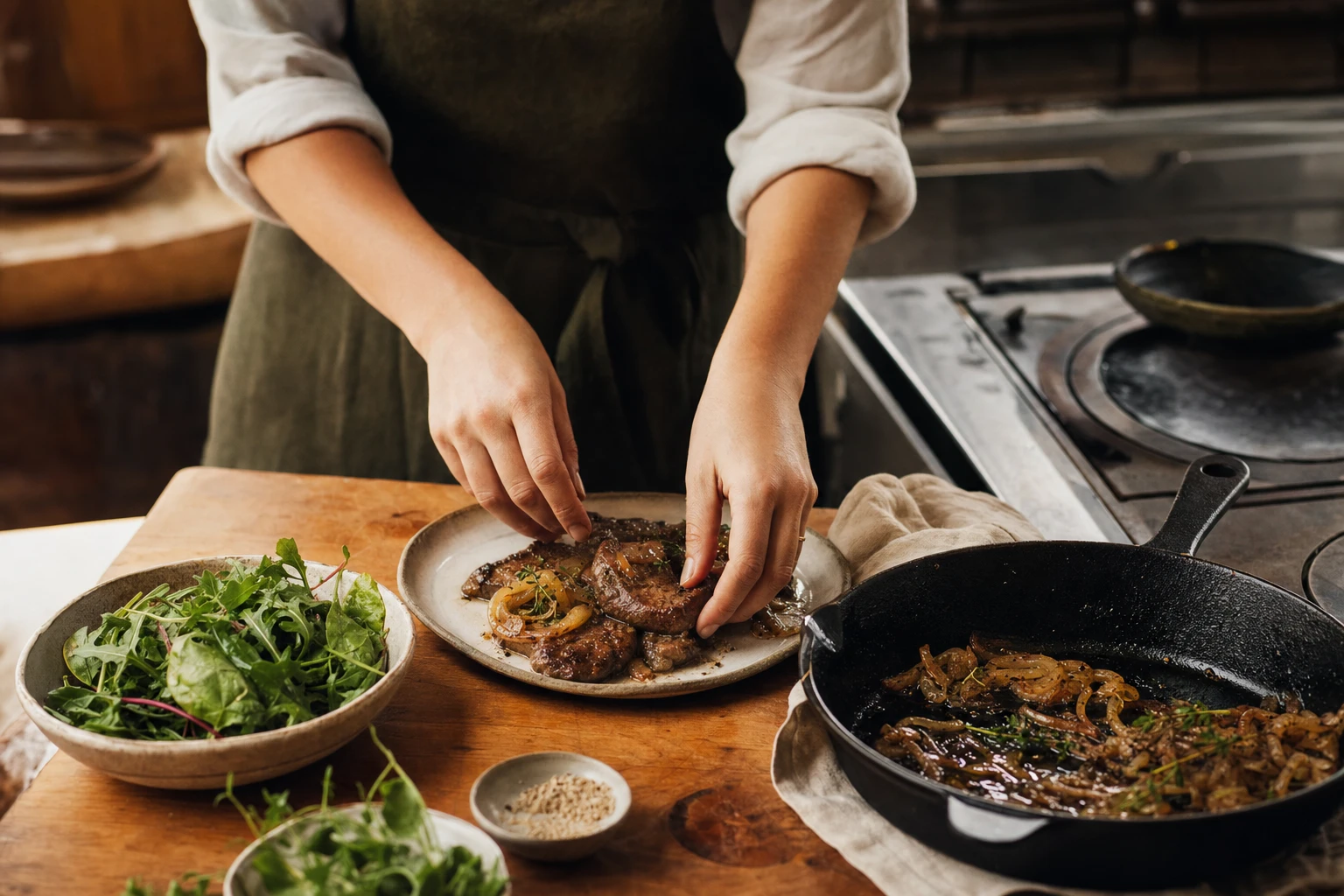
Start with heart. It's the mildest, closest in texture to muscle meat, and the easiest to prepare simply. Dice it finely, sear it hot with butter and a pinch of sea salt. It tastes like rich beef if you don't overthink it. Or slow-cook it in a stew where the flavour melds with other ingredients.
Liver is stronger. But if you prepare it correctly, flash-fried rare in a hot pan with plenty of butter and lemon, the flavour becomes mineral-forward rather than offputting. Pair it with something sweet: sauteed apple, honey mustard, or a blackcurrant sauce. The combination works.
The goal is not to love offal immediately. The goal is to become neutral about it as functional food, the way you became neutral about salad. Eat it once per week as your endurance insurance policy. Your iron will thank you. Your energy will thank you. Your period will thank you.
The bottom line
You cannot out-supplement nutritional deficiency. You cannot run yourself into health if your nutritional platform is weak. Endurance athletes need more iron, more B12, more CoQ10 than conventional nutrition teaches. These nutrients are concentrated in organ meats and nowhere else at useful concentrations.
Your performance ceiling is limited by your iron stores, your CoQ10 status, and your B12 availability. Eating chicken breast and hoping for the best is not a nutrition strategy. It's negligence. Organ meats are not optional for endurance athletes. They're foundational. Start this week.
References
Every source below was checked on 27 August 2026. Each PubMed, PMC and DOI identifier was resolved against NCBI or Crossref, and what it opens is printed under the citation, so you can see the link goes where the citation says without leaving the page. Where a citation and its identifier disagreed, the citation was corrected to the record or the reference was deleted along with the sentence marker that pointed at it, and where the resolved paper turned out not to support the sentence, the sentence was cut back to what it does support. Borrowed authority is worse than none, because it looks like rigour.
- Telford RD, Sly GJ, Hahn AG, et al. Footstrike is the major cause of hemolysis during running. J Appl Physiol. https://pubmed.ncbi.nlm.nih.gov/12391035/ [accessed May 2026].Checked 27 August 2026: PMID 12391035 opens Telford RD, Sly GJ, Hahn AG et al, Footstrike is the major cause of hemolysis during running. J Appl Physiol (1985) 2003;94(1):38-42. PubMed indexes it as: Clinical Trial, Comparative Study, Randomized Controlled Trial.
- Peeling P, Dawson B, Goodman C, et al. Athletic induced iron deficiency: new insights into the role of inflammation, cytokines and hormones. Eur J Appl Physiol. https://pubmed.ncbi.nlm.nih.gov/18365240/ [accessed May 2026].Checked 27 August 2026: PMID 18365240 opens Peeling P, Dawson B, Goodman C et al, Athletic induced iron deficiency: new insights into the role of inflammation, cytokines and hormones. Eur J Appl Physiol 2008;103(4):381-91. PubMed indexes it as: Review.
- National Institutes of Health, Office of Dietary Supplements. Iron - Health Professional Fact Sheet. https://ods.od.nih.gov/factsheets/Iron-HealthProfessional/ [accessed May 2026].
- Mountjoy M, Sundgot-Borgen J, Burke L, et al. The IOC consensus statement: beyond the Female Athlete Triad - Relative Energy Deficiency in Sport (RED-S). Br J Sports Med. https://pubmed.ncbi.nlm.nih.gov/24620037/ [accessed May 2026].Checked 27 August 2026: PMID 24620037 opens Mountjoy M, Sundgot-Borgen J, Burke L et al, The IOC consensus statement: beyond the Female Athlete Triad--Relative Energy Deficiency in Sport (RED-S). Br J Sports Med 2014;48(7):491-7. PubMed indexes it as: Consensus Statement.
Who wrote and reviewed this guide
Niall Kiddle
Author · Founder, Organised
Niall is the founder of Organised. He started the company in 2024 after fixing his own health the slow way: in 2022 he swapped a cupboard of synthetic supplements for real food, raw milk, organ meats, bone broth and honey, and felt the difference within months.
Areas of expertise: Ancestral nutrition, Organ meats, Whole-food supplementation, Gut health, Regenerative sourcing
Read Niall's full profile
Pedro Rodrigues
Reviewer · Agronomist (farming and sourcing only)
Pedro is the agronomist Organised works with on farming and sourcing. His job on the guides is to keep the science honest: he reviews what we publish about soil health, regenerative agriculture, grazing and the way food is actually produced.
Areas of expertise: Regenerative agriculture, Agronomy, Soil health, Grass-fed farming, Food sourcing
Reviewed this guide on
Read Pedro's full profileMore on athletes
View allBrowse the guides library
All guidesKeep reading
Life stage
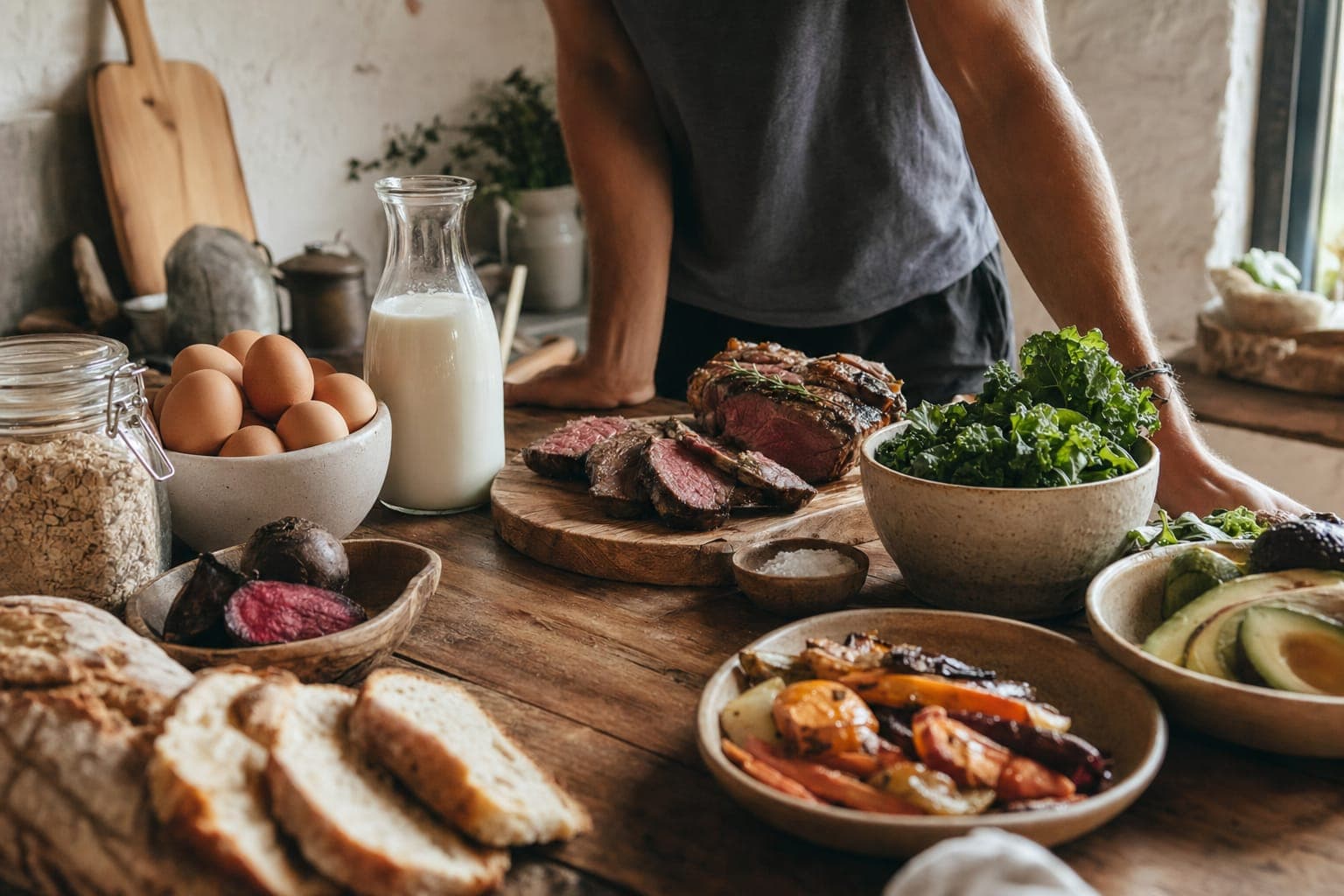
Why Whole Food Beats Synthetic Sports Nutrition
Isolated supplements lack cofactors real athletes need. Discover why whole food outperforms synthetic sports nutrition for lasting performance.
Life stage
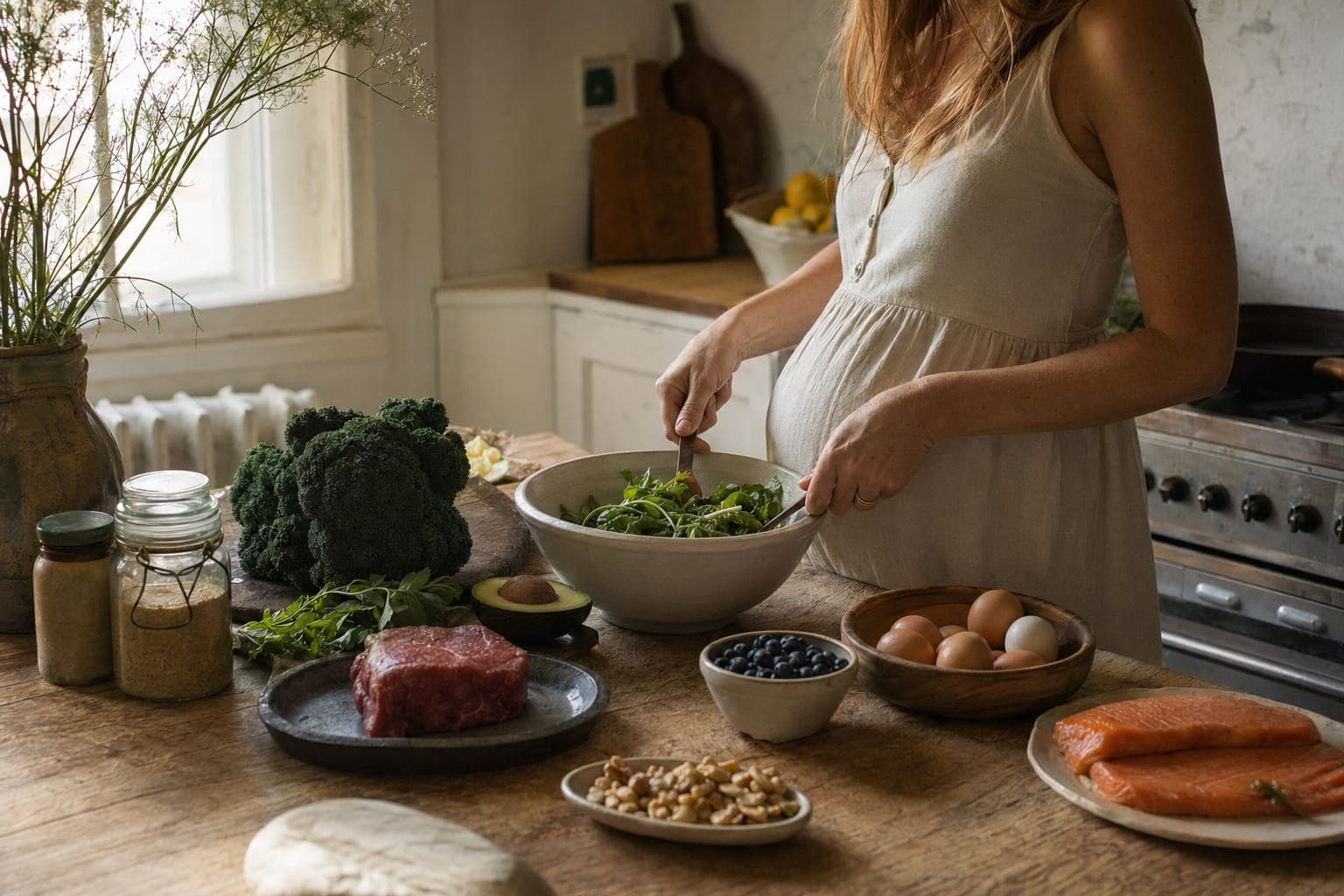
The Best Foods to Eat in Each Trimester
Pregnancy nutrition changes across trimesters. First trimester: B6 for nausea. Second: iron, choline, DHA. Third: healthy fats, magnesium, protein.
Life stage
Preventing Bone Loss with Nutrition (Not Just Calcium)
Bone is living tissue. It needs calcium, yes, but also K2, magnesium, and the right mechanical stress. Discover how nutrition builds unbreakable bones.
Real food, made effortless
Find my daily blendA few ways to use it
All recipes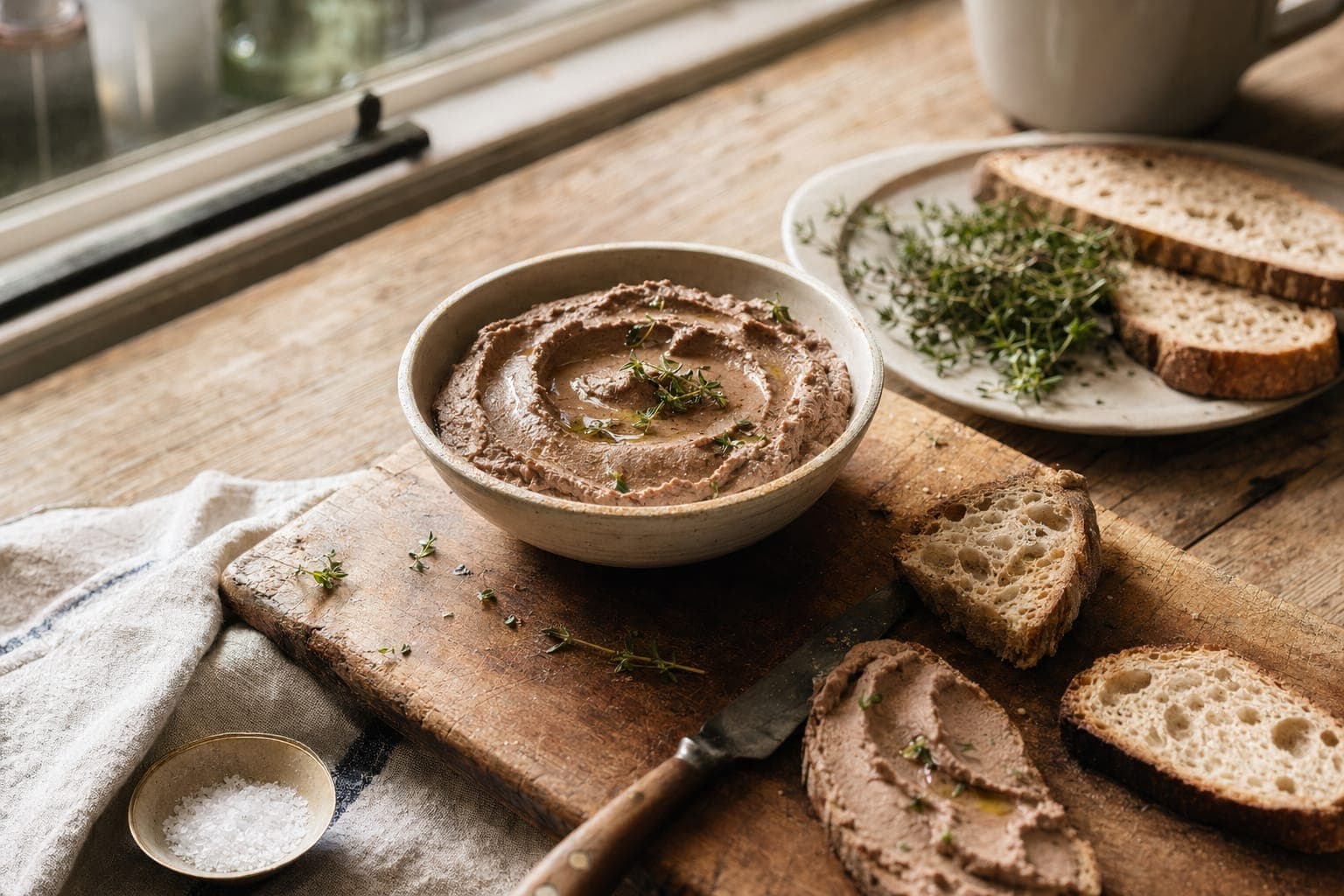
Liver Pate for Beginners: A Gentle Introduction to Organ Meats
Simple liver pate recipe to start eating organ meats. Chicken liver, butter, and herbs. Gentle introduction to nutrient-dense whole foods.
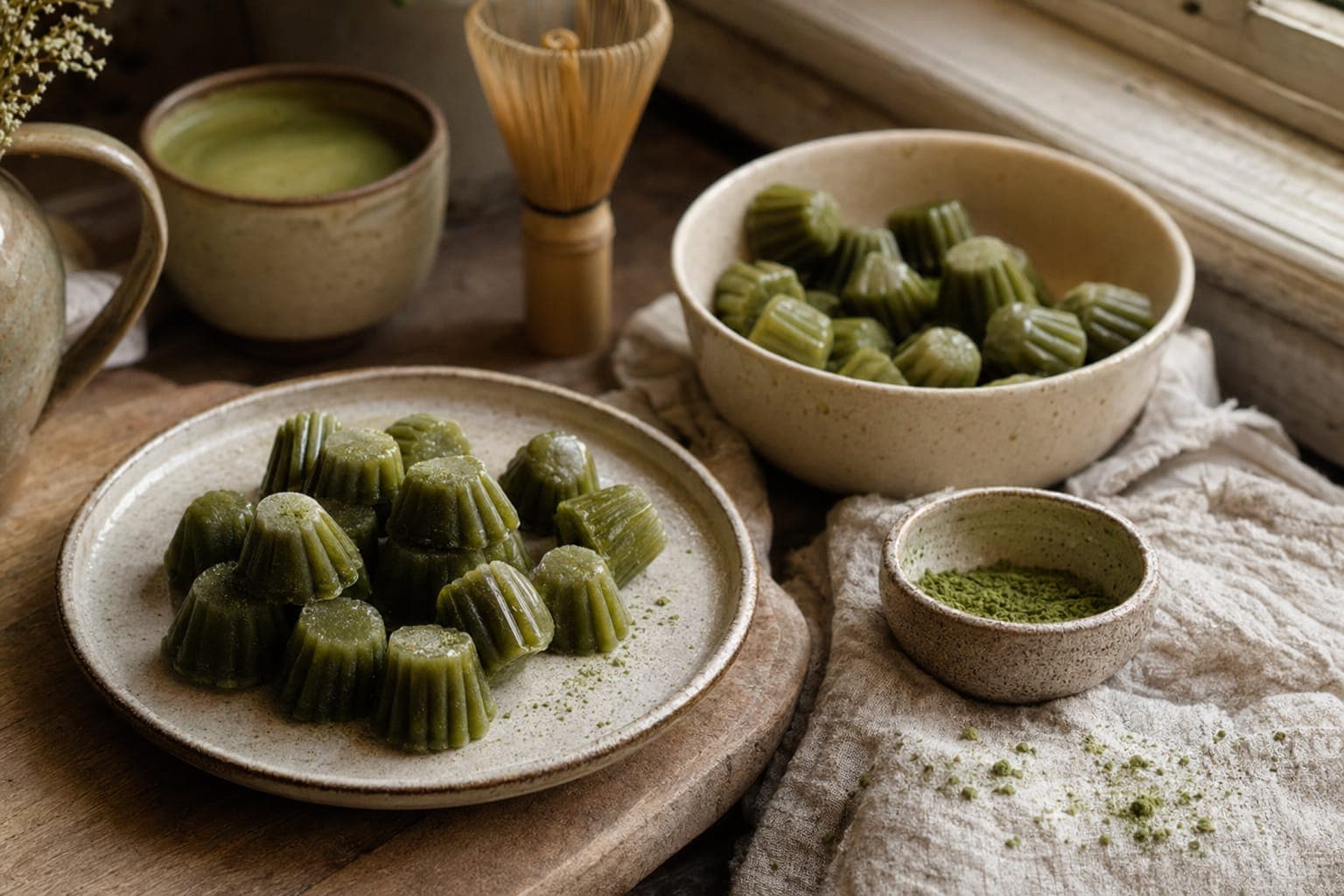
Matcha Latte Gummies with Collagen and Gelatine
Make visually stunning matcha latte gummies infused with collagen and gelatine. Simple recipe for gut-healing sweets you'll actually want to eat.
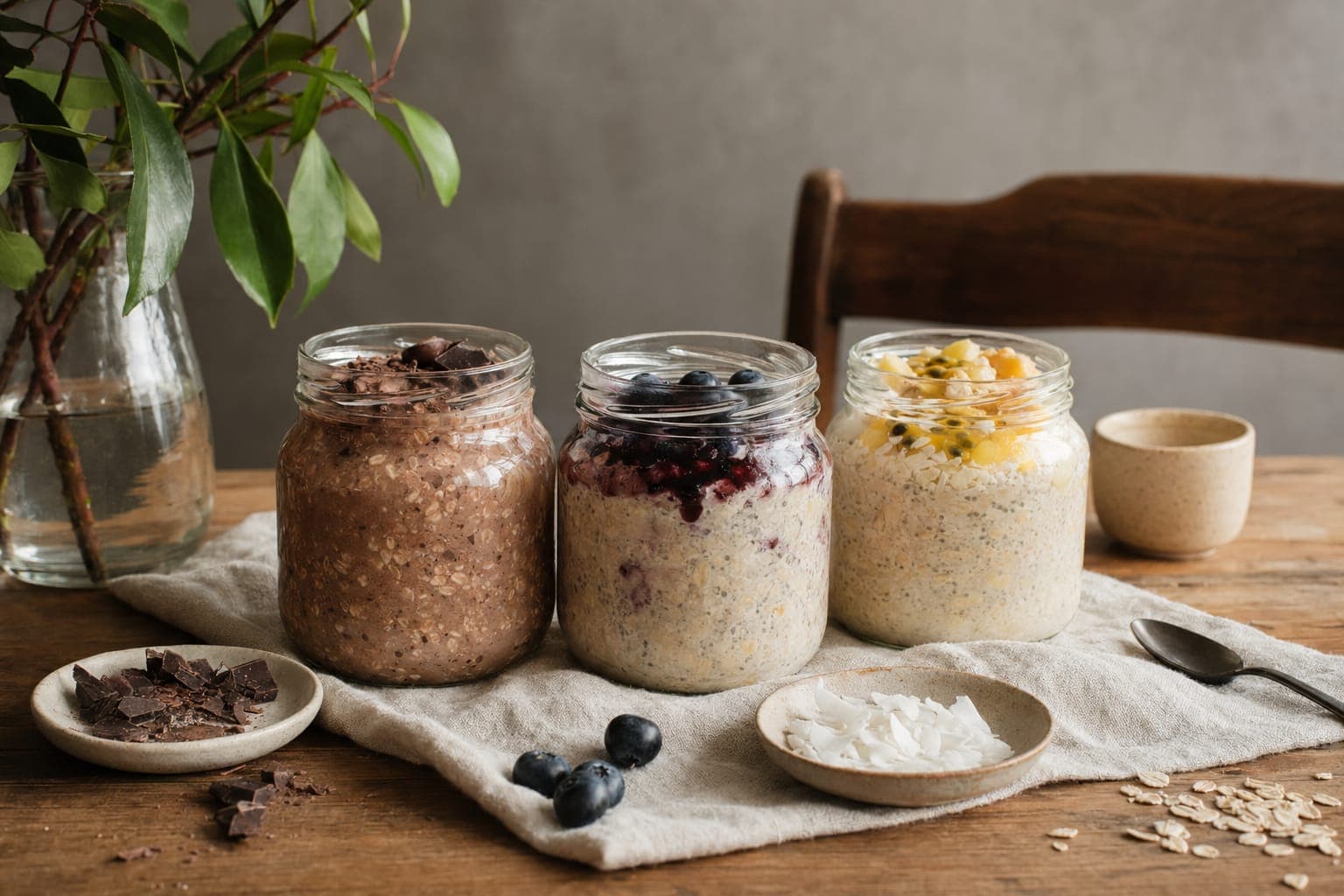
Organised Overnight Oats: 3 Variations
Three delicious overnight oats variations with Organised. Chocolate, berry, tropical flavours. Make them Sunday, eat them all week.


 Join over 100,000+ members
Build a better food system with us
The Organised community is thousands of people choosing real food and backing the farmers who grow it, all of us trying to leave the world a little better than we found it. If that is what you care about too, you belong here.