Preventing Bone Loss with Nutrition (Not Just Calcium)
You've been told that calcium prevents bone loss. That's only half the story. Bone is living tissue, and it responds to the full spectrum of nutrients you provide, not just one mineral.
By Niall Kiddle, Founder, Organised

Reviewed by Pedro Rodrigues, Agronomist (farming and sourcing only) ·
6 min read · Published · Updated · 3 cited sources
Makers of the Organised Daily blend, a grass-fed beef organ supplement from regenerative UK farms
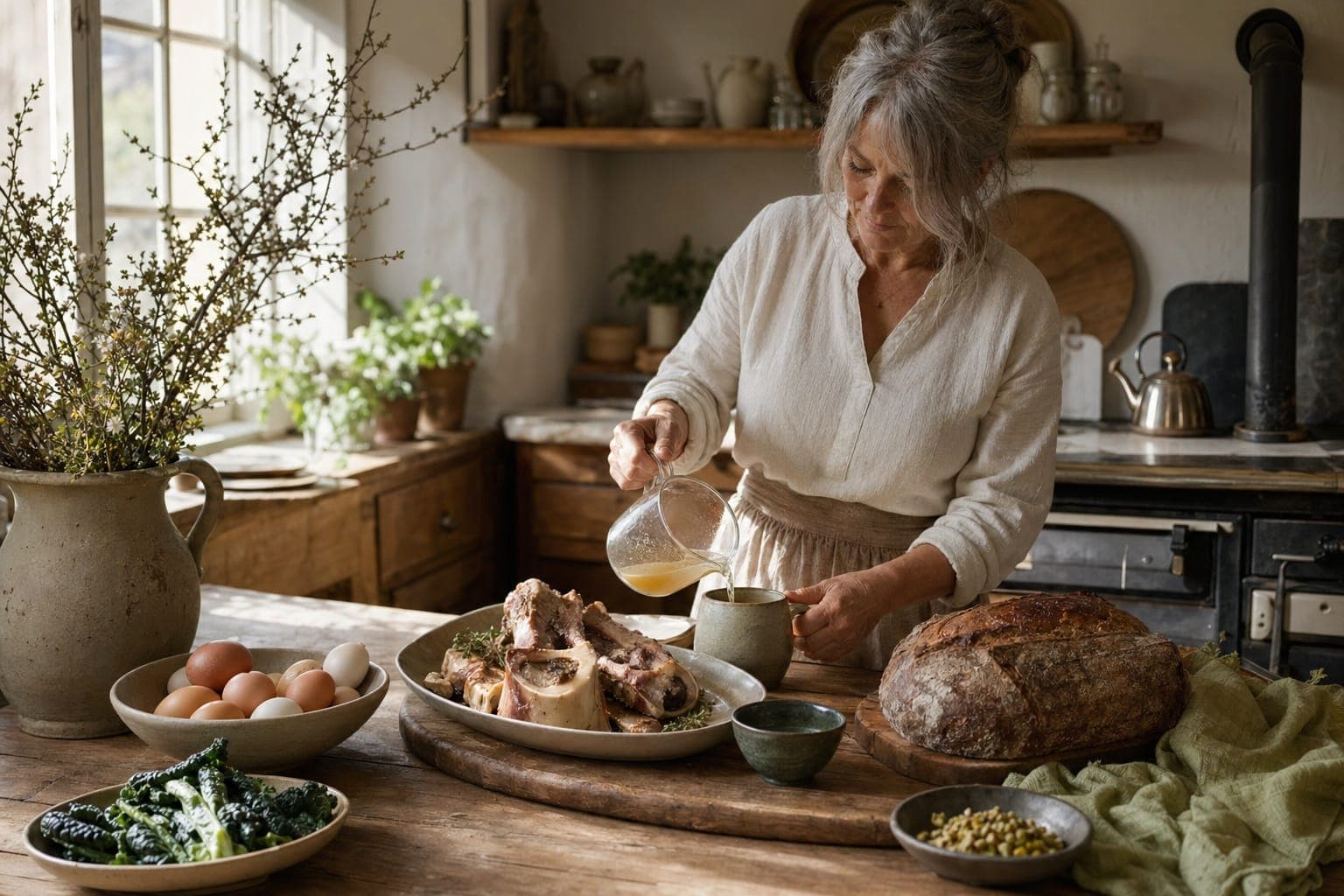
Women are told to drink milk and take calcium supplements. Men are told bone health isn't really their concern. Both assumptions are wrong, and both have consequences.
Why calcium alone isn't enough
Bone is composed of a mineral phase (predominantly hydroxyapatite, a calcium-phosphate mineral) and an organic matrix that is roughly 90% type I collagen. Both are required for bone strength and toughness.1
Focusing exclusively on calcium is like trying to build a house by pouring concrete and ignoring the steel reinforcement. You get brittle, fracture-prone bone. You can have high calcium intake and still have poor bone quality. The reverse is also true. You can absorb less calcium but have stronger bones if the collagen matrix is intact and the mineral balance is optimised.
Studies of hip fractures reveal something surprising. Women with the highest bone mineral density sometimes fracture first. Why? Because without proper collagen structure and optimal micronutrient status, the bone becomes rigid and brittle instead of flexible and resilient.
The mineral density number from a DEXA scan tells you part of the story. It doesn't tell you about bone quality, resilience, or whether the minerals are in the right form or properly cross-linked in the bone matrix.
Strong bone requires more than just calcium. It requires the entire nutrient ecosystem to build and maintain the living tissue underneath.
Collagen is the bone matrix
Collagen makes up the organic matrix of bone. Without adequate collagen, you can't build strong bone, regardless of how much calcium you're consuming. This is why protein is foundational to bone health after 50.
Collagen is made from amino acids, particularly glycine and proline. These amino acids come from protein in your diet, especially from animal sources. Gelatinous cuts of meat like bone broth, oxtail, chicken feet, and collagen-rich organ meats all provide these amino acids in their most bioavailable forms.
Plant proteins are incomplete. They lack certain amino acids that are abundant in animal proteins. They also contain anti-nutrients that reduce overall amino acid absorption. If you're trying to build bone strength with plant-based protein alone, you're working against your own physiology.
This is one reason why traditional cultures that had the strongest bones ate significant amounts of meat, organs, bone broth, and dairy. They weren't focusing on calcium quantity. They were providing the raw materials their bodies needed to build resilient bone.
Eating adequate protein, particularly animal protein, is as important for bone health as calcium. Overlooking it is a major nutritional error.
Vitamin K2 activates bone builders
Vitamin K is required for the gamma-carboxylation of osteocalcin (a vitamin-K-dependent protein involved in binding calcium into the bone matrix) and matrix Gla protein (which inhibits soft-tissue calcification). Menaquinones (K2) and phylloquinone (K1) both contribute to vitamin K status.2
K2 is found almost exclusively in fermented foods and animal products. The richest sources are aged cheeses, particularly French varieties like Comté and Gruyère. Grass-fed butter contains K2. Natto, a fermented soybean, has astronomical amounts, though it's an acquired taste. Meat from grass-fed animals contains K2. Modern vegetable oils and grain-fed animal products contain almost none.
Most people over 50 in modern societies are severely deficient in K2. It's not that they're eating too much calcium and not enough K2. They're barely getting any K2 at all.
Add K2 to your diet regularly. Aged cheese, grass-fed butter, or natto if you can tolerate it. A small amount goes a long way, and the effects on bone quality are measurable within months.
- Natto (1 serving): 100 micrograms K2, fermented soybean
- Aged Comté cheese (30g): 5-8 micrograms K2, flavourful addition
- Grass-fed butter (15g): 2-3 micrograms K2, versatile fat
- Grass-fed beef (100g): trace to 1 microgram K2, varies by cut
- Sauerkraut (2 tablespoons): small amounts K2, beneficial gut bacteria
Magnesium and the mineral balance
Magnesium plays multiple roles in bone health: it is a structural component of bone, modulates parathyroid hormone and vitamin D activity, and influences hydroxyapatite crystal formation.3
Modern diets are chronically low in magnesium. Refined foods have almost none. Mineral-depleted soil means even whole foods contain less than they used to. Most people over 50 are deficient.
The consequences show up as muscle tension, poor sleep, irregular heartbeat, and brittle bones. Magnesium deficiency is remarkably common and overlooked in bone health discussions.
Magnesium from whole foods is the foundation. Mineral water, green vegetables, nuts and seeds, and bone broth all provide it. But because absorption is difficult and deficiency is widespread, topical magnesium (Epsom salt baths, magnesium sprays) or targeted supplementation is often necessary for those over 50.
The mineral balance matters more than the individual mineral quantity. Calcium, magnesium, potassium, and phosphorus all need to be in the right ratio. When magnesium is low, even high calcium intake doesn't build good bone.
Magnesium is the forgotten mineral in bone health. Fix it, and everything else responds.
Get life-stage nutrition guides, free
Two short reads a week on eating well through pregnancy, childhood and older age.
By signing up you agree to receive emails from us. No spam, unsubscribe anytime.
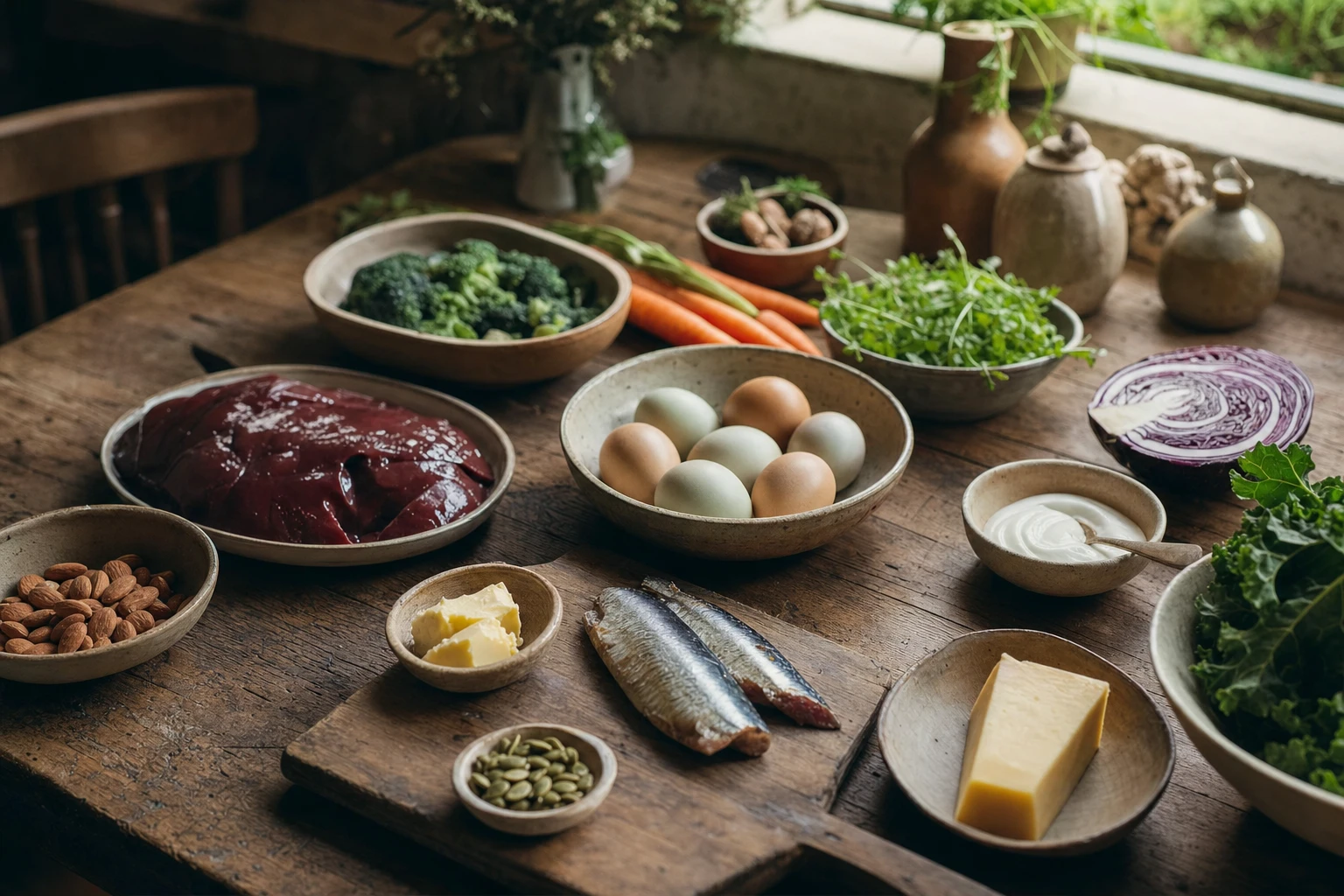
The foods that build bone
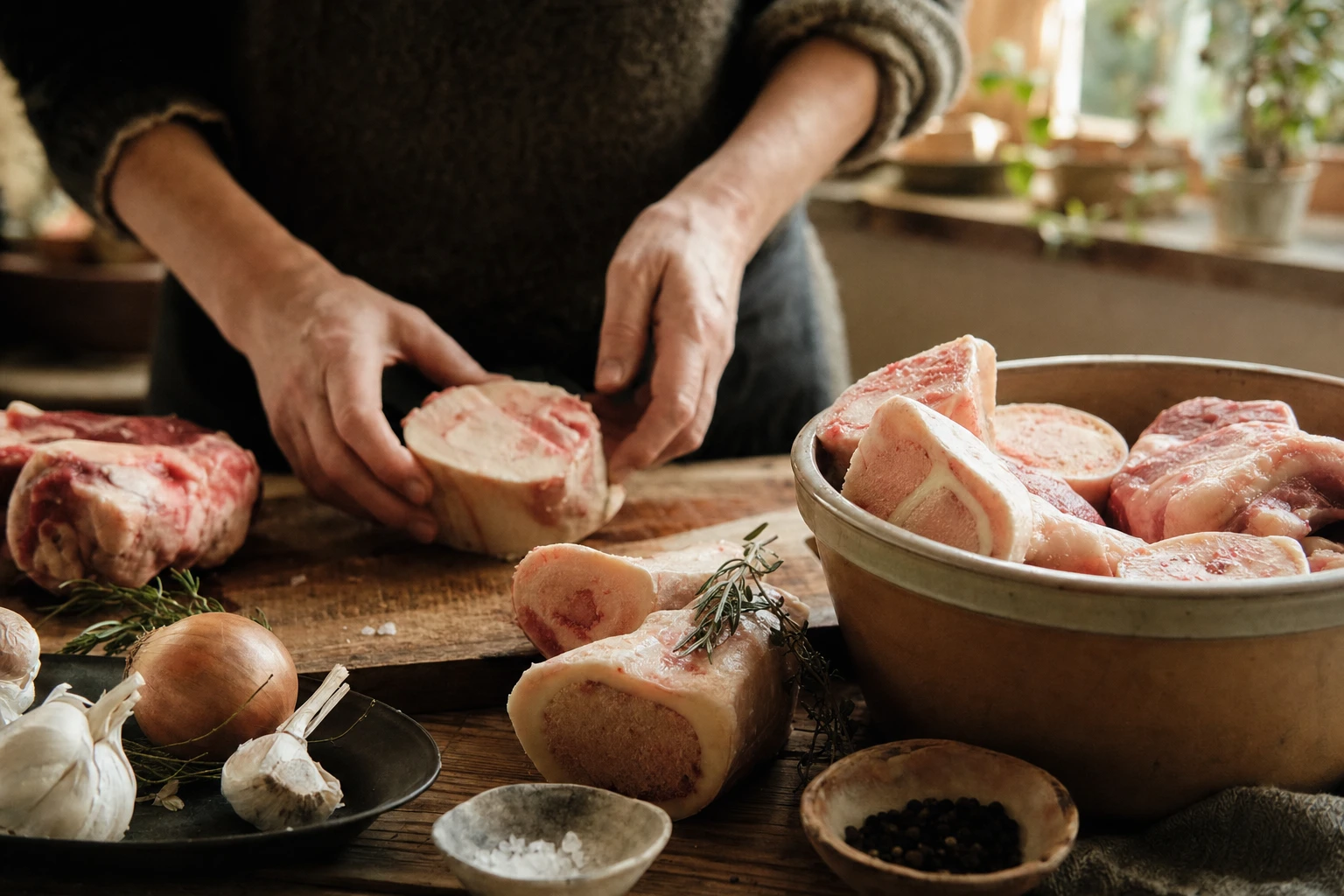
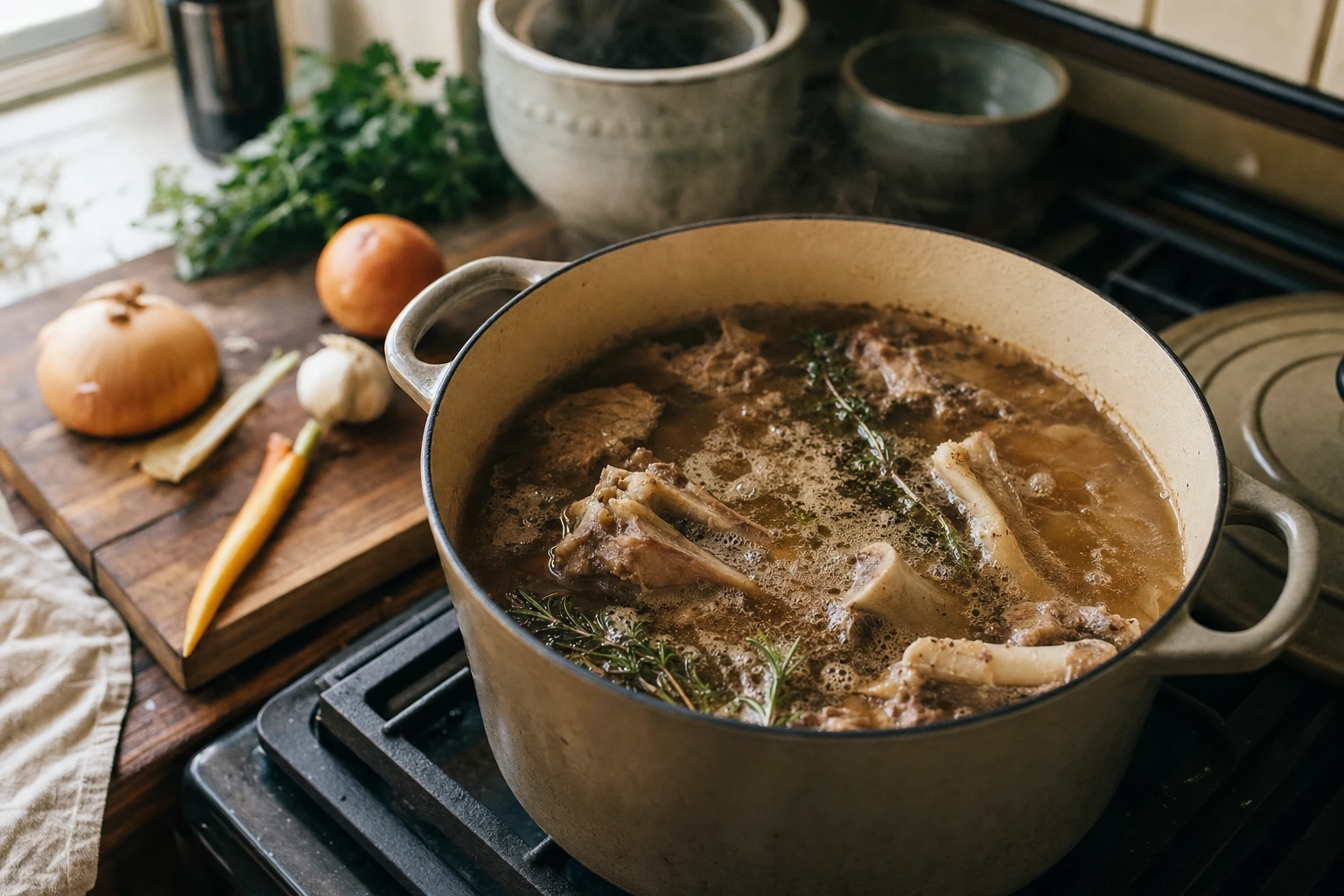
Bone broth is perhaps the single most bone-supportive food. Made by simmering bones, connective tissue, and cartilage for 12 to 48 hours, it provides collagen, gelatine, amino acids, minerals, and compounds like glucosamine and chondroitin, all supporting bone health.
Dairy, particularly full-fat dairy from grass-fed sources, provides calcium, K2, fat-soluble vitamins, and adequate protein. Aged cheeses are superior to milk for K2 content. Yogurt and kefir provide probiotics alongside the minerals.
Gelatinous meat cuts like oxtail, beef cheeks, chicken feet, and pork neck all provide collagen, gelatin, and the amino acids your bones need. These aren't premium cuts, but they're nutritional gold for bone health.
Organ meats, particularly liver, provide vitamin K2, vitamin A, and minerals. Liver from grass-fed animals is superior to conventional sources.
Leafy greens provide magnesium, potassium, and vitamin K2. They're often overemphasised and undersupported by mineral-rich animal products, but they're part of the picture.
Fatty fish provide vitamin D, omega-3 fats, and minerals. The vitamin D is essential for calcium absorption and utilisation.
Mineral water provides bioavailable minerals. Regular tap water and distilled water contain almost nothing. Mineral water or adding mineral-rich salt to your water provides ongoing mineral replenishment.
1 of 9
Daily blend
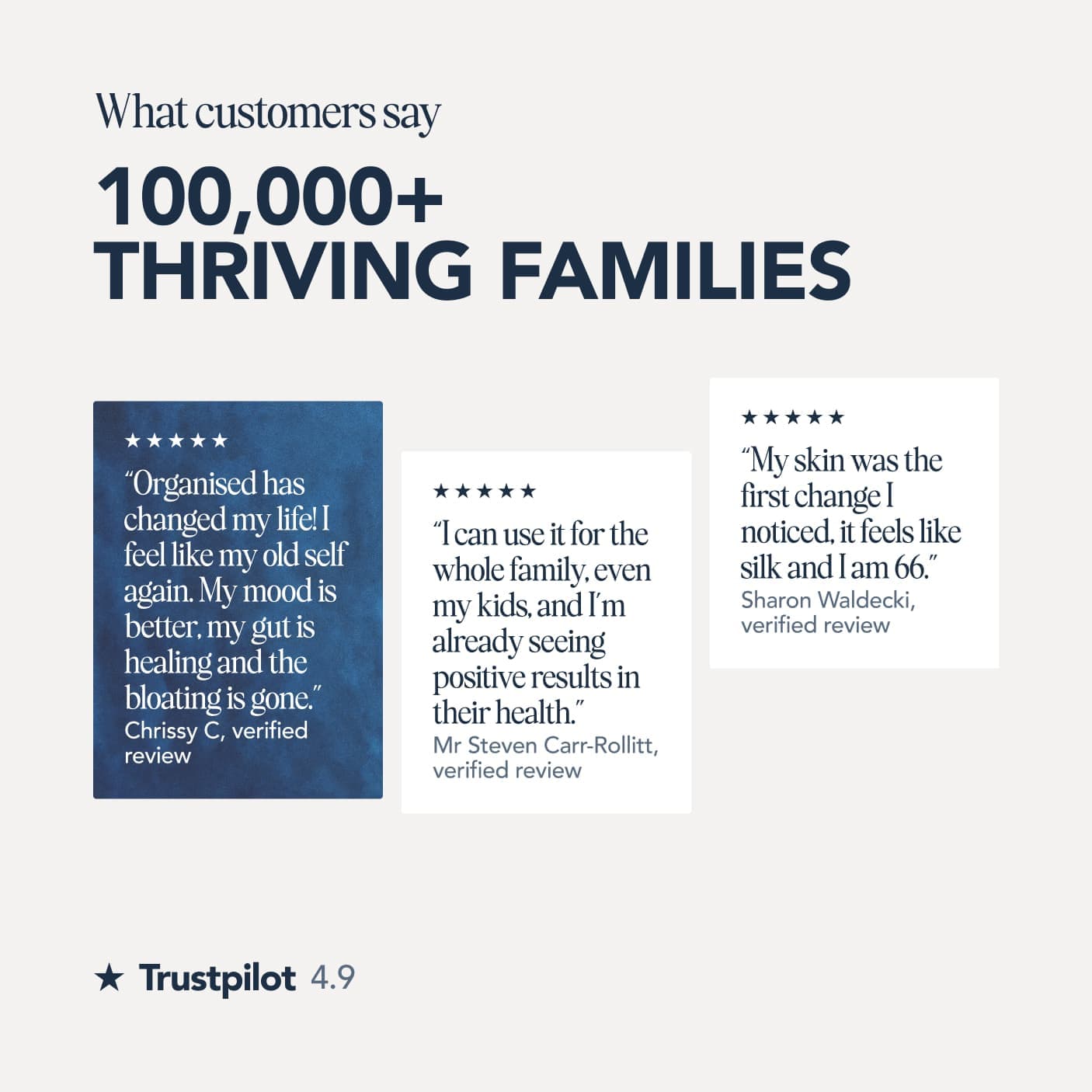
100,000+ thriving families4.9 on Trustpilot
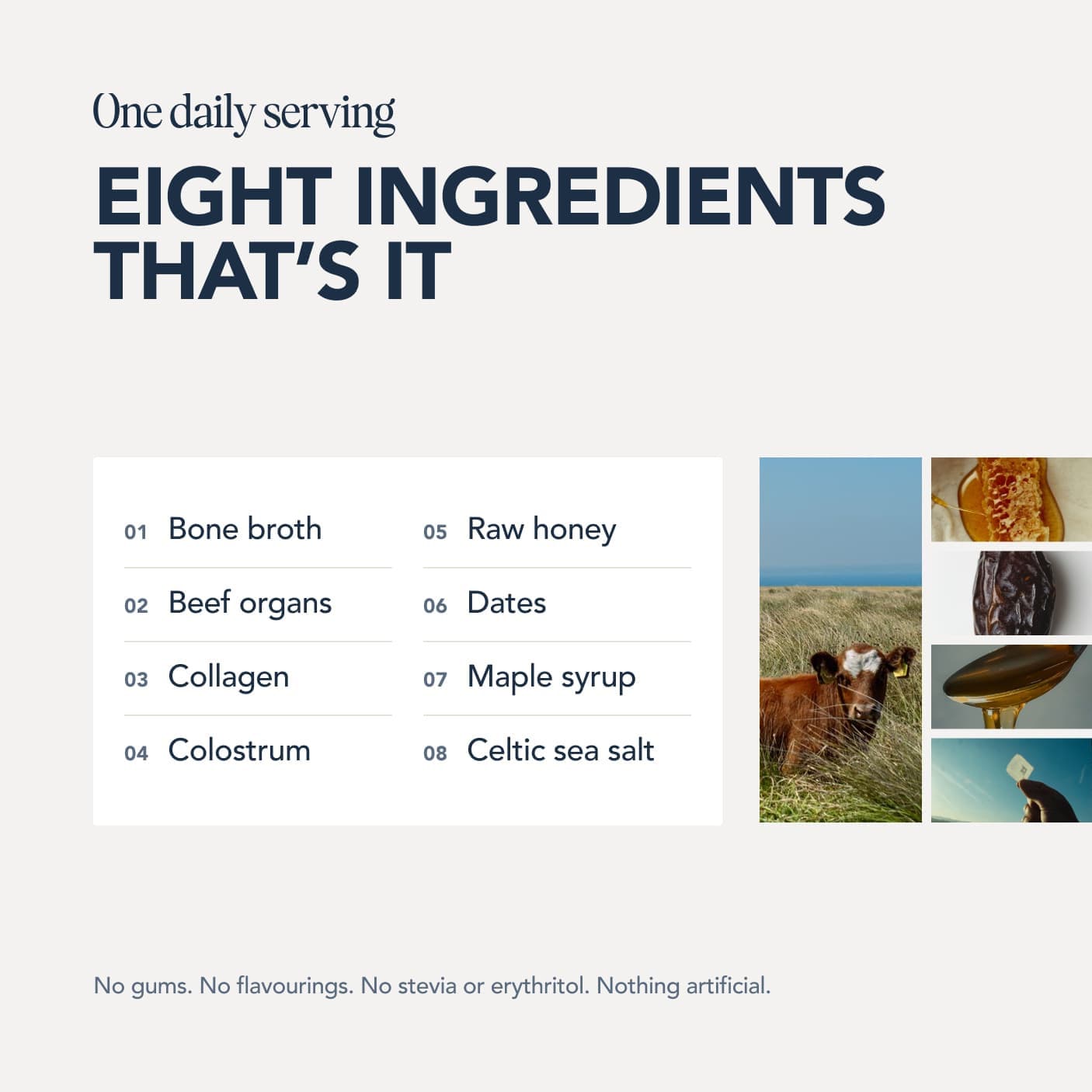
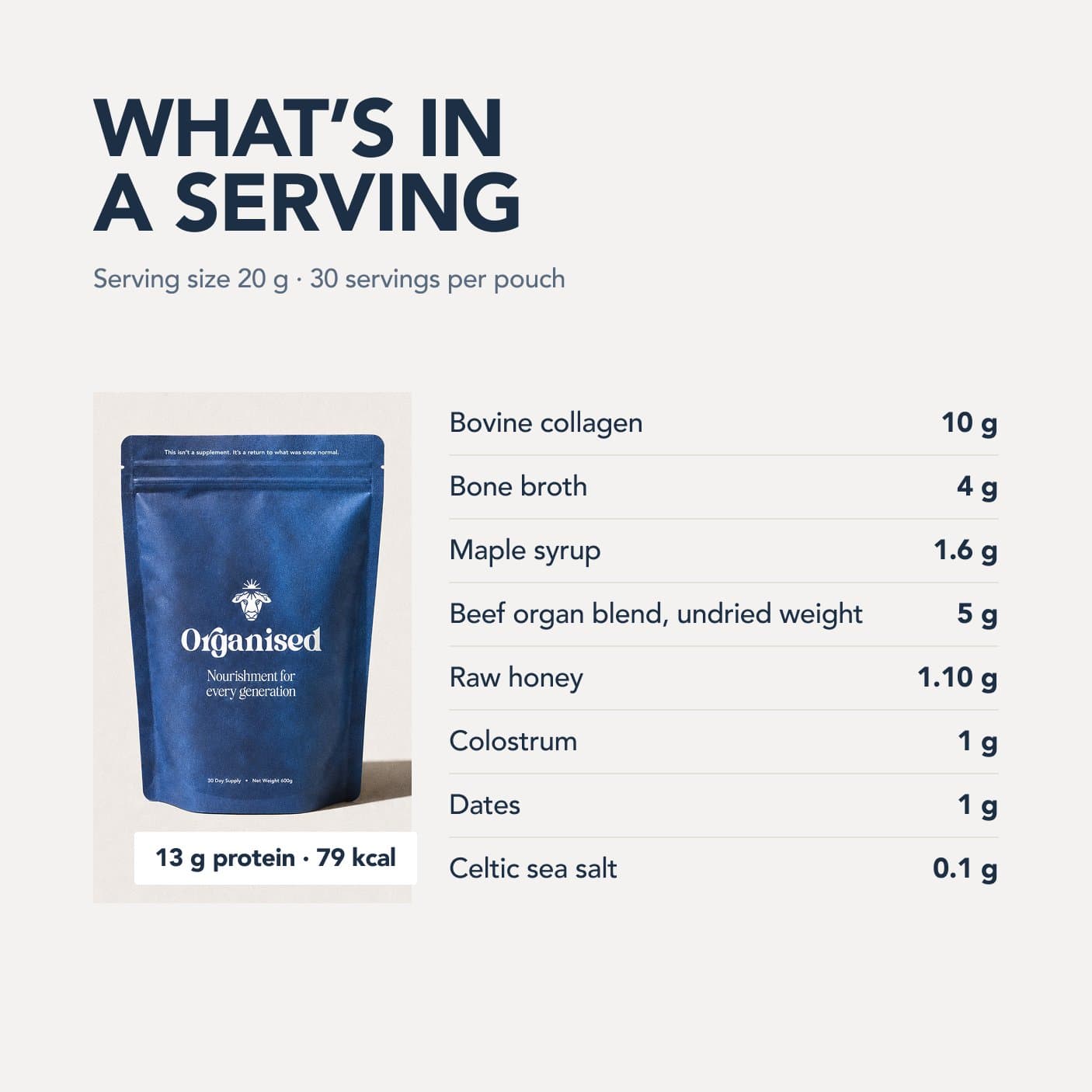
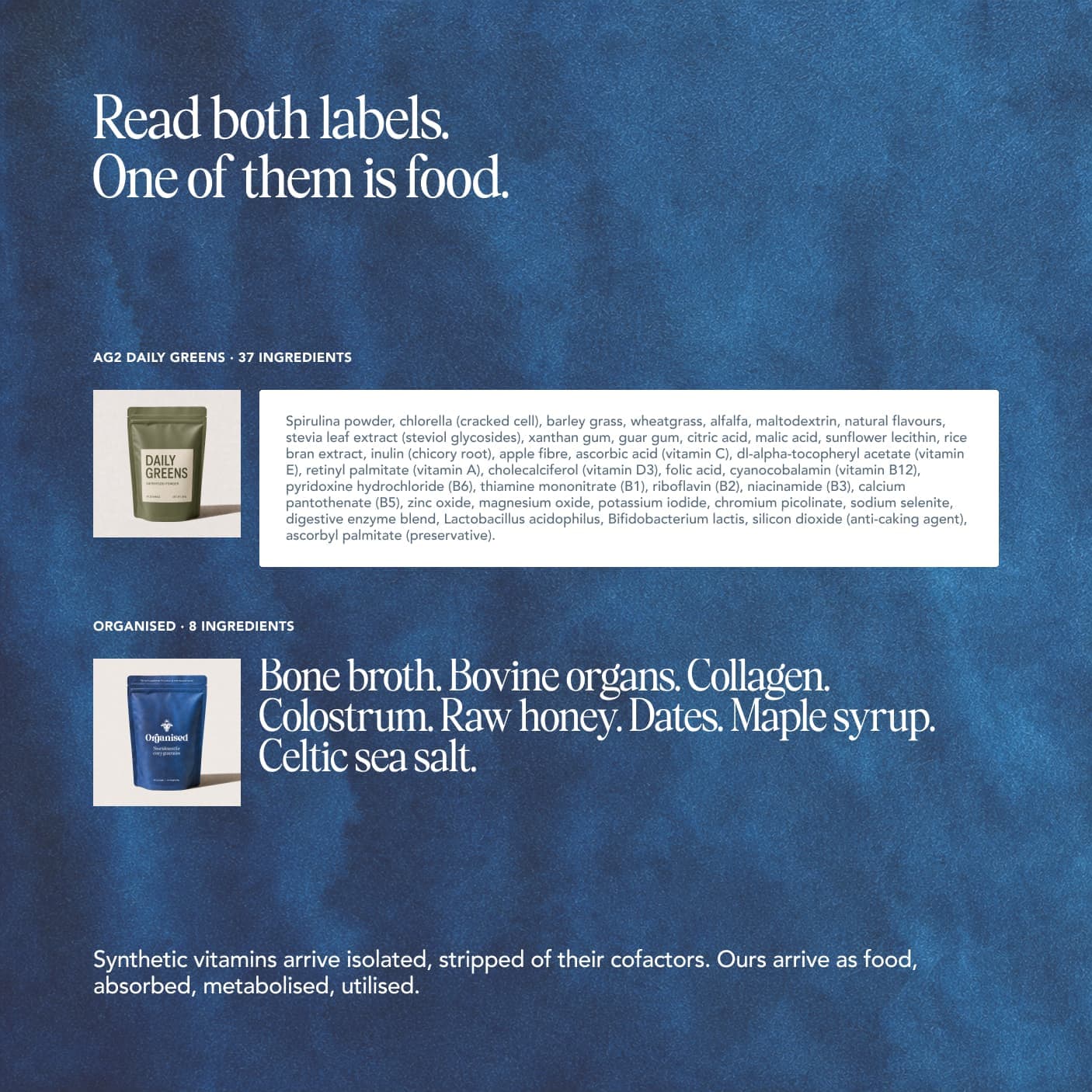
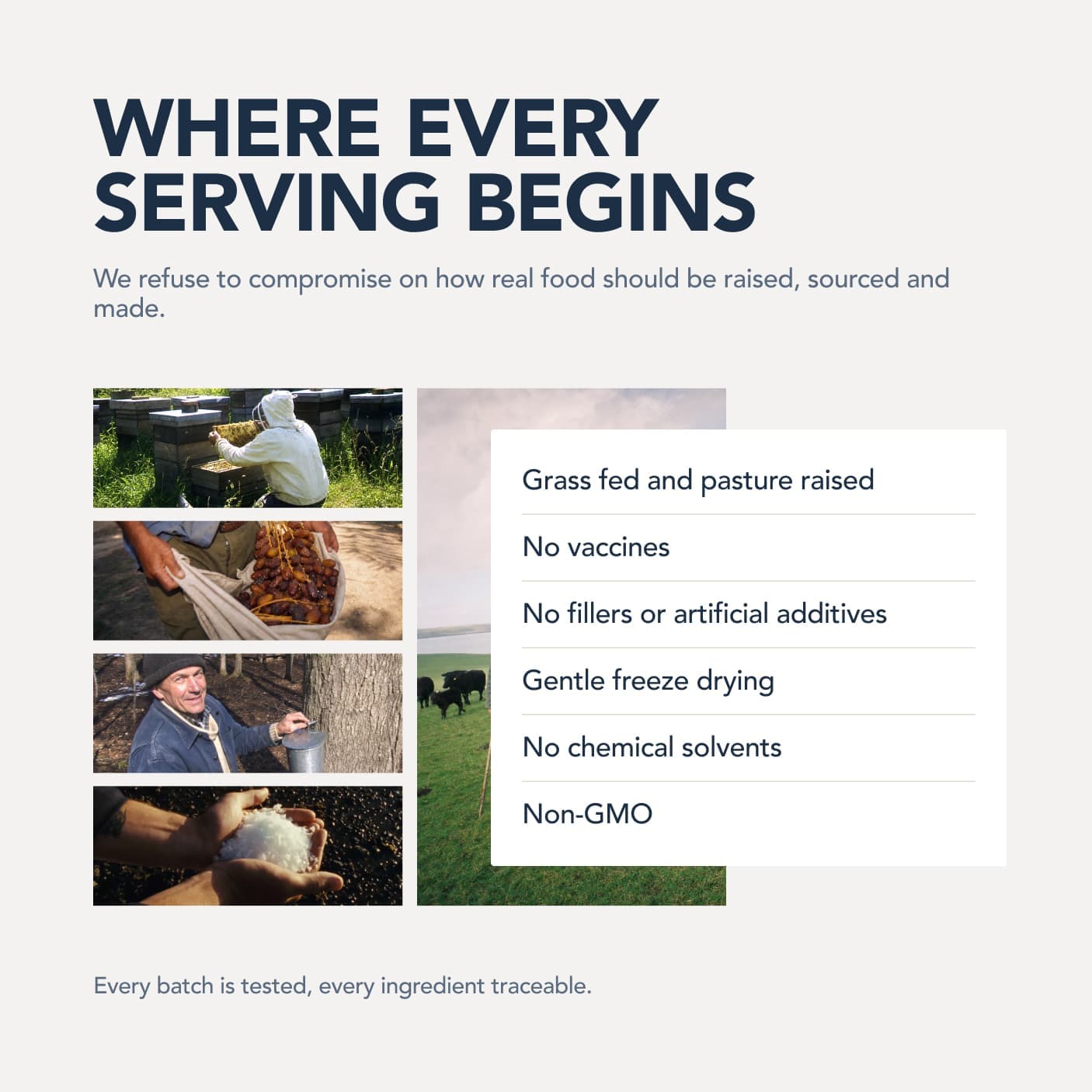
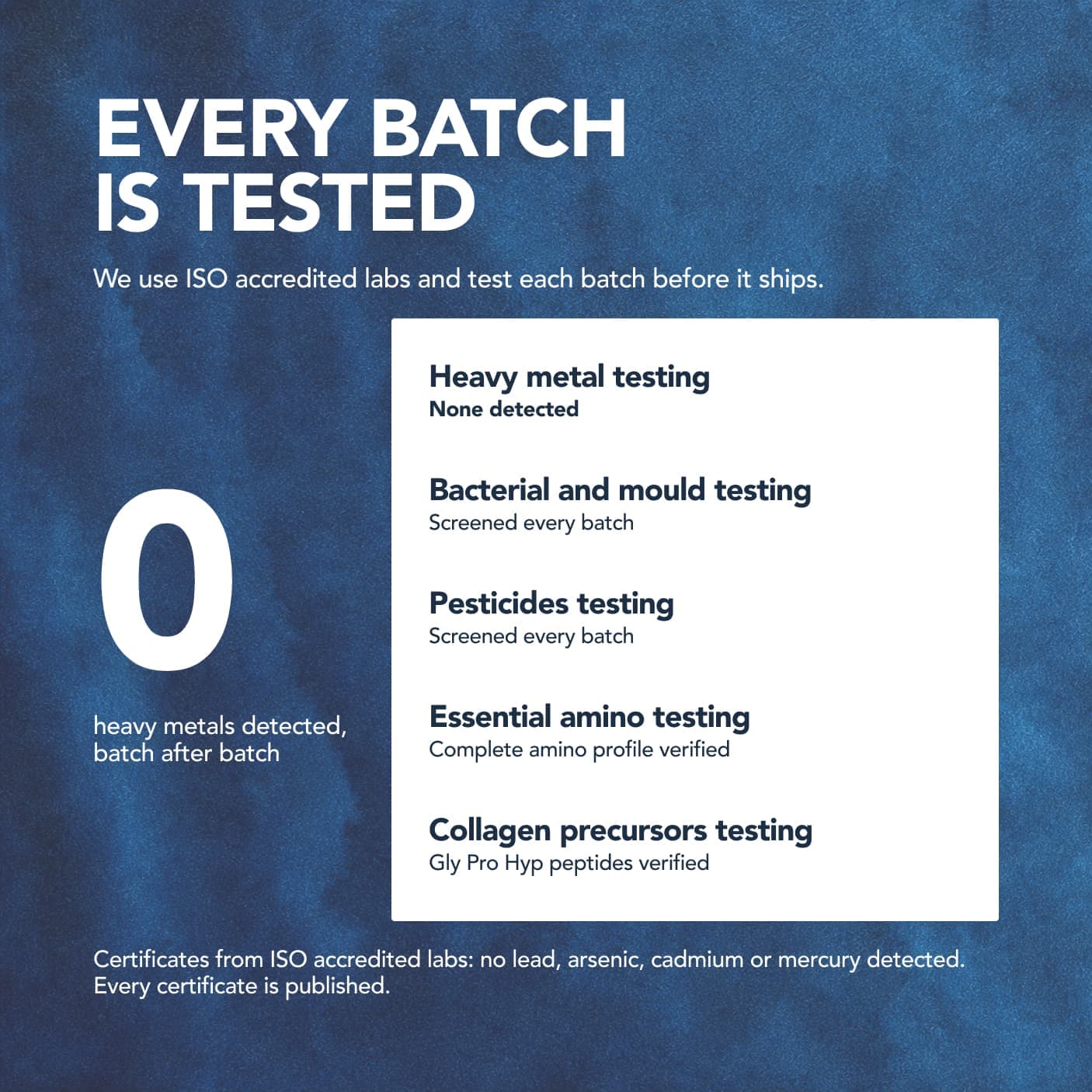
Eight real ingredients built around grass-fed beef organs, collagen and colostrum. Nothing synthetic added.
Free with your first order, worth £38. Plus £10 off the pouch with a subscription.
Free UK shipping · Made in England · 100 day money back guarantee on your first pouch · Skip, pause or cancel anytime
Exercise plus nutrition equals resilience
Bone remodels in response to mechanical stress. Weight-bearing exercise, particularly resistance training, signals the body to build bone. Without this signal, nutrition alone won't prevent loss.
This is why sedentary people with high calcium intake still experience bone loss. The bone isn't receiving the signal to stay strong. Conversely, active people with moderate calcium intake maintain better bone density because the mechanical stress drives adaptation.
The combination is essential. Exercise without nutrition means your body is trying to build bone without the raw materials. Nutrition without exercise means you're providing the materials but not signalling the need to stay strong.
After 50, resistance training becomes not optional but essential. Walking helps. Swimming helps. But nothing beats resistance exercise for maintaining bone density. Combine it with whole food nutrition, and the results are measurable.
The bottom line
Bone loss after 50 isn't inevitable. It's the result of inadequate nutrition combined with insufficient mechanical stress. Address both, and your bones respond.
Focus on protein to build the collagen matrix. Ensure adequate magnesium and other minerals. Get vitamin K2 regularly from fermented foods and grass-fed products. Combine this with weight-bearing exercise, and you have the foundation for maintaining strong, resilient bones for decades.
Your bones are living tissue. Feed them properly, challenge them appropriately, and they will serve you well into old age.
References
Every source below was checked on 27 August 2026. Each link was requested and read. Where a citation and its identifier disagreed, the citation was corrected to the record or the reference was deleted along with the sentence marker that pointed at it, and where the resolved paper turned out not to support the sentence, the sentence was cut back to what it does support. Borrowed authority is worse than none, because it looks like rigour.
- National Institutes of Health, Office of Dietary Supplements. Calcium — Health Professional Fact Sheet. https://ods.od.nih.gov/factsheets/Calcium-HealthProfessional/
- National Institutes of Health, Office of Dietary Supplements. Vitamin K — Health Professional Fact Sheet. https://ods.od.nih.gov/factsheets/VitaminK-HealthProfessional/
- National Institutes of Health, Office of Dietary Supplements. Magnesium — Health Professional Fact Sheet. https://ods.od.nih.gov/factsheets/Magnesium-HealthProfessional/
Who wrote and reviewed this guide
Niall Kiddle
Author · Founder, Organised
Niall is the founder of Organised. He started the company in 2024 after fixing his own health the slow way: in 2022 he swapped a cupboard of synthetic supplements for real food, raw milk, organ meats, bone broth and honey, and felt the difference within months.
Areas of expertise: Ancestral nutrition, Organ meats, Whole-food supplementation, Gut health, Regenerative sourcing
Read Niall's full profile
Pedro Rodrigues
Reviewer · Agronomist (farming and sourcing only)
Pedro is the agronomist Organised works with on farming and sourcing. His job on the guides is to keep the science honest: he reviews what we publish about soil health, regenerative agriculture, grazing and the way food is actually produced.
Areas of expertise: Regenerative agriculture, Agronomy, Soil health, Grass-fed farming, Food sourcing
Reviewed this guide on
Read Pedro's full profileMore on over 50s
View all- B12 Absorption Declines with Age: Here's What to Do
- Cognitive Decline and Nutrition: Protecting Your Brain as You Age
- Digestive Changes After 50: How to Maintain Gut Health
- Eye Health and Nutrition: Protecting Your Vision as You Age
- Nutrition After 50: What Changes and What to Prioritise
- Sarcopenia: The Silent Muscle Loss Epidemic
Browse the guides library
All guidesKeep reading
Life stage
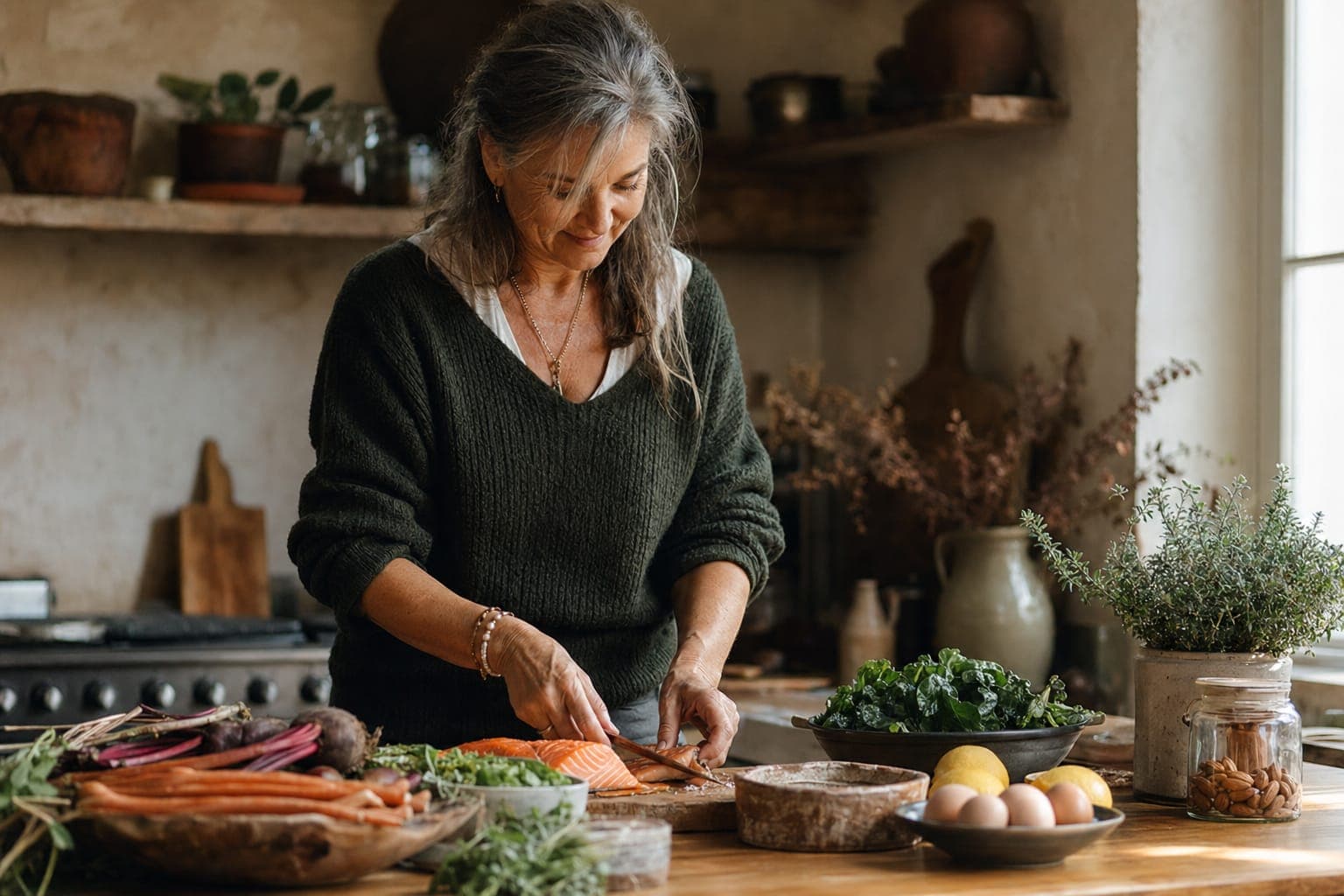
Nutrition After 50: What Changes and What to Prioritise
After 50, your nutritional needs shift. Discover how declining absorption, protein, bone health, and cognition reshape what you should be eating.

Life stage
One Pouch, Every Generation: How Real Families Use Organised
See how real families use Organised across different ages and life stages, from kids to grandparents, and what multi-generational nutrition looks like daily.

Life stage
5 Metabolism-Killing Habits of Desk Workers (And How to Fix Them)
Sitting, skipping breakfast, constant snacking, coffee before food, no sunlight. These five habits tank your metabolism. Here's how to reverse them all.
Real food, made effortless
Find my daily blendA few ways to use it
All recipes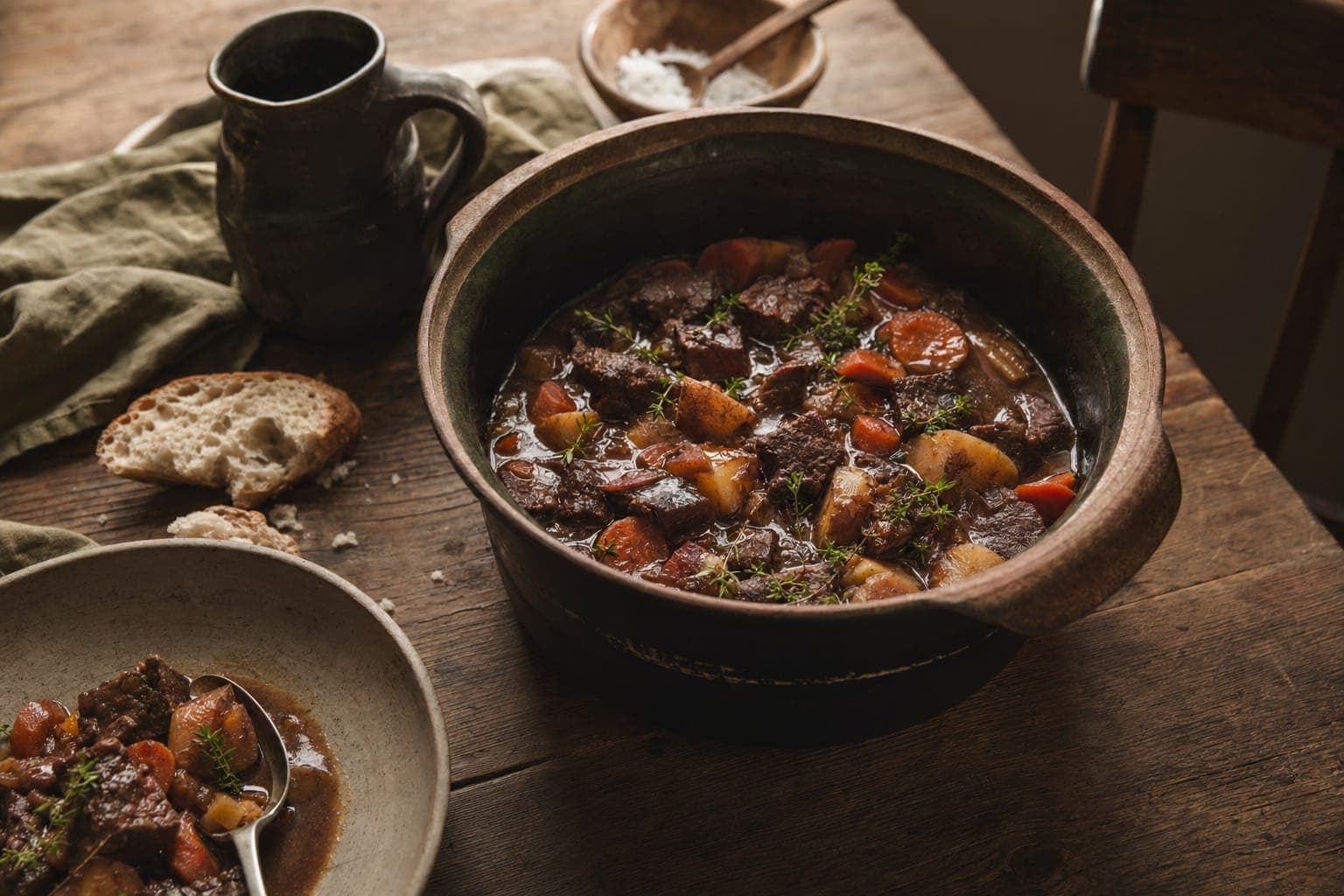
Collagen-Rich Beef Stew: Slow-Cooked Nourishment
Beef stew that delivers collagen from connective tissue and bone broth. Winter comfort food that actually nourishes. Simple slow cooker recipe.
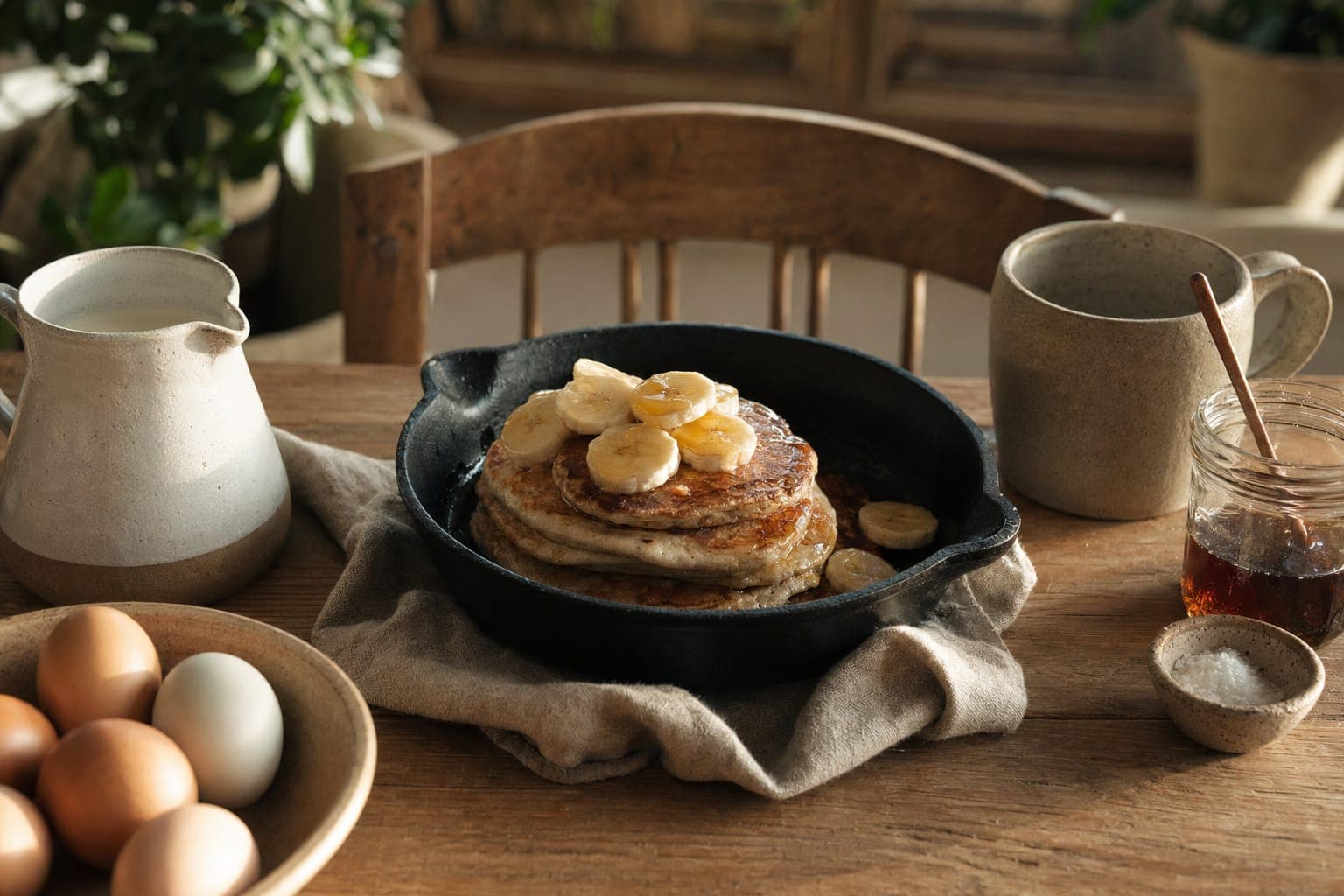
Organised Protein Pancakes: A Weekend Favourite
A high-protein pancake recipe using beef protein, eggs, and raw milk. Cooked in cast iron, naturally sweetened with banana and honey. Real food breakfast.
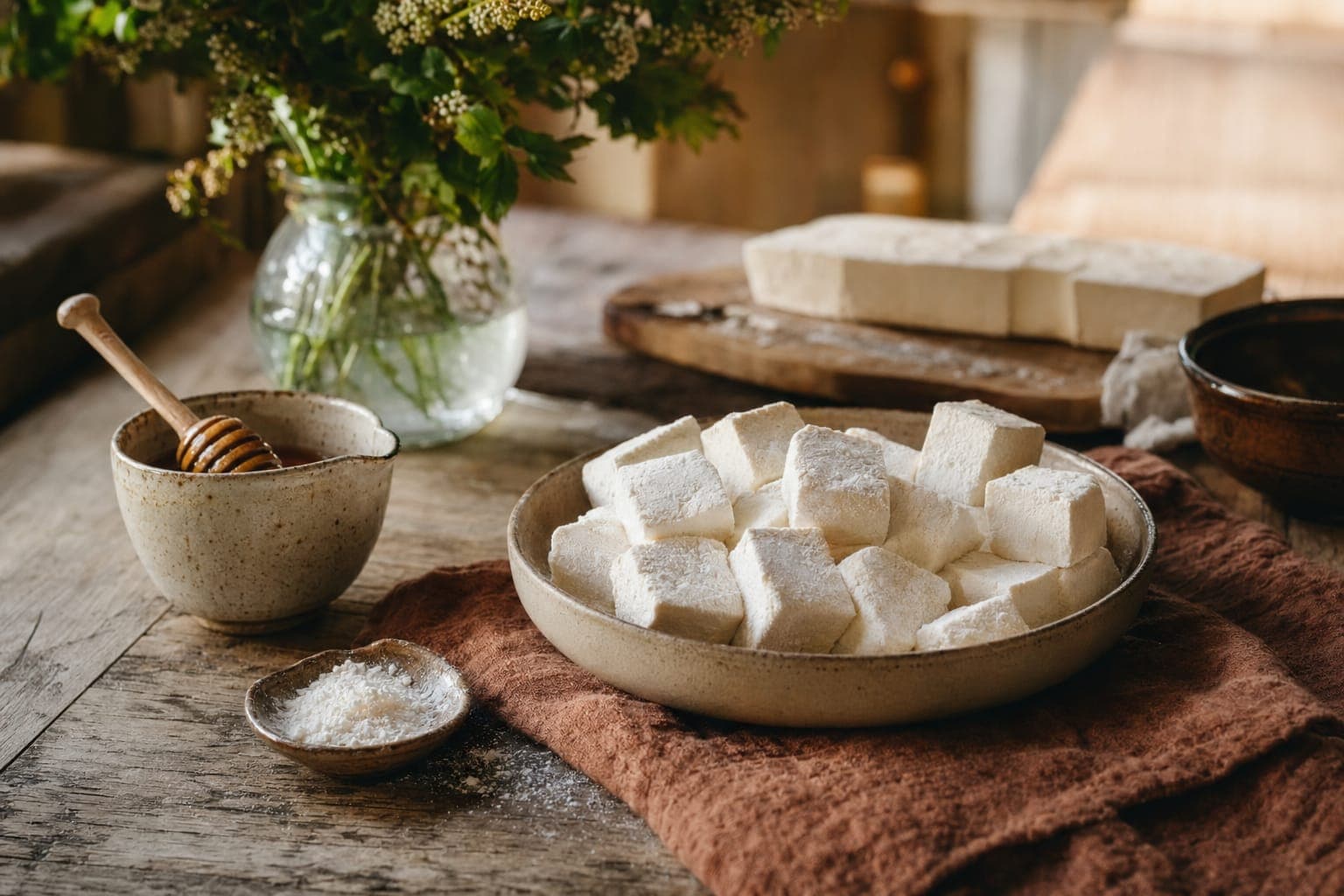
Gut-Healing Marshmallows with Collagen and Raw Honey
Learn to make gut-healing marshmallows with collagen and raw honey. A shareable treat that sneaks nutrition into every bite. Easy recipe with video tips.


 Join over 100,000+ members
Build a better food system with us
The Organised community is thousands of people choosing real food and backing the farmers who grow it, all of us trying to leave the world a little better than we found it. If that is what you care about too, you belong here.