Why Whole Food Beats Synthetic Sports Nutrition
Open your kitchen cupboard. On one shelf sit energy bars, powder tubs, and amino acid capsules. On another, eggs, fruit, and nuts. Athletes are spending fortunes on the first whilst ignoring what they actually need from the second.
By Niall Kiddle, Founder, Organised

Reviewed by Pedro Rodrigues, Agronomist (farming and sourcing only) ·
6 min read · Published · Updated · 2 cited sources
Makers of the Organised Daily blend, a grass-fed beef organ supplement from regenerative UK farms
There is a quiet assumption in sports nutrition that isolated nutrients are better. More concentrated. More scientific. More optimised. But that assumption is backwards.

The problem with isolated isolates
When you drink a whey isolate, you are consuming a fraction of what is in milk. Whey protein has been stripped of casein, lactose, minerals, enzymes, and dozens of bioactive compounds that make milk work in the human body. What is left is convenient, yes. Cheap to produce, certainly. But incomplete.
Isolated proteins lack context. When you eat a whole egg, you get the complete amino acid profile alongside choline for brain development, lutein for eye health, selenium, phospholipids1, and a ratio of fats designed by nature to support absorption of everything else in that egg. When you drink whey isolate, you get a single-nutrient bolt of amino acids that your body must then assemble into something useful without the supporting cast.
Your body does not run on single nutrients. It runs on systems. And systems require context.
The sports nutrition industry has sold athletes on the belief that more protein is automatically better, and that isolated protein is the most efficient delivery mechanism. But efficiency is not the same as effectiveness. An isolated amino acid requires cofactors, minerals, B vitamins, and digestive capacity to be utilised properly. Many athletes chugging protein shakes are actually experiencing poor absorption because they are missing the supporting nutrients.
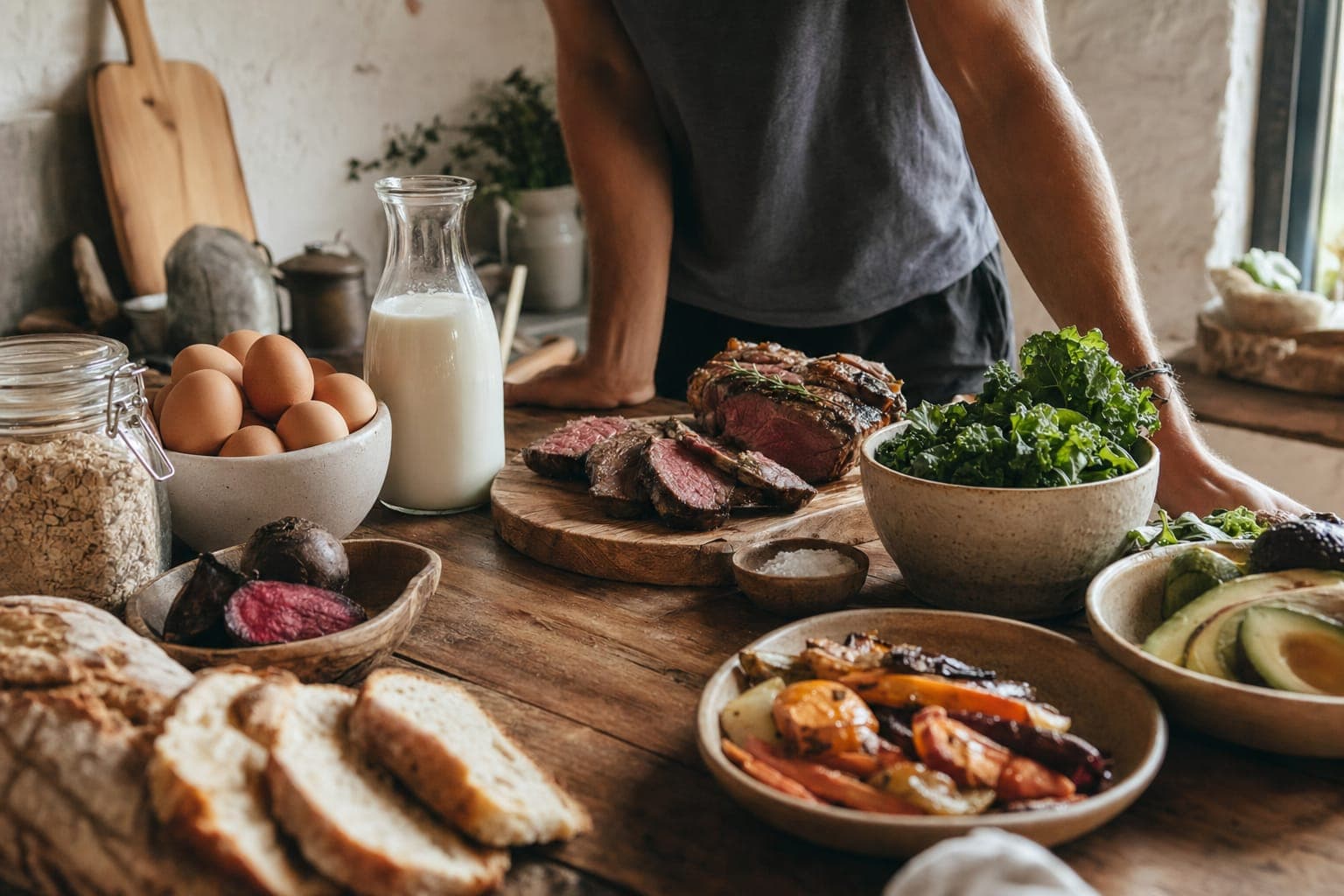
Beef, fish, eggs, milk, yoghurt. These are complete packages. When you consume them, you are getting not just amino acids but the minerals, vitamins, enzymes, and compounds that help your body actually use them.
What synthetic sweeteners actually do to your system
Most sports supplements sweeten with artificial sweeteners. Sucralose, aspartame, acesulfame potassium. These hit your taste buds hard, register as sweet, but then create a biological mismatch. Your body tastes sweetness but gets no calories. No quick glucose. No energy signal.
This mismatch is the problem. Your gut has sweet receptors. When they light up without corresponding glucose, your metabolic system becomes confused. Some research suggests chronic exposure to artificial sweeteners can alter gut bacteria, suppress satiety signals, and even make you consume more calories later because your body is still searching for the energy it thought was coming.
More importantly for athletes, synthetic sweeteners offer nothing. A banana gives you glucose, fructose, fibre, potassium, and vitamin B6. A sports drink sweetened with sucralose gives you water and a chemical flavour that leaves your blood sugar unmoved.
Real sweetness means energy. Fake sweetness means your body is confused.
The artificial sweetener industry exists because it is profitable, not because it is better for performance. A mango costs almost nothing and delivers what a synthetic energy gel costs five times as much to pretend to deliver.
The cofactor story nobody tells you
Nutrients work in concert. Iron needs vitamin C, copper, and certain amino acids to be absorbed properly. Magnesium requires adequate calcium, vitamin D, and boron. B vitamins work as a team, not as isolated compounds. When you supplement a single nutrient in isolation, you are creating an imbalance.
The human body evolved for millions of years consuming whole foods. When you eat liver, you get not just iron but vitamin A, B12, B6, copper, selenium, choline, and dozens of other compounds in ratios that support each other. When you take an iron supplement alone, you may actually impair the absorption of other minerals like zinc.
Athletes chasing performance often load up on supplements designed to address specific gaps: branched-chain amino acids for muscle preservation, beta-alanine for endurance, beetroot juice powder for nitric oxide. But each of these is a single lever being pulled in isolation. Meanwhile, the foundational nutrition that would make all of them work better is being ignored.
Whole food provides cofactors naturally. Grass-fed beef delivers carnitine, CoQ10, and B vitamins alongside amino acids. Sweet potatoes provide potassium, manganese, and carbohydrate together. Eggs offer choline with protein and fat. These are not accidents of nature. They are the way the body learns to extract and use nutrients efficiently.
Get life-stage nutrition guides, free
Two short reads a week on eating well through pregnancy, childhood and older age.
By signing up you agree to receive emails from us. No spam, unsubscribe anytime.
Why real food fuels performance differently
A 2012 study comparing athletes fuelled by whole foods versus isolated supplements found that whole food consumption resulted in faster recovery, better mitochondrial function, and improved energy availability in muscle tissue. The difference was not massive, but it was consistent. And it was not because of calories. The calories were matched.
The mechanism appears to be in what is called nutrient synergy. Your digestive system, your gut microbiota, and your metabolic machinery all respond differently to whole food. Digesting whole food requires more energy, which sounds like a disadvantage, but it actually activates metabolic signalling that prepares your system for performance. Chewing matters. Fibre matters. The texture and complexity of food triggers physiological responses that a powder simply cannot.
Your body evolved to break down complex food. When you give it simple powders, it has to work backwards to reassemble them into something useful.
Real food also provides what is called the matrix effect. The physical structure of food, the way nutrients are packaged and distributed, affects absorption and utilisation. Nutrient isolation removes this matrix, which means lower bioavailability despite higher concentration. You are getting more of the nutrient, but less of it actually gets used.
Athletes performing at high intensity need not just amino acids but the complete spectrum of support: minerals for electrolyte balance, antioxidants for inflammatory recovery, fatty acids for hormone production, B vitamins for energy metabolism. Real food delivers all of this. Supplements deliver one thing at a time and hope everything else is already in place.

1 of 9
Daily blend
100,000+ thriving families4.9 on Trustpilot
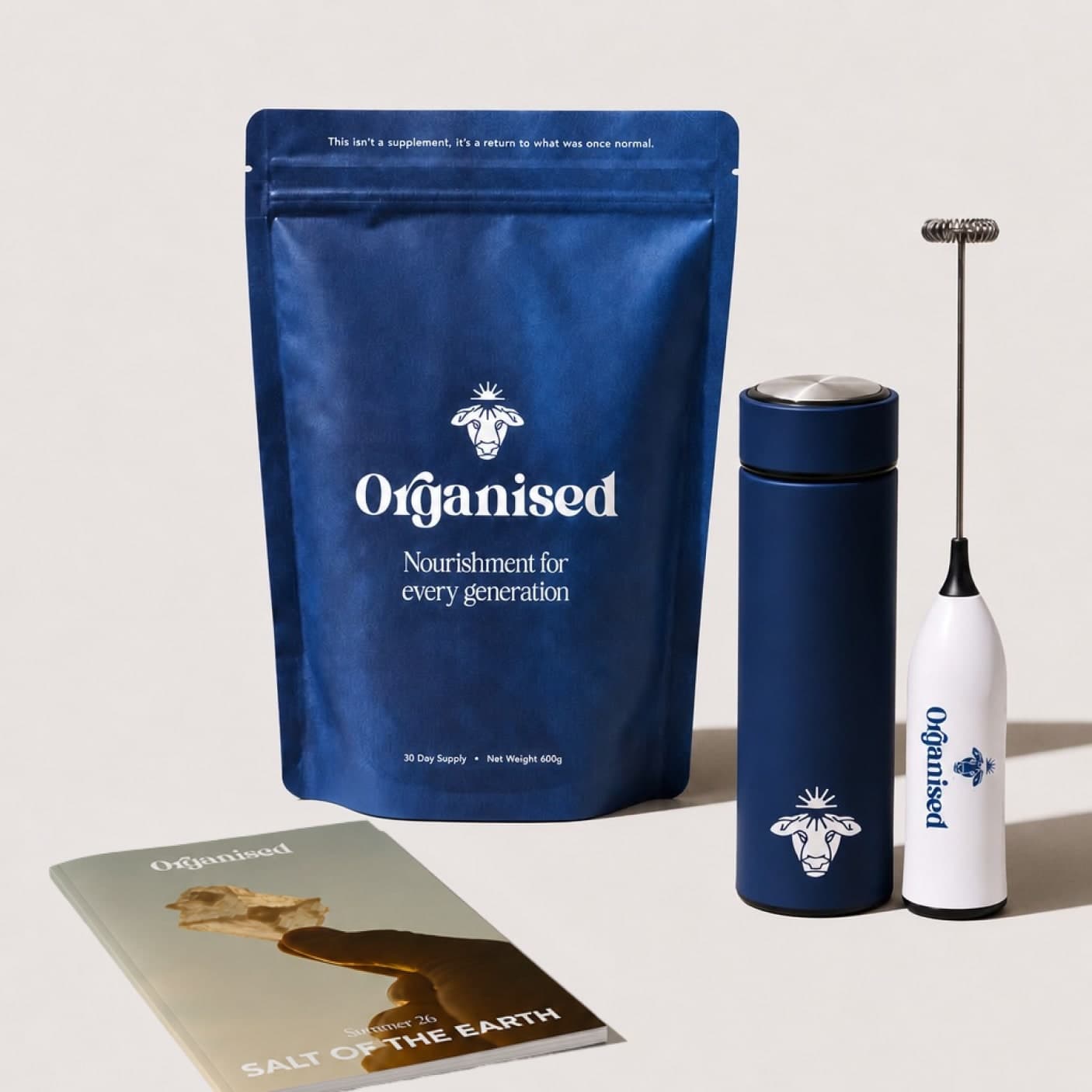
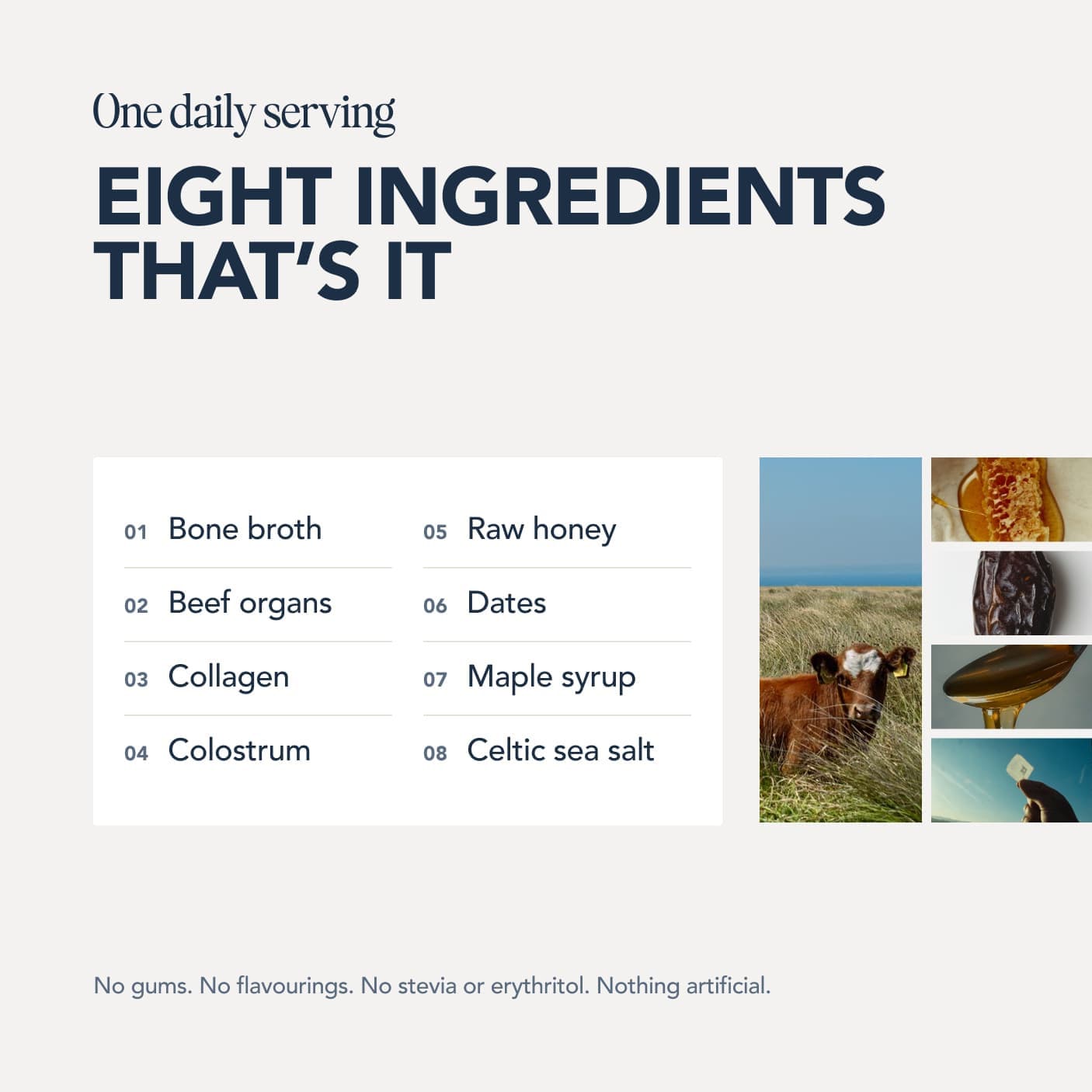
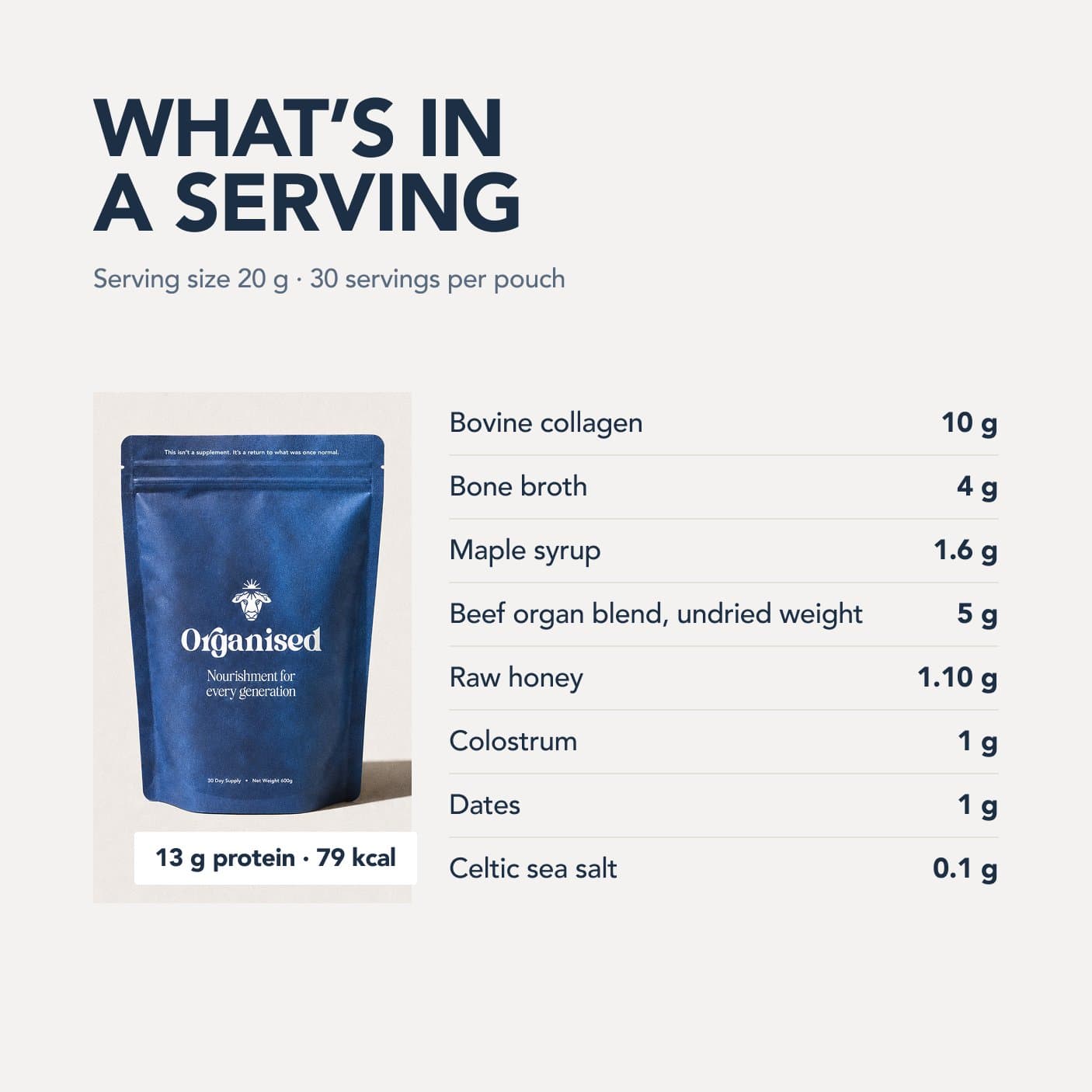
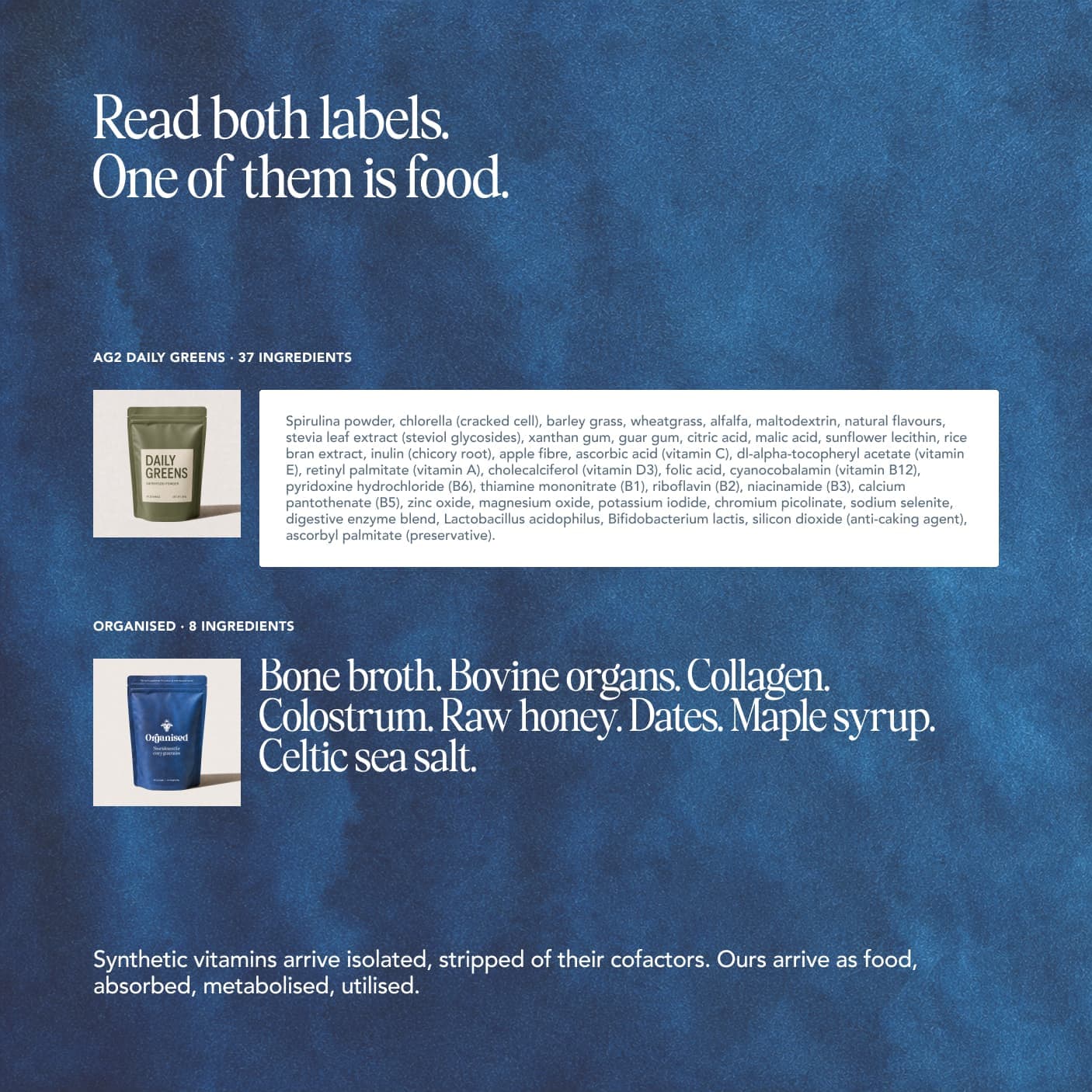
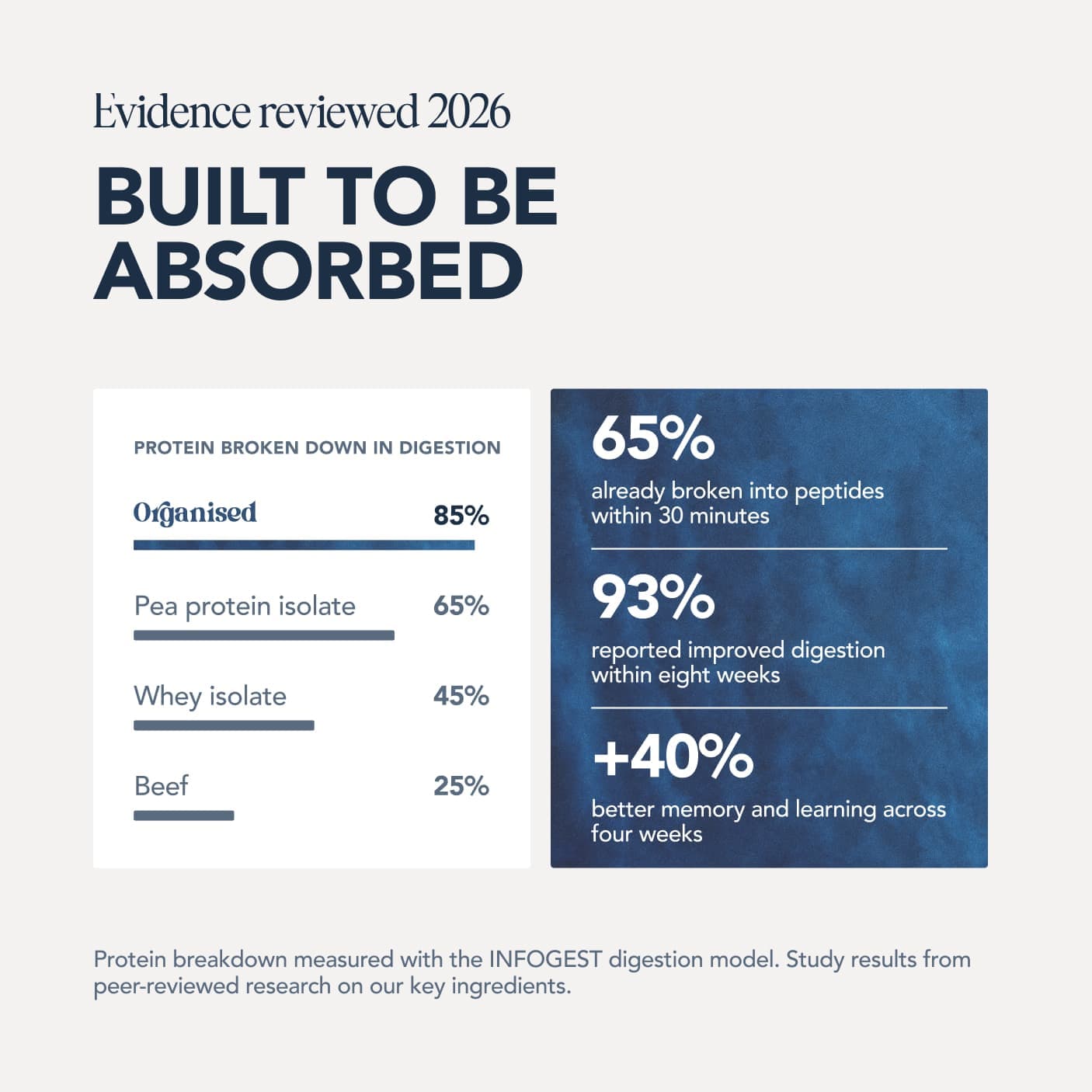
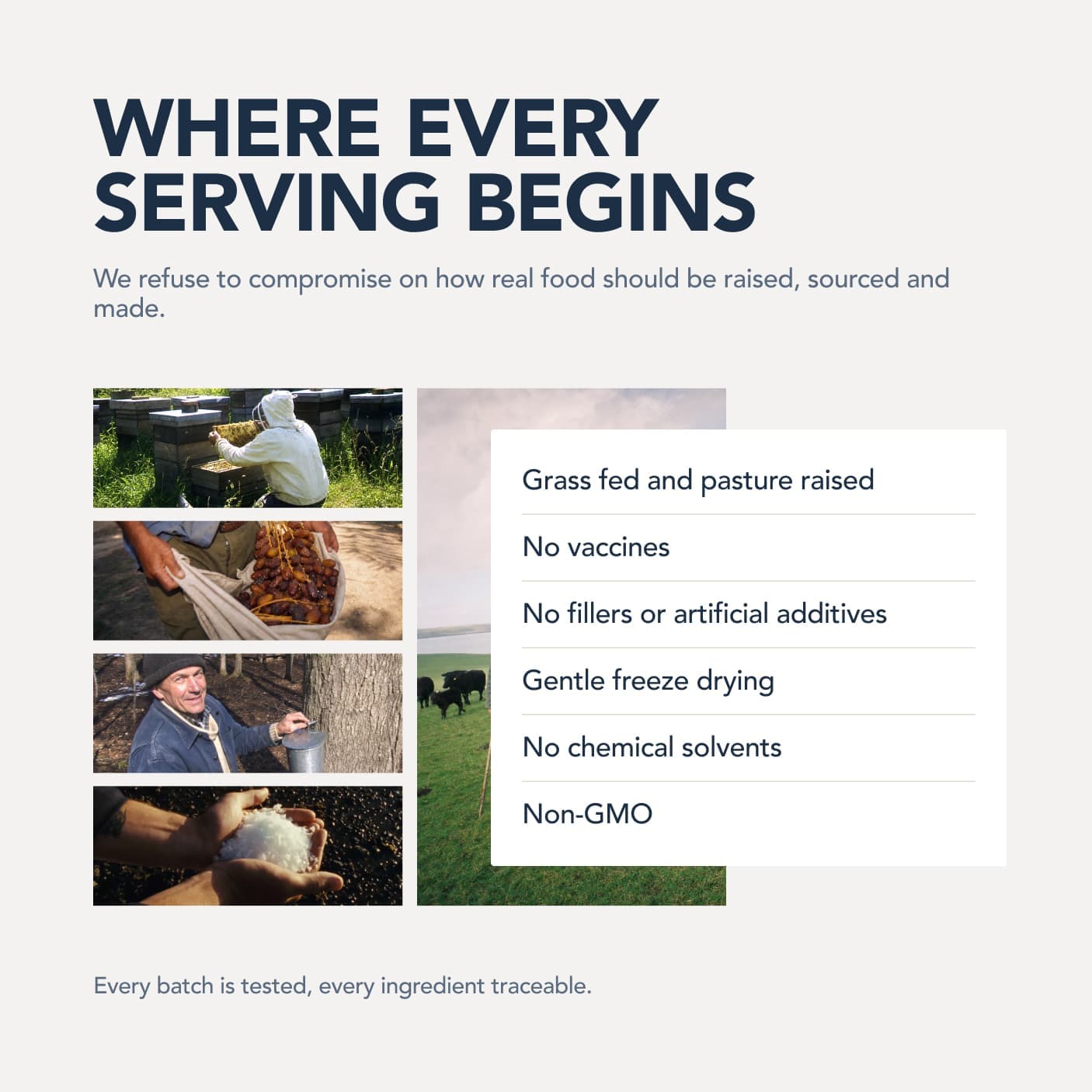
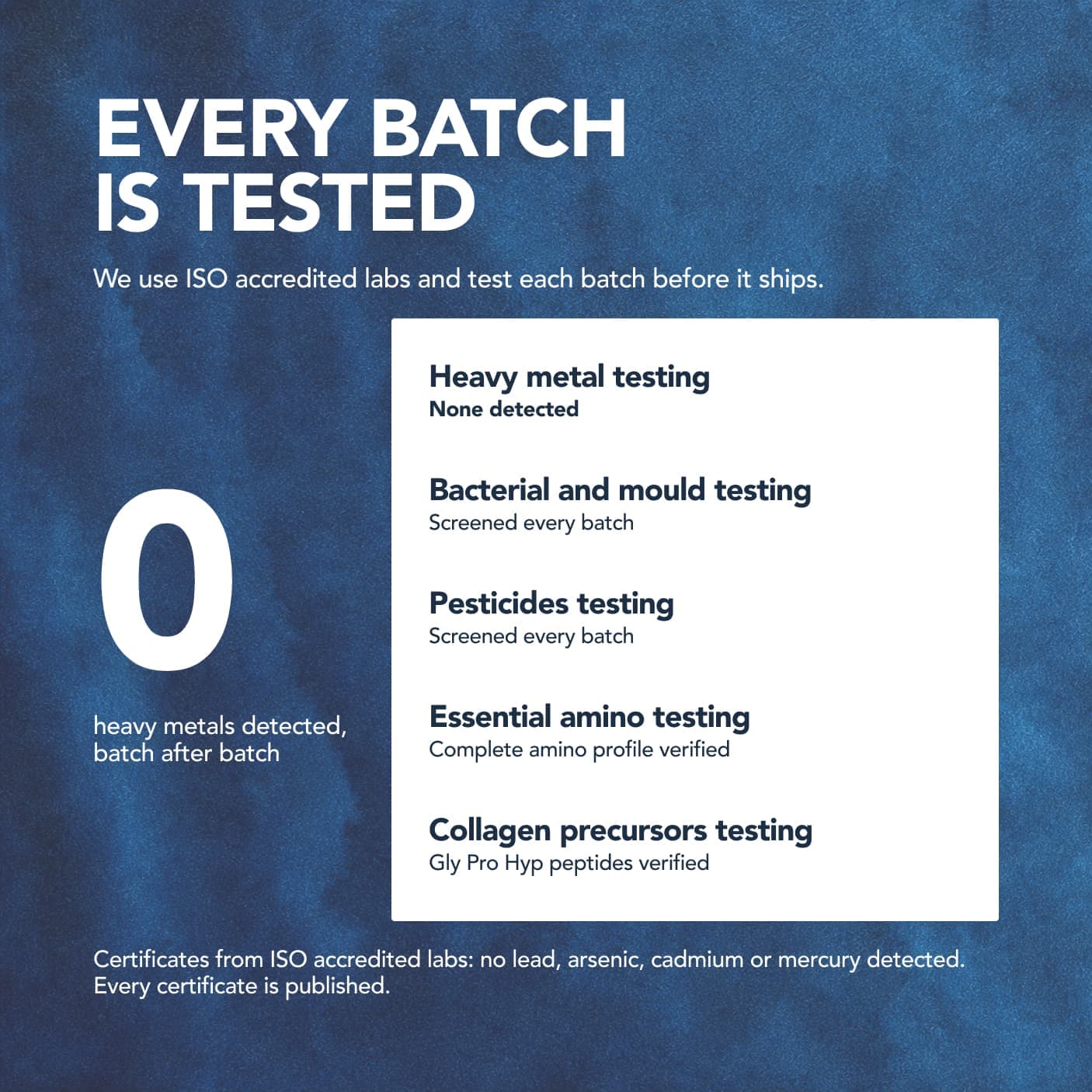
Eight real ingredients built around grass-fed beef organs, collagen and colostrum. Nothing synthetic added.
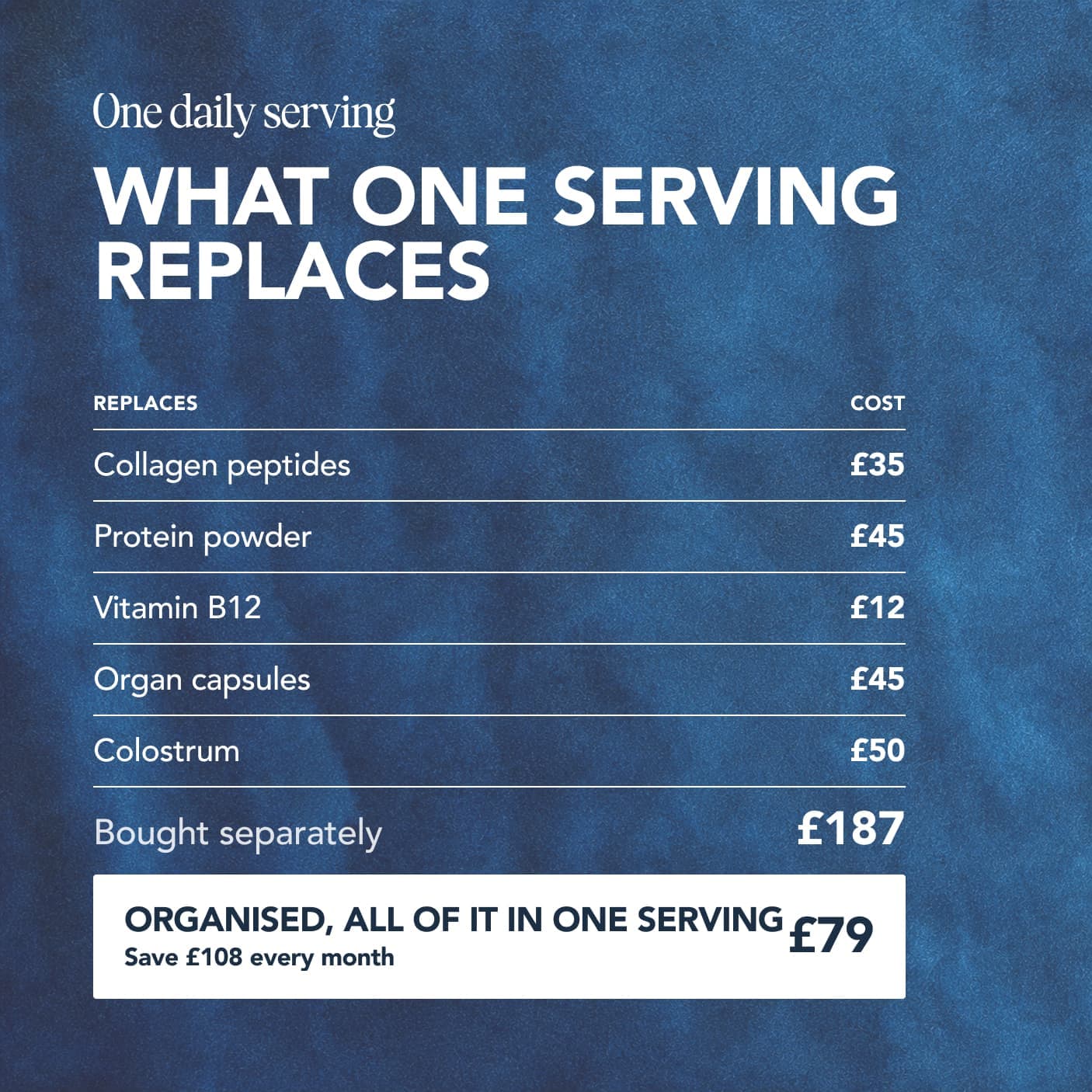
Free with your first order, worth £38. Plus £10 off the pouch with a subscription.


Free UK shipping · Made in England · 100 day money back guarantee on your first pouch · Skip, pause or cancel anytime
Building an athlete's plate without powders
The practical question: how does an athlete fuel performance without powder convenience? The answer is simpler than the supplement industry wants you to believe.
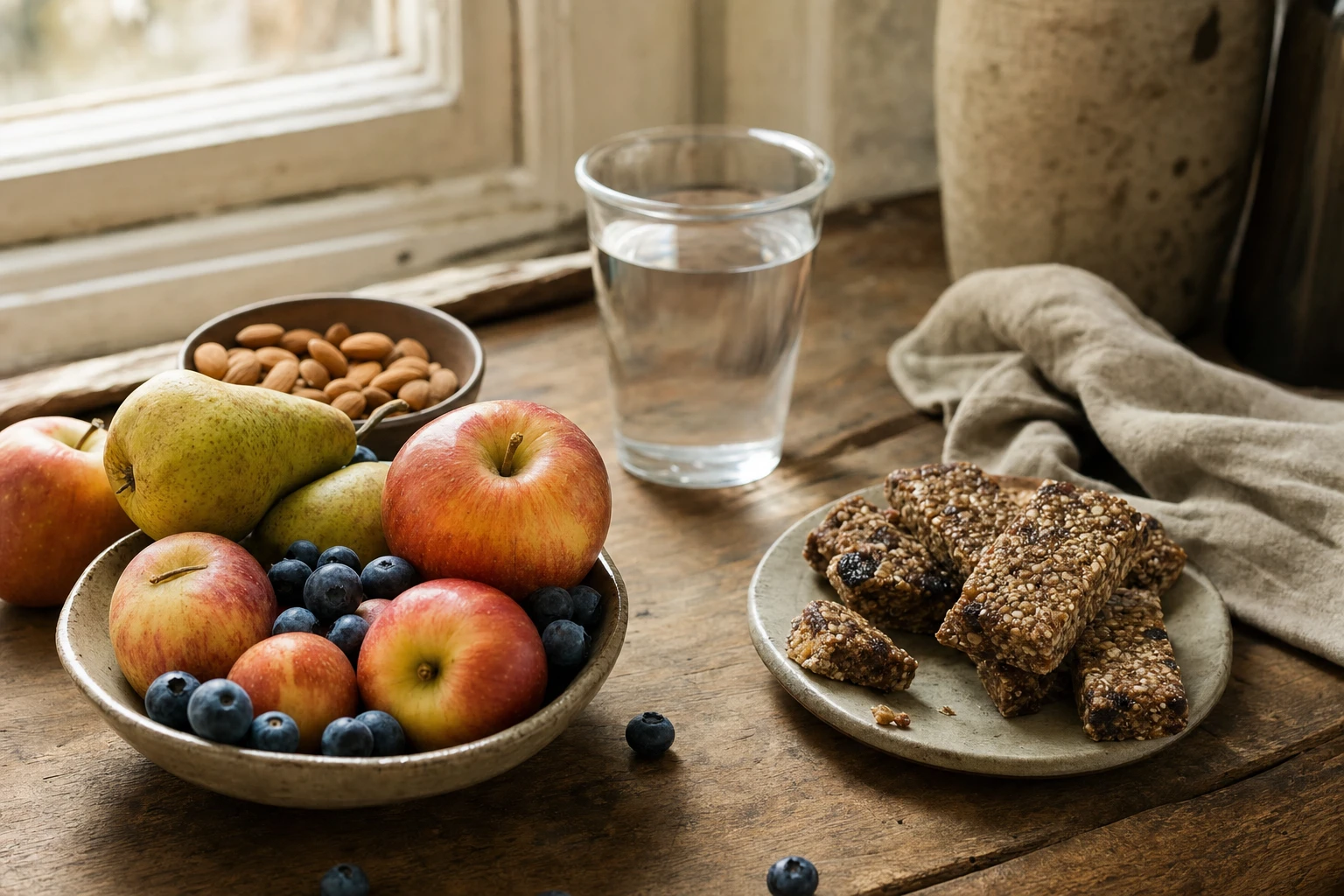
For pre-workout fuel, forget the engineered sports drink. A banana with a tablespoon of almond butter delivers glucose, potassium, magnesium, and fat for sustained energy. Thirty minutes before training, it works as well as anything synthetic and costs a fraction of the price.
For during-workout fuel on long sessions, dried fruit and nuts beat energy gels. A handful of dates and almonds provides fast carbohydrate alongside minerals and fats. Your gut microbiota recognises this as food and handles it without the gut distress many athletes experience from synthetic drinks.
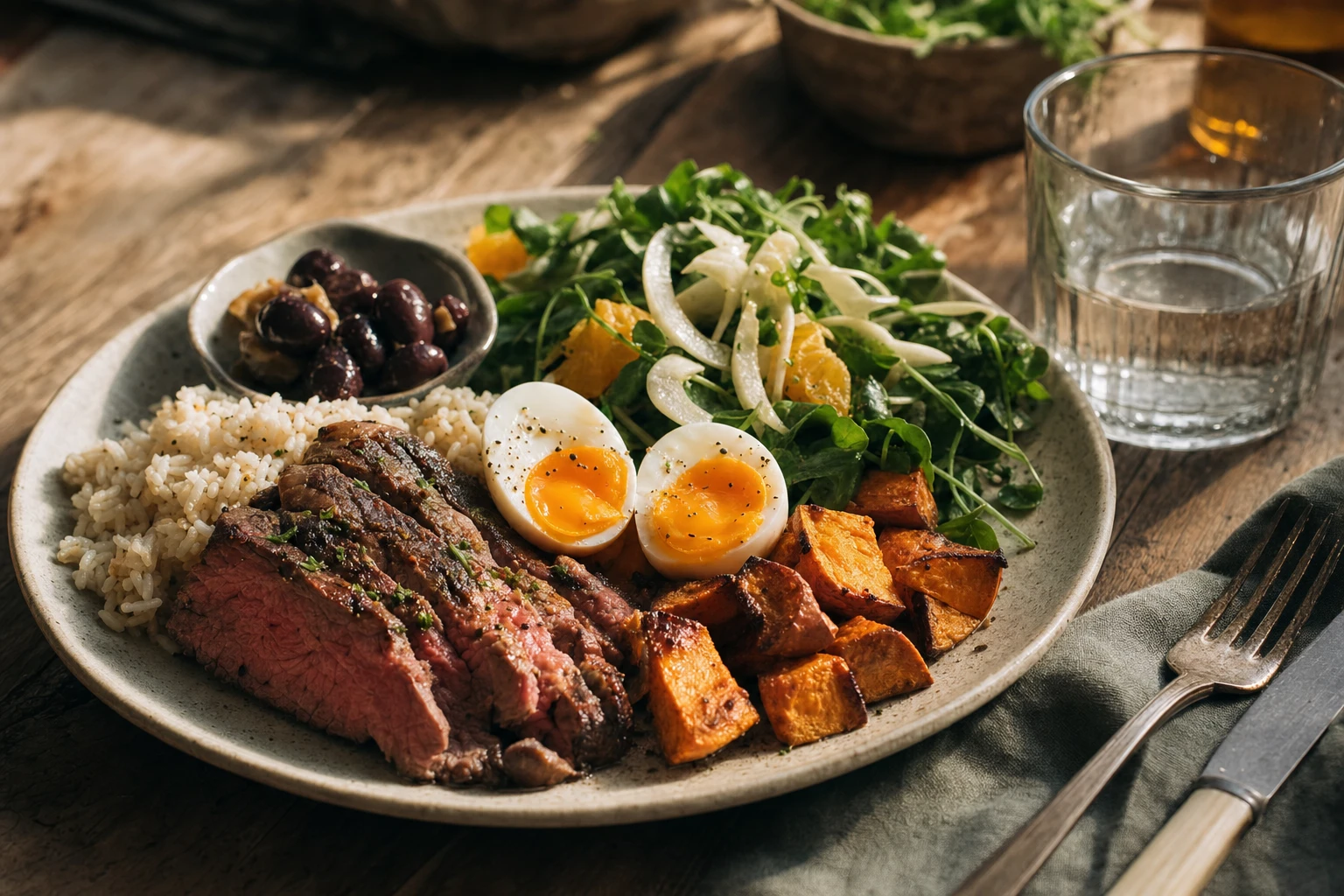
For recovery, the window is real but it is not magical. A meal containing complete protein, carbohydrate, and fat within two hours of exercise is what matters. Grilled chicken with rice and roasted vegetables beats a protein shake for every measure of recovery that actually matters, from muscle protein synthesis to hormonal balance to satiety signals that prevent overeating later.
- Pre-workout: Banana with almond butter, or apple with cheese
- During endurance sessions (90+ minutes): Dates, raisins, or dried apricots with a pinch of sea salt
- Post-workout: Complete meal with beef, fish, or eggs plus carbohydrate and vegetables within two hours
- Daily nutrition: Liver once per week, whole eggs daily, fatty fish 2-3 times per week, full-fat dairy, seasonal fruit and root vegetables
Performance comes from consistency with real food, not convenience with synthetic nutrition.
Athletes often ask whether they need supplements at all. For most people training normally and eating reasonably well, no. Vitamin D in winter may make sense in the UK.2 Perhaps magnesium if sleep is poor. But the idea that athletes need specialised formulations is marketing, not biology.
The bottom line
Your body did not evolve to run on isolated amino acid compounds and artificial sweeteners. It evolved to extract energy and building blocks from whole food, which comes packaged with exactly the supporting nutrients needed for proper utilisation.
The most elite athletes in the world eat real food. Not because they are nostalgic or old-fashioned, but because it works better. Stop chasing the supplement promises. Eat the banana. Eat the egg. Eat the steak. Your performance will thank you.
References
Every source below was checked on 27 August 2026. Each link was requested and read. Where a citation and its identifier disagreed, the citation was corrected to the record or the reference was deleted along with the sentence marker that pointed at it, and where the resolved paper turned out not to support the sentence, the sentence was cut back to what it does support. Borrowed authority is worse than none, because it looks like rigour.
- USDA FoodData Central. Egg, whole, raw, fresh. fdc.nal.usda.gov.
- NHS. Vitamin D: how to get enough. nhs.uk/conditions/vitamins-and-minerals/vitamin-d.
Who wrote and reviewed this guide
Niall Kiddle
Author · Founder, Organised
Niall is the founder of Organised. He started the company in 2024 after fixing his own health the slow way: in 2022 he swapped a cupboard of synthetic supplements for real food, raw milk, organ meats, bone broth and honey, and felt the difference within months.
Areas of expertise: Ancestral nutrition, Organ meats, Whole-food supplementation, Gut health, Regenerative sourcing
Read Niall's full profile
Pedro Rodrigues
Reviewer · Agronomist (farming and sourcing only)
Pedro is the agronomist Organised works with on farming and sourcing. His job on the guides is to keep the science honest: he reviews what we publish about soil health, regenerative agriculture, grazing and the way food is actually produced.
Areas of expertise: Regenerative agriculture, Agronomy, Soil health, Grass-fed farming, Food sourcing
Reviewed this guide on
Read Pedro's full profileMore on athletes
View allBrowse the guides library
All guidesKeep reading
Life stage
Endurance Athletes and Organ Meats: An Overlooked Advantage
Endurance athletes need heme iron, B12, and CoQ10. Organ meats deliver all three. Discover why heart, liver, and kidney are performance fuel.

Life stage
Building Strong Bones in Childhood: Beyond Just Milk
Children's bone health needs vitamin K2, vitamin D, magnesium, and protein. Milk alone is not enough. Sardines, egg yolks, and weight-bearing play matter.

Life stage
The Office Worker's Guide to All-Day Energy and Focus
Afternoon slumps are avoidable. Master protein at breakfast, stable blood sugar, and strategic snacking to maintain your energy and focus at your desk.
Real food, made effortless
Find my daily blendA few ways to use it
All recipes
Raw Milk Hot Chocolate with Collagen
A nourishing evening hot chocolate made with raw milk, grass-fed collagen, raw cacao, and honey. A nighttime ritual that supports sleep and gut health.

How to Make Bone Marrow Butter
Roast grass-fed marrow bones, scoop the marrow, and mix with butter and herbs. A nutrient-dense spread with fat-soluble vitamins.
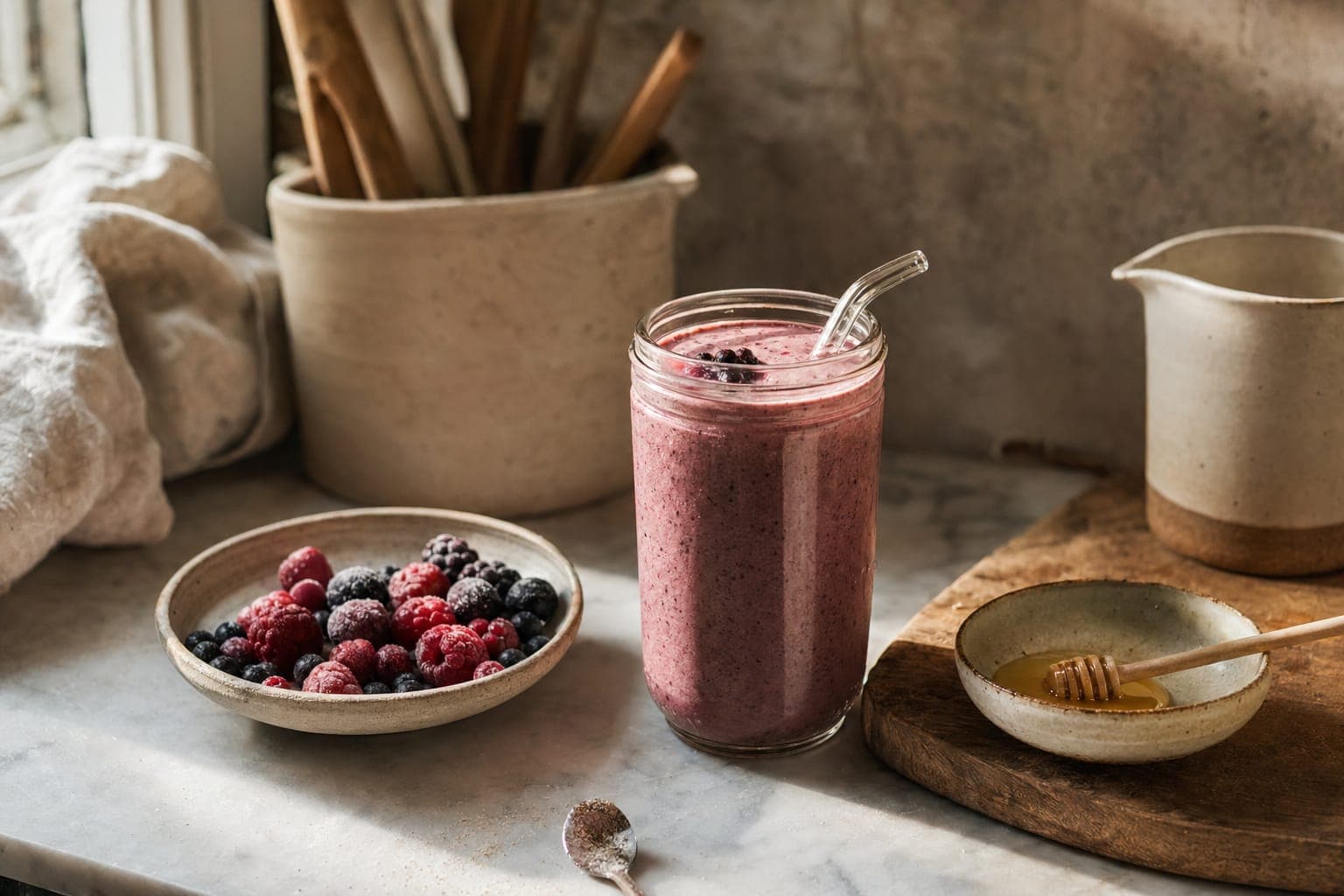
The Organised Recovery Smoothie for After Exercise
A recovery smoothie made with beef protein, raw milk, frozen berries, collagen, and honey. Optimal nutrition in the 30-minute window after exercise.


 Join over 100,000+ members
Build a better food system with us
The Organised community is thousands of people choosing real food and backing the farmers who grow it, all of us trying to leave the world a little better than we found it. If that is what you care about too, you belong here.