The Family Subscription: Nourishing Every Generation Under One Roof
Your household contains people at completely different life stages, with different nutrient demands. Feeding them well on one approach requires strategy, not complication.
By Niall Kiddle, Founder, Organised

Reviewed by Pedro Rodrigues, Agronomist (farming and sourcing only) ·
5 min read · Published · Updated · 2 cited sources
Makers of the Organised Daily blend, a grass-fed beef organ supplement from regenerative UK farms
The foundation that works for everyone
Protein, fat, vegetables, occasional fruit. Every life stage needs these. The quantities and presentations differ, but the building blocks are identical.
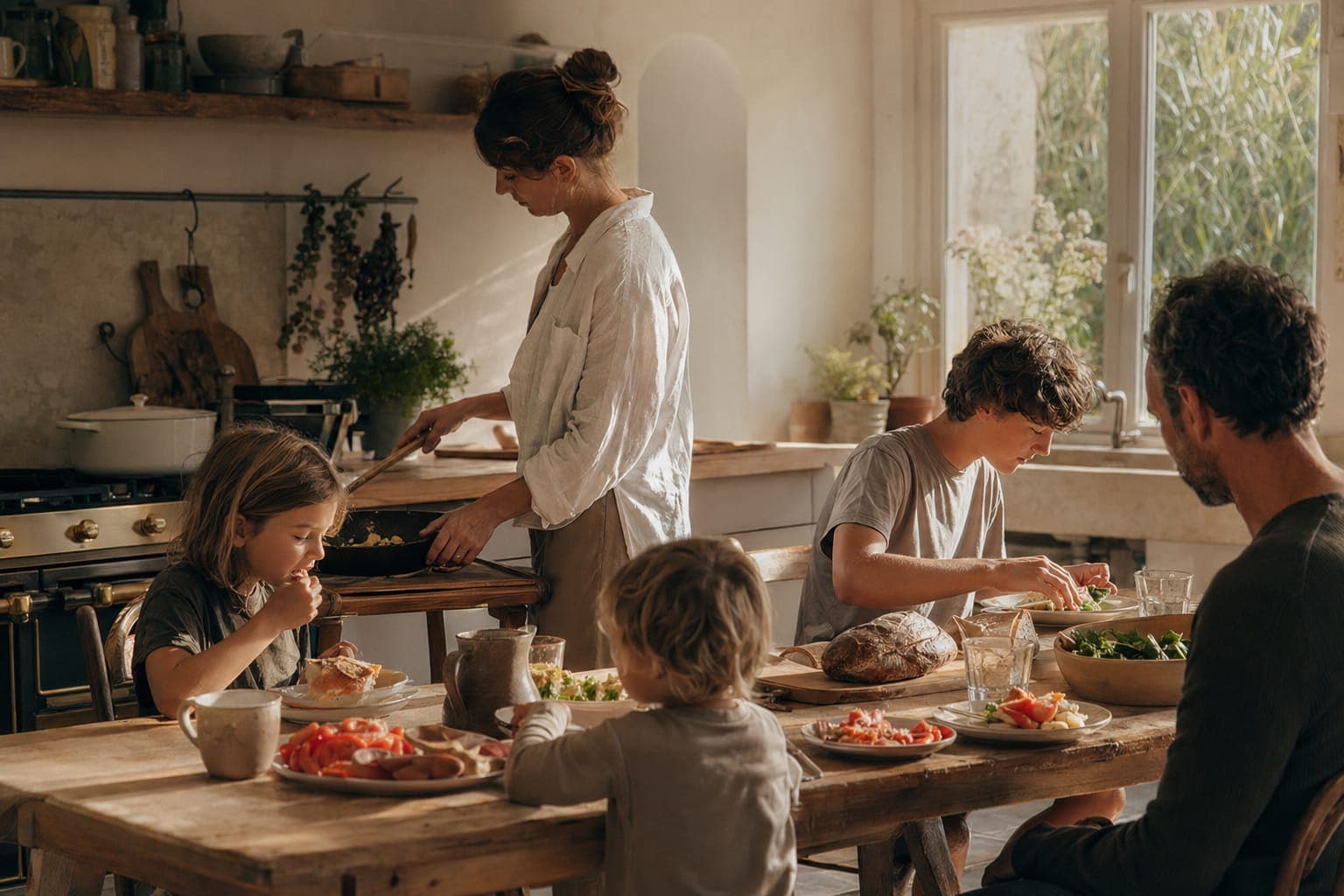
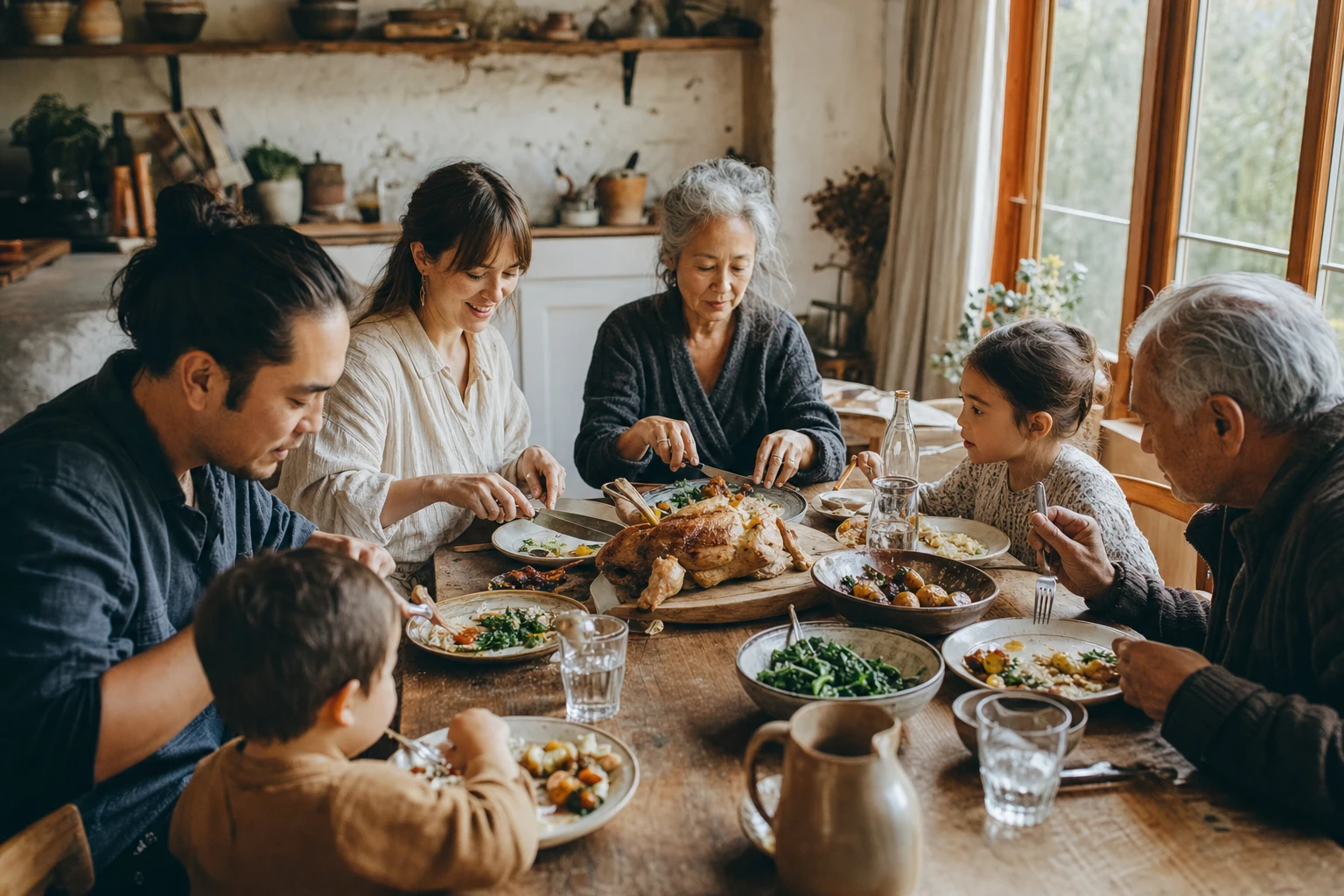
A baby gets egg yolk and bone broth.1 A toddler gets soft-cooked meat and mashed vegetables. A child gets normal portions. A teenager eats more. An adult eats to satiety. A parent concerned with sarcopenia eats extra protein.2 One meal, infinite variations.
This isn't a compromise. It's not that everyone eats less-than-optimal food because of the mixed ages. It's that real food at real portions works for literally every human regardless of age. The infant needs the same nutrient density as the grandmother. They just need less volume and softer presentation.
Adjusting for different ages
0-6 months: breast milk only (or formula if needed). No food. But the family eats well so the nursing parent has the nutrient density required for milk production.
6-12 months: soft-cooked foods, single ingredients, no added salt. Egg yolk (the most nutrient-dense single food for babies), bone broth, soft meat, mashed vegetables. Start with liver once a week, finely shredded or as a smooth pate. Iron is critical at this stage, and food-based iron beats supplements every time.
1-3 years: family food in small pieces, soft where needed. Same foods as the family eats, but in toddler portions and sometimes pre-cut for safety. If you're eating roasted chicken and vegetables, your toddler eats the same with the chicken broken into smaller pieces and soft vegetables pre-cut.
4-10 years: normal family portions, normal texture. They're ready for slightly tougher foods and can handle the family meal exactly as plated. Appetites vary wildly, so offer seconds without comment. A 7-year-old might eat an adult portion. That's normal.
11-18 years: normal to large portions, often wanting seconds and thirds. Growing bodies are calorie-hungry and nutrient-hungry. Don't restrict. Feed them. Stock the kitchen with nutrient-dense snacks they can grab between meals.
19-50 years: depends on individual needs. Pregnant? Add an extra egg daily, an extra serving of liver monthly, and extra fluids. Postpartum? Eat the most nutrient-dense version available, with extra fat and extra iron-rich foods. Menstruating? Prioritise iron, especially in the two weeks before your period. Athletic? Adjust quantities upward and focus on recovery meals after training.
50+ years: emphasis on protein and minerals to maintain bone and muscle mass. Chewing difficulties? Softer preparation methods (stewing, slow cooking, pates, bone broth) make food easier to manage without sacrificing nutrition. Reduced appetite? Nutrient density becomes even more critical because they're eating less volume.
The nutrient density approach
This system works because it prioritises nutrient density over caloric density. You're not building meals around bread or grains. You're building around the foods that provide the most nutrition per bite: liver, eggs, full-fat dairy, bone broth, seafood, meat, vegetables.
A toddler eating one bite of liver gets more iron than three bites of bread. A nursing parent drinking a cup of bone broth gets more minerals than a glass of milk. A teenager eating eggs gets more complete nutrition than a bowl of cereal, even though the cereal has more calories.
Nutrient density means that even when portions vary dramatically (a baby eating 3 ounces versus a teenager eating 12 ounces of the same protein), everyone's getting what their stage requires. There's no separate nutrition for different ages. There's just the same meal, scaled appropriately.
Get life-stage nutrition guides, free
Two short reads a week on eating well through pregnancy, childhood and older age.
By signing up you agree to receive emails from us. No spam, unsubscribe anytime.
Building your shopping list
Keep your staples consistent. Eggs, butter, quality olive oil, bone broth, frozen liver, red meat (ground or whole cuts), fish, seasonal vegetables, full-fat dairy if tolerated. These twelve items cover every family meal.
Buy in bulk when possible. Five dozen eggs, bulk ground beef, large portions of liver for freezing. The more you buy at once, the lower your cost and the less often you're shopping.
Practical structure
Build every family meal around this structure: protein source (meat, fish, organs, eggs) plus fat source (butter, olive oil, coconut oil, animal fat) plus vegetables or fruit plus optional starch.
Example meal 1: roasted chicken thighs (protein and fat) with roasted broccoli (vegetables) and roasted potatoes (starch). Everyone eats. Everyone thrives. Zero complexity beyond the single meal preparation.
Example meal 2: slow-cooked beef stew with root vegetables, served with crusty bread and butter. The baby gums soft carrot pieces. The toddler eats small forkfuls of meat and soft vegetables. The adults eat full portions. The teenager eats two full bowls.
Example meal 3: baked fish with skin (extra nutrients), steamed greens with butter (minerals and fat), and white rice. The baby gets mashed soft fish. The toddler gets small flaked pieces. Everyone else eats normally.
The pattern is always the same. The variation is in texture and portion, not in what's cooked.
Cook once. Plate thoughtfully. Everyone at your table gets full nourishment.

1 of 9
Daily blend
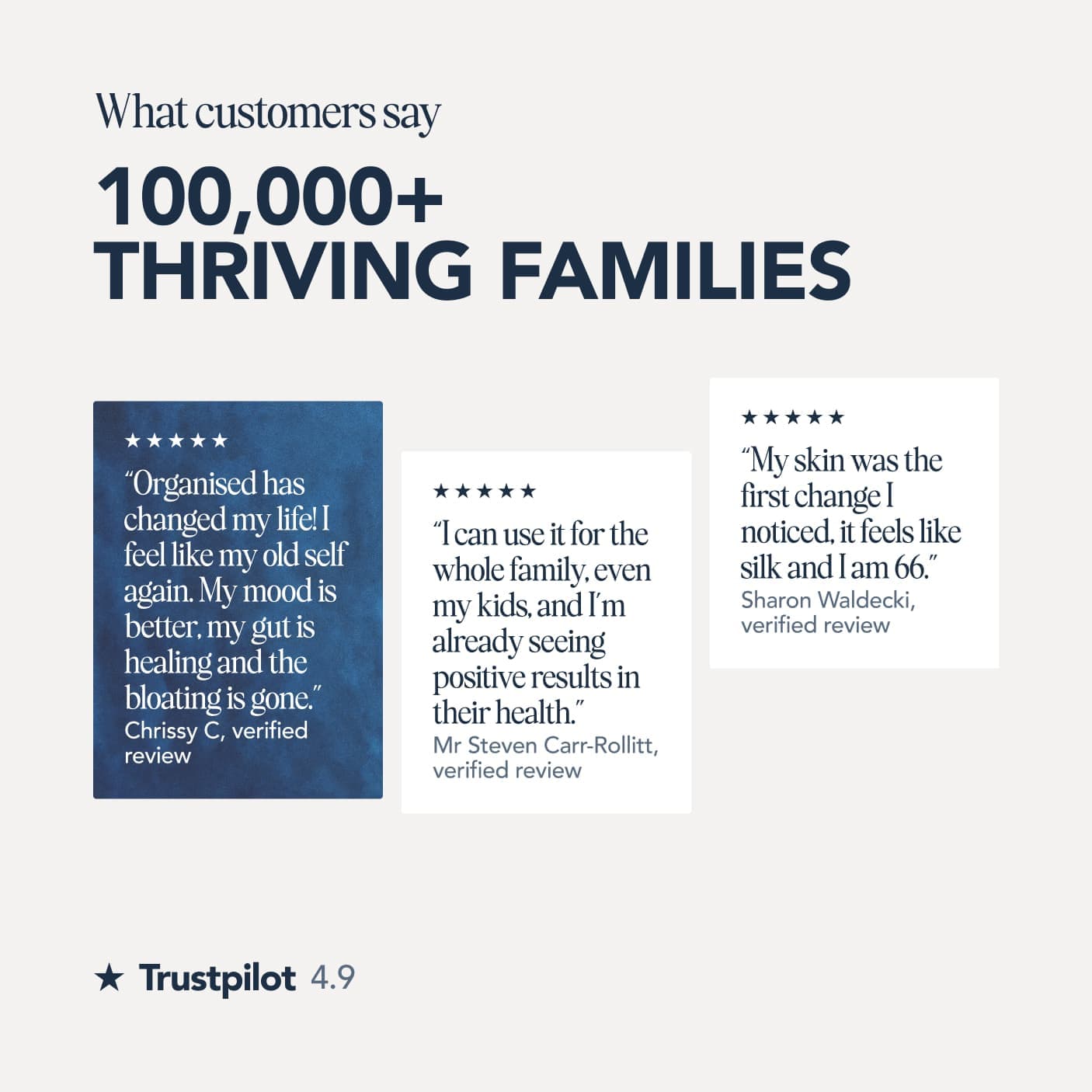
100,000+ thriving families4.9 on Trustpilot
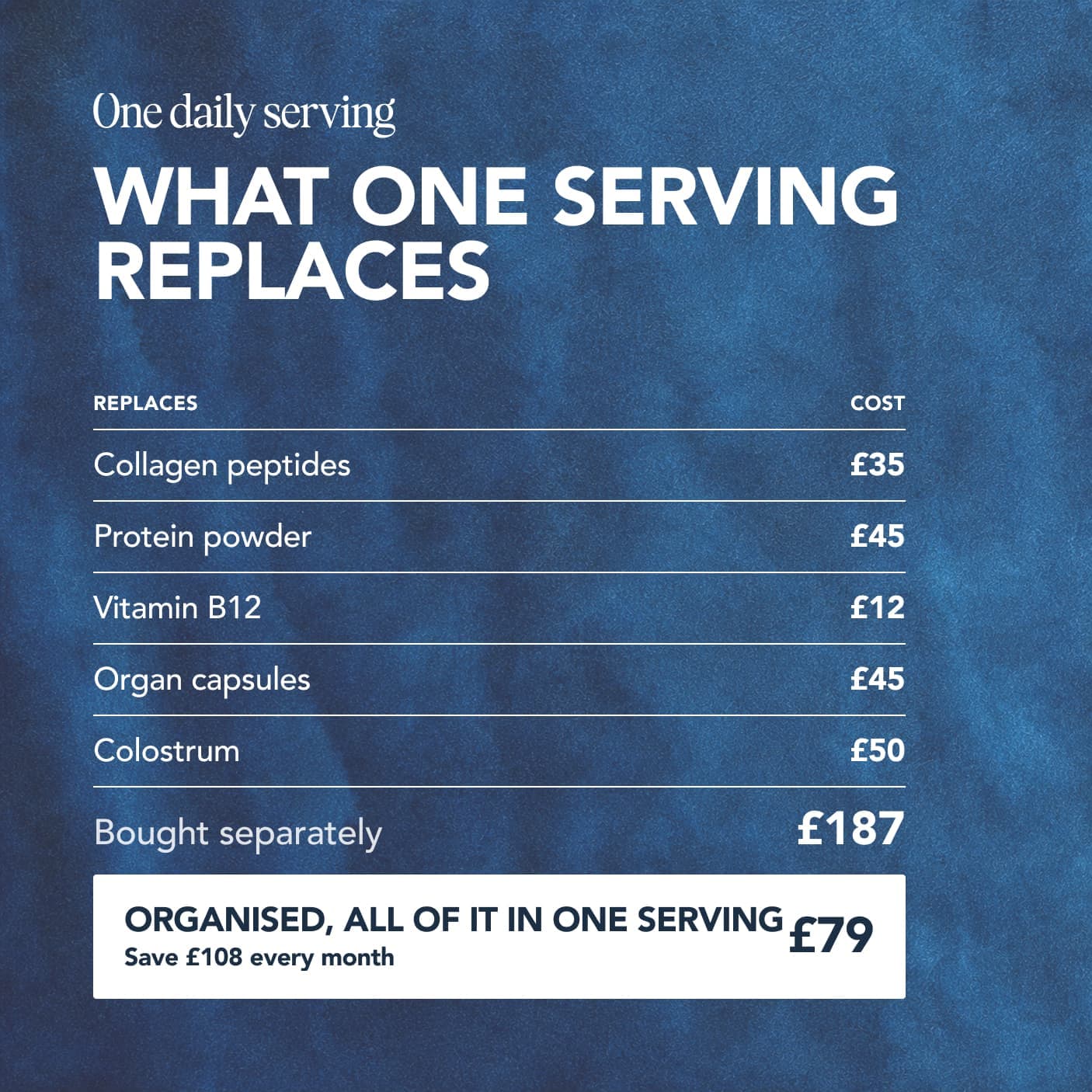
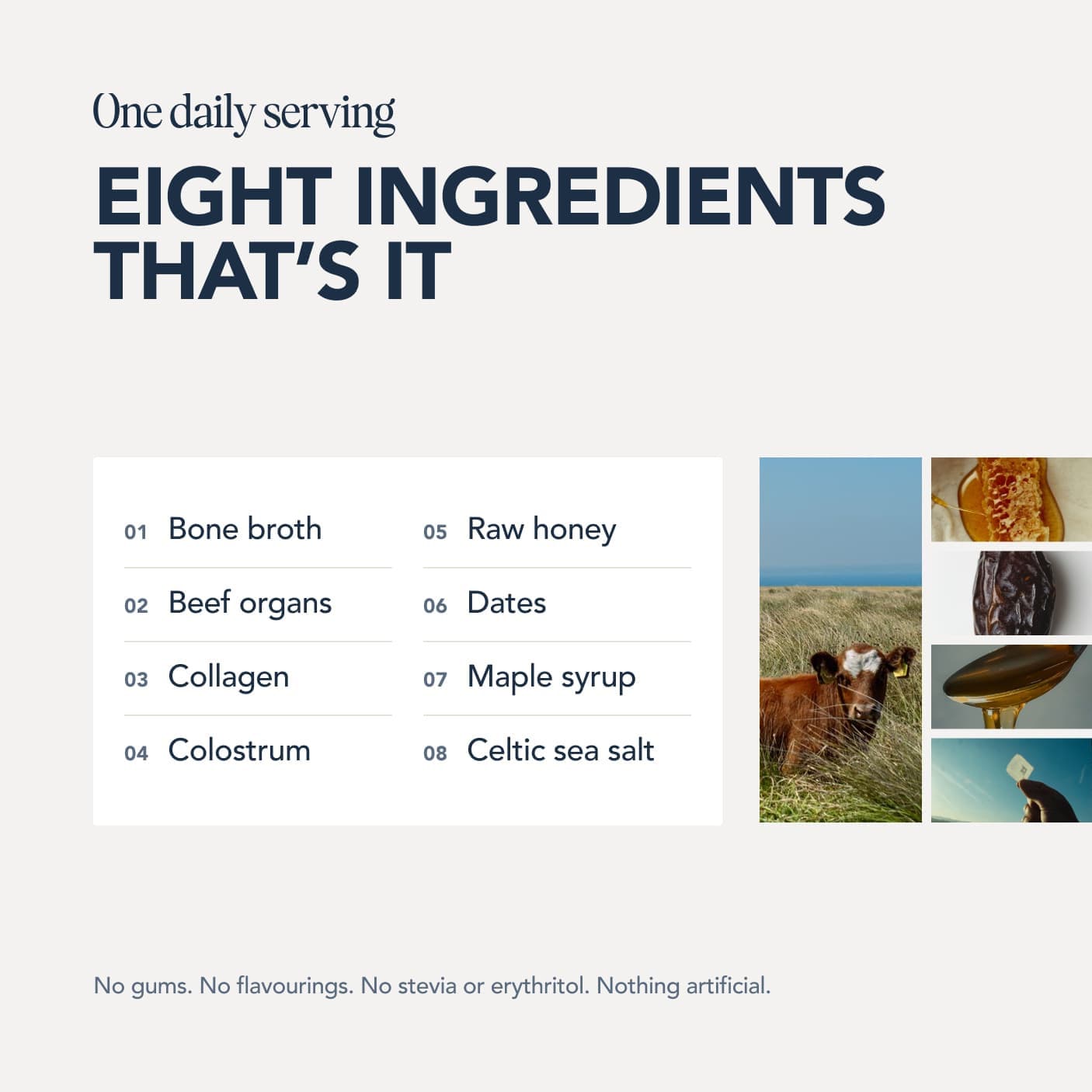
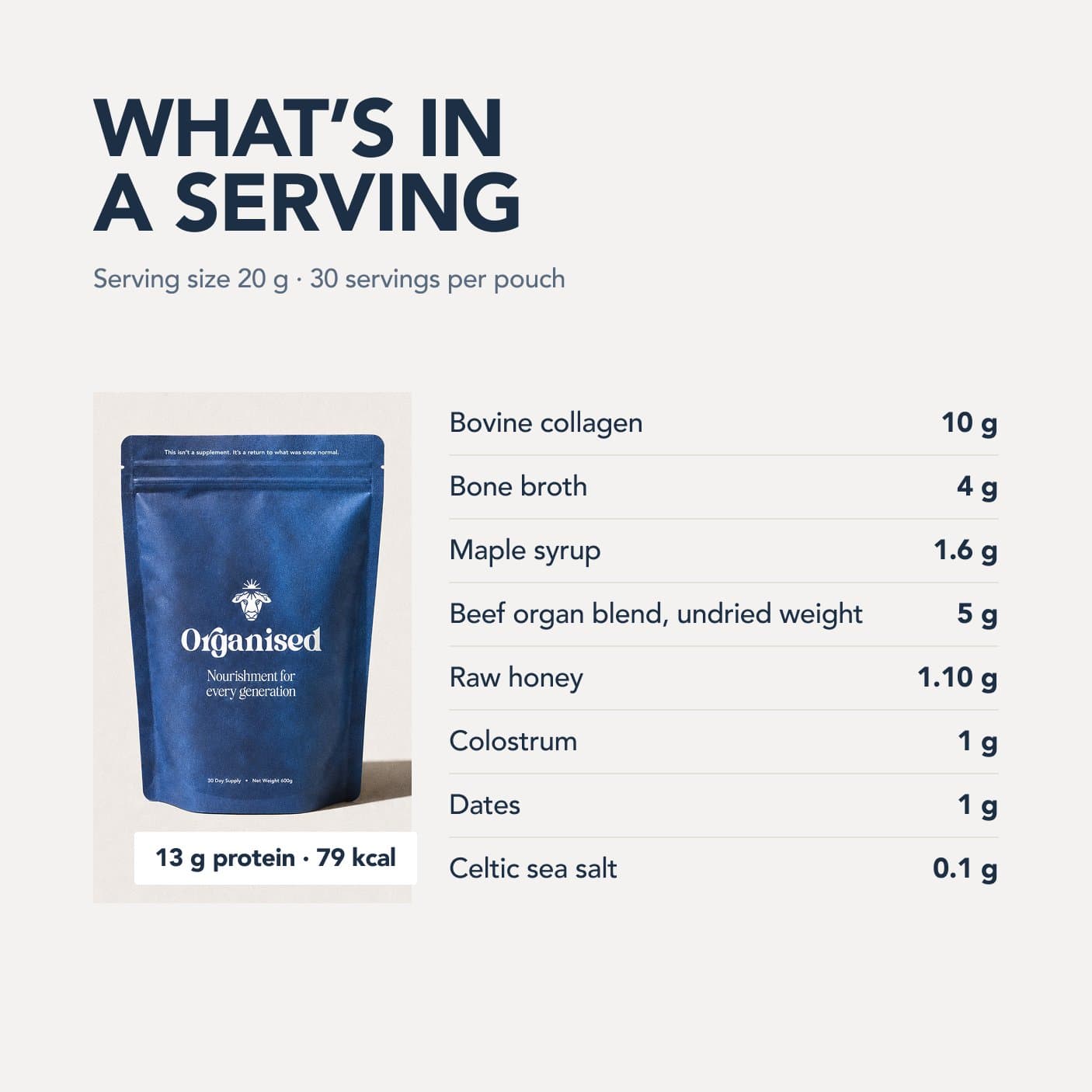
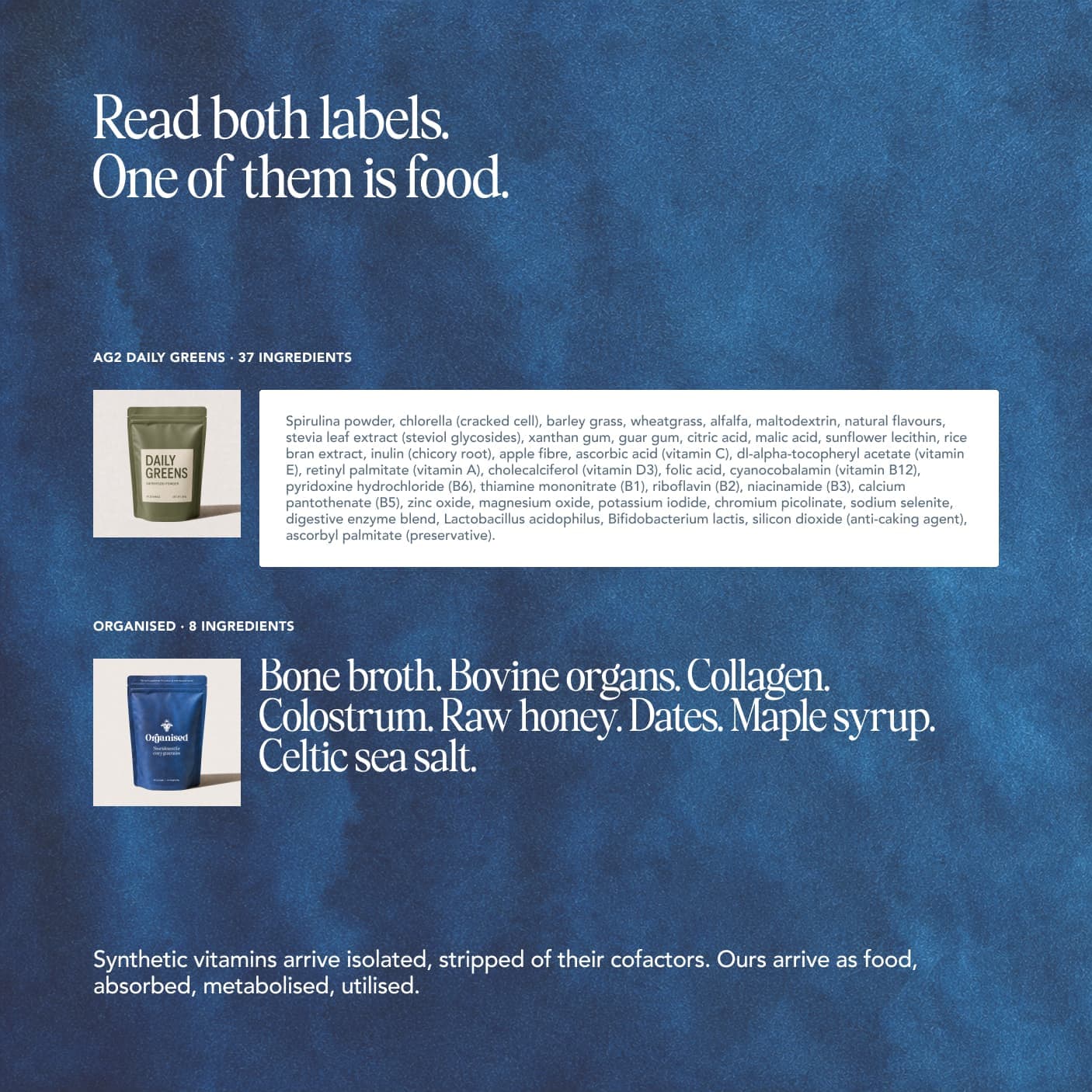
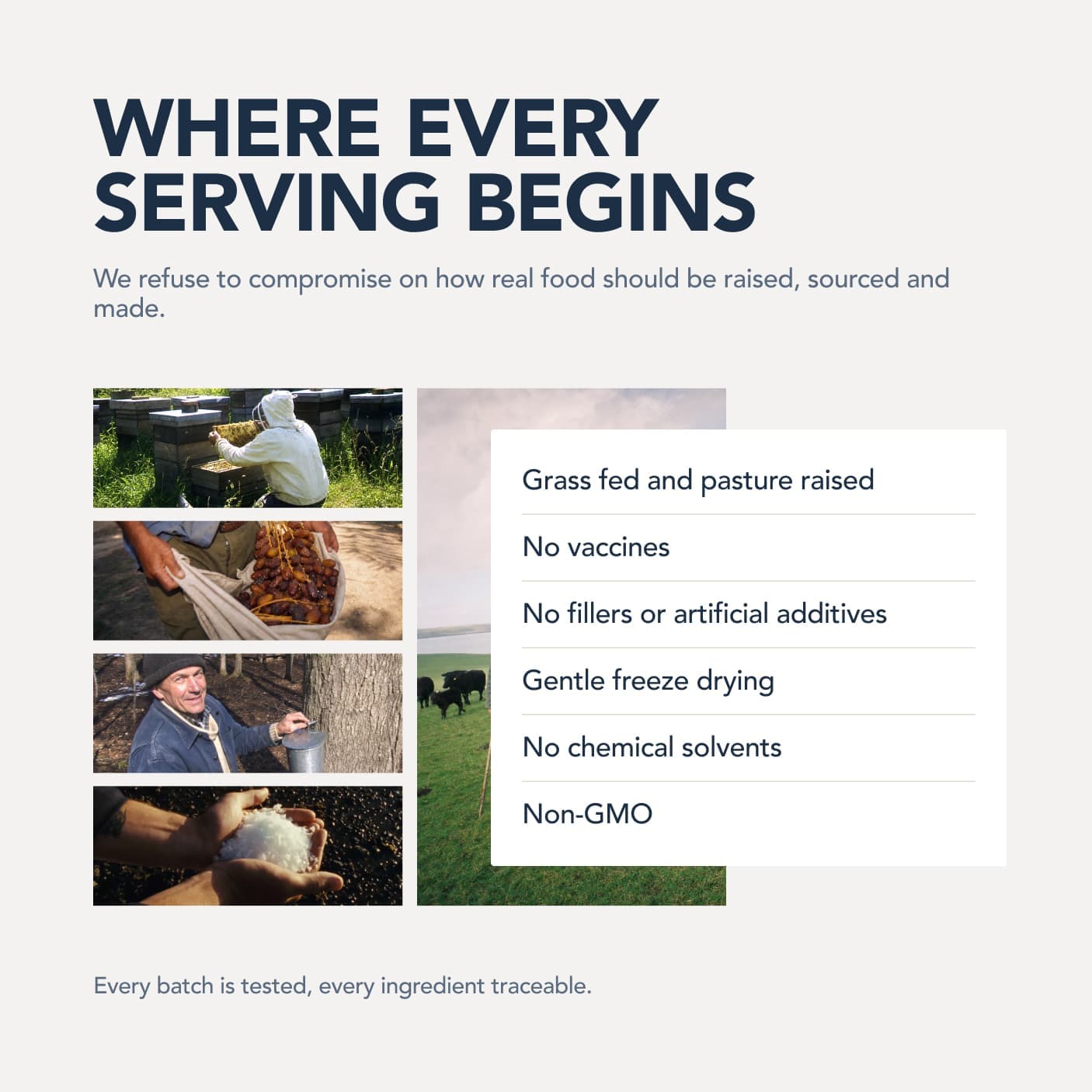
Eight real ingredients built around grass-fed beef organs, collagen and colostrum. Nothing synthetic added.
Free with your first order, worth £38. Plus £10 off the pouch with a subscription.



Free UK shipping · Made in England · 100 day money back guarantee on your first pouch · Skip, pause or cancel anytime
Making it sustainable
This approach works long-term because it doesn't require cooking multiple meals or keeping track of separate requirements. You're not balancing your diet against your toddler's diet against your parent's diet. You're cooking one meal that works for all of them.
The burden isn't nutritional complexity. It's just meal planning and preparation. Cook enough for everyone. Keep your cupboard stocked with the basics. Have these ingredients available and you can always assemble a meal that works.
Build a routine. Monday might be roasted poultry. Wednesday might be slow-cooked beef. Friday might be fish. Repeat the same meals every couple of weeks. Families that eat well aren't inventing new recipes constantly. They're cooking the same reliable meals over and over.
Include everyone in preparation when they're old enough. A 4-year-old can tear lettuce. A 6-year-old can crack eggs. A 10-year-old can chop vegetables with supervision. A teenager can cook independently. Involving them makes the meal meaningful and teaches them the skills they'll need as adults.
The bottom line
Stop cooking separately. Cook once, plate differently. Your baby, your toddler, your school-age children, your teenagers, and your parents can all thrive on the same nutritional foundation. One meal. Every age. Full nourishment. Start this week with one meal. Roast a chicken. Cook some vegetables. Let everyone eat from it in their own way. See how much simpler family feeding becomes.
References
Every source below was checked on 27 August 2026. Each PubMed, PMC and DOI identifier was resolved against NCBI or Crossref, and what it opens is printed under the citation, so you can see the link goes where the citation says without leaving the page. Where a citation and its identifier disagreed, the citation was corrected to the record or the reference was deleted along with the sentence marker that pointed at it, and where the resolved paper turned out not to support the sentence, the sentence was cut back to what it does support. Borrowed authority is worse than none, because it looks like rigour.
- NHS. Your baby's first solid foods (weaning). nhs.uk/start-for-life/baby/weaning.
- Cruz-Jentoft AJ, et al. Sarcopenia: revised European consensus on definition and diagnosis. Age Ageing. 2019. PMID 30312372.Checked 27 August 2026: PMID 30312372 opens Cruz-Jentoft AJ, Bahat G, Bauer J et al, Sarcopenia: revised European consensus on definition and diagnosis. Age Ageing 2019;48(1):16-31. PubMed indexes it as: Consensus Statement.
Who wrote and reviewed this guide
Niall Kiddle
Author · Founder, Organised
Niall is the founder of Organised. He started the company in 2024 after fixing his own health the slow way: in 2022 he swapped a cupboard of synthetic supplements for real food, raw milk, organ meats, bone broth and honey, and felt the difference within months.
Areas of expertise: Ancestral nutrition, Organ meats, Whole-food supplementation, Gut health, Regenerative sourcing
Read Niall's full profile
Pedro Rodrigues
Reviewer · Agronomist (farming and sourcing only)
Pedro is the agronomist Organised works with on farming and sourcing. His job on the guides is to keep the science honest: he reviews what we publish about soil health, regenerative agriculture, grazing and the way food is actually produced.
Areas of expertise: Regenerative agriculture, Agronomy, Soil health, Grass-fed farming, Food sourcing
Reviewed this guide on
Read Pedro's full profileMore on family
View allBrowse the guides library
All guidesKeep reading
Life stage
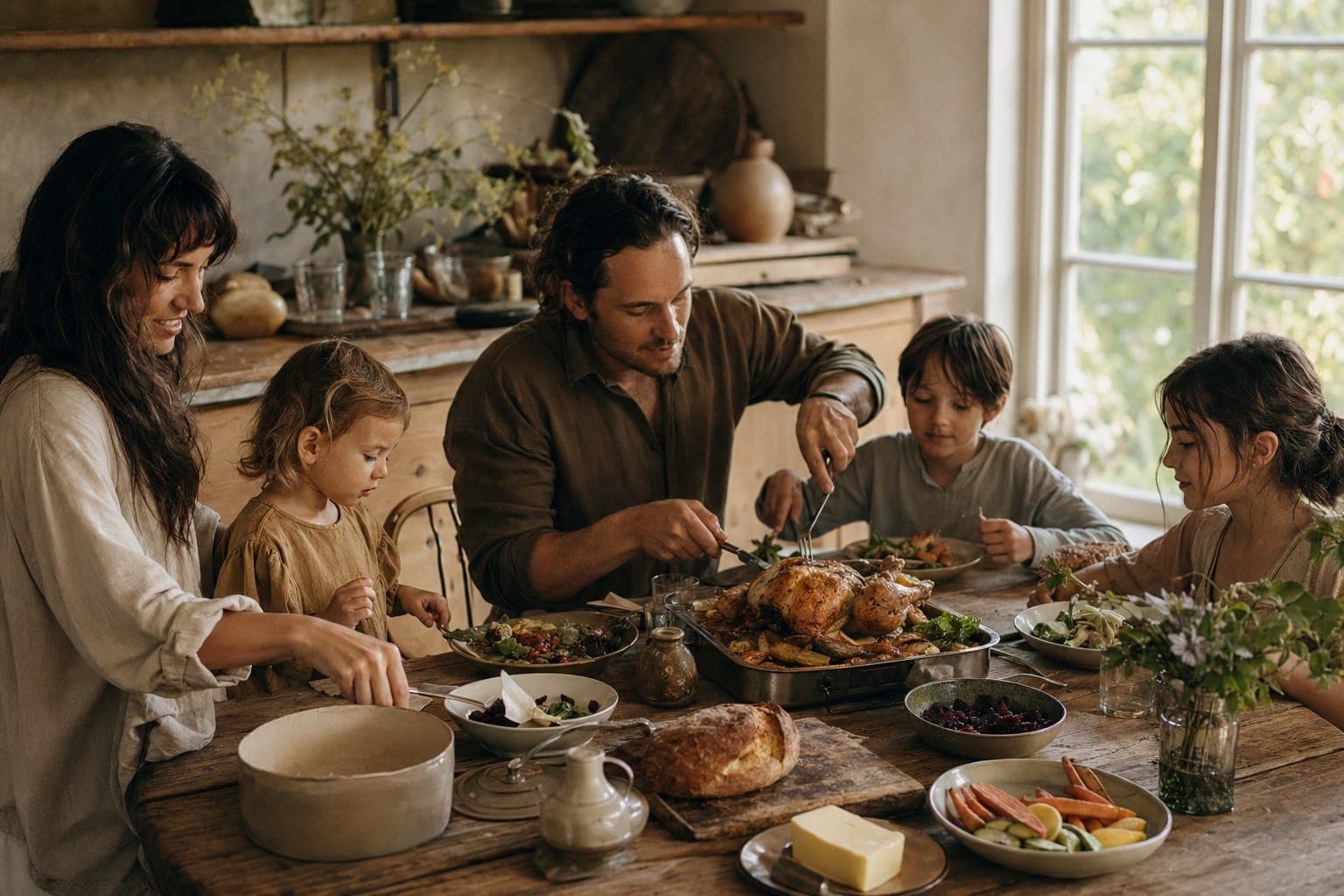
How to Nourish Your Whole Family with Real Food
Discover how real food nutrition can feed your whole family across different ages and tastes with one simple approach, plus practical tips to make it stick.

Life stage
Heart Disease in Men: Can Nutrition Make a Difference?
Heart disease remains the leading cause of death in men. Discover how CoQ10, omega-3 balance, and anti-inflammatory whole foods can shift your risk.
Life stage
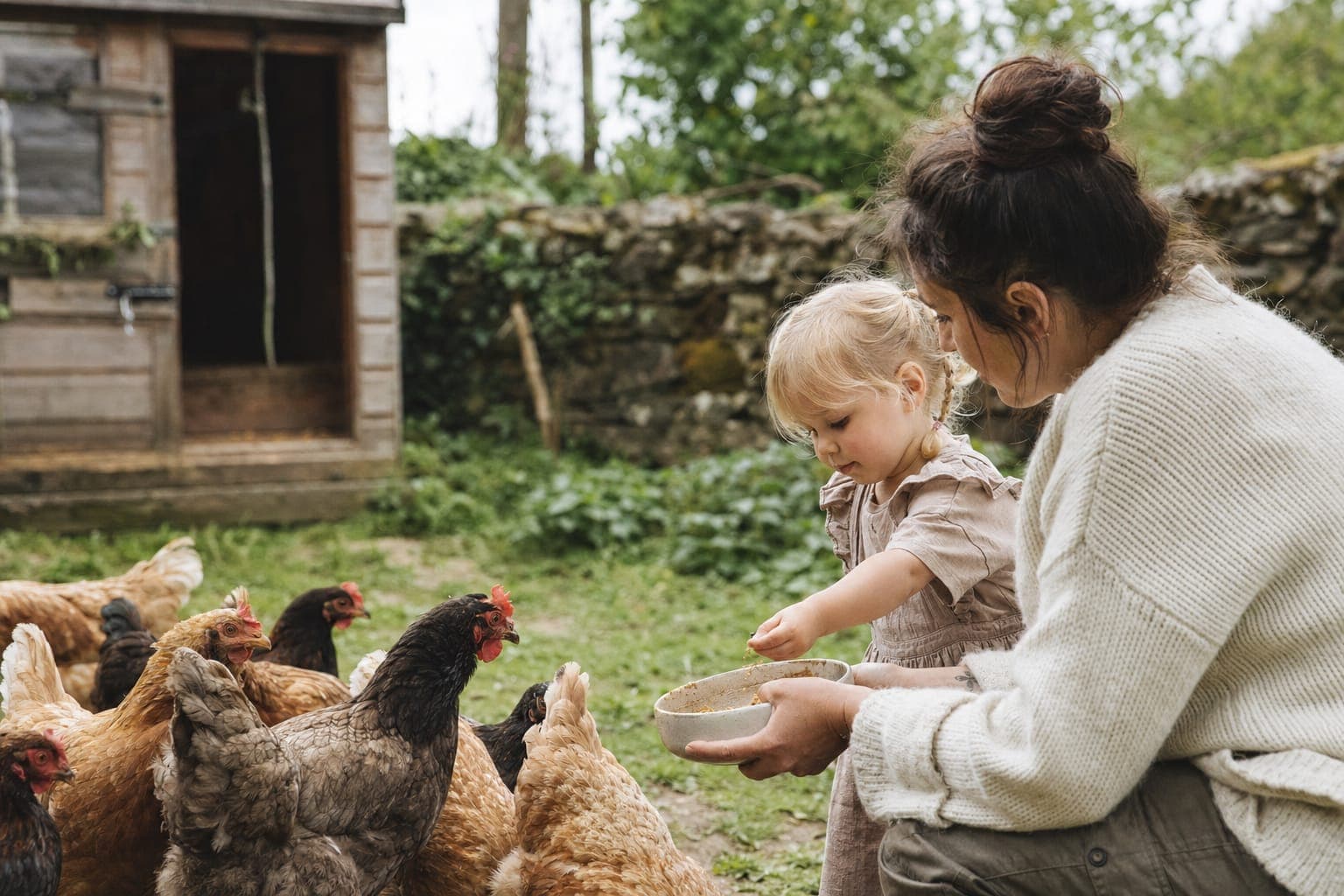
Teaching Children About Where Food Comes From
Children who understand where food comes from tend to eat better and waste less. Practical ways to teach food origins and build a lasting connection.
Real food, made effortless
Find my daily blendA few ways to use it
All recipes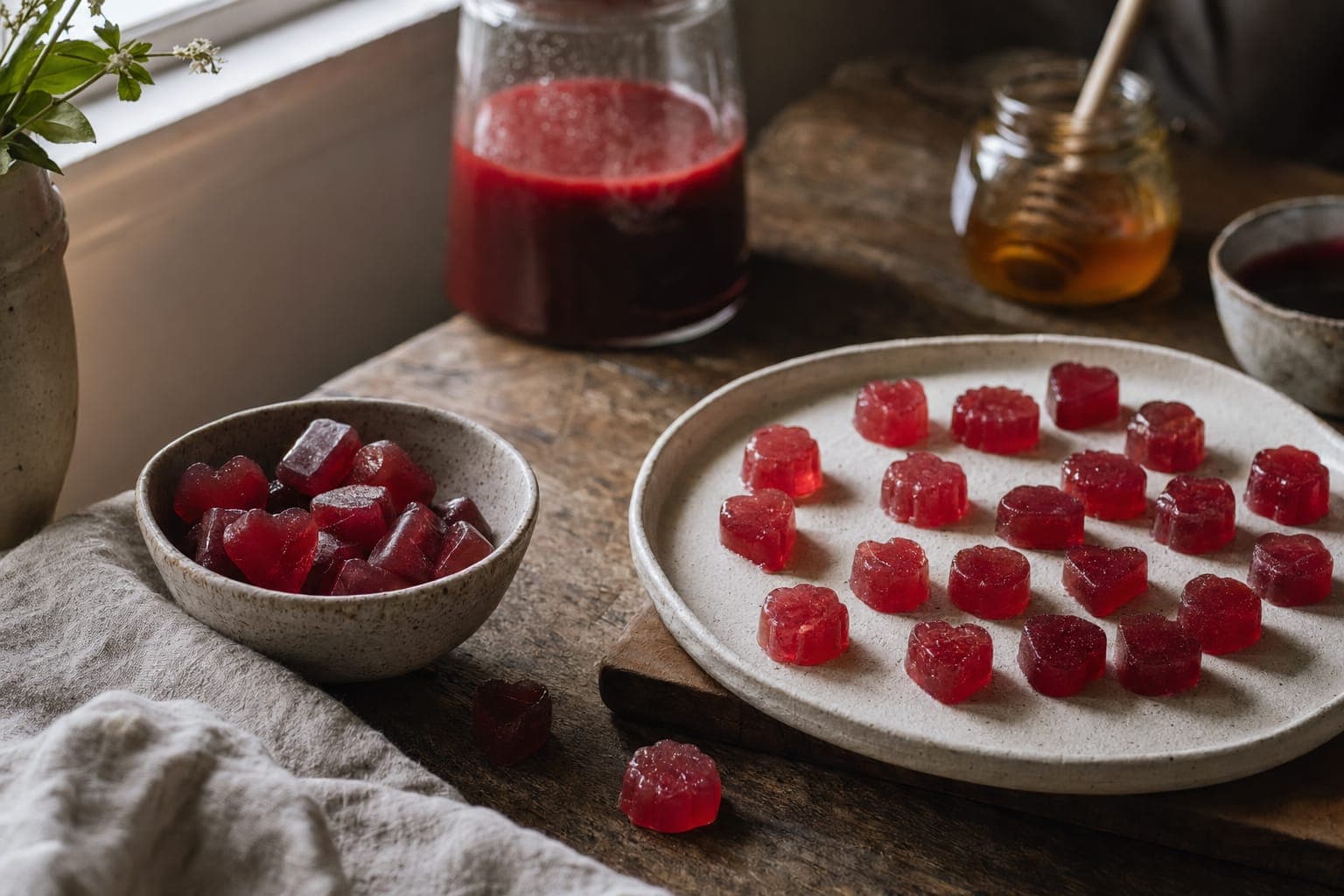
How to Make Your Own Gelatine Gummies
A simple recipe for homemade gelatine gummies using grass-fed gelatine, fresh juice, and raw honey. Better than shop-bought, kids love them.
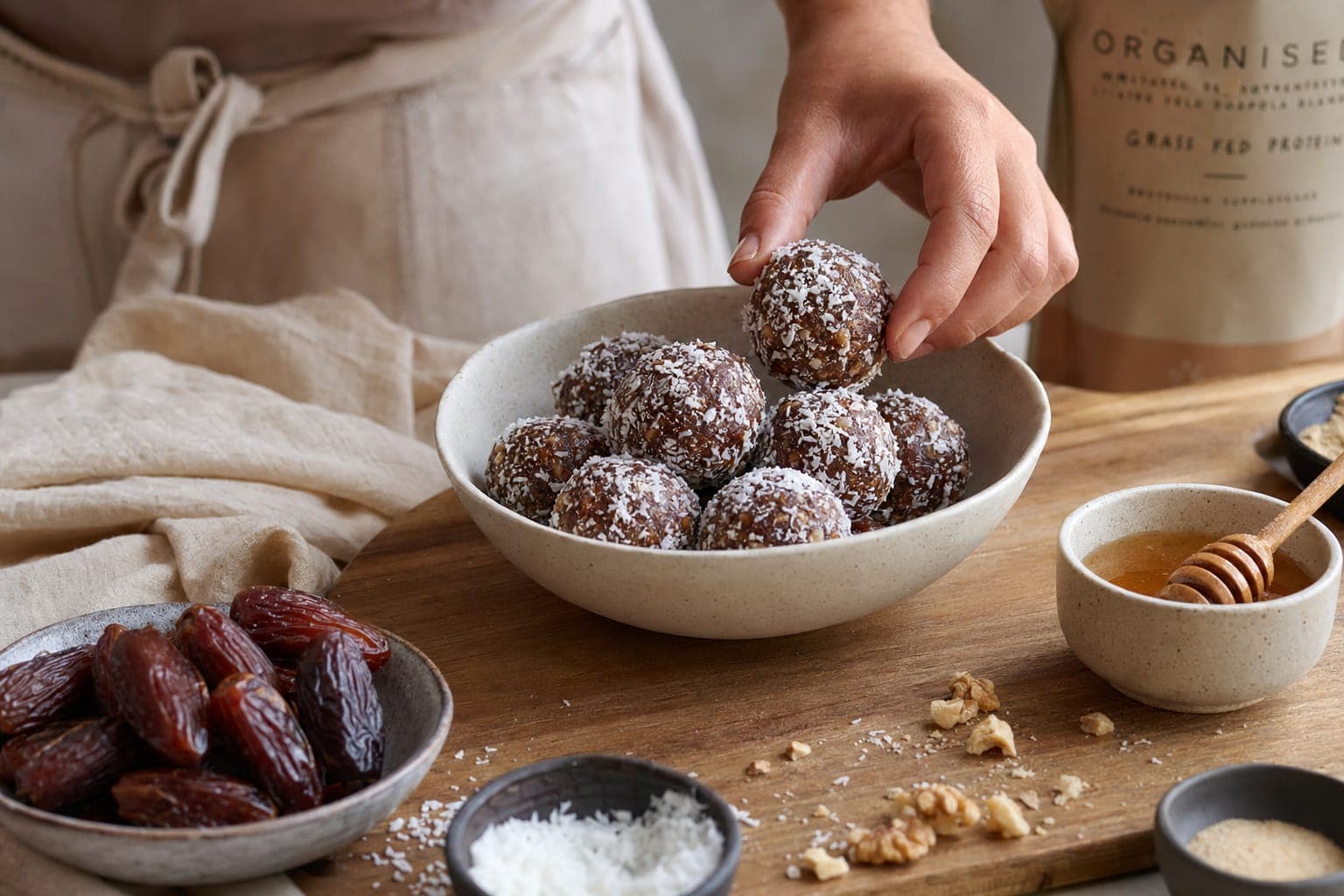
Energy Balls with Organised, Dates and Raw Honey
Make no-bake energy balls with Organised, dates, and raw honey. Perfect lunch box, pre-workout, or on-the-go snack. Simple recipe.
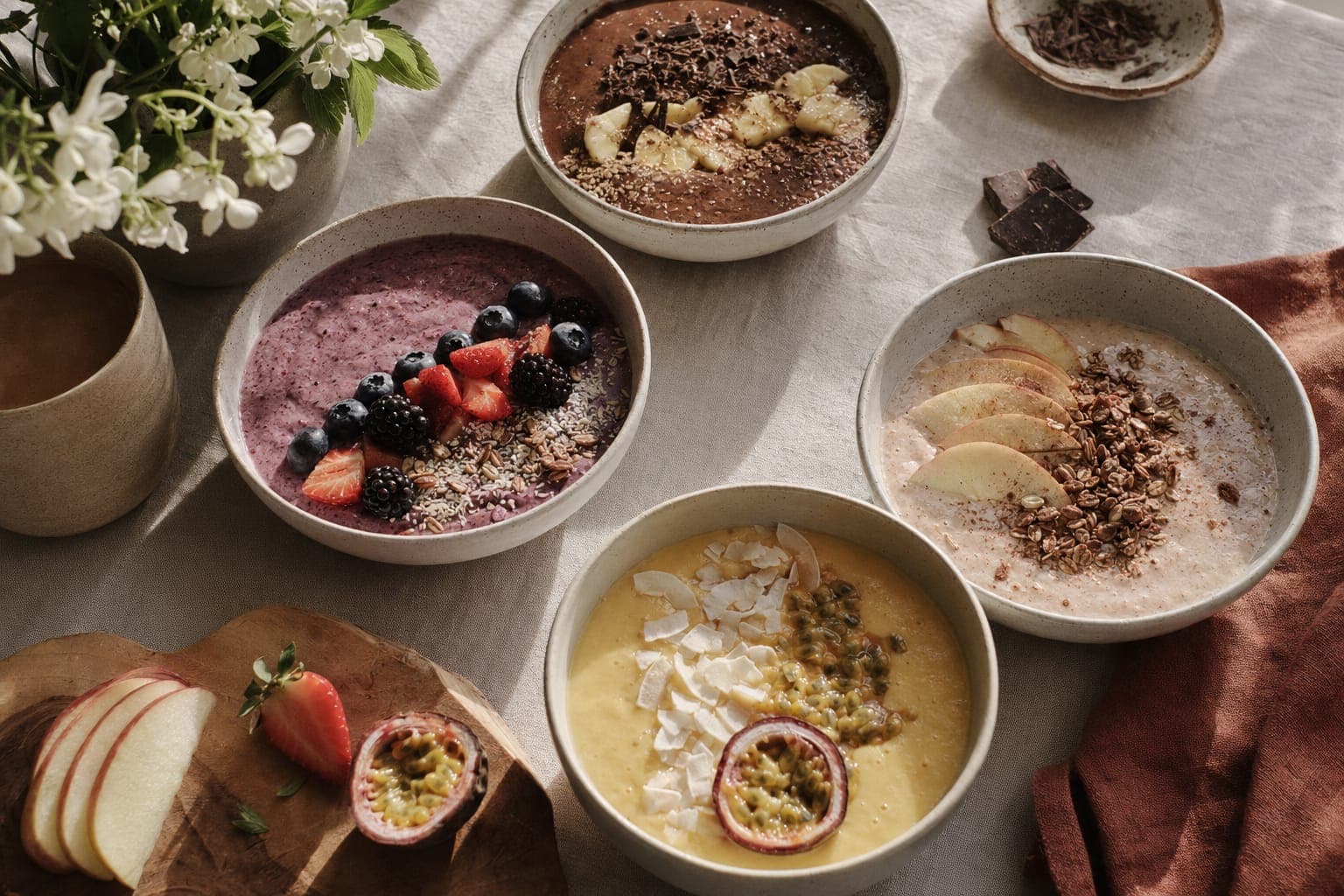
Organised Smoothie Bowl Recipes for Every Season
Four seasonal smoothie bowl recipes using Organised. Berry in summer, apple-cinnamon in autumn, tropical in spring, warming chocolate in winter.


 Join over 100,000+ members
Build a better food system with us
The Organised community is thousands of people choosing real food and backing the farmers who grow it, all of us trying to leave the world a little better than we found it. If that is what you care about too, you belong here.