Teaching Children About Where Food Comes From
A child who thinks milk comes from a carton and meat comes from a shop is disconnected from reality. A child who's seen a cow, watched it being milked, drunk the milk from that relationship, eats differently. They respect food. They don't waste it. They understand cause and effect in a way no lecture can teach.
By Niall Kiddle, Founder, Organised

Reviewed by Pedro Rodrigues, Agronomist (farming and sourcing only) ·
5 min read · Published · Updated · 1 cited source
Makers of the Organised Daily blend, a grass-fed beef organ supplement from regenerative UK farms
Teaching children where food comes from isn't a luxury. It's foundational. It shifts their relationship with eating from consumption to participation. And children who feel like participants in food production eat better food and waste less of it.
Why understanding origins changes how children eat
A child presented with a plate of vegetables and told "eat your vegetables" resists. The instruction is abstract. Vegetables aren't real to them. They're an obligation.
A child who planted a seed, watched it grow, pulled it from the soil with their own hands, and washed it, tastes something different. The same carrot or lettuce becomes a story. It becomes real. Resistance drops dramatically.
Children's food-related learning experiences (gardening, cooking, farm visits) have been associated with greater willingness to try new foods, particularly vegetables, and improved dietary knowledge in school-based interventions.1
A child who understands that milk comes from a cow, that the cow needs to eat grass, that their own nutrition depends on that chain, eats with gratitude instead of obligation.
Starting with animals
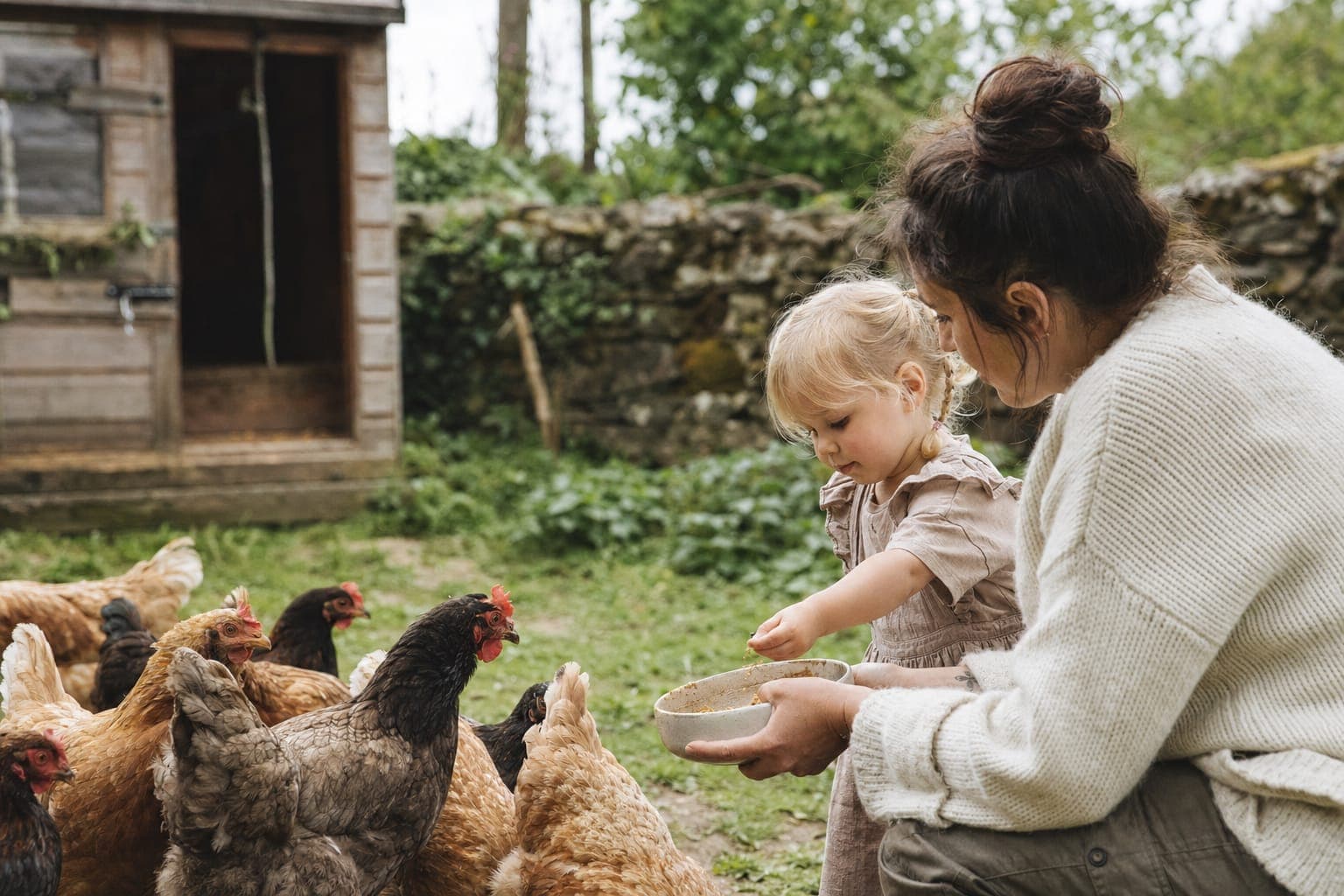
The easiest entry point is animals. If you have space, even a small garden or balcony, you can keep chickens. Four hens provide eggs consistently. Children watching chickens scratch, eat, produce eggs daily see the direct link between animal care and food. They feed the chickens. The chickens produce eggs. They eat the eggs. It's a closed loop they can understand.
Without space for chickens, visit a farm that allows it. Many farms, particularly smaller ones prioritising regenerative agriculture, welcome school groups or family visits. Children see cows milked, sheep sheared, vegetables harvested. The experience lodges in their memory.
Even a conversation about meat sources matters. Not lecturing about meat ethics, but answering factually: that beef comes from cows, that the cow ate grass and grew, that humans have eaten animals for all of history, that the relationship is natural. Children who understand this eat meat differently. Less wastefully. More gratefully.
Growing food together
Growing food doesn't require a large garden. A window box growing herbs. A pot of tomatoes on a balcony. A small raised bed in a corner. Children watching a seed become a plant, that plant produce food, creates understanding nothing else can.
Start simple. Tomatoes are forgiving and grow quickly. Lettuce can be harvested continuously. Herbs like basil and parsley regrow after harvest. These fast results keep children engaged.
Let children take ownership. They water. They watch for pests. They harvest. They decide what to do with the produce. Yes, some plants will die. Children learn from that too. Growing food is unpredictable. That's the point. They're learning that food requires care and attention, not just supermarket visits.
Use the food they grow. Make tomato sauce from their tomatoes. Add their lettuce to a salad. Use their herbs in cooking. They see the connection from seed to meal to stomach. That's the education. Make a big deal about it. Announce at dinner: "This salad has lettuce that [child] grew." The pride that follows creates memory.
Preparing food from raw ingredients
Most children never see food prepared from raw ingredients. They see a box opened, a package emptied. They don't see the steps between ingredient and meal.
Involve children in cooking. Let them wash vegetables. Let them crack eggs. Let them tear lettuce. Let them help knead dough. These tactile experiences teach what food is. By age 4, most children can wash vegetables and tear lettuce. By age 6, they can crack eggs with supervision. By age 8, they can help measure and mix.
Cook whole foods. A chicken they can see is a chicken. They can identify the parts. They understand it was an animal that provided this meal. This is different from chicken nuggets, where the origin is invisible.
Take it further when they're ready. Visit a butcher. Watch them break down a carcass. It's visceral and real. Children are less squeamish than adults expect. They're curious. Seeing where food comes from answers that curiosity instead of leaving it to imagination.
A child who's participated in growing and preparing food eats it. A child who understands the work and care involved respects it.
Get life-stage nutrition guides, free
Two short reads a week on eating well through pregnancy, childhood and older age.
By signing up you agree to receive emails from us. No spam, unsubscribe anytime.
Creating food rituals
Regular rituals build connection deeper than one-off experiences. A weekly farmers market visit. A monthly farm visit. A seasonal cooking project (canning, jam-making, bread-baking).
These rituals don't need to be elaborate. A Sunday morning trip to the farmers market where your child picks one vegetable they've never tried. A monthly outing to a local farm. A weekend where you make bone broth from scratch together.
The regularity matters more than the spectacle. A weekly ritual creates expectation and deepens connection. Your child starts to recognise the farmers. They anticipate what will be in season. They make decisions about food proactively rather than reactively.

1 of 9
Daily blend
100,000+ thriving families4.9 on Trustpilot
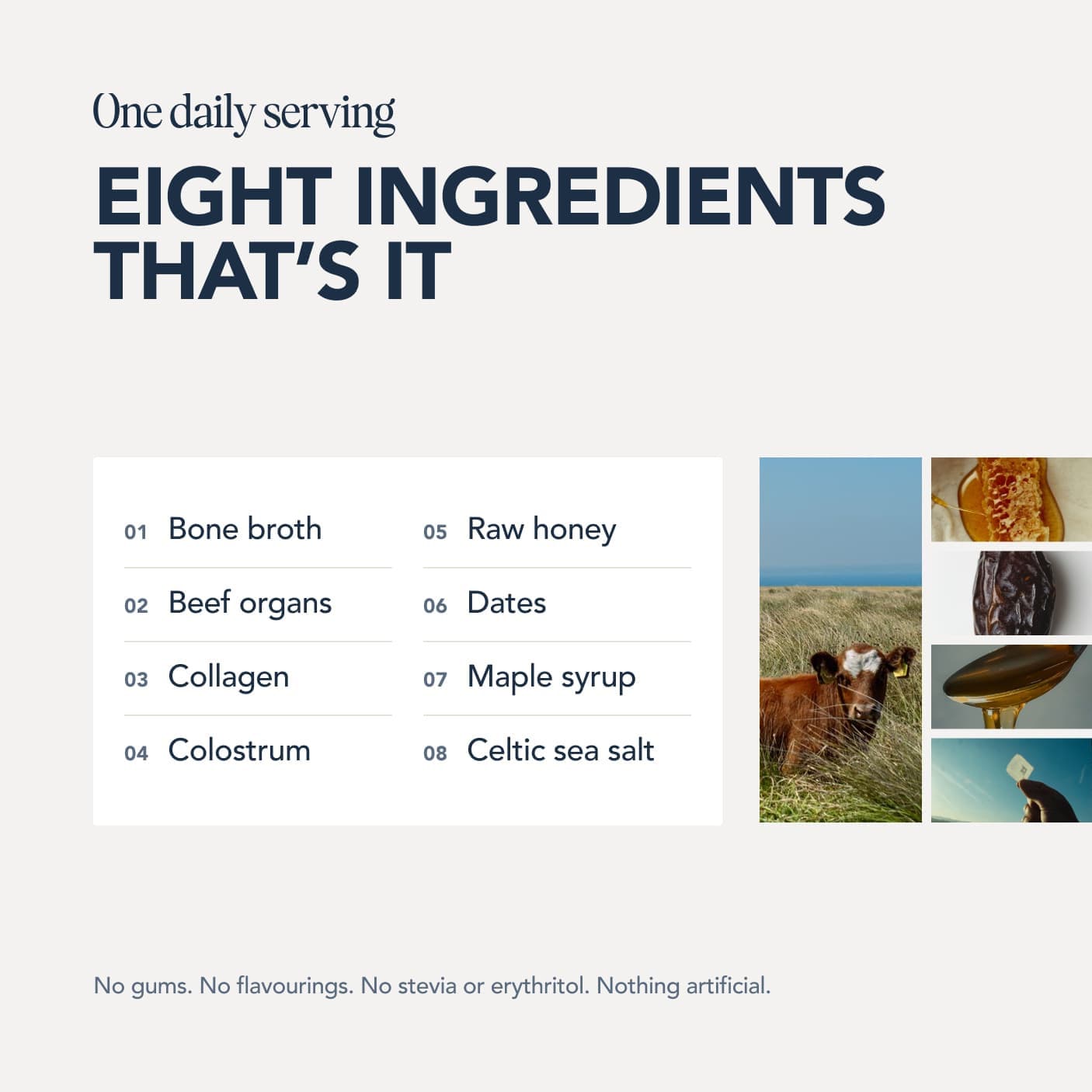
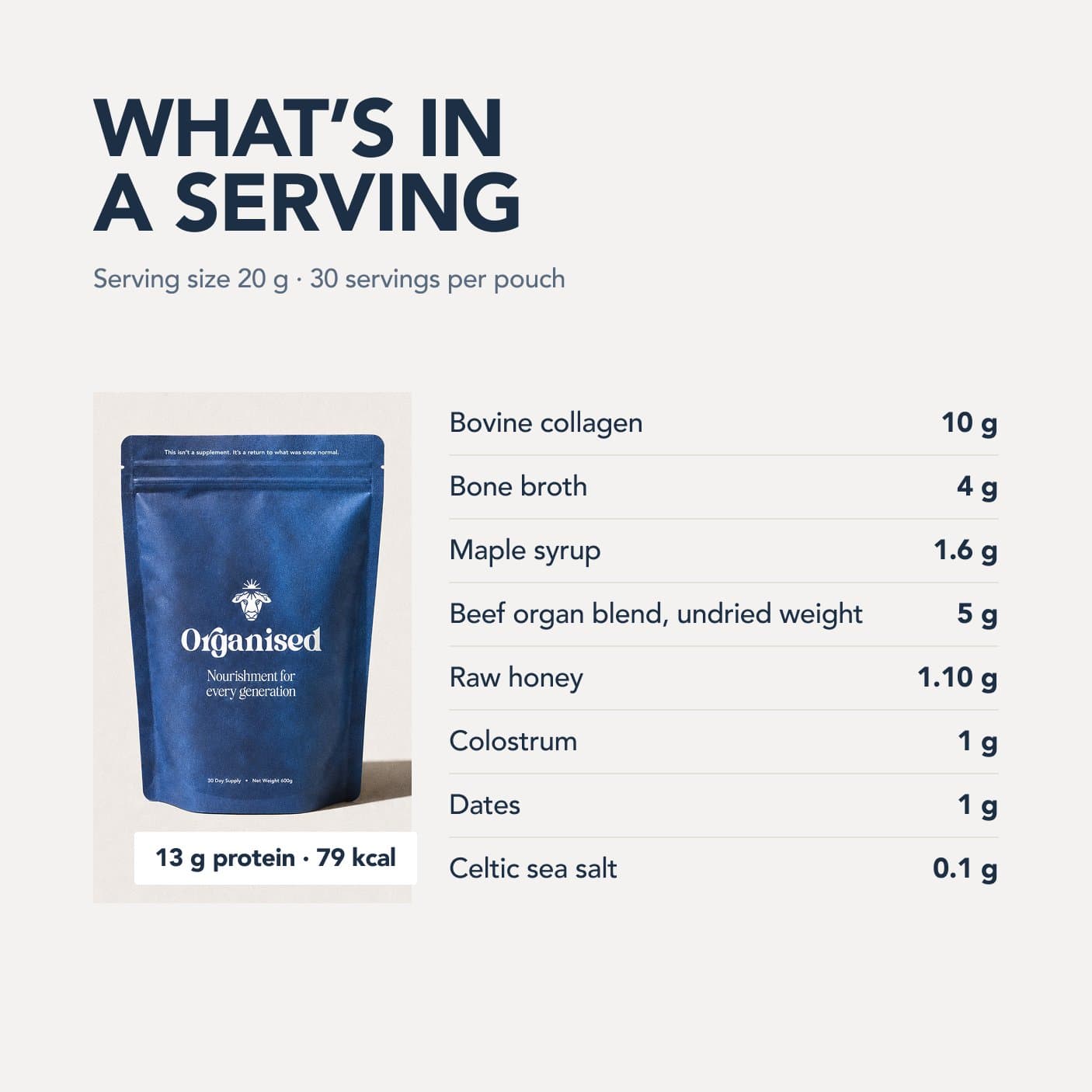
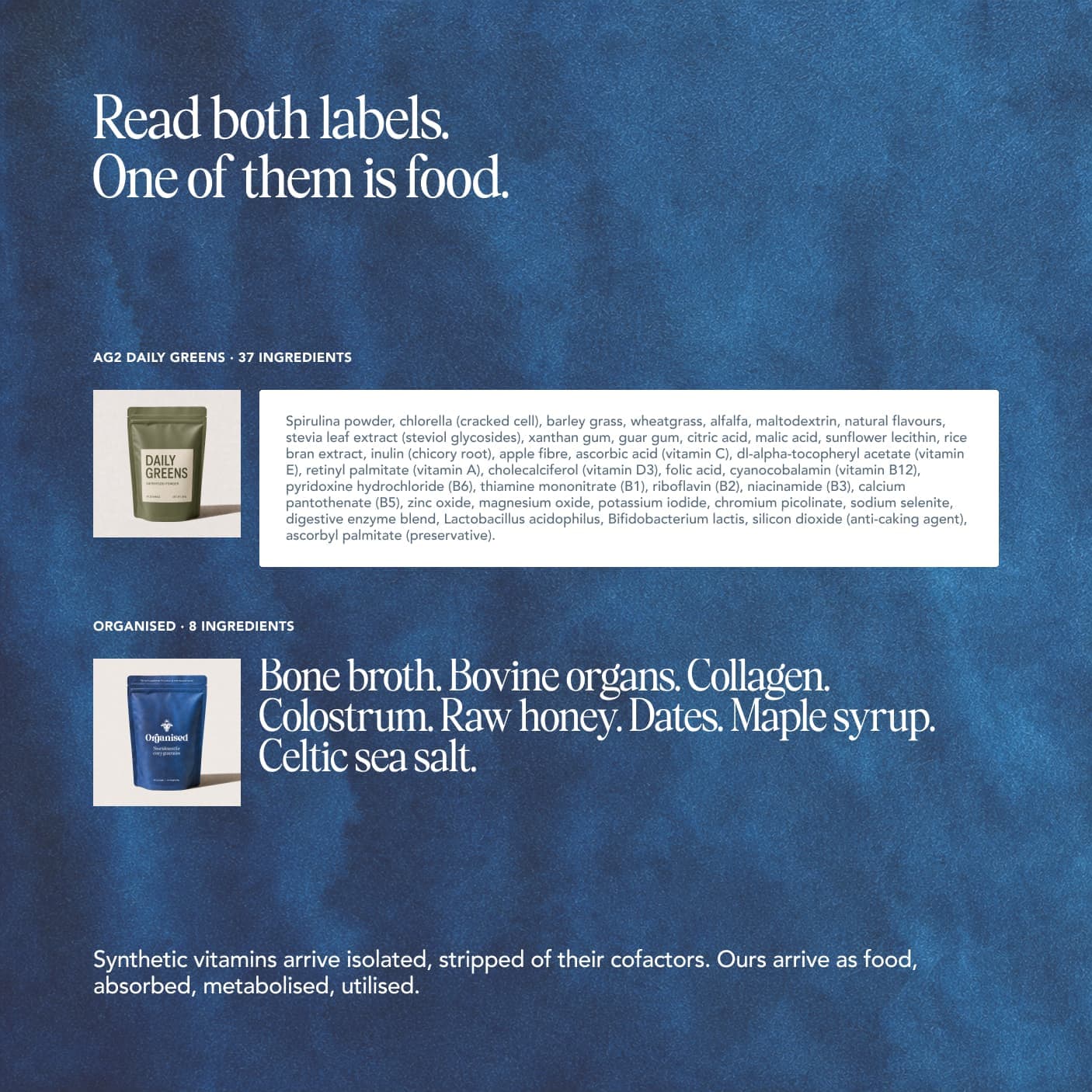
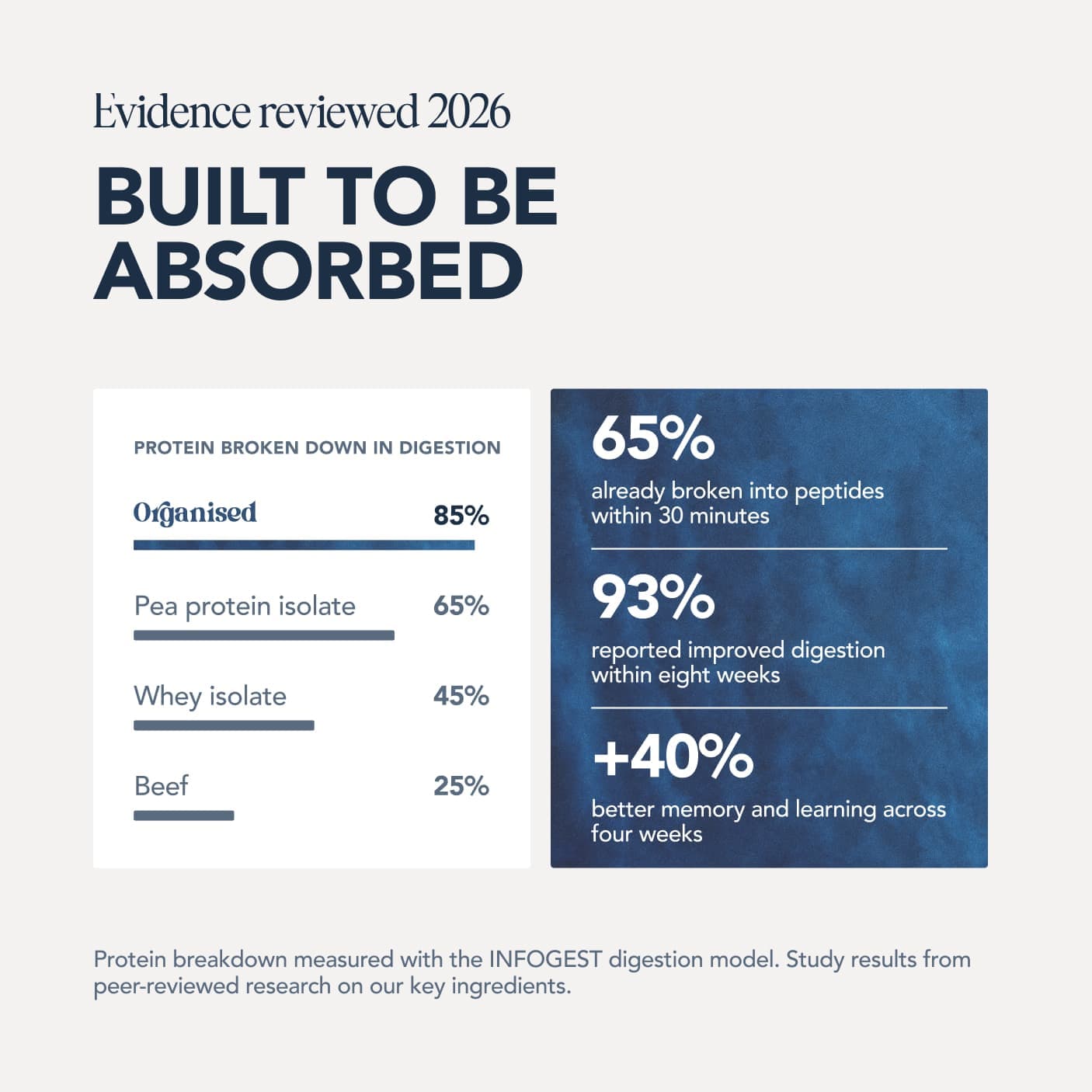
Eight real ingredients built around grass-fed beef organs, collagen and colostrum. Nothing synthetic added.
Free with your first order, worth £38. Plus £10 off the pouch with a subscription.



Free UK shipping · Made in England · 100 day money back guarantee on your first pouch · Skip, pause or cancel anytime
Farm visits and experiences
Many farms offer school visits or family days. Children see crops growing. They see tractors. They meet farmers. They understand that real people are involved in producing their food.
Some farms offer pick-your-own experiences. Children harvest berries, apples, vegetables themselves. The transition from plant to hand to basket to eating is immediate and memorable. A child who picked the apple eats the apple. It's not optional.
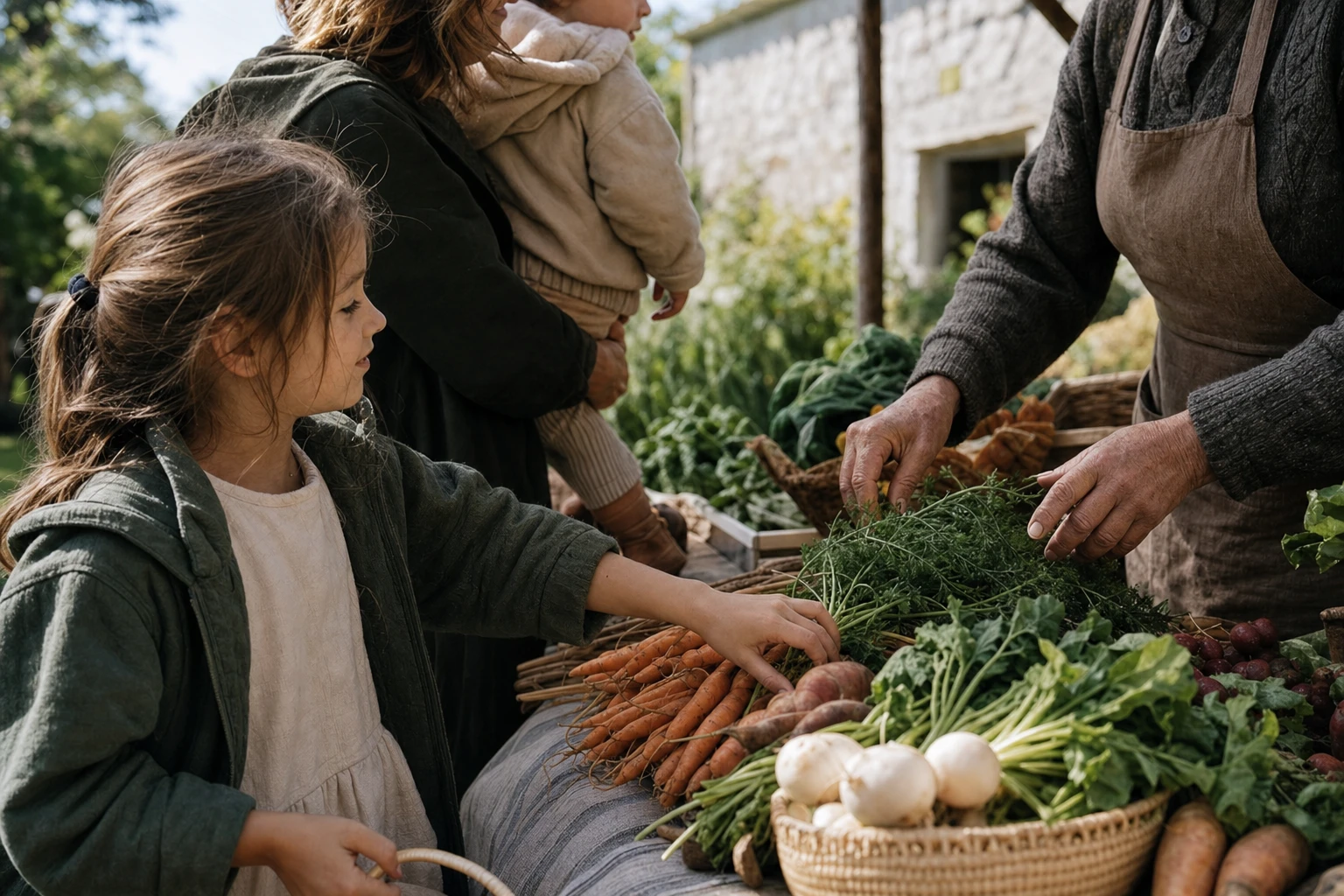
Farmers markets are accessible alternatives. Talk to the farmers. Ask children to choose vegetables they don't recognise. Ask the farmer how they grow them. Children who interact with food producers eat more adventurously and waste less.
Seasonal eating becomes natural when children understand farming. They see strawberries only in summer because that's when they grow. They understand that forced strawberries in winter are expensive and less nutritious. They eat seasonally because it makes sense, not because you've forced it.
The bottom line
Teaching children where food comes from isn't extra. It's foundational education. It shifts their relationship with food from passive consumption to active participation. Start with one animal experience, one growing project, one farm visit. Involve them in preparing real food from real ingredients. Watch how their eating changes. Watch how their respect for food deepens. Watch how their willingness to try new foods expands simply because they understand the source. This is education that lasts a lifetime.
References
Every source below was checked on 27 August 2026. Each PubMed, PMC and DOI identifier was resolved against NCBI or Crossref, and what it opens is printed under the citation, so you can see the link goes where the citation says without leaving the page. Where a citation and its identifier disagreed, the citation was corrected to the record or the reference was deleted along with the sentence marker that pointed at it, and where the resolved paper turned out not to support the sentence, the sentence was cut back to what it does support. Borrowed authority is worse than none, because it looks like rigour.
- Savoie-Roskos MR, Wengreen H, Durward C. Increasing Fruit and Vegetable Intake among Children and Youth through Gardening-Based Interventions: A Systematic Review. J Acad Nutr Diet. 2017. https://pubmed.ncbi.nlm.nih.gov/27964852/Checked 27 August 2026: PMID 27964852 opens Savoie-Roskos MR, Wengreen H, Durward C, Increasing Fruit and Vegetable Intake among Children and Youth through Gardening-Based Interventions: A Systematic Review. J Acad Nutr Diet 2017;117(2):240-250. PubMed indexes it as: Systematic Review.
Who wrote and reviewed this guide
Niall Kiddle
Author · Founder, Organised
Niall is the founder of Organised. He started the company in 2024 after fixing his own health the slow way: in 2022 he swapped a cupboard of synthetic supplements for real food, raw milk, organ meats, bone broth and honey, and felt the difference within months.
Areas of expertise: Ancestral nutrition, Organ meats, Whole-food supplementation, Gut health, Regenerative sourcing
Read Niall's full profile
Pedro Rodrigues
Reviewer · Agronomist (farming and sourcing only)
Pedro is the agronomist Organised works with on farming and sourcing. His job on the guides is to keep the science honest: he reviews what we publish about soil health, regenerative agriculture, grazing and the way food is actually produced.
Areas of expertise: Regenerative agriculture, Agronomy, Soil health, Grass-fed farming, Food sourcing
Reviewed this guide on
Read Pedro's full profileBrowse the guides library
All guidesKeep reading
Life stage
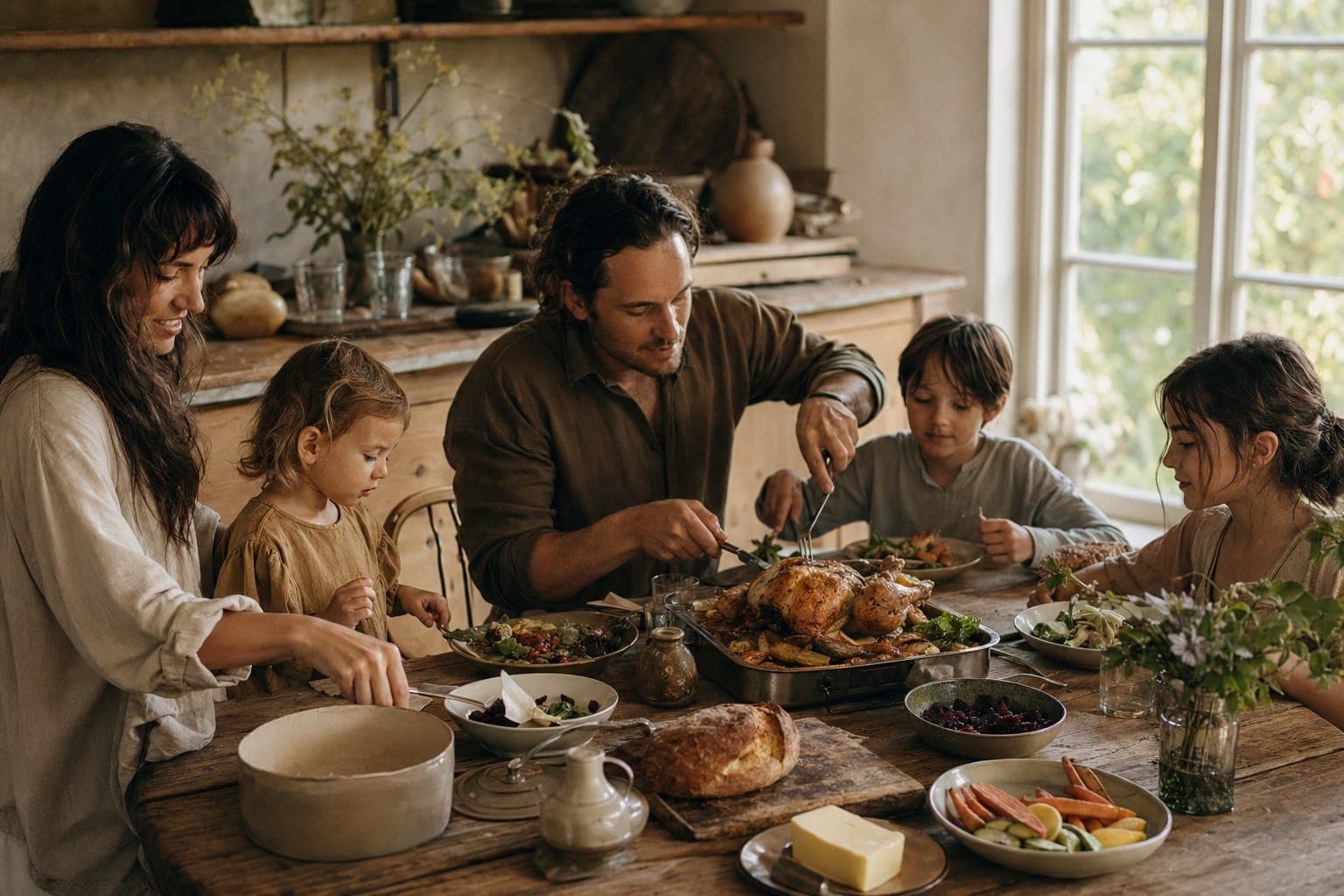
How to Nourish Your Whole Family with Real Food
Discover how real food nutrition can feed your whole family across different ages and tastes with one simple approach, plus practical tips to make it stick.
Life stage
Menopause and Bone Density: Protecting Your Skeleton
Oestrogen drop in menopause accelerates bone loss. Calcium plus K2 plus D plus adequate protein plus resistance training prevents fracture risk.
Life stage
Heart Disease in Men: Can Nutrition Make a Difference?
Heart disease remains the leading cause of death in men. Discover how CoQ10, omega-3 balance, and anti-inflammatory whole foods can shift your risk.
Real food, made effortless
Find my daily blendA few ways to use it
All recipes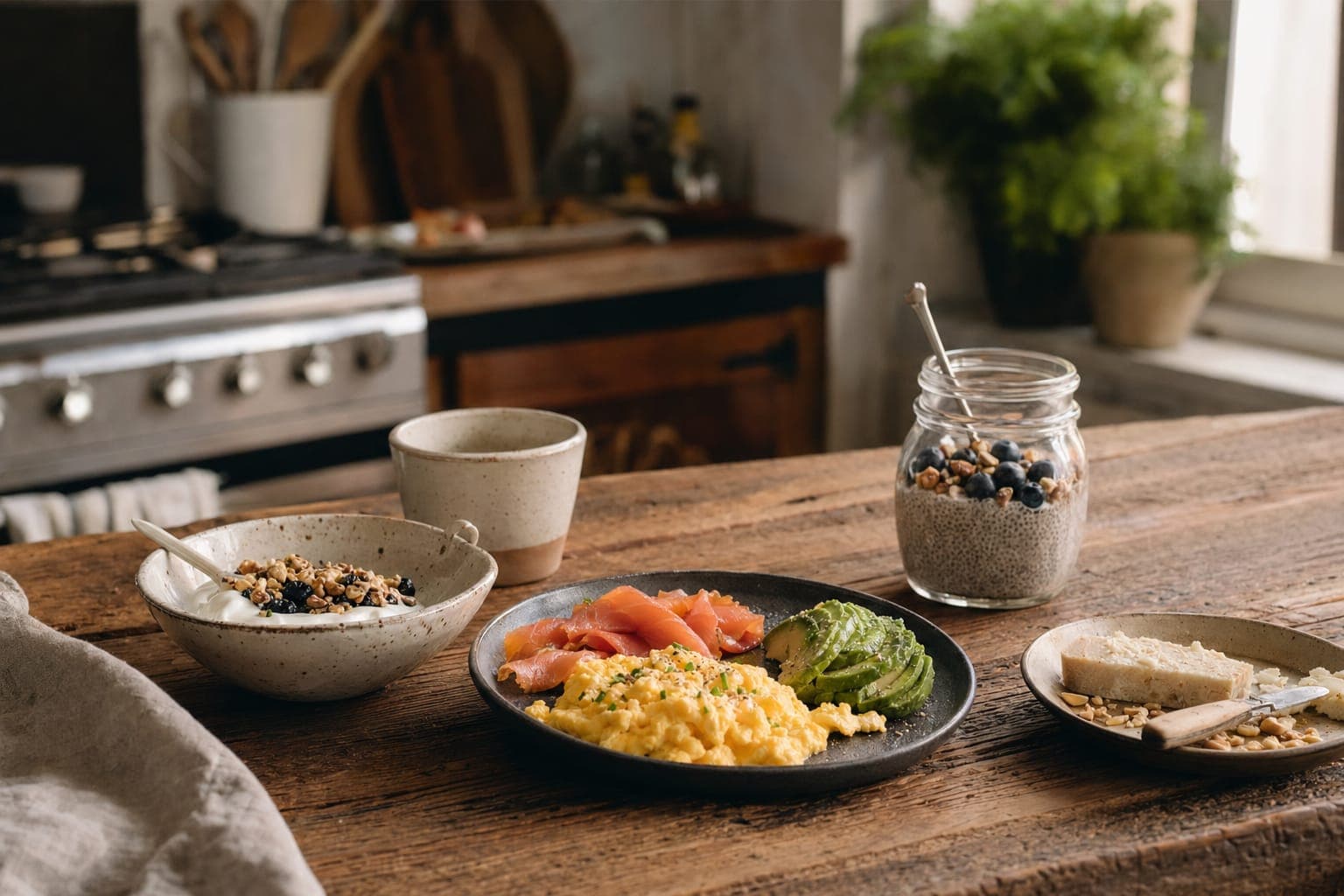
5-Minute High-Protein Breakfasts Using Organised
Quick, high-protein breakfast ideas using Organised. Five recipes you can make in minutes with real food. No fussing around.
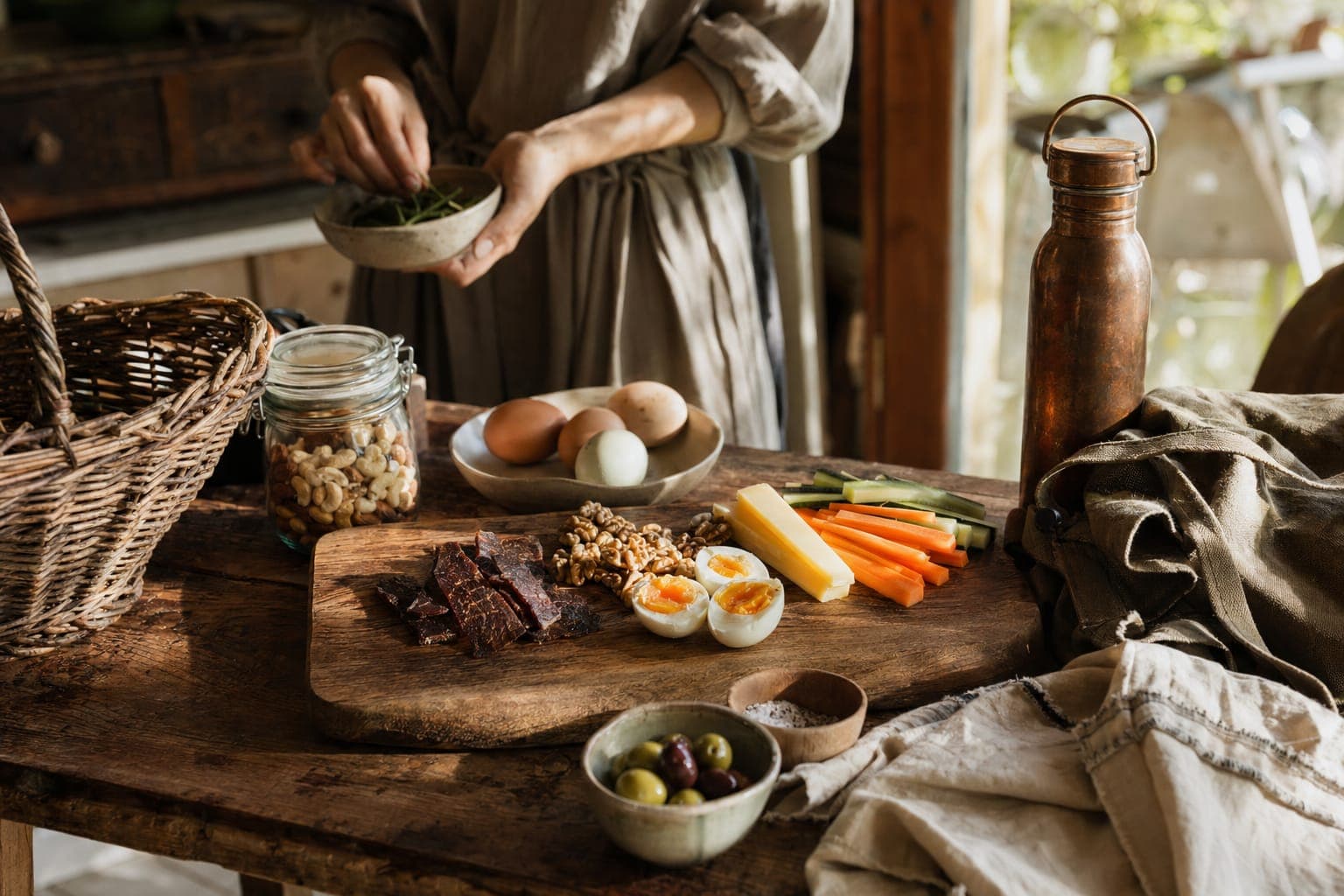
Whole Food Snacks for Busy Days
Practical whole food snacks that travel well and sustain energy. No refined carbs, no seed oils. Real food options for when you're busy.
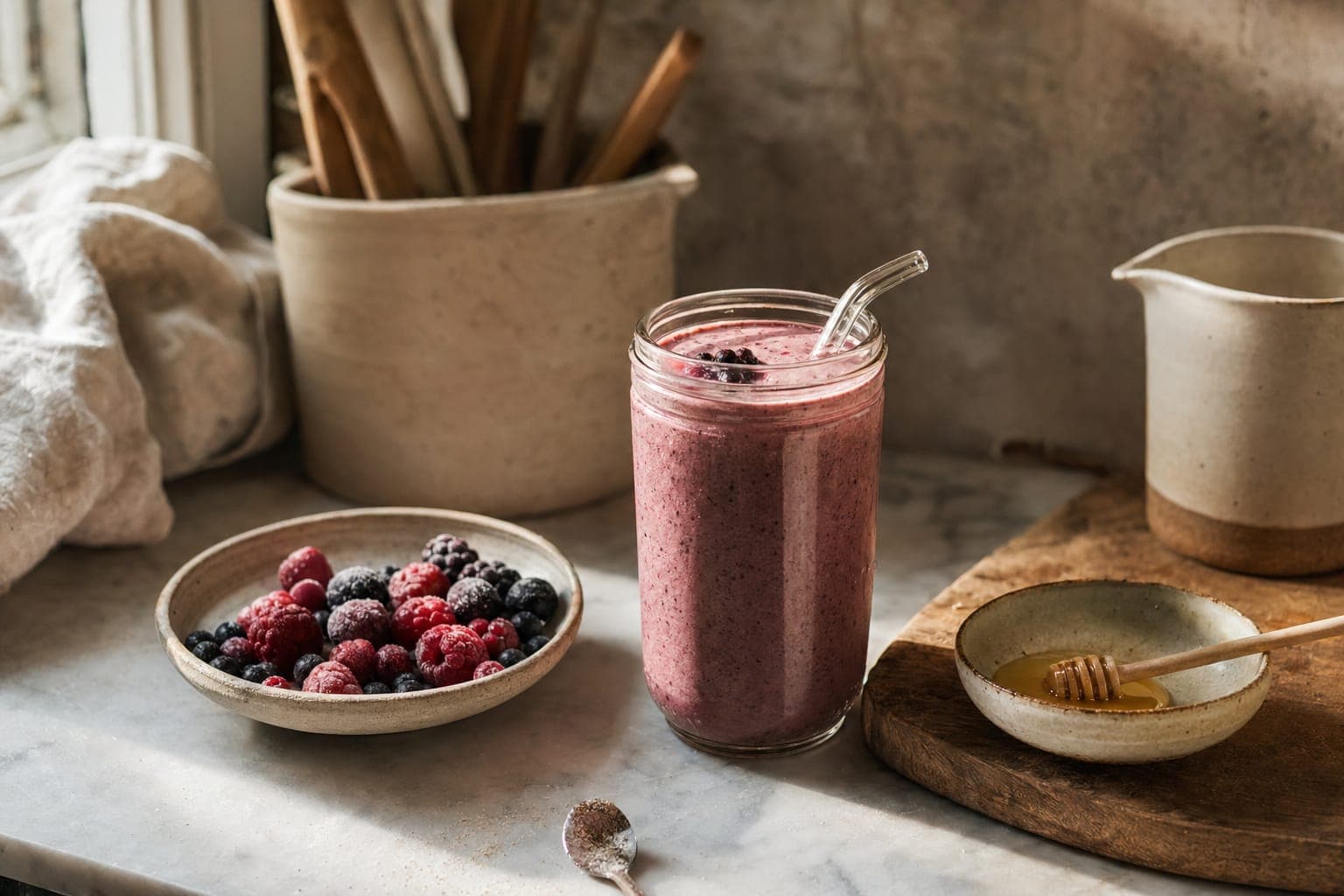
The Organised Recovery Smoothie for After Exercise
A recovery smoothie made with beef protein, raw milk, frozen berries, collagen, and honey. Optimal nutrition in the 30-minute window after exercise.


 Join over 100,000+ members
Build a better food system with us
The Organised community is thousands of people choosing real food and backing the farmers who grow it, all of us trying to leave the world a little better than we found it. If that is what you care about too, you belong here.