Heart Disease in Men: Can Nutrition Make a Difference?
Heart disease kills more men than any other condition. Most men know this intellectually. Most are also convinced there's nothing they can actually do about it. That assumption is costing lives.
By Niall Kiddle, Founder, Organised

Reviewed by Pedro Rodrigues, Agronomist (farming and sourcing only) ·
6 min read · Published · Updated · 5 cited sources
Makers of the Organised Daily blend, a grass-fed beef organ supplement from regenerative UK farms

The truth is more nuanced. Heart disease isn't inevitable. It's not purely genetic. Nutrition plays a role that extends far beyond simple cholesterol numbers, and the foods you choose today directly influence your cardiovascular risk years from now.
Why men are at higher risk
Men die from heart disease at younger ages than women, often in their 50s and 60s when women of the same age have another decade or more of protection. The gap narrows sharply after menopause, when women's oestrogen declines. This tells you something important: hormones matter profoundly, but so does nutrition, stress, and lifestyle.
Testosterone, the defining hormone of male physiology, offers cardiovascular protection when it's in the right range (400-700 ng/dL). It promotes healthy blood vessel function, reduces inflammation, and supports metabolic health. But chronic stress, poor diet, excess weight, sedentary behaviour, and alcohol consumption all suppress testosterone and elevate cortisol. Cortisol is catabolic. It promotes inflammation. It damages the endothelial layer (the innermost layer of arteries). Over years, this shifts the hormonal landscape in a direction that accelerates atherosclerosis.
Men also tend to ignore early warning signs longer than women do. Chest discomfort gets dismissed as indigestion or muscle strain. Shortness of breath gets attributed to being out of shape. Fatigue gets blamed on work stress. By the time a man actually seeks help, significant arterial damage has often already occurred. Prevention, not treatment, is the only sensible strategy.
The men with the best outcomes aren't the ones waiting for symptoms. They're the ones rebuilding their cardiovascular resilience before anything goes wrong.
The CoQ10 story
CoQ10, also known as ubiquinone, is produced by your body and concentrated heavily in the heart. It's essential for energy production in cardiac cells (your heart beats 100,000 times daily and needs fuel). CoQ10 also has powerful antioxidant properties that protect against the oxidative damage that drives atherosclerosis (plaque formation).
Here's the problem. CoQ10 production declines with age. By your 50s and 60s, your body is making significantly less of it than it did at 30. Mitochondrial function declines. Energy production declines. Oxidative protection declines. Simultaneously, these are the years when heart disease risk accelerates. It's terrible timing. A 65-year-old man's heart is producing 50% less CoQ10 than a 35-year-old man's heart, yet his cardiovascular demands are higher because his arteries are stiffer and his blood pressure is higher.
Statin drugs, commonly prescribed to lower cholesterol, actively deplete CoQ10. The mechanism is direct: statins inhibit the enzyme pathway that produces CoQ10. Men taking statins often experience muscle pain, fatigue, and weakness.1 These symptoms often resolve when CoQ10 supplementation or increased dietary CoQ10 is added. This isn't coincidence. The depletion is real, measurable, and consequential.
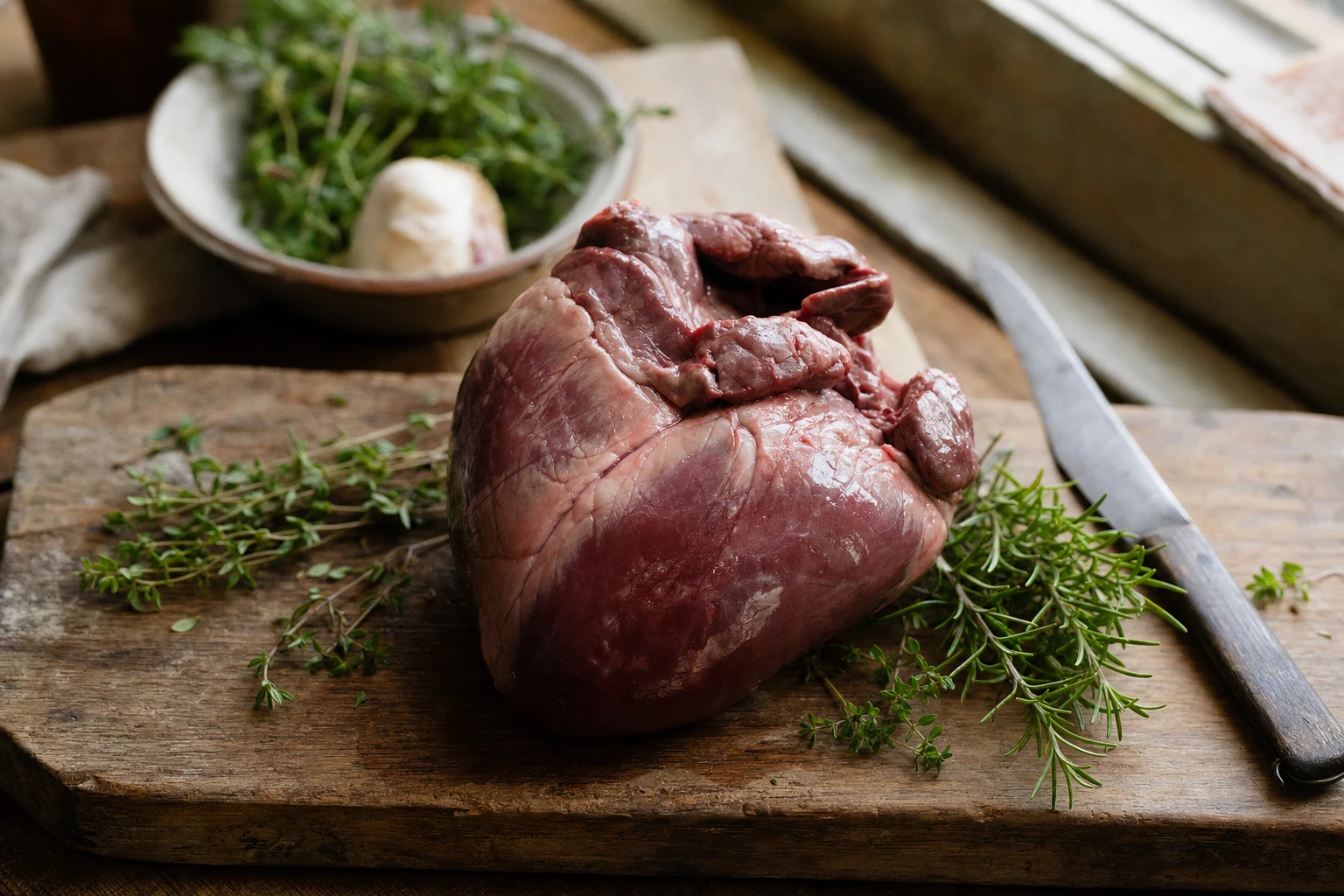
The richest food sources of CoQ10 are organ meats. Beef heart, pork heart, and beef liver all contain exceptional amounts. A 100-gram serving of beef heart provides approximately 11mg of CoQ102, which exceeds most commercial supplement doses. The irony is that the foods modern low-fat dietary guidelines have discouraged (organ meats) are the exact foods a man's cardiovascular system desperately needs.
- Beef heart (100g): 11 mg CoQ10, plus carnitine for energy
- Pork liver (100g): 3-4 mg CoQ10, high micronutrient density
- Herring (100g): 3 mg CoQ10, plus omega-3s
- Sardines (100g): 0.6 mg CoQ10, bioavailable fats
- Grass-fed beef (100g): 0.2 mg CoQ10, varies by cut
Omega-3 balance matters more than you think
The conversation around omega-3s has been oversimplified to the point of uselessness. Men have been told to take fish oil supplements and eat more fish, both reasonable recommendations, but the real issue is balance. Supplementing omega-3s into a diet high in omega-6 is like bailing water out of a boat with a hole in it. The ratio determines everything.
Modern diets are drowning in omega-6 fats from seed oils (sunflower oil, soya oil, canola oil, vegetable oil), processed foods, and grain-fed animal products. The ideal ratio of omega-6 to omega-3 is somewhere between 1:1 and 4:1. Ancestral diets maintained this balance. Most modern men are eating at ratios of 15:1 or higher3, some even 20:1. This imbalance is fundamentally inflammatory because omega-6 fats in excess promote the production of inflammatory molecules, whilst omega-3 fats inhibit them.
Omega-3 fats, particularly EPA (eicosapentaenoic acid) and DHA (docosahexaenoic acid) from fish and other marine sources, actively reduce inflammation throughout the body, support healthy heart rhythm stability, thin blood slightly to improve flow, and protect the endothelial lining of arteries. But they only work effectively when the overall fat balance is corrected. You can't supplement your way out of a bad diet.
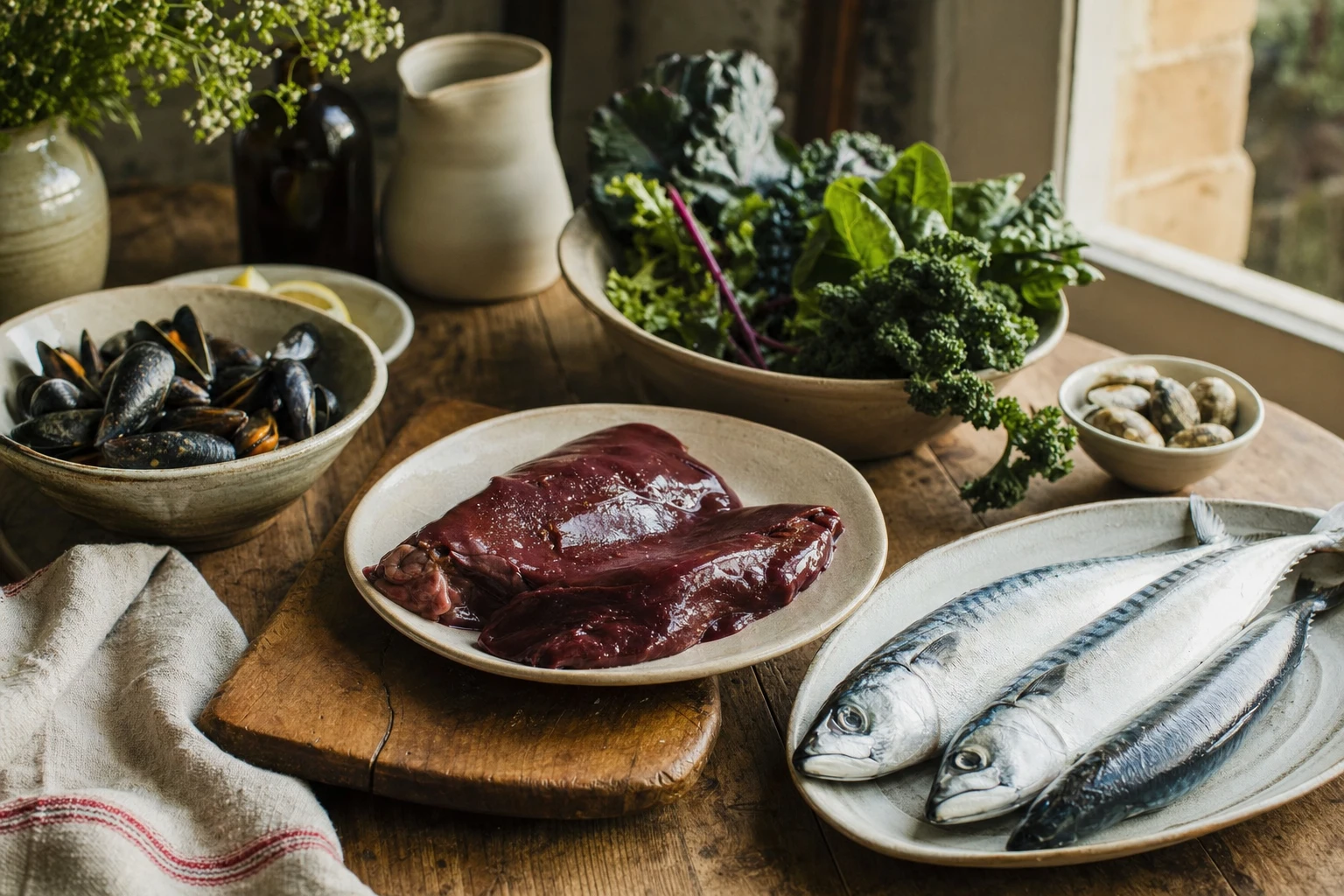
This means two critical things. First, increase omega-3 sources: fatty fish like mackerel (2.3g omega-3 per 100g), sardines (1.5g), herring (1.7g), and wild salmon (1.5g), but also oysters and other shellfish. Second, and equally important, dramatically reduce omega-6 sources. Cut seed oils from your kitchen entirely. Cook with butter, ghee, coconut oil, or olive oil instead. Reduce processed foods. Prioritise grass-fed and pastured animal products where the fat balance is healthier (grass-fed beef has a 1:2 omega-6 to omega-3 ratio, whilst grain-fed beef is 5:1).
Fish oil supplements won't fix a diet built on seed oil and processed foods. The ratio matters more than the absolute amount.
Get life-stage nutrition guides, free
Two short reads a week on eating well through pregnancy, childhood and older age.
By signing up you agree to receive emails from us. No spam, unsubscribe anytime.
The inflammation connection
Atherosclerosis, the hardening and narrowing of arteries that leads to heart attacks, isn't primarily caused by cholesterol accumulation alone. It's driven substantially by inflammation, oxidative damage, and the body's attempt to repair damaged endothelial tissue.4
The modern processed food diet drives inflammation throughout the body. Refined carbohydrates, seed oils, excess sugar, and processed meat products all trigger inflammatory cascades. Over years, this inflammation damages the arterial wall, initiates plaque formation, and increases clot risk.
Meanwhile, whole foods rich in polyphenols, minerals, and fat-soluble vitamins actively reduce inflammation. Beef, organs, fatty fish, eggs, and leafy greens all contain compounds that protect the arterial system.
Here's where it gets interesting. The nutrients that reduce inflammation in the cardiovascular system are almost exclusively found in whole foods. A supplement can't replicate what a well-designed diet delivers.
Whole foods that protect the heart
If you want to reduce heart disease risk, focus on nutrient density and whole food sources. The specifics matter less than the pattern.
Organ meats are the cardiovascular MVPs. Beef heart and liver contain CoQ10, carnitine, taurine, and B vitamins all supporting heart function. A portion of beef heart once a week is a powerful intervention.
Fatty fish provide omega-3s, vitamin D, and minerals that the heart needs. Mackerel, sardines, herring, and wild salmon are all excellent. The key is frequency, not supplements.
Shellfish offer a unique mineral profile. Oysters, mussels, and clams provide zinc, copper, iron, and selenium, all minerals involved in cardiovascular protection and antioxidant defence.
Grass-fed beef contains a better omega-6 to omega-3 ratio than grain-fed beef. The difference isn't massive, but it compounds across a lifetime of eating.
Eggs from pastured hens contain choline, lutein, and zeaxanthin, compounds that protect cardiovascular and brain health. The cholesterol in eggs doesn't matter. What matters is that eggs are nutrient-dense whole foods.
Dark leafy greens provide magnesium, potassium, and nitrates that support blood vessel function and heart rhythm stability.
1 of 9
Daily blend
100,000+ thriving families4.9 on Trustpilot
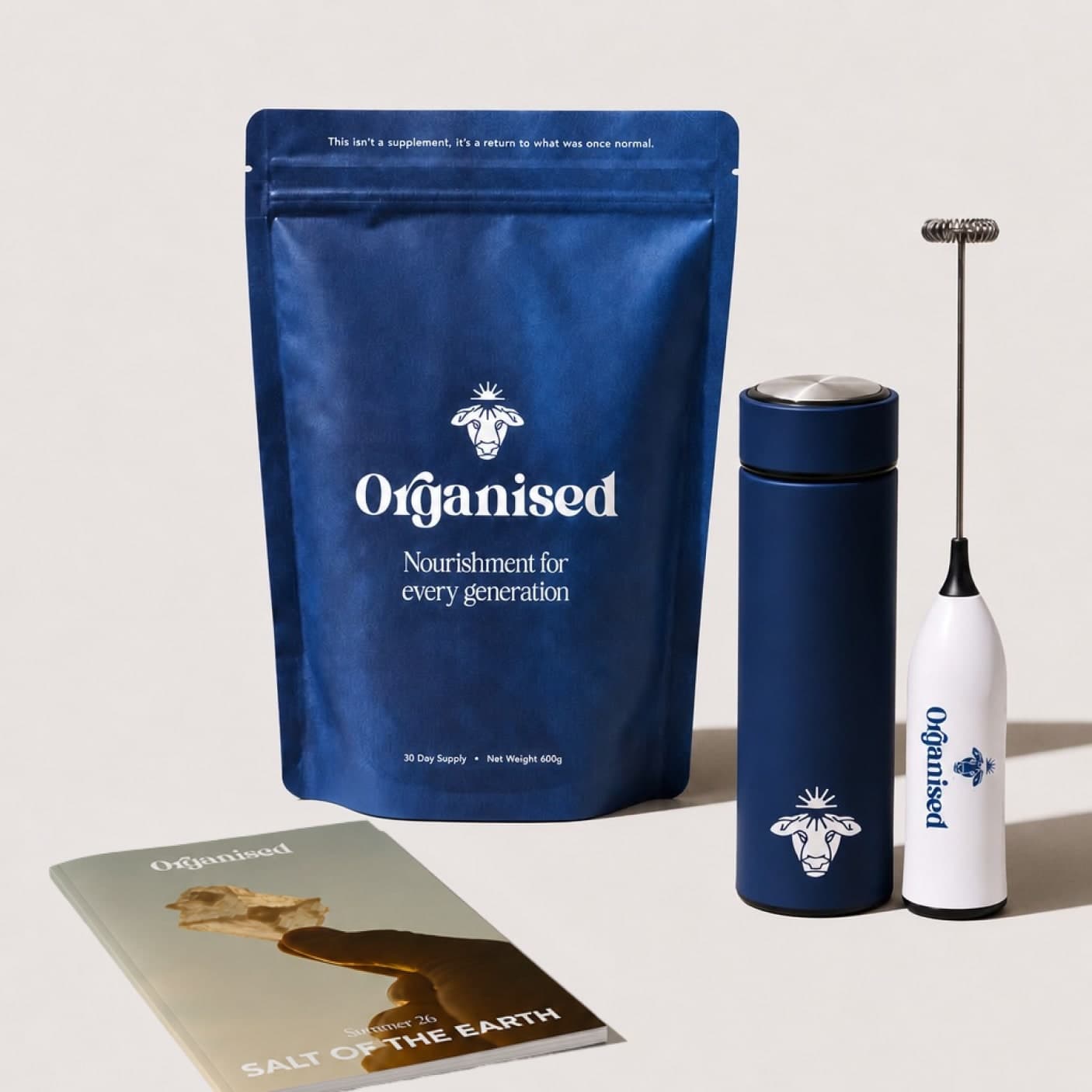
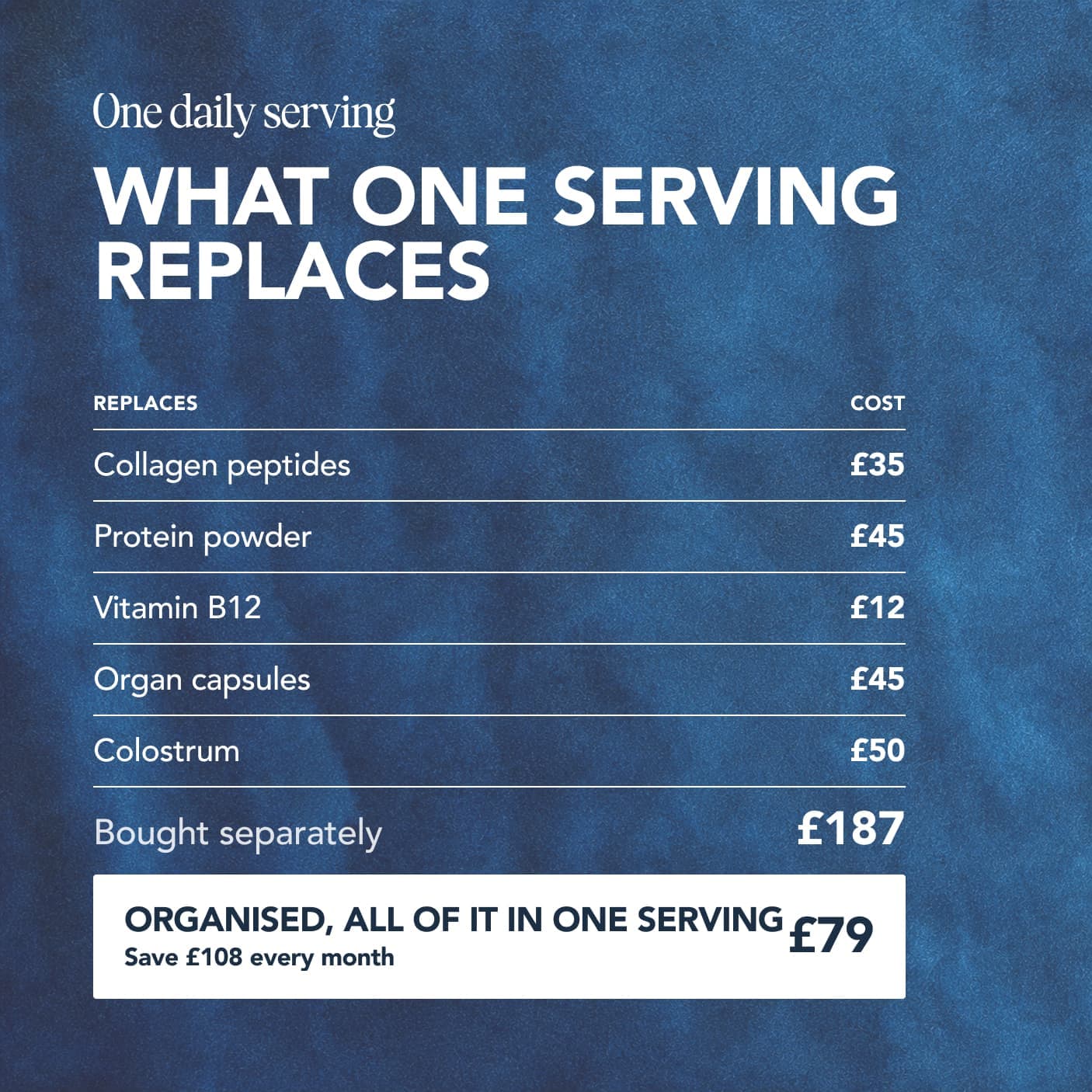
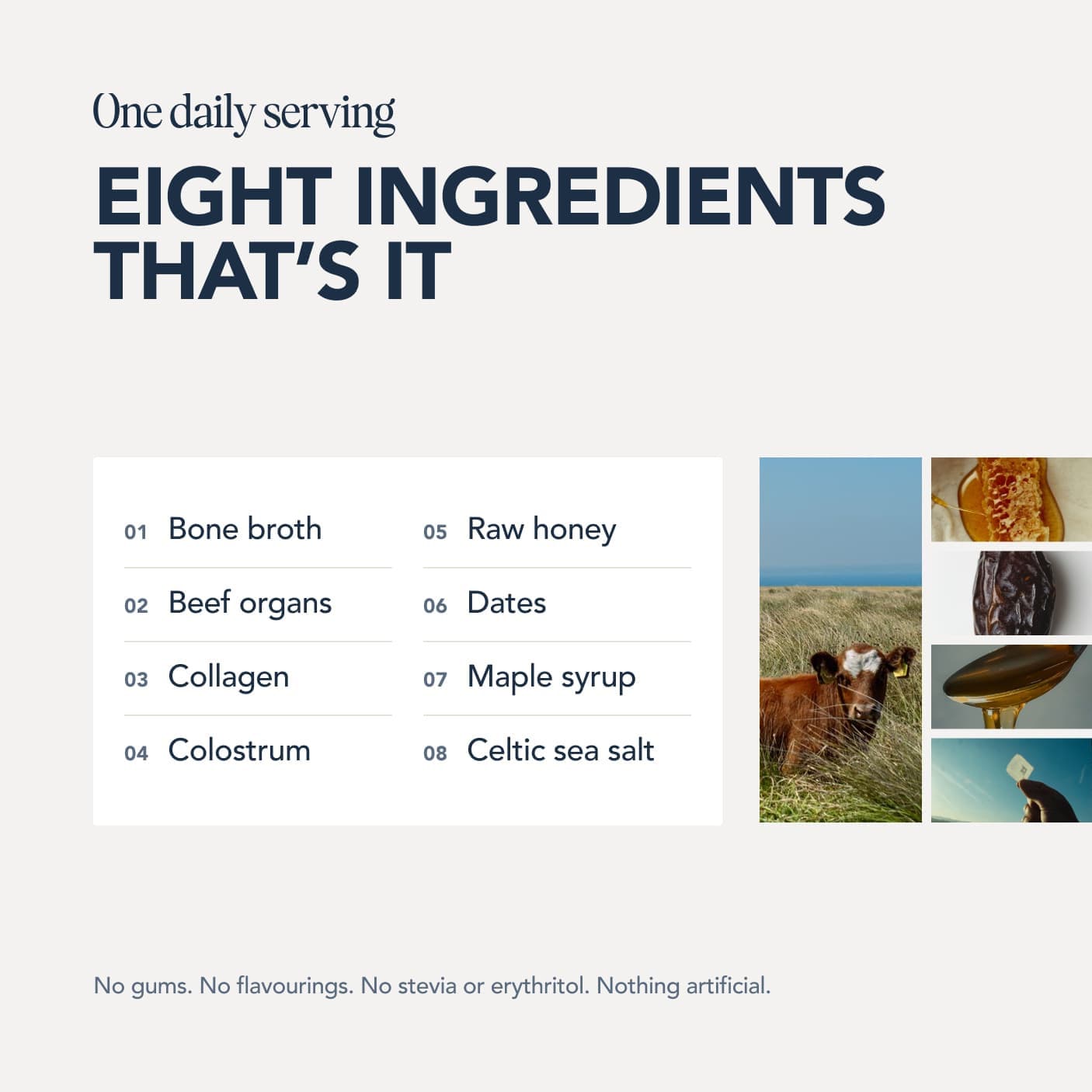
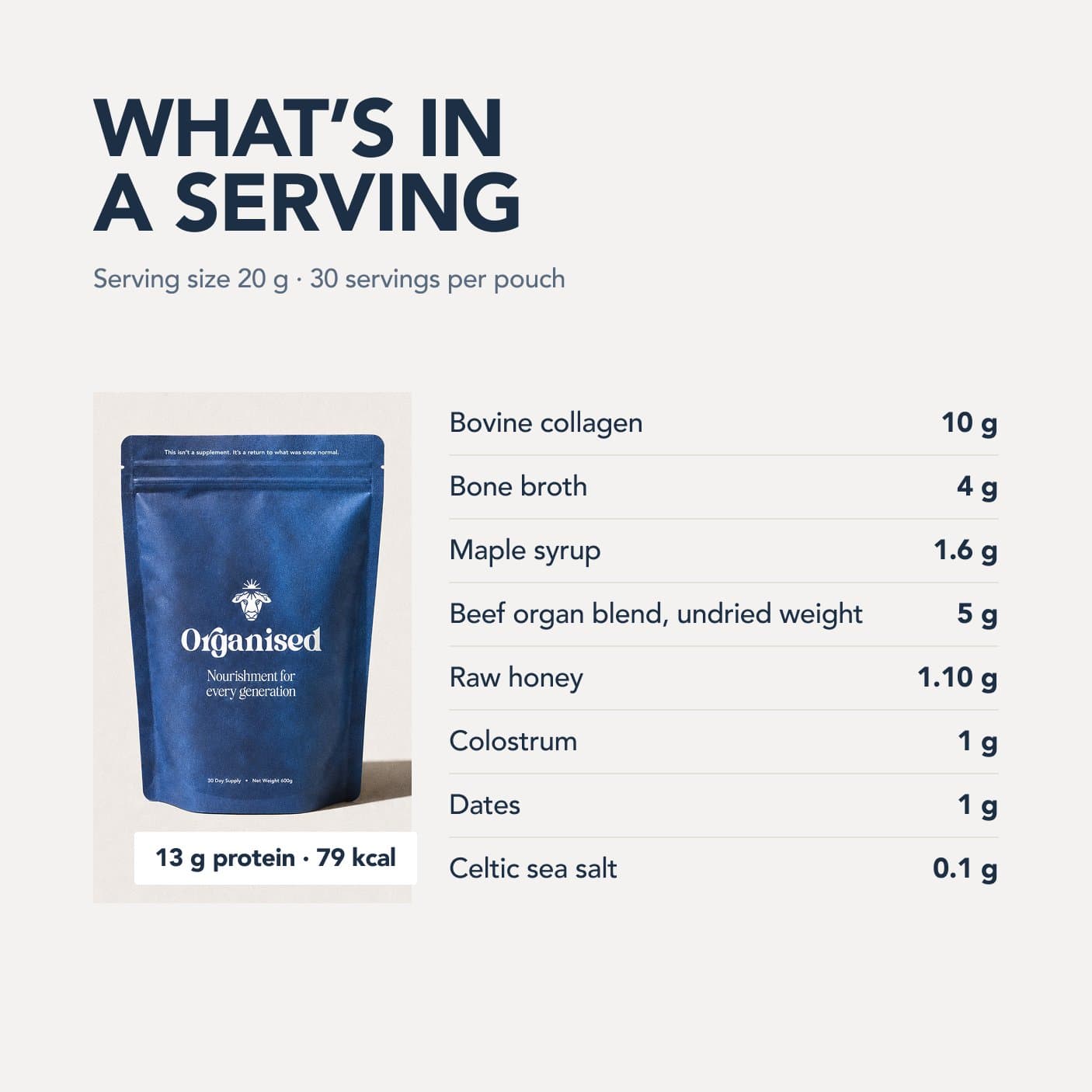
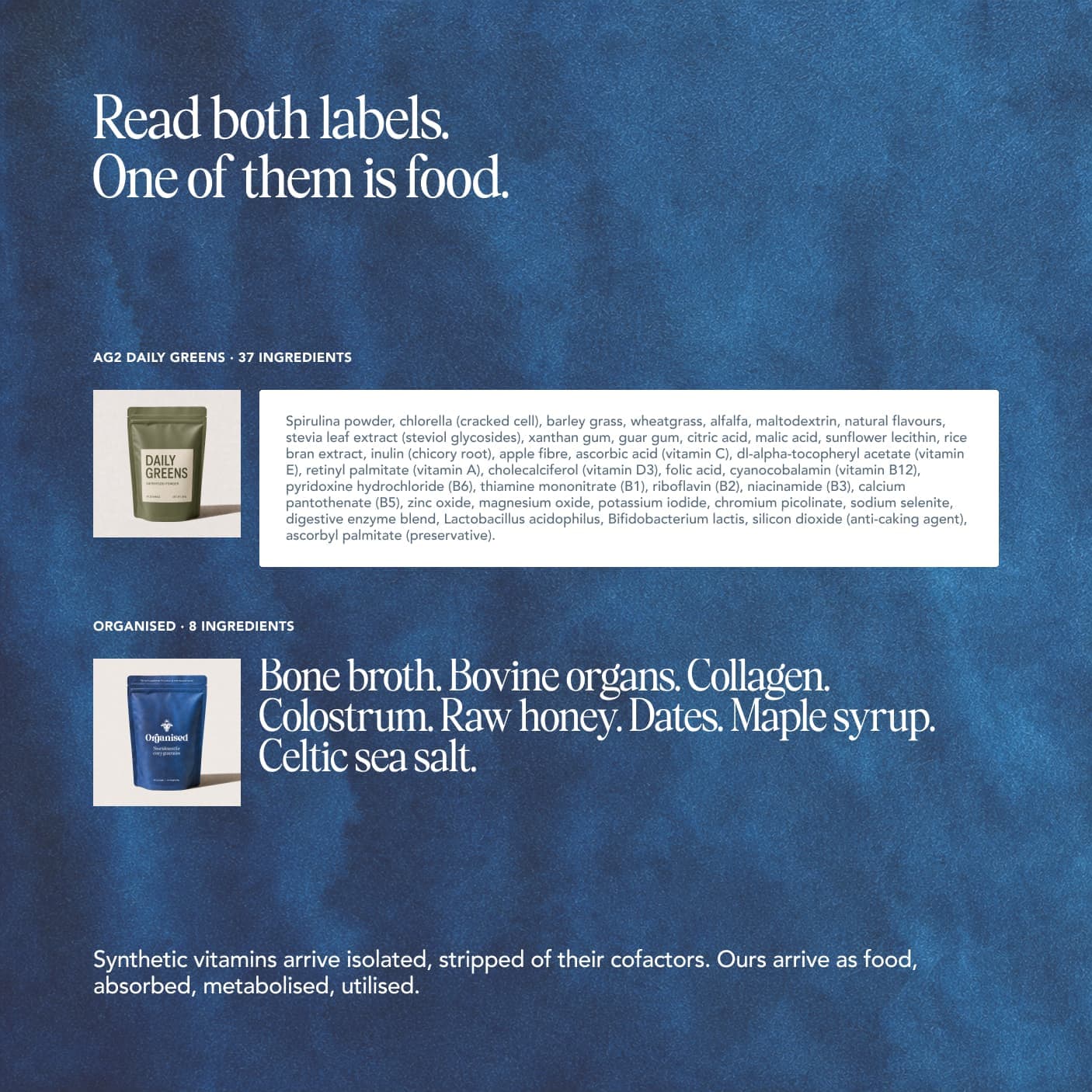
Eight real ingredients built around grass-fed beef organs, collagen and colostrum. Nothing synthetic added.
Free with your first order, worth £38. Plus £10 off the pouch with a subscription.
Free UK shipping · Made in England · 100 day money back guarantee on your first pouch · Skip, pause or cancel anytime
The bottom line
Heart disease isn't destiny. The foods you choose today influence your cardiovascular health for years to come. This isn't about perfection or restriction. It's about building a diet centred on foods that genuinely support your heart.
Eat organ meats regularly. Choose fatty fish. Include shellfish. Get the fat balance right by cutting seed oils and prioritising whole food fats. These aren't complicated changes, but they're profound ones.
Your heart isn't passive. It's actively responding to every meal, every nutrient choice, every inflammatory signal your body receives. Feed it properly.
References
Every source below was checked on 27 August 2026. Each PubMed, PMC and DOI identifier was resolved against NCBI or Crossref, and what it opens is printed under the citation, so you can see the link goes where the citation says without leaving the page. Where a citation and its identifier disagreed, the citation was corrected to the record or the reference was deleted along with the sentence marker that pointed at it, and where the resolved paper turned out not to support the sentence, the sentence was cut back to what it does support. Borrowed authority is worse than none, because it looks like rigour.
- Banach M et al. Statin therapy and plasma coenzyme Q10 concentrations — a systematic review and meta-analysis of placebo-controlled trials. Pharmacol Res. 2015;99:329-36. PMID: 26192349.Checked 27 August 2026: PMID 26192349 opens Banach M, Serban C, Ursoniu S et al, Statin therapy and plasma coenzyme Q10 concentrations--A systematic review and meta-analysis of placebo-controlled trials. Pharmacol Res 2015;99:329-36. PubMed indexes it as: Meta-Analysis, Systematic Review.
- Pravst I, Žmitek K, Žmitek J. Coenzyme Q10 contents in foods and fortification strategies. Crit Rev Food Sci Nutr. 2010;50(4):269-80. PMID: 20301015.Checked 27 August 2026: PMID 20301015 opens Pravst I, Zmitek K, Zmitek J, Coenzyme Q10 contents in foods and fortification strategies. Crit Rev Food Sci Nutr 2010;50(4):269-80. PubMed indexes it as: Review.
- Simopoulos AP. The importance of the omega-6/omega-3 fatty acid ratio in cardiovascular disease and other chronic diseases. Exp Biol Med. 2008;233(6):674-88. PMID: 18408140.Checked 27 August 2026: PMID 18408140 opens Simopoulos AP, The importance of the omega-6/omega-3 fatty acid ratio in cardiovascular disease and other chronic diseases. Exp Biol Med (Maywood) 2008;233(6):674-88. PubMed indexes it as: Review.
- Libby P et al. Inflammation in atherosclerosis: from pathophysiology to practice. J Am Coll Cardiol. 2009;54(23):2129-38. PMID: 19942084.Checked 27 August 2026: PMID 19942084 opens Libby P, Ridker PM, Hansson GK et al, Inflammation in atherosclerosis: from pathophysiology to practice. J Am Coll Cardiol 2009;54(23):2129-38. PubMed indexes it as: Review.
- Siri-Tarino PW et al. Meta-analysis of prospective cohort studies evaluating the association of saturated fat with cardiovascular disease. Am J Clin Nutr. 2010;91(3):535-46. PMID: 20071648.Checked 27 August 2026: PMID 20071648 opens Siri-Tarino PW, Sun Q, Hu FB et al, Meta-analysis of prospective cohort studies evaluating the association of saturated fat with cardiovascular disease. Am J Clin Nutr 2010;91(3):535-46. PubMed indexes it as: Meta-Analysis.
Who wrote and reviewed this guide
Niall Kiddle
Author · Founder, Organised
Niall is the founder of Organised. He started the company in 2024 after fixing his own health the slow way: in 2022 he swapped a cupboard of synthetic supplements for real food, raw milk, organ meats, bone broth and honey, and felt the difference within months.
Areas of expertise: Ancestral nutrition, Organ meats, Whole-food supplementation, Gut health, Regenerative sourcing
Read Niall's full profile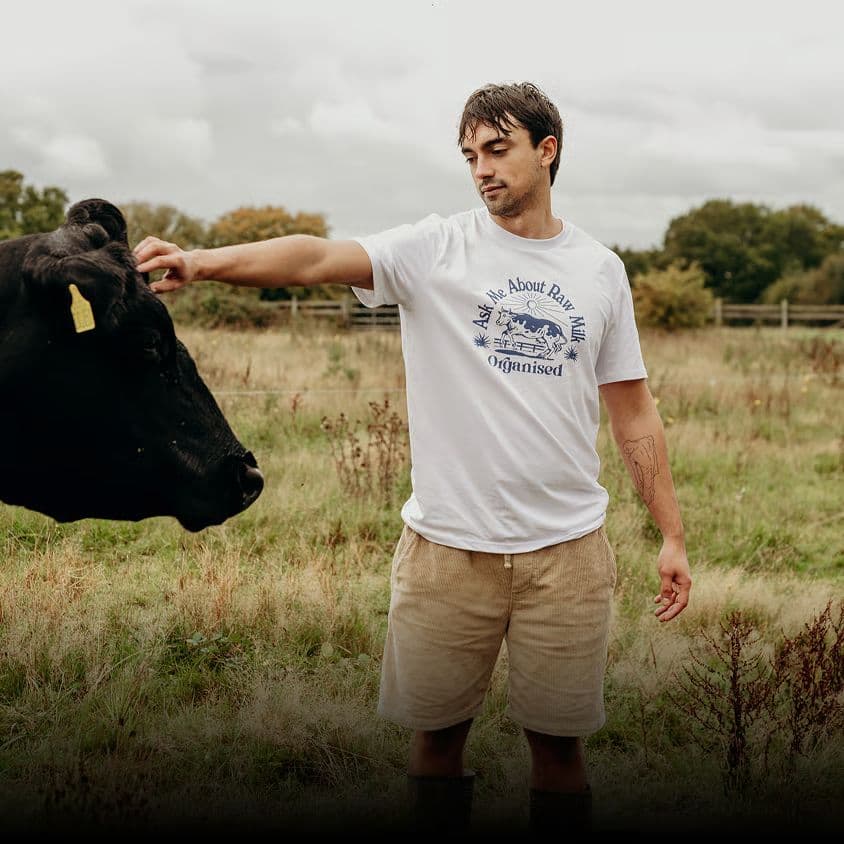
Pedro Rodrigues
Reviewer · Agronomist (farming and sourcing only)
Pedro is the agronomist Organised works with on farming and sourcing. His job on the guides is to keep the science honest: he reviews what we publish about soil health, regenerative agriculture, grazing and the way food is actually produced.
Areas of expertise: Regenerative agriculture, Agronomy, Soil health, Grass-fed farming, Food sourcing
Reviewed this guide on
Read Pedro's full profileMore on men's health
View allBrowse the guides library
All guidesKeep reading
Life stage
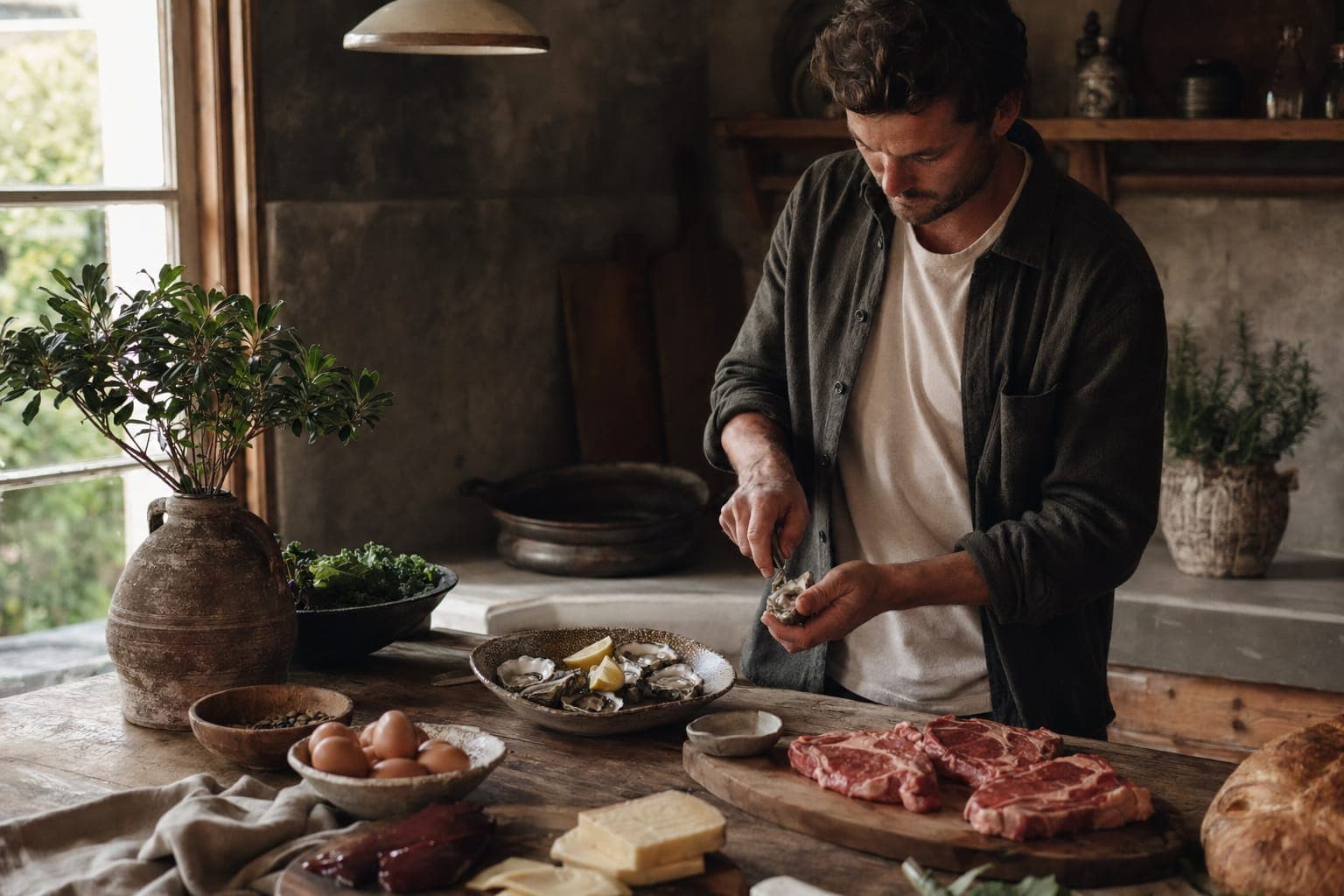
Zinc, Testosterone and Whole Food Nutrition for Men
Zinc is critical for testosterone synthesis. Discover the richest whole food sources and why bioavailability matters more than quantity.

Life stage
Nutrition After 50: What Changes and What to Prioritise
After 50, your nutritional needs shift. Discover how declining absorption, protein, bone health, and cognition reshape what you should be eating.
Life stage
Why Whole Food Beats Synthetic Sports Nutrition
Isolated supplements lack cofactors real athletes need. Discover why whole food outperforms synthetic sports nutrition for lasting performance.
Real food, made effortless
Find my daily blendA few ways to use it
All recipes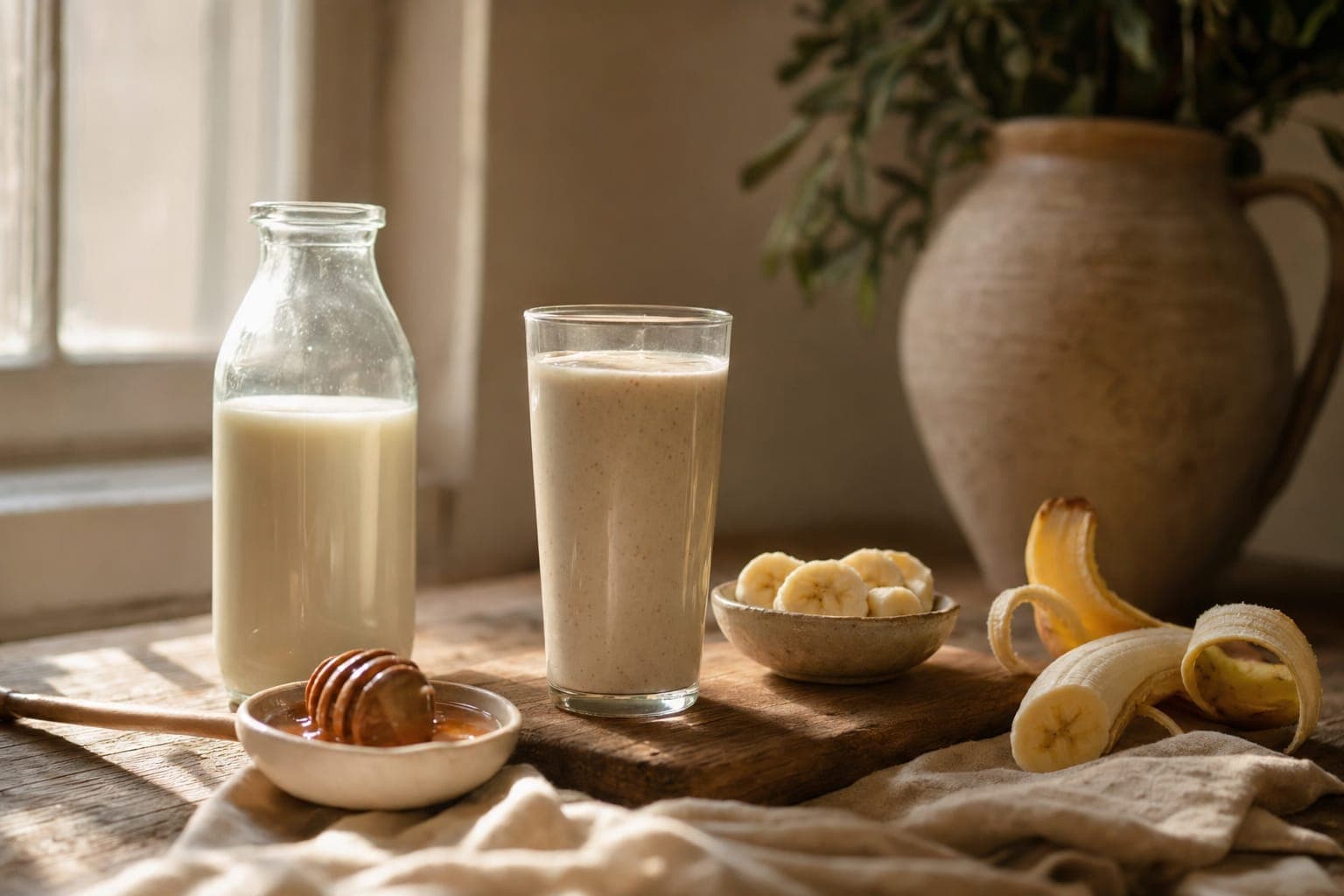
The Perfect Organised Morning Shake: Our Favourite Recipe
Our signature morning shake: Organised, raw milk, banana, honey. Simple, nourishing, and optimised for an empty stomach.
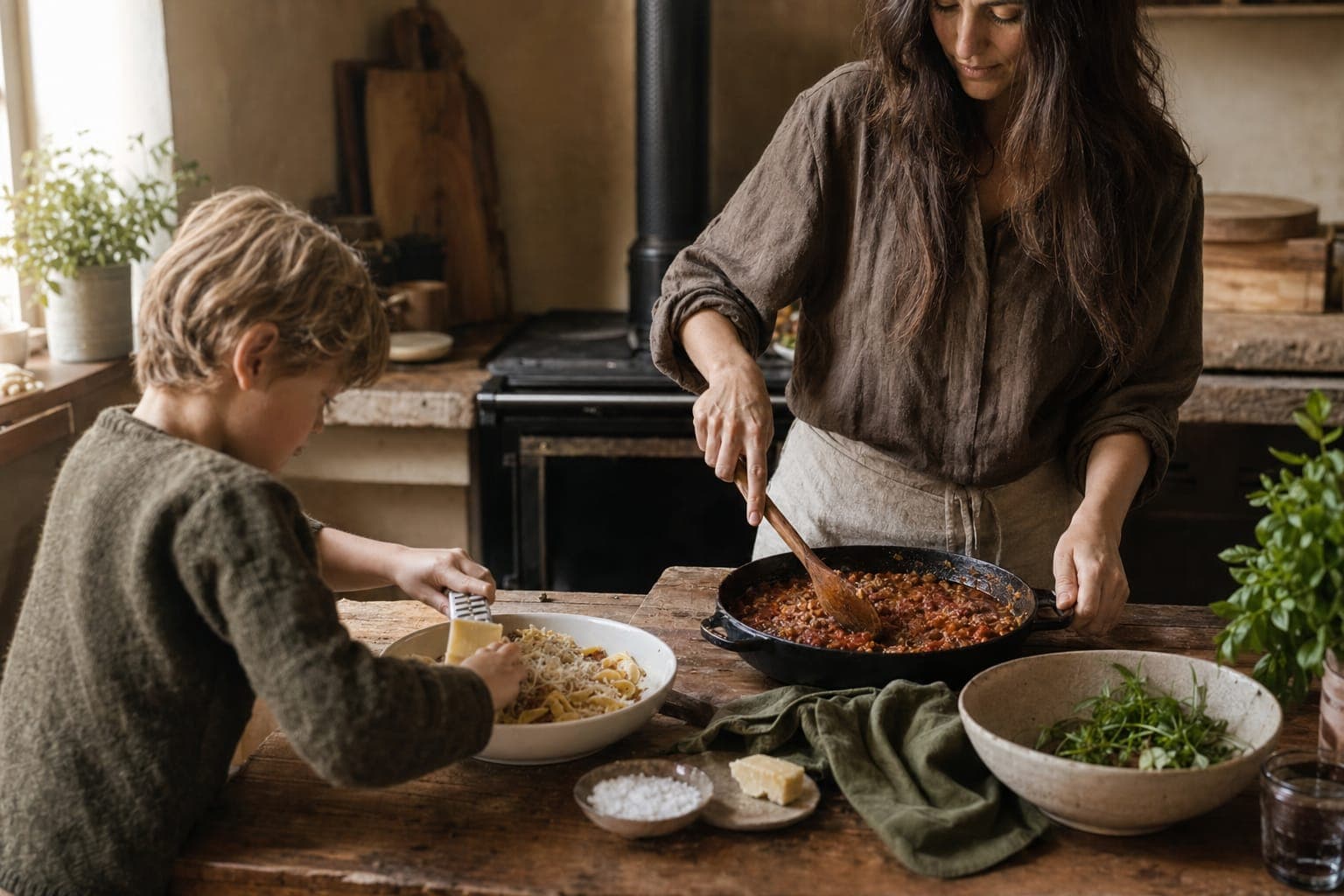
Organ Bolognese: The Family Dinner That Heals
Practical organ meat recipe using fresh beef liver and heart. Family-friendly bolognese that bridges supplements to whole food.
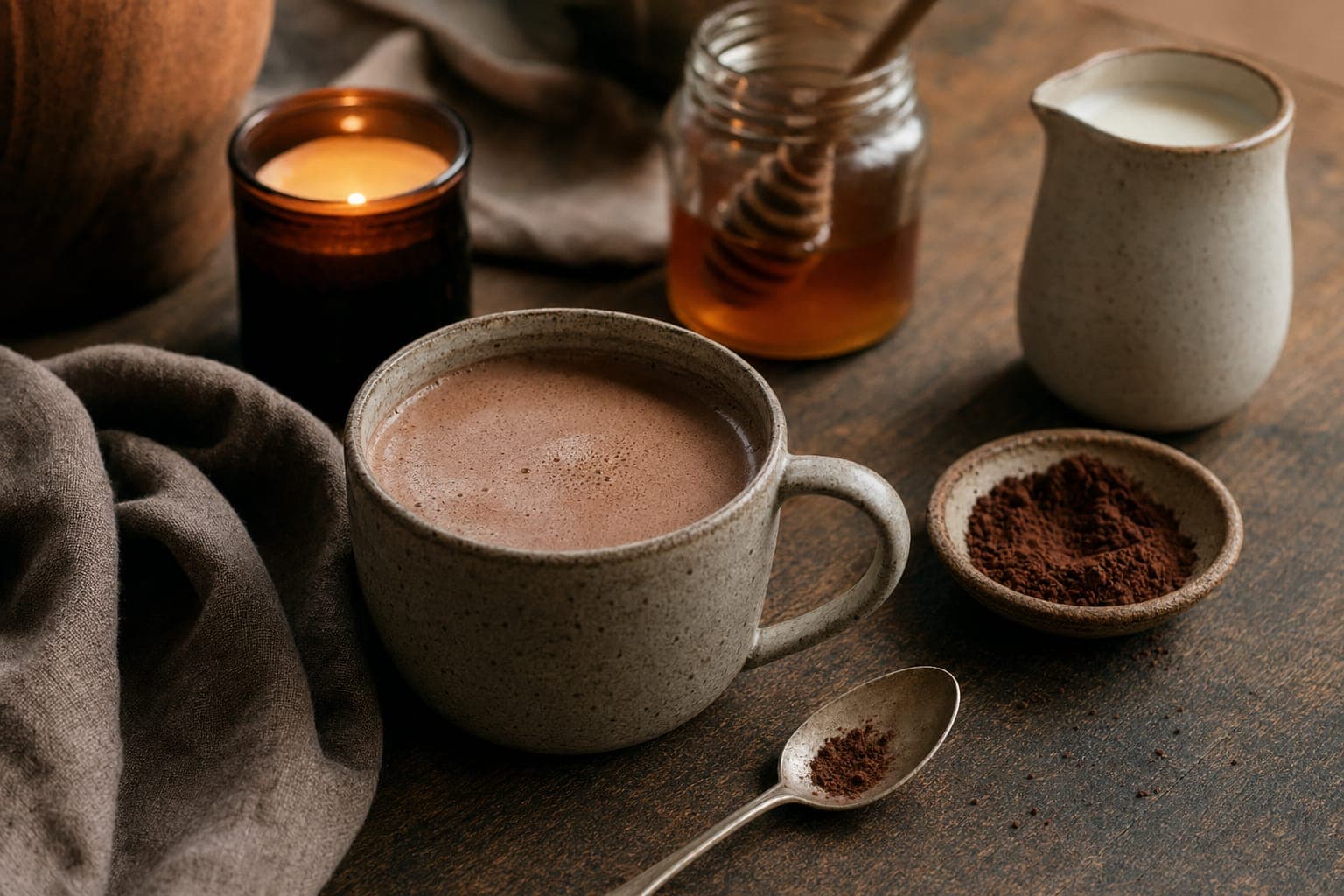
Raw Milk Hot Chocolate with Collagen
A nourishing evening hot chocolate made with raw milk, grass-fed collagen, raw cacao, and honey. A nighttime ritual that supports sleep and gut health.


 Join over 100,000+ members
Build a better food system with us
The Organised community is thousands of people choosing real food and backing the farmers who grow it, all of us trying to leave the world a little better than we found it. If that is what you care about too, you belong here.