PMS Nutrition: What to Eat in Your Luteal Phase
Your body's nutritional needs change twice a month. Yet we eat the same way regardless of where we are in the cycle. That's why PMS feels so inevitable, so unchangeable. But it's not. It's a nutrient timing problem wearing the costume of a hormone problem.
By Niall Kiddle, Founder, Organised

Reviewed by Pedro Rodrigues, Agronomist (farming and sourcing only) ·
5 min read · Published · Updated · 4 cited sources
Makers of the Organised Daily blend, a grass-fed beef organ supplement from regenerative UK farms
During your follicular phase (roughly day 1-14 of your cycle), oestrogen rises. Your metabolic rate is lower. Your appetite is lower. Your neurotransmitters are stable. You can eat less, move more, fast without difficulty, skip meals without consequence. This is not wisdom or discipline. It's biology.
Then your luteal phase arrives (roughly day 15-28). Progesterone rises. Everything changes. Your metabolism increases. Your appetite genuinely increases. Your brain needs more serotonin, more GABA, more magnesium. The food you ignored in week two becomes essential in week three. Eating the same way is fighting your physiology.

Your luteal phase is not a smaller follicular phase
This is the core mistake. Women try to maintain follicular-phase eating through the luteal phase, then wonder why they feel wretched, their mood crashes, they cannot stop eating, their anxiety spikes. This isn't weakness. It's starvation.
In the luteal phase, your metabolic rate increases by roughly 100-150 calories daily. You're burning more energy. Your appetite isn't your enemy; it's accurate feedback. You actually do need more food. Ignoring that signal creates a calorie deficit that drives the mood and energy problems you'll then blame on hormones.
Add to that the nutrient demands unique to the luteal phase, and the problem clarifies. Progesterone increases your need for magnesium, B6, calcium, and complex carbohydrates. Provide those foods and your luteal phase stabilises. Ignore those needs and you'll feel like you're losing your mind.
Your body is not being dramatic. It is being accurate. In the luteal phase, you need more food and specific nutrients. Give your body what it's asking for.
Magnesium and the calm you're missing
Magnesium is the mineral of calm. It's involved in over 300 enzymatic reactions, but its most visible role is nervous system regulation.1 High magnesium correlates with lower anxiety, better sleep, improved mood stability. Low magnesium correlates with the opposite.
During the luteal phase, magnesium needs increase. Progesterone's rising level nudges your nervous system toward activation. Adequate magnesium acts as the brake. Without it, you become anxious, irritable, unable to sleep well, craving carbohydrates madly because your body is trying to metabolise glucose to calm itself (carbs trigger serotonin, the mood steadier).
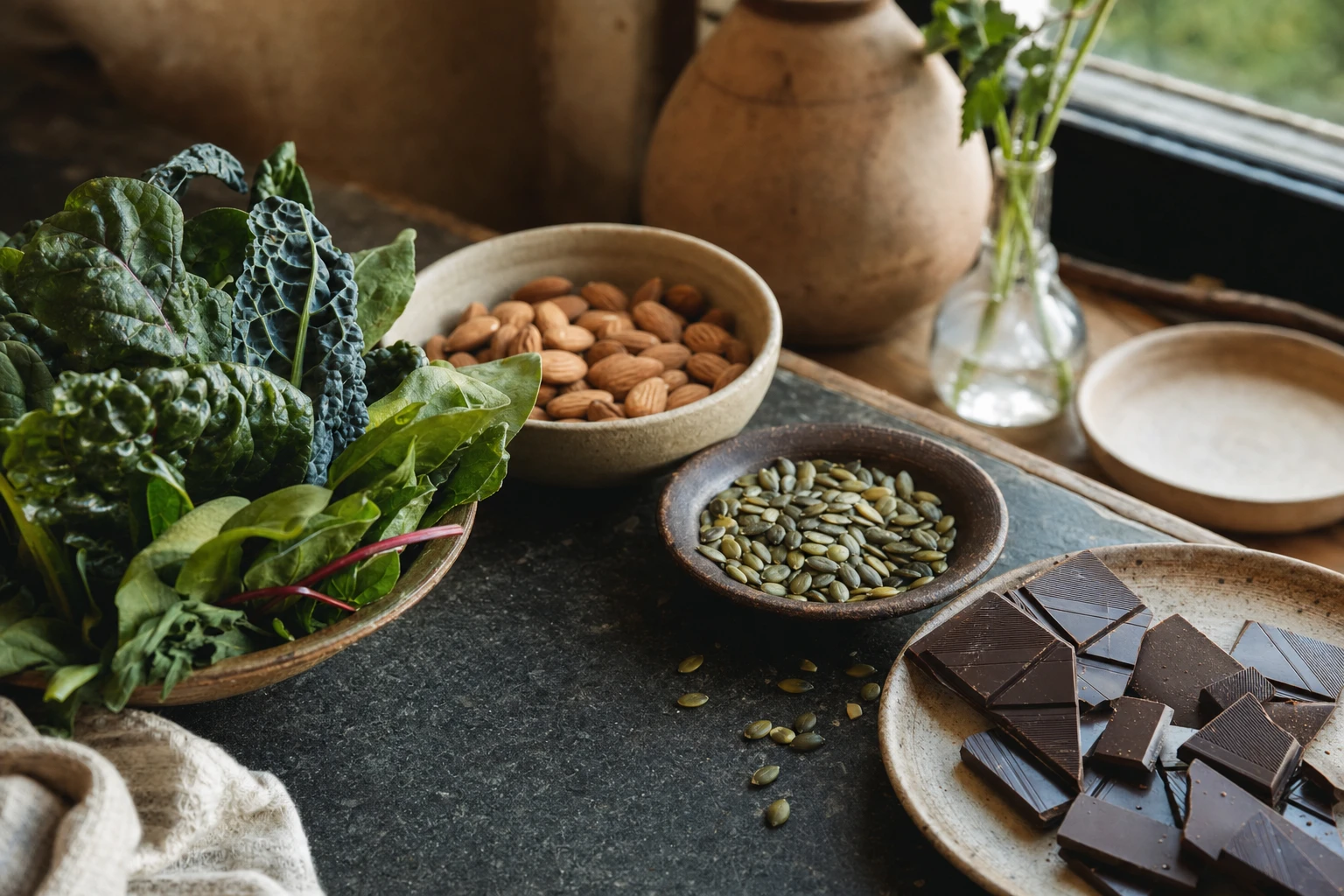
The richest food sources are pumpkin seeds (156 mg per ounce), almonds (76 mg per ounce), dark chocolate (64 mg per ounce), leafy greens like spinach (156 mg per 100g cooked), and whole grains. But here's the thing: you need roughly 300-400 mg daily in the luteal phase, and food alone often isn't enough, particularly if your gut isn't absorbing optimally.
Magnesium glycinate supplementation (200-300 mg daily, split across meals) is often necessary. Alternatively, magnesium baths (Epsom salts contain magnesium sulphate) or topical magnesium oil provide absorption without the digestive stress of oral supplements.
If PMS is your problem, magnesium is often the first intervention to try. Start in day 15 of your cycle and continue through menstruation.
B6 and mood stability
B6 (pyridoxine) is essential for neurotransmitter production, particularly serotonin and GABA.2 During the luteal phase, your brain needs more serotonin to counteract progesterone's slight dampening effect on mood. Low B6 equals low serotonin equals the mood crash many women experience 7-10 days before their period.
The best sources are organ meats (liver especially), red meat, fish, chickpeas, and bananas. But like magnesium, food alone often doesn't provide enough. Studies show that women with PMS have lower circulating B6 levels, and supplementation (25-100 mg daily in the luteal phase) can meaningfully improve mood and reduce emotional symptoms.3
B6 and magnesium work synergistically. In fact, some studies suggest the two together are more effective for PMS mood symptoms than either alone. Start supplementing both in day 15 of your cycle and track your mood through menstruation.
Get life-stage nutrition guides, free
Two short reads a week on eating well through pregnancy, childhood and older age.
By signing up you agree to receive emails from us. No spam, unsubscribe anytime.
Calcium and serotonin
Calcium isn't just for bones. It's a critical cofactor in neurotransmitter production. Low calcium during the luteal phase exacerbates mood swings and food cravings. Research shows that women who consume adequate calcium (1000-1200 mg daily) have significantly fewer PMS symptoms.4
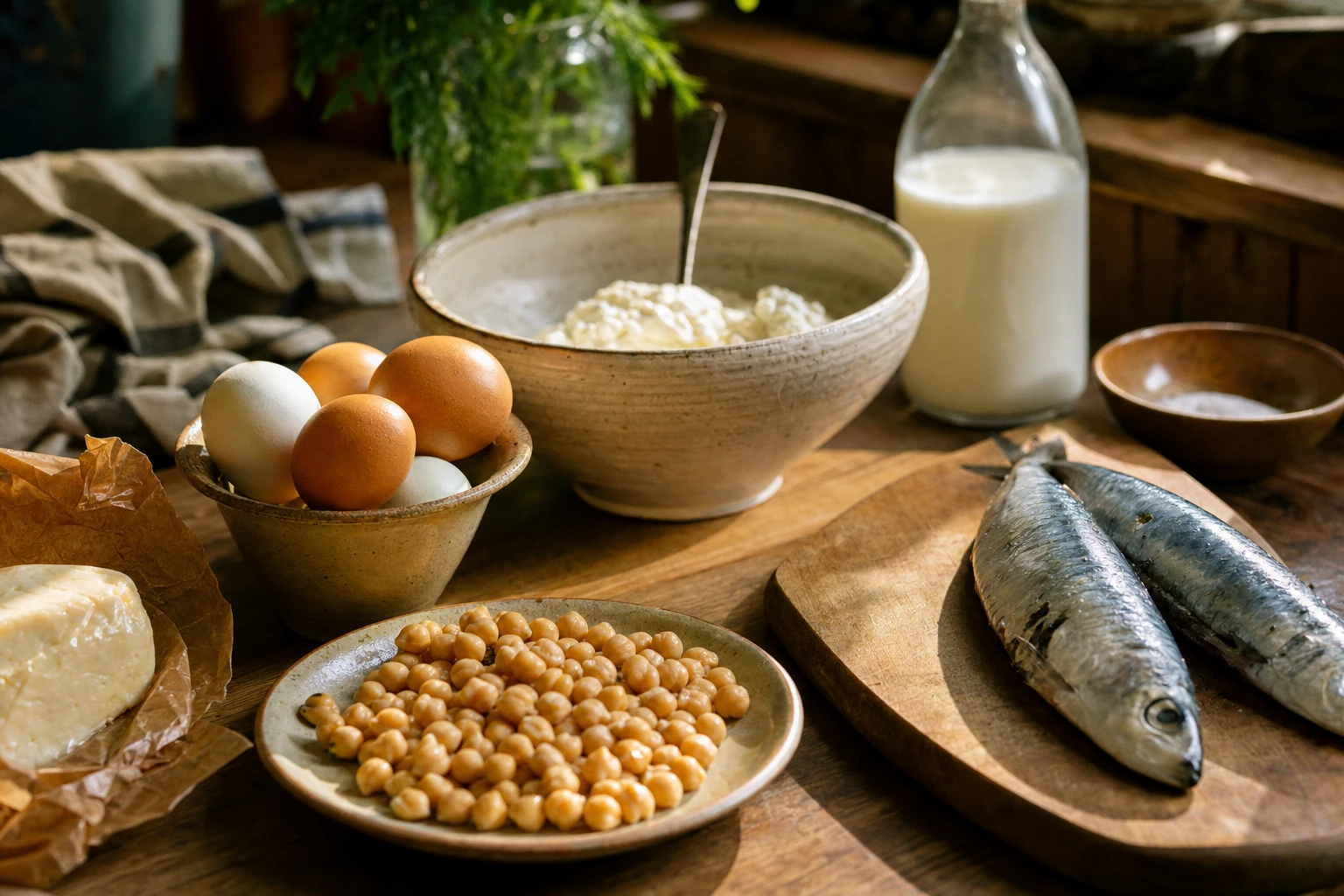
The best sources are whole milk, raw dairy if you can source it, eggs, canned fish with bones (salmon, sardines), leafy greens, and cheese. You don't need supplemental calcium if you're eating these regularly, but if your diet is sparse in dairy or fish, supplementation (500 mg taken with magnesium) can be helpful.
The key insight: calcium and magnesium work together. A 2:1 ratio of calcium to magnesium is broadly supportive. If you're supplementing magnesium at 300 mg, pair it with 600 mg of calcium. If you get calcium from food, magnesium supplementation alone might be sufficient.
Complex carbohydrates and blood sugar
During the luteal phase, your body's sensitivity to insulin decreases. You need more carbohydrates to stabilise blood sugar and you crave them more intensely. This is not a willpower problem. This is biochemistry.
The mistake is eating refined carbohydrates in response to the craving (white bread, pastries, processed sweets). These spike blood sugar rapidly, triggering mood crashes that then drive more cravings. Instead, meet the demand with complex carbohydrates that release glucose slowly: white rice, potatoes, oats, sourdough, legumes.
In the luteal phase, eat carbohydrates with every meal. Pair them with protein and fat for stability. A breakfast of eggs with white rice and butter. A lunch of fish with roasted potatoes and greens. A snack of oatcakes with cheese. You're not overeating; you're eating accurately to your metabolic state.
Your cravings in the luteal phase are not greed. They're information. Your body needs more calories, more magnesium, more complex carbs. Feed it accurately and the craving quiets.
1 of 9
Daily blend
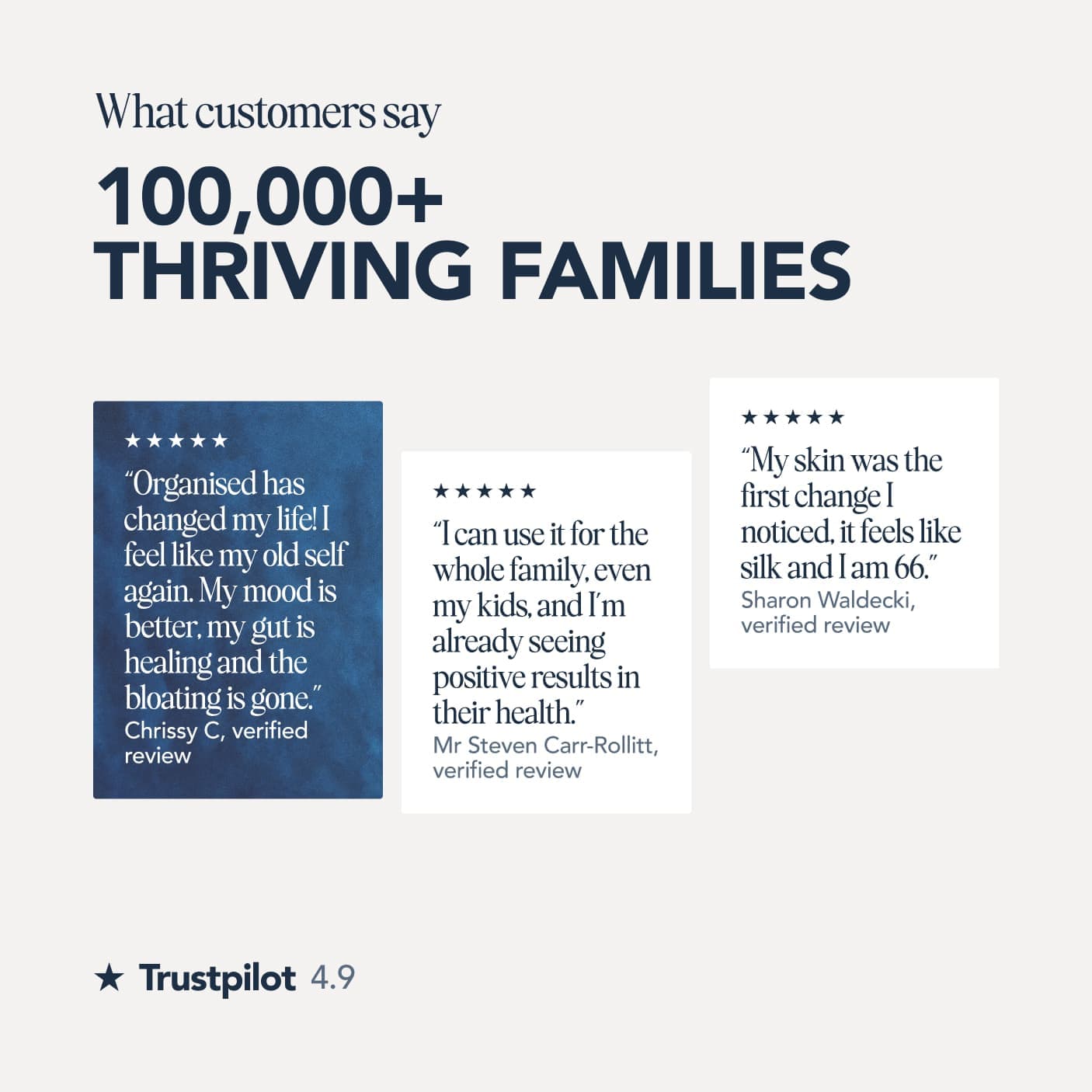
100,000+ thriving families4.9 on Trustpilot
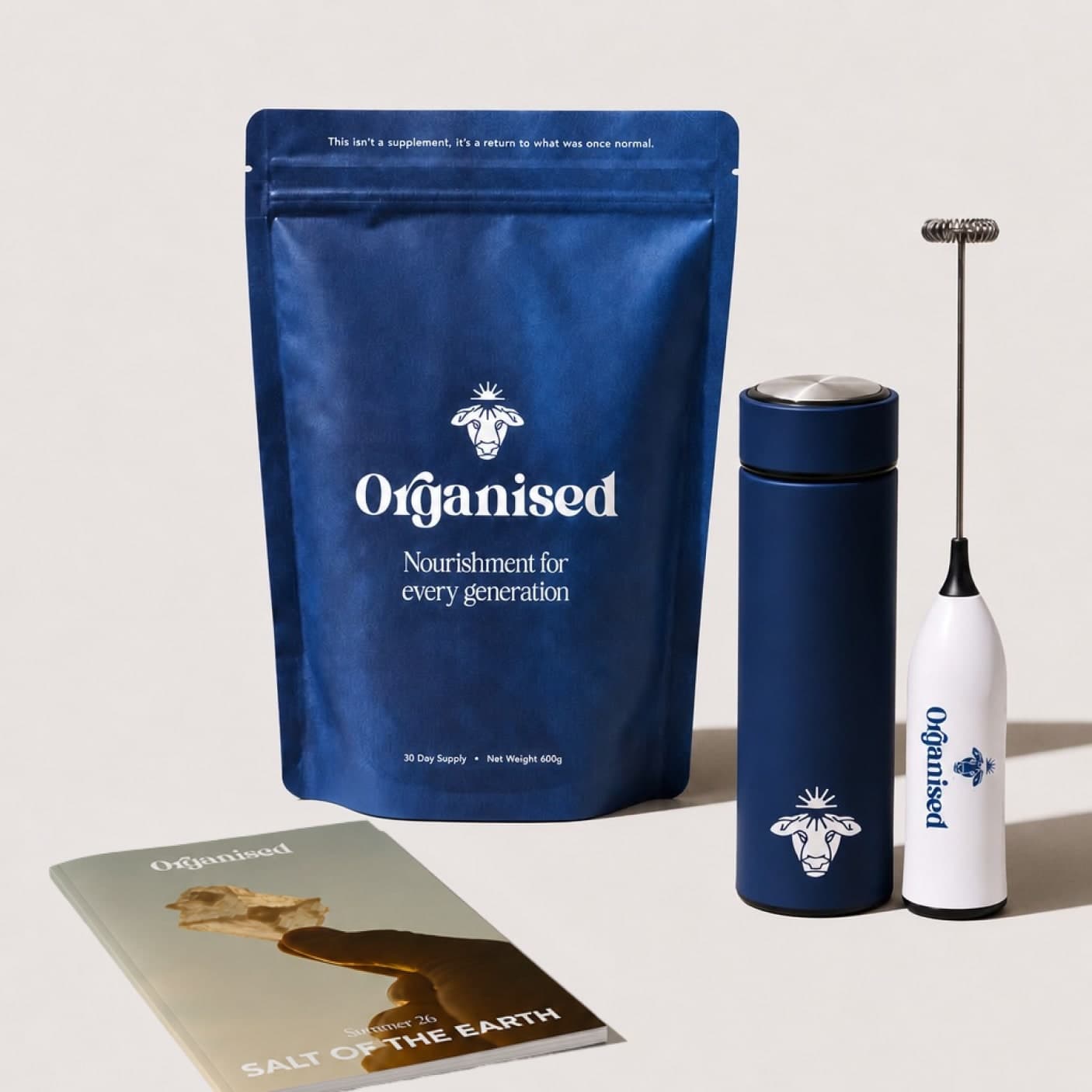
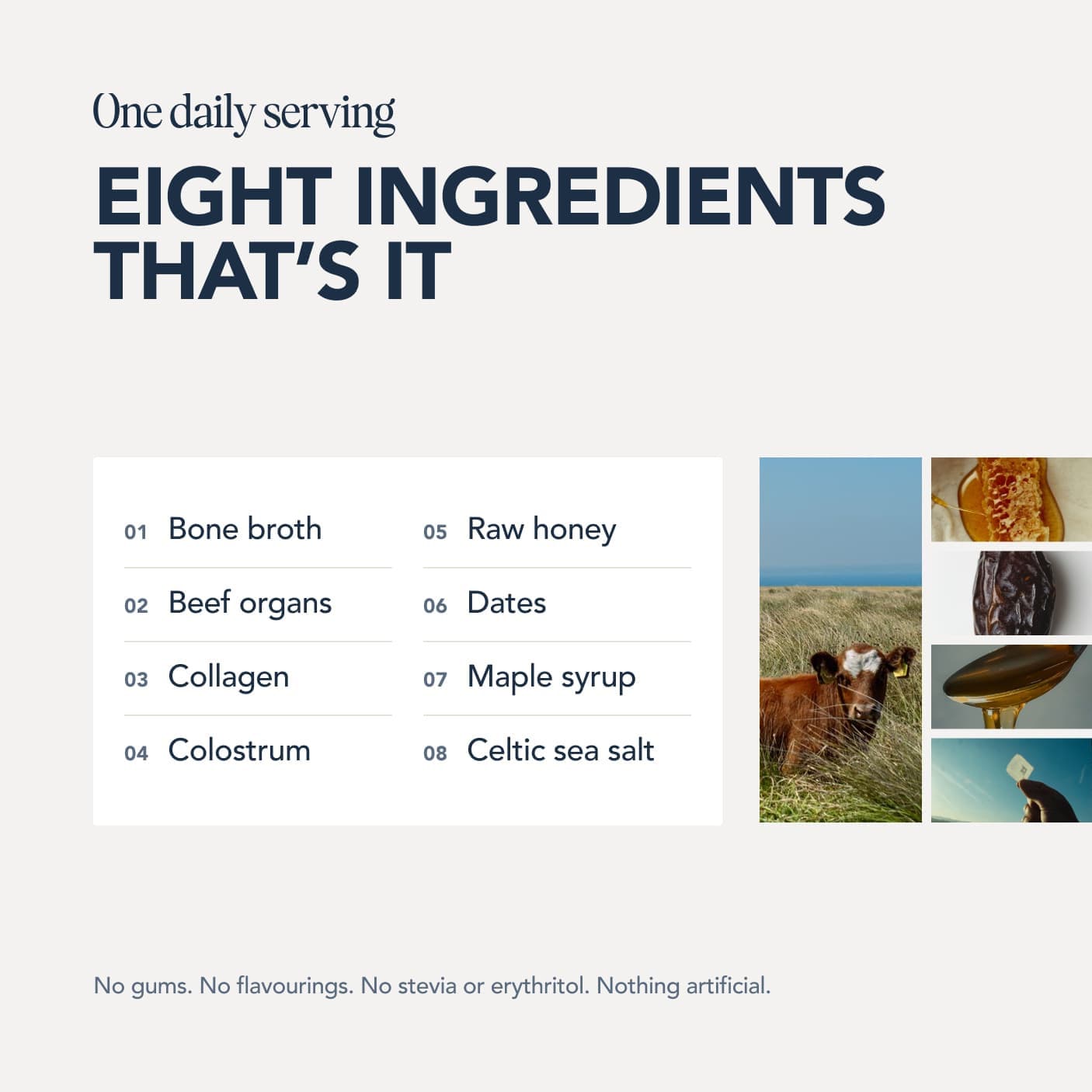
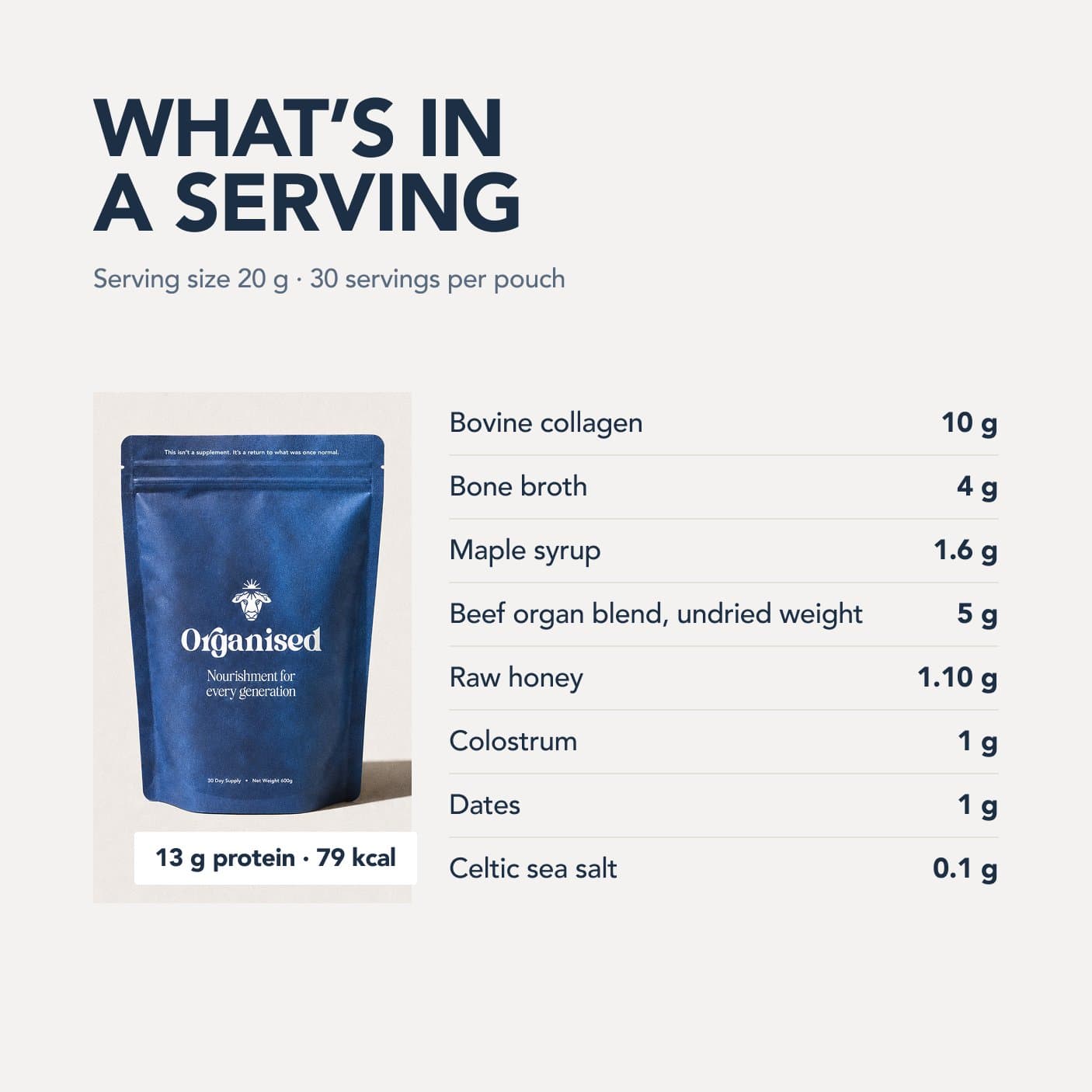
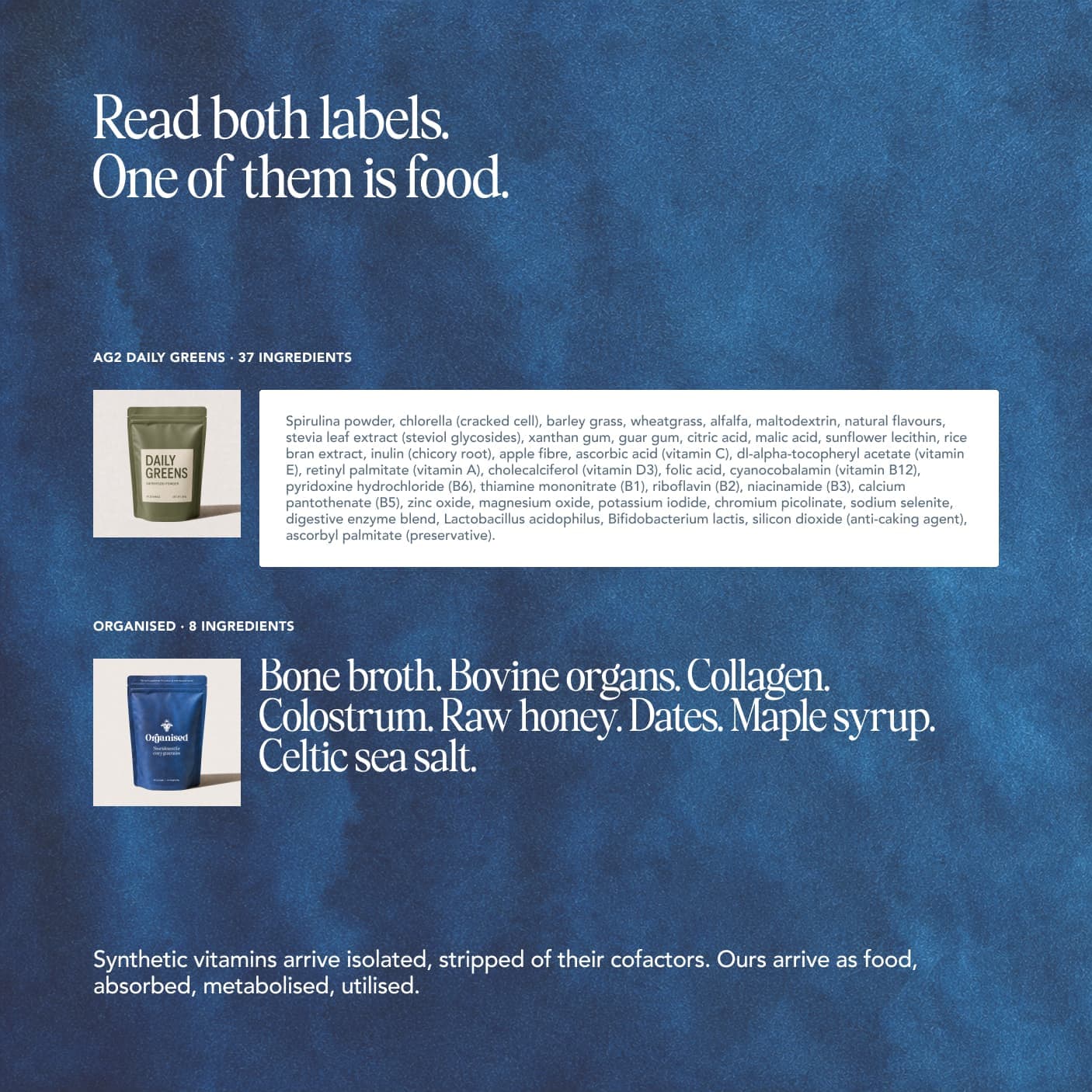
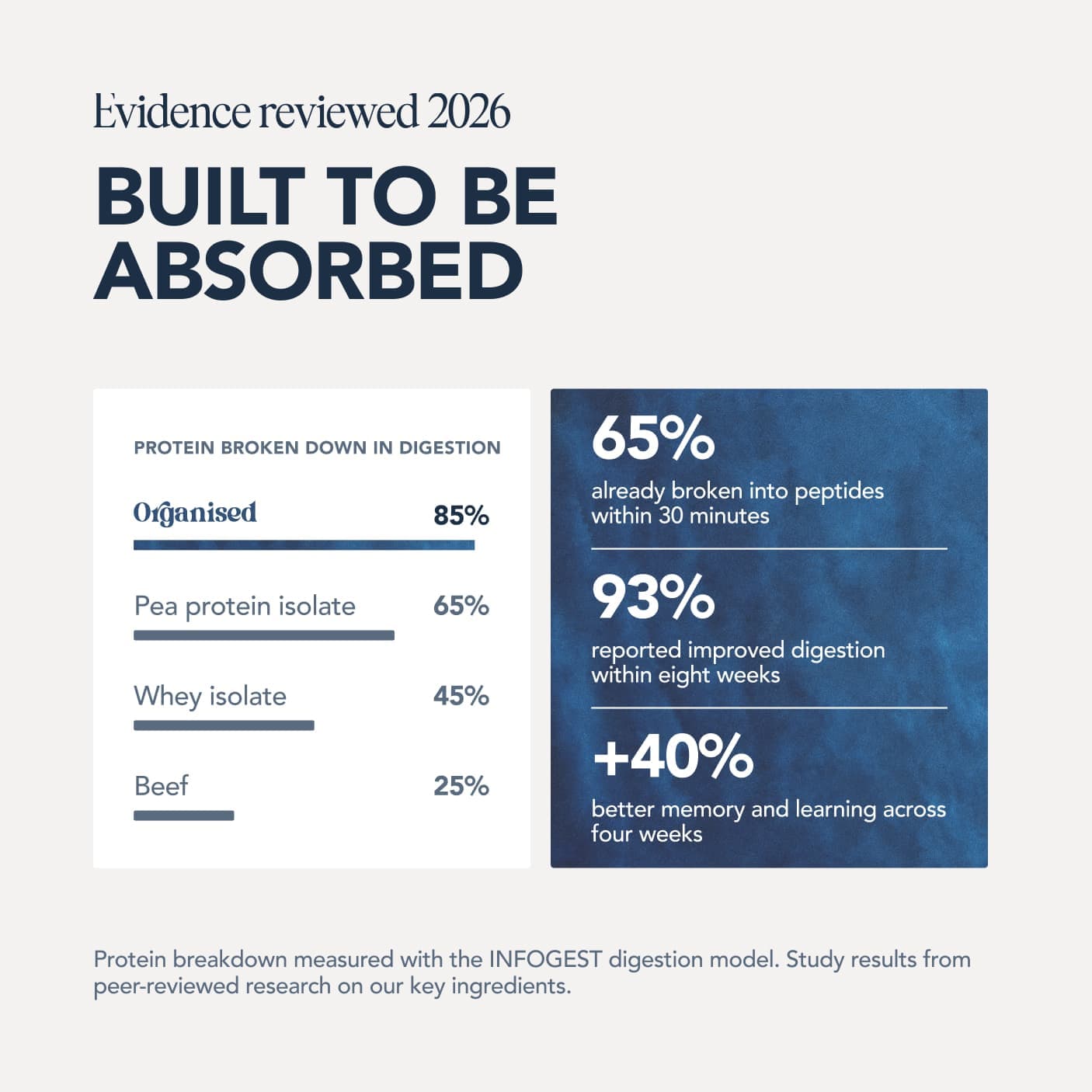
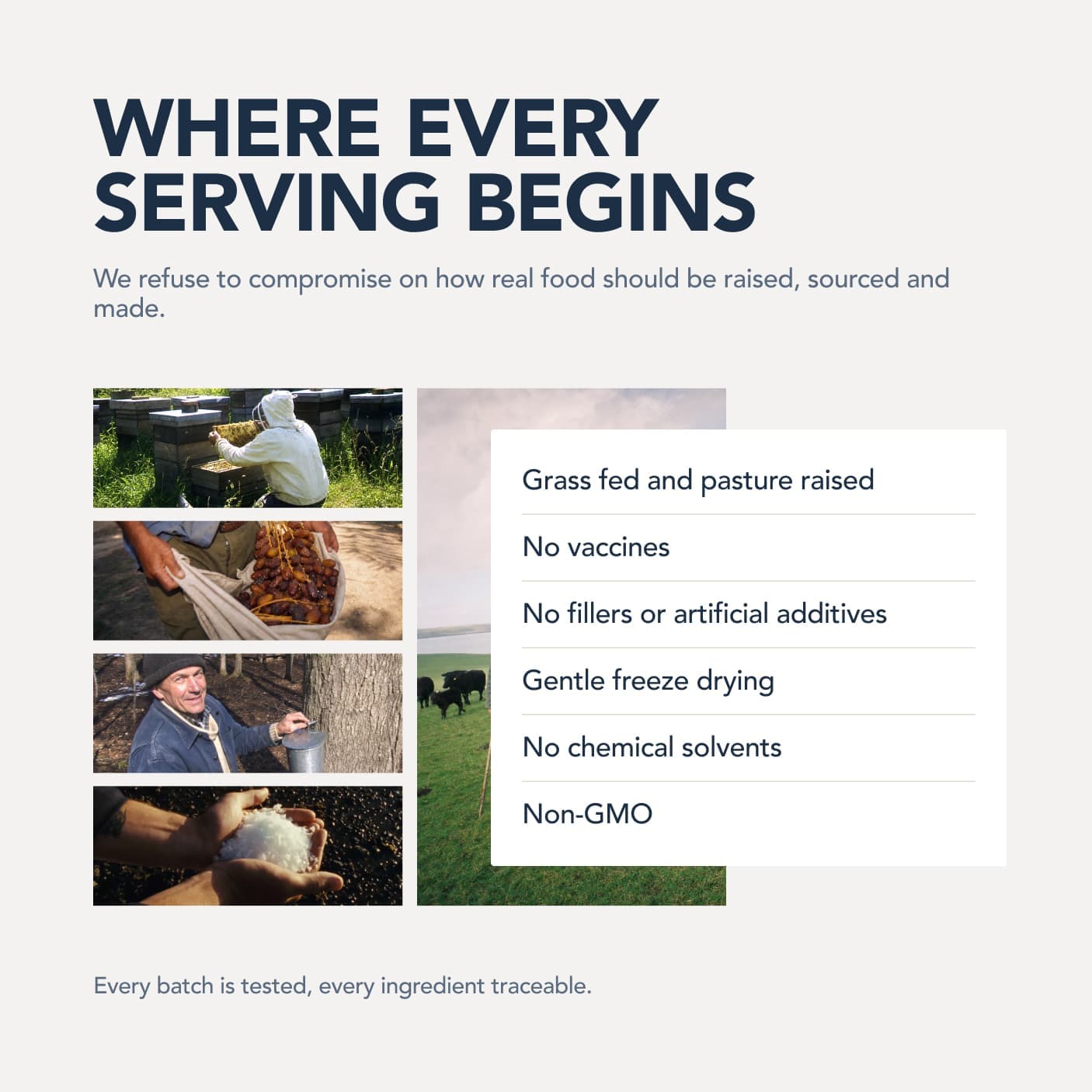
Eight real ingredients built around grass-fed beef organs, collagen and colostrum. Nothing synthetic added.
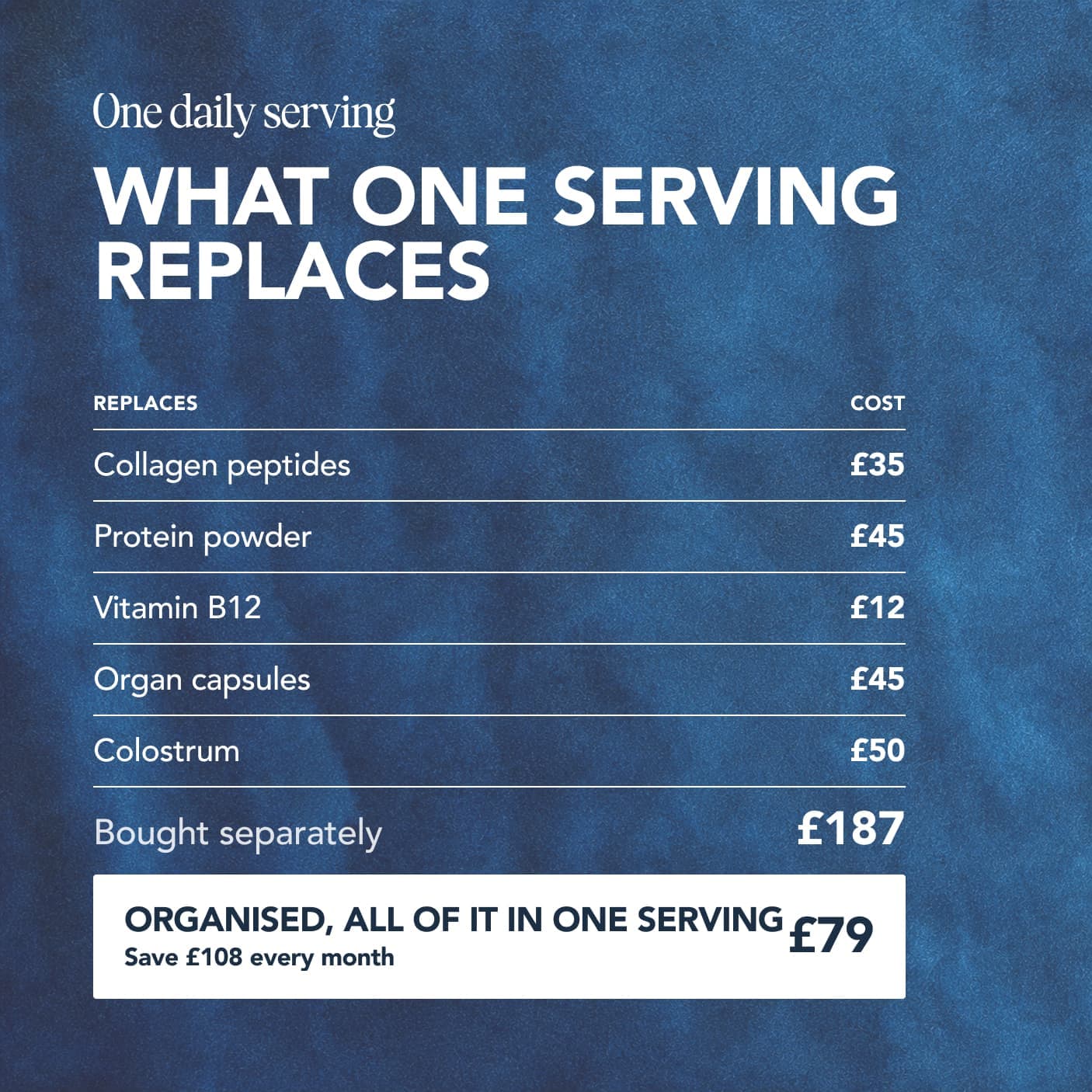
Free with your first order, worth £38. Plus £10 off the pouch with a subscription.
Free UK shipping · Made in England · 100 day money back guarantee on your first pouch · Skip, pause or cancel anytime
What to actually eat
Start your luteal phase (day 15) with a mental shift. You're eating more. You're eating deliberately. This is not indulgence; it's protocol.
Prioritise whole milk and dairy if you tolerate it. Include eggs daily. Eat fish or red meat 4-5 times weekly. Add complex carbohydrates to every meal: white rice, potatoes, oats, sourdough. Snack on pumpkin seeds, almonds, dark chocolate. Make leafy greens a standard part of lunch and dinner.
Supplement magnesium glycinate (200-300 mg split across meals) and B6 (50-100 mg daily) from day 15 through day 3 of your next cycle. If mood is still unstable, add calcium (500-600 mg) as well.
Track your mood and energy for three cycles with this protocol. Most women notice significant improvement by cycle three.
The bottom line
PMS is not your destiny. It's a sign that your luteal-phase nutrition is inadequate. Eat more. Eat magnesium. Eat B6-rich foods. Support your blood sugar with complex carbs. Your body will calm down. Your mood will stabilise. And the second half of your cycle becomes something you plan for, not something you endure.
References
Every source below was checked on 27 August 2026. Each PubMed, PMC and DOI identifier was resolved against NCBI or Crossref, and what it opens is printed under the citation, so you can see the link goes where the citation says without leaving the page. Where a citation and its identifier disagreed, the citation was corrected to the record or the reference was deleted along with the sentence marker that pointed at it, and where the resolved paper turned out not to support the sentence, the sentence was cut back to what it does support. Borrowed authority is worse than none, because it looks like rigour.
- National Institutes of Health, Office of Dietary Supplements. Magnesium - Health Professional Fact Sheet. https://ods.od.nih.gov/factsheets/Magnesium-HealthProfessional/ [accessed May 2026].
- National Institutes of Health, Office of Dietary Supplements. Vitamin B6 - Health Professional Fact Sheet. https://ods.od.nih.gov/factsheets/VitaminB6-HealthProfessional/ [accessed May 2026].
- Wyatt KM, Dimmock PW, Jones PW, O'Brien PM. Efficacy of vitamin B-6 in the treatment of premenstrual syndrome: systematic review. BMJ. https://pubmed.ncbi.nlm.nih.gov/10334745/ [accessed May 2026].Checked 27 August 2026: PMID 10334745 opens Wyatt KM, Dimmock PW, Jones PW et al, Efficacy of vitamin B-6 in the treatment of premenstrual syndrome: systematic review. BMJ 1999;318(7195):1375-81. PubMed indexes it as: Systematic Review.
- Thys-Jacobs S, Starkey P, Bernstein D, Tian J. Calcium carbonate and the premenstrual syndrome: effects on premenstrual and menstrual symptoms. Premenstrual Syndrome Study Group. Am J Obstet Gynecol. https://pubmed.ncbi.nlm.nih.gov/9731851/ [accessed May 2026].Checked 27 August 2026: PMID 9731851 opens Thys-Jacobs S, Starkey P, Bernstein D et al, Calcium carbonate and the premenstrual syndrome: effects on premenstrual and menstrual symptoms. Premenstrual Syndrome Study Group. Am J Obstet Gynecol 1998;179(2):444-52. PubMed indexes it as: Clinical Trial, Multicenter Study, Randomized Controlled Trial.
Who wrote and reviewed this guide
Niall Kiddle
Author · Founder, Organised
Niall is the founder of Organised. He started the company in 2024 after fixing his own health the slow way: in 2022 he swapped a cupboard of synthetic supplements for real food, raw milk, organ meats, bone broth and honey, and felt the difference within months.
Areas of expertise: Ancestral nutrition, Organ meats, Whole-food supplementation, Gut health, Regenerative sourcing
Read Niall's full profile
Pedro Rodrigues
Reviewer · Agronomist (farming and sourcing only)
Pedro is the agronomist Organised works with on farming and sourcing. His job on the guides is to keep the science honest: he reviews what we publish about soil health, regenerative agriculture, grazing and the way food is actually produced.
Areas of expertise: Regenerative agriculture, Agronomy, Soil health, Grass-fed farming, Food sourcing
Reviewed this guide on
Read Pedro's full profileMore on women's health
View allBrowse the guides library
All guidesKeep reading

Life stage
A Woman's Nutritional Guide: From Periods to Menopause
Nutritional needs change across a woman's life. Master iron, B vitamins, and fat-soluble vitamins to support your hormones from periods through menopause.

Life stage
Eye Health and Nutrition: Protecting Your Vision as You Age
Eye health and nutrition for ageing: much macular decline is preventable. Discover the foods and nutrients that help protect your vision over time.
Life stage
The Nutrients Children Need Most (And Aren't Getting)
The nutrients children are deficient in: iron, zinc, B12, choline, DHA, K2. Food sources and why modern diets miss them.
Real food, made effortless
Find my daily blendA few ways to use it
All recipes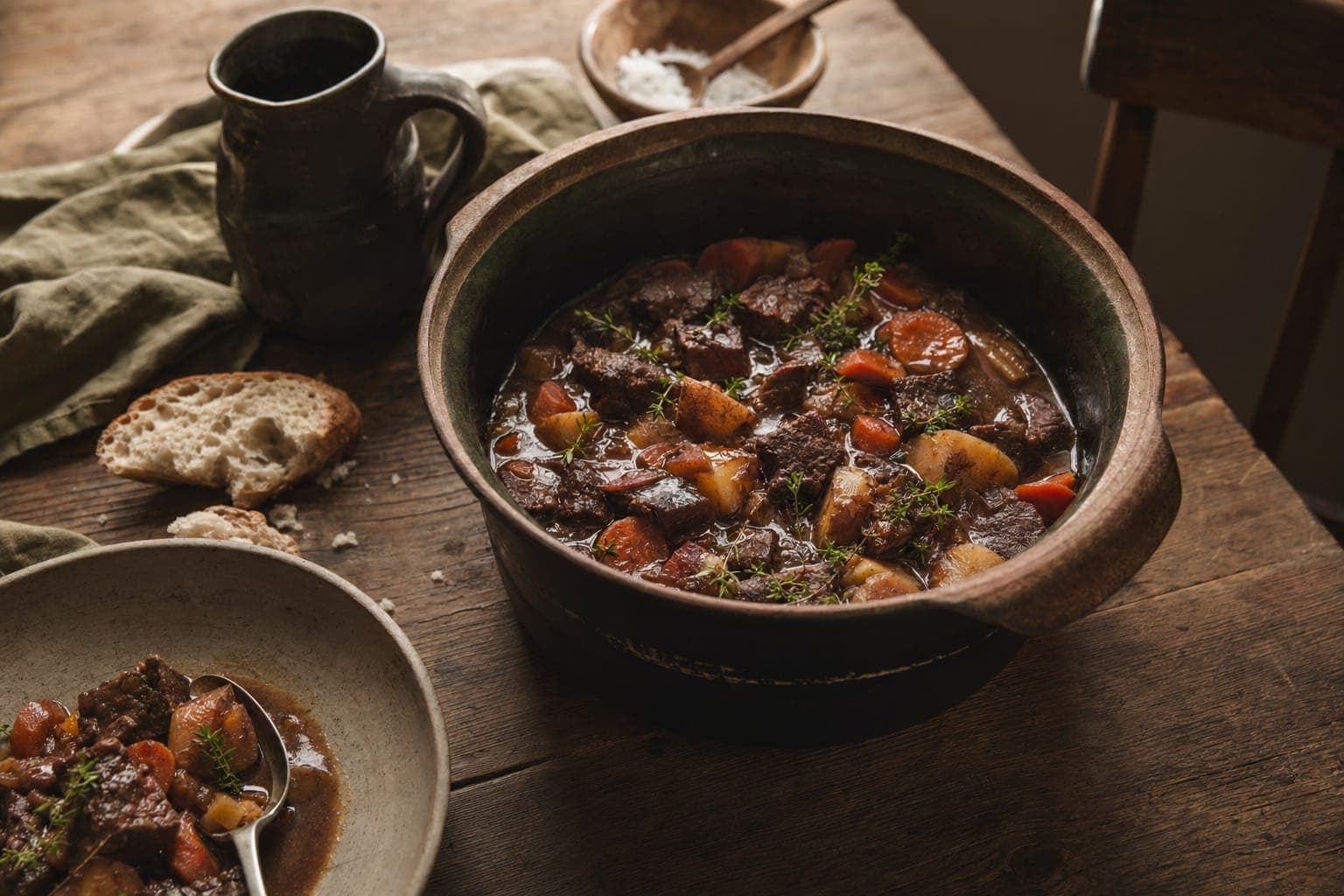
Collagen-Rich Beef Stew: Slow-Cooked Nourishment
Beef stew that delivers collagen from connective tissue and bone broth. Winter comfort food that actually nourishes. Simple slow cooker recipe.
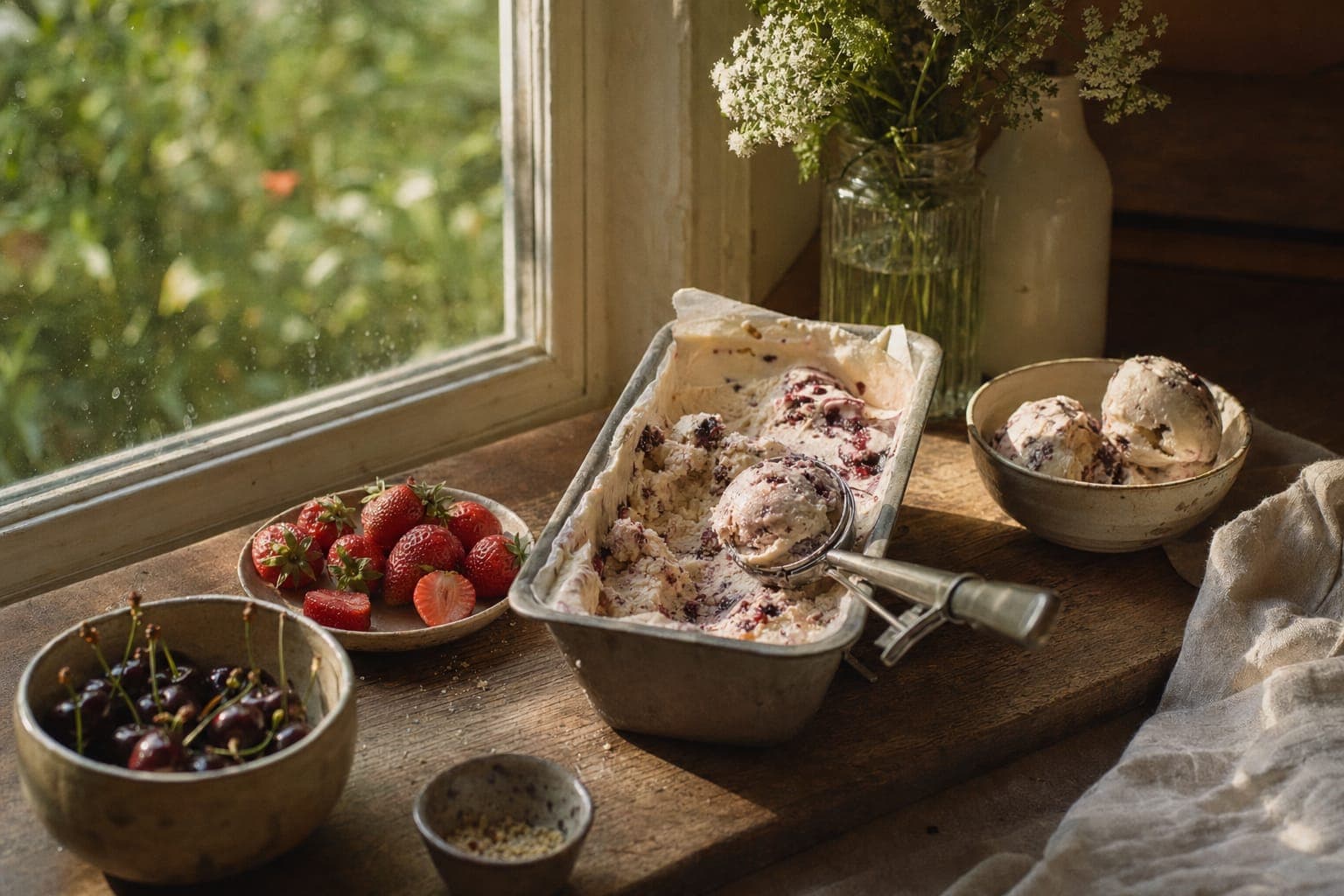
Raw Milk Ice Cream with Organised
Make raw milk ice cream at home with Organised for a seasonal, nutrient-dense treat. Three simple flavours to try whenever the craving strikes.
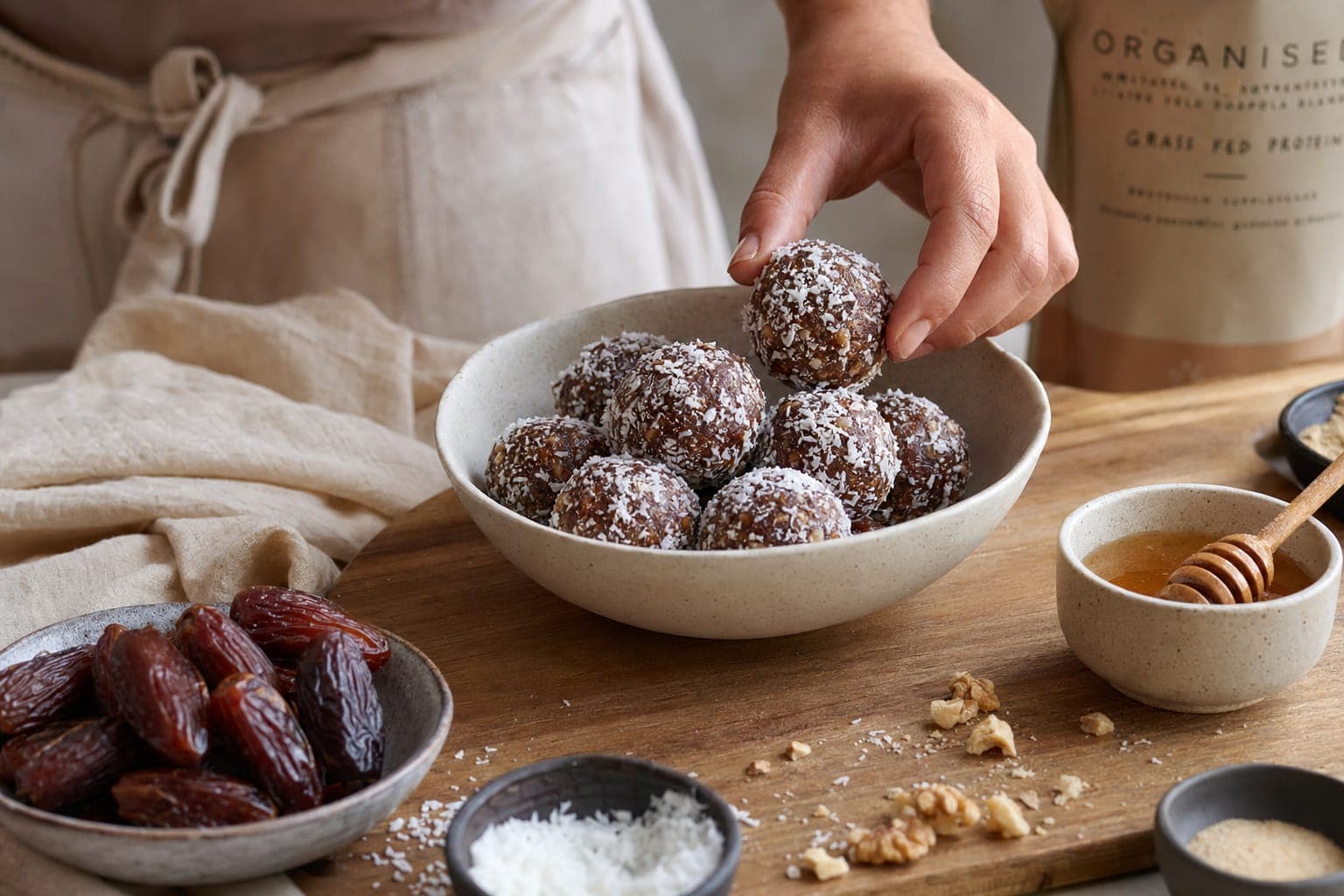
Energy Balls with Organised, Dates and Raw Honey
Make no-bake energy balls with Organised, dates, and raw honey. Perfect lunch box, pre-workout, or on-the-go snack. Simple recipe.


 Join over 100,000+ members
Build a better food system with us
The Organised community is thousands of people choosing real food and backing the farmers who grow it, all of us trying to leave the world a little better than we found it. If that is what you care about too, you belong here.