Pregnancy Prep: Nutritional Foundations to Lay Before Conceiving
Most women think about nutrition once they're pregnant. By then, the foundation is already being built. The real window is the three to six months before conception. That's when you're building the nutritional reserves that will determine your baby's development.
By Niall Kiddle, Founder, Organised

Reviewed by Pedro Rodrigues, Agronomist (farming and sourcing only) ·
6 min read · Published · Updated · 2 cited sources
Makers of the Organised Daily blend, a grass-fed beef organ supplement from regenerative UK farms
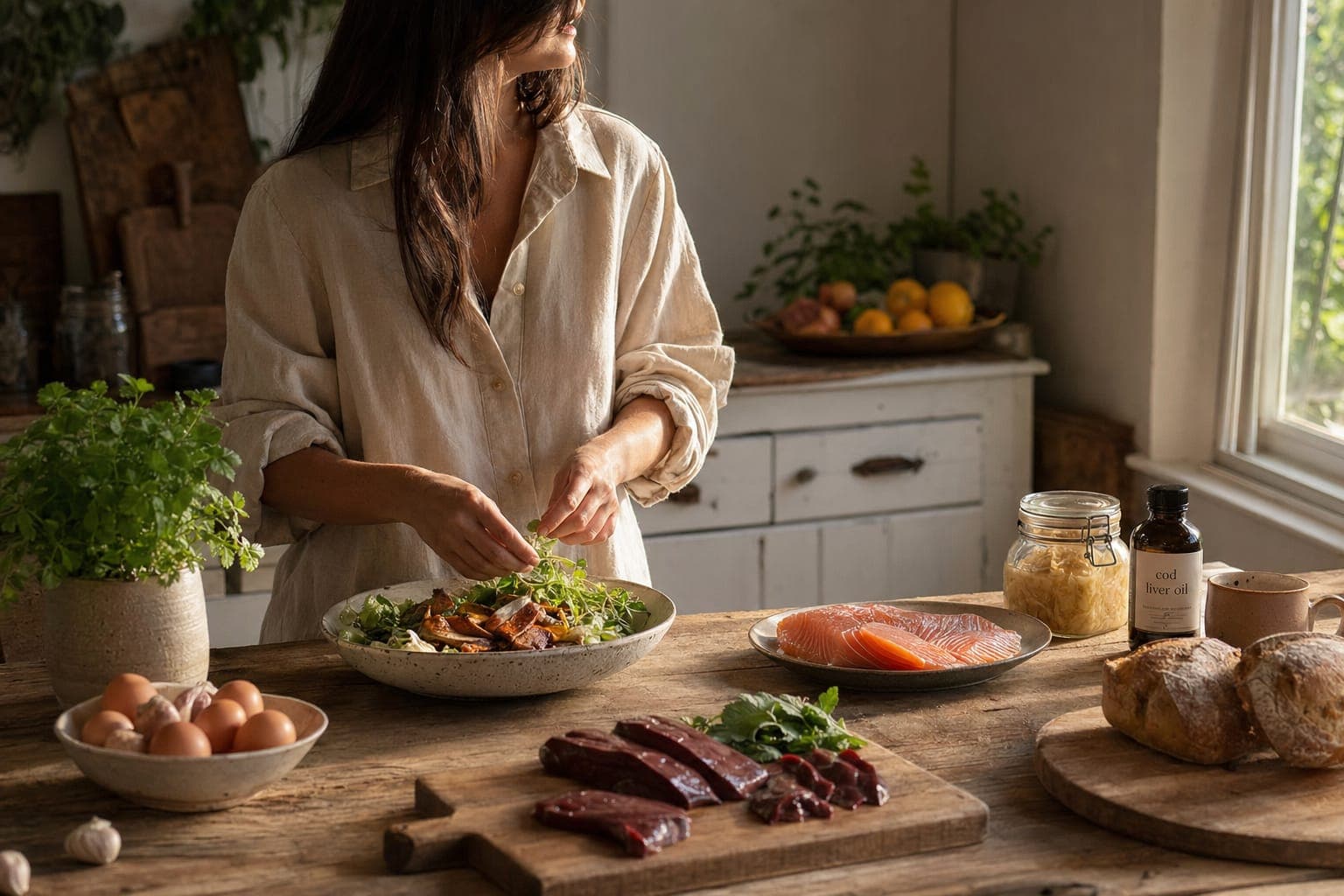
This isn't about obsession or control. It's about understanding that your nutritional status before conception influences your baby's neural development, bone health, immune function, and countless other outcomes that persist for years.

The overlooked window
The first two weeks after conception, most women don't know they're pregnant. Yet during these two weeks, the neural tube is forming.1 The foundations of the baby's brain are being laid down. And the nutrients available determine whether that process goes well or not.
If you wait until you see a positive test to start thinking about nutrition, you're already behind. The critical period has partially passed. This is why preconception nutrition matters so much.2
The three to six months before conception is your opportunity to build nutrient reserves. Your body doesn't empty its nutrient stores the moment you conceive. But you want to start pregnancy with a full tank, not half empty.
Your nutritional status before conception determines what's available for your baby before you even know you're pregnant. Build the reserves now.
Folate, not folic acid
Folate is the form of vitamin B9 found in real food. Folic acid is the synthetic form found in supplements and fortified foods. Your body can use both, but folate is metabolically superior.
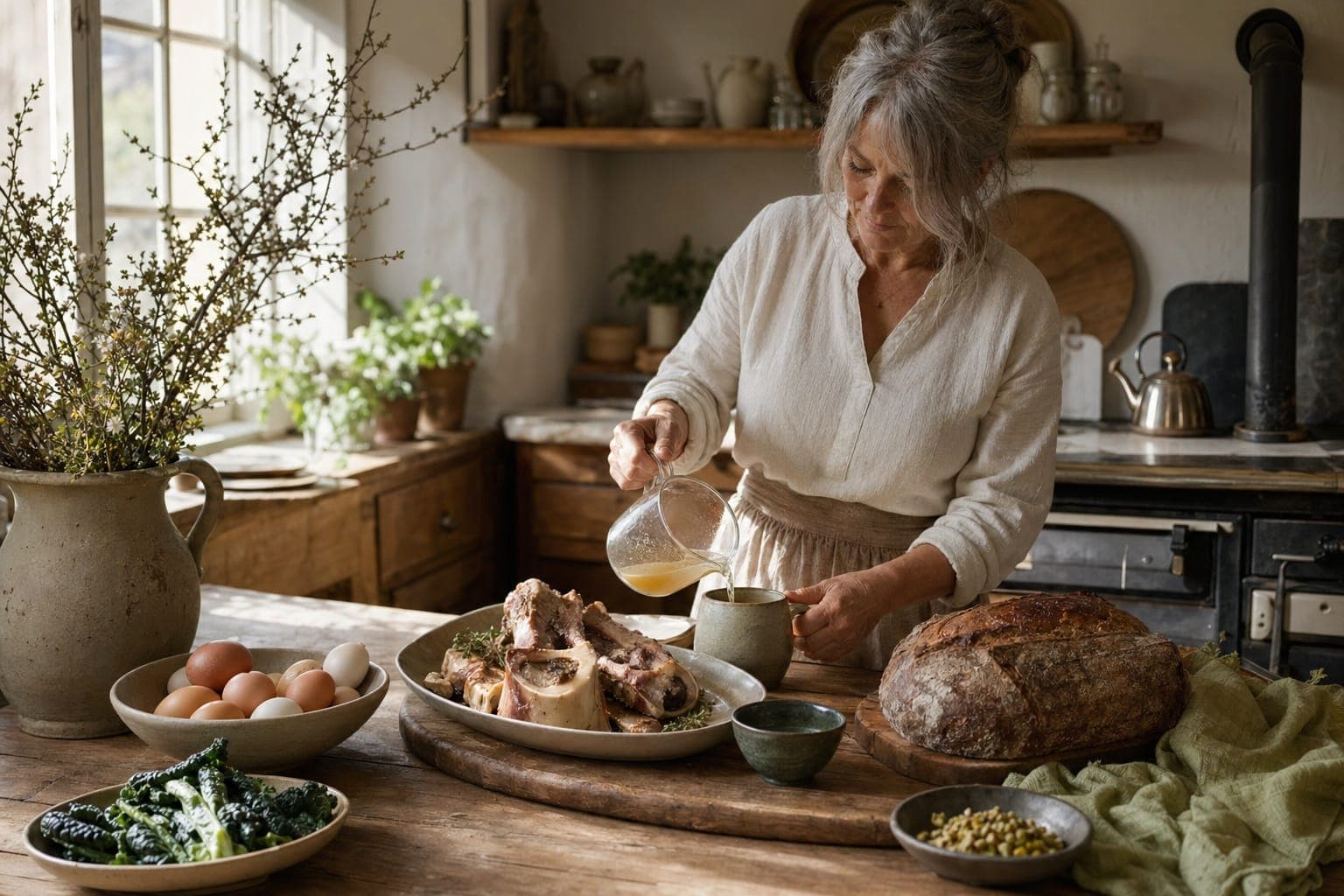
During preconception, prioritise folate-rich foods. Beef liver contains massive amounts of folate. Leafy greens, legumes, asparagus, Brussels sprouts, and eggs all contain good amounts. Bone broth, when simmered from bones and joints, contains minerals that support folate absorption.
If you've been taking folic acid supplements, you can continue, but shift the emphasis to food folate. Many women find that eating liver two to three times weekly provides more folate than they'd get from a supplement, plus all the supporting nutrients that make folate absorption and function efficient.
The window matters. If your folate status is low, it takes time to build reserves. Three to six months of consistent folate intake establishes the foundation. One month of supplementation doesn't.
Iodine status before conception
Iodine is essential for thyroid function and thyroid hormone production. Your thyroid directly influences your baby's brain development. Low iodine during pregnancy is linked to reduced cognitive function and developmental delays.
Before conception, establish adequate iodine intake. Use iodised salt if you're not already. Eat fish and shellfish regularly. If you eat seaweed, understand that iodine content varies wildly. Eggs from hens fed iodine-rich feed contain iodine.
Some women benefit from a modest iodine supplement before conception, especially if they live in an area with low soil iodine. But the foundation should be food sources. Testing iodine status before conception is reasonable if you're concerned about adequacy.
B12 and reserves
B12 is found almost exclusively in animal foods. Your body stores B12 in the liver. These stores sustain you for months or years if you stop eating B12-rich foods. But if you're entering pregnancy with already-depleted B12 stores, your baby starts life deficient.
Before conception, if you eat little red meat, fish, or organ meats, have your B12 tested. If it's low, building reserves through diet takes months. Red meat and organ meats are the most reliable sources. Eggs and dairy contribute but not as densely.
Three to six months of consistent B12-rich eating establishes better reserves than starting supplementation once pregnant. Your baby's developing nervous system will have more of this critical nutrient available.
B12 reserves built before conception are B12 available for your baby's brain from the moment of conception. This window matters.
Fat-soluble vitamins
Vitamins A, D, and K2 are fat-soluble, stored in your body's fat. They're essential for your baby's bone development, eye development, and immune function. But they need fat to be absorbed, and they take time to accumulate in tissue.
Before conception, prioritise fat-soluble vitamin intake. Grass-fed butter, full-fat dairy, pastured eggs, organ meats, and fatty fish all provide these vitamins. Eat these foods consistently over three to six months, and your body accumulates stores.
Vitamin D deserves special mention. If you're pregnant during winter or living at high latitude, adequate D stores before conception matter significantly. Test your D status before conception. If it's low, spend time in the sun in summer and eat fatty fish regularly. By winter, your stores will be higher.
Vitamin K2 is found in fermented dairy and in the organs of grass-fed animals. It's almost never supplemented. If you want adequate K2 during pregnancy, eat aged cheeses, fermented dairy, and organ meats consistently before conception.
Get life-stage nutrition guides, free
Two short reads a week on eating well through pregnancy, childhood and older age.
By signing up you agree to receive emails from us. No spam, unsubscribe anytime.
Liver as your foundation
Liver is the densest source of nutrients available. Folate, B12, iron, copper, selenium, vitamin A, vitamin D, choline. A consistent liver habit before conception establishes the foundation for everything that follows.
If you've never eaten liver, the preconception window is the time to acquire the taste. Liver pate with butter. Liver and onions. Liver mixed into ground meat. By the time you conceive, liver can be a normal part of your diet.
Eating liver two to three times weekly during preconception is one of the single highest-return nutritional investments you can make. Your baby's nutritional status before conception is directly influenced by your nutrient stores, and liver builds those stores faster than anything else.
Timing it right
The preconception window is ideally three to six months. Three months is enough to build some reserves. Six months is better. This isn't forever. It's a focused period where you're deliberately eating nutrient-dense foods.
If you're planning pregnancy, decide now that for the next three to six months, nutrition is a priority. Liver two to three times weekly. Fatty fish twice weekly. Eggs daily. Leafy greens and vegetables regularly. Full-fat dairy. Bone broth. Iodised salt.
This isn't restrictive. It's not a diet. It's eating the foods your body needs to prepare for pregnancy. By the time you conceive, your nutritional reserves are full.
1 of 9
Daily blend
100,000+ thriving families4.9 on Trustpilot
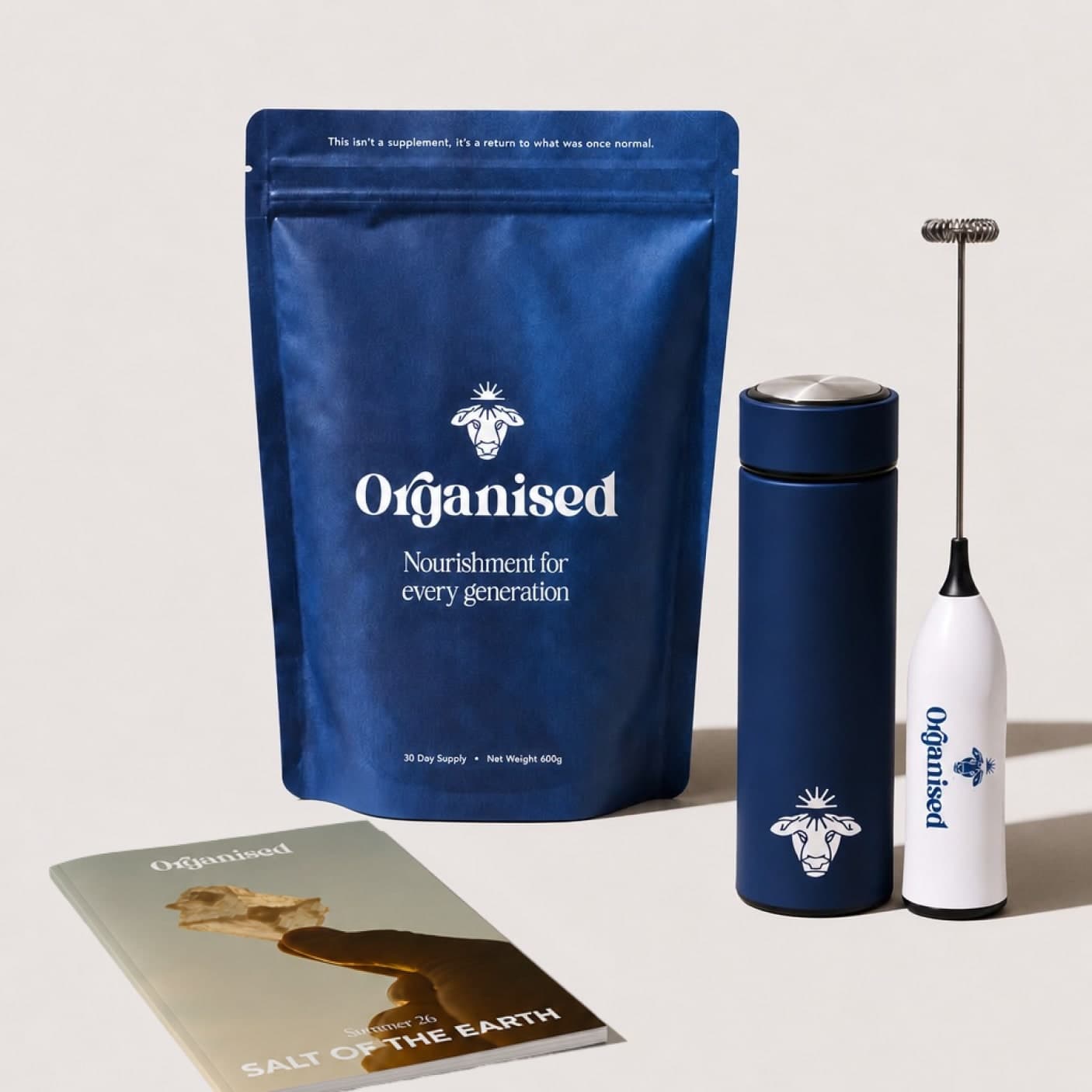
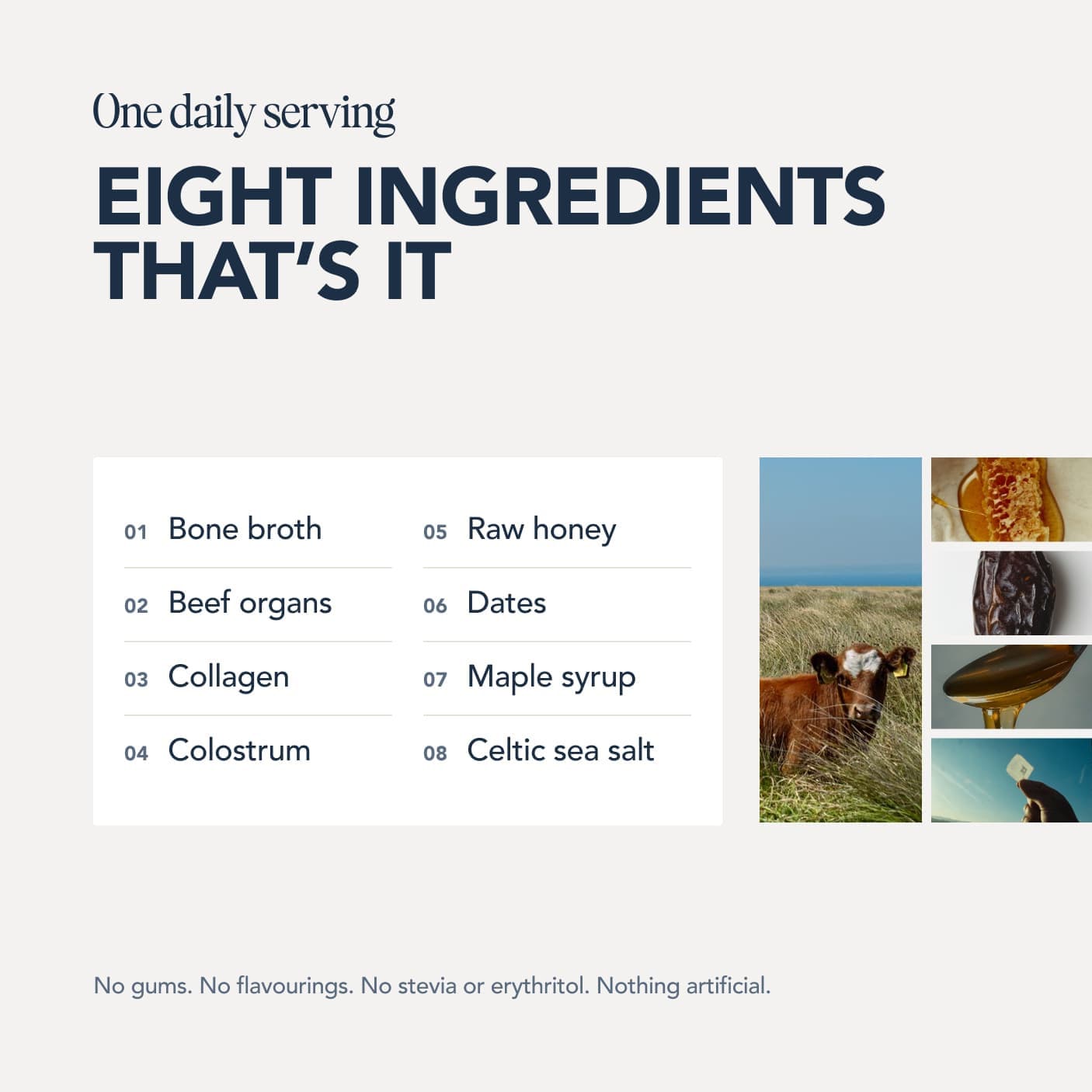
Eight real ingredients built around grass-fed beef organs, collagen and colostrum. Nothing synthetic added.
Free with your first order, worth £38. Plus £10 off the pouch with a subscription.
Free UK shipping · Made in England · 100 day money back guarantee on your first pouch · Skip, pause or cancel anytime
Testing where you stand
If you're genuinely planning pregnancy, getting tested before conception is sensible. Ferritin, folate, B12, vitamin D, iodine if available. These tests tell you where you stand and where you need to focus.
If ferritin is low, prioritise red meat and liver. If B12 is low, prioritise organ meats. If vitamin D is low, spend time in the sun and eat fatty fish. The tests direct your effort where it's most needed.
Not all these tests are standard. Your doctor might order some but not others. If you want comprehensive preconception testing, ask specifically. It's not unreasonable to want to know your status before pregnancy.

The three to six months before conception determine the nutritional foundation your baby starts with. Use this window. It matters profoundly.
Pregnancy will demand everything of your body. Pregnancy does this better when your body is already well-nourished. The foundation is built before conception, not after. Lay it well.
How to know if your nutritional foundation is ready
The best sign you're ready to conceive is that you feel well. Your energy is stable. Your mood is steady. Your digestion works. Your hair and nails are healthy. If you're achieving this through a nutrient-dense diet, your nutritional foundation for pregnancy is solid.
If you're relying on caffeine for energy or supplements to feel okay, your foundation isn't ready. Your body is signalling that nutrient needs aren't being met through food. Pregnancy will make this worse, not better.
The three to six month preconception window is your opportunity to build genuine resilience. Not superficial wellness. But deep nutritional resilience where your body is thriving on real food, your stores are full, and you're ready to support another human being.
ReferencesEvery source below was checked on 27 August 2026. Each PubMed, PMC and DOI identifier was resolved against NCBI or Crossref, and what it opens is printed under the citation, so you can see the link goes where the citation says without leaving the page. Where a citation and its identifier disagreed, the citation was corrected to the record or the reference was deleted along with the sentence marker that pointed at it, and where the resolved paper turned out not to support the sentence, the sentence was cut back to what it does support. Borrowed authority is worse than none, because it looks like rigour.
- NHS. Folic acid in pregnancy. nhs.uk/pregnancy/keeping-well/vitamins-supplements-and-nutrition.
- Stephenson J, et al. Before the beginning: nutrition and lifestyle in the preconception period and its importance for future health. Lancet. 2018. PMID 29673873.Checked 27 August 2026: PMID 29673873 opens Stephenson J, Heslehurst N, Hall J et al, Before the beginning: nutrition and lifestyle in the preconception period and its importance for future health. Lancet 2018;391(10132):1830-1841. PubMed indexes it as: Review.The authors' own declaration, from the record: Conflict of Interest . Janis Baird and a group of colleagues at the MRC Lifecourse Epidemiology Unit, University of Southampton, have received funding from Danone Nutricia Early Life Nutrition for a specific research study which aims to improve the nutrition and Vitamin D status of pregnant women.
Who wrote and reviewed this guide
Niall Kiddle
Author · Founder, Organised
Niall is the founder of Organised. He started the company in 2024 after fixing his own health the slow way: in 2022 he swapped a cupboard of synthetic supplements for real food, raw milk, organ meats, bone broth and honey, and felt the difference within months.
Areas of expertise: Ancestral nutrition, Organ meats, Whole-food supplementation, Gut health, Regenerative sourcing
Read Niall's full profile
Pedro Rodrigues
Reviewer · Agronomist (farming and sourcing only)
Pedro is the agronomist Organised works with on farming and sourcing. His job on the guides is to keep the science honest: he reviews what we publish about soil health, regenerative agriculture, grazing and the way food is actually produced.
Areas of expertise: Regenerative agriculture, Agronomy, Soil health, Grass-fed farming, Food sourcing
Reviewed this guide on
Read Pedro's full profileMore on pregnancy & postpartum
View all- Nourishing Pregnancy with Whole Food Nutrition
- Postpartum Recovery Nutrition: Rebuilding After Birth
- Beef Organ Supplements and Pregnancy: Understanding Vitamin A Safety
- Breastfeeding and Nutrition: What to Eat to Nourish Two
- Folate vs Folic Acid: Why the Form Matters in Pregnancy
- Gestational Diabetes and Nutrition: What Helps and What Doesn't
- Iron Needs During Pregnancy: Why Heme Iron Makes a Difference
- Morning Sickness and Nutrition: What Helps and What Makes It Worse
- Pregnancy Nutrition on Reddit: What Real Mums Recommend vs the Evidence
- Rebuilding Your Iron Stores After Birth
- The Best Foods to Eat in Each Trimester
- The Fourth Trimester: Why Mothers Need Organ Nutrition
Browse the guides library
All guidesKeep reading

Life stage
Sugar, Screens and Soil: Raising Healthy Children in a Modern World
Raising healthy children today means understanding sugar, screens, soil, and real food. Learn the foundations of child health and development.

Life stage
Can Children Take Beef Organ Supplements?
Can children safely take beef organ supplements? Dosage, age-appropriateness, and practical tips for giving organs to kids without resistance.
Life stage
Preventing Bone Loss with Nutrition (Not Just Calcium)
Bone is living tissue. It needs calcium, yes, but also K2, magnesium, and the right mechanical stress. Discover how nutrition builds unbreakable bones.
Real food, made effortless
Find my daily blendA few ways to use it
All recipes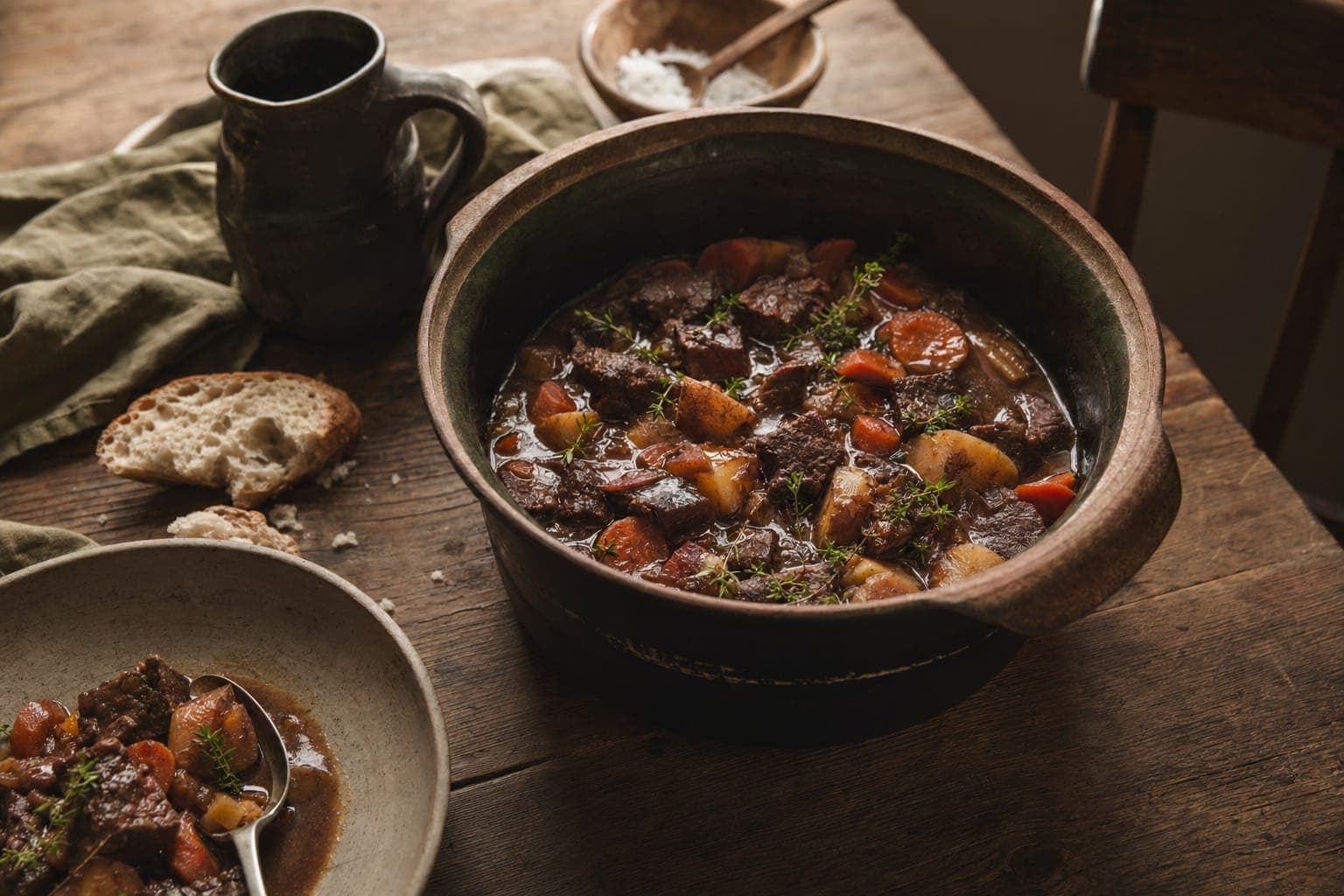
Collagen-Rich Beef Stew: Slow-Cooked Nourishment
Beef stew that delivers collagen from connective tissue and bone broth. Winter comfort food that actually nourishes. Simple slow cooker recipe.
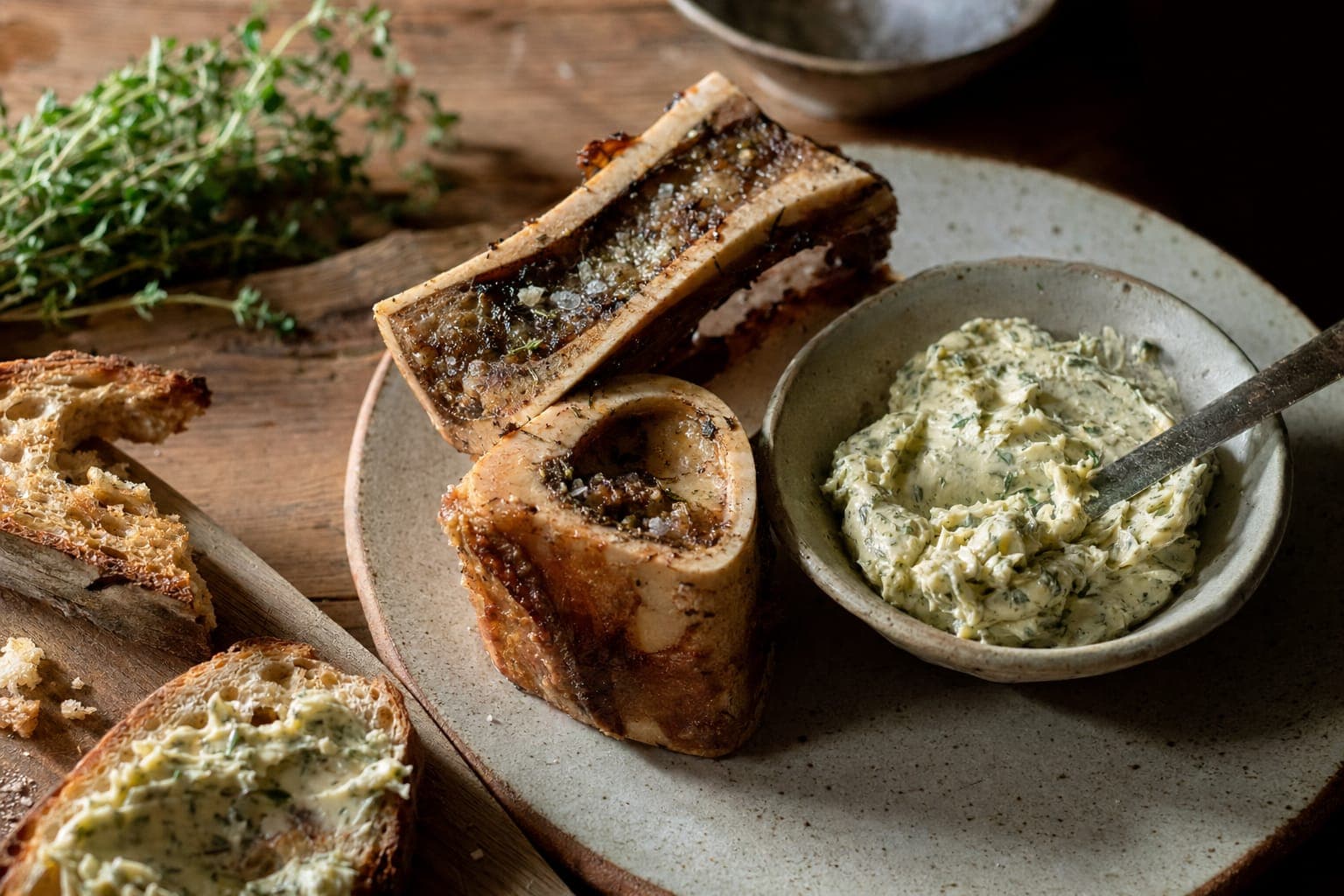
How to Make Bone Marrow Butter
Roast grass-fed marrow bones, scoop the marrow, and mix with butter and herbs. A nutrient-dense spread with fat-soluble vitamins.
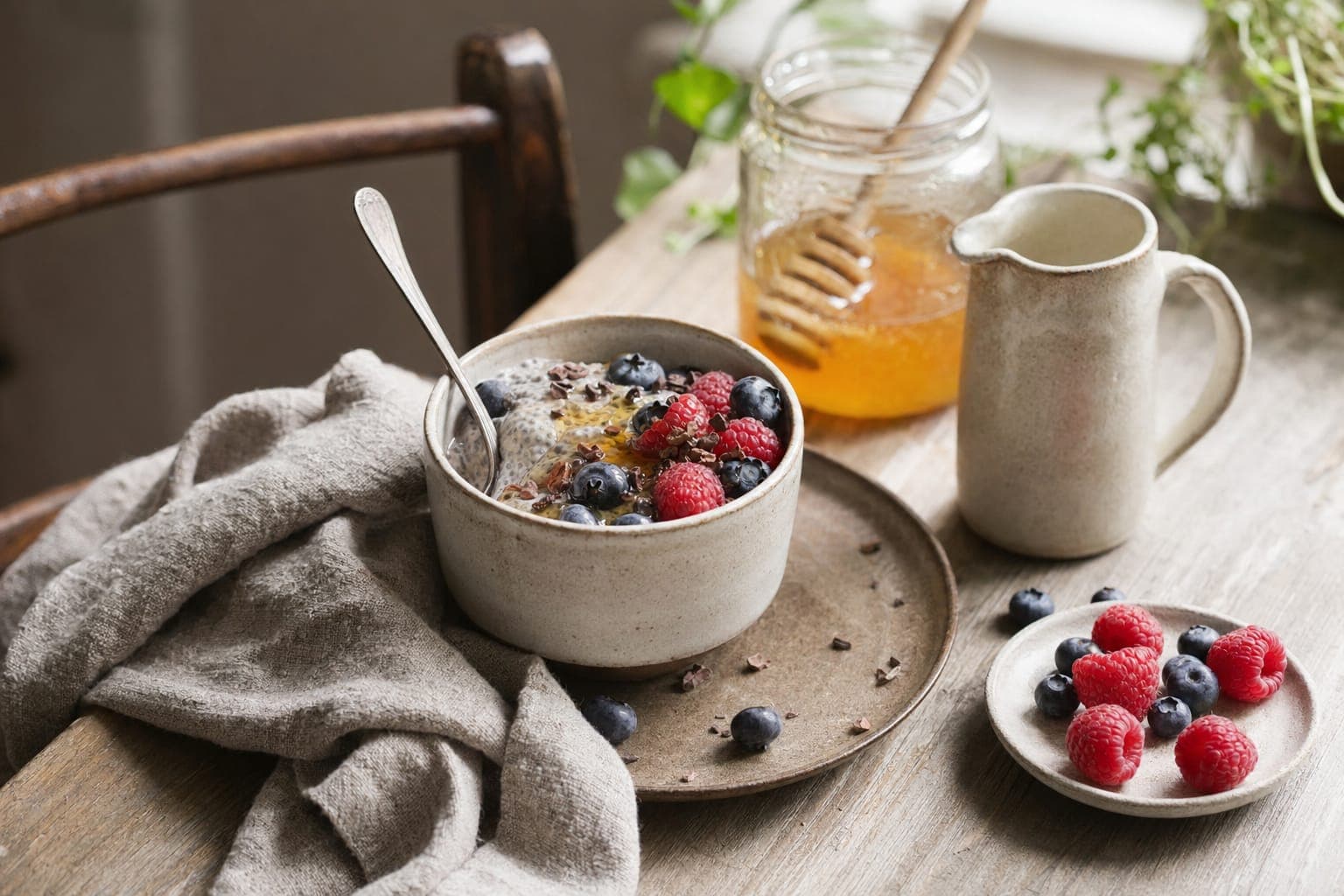
Organised Chia Pudding with Raw Honey and Berries
A no-cook chia seed pudding made with raw milk, collagen, berries, and raw honey. Prep it the night before and eat for breakfast.


 Join over 100,000+ members
Build a better food system with us
The Organised community is thousands of people choosing real food and backing the farmers who grow it, all of us trying to leave the world a little better than we found it. If that is what you care about too, you belong here.