How to Introduce Organ Meats to Children
Your child doesn't know they dislike liver. They've never tried it. Yet most parents assume children won't eat organ meats and never offer them. This is a missed nutritional opportunity. The good news is that organ meats can be introduced in ways children actually accept.
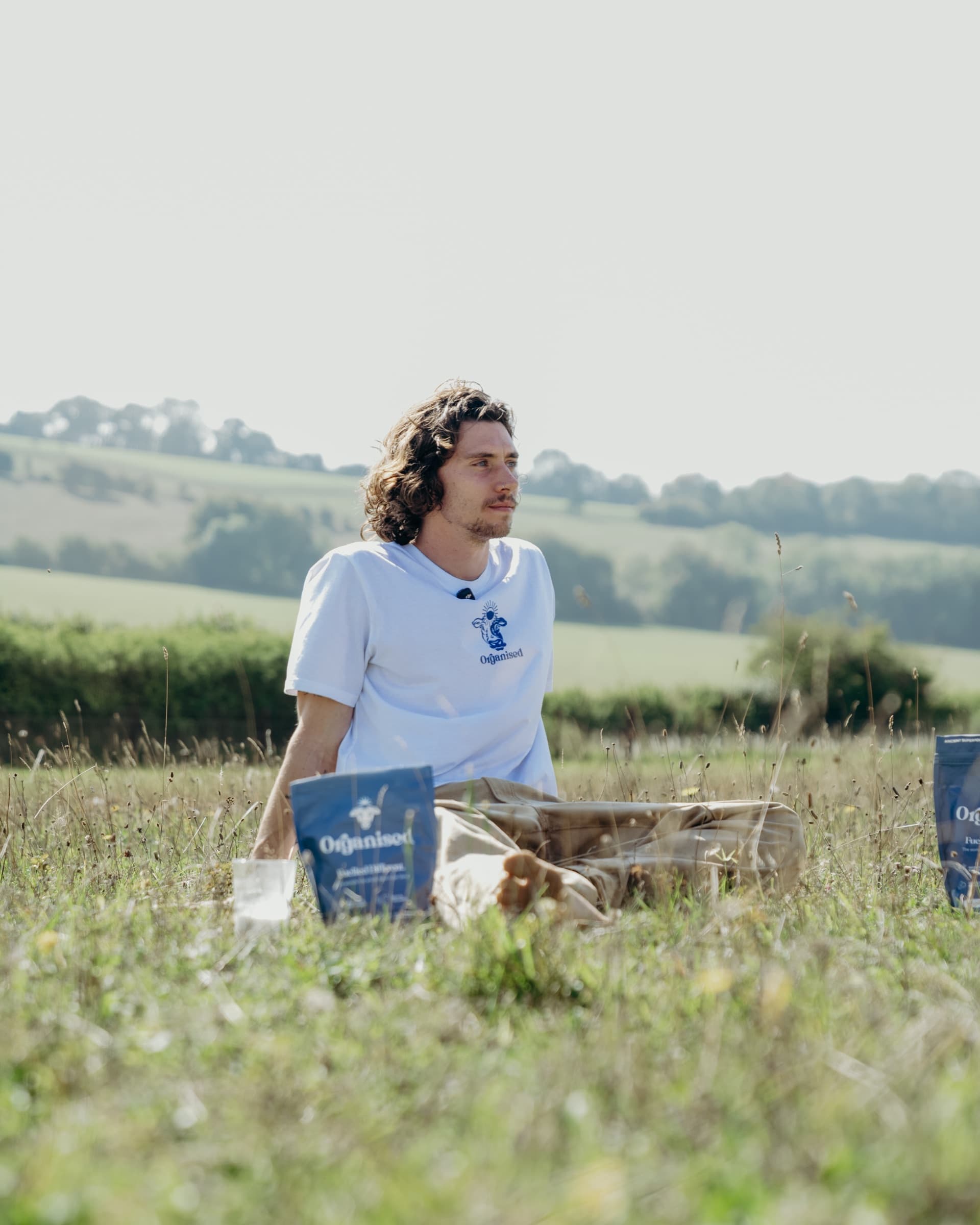
By Niall Kiddle, Founder, Organised

Reviewed by Pedro Rodrigues, Agronomist (farming and sourcing only) ·
6 min read · Published · Updated · 2 cited sources
Makers of the Organised Daily blend, a grass-fed beef organ supplement from regenerative UK farms
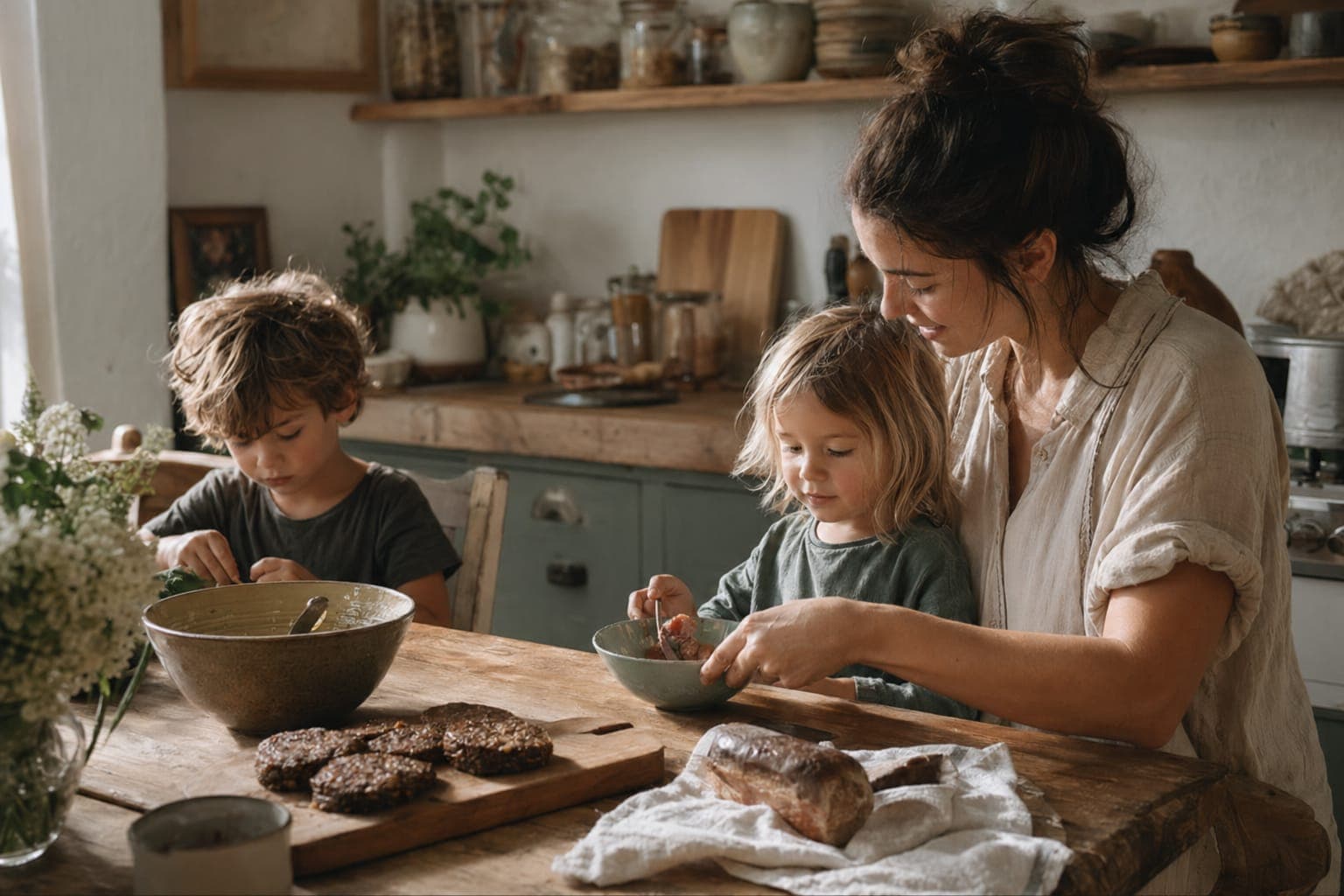
The key is early introduction, patient repetition, and strategic disguise until the flavour becomes familiar. By the time your child is old enough to refuse liver on principle, they may have already grown up eating it.
Start before they know what it is
The earliest introduction happens at weaning, when your child is first eating solids. A child who grows up with liver as a normal food, introduced in small amounts from six months onwards, will accept it far more readily than a child meeting liver for the first time at age five.
The window is real. Children are more open to new flavours during the early weaning window; food neophobia typically emerges after about 18-24 months and increases in early childhood.1 If you want your child to eat organ meats easily, start early.
This doesn't mean serving a whole piece of liver to a six-month-old. It means incorporating minute amounts into foods they already accept. A tiny amount of liver pate mixed into vegetable puree. Liver powder mixed into bone broth. Barely detectable amounts of organ meat flavour, repeated often enough that the taste becomes familiar.
Early introduction during weaning creates acceptance. By age three, liver can taste normal to a child. By age five, it feels like an aversion.
The mixing method: liver in mince
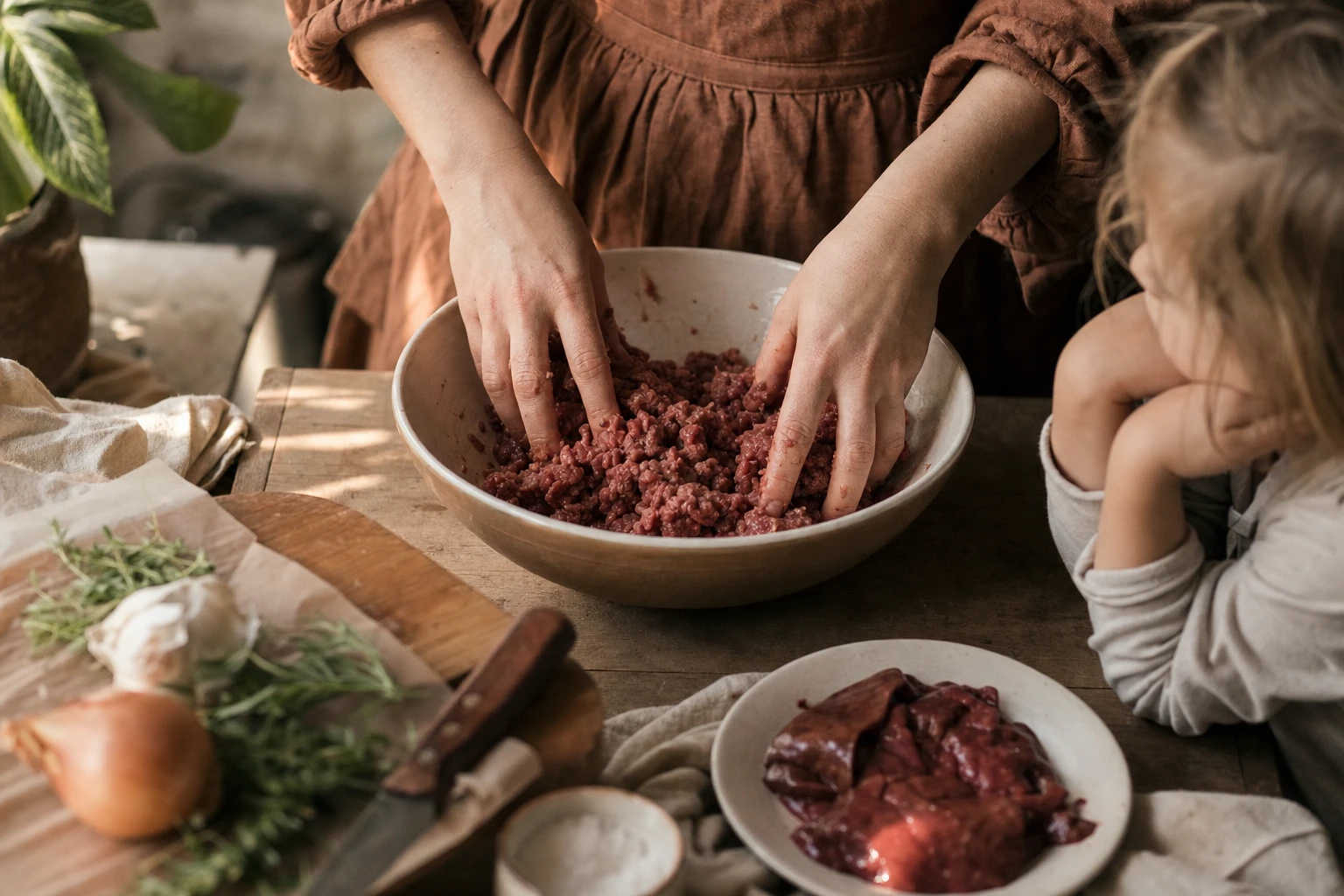
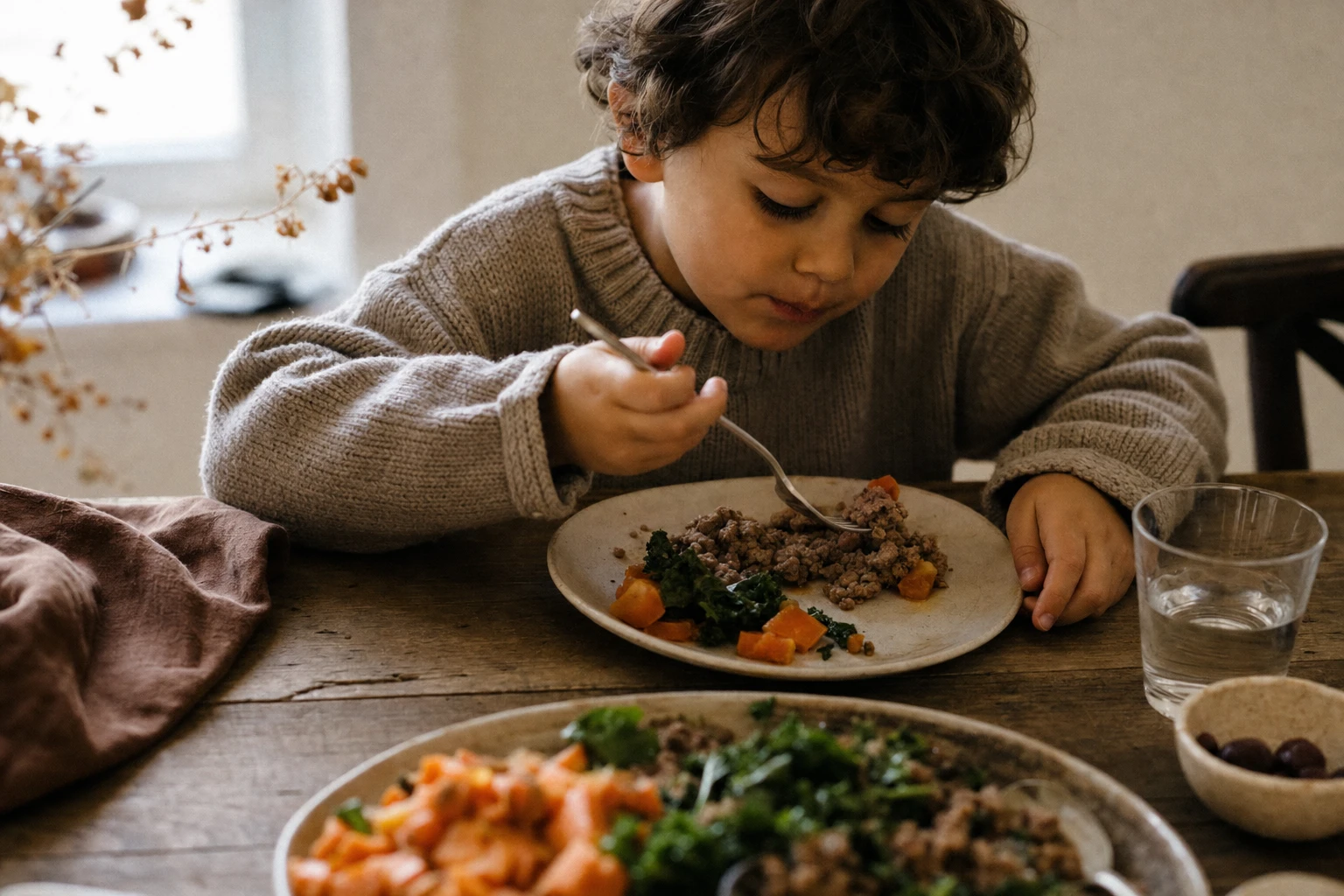
The most practical strategy for older children is mixing finely minced liver into ground meat. Start at a 1:20 ratio. 100 grams of liver mixed into 2,000 grams of ground beef. The liver flavour is barely present. Cook it as you normally would: meatballs, burgers, meat sauce.
Serve this weekly for three to four weeks. The child eats the food without knowledge that liver is present. Their palate is becoming familiar with the flavour in a non-threatening way.
After three weeks, increase the ratio to 1:15. Slightly more liver, still subtle. Cook and serve as before. The child continues accepting the food, and the liver flavour is slowly becoming less foreign.
After another month, move to 1:10. At this point, the liver flavour is noticeable but still mild. Many children accept it without comment. If your child resists, stay at 1:15 for another month before progressing.
The process takes patience. You're not trying to get your child to eat liver immediately. You're making liver a normal flavour over months, through repetition, until it doesn't feel foreign anymore.
The cocoa and honey trick
Liver pate has an intense, savoury flavour that many children find overwhelming. But liver pate mixed with cocoa powder and honey becomes something entirely different. The sweetness masks the intensity of the pate. The cocoa adds richness that makes the flavour more approachable.
Make liver pate by slowly cooking liver with onions and butter until very soft, then blending it smooth. Mix one part pate with two parts softened butter and a small amount of cocoa powder and honey. The result is a dark, chocolatey paste that tastes rich and sweet.
Serve this on toast, on fruit, on crackers. Most children eat it without realising they're eating liver pate. The cocoa and honey disguise the organ meat flavour entirely. Repeated exposure through this vehicle makes liver a familiar taste.
As your child gets older and the cocoa-honey pate becomes normal, you can gradually reduce the cocoa and honey and increase the pate proportion. The flavour shift is subtle enough that many children don't notice the transition.
Liver pate disguised
Smooth liver pate can be incorporated into foods your child already accepts. Swirl into yoghurt. Mix into mashed vegetables. Fold into butter for spreading on bread. A tiny amount of pate mixed invisibly into a food they eat regularly makes liver a familiar flavour through repetition without drama.
Because pate is smooth and fat-based, it blends seamlessly into other foods. A tablespoon of liver pate stirred into 200 grams of mashed potato is barely noticeable. Repeated weekly, over months, it becomes a normal flavour your child's palate accepts without question.
The best route to liver acceptance isn't forcing your child to taste it. It's making it invisible until the flavour is so familiar that it stops triggering the rejection response.
Texture matters: grated frozen liver
Some children resist organ meats because of texture, not flavour. Liver can be dense and slightly grainy, which some children find off-putting. Grating frozen liver solves this problem.
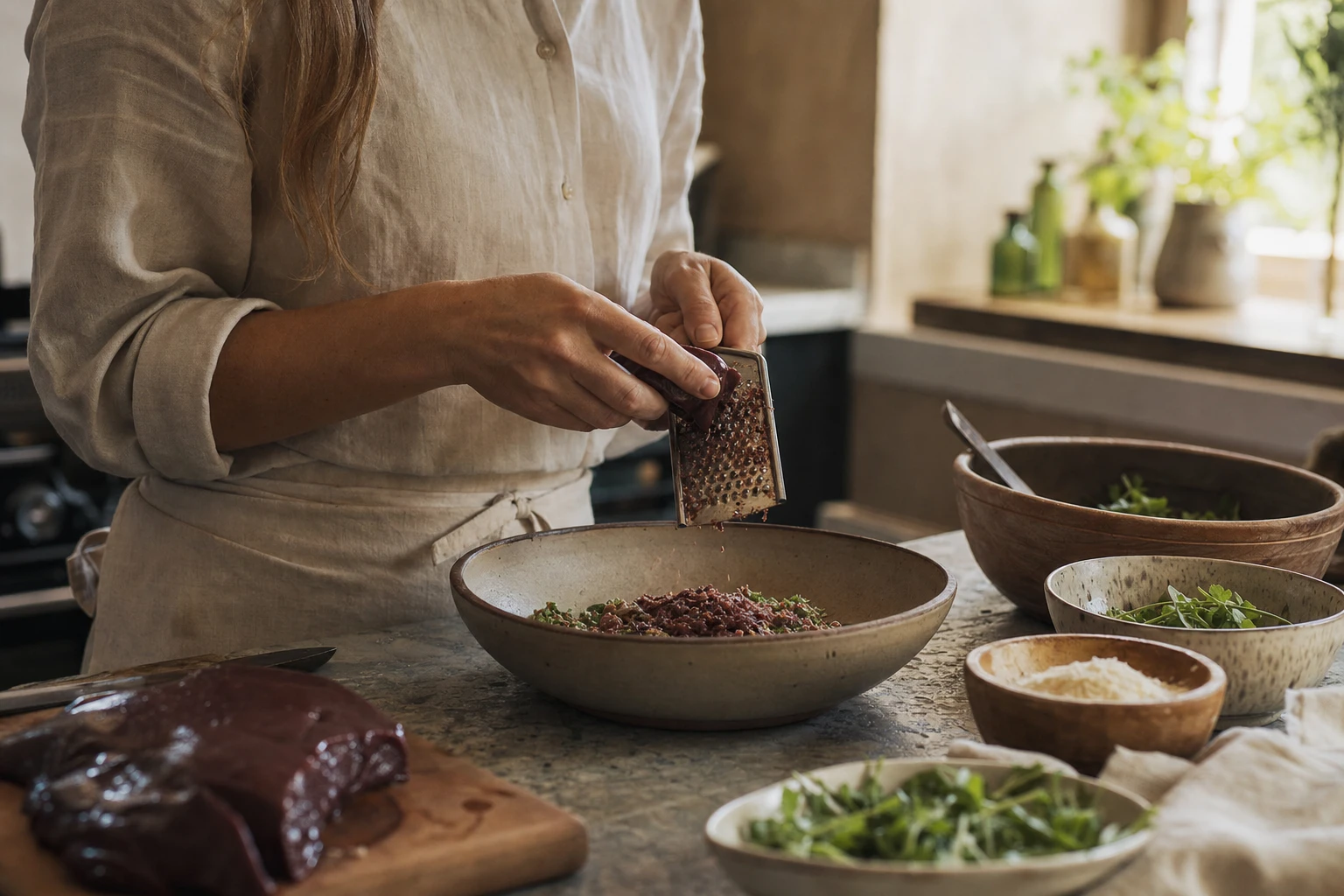
Freeze raw liver until completely solid. Grate it finely, like Parmesan. The grated liver can be stirred into soups, mixed into ground meat, sprinkled on roasted vegetables, or folded into cooked dishes. The texture is fine and nearly undetectable.
Grated frozen liver is also convenient. Keep it in the freezer in small portions. A handful stirred into soup or stew adds nutrient density without texture problems.
Get life-stage nutrition guides, free
Two short reads a week on eating well through pregnancy, childhood and older age.
By signing up you agree to receive emails from us. No spam, unsubscribe anytime.
Timing: the weaning window
The easiest window for introducing organ meats is six months to two years. During this period, children are most open to new foods and less prone to rejection based on expectation or principle.
Start with liver pate mixed into vegetable purees. A quarter teaspoon mixed into a serving of sweet potato or carrot puree. Serve this weekly. The child grows up with liver as a normal food, familiar from their earliest eating experiences.
As solids progress, continue incorporating liver into minced meat, soups, and stews. By age two, many children who've been exposed to liver since six months accept it as a normal food without the resistance that older children might show.

1 of 9
Daily blend
100,000+ thriving families4.9 on Trustpilot
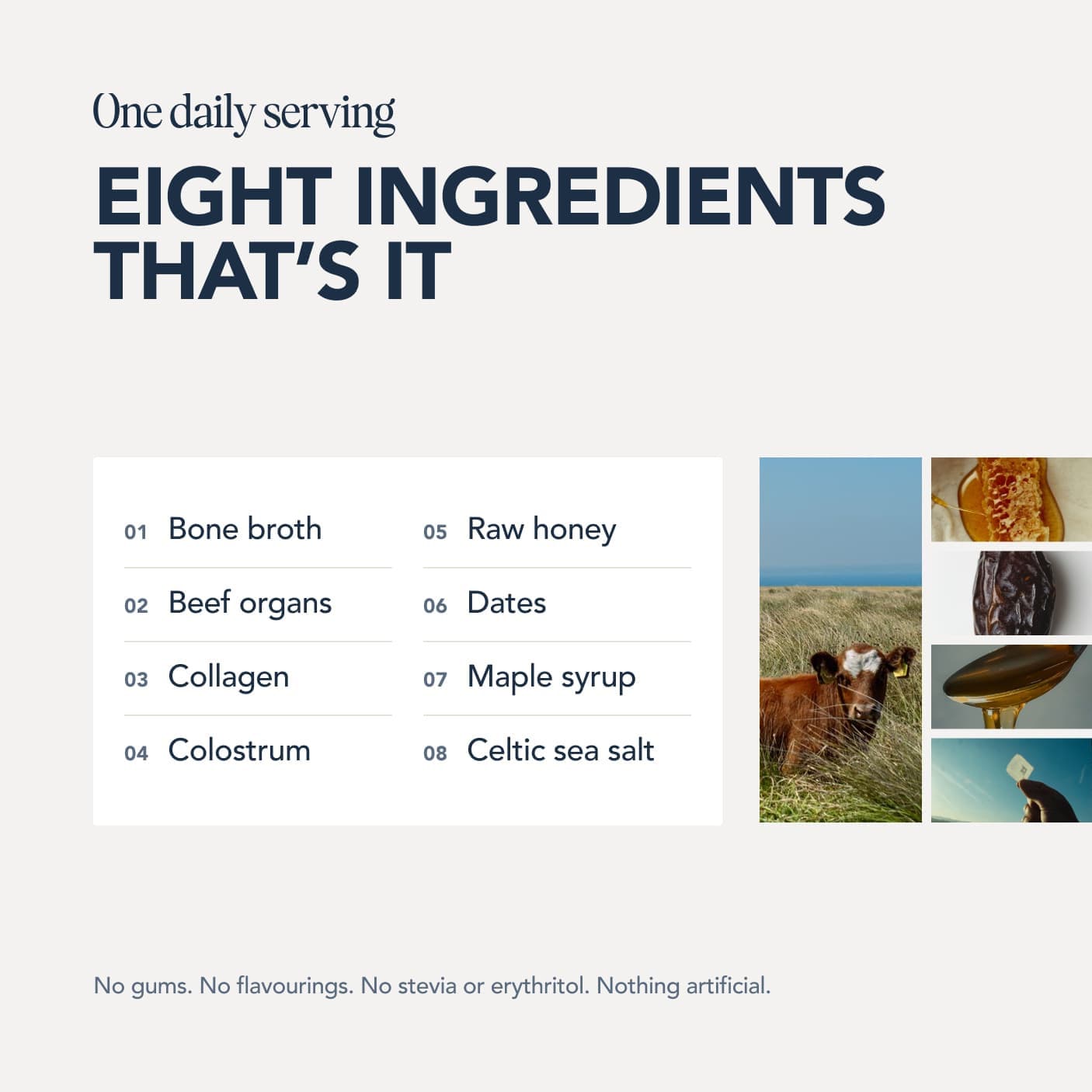
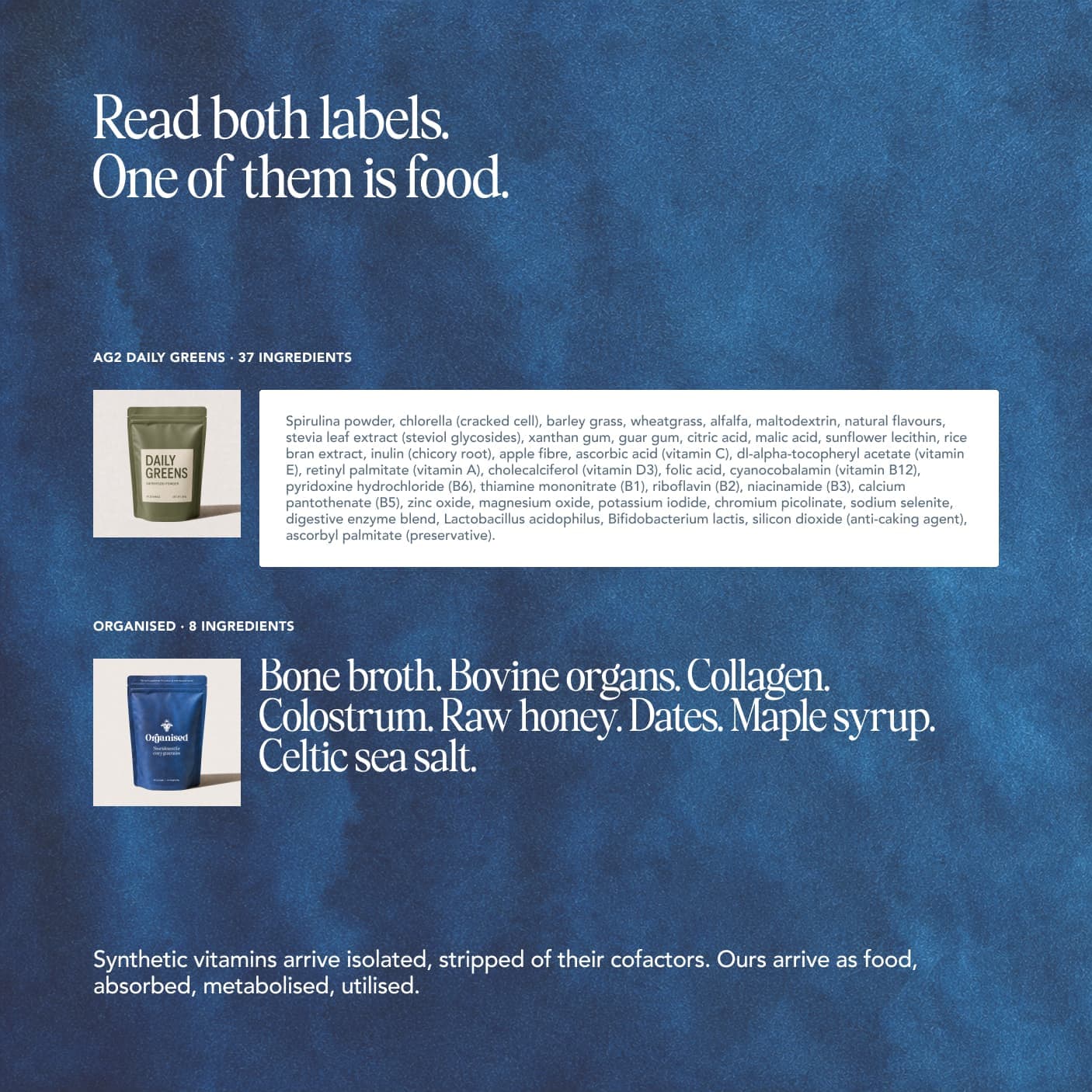
Eight real ingredients built around grass-fed beef organs, collagen and colostrum. Nothing synthetic added.
Free with your first order, worth £38. Plus £10 off the pouch with a subscription.
Free UK shipping · Made in England · 100 day money back guarantee on your first pouch · Skip, pause or cancel anytime
Gradualism: patience wins
The entire strategy relies on gradualism and repetition. You're not trying to get your child to eat liver today. You're building familiarity over months. Each exposure increases acceptance. Over time, what was foreign becomes normal.
This approach works for older children too, though it takes longer. A seven-year-old introduced to organ meats through the mixing method might take six months to move from 1:20 ratio to accepting liver more openly. But the alternative is a child who reaches adulthood never having eaten liver, and the nutritional cost is real.
The patience required is worth it. A child comfortable with organ meats is a child with access to nutrition most of their peers don't have.
When to stop hiding and start serving
The goal isn't to hide organ meats forever. It's to build familiarity until the child accepts them openly. Over time, you transition from disguise to direct serving.
If you've been mixing liver into ground meat for months, eventually serve the same dish but let your child see the liver. They already know this flavour. The visual is new, but the taste is familiar. Most children accept it without problem.
If you've been serving liver pate with cocoa and honey, gradually reduce the sweetness. The pate becomes more savoury. Eventually, you can serve it plain, and your child accepts it because they've been eating it for months.
The transition from hidden to open is the final step. But it only works after months of repetition have made the flavour genuinely familiar.
By the time your child realises they're eating liver, they've already been eating it for months. The familiarity makes acceptance nearly automatic.
Organ meats are among the most nutrient-dense foods available, providing high concentrations of iron, B12, vitamin A, copper, and folate per serving.2 Children who eat them regularly are better nourished, healthier, and more resilient. The investment in introducing them early is one of the highest-return decisions you can make for your child's nutrition.
References
Every source below was checked on 27 August 2026. Each PubMed, PMC and DOI identifier was resolved against NCBI or Crossref, and what it opens is printed under the citation, so you can see the link goes where the citation says without leaving the page. Where a citation and its identifier disagreed, the citation was corrected to the record or the reference was deleted along with the sentence marker that pointed at it, and where the resolved paper turned out not to support the sentence, the sentence was cut back to what it does support. Borrowed authority is worse than none, because it looks like rigour.
- Dovey TM et al. Food neophobia and 'picky/fussy' eating in children: a review. Appetite. 2008;50(2-3):181-93. PMID: 17997196.Checked 27 August 2026: PMID 17997196 opens Dovey TM, Staples PA, Gibson EL et al, Food neophobia and 'picky/fussy' eating in children: a review. Appetite 2008;50(2-3):181-93. PubMed indexes it as: Review.
- U.S. Department of Agriculture, FoodData Central. Beef, liver — nutrient profile.
Who wrote and reviewed this guide
Niall Kiddle
Author · Founder, Organised
Niall is the founder of Organised. He started the company in 2024 after fixing his own health the slow way: in 2022 he swapped a cupboard of synthetic supplements for real food, raw milk, organ meats, bone broth and honey, and felt the difference within months.
Areas of expertise: Ancestral nutrition, Organ meats, Whole-food supplementation, Gut health, Regenerative sourcing
Read Niall's full profile
Pedro Rodrigues
Reviewer · Agronomist (farming and sourcing only)
Pedro is the agronomist Organised works with on farming and sourcing. His job on the guides is to keep the science honest: he reviews what we publish about soil health, regenerative agriculture, grazing and the way food is actually produced.
Areas of expertise: Regenerative agriculture, Agronomy, Soil health, Grass-fed farming, Food sourcing
Reviewed this guide on
Read Pedro's full profileMore on children & teens
View all- Feeding Children for Optimal Growth and Development
- Teenage Nutrition: Fuelling Growth Spurts and Brain Development
- Building Strong Bones in Childhood: Beyond Just Milk
- Can Children Take Beef Organ Supplements?
- Picky Eaters: How to Sneak Nutrient-Dense Foods Into Family Meals
- Protein for Young Athletes: How Much Do Teenagers Actually Need?
- Screen Time, Sleep and Nutrition: The Triangle That Affects Every Child
- Sugar, Screens and Soil: Raising Healthy Children in a Modern World
- Teenage Athletes: Protein and Nutrient Needs for Growing Bodies
- The Nutrients Children Need Most (And Aren't Getting)
- Why Children Need More Nutrient-Dense Food (Not More Vitamins)
- Why Teenage Girls Are at the Highest Risk of Iron Deficiency
Browse the guides library
All guidesKeep reading
Life stage
Teaching Children About Where Food Comes From
Children who understand where food comes from tend to eat better and waste less. Practical ways to teach food origins and build a lasting connection.
Life stage
Nourishing Pregnancy with Whole Food Nutrition
Discover essential nutrients for pregnancy: fat-soluble vitamins, B12, choline, iron, and DHA. Evidence-based whole food approach for expectant mothers.

Life stage
Men's Nutrition: The Essentials Most Blokes Ignore
Modern men have lower testosterone and worse health than their grandfathers. Learn which nutrients build and maintain men's health.
Real food, made effortless
Find my daily blendA few ways to use it
All recipes
Organised Protein Pancakes: A Weekend Favourite
A high-protein pancake recipe using beef protein, eggs, and raw milk. Cooked in cast iron, naturally sweetened with banana and honey. Real food breakfast.
The Organised Recovery Smoothie for After Exercise
A recovery smoothie made with beef protein, raw milk, frozen berries, collagen, and honey. Optimal nutrition in the 30-minute window after exercise.
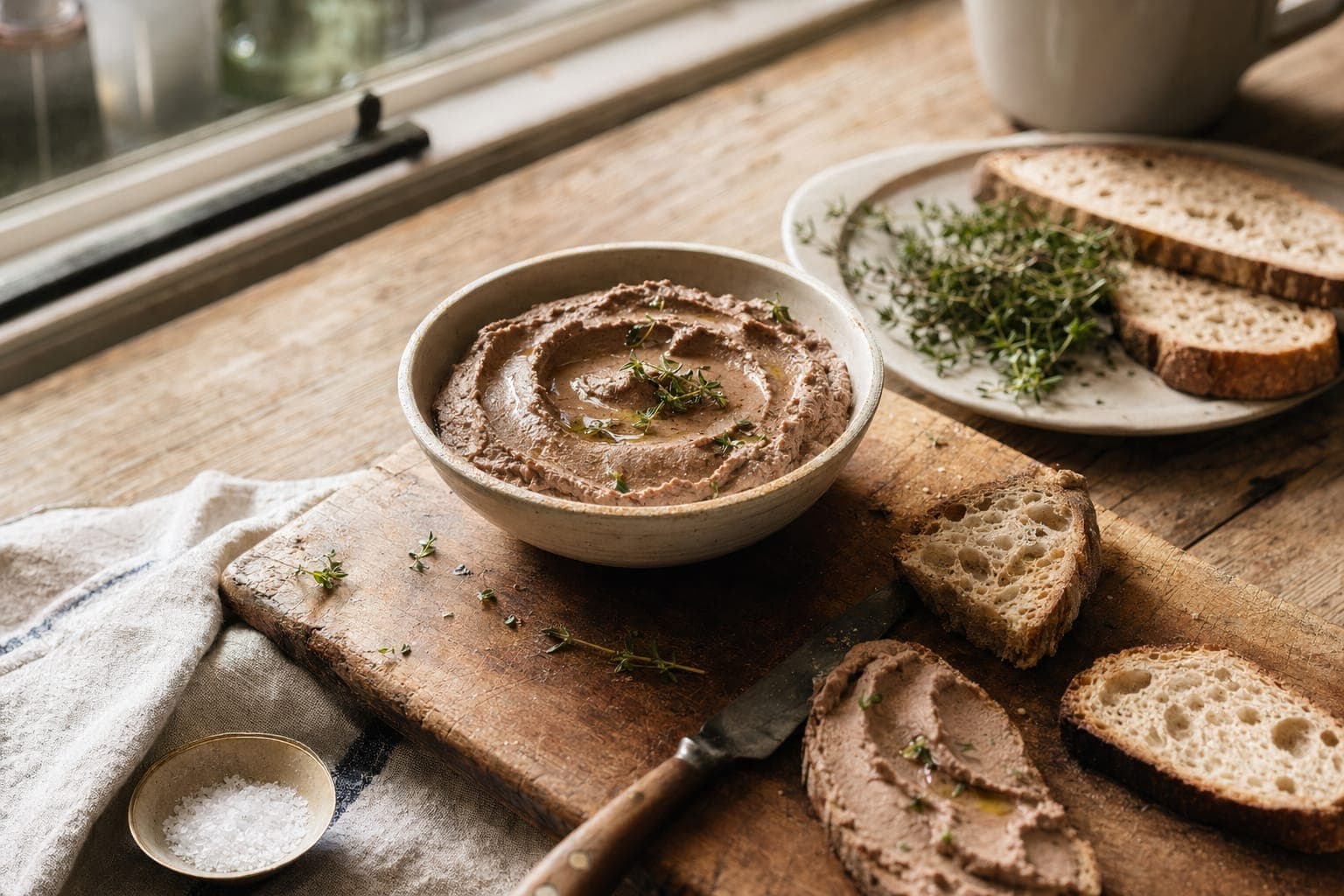
Liver Pate for Beginners: A Gentle Introduction to Organ Meats
Simple liver pate recipe to start eating organ meats. Chicken liver, butter, and herbs. Gentle introduction to nutrient-dense whole foods.


 Join over 100,000+ members
Build a better food system with us
The Organised community is thousands of people choosing real food and backing the farmers who grow it, all of us trying to leave the world a little better than we found it. If that is what you care about too, you belong here.