Men's Nutrition: The Essentials Most Blokes Ignore
Modern men have the testosterone levels of 70-year-olds from the 1970s. They're experiencing erectile dysfunction in their forties, heart disease in their fifties, and prostate problems that their grandfathers never dealt with. This isn't inevitable. Most of it is nutritional.
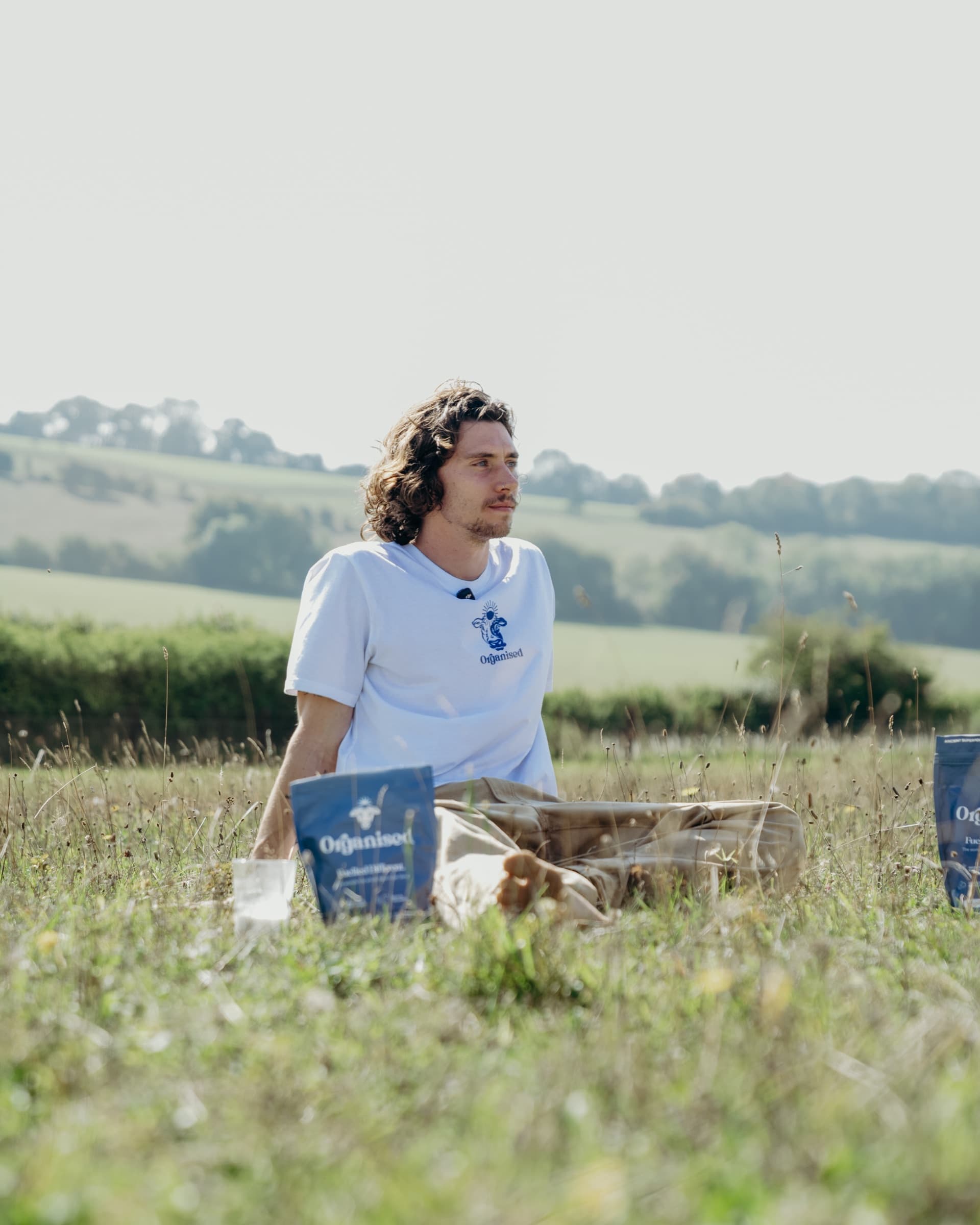
By Niall Kiddle, Founder, Organised

Reviewed by Pedro Rodrigues, Agronomist (farming and sourcing only) ·
7 min read · Published · Updated · 5 cited sources
Makers of the Organised Daily blend, a grass-fed beef organ supplement from regenerative UK farms

Men's health has been quietly declining for decades, and mainstream healthcare treats it as a problem of aging. But men who eat real food, train strength, sleep well, and minimise chronic stress have testosterone levels and sexual function that look nothing like the averages. The difference is not genetic. It's nutritional and lifestyle.

The testosterone crisis is real
In the 1970s, the average 30-year-old man had testosterone levels around 700 nanograms per decilitre. Today, the average 30-year-old man has testosterone around 450 to 500 ng/dL.1 That's not a small decline. It's a 30% drop in one generation.
This doesn't happen by accident. Testosterone is produced in response to adequate nutrition, sufficient sleep, strength training, and minimal chronic stress. Modern life is actively hostile to all four.
A man eating processed seed oils instead of saturated fat is depriving his body of the lipids needed to build testosterone. A man with chronically elevated cortisol is actively suppressing his testosterone. A man who's not sleeping is hampering the recovery phase where testosterone is synthesised. A man who's not strength training has no stimulus to produce testosterone.
The standard medical response is testosterone replacement therapy. Patches, gels, injections. These work, but they're a band-aid on a nutritional and lifestyle problem.
You cannot supplement your way out of a diet that's actively suppressing your testosterone. You have to rebuild the foundation.
What builds testosterone naturally
Testosterone is synthesised from cholesterol.2 The body needs adequate dietary fat to produce it. Saturated fat, in particular, supports testosterone production more effectively than unsaturated fats.
Processed seed oils, which are high in omega-6 polyunsaturated fats, actively promote inflammation and suppress testosterone. The switch from butter, tallow, and lard to vegetable oil, canola oil, and sunflower oil is partly responsible for the testosterone crisis.
A man eating butter, red meat, eggs, full-fat dairy, and coconut oil is eating the foods that support testosterone production. A man eating margarine, sunflower oil, lean chicken breast, and egg whites is eating the foods that suppress it.
Zinc is essential for testosterone synthesis.3 It's found predominantly in animal foods, particularly red meat and shellfish. A man with low zinc has low testosterone. Chronically low zinc creates a cascade of problems: low mood, weak immune function, slow healing, poor sexual function.
Magnesium is required for over 300 enzymatic reactions, including testosterone production. Most modern men are magnesium-deficient, chronically depleted by stress, refined foods, and insufficient sleep.
Vitamin D is not technically a vitamin, it's a hormone, and it's involved in testosterone production.4 A man who's indoors for most of the day, especially in winter, is deficient in vitamin D and consequently producing less testosterone.
Adequate calories matter. A man who's underfed, trying to stay lean whilst training, is suppressing testosterone. The body conserves energy when fuel is perceived as scarce, and one of the first casualties is testosterone. Strength and muscle require eating enough.
Cardiovascular health beyond statins
Men are prescribed statins for elevated cholesterol without ever being asked whether their diet is optimal. Statin therapy has become routine, presented as inevitable for men over fifty.
But cardiovascular disease is not caused by dietary cholesterol. It's caused by inflammation, oxidative stress, endothelial dysfunction, and metabolic dysregulation. All of these are directly addressable through nutrition.
A man eating saturated fat from grass-fed beef and butter is not damaging his heart. His cholesterol may be elevated, but his LDL particle size is large and non-atherogenic. His inflammation markers are low. His arteries are clean.
A man eating seed oils, refined carbohydrates, and processed foods has chronically elevated inflammation, small dense LDL particles, oxidative stress, and plaque accumulation. His total cholesterol might be lower on a statin, but his cardiovascular disease is worsening.
The solution is not statins. It's elimination of processed seed oils, reduction of refined carbohydrates, adequate animal fat, antioxidant-rich vegetables, and regular physical activity. A man eating this way and moving regularly has cardiovascular risk that looks nothing like the averages.
Prostate health and nutrient density
Prostate problems are remarkably common in modern men. Enlargement, dysfunction, and eventually cancer. These are treated as inevitable consequences of aging.
They're not. They're consequences of nutritional depletion. The prostate is packed with zinc, and it requires selenium, vitamin A, and adequate fat-soluble vitamins to function well. A man chronically low in these nutrients develops prostate problems.
Zinc depletion is usually the first culprit. A man with low zinc experiences prostate irritation, reduced sexual function, and urinary symptoms. These are reversible with adequate dietary zinc, particularly from red meat and shellfish.
Selenium is required for the production of selenoproteins, which protect the prostate from oxidative damage.5 Low selenium accelerates prostate aging and cancer risk.
Vitamin A, in the retinol form found only in animal foods, is required for prostate cell health. A man eating no organ meats, no full-fat dairy, and minimal animal fat is deficient in vitamin A and at higher prostate cancer risk.
Lycopene, from cooked tomatoes, is protective. But a man eating tomato sauce on top of refined carbohydrates and processed seed oil is not building prostate health. He needs the tomatoes plus the whole nutritional foundation.
Get life-stage nutrition guides, free
Two short reads a week on eating well through pregnancy, childhood and older age.
By signing up you agree to receive emails from us. No spam, unsubscribe anytime.
The nutrients men are chronically missing
Most men eating a typical modern diet are depleted in:
- Zinc. Essential for testosterone, immune function, wound healing, mood, and sexual function. Found in red meat, shellfish, organ meats. A single serving of oysters delivers a week's worth of zinc.
- Magnesium. Depleted by stress, refined foods, and poor sleep. Required for testosterone synthesis, muscle function, and nervous system health. Found in nuts, seeds, leafy greens (with fat for absorption), and mineral water.
- Selenium. Required for thyroid function, immune function, and antioxidant protection. Found in Brazil nuts, seafood, and organ meats. One Brazil nut daily provides adequate selenium.
- Vitamin D. Synthesised from sunlight exposure, required for testosterone, immune function, and bone health. Most indoor workers are deficient, especially in winter.
- Saturated fat. Required for testosterone synthesis, hormone production, and brain function. Modern diet is too low in it.
- Choline. Required for brain function, mood, sexual function. Found almost exclusively in animal products, particularly eggs and organ meats. Vegetarian and vegan men are almost universally deficient.
The pattern is unmistakable: real animal foods provide what men need. Plant foods and supplements cannot replace them.
Practical nutrition for men
If you're a man over thirty-five and not feeling your best, nutrition is likely the missing piece.
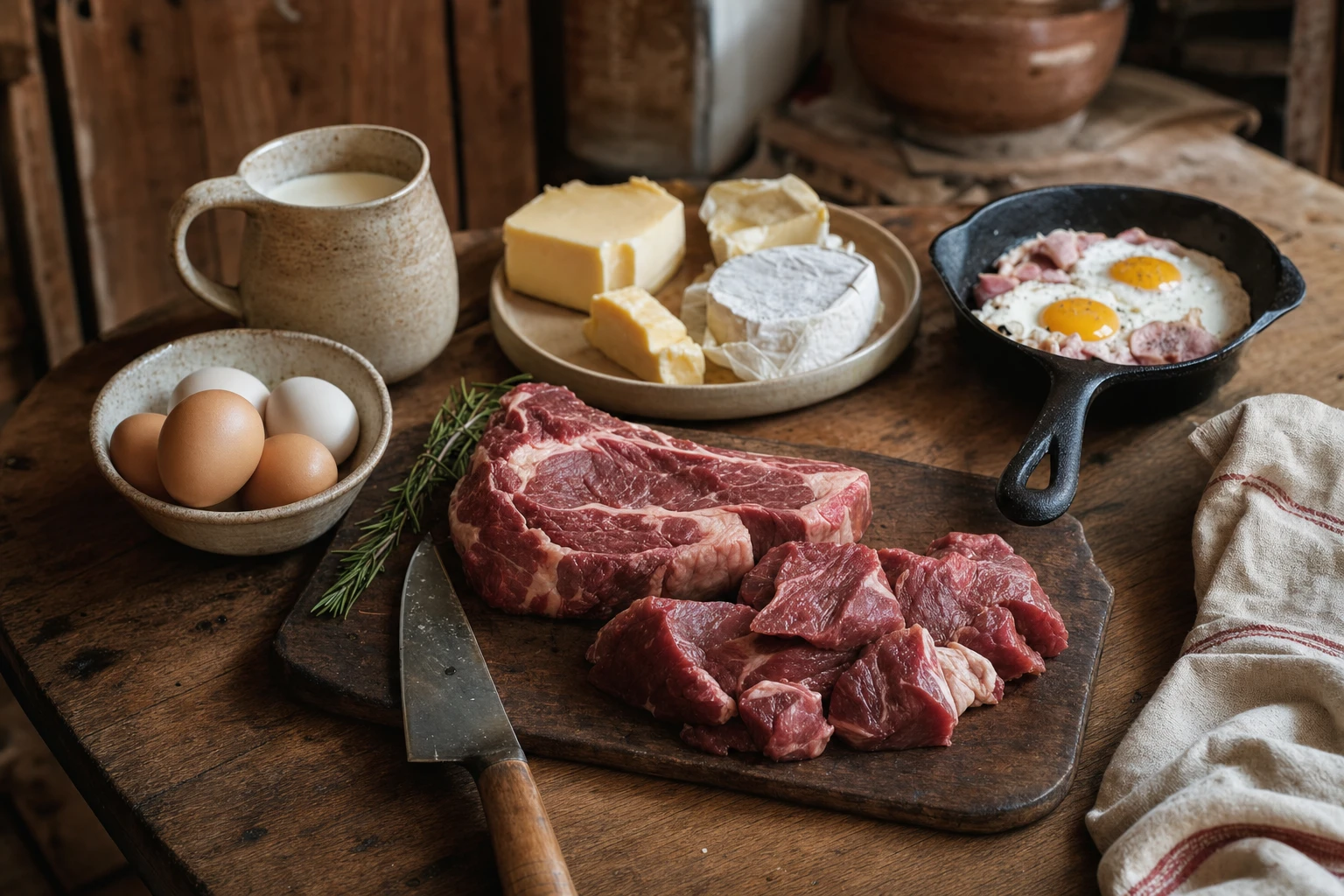
Start with meat. Red meat at least four to five times weekly. Beef, lamb, game. Cook it rare or medium-rare. The iron, zinc, creatine, and nutrients are preserved best with minimal cooking.
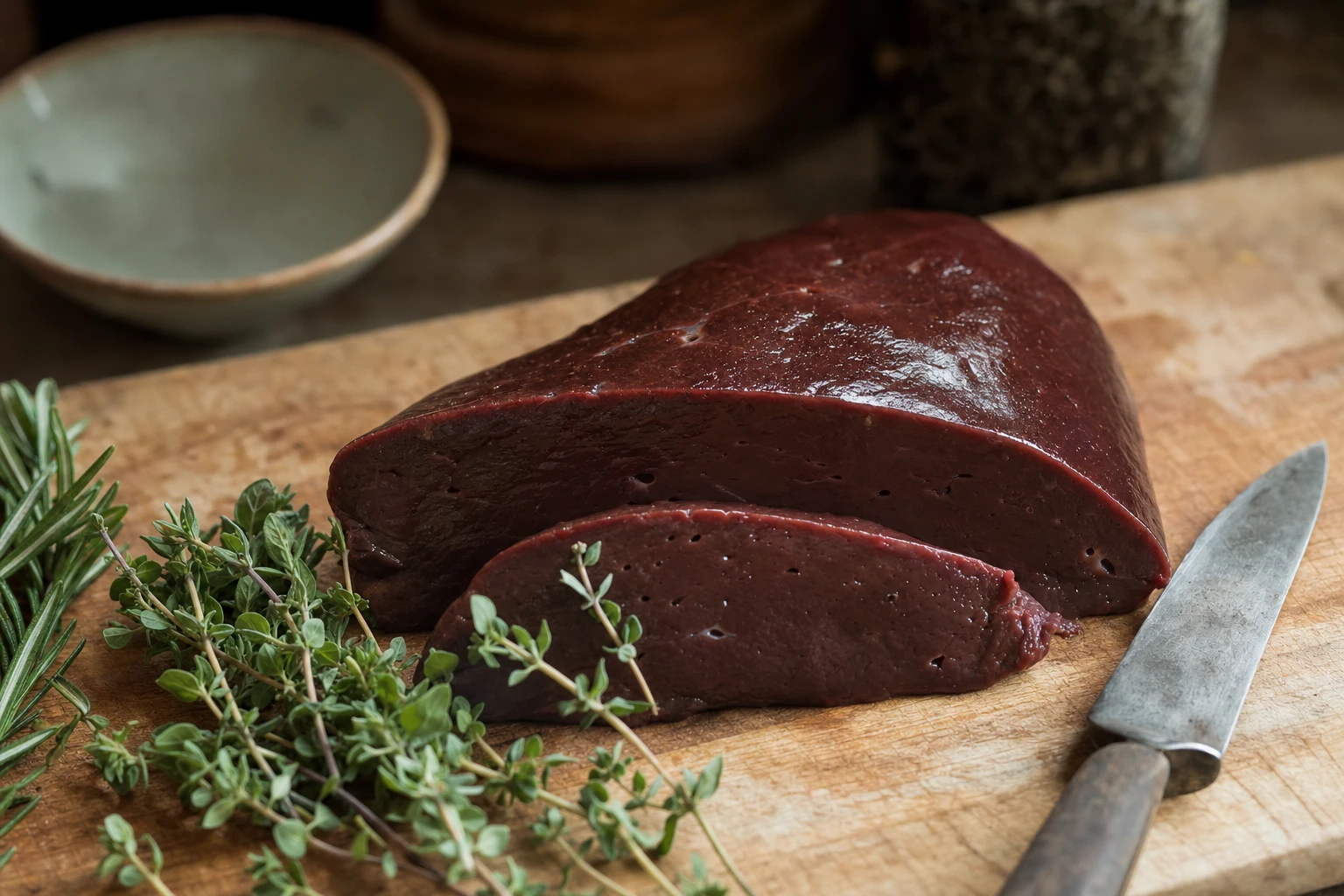
Include organ meats. Liver once weekly delivers more nutrients than any other food. It's the closest thing to a multivitamin that exists in food form.
Eat eggs daily. The whole egg, yolk included. Three to five eggs daily is appropriate for a man training hard or trying to optimise health.
Include full-fat dairy if you tolerate it. Milk, butter, cheese. The fat is where the nutrition is.
Include fish, especially fatty fish. Salmon twice weekly for omega-3 fatty acids and vitamin D.
Cook with butter, tallow, coconut oil, or olive oil. Avoid seed oils entirely. Seed oil consumption is directly correlated with testosterone decline and disease risk.
Get sunlight daily. At least thirty minutes of midday sun exposure for vitamin D synthesis. This matters more for testosterone and mood than nearly any other intervention.
Sleep. Seven to eight hours, consistently. Testosterone is synthesised during sleep. A man sleeping five hours is producing a fraction of what his body requires.
Train strength three to four times weekly. Progressive resistance training is the strongest signal for testosterone production. It must be challenging and consistent.


1 of 9
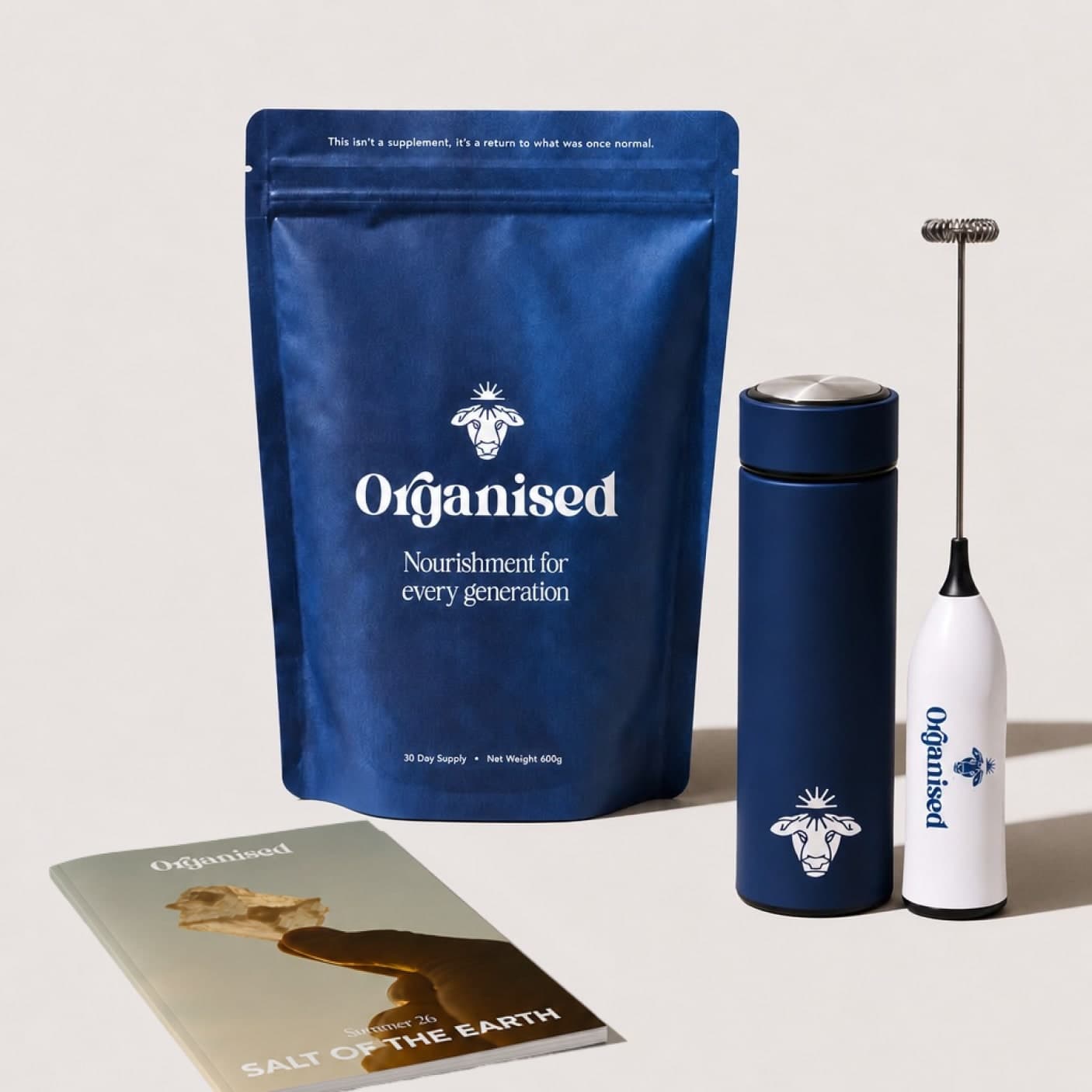
Daily blend
100,000+ thriving families4.9 on Trustpilot
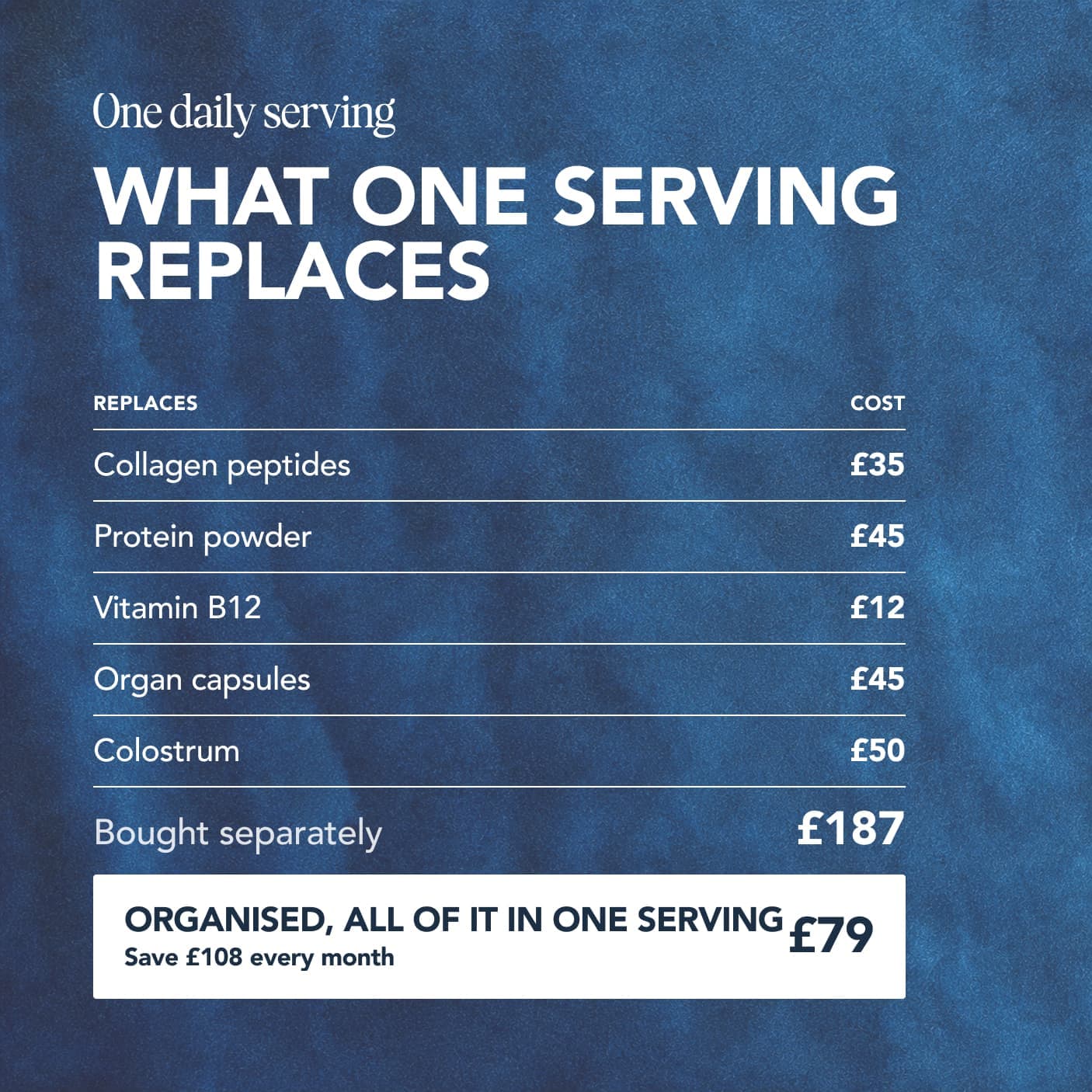
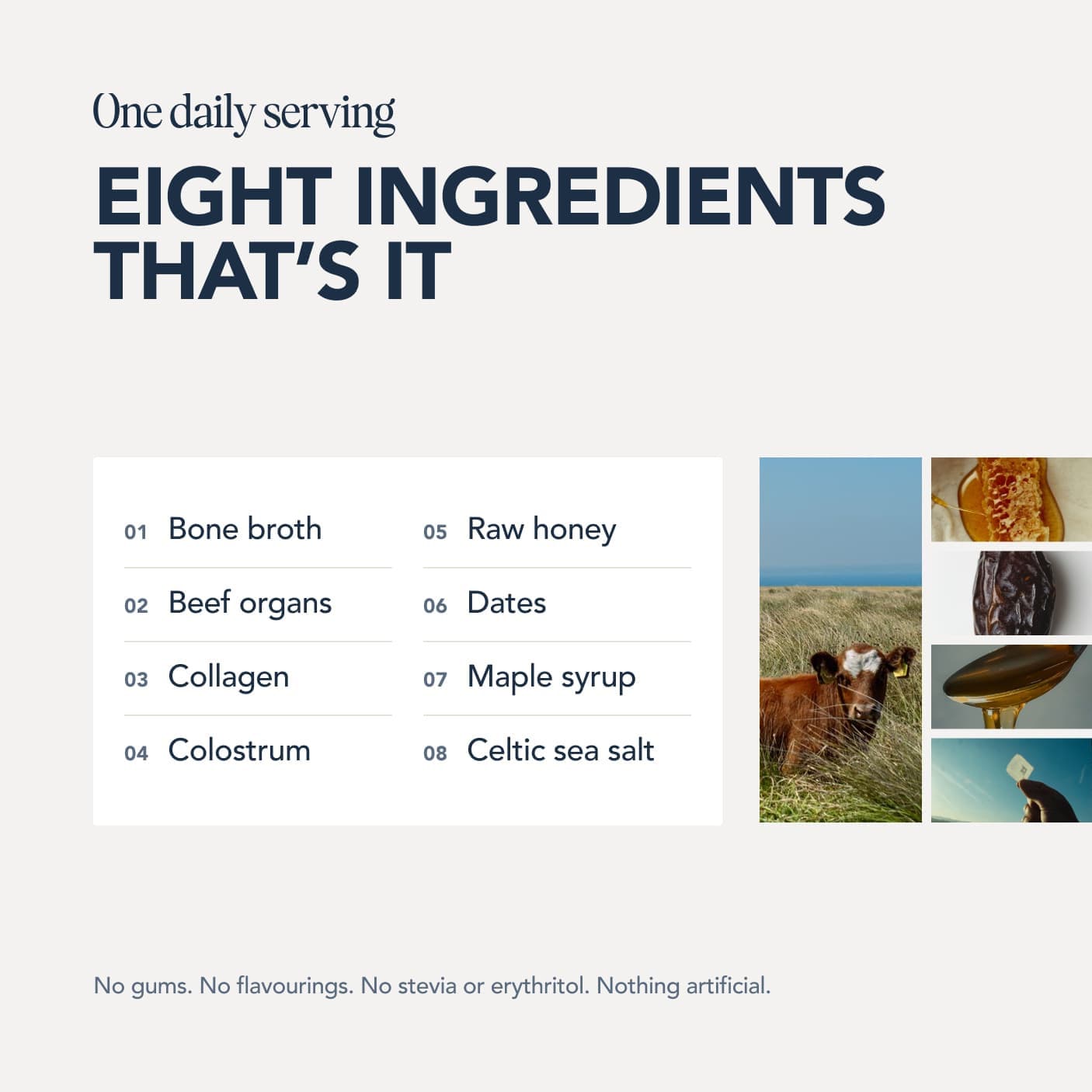
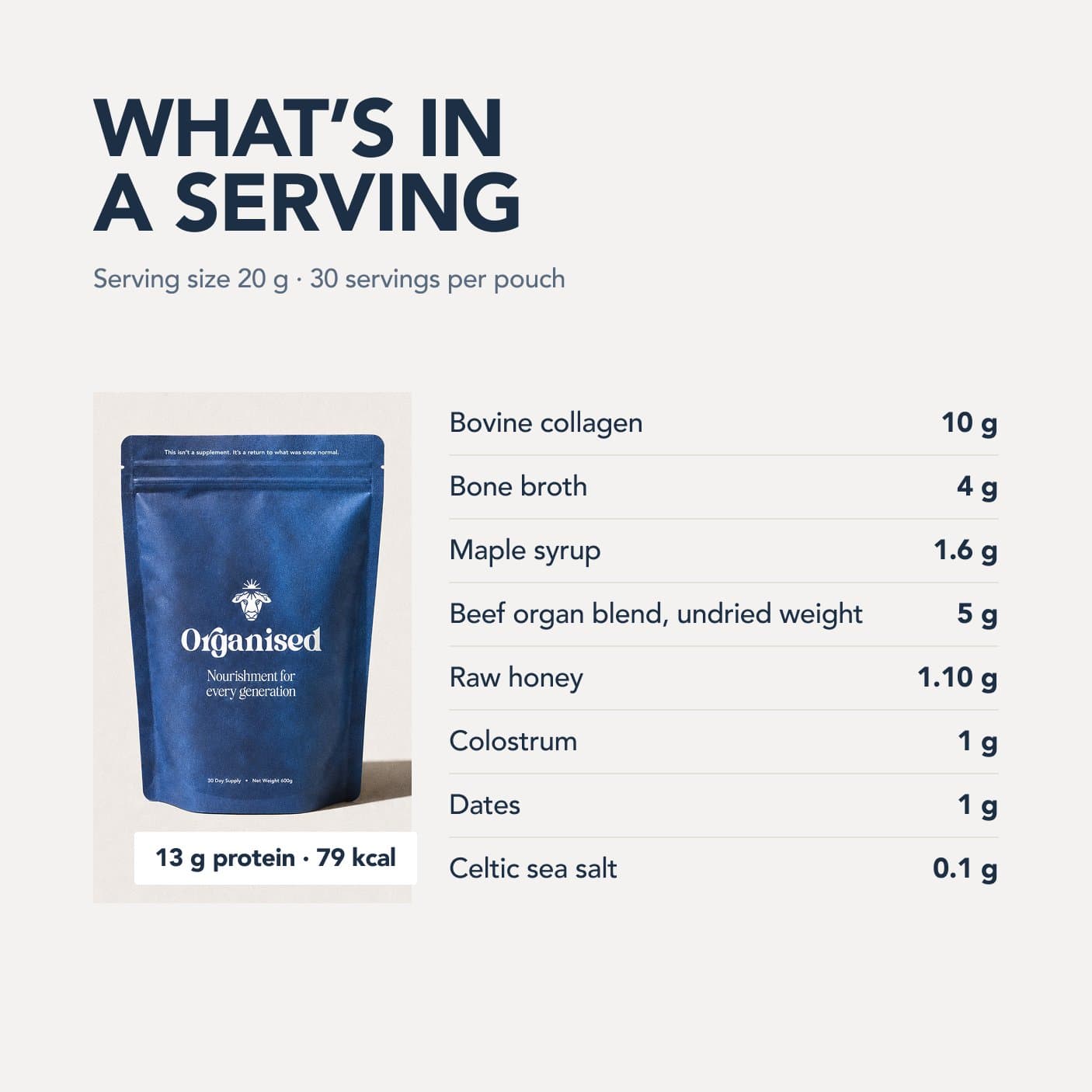
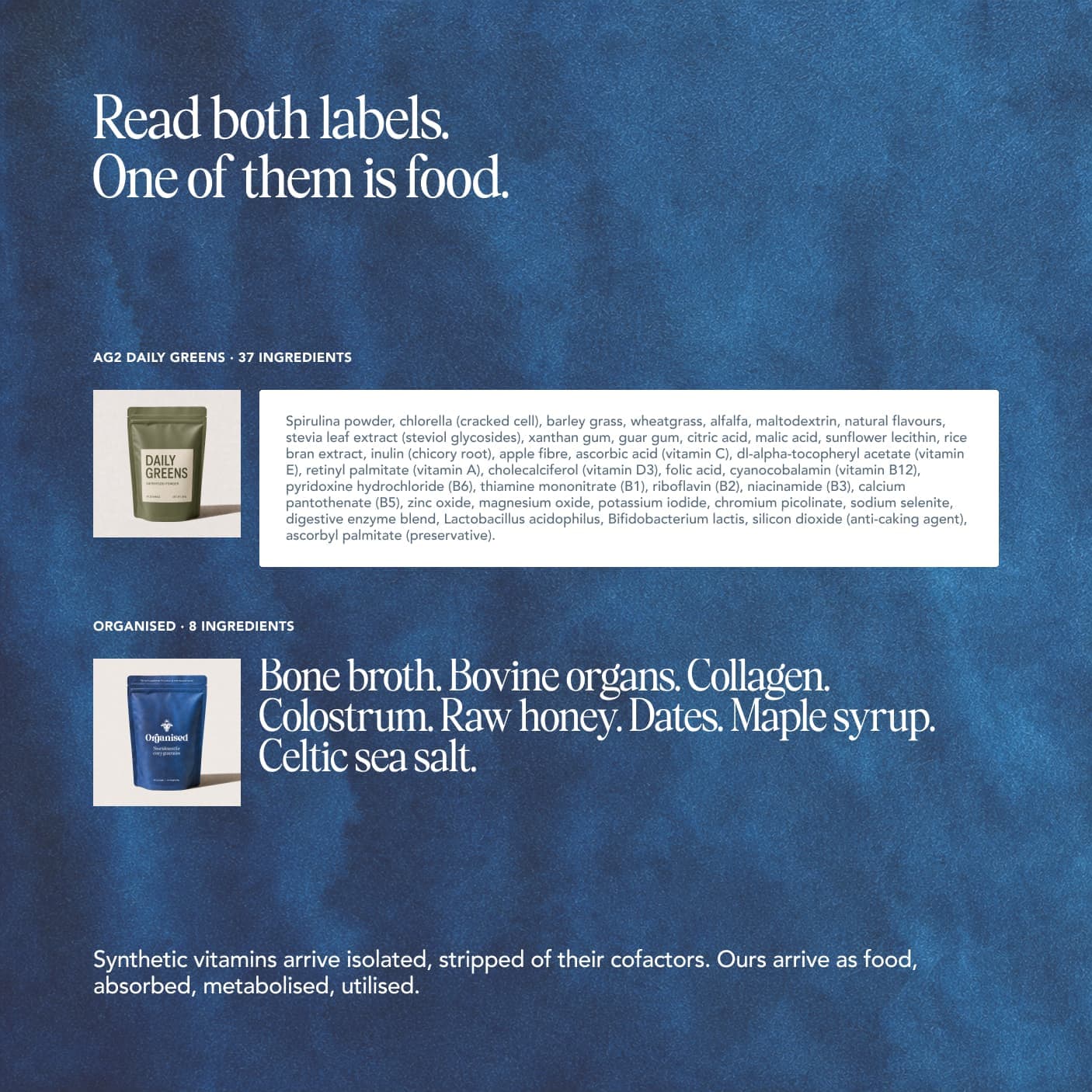
Eight real ingredients built around grass-fed beef organs, collagen and colostrum. Nothing synthetic added.
Free with your first order, worth £38. Plus £10 off the pouch with a subscription.

Free UK shipping · Made in England · 100 day money back guarantee on your first pouch · Skip, pause or cancel anytime
The bottom line
A man's health in middle age is not inevitable decline. It's the accumulated result of thousands of daily choices about what to eat, when to sleep, and how to move.
Men who eat real food, prioritise strength training, sleep well, and get sunlight have testosterone, sexual function, cardiovascular health, and prostate health that look nothing like the population averages. They're not genetically superior. They've just made different choices.
If you're experiencing low energy, declining sexual function, difficulty building muscle, or general health malaise, the first place to look is nutrition. Are you eating adequate animal foods? Are you getting enough zinc, magnesium, and saturated fat? Are you sleeping? Are you training strength?
These changes work remarkably fast. Within weeks, energy returns. Within months, strength improves and sexual function normalises. Within a year, blood work normalises and disease risk begins to decline.
Remove the obstacles, and your body will serve you well for decades. It's not complicated. It's just consistent.
The recovery timeline
Changes happen faster than you might expect. Within one to two weeks of eliminating seed oils and increasing red meat, many men report improved energy and mental clarity. Within one month, sleep often improves and mood lifts. Within two to three months, strength gains accelerate and sexual function typically improves. Within six months, blood work often shows normalised inflammation markers and improved lipid profiles. Within a year, disease risk markers have often shifted dramatically.
The changes are not from any single intervention. They're from the cumulative effect of multiple nutritional and lifestyle improvements working together. But they're real, measurable, and consistent.
Start now. Start today. Feed yourself like your life depends on it. Because it does.
References
Every source below was checked on 27 August 2026. Each PubMed, PMC and DOI identifier was resolved against NCBI or Crossref, and what it opens is printed under the citation, so you can see the link goes where the citation says without leaving the page. Where a citation and its identifier disagreed, the citation was corrected to the record or the reference was deleted along with the sentence marker that pointed at it, and where the resolved paper turned out not to support the sentence, the sentence was cut back to what it does support. Borrowed authority is worse than none, because it looks like rigour.
- Travison TG et al. A population-level decline in serum testosterone levels in American men. Journal of Clinical Endocrinology & Metabolism, 2007. PMID 17062768.Checked 27 August 2026: PMID 17062768 opens Travison TG, Araujo AB, O'Donnell AB et al, A population-level decline in serum testosterone levels in American men. J Clin Endocrinol Metab 2007;92(1):196-202.
- Miller WL, Auchus RJ. The Molecular Biology, Biochemistry, and Physiology of Human Steroidogenesis and Its Disorders. Endocrine Reviews, 2011. PMID 21051590.Checked 27 August 2026: PMID 21051590 opens Miller WL, Auchus RJ, The molecular biology, biochemistry, and physiology of human steroidogenesis and its disorders. Endocr Rev 2011;32(1):81-151. PubMed indexes it as: Review.
- National Institutes of Health, Office of Dietary Supplements. Zinc — Health Professional Fact Sheet.
- National Institutes of Health, Office of Dietary Supplements. Vitamin D — Health Professional Fact Sheet.
- National Institutes of Health, Office of Dietary Supplements. Selenium — Health Professional Fact Sheet.
Who wrote and reviewed this guide
Niall Kiddle
Author · Founder, Organised
Niall is the founder of Organised. He started the company in 2024 after fixing his own health the slow way: in 2022 he swapped a cupboard of synthetic supplements for real food, raw milk, organ meats, bone broth and honey, and felt the difference within months.
Areas of expertise: Ancestral nutrition, Organ meats, Whole-food supplementation, Gut health, Regenerative sourcing
Read Niall's full profile
Pedro Rodrigues
Reviewer · Agronomist (farming and sourcing only)
Pedro is the agronomist Organised works with on farming and sourcing. His job on the guides is to keep the science honest: he reviews what we publish about soil health, regenerative agriculture, grazing and the way food is actually produced.
Areas of expertise: Regenerative agriculture, Agronomy, Soil health, Grass-fed farming, Food sourcing
Reviewed this guide on
Read Pedro's full profileMore on men's health
View allBrowse the guides library
All guidesKeep reading

Life stage
Why Teenage Girls Are at the Highest Risk of Iron Deficiency
Teenage girls lose iron through menstruation and growth. Learn why deficiency is common and which foods restore it fastest.

Life stage
Prostate Health and Nutrition: What the Research Shows
Zinc, selenium, lycopene, and prostate health. What the research actually shows about nutrition and the ageing prostate.

Life stage
Why Children Need More Nutrient-Dense Food (Not More Vitamins)
Gummy vitamins and supplements can't compete with whole food. Here's why nutrient density matters more than multivitamins for children.
Real food, made effortless
Find my daily blendA few ways to use it
All recipes
Whole Food Snacks for Busy Days
Practical whole food snacks that travel well and sustain energy. No refined carbs, no seed oils. Real food options for when you're busy.

How to Make Bone Marrow Butter
Roast grass-fed marrow bones, scoop the marrow, and mix with butter and herbs. A nutrient-dense spread with fat-soluble vitamins.

Organised Chia Pudding with Raw Honey and Berries
A no-cook chia seed pudding made with raw milk, collagen, berries, and raw honey. Prep it the night before and eat for breakfast.


 Join over 100,000+ members
Build a better food system with us
The Organised community is thousands of people choosing real food and backing the farmers who grow it, all of us trying to leave the world a little better than we found it. If that is what you care about too, you belong here.