Iron Needs During Pregnancy: Why Heme Iron Makes a Difference
Your iron demands during pregnancy don't just increase. They nearly double. And yet most pregnancy guidance treats iron as a checkbox: take the supplement, eat some spinach, tick the box. Here's what most people get wrong.
By Niall Kiddle, Founder, Organised

Reviewed by Pedro Rodrigues, Agronomist (farming and sourcing only) ·
7 min read · Published · Updated · 5 cited sources
Makers of the Organised Daily blend, a grass-fed beef organ supplement from regenerative UK farms
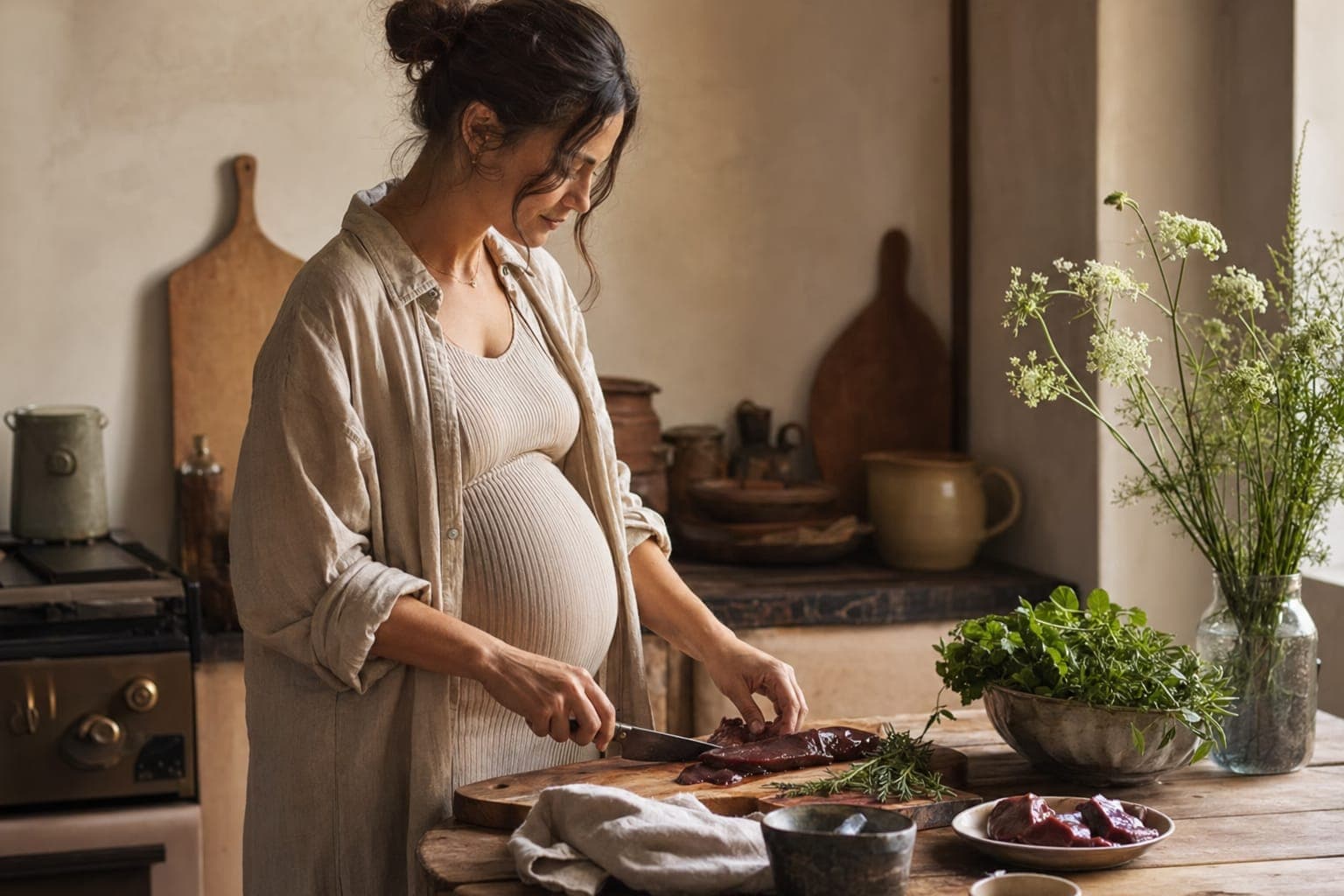
If you're pregnant, your blood volume expands by up to 50 per cent, which means your body needs roughly double the iron to make all those new red blood cells.1 This isn't a minor inconvenience. Iron deficiency in pregnancy is linked to premature delivery, low birth weight, and reduced cognitive development in infants.1 The stakes are genuinely high. But here's the overlooked part: not all iron is absorbed equally, and the iron supplement most doctors prescribe sits somewhere between ineffective and actively harmful to digestion.
Why your body needs more iron in pregnancy
Let's start with the mechanism. In pregnancy, your plasma volume expands dramatically. Your heart pumps harder. Your body is essentially preparing to feed two organisms through one set of blood vessels. That requires haemoglobin, the protein in red blood cells that carries oxygen.
A non-pregnant woman needs around 18 milligrams of iron daily. A pregnant woman needs 27 milligrams.1 That's not a suggestion. Your body will take iron from your own stores to ensure the baby gets what it needs, which is why many women emerge from pregnancy severely depleted. But here's what makes this genuinely frustrating: the standard pharmaceutical approach to pregnancy iron is crude. Ferrous sulphate supplements deliver iron, yes, but they also commonly cause constipation, nausea, and stomach cramping. Women often reduce the dose or stop taking it because they feel worse. The intended solution backfires.
Not all iron is created equal. The form matters more than the amount on the label.
Heme iron versus non-heme iron: the absorption story
Iron exists in two forms in food: heme and non-heme. This distinction is everything.
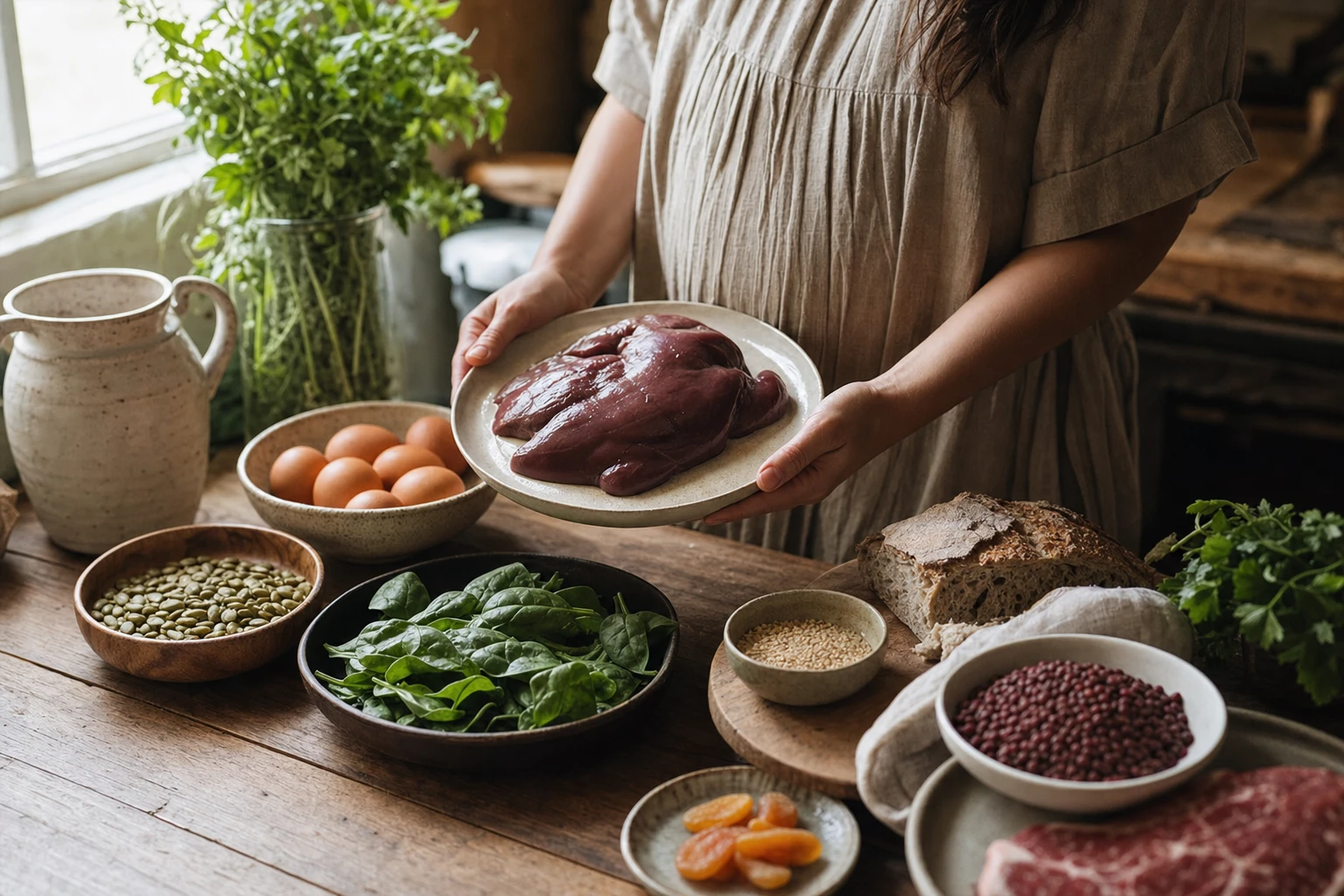
Heme iron comes exclusively from animal products: red meat, fish, poultry, and organ meats. Your body absorbs heme iron at a rate of 15 to 35 per cent.2 It's absorbed directly by a dedicated pathway in your intestines that doesn't get significantly affected by what else you're eating. Non-heme iron comes from plant sources like leafy greens, beans, fortified grains, and lentils. Your body absorbs only 2 to 20 per cent of non-heme iron. And here's the critical bit: absorption is blocked by substances in plant foods like phytates, polyphenols, and calcium. A bowl of spinach sounds iron-rich until you realise your body might only absorb 2 to 3 per cent of what's there.
This matters intensely during pregnancy. If you're relying on plant-based iron sources, you're fighting basic physiology. A serving of red meat delivers more absorbable iron than a mountain of spinach ever could. This isn't a value judgment about plant foods. It's simply biology.
How your spleen changes everything
Your spleen isn't just sitting there. During pregnancy, your spleen expands and becomes far more metabolically active. It's essentially a blood-building organ, recycling old red blood cells and supporting the creation of new ones. When you eat heme iron, particularly from organ meats like liver and spleen, you're feeding exactly the mechanism your body is trying to amplify. Liver contains not just iron but also folate, B12, and copper. All of these are critical cofactors in red blood cell production. Spleen is particularly rich in iron and works almost like a natural blood builder.
Compare this to a ferrous sulphate supplement, which delivers iron in isolation without the supporting nutrients. Your body has to work harder to utilise it, and the side effects are more common.
If you're pregnant and iron-deficient, liver isn't a nice-to-have. It's a genuine intervention.
Iron sources that actually work
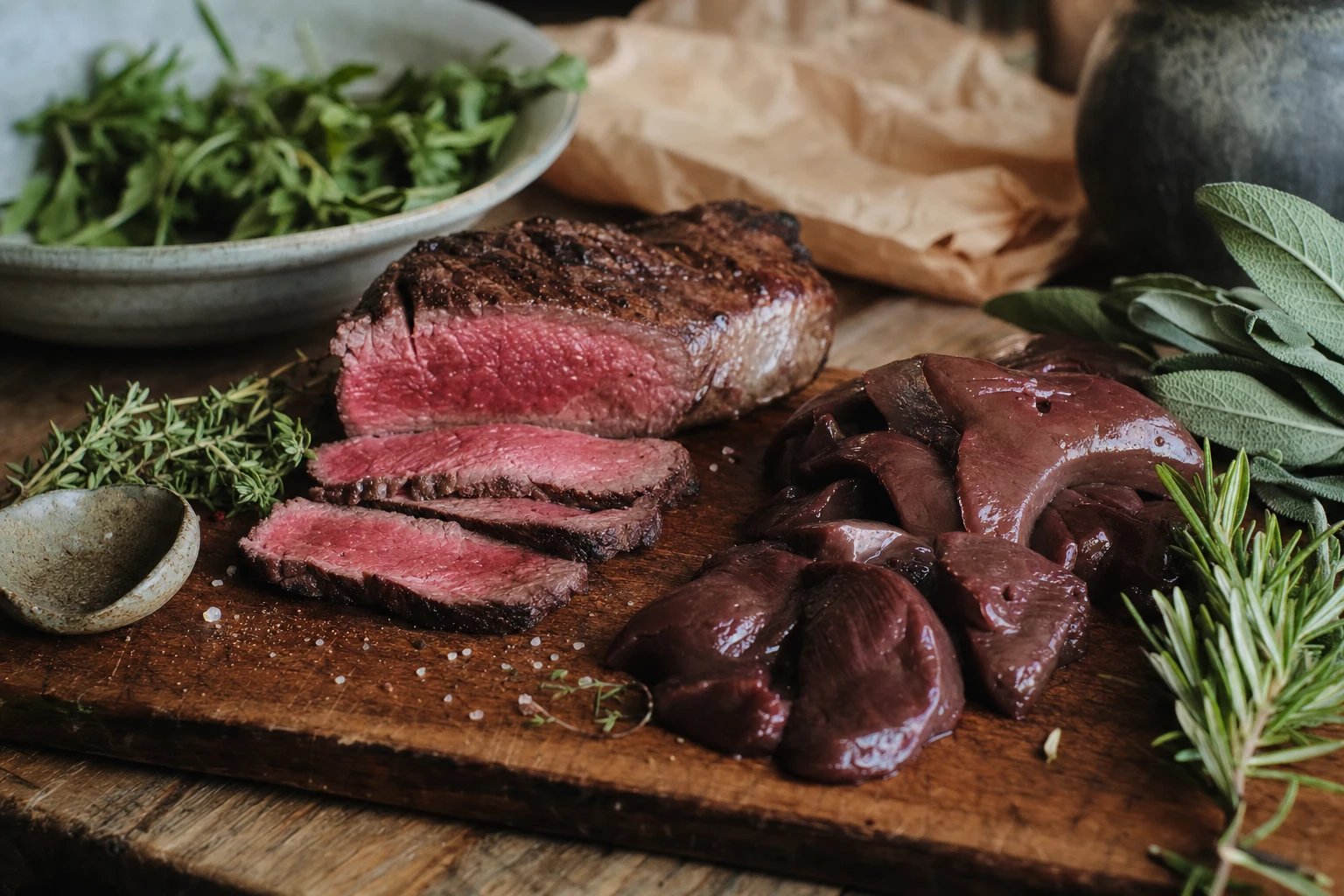
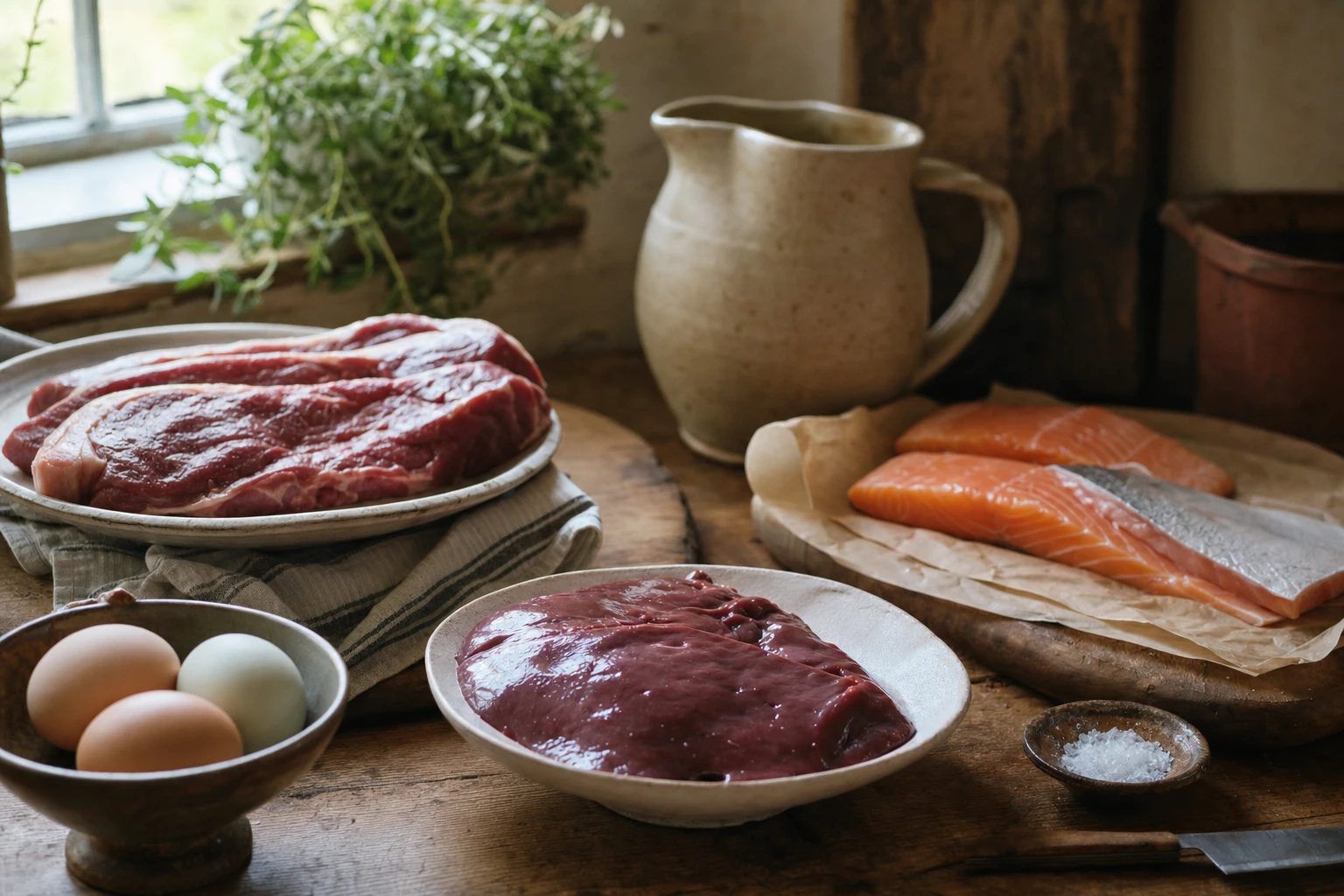
The clearest sources of absorbable iron during pregnancy are animal foods. Beef and lamb contain heme iron at densities of 1.5 to 3.5 milligrams per 100 grams, plus B12 and selenium. Regular consumption three to four times weekly makes a measurable difference. Liver is the most nutrient-dense option available. A small 100-gram serving contains 5 to 36 milligrams of iron depending on the source animal, plus folate and copper. Even once or twice weekly shifts your iron status significantly. Spleen is exceptionally rich in iron and has traditionally been used to support blood recovery. It works like a natural blood builder. Fish and shellfish like mackerel and sardines provide heme iron plus omega-3 fats. Oysters and clams are exceptionally iron-dense but require careful sourcing during pregnancy. Eggs contain iron in the yolk, plus choline which is essential for fetal brain development. Eggs alone won't meet your iron needs, but they're a reliable daily contribution.
Practical strategies for iron throughout pregnancy
If you're pregnant, approaching iron intentionally from the second trimester onward makes sense. Your needs spike, and your stores deplete quickly if you're not replacing what you're losing. Aim for heme iron sources at least three to four times weekly.3 A dinner built around beef, lamb, or liver delivers more absorbable iron than weeks of plant-based eating. If you dislike liver, consider mincing it finely into bolognese or meatballs. The taste disappears into the tomato sauce whilst the iron remains. Pair iron-rich foods with vitamin C like citrus, tomatoes, or berries if you're eating non-heme sources, as vitamin C enhances absorption. But don't rely on this pairing to solve the fundamental absorption gap. Animal foods remain superior. Avoid coffee and tea immediately before or after iron-rich meals, as they contain polyphenols that inhibit non-heme iron absorption. This matters less with heme iron, but the habit supports overall iron status.
Get life-stage nutrition guides, free
Two short reads a week on eating well through pregnancy, childhood and older age.
By signing up you agree to receive emails from us. No spam, unsubscribe anytime.
When supplementation makes sense
If your blood work shows anaemia with haemoglobin below 10.5 grams per decilitre, supplementation is worth considering. But ask your GP or midwife about ferrous bisglycinate instead of ferrous sulphate. It's absorbed better and causes fewer digestive side effects. Better still, use supplementation as a bridge whilst you increase dietary iron. If you take a supplement, take it with food contrary to standard advice to reduce nausea, and separate it from calcium-rich foods or supplements by at least two hours. Some women find liquid iron supplements gentler than tablets. Others respond better to slower-release formulas. The goal is consistency, and if you feel ill, you won't stick with it.
Iron status in pregnancy isn't just about numbers on a blood test. It's about your energy, your delivery, and your postpartum recovery. It deserves attention.
The bottom line
Your iron needs during pregnancy are real and substantial. Heme iron from animal products is absorbed at rates five to ten times higher than non-heme iron from plants. If you're pregnant or planning pregnancy, prioritise red meat, fish, and liver. These aren't optional extras. They're nutritional medicine. Pair this with occasional supplementation if blood work indicates anaemia, and you'll emerge from pregnancy with depleted but manageable reserves rather than severe deficiency. Your body knows what it's doing. Give it the iron it's asking for.
Remember: iron status before pregnancy fundamentally matters for everything that follows. Start eating heme iron sources now consistently if you're planning to conceive. If you're already pregnant and anaemic, act immediately. Your baby's entire nervous system development depends on adequate oxygen delivery, which depends entirely on iron.
1 of 9
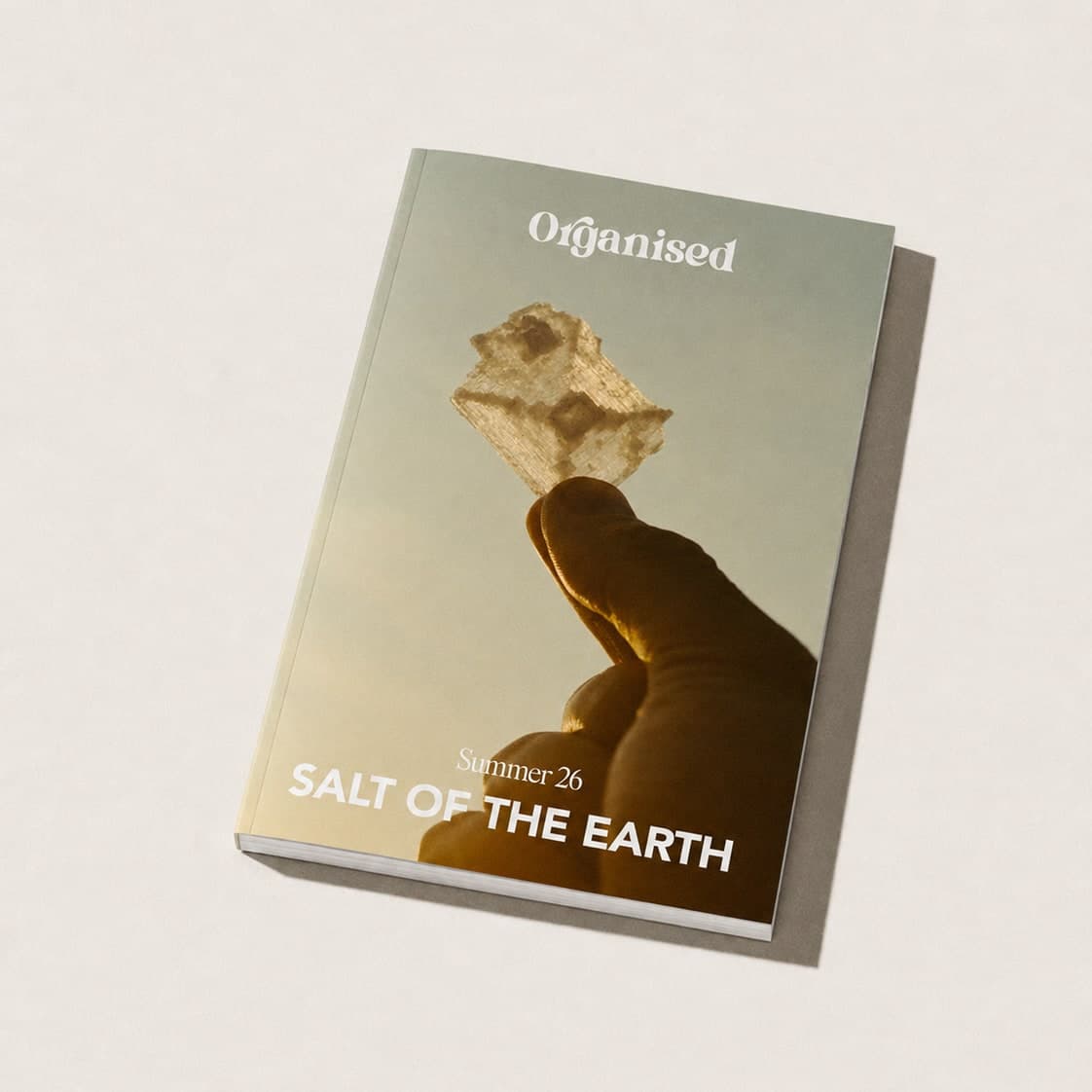
Daily blend
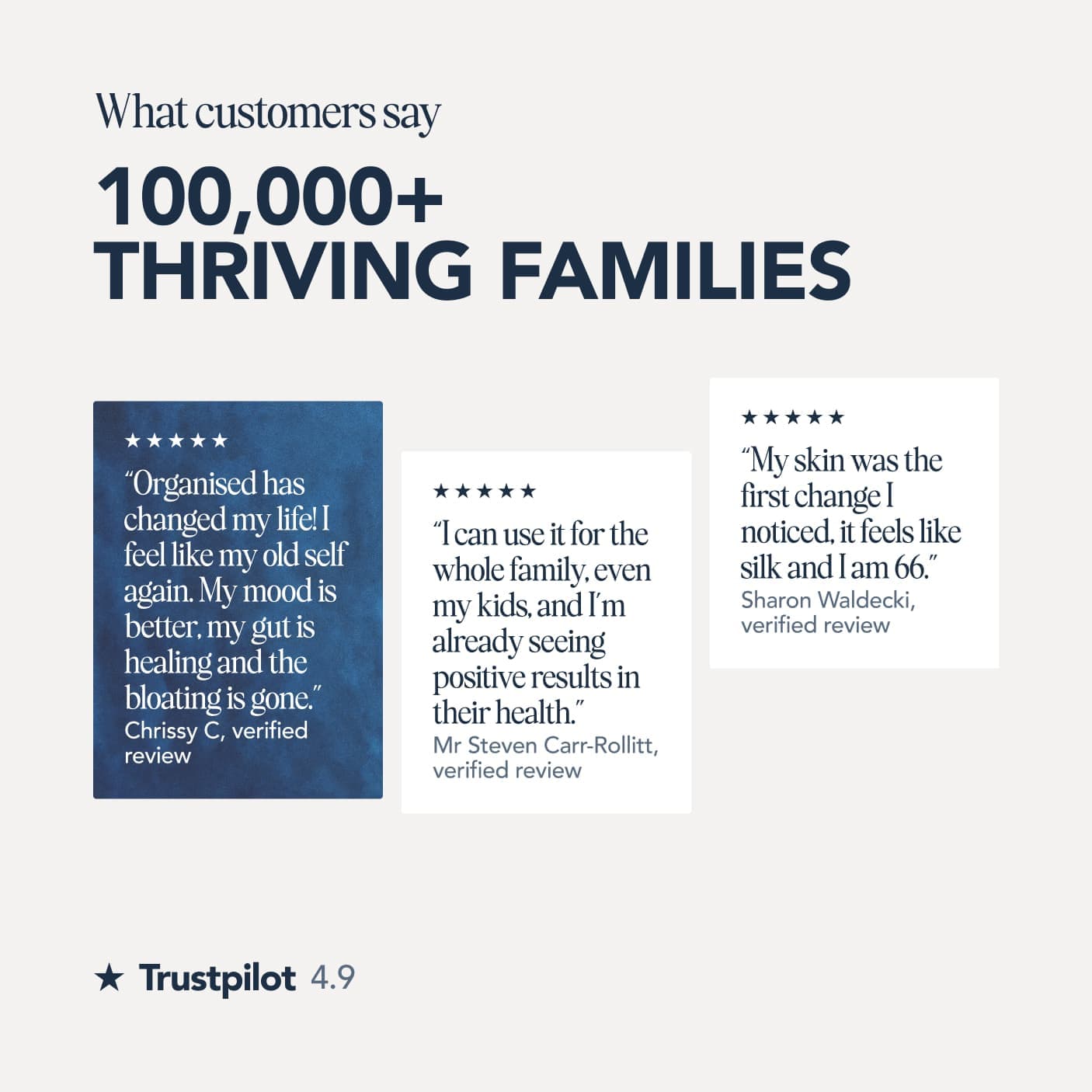
100,000+ thriving families4.9 on Trustpilot
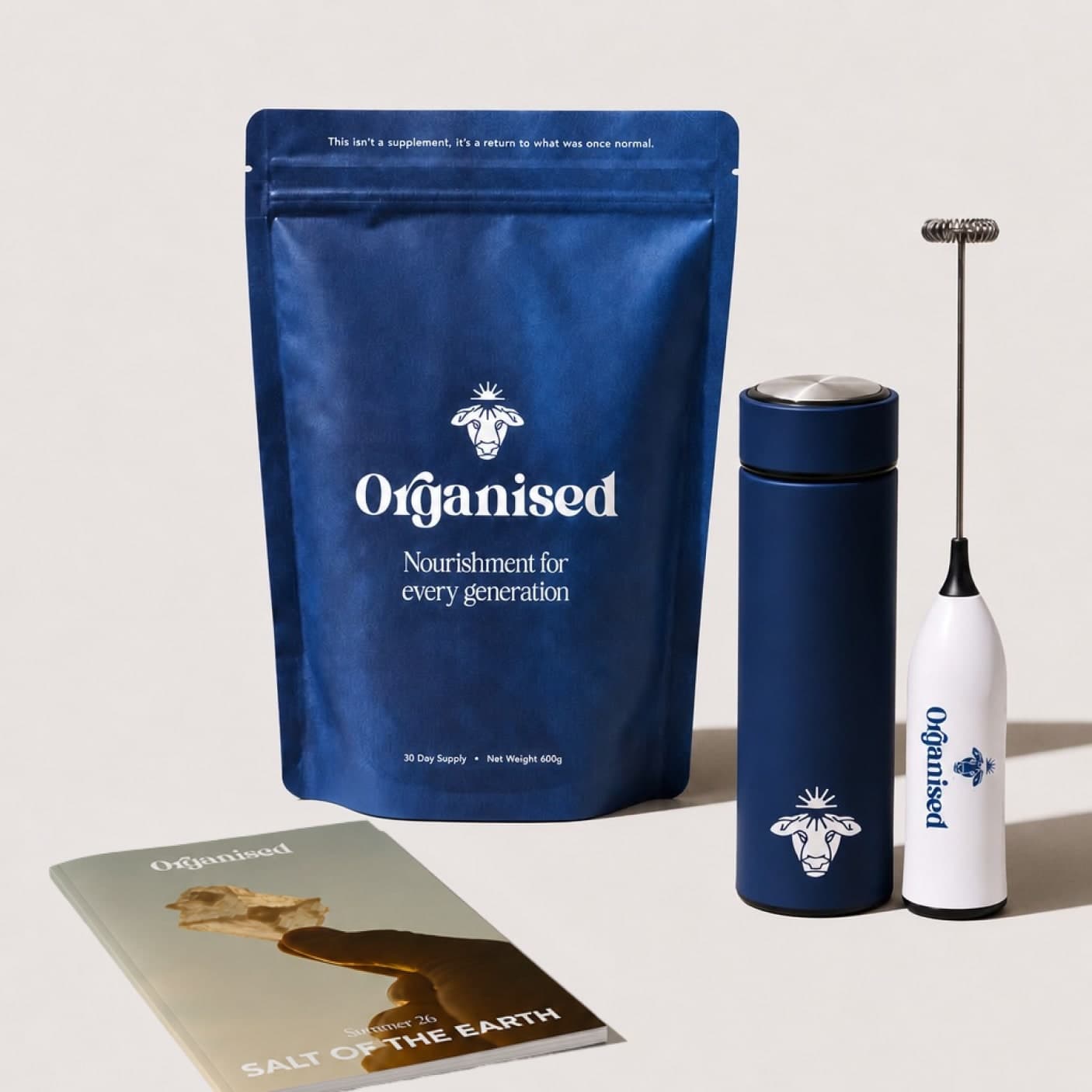
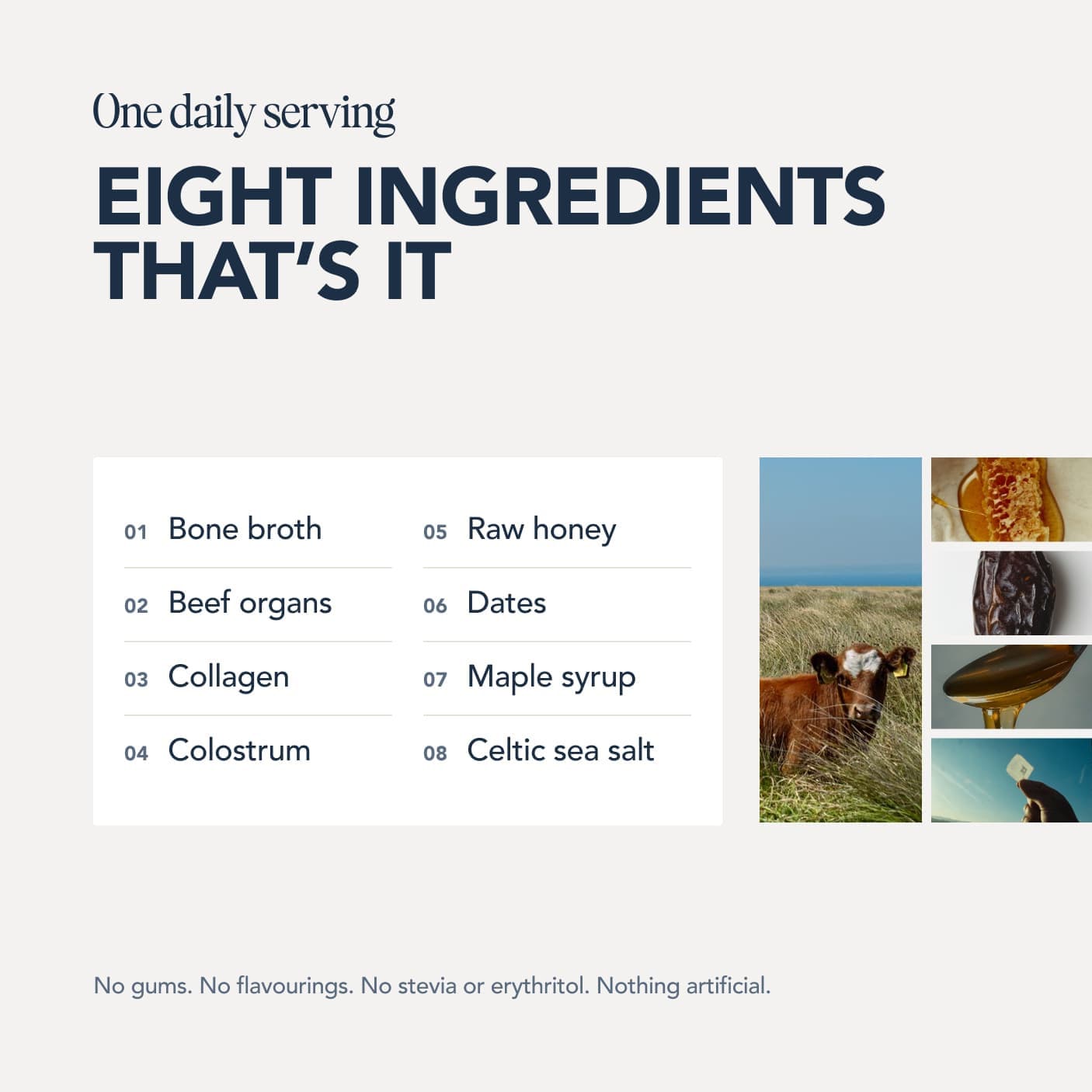
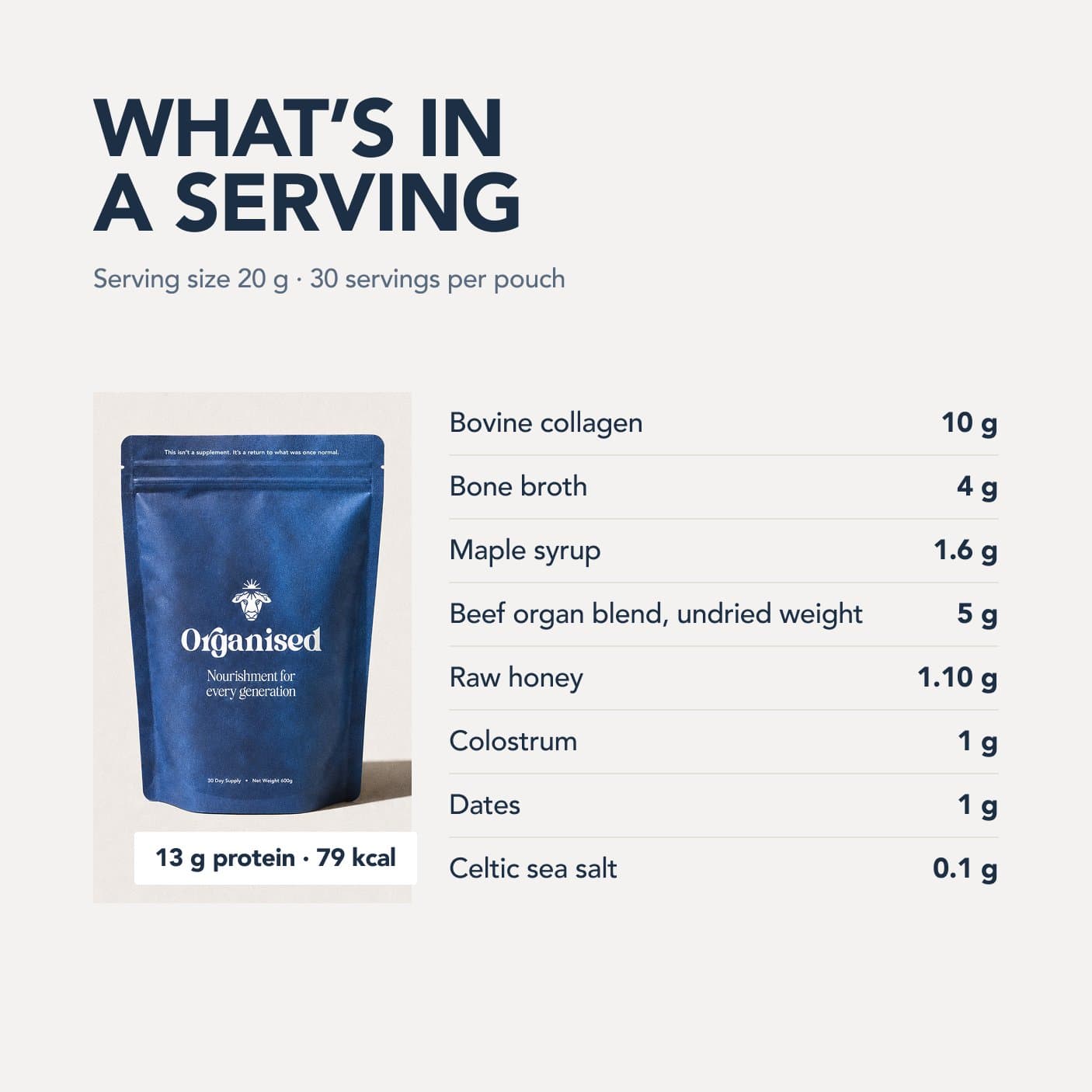
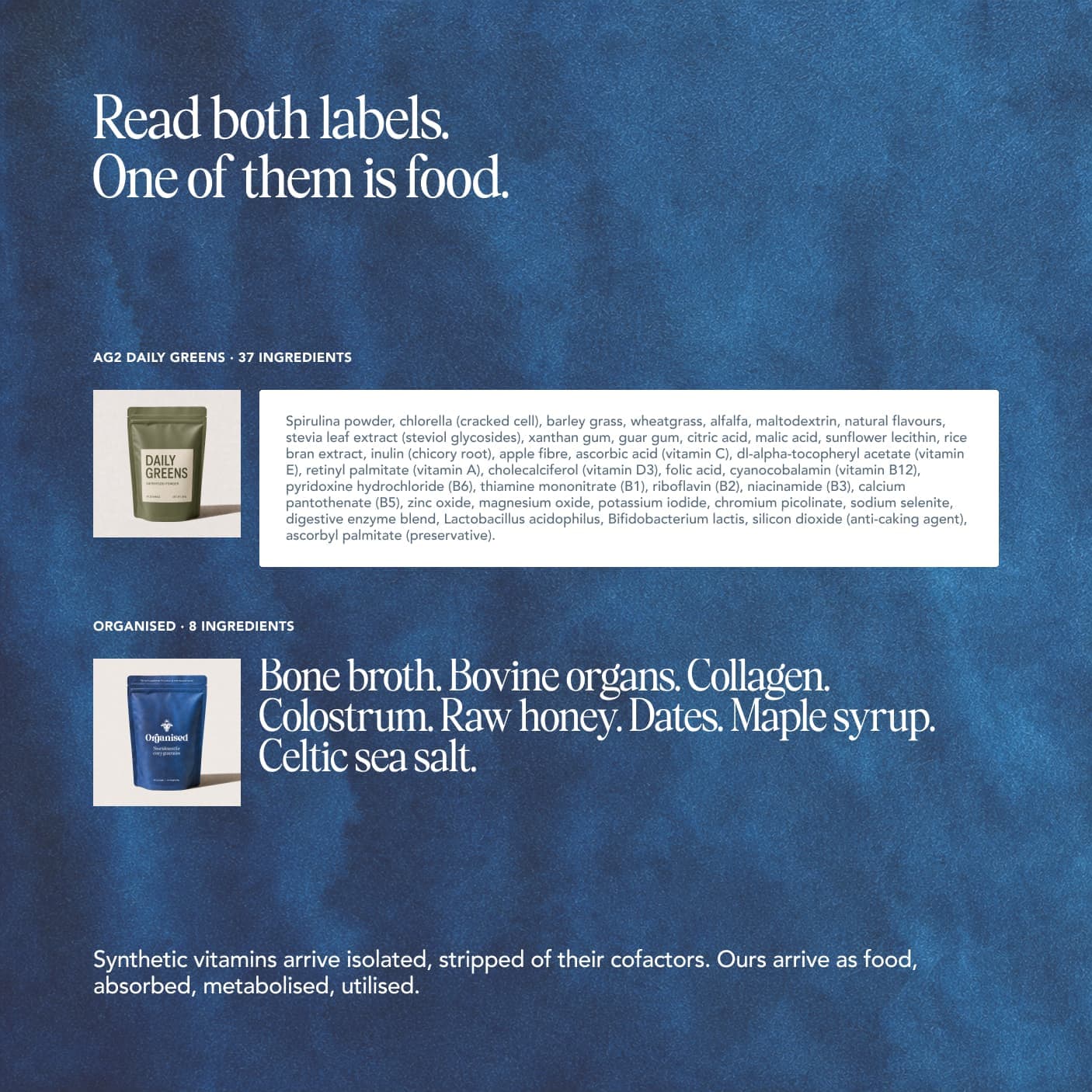
Eight real ingredients built around grass-fed beef organs, collagen and colostrum. Nothing synthetic added.
Free with your first order, worth £38. Plus £10 off the pouch with a subscription.
Free UK shipping · Made in England · 100 day money back guarantee on your first pouch · Skip, pause or cancel anytime
On UK NHS guidance and liver in pregnancy
The NHS recommends pregnant women avoid liver and liver products entirely, on the grounds that liver is dense in preformed retinol and high doses of preformed retinol are teratogenic. That guidance errs heavily on the side of total avoidance. The published evidence is more specific.
The Rothman 1995 NEJM study, which underpins most modern retinol-in-pregnancy advice, found increased risk of birth defects in women whose chronic intake of preformed retinol exceeded roughly 10,000 IU per day (about 3,000 mcg RAE per day) during the first trimester. That figure is also the NIH ODS Tolerable Upper Intake Level for adults.
A 100-gram serving of cooked beef liver delivers roughly 7,800 to 11,100 mcg RAE depending on preparation (USDA FoodData Central; NIH ODS). The published threshold is for chronic daily intake, not for a single serving — Rothman 1995 explicitly framed the risk around habitual intake during the first trimester, not occasional consumption. A 30-gram serving once a week averages around 330 mcg RAE per day across the week, well below the 3,000 mcg/day UL. Even a 50-gram weekly portion averages around 600 mcg per day. Traditional pregnancy diets observed by Weston Price across multiple cultures included occasional liver as a sacred food, in portions and frequencies consistent with this weekly-average framing rather than daily heavy consumption.
Our position: the brand recommends small, occasional liver servings (30 to 50 grams once or twice a week) for pregnant and preconception women who choose to include it, alongside the rest of a nutrient-dense whole-food diet. If you want to follow NHS guidance and avoid liver entirely, you can still hit the same fat-soluble-vitamin profile through pastured egg yolks, grass-fed dairy and modest amounts of cod liver oil. Discuss any pregnancy nutrition decision with your midwife or obstetrician, particularly if you are already supplementing with vitamin A, multivitamins containing retinol, or acne-treatment retinoids.
References
Every source below was checked on 27 August 2026. Each PubMed, PMC and DOI identifier was resolved against NCBI or Crossref, and what it opens is printed under the citation, so you can see the link goes where the citation says without leaving the page. Where a citation and its identifier disagreed, the citation was corrected to the record or the reference was deleted along with the sentence marker that pointed at it, and where the resolved paper turned out not to support the sentence, the sentence was cut back to what it does support. Borrowed authority is worse than none, because it looks like rigour.
- National Institutes of Health, Office of Dietary Supplements. Iron — Health Professional Fact Sheet.
- Hurrell R, Egli I. Iron bioavailability and dietary reference values. American Journal of Clinical Nutrition, 2010. PMID 20200263.Checked 27 August 2026: PMID 20200263 opens Hurrell R, Egli I, Iron bioavailability and dietary reference values. Am J Clin Nutr 2010;91(5):1461S-1467S.
- NHS. Foods to avoid in pregnancy.
- Rothman KJ, Moore LL, Singer MR, Nguyen UD, Mannino S, Milunsky A. Teratogenicity of high vitamin A intake. New England Journal of Medicine. 1995;333(21):1369-1373. https://pubmed.ncbi.nlm.nih.gov/7477116/Checked 27 August 2026: PMID 7477116 opens Rothman KJ, Moore LL, Singer MR et al, Teratogenicity of high vitamin A intake. N Engl J Med 1995;333(21):1369-73.
- National Institutes of Health, Office of Dietary Supplements. Vitamin A and Carotenoids: Fact Sheet for Health Professionals. https://ods.od.nih.gov/factsheets/VitaminA-HealthProfessional/ [accessed May 2026].
Who wrote and reviewed this guide
Niall Kiddle
Author · Founder, Organised
Niall is the founder of Organised. He started the company in 2024 after fixing his own health the slow way: in 2022 he swapped a cupboard of synthetic supplements for real food, raw milk, organ meats, bone broth and honey, and felt the difference within months.
Areas of expertise: Ancestral nutrition, Organ meats, Whole-food supplementation, Gut health, Regenerative sourcing
Read Niall's full profile
Pedro Rodrigues
Reviewer · Agronomist (farming and sourcing only)
Pedro is the agronomist Organised works with on farming and sourcing. His job on the guides is to keep the science honest: he reviews what we publish about soil health, regenerative agriculture, grazing and the way food is actually produced.
Areas of expertise: Regenerative agriculture, Agronomy, Soil health, Grass-fed farming, Food sourcing
Reviewed this guide on
Read Pedro's full profileMore on pregnancy & postpartum
View all- Nourishing Pregnancy with Whole Food Nutrition
- Postpartum Recovery Nutrition: Rebuilding After Birth
- Beef Organ Supplements and Pregnancy: Understanding Vitamin A Safety
- Breastfeeding and Nutrition: What to Eat to Nourish Two
- Folate vs Folic Acid: Why the Form Matters in Pregnancy
- Gestational Diabetes and Nutrition: What Helps and What Doesn't
- Morning Sickness and Nutrition: What Helps and What Makes It Worse
- Pregnancy Nutrition on Reddit: What Real Mums Recommend vs the Evidence
- Pregnancy Prep: Nutritional Foundations to Lay Before Conceiving
- Rebuilding Your Iron Stores After Birth
- The Best Foods to Eat in Each Trimester
- The Fourth Trimester: Why Mothers Need Organ Nutrition
Browse the guides library
All guidesKeep reading

Life stage
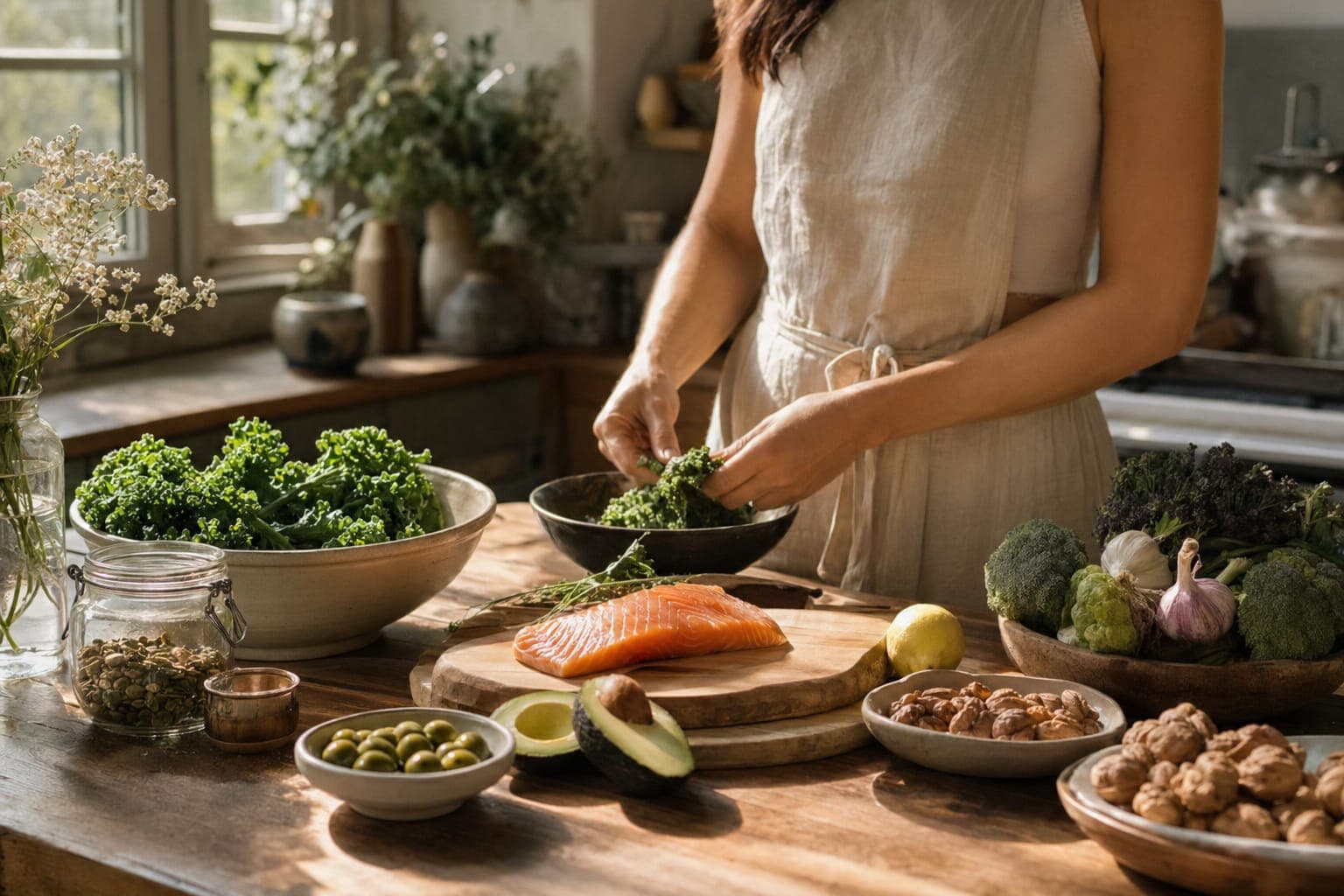
Cognitive Decline and Nutrition: Protecting Your Brain as You Age
Cognitive decline isn't inevitable. The nutrients you eat today protect your brain from decline years from now. Here's what the research shows.
Life stage
Endometriosis and Nutrition: An Evidence-Based Approach
Nutrition cannot cure endometriosis, but it can reduce pain and inflammation. Master anti-inflammatory fats, reduce seed oils, and eliminate xenoestrogens.
Life stage
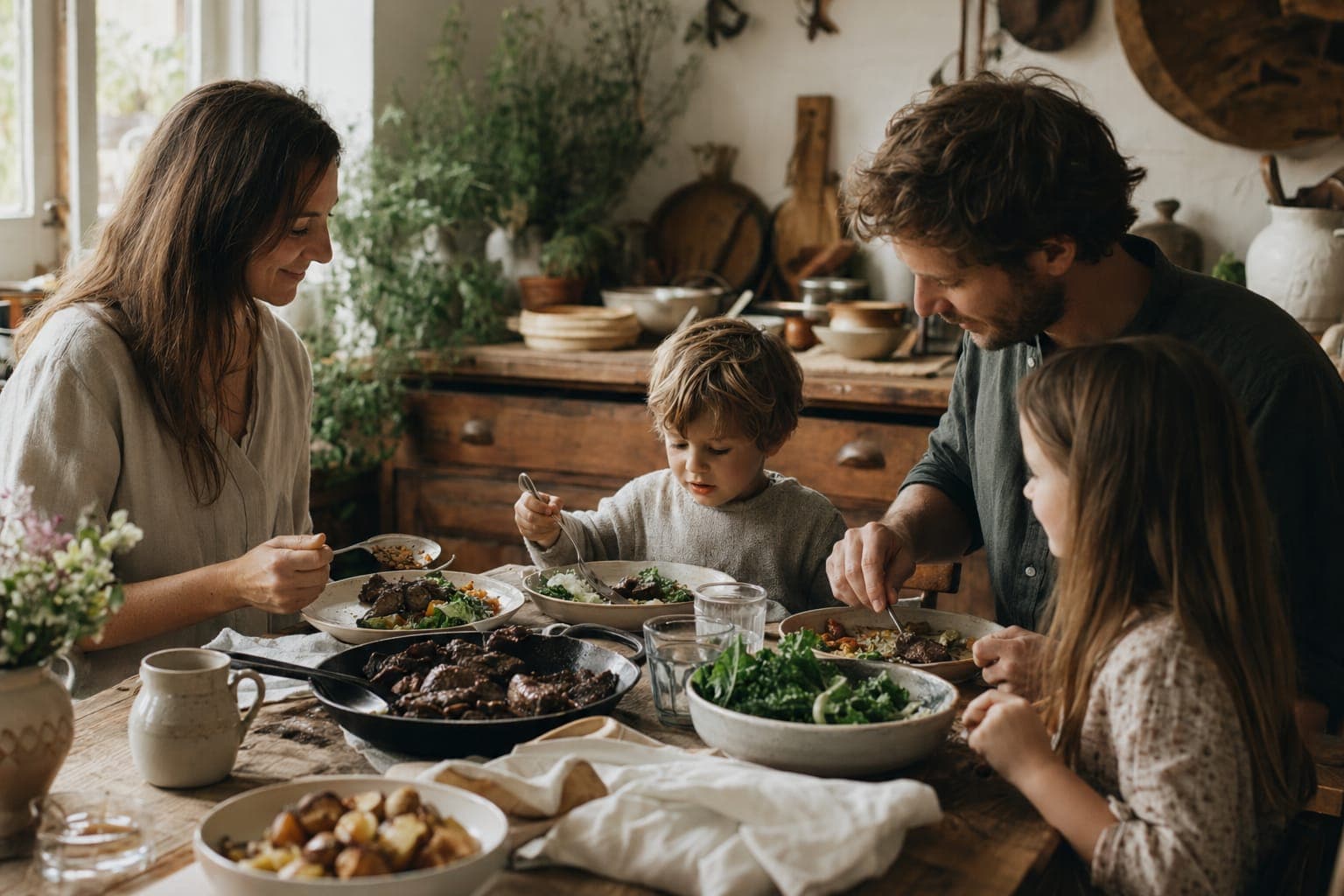
How One Serving Replaces 6+ Supplements for the Whole Family
A single serving of organ meat can deliver more real micronutrients than a handful of supplements. See exactly what beef liver replaces for the whole family.
Real food, made effortless
Find my daily blendA few ways to use it
All recipes
Energy Balls with Organised, Dates and Raw Honey
Make no-bake energy balls with Organised, dates, and raw honey. Perfect lunch box, pre-workout, or on-the-go snack. Simple recipe.
The Organised Recovery Smoothie for After Exercise
A recovery smoothie made with beef protein, raw milk, frozen berries, collagen, and honey. Optimal nutrition in the 30-minute window after exercise.
10 Ways to Use Organised That Aren't Just a Shake
Move beyond the basic shake. Discover 10 creative ways to use Organised in smoothie bowls, oats, yoghurt, baking, and more.


 Join over 100,000+ members
Build a better food system with us
The Organised community is thousands of people choosing real food and backing the farmers who grow it, all of us trying to leave the world a little better than we found it. If that is what you care about too, you belong here.