How One Serving Replaces 6+ Supplements for the Whole Family
Your kitchen cupboard probably contains multiple bottles: a multivitamin, iron, B-complex, omega-3, maybe a greens powder and a collagen supplement. A single serving of beef liver contains more bioavailable micronutrients than all of them combined.
By Niall Kiddle, Founder, Organised

Reviewed by Pedro Rodrigues, Agronomist (farming and sourcing only) ·
6 min read · Published · Updated · 4 cited sources
Makers of the Organised Daily blend, a grass-fed beef organ supplement from regenerative UK farms

What supplements actually are
Supplements are isolated nutrients extracted from food or synthesised in a laboratory, then concentrated into a pill, powder, or liquid. They're fragments. Your body has to work to integrate them.
They're useful if you have a confirmed deficiency and food isn't meeting your needs. But as a replacement for food, they're poor substitutes. Your body evolved eating whole food, not isolated molecules.
The problem is not that supplements don't have the right nutrients. The problem is that isolated nutrients work differently than nutrients in food. A multivitamin contains synthetic B12. Your body processes it differently than B12 bound to protein from meat. Absorption is lower. Utilisation is less efficient. The cofactors that enhance absorption are missing.
The supplement industry and the food problem
The supplement industry exists because the food supply is compromised. Depleted soil. Processed ingredients. Nutrient-void calories. Rather than fixing food, the industry sells pills. It's easier and more profitable than addressing why your food doesn't nourish you.
Food that's actually nutrient-dense makes supplements unnecessary. Organ meats, bone broth, eggs, full-fat dairy, quality fish. Cook these foods regularly and you don't need a cupboard full of bottles. But the supplement industry has a financial incentive to convince you otherwise.
The result is a broken system: people eat poor food and then take supplements to compensate. It's treating the symptom, not the cause. Real nutrition addresses the cause. You fix the food.
What liver actually contains
A 100-gram serving of beef liver contains:
- Vitamin A (retinol): 28,000 IU, more than a daily adult needs1
- B12: 60 micrograms, 2,500% of daily needs2
- B2 (riboflavin): 2.6 milligrams, 150% of daily needs
- B5 (pantothenic acid): 7.7 milligrams, 155% of daily needs
- Folate: 260 micrograms, 65% of daily needs
- Iron: 5 milligrams, heme iron, highly bioavailable
- Zinc: 4 milligrams, 44% of daily needs
- Copper: 4 milligrams, 444% of daily needs
- Selenium: 40 micrograms, 73% of daily needs
- Choline: 430 milligrams, more than most people consume in a day3
- CoQ10: 10 milligrams, often taken as a separate supplement
- Trace minerals: manganese, molybdenum, phosphorus, all in bioavailable forms
This is not exhaustive. It's just the nutrients we typically quantify. Liver also contains peptides, nucleotides, and other compounds we haven't yet figured out how to measure, compounds that work synergistically with the measurable nutrients.
The B12 alone makes liver irreplaceable for anyone plant-based or low on animal foods. B12 is essential for brain function, energy production, mood stability, and DNA synthesis. It's found almost exclusively in animal foods, and liver is the richest source available.2
The bioavailability difference
A multivitamin contains synthetic versions of some nutrients. Your body has to process them differently than food nutrients. Absorption is lower. Utilisation is less efficient.
Liver's vitamin A comes in the form your body recognises and uses. The iron is heme iron, which your intestines absorb far more efficiently than non-heme iron from supplements (heme iron absorption is 15-35%, non-heme is 2-20%).4 The B12 is protein-bound, the way it comes in food, so your body knows what to do with it.
You could take a vitamin B-complex, a separate iron supplement, a separate zinc supplement, a collagen powder, a CoQ10, and a choline supplement. Or you could eat liver and get all of it in a bioavailable form, along with hundreds of cofactors that enhance their function.
This isn't just theory. People who replace supplements with liver consistently report better energy, clearer skin, improved mood, and stable blood sugar. Not because liver is magic, but because the whole-food nutrient matrix works better than isolated molecules.
Liver is not a supplement. It's concentrated nutrition in the form your body recognises and uses most efficiently.
Other organs and their roles
Liver is the nutritional powerhouse, but other organs offer specific benefits too.
Kidney: Rich in CoQ10 (heart support), selenium, and B vitamins. Less nutrient-dense than liver but still valuable once weekly. Some people find kidney has an acquired taste, but once adjusted, it's an excellent addition to rotation.
Heart: Concentrated in CoQ10 and taurine, which supports muscle function and cardiovascular health. Especially valuable for athletes in recovery and anyone with compromised heart health.
Bone marrow: Fat-soluble, rich in vitamin A and K2. Supports bone and immune function. Easier to introduce to picky eaters because of the fat content and mild flavour.
Spleen: Supports immune function and iron status. Less commonly available but worth sourcing if possible, especially during cold and flu season.
You don't need all of them. Liver once weekly and muscle meat regularly covers the nutritional bases for most people. But if you have access to a quality butcher or farm, rotating organs throughout the month optimises micronutrient intake even further and keeps mealtimes interesting.
Get life-stage nutrition guides, free
Two short reads a week on eating well through pregnancy, childhood and older age.
By signing up you agree to receive emails from us. No spam, unsubscribe anytime.
Liver vs the supplement stack
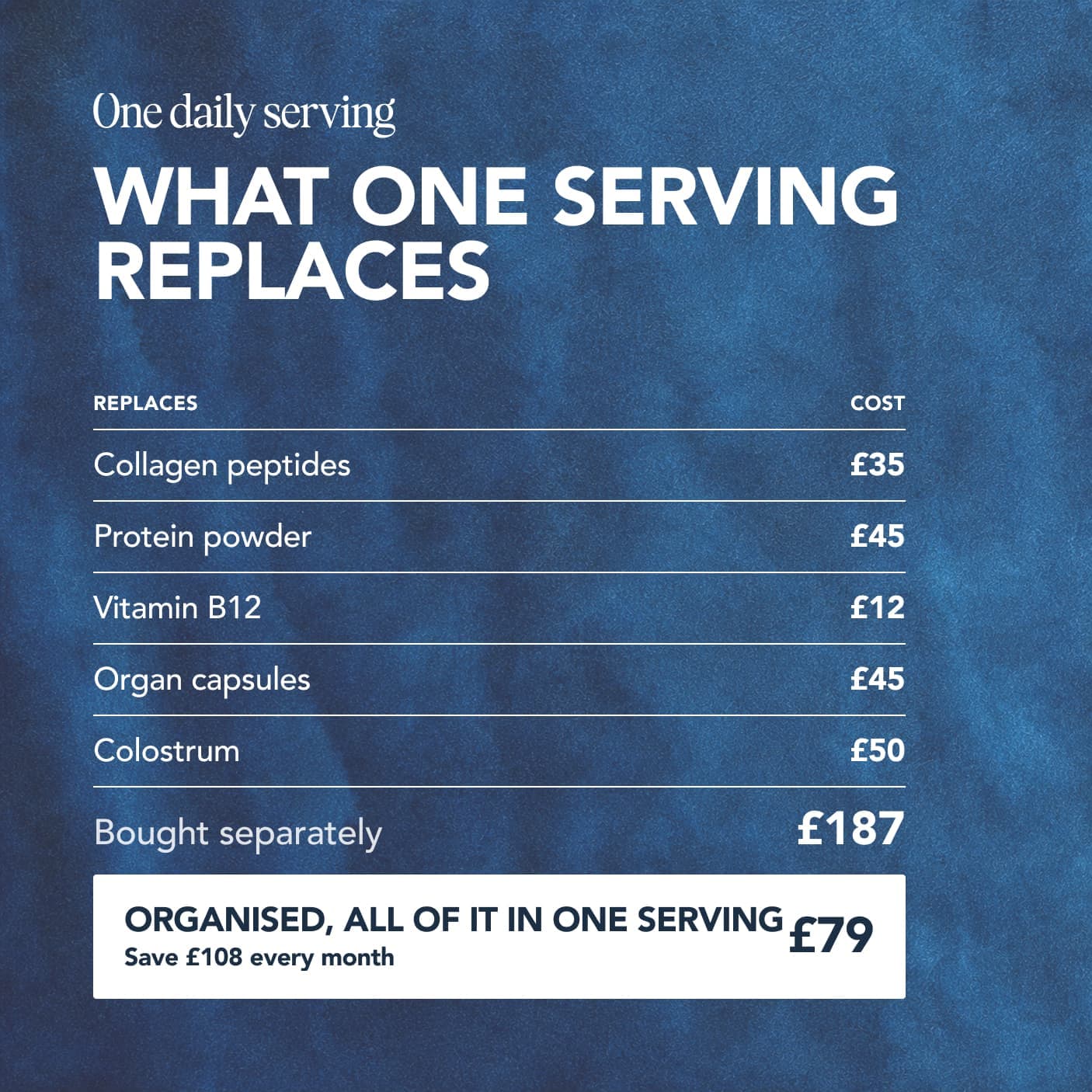
If you're taking: a multivitamin, iron, B-complex, omega-3, collagen, and choline supplement, you're spending money on six products that may or may not work together and may or may not be absorbed well.
The cost difference is stark. Six supplements cost 30-60 pounds monthly. A 100-gram serving of liver costs roughly 1 pound and covers most of what those six do. Over a year, that's nearly 400 pounds saved and actually better nutrition acquired.
One serving of liver weekly replaces all of them, and does the job more effectively because it's whole food, not fragments. This is simple math and simple biochemistry.
This isn't marketing. It's biochemistry. Whole food is more complex and more bioavailable than isolated nutrients, full stop.
How to introduce liver to your family
If liver feels foreign, start with liver pate. It's more palatable and requires zero preparation. Spread it on toast, add it to soups, mix it into ground meat for burgers. Many people find they tolerate pate better than fresh liver.
If you cook fresh liver, slow-cook it or stew it. Fast, hot cooking makes liver tough. Slow, gentle cooking makes it tender and soft. Add vegetables, broth, herbs. Turn it into a meal rather than a standalone dish.
Some families blend liver into bolognese sauce. The flavour disappears, the nutrition remains. Not ideal long-term because you want your family to normalise organ meat, but useful for the transition.
Start small. One 100-gram serving per week. That's all you need. It's a sustainable habit, not a difficult protocol.
1 of 9
Daily blend
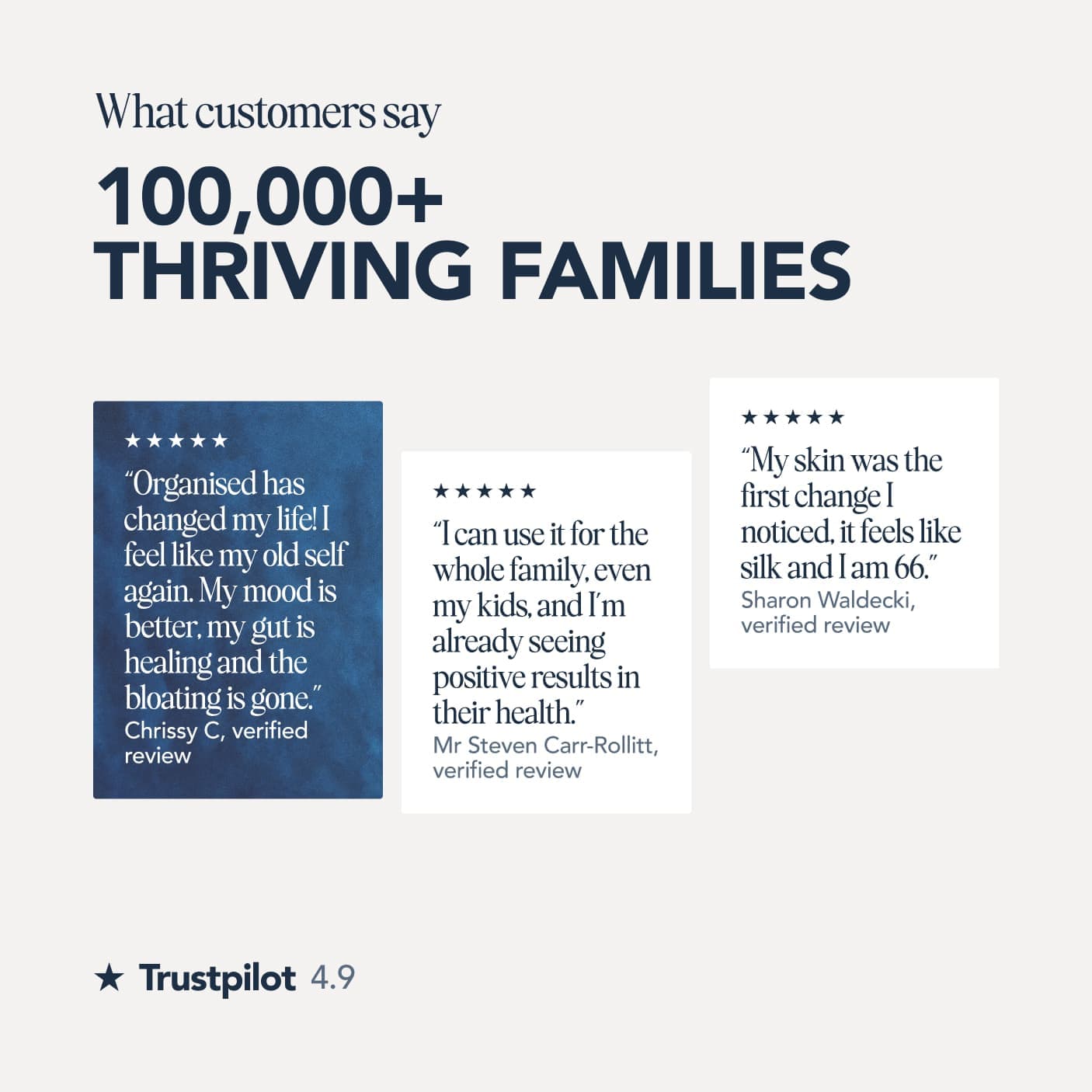
100,000+ thriving families4.9 on Trustpilot
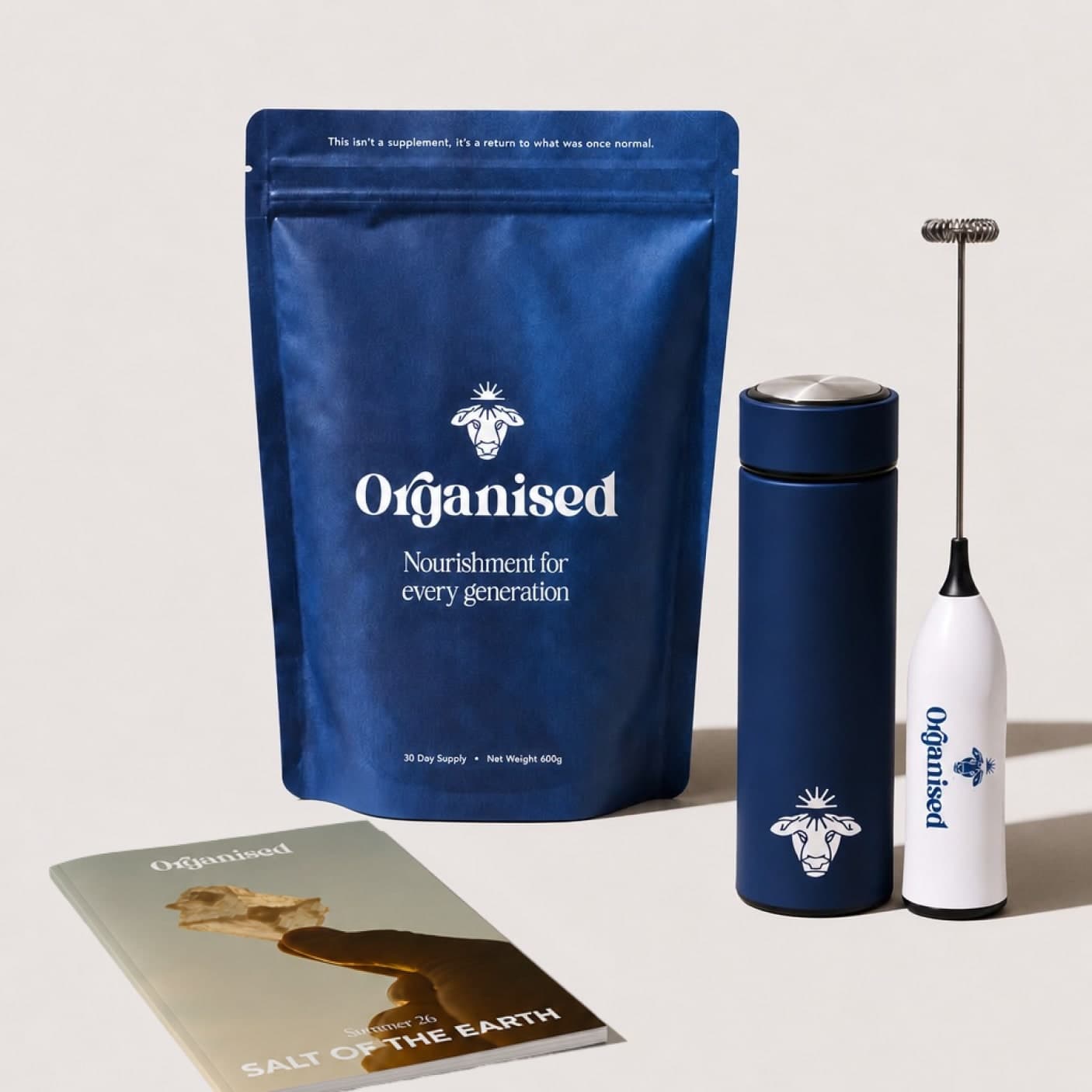
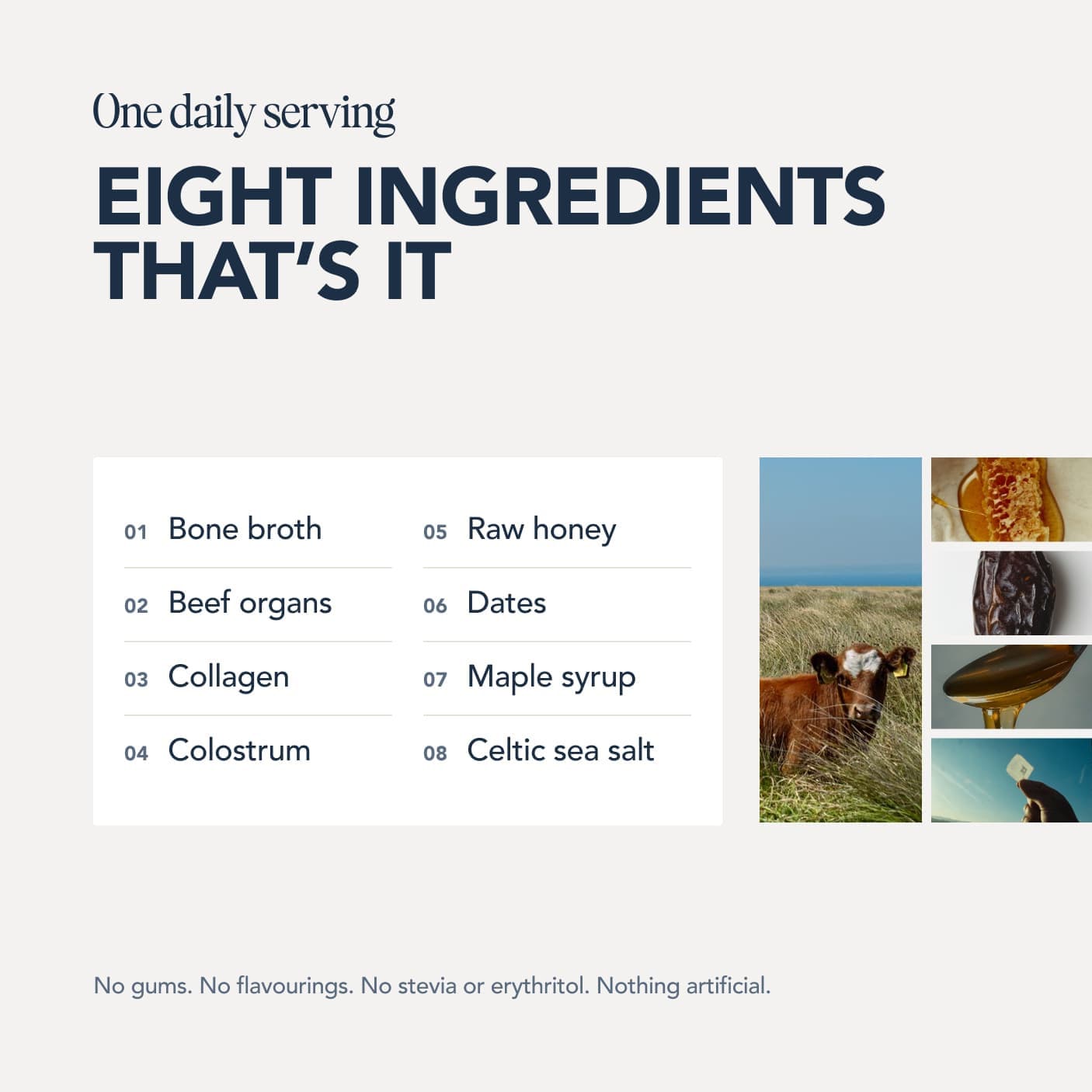
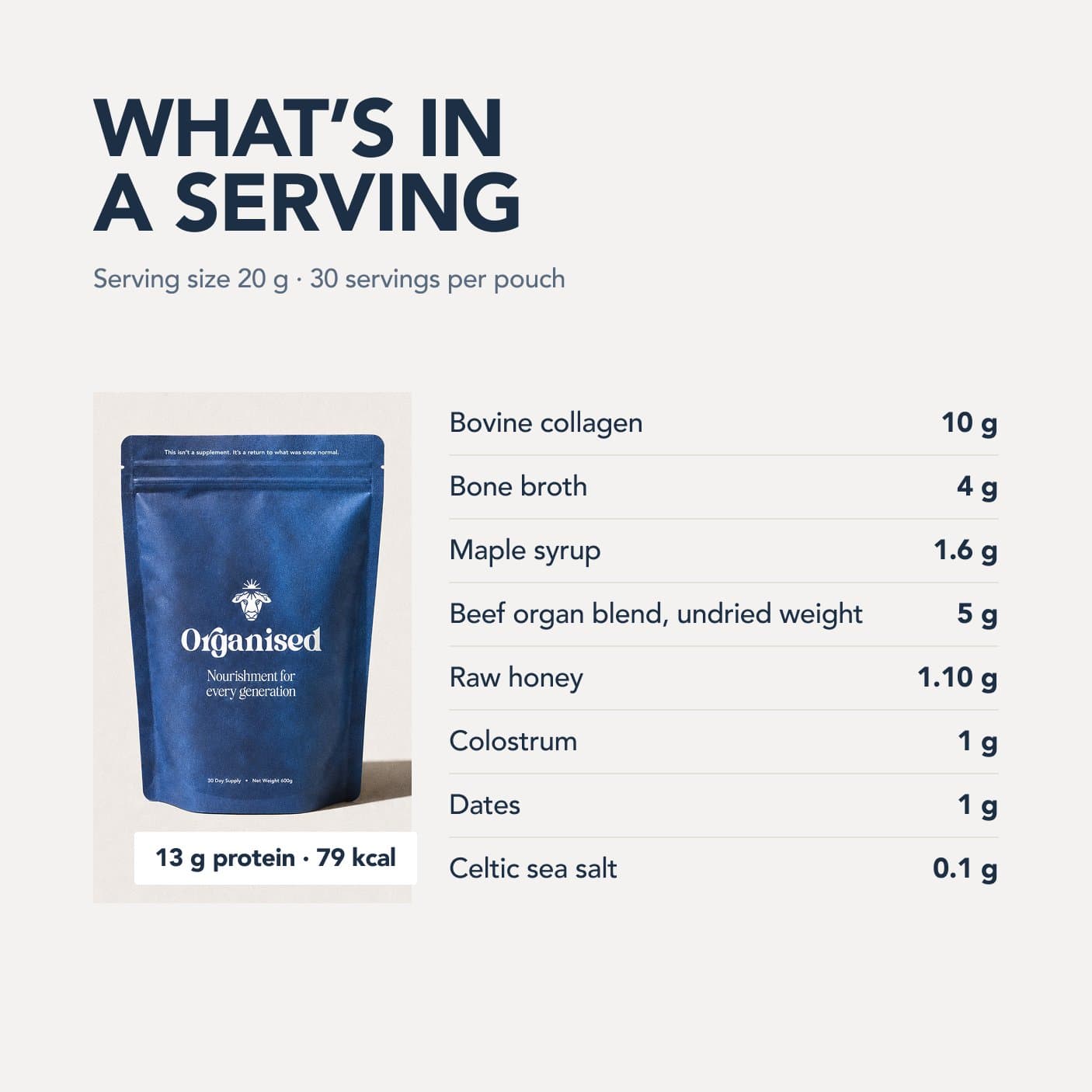
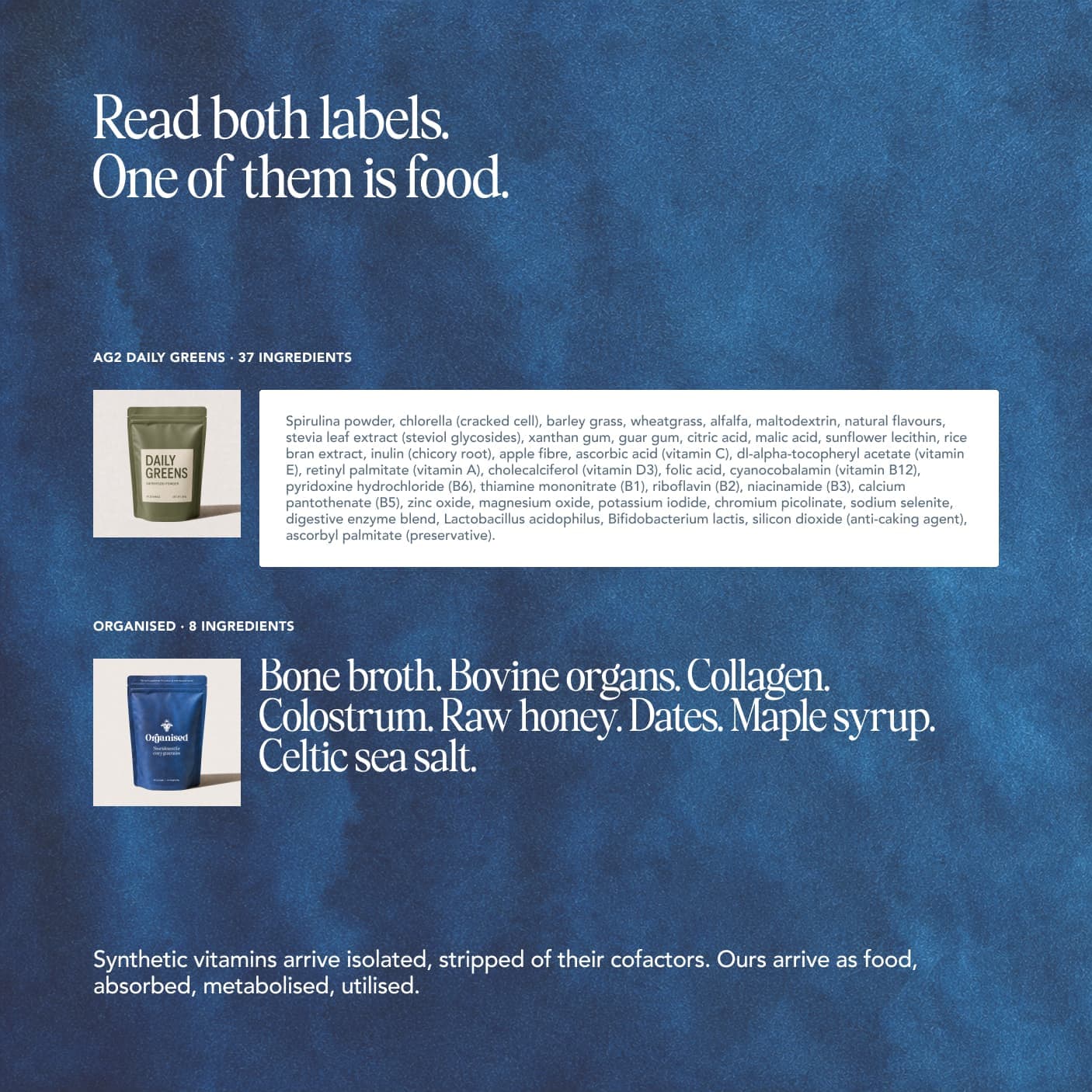
Eight real ingredients built around grass-fed beef organs, collagen and colostrum. Nothing synthetic added.
Free with your first order, worth £38. Plus £10 off the pouch with a subscription.

Free UK shipping · Made in England · 100 day money back guarantee on your first pouch · Skip, pause or cancel anytime
Building a supplement-free protocol
You don't need liver to feel good. But if you're symptomatic (tired, foggy, weak nails, poor hair, low mood), liver is where to start.
Eat liver once weekly. That's it. 100 grams, prepared however you can manage. Pate if you hate the texture. Slowly stewed if you need softer. Mixed into a bolognese sauce if you need disguising. The nutrition is identical.
Within 4-8 weeks, most people report increased energy and improved mood. Within 12 weeks, hair and nails noticeably strengthen. These changes usually mean your supplements weren't working, and your body was actually deficient despite taking them.
Once you feel the difference, dropping supplements becomes obvious. You're not restricting supplements for ideology. You're dropping them because you feel better eating real food.
When supplements are actually necessary
Some people genuinely need supplementation. Diagnosed deficiencies. Malabsorption disorders. Vegetarian diets that are reluctant to include organ meat. These are legitimate cases where supplements fill a real gap.
But for most people eating real food, supplementation is redundant at best and counterproductive at worst. Your body can't utilise isolated nutrients as efficiently as whole-food nutrients. You're wasting money and getting suboptimal results.
Test first. Get your micronutrient status tested (ferritin, B12, vitamin D, magnesium). If you're genuinely deficient, supplement specifically and temporarily. Once you're repleted, focus on food to maintain levels.
The bottom line
You can either take supplements as insurance for a poor diet, or eat real food and skip most of them. You can't do both cost-effectively or healthfully. Eat liver weekly and watch what happens. Your energy changes. Your skin clears. Your mood stabilises. Not because liver is special, but because real nutrition actually works. Stop filling your cupboard with supplements. Start filling your plate with real food.
References
Every source below was checked on 27 August 2026. Each link was requested and read. Where a citation and its identifier disagreed, the citation was corrected to the record or the reference was deleted along with the sentence marker that pointed at it, and where the resolved paper turned out not to support the sentence, the sentence was cut back to what it does support. Borrowed authority is worse than none, because it looks like rigour.
- National Institutes of Health Office of Dietary Supplements. Vitamin A and Carotenoids - Health Professional Fact Sheet. NIH ODS Vitamin A.
- National Institutes of Health Office of Dietary Supplements. Vitamin B12 - Health Professional Fact Sheet. NIH ODS Vitamin B12.
- National Institutes of Health Office of Dietary Supplements. Choline - Health Professional Fact Sheet. NIH ODS Choline.
- National Institutes of Health Office of Dietary Supplements. Iron - Health Professional Fact Sheet. NIH ODS Iron.
Who wrote and reviewed this guide
Niall Kiddle
Author · Founder, Organised
Niall is the founder of Organised. He started the company in 2024 after fixing his own health the slow way: in 2022 he swapped a cupboard of synthetic supplements for real food, raw milk, organ meats, bone broth and honey, and felt the difference within months.
Areas of expertise: Ancestral nutrition, Organ meats, Whole-food supplementation, Gut health, Regenerative sourcing
Read Niall's full profile
Pedro Rodrigues
Reviewer · Agronomist (farming and sourcing only)
Pedro is the agronomist Organised works with on farming and sourcing. His job on the guides is to keep the science honest: he reviews what we publish about soil health, regenerative agriculture, grazing and the way food is actually produced.
Areas of expertise: Regenerative agriculture, Agronomy, Soil health, Grass-fed farming, Food sourcing
Reviewed this guide on
Read Pedro's full profileMore on family
View allBrowse the guides library
All guidesKeep reading

Life stage
How to Nourish Your Whole Family with Real Food
Discover how real food nutrition can feed your whole family across different ages and tastes with one simple approach, plus practical tips to make it stick.

Life stage
Morning Routines That Set Your Family Up for the Day
A protein-first breakfast, morning sunshine, no screens, and calm. These four habits transform how children think, learn, and behave all day.

Life stage
Menopause and Bone Density: Protecting Your Skeleton
Oestrogen drop in menopause accelerates bone loss. Calcium plus K2 plus D plus adequate protein plus resistance training prevents fracture risk.
Real food, made effortless
Find my daily blendA few ways to use it
All recipes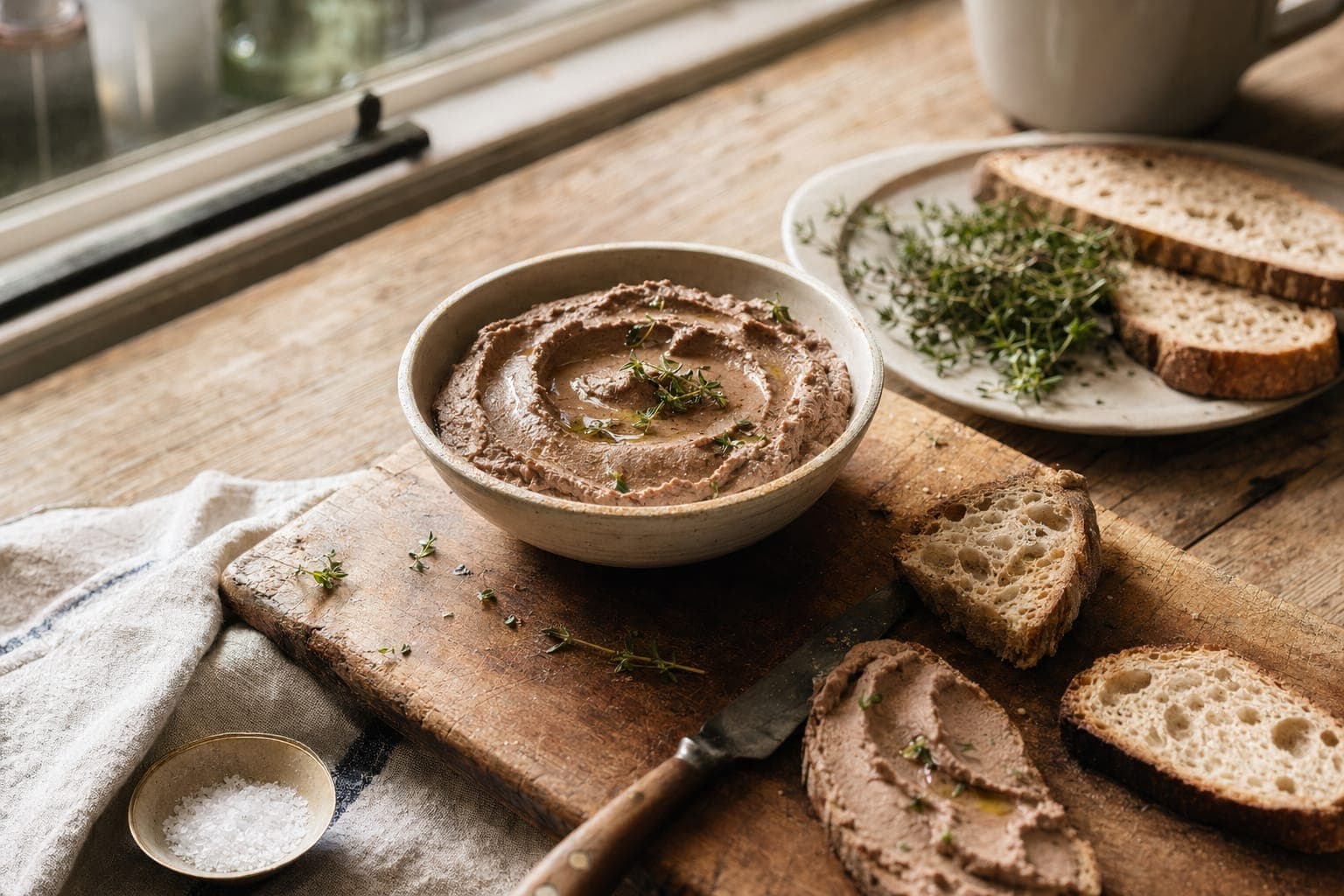
Liver Pate for Beginners: A Gentle Introduction to Organ Meats
Simple liver pate recipe to start eating organ meats. Chicken liver, butter, and herbs. Gentle introduction to nutrient-dense whole foods.
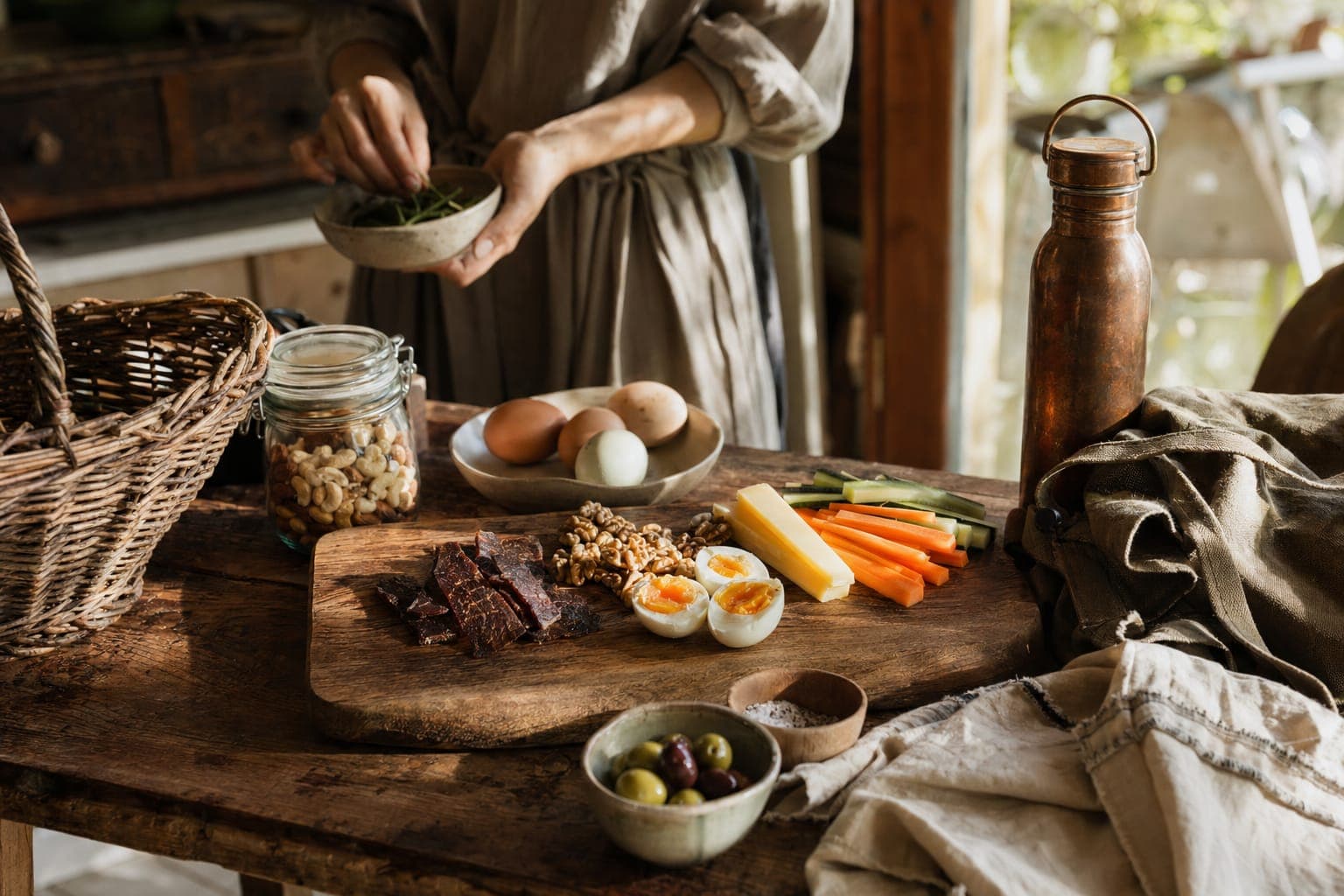
Whole Food Snacks for Busy Days
Practical whole food snacks that travel well and sustain energy. No refined carbs, no seed oils. Real food options for when you're busy.
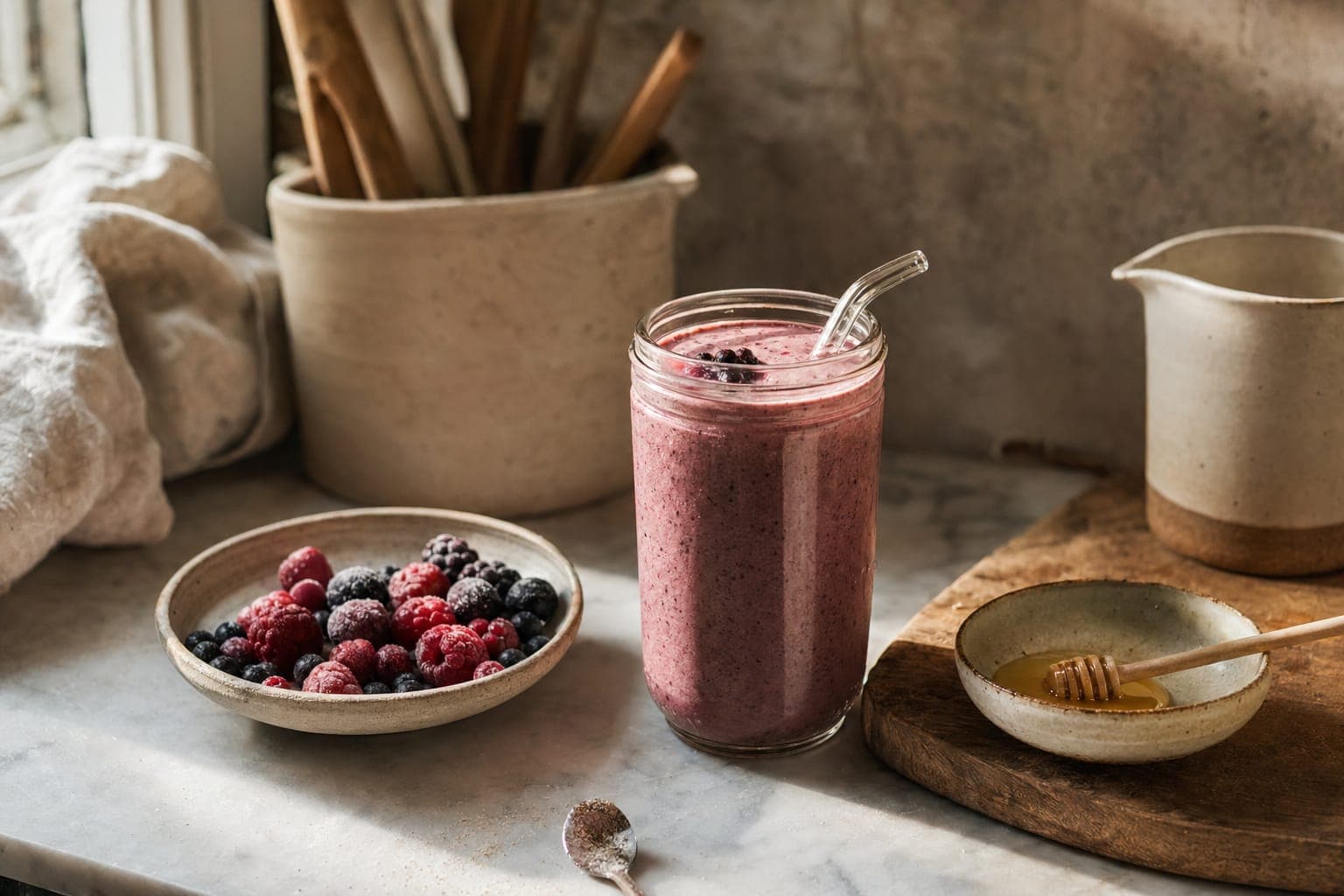
The Organised Recovery Smoothie for After Exercise
A recovery smoothie made with beef protein, raw milk, frozen berries, collagen, and honey. Optimal nutrition in the 30-minute window after exercise.


 Join over 100,000+ members
Build a better food system with us
The Organised community is thousands of people choosing real food and backing the farmers who grow it, all of us trying to leave the world a little better than we found it. If that is what you care about too, you belong here.