Menopause and Bone Density: Protecting Your Skeleton
Your periods stop. A year passes. You feel okay until you trip, catch yourself, hear your wrist crack. The fracture heals but something has shifted. Your bones are not what they were. Menopause takes oestrogen, and oestrogen takes bone density with it unless you intervene specifically.
By Niall Kiddle, Founder, Organised

Reviewed by Pedro Rodrigues, Agronomist (farming and sourcing only) ·
9 min read · Published · Updated · 5 cited sources
Makers of the Organised Daily blend, a grass-fed beef organ supplement from regenerative UK farms

In the first five years after menopause, women lose bone density at a rate of 1 to 3 percent per year.1 This is not gradual. This is accelerated loss driven by oestrogen withdrawal. Without intervention, this leads to osteoporosis and fracture risk that increases exponentially with age.
The good news: you can prevent this loss through nutrition and activity. It requires intentionality, but it's entirely possible to maintain bone density through menopause and beyond.
The oestrogen and bone connection
Oestrogen is a bone-protective hormone. It suppresses osteoclasts (cells that break down bone) and promotes osteoblasts (cells that build bone).1 When oestrogen is high, bone turnover is relatively balanced. When oestrogen drops, the brakes come off bone breakdown and the accelerator on bone building is depressed.
This is not a minor effect. The first five years after menopause typically see accelerated bone loss that would normally take 10 to 15 years to occur. The window is compressed because oestrogen loss is sudden and severe.
Hormone replacement therapy (HRT) is one option. It is effective at preserving bone density and many other menopausal symptoms. If you and your doctor decide that HRT is right for you, take it. But HRT is not the only intervention, and many women cannot or do not choose to use it. For those women, nutrition and exercise become critical.
Your bones are not doomed by oestrogen loss. But they will require intentional support that they did not before.
The bones most at risk are the hip, spine, and wrist. These are also the sites that matter most for function and quality of life. A hip fracture in an older woman often leads to immobility, loss of independence, and poor quality of life. Prevention is exponentially better than treatment.
Why calcium alone is not enough
Calcium is the mineral backbone of bone. You need adequate calcium to prevent accelerated loss. But calcium without the supporting nutrients is like trying to build a house with bricks but no mortar.
A menopausal woman needs calcium intake of 1,200 mg per day.2 This is easily achieved through food: 200 ml of milk provides 240 mg, a 100-gram serving of cheese provides 700 mg, a tin of sardines with bones provides 300 mg. Food sources of calcium are preferable to supplements because they come with the cofactors needed for absorption and utilisation.
But calcium absorption is not guaranteed. It requires adequate stomach acid (common in older women to decline), adequate vitamin D, and the presence of absorber molecules in the intestinal lining. Taking a calcium supplement and assuming it's being used is a mistake.
Calcium is necessary but not sufficient. You also need the nutrients that allow the body to absorb and use it properly.
The minerals that matter alongside calcium are magnesium, zinc, copper, boron, and strontium. Most whole-food diets provide these in adequate amounts if you eat varied foods. A diet limited to processed foods will fall short on all of them.
Vitamin K2 as the missing nutrient
Vitamin K2 is the nutrient most menopausal women have never heard of, yet it is arguably the single most important nutrient for bone health in menopause. K2 activates osteocalcin, the protein that organises calcium into the mineral matrix of bone.3 Without K2, calcium is present but not properly incorporated.
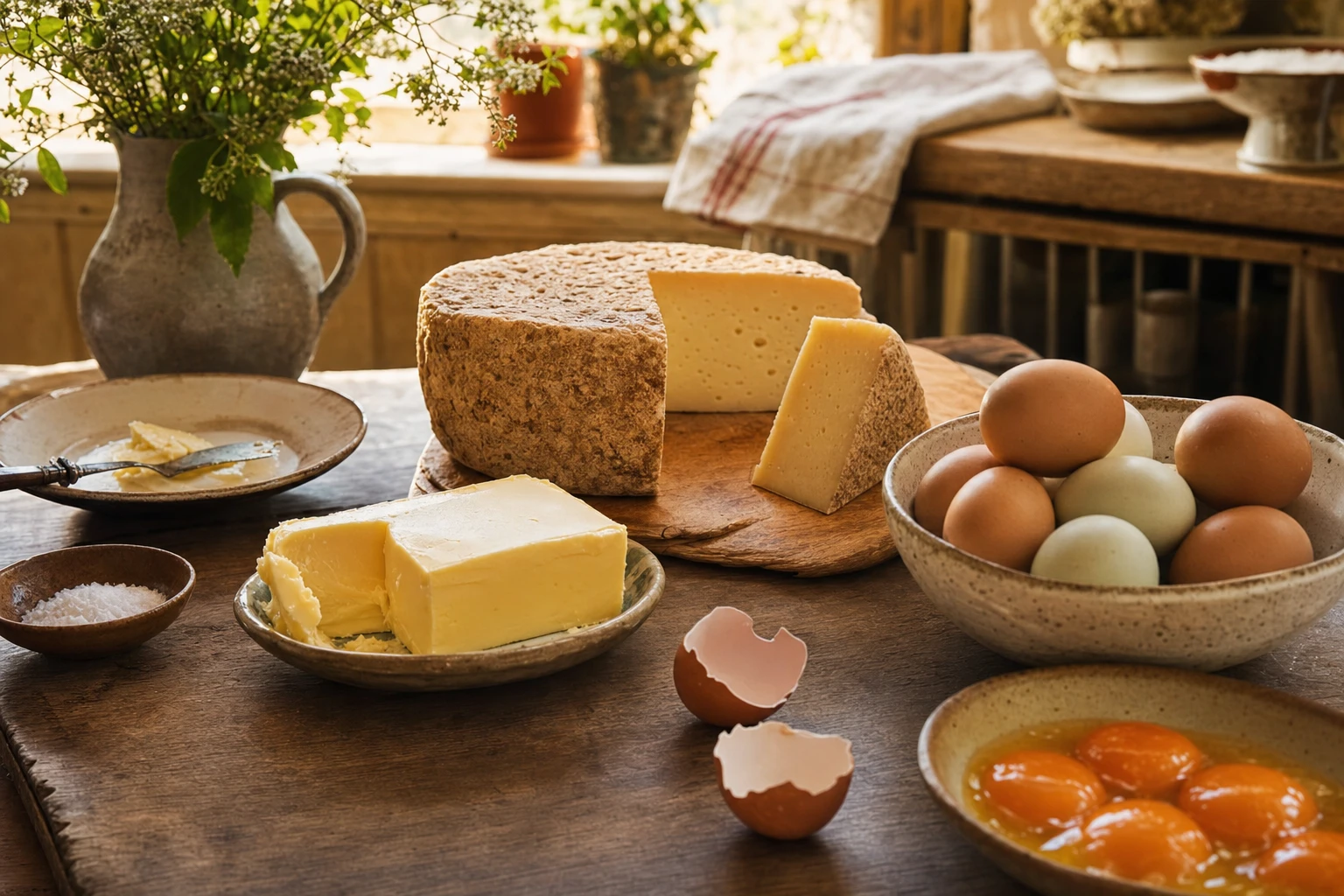
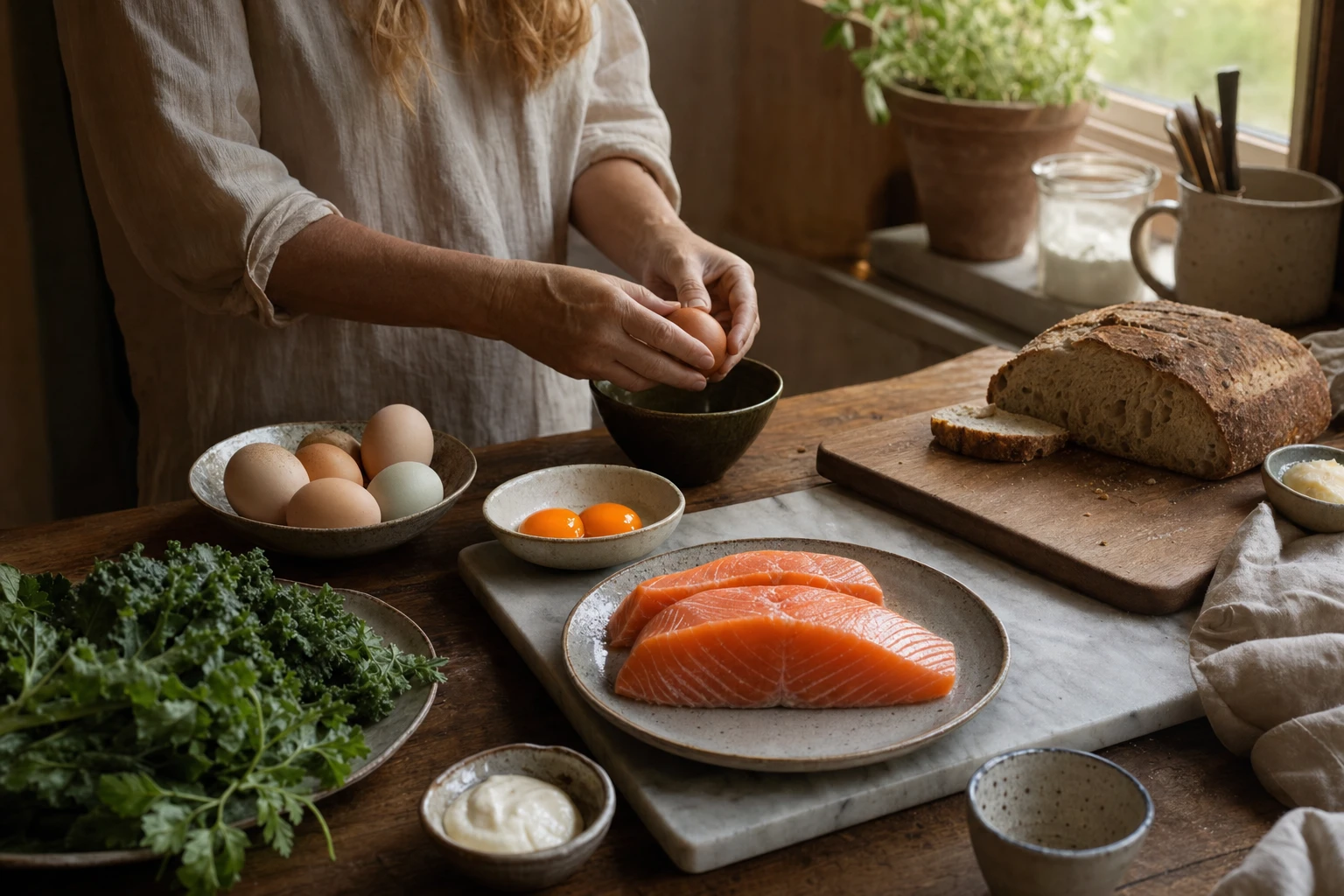
K2 is found almost exclusively in animal foods: grass-fed butter, full-fat cheese from grass-fed cows, egg yolks from pastured hens, and organ meats. The distinction of grass-fed is critical: grass-fed butter contains 5 times the K2 of butter from grain-fed cows.
A menopausal woman eating grass-fed butter daily, full-fat cheese regularly, and eggs several times per week gets a meaningful dose of K2. A woman eating conventional dairy and few eggs is almost certainly deficient.
- Grass-fed butter: One tablespoon per day. On vegetables, on toast, in cooking. Make it visible.
- Cheese: One ounce per day from grass-fed cows. Aged cheeses like Gruyere and Cheddar are highest in K2.
- Egg yolks: One to three per day. The yolk is where the K2 lives.
- Natto: If you can acquire the taste, one spoonful provides an extreme dose of K2.
Vitamin K2 tells your body where to put calcium. Without it, calcium circulates but doesn't build bone efficiently.
Research on vitamin K2 supplementation in postmenopausal women shows slowing of bone loss and improvements in bone strength. Food sources are preferable, but if diet cannot provide adequate K2, supplementation (45 to 180 micrograms per day) is reasonable.
Protein sufficiency in menopause
Protein is the structural component of bone. Bone is roughly 30 percent mineral and 70 percent protein (collagen and other proteins). Building bone requires adequate protein intake.
Menopausal women often eat less protein than they did earlier in life. Reduced appetite, smaller portions, sometimes vegetarian shifts for health reasons. But protein needs do not decrease with age. They increase slightly due to reduced efficiency of protein synthesis and increased requirements for maintaining muscle and bone.
A menopausal woman should aim for 1.0 to 1.2 grams of protein per kilogram of body weight per day. For a 70-kilogram woman, that's 70 to 84 grams per day. For a woman weighing 80 kilograms, that's 80 to 96 grams per day. This is higher than conventional recommendations but aligns with research on bone health and muscle preservation in older adults.
Protein sources include meat, fish, eggs, dairy, legumes, and nuts. A woman eating eggs for breakfast, fish or chicken for lunch, and beef or pork for dinner easily hits this target. A woman eating small portions and skipping protein sources falls far short.
Your bones are being rebuilt. They need protein. Eat more protein in menopause, not less.
This does not mean meat at every meal, necessarily. But it does mean visible protein at every meal and adequate quantity. A 30-gram serving at each meal (roughly a palm-sized portion) is the target.
Get life-stage nutrition guides, free
Two short reads a week on eating well through pregnancy, childhood and older age.
By signing up you agree to receive emails from us. No spam, unsubscribe anytime.
Vitamin D and the hormonal cascade
Vitamin D status is correlated with bone density independent of oestrogen status. Vitamin D is necessary for calcium absorption4 and also acts as a hormone in its own right, with receptors in bone cells. Deficiency accelerates bone loss and fracture risk.
In the UK, vitamin D deficiency is common, particularly in winter and in people with darker skin. Vitamin D is produced in the skin in response to sun exposure and is found in fatty fish and egg yolks. Most menopausal women cannot get sufficient vitamin D from food and sun exposure alone and benefit from supplementation.
A reasonable target is serum 25(OH)D levels above 30 ng/mL, with optimal levels around 40 to 60 ng/mL. Blood testing is inexpensive and helps determine individual needs. Based on current levels and latitude, supplementation of 1,000 to 4,000 IU per day is typical.
Vitamin D works synergistically with K2 and calcium. All three are necessary for optimal bone health. Deficiency in any one limits the effectiveness of the others.
Vitamin D enables calcium absorption. K2 directs calcium into bone. Calcium provides the mineral matrix. All three are necessary.
Get blood work done if possible. If vitamin D is deficient (below 30 ng/mL), supplementation is straightforward. Even if replete, maintaining levels above 40 ng/mL seems beneficial for bone health in menopause.
Resistance training rebuilds bone
Bone responds to mechanical stress by becoming stronger. Resistance training (weight training, bodyweight exercises, or any activity that challenges muscles against resistance) triggers bone-building response. This is not optional in menopause. This is as important as nutrition.
The research is consistent: women who engage in regular resistance training maintain bone density or gain bone density through menopause.5 Women who remain sedentary lose bone density at the accelerated rate. This difference is measurable and significant.
You do not need to become a competitive weightlifter. Twice per week of resistance training (either weight machines, free weights, bodyweight exercises like push-ups or planks, or resistance bands) is sufficient. The key is consistency and progression: gradually increasing the weight or difficulty over time to continue challenging the system.
Resistance training also preserves and builds muscle, which is critical for function and metabolism in menopause. A woman who strength trains ages fundamentally differently than a woman who remains sedentary, in bone density, muscle mass, metabolic rate, and overall function.
Resistance training is not optional for bone health in menopause. It is mandatory if you want to maintain strength and independence.
If you have never trained with weights, it is worth getting a few sessions with a trainer to learn proper form. Proper form is more important than heavy weight. A lighter weight with correct movement pattern builds bone and muscle more safely and effectively than poor form with heavy weight.
1 of 9
Daily blend
100,000+ thriving families4.9 on Trustpilot
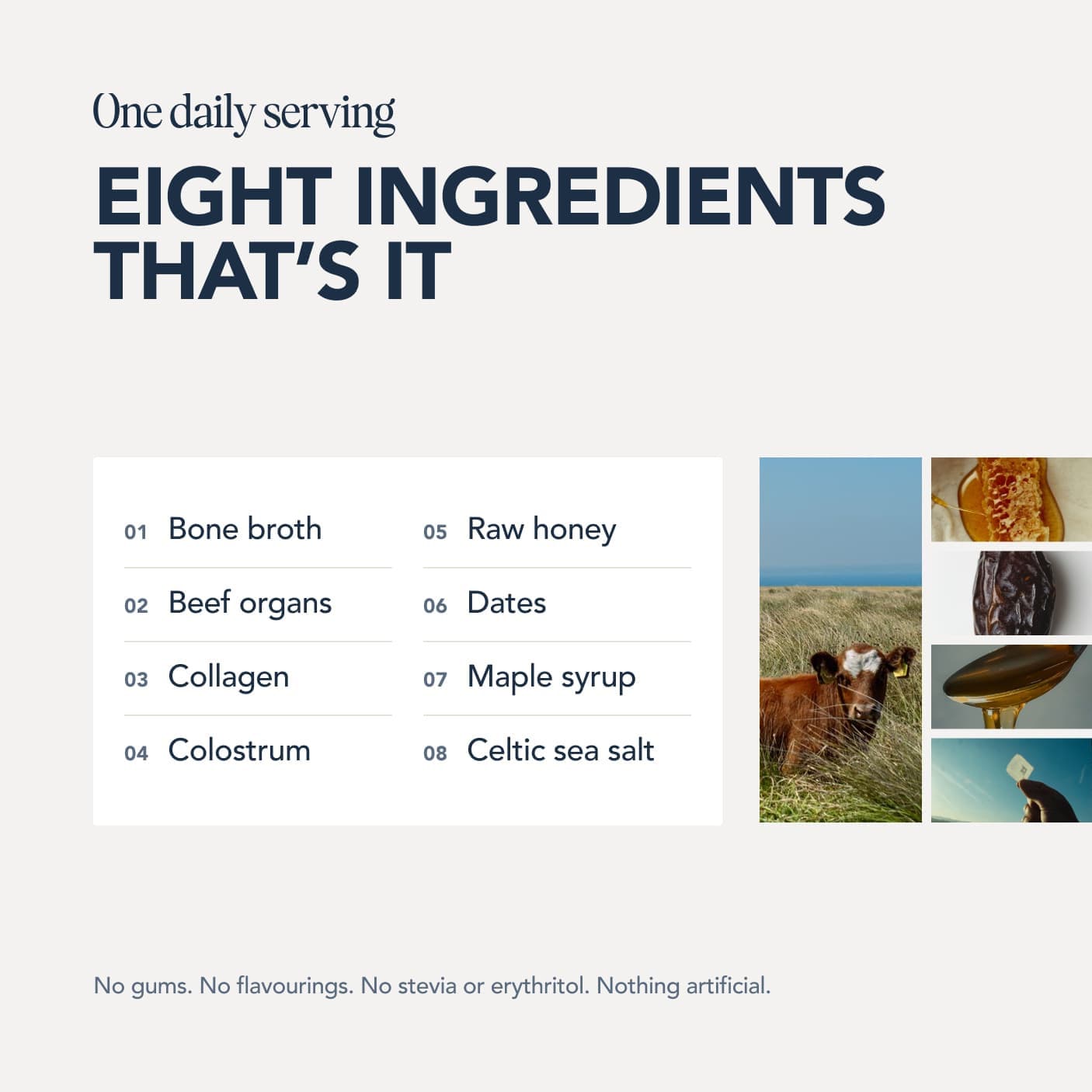
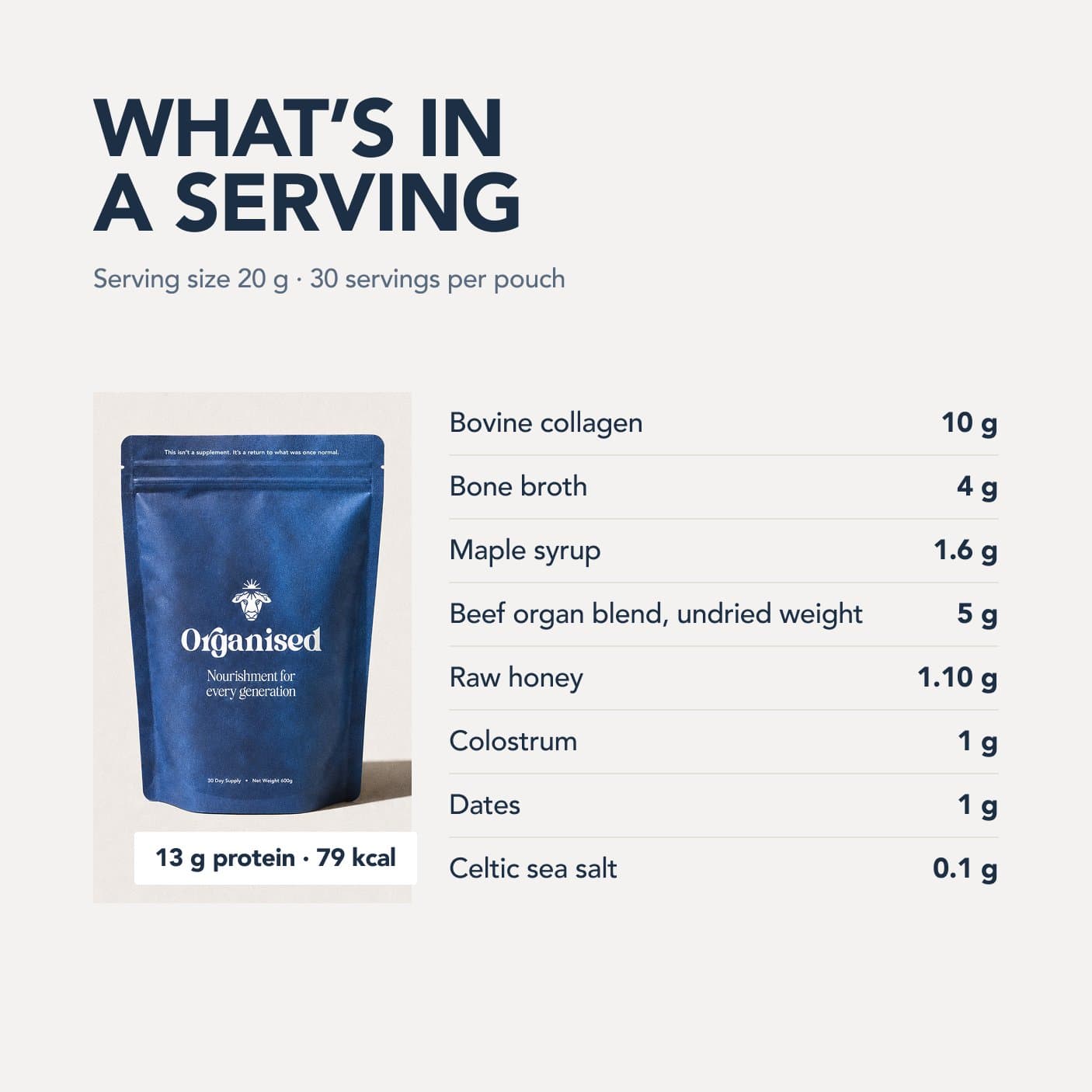
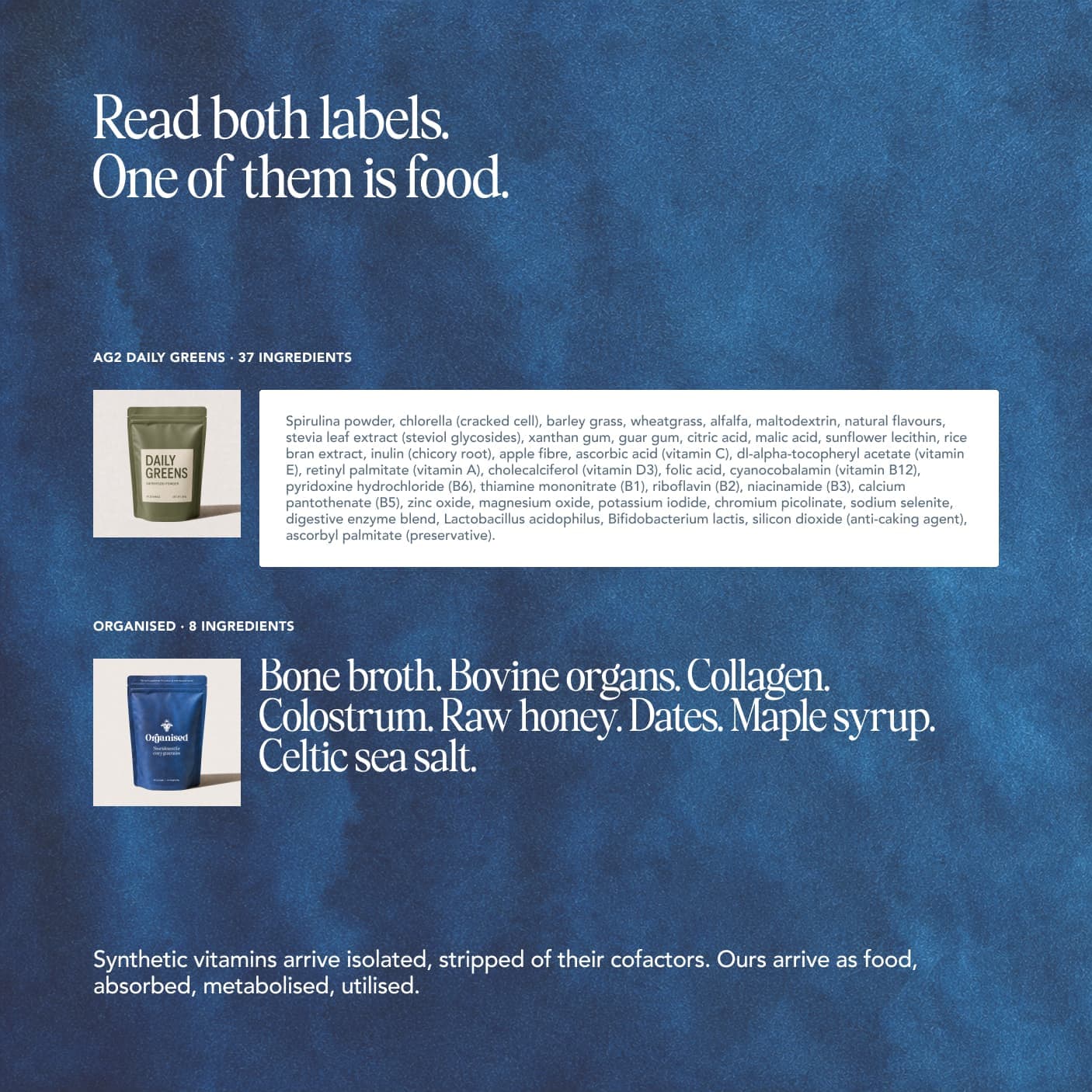
Eight real ingredients built around grass-fed beef organs, collagen and colostrum. Nothing synthetic added.
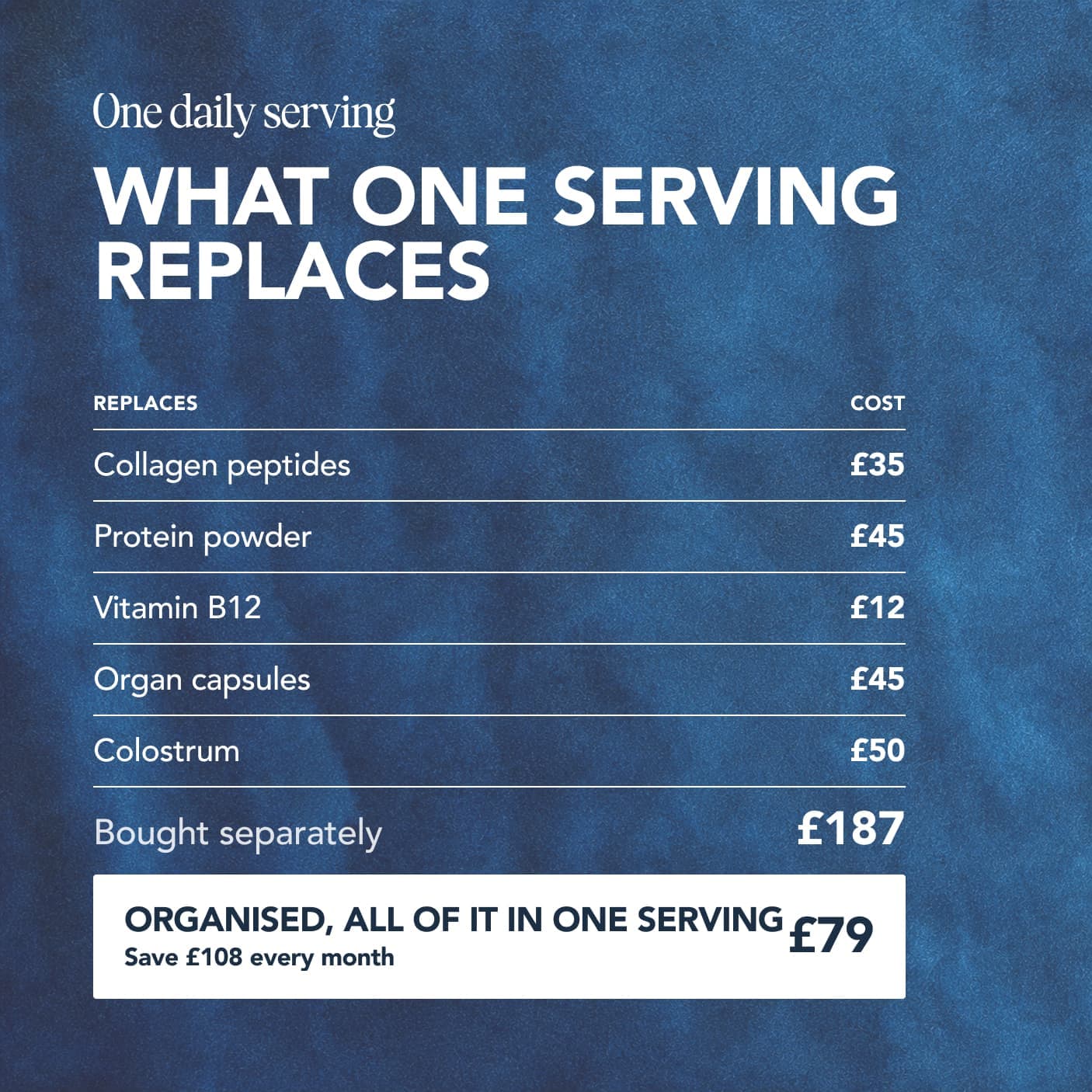
Free with your first order, worth £38. Plus £10 off the pouch with a subscription.
Free UK shipping · Made in England · 100 day money back guarantee on your first pouch · Skip, pause or cancel anytime
DEXA scans and monitoring
A DEXA (dual-energy X-ray absorptiometry) scan measures bone mineral density and can predict fracture risk. For menopausal women, a baseline DEXA scan is valuable information. It shows where you stand and allows you to monitor whether your interventions are working.
DEXA scans are available on the NHS and through private providers. They're painless, fast, and inexpensive. If you're menopausal or approaching menopause, getting one is reasonable, especially if you have risk factors (family history of osteoporosis, small frame, limited sun exposure).
A DEXA scan is scored as T-score (how your bones compare to a healthy 30-year-old) and Z-score (how your bones compare to others your age). A T-score above -1.0 is considered normal. Between -1.0 and -2.5 is osteopenia (low bone density). Below -2.5 is osteoporosis.
A DEXA scan is a starting point. It shows you where you are so you can make intentional decisions about nutrition and exercise.
If you have osteopenia or osteoporosis, this becomes even more urgent to address. But even with normal bone density, the nutritional and exercise strategies here are valuable for preventing decline.
Building the menopausal bone strategy
A complete strategy has five components: adequate calcium from food, vitamin K2 from grass-fed dairy and eggs, vitamin D supplementation, adequate protein from varied sources, and resistance training twice weekly.
This is not complicated. This is foundational nutrition and movement combined. Implement all five and your bone density will stabilise or improve through menopause and beyond.
- Calcium: Aim for 1,200 mg daily from food (dairy, fish with bones, leafy greens).
- Vitamin K2: Grass-fed butter, cheese, and eggs daily.
- Vitamin D: 1,000 to 4,000 IU daily based on blood work and sun exposure.
- Protein: 1.0 to 1.2 grams per kilogram body weight daily from varied sources.
- Resistance training: Twice weekly, challenging your muscles against weight or resistance.
Start this month. Get a DEXA scan if you have not had one. Begin resistance training if you are sedentary. Increase your grass-fed butter and cheese. Take vitamin D. Eat protein at every meal. In three to six months, the changes will be measurable. In a year, they will be dramatic.
The bottom line
Menopause removes oestrogen and your bones begin to change. This is not inevitable decline. It's a metabolic situation requiring specific intervention. Calcium plus K2 plus vitamin D plus adequate protein plus resistance training prevents accelerated bone loss and preserves the skeleton for decades. Your bones are worth protecting. Build the strategy now.
References
Every source below was checked on 27 August 2026. Each PubMed, PMC and DOI identifier was resolved against NCBI or Crossref, and what it opens is printed under the citation, so you can see the link goes where the citation says without leaving the page. Where a citation and its identifier disagreed, the citation was corrected to the record or the reference was deleted along with the sentence marker that pointed at it, and where the resolved paper turned out not to support the sentence, the sentence was cut back to what it does support. Borrowed authority is worse than none, because it looks like rigour.
- Khosla S, Oursler MJ, Monroe DG. Estrogen and the skeleton. Trends Endocrinol Metab. https://pmc.ncbi.nlm.nih.gov/articles/PMC3424385/ [accessed May 2026].Checked 27 August 2026: PMC3424385 opens Khosla S, Oursler MJ, Monroe DG, Estrogen and the skeleton. Trends Endocrinol Metab 2012;23(11):576-81. PubMed indexes it as: Review.
- National Institutes of Health, Office of Dietary Supplements. Calcium - Health Professional Fact Sheet. https://ods.od.nih.gov/factsheets/Calcium-HealthProfessional/ [accessed May 2026].
- National Institutes of Health, Office of Dietary Supplements. Vitamin K - Health Professional Fact Sheet. https://ods.od.nih.gov/factsheets/VitaminK-HealthProfessional/ [accessed May 2026].
- National Institutes of Health, Office of Dietary Supplements. Vitamin D - Health Professional Fact Sheet. https://ods.od.nih.gov/factsheets/VitaminD-HealthProfessional/ [accessed May 2026].
- Watson SL, Weeks BK, Weis LJ, et al. High-intensity resistance and impact training improves bone mineral density and physical function in postmenopausal women with osteopenia and osteoporosis: the LIFTMOR randomized controlled trial. J Bone Miner Res. https://pubmed.ncbi.nlm.nih.gov/28975661/ [accessed May 2026].Checked 27 August 2026: PMID 28975661 opens Watson SL, Weeks BK, Weis LJ et al, High-Intensity Resistance and Impact Training Improves Bone Mineral Density and Physical Function in Postmenopausal Women With Osteopenia and Osteoporosis: The LIFTMOR Randomized Controlled Trial. J Bone Miner Res 2018;33(2):211-220. PubMed indexes it as: Randomized Controlled Trial.
Who wrote and reviewed this guide
Niall Kiddle
Author · Founder, Organised
Niall is the founder of Organised. He started the company in 2024 after fixing his own health the slow way: in 2022 he swapped a cupboard of synthetic supplements for real food, raw milk, organ meats, bone broth and honey, and felt the difference within months.
Areas of expertise: Ancestral nutrition, Organ meats, Whole-food supplementation, Gut health, Regenerative sourcing
Read Niall's full profile
Pedro Rodrigues
Reviewer · Agronomist (farming and sourcing only)
Pedro is the agronomist Organised works with on farming and sourcing. His job on the guides is to keep the science honest: he reviews what we publish about soil health, regenerative agriculture, grazing and the way food is actually produced.
Areas of expertise: Regenerative agriculture, Agronomy, Soil health, Grass-fed farming, Food sourcing
Reviewed this guide on
Read Pedro's full profileBrowse the guides library
All guidesKeep reading
Life stage
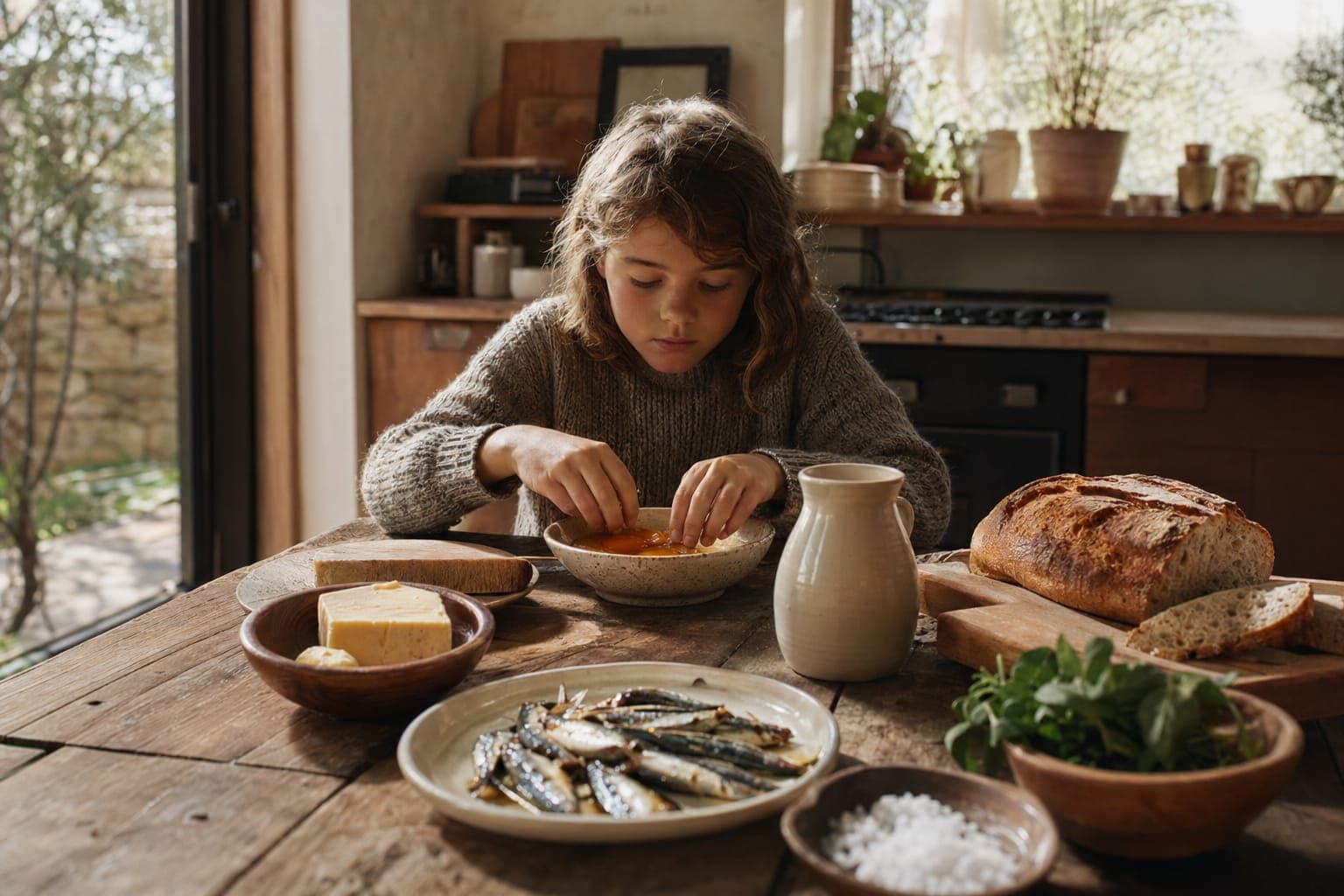
Building Strong Bones in Childhood: Beyond Just Milk
Children's bone health needs vitamin K2, vitamin D, magnesium, and protein. Milk alone is not enough. Sardines, egg yolks, and weight-bearing play matter.
Life stage
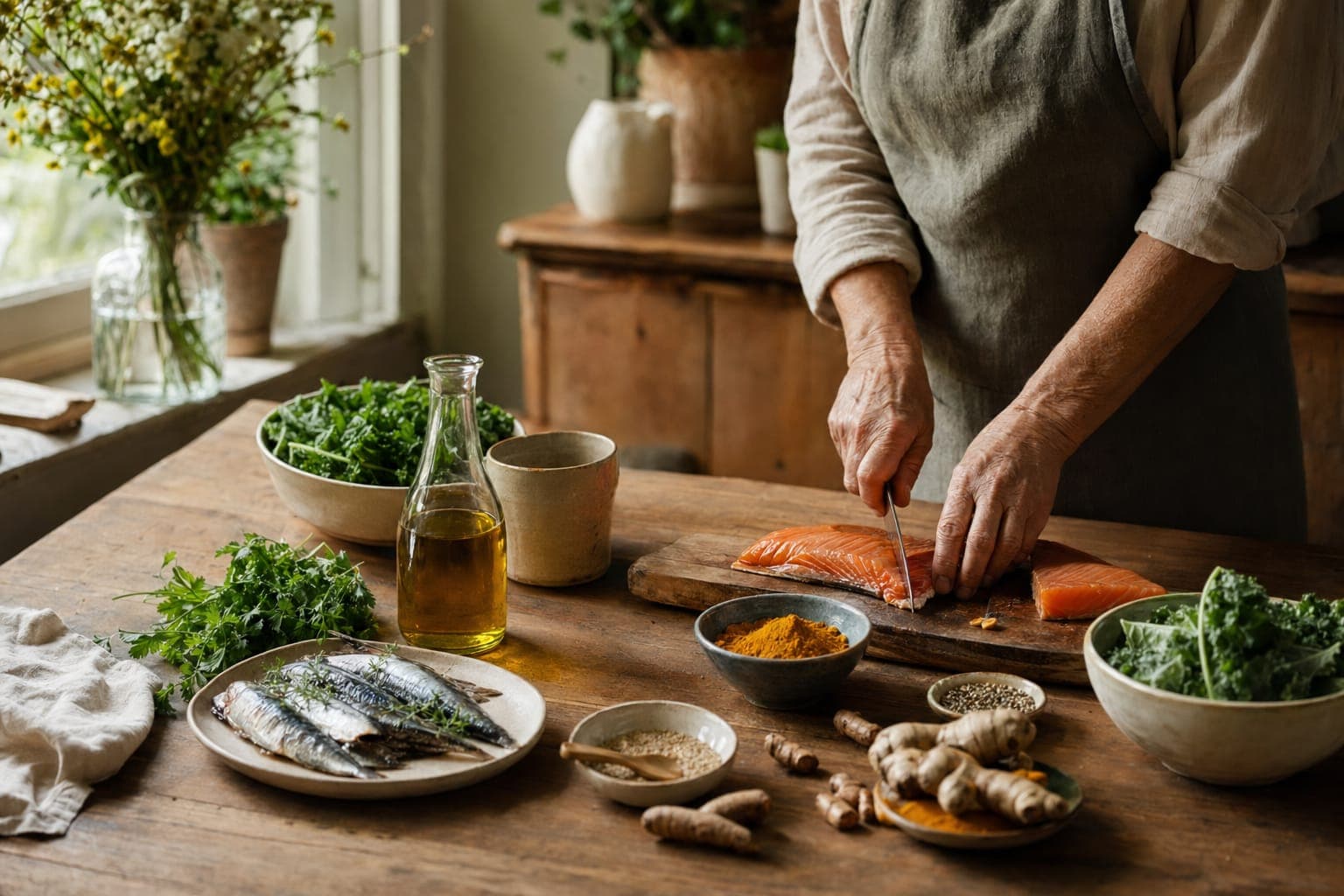
Joint Pain After 50: A Nutritional Approach
Joint pain responds to collagen, glycine, omega-3s, vitamin D, and curcumin. These nutrients rebuild cartilage and reduce inflammation systemically.
Life stage
B12 Absorption Declines with Age: Here's What to Do
By 50, your stomach is producing less acid and intrinsic factor. Standard B12 intake isn't enough. Here's how to ensure your body actually gets it.
Real food, made effortless
Find my daily blendA few ways to use it
All recipes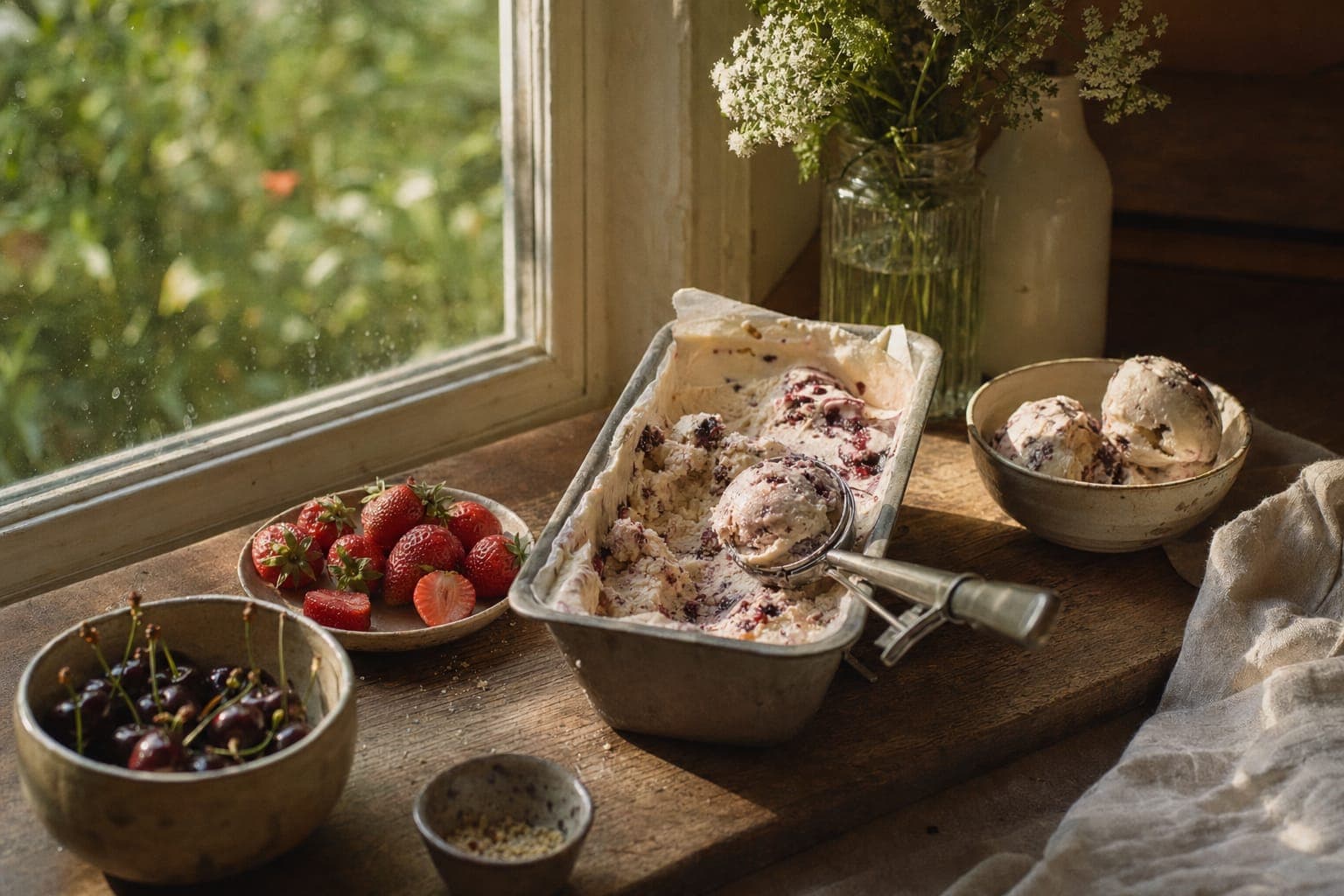
Raw Milk Ice Cream with Organised
Make raw milk ice cream at home with Organised for a seasonal, nutrient-dense treat. Three simple flavours to try whenever the craving strikes.
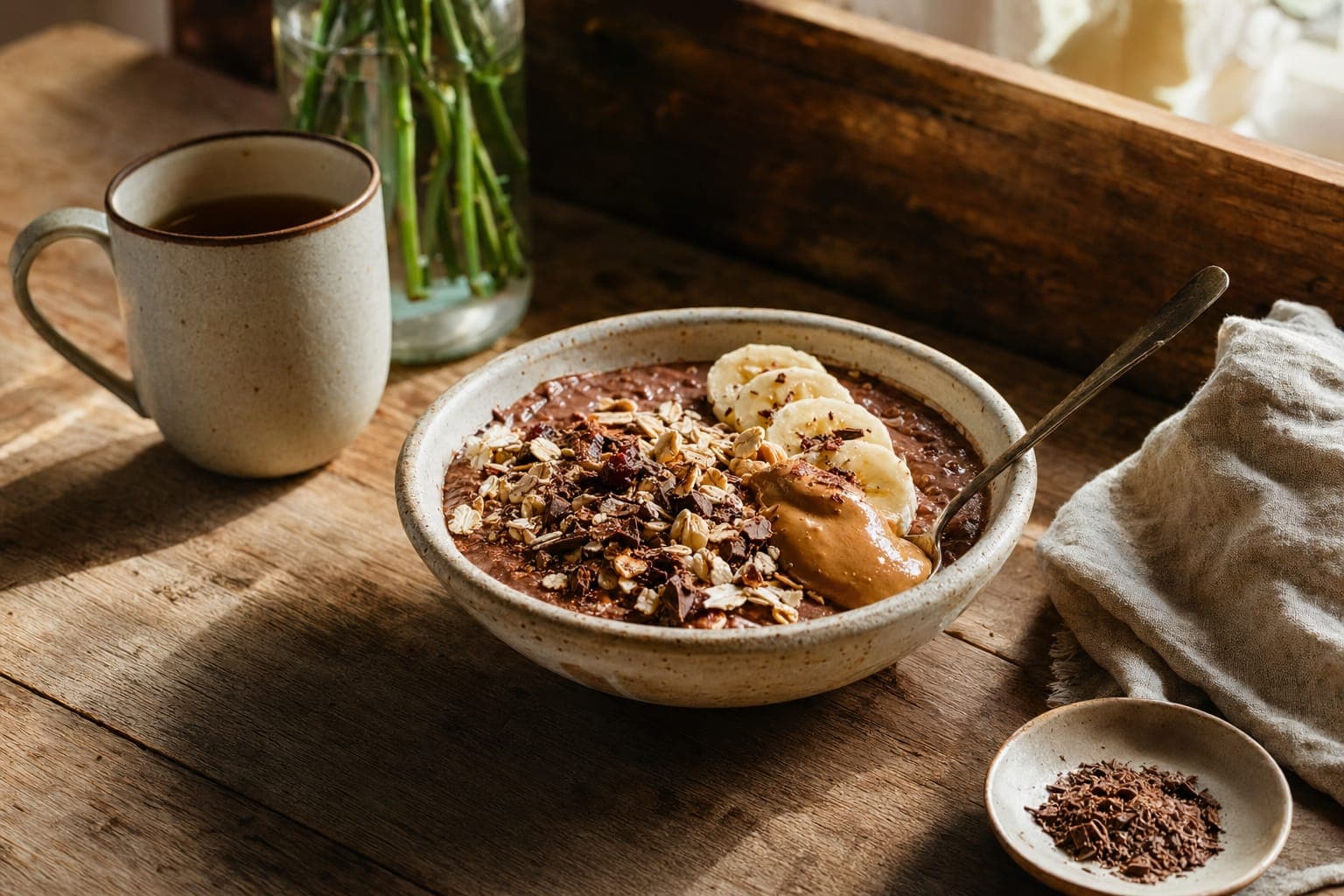
10 Ways to Use Organised That Aren't Just a Shake
Move beyond the basic shake. Discover 10 creative ways to use Organised in smoothie bowls, oats, yoghurt, baking, and more.
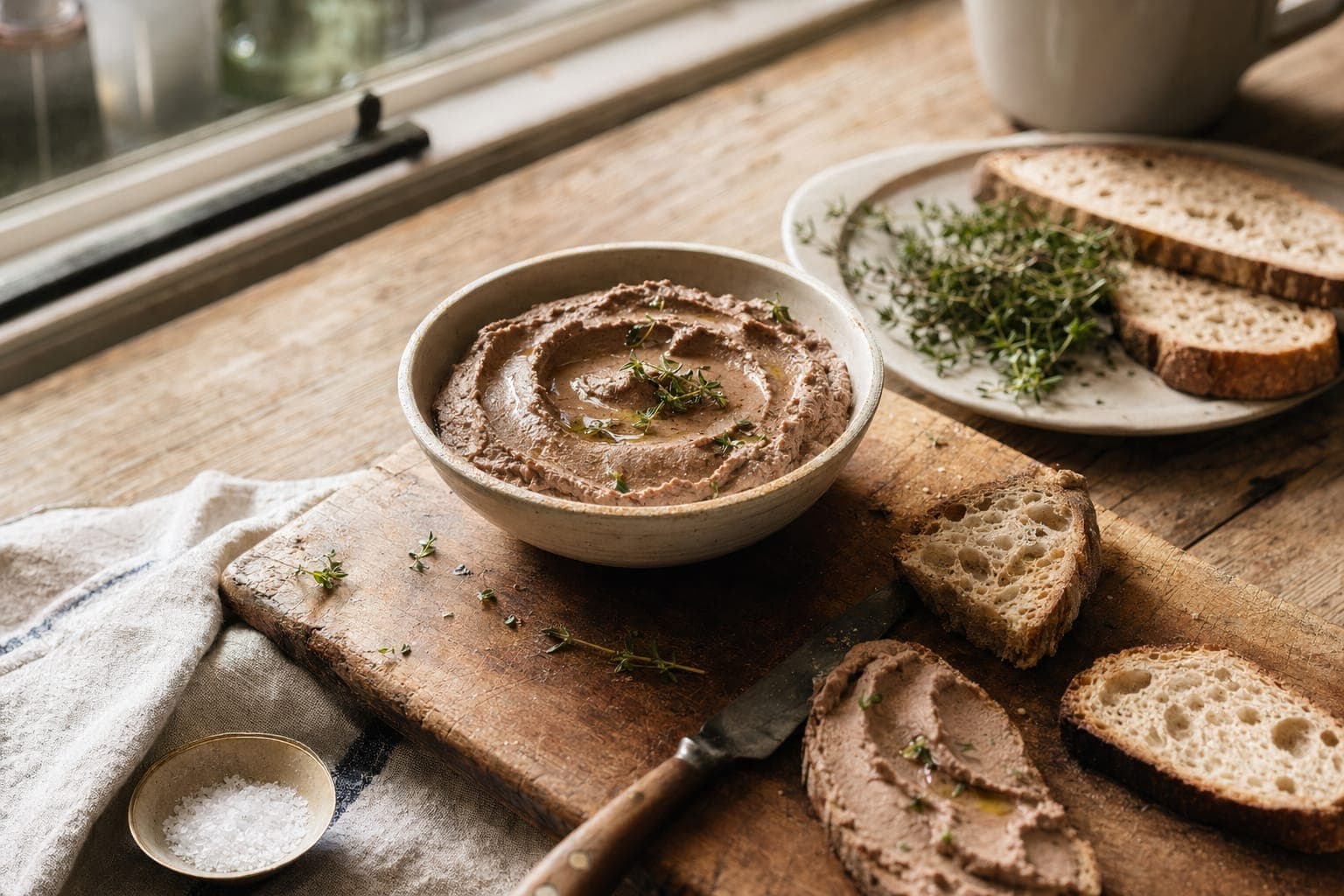
Liver Pate for Beginners: A Gentle Introduction to Organ Meats
Simple liver pate recipe to start eating organ meats. Chicken liver, butter, and herbs. Gentle introduction to nutrient-dense whole foods.


 Join over 100,000+ members
Build a better food system with us
The Organised community is thousands of people choosing real food and backing the farmers who grow it, all of us trying to leave the world a little better than we found it. If that is what you care about too, you belong here.