Why Teenage Girls Are at the Highest Risk of Iron Deficiency
Every month, a teenage girl's body loses blood. Which means every month, she loses iron. If her diet doesn't replace it, she becomes progressively more depleted. By the time anyone notices, she's exhausted, struggling to concentrate, and cold all the time.
By Niall Kiddle, Founder, Organised

Reviewed by Pedro Rodrigues, Agronomist (farming and sourcing only) ·
5 min read · Published · Updated · 2 cited sources
Makers of the Organised Daily blend, a grass-fed beef organ supplement from regenerative UK farms
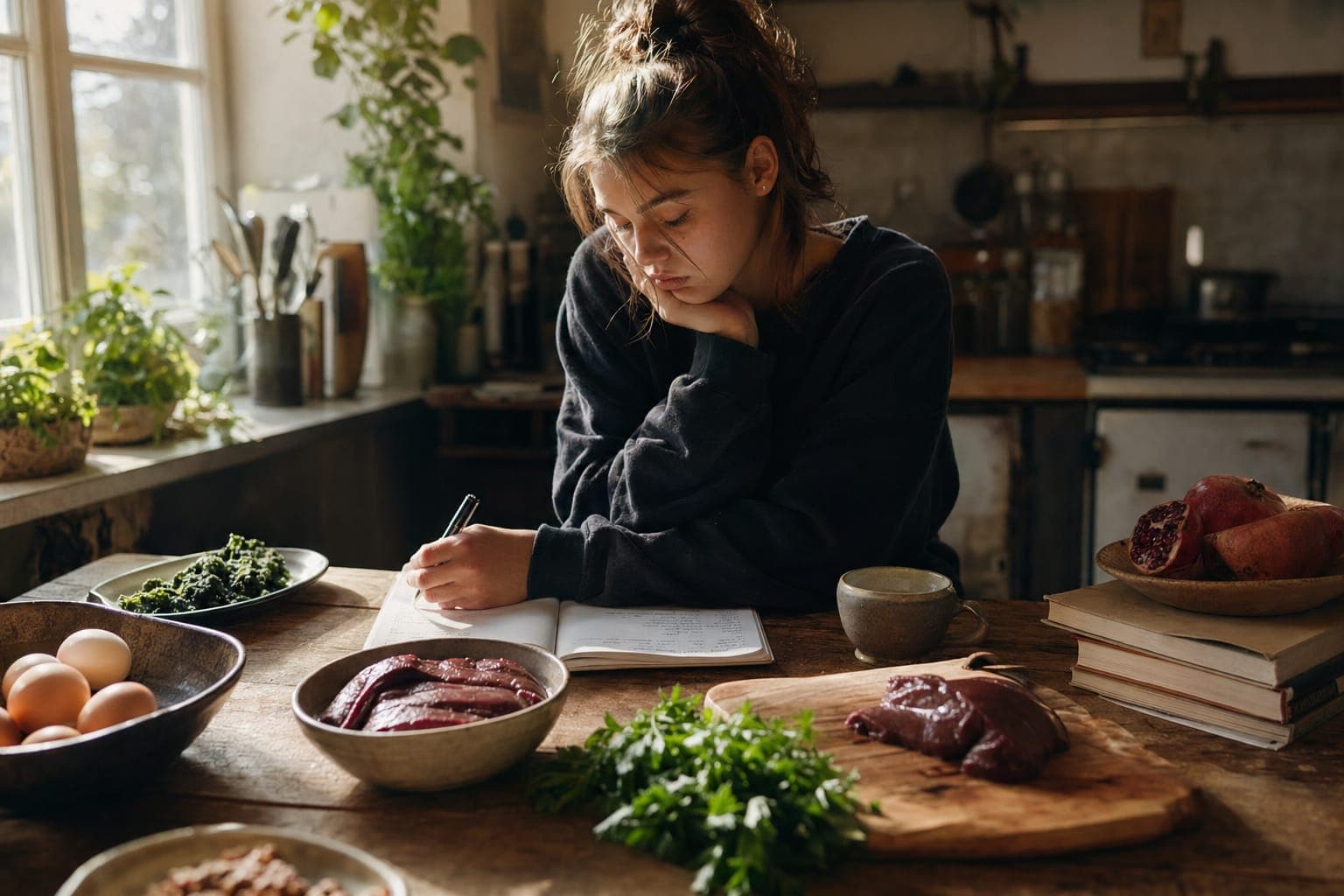
Iron deficiency anaemia is the most common nutritional deficiency in teenage girls.1 It's also almost entirely preventable. But it requires understanding how much iron is actually being lost, and which foods deliver it in forms the body can actually use.

Why girls are uniquely vulnerable
During the menstrual cycle, a teenage girl loses between 30 to 40 millilitres of blood per period2, sometimes more if periods are heavy. Each millilitre of blood contains iron bound in red blood cells. That iron doesn't get recycled back into her body efficiently; it's lost.
Simultaneously, she's growing. Her body is expanding, which means her blood volume is increasing, which means her total iron requirement goes up. And if her periods are heavy, or if she's been raised on a diet low in iron, the mismatch between loss and intake becomes significant very quickly.
The result: by the time she's seventeen or eighteen, many girls have iron stores that are completely depleted. Some are anaemic. Most are what's called iron-depleted, meaning normal blood haemoglobin but no stored iron reserves.
A girl who's tired, cold, struggling to concentrate, and catching every bug is not weak or lazy. She's probably severely iron-deficient.
What iron deficiency actually looks like
Iron deficiency shows up as a cluster of symptoms that often get misattributed to other things:
- Exhaustion that doesn't improve with rest
- Difficulty concentrating or brain fog
- Cold intolerance, even when others are comfortable
- Frequent infections and slow recovery
- Pale skin, especially inside the lips and eyelids
- Shortness of breath with mild exertion
- Dizziness, especially when standing up quickly
- Hair loss or thin, brittle hair
- Weak nails that break easily
- Restless legs at night
- Cravings for non-food items (pica), like ice or dirt
These symptoms are often written off as "typical teenage behaviour" or attributed to mental health, when they're actually a straightforward nutritional deficiency. A blood test showing low ferritin (stored iron) or low haemoglobin (the iron-carrying protein in blood) confirms it.
The recovery from iron deficiency is measurable and dramatic. Once iron intake is restored, energy returns within weeks. Concentration improves. Cold tolerance normalises. The transformation is noticeable enough that you know you've addressed the right problem.
The foods that restore iron fastest
Not all iron is created equal. There are two types: heme iron (found in animal foods) and non-heme iron (found in plant foods). Heme iron is absorbed far more efficiently. Non-heme iron has lower bioavailability, and absorption is inhibited by compounds in plant foods like phytates and tannins.1
This means that a teenage girl eating spinach and beans is absorbing far less iron than one eating red meat and organ meats, even if the amount on the plate looks equivalent.
The most effective foods for restoring iron in teenage girls:
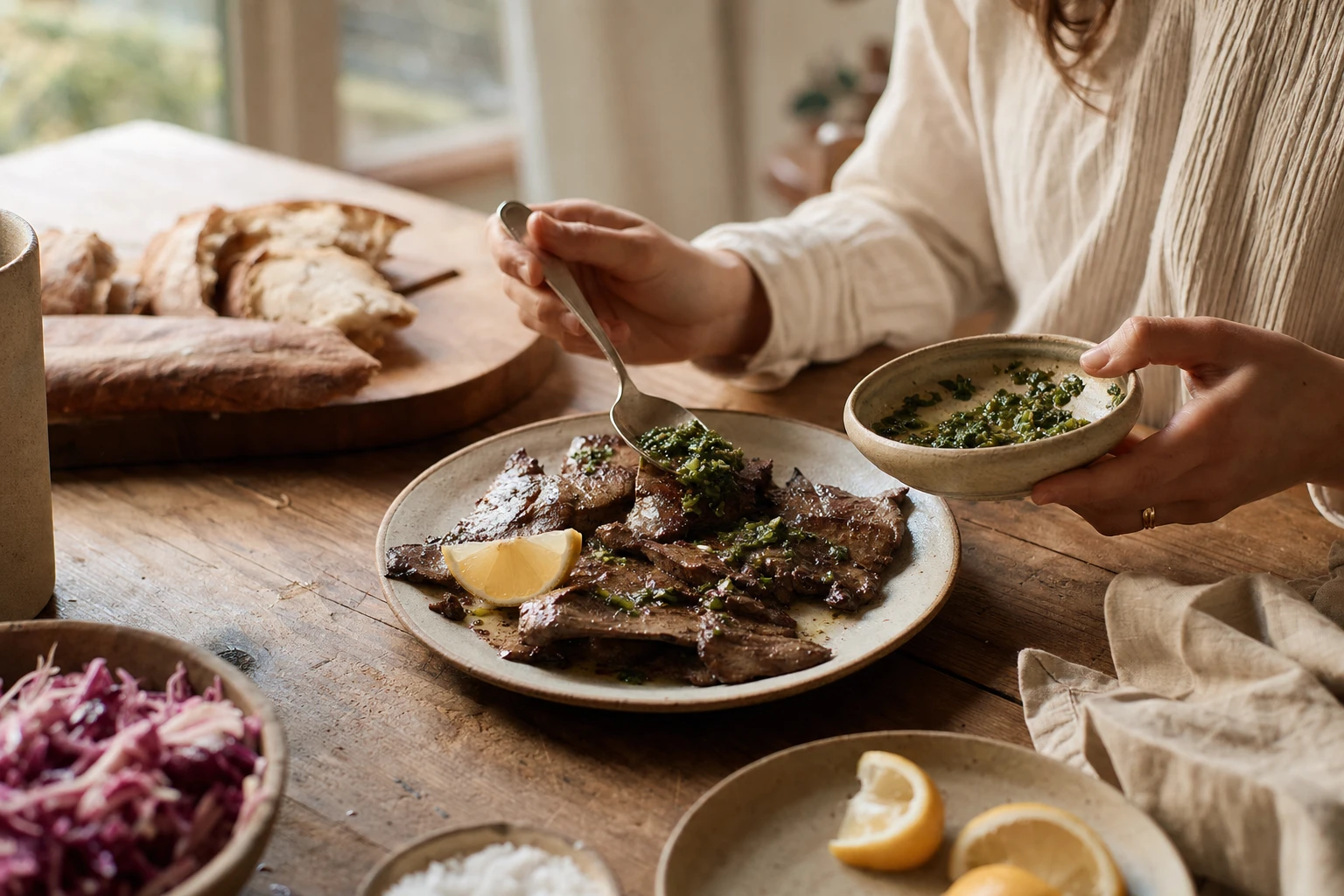
- Liver. The single most iron-dense food available. A small serving of liver delivers as much iron as several servings of red meat. Liver pâté, sliced and fried, or minced invisibly into bolognese.
- Red meat. Beef, lamb, game. Cook it rare or medium-rare for maximum bioavailability. Several servings weekly is appropriate for a girl with iron deficiency.
- Shellfish. Oysters and clams are extraordinarily iron-rich, though not all girls will eat them. Mussels are a more approachable alternative.
- Dark poultry. Chicken thighs and duck are higher in iron than white meat, though not as iron-dense as red meat or liver.
- Fish. Sardines and mackerel in particular are iron-rich and also deliver omega-3 fatty acids.
- Eggs. The yolk contains iron, and the whole egg consumed together improves iron absorption.
Vitamin C dramatically improves iron absorption.1 So serving red meat or liver with citrus, or taking it alongside tomato-based sauces, boosts the iron your body actually absorbs.
Get life-stage nutrition guides, free
Two short reads a week on eating well through pregnancy, childhood and older age.
By signing up you agree to receive emails from us. No spam, unsubscribe anytime.
Dietary iron versus supplements
Iron supplements are notorious for causing constipation, stomach cramps, and a metallic taste1 that makes compliance difficult. Teenage girls, already managing the complexity of menstruation and school and social life, often abandon supplements because the side effects are worse than the symptoms they're treating.
Dietary iron is absorbed more slowly, but it's better tolerated and more effective long-term. If a girl is willing to eat red meat and liver regularly, dietary iron will restore her stores more reliably than supplements ever will.
That said, supplements have a role in severe deficiency. If blood haemoglobin is below 10 grams per decilitre, or if there's significant anaemia, supplementation is warranted. But it should always be paired with dietary improvement, not as a replacement for it.
The goal is to get iron from food, not from a bottle. Food fixes not just iron, it fixes the entire nutritional foundation.
The practical approach
If your daughter is showing signs of iron deficiency, start with a blood test. Ferritin, haemoglobin, and iron levels will tell you how severe it is.
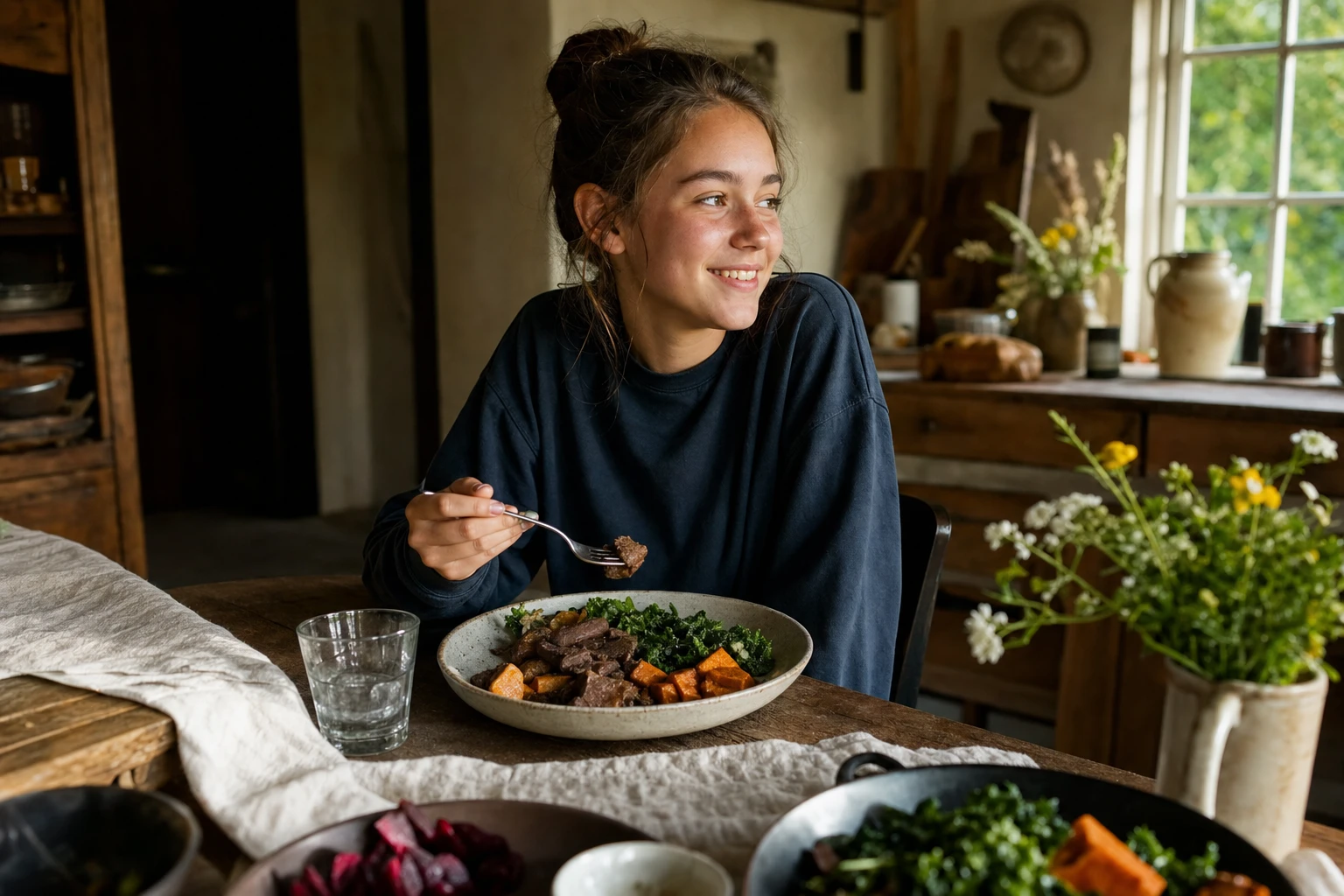
Then, introduce red meat and liver into regular meals. Not as a medical food, just as part of regular eating. Bolognese with liver mixed in. Steak for dinner. Liver pâté on toast. Burgers made with minced liver and beef.
Pair iron-rich foods with something containing vitamin C. A squeeze of lemon on liver. Tomato sauce with red meat. Berries with eggs and liver pâté.
Serve meals with butter, olive oil, or other fats. Iron is better absorbed in the presence of fat.
If she's a vegetarian or vegan, iron deficiency is far more likely, and the dietary solution is harder. In that case, supplementation becomes more important. But even then, prioritising plant foods highest in iron (lentils, chickpeas, leafy greens) and consuming them with vitamin C will help.
Retest her blood iron levels after three months of consistent dietary improvement. Most girls show significant improvement within that timeframe.
1 of 9
Daily blend
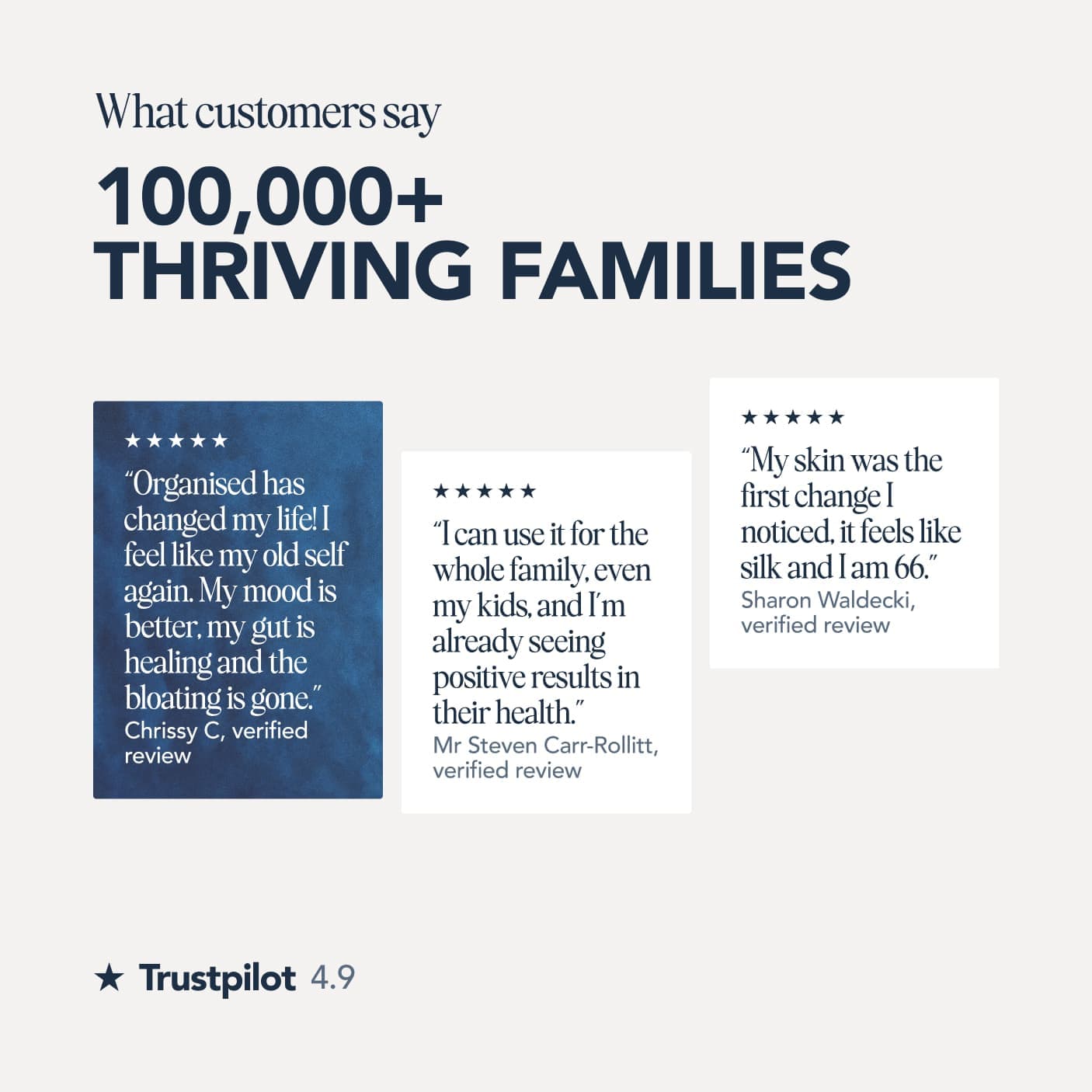
100,000+ thriving families4.9 on Trustpilot
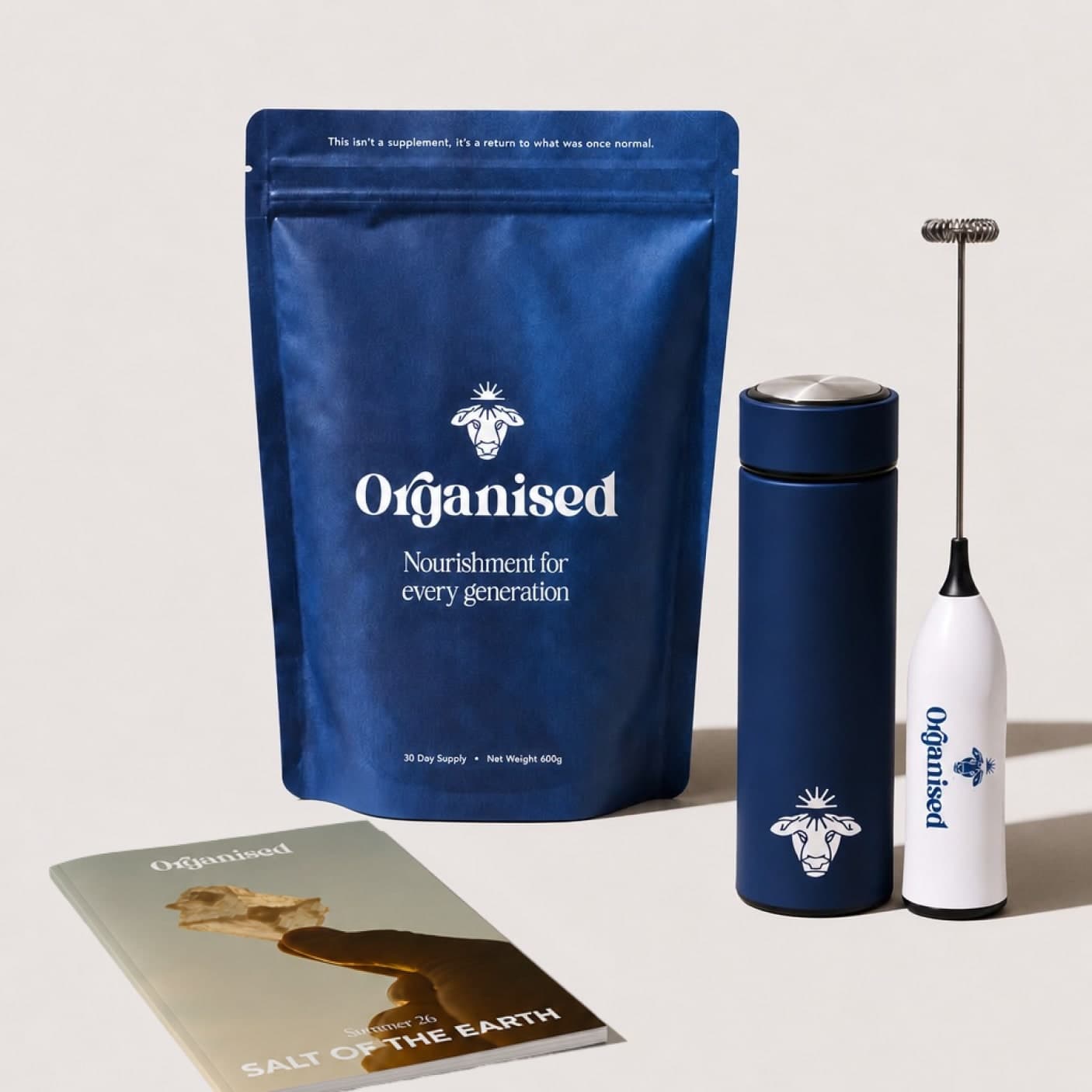
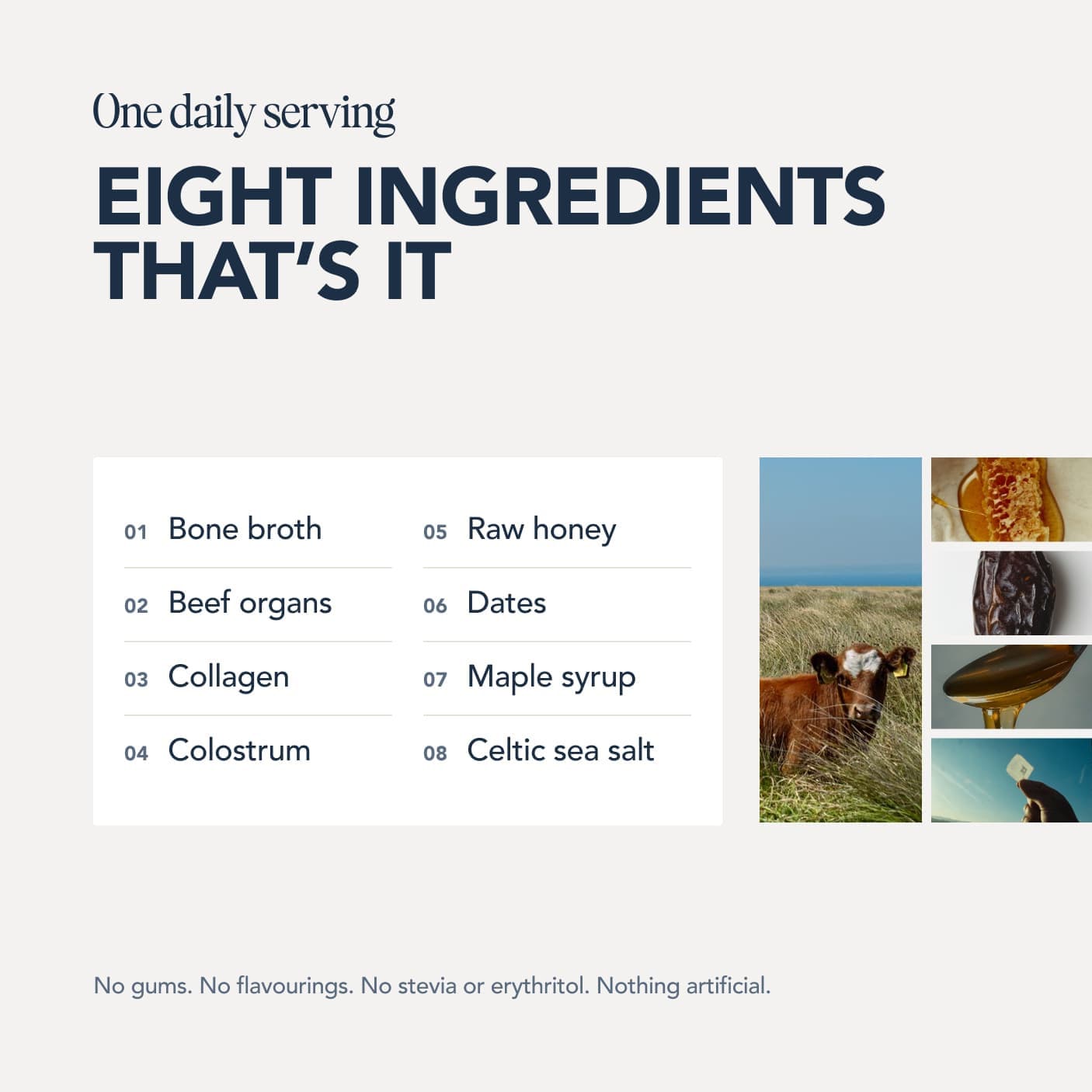
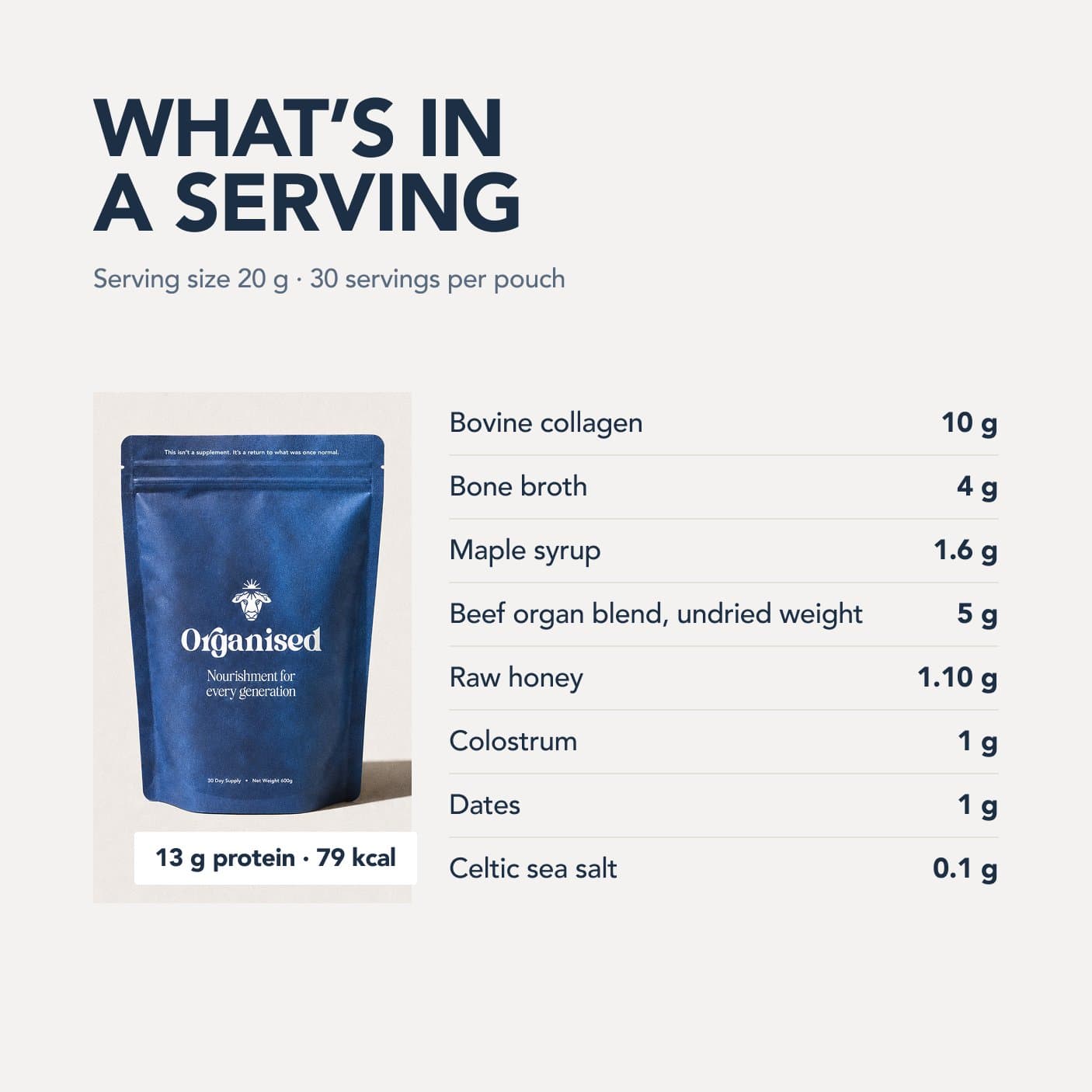
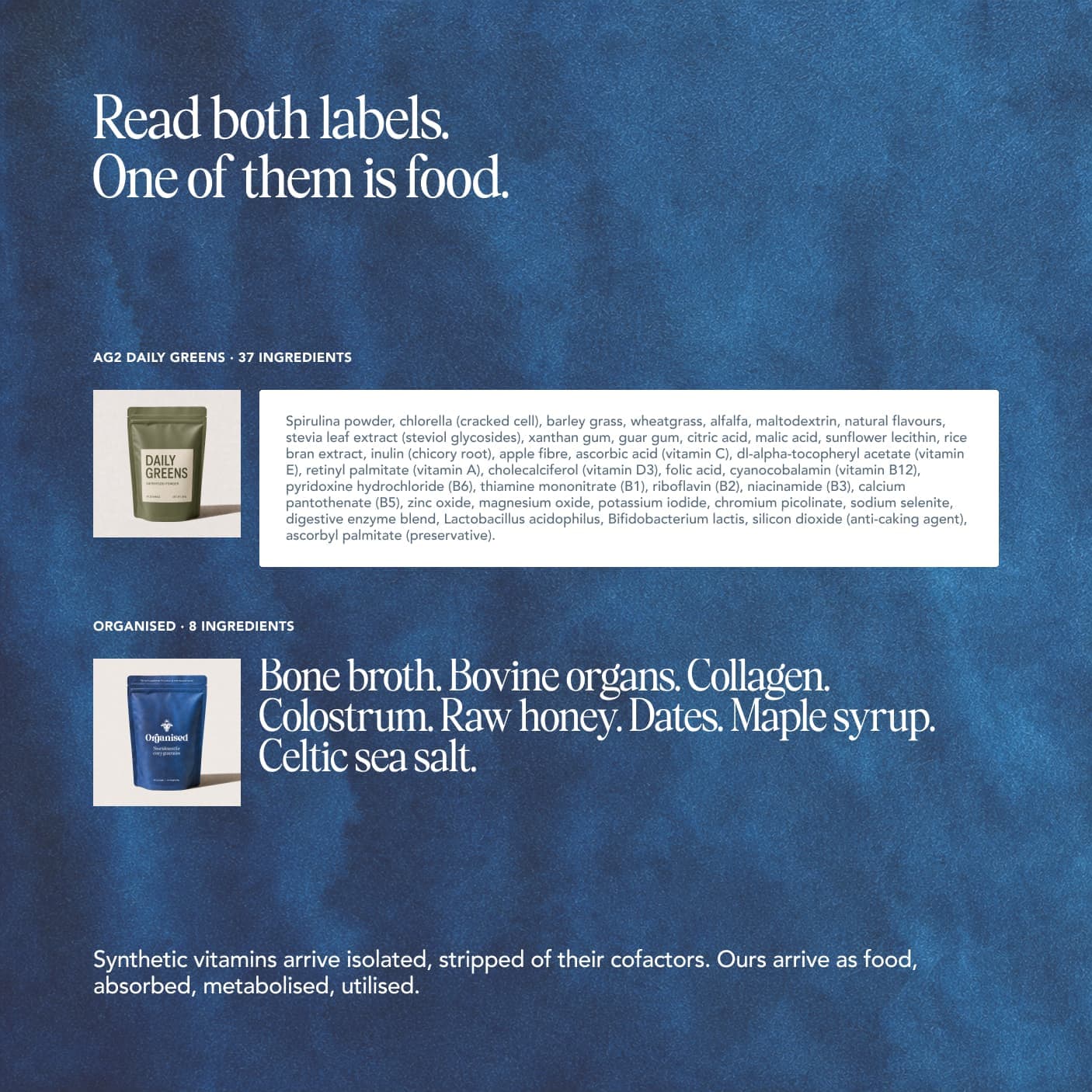
Eight real ingredients built around grass-fed beef organs, collagen and colostrum. Nothing synthetic added.
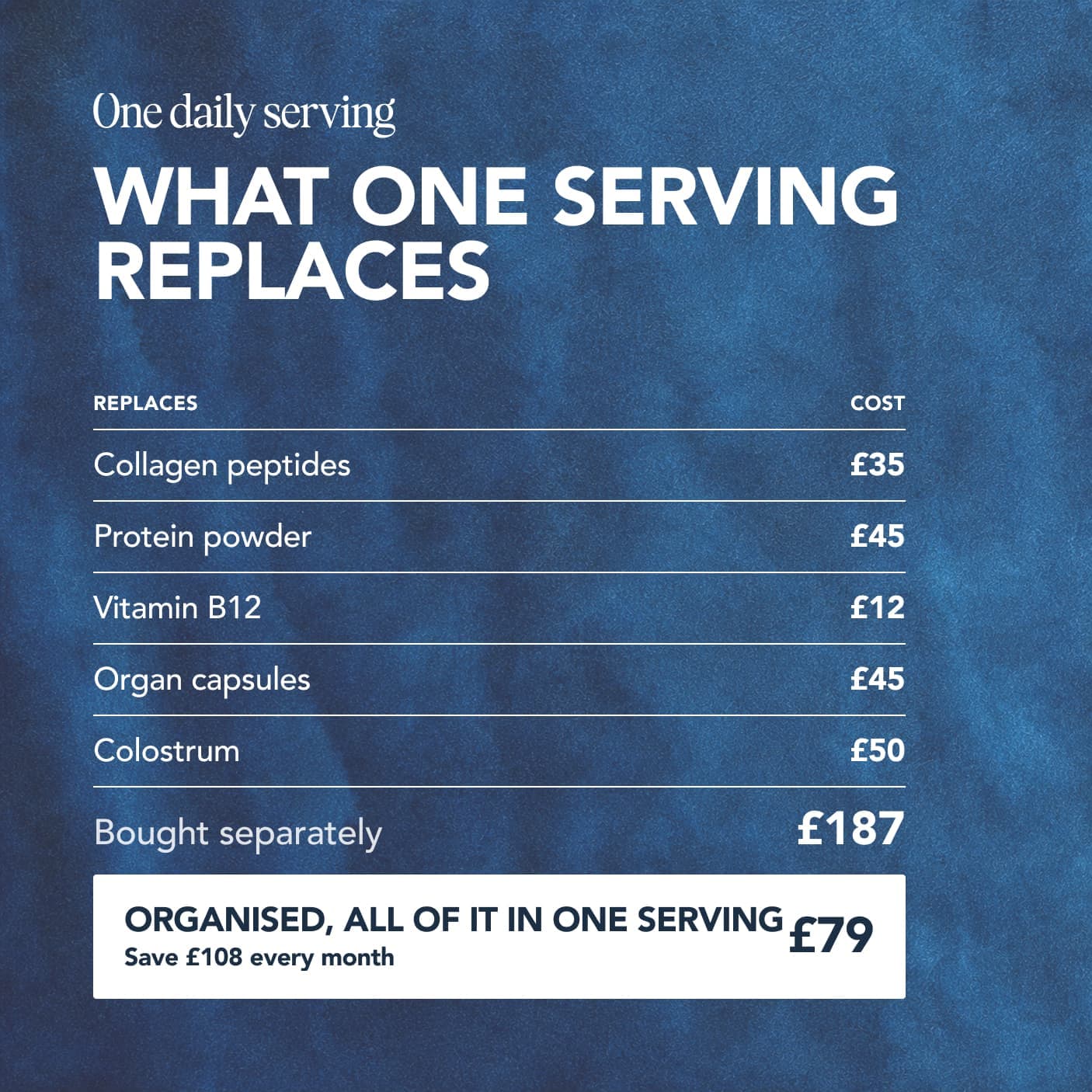
Free with your first order, worth £38. Plus £10 off the pouch with a subscription.
Free UK shipping · Made in England · 100 day money back guarantee on your first pouch · Skip, pause or cancel anytime
The blood test conversation
If you suspect your daughter is iron-deficient, ask her GP for a simple blood test. They can measure serum ferritin (stored iron), haemoglobin (the iron-carrying protein in blood), and potentially other iron-related markers. If she's deficient, you have a baseline. If she's adequate, you can relax knowing her nutrition is supporting her menstrual cycle.
Retest after three months of increased dietary iron. Most girls show significant improvement quickly. Ferritin rises faster than haemoglobin, so you'll see evidence of recovery in stored iron before the full blood count normalises.
Once iron stores are restored, maintain them. A teenage girl is not out of the woods. She's still menstruating monthly, still depleting iron, still at risk of falling back into deficiency if she restricts meat or other iron-rich foods.
The bottom line
Iron deficiency in teenage girls is epidemic, but it's also entirely avoidable. The solution is not complicated: adequate dietary iron, particularly from red meat and organ meats, delivered consistently through regular meals.
A girl who was exhausted, cold, and struggling to concentrate becomes a different person once her iron is restored. Her energy returns. Her mood lifts. Her concentration sharpens. The transformation happens over weeks, not months.
If your daughter is tired, feed her meat. Not as a suggestion, but as medical intervention. It works.
References
Every source below was checked on 27 August 2026. Each PubMed, PMC and DOI identifier was resolved against NCBI or Crossref, and what it opens is printed under the citation, so you can see the link goes where the citation says without leaving the page. Where a citation and its identifier disagreed, the citation was corrected to the record or the reference was deleted along with the sentence marker that pointed at it, and where the resolved paper turned out not to support the sentence, the sentence was cut back to what it does support. Borrowed authority is worse than none, because it looks like rigour.
- National Institutes of Health, Office of Dietary Supplements. Iron: Fact Sheet for Health Professionals.
- Hallberg L, Hogdahl AM, Nilsson L, Rybo G. Menstrual blood loss — a population study. Acta Obstet Gynecol Scand. 1966;45(3):320-51. PMID: 5922481.Checked 27 August 2026: PMID 5922481 opens Hallberg L, Högdahl AM, Nilsson L et al, Menstrual blood loss--a population study. Variation at different ages and attempts to define normality. Acta Obstet Gynecol Scand 1966;45(3):320-51.
Who wrote and reviewed this guide
Niall Kiddle
Author · Founder, Organised
Niall is the founder of Organised. He started the company in 2024 after fixing his own health the slow way: in 2022 he swapped a cupboard of synthetic supplements for real food, raw milk, organ meats, bone broth and honey, and felt the difference within months.
Areas of expertise: Ancestral nutrition, Organ meats, Whole-food supplementation, Gut health, Regenerative sourcing
Read Niall's full profile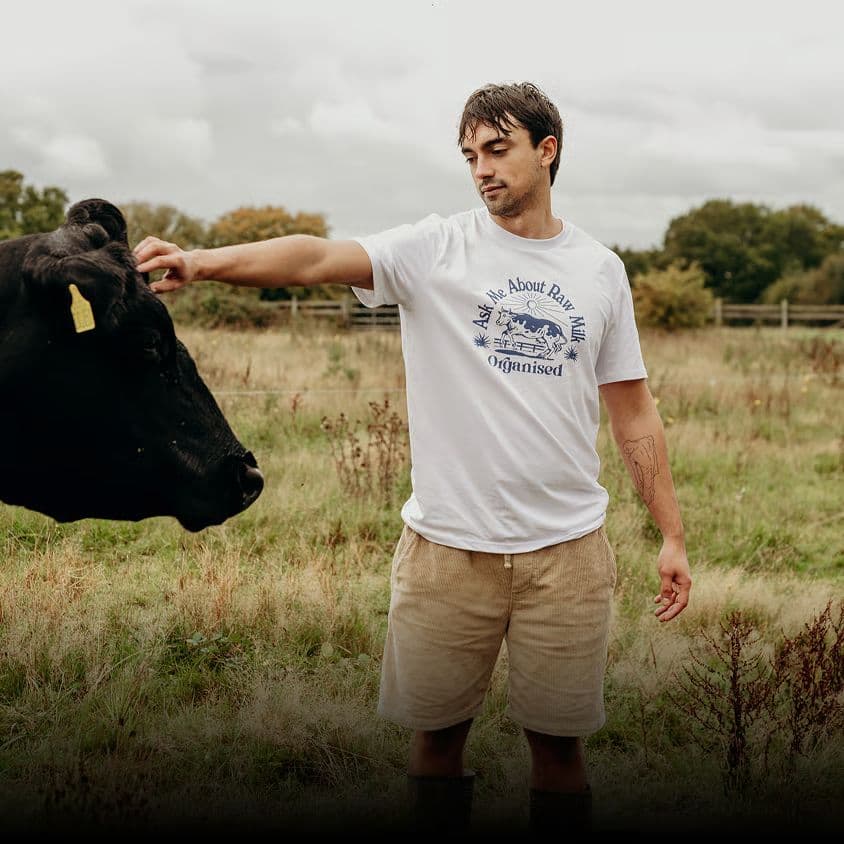
Pedro Rodrigues
Reviewer · Agronomist (farming and sourcing only)
Pedro is the agronomist Organised works with on farming and sourcing. His job on the guides is to keep the science honest: he reviews what we publish about soil health, regenerative agriculture, grazing and the way food is actually produced.
Areas of expertise: Regenerative agriculture, Agronomy, Soil health, Grass-fed farming, Food sourcing
Reviewed this guide on
Read Pedro's full profileMore on children & teens
View all- Feeding Children for Optimal Growth and Development
- Teenage Nutrition: Fuelling Growth Spurts and Brain Development
- Building Strong Bones in Childhood: Beyond Just Milk
- Can Children Take Beef Organ Supplements?
- How to Introduce Organ Meats to Children
- Picky Eaters: How to Sneak Nutrient-Dense Foods Into Family Meals
- Protein for Young Athletes: How Much Do Teenagers Actually Need?
- Screen Time, Sleep and Nutrition: The Triangle That Affects Every Child
- Sugar, Screens and Soil: Raising Healthy Children in a Modern World
- Teenage Athletes: Protein and Nutrient Needs for Growing Bodies
- The Nutrients Children Need Most (And Aren't Getting)
- Why Children Need More Nutrient-Dense Food (Not More Vitamins)
Browse the guides library
All guidesKeep reading
Life stage
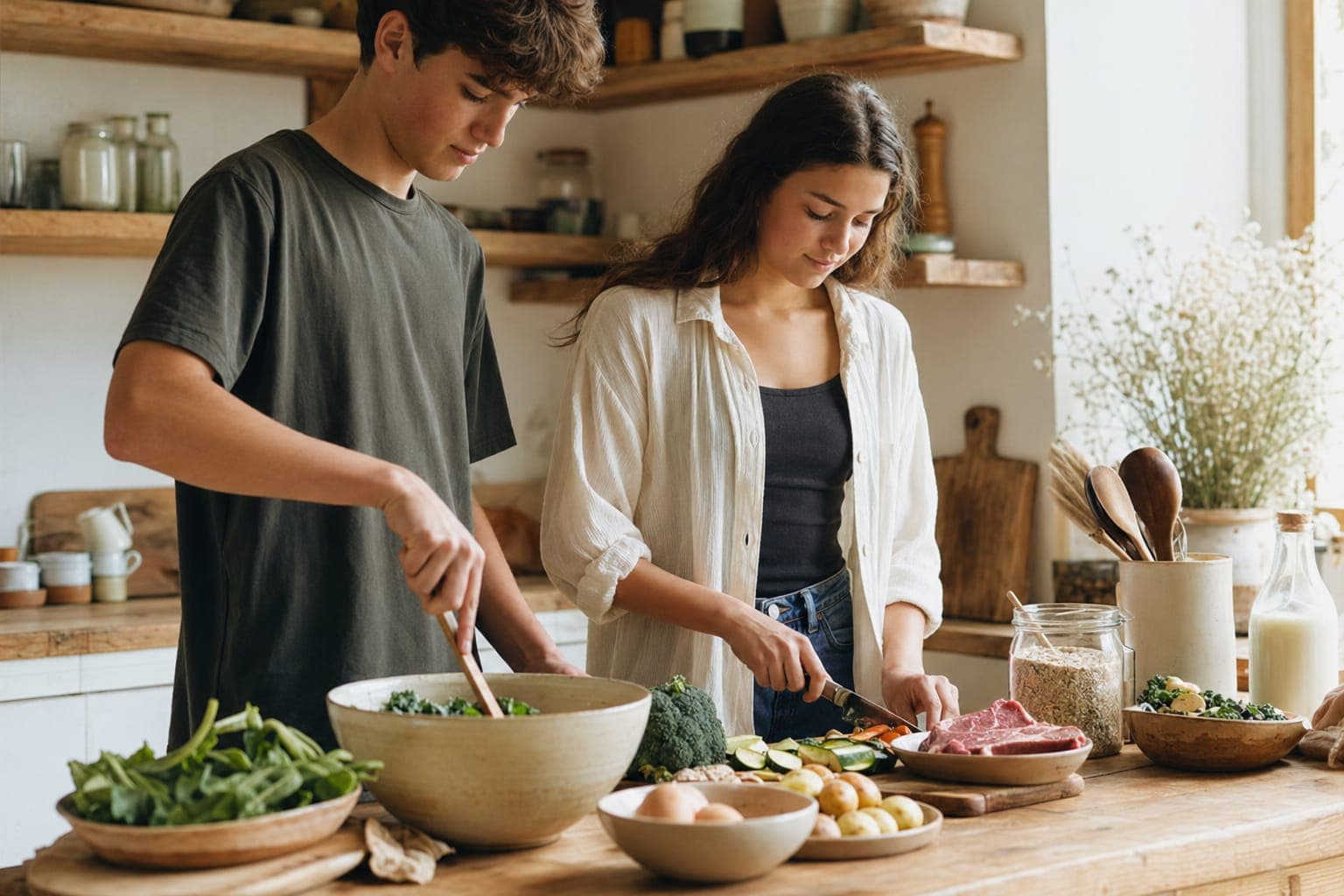
Teenage Nutrition: Fuelling Growth Spurts and Brain Development
Teenage nutrition is critical for growth spurts, brain maturation, and bone building. Learn what teens actually need to thrive.
Life stage
PMS Nutrition: What to Eat in Your Luteal Phase
PMS isn't inevitable. Master magnesium, B6, calcium, and complex carbs in your luteal phase. Specific foods that stabilise mood and energy.
Life stage
Ovulation Pain and Nutrition: Can What You Eat Make a Difference?
Ovulation pain, or mittelschmerz, is often linked to inflammation. Explore how nutrition may help ease it and which foods to lean on. A food-first take.
Real food, made effortless
Find my daily blendA few ways to use it
All recipes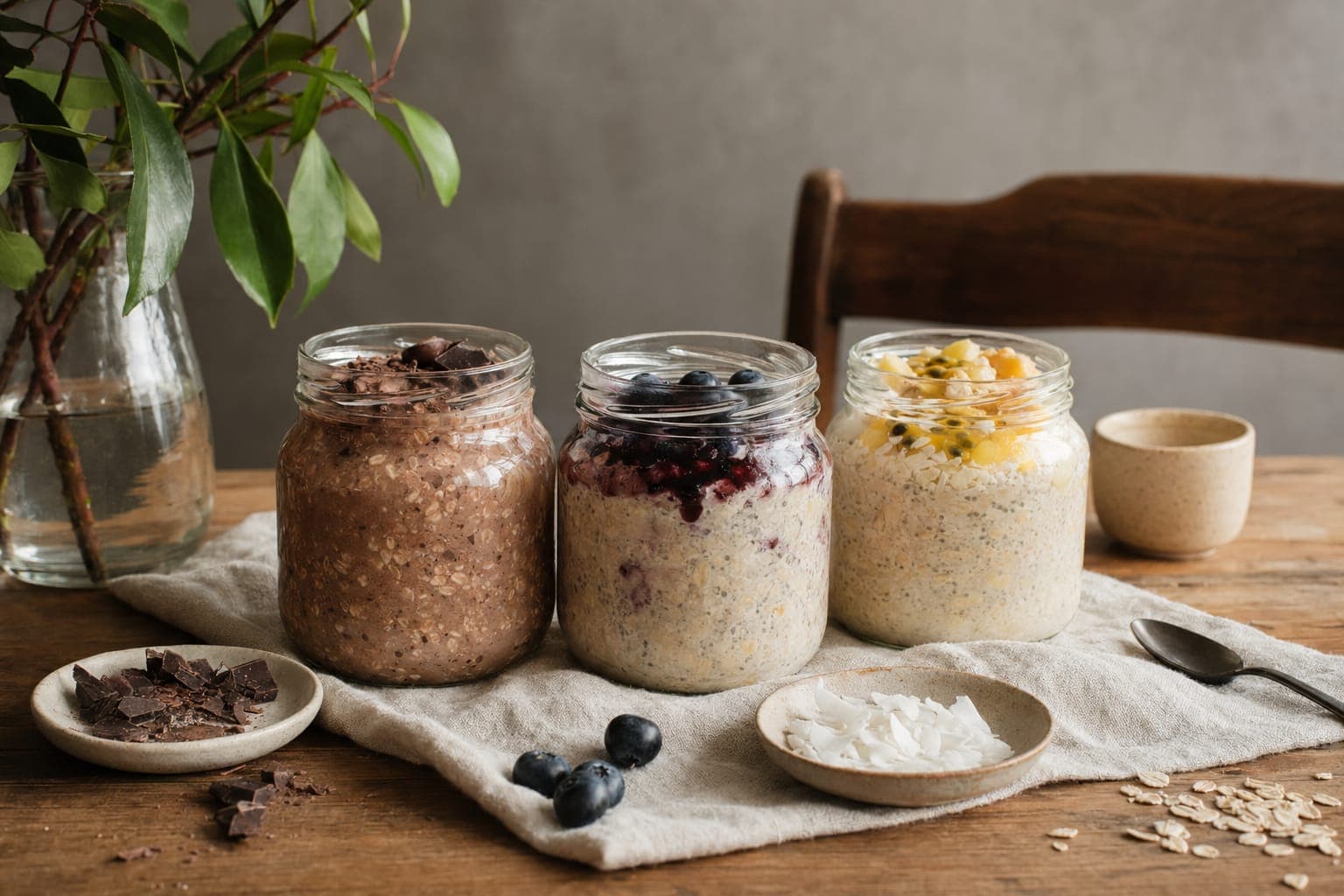
Organised Overnight Oats: 3 Variations
Three delicious overnight oats variations with Organised. Chocolate, berry, tropical flavours. Make them Sunday, eat them all week.
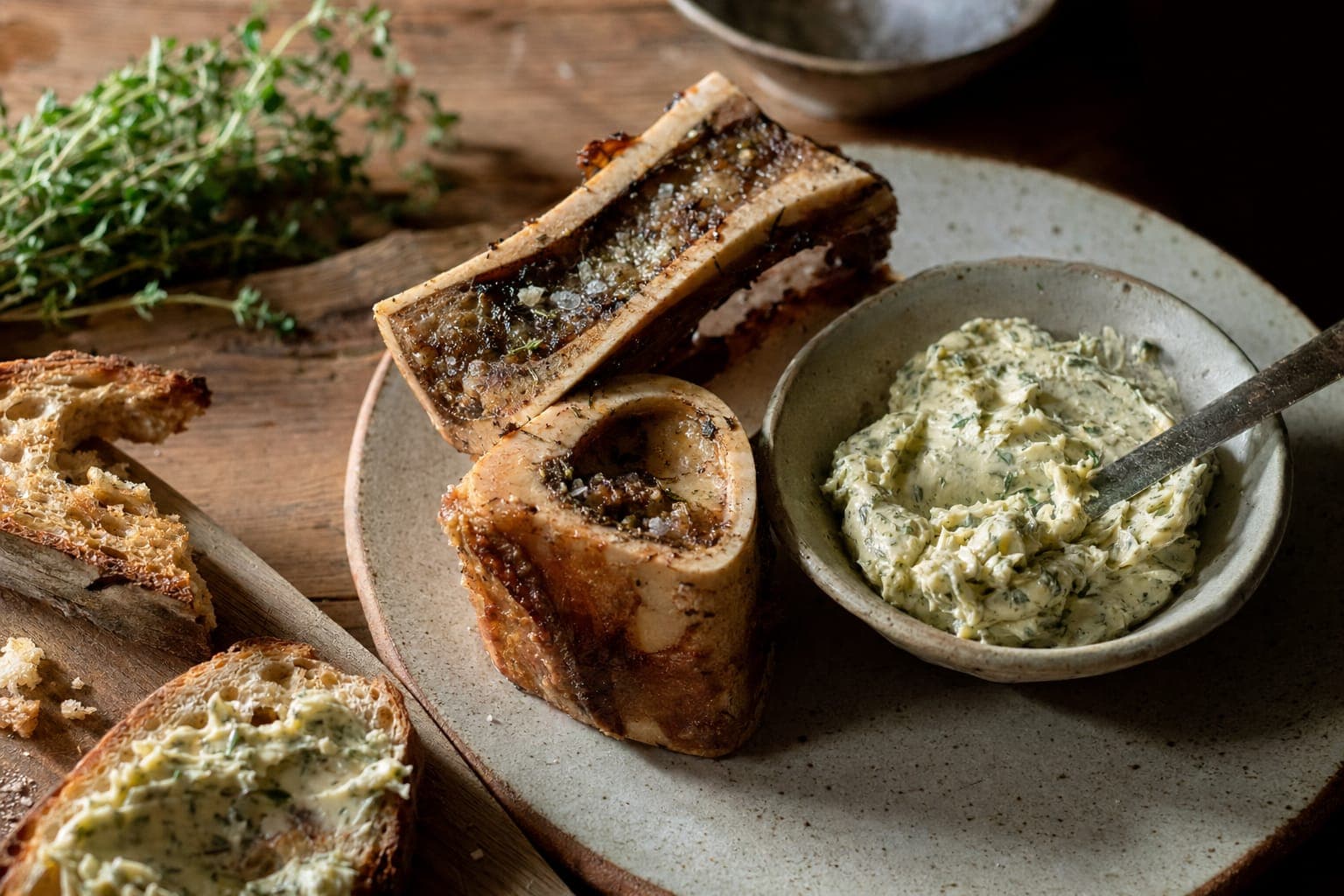
How to Make Bone Marrow Butter
Roast grass-fed marrow bones, scoop the marrow, and mix with butter and herbs. A nutrient-dense spread with fat-soluble vitamins.
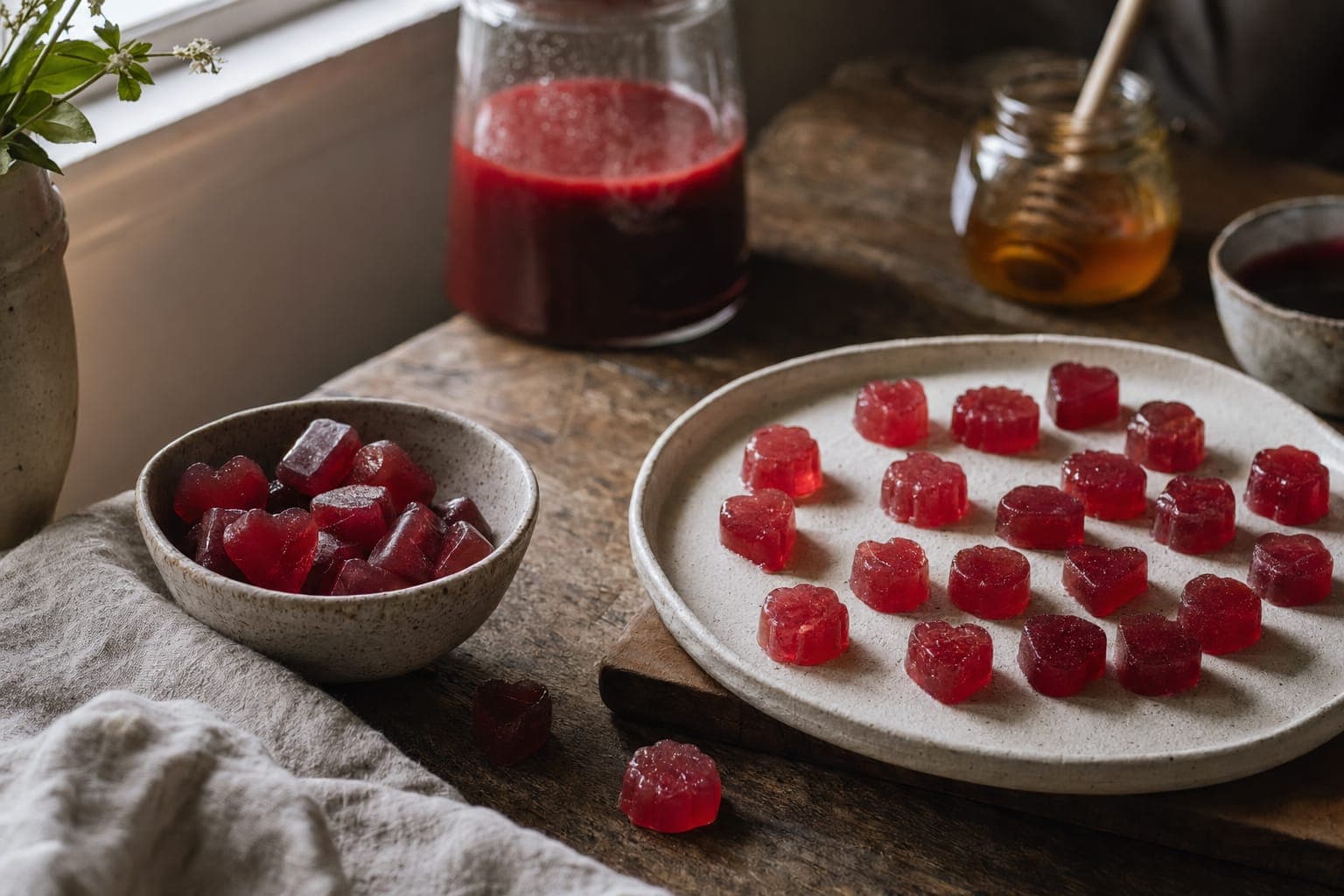
How to Make Your Own Gelatine Gummies
A simple recipe for homemade gelatine gummies using grass-fed gelatine, fresh juice, and raw honey. Better than shop-bought, kids love them.


 Join over 100,000+ members
Build a better food system with us
The Organised community is thousands of people choosing real food and backing the farmers who grow it, all of us trying to leave the world a little better than we found it. If that is what you care about too, you belong here.