Morning Routines That Set Your Family Up for the Day
The alarm goes off at 7 AM and immediately the chaos begins. Screens appear. Coffee gets made. Kids eat cereal whilst watching cartoons. By 8 AM everyone's blood sugar is crashing and nobody's actually ready for the day. Your family's entire day is determined before anyone leaves the house.
By Niall Kiddle, Founder, Organised

Reviewed by Pedro Rodrigues, Agronomist (farming and sourcing only) ·
7 min read · Published · Updated · 4 cited sources
Makers of the Organised Daily blend, a grass-fed beef organ supplement from regenerative UK farms

The first two hours after waking are not optional time. They're the neurochemical foundation everything else is built on.

The first two hours matter more than you think
Your nervous system wakes in a delicate state. Cortisol should rise naturally with the sun.1 Blood sugar should stabilise gradually. Adrenaline should be gentle, not sharp. The morning is the only time of day your body can properly reset. And nearly every modern parent is sabotaging it without knowing.
When you wake and immediately check your phone, you spike adrenaline and cortisol. When you hand your child a screen, you activate their sympathetic nervous system (fight or flight) before their parasympathetic nervous system (rest and digest) has even properly woken. You're starting the day already activating stress pathways.
Compare this to what humans did for 200,000 years: wake slowly, move gently, eat something grounding, feel the sun. The nervous system had time to transition. The body had time to prepare.
Your morning is not something that happens to you. It's something you build intentionally, and it determines the emotional and neurochemical tone of your entire family's day.
This is not parental guilt or overreaching. Neuroscience is clear on this: the first waking hour sets the baseline for stress hormone regulation, focus capacity, emotional resilience, and decision-making for the next 12 hours. Get the morning right and the day follows. Get it wrong and you're fighting an uphill battle from 8 AM onwards.
Why breakfast is not optional, and what it should be
Breakfast is the word for what you eat first. But what you eat first matters enormously. Cereal with milk followed by a glass of juice is not breakfast. It's a blood sugar spike followed by a crash ninety minutes later.
A real breakfast has protein, fat, and carbohydrate. The protein stabilises blood sugar. The fat carries fat-soluble vitamins and signals satiety. The carbohydrate provides energy and minerals. The combination is what resets your metabolic tone for the day.
Eggs are non-negotiable. An egg has more micronutrients than almost any food on the planet: choline for brain development, selenium for thyroid function, lutein for eye health, phospholipids for nerve function.4 Two eggs with whole grain toast and butter and a piece of fruit is a complete breakfast that costs less than a bowl of branded cereal.
Alternatively: full-fat Greek yoghurt with berries and granola and a tablespoon of almond butter. Or smoked salmon with rye toast and cream cheese. Or slow-cooked oats with whole milk, honey, and stewed apple. The point is protein, real fat, and unrefined carbohydrate sitting together on the plate.
A breakfast without protein is not a breakfast. It's a snack masquerading as the most important meal of the day.
The child who eats eggs for breakfast will have stable blood sugar, clear focus, and emotional resilience for four to five hours. The child who eats cereal will crash hard by 10 AM and then blame the school environment for their poor behaviour and inability to concentrate. These are not personality traits. They're blood sugar.
- Eggs: Always available. Boil them the night before if mornings are rushed. Serve with toast and butter.
- Full-fat yoghurt: Pair with nuts, seeds, and fruit. Granola adds texture and calories for growing children.
- Porridge: Make overnight oats the night before. Add whole milk, honey, and fresh fruit.
- Smoked fish: Salmon or mackerel on wholemeal bread with butter or cream cheese. Complete protein and omega-3.

Screen time before school is sabotage
The average child sees a screen within five minutes of waking. Seventy percent of families report screens during breakfast. By 8 AM, the average child has already seen an hour of content designed to grab attention aggressively and hold it with constant novelty.
This is incompatible with learning. Screens stimulate the amygdala and suppress the prefrontal cortex. A child's capacity for complex thinking, emotional regulation, and sustained attention is directly proportional to their screen-free time in the morning. This is not opinion. This is neurobiology.
The practical impact: a child who sees screens before school has measurably worse focus, worse emotional regulation, and worse reading comprehension that day. Multiple studies have now shown that a screen-free morning improves attention capacity in class by 20 to 30 percent.3 That's not marginal. That's the difference between a child thriving and a child struggling.
Your child's ability to learn in school is determined by whether they saw a screen in the first hour after waking. This is not a judgment. This is neuroscience.
The rule is simple: no screens in the first hour. No iPad during breakfast. No YouTube whilst getting dressed. Nothing. The nervous system needs time to transition from sleep to wakefulness. Screens accelerate this transition in the wrong direction.
Get life-stage nutrition guides, free
Two short reads a week on eating well through pregnancy, childhood and older age.
By signing up you agree to receive emails from us. No spam, unsubscribe anytime.
Sunshine and nervous system regulation
Cortisol has a rhythm. It rises naturally with sunrise, peaks about 30 minutes after waking, and then gradually declines through the day. This rhythm regulates every other rhythm: sleep, appetite, energy, mood, immunity.
When you see natural light in the first hour of waking, you synchronise this rhythm.2 Your melatonin stops. Your cortisol peaks appropriately. Your circadian system resets. When you stay indoors under artificial light, your cortisol rises weakly, your melatonin lingers, and your circadian system drifts.
This drift compounds. By the end of the week, a child who saw sunshine every morning has stable sleep, stable energy, and stable mood. A child who stayed indoors is tired, wired, and dysregulated.
The prescription is absurdly simple: get outside for 10 to 20 minutes in the first hour after waking. No sunglasses. Direct light in the eyes. Even cloudy daylight is far more powerful than indoor lighting at resetting your circadian rhythm.
Sunshine in the morning is not optional. It's the neurochemical foundation your child's entire day depends on.
Walk to school if possible. Let the children walk to the bus stop. Sit in the garden with breakfast. Open the curtains the moment they wake. This is the single most powerful intervention available to you and it costs nothing.

The calm that precedes capability
A rushed morning creates a cascading stress response. You're stressed. The children sense it and become stressed. Their nervous systems lock into sympathetic activation and stay there. By the time they reach school, they're already in fight-or-flight mode, which means their capacity for learning, cooperation, and emotional regulation is already depleted.
A calm morning does the opposite. When you move slowly, speak quietly, and manage time intentionally, the entire family stays in a parasympathetic state. Children in this state learn better, cooperate better, and regulate emotions better.
This doesn't require waking earlier, necessarily. It requires intention. Not checking your phone the moment you wake. Not rushing the breakfast. Not turning a meal into a logistical operation. Making breakfast and eating it together, even if only for 10 minutes. Speaking in normal volume. Moving at a human pace.
Your children will become the nervous system they experience every morning. Calm begets calm. Rushed begets dysregulation.
The household that eats breakfast together, without screens, in natural light, with calm intention, looks entirely different by 8 AM than the household racing against the clock. The difference isn't in the genes or the personalities. It's in the neurochemistry the morning has created.
Lunchbox strategy that actually works
The breakfast sets the tone. But the morning also includes lunchbox preparation, and this is where most families go wrong. A lunchbox full of crackers, fruit, and a juice box will cause a blood sugar crash at 1 PM and a meltdown by 3 PM.
Real food in the lunchbox looks like: hard-boiled eggs or cheese, raw vegetables with hummus or butter, a piece of fruit, nuts, bread with real butter and jam, perhaps a tin of sardines. These are shelf-stable, they travel well, and they maintain blood sugar for the full afternoon.
- Protein: Eggs, cheese, sardines, cooked chicken, or ham. This is non-negotiable.
- Vegetables: Carrot sticks, cucumber, cherry tomatoes, bell peppers. Raw or lightly steamed.
- Healthy fats: Butter on bread, nuts, nut butter, avocado, cheese. These carry nutrients and signal satiety.
- One piece of fruit: Apple, pear, orange, berries. Not juice or dried fruit as the carbohydrate source.
- Something substantial: Bread with filling, or rice cakes with topping. Real food, not processed crackers.
Prepare the night before if time is tight. Boil eggs on Sunday for the week ahead. Chop vegetables in batches. Portion nuts and seeds. A lunchbox that supports blood sugar stability is not harder than one that crashes it. It just requires conscious choice.


1 of 9
Daily blend
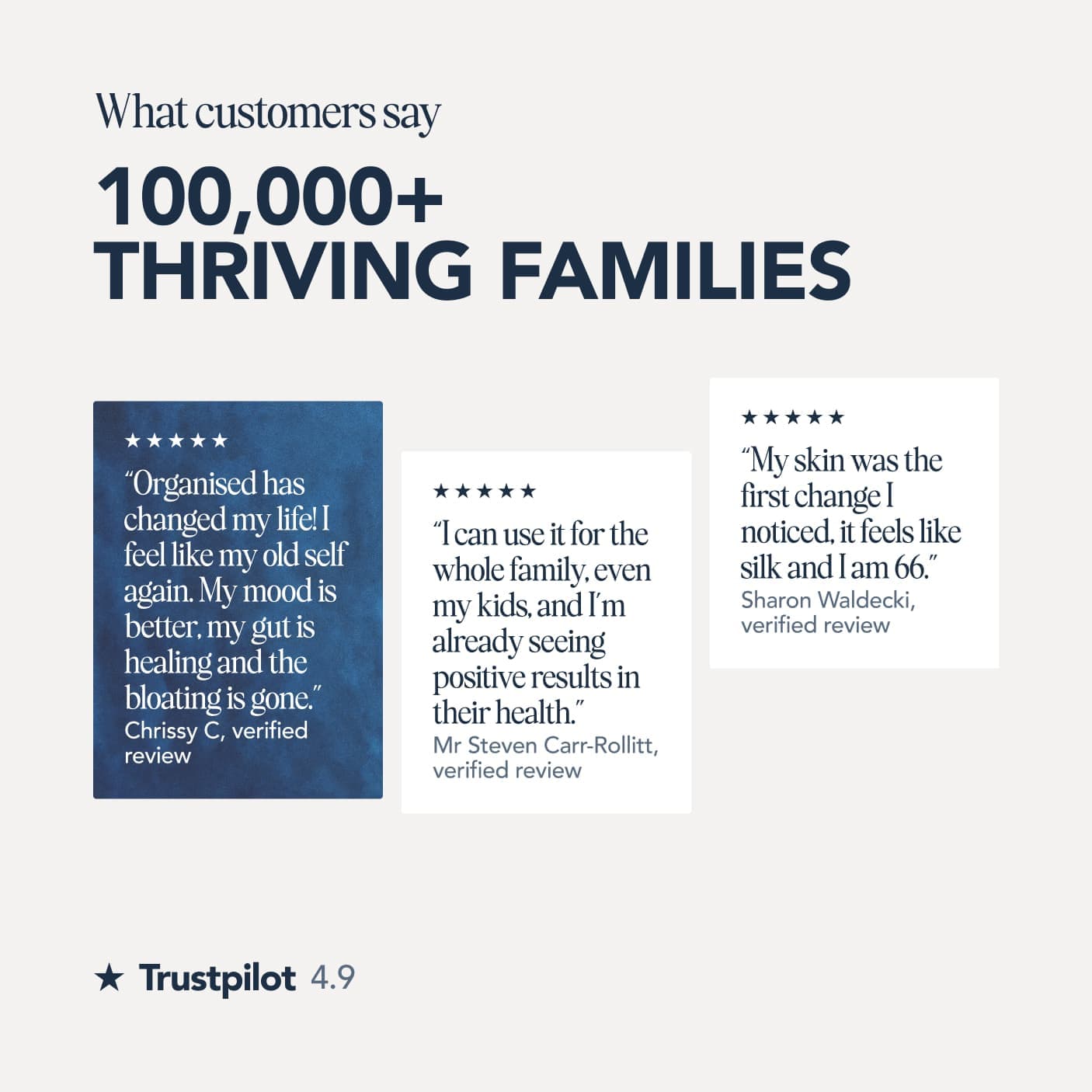
100,000+ thriving families4.9 on Trustpilot
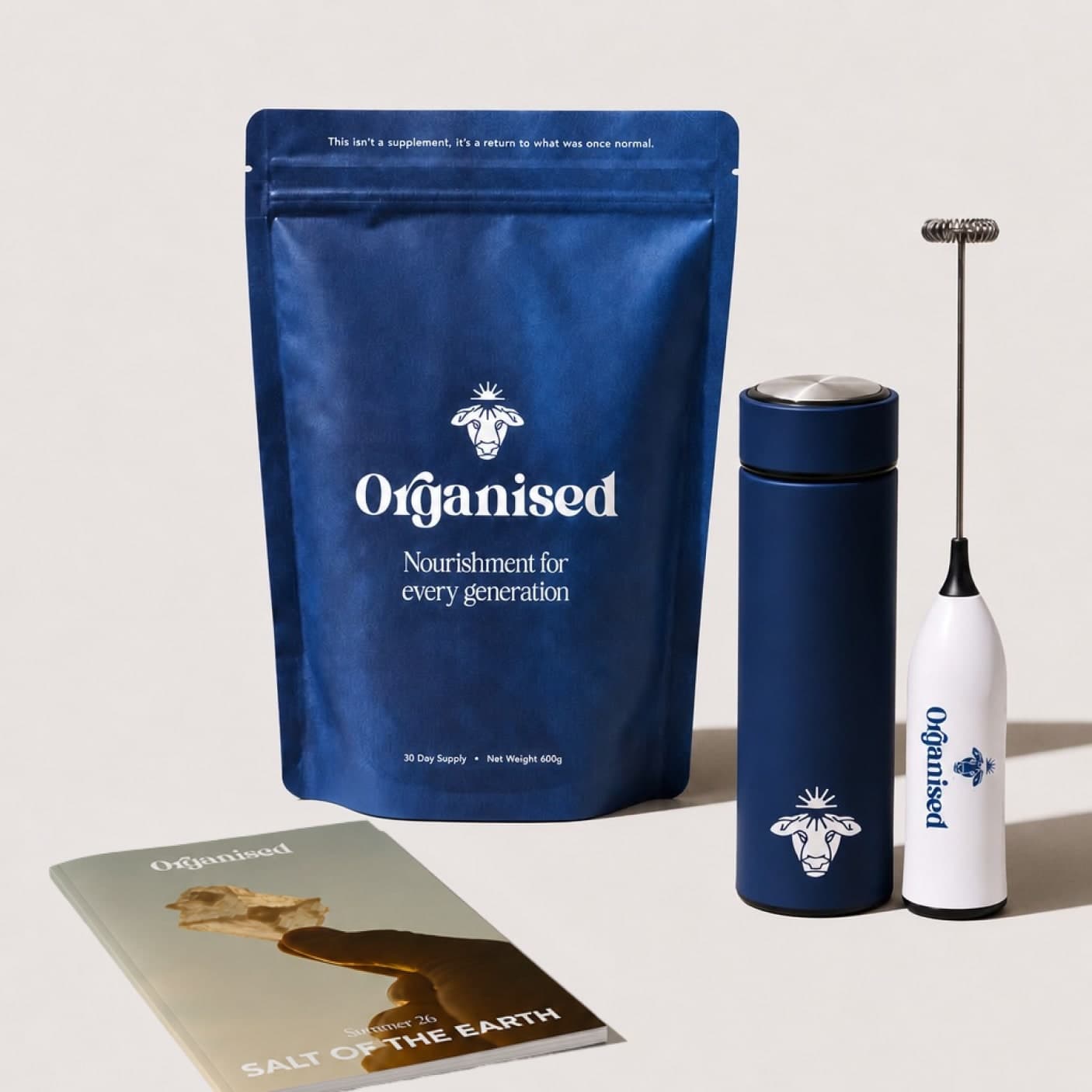
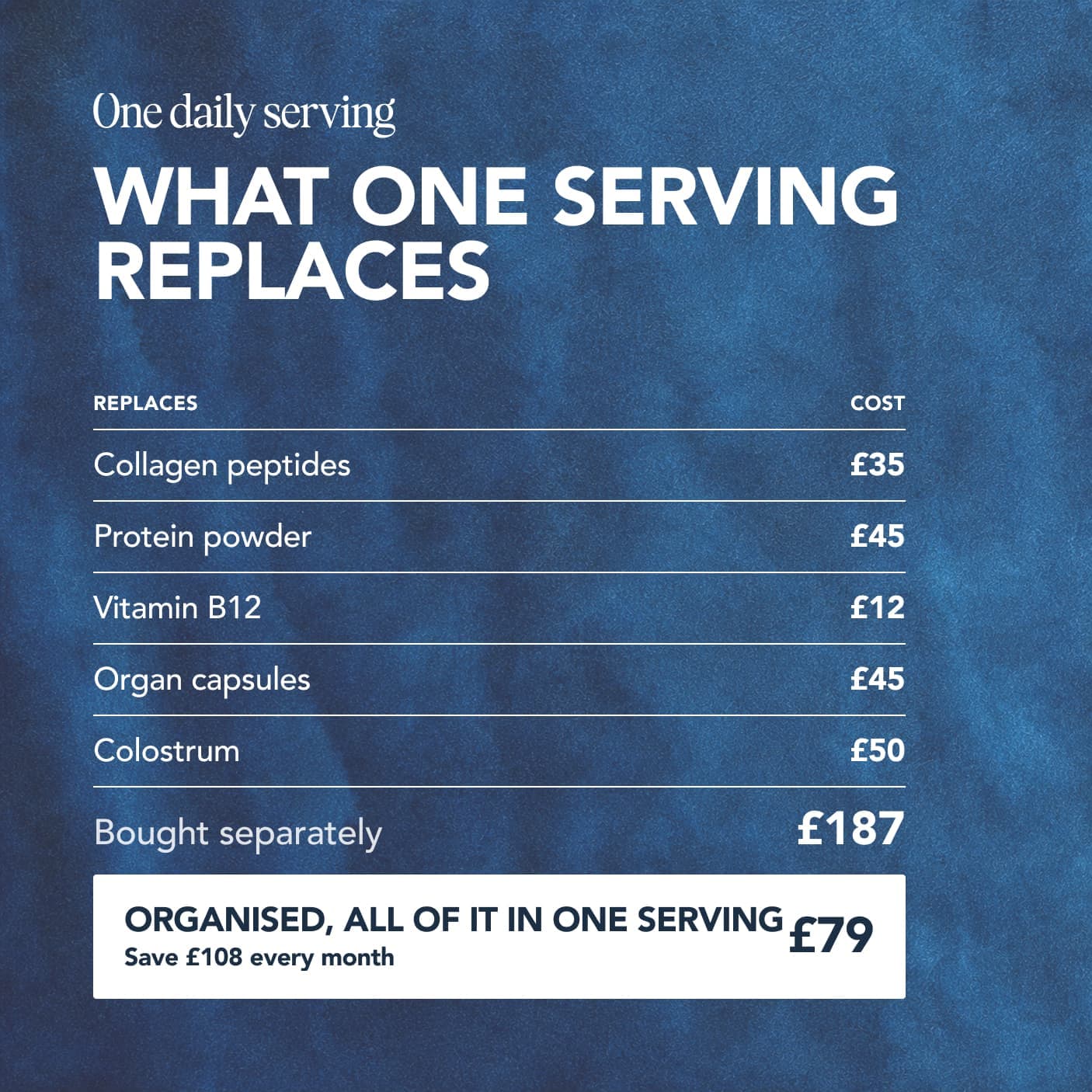
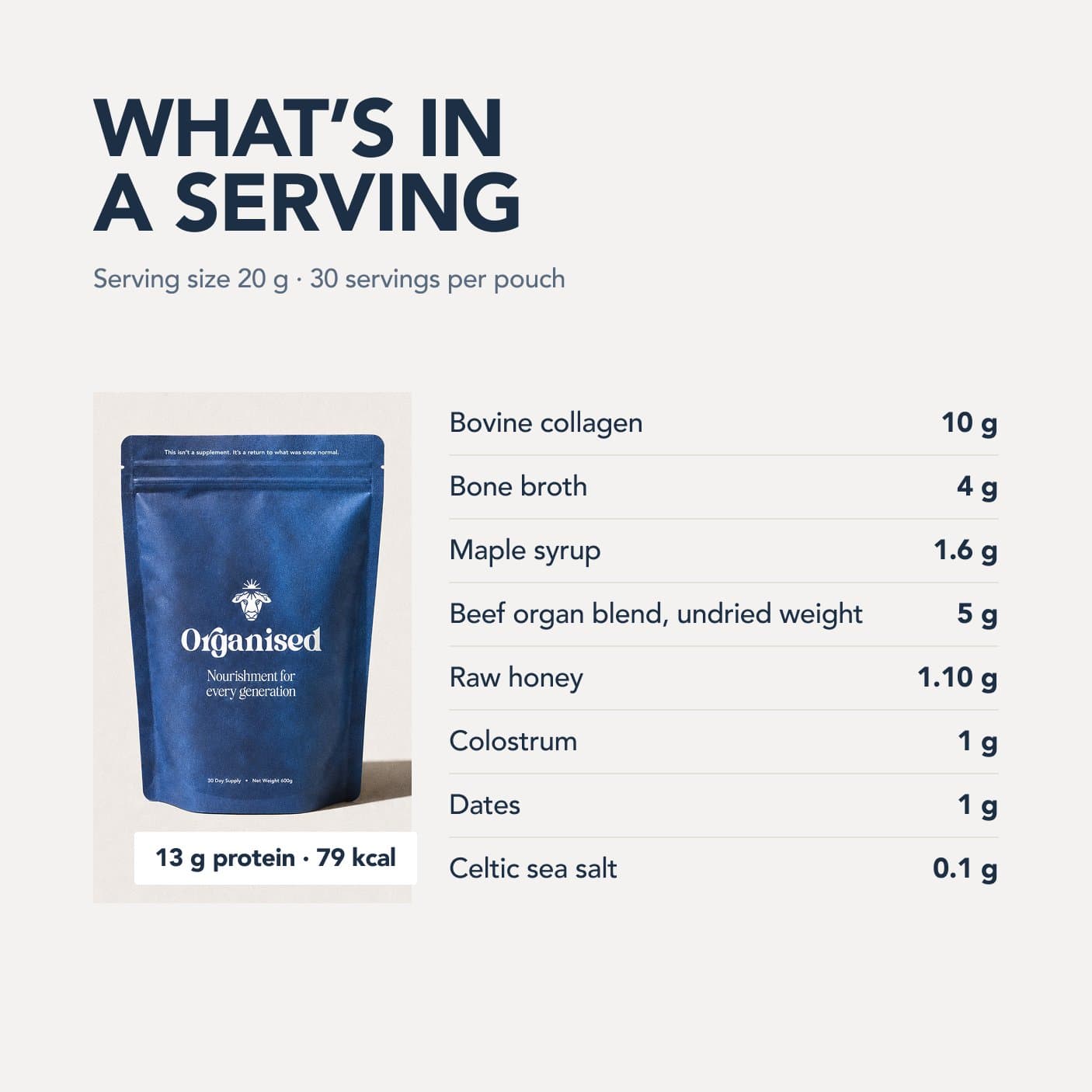
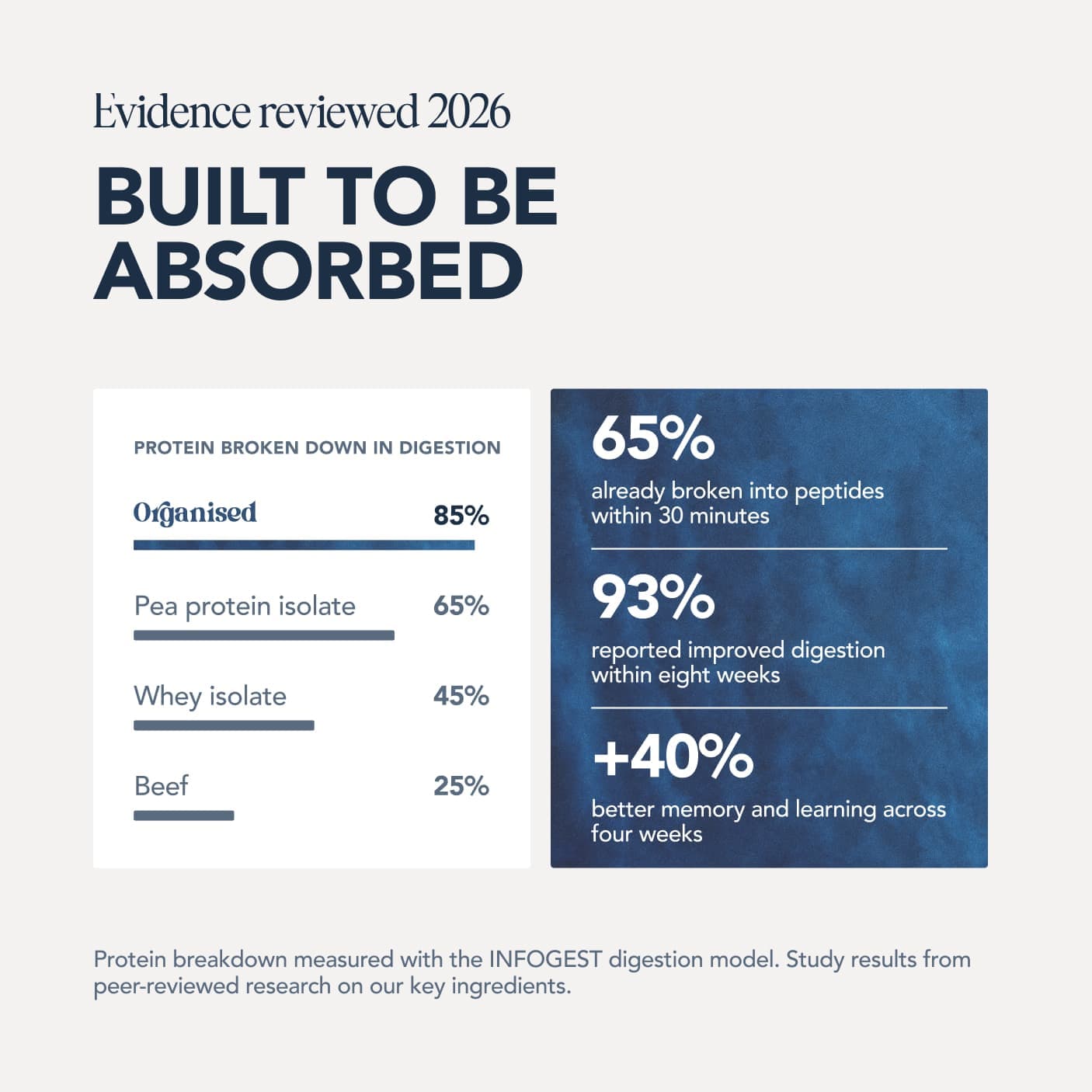
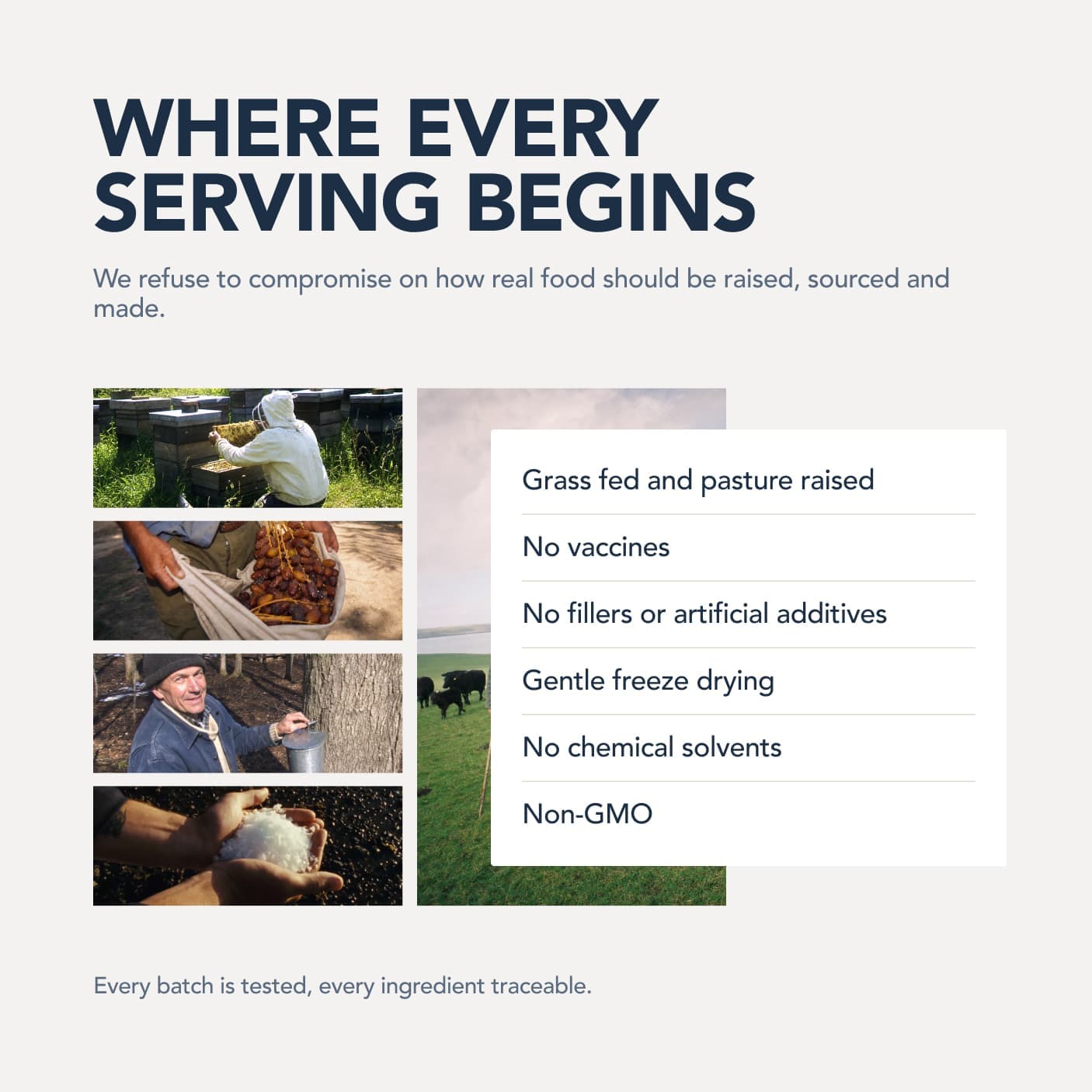
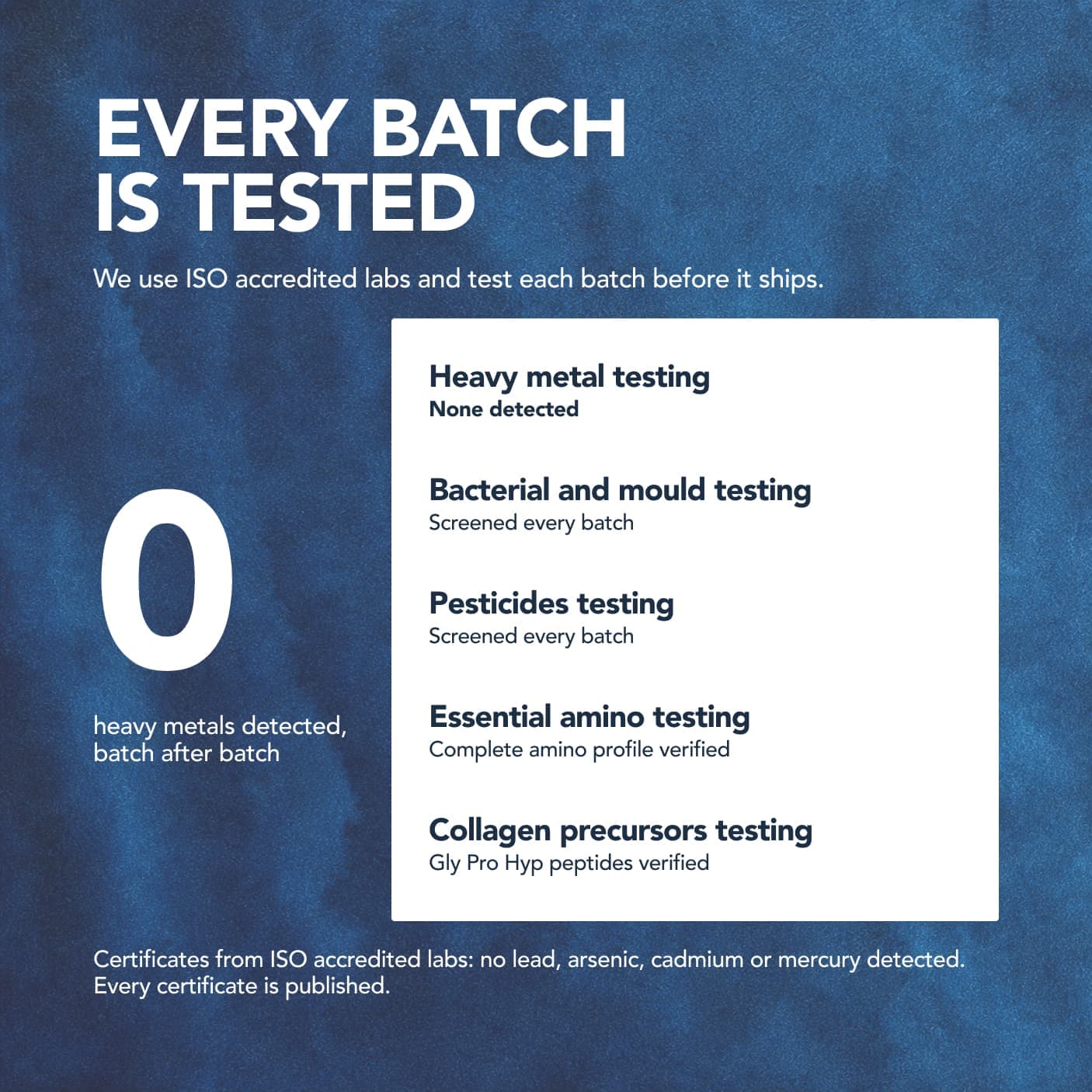
Eight real ingredients built around grass-fed beef organs, collagen and colostrum. Nothing synthetic added.
Free with your first order, worth £38. Plus £10 off the pouch with a subscription.


Free UK shipping · Made in England · 100 day money back guarantee on your first pouch · Skip, pause or cancel anytime
The morning that sticks
You're building a routine that your family will carry forward. Not because it's easy in the moment, but because it works. The child who wakes with a calm morning, eats real food, sees sunshine, and arrives at school regulated will outperform in every way that matters: academically, socially, emotionally.
The parent who starts the morning with intention rather than chaos will find their own baseline shifts. You become calmer. More patient. More capable. The morning is where you decide who your family is, and how your family operates. Decide intentionally.
References
Every source below was checked on 27 August 2026. Each PubMed, PMC and DOI identifier was resolved against NCBI or Crossref, and what it opens is printed under the citation, so you can see the link goes where the citation says without leaving the page. Where a citation and its identifier disagreed, the citation was corrected to the record or the reference was deleted along with the sentence marker that pointed at it, and where the resolved paper turned out not to support the sentence, the sentence was cut back to what it does support. Borrowed authority is worse than none, because it looks like rigour.
- Clow A et al. The cortisol awakening response: more than a measure of HPA axis function. Neuroscience & Biobehavioral Reviews, 2010. PMID 20026350.Checked 27 August 2026: PMID 20026350 opens Clow A, Hucklebridge F, Stalder T et al, The cortisol awakening response: more than a measure of HPA axis function. Neurosci Biobehav Rev 2010;35(1):97-103. PubMed indexes it as: Review.
- Wright KP Jr et al. Entrainment of the human circadian clock to the natural light-dark cycle. Current Biology, 2013. PMID 23910656.Checked 27 August 2026: PMID 23910656 opens Wright KP Jr, McHill AW, Birks BR et al, Entrainment of the human circadian clock to the natural light-dark cycle. Curr Biol 2013;23(16):1554-8.
- Madigan S et al. Association Between Screen Time and Children's Performance on a Developmental Screening Test. JAMA Pediatrics, 2019. PMID 30688984.Checked 27 August 2026: PMID 30688984 opens Madigan S, Browne D, Racine N et al, Association Between Screen Time and Children's Performance on a Developmental Screening Test. JAMA Pediatr 2019;173(3):244-250.The authors' own declaration, from the record: Conflict of Interest Disclosures: Dr Tough reported grants from the Alberta Childrens Hospital Foundation, Alberta Innovates Health Solutions, the MaxBell Foundation, CanFASD, and the Canadian Institutes for Health Research during the conduct of the study. No other disclosures were reported.
- National Institutes of Health, Office of Dietary Supplements. Choline — Health Professional Fact Sheet.
Corrections
What this page used to say, and why it no longer says it. Corrections are dated and are never removed, because deleting the record of an error is a second error. Every guide we have corrected is listed at our corrections log.
- 27 August 2026. “A screen-free morning improves attention capacity in class by 20 to 30 percent” was removed. The cited cohort study measured weekly screen hours against a developmental screening test in under-fives. It has no morning exposure, no classroom outcome and no such percentage. The surrounding claims that rested on it were cut back with it.
Who wrote and reviewed this guide
Niall Kiddle
Author · Founder, Organised
Niall is the founder of Organised. He started the company in 2024 after fixing his own health the slow way: in 2022 he swapped a cupboard of synthetic supplements for real food, raw milk, organ meats, bone broth and honey, and felt the difference within months.
Areas of expertise: Ancestral nutrition, Organ meats, Whole-food supplementation, Gut health, Regenerative sourcing
Read Niall's full profile
Pedro Rodrigues
Reviewer · Agronomist (farming and sourcing only)
Pedro is the agronomist Organised works with on farming and sourcing. His job on the guides is to keep the science honest: he reviews what we publish about soil health, regenerative agriculture, grazing and the way food is actually produced.
Areas of expertise: Regenerative agriculture, Agronomy, Soil health, Grass-fed farming, Food sourcing
Reviewed this guide on
Read Pedro's full profileBrowse the guides library
All guidesKeep reading
Life stage
Building Strong Bones in Childhood: Beyond Just Milk
Children's bone health needs vitamin K2, vitamin D, magnesium, and protein. Milk alone is not enough. Sardines, egg yolks, and weight-bearing play matter.

Life stage
Menopause and Bone Density: Protecting Your Skeleton
Oestrogen drop in menopause accelerates bone loss. Calcium plus K2 plus D plus adequate protein plus resistance training prevents fracture risk.

Life stage
Endurance Athletes and Organ Meats: An Overlooked Advantage
Endurance athletes need heme iron, B12, and CoQ10. Organ meats deliver all three. Discover why heart, liver, and kidney are performance fuel.
Real food, made effortless
Find my daily blendA few ways to use it
All recipes
Organ Bolognese: The Family Dinner That Heals
Practical organ meat recipe using fresh beef liver and heart. Family-friendly bolognese that bridges supplements to whole food.

10 Ways to Use Organised That Aren't Just a Shake
Move beyond the basic shake. Discover 10 creative ways to use Organised in smoothie bowls, oats, yoghurt, baking, and more.

Raw Milk Hot Chocolate with Collagen
A nourishing evening hot chocolate made with raw milk, grass-fed collagen, raw cacao, and honey. A nighttime ritual that supports sleep and gut health.


 Join over 100,000+ members
Build a better food system with us
The Organised community is thousands of people choosing real food and backing the farmers who grow it, all of us trying to leave the world a little better than we found it. If that is what you care about too, you belong here.