Nutrition for Your 70s, 80s and Beyond
By your 70s, nutrition becomes the most powerful tool you have for remaining independent, capable, and vital. The food you eat isn't just fuel. It's the difference between thriving and declining.
By Niall Kiddle, Founder, Organised

Reviewed by Pedro Rodrigues, Agronomist (farming and sourcing only) ·
6 min read · Published · Updated · 4 cited sources
Makers of the Organised Daily blend, a grass-fed beef organ supplement from regenerative UK farms
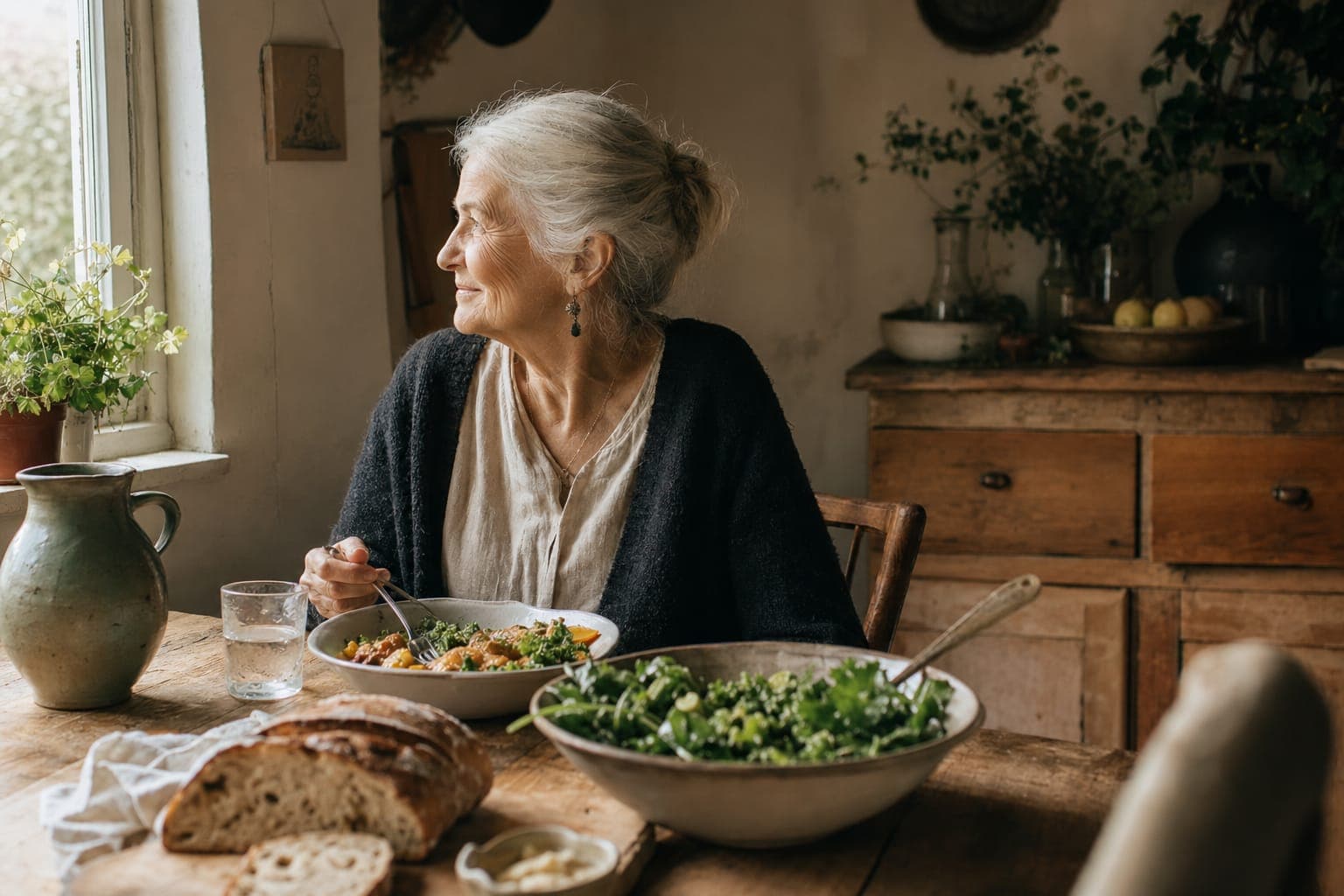
Many people over 70 eat the same way they did at 50. Their bodies have changed. Their needs are different. The cost of this mismatch shows up as muscle loss, weakness, and loss of independence.
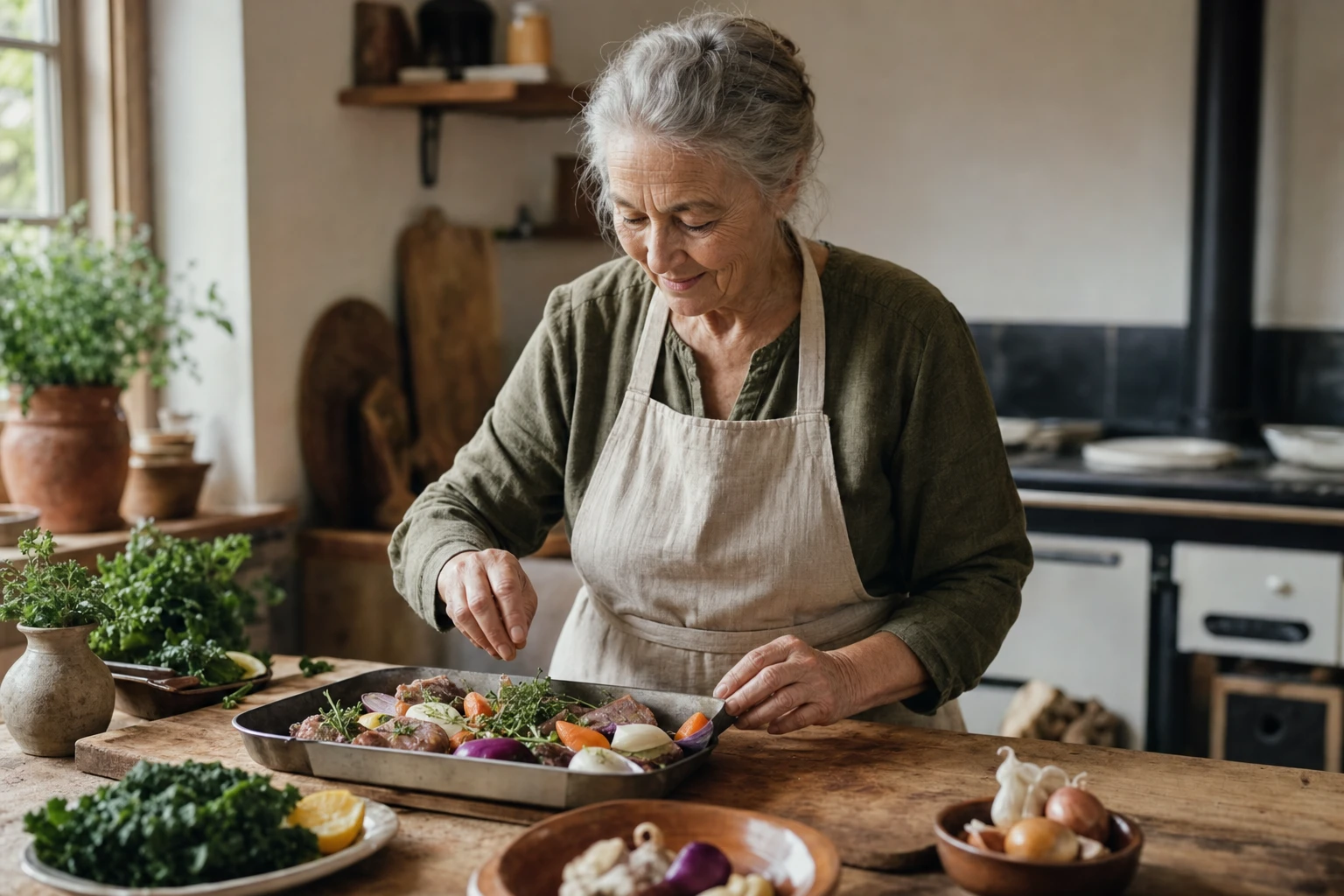
Why the rules change again after 70
Your 70s are different from your 60s, which are different from your 50s. Each decade brings new physiological challenges that nutrition needs to address specifically.
Muscle loss accelerates after 70. The rate of decline increases. Sarcopenia, the age-related loss of muscle mass and strength, becomes the dominant concern.1 Maintaining muscle is increasingly important for maintaining independence, balance, and the ability to perform activities of daily living.
Digestive capacity continues to decline. Stomach acid is lower. Intestinal absorption is less efficient.2 Enzyme production is reduced. Your body is becoming less able to extract nutrients from whatever you eat, which means you need to eat foods that are even more nutrient-dense than before.
Appetite often decreases. Many people over 70 find they eat less, sometimes significantly less. This creates a paradox. You're eating fewer calories but need more nutrients per calorie to maintain health. Nutrient density becomes absolutely critical.
Taste and smell often decline, making bland, healthy foods less appealing. This can lead to eating foods chosen for flavour and ease rather than nutritional value, exactly the opposite of what your body needs.
By your 70s, every calorie needs to count. There's no room for empty calories. Nutrient density becomes non-negotiable.
Sarcopenia is the real enemy
Sarcopenia, the loss of muscle mass and strength, is the primary determinant of health and independence in advanced age. A person can live with various chronic diseases and remain independent if they maintain muscle strength. A person can have perfect blood pressure and cholesterol and lose independence if they lose muscle.
Muscle is metabolically active. It burns calories at rest. It's required for balance and stability. It's required for daily activities like climbing stairs, getting up from a chair, and carrying groceries. Loss of muscle directly translates to loss of independence.
The primary intervention for sarcopenia is twofold. First, adequate protein, and substantial amounts of it. Second, resistance exercise to stimulate muscle protein synthesis. Neither alone is sufficient. Combined, they're powerful.
After 70, older adults need between 1.5 and 2 grams of protein per kilogramme of body weight daily.1 For a 70-kilogramme person, that's 105 to 140 grams daily. Many people over 70 are eating a fraction of this.
Protein at every meal is critical. Not just eating enough total protein, but distributing it throughout the day and making sure each meal contains enough to trigger muscle protein synthesis.1 A breakfast of just toast and jam doesn't provide the protein stimulus your muscles need. A breakfast with eggs, meat, or fish does.
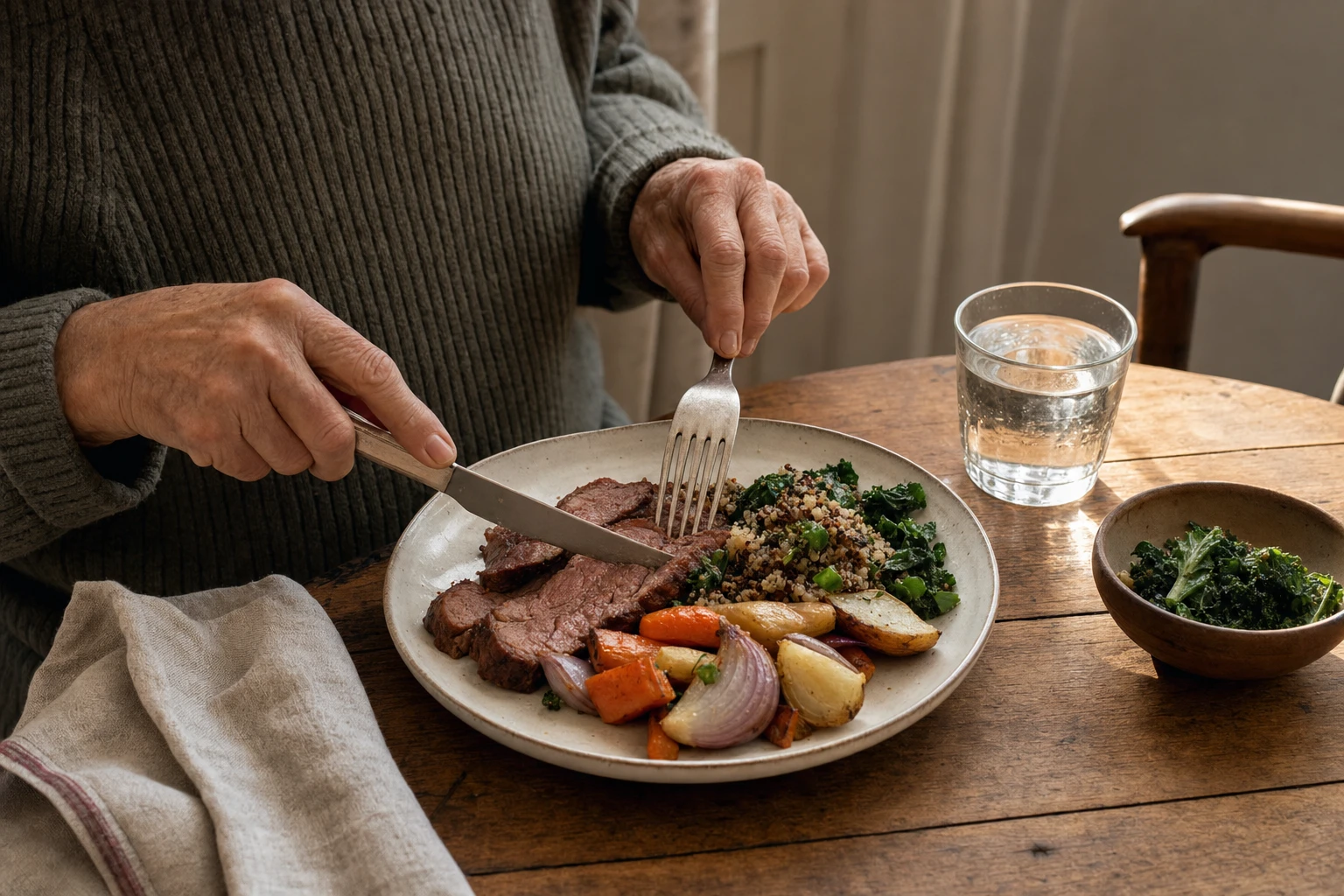
Digestive capacity matters
Your digestive system by your 70s is significantly less capable than it was decades earlier. This means you need to choose foods that are easier to digest, more nutrient-dense, and already partially processed in a way that reduces the burden on your digestive system.
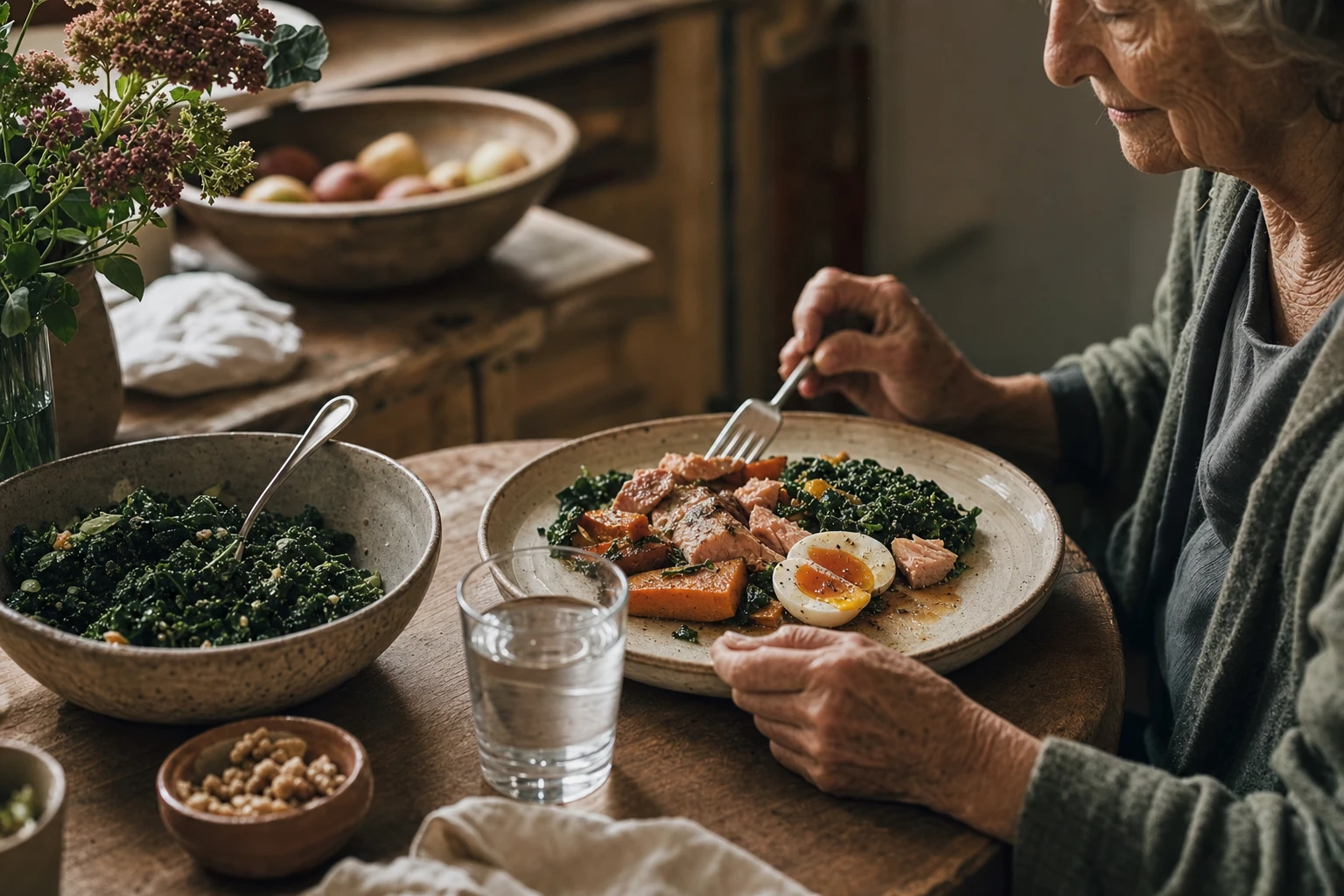
Bone broth, made by slowly simmering bones and connective tissue, provides amino acids, minerals, and gelatin in a form that's easy to digest. The long cooking process breaks down proteins into amino acids and small peptides that your digestive system can easily absorb. Compare this to a raw vegetable salad, which requires significant digestive effort for relatively modest nutrient payoff.
Organ meats like liver are more digestible than muscle meats because of their protein structure and the fact that the cooking process further softens the tissue. They're also incredibly nutrient-dense, providing more micronutrients per serving than almost any other food.
Cooked vegetables are easier to digest than raw. The cooking process begins the breakdown of cell walls, reducing the amount of chewing and digestive enzyme work required. Fermented foods like sauerkraut or kimchi are partially digested through fermentation, further reducing your digestive burden.
Fattier fish like mackerel and sardines are more digestible than lean fish because fat stimulates bile production and reduces the mechanical work of digestion. The fat also makes fat-soluble vitamins like vitamin D more absorbable.
This isn't about being delicate or eating baby food. It's about eating foods that deliver maximum nutrition with minimum digestive effort, allowing your aging system to absorb what it needs without becoming fatigued by the process.
Get life-stage nutrition guides, free
Two short reads a week on eating well through pregnancy, childhood and older age.
By signing up you agree to receive emails from us. No spam, unsubscribe anytime.
Nutrient density becomes absolute priority
Every calorie needs to deliver nutrients. There's no room for empty calories, and there never was, but the margin for error shrinks dramatically by your 70s.
A chocolate biscuit is empty calories. A piece of liver is nutrient density compressed. Organ meats, eggs, fatty fish, bone broth, and well-prepared soups all provide nutrients in concentrated form relative to their calorie content.
Compare a store-bought muffin (300 calories, negligible micronutrients) with two eggs (150 calories, choline, lutein, selenium, vitamin D, vitamin B12, and others). The muffin has twice the calories but a fraction of the nutrient value. By your 70s, this calculus matters hugely.
Nutrient density also determines satiety. Nutrient-dense foods are more satisfying, so you eat less overall while getting more of what your body needs. You feel fuller longer. Your hunger is more appropriately regulated.
This is why meals centred on animal products are so effective for aging bodies. A serving of liver with roasted vegetables, plus a piece of cheese for dessert, provides extraordinary nutrient density in a small volume. A plate of pasta with marinara sauce provides far fewer nutrients in far more calories.
The foods that matter most
Organ meats should be eaten weekly, ideally more often. Liver is unmatched in nutrient density, providing vitamin A, B vitamins including B12, iron, zinc, copper, and selenium.3 A single serving goes a long way nutritionally. Cook it simply. A bit of butter, some onions, and that's enough.
Bone broth should be a staple. Use it as a base for soups, drink it warm, or use it to cook rice or other grains. It provides amino acids, minerals, and gelatin in a form your aging digestive system can handle. Make it from quality bones or buy it prepared.
Fatty fish like mackerel, sardines, and herring provide omega-3s, vitamin D, and minerals.4 They're flavourful, satisfying, and can be prepared easily. Eat them twice weekly.
Eggs are perfect for aging bodies. Nutrient-dense, easy to cook in multiple ways, satisfying, and inexpensive. Have them regularly.
Shellfish like oysters and mussels provide unique minerals including zinc, iron, and selenium. They're easy to digest when cooked simply and provide extraordinary nutrient value per serving.
Grass-fed dairy, particularly aged cheese and full-fat yogurt, provides protein, calcium, K2, and fat-soluble vitamins. A small amount goes far nutritionally.
Well-cooked vegetables, particularly dark leafy greens and colourful options, provide minerals, vitamins, and phytonutrients. Cooking makes them easier to digest and sometimes increases nutrient bioavailability.
1 of 9
Daily blend
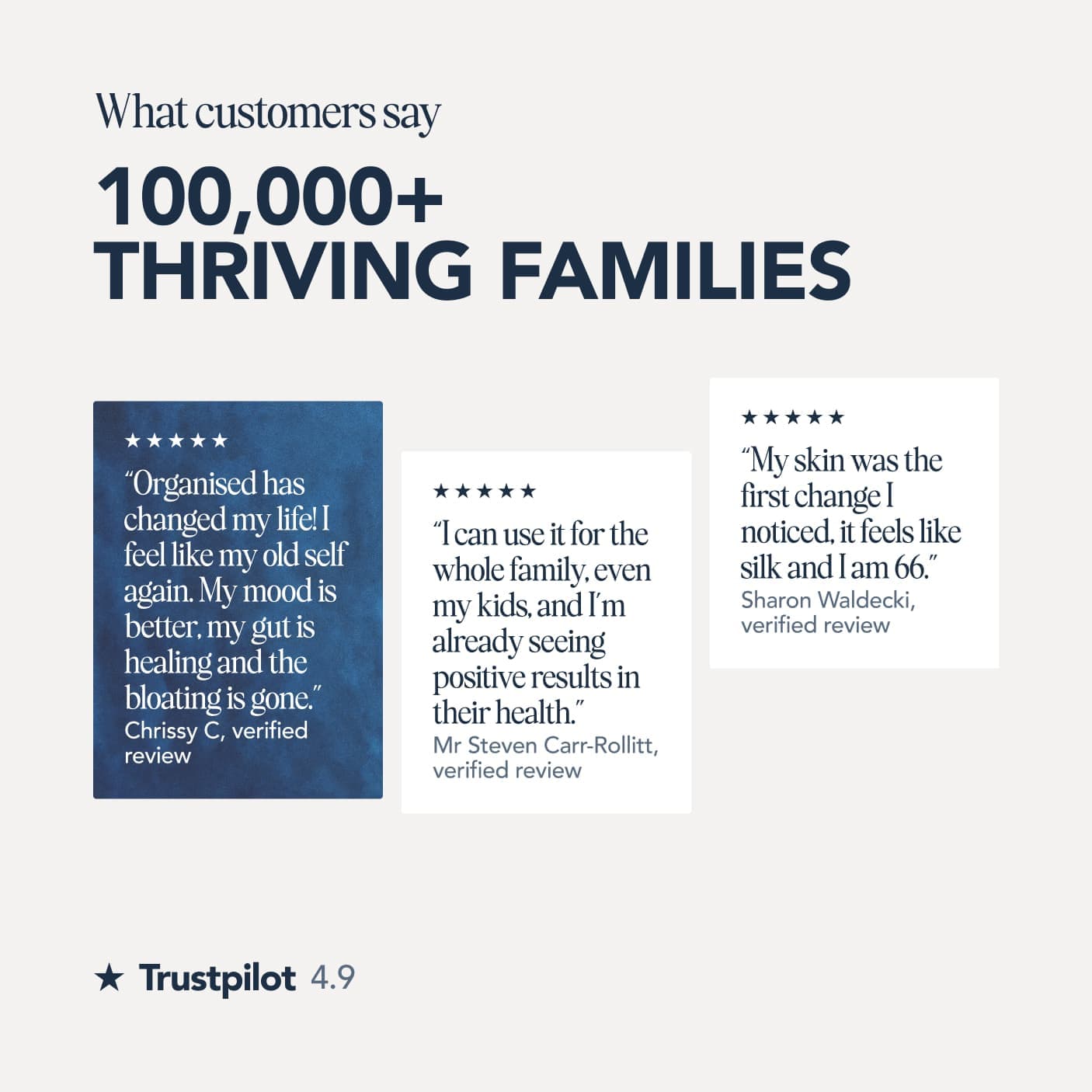
100,000+ thriving families4.9 on Trustpilot
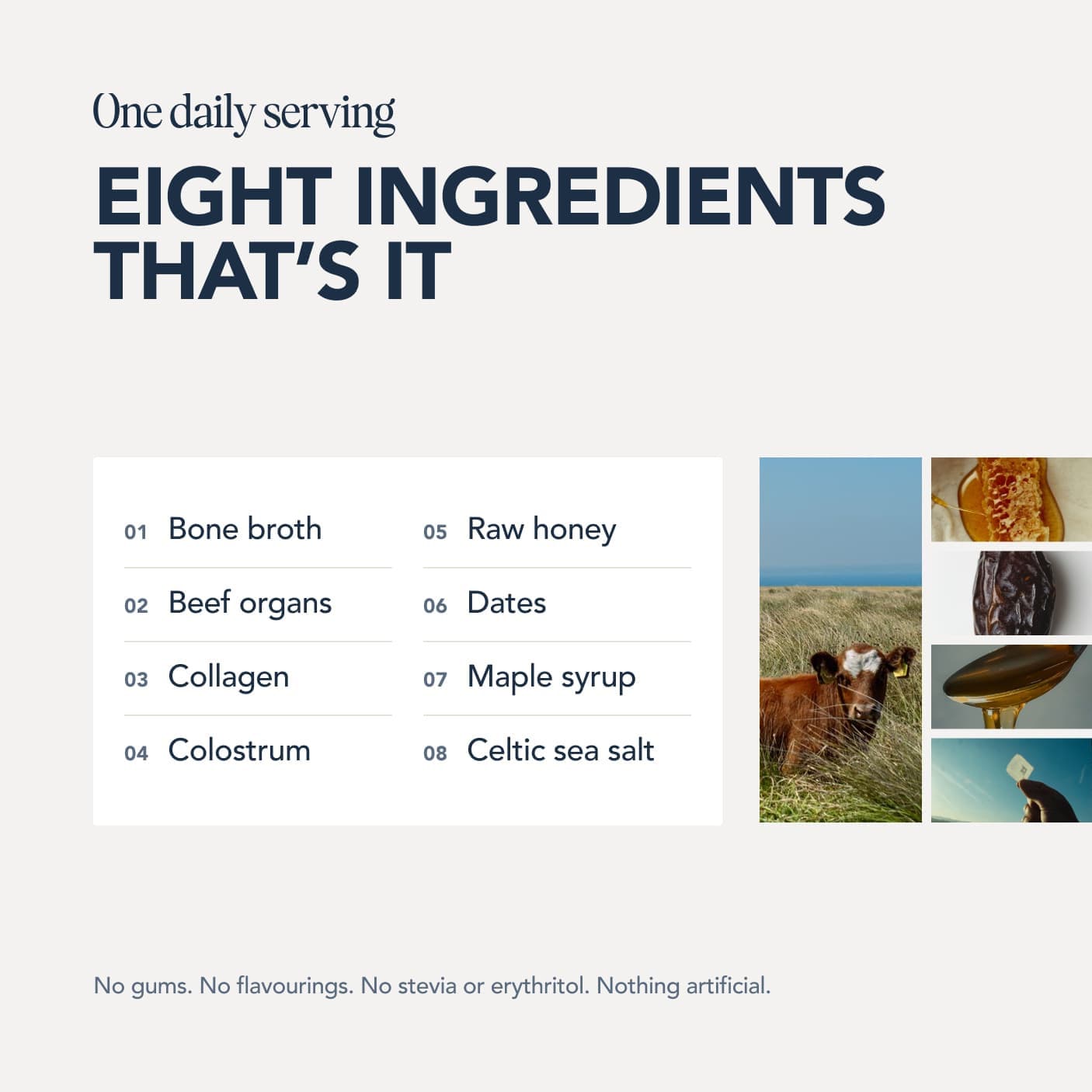
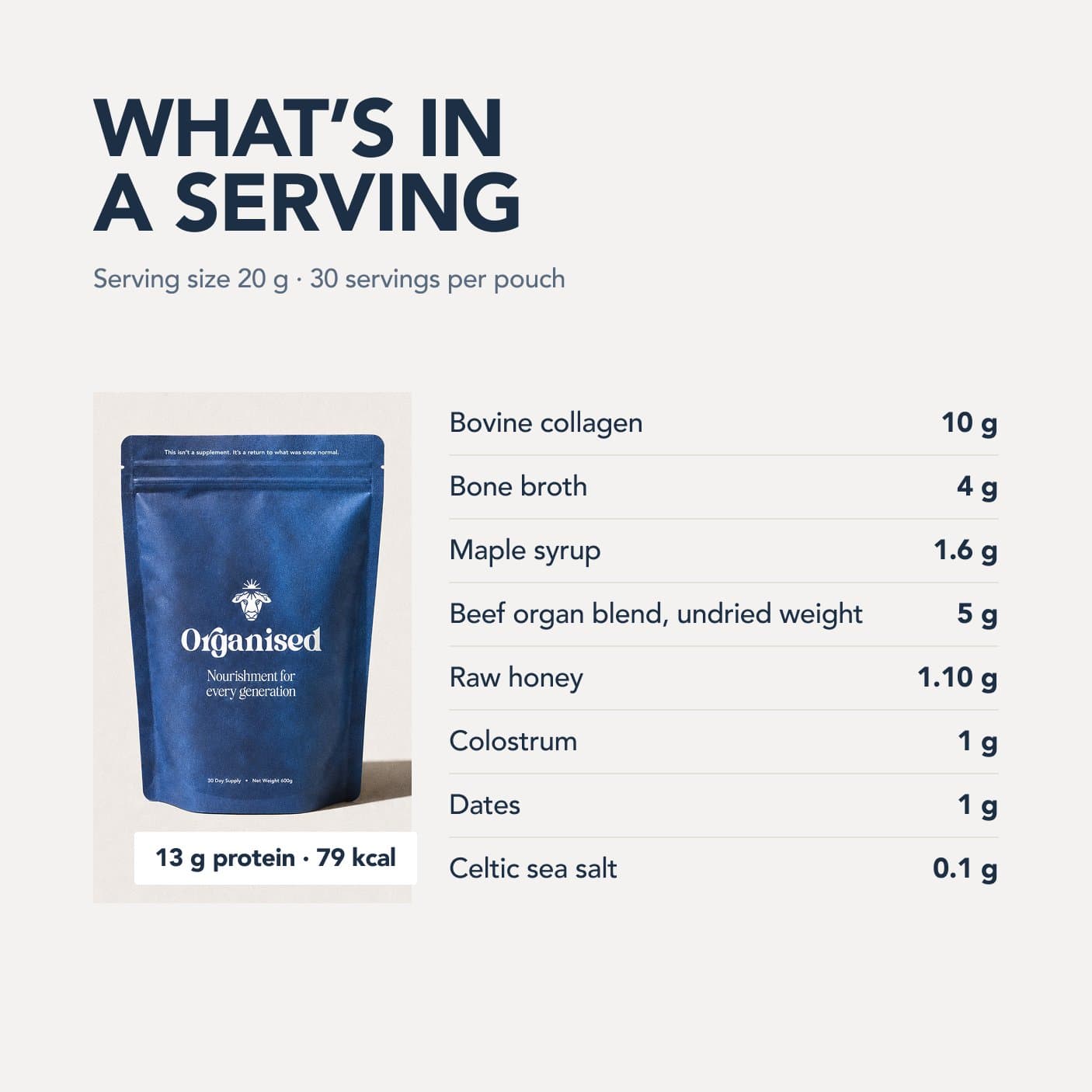
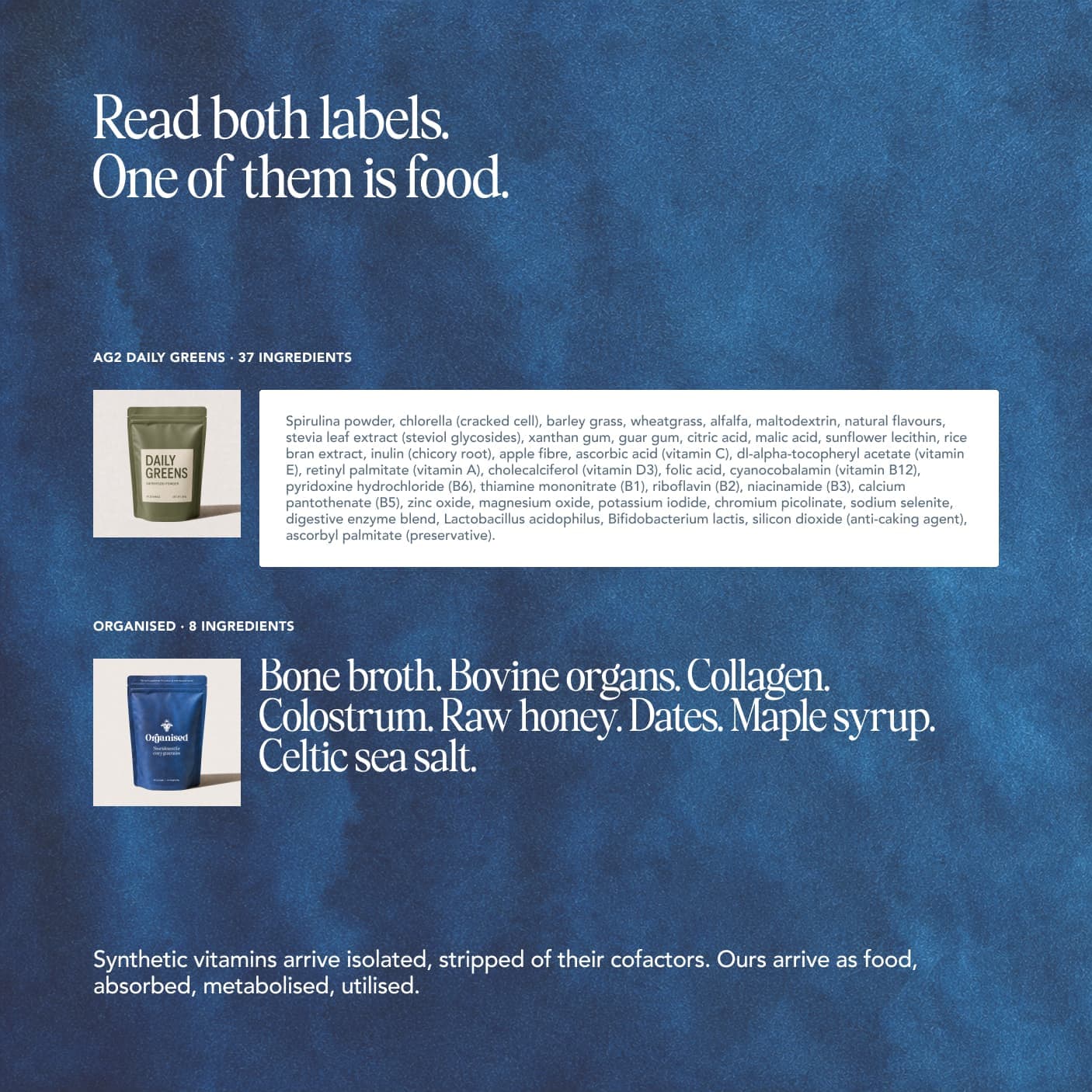
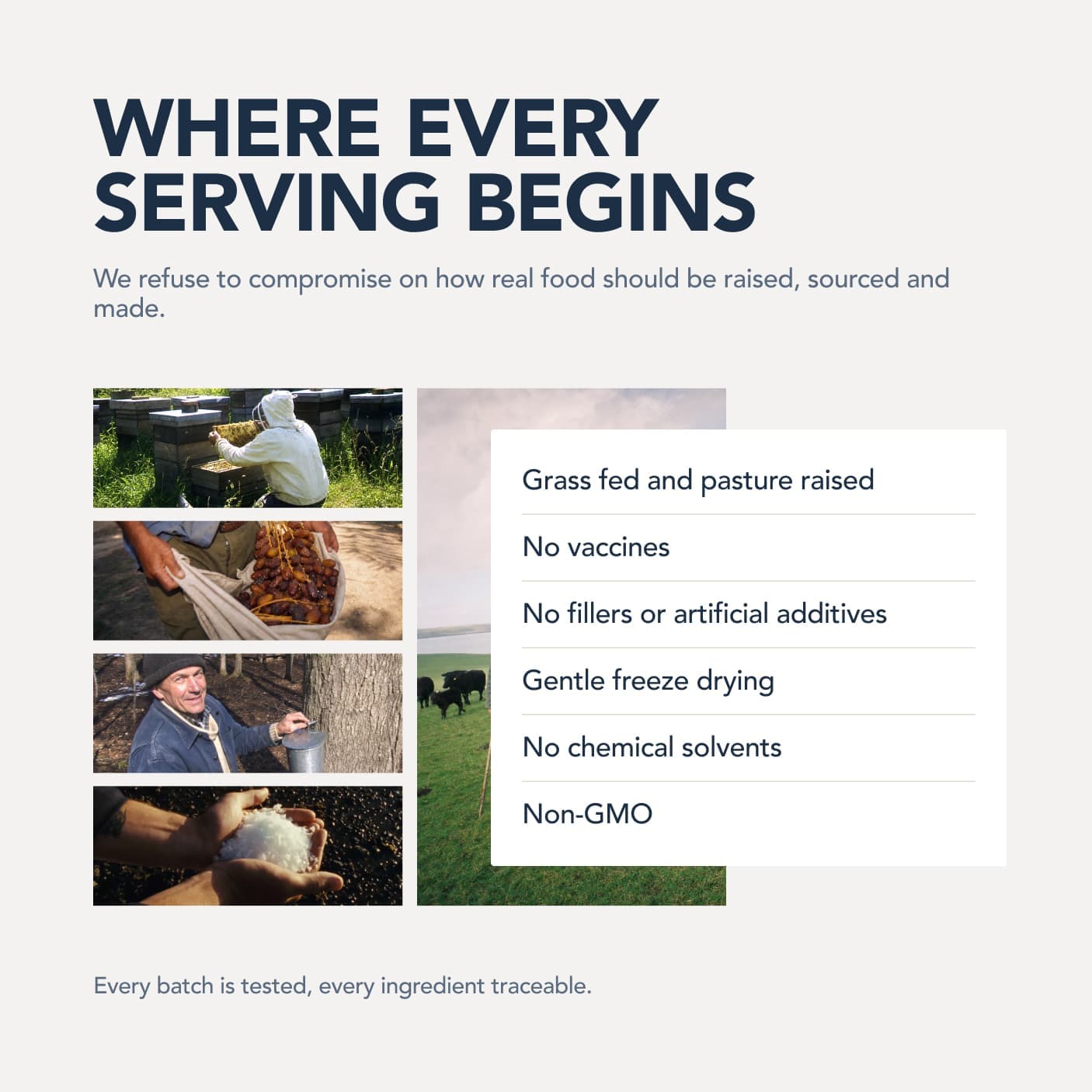
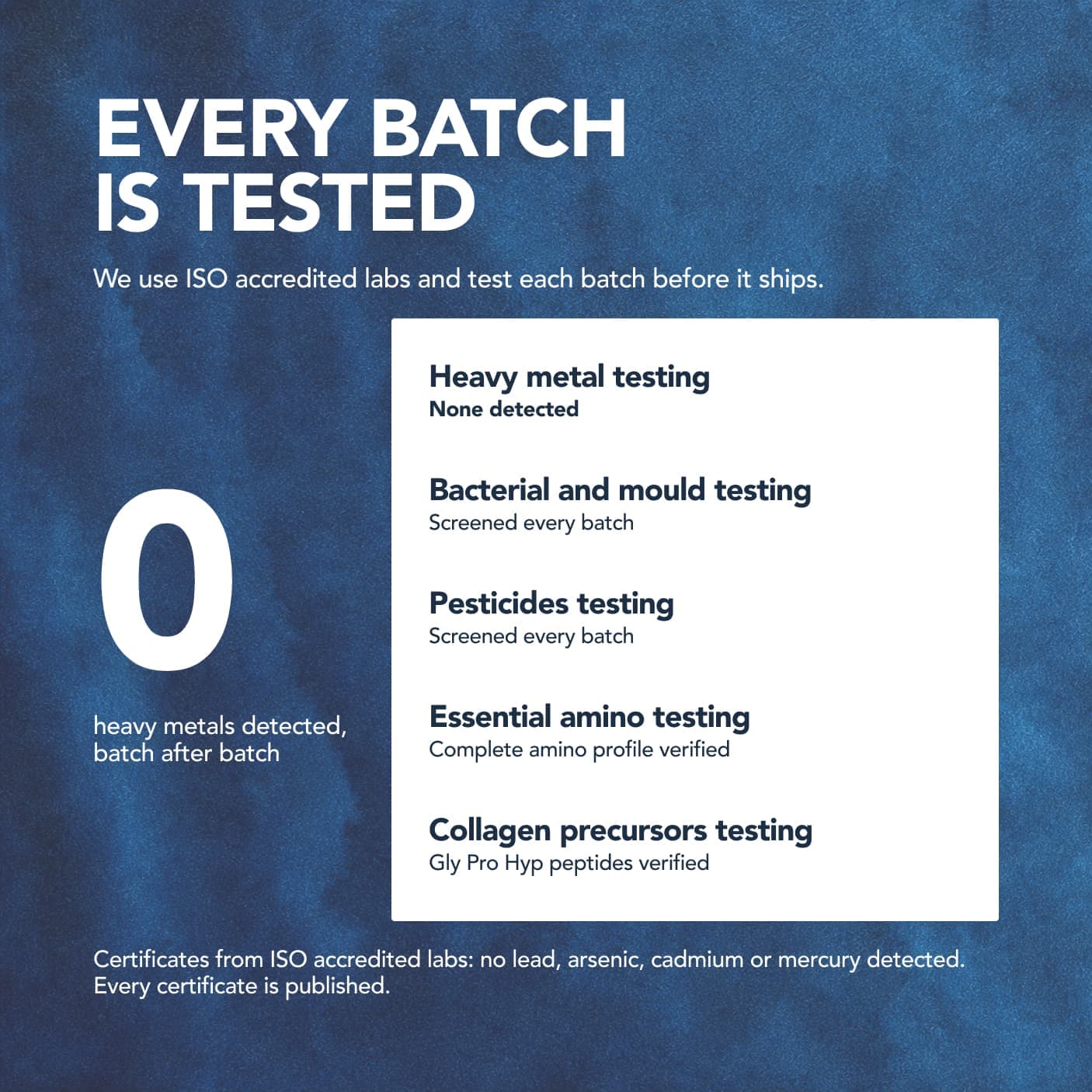
Eight real ingredients built around grass-fed beef organs, collagen and colostrum. Nothing synthetic added.
Free with your first order, worth £38. Plus £10 off the pouch with a subscription.
Free UK shipping · Made in England · 100 day money back guarantee on your first pouch · Skip, pause or cancel anytime
The bottom line
By your 70s, nutrition determines independence more than any other factor. A person who eats well, maintains muscle through adequate protein and resistance exercise, and provides their body with the nutrients it needs remains capable and independent. A person eating poor quality food becomes weak, frail, and dependent.
Prioritise protein. Eat organ meats regularly. Include bone broth and fatty fish. Choose nutrient-dense whole foods. Keep meals simple but nutritionally substantial. Your capacity to remain independent and vital in your 70s, 80s, and beyond depends on it.
You don't have to be perfect. You just have to be intentional. Feed your body well, challenge it with exercise, and it will serve you for decades to come.
References
Every source below was checked on 27 August 2026. Each PubMed, PMC and DOI identifier was resolved against NCBI or Crossref, and what it opens is printed under the citation, so you can see the link goes where the citation says without leaving the page. Where a citation and its identifier disagreed, the citation was corrected to the record or the reference was deleted along with the sentence marker that pointed at it, and where the resolved paper turned out not to support the sentence, the sentence was cut back to what it does support. Borrowed authority is worse than none, because it looks like rigour.
- Bauer J, Biolo G, Cederholm T, et al. Evidence-based recommendations for optimal dietary protein intake in older people: a position paper from the PROT-AGE Study Group. Journal of the American Medical Directors Association. 2013;14(8):542-559. https://pubmed.ncbi.nlm.nih.gov/23867520/ See also Deutz NEP, Bauer JM, Barazzoni R, et al. Protein intake and exercise for optimal muscle function with aging: recommendations from the ESPEN Expert Group. https://pubmed.ncbi.nlm.nih.gov/24814383/Checked 27 August 2026: PMID 23867520 opens Bauer J, Biolo G, Cederholm T et al, Evidence-based recommendations for optimal dietary protein intake in older people: a position paper from the PROT-AGE Study Group. J Am Med Dir Assoc 2013;14(8):542-59. PubMed indexes it as: Consensus Statement, Review. PMID 24814383 opens Deutz NE, Bauer JM, Barazzoni R et al, Protein intake and exercise for optimal muscle function with aging: recommendations from the ESPEN Expert Group. Clin Nutr 2014;33(6):929-36.
- Schiffrin EJ, Morley JE, Donnet-Hughes A, Guigoz Y. The inflammatory status of the elderly: the intestinal contribution. Mutation Research. 2010;690(1-2):50-56. See also age-related gastric secretion review: https://pmc.ncbi.nlm.nih.gov/articles/PMC12292447/Checked 27 August 2026: PMC12292447 opens Vara-Luiz F, Mendes I, Palma C et al, Age-Related Decline of Gastric Secretion: Facts and Controversies. Biomedicines 2025;13(7). PubMed indexes it as: Review.The authors' own declaration, from the record: The authors declare no conflicts of interest. The funders had no role in the design of the study; in the collection, analyses, or interpretation of data; in the writing of the manuscript; or in the decision to publish the results.
- National Institutes of Health, Office of Dietary Supplements. Vitamin B12: Fact Sheet for Health Professionals. https://ods.od.nih.gov/factsheets/VitaminB12-HealthProfessional/ [accessed May 2026].
- National Institutes of Health, Office of Dietary Supplements. Omega-3 Fatty Acids: Fact Sheet for Health Professionals. https://ods.od.nih.gov/factsheets/Omega3FattyAcids-HealthProfessional/ [accessed May 2026].
Corrections
What this page used to say, and why it no longer says it. Corrections are dated and are never removed, because deleting the record of an error is a second error. Every guide we have corrected is listed at our corrections log.
- 27 August 2026. Reference 2 pointed at an unnamed “age-related gastric secretion review”. It is by Vara-Luiz et al. and now leads the entry.
Who wrote and reviewed this guide
Niall Kiddle
Author · Founder, Organised
Niall is the founder of Organised. He started the company in 2024 after fixing his own health the slow way: in 2022 he swapped a cupboard of synthetic supplements for real food, raw milk, organ meats, bone broth and honey, and felt the difference within months.
Areas of expertise: Ancestral nutrition, Organ meats, Whole-food supplementation, Gut health, Regenerative sourcing
Read Niall's full profile
Pedro Rodrigues
Reviewer · Agronomist (farming and sourcing only)
Pedro is the agronomist Organised works with on farming and sourcing. His job on the guides is to keep the science honest: he reviews what we publish about soil health, regenerative agriculture, grazing and the way food is actually produced.
Areas of expertise: Regenerative agriculture, Agronomy, Soil health, Grass-fed farming, Food sourcing
Reviewed this guide on
Read Pedro's full profileBrowse the guides library
All guidesKeep reading

Life stage
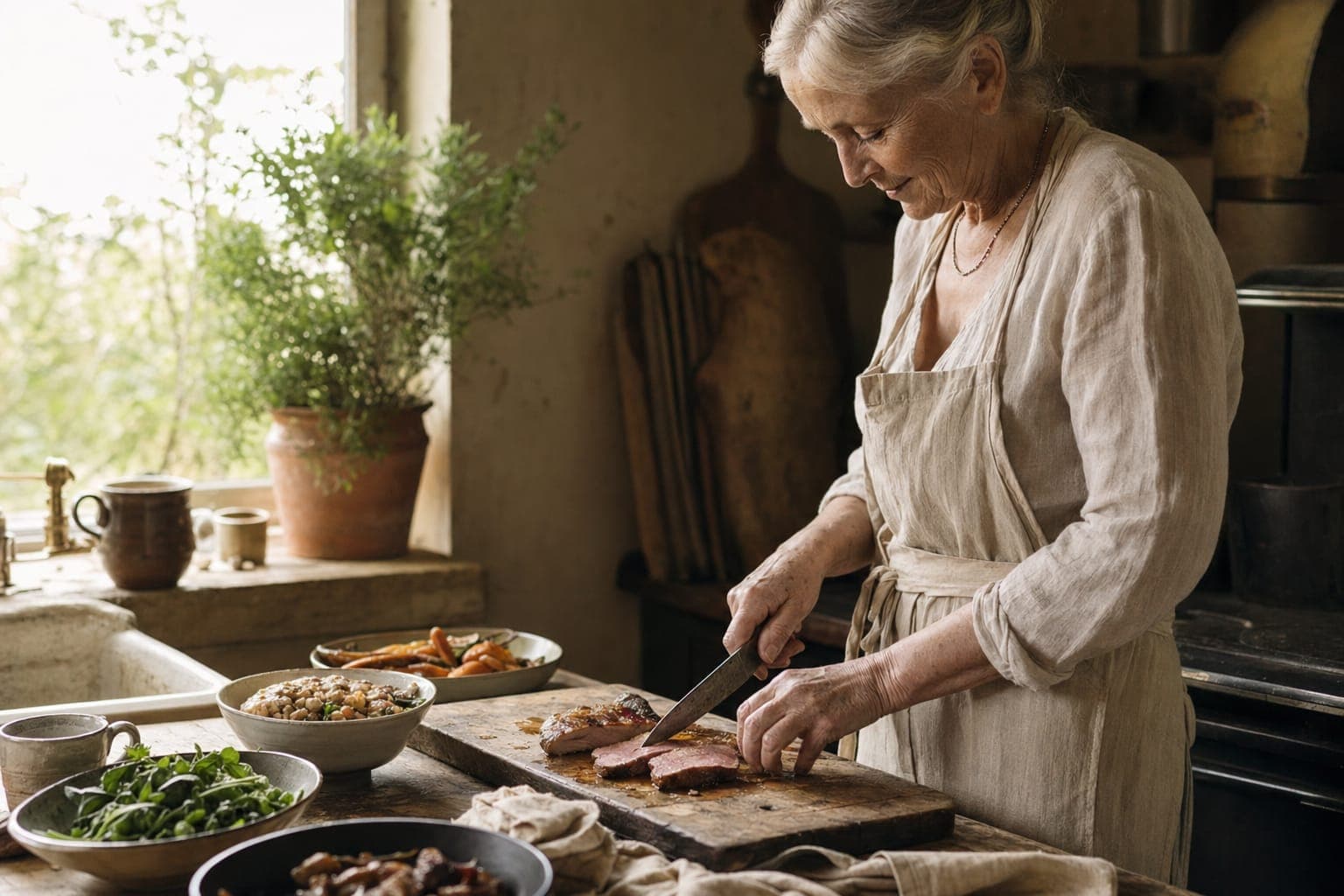
Nutrition After 50: What Changes and What to Prioritise
After 50, your nutritional needs shift. Discover how declining absorption, protein, bone health, and cognition reshape what you should be eating.
Life stage
Why Protein Matters More Than Ever After 70
After 70, your muscles have become resistant to protein. You need more of it, and you need the right kind. Here's what works.
Life stage
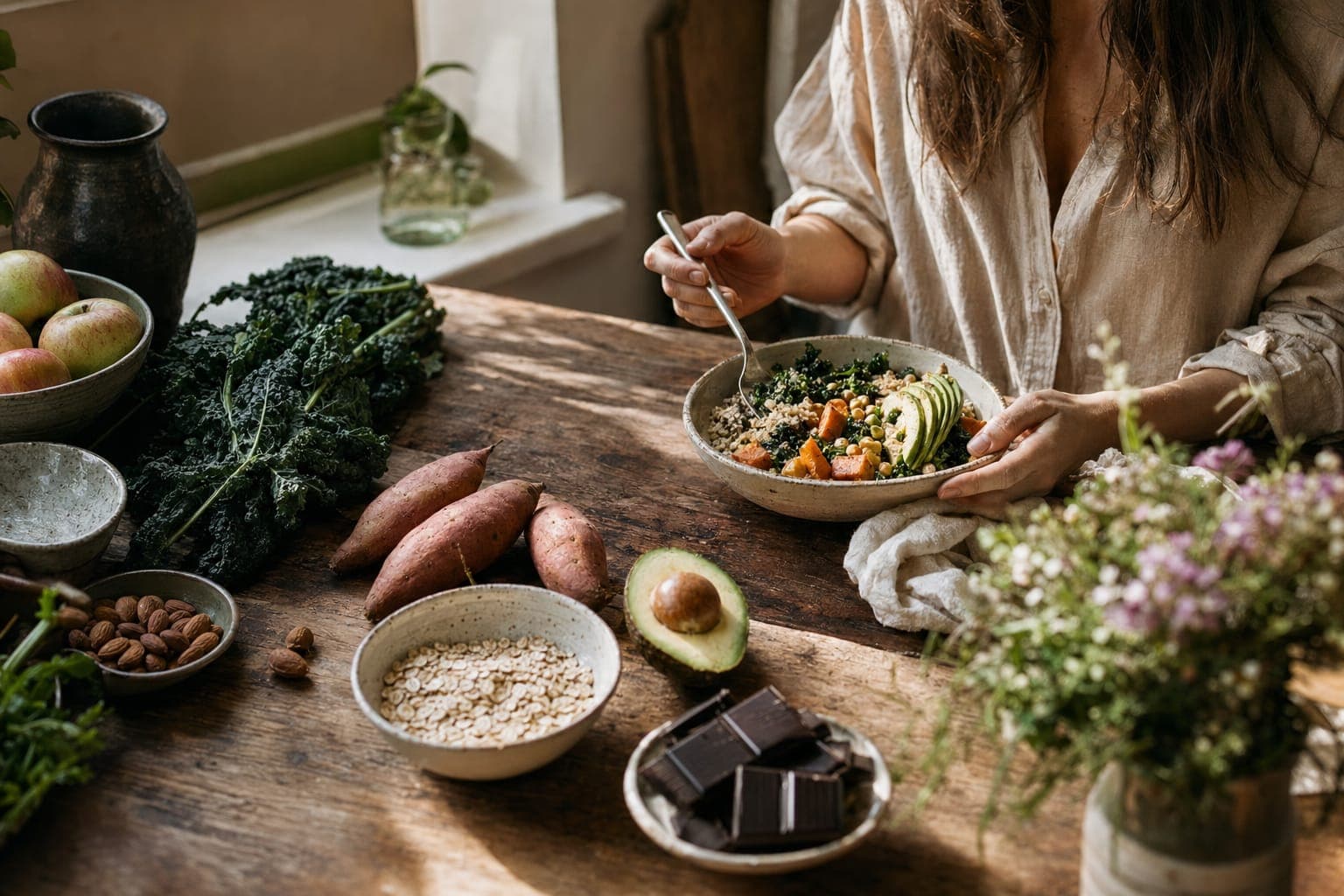
PMS Nutrition: What to Eat in Your Luteal Phase
PMS isn't inevitable. Master magnesium, B6, calcium, and complex carbs in your luteal phase. Specific foods that stabilise mood and energy.
Real food, made effortless
Find my daily blendA few ways to use it
All recipes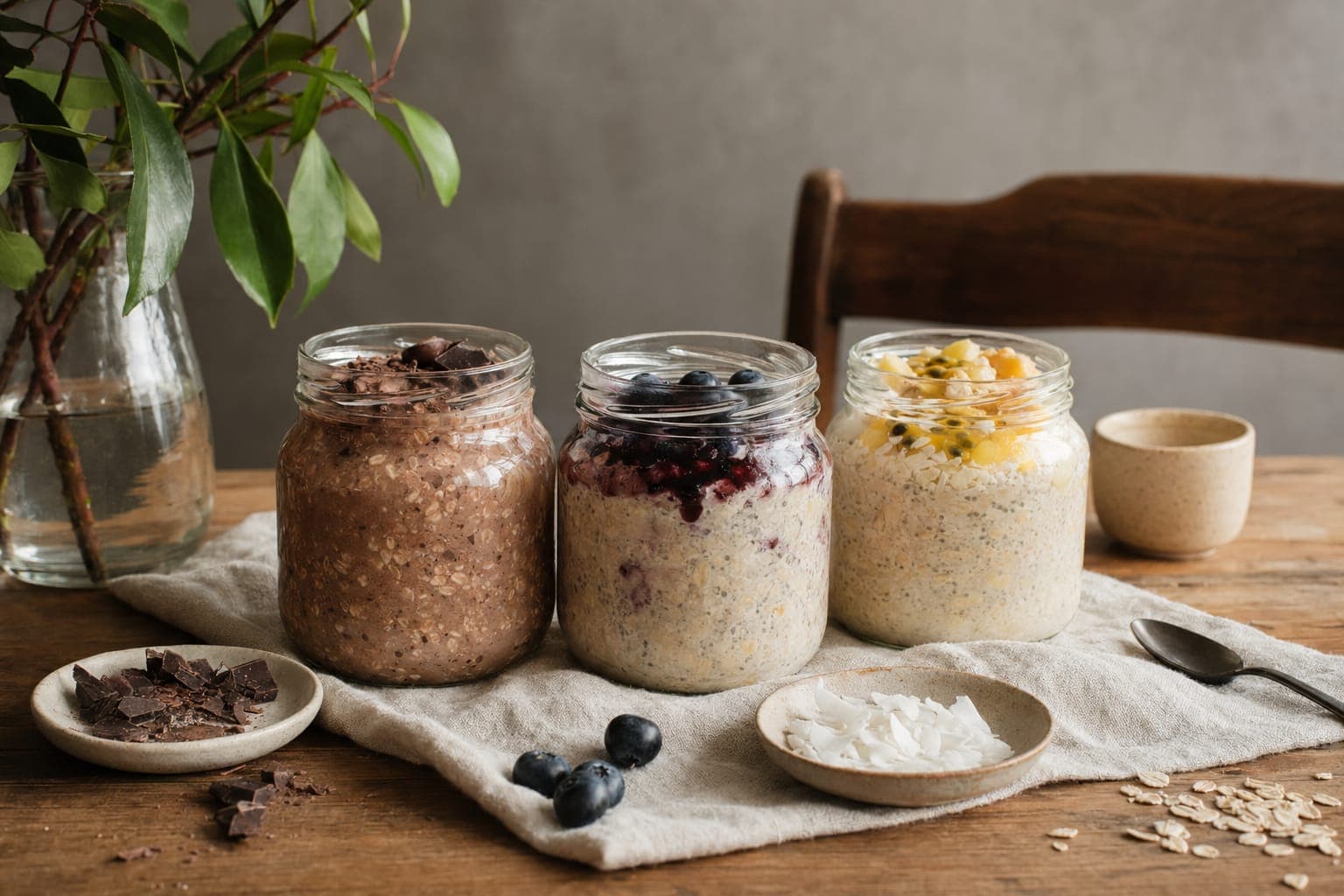
Organised Overnight Oats: 3 Variations
Three delicious overnight oats variations with Organised. Chocolate, berry, tropical flavours. Make them Sunday, eat them all week.
Gut-Healing Marshmallows with Collagen and Raw Honey
Learn to make gut-healing marshmallows with collagen and raw honey. A shareable treat that sneaks nutrition into every bite. Easy recipe with video tips.
Raw Milk Ice Cream with Organised
Make raw milk ice cream at home with Organised for a seasonal, nutrient-dense treat. Three simple flavours to try whenever the craving strikes.


 Join over 100,000+ members
Build a better food system with us
The Organised community is thousands of people choosing real food and backing the farmers who grow it, all of us trying to leave the world a little better than we found it. If that is what you care about too, you belong here.