Why Protein Matters More Than Ever After 70
Your muscles have become resistant. A meal that would have been sufficient for muscle building at 40 doesn't trigger the same response at 70. You need more protein, more often, and the right kind.
By Niall Kiddle, Founder, Organised

Reviewed by Pedro Rodrigues, Agronomist (farming and sourcing only) ·
5 min read · Published · Updated · 3 cited sources
Makers of the Organised Daily blend, a grass-fed beef organ supplement from regenerative UK farms

This is called anabolic resistance, and understanding it is critical to maintaining muscle, strength, and independence in advanced age.
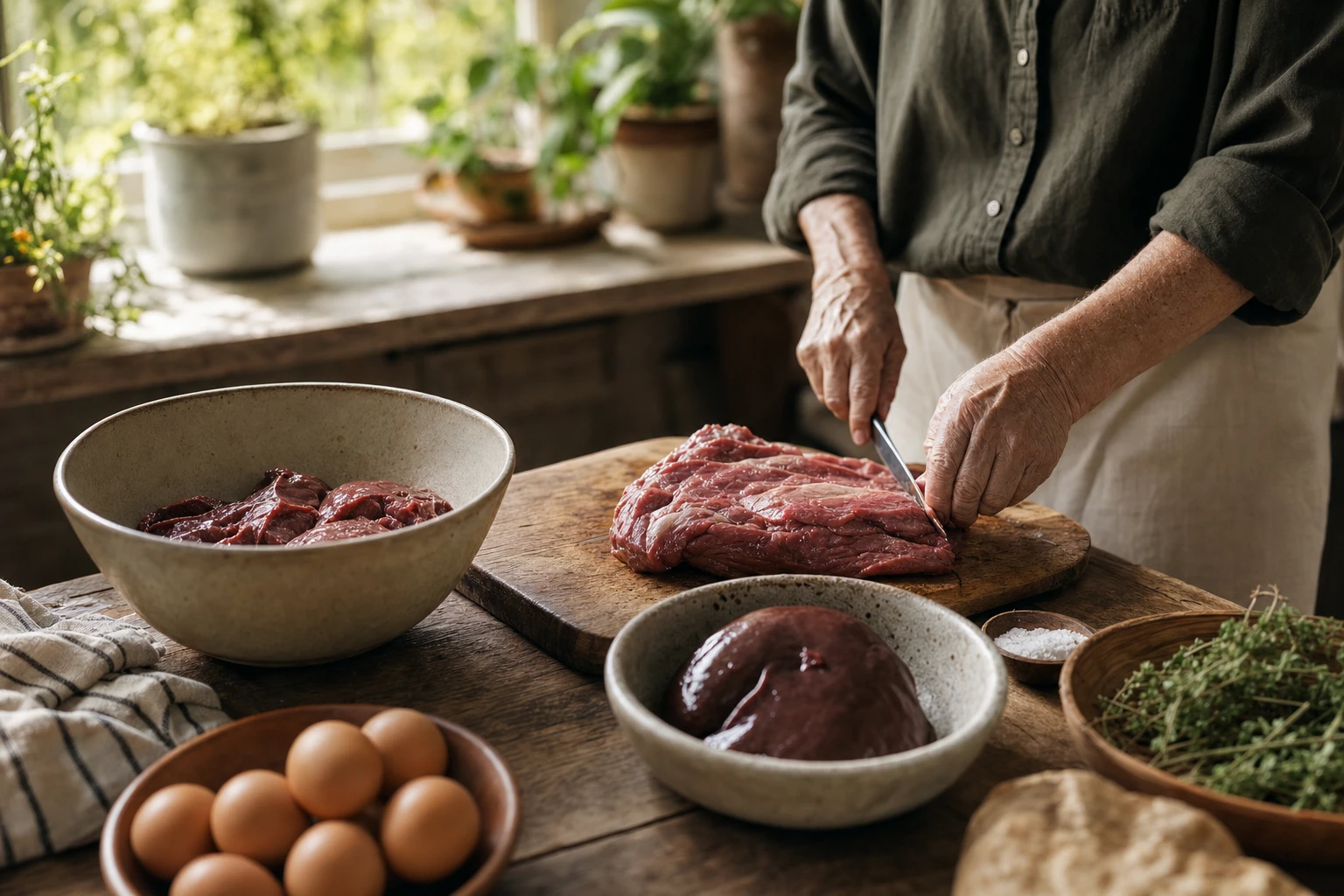
Anabolic resistance is real
Anabolic resistance is the decreased ability of muscle tissue to respond to the anabolic signal of dietary amino acids and resistance exercise.1 It's not that your muscles can't build protein. It's that they're less responsive to the signals that trigger protein synthesis.
This happens for several reasons. Mitochondrial function declines with age. Cellular signalling becomes less efficient. Insulin sensitivity decreases. The hormonal environment becomes less anabolic. All of these factors combine to create muscle tissue that's resistant to growth signals.
The consequence is that an older adult needs considerably more protein stimulation to achieve the same degree of muscle protein synthesis as a younger adult. What this means practically is that you can't eat the way you did at 40 and expect the same result.
A younger person might build muscle on 20 grams of protein at a meal. By your 70s, you might need 40 to 50 grams to trigger a similar response. The threshold has literally doubled or more.
Anabolic resistance means your muscles have become less responsive to protein. This isn't optional to address. It's the primary driver of sarcopenia. Feed the resistance.
Why elderly need more protein
This is where recommendations diverge from reality. Official dietary recommendations are still based on earlier science that didn't account for anabolic resistance. They suggest 0.8 grams of protein per kilogramme of body weight daily.
For someone over 70 trying to maintain muscle, this is woefully inadequate. Research shows that older adults maintaining muscle require between 1.2 and 2 grams per kilogramme daily, depending on activity level and how much muscle loss they're already experiencing.2
This isn't to pack on muscle. This is just to maintain what you have. Muscle is metabolically expensive to maintain. Your body would prefer to lose it and reduce the energy cost. Without adequate protein and stimulus to keep it, muscle is shed.
The higher protein intake serves multiple purposes. First, it provides the amino acids your muscles need to maintain protein synthesis despite anabolic resistance. Second, it provides amino acids for other functions including immune function, neurotransmitter synthesis, and hormonal balance. Third, higher protein intake is associated with improved satiety, so you eat more healthily overall.
Leucine is the critical trigger
Not all amino acids are equal. Leucine is the critical amino acid for triggering muscle protein synthesis. It's the one that signals the mTOR pathway, the primary driver of muscle protein synthesis.3
In younger people, roughly 20 to 25 grams of mixed protein provides enough leucine to trigger muscle protein synthesis.3 In older people, particularly those with significant anabolic resistance, 40 to 50 grams might be needed to get the same leucine threshold and the same protein synthesis response.
This is why spreading protein throughout the day matters. Three meals of 40 to 50 grams of protein each provides multiple opportunities to trigger muscle protein synthesis. A pattern of low protein at breakfast, low at lunch, and high at dinner doesn't work. You miss multiple opportunities throughout the day.
Leucine is found in all animal proteins. Beef, fish, eggs, and dairy all contain it. Plant proteins have less leucine per unit of protein, which is one reason why plant-based protein is less effective for maintaining muscle in older adults.
This doesn't mean you need to eat only animal protein. It means that animal proteins should be the foundation, with complementary plant foods providing fibre and other nutrients.
Complete amino acids matter
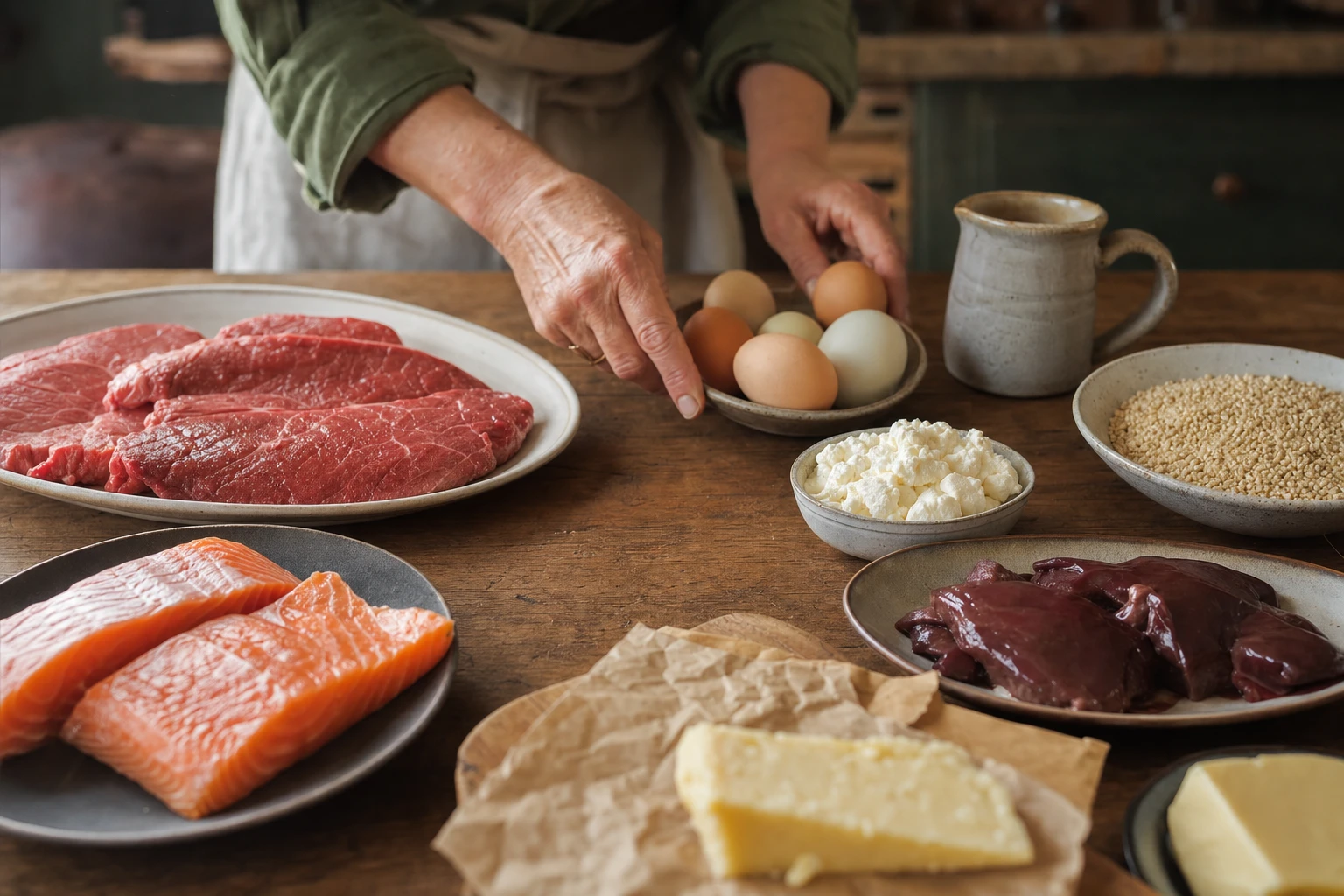
Complete amino acids means all nine essential amino acids in adequate ratios. Animal proteins are complete. Plant proteins are almost all incomplete, lacking one or more essential amino acids.
This matters for muscle protein synthesis. If the amino acid profile is incomplete, your body can't synthesise muscle protein at full efficiency. It's like trying to build a wall when you're missing certain types of bricks. Some amino acids are abundant, others are limiting.
Combining plant proteins to create a complete amino acid profile is possible (rice and beans, for example), but it requires knowledge and planning. Eating animal proteins provides complete amino acids automatically, with no planning required.
This is why, for people over 70 focused on muscle maintenance, animal proteins should form the foundation. They're complete, they're high in leucine, they're more bioavailable, and they provide multiple nutrients beyond just amino acids.
Get life-stage nutrition guides, free
Two short reads a week on eating well through pregnancy, childhood and older age.
By signing up you agree to receive emails from us. No spam, unsubscribe anytime.
How much and how often
The target for someone over 70 concerned about muscle maintenance is 1.2 to 2 grams of protein per kilogramme of body weight daily. Distribute this across three to four meals.
For a 70-kilogramme person, this means 84 to 140 grams daily. Spread across three meals, that's 28 to 47 grams per meal. Most meals should be in the 35 to 50 gram range for optimal muscle protein synthesis stimulation.
Examples of single-meal protein sources reaching these targets.
- 3 eggs plus 100g meat: 40 grams protein
- 150g fish plus vegetables: 30-35 grams protein
- 100g liver with onions: 25 grams protein plus exceptional micronutrients
- 200g beef plus vegetables: 45 grams protein
- 150g yogurt plus nuts: 20-25 grams protein, less optimal than above
- Bone broth based soup with meat: 25-35 grams protein depending on preparation
The best sources after 70
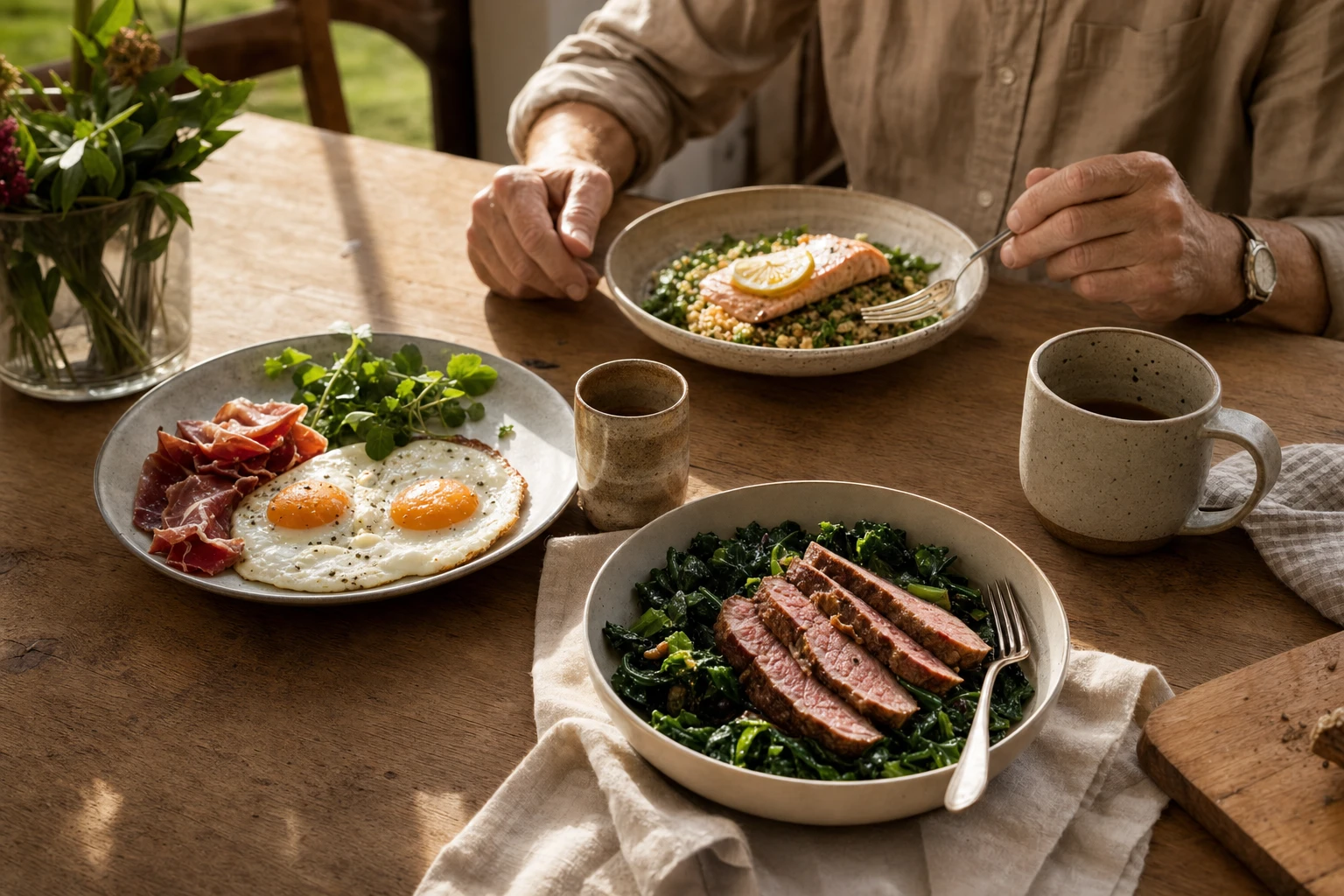
Beef, particularly well-cooked cuts, provides complete protein, B vitamins, iron, zinc, and carnitine. It's satisfying and digestible when cooked properly.
Fish, particularly fattier varieties like mackerel and herring, provides complete protein plus omega-3 fats and vitamin D. Easy to prepare and digest.
Eggs, particularly from pastured hens, provide complete protein in a form that's incredibly bioavailable. The yolk provides choline and lutein. Include the yolk.
Dairy, particularly full-fat options, provides complete protein with calcium and fat-soluble vitamins. Cheese and yogurt are nutrient-dense options.
Organ meats, particularly liver, provide complete protein with exceptional micronutrient density. The protein is easily digestible. A small serving goes a long way.
Shellfish provide complete protein with unique minerals including zinc and selenium. Relatively easy to digest.
After 70, protein isn't optional. It's the primary tool for maintaining the muscle and strength that independence depends on. Build meals around it.

1 of 9
Daily blend
100,000+ thriving families4.9 on Trustpilot
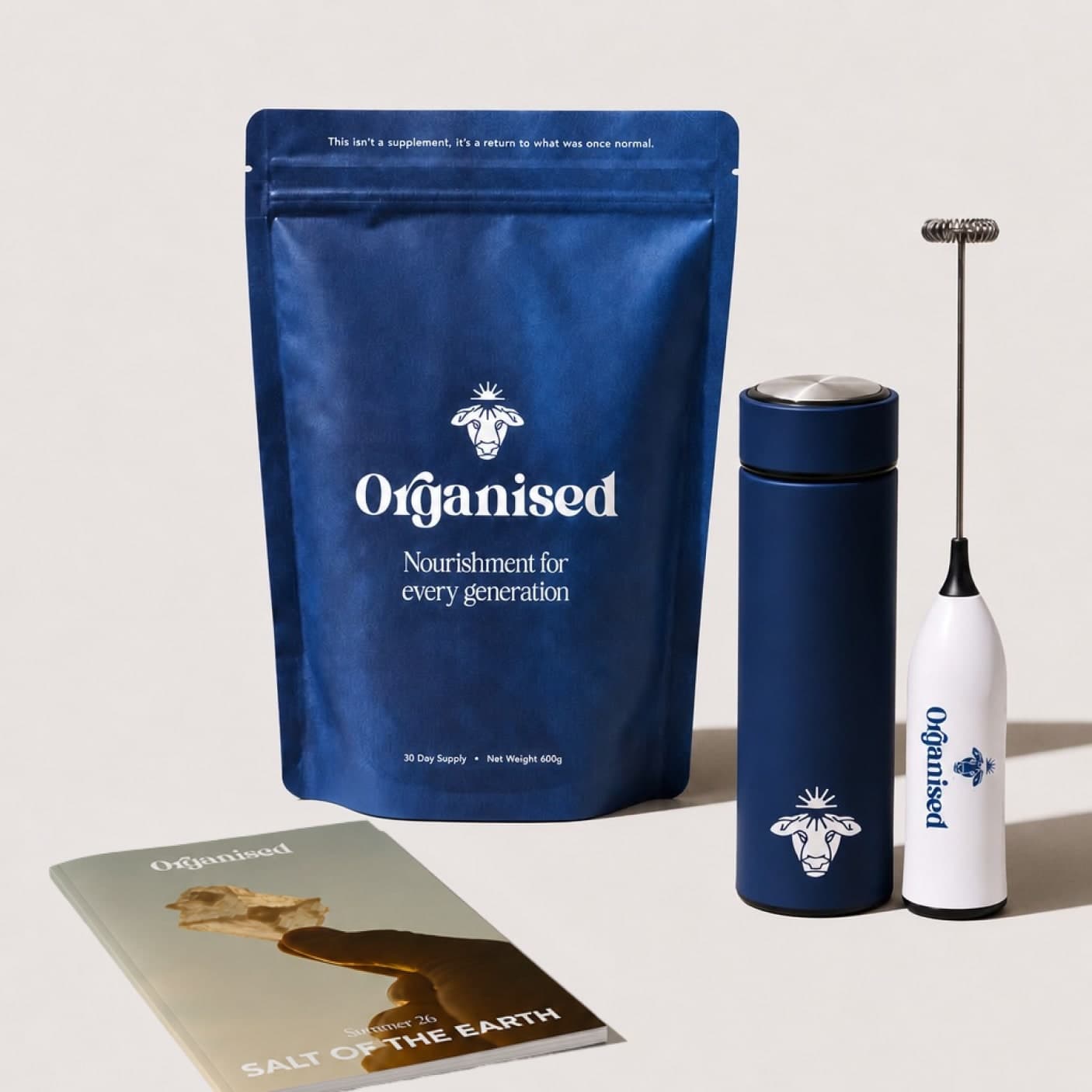
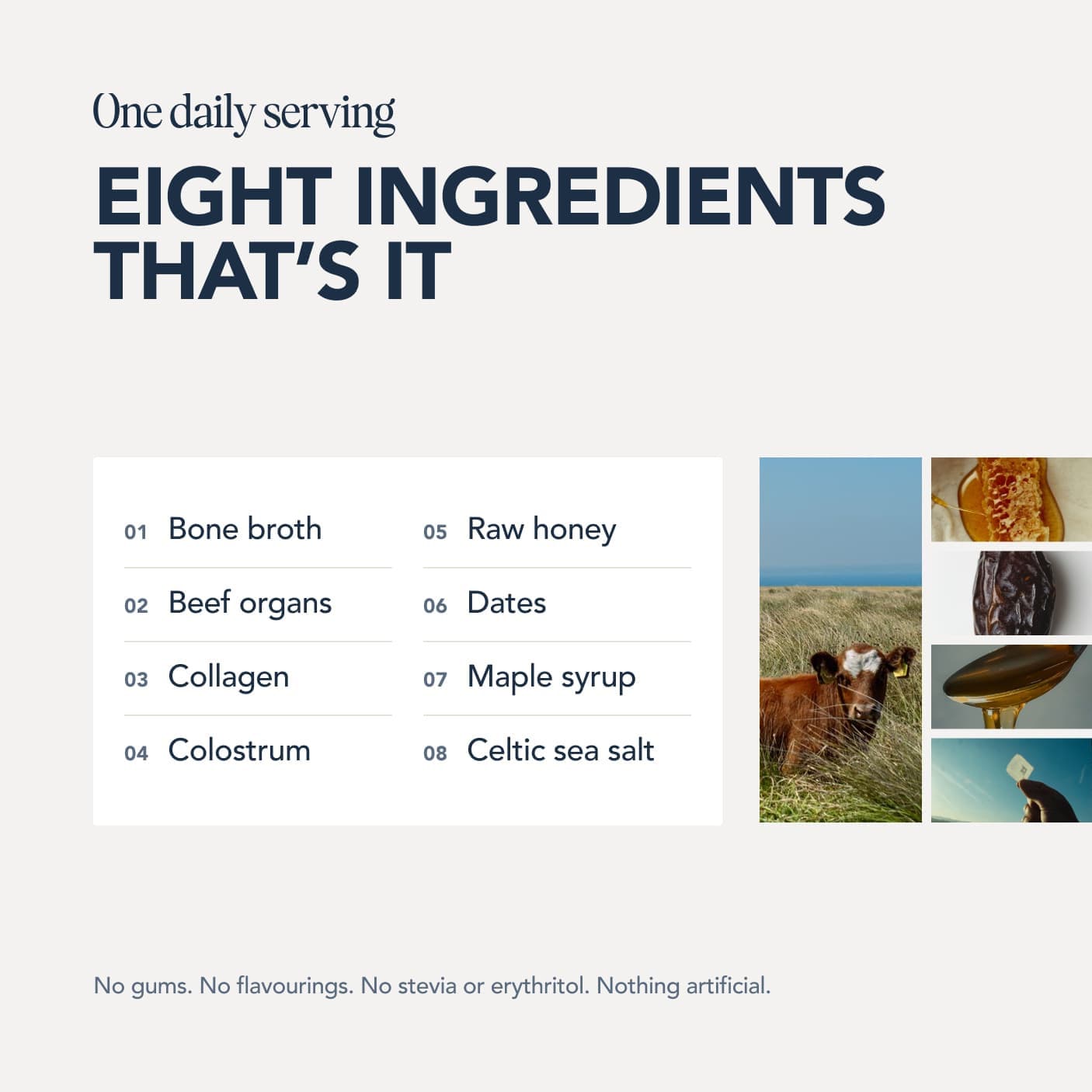
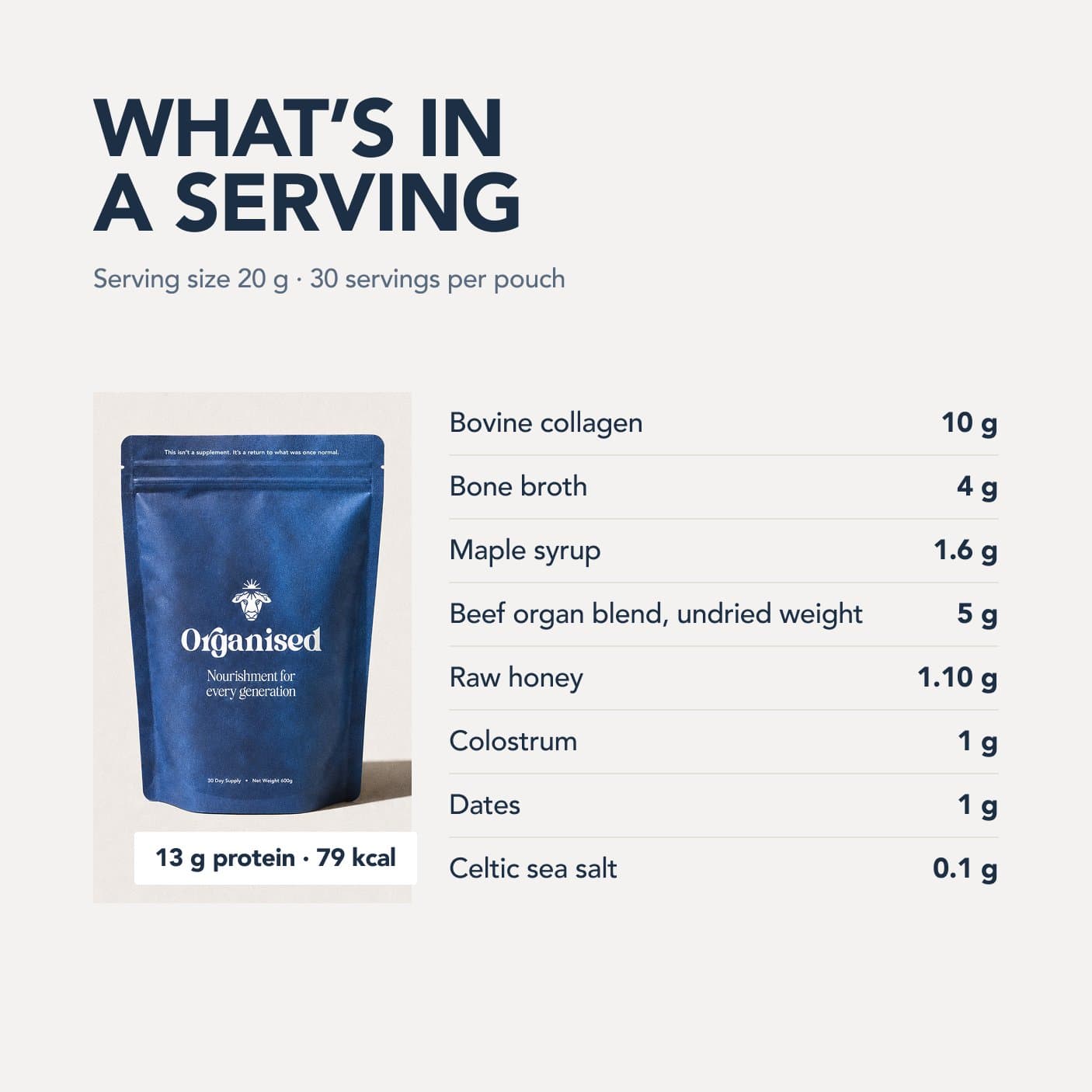
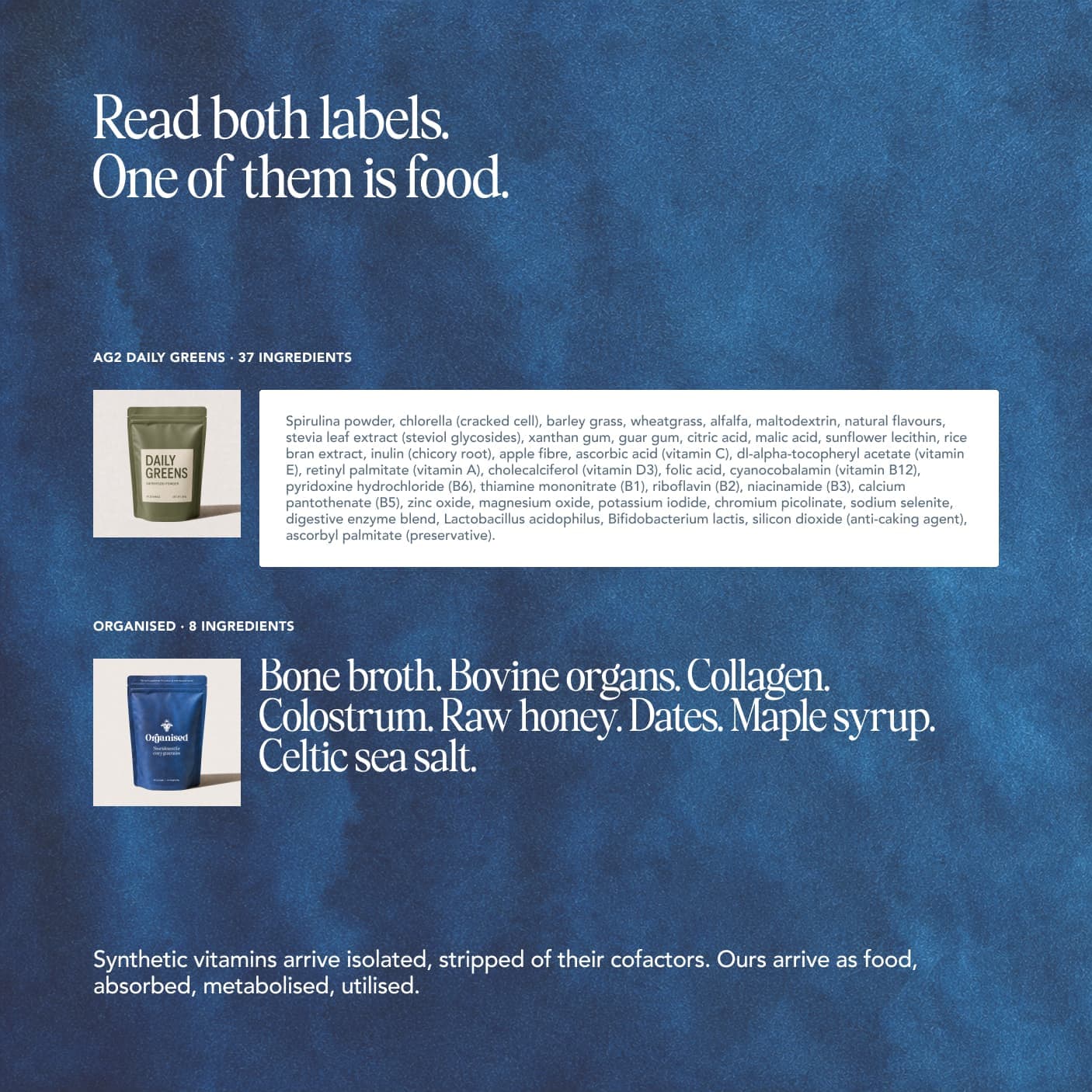
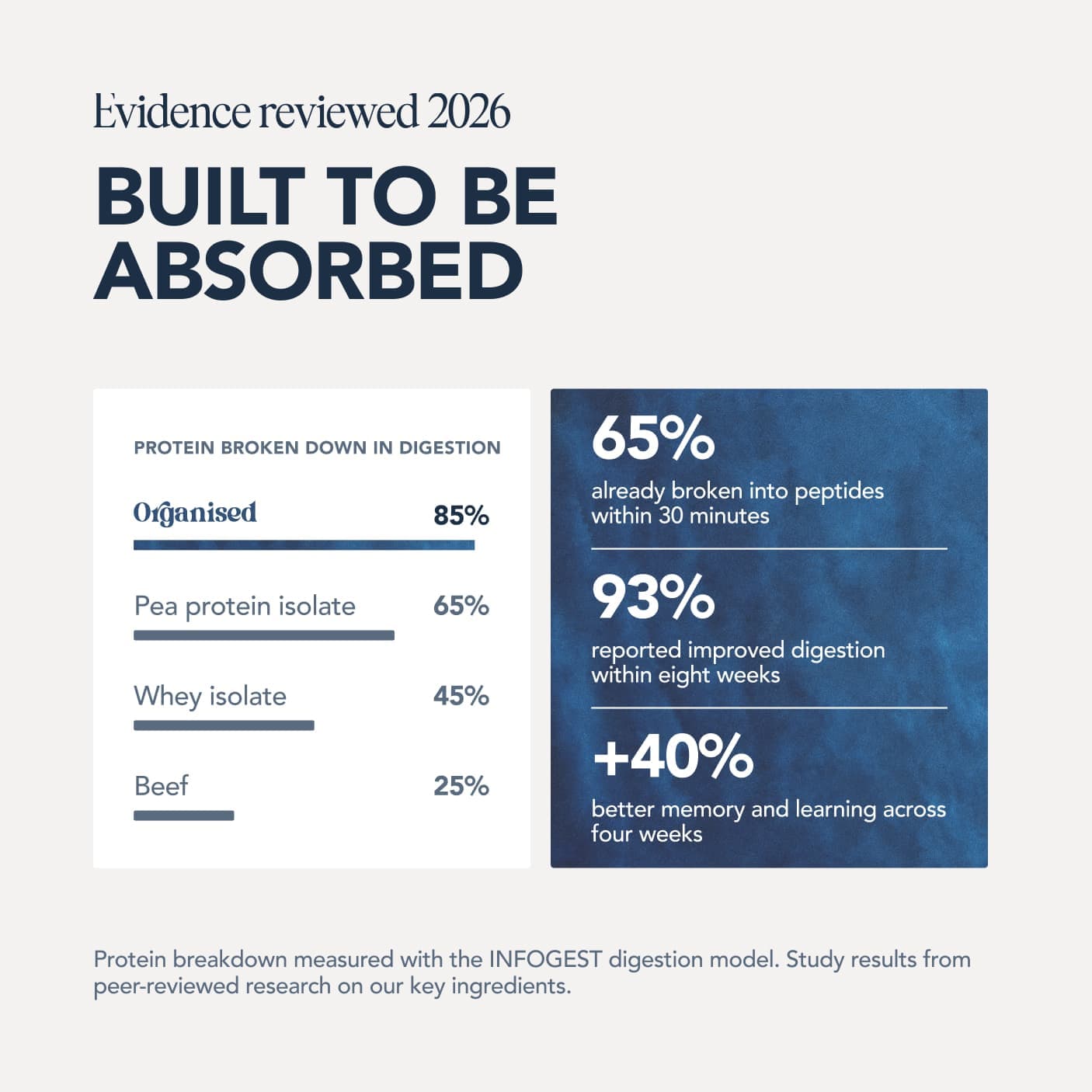
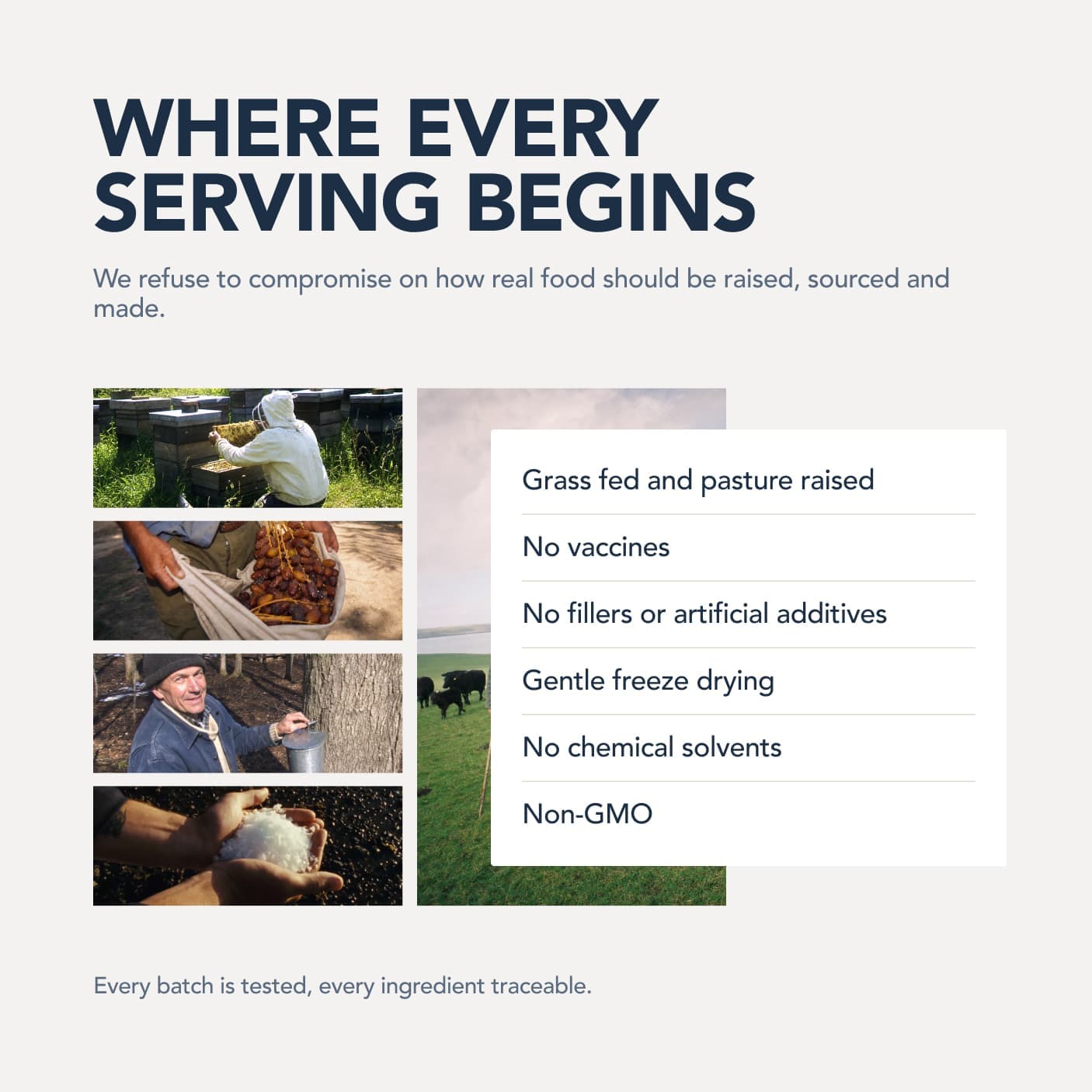
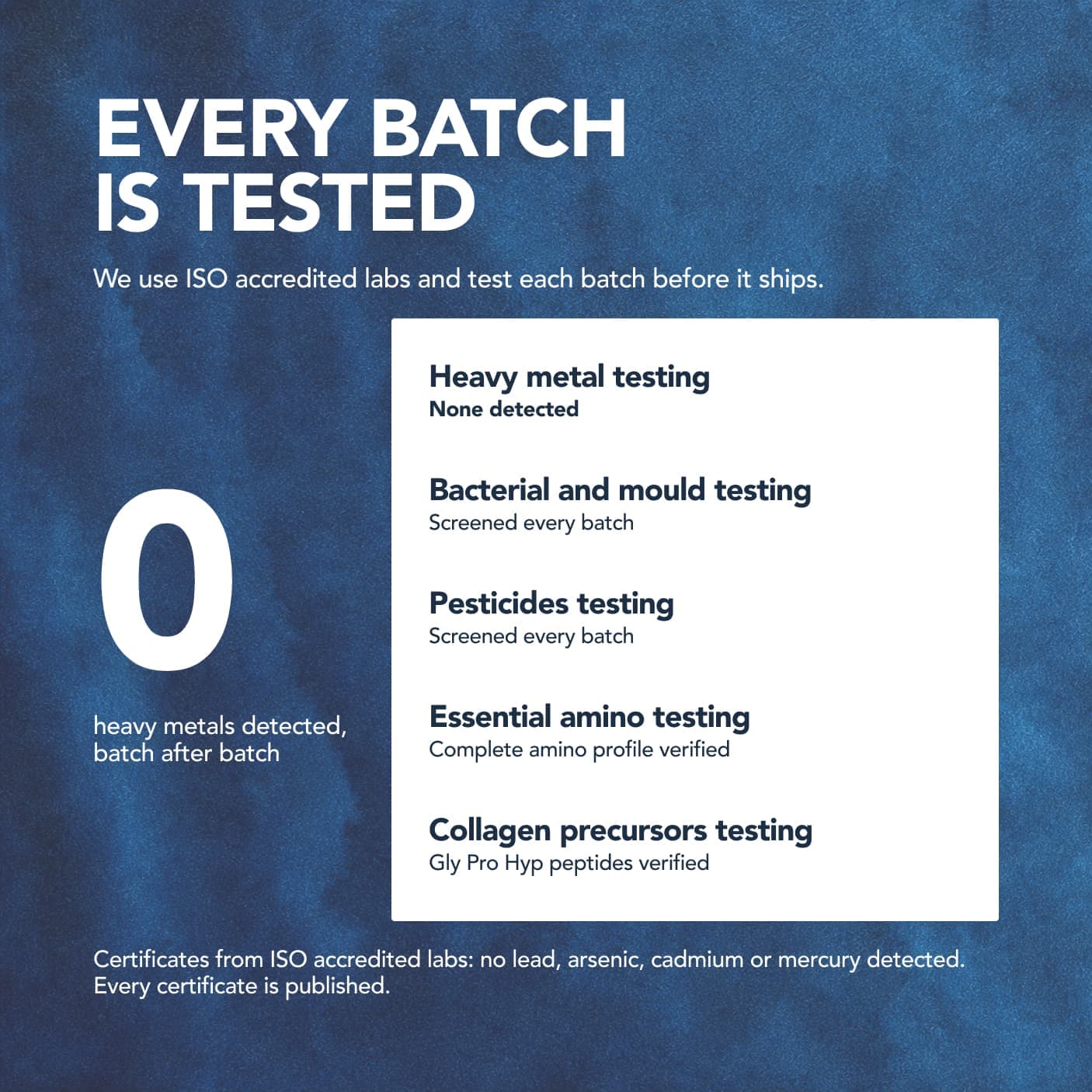
Eight real ingredients built around grass-fed beef organs, collagen and colostrum. Nothing synthetic added.
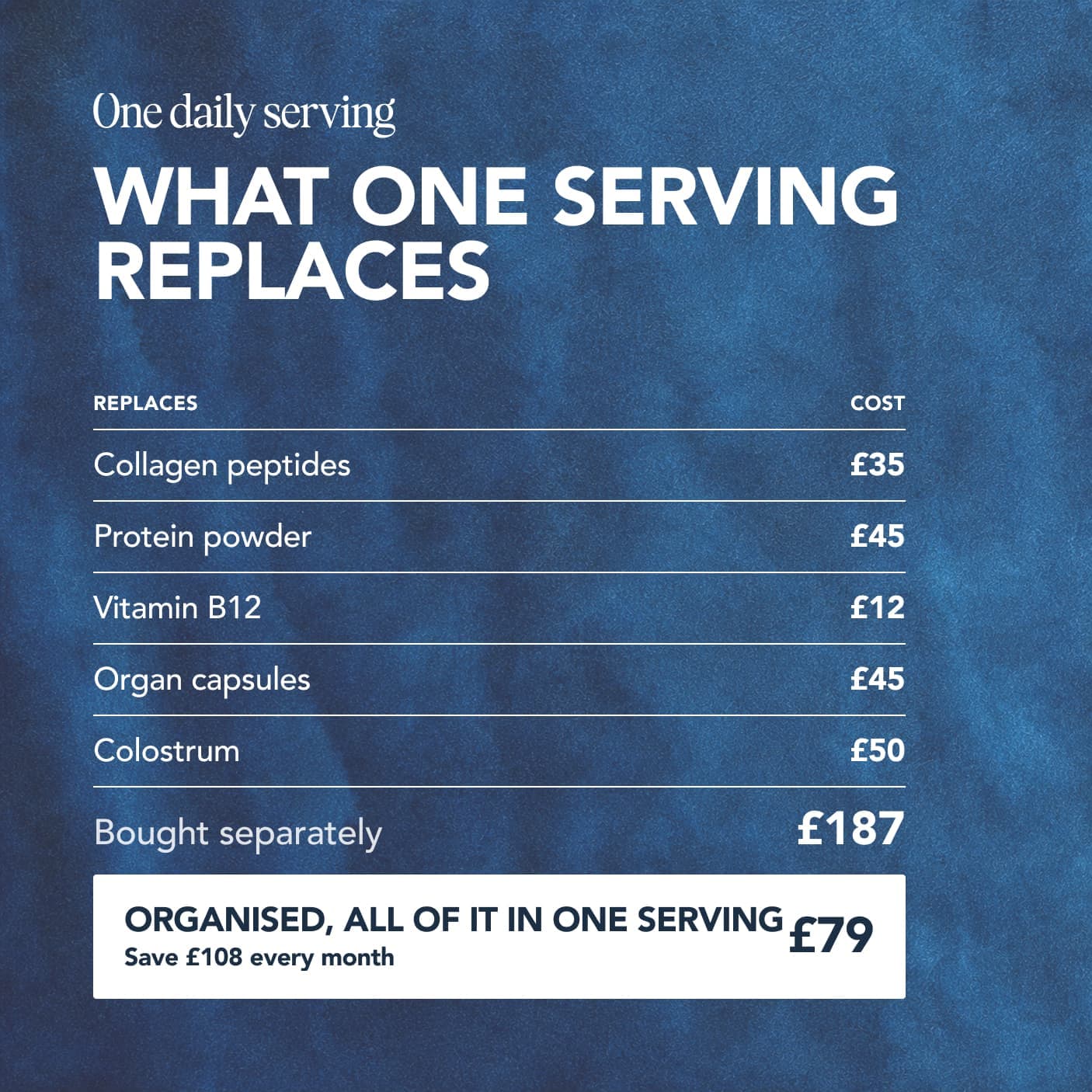
Free with your first order, worth £38. Plus £10 off the pouch with a subscription.


Free UK shipping · Made in England · 100 day money back guarantee on your first pouch · Skip, pause or cancel anytime
The bottom line
Anabolic resistance means your muscles need more protein to respond. This isn't a weakness. It's just physiology. Accept it, address it, and maintain muscle that supports independence.
Aim for 1.5 grams of protein per kilogramme of body weight daily, distributed across three meals of 35 to 50 grams each. Prioritise animal proteins for their complete amino acid profile and high leucine content. Pair protein with resistance exercise to provide the stimulus your muscles need.
The muscle you maintain in your 70s is the muscle that keeps you capable in your 80s. Feed it properly.
References
Every source below was checked on 27 August 2026. Each PubMed, PMC and DOI identifier was resolved against NCBI or Crossref, and what it opens is printed under the citation, so you can see the link goes where the citation says without leaving the page. Where a citation and its identifier disagreed, the citation was corrected to the record or the reference was deleted along with the sentence marker that pointed at it, and where the resolved paper turned out not to support the sentence, the sentence was cut back to what it does support. Borrowed authority is worse than none, because it looks like rigour.
- Wall BT et al. Aging is accompanied by a blunted muscle protein synthetic response to protein ingestion. PLOS ONE, 2015. PMID 26536130.Checked 27 August 2026: PMID 26536130 opens Wall BT, Gorissen SH, Pennings B et al, Aging Is Accompanied by a Blunted Muscle Protein Synthetic Response to Protein Ingestion. PLoS One 2015;10(11):e0140903.The authors' own declaration, from the record: Competing Interests: The authors have declared that no competing interests exist.
- Bauer J et al. Evidence-based recommendations for optimal dietary protein intake in older people: a position paper from the PROT-AGE Study Group. JAMDA, 2013. PMID 23867520.Checked 27 August 2026: PMID 23867520 opens Bauer J, Biolo G, Cederholm T et al, Evidence-based recommendations for optimal dietary protein intake in older people: a position paper from the PROT-AGE Study Group. J Am Med Dir Assoc 2013;14(8):542-59. PubMed indexes it as: Consensus Statement, Review.
- Drummond MJ, Rasmussen BB. Leucine-Enriched Nutrients and the Regulation of mTOR Signalling and Human Skeletal Muscle Protein Synthesis. Current Opinion in Clinical Nutrition, 2008. PMID 18403916.Checked 27 August 2026: PMID 18403916 opens Drummond MJ, Rasmussen BB, Leucine-enriched nutrients and the regulation of mammalian target of rapamycin signalling and human skeletal muscle protein synthesis. Curr Opin Clin Nutr Metab Care 2008;11(3):222-6. PubMed indexes it as: Review.
Who wrote and reviewed this guide
Niall Kiddle
Author · Founder, Organised
Niall is the founder of Organised. He started the company in 2024 after fixing his own health the slow way: in 2022 he swapped a cupboard of synthetic supplements for real food, raw milk, organ meats, bone broth and honey, and felt the difference within months.
Areas of expertise: Ancestral nutrition, Organ meats, Whole-food supplementation, Gut health, Regenerative sourcing
Read Niall's full profile
Pedro Rodrigues
Reviewer · Agronomist (farming and sourcing only)
Pedro is the agronomist Organised works with on farming and sourcing. His job on the guides is to keep the science honest: he reviews what we publish about soil health, regenerative agriculture, grazing and the way food is actually produced.
Areas of expertise: Regenerative agriculture, Agronomy, Soil health, Grass-fed farming, Food sourcing
Reviewed this guide on
Read Pedro's full profileBrowse the guides library
All guidesKeep reading

Life stage
Nutrition for Your 70s, 80s and Beyond
By your 70s, nutrition becomes the primary tool for maintaining independence and vitality. Here's what you need to prioritise.

Life stage
Nutrition After 50: What Changes and What to Prioritise
After 50, your nutritional needs shift. Discover how declining absorption, protein, bone health, and cognition reshape what you should be eating.

Life stage
Teenage Athletes: Protein and Nutrient Needs for Growing Bodies
Protein, calories, iron, B12: what teenage athletes actually need. Why bars and shakes miss the mark. Real food for growing bodies.
Real food, made effortless
Find my daily blendA few ways to use it
All recipes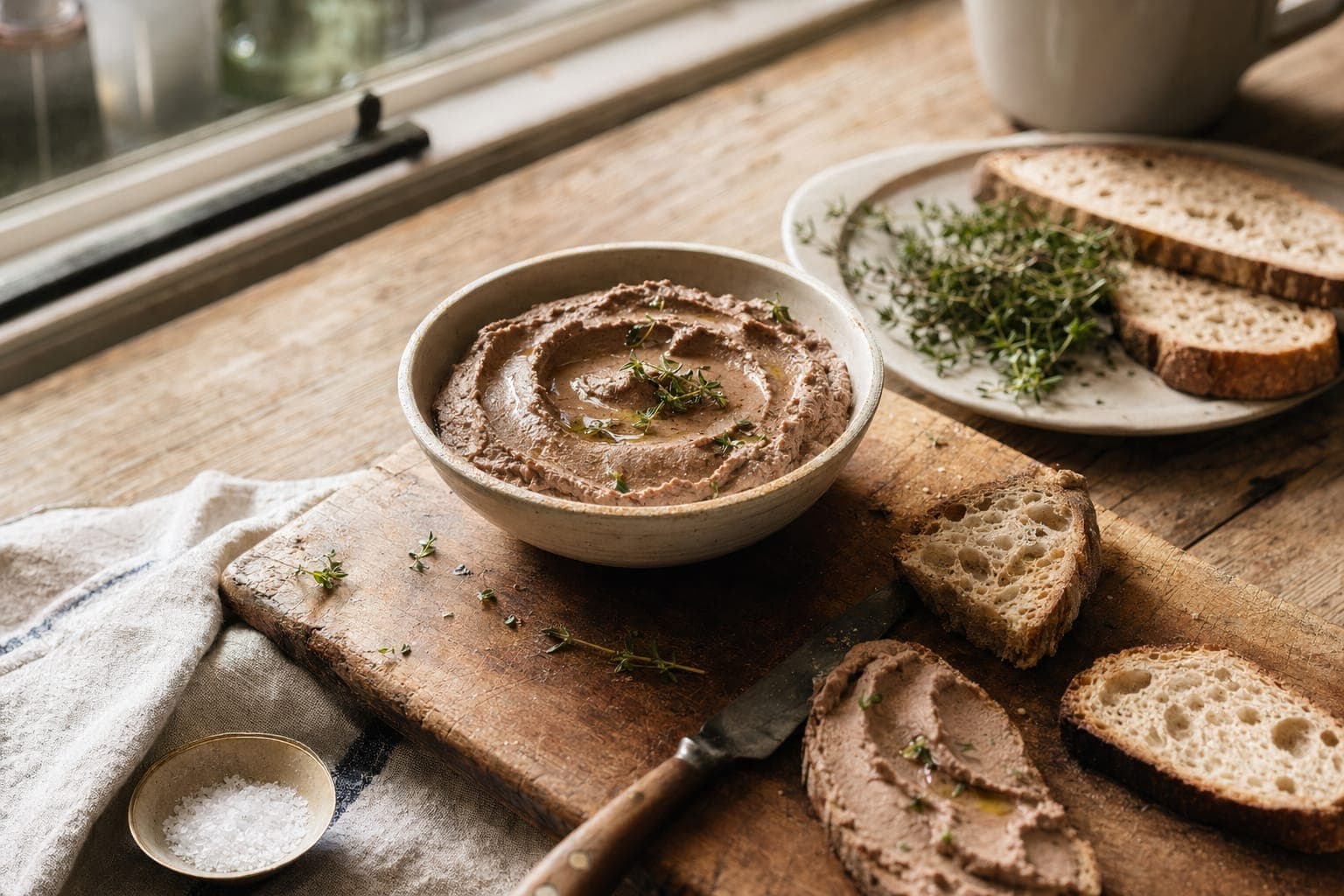
Liver Pate for Beginners: A Gentle Introduction to Organ Meats
Simple liver pate recipe to start eating organ meats. Chicken liver, butter, and herbs. Gentle introduction to nutrient-dense whole foods.
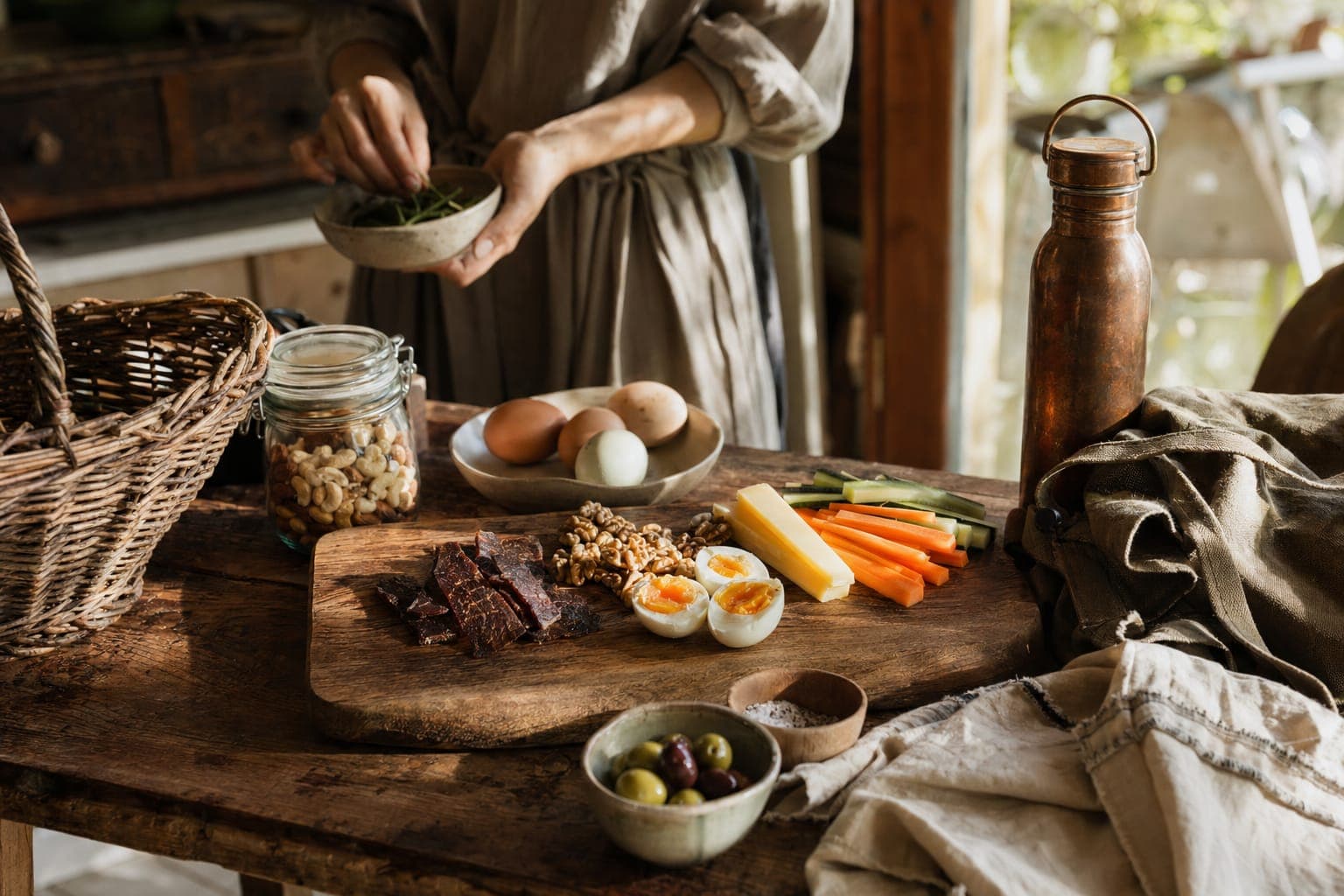
Whole Food Snacks for Busy Days
Practical whole food snacks that travel well and sustain energy. No refined carbs, no seed oils. Real food options for when you're busy.

How to Make Your Own Gelatine Gummies
A simple recipe for homemade gelatine gummies using grass-fed gelatine, fresh juice, and raw honey. Better than shop-bought, kids love them.


 Join over 100,000+ members
Build a better food system with us
The Organised community is thousands of people choosing real food and backing the farmers who grow it, all of us trying to leave the world a little better than we found it. If that is what you care about too, you belong here.