Postpartum Recovery Nutrition: Rebuilding After Birth
Your body just did something extraordinary. It grew a human, pushed that human out, and is now sustaining that human through milk if you're breastfeeding. And yet you're expected to do this whilst exhausted, hormonally destabilised, possibly bleeding heavily, and with a body that doesn't quite feel like it belongs to you. Nutrition matters now more than ever.

By Niall Kiddle, Founder, Organised

Reviewed by Pedro Rodrigues, Agronomist (farming and sourcing only) ·
8 min read · Published · Updated · 7 cited sources
Makers of the Organised Daily blend, a grass-fed beef organ supplement from regenerative UK farms

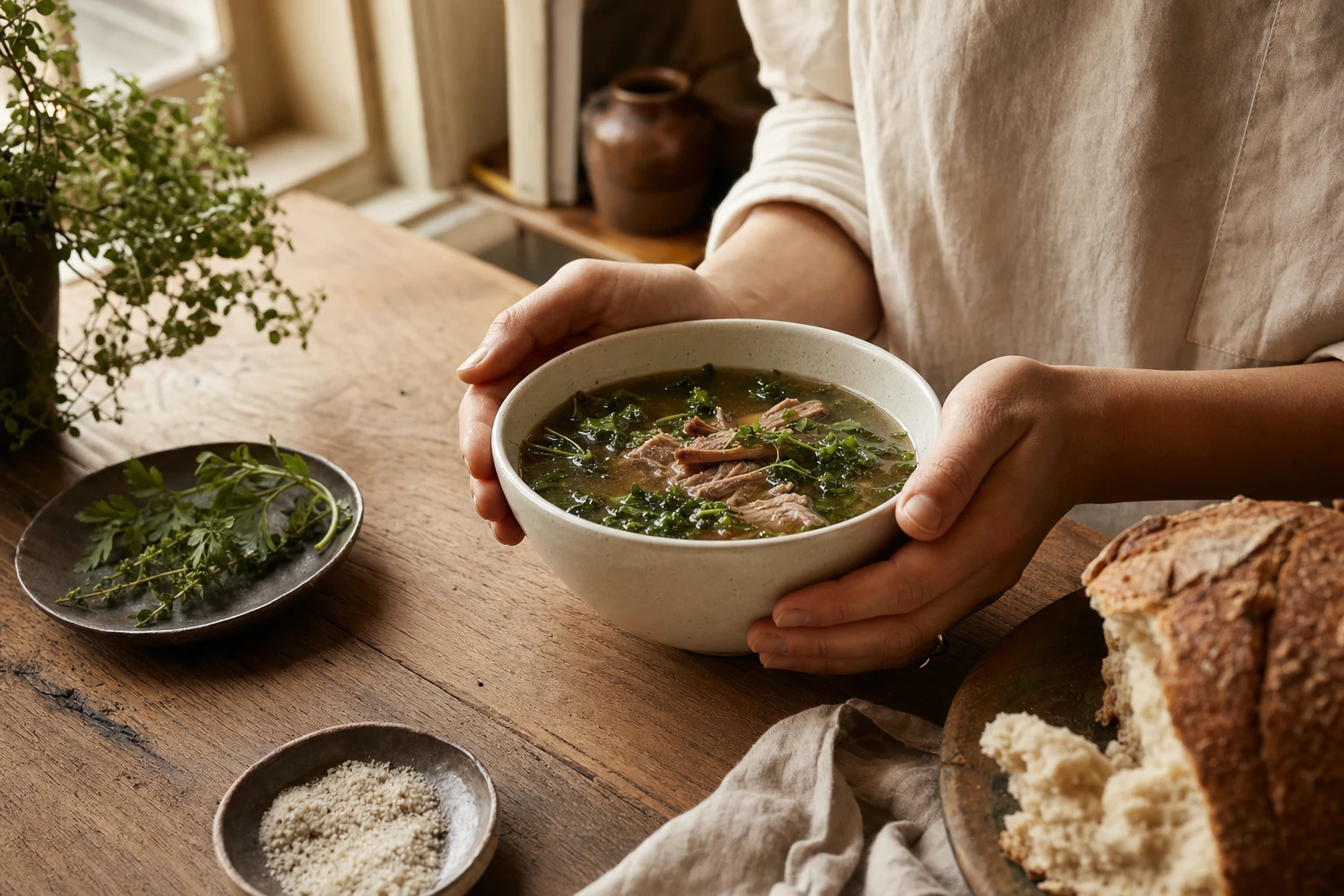
The postpartum period is when nutrition directly impacts how fast you recover, how much energy you have, how well your mental health holds up, and how effectively you can sustain breastfeeding if you're doing it. Most cultures traditionally recognised this. In many traditional societies, new mothers eat extraordinarily nourishing food for weeks after birth. Hot broths, organ meats, eggs, and warming spices. Not because of superstition, but because that's what the body needs.
The postpartum body in recovery
Pregnancy and birth are profound physiological events. Your blood volume expanded by 50%.1 Your uterus grew from the size of a pear to the size of a watermelon. Your pelvis shifted. Your hormones spiked and crashed. And then you gave birth, which is violent and enormous, whether it was vaginal or caesarean.
Recovery isn't metaphorical. It's literal, cellular rebuilding. Your uterus needs to involute, contracting back to its pre-pregnancy size. Your pelvic floor needs to heal. Your abdominal muscles need to re-knit. Your hormones need to rebalance. Your blood needs to regenerate the volume and iron you lost during delivery. All of this requires extraordinary amounts of nutrients.
And if you're breastfeeding, your body is now producing milk continuously, which is metabolically expensive. Breastfeeding demands roughly 500 extra calories daily, plus significant amounts of fluid, calcium, and nutrients.2
The modern expectation is that you'll recover whilst operating on three hours of broken sleep, whilst responsible for keeping another human alive, whilst your body is still bleeding, whilst your hormones are crashing. The postpartum period is not a time to eat a balanced diet. It's a time to eat extraordinarily nourishing food that supports accelerated recovery and deep repair.
Iron loss and restoration
Blood loss during delivery is normal and significant. Vaginal delivery typically results in around 500 millilitres of blood loss. Caesarean section results in roughly 1,000 millilitres of blood loss.3 Postpartum haemorrhage, whilst uncommon, results in much larger losses. Even typical blood loss means significant iron loss.
Iron is the mineral that carries oxygen. If you're low on iron, you're fatigued. Bone-deep, overwhelming fatigue. You might feel like you can't get out of bed, not because you're depressed or lazy, but because your body is literally starved for oxygen. Postpartum iron deficiency is common, and it's not trivial.
Your healthcare provider will likely test your haemoglobin after birth. If it's low, iron supplementation is standard. But supplemental iron often causes constipation, which you don't need when your pelvic floor is already traumatised.5 Eating iron-rich foods alongside the supplementation helps.
The richest sources of iron are organ meats. Beef liver contains around 36 milligrams per 100 grams.4 Red meat contains around 2-3 milligrams per 100 grams. Include liver once or twice weekly after birth. Include red meat several times weekly. Include eggs, which contain smaller amounts of iron but also contain choline, which supports cognitive recovery and milk production.
Postpartum, eat liver without apology. A 100-gram serving of liver covers a significant portion of your iron needs. Your recovery matters. Prioritise it.
Collagen and connective tissue
Your body has been stretched. Your skin has stretched. Your pelvic floor has been traumatised. Your abdominal muscles have been separated. All of this requires collagen to heal properly. Collagen is the most abundant protein in the human body, and it's essential for connective tissue integrity.
Collagen isn't found in supplement form in food. But the amino acids that make collagen (glycine, proline, hydroxyproline) are found in gelatinous cuts of meat, bone broth, and connective tissue. This is why traditional postpartum foods include so much broth and stew made with bones and gelatinous cuts of meat. It's not quaint. It's physiologically essential.
Gelatin-rich foods also support skin healing and gut healing, both of which are relevant postpartum. Your gut lining may have been compromised by the stress of labour. Your skin may be stretched and marked. Both benefit from collagen-building nutrition.
Bone broth and nutrient density
Bone broth is one of the most nutrient-dense foods you can eat postpartum. It's made by simmering bones, connective tissue, and sometimes vegetables for 12-24 hours. The result is a liquid rich in collagen-derived amino acids, minerals (particularly calcium), and gelatin.
A cup of bone broth contains roughly 15-20 grams of collagen-derived amino acids, significant calcium, magnesium, and other minerals. It's also warming, easy to digest, and hydrating. For a woman who's exhausted, bleeding, and trying to heal, warm bone broth is extraordinary.
Drink it warm. Use it as the base for soups with vegetables and meat. Sip it throughout the day. If you don't make your own, quality shop-bought bone broth exists, though homemade is more nutrient-dense because you control the simmering time.
The minerals in bone broth are particularly important postpartum. Calcium is needed to restore bone density. Magnesium supports nervous system recovery. Potassium and sodium support electrolyte balance when you're losing blood. The nutrient matrix in bone broth is almost perfectly suited to postpartum recovery.
Liver and organ meats
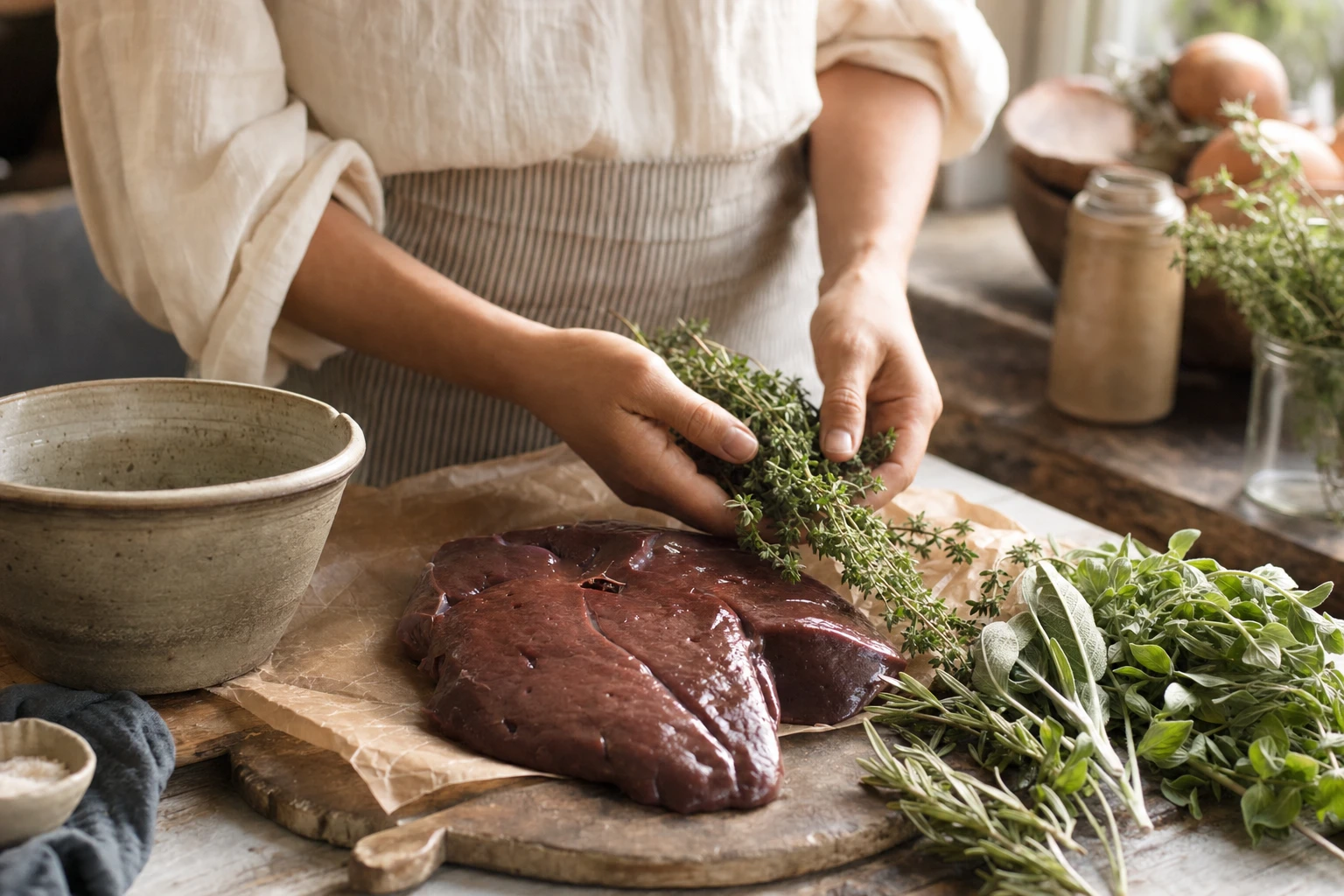
Liver is not optional postpartum. It's one of the most nutrient-dense foods on the planet. A 100-gram serving of beef liver contains 36 milligrams of iron, 980 micrograms of vitamin A, 85 micrograms of folate, 1,340 micrograms of choline, and substantial amounts of B12, B6, and selenium. One serving covers enormous portions of your postpartum nutritional needs.
If liver is unpalatable, liver pâté is acceptable. Organ supplements in capsule form work but are less nutrient-complete than whole liver. Some women add finely minced liver to mince beef, reducing the flavour significantly whilst maintaining the nutrition. Whatever works. Eat liver once or twice weekly postpartum.
Other organ meats are also excellent. Kidney, heart, and tongue all contain exceptional nutrient profiles. The issue is that most modern supermarkets barely stock these foods. If you have access to a butcher, this is the time to build a relationship. A good butcher can supply whatever organs you want.
Get life-stage nutrition guides, free
Two short reads a week on eating well through pregnancy, childhood and older age.
By signing up you agree to receive emails from us. No spam, unsubscribe anytime.
Sleep disruption and blood sugar
You're not sleeping. You have a newborn. You're waking every two to three hours to feed. Your sleep architecture is shattered. This is biological stress, and it requires extra nutrients to manage.
Sleep deprivation dysregulates blood sugar. When you're exhausted, your cortisol stays elevated. Elevated cortisol increases blood sugar and increases insulin. This combination promotes fat storage and energy crashes. You're already exhausted. You don't need blood sugar crashes making it worse.
The solution is consistent, protein-rich meals and snacks. Eat before you're hungry. Eat despite the chaos. Pair carbohydrates with protein. Include fat. This isn't the time to eat lightly. This is the time to eat seriously nourishing, calorically dense food.
Eggs, full-fat dairy, meat, fish, nuts, seeds, whole grains, and plenty of vegetables. Eat frequently. Keep snacks accessible. Have someone else handle cooking if possible. Your job is to eat, not to manage the kitchen.
Breastfeeding demands
If you're breastfeeding, your nutritional demands increase again. Breastfeeding uses roughly 500 extra calories daily, plus significant amounts of water. It also demands ongoing supply of the nutrients that go into milk: calcium, fats, protein, vitamins A and D, and various minerals. Your body doesn't shortchange milk production. If you're undernourished, your milk quality stays good but your body suffers. You feel worse. You recover slower. You experience more mood issues.
Calcium is particularly relevant. If you're not eating enough calcium whilst breastfeeding, your body will pull calcium from your bones to maintain milk calcium levels. This puts you at risk of bone density loss. Some research suggests that breastfeeding mothers experience temporary bone density loss, which is reversed once breastfeeding stops if nutrition is adequate.6 But if nutrition is inadequate, the loss can become permanent. Include full-fat dairy, leafy greens, tinned fish with soft bones (sardines and mackerel), bone broth, and nuts. A glass of full-fat milk daily covers a significant portion of your calcium needs.
DHA is also relevant because your breastmilk contains DHA, which is crucial for your baby's brain development.7 The DHA in your milk comes from your diet or from your own body stores. If you're eating fatty fish twice weekly, you're replenishing those stores. If you're not, you're depleting yourself to feed your baby. Eating fatty fish is an act of self-preservation, not indulgence.
Protein demands also increase during breastfeeding. Your milk is roughly 1.3% protein, and your body is producing massive quantities of it. You need more protein postpartum than you did during pregnancy. Include meat, fish, eggs, and dairy at every meal. A snack of nuts or cheese between meals supports ongoing milk production.
Breastfeeding is not a reason to restrict calories. It's a reason to eat more, and to eat exceptionally well. Your milk quality depends on your nutrition. Your body's recovery depends on your nutrition. You're not just feeding a baby. You're recovering from one of the most physiologically demanding events of your life. Eat without guilt.
1 of 9
Daily blend
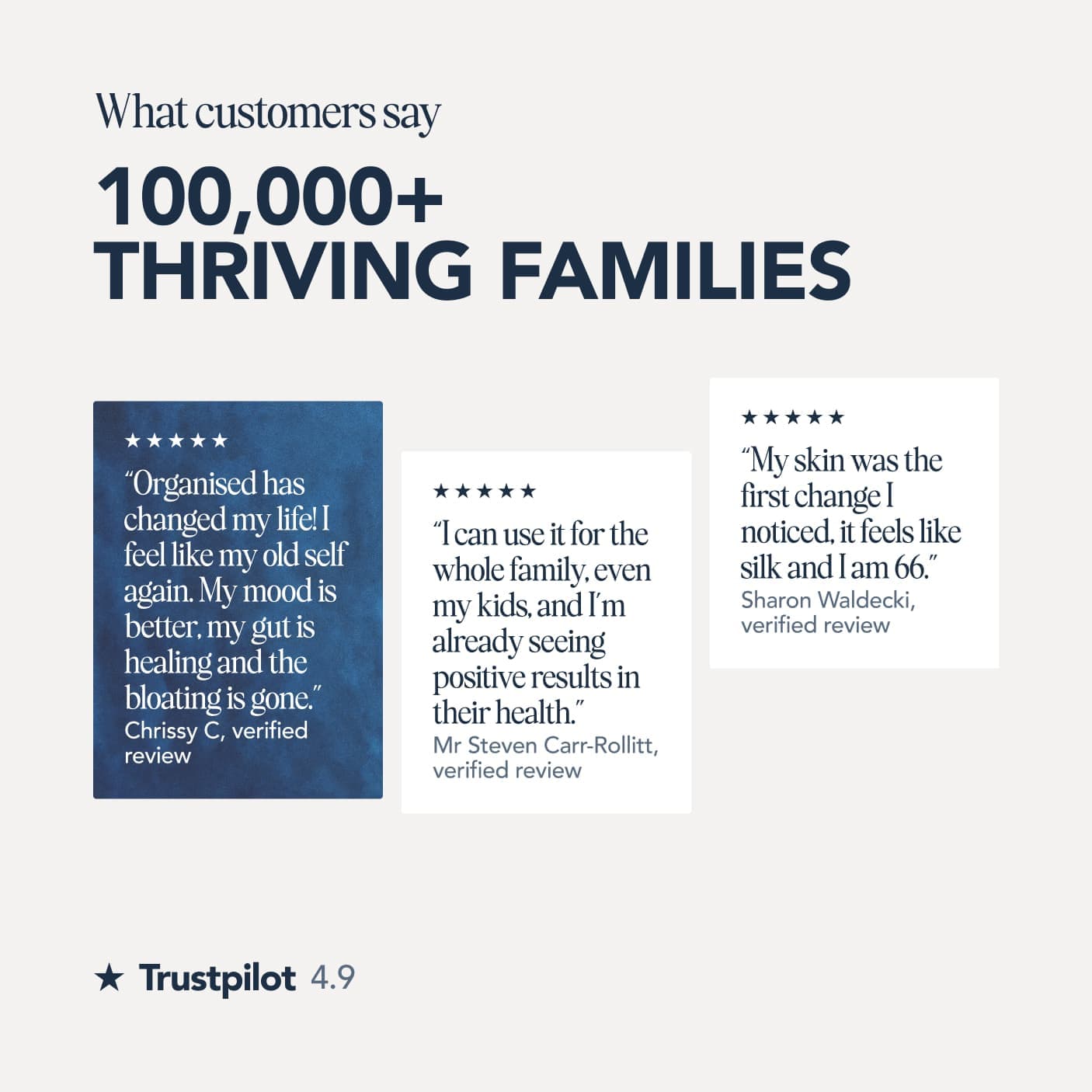
100,000+ thriving families4.9 on Trustpilot
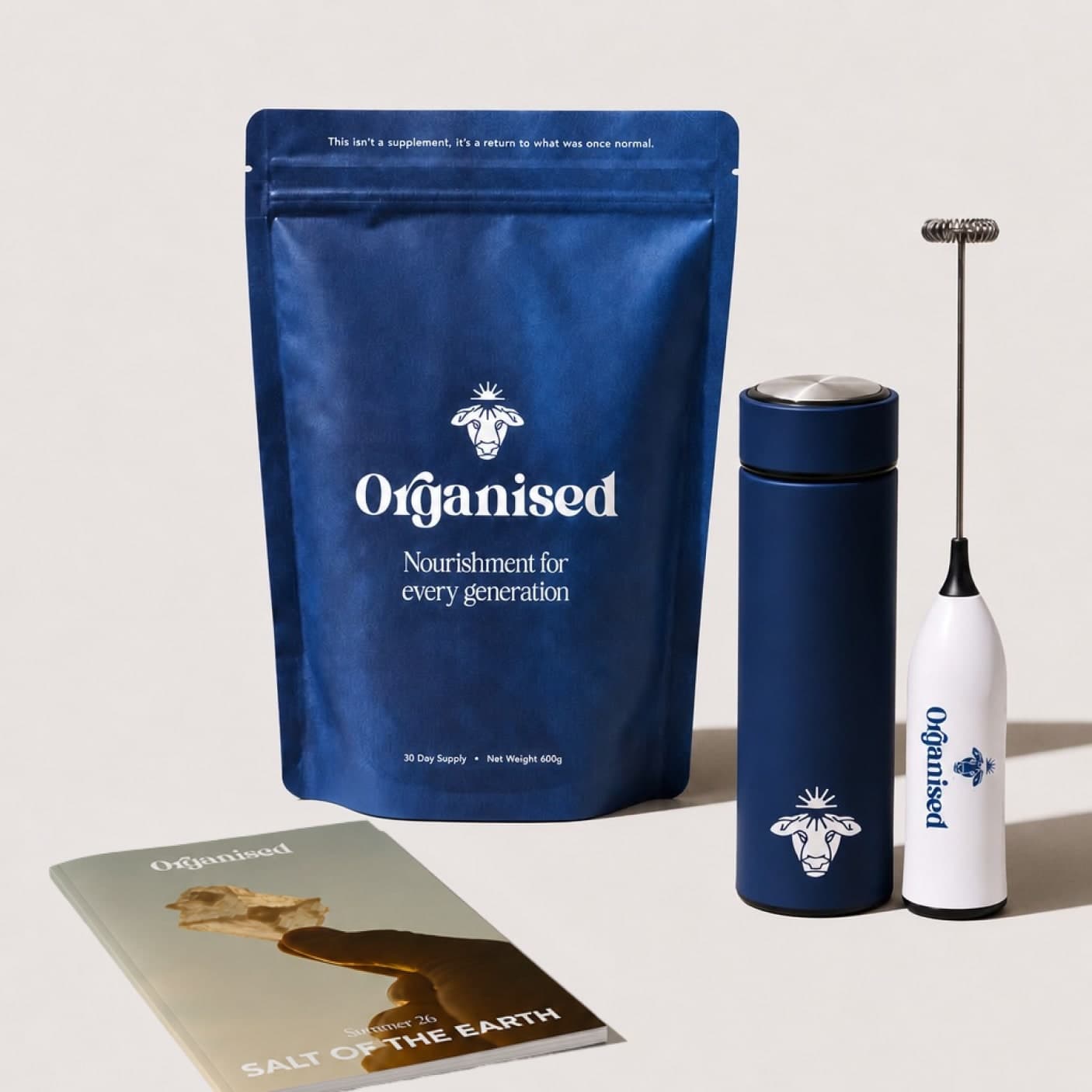
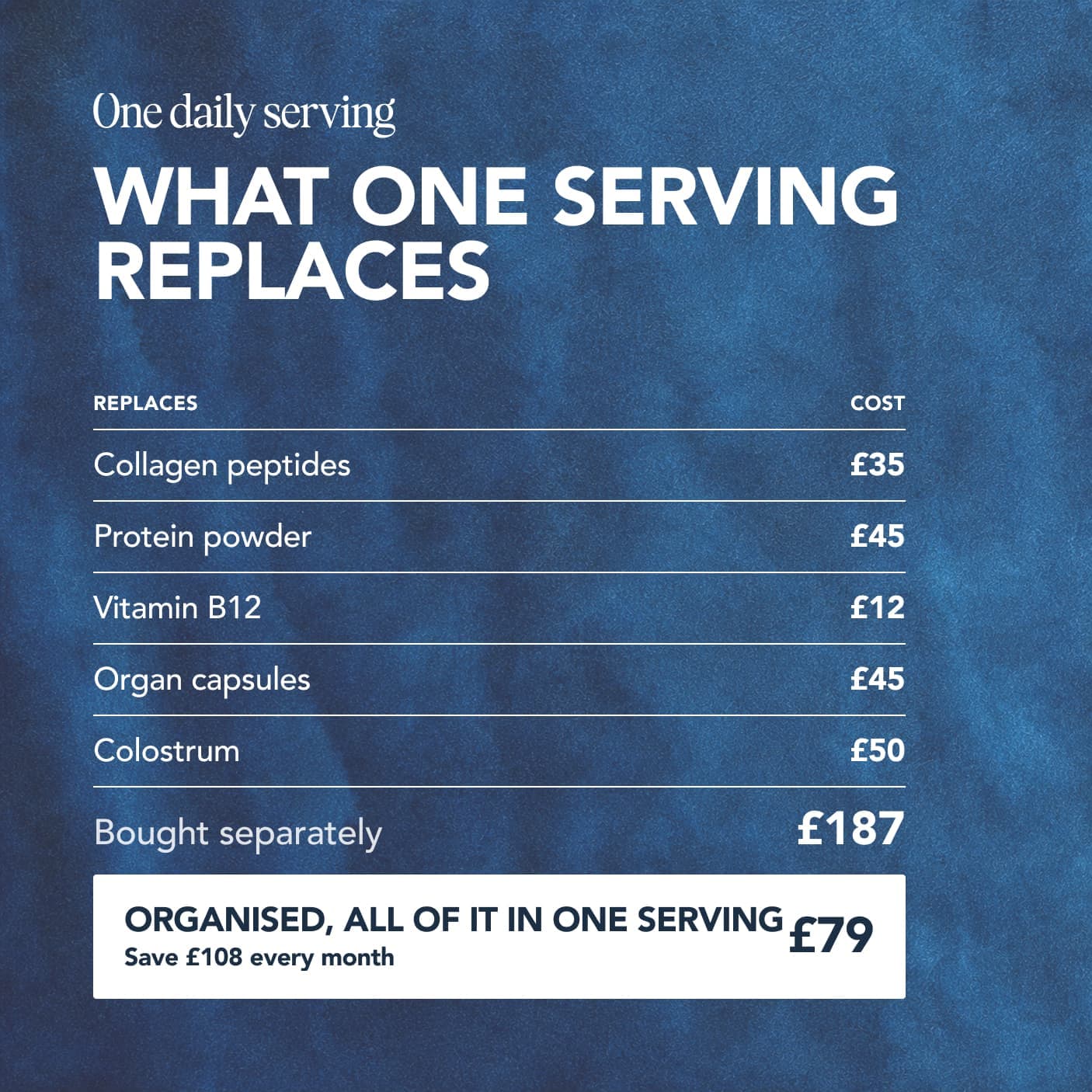
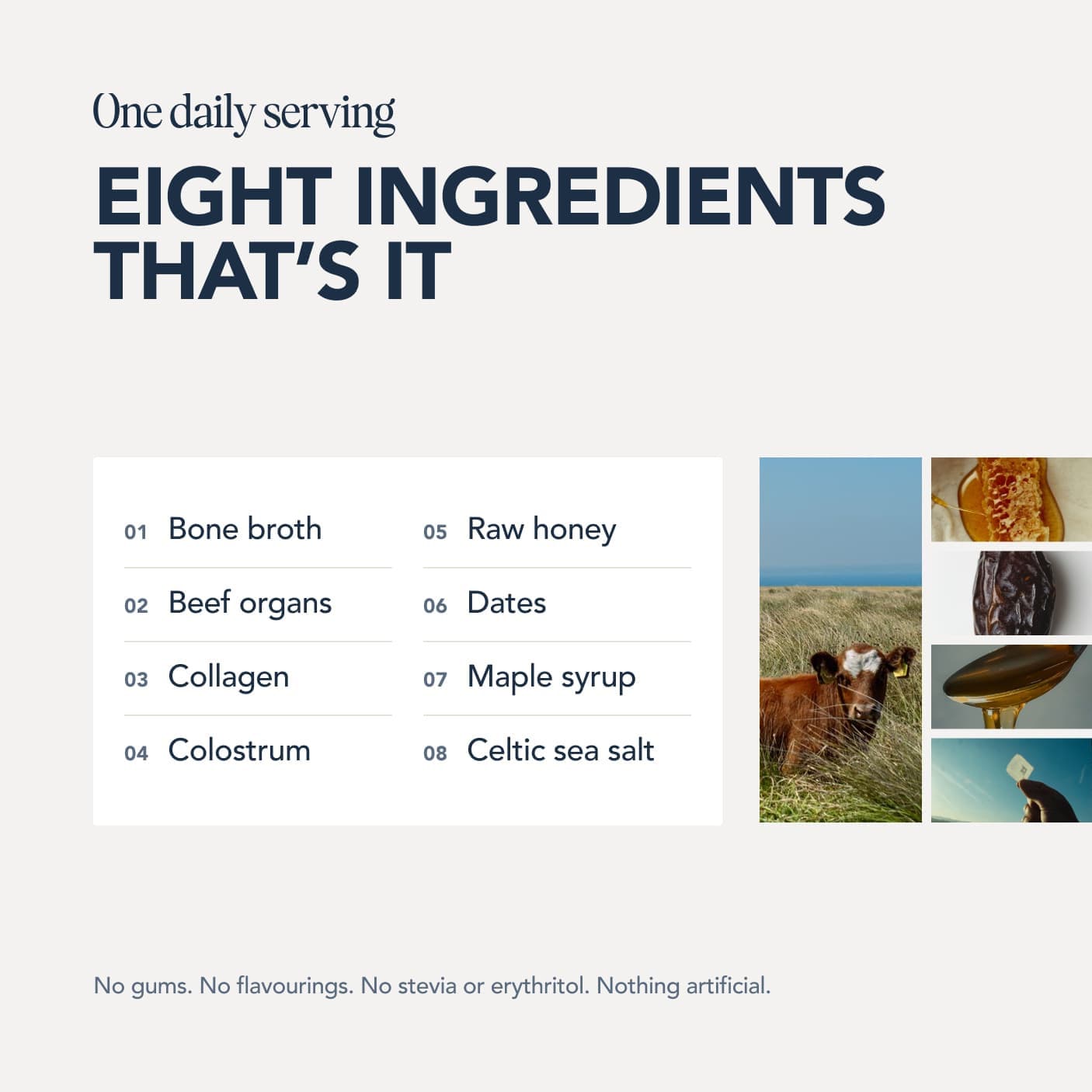
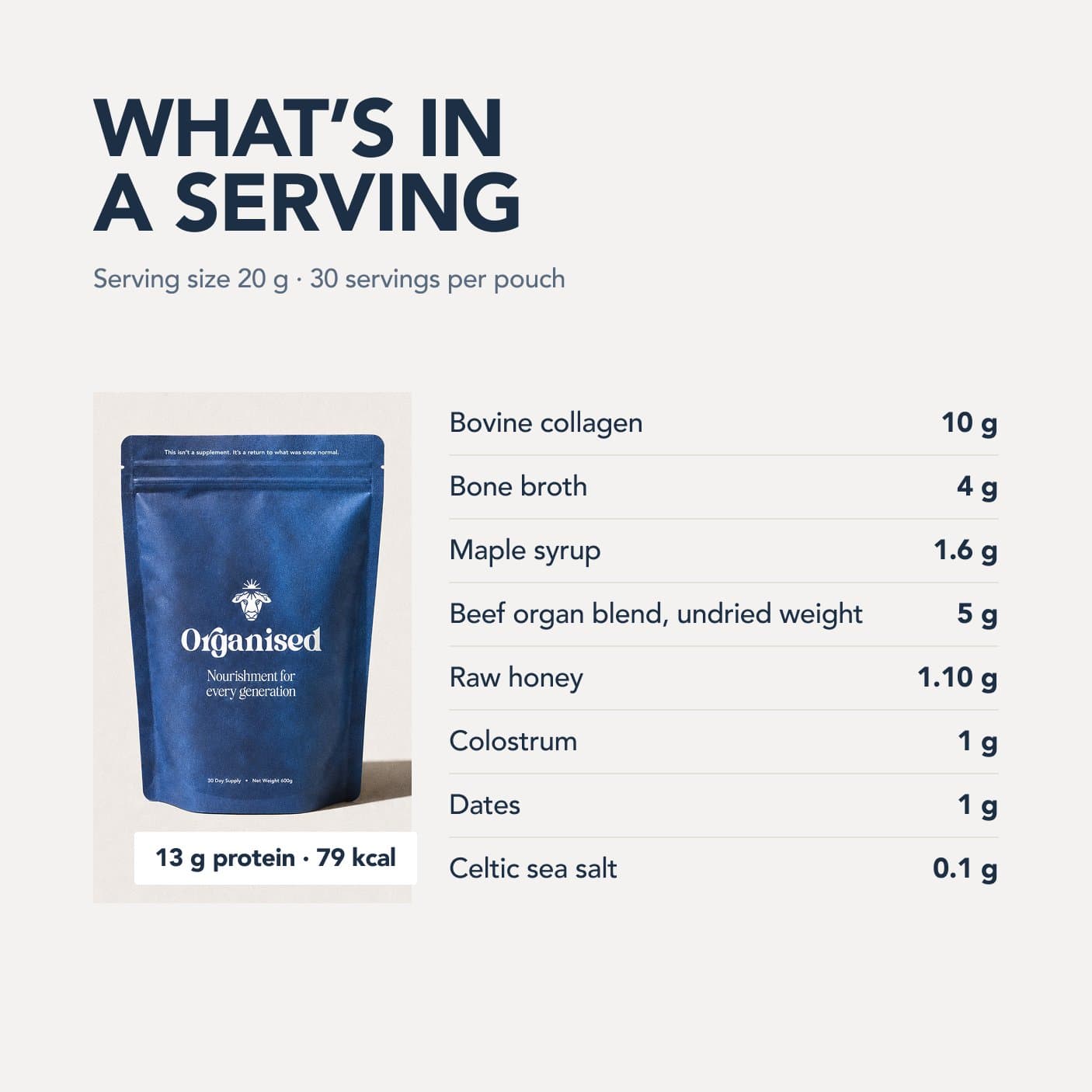
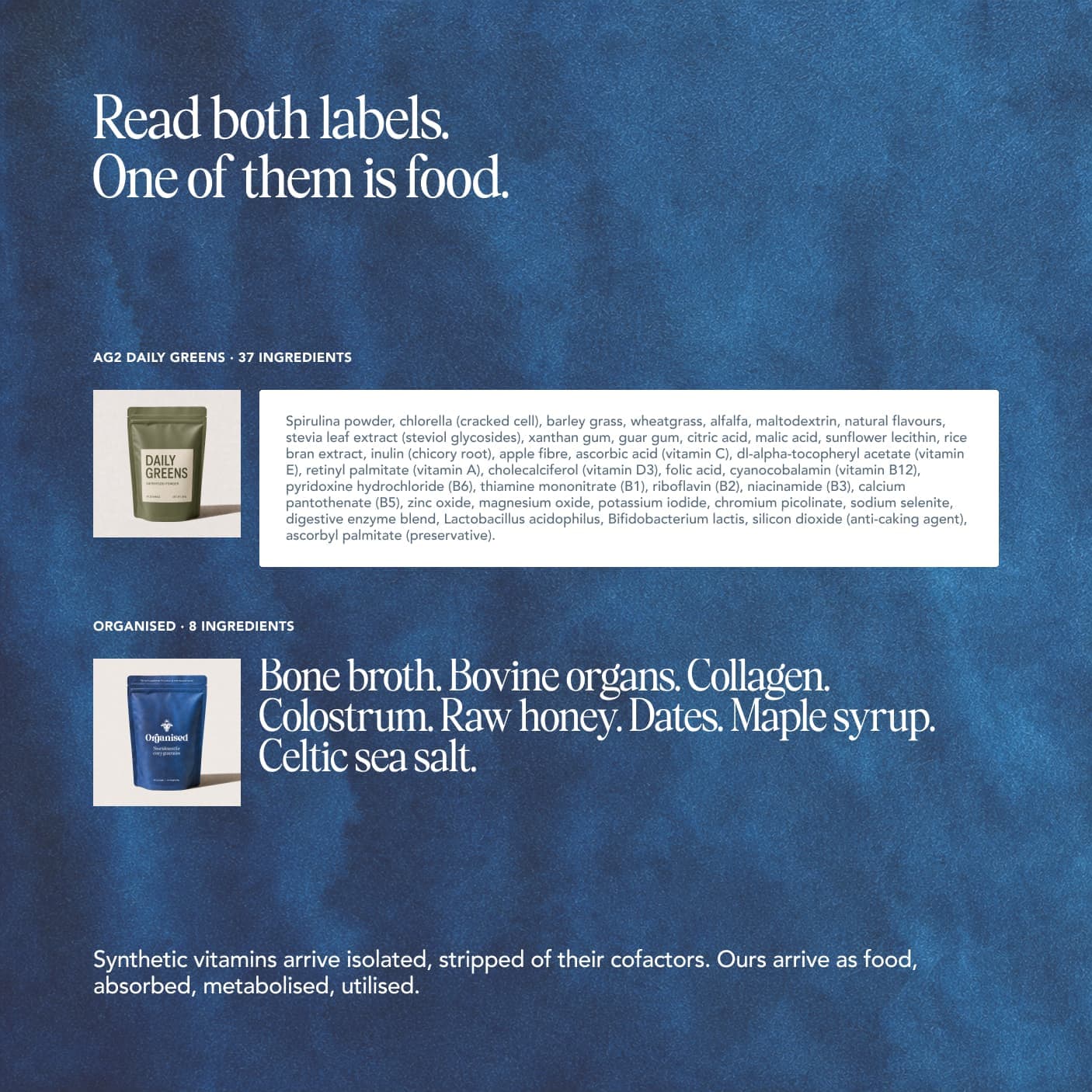
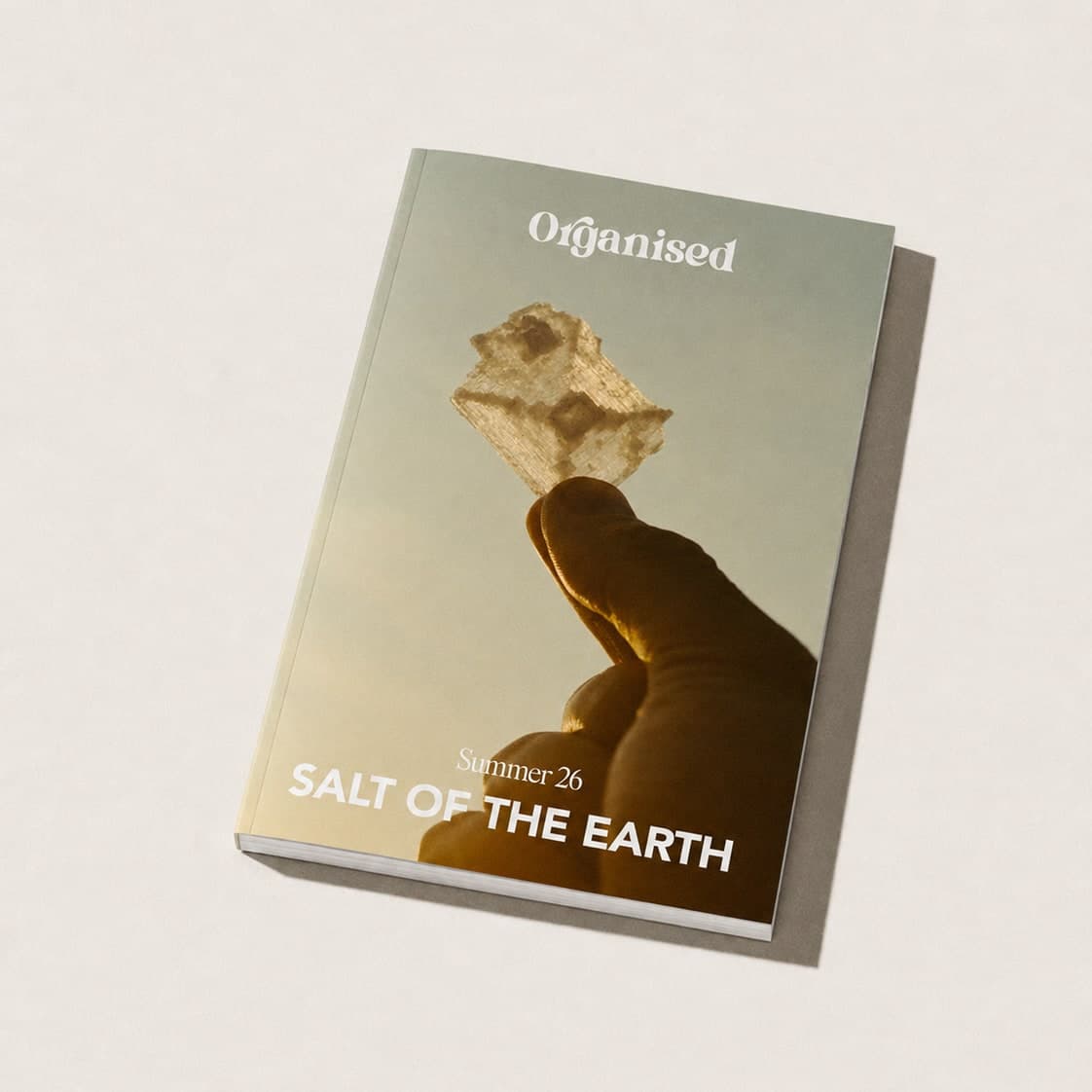
Eight real ingredients built around grass-fed beef organs, collagen and colostrum. Nothing synthetic added.
Free with your first order, worth £38. Plus £10 off the pouch with a subscription.

Free UK shipping · Made in England · 100 day money back guarantee on your first pouch · Skip, pause or cancel anytime
Sleep deprivation and metabolic stress
The postpartum period is defined by sleep disruption. You're waking every two to three hours. Your sleep architecture is shattered. Your circadian rhythm is destroyed. This is profound metabolic stress on top of the physical stress of recovery.
Sleep deprivation dysregulates cortisol. Cortisol stays elevated. This drives inflammation, impairs immune function, and makes mood disturbances more likely. Nutrition can't fix sleep deprivation, but it can make it slightly less destructive. Adequate calories, adequate nutrients, adequate protein all help your body manage the stress of sleep loss.
What's often missing postpartum is the recognition that you're under extraordinary stress. You're expected to function as though everything is normal when your body is literally depleted and your sleep is shattered. Feed yourself with that understanding. You need more nutrition during this period, not less. You need nutrient density, not restriction.
The bottom line
The postpartum period is not the time for restraint. It's the time for extraordinary nourishment. Eat liver, bone broth, eggs, red meat, full-fat dairy, fish, and plenty of vegetables. Rest when you can. Ask for help with cooking if possible. Drink bone broth. Take iron if prescribed. Let your body recover at the pace it needs. The energy you invest in your own recovery postpartum is the energy that's available for your baby and for yourself. Recovery matters. Nutrition matters. You matter.
References
Every source below was checked on 27 August 2026. Each PubMed, PMC and DOI identifier was resolved against NCBI or Crossref, and what it opens is printed under the citation, so you can see the link goes where the citation says without leaving the page. Where a citation and its identifier disagreed, the citation was corrected to the record or the reference was deleted along with the sentence marker that pointed at it, and where the resolved paper turned out not to support the sentence, the sentence was cut back to what it does support. Borrowed authority is worse than none, because it looks like rigour.
- Sanghavi M, Rutherford JD. Cardiovascular physiology of pregnancy. Circulation. 2014;130(12):1003-8. PMID: 25223771.Checked 27 August 2026: PMID 25223771 opens Sanghavi M, Rutherford JD, Cardiovascular physiology of pregnancy. Circulation 2014;130(12):1003-8. PubMed indexes it as: Review.
- National Institutes of Health, Office of Dietary Supplements. Dietary Supplements During Lactation: Fact Sheet for Health Professionals.
- Royal College of Obstetricians and Gynaecologists. Prevention and Management of Postpartum Haemorrhage. Green-top Guideline No. 52.
- U.S. Department of Agriculture, FoodData Central. Beef, liver — nutrient profile.
- National Institutes of Health, Office of Dietary Supplements. Iron: Fact Sheet for Health Professionals.
- Kovacs CS. Maternal mineral and bone metabolism during pregnancy, lactation, and post-weaning recovery. Physiol Rev. 2016;96(2):449-547. PMID: 26887676.Checked 27 August 2026: PMID 26887676 opens Kovacs CS, Maternal Mineral and Bone Metabolism During Pregnancy, Lactation, and Post-Weaning Recovery. Physiol Rev 2016;96(2):449-547. PubMed indexes it as: Review.
- Innis SM. Impact of maternal diet on human milk composition and neurological development of infants. Am J Clin Nutr. 2014;99(3):734S-41S. PMID: 24500153.Checked 27 August 2026: PMID 24500153 opens Innis SM, Impact of maternal diet on human milk composition and neurological development of infants. Am J Clin Nutr 2014;99(3):734S-41S. PubMed indexes it as: Review.
Who wrote and reviewed this guide
Niall Kiddle
Author · Founder, Organised
Niall is the founder of Organised. He started the company in 2024 after fixing his own health the slow way: in 2022 he swapped a cupboard of synthetic supplements for real food, raw milk, organ meats, bone broth and honey, and felt the difference within months.
Areas of expertise: Ancestral nutrition, Organ meats, Whole-food supplementation, Gut health, Regenerative sourcing
Read Niall's full profile
Pedro Rodrigues
Reviewer · Agronomist (farming and sourcing only)
Pedro is the agronomist Organised works with on farming and sourcing. His job on the guides is to keep the science honest: he reviews what we publish about soil health, regenerative agriculture, grazing and the way food is actually produced.
Areas of expertise: Regenerative agriculture, Agronomy, Soil health, Grass-fed farming, Food sourcing
Reviewed this guide on
Read Pedro's full profileMore on pregnancy & postpartum
View all- Nourishing Pregnancy with Whole Food Nutrition
- Beef Organ Supplements and Pregnancy: Understanding Vitamin A Safety
- Breastfeeding and Nutrition: What to Eat to Nourish Two
- Folate vs Folic Acid: Why the Form Matters in Pregnancy
- Gestational Diabetes and Nutrition: What Helps and What Doesn't
- Iron Needs During Pregnancy: Why Heme Iron Makes a Difference
- Morning Sickness and Nutrition: What Helps and What Makes It Worse
- Pregnancy Nutrition on Reddit: What Real Mums Recommend vs the Evidence
- Pregnancy Prep: Nutritional Foundations to Lay Before Conceiving
- Rebuilding Your Iron Stores After Birth
- The Best Foods to Eat in Each Trimester
- The Fourth Trimester: Why Mothers Need Organ Nutrition
Browse the guides library
All guidesKeep reading
Life stage
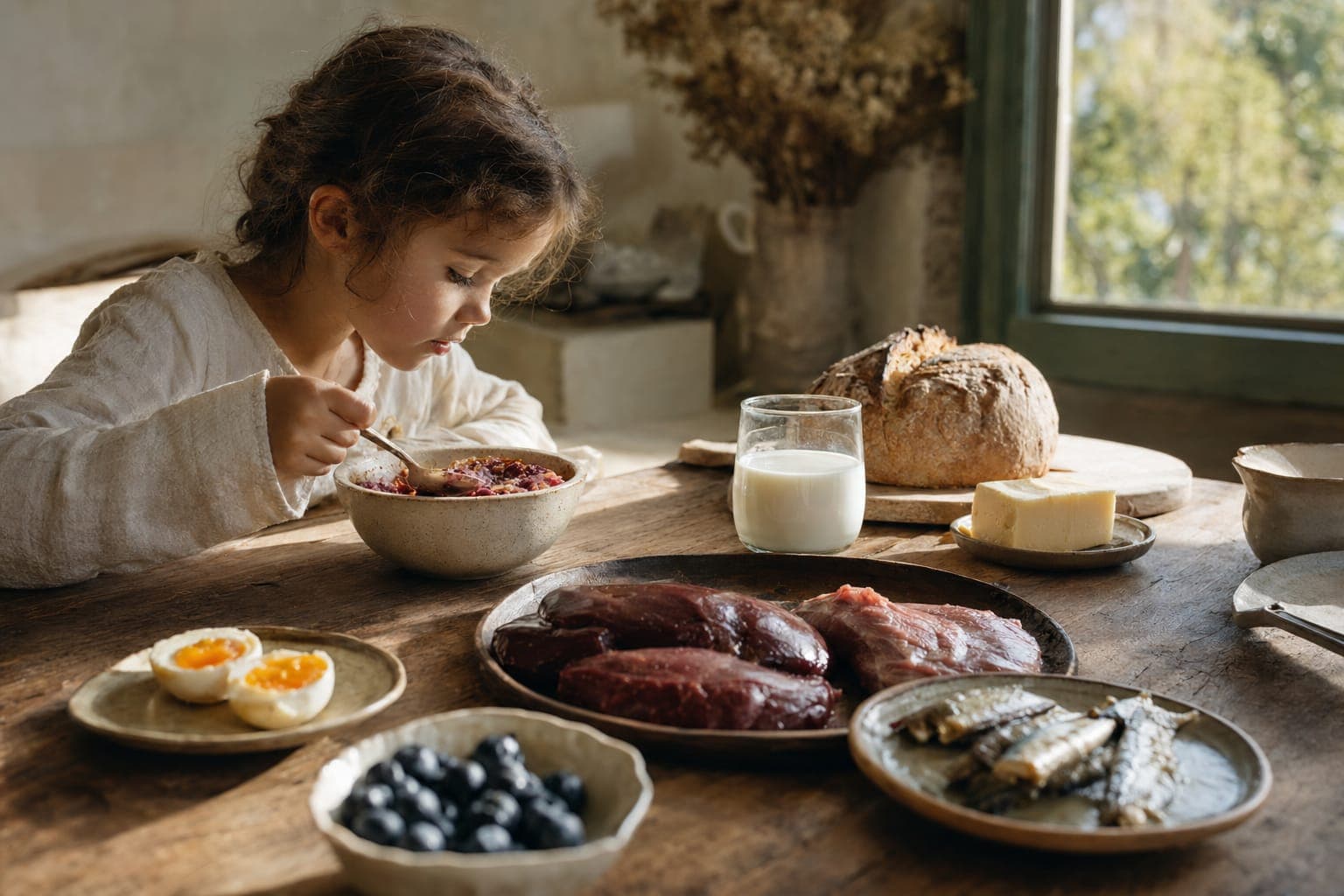
The Nutrients Children Need Most (And Aren't Getting)
The nutrients children are deficient in: iron, zinc, B12, choline, DHA, K2. Food sources and why modern diets miss them.

Life stage
Breastfeeding and Nutrition: What to Eat to Nourish Two
Learn what to eat while breastfeeding. Discover the nutrients your body and baby need, and the foods that deliver them most effectively.
Life stage
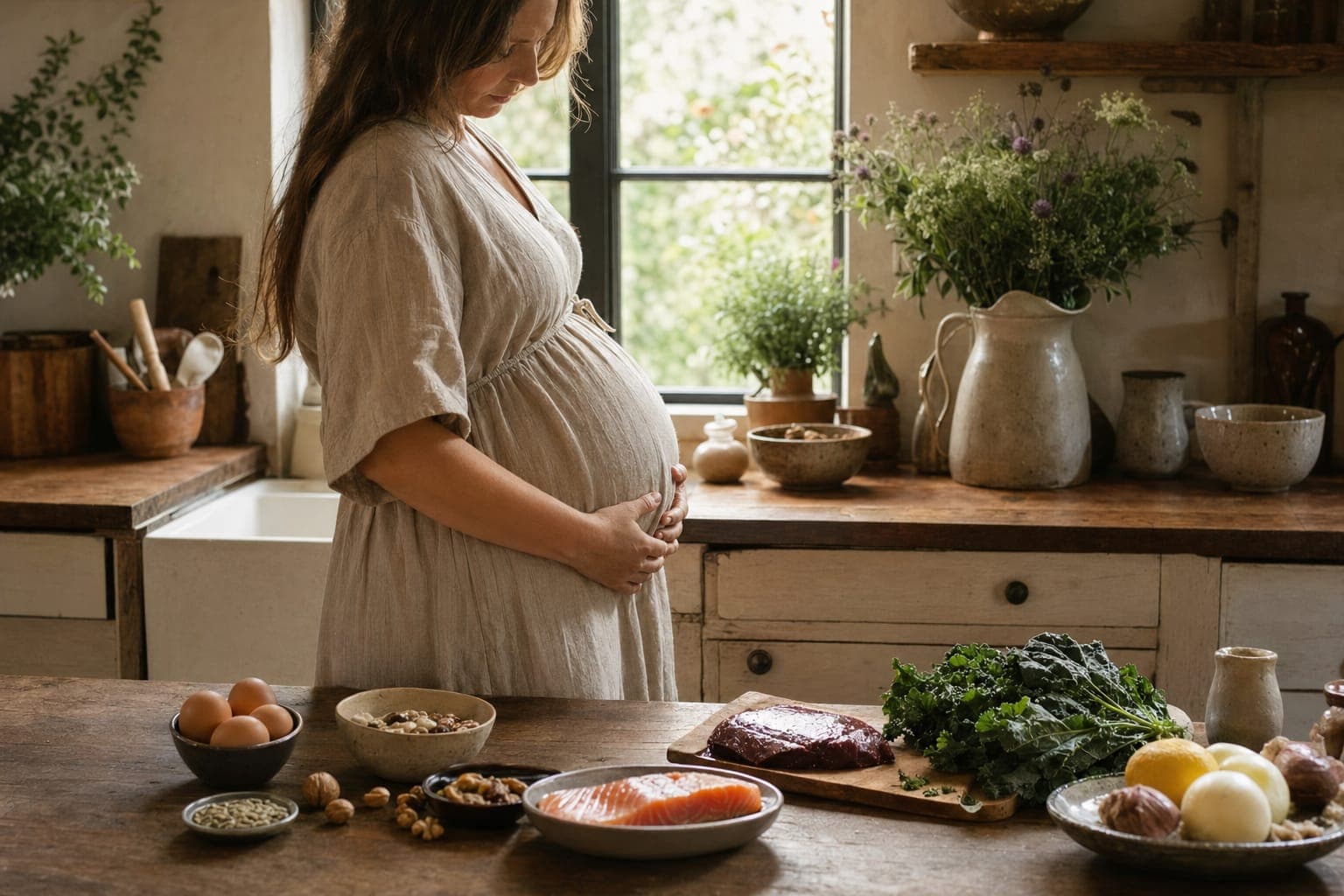
The Nutrients That Support Foetal Brain Development
Essential nutrients for foetal brain development: choline, DHA, iodine, B12, iron, and folate. What your unborn baby's brain needs to thrive.
Real food, made effortless
Find my daily blendA few ways to use it
All recipes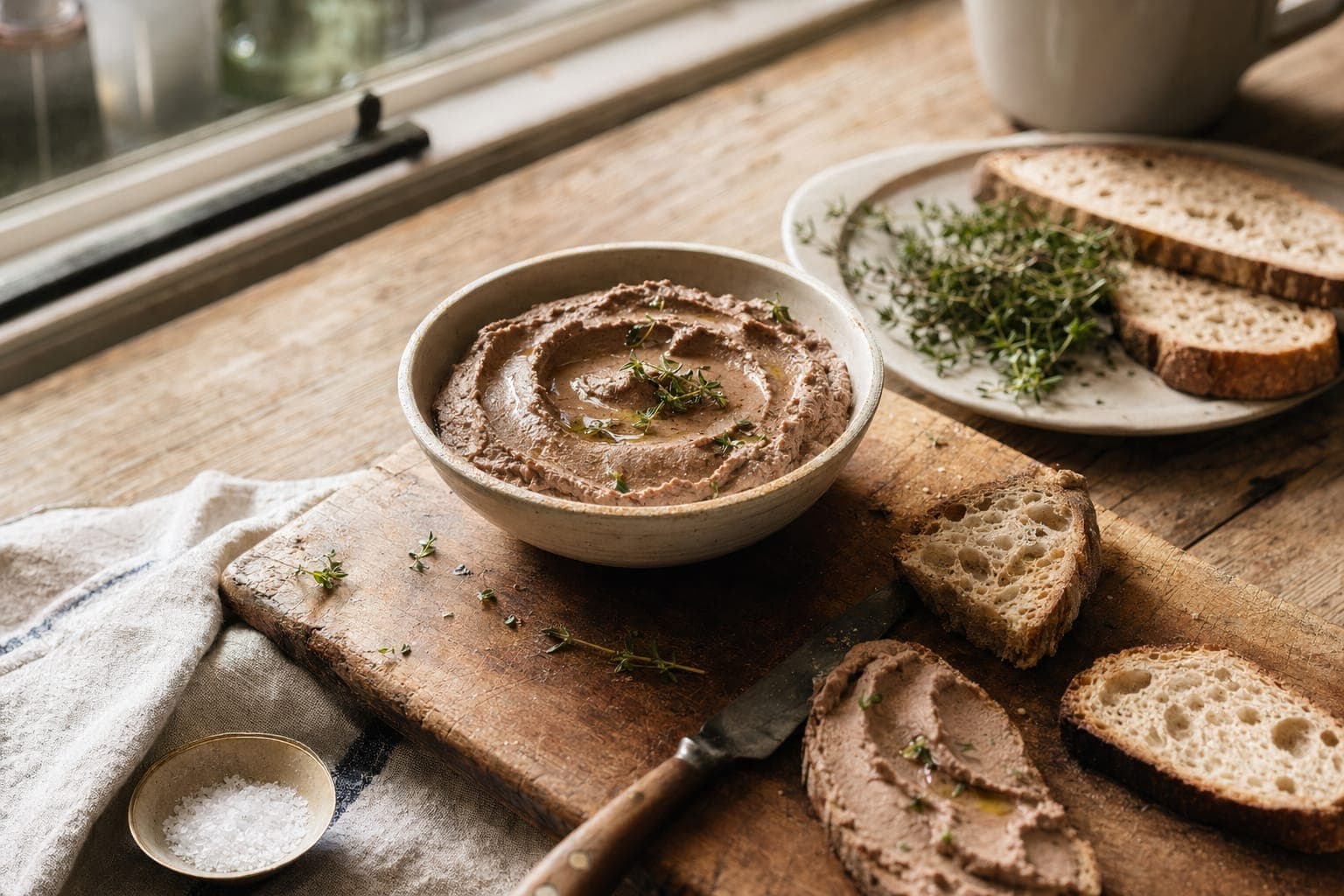
Liver Pate for Beginners: A Gentle Introduction to Organ Meats
Simple liver pate recipe to start eating organ meats. Chicken liver, butter, and herbs. Gentle introduction to nutrient-dense whole foods.
The Perfect Organised Morning Shake: Our Favourite Recipe
Our signature morning shake: Organised, raw milk, banana, honey. Simple, nourishing, and optimised for an empty stomach.
Organised Smoothie Bowl Recipes for Every Season
Four seasonal smoothie bowl recipes using Organised. Berry in summer, apple-cinnamon in autumn, tropical in spring, warming chocolate in winter.


 Join over 100,000+ members
Build a better food system with us
The Organised community is thousands of people choosing real food and backing the farmers who grow it, all of us trying to leave the world a little better than we found it. If that is what you care about too, you belong here.