The Nutrients That Support Foetal Brain Development
Your baby's brain is building itself inside you right now. Not in the third trimester. Not in the second. From the moment you conceive, the architecture is under construction. And it needs very specific raw materials to build properly.

By Niall Kiddle, Founder, Organised

Reviewed by Pedro Rodrigues, Agronomist (farming and sourcing only) ·
6 min read · Published · Updated · 5 cited sources
Makers of the Organised Daily blend, a grass-fed beef organ supplement from regenerative UK farms
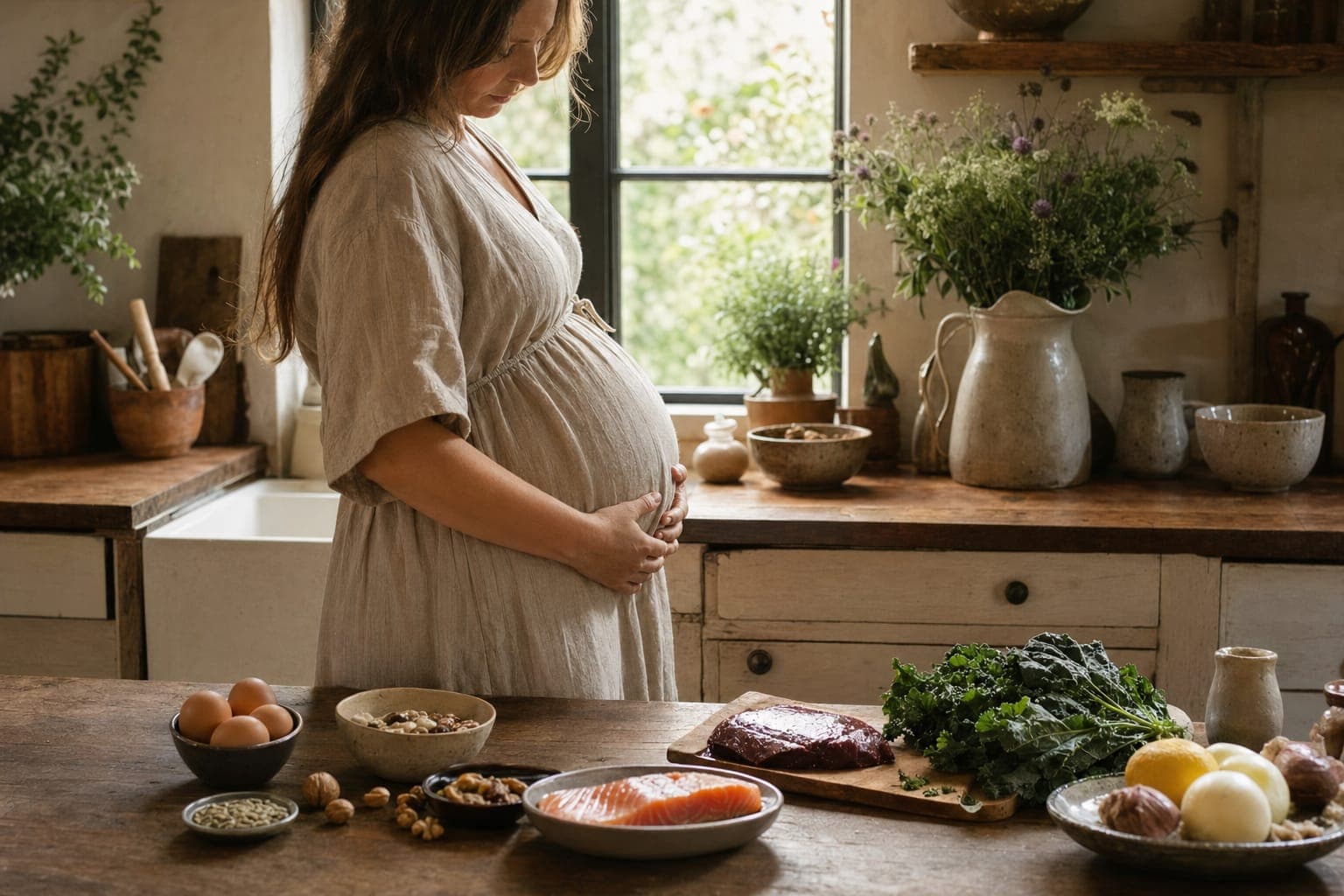
Most pregnant women take a prenatal vitamin and assume they're covered. They're not. The nutrients your baby's brain requires don't come neatly packaged in a capsule.
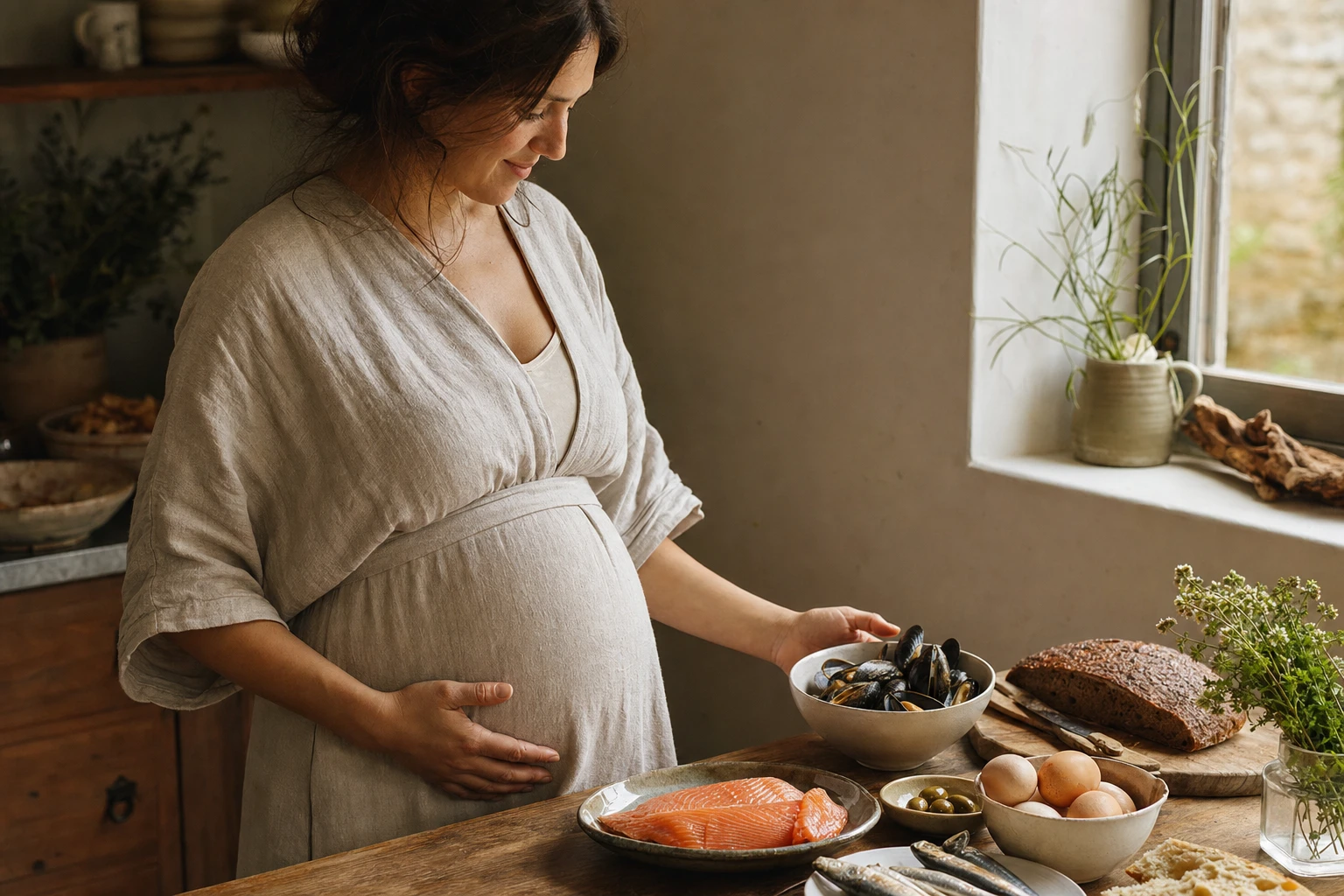
The window is shorter than you think
Brain development begins in the first weeks after conception. By the end of the first trimester, the fundamental neural architecture is already established. The connections, the layers, the structural foundations that will determine cognitive potential are being laid down when you might still be thinking about whether you're actually pregnant.
This is why prenatal nutrition matters so much earlier than most people realise. If you're planning to conceive, the nutritional groundwork starts before conception. If you're already pregnant, every meal from this moment forward directly influences whether your baby's brain gets what it needs.
The most critical window for brain development isn't when the baby is born. It's right now, inside you, before most people even know a pregnancy exists.
Choline, the most overlooked nutrient
If you're not hearing about choline, you're not hearing the whole story about pregnancy nutrition. Choline is the building block for acetylcholine, a neurotransmitter central to learning, memory, and attention.1 It's also essential for methylation, the cellular process that turns genes on and off.
Your baby needs choline. Lots of it. The developing brain uses choline to form cell membranes, myelin sheaths (the insulation around nerves), and neurotransmitters. Deficiency during pregnancy has been linked to poorer cognitive outcomes, reduced attention span, and memory problems that persist into childhood.
The problem is that most prenatal vitamins don't include choline, or include it in doses too small to matter. The recommended intake during pregnancy is 450 milligrams daily. Real food sources are the reliable way to get there.
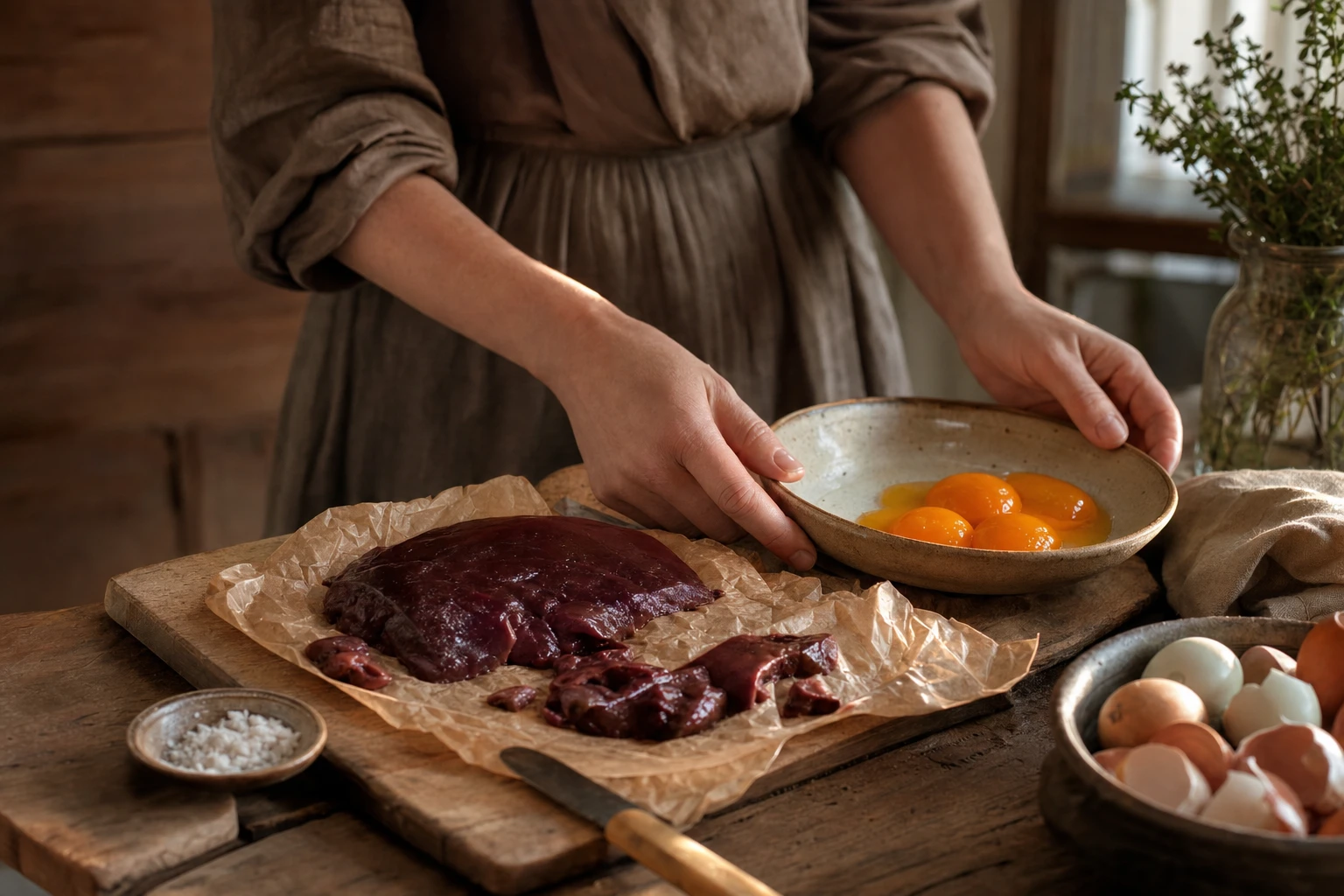
The richest sources are organ meats. Beef liver contains about 400 milligrams of choline per 100 grams. Egg yolks are another concentrated source, along with grass-fed butter, bone broth, and whole milk products. Pastured chicken is decent, as is fish.
DHA and omega-3 fats
DHA is a long-chain omega-3 fat that makes up a significant portion of the brain and the retina. Your baby's brain doesn't make DHA efficiently. It has to come from you, through the placenta.2
During the third trimester, foetal brain DHA accumulation accelerates. If you're deficient, your baby can't access what isn't there. Research shows that maternal DHA status during pregnancy predicts better cognitive and motor development, stronger attention, and lower risk of developmental delays.
The best source is fatty fish: salmon, mackerel, sardines, anchovies. If you don't eat fish, pastured egg yolks contain DHA, though in smaller amounts than fish. Grass-fed beef liver also contains small amounts. If you're genuinely unable to get DHA from food, a quality fish oil supplement becomes more reasonable, though whole food is always preferable.
DHA isn't something your baby can make on their own. It has to come from your diet. If you eat no DHA-rich foods, your baby gets none.
Iodine and the thyroid connection
Iodine is required to make thyroid hormone, and thyroid hormone drives brain development. Foetal thyroid hormone is essential for myelination, neuronal migration, and the formation of synapses.3 Deficiency is one of the leading preventable causes of intellectual disability worldwide.
Pregnancy increases iodine needs by 50 percent. You need about 220 micrograms daily when pregnant. The problem is that iodine content in food depends entirely on iodine content in soil, which varies by region. In some areas, the soil is iodine-rich. In others, it's severely deficient.
The safest approach is to use iodised salt, but only if you're not already consuming processed foods loaded with salt from other sources. Fish and shellfish are reliable sources. Seaweed can contain iodine, but the amount varies wildly. Eggs from hens fed iodine-rich feed contain iodine.
Vitamin B12 and the nervous system
B12 is essential for foetal neural tube closure, myelin formation, and the production of neurotransmitters.4 Your baby's brain needs adequate B12 to develop properly, and B12 stores in the foetus can sustain the child for months after birth. If you're deficient during pregnancy, your baby starts life with depleted reserves.
B12 is found almost exclusively in animal foods. Organ meats are the richest source, followed by red meat, fish, eggs, and dairy. If you don't eat animal foods, supplementation becomes essential. Deficiency during pregnancy is linked to developmental delays, neurological problems, and poor cognitive outcomes.
B12 comes only from animal sources. If you eat none, your baby cannot get B12 except through supplementation you provide.
Get life-stage nutrition guides, free
Two short reads a week on eating well through pregnancy, childhood and older age.
By signing up you agree to receive emails from us. No spam, unsubscribe anytime.
Iron and oxygen delivery
Iron carries oxygen in the blood. The foetus and placenta demand enormous amounts of iron to function. Iron requirements during pregnancy nearly double. Without adequate iron, the foetus doesn't get enough oxygen, and without oxygen, brain development is compromised.
Low maternal iron during pregnancy is associated with reduced brain volume in the foetus, worse cognitive outcomes, and increased risk of developmental delays. Anaemia in pregnancy is a serious concern.
Heme iron from red meat and organ meats is far more bioavailable than non-heme iron from plant sources. A serving of red meat or liver provides iron your body can actually use. Pastured egg yolks contain iron as well.
Folate and DNA
Folate is the B vitamin your body uses to make and repair DNA. It's essential for cell division, and the developing foetus is dividing cells at an extraordinary rate. Folate deficiency during early pregnancy dramatically increases the risk of neural tube defects like spina bifida.5
Most prenatal vitamins include folic acid, the synthetic form of folate. Your body can use it, but it's not identical to the folate you get from food. Real folate comes from leafy greens, liver, eggs, and legumes. If you're supplementing, a combination of food folate and some folic acid is more complete than synthetic alone.
1 of 9
Daily blend
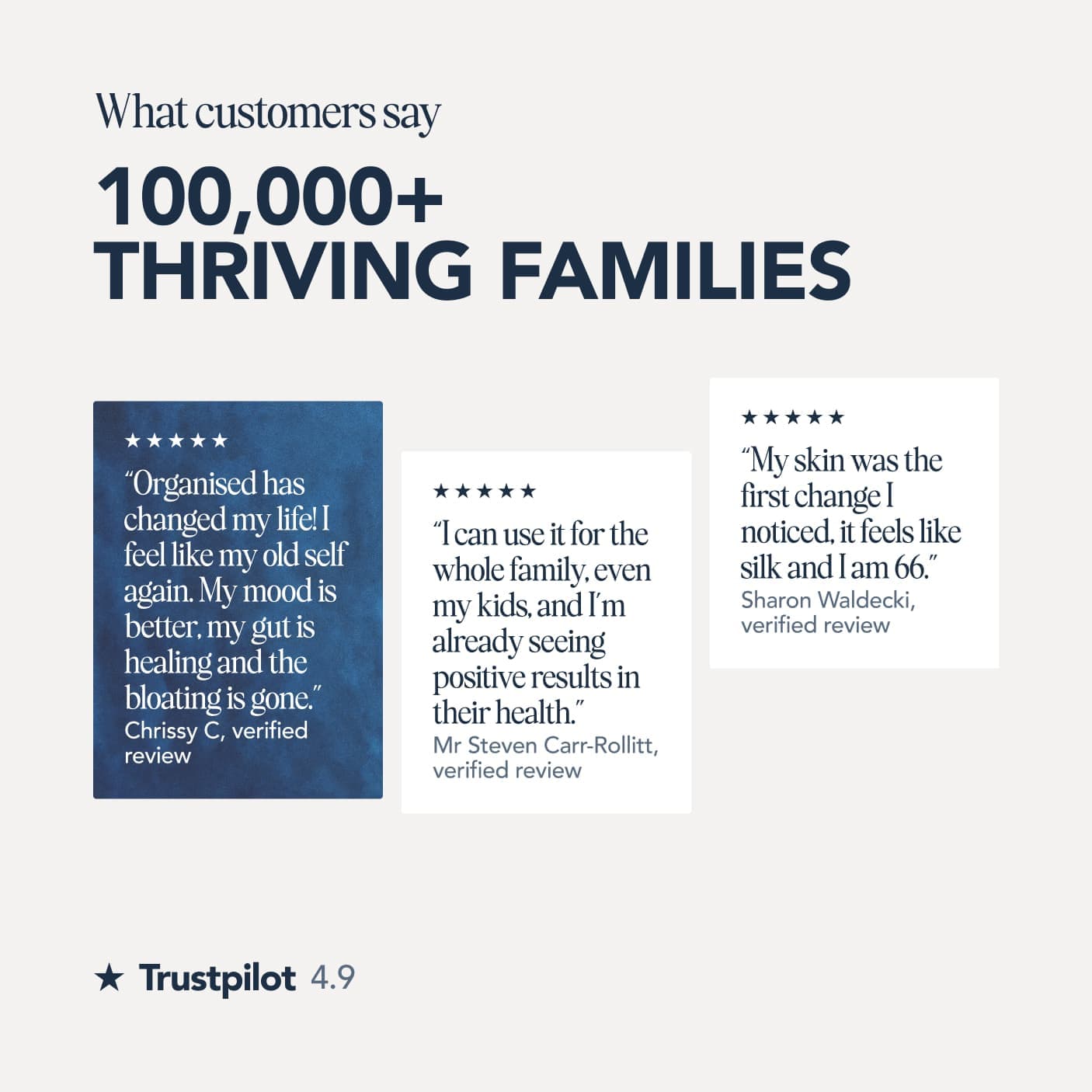
100,000+ thriving families4.9 on Trustpilot
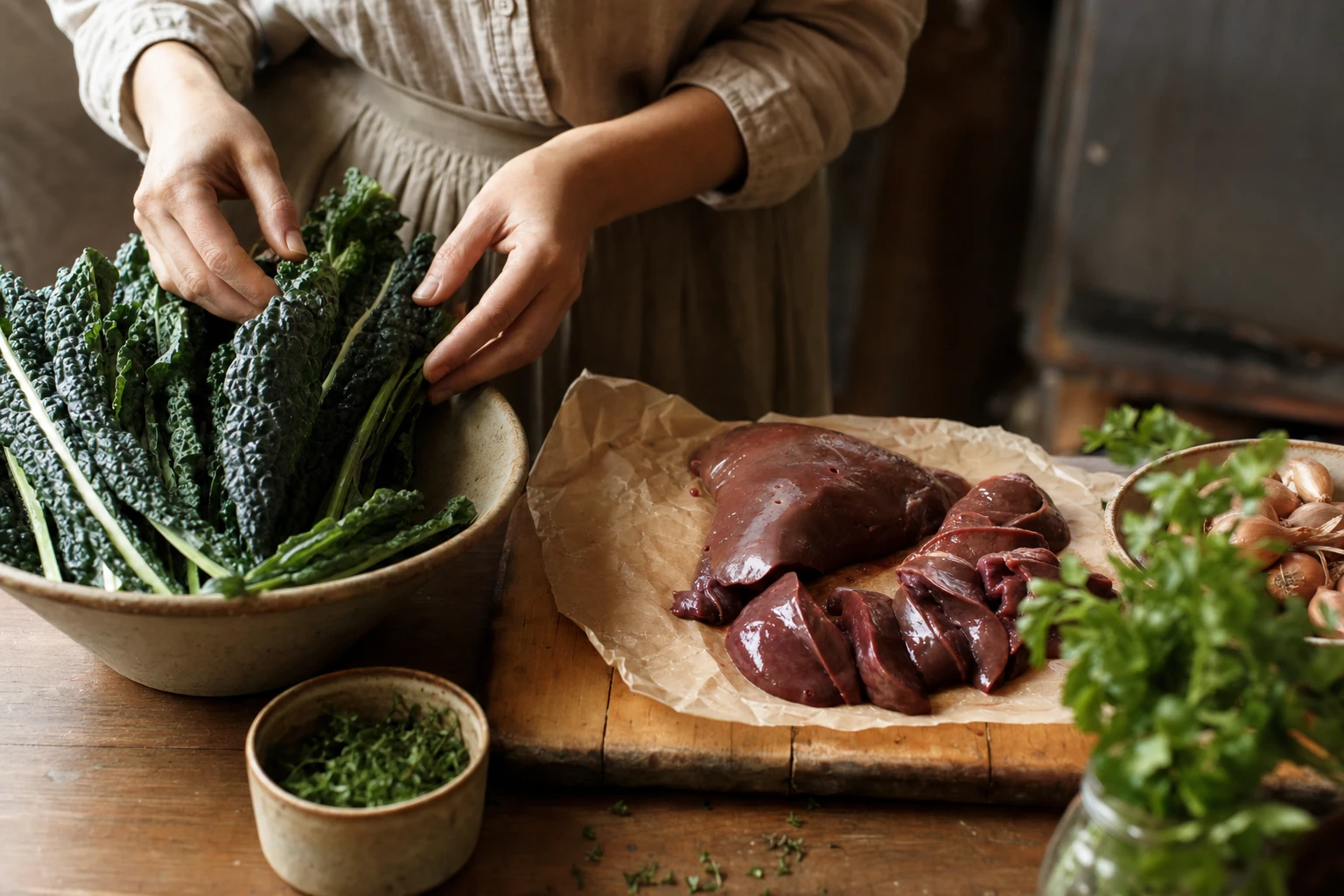
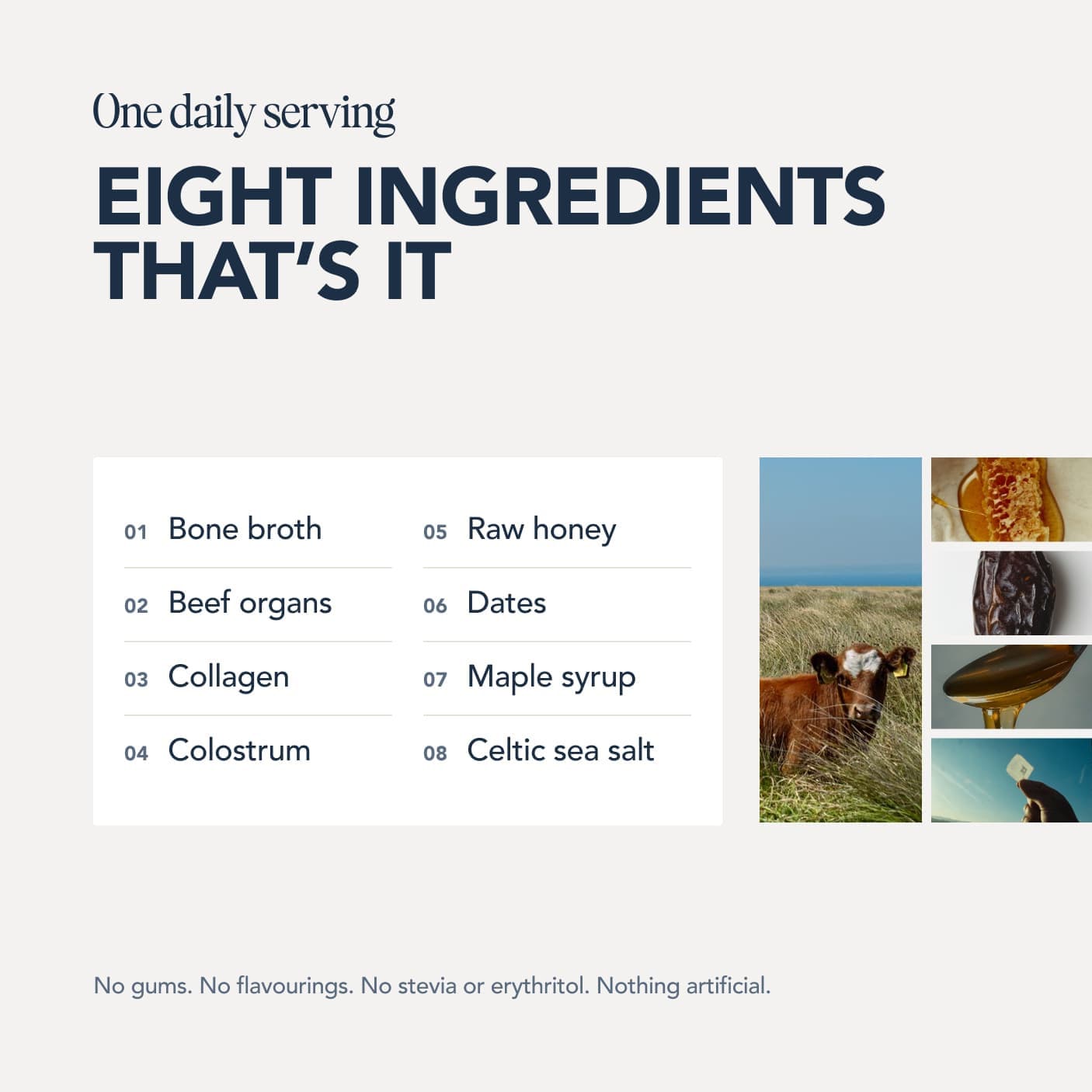
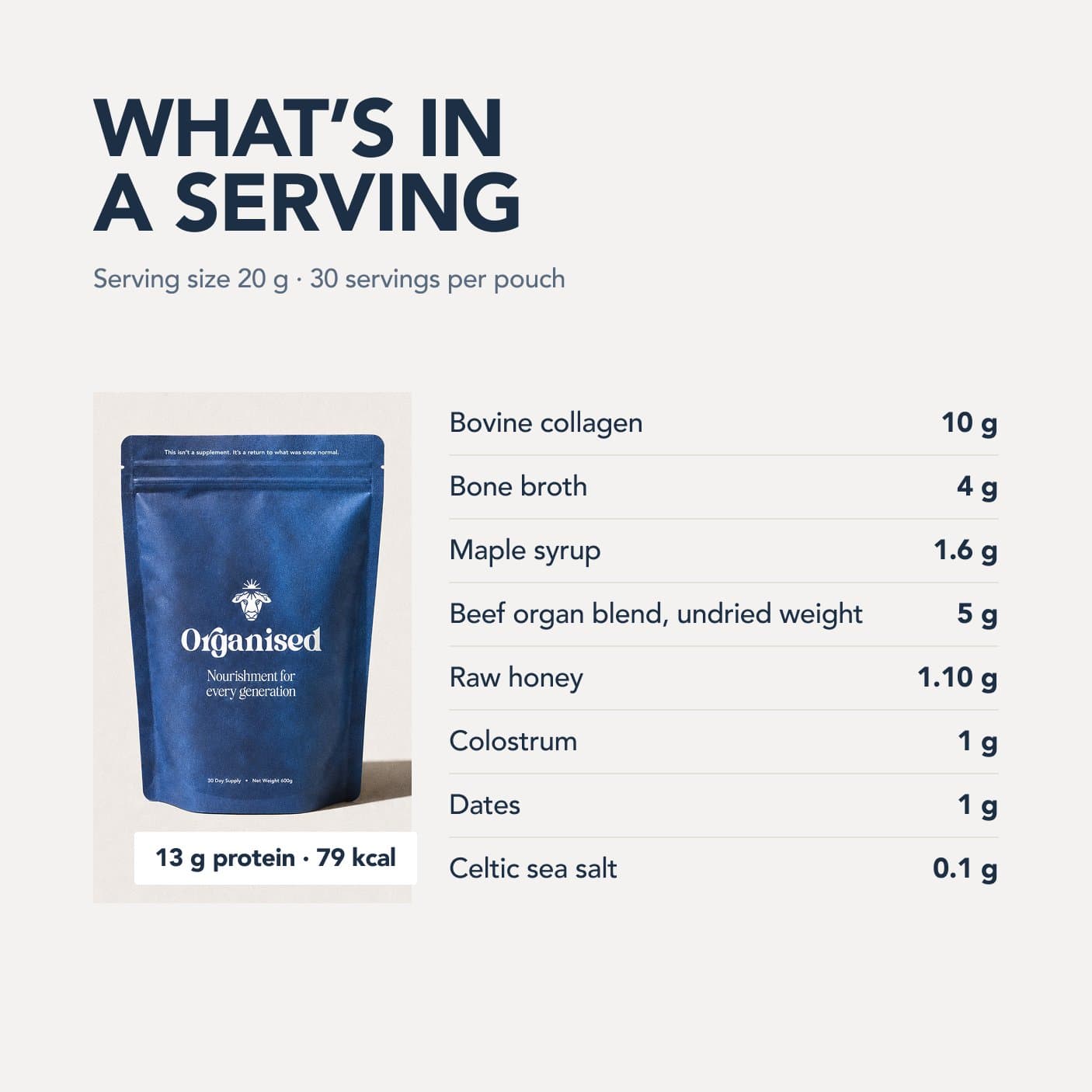
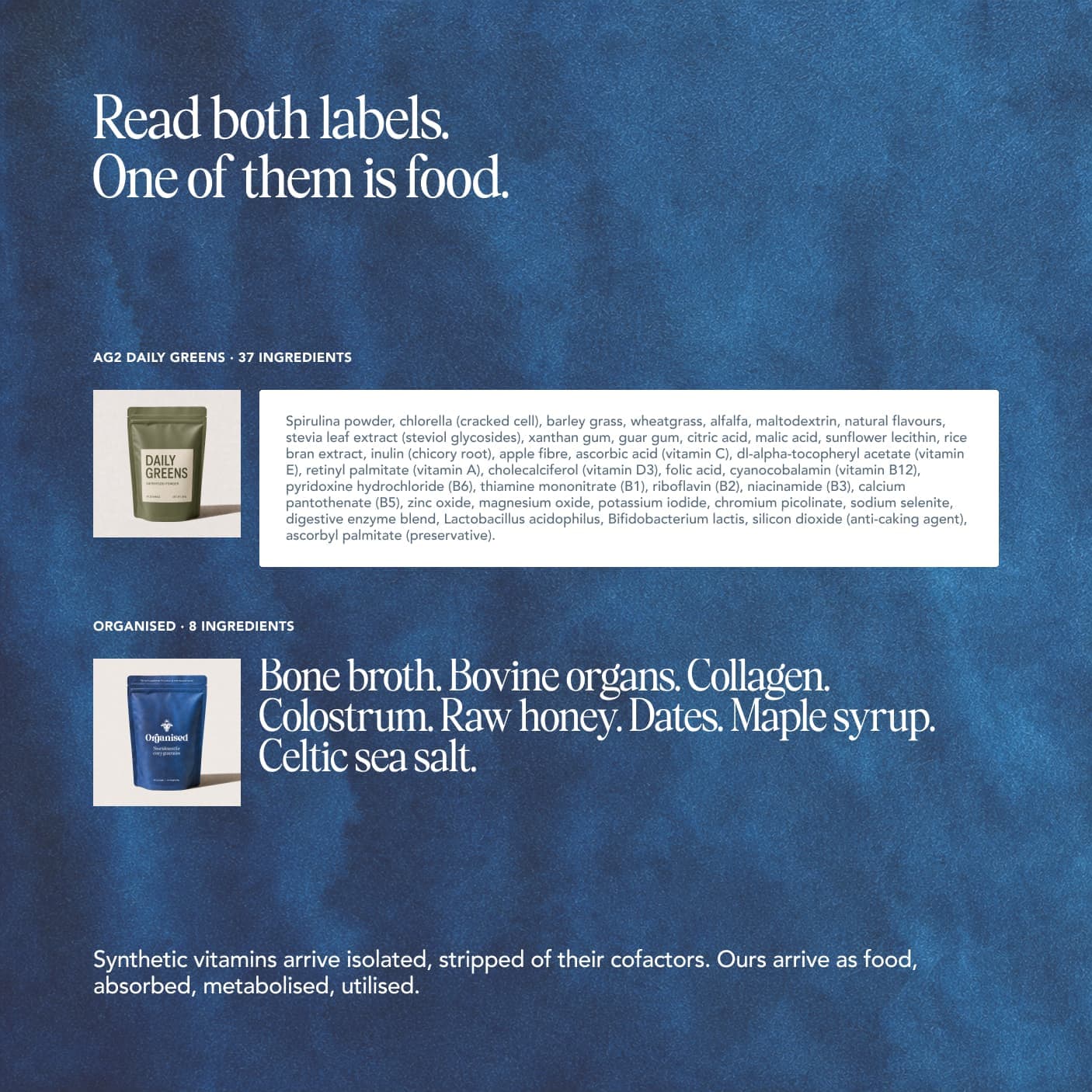
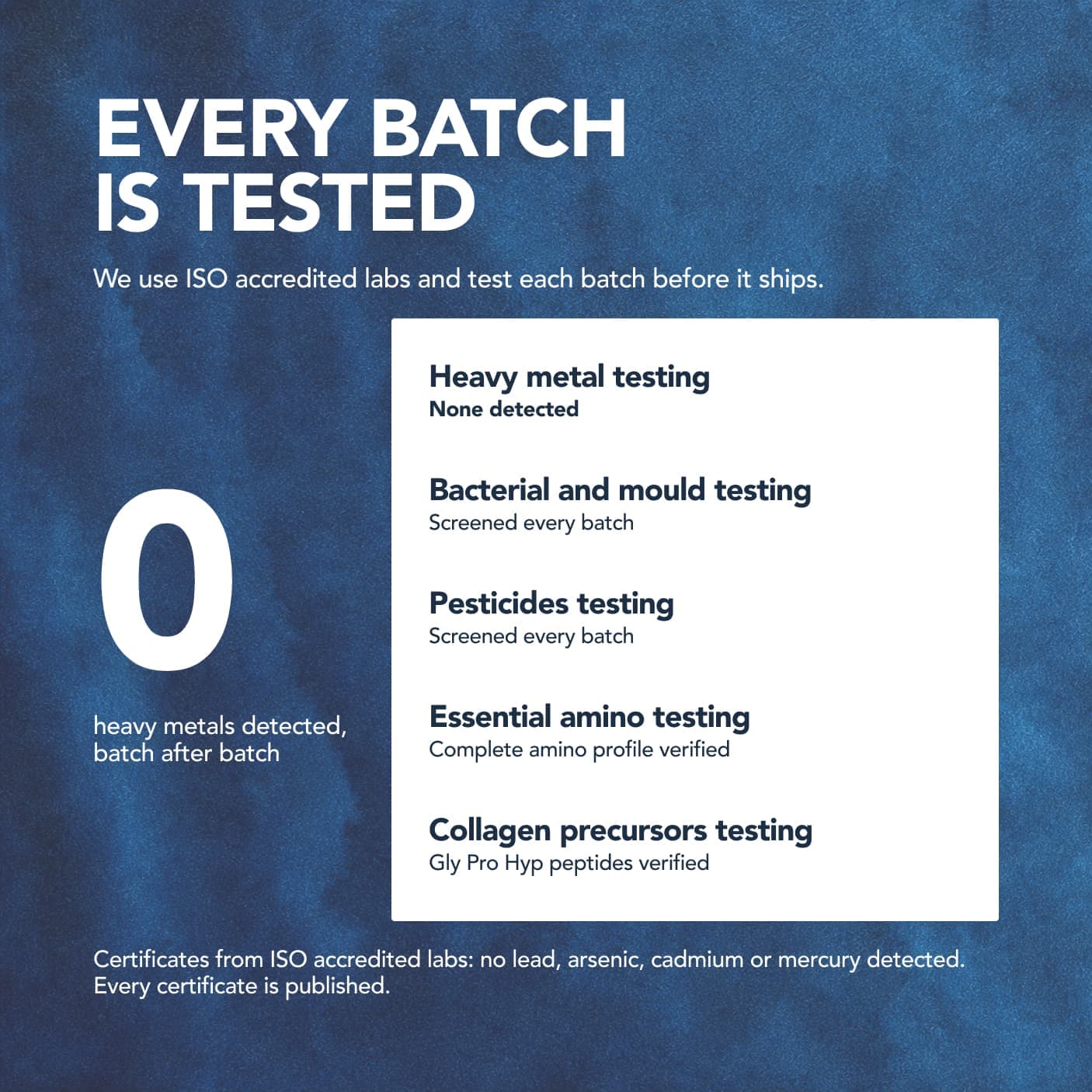
Eight real ingredients built around grass-fed beef organs, collagen and colostrum. Nothing synthetic added.
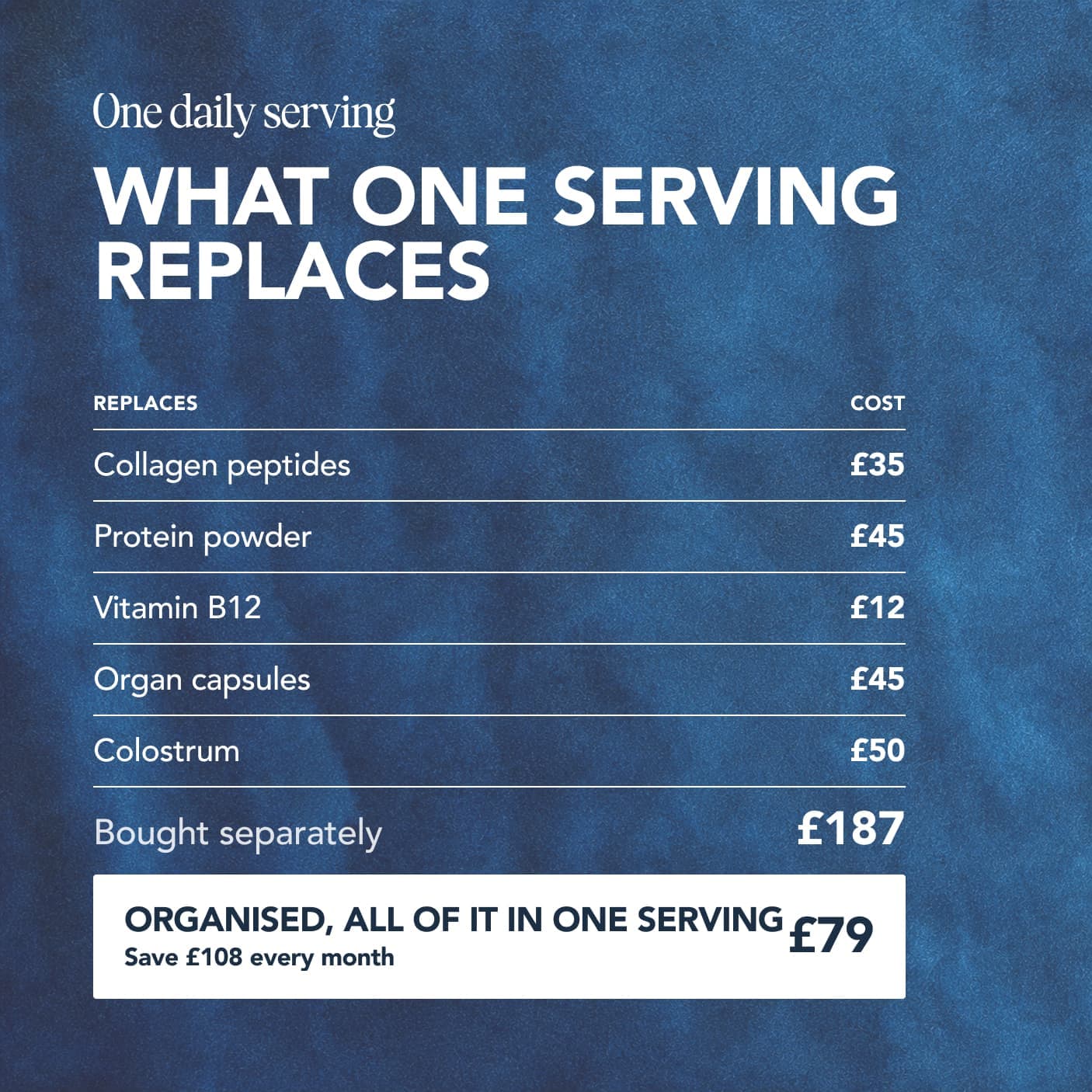
Free with your first order, worth £38. Plus £10 off the pouch with a subscription.

Free UK shipping · Made in England · 100 day money back guarantee on your first pouch · Skip, pause or cancel anytime
The real picture of prenatal nutrition
A prenatal vitamin is a useful safety net. It catches some gaps. But it cannot replace real food, and it certainly cannot replace the nutrients you're not thinking to eat.
Your baby's brain development depends on you eating nutrient-dense whole foods throughout pregnancy. Organ meats, eggs, fatty fish, grass-fed dairy, bone broth, and leafy greens aren't optional extras. They're the raw materials your baby's developing brain needs to build properly.
The nutrients above work together. Choline works better with adequate B12. DHA works better with enough iodine. Folate works better with B12. Iron works better with vitamin C to aid absorption. This is why real food, where these nutrients exist together, is so much more powerful than isolated supplementation.
Your baby's brain is being built right now. Feed it properly, and you're giving it the best possible start. Overlook the nutrients, and you're leaving it underfed.
This isn't about perfection. It's about understanding what your baby's brain actually needs and making sure your diet supplies it. That shift in awareness changes what you eat, which changes what reaches your baby, which changes the brain that develops.
Timing matters: second and third trimester intensification
Brain development accelerates in the second and third trimesters. While neural architecture is laid down early, the growth and interconnection of neurons happens later. The nutrients that support early development remain essential, but their demands increase.
Iron demands escalate particularly in the third trimester. Your blood volume expands to feed the baby and placenta, which requires more iron to form new red blood cells. Most pregnant women become progressively iron-depleted as pregnancy progresses unless they're eating iron strategically throughout.
DHA accumulation in the foetal brain peaks in the third trimester. The weeks leading up to birth are when your baby's brain is accumulating the omega-3 fats that will form neuronal membranes and support cognitive function after birth. If you wait until the third trimester to start eating fatty fish, you've missed earlier critical windows.
ReferencesEvery source below was checked on 27 August 2026. Each link was requested and read. Where a citation and its identifier disagreed, the citation was corrected to the record or the reference was deleted along with the sentence marker that pointed at it, and where the resolved paper turned out not to support the sentence, the sentence was cut back to what it does support. Borrowed authority is worse than none, because it looks like rigour.
- National Institutes of Health, Office of Dietary Supplements. Choline - Health Professional Fact Sheet. https://ods.od.nih.gov/factsheets/Choline-HealthProfessional/ [accessed May 2026].
- National Institutes of Health, Office of Dietary Supplements. Omega-3 Fatty Acids - Health Professional Fact Sheet. https://ods.od.nih.gov/factsheets/Omega3FattyAcids-HealthProfessional/ [accessed May 2026].
- National Institutes of Health, Office of Dietary Supplements. Iodine - Health Professional Fact Sheet. https://ods.od.nih.gov/factsheets/Iodine-HealthProfessional/ [accessed May 2026].
- National Institutes of Health, Office of Dietary Supplements. Vitamin B12 - Health Professional Fact Sheet. https://ods.od.nih.gov/factsheets/VitaminB12-HealthProfessional/ [accessed May 2026].
- National Institutes of Health, Office of Dietary Supplements. Folate - Health Professional Fact Sheet. https://ods.od.nih.gov/factsheets/Folate-HealthProfessional/ [accessed May 2026].
Who wrote and reviewed this guide
Niall Kiddle
Author · Founder, Organised
Niall is the founder of Organised. He started the company in 2024 after fixing his own health the slow way: in 2022 he swapped a cupboard of synthetic supplements for real food, raw milk, organ meats, bone broth and honey, and felt the difference within months.
Areas of expertise: Ancestral nutrition, Organ meats, Whole-food supplementation, Gut health, Regenerative sourcing
Read Niall's full profile
Pedro Rodrigues
Reviewer · Agronomist (farming and sourcing only)
Pedro is the agronomist Organised works with on farming and sourcing. His job on the guides is to keep the science honest: he reviews what we publish about soil health, regenerative agriculture, grazing and the way food is actually produced.
Areas of expertise: Regenerative agriculture, Agronomy, Soil health, Grass-fed farming, Food sourcing
Reviewed this guide on
Read Pedro's full profileMore on pregnancy & postpartum
View all- Nourishing Pregnancy with Whole Food Nutrition
- Postpartum Recovery Nutrition: Rebuilding After Birth
- Beef Organ Supplements and Pregnancy: Understanding Vitamin A Safety
- Breastfeeding and Nutrition: What to Eat to Nourish Two
- Folate vs Folic Acid: Why the Form Matters in Pregnancy
- Gestational Diabetes and Nutrition: What Helps and What Doesn't
- Iron Needs During Pregnancy: Why Heme Iron Makes a Difference
- Morning Sickness and Nutrition: What Helps and What Makes It Worse
- Pregnancy Nutrition on Reddit: What Real Mums Recommend vs the Evidence
- Pregnancy Prep: Nutritional Foundations to Lay Before Conceiving
- Rebuilding Your Iron Stores After Birth
- The Best Foods to Eat in Each Trimester
Browse the guides library
All guidesKeep reading
Life stage
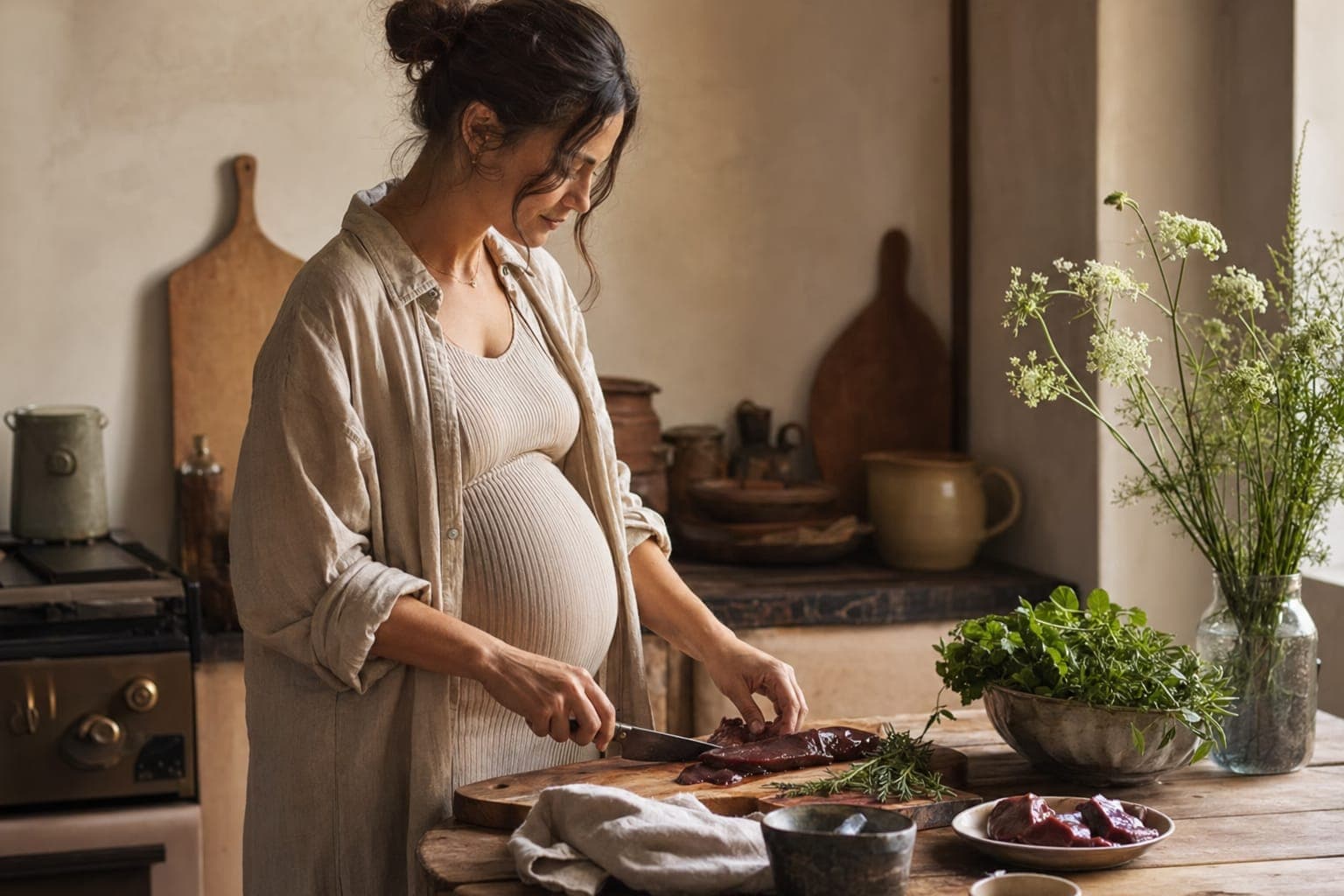
Iron Needs During Pregnancy: Why Heme Iron Makes a Difference
Discover why your iron needs double in pregnancy and why heme iron from meat is far more absorbable than plant sources. A practical guide.

Life stage
Morning Routines That Set Your Family Up for the Day
A protein-first breakfast, morning sunshine, no screens, and calm. These four habits transform how children think, learn, and behave all day.

Life stage
Feeding Children for Optimal Growth and Development
Optimal nutrition for children's growth and development: protein, fats, fat-soluble vitamins, minerals. Whole food approach without shame or perfection.
Real food, made effortless
Find my daily blendA few ways to use it
All recipes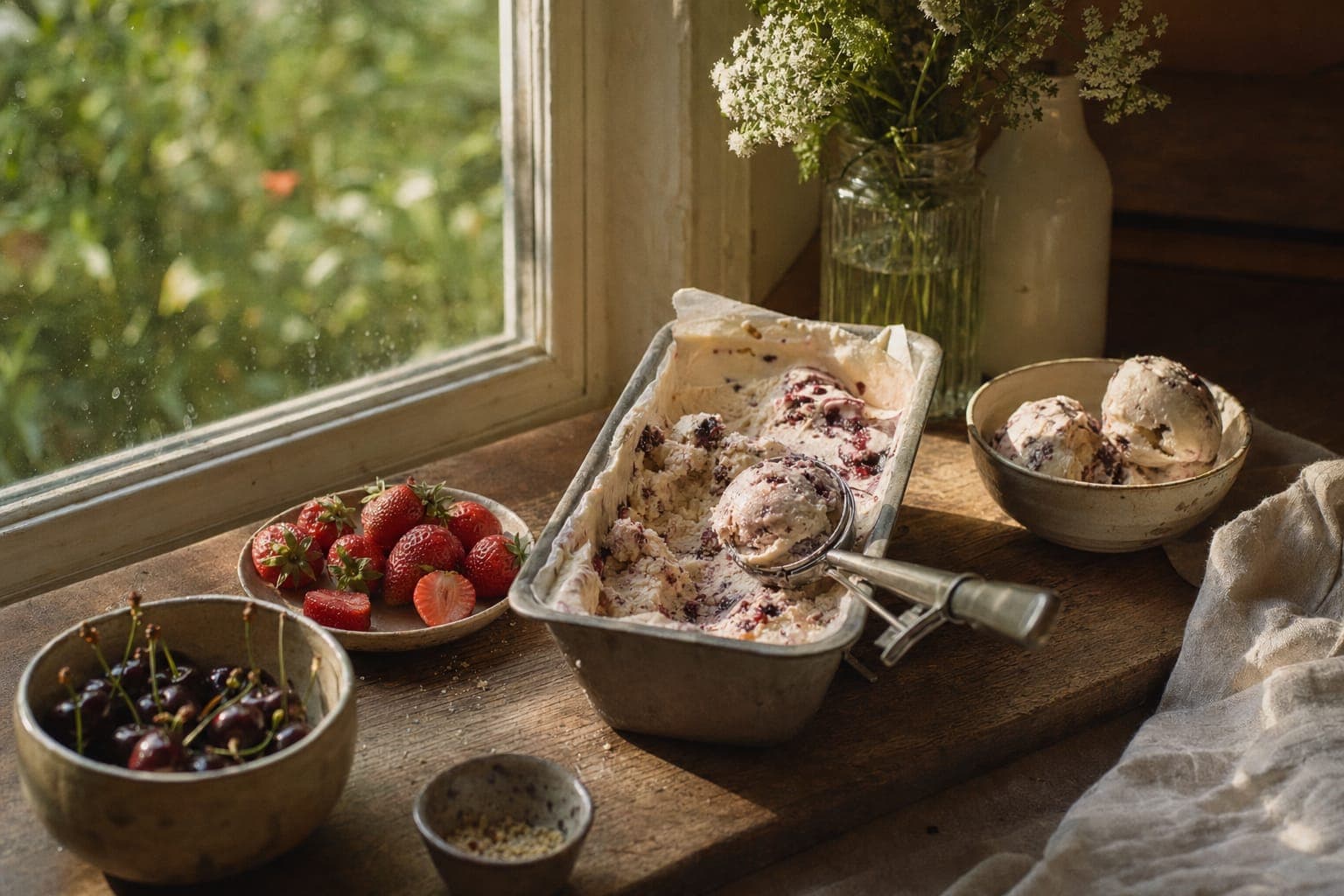
Raw Milk Ice Cream with Organised
Make raw milk ice cream at home with Organised for a seasonal, nutrient-dense treat. Three simple flavours to try whenever the craving strikes.

Energy Balls with Organised, Dates and Raw Honey
Make no-bake energy balls with Organised, dates, and raw honey. Perfect lunch box, pre-workout, or on-the-go snack. Simple recipe.
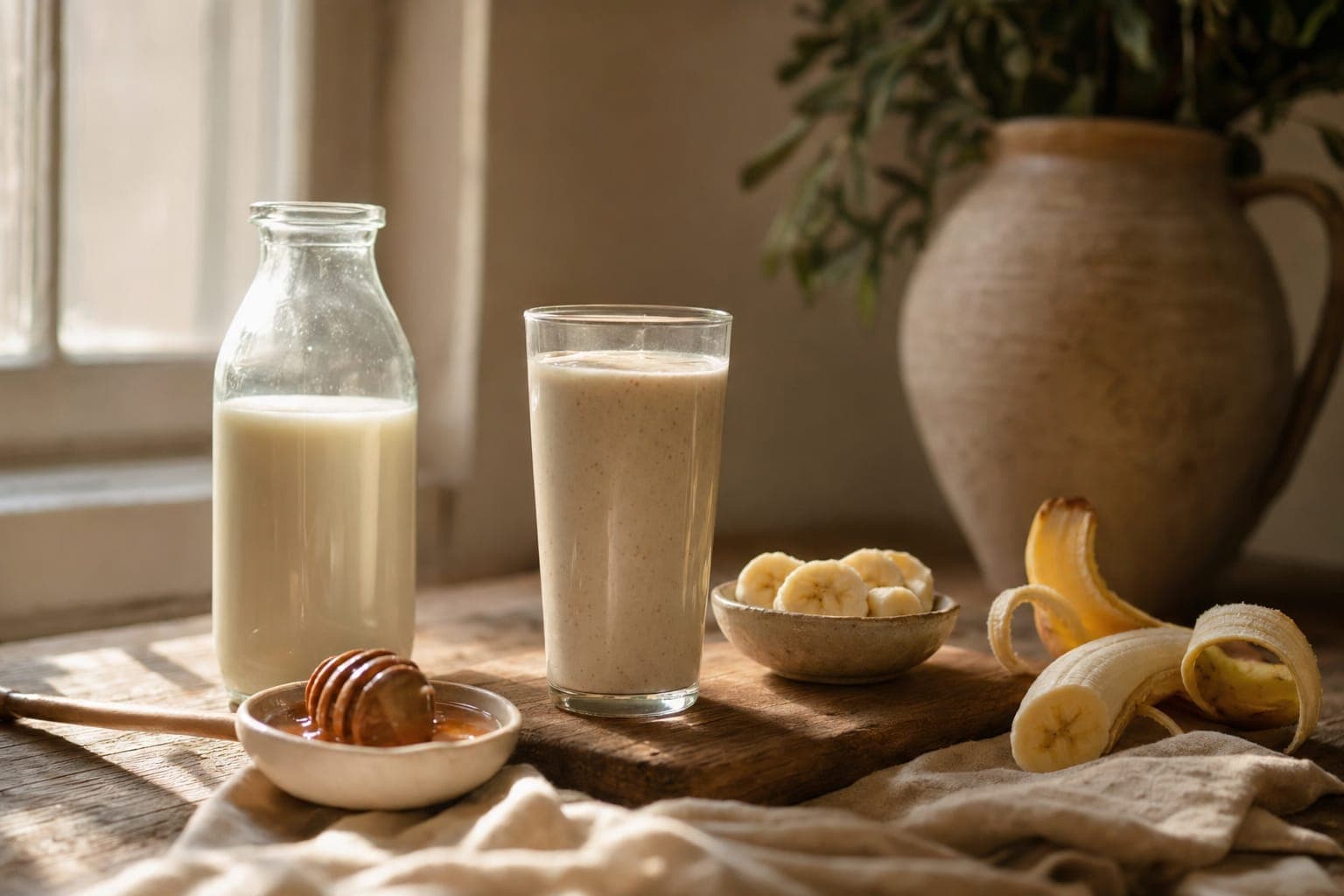
The Perfect Organised Morning Shake: Our Favourite Recipe
Our signature morning shake: Organised, raw milk, banana, honey. Simple, nourishing, and optimised for an empty stomach.


 Join over 100,000+ members
Build a better food system with us
The Organised community is thousands of people choosing real food and backing the farmers who grow it, all of us trying to leave the world a little better than we found it. If that is what you care about too, you belong here.