Prostate Health and Nutrition: What the Research Shows
Your prostate is quietly becoming a problem. Slow growth. Discomfort. Interrupted sleep for bathroom trips. By age 50, half of men have some degree of prostate enlargement. By age 80, it's nearly all of them. And yet the nutritional foundation that could slow or stop this is almost never discussed.
By Niall Kiddle, Founder, Organised

Reviewed by Pedro Rodrigues, Agronomist (farming and sourcing only) ·
6 min read · Published · Updated · 4 cited sources
Makers of the Organised Daily blend, a grass-fed beef organ supplement from regenerative UK farms
The prostate grows in response to hormones, particularly DHT (dihydrotestosterone), a metabolite of testosterone. The enzymes that convert testosterone to DHT are regulated, in part, by nutrition. This means your diet directly influences whether your prostate stays healthy or quietly enlarges.
The epidemic nobody talks about
Benign prostatic hyperplasia, or BPH, is prostate enlargement without cancer. It's not life-threatening but severely impacts quality of life. Frequent urination, weak stream, incomplete emptying, nocturia (waking multiple times at night to urinate). These symptoms are normalised as part of ageing, but they're not inevitable.
The prevalence of BPH correlates with certain dietary patterns and mineral deficiencies. Men eating highly processed foods, deficient in zinc and selenium, overweight, and sedentary have higher rates of prostate problems. Men eating mineral-rich whole foods have lower rates.
The good news is that prostate enlargement responds to nutritional intervention. It's not guaranteed prevention, but the evidence is clear that certain nutrients slow growth and sometimes reverse mild enlargement.
Prostate health is partly genetic, partly hormonal, and partly nutritional. You cannot change your genes, but you can optimise your hormones and your nutrition.
Zinc and DHT metabolism
Zinc is essential for normal prostate function. The prostate concentrates zinc more than any other tissue in the body.1 Adequate zinc is required for enzymes that regulate DHT production and for immune function within the prostate.
Men with low zinc have higher DHT levels and faster prostate growth. The enzyme 5-alpha reductase, which converts testosterone to DHT, is regulated partly by zinc status. Low zinc means higher enzyme activity and more DHT production.
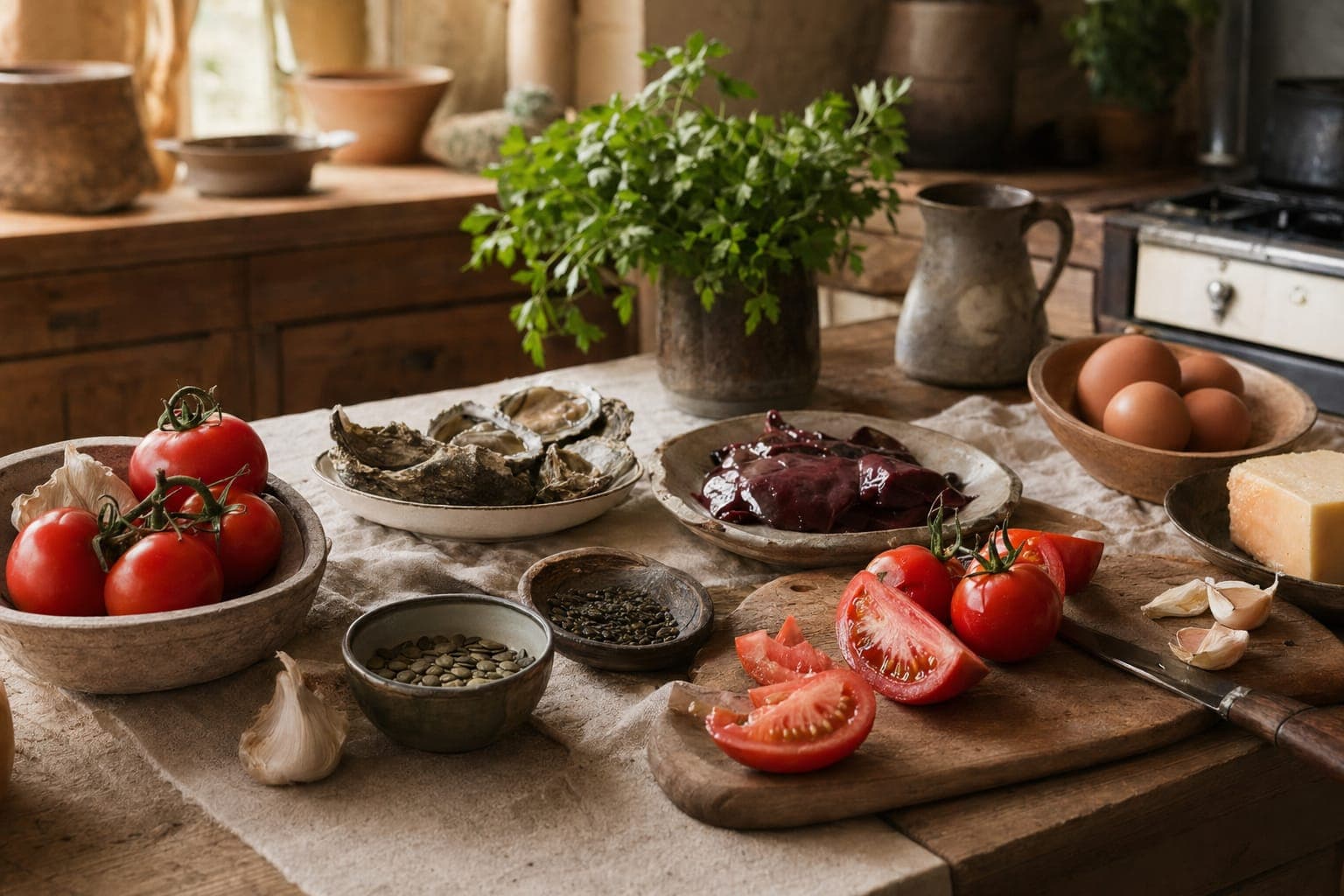
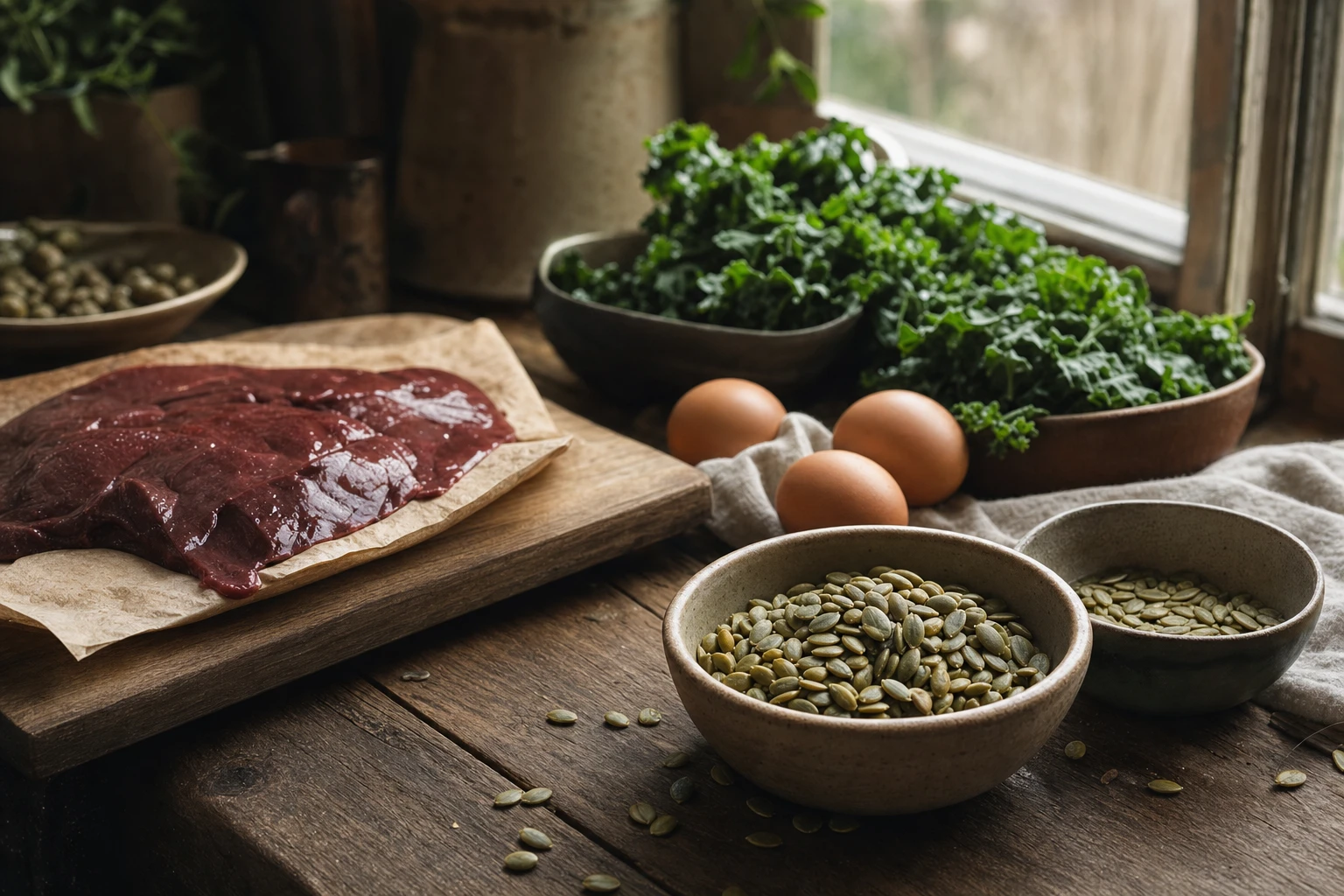
The richest sources of bioavailable zinc are red meat and organ meats, especially oysters and other shellfish. Pumpkin seeds contain good amounts of zinc, though in a form less bioavailable than meat sources. Eggs also contain zinc.
A man eating red meat three to four times weekly, including some organ meats, is likely getting adequate zinc. A man eating little meat is likely deficient. This deficiency is often silent, showing up as slower healing, reduced immunity, and gradual prostate enlargement.
Selenium and antioxidant protection
Selenium is a mineral essential for the selenoproteins that provide antioxidant protection throughout the body, including the prostate.2 Low selenium is associated with increased prostate cancer risk and faster progression of existing prostate disease.
The research is not conclusive that high selenium prevents cancer. But adequate selenium definitely supports the prostate's ability to defend itself against oxidative stress. Deficiency leaves the prostate vulnerable.
Selenium is found in meat, fish, eggs, and Brazil nuts. Two to three Brazil nuts daily provide adequate selenium. But most men eating typical Western diets don't eat Brazil nuts, so selenium intake is low.
A man concerned about prostate health should prioritise selenium-containing foods. Fatty fish like mackerel and sardines contain good amounts. Shellfish contain it. Eggs contain it. Meat contains it. The consistent inclusion of these foods ensures adequate selenium intake.
Lycopene and prostate cancer risk
Lycopene is a carotenoid pigment that gives tomatoes their red colour. Population studies show that men eating high amounts of lycopene have lower prostate cancer risk.3 The effect is modest but consistent across studies.
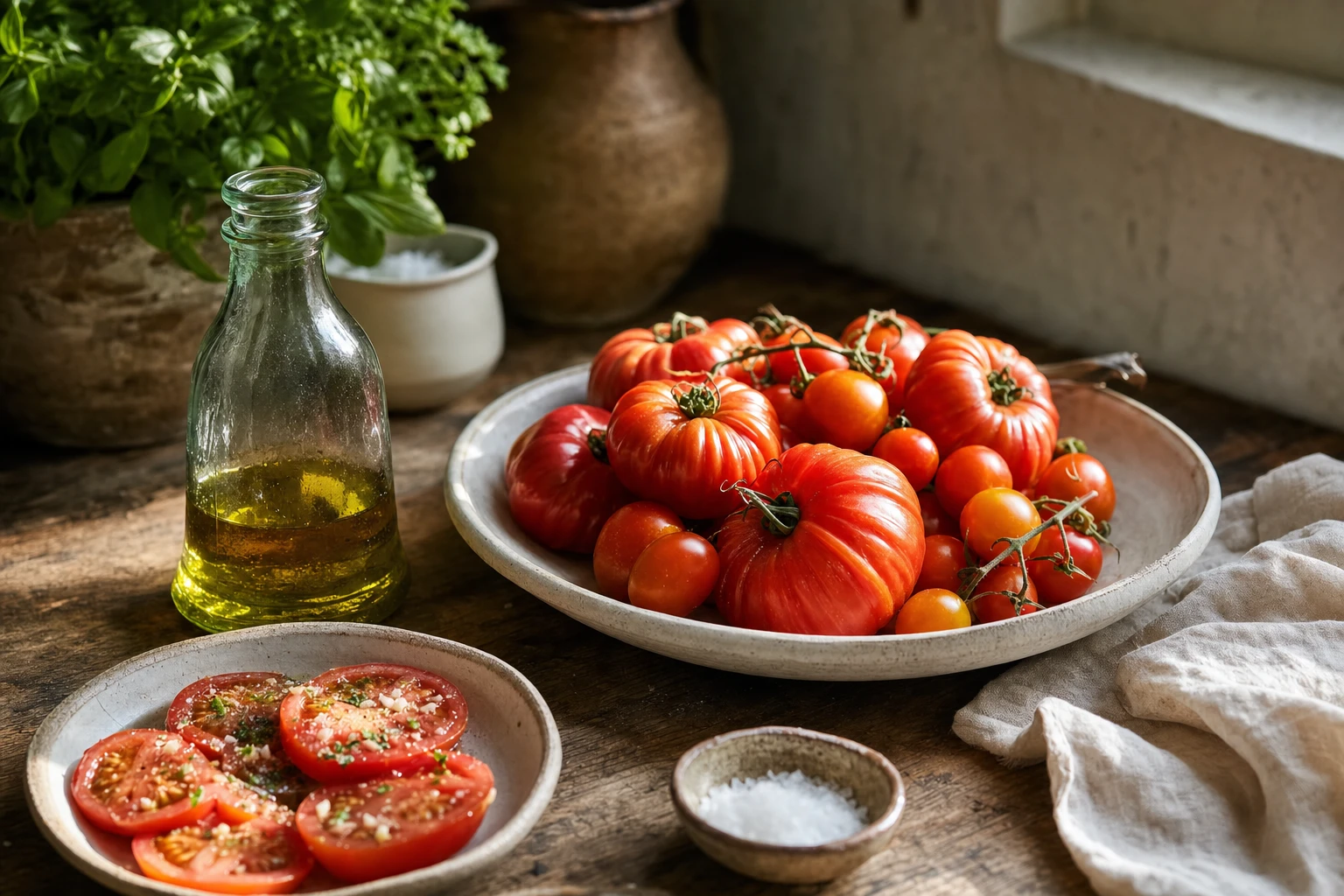
Lycopene is fat-soluble, so it's absorbed better when eaten with fat. Tomato sauce made with olive oil provides lycopene in an easily absorbable form. Raw tomatoes contain lycopene too, though slightly less bioavailable.
The protection from lycopene is not absolute. A man cannot eat tomato sauce and ignore zinc deficiency and expect his prostate to be healthy. But lycopene as part of a nutrient-dense diet contributes to reduced cancer risk.
Pumpkin seeds and 5-alpha reductase
Pumpkin seeds contain compounds that inhibit 5-alpha reductase, the enzyme that converts testosterone to DHT. Men eating regular amounts of pumpkin seeds have lower DHT and slower prostate growth.
The evidence is strongest in studies using pumpkin seed extract, but whole pumpkin seeds also show benefit. A handful of pumpkin seeds daily, eaten consistently, contributes to reduced DHT and slower prostate enlargement.
Pumpkin seeds also contain zinc and other minerals that support prostate health. They're a whole food, not a supplement, making them safer and more sustainable as a long-term dietary habit.
Get life-stage nutrition guides, free
Two short reads a week on eating well through pregnancy, childhood and older age.
By signing up you agree to receive emails from us. No spam, unsubscribe anytime.
The mineral foundation
Beyond zinc and selenium, the prostate responds to overall mineral adequacy. Magnesium, potassium, calcium, and other minerals all support healthy prostate function. A diet rich in mineral-dense whole foods supports the prostate better than any supplement.
Bone broth provides minerals in a highly absorbable form. Salt from mineral-rich sea salt provides trace minerals. Shellfish provide multiple minerals simultaneously. These whole food sources are more complete than mineral supplements alone.
A man with a well-nourished, mineral-rich diet has a better foundation for prostate health than one relying on supplements to patch the gaps in a poor diet.
Saw palmetto: the herb that works
Saw palmetto is one of the few herbal interventions with research support. It works partly by inhibiting 5-alpha reductase and partly by reducing inflammatory responses in prostate tissue.4
The evidence suggests that saw palmetto is modestly effective at slowing prostate growth and improving urinary symptoms. It's not a cure, but it's a tool that works, especially when combined with nutritional support.
Saw palmetto is most effective in men with early prostate enlargement. Once BPH is severe, saw palmetto alone may not be sufficient. But as part of a comprehensive prostate health programme, it's useful.
Saw palmetto works, but only as part of a nutrient-dense diet. It's not a substitute for adequate zinc and selenium. It's support added to the foundation.
Building a prostate-protective diet
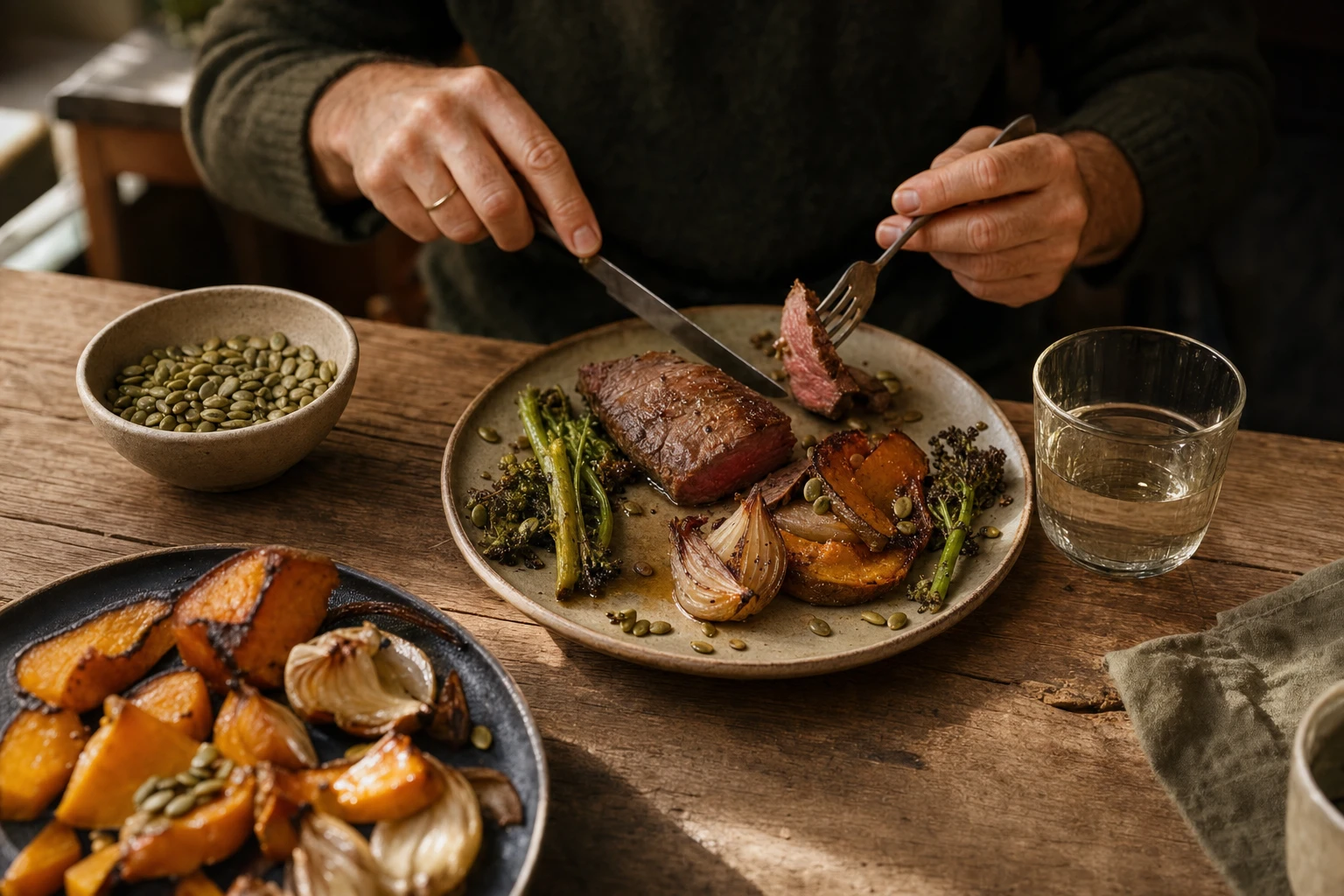
A prostate-protective diet looks like this: red meat and organ meats three to four times weekly for zinc and other minerals. Fatty fish twice weekly for selenium and omega-3 fats. Eggs regularly for selenium, zinc, and choline. Pumpkin seeds daily, a small handful. Tomato sauce made with olive oil several times weekly for lycopene. Brazil nuts occasionally for selenium. Sea salt on food for trace minerals.
This isn't a special diet. It's the Organised approach to nutrition applied specifically to prostate health. It's whole foods, mineral density, and the consistent inclusion of nutrients that directly influence prostate health.
If you're a man concerned about prostate health, or if you're already experiencing early symptoms of enlargement, start here. Build the nutritional foundation. The symptoms often improve within weeks or months. The enlargement slows. The quality of life improves.
This isn't guaranteed prevention of prostate cancer or absolute prevention of age-related enlargement. Genetics matter. Age matters. But nutrition matters significantly. Ignore it, and your prostate will suffer. Prioritise it, and your prostate will thrive.
Your prostate health is built on zinc, selenium, and overall mineral density. Build that foundation, and everything improves.
1 of 9
Daily blend
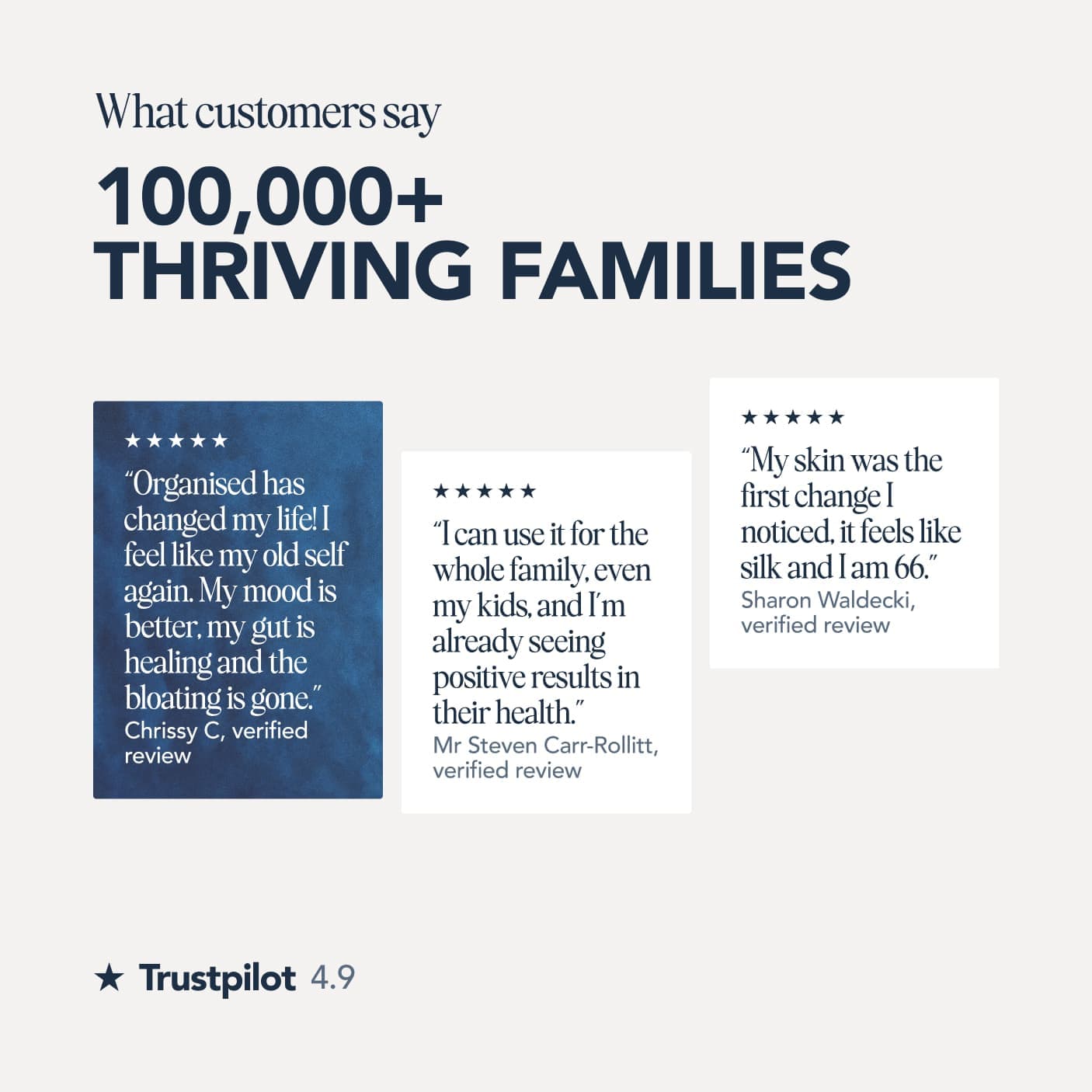
100,000+ thriving families4.9 on Trustpilot
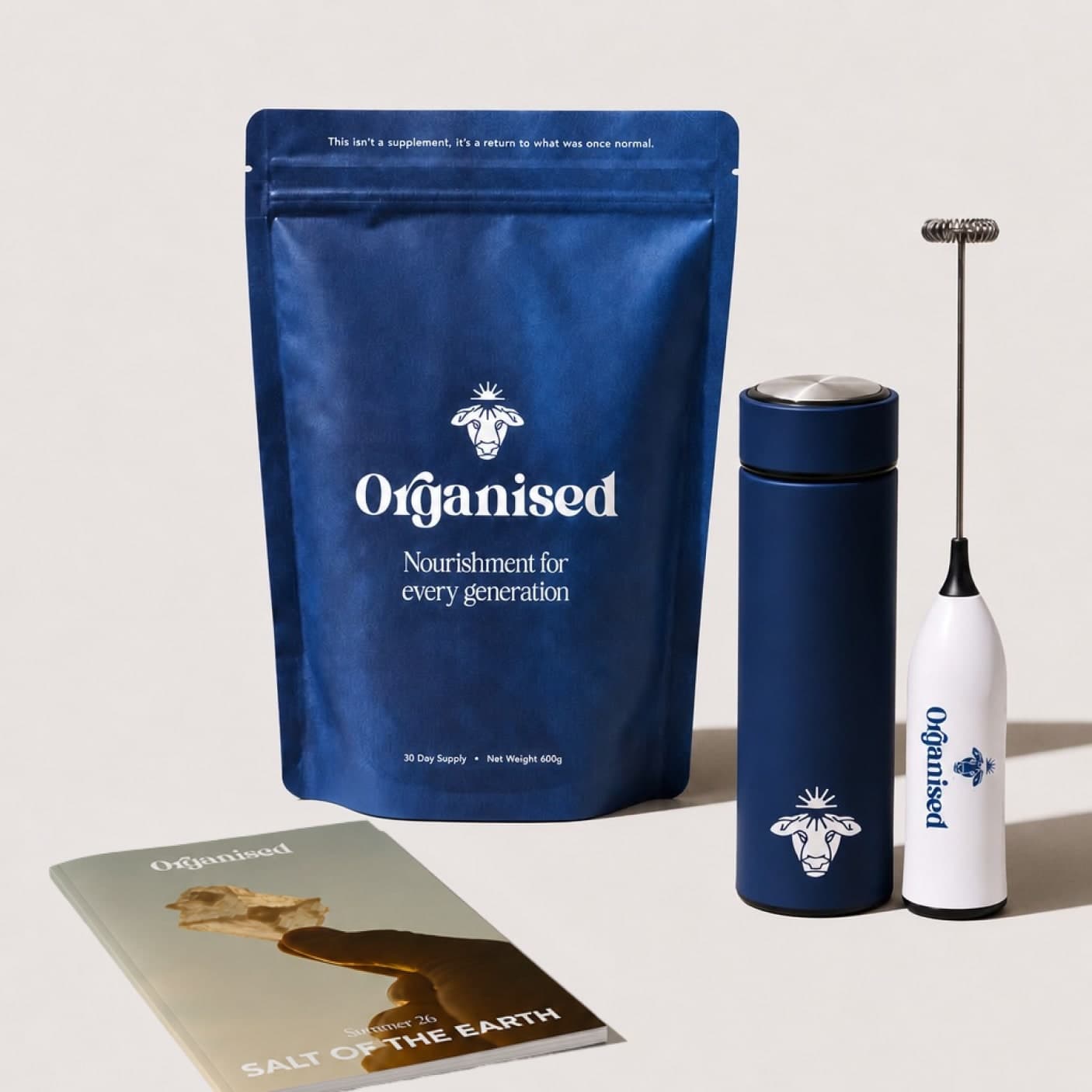
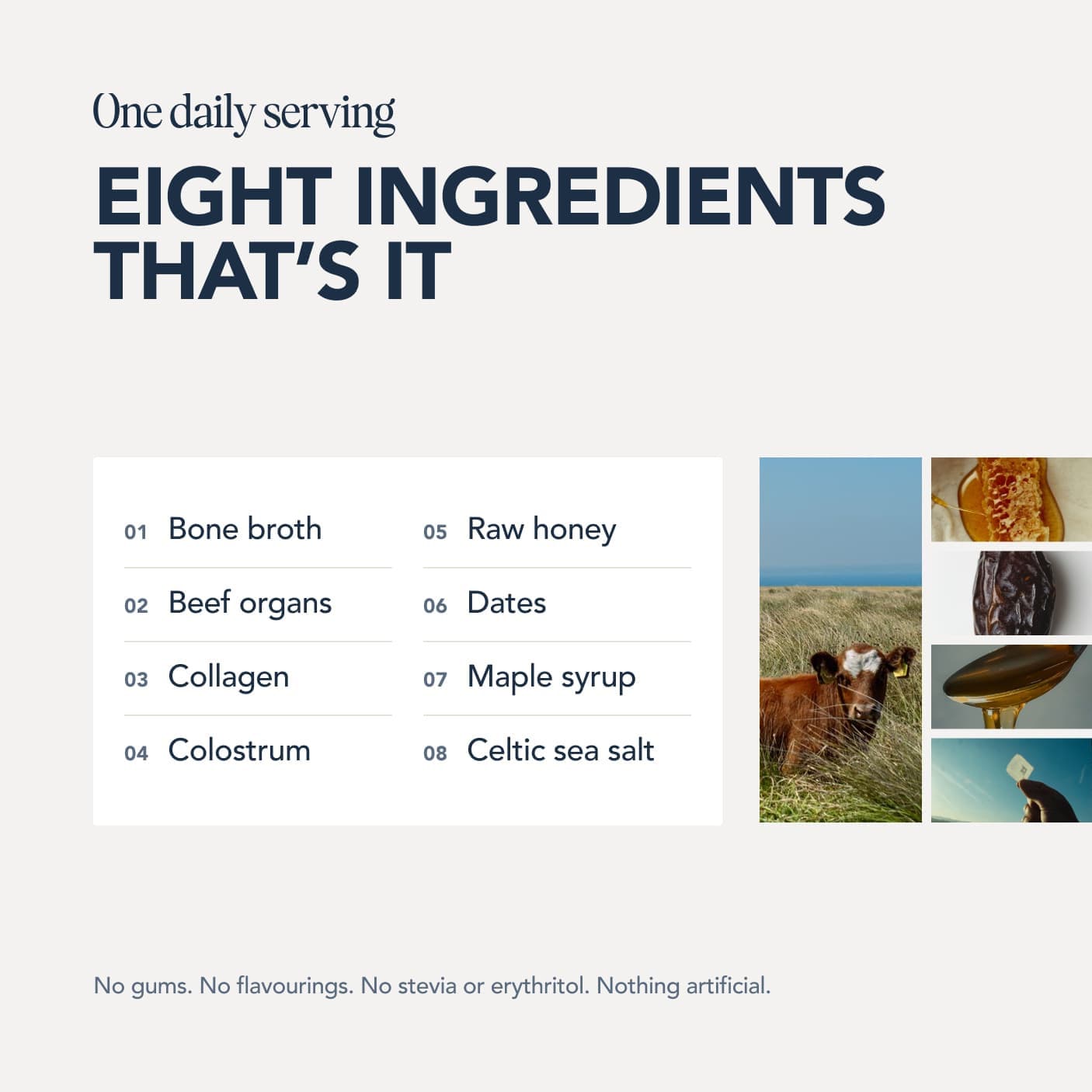
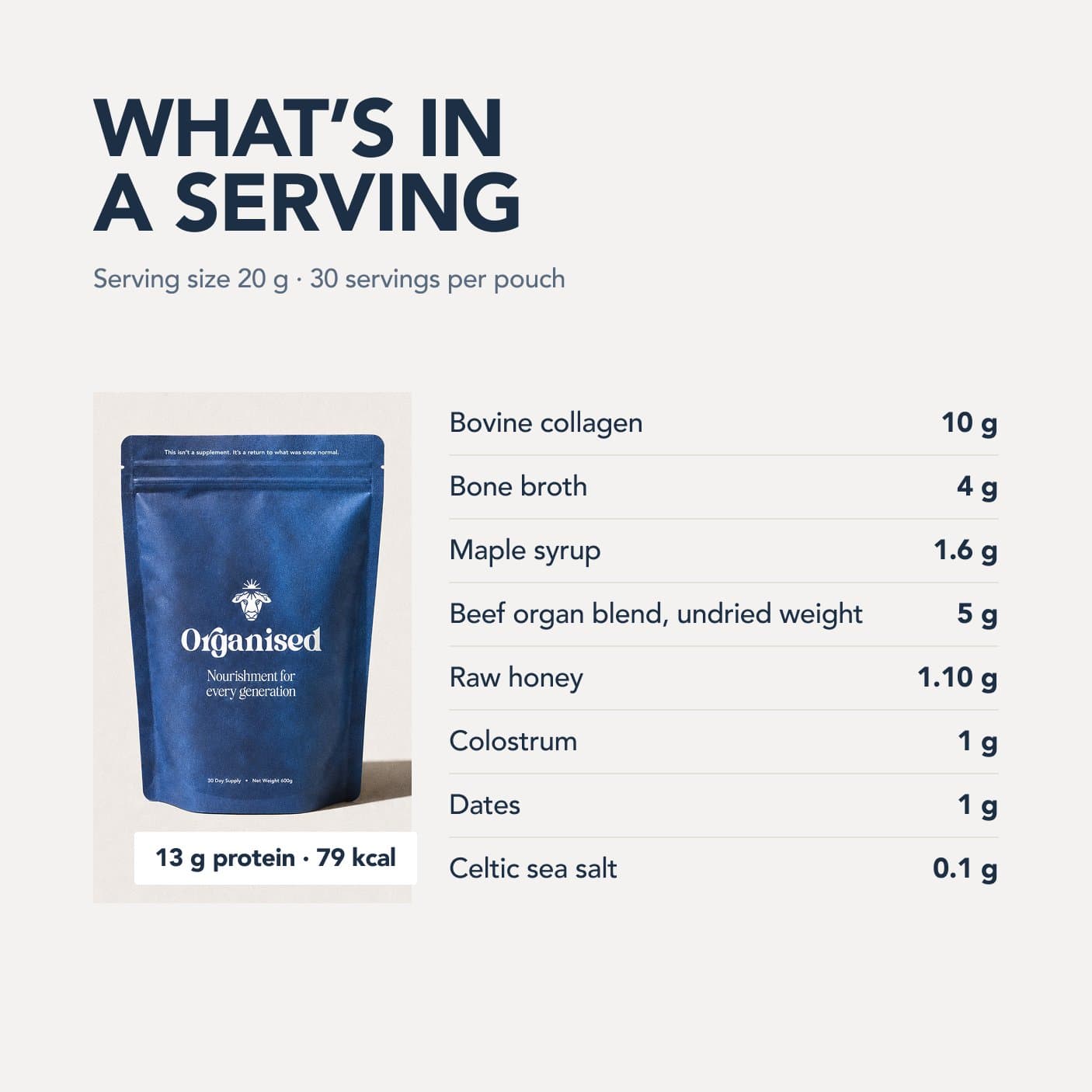
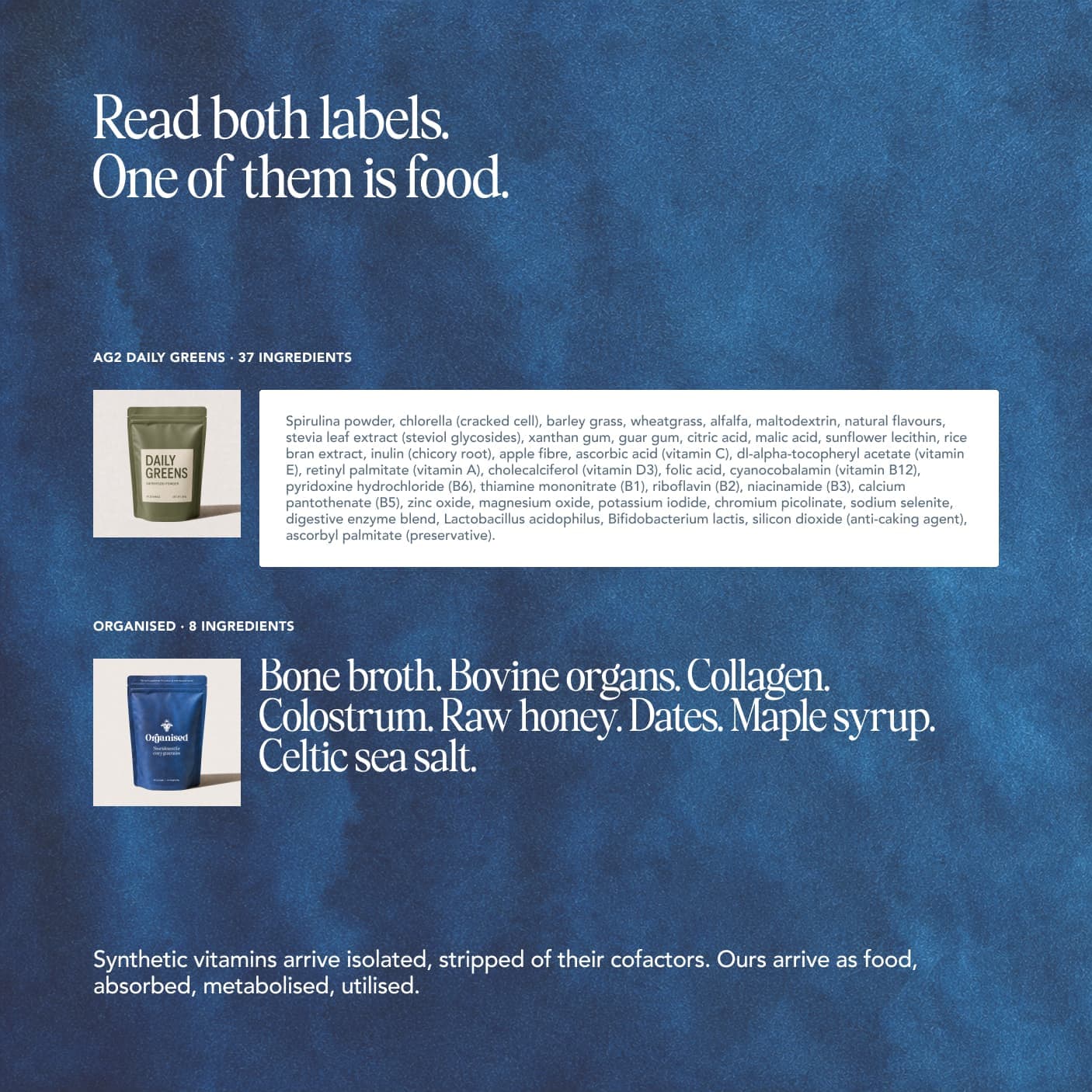
Eight real ingredients built around grass-fed beef organs, collagen and colostrum. Nothing synthetic added.
Free with your first order, worth £38. Plus £10 off the pouch with a subscription.
Free UK shipping · Made in England · 100 day money back guarantee on your first pouch · Skip, pause or cancel anytime
The inflammation and ageing connection
Prostate enlargement, like most age-related disease, is partly driven by inflammation. The foods that drive inflammation generally (seed oils, refined sugar, processed foods) specifically drive inflammation in the prostate.
A man eating a typical Western diet of processed food, seed oils, and sugar is setting himself up for prostate problems by 60. A man eating whole foods, mineral-dense meat, and eliminating inflammatory foods may avoid them entirely.
The good news is that dietary change works. A man in his 50s with early prostate enlargement can often reverse mild symptoms within weeks by eliminating seed oils and adding zinc and mineral-rich foods. It's not magical. It's biological responsiveness to dietary change.
ReferencesEvery source below was checked on 27 August 2026. Each PubMed, PMC and DOI identifier was resolved against NCBI or Crossref, and what it opens is printed under the citation, so you can see the link goes where the citation says without leaving the page. Where a citation and its identifier disagreed, the citation was corrected to the record or the reference was deleted along with the sentence marker that pointed at it, and where the resolved paper turned out not to support the sentence, the sentence was cut back to what it does support. Borrowed authority is worse than none, because it looks like rigour.
- Costello LC, Franklin RB. The clinical relevance of the metabolism of prostate cancer; zinc and tumor suppression: connecting the dots. Mol Cancer. https://pmc.ncbi.nlm.nih.gov/articles/PMC1481516/ [accessed May 2026].Checked 27 August 2026: PMC1481516 opens Costello LC, Franklin RB, The clinical relevance of the metabolism of prostate cancer; zinc and tumor suppression: connecting the dots. Mol Cancer 2006;5:17. PubMed indexes it as: Review.
- National Institutes of Health, Office of Dietary Supplements. Selenium - Health Professional Fact Sheet. https://ods.od.nih.gov/factsheets/Selenium-HealthProfessional/ [accessed May 2026].
- Rowles JL, Ranard KM, Smith JW, et al. Increased dietary and circulating lycopene are associated with reduced prostate cancer risk: a systematic review and meta-analysis. Prostate Cancer Prostatic Dis. https://pubmed.ncbi.nlm.nih.gov/28440323/ [accessed May 2026].Checked 27 August 2026: PMID 28440323 opens Rowles JL 3rd, Ranard KM, Smith JW et al, Increased dietary and circulating lycopene are associated with reduced prostate cancer risk: a systematic review and meta-analysis. Prostate Cancer Prostatic Dis 2017;20(4):361-377. PubMed indexes it as: Meta-Analysis, Systematic Review.
- Tacklind J, Macdonald R, Rutks I, et al. Serenoa repens for benign prostatic hyperplasia. Cochrane Database Syst Rev. https://pubmed.ncbi.nlm.nih.gov/23235581/ [accessed May 2026].Checked 27 August 2026: PMID 23235581 opens Tacklind J, Macdonald R, Rutks I et al, Serenoa repens for benign prostatic hyperplasia. Cochrane Database Syst Rev 2012;12(12):CD001423. PubMed indexes it as: Meta-Analysis, Systematic Review.The authors' own declaration, from the record: None declared.
Who wrote and reviewed this guide
Niall Kiddle
Author · Founder, Organised
Niall is the founder of Organised. He started the company in 2024 after fixing his own health the slow way: in 2022 he swapped a cupboard of synthetic supplements for real food, raw milk, organ meats, bone broth and honey, and felt the difference within months.
Areas of expertise: Ancestral nutrition, Organ meats, Whole-food supplementation, Gut health, Regenerative sourcing
Read Niall's full profile
Pedro Rodrigues
Reviewer · Agronomist (farming and sourcing only)
Pedro is the agronomist Organised works with on farming and sourcing. His job on the guides is to keep the science honest: he reviews what we publish about soil health, regenerative agriculture, grazing and the way food is actually produced.
Areas of expertise: Regenerative agriculture, Agronomy, Soil health, Grass-fed farming, Food sourcing
Reviewed this guide on
Read Pedro's full profileMore on men's health
View allBrowse the guides library
All guidesKeep reading

Life stage
Eye Health and Nutrition: Protecting Your Vision as You Age
Eye health and nutrition for ageing: much macular decline is preventable. Discover the foods and nutrients that help protect your vision over time.
Life stage
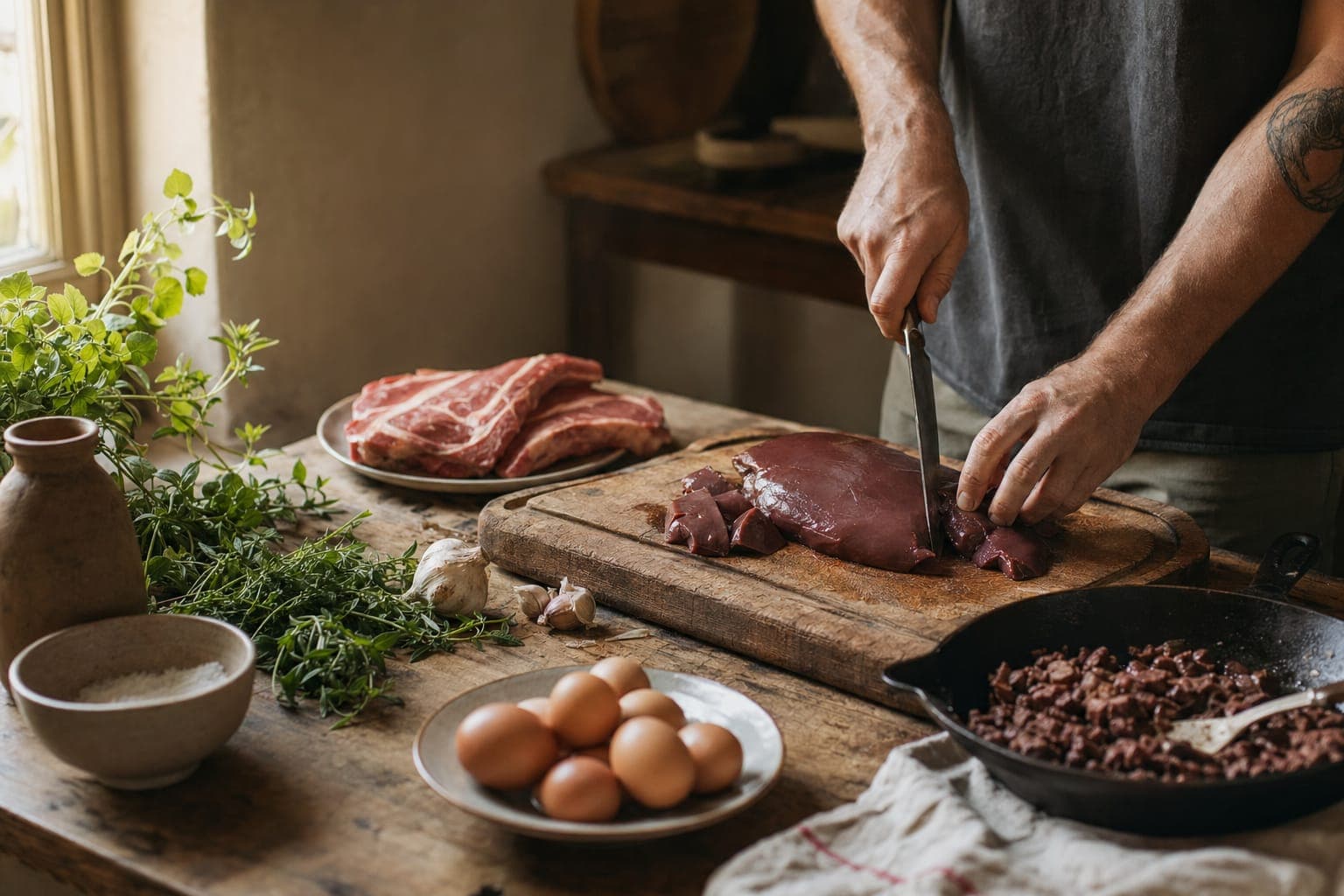
How Organ Meats Improve Recovery Between Training Sessions
Organ meats are packed with nutrients muscle recovery relies on. See why beef liver earns a place in many athletes' diets between training sessions.

Life stage
The Nutrients Children Need Most (And Aren't Getting)
The nutrients children are deficient in: iron, zinc, B12, choline, DHA, K2. Food sources and why modern diets miss them.
Real food, made effortless
Find my daily blendA few ways to use it
All recipes
How to Make Your Own Gelatine Gummies
A simple recipe for homemade gelatine gummies using grass-fed gelatine, fresh juice, and raw honey. Better than shop-bought, kids love them.

Raw Milk Hot Chocolate with Collagen
A nourishing evening hot chocolate made with raw milk, grass-fed collagen, raw cacao, and honey. A nighttime ritual that supports sleep and gut health.
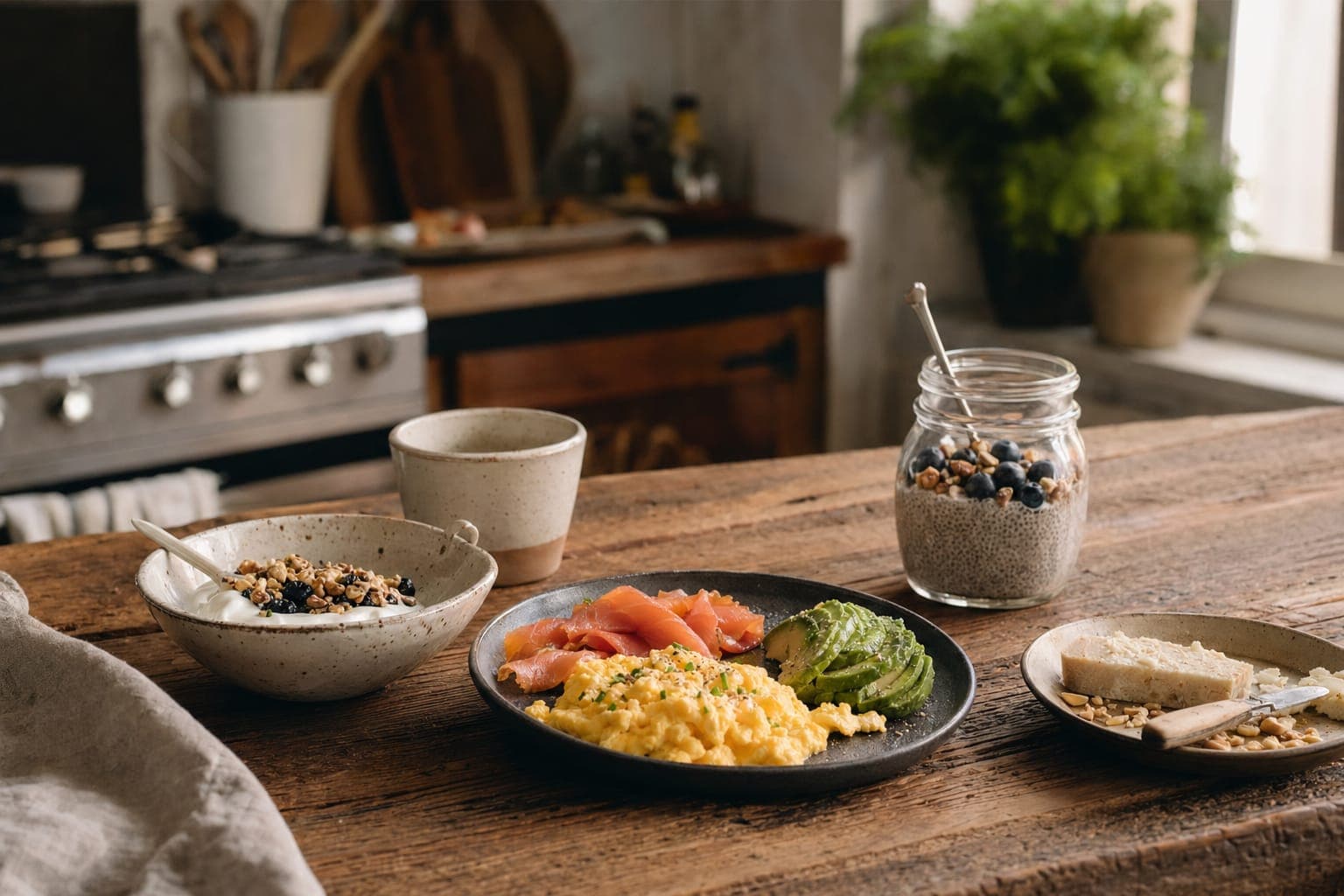
5-Minute High-Protein Breakfasts Using Organised
Quick, high-protein breakfast ideas using Organised. Five recipes you can make in minutes with real food. No fussing around.


 Join over 100,000+ members
Build a better food system with us
The Organised community is thousands of people choosing real food and backing the farmers who grow it, all of us trying to leave the world a little better than we found it. If that is what you care about too, you belong here.