Rebuilding Your Iron Stores After Birth
You've just given birth and lost somewhere between one and two pints of blood. Your body is running on fumes. That bone-deep tiredness everyone talks about isn't just sleep deprivation. Most postpartum women are profoundly iron depleted.
By Niall Kiddle, Founder, Organised

Reviewed by Pedro Rodrigues, Agronomist (farming and sourcing only) ·
7 min read · Published · Updated · 5 cited sources
Makers of the Organised Daily blend, a grass-fed beef organ supplement from regenerative UK farms
Iron loss during labour and delivery is normal and expected. What's not normal is the way most postnatal care completely ignores it. You're sent home with instructions about stitches and bleeding, a prescription for paracetamol, and perhaps a vague suggestion to "eat well." Nobody sits down and says: your iron levels have just tanked, and rebuilding them is now one of your most important jobs.
What blood loss really means for your iron stores
A typical vaginal birth involves losing 200-500 millilitres of blood. A caesarean section loss is roughly double that.1 Sounds manageable when you hear the numbers. In reality, every millilitre of blood contains iron, and that iron is precious. Your body doesn't easily replace it.
Before pregnancy, a healthy woman carries roughly 300-400 micrograms of stored iron in her ferritin. Pregnancy itself burns through some of that. Then labour empties the tank further. You're not starting from zero post-birth, but you're starting from empty.
A depleted iron store isn't a minor inconvenience. It's affecting your energy, your mood, your milk supply, and your ability to recover from one of the most physically demanding events of your life.
Without iron, your body can't make new red blood cells. Without new red blood cells, oxygen doesn't move efficiently to your tissues. Your muscles feel heavy. Your brain feels foggy. You get infections more easily because your immune system runs on iron too. Postpartum women with low iron are more vulnerable to postnatal depression.3
Why standard iron supplements fall short
Most GPs prescribe ferrous sulphate after birth. It's cheap. It's well-studied. And it's brutal. The side effects are so bad that many women quietly stop taking it within a week.
Iron supplements cause constipation (which is already a postpartum problem). They cause nausea, stomach cramps, and dark stools. For a woman who's already bleeding, exhausted, and dealing with hormonal chaos, adding stomach pain and constipation feels worse than the problem you're trying to fix.
Worse still, synthetic iron is poorly absorbed. Your body absorbs around 2-20% of inorganic iron from a supplement, depending on what else you've eaten that day, whether your stomach acid is adequate, and what your gut bacteria are doing. It's a roll of the dice.
The fastest way to rebuild: heme iron from food
Heme iron, the form of iron found in animal foods, is absorbed at rates of 15-35%.2 Your body recognises it. It pulls it in. No mystery, no dependence on stomach acid or timing or what else you ate. Heme iron works.
This is the thing about postnatal recovery: you don't have time for gradual. You're running on fumes. You need iron fast. Food-first rebuilding, prioritising heme iron sources, is the pragmatic choice.
Rebuild your iron by eating the foods your great-grandmothers ate during postpartum rest: red meat, organ meats, bone broth, and full-fat dairy.
Practical foods for postpartum iron repletion
Start with beef and lamb. A 100-gram serving of lean beef contains roughly 2-3 milligrams of heme iron. A 100-gram serving of lamb contains 1.5-2.5 milligrams. Both are foods your body recognises instantly.
Better still: organ meats. A 100-gram serving of beef liver contains 5-7 milligrams of iron, plus copper (which helps iron absorption), plus folate.4 Spleen is even richer, at 30 milligrams per 100 grams. These aren't foods you eat every day, but they're the single fastest way to rebuild iron stores in the weeks and months after birth.
If organ meats feel alien, start somewhere between. Grass-fed minced beef (75% lean, 25% fat) mixed into bolognese, stewed into a thick chilli, or made into slow-cooked meatballs. Lamb shanks braised for hours with bone broth and root vegetables. Beef bone broth simmered for 24 hours, which draws minerals including iron into the liquid.
- Beef liver in a weekly pâté, or finely minced into meatballs
- Lamb, particularly shoulder or shanks, slow-cooked
- Beef mince, 75% lean or fattier, as the base for soups and sauces
- Bone broth, made from grass-fed bones and simmered 18-24 hours
- Oysters if you can tolerate them, raw or steamed, richest in iron and zinc
- Eggs, particularly the yolk, which contains iron and choline for nervous system repair
- Full-fat dairy, especially butter and whole milk, which improve fat-soluble nutrient absorption
Pair iron-rich foods with vitamin C for better absorption. A squeeze of lemon on liver. A glass of orange juice alongside your steak. Vitamin C temporarily boosts heme iron absorption, although heme iron doesn't need the boost as much as non-heme iron does.
Get life-stage nutrition guides, free
Two short reads a week on eating well through pregnancy, childhood and older age.
By signing up you agree to receive emails from us. No spam, unsubscribe anytime.
When to test and what targets to aim for
Ask your GP for a ferritin test at 4-6 weeks postpartum. Ferritin shows your actual iron stores, not just your haemoglobin (which is a snapshot of current red blood cells, not your reserves). A healthy postpartum ferritin should be above 30 micrograms per litre.5 Below 15 is concerning. Below 10 is severe.
If your ferritin is still below 20 at 6-8 weeks, a food-first approach is working, but it's working slowly. You might need a supplement for a short period. But try it without first. Most women who prioritise heme iron sources can rebuild their stores in 6-12 weeks through food alone.
Your recovery matters as much as your baby's. Iron isn't an optional nutrient. It's foundational to healing.
Track how you feel, not just the numbers. Are you less dizzy when you stand? Do you have more energy by mid-afternoon? Can you climb stairs without your heart pounding? These are signs your haemoglobin is recovering.
Real recovery looks different from what you've been told
Postpartum recovery is often painted as rest on the sofa, gentle walks, and time. But real recovery, particularly from the iron loss of labour, demands something more active: nutritional rebuilding. Your body isn't going to recover gently from a two-pint blood loss. It's going to rebuild aggressively if you feed it properly, and slowly if you don't.
The difference between a woman eating red meat and organs daily after birth versus one eating chicken salad is staggering. One woman bounces back to energy and mood stability within 4-6 weeks. The other is still exhausted at six months, blaming sleep deprivation and new motherhood rather than recognising it as iron deficiency.
What's required is intention. Deliberate, specific, nutrient-focused eating. Not "eat well." Not "nourish yourself." But: red meat at lunch, liver once weekly, bone broth daily, eggs as snacks. This is the protocol that rebuilds iron rapidly.
You're also not just rebuilding iron. You're rebuilding energy reserves, cardiovascular resilience, and mood stability. Iron deficiency touches every system. Adequate iron restores them all.
Your fourth trimester is not about taking it easy. It's about eating like your recovery depends on it. Because it does.
1 of 9
Daily blend
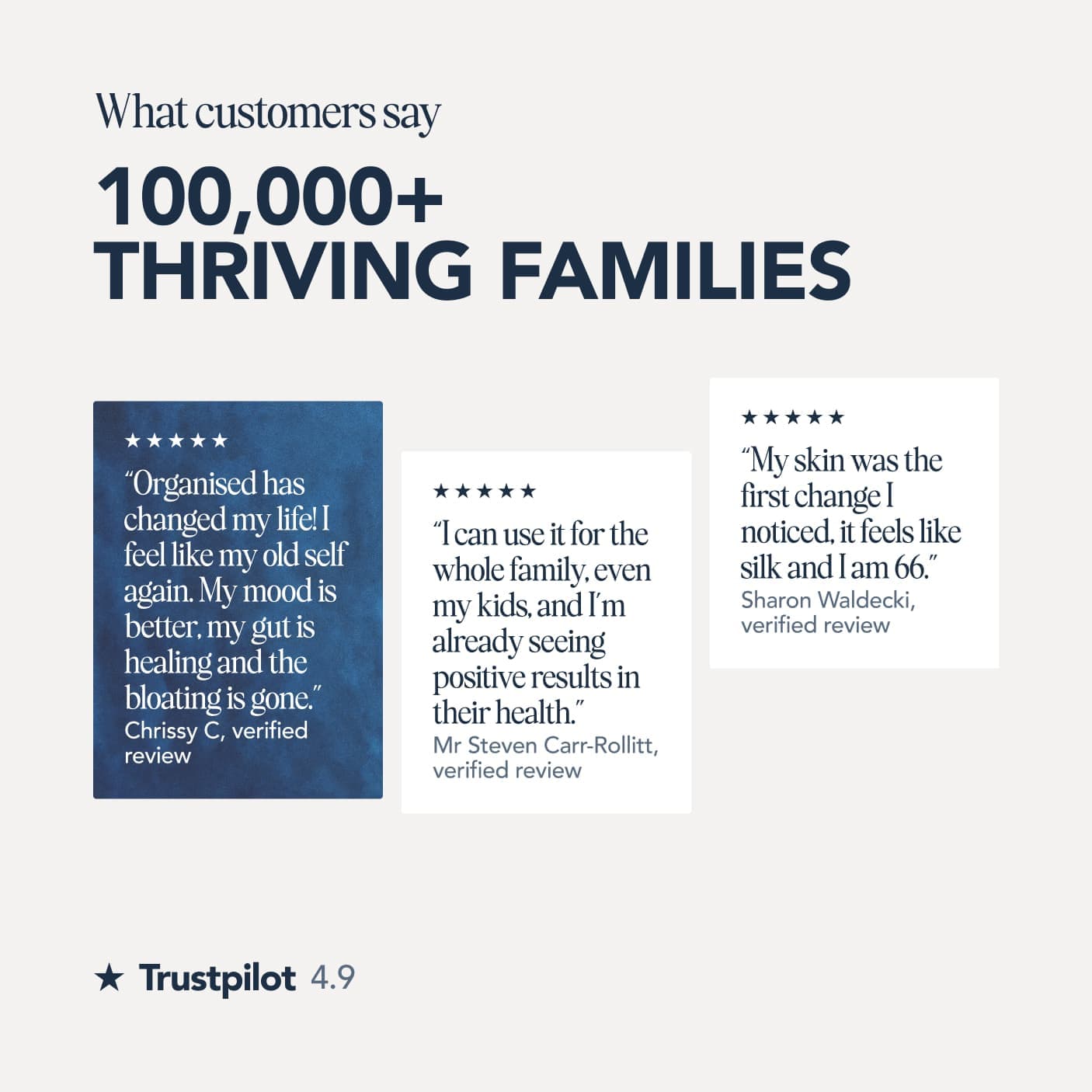
100,000+ thriving families4.9 on Trustpilot
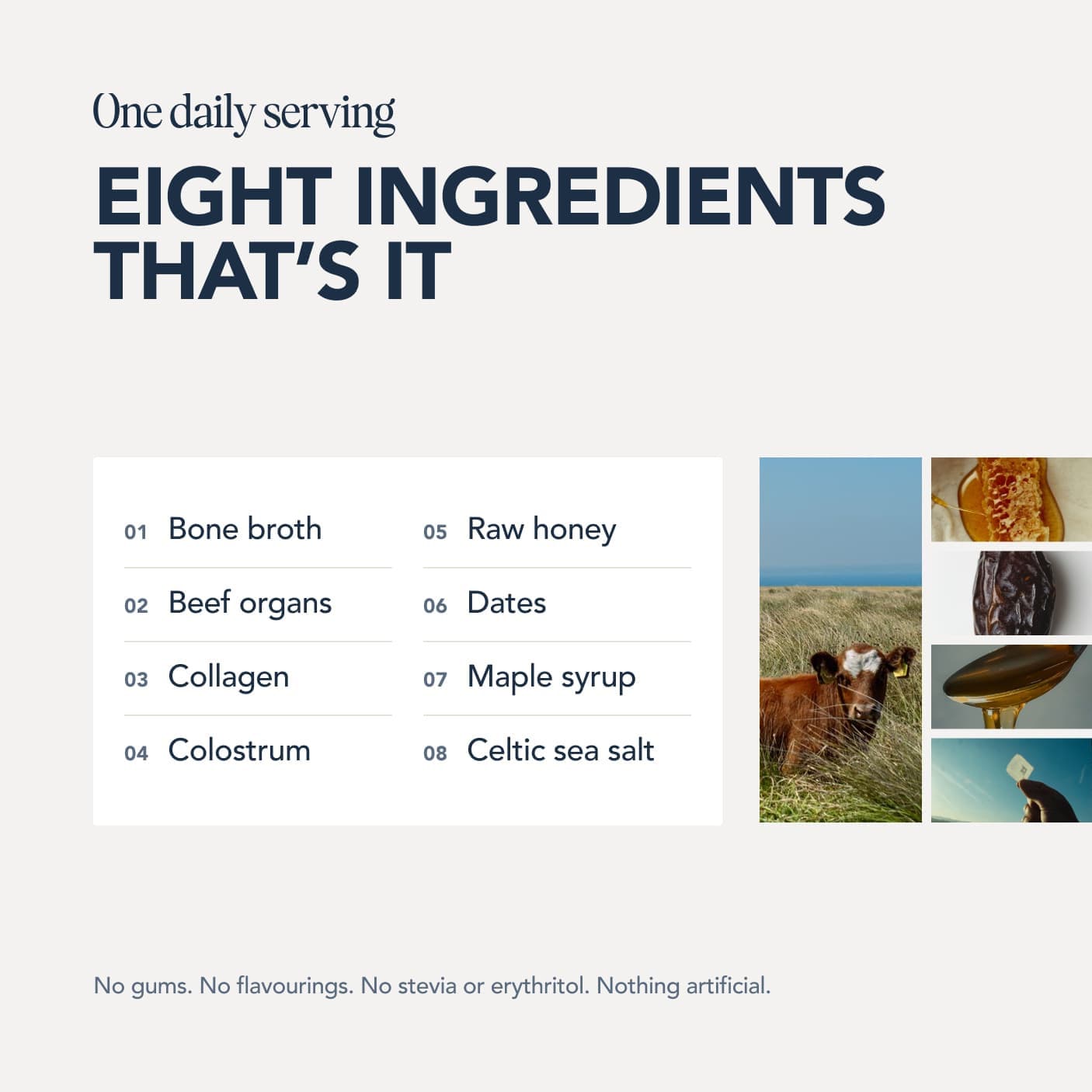
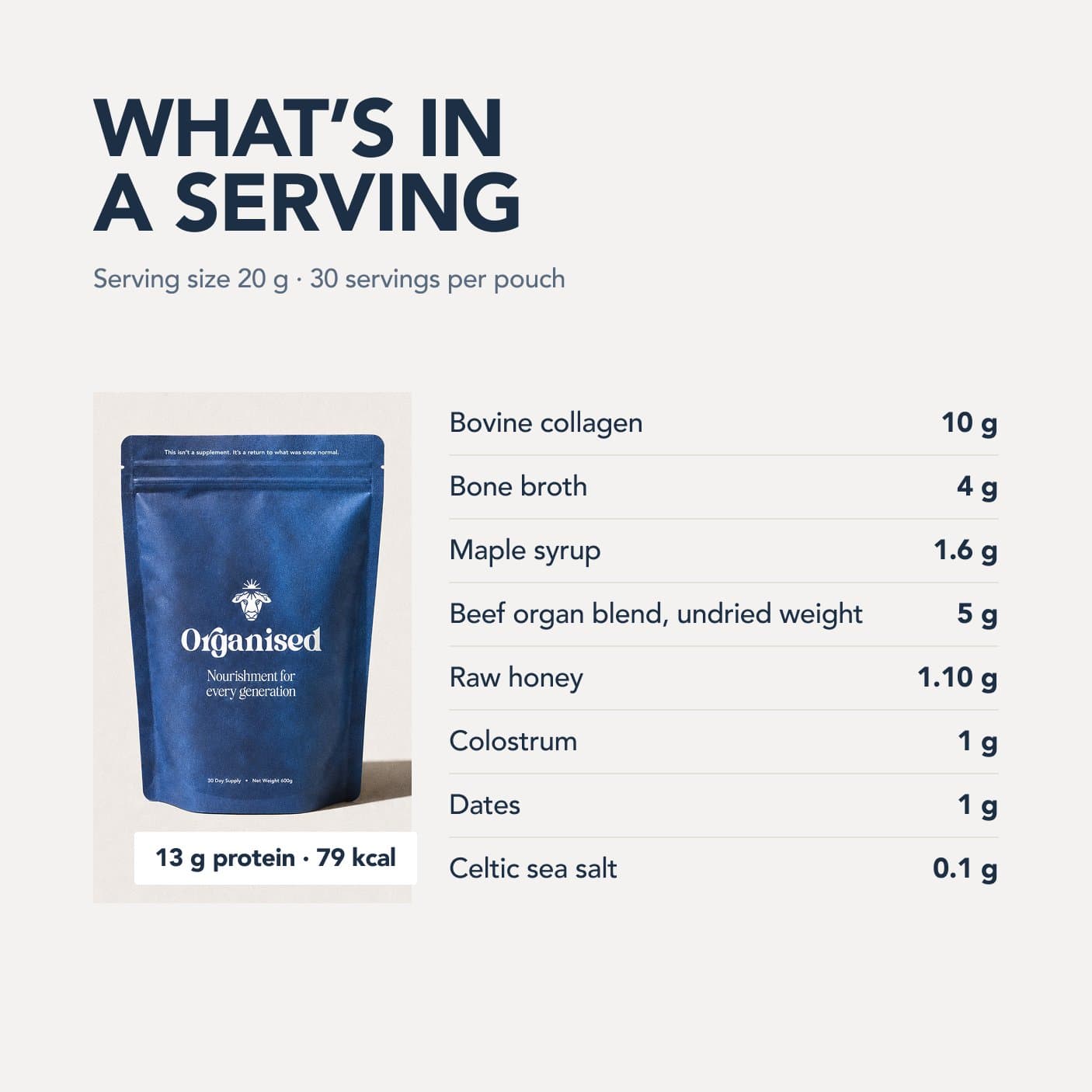
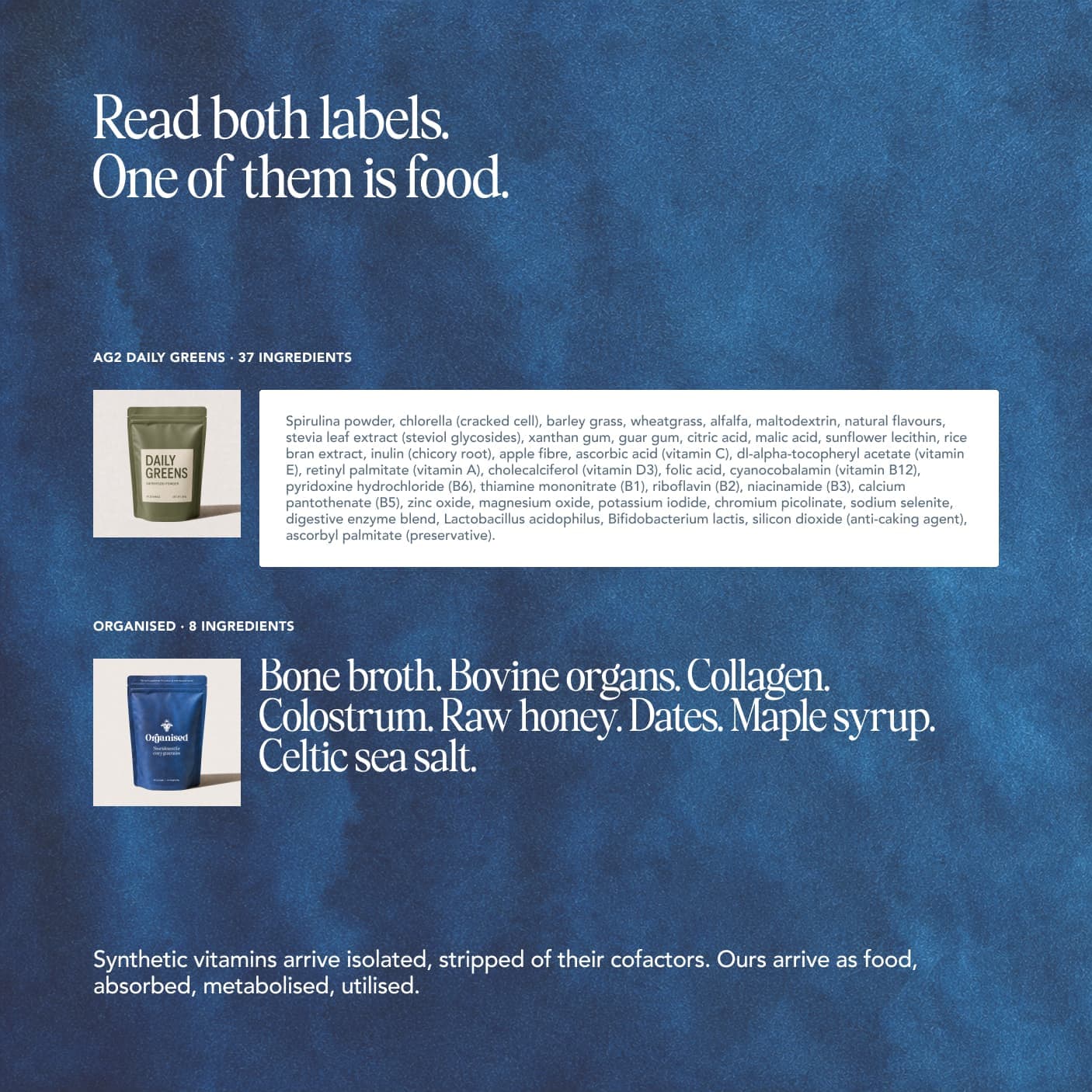
Eight real ingredients built around grass-fed beef organs, collagen and colostrum. Nothing synthetic added.
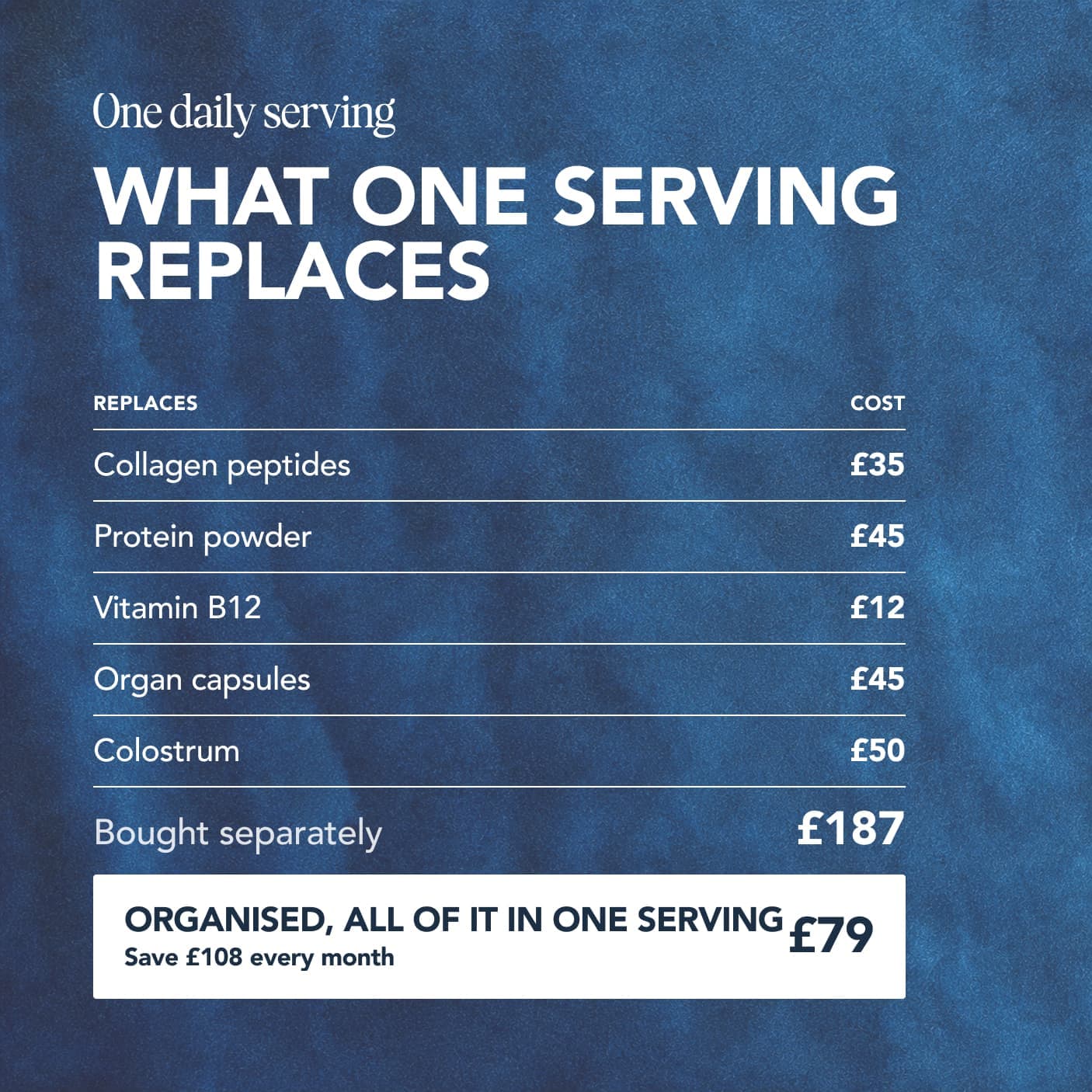
Free with your first order, worth £38. Plus £10 off the pouch with a subscription.
Free UK shipping · Made in England · 100 day money back guarantee on your first pouch · Skip, pause or cancel anytime
The overlooked advantage of whole food iron
Heme iron from food has another advantage beyond absorption: it comes with supporting nutrients. Beef liver contains B vitamins, copper (required for iron utilisation), and minerals that support energy production. A supplement of isolated iron won't do any of this. It's just iron, sitting alone, fighting your gut acid and digestion to get absorbed.
Your body is built to receive iron as it exists in food: bundled with the cofactors that make it work. Use that. Eat the foods. Skip the supplement version. Your recovery will be faster.
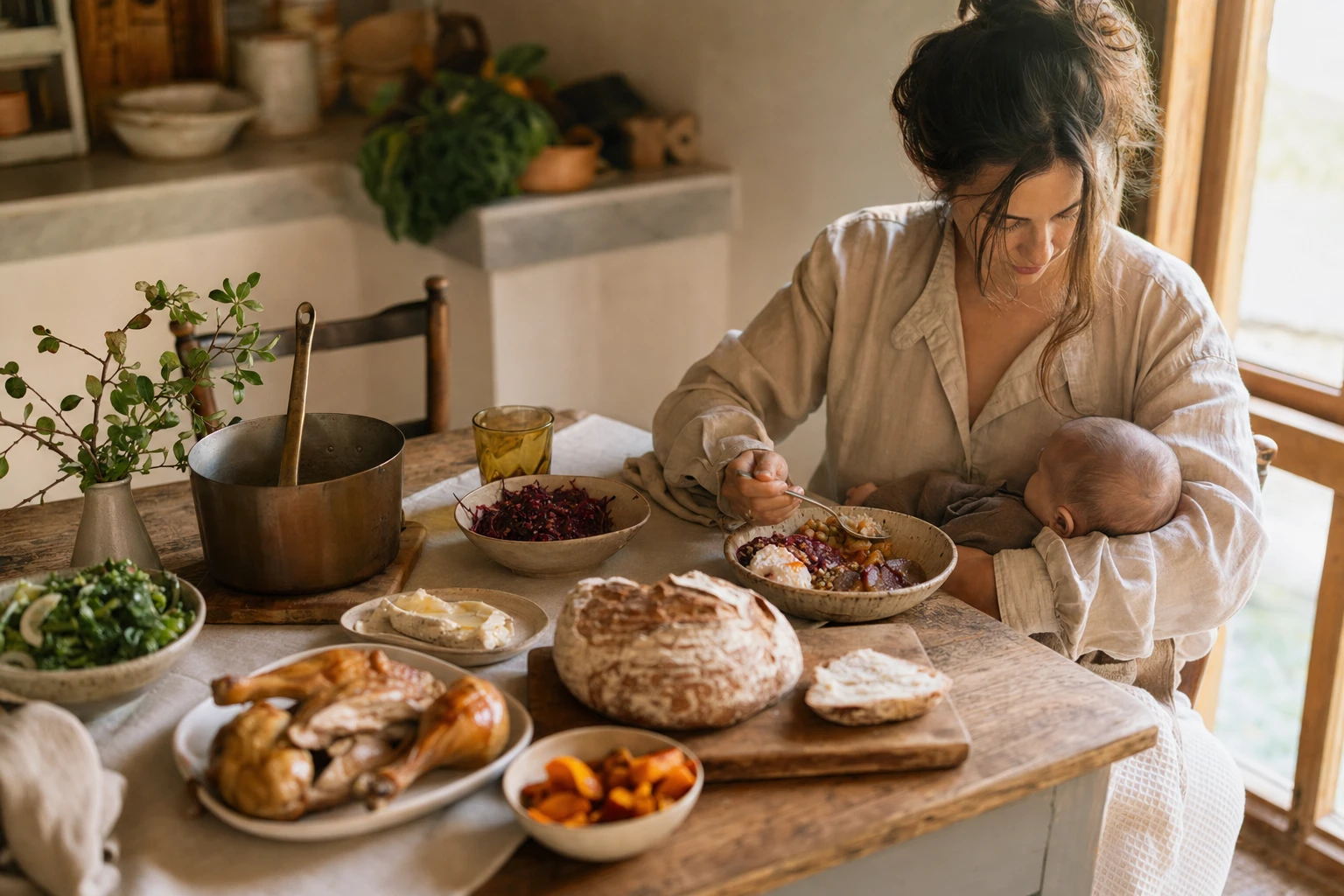
What an iron-focused postpartum diet actually looks like for one week
Breakfast: eggs cooked in butter, toast, full-fat milk. Lunch: beef stew with potatoes and carrots. Afternoon snack: cold beef with cheese and fruit. Dinner: lamb braised with root vegetables. Once this week: beef liver pâté on sourdough. That week is roughly 40 milligrams of absorbable iron, enough to show improvement in energy by the following week.
Doesn't sound like rest and recovery. It sounds like eating well. Because it is. Rest without nutrition is stagnation. Nutrition with rest is genuine recovery.
The bottom line
Postpartum iron depletion is real and common. Your GP might not mention it, but your body knows. The fastest, most reliable way to rebuild is through heme iron-rich foods: red meat, organ meats, bone broth, and eggs. If you can tolerate it, a weekly liver pâté or liver-enriched meatballs will rebuild your stores in weeks, not months. Stop waiting to feel better. Start eating to recover. Your energy, your mood, and your recovery depend on it.
References
Every source below was checked on 27 August 2026. Each PubMed, PMC and DOI identifier was resolved against NCBI or Crossref, and what it opens is printed under the citation, so you can see the link goes where the citation says without leaving the page. Where a citation and its identifier disagreed, the citation was corrected to the record or the reference was deleted along with the sentence marker that pointed at it, and where the resolved paper turned out not to support the sentence, the sentence was cut back to what it does support. Borrowed authority is worse than none, because it looks like rigour.
- Royal College of Obstetricians and Gynaecologists. Postpartum haemorrhage clinical guidelines.
- Hurrell R, Egli I. Iron bioavailability and dietary reference values. American Journal of Clinical Nutrition, 2010. PMID 20200263.Checked 27 August 2026: PMID 20200263 opens Hurrell R, Egli I, Iron bioavailability and dietary reference values. Am J Clin Nutr 2010;91(5):1461S-1467S.
- Wassef A et al. Anaemia and depletion of iron stores as risk factors for postpartum depression. Journal of Psychosomatic Obstetrics & Gynecology, 2019. PMID 29363366.Checked 27 August 2026: PMID 29363366 opens Wassef A, Nguyen QD, St-André M, Anaemia and depletion of iron stores as risk factors for postpartum depression: a literature review. J Psychosom Obstet Gynaecol 2019;40(1):19-28. PubMed indexes it as: Review.
- U.S. Department of Agriculture, FoodData Central. Beef liver, raw — nutrient profile.
- British Society for Haematology. UK guidelines on the management of iron deficiency in pregnancy and postpartum.
Who wrote and reviewed this guide
Niall Kiddle
Author · Founder, Organised
Niall is the founder of Organised. He started the company in 2024 after fixing his own health the slow way: in 2022 he swapped a cupboard of synthetic supplements for real food, raw milk, organ meats, bone broth and honey, and felt the difference within months.
Areas of expertise: Ancestral nutrition, Organ meats, Whole-food supplementation, Gut health, Regenerative sourcing
Read Niall's full profile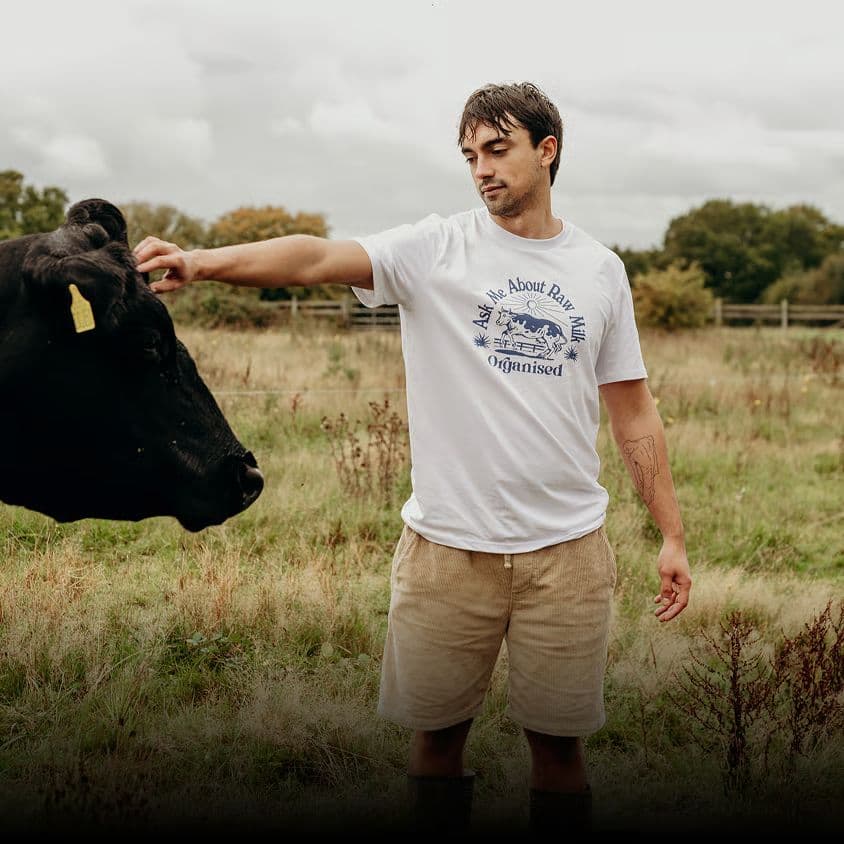
Pedro Rodrigues
Reviewer · Agronomist (farming and sourcing only)
Pedro is the agronomist Organised works with on farming and sourcing. His job on the guides is to keep the science honest: he reviews what we publish about soil health, regenerative agriculture, grazing and the way food is actually produced.
Areas of expertise: Regenerative agriculture, Agronomy, Soil health, Grass-fed farming, Food sourcing
Reviewed this guide on
Read Pedro's full profileMore on pregnancy & postpartum
View all- Nourishing Pregnancy with Whole Food Nutrition
- Postpartum Recovery Nutrition: Rebuilding After Birth
- Beef Organ Supplements and Pregnancy: Understanding Vitamin A Safety
- Breastfeeding and Nutrition: What to Eat to Nourish Two
- Folate vs Folic Acid: Why the Form Matters in Pregnancy
- Gestational Diabetes and Nutrition: What Helps and What Doesn't
- Iron Needs During Pregnancy: Why Heme Iron Makes a Difference
- Morning Sickness and Nutrition: What Helps and What Makes It Worse
- Pregnancy Nutrition on Reddit: What Real Mums Recommend vs the Evidence
- Pregnancy Prep: Nutritional Foundations to Lay Before Conceiving
- The Best Foods to Eat in Each Trimester
- The Fourth Trimester: Why Mothers Need Organ Nutrition
Browse the guides library
All guidesKeep reading
Life stage
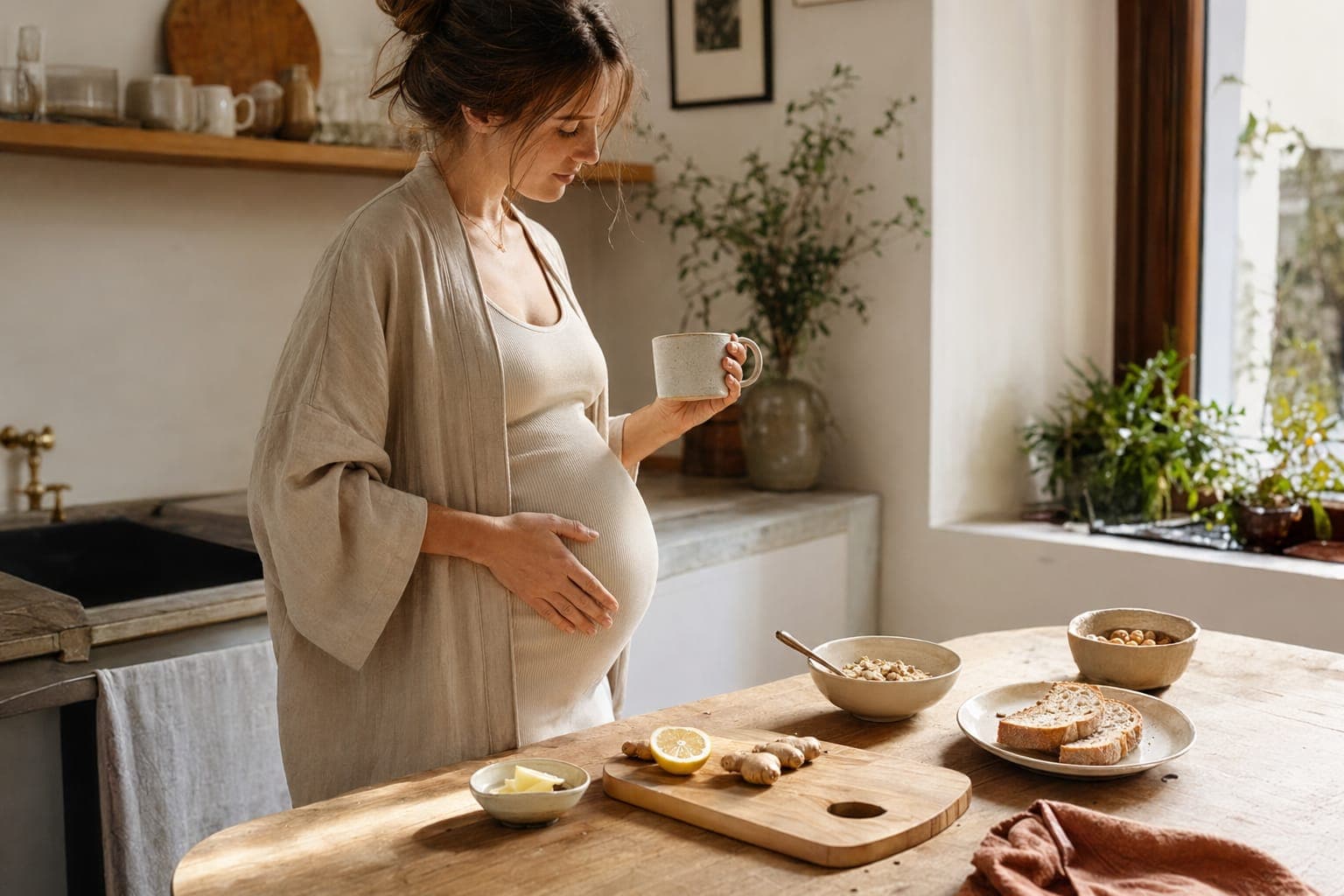
Morning Sickness and Nutrition: What Helps and What Makes It Worse
Manage pregnancy nausea with B6, ginger, protein, and blood sugar stability. Evidence-based nutrition tips for morning sickness relief.
Life stage
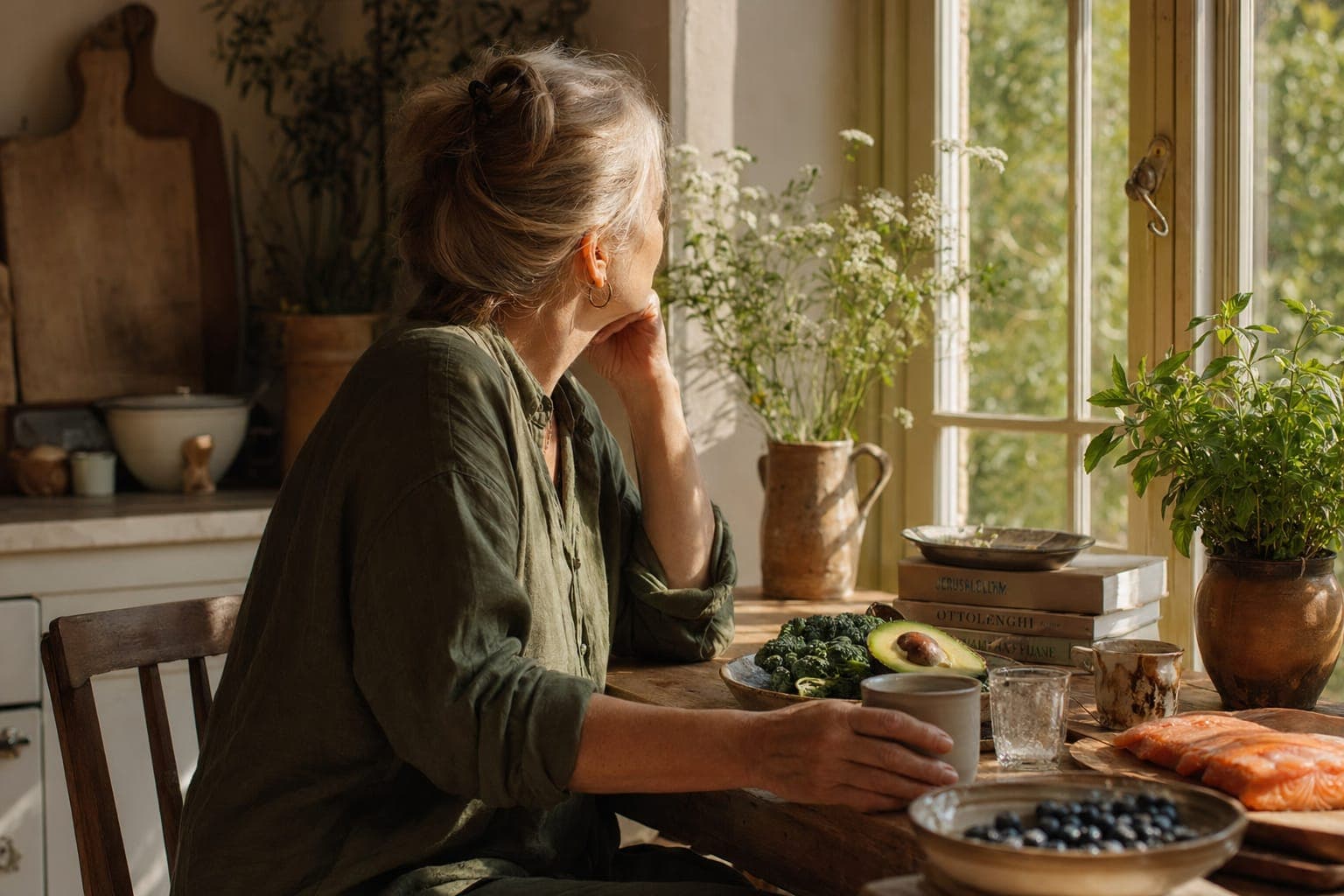
Cognitive Decline and Nutrition: Protecting Your Brain as You Age
Cognitive decline isn't inevitable. The nutrients you eat today protect your brain from decline years from now. Here's what the research shows.

Life stage
Men's Nutrition: The Essentials Most Blokes Ignore
Modern men have lower testosterone and worse health than their grandfathers. Learn which nutrients build and maintain men's health.
Real food, made effortless
Find my daily blendA few ways to use it
All recipes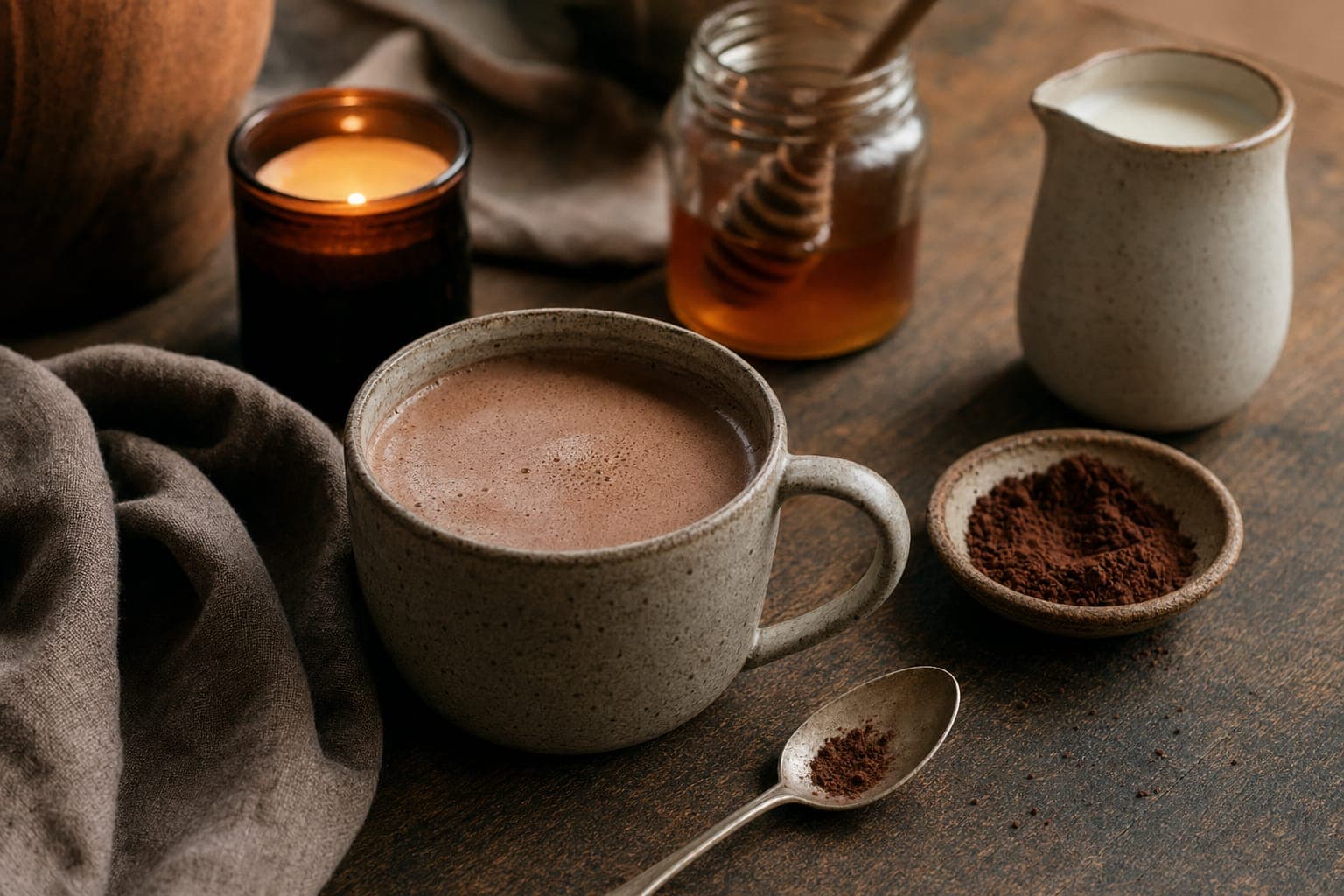
Raw Milk Hot Chocolate with Collagen
A nourishing evening hot chocolate made with raw milk, grass-fed collagen, raw cacao, and honey. A nighttime ritual that supports sleep and gut health.
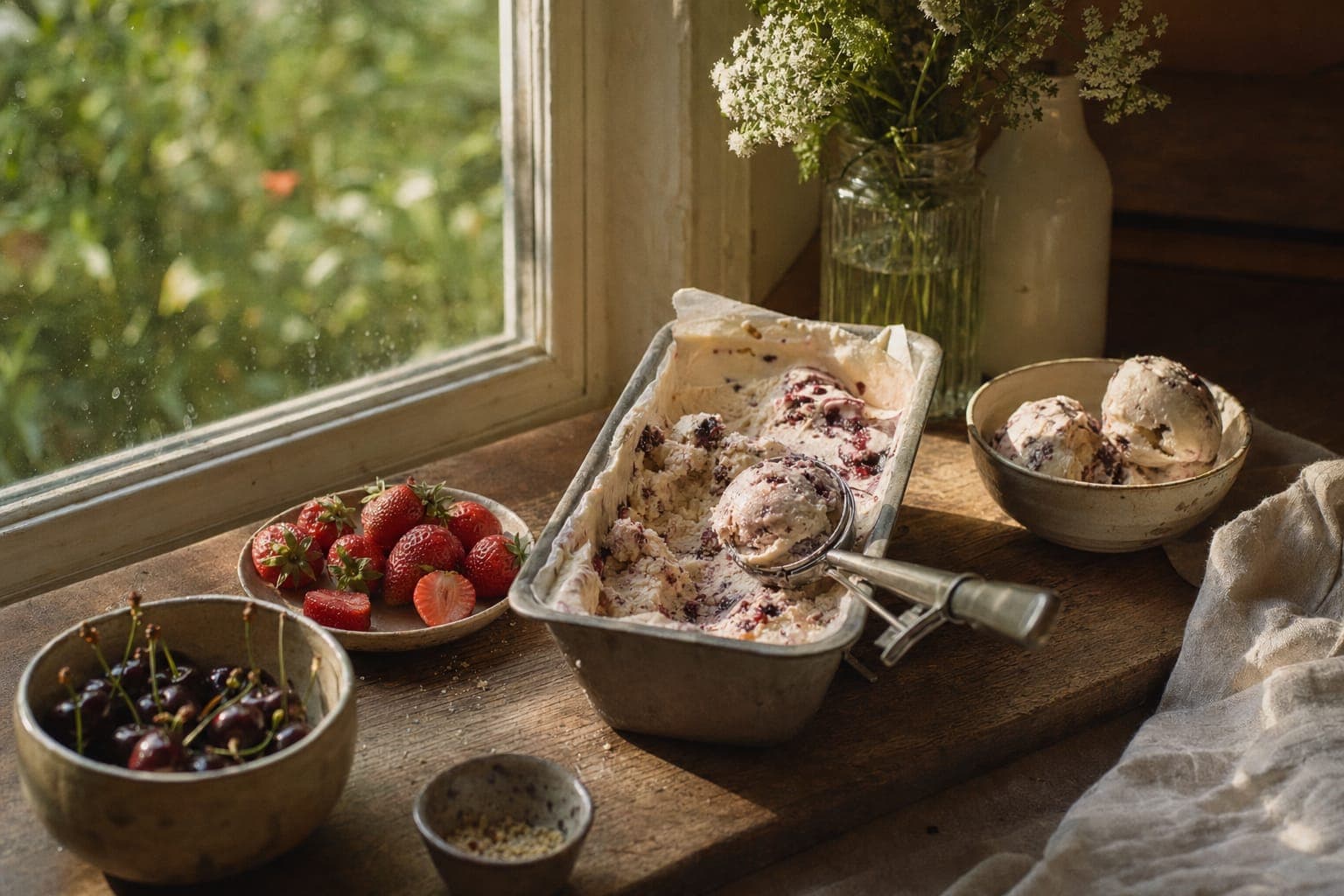
Raw Milk Ice Cream with Organised
Make raw milk ice cream at home with Organised for a seasonal, nutrient-dense treat. Three simple flavours to try whenever the craving strikes.
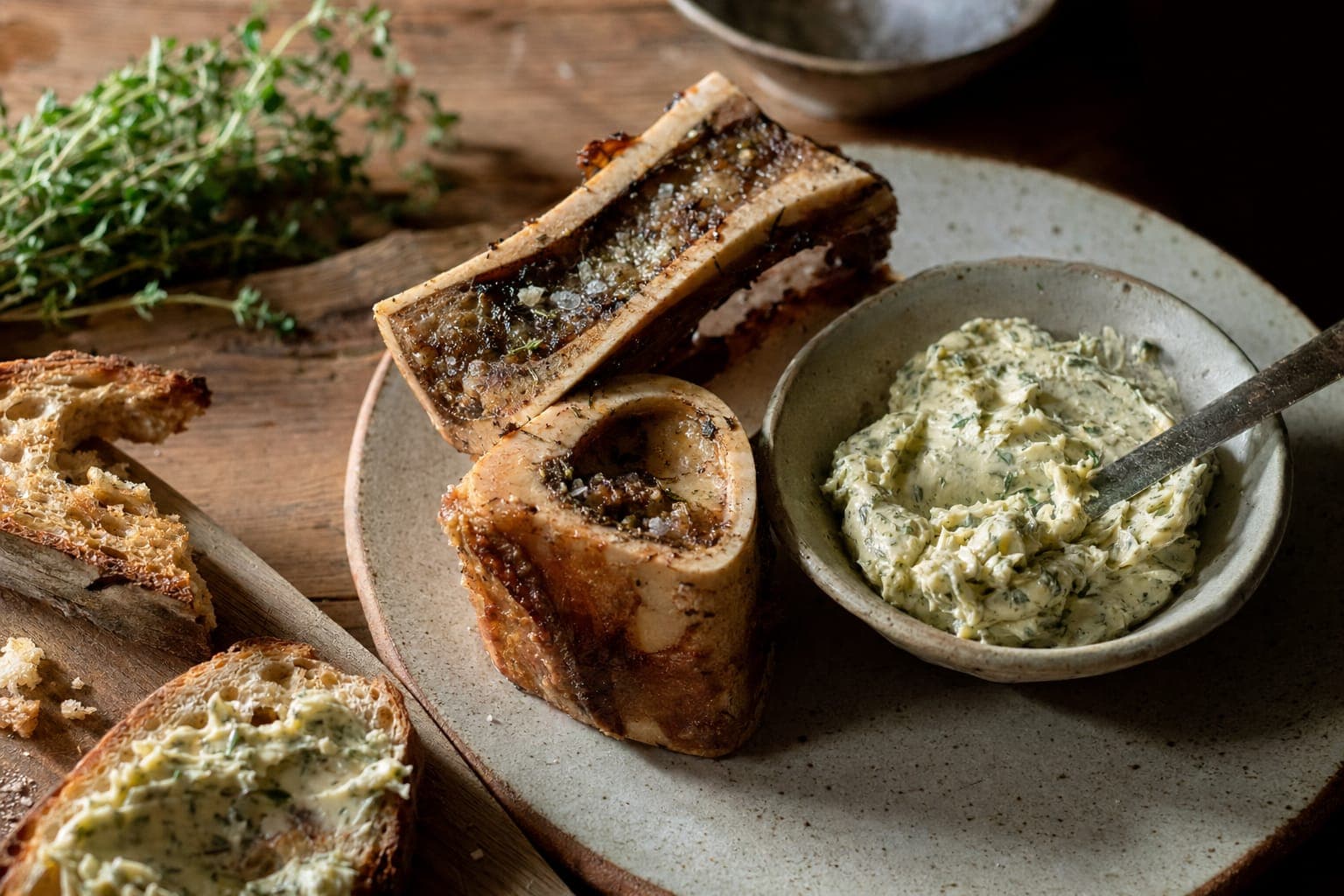
How to Make Bone Marrow Butter
Roast grass-fed marrow bones, scoop the marrow, and mix with butter and herbs. A nutrient-dense spread with fat-soluble vitamins.


 Join over 100,000+ members
Build a better food system with us
The Organised community is thousands of people choosing real food and backing the farmers who grow it, all of us trying to leave the world a little better than we found it. If that is what you care about too, you belong here.