The Link Between Postpartum Depletion and Mental Health
You had your baby. You should be happy. Instead you're crying for no reason. You're anxious. You're irritable. You're exhausted in a way sleep doesn't fix. Your GP says it's postpartum depression. But what if it's postpartum depletion and your body is calling for nutrients?

By Niall Kiddle, Founder, Organised

Reviewed by Pedro Rodrigues, Agronomist (farming and sourcing only) ·
7 min read · Published · Updated · 5 cited sources
Makers of the Organised Daily blend, a grass-fed beef organ supplement from regenerative UK farms

This isn't to minimise postnatal mood disorders. They're real. They're serious. But they're also often rooted in nutritional depletion. Pregnancy and birth strip your body of specific nutrients that directly affect mood, anxiety, and motivation. Rebuild those nutrients and the mood often improves alongside.
Depletion and mood: the connection
Your brain is an organ. It runs on nutrients. Specifically, it runs on amino acids, B vitamins, minerals like magnesium and zinc, and fats. Pregnancy depletes all of these. Labour and blood loss deplete them further. If you don't replenish them aggressively, your mood becomes collateral damage.
This isn't only a chemical-imbalance problem. There is a real nutritional deficit underneath much of what gets labelled as postpartum depression: depleted iron, low B12, depleted choline, depleted DHA, depleted zinc, depleted magnesium, depleted minerals concentrated in the brain and the placenta and the breast milk. Addressing those deficits properly, alongside any clinical care, is part of recovery. Nutrition complements evidence-based mental-health treatment; it doesn't replace it. If you are on an antidepressant, do not stop or change your dose without speaking to your prescriber. If you are weighing your options with a clinician who hasn't asked about your iron status, B12, vitamin D, choline intake or omega-3 status, those are reasonable things to bring into that conversation.
The standard postpartum protocol is rest, sleep, and minimal support. What postpartum women actually need is rest, sleep, and aggressive nutritional repletion. These are not the same thing.
Before you accept a diagnosis of postpartum depression, ask: am I depleted? Am I eating enough nutrients? The answer often matters more than the diagnosis.
Specific nutrients that affect postpartum mental health
Iron is the first. Postpartum women are profoundly iron-depleted.4 Low iron means low oxygen transport to the brain. Low oxygen to the brain means difficulty concentrating, anxiety, irritability, depression. Most postpartum mental health struggles begin with iron depletion that's never addressed.
B vitamins, particularly B12 and folate, are essential for neurotransmitter production.1 Serotonin, dopamine, GABA. These are the chemicals that regulate mood. Pregnancy depletes B vitamins. Labour depletes them further. Without aggressive repletion, mood destabilises.
Magnesium is the mineral that runs your nervous system. It regulates anxiety. It supports sleep.2 It's involved in serotonin function. Pregnancy depletes magnesium. Labour depletes it further. Breastfeeding continues to drain it. Magnesium-depleted postpartum women are anxious, they can't sleep even when the baby sleeps, they're irritable despite understanding there's no logical reason.
Zinc is involved in neurotransmitter synthesis and immune function.3 Postpartum women who are zinc-depleted are more vulnerable to infection and mood disorders. The two often co-occur.
Amino acids from protein are the building blocks for neurotransmitters. A postpartum woman eating low-protein food is chronically unable to synthesise adequate mood-regulating chemicals. Her brain is literally being starved of the building blocks it needs.
How birth depletes these nutrients
Blood loss. You lost 1-2 pints of blood at birth, and every millilitre contained iron and other nutrients. Pregnancy itself depletes nutrient stores to feed the baby. Labour further depletes them.
Breastfeeding. If you're breastfeeding, your body is producing milk with its own blood supply. Every millilitre of milk costs you nutrients. Iron, B vitamins, magnesium, zinc. If you're feeding an infant exclusively, you're losing roughly 500 extra calories and proportional nutrients daily.
Sleep deprivation. This isn't directly nutrient depletion, but it accelerates it. Poor sleep increases cortisol, which suppresses immune function and increases mineral loss. Poor sleep also means your body can't repair itself or synthesise neurotransmitters efficiently. A nutrient-replete woman sleeping well does better. A nutrient-depleted woman losing sleep spirals quickly.
Psychological stress. The transition to motherhood is stressful. Stress elevates cortisol. Cortisol increases mineral loss, suppresses immune function, and impairs mood regulation. A woman who's dealing with stress while also depleted of nutrients is dealing with a compounding crisis.
What postpartum mental health challenges actually look like
Postpartum depression ranges from mild to severe. You might feel flat, unmotivated, weepy. You might lose interest in things you normally enjoy. You might feel hopeless about the future.
Postpartum anxiety is equally common and often unrecognised. Racing thoughts. Physical tension. Hypervigilance. Intrusive thoughts about harm. Panic attacks. Sleep disturbance that's beyond normal new-parent sleep deprivation.
Postpartum rage is real. You snapped at your partner over something tiny. You felt disproportionate anger. Then guilt about the anger. The cycle continues.
All of these exist on a spectrum. Some are mild. Some are severe. And many of them have a nutritional component that's never addressed because it's not part of standard postpartum screening.
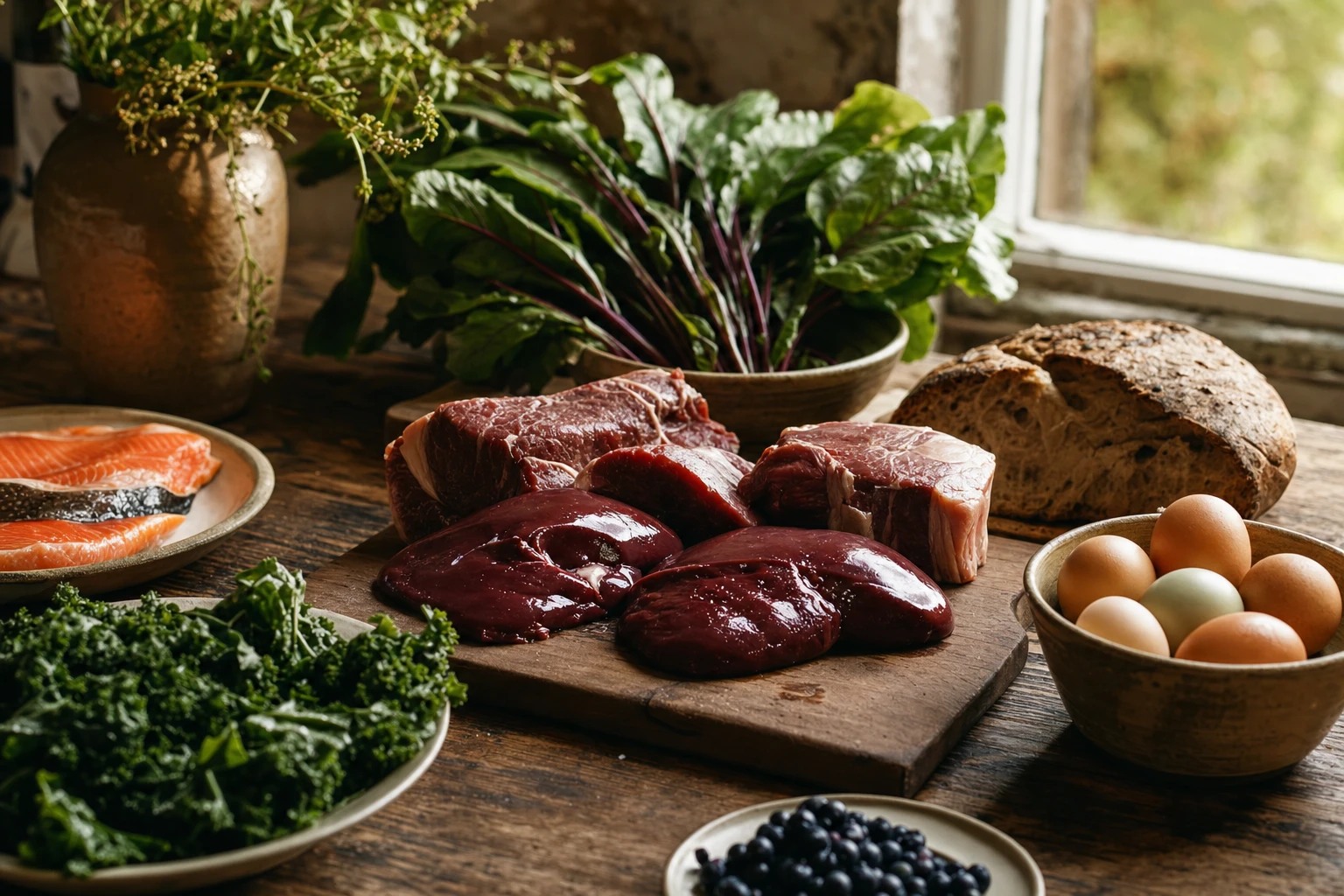
If you're a new mum and you're struggling, start by eating red meat and organs daily. This seems too simple to work. It often does.

Get life-stage nutrition guides, free
Two short reads a week on eating well through pregnancy, childhood and older age.
By signing up you agree to receive emails from us. No spam, unsubscribe anytime.
Nutrition-first recovery
Start with iron. Red meat and organs daily. This is not optional. Beef or lamb at lunch and dinner if possible. Beef liver once weekly. If you're struggling with mood, iron is not a nice-to-have. It's foundational.
Add eggs. Two daily minimum, more if you're breastfeeding. Eggs provide B vitamins, amino acids, and minerals. They're easy to prepare when you're exhausted.
Add bone broth. A cup daily, sipped warm or used as a base for soups. Bone broth provides collagen, minerals including magnesium, and amino acids. It's particularly valuable for mood support.
Add full-fat dairy if tolerated. Whole milk, cheese, butter. These provide B vitamins, minerals, and fat for nervous system function.
Add fermented foods. Sauerkraut, kefir, aged cheese. These support gut bacteria, which produce neurotransmitters that affect mood. A healthy gut contributes to stable mood.
Sleep. This is not nutrition but it's inseparable from recovery. Sleep is when your body repairs and synthesises neurotransmitters. If you have a partner or support, use it to protect sleep. Even a few extra hours of uninterrupted sleep per week changes postpartum mental health.
- Red meat, 150-200g, twice daily
- Beef liver, 50-100g, once weekly
- Eggs, two to three daily
- Bone broth, 400ml daily
- Full-fat dairy, daily if tolerated
- Fermented foods, small portions daily
- Sleep, whatever quantity you can protect
When to seek professional help
If you're having thoughts of harming yourself or your baby, seek help immediately.5 This is beyond nutrition. Contact your GP, a perinatal mental health service, or call a crisis line. These are psychiatric emergencies, not nutritional ones.
If you're severely depressed or anxious despite nutrition-focused recovery, medication may be necessary. There's no shame in this. Severe postpartum mood disorders are real psychiatric conditions that sometimes require medication. But nutrition should be addressed alongside medication, not instead of it.
If you're unsure whether what you're experiencing is normal postpartum adjustment or a disorder, speak to your GP. There are screening tools. There are therapists who specialise in postpartum mood. You deserve support, whatever the root cause.
1 of 9
Daily blend
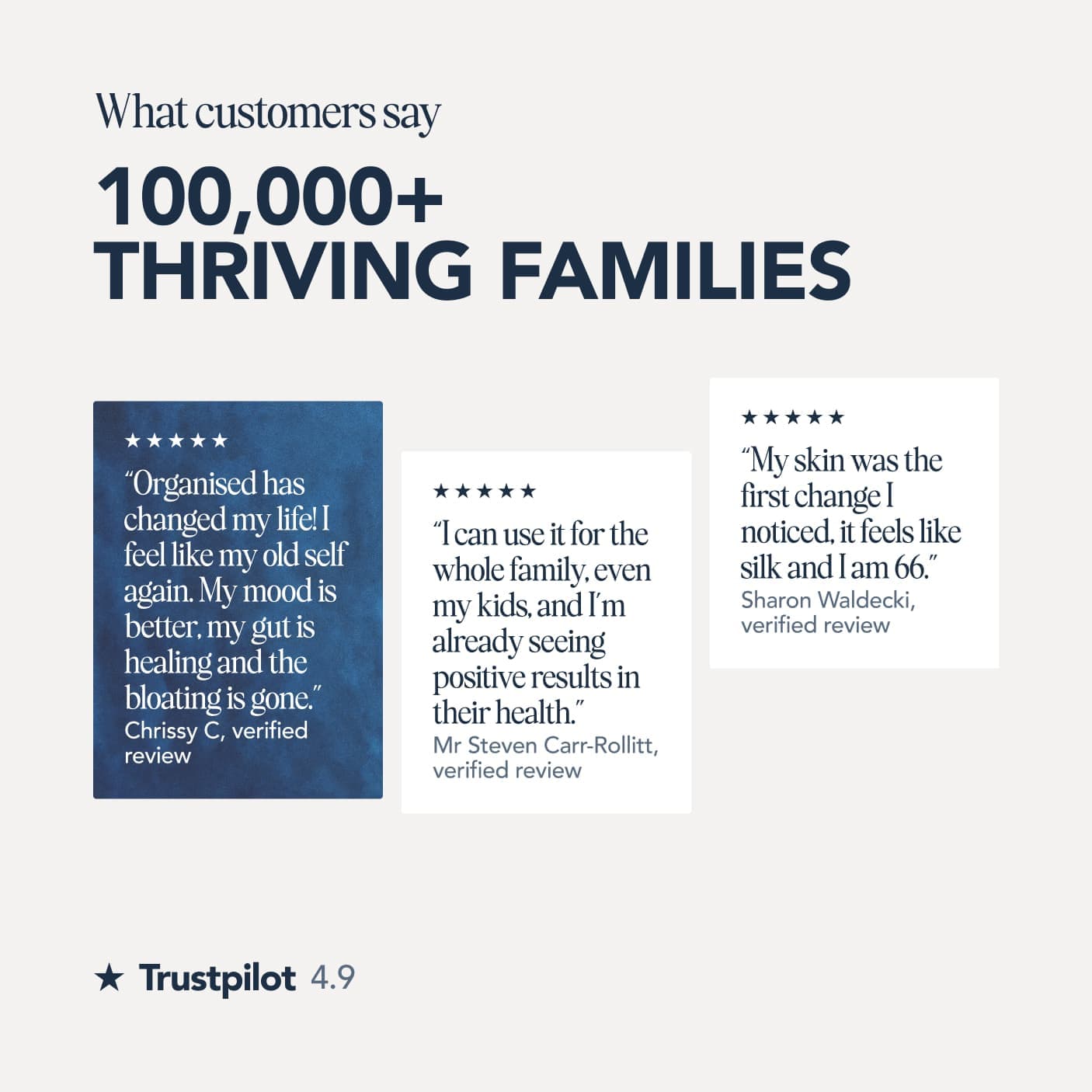
100,000+ thriving families4.9 on Trustpilot
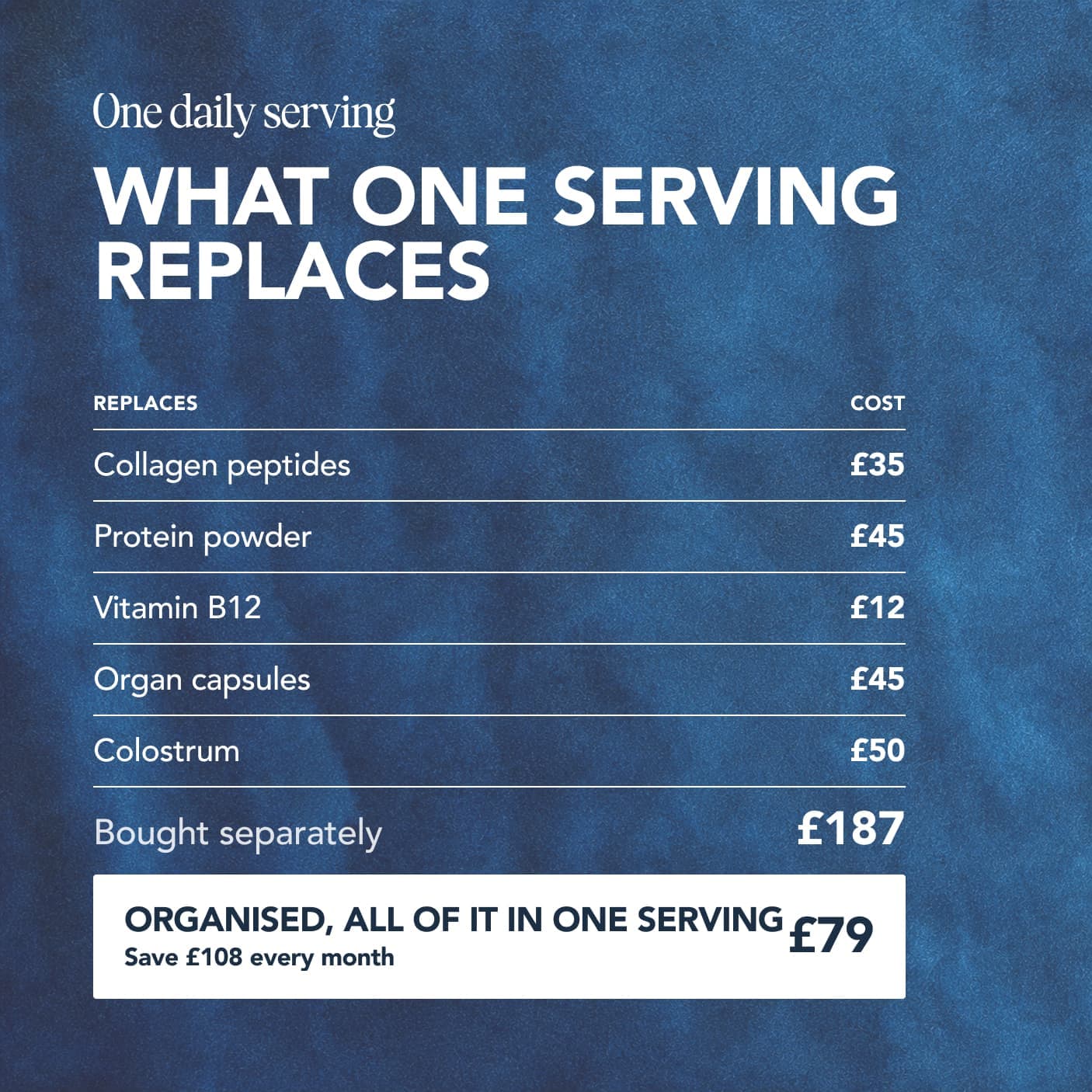
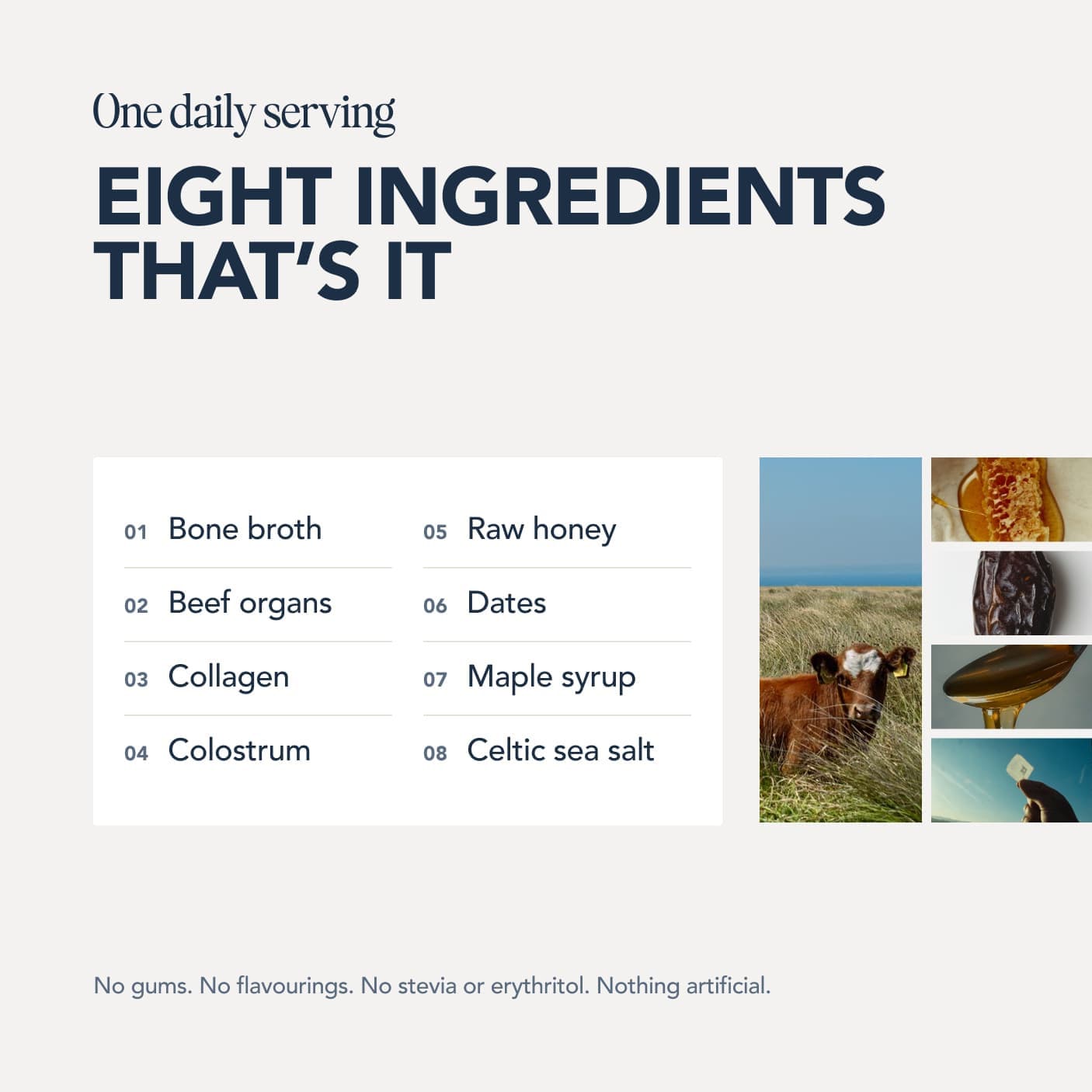
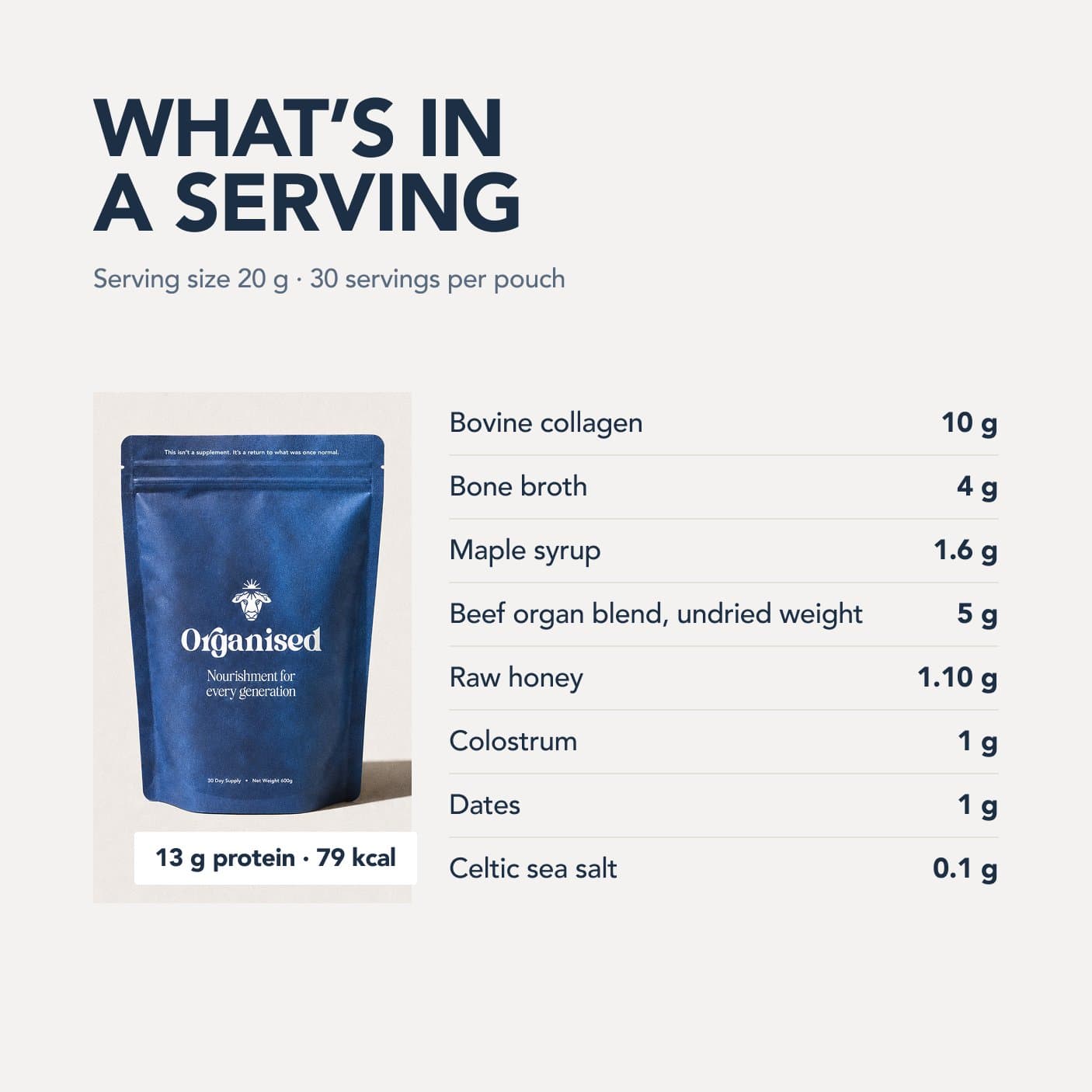
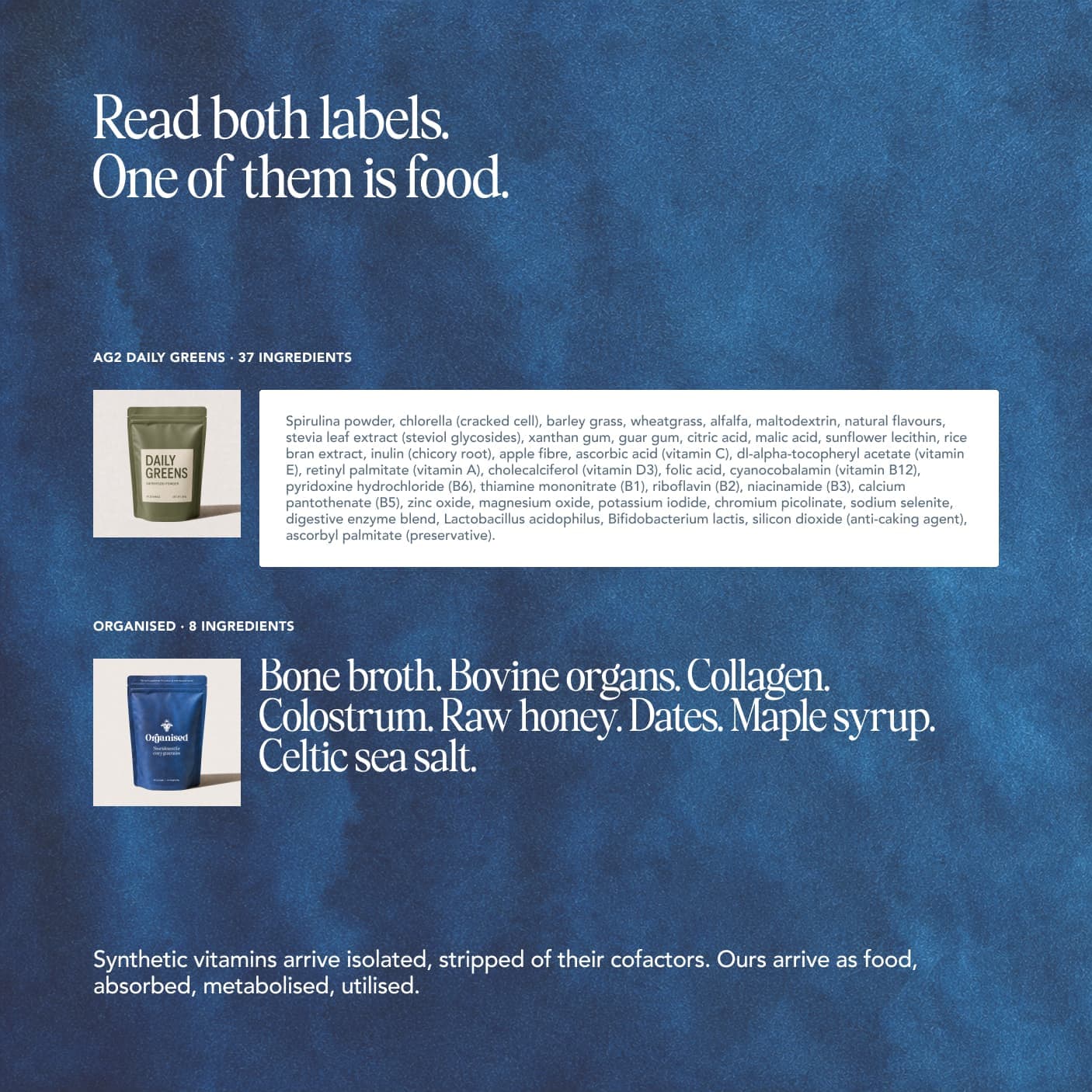
Eight real ingredients built around grass-fed beef organs, collagen and colostrum. Nothing synthetic added.
Free with your first order, worth £38. Plus £10 off the pouch with a subscription.
Free UK shipping · Made in England · 100 day money back guarantee on your first pouch · Skip, pause or cancel anytime
The fourth trimester nutrition window
The fourth trimester, the first three months after birth, is a critical nutrition window. Your body is at maximum depletion. Your needs are at maximum. The nutrients you eat now directly determine whether your mood stabilises or declines further.
Delayed postpartum depression often kicks in around month two or three, not in the first weeks. This is when nutrient depletion becomes acutely symptomatic if it hasn't been addressed. The mum who's eating well feels better each week. The mum who's eating poorly feels progressively worse.
This is why immediate nutritional intervention matters so much. You're not just feeling better today. You're preventing the compounding depletion that leads to crisis later. The iron you eat this week determines your mood in week six.

Building support around nutrition
Postpartum nutrition is hard when you're doing it alone. You're exhausted. You have no time. The priority of eating well gets lost in the chaos of new motherhood.
Build a support system. Partner support to buy and prepare food. Family members dropping off red meat and organs. Friends bringing bone broth. Community that understands that maternal recovery requires proper nutrition, not just rest.
If you're doing this alone, reach out. Ask for help with meals. Ask specifically for meat and organs, not salad and smoothies. You cannot recover optimally on your own if you're also feeding yourself poorly.
The bottom line
Postpartum mood struggles often have nutritional roots. Pregnancy and birth deplete iron, B vitamins, magnesium, and amino acids. These nutrients are essential for mood regulation. Before accepting a diagnosis of postpartum depression without question, address depletion. Eat red meat and organs daily. Eat eggs. Drink bone broth. Sleep as much as you can. Many women find their mood stabilises within weeks when nutrition becomes the priority. If it doesn't, seek professional support. But start with nutrition. Your body is telling you what it needs.
References
Every source below was checked on 27 August 2026. Each PubMed, PMC and DOI identifier was resolved against NCBI or Crossref, and what it opens is printed under the citation, so you can see the link goes where the citation says without leaving the page. Where a citation and its identifier disagreed, the citation was corrected to the record or the reference was deleted along with the sentence marker that pointed at it, and where the resolved paper turned out not to support the sentence, the sentence was cut back to what it does support. Borrowed authority is worse than none, because it looks like rigour.
- National Institutes of Health, Office of Dietary Supplements. Vitamin B12 — Health Professional Fact Sheet.
- National Institutes of Health, Office of Dietary Supplements. Magnesium — Health Professional Fact Sheet.
- National Institutes of Health, Office of Dietary Supplements. Zinc — Health Professional Fact Sheet.
- Wassef A et al. Anaemia and depletion of iron stores as risk factors for postpartum depression. Journal of Psychosomatic Obstetrics & Gynecology, 2019. PMID 29363366.Checked 27 August 2026: PMID 29363366 opens Wassef A, Nguyen QD, St-André M, Anaemia and depletion of iron stores as risk factors for postpartum depression: a literature review. J Psychosom Obstet Gynaecol 2019;40(1):19-28. PubMed indexes it as: Review.
- NHS. Postnatal depression — NHS.
Who wrote and reviewed this guide
Niall Kiddle
Author · Founder, Organised
Niall is the founder of Organised. He started the company in 2024 after fixing his own health the slow way: in 2022 he swapped a cupboard of synthetic supplements for real food, raw milk, organ meats, bone broth and honey, and felt the difference within months.
Areas of expertise: Ancestral nutrition, Organ meats, Whole-food supplementation, Gut health, Regenerative sourcing
Read Niall's full profile
Pedro Rodrigues
Reviewer · Agronomist (farming and sourcing only)
Pedro is the agronomist Organised works with on farming and sourcing. His job on the guides is to keep the science honest: he reviews what we publish about soil health, regenerative agriculture, grazing and the way food is actually produced.
Areas of expertise: Regenerative agriculture, Agronomy, Soil health, Grass-fed farming, Food sourcing
Reviewed this guide on
Read Pedro's full profileMore on pregnancy & postpartum
View all- Nourishing Pregnancy with Whole Food Nutrition
- Postpartum Recovery Nutrition: Rebuilding After Birth
- Beef Organ Supplements and Pregnancy: Understanding Vitamin A Safety
- Breastfeeding and Nutrition: What to Eat to Nourish Two
- Folate vs Folic Acid: Why the Form Matters in Pregnancy
- Gestational Diabetes and Nutrition: What Helps and What Doesn't
- Iron Needs During Pregnancy: Why Heme Iron Makes a Difference
- Morning Sickness and Nutrition: What Helps and What Makes It Worse
- Pregnancy Nutrition on Reddit: What Real Mums Recommend vs the Evidence
- Pregnancy Prep: Nutritional Foundations to Lay Before Conceiving
- Rebuilding Your Iron Stores After Birth
- The Best Foods to Eat in Each Trimester
Browse the guides library
All guidesKeep reading
Life stage
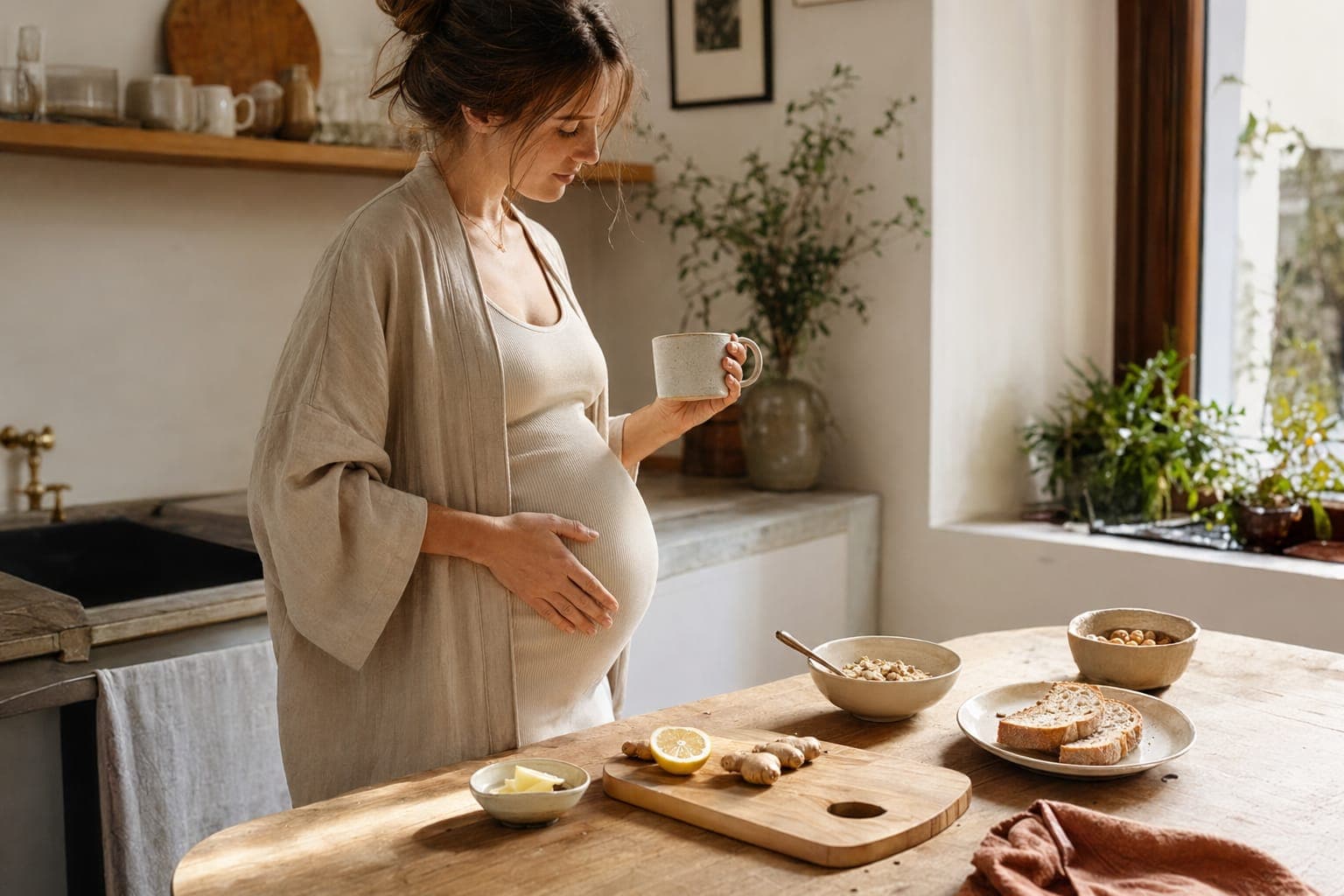
Morning Sickness and Nutrition: What Helps and What Makes It Worse
Manage pregnancy nausea with B6, ginger, protein, and blood sugar stability. Evidence-based nutrition tips for morning sickness relief.

Life stage
Feeding Children for Optimal Growth and Development
Optimal nutrition for children's growth and development: protein, fats, fat-soluble vitamins, minerals. Whole food approach without shame or perfection.
Life stage
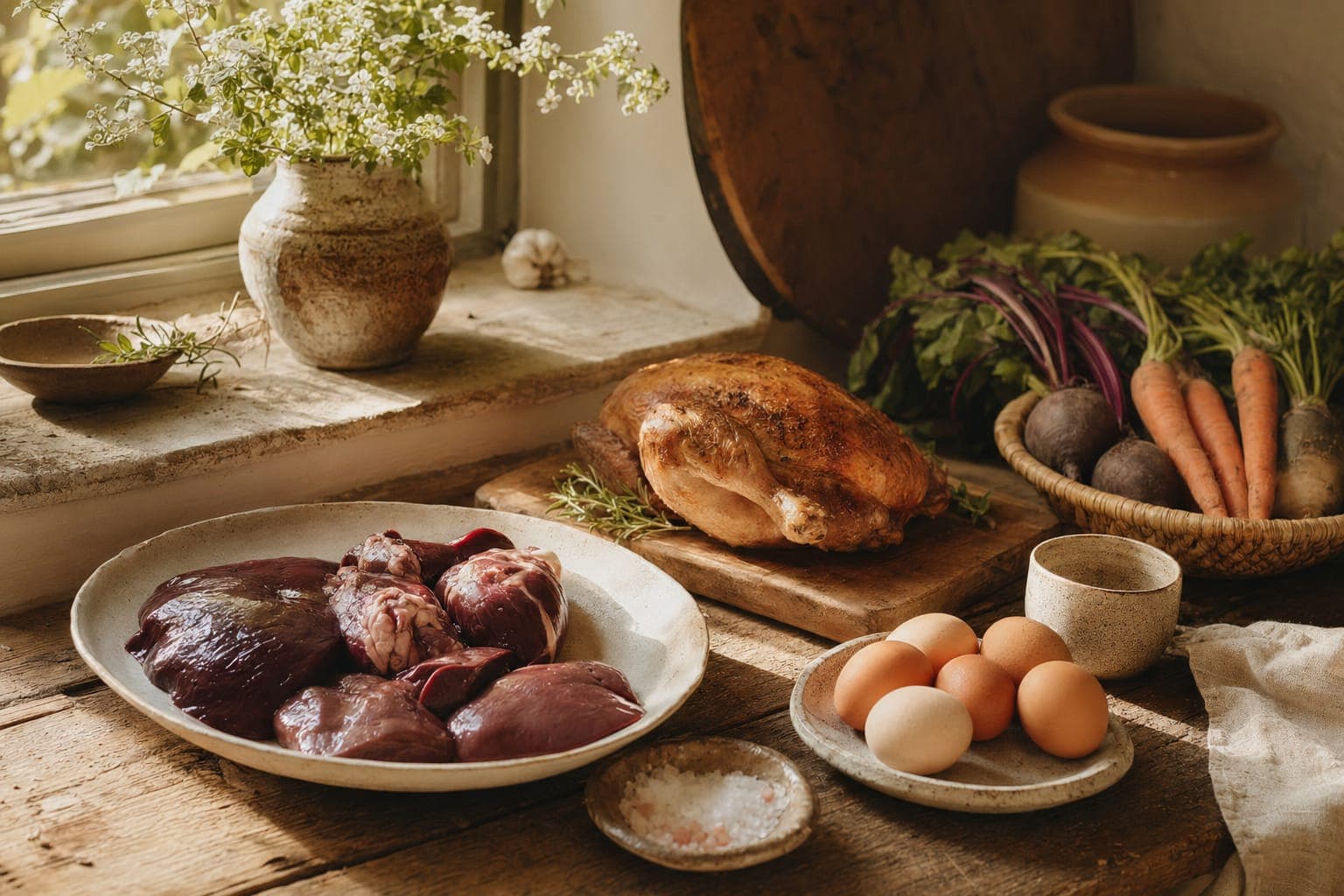
The Fourth Trimester: Why Mothers Need Organ Nutrition
The fourth trimester is when mothers face severe nutrient depletion. Learn why organ nutrition is critical for recovery and what to eat.
Real food, made effortless
Find my daily blendA few ways to use it
All recipes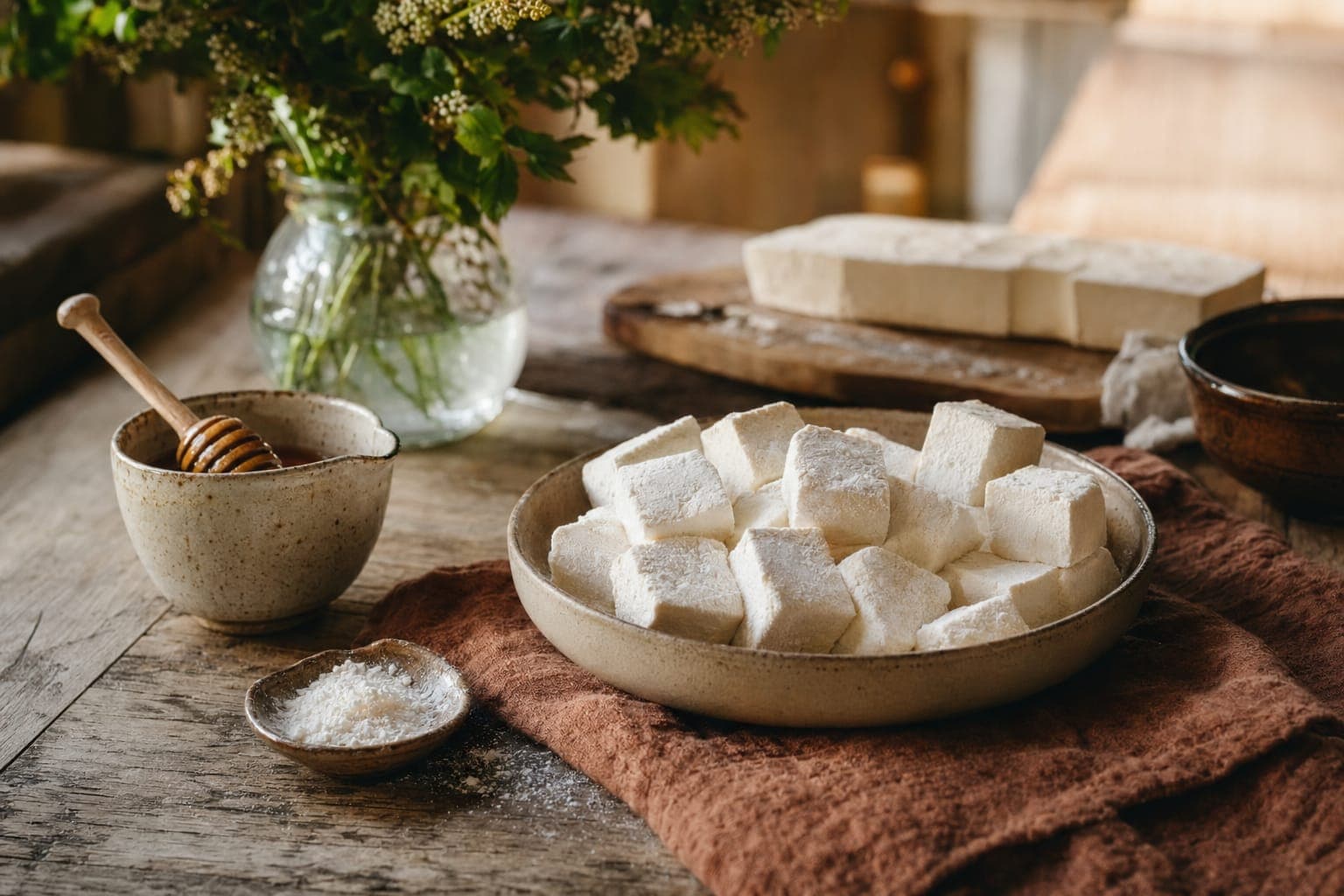
Gut-Healing Marshmallows with Collagen and Raw Honey
Learn to make gut-healing marshmallows with collagen and raw honey. A shareable treat that sneaks nutrition into every bite. Easy recipe with video tips.

Raw Milk Ice Cream with Organised
Make raw milk ice cream at home with Organised for a seasonal, nutrient-dense treat. Three simple flavours to try whenever the craving strikes.

5-Minute High-Protein Breakfasts Using Organised
Quick, high-protein breakfast ideas using Organised. Five recipes you can make in minutes with real food. No fussing around.


 Join over 100,000+ members
Build a better food system with us
The Organised community is thousands of people choosing real food and backing the farmers who grow it, all of us trying to leave the world a little better than we found it. If that is what you care about too, you belong here.