The Micronutrients Athletes Deplete Fastest
You're training hard and you're getting weaker, not stronger. You're more tired, more prone to infections, and your recovery is slower despite doing everything right. This isn't overtraining. It's micronutrient depletion.
By Niall Kiddle, Founder, Organised

Reviewed by Pedro Rodrigues, Agronomist (farming and sourcing only) ·
6 min read · Published · Updated · 3 cited sources
Makers of the Organised Daily blend, a grass-fed beef organ supplement from regenerative UK farms
Intense training burns through micronutrients in ways rest days don't. Your muscles consume minerals at elevated rates. You lose minerals through sweat. Your cortisol rises, which increases mineral excretion. Within weeks, you can move from adequate to depleted without obvious symptoms until the crash comes.

Why athletes deplete faster than the general population
Three mechanisms drive micronutrient loss in athletes. First, increased metabolic turnover. Your muscles are working at 10 times resting intensity. Every enzymatic reaction burns through the mineral cofactors that make it happen. Magnesium, zinc, iron, copper, manganese. These are being consumed and excreted faster.
Second, sweat losses. Sweat contains substantial sodium and other electrolytes, with concentrations varying by individual and conditioning.2 An athlete doing two hours of intense training in warm conditions loses 2-4 litres of sweat daily. That's 1-2 grams of minerals lost daily in sweat alone.
Third, increased cortisol. Hard training elevates cortisol acutely. This is fine and adaptive when recovery follows. But chronic training without adequate nutrient status keeps cortisol chronically elevated, which increases zinc and magnesium excretion further.
Athletes don't have a bigger mineral requirement than non-athletes. They have a bigger loss. If you don't replace what you lose, you'll deplete within weeks.
Iron: the oxygen transport crisis
Iron is the core of haemoglobin, the protein that carries oxygen in your blood. Every time you train, you're burning through oxygen. Your body responds by turning over red blood cells faster, which requires more iron to build the new cells to replace the old ones.
Female athletes are particularly vulnerable. They lose iron through menstruation in addition to loss through sweat and increased turnover. Studies of female endurance athletes report iron deficiency or low ferritin in a substantial proportion of trainees.1
Male athletes can deplete iron too, particularly if they're doing high-volume endurance training. They just have the advantage of not losing iron through periods. But sweat loss, footstrike haemolysis (breaking red blood cells through repetitive impact), and increased turnover can still outpace dietary replacement.
Iron depletion shows as fatigue disproportionate to training load, slower recovery, more infections, and sluggish performance despite feeling like you're doing everything right. Ferritin reflects iron stores; athletes with ferritin in the low-normal range may benefit from iron-focused dietary changes or, in clinically deficient cases, supplementation under medical guidance.3
The solution is heme iron from red meat and organs. A 200-gram serving of beef provides 4-6 milligrams of heme iron, absorbable at 15-35%. Beef liver provides 5-7 milligrams per 100 grams. Most athletes need 15-25 milligrams daily, which means 2-3 servings of red meat plus one serving of liver weekly is minimum.
Zinc: the recovery bottleneck
Zinc is involved in protein synthesis, immune function, and hormone production. Training depletes zinc through sweat (up to 2 milligrams per litre of sweat), through increased cellular turnover, and through elevated cortisol. Depleted zinc means poor recovery, weak immune function, and slower muscle building despite training hard.
Zinc-depleted athletes catch every virus. They get injured more easily. Their strength plateaus despite progressive overload in training. They feel chronically unmotivated. These are zinc depletion signs.
Zinc absorption from plants is poor and inhibited by phytic acid. Zinc from meat is absorbed readily. Oysters contain 5-7 milligrams per 100 grams. Beef contains 5-8 milligrams per 100 grams. Most athletes training hard need 20-25 milligrams daily, which means consistent meat intake, occasional oysters, and probably pumpkin seeds or other zinc sources.
If you're training hard and your immunity is crashing, zinc depletion is likely. Beef and oysters will restore it within weeks.
Magnesium: the forgotten mineral
Magnesium is involved in over 300 enzymatic reactions. Muscle contraction. Energy production. Nervous system function. Sleep quality. Athletes training hard can deplete magnesium through sweat (10-15 milligrams per litre) and through elevated cortisol excretion.
Magnesium-depleted athletes have poor sleep quality despite sleeping enough hours, muscle cramps, weak performance, and slow recovery. Magnesium supports sleep specifically through its role in nervous system regulation. Without it, you lie in bed for eight hours without deep sleep.
Magnesium from plants is present but bioavailable only if stomach acid is adequate. Magnesium from bone broth is readily absorbed. A cup of bone broth simmered for 18-24 hours provides 10-15 milligrams of magnesium. Athletes should be consuming 400-500 milligrams daily, which means several cups of bone broth or supplementation alongside it.

Get life-stage nutrition guides, free
Two short reads a week on eating well through pregnancy, childhood and older age.
By signing up you agree to receive emails from us. No spam, unsubscribe anytime.
Other minerals lost through sweat
Sodium and potassium are electrolytes lost through sweat. These are easy to replace through food and drinking fluids with electrolytes. Copper and manganese are lost in smaller amounts, but over time and with consistent depletion, they become limiting factors in energy production.
The key is this: if you're training hard, you're losing minerals constantly. If you're eating processed foods devoid of micronutrients, you're replacing nothing. The gap widens into deficiency, which then drives down performance and recovery.
Selenium is another mineral athletes lose. It's involved in thyroid function and antioxidant defence. Seafood, meat, and eggs all contain selenium. A brazil nut a day provides enough, though consistency matters.
How to replenish what training takes
First, prioritise heme iron through red meat and organs. A steak three times weekly. Beef liver weekly. If you're female or doing high-volume endurance training, add another serving of red meat.
Second, prioritise zinc through meat and oysters. Oysters once weekly if accessible, otherwise beef twice daily. Pumpkin seeds have zinc but it's poorly absorbed compared to meat.
Third, prioritise magnesium through bone broth. Three to five cups weekly as a base for soups and sauces. Add dark leafy greens if tolerated, though plant magnesium has absorption challenges.
- Beef or lamb, 200-300g, three to four times weekly
- Beef liver, 50-100g, once weekly
- Oysters, six to eight, once weekly if available
- Bone broth, 400-600ml, daily as a base or consumed warm
- Eggs, two daily, for selenium and multiple micronutrients
- Whole milk or full-fat dairy, for calcium and magnesium
- Brazil nuts, one to two daily, for selenium
Test your nutrient status if you're plateauing or struggling despite training hard. A ferritin test, zinc level, and magnesium test will tell you where you stand. Most hard-training athletes are deficient in at least one of these. Food-first repletion, with these foods as priorities, will restore levels within weeks.
1 of 9
Daily blend
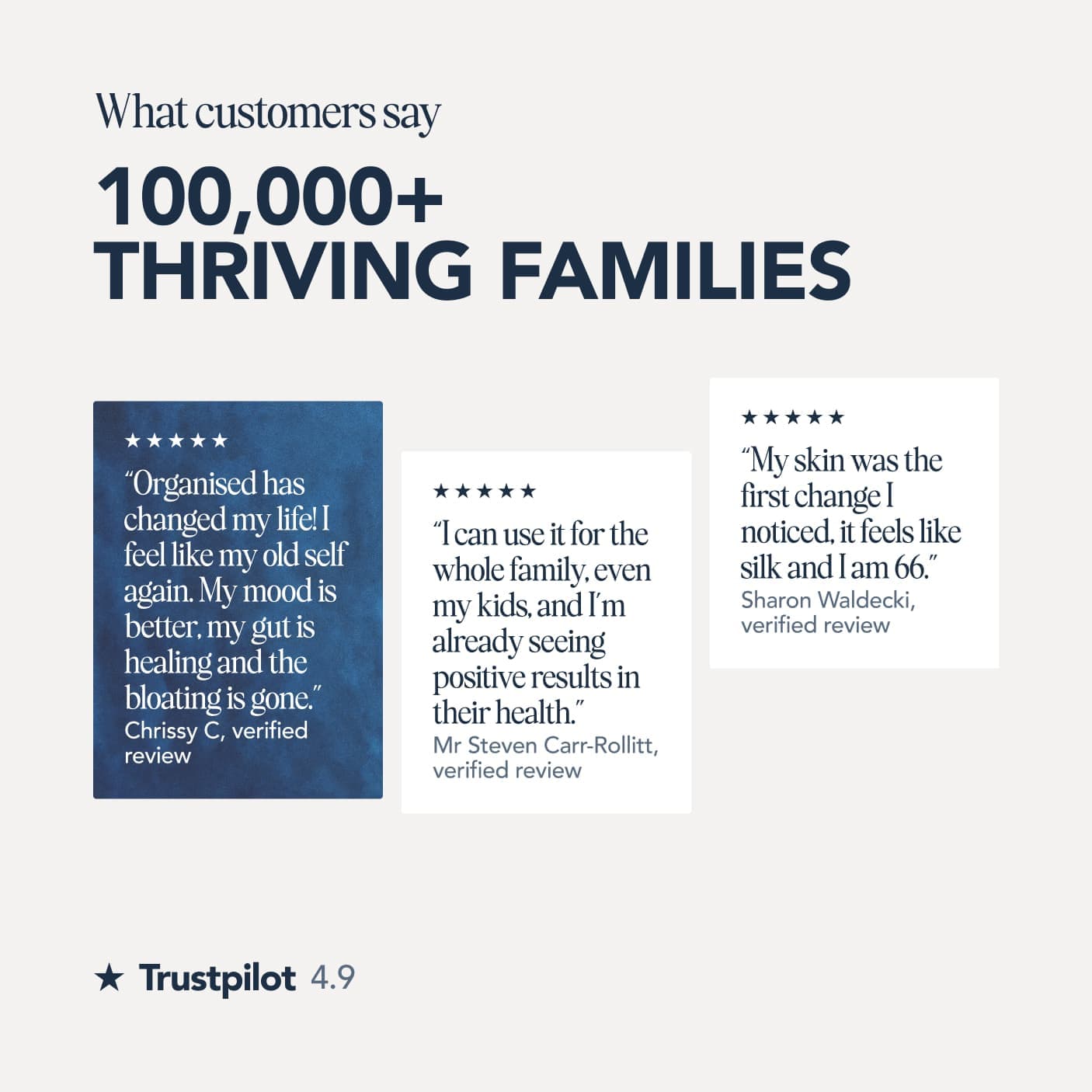
100,000+ thriving families4.9 on Trustpilot
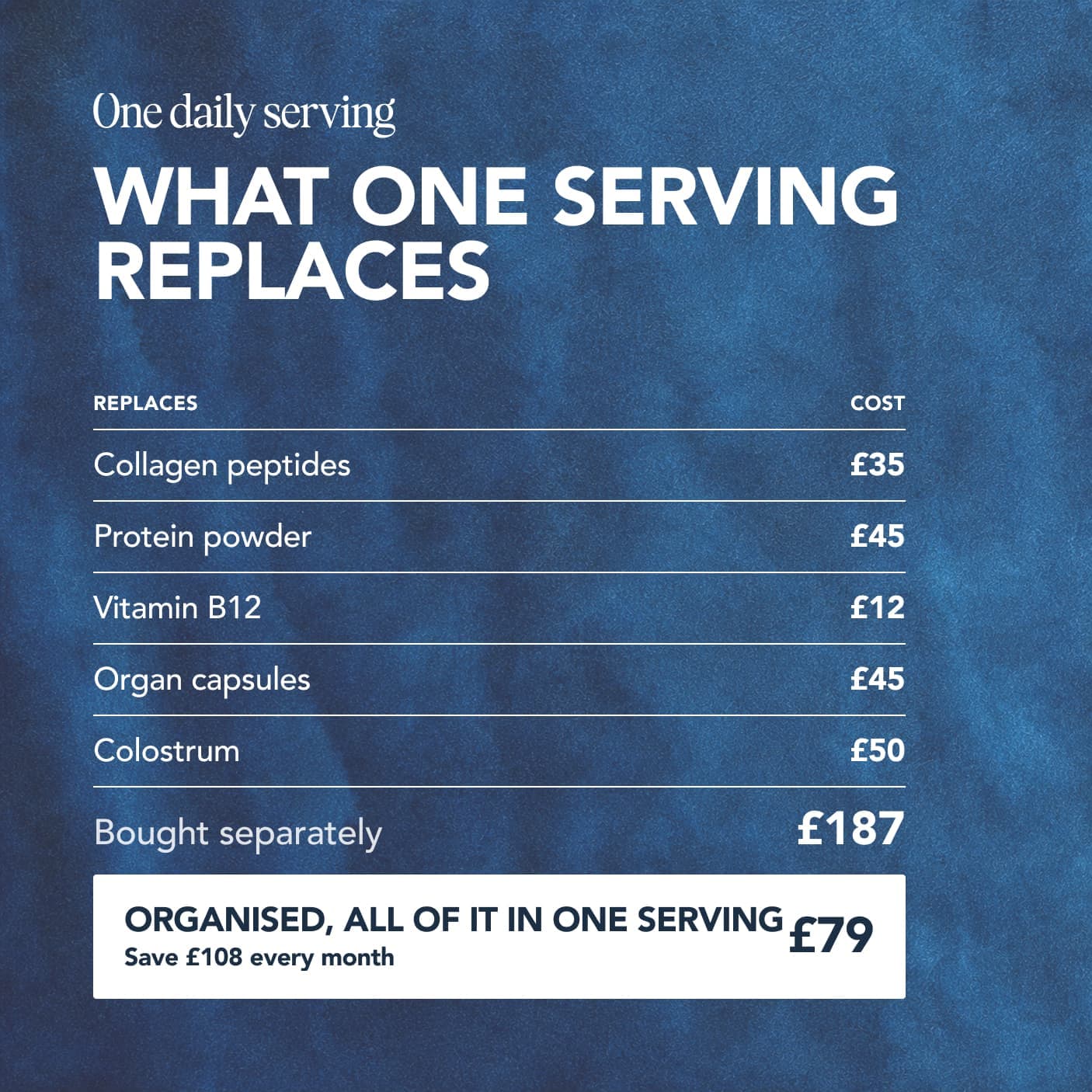
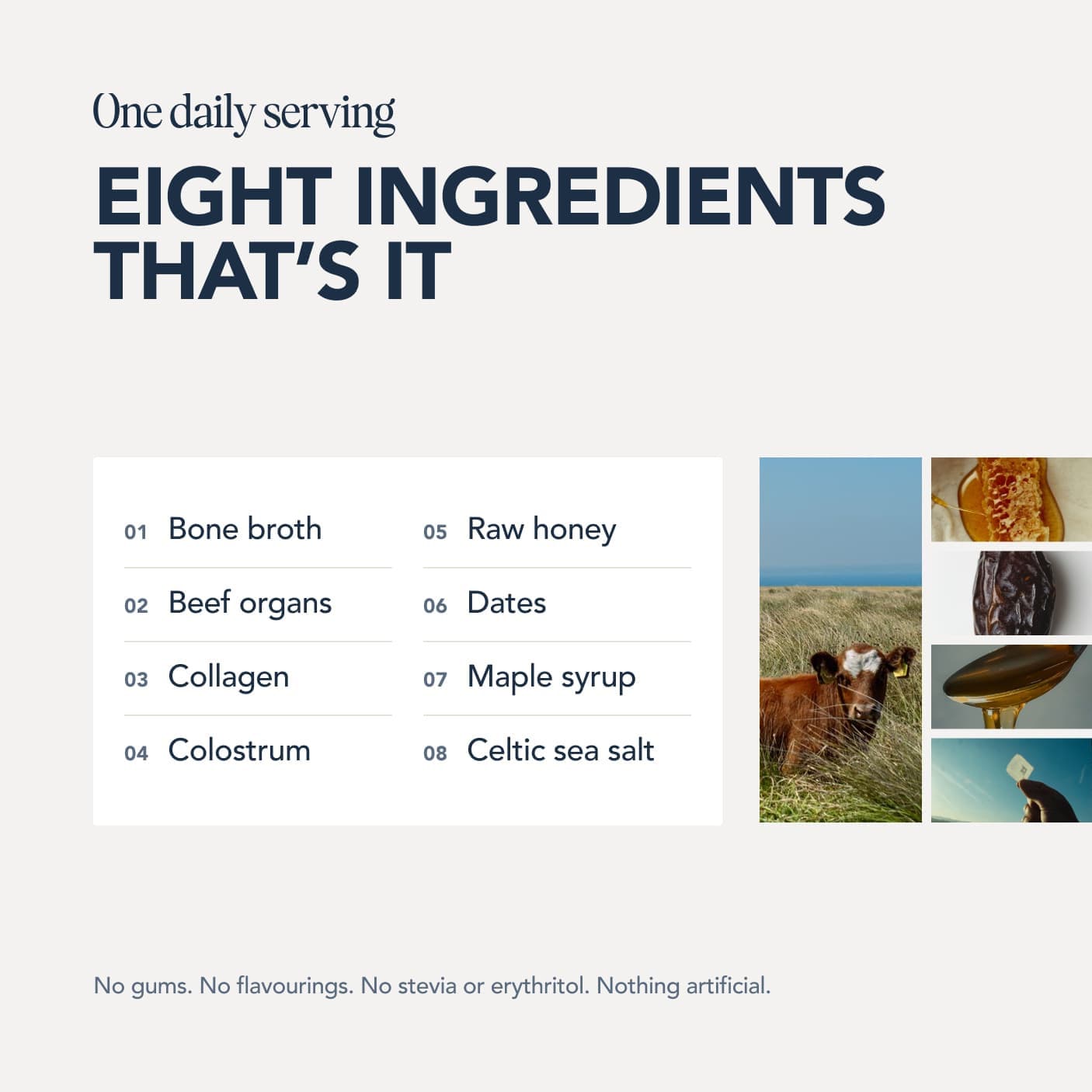
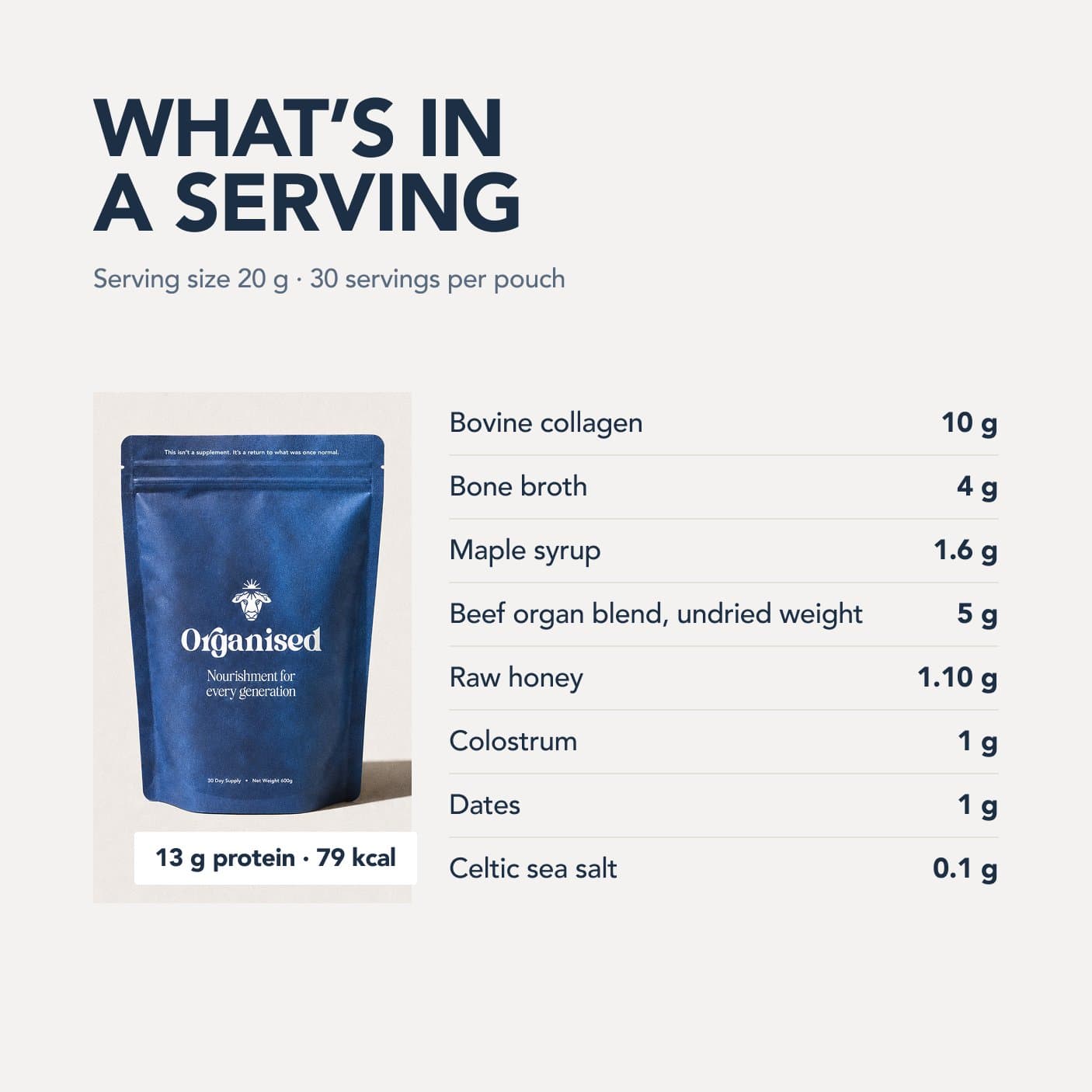
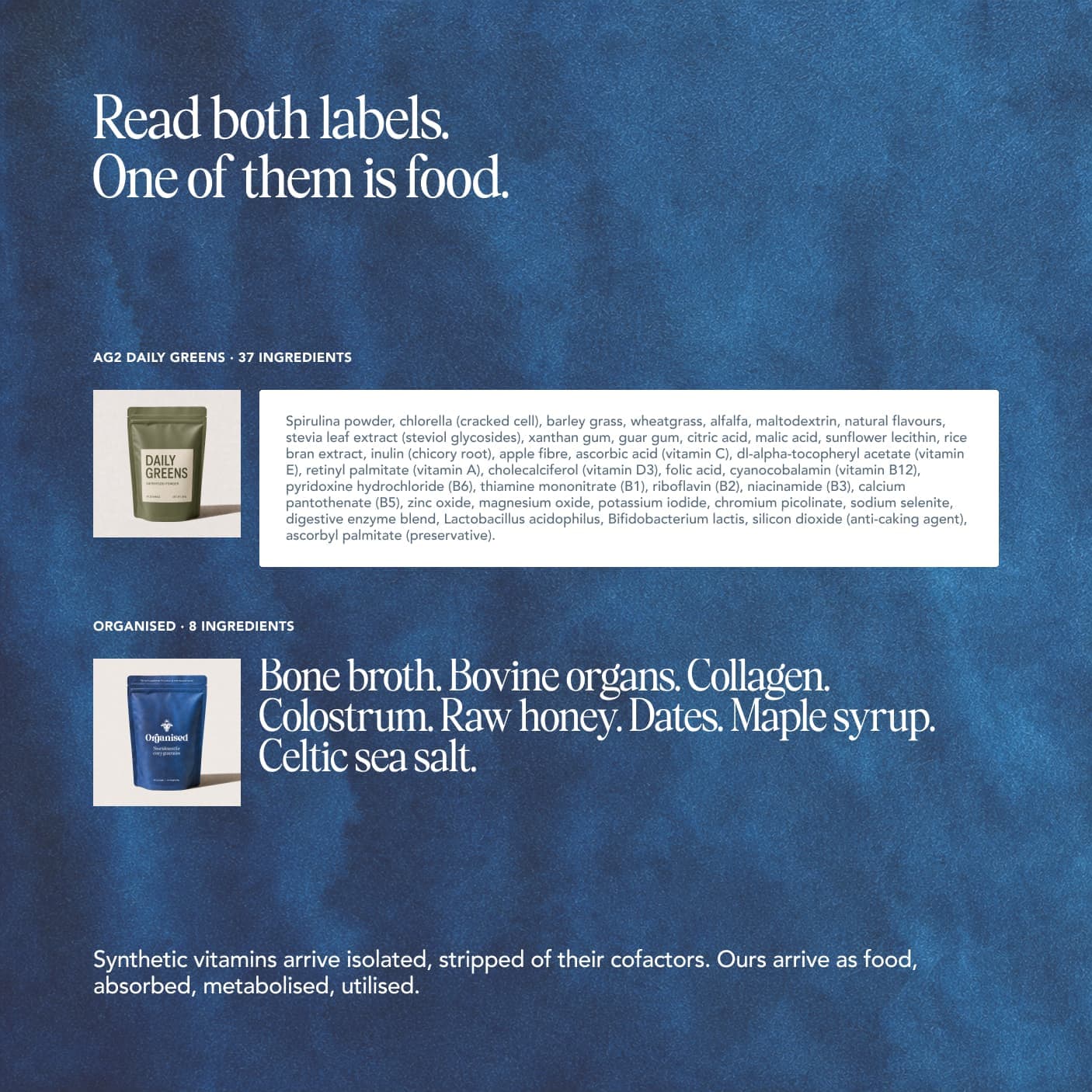
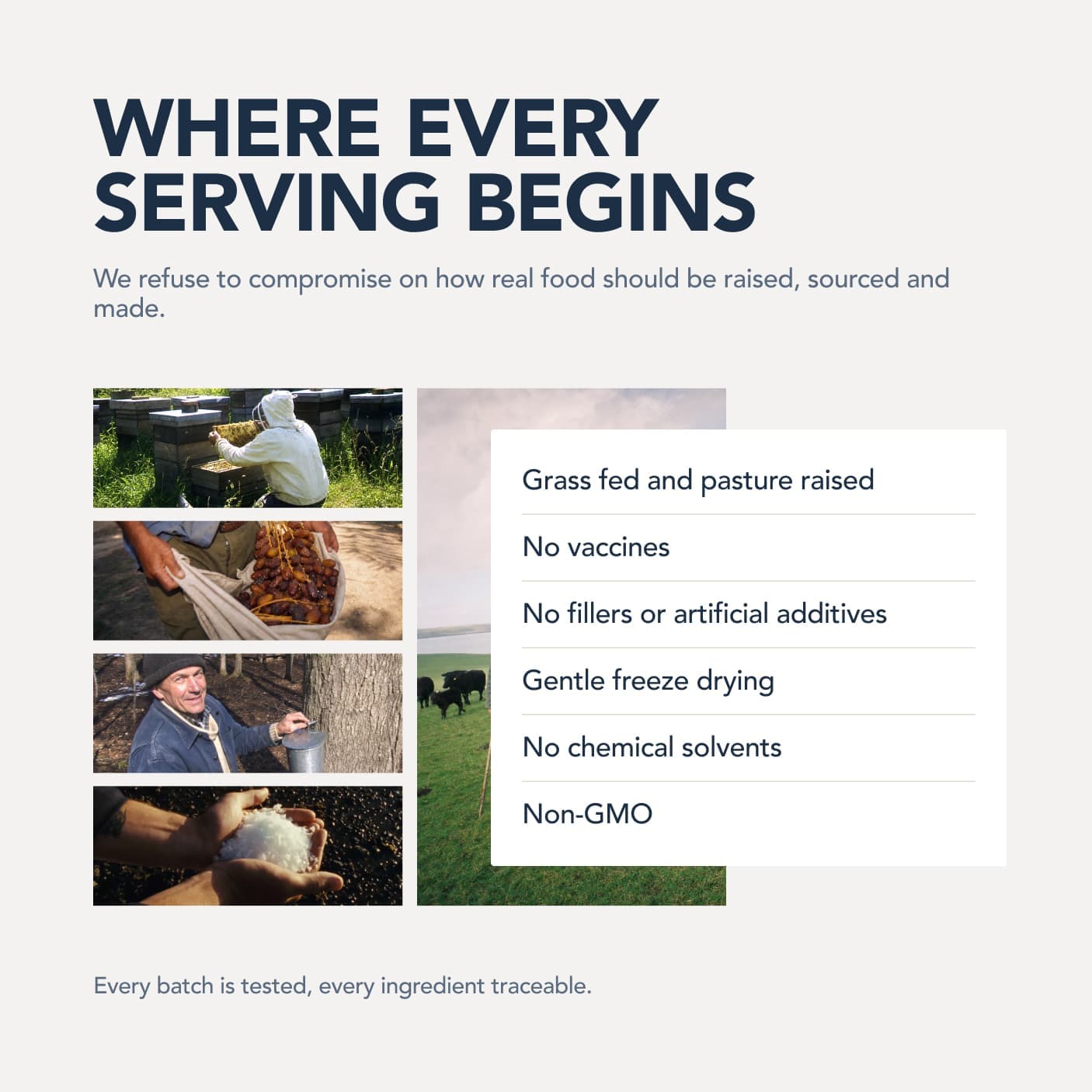
Eight real ingredients built around grass-fed beef organs, collagen and colostrum. Nothing synthetic added.
Free with your first order, worth £38. Plus £10 off the pouch with a subscription.

Free UK shipping · Made in England · 100 day money back guarantee on your first pouch · Skip, pause or cancel anytime
Testing your status as an athlete
If you're training hard and plateauing despite doing everything right, get tested. Ferritin, zinc, magnesium, vitamin D. These simple tests tell you where your bottleneck is.
Many athletes are deficient without realising it because deficiency is insidious. You just feel like you're not recovering. You don't realise it's because you're chronically depleted of minerals.
Testing, then fixing the depletion through food, will often unlock performance you didn't realise was locked. An athlete with a ferritin of 25 who brings it to 60 will notice measurable performance improvement within weeks. It's not mental. It's biological.

The performance plateau and depletion
Athletes hit performance plateaus for many reasons. But if you're eating well, training hard, and sleeping adequately and still plateauing despite months of progressive training, micronutrient depletion is the likely culprit.
Get tested. Know where you stand. Fix the depletion. Watch your performance unlock. It's that direct.
The bottom line
Hard training isn't the problem. Depleted micronutrients are. Athletes deplete iron, zinc, magnesium, and other minerals faster than most people replace them. The solution is prioritising nutrient-dense whole foods where these minerals are bioavailable: red meat, organs, oysters, bone broth, and eggs. Eat these consistently and your performance and recovery will match your training. Ignore this and you'll deplete into weakness regardless of how hard you train.
References
Every source below was checked on 27 August 2026. Each PubMed, PMC and DOI identifier was resolved against NCBI or Crossref, and what it opens is printed under the citation, so you can see the link goes where the citation says without leaving the page. Where a citation and its identifier disagreed, the citation was corrected to the record or the reference was deleted along with the sentence marker that pointed at it, and where the resolved paper turned out not to support the sentence, the sentence was cut back to what it does support. Borrowed authority is worse than none, because it looks like rigour.
- Sim M, et al. Iron considerations for the athlete: a narrative review. Eur J Appl Physiol. 2019. PMID 31055680Checked 27 August 2026: PMID 31055680 opens Sim M, Garvican-Lewis LA, Cox GR et al, Iron considerations for the athlete: a narrative review. Eur J Appl Physiol 2019;119(7):1463-1478. PubMed indexes it as: Review.
- Sawka MN, et al. American College of Sports Medicine position stand. Exercise and fluid replacement. Med Sci Sports Exerc. 2007;39(2):377-90. PMID 17277604Checked 27 August 2026: PMID 17277604 opens American College of Sports Medicine, Sawka MN, Burke LM et al, American College of Sports Medicine position stand. Exercise and fluid replacement. Med Sci Sports Exerc 2007;39(2):377-90. PubMed indexes it as: Practice Guideline, Review.
- National Institutes of Health, Office of Dietary Supplements. Iron - Health Professional Fact Sheet. ods.od.nih.gov
Who wrote and reviewed this guide
Niall Kiddle
Author · Founder, Organised
Niall is the founder of Organised. He started the company in 2024 after fixing his own health the slow way: in 2022 he swapped a cupboard of synthetic supplements for real food, raw milk, organ meats, bone broth and honey, and felt the difference within months.
Areas of expertise: Ancestral nutrition, Organ meats, Whole-food supplementation, Gut health, Regenerative sourcing
Read Niall's full profile
Pedro Rodrigues
Reviewer · Agronomist (farming and sourcing only)
Pedro is the agronomist Organised works with on farming and sourcing. His job on the guides is to keep the science honest: he reviews what we publish about soil health, regenerative agriculture, grazing and the way food is actually produced.
Areas of expertise: Regenerative agriculture, Agronomy, Soil health, Grass-fed farming, Food sourcing
Reviewed this guide on
Read Pedro's full profileMore on athletes
View allBrowse the guides library
All guidesKeep reading

Life stage
The Athlete's Guide to Whole Food Performance Nutrition
Athletes need more than calories. Master protein timing, carb quality, creatine, electrolytes, sleep, and organ meat density for genuine performance gains.

Life stage
Why Women Need More Iron Than Men
Women need nearly 3x the iron of men. Understand menstrual loss, ferritin depletion, and why plant iron isn't enough. Learn which foods actually work.

Life stage
B12 Absorption Declines with Age: Here's What to Do
By 50, your stomach is producing less acid and intrinsic factor. Standard B12 intake isn't enough. Here's how to ensure your body actually gets it.
Real food, made effortless
Find my daily blendA few ways to use it
All recipes
The Organised Recovery Smoothie for After Exercise
A recovery smoothie made with beef protein, raw milk, frozen berries, collagen, and honey. Optimal nutrition in the 30-minute window after exercise.

Organised Smoothie Bowl Recipes for Every Season
Four seasonal smoothie bowl recipes using Organised. Berry in summer, apple-cinnamon in autumn, tropical in spring, warming chocolate in winter.

Raw Milk Hot Chocolate with Collagen
A nourishing evening hot chocolate made with raw milk, grass-fed collagen, raw cacao, and honey. A nighttime ritual that supports sleep and gut health.


 Join over 100,000+ members
Build a better food system with us
The Organised community is thousands of people choosing real food and backing the farmers who grow it, all of us trying to leave the world a little better than we found it. If that is what you care about too, you belong here.