Zinc During Pregnancy: An Overlooked Essential
During pregnancy, your body is building another human. Zinc is the nutrient your body needs most at this stage, yet most prenatal vitamins contain only 50% of what you actually need. And most food doesn't contain enough either.
By Niall Kiddle, Founder, Organised

Reviewed by Pedro Rodrigues, Agronomist (farming and sourcing only) ·
5 min read · Published · Updated · 3 cited sources
Makers of the Organised Daily blend, a grass-fed beef organ supplement from regenerative UK farms
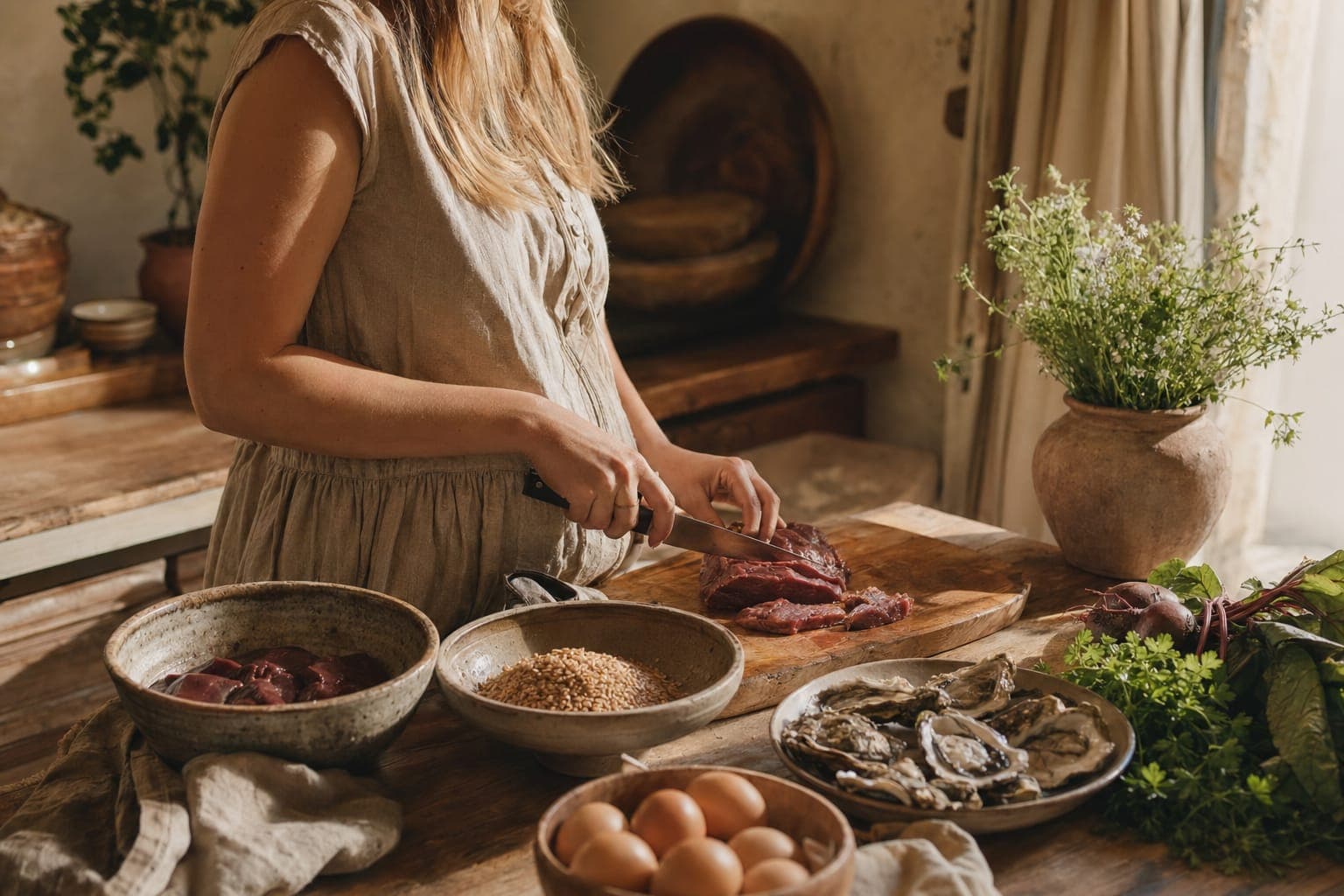
Zinc is involved in cell division. Every cell in your developing baby's body is dividing rapidly. Zinc is the mineral that makes this happen. Without adequate zinc, cell division slows. Fetal development lags. Birth weight drops. Immune function in the developing baby suffers.
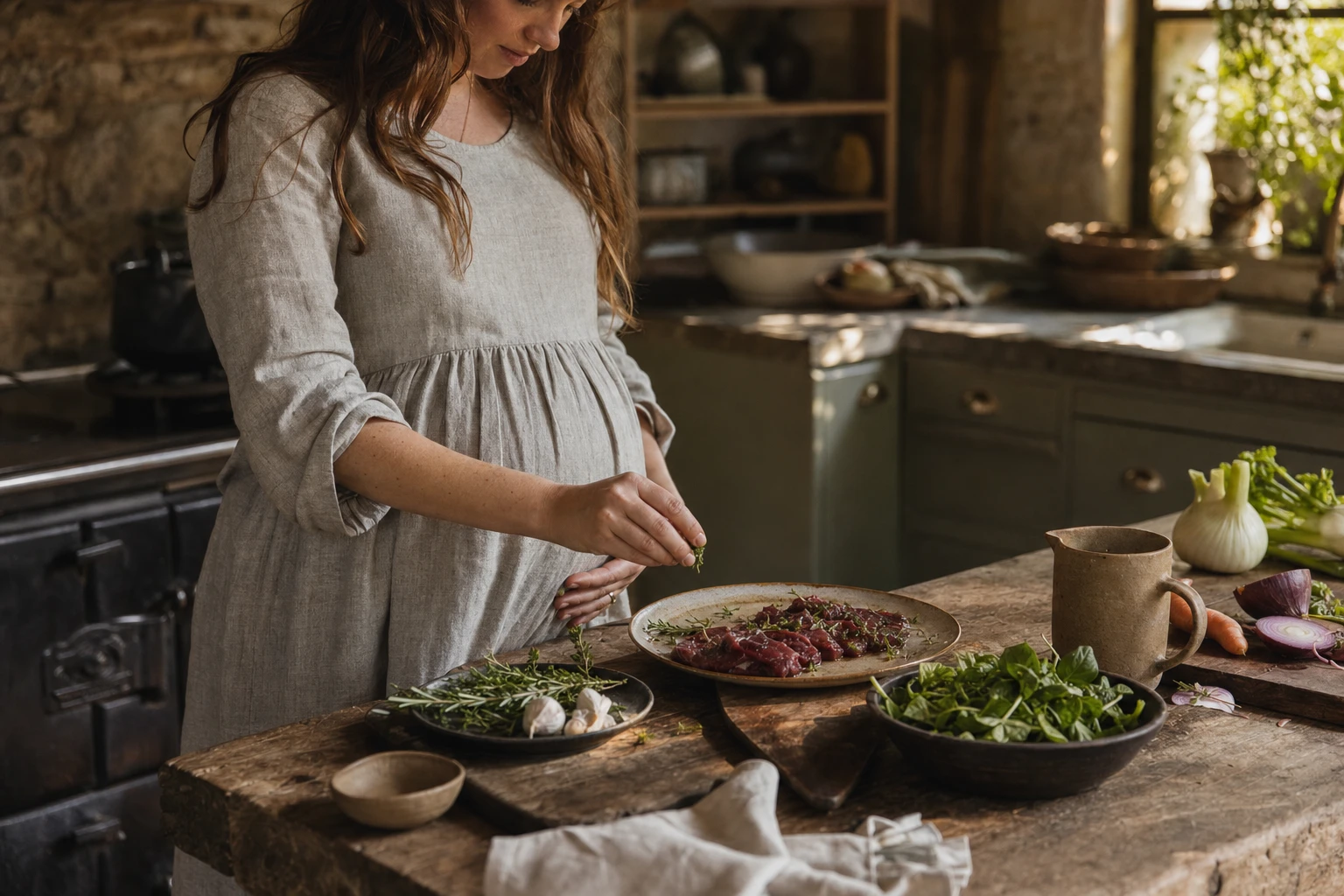
What zinc does during pregnancy
Zinc is the cofactor for over 100 enzymes involved in protein synthesis and cell division. Your baby's body is being built from protein, and zinc is the metallic tool that assembles it. Every time a cell in your baby divides (which is constantly during the first and second trimesters), zinc is there enabling that division. Without it, cell division slows or stalls. Zinc is also critical for immune system development. White blood cells need zinc to differentiate and function. A zinc-deficient baby is born with a weaker immune system, more prone to infections in those critical first months and beyond.
Zinc supports the development of the brain, nervous system, sensory organs (taste, smell, hearing), and vision. It's involved in the proper development of the placenta itself, which determines how efficiently your baby receives oxygen and nutrients. Zinc deficiency in pregnancy increases the risk of miscarriage (particularly first trimester), pre-term birth, low birth weight, and impaired cognitive development that can persist years after birth.2
Pregnancy also changes your taste and smell dramatically. Some of these changes are hormonal (oestrogen shifts taste perception). Some are zinc-mediated, because zinc is essential for taste bud function. Zinc-depleted pregnant women experience more persistent nausea, more extreme food aversions (foods you normally enjoy become repulsive), and more difficulty eating adequate nutrition because food tastes metallic, bitter, or wrong. This creates a vicious cycle: nausea reduces food intake, reduced food intake lowers zinc, and low zinc worsens nausea.
Zinc during pregnancy isn't optional. It's foundational to building a healthy immune system and nervous system in your baby.
How much zinc you actually need
Non-pregnant women need 8 milligrams of zinc daily. Pregnant women need 11 milligrams. That's a 37% increase.1 Most prenatal vitamins contain 5-8 milligrams. You're starting at a deficit.
If you're pregnant and not supplementing zinc, you're relying entirely on food. Most processed foods contain almost no bioavailable zinc. Whole foods do, but you need to be consistent and intentional.
Research suggests that zinc needs may actually be higher during pregnancy, particularly in the third trimester when fetal growth accelerates. Some researchers argue for 15-20 milligrams daily during pregnancy, particularly for women who weren't zinc-replete before conceiving.
Why supplements often fall short
Standard prenatal vitamins contain zinc in forms like zinc oxide or zinc gluconate, which are poorly absorbed. Your body absorbs 5-15% of supplemental zinc from these forms, depending on what else you've eaten and your stomach acid status.
Heme zinc from food is absorbed at 15-35%. Non-heme zinc from plants is absorbed at 5-15%, and even that is blocked by phytic acid in grains and legumes.1 If you're pregnant and relying on supplements, you're probably getting half what the label suggests.
Some prenatal vitamins include iron, which competes with zinc for absorption.3 If you're taking a prenatal vitamin high in iron, the zinc absorption may be even lower. This is why food becomes essential during pregnancy. You can't rely on a pill to cover this nutrient need.
Get life-stage nutrition guides, free
Two short reads a week on eating well through pregnancy, childhood and older age.
By signing up you agree to receive emails from us. No spam, unsubscribe anytime.
Food sources of zinc during pregnancy
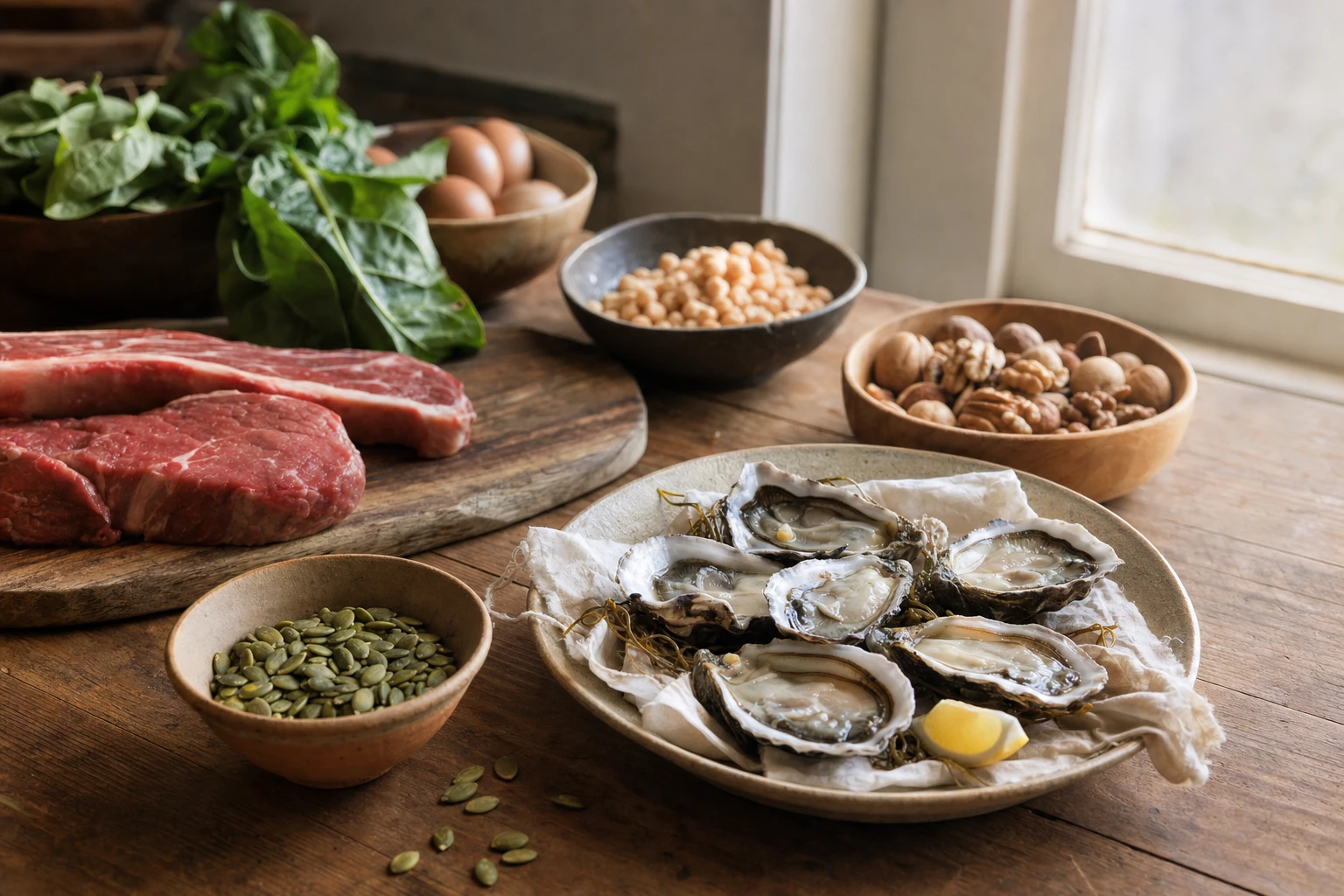
Oysters are the richest source, at 5-7 milligrams per 100 grams (a six-oyster serving provides 30-40 milligrams).1 If you can eat oysters safely during pregnancy (they must be cooked to kill pathogens like Listeria), a weekly serving covers most of your elevated needs. Many pregnant women tolerate cooked oysters well and they're worth seeking out.
Red meat is the next best source. Beef and lamb contain 5-8 milligrams per 100 grams, depending on the cut (lean cuts have more). A 150-gram steak provides 7.5-12 milligrams of zinc. Three to four servings of red meat weekly provides 23-48 milligrams of zinc, which exceeds your needs when paired with other sources. This is why red meat is foundational during pregnancy.
Eggs contain 1-2 milligrams per egg. Two daily adds 2-4 milligrams. Cheese and full-fat dairy add meaningful amounts (a serving of cheese can provide 2-3mg). Pumpkin seeds have zinc (9mg per 100g), but it's poorly absorbed due to phytic acid. If you're eating animal sources consistently, plant sources add little value.
A practical pregnancy protocol: beef or lamb three to four times weekly, eggs twice daily, full-fat dairy daily, and if you can tolerate cooked oysters, once weekly. This combination provides 20-30 milligrams of highly bioavailable zinc daily, exceeding your needs.
Zinc during pregnancy comes from meat, eggs, and dairy. If you're eating animal foods consistently, you probably don't need extra supplementation. If you're not, you definitely do.
- Red meat, 150-200g, three to four times weekly
- Eggs, two daily, any preparation
- Cheese, a portion daily, preferably aged for better digestion
- Full-fat milk, one glass daily if tolerated
- Oysters, six to eight cooked, once weekly if available and tolerated
- Pumpkin seeds, one handful daily, as a snack
1 of 9
Daily blend
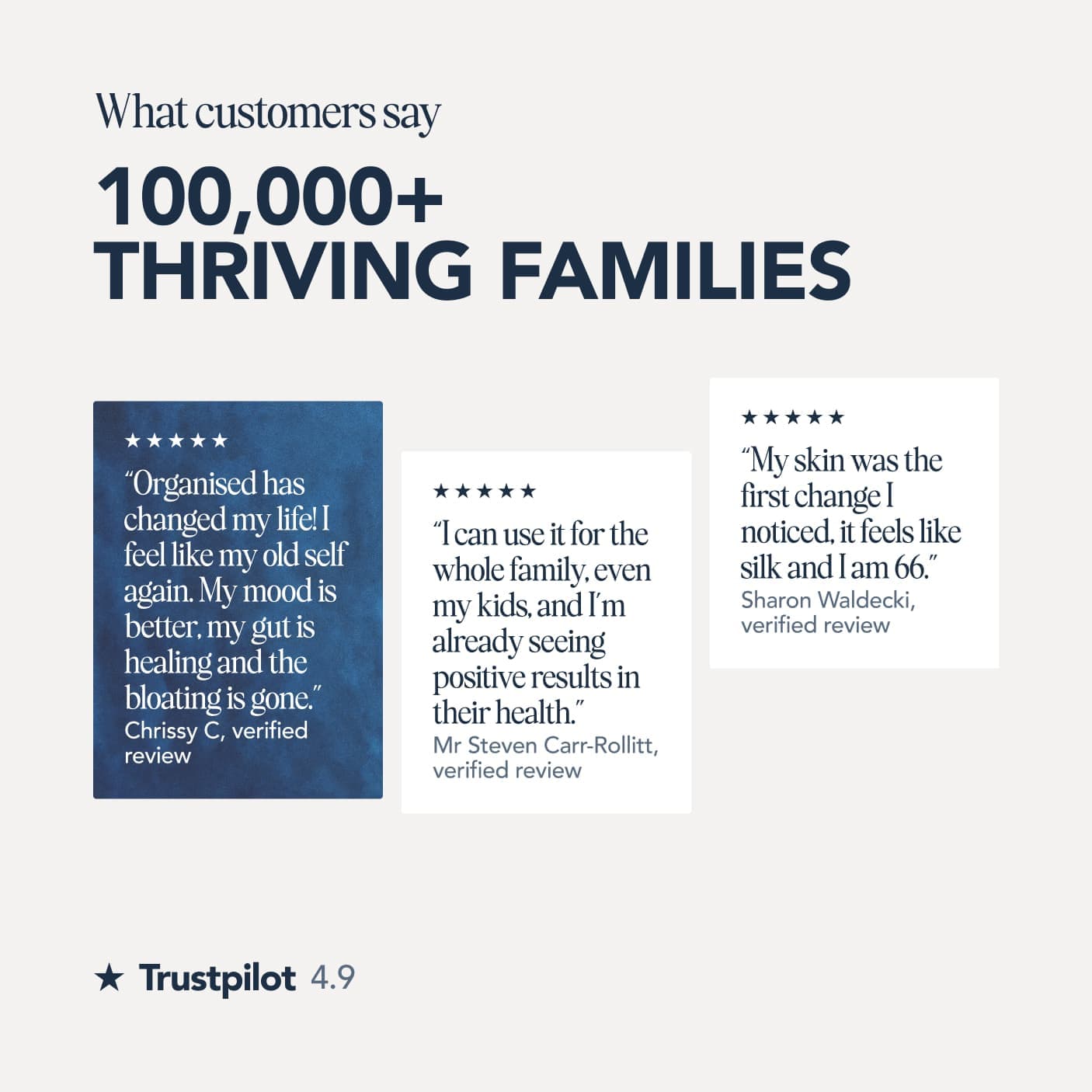
100,000+ thriving families4.9 on Trustpilot
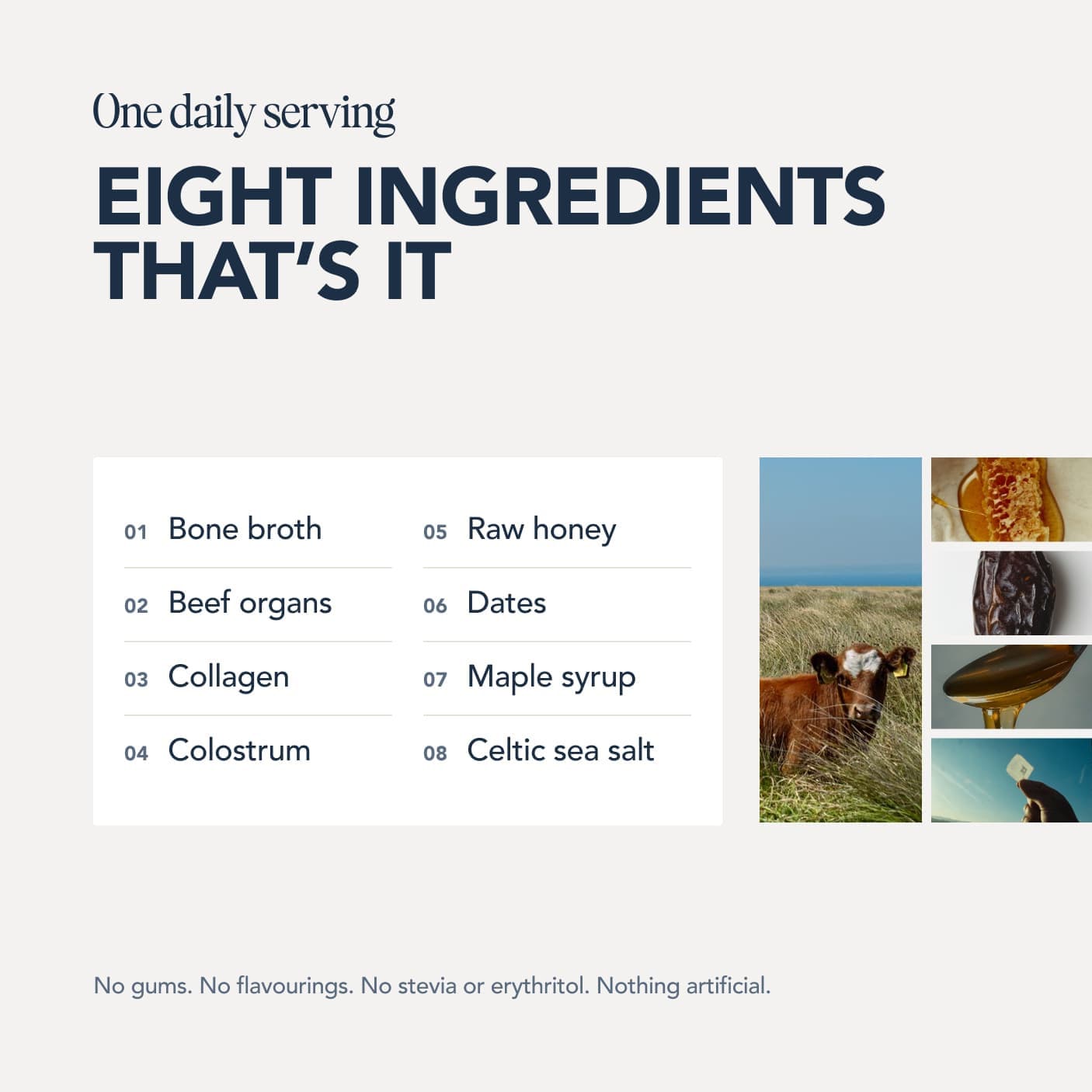
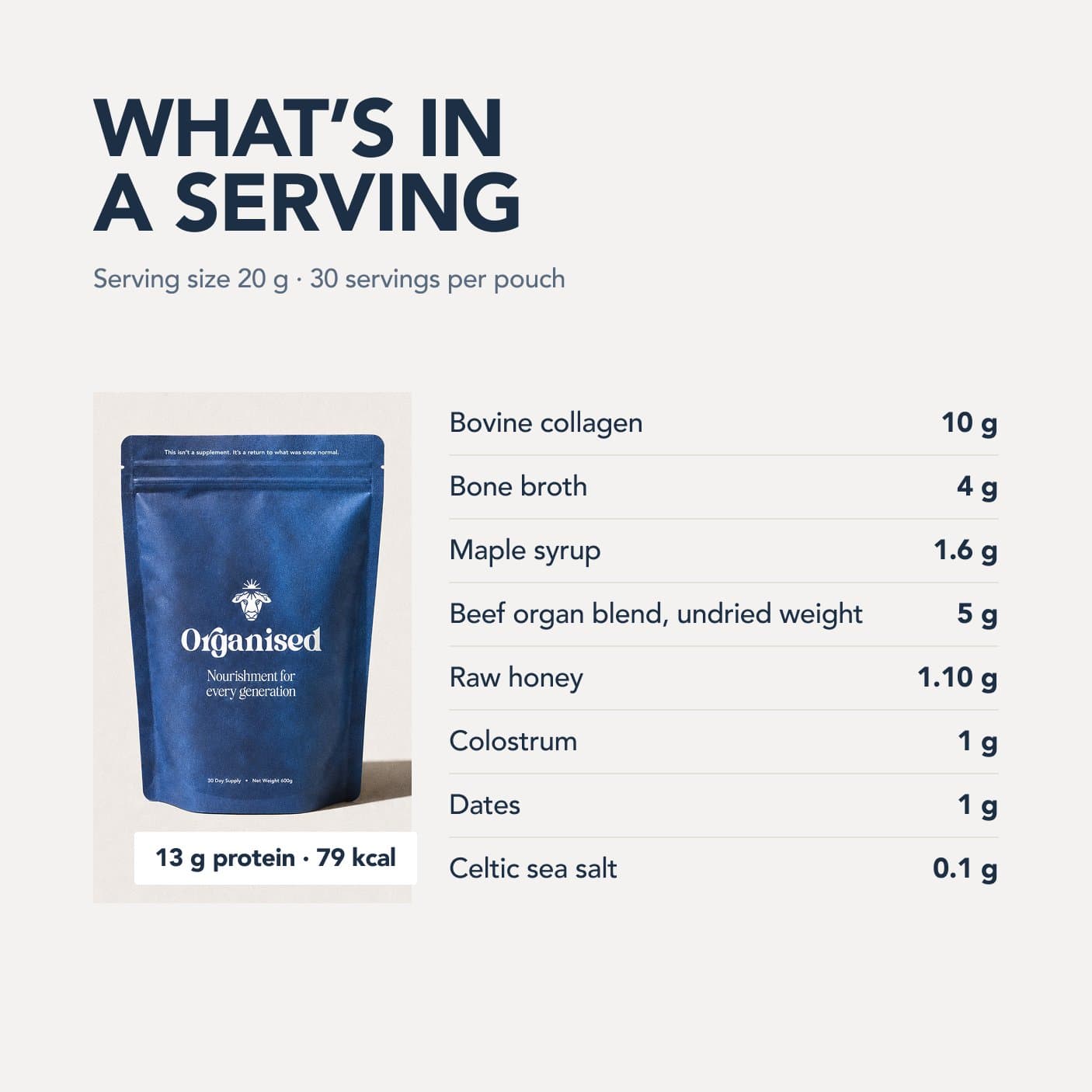
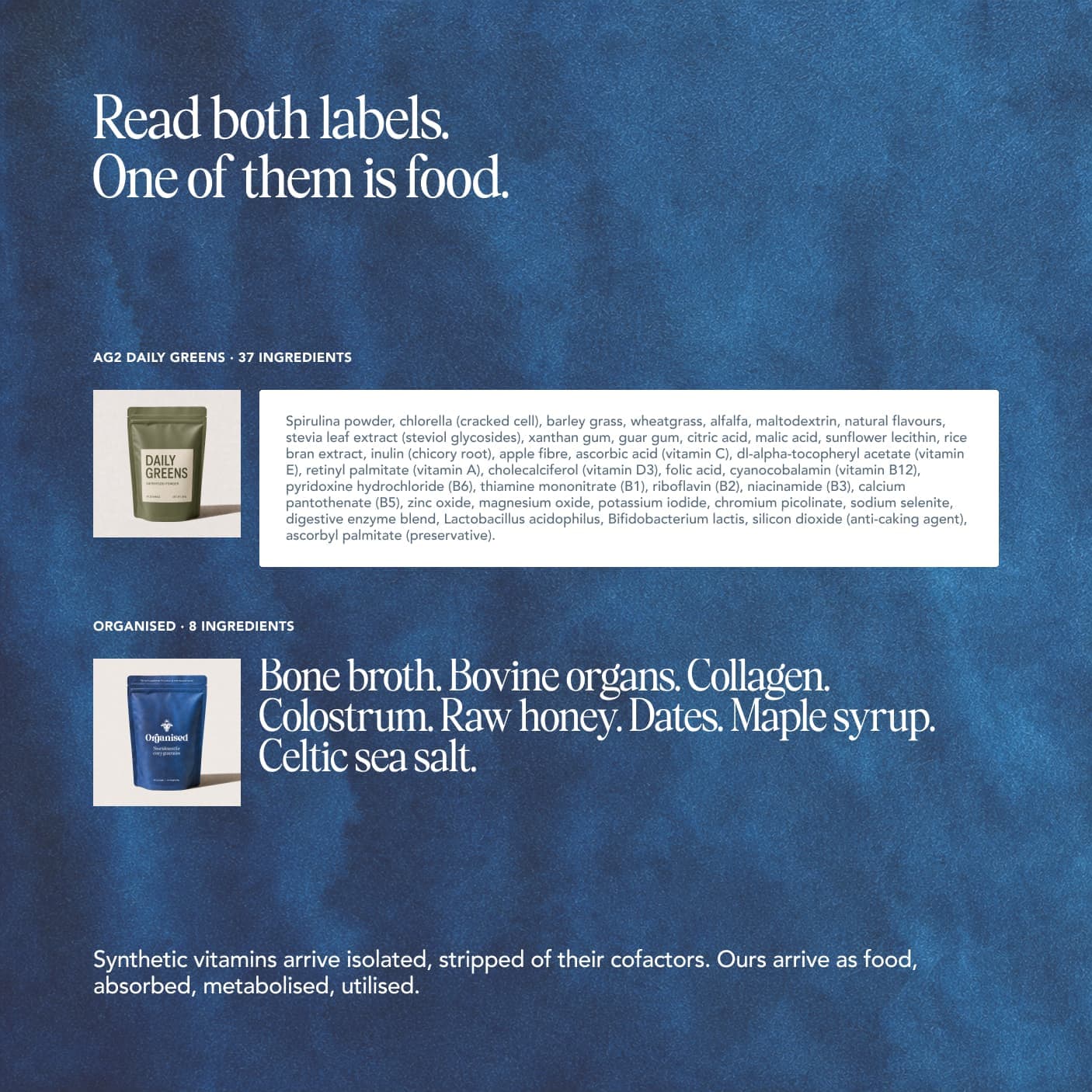
Eight real ingredients built around grass-fed beef organs, collagen and colostrum. Nothing synthetic added.
Free with your first order, worth £38. Plus £10 off the pouch with a subscription.
Free UK shipping · Made in England · 100 day money back guarantee on your first pouch · Skip, pause or cancel anytime
Signs of zinc deficiency
Persistent nausea despite ginger and rest. Extreme food aversions. Slow weight gain during pregnancy. Frequent infections. Slow healing of minor wounds or infections. These can all signal zinc deficiency.
If you had poor nutritional status before pregnancy, your risk of depletion during pregnancy is higher. If you were vegetarian or vegan, bioavailable zinc is harder to source from plant foods, and your depletion risk is significantly elevated.
The bottom line
Zinc during pregnancy is absolutely non-negotiable and foundational. It drives cell division in your developing baby, supports immune function, and protects against miscarriage and low birth weight. Get it from food first: red meat, eggs, cheese, and oysters. If you're not eating these consistently, supplement zinc alongside your prenatal vitamin. Don't assume your prenatal covers it. Most don't contain enough, and bioavailability is poor. Your baby's development depends on this mineral being present, consistently, throughout pregnancy.
References
Every source below was checked on 27 August 2026. Each PubMed, PMC and DOI identifier was resolved against NCBI or Crossref, and what it opens is printed under the citation, so you can see the link goes where the citation says without leaving the page. Where a citation and its identifier disagreed, the citation was corrected to the record or the reference was deleted along with the sentence marker that pointed at it, and where the resolved paper turned out not to support the sentence, the sentence was cut back to what it does support. Borrowed authority is worse than none, because it looks like rigour.
- National Institutes of Health, Office of Dietary Supplements. Zinc: Fact Sheet for Health Professionals. https://ods.od.nih.gov/factsheets/Zinc-HealthProfessional/ [accessed May 2026].
- Chaffee BW, King JC. Effect of zinc supplementation on pregnancy and infant outcomes: a systematic review. Paediatric and Perinatal Epidemiology. 2012;26(Suppl 1):118-137. https://pmc.ncbi.nlm.nih.gov/articles/PMC3787719/Checked 27 August 2026: PMC3787719 opens Chaffee BW, King JC, Effect of zinc supplementation on pregnancy and infant outcomes: a systematic review. Paediatr Perinat Epidemiol 2012;26 Suppl 1(0 1):118-37. PubMed indexes it as: Systematic Review.The authors' own declaration, from the record: Conflicts of interests . The authors report that they have no conflicts of interest related to this review.
- Solomons NW. Competitive interaction of iron and zinc in the diet: consequences for human nutrition. Journal of Nutrition. 1986;116(6):927-935. https://pubmed.ncbi.nlm.nih.gov/3522825/Checked 27 August 2026: PMID 3522825 opens Solomons NW, Competitive interaction of iron and zinc in the diet: consequences for human nutrition. J Nutr 1986;116(6):927-35. PubMed indexes it as: Comparative Study, Review.
Who wrote and reviewed this guide
Niall Kiddle
Author · Founder, Organised
Niall is the founder of Organised. He started the company in 2024 after fixing his own health the slow way: in 2022 he swapped a cupboard of synthetic supplements for real food, raw milk, organ meats, bone broth and honey, and felt the difference within months.
Areas of expertise: Ancestral nutrition, Organ meats, Whole-food supplementation, Gut health, Regenerative sourcing
Read Niall's full profile
Pedro Rodrigues
Reviewer · Agronomist (farming and sourcing only)
Pedro is the agronomist Organised works with on farming and sourcing. His job on the guides is to keep the science honest: he reviews what we publish about soil health, regenerative agriculture, grazing and the way food is actually produced.
Areas of expertise: Regenerative agriculture, Agronomy, Soil health, Grass-fed farming, Food sourcing
Reviewed this guide on
Read Pedro's full profileMore on pregnancy & postpartum
View all- Nourishing Pregnancy with Whole Food Nutrition
- Postpartum Recovery Nutrition: Rebuilding After Birth
- Beef Organ Supplements and Pregnancy: Understanding Vitamin A Safety
- Breastfeeding and Nutrition: What to Eat to Nourish Two
- Folate vs Folic Acid: Why the Form Matters in Pregnancy
- Gestational Diabetes and Nutrition: What Helps and What Doesn't
- Iron Needs During Pregnancy: Why Heme Iron Makes a Difference
- Morning Sickness and Nutrition: What Helps and What Makes It Worse
- Pregnancy Nutrition on Reddit: What Real Mums Recommend vs the Evidence
- Pregnancy Prep: Nutritional Foundations to Lay Before Conceiving
- Rebuilding Your Iron Stores After Birth
- The Best Foods to Eat in Each Trimester
Browse the guides library
All guidesKeep reading
Culture & community
Food Sovereignty: Taking Back Control of What You Eat
Understanding food sovereignty, why knowing your food sources matters, and how to resist industrial food systems through local and regenerative choices.
Life stage
The Micronutrients Athletes Deplete Fastest
Intense training depletes micronutrients faster than you replace them. Here's what athletes lose and how to replenish it.
Life stage
Feeding Children for Optimal Growth and Development
Optimal nutrition for children's growth and development: protein, fats, fat-soluble vitamins, minerals. Whole food approach without shame or perfection.
Real food, made effortless
Find my daily blendA few ways to use it
All recipes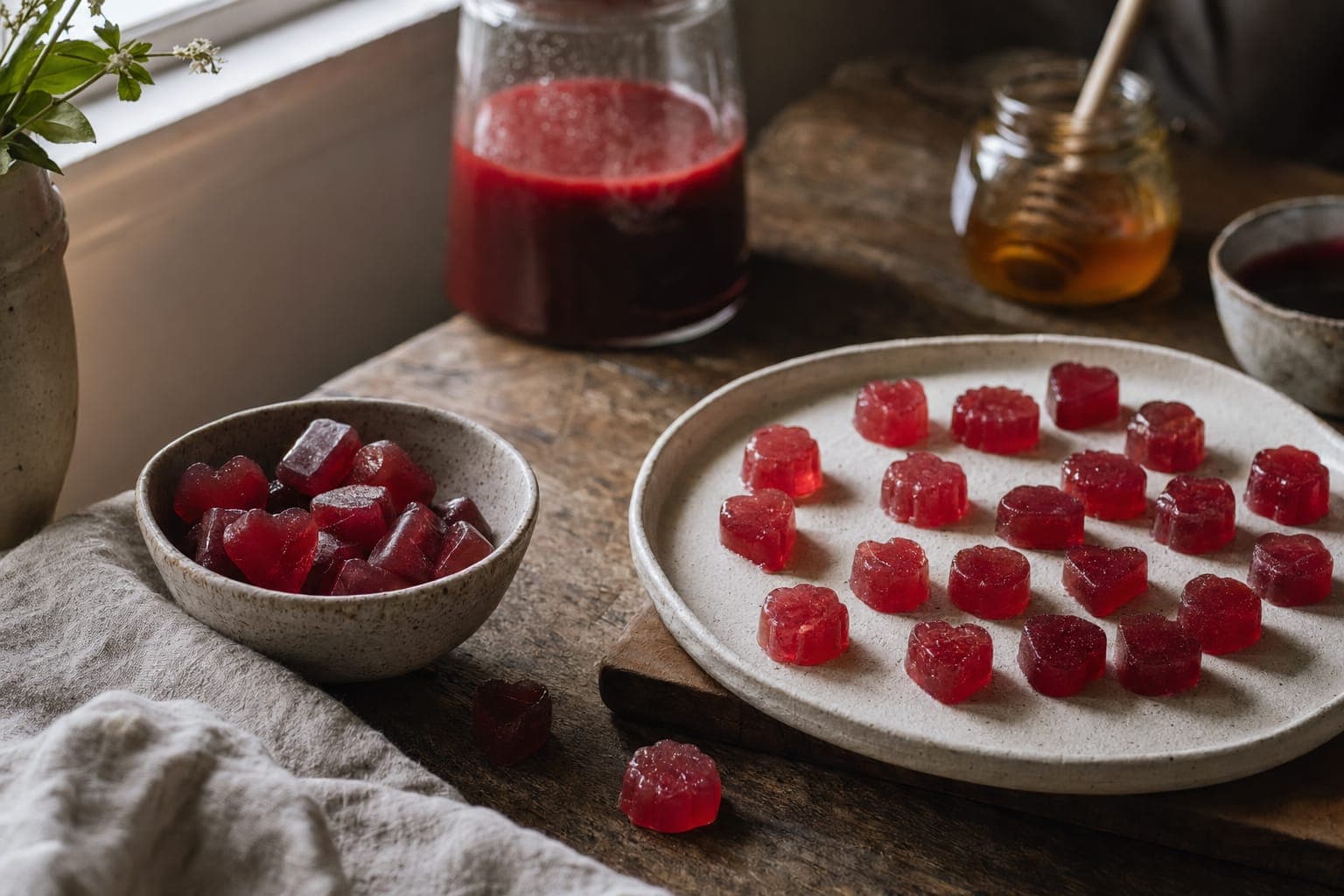
How to Make Your Own Gelatine Gummies
A simple recipe for homemade gelatine gummies using grass-fed gelatine, fresh juice, and raw honey. Better than shop-bought, kids love them.
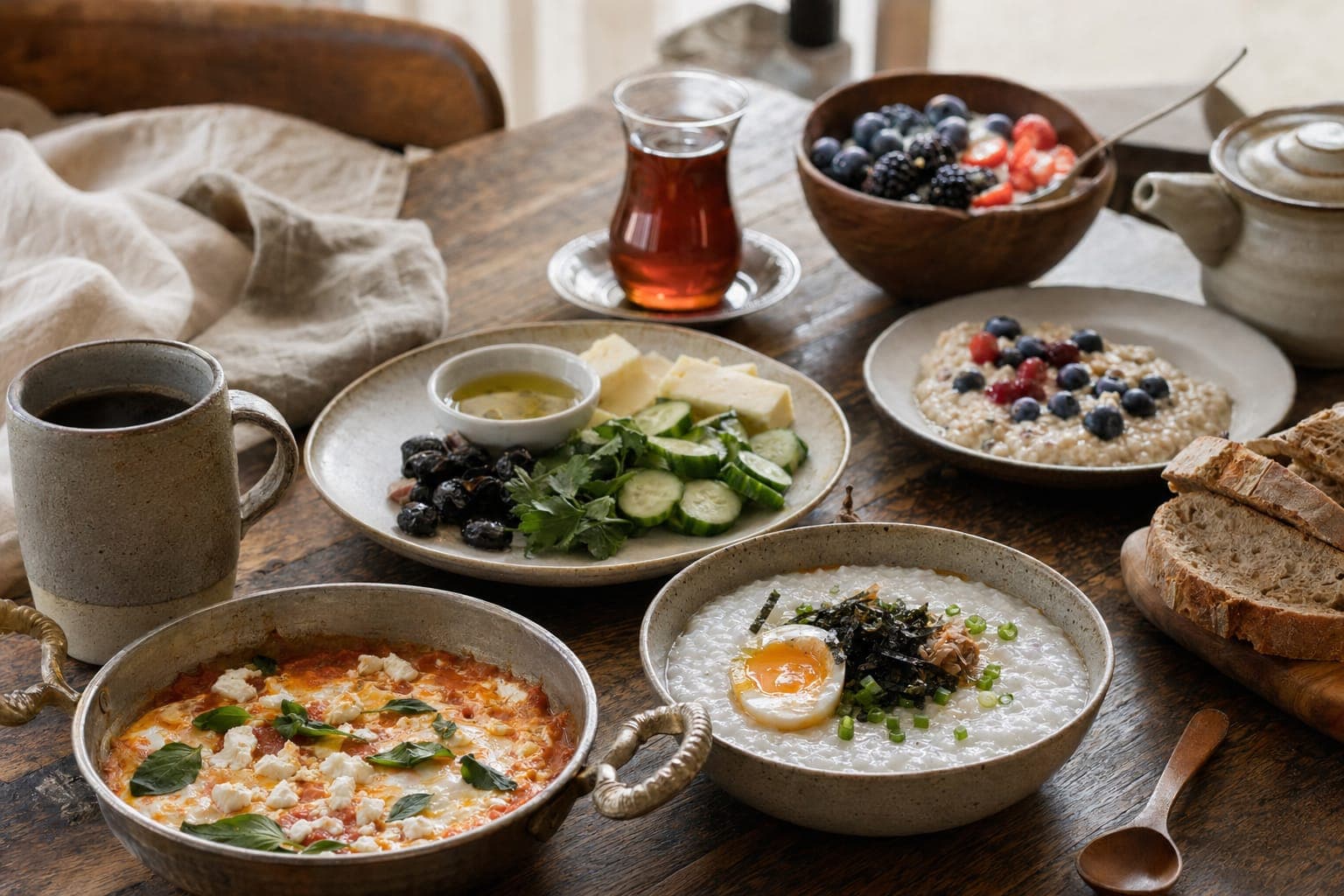
Ancestral Breakfast Ideas from Around the World
Traditional breakfast recipes from cultures that got nutrition right. Japanese, Turkish, Scottish, and more. Whole-food breakfast inspiration.
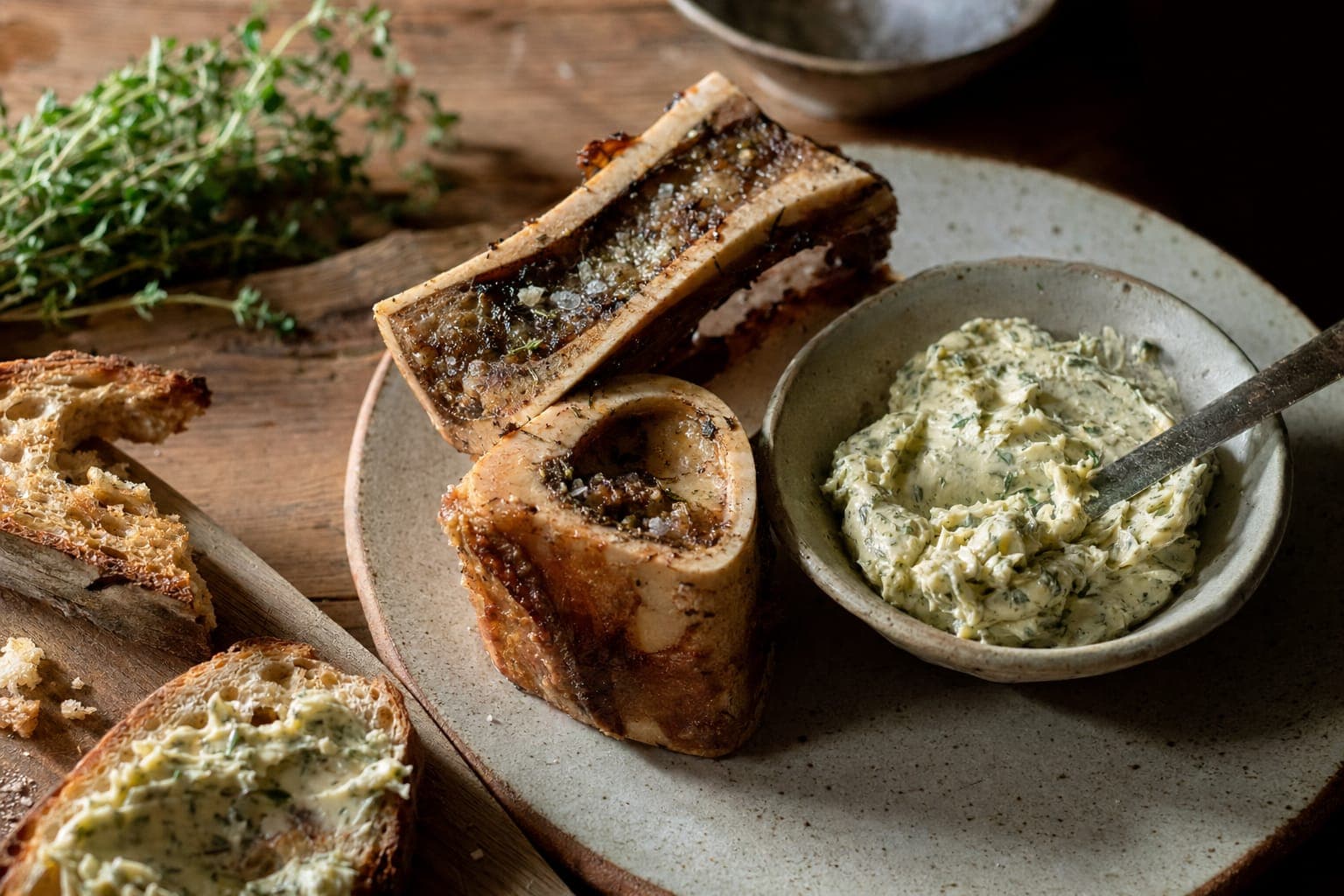
How to Make Bone Marrow Butter
Roast grass-fed marrow bones, scoop the marrow, and mix with butter and herbs. A nutrient-dense spread with fat-soluble vitamins.


 Join over 100,000+ members
Build a better food system with us
The Organised community is thousands of people choosing real food and backing the farmers who grow it, all of us trying to leave the world a little better than we found it. If that is what you care about too, you belong here.