Is Colostrum Better Than Whey for Gut Health?
The comparison between colostrum and whey isn't really a competition. They're playing different games. One is designed to seal a permeable gut. The other is designed to build muscle. Knowing which one you actually need changes everything.

By Niall Kiddle, Founder, Organised

Reviewed by Pedro Rodrigues, Agronomist (farming and sourcing only) ·
5 min read · Published · Updated · 5 cited sources
Makers of the Organised Daily blend, a grass-fed beef organ supplement from regenerative UK farms
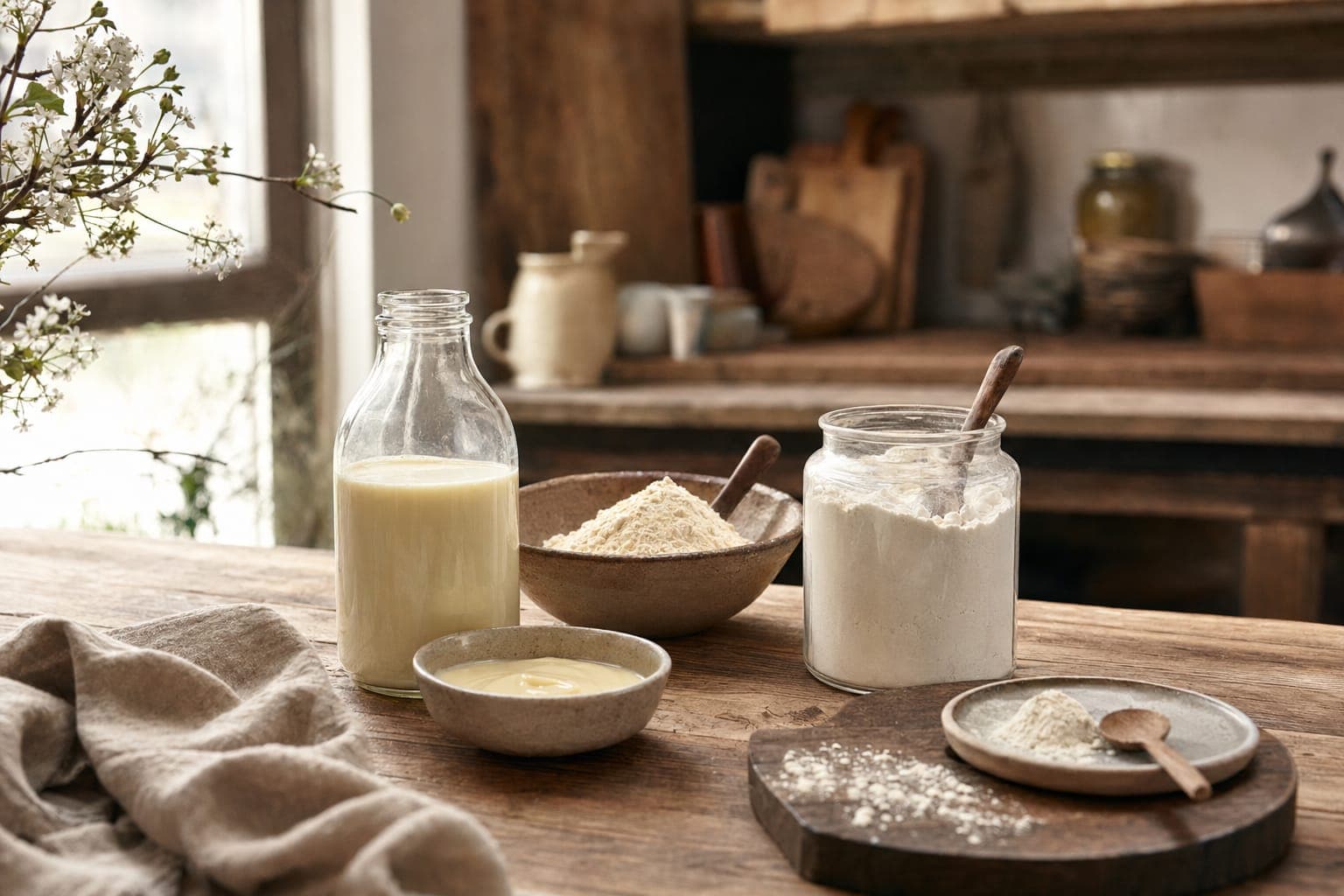
Most of the confusion happens because both come from milk, both are proteins, and both have been marketed as supplement solutions. But the nutrients they're actually delivering tell a very different story.
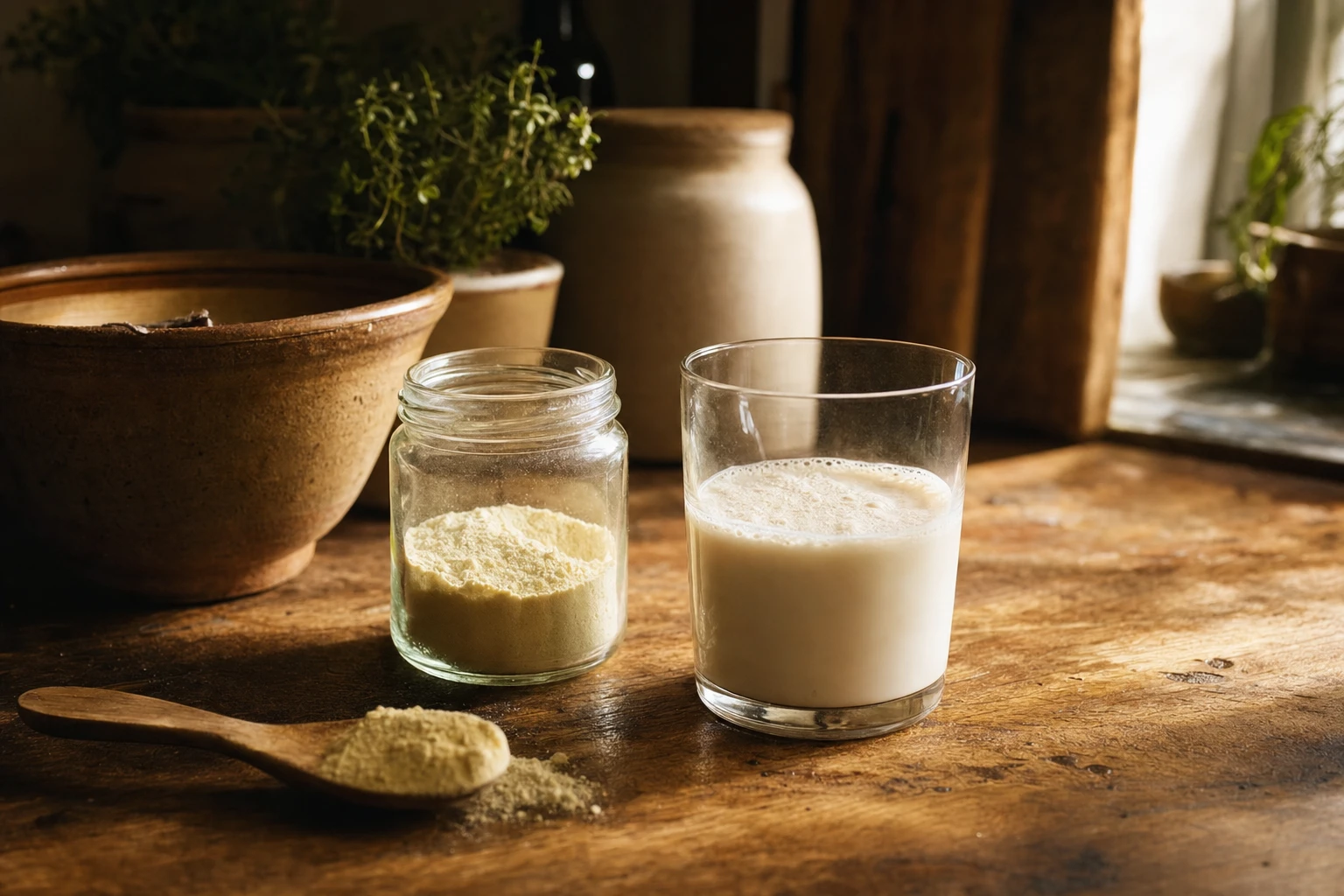
They're solving different problems
Whey protein was designed to be efficient. It's the liquid portion of milk that separates from curds during cheese-making. It contains high concentrations of branched-chain amino acids, particularly leucine, which triggers muscle protein synthesis. If you're training hard and your goal is to build or preserve muscle, whey is specifically engineered for that purpose.
Colostrum is what a calf drinks in its first few days of life. It's not optimised for muscle building. It's optimised for immune defence and gut barrier repair. A newborn calf has an underdeveloped gut and immune system. Colostrum floods it with antibodies and healing compounds to seal the intestinal lining and establish immune function.
The problem is this. Modern marketing has suggested they're interchangeable. They're not. They're almost opposite interventions aimed at different physiological targets.
Whey builds muscle. Colostrum seals the gut and supports immunity. They're different solutions for different problems.
What colostrum actually does
Colostrum contains three compounds that whey either lacks entirely or carries in minimal amounts. First, immunoglobulin G (IgG). This is the antibody that dominates your immune system. Colostrum carries up to 5000 milligrams per serve, compared to virtually none in whey.1
Second, lactoferrin. This iron-binding protein has two roles. It starves pathogens of iron they need to replicate, and it acts as a growth factor for the beneficial bacteria in your gut.2 Whey contains minimal lactoferrin. Colostrum carries significant amounts.
Third, growth factors, particularly insulin-like growth factor 1 (IGF-1) and transforming growth factor beta (TGF-beta). These compounds signal to damaged intestinal cells to proliferate and repair.3 If you have intestinal permeability, food sensitivities, or compromised gut barrier function, these growth factors matter. Whey has almost none.
This is why colostrum has become popular in certain circles around gut healing. For someone with an inflamed or permeable intestine, colostrum delivers compounds that whey doesn't. But for muscle protein synthesis, colostrum is comparatively weak.

What whey actually does
Whey excels at one thing. Its amino acid profile, particularly its BCAA content, triggers the mTOR pathway and muscle protein synthesis more effectively than almost any other food protein.4 If you're doing resistance training and you want to build or preserve muscle, whey is efficient at that specific job.
It also contains lactoferrin and some immunoglobulins, but in much lower concentrations than colostrum. Regular whey protein isolate typically contains maybe 100 to 200 milligrams of IgG per serving, if any at all. Colostrum carries 5000 to 10000.
Whey is cheaper to produce because it's a byproduct. Colostrum is harvested from the first few days of a cow's lactation, making it more expensive and less abundant. This cost difference is real.
For someone focused on performance, body composition, or muscle preservation, whey is the more efficient choice. The amino acid profile is optimised for that. Colostrum would be wasted money if your goal is purely muscular.
Whey contains the amino acids for muscle. Colostrum contains the antibodies for gut healing. They're solving different metabolic problems.
Get guides like this, free
Two short reads a week on real food, nutrition, and the farms behind it.
By signing up you agree to receive emails from us. No spam, unsubscribe anytime.
The lactoferrin and IgG factor
If you have a compromised gut, these two compounds matter. IgG antibodies identify pathogens and damaged intestinal cells, tagging them for removal. Over time, increasing your IgG exposure can support immune tolerance and barrier repair.
Lactoferrin does something similar but through a different mechanism. It enhances the growth of beneficial bacteria like Bifidobacterium and Lactobacillus, whilst simultaneously suppressing pathogens by sequestering iron. For someone with dysbiosis or intestinal inflammation, these are precisely the compounds you need.
Whey simply doesn't deliver this in meaningful quantities. Some whey protein products are fortified with additional lactoferrin, but you're paying for something that colostrum provides naturally.
However, colostrum alone won't fix a gut problem. You also need to remove inflammatory foods, restore stomach acid production, and eat bone broth and glycine-rich foods. Colostrum is one tool in a larger repair programme, not a standalone solution.


1 of 9
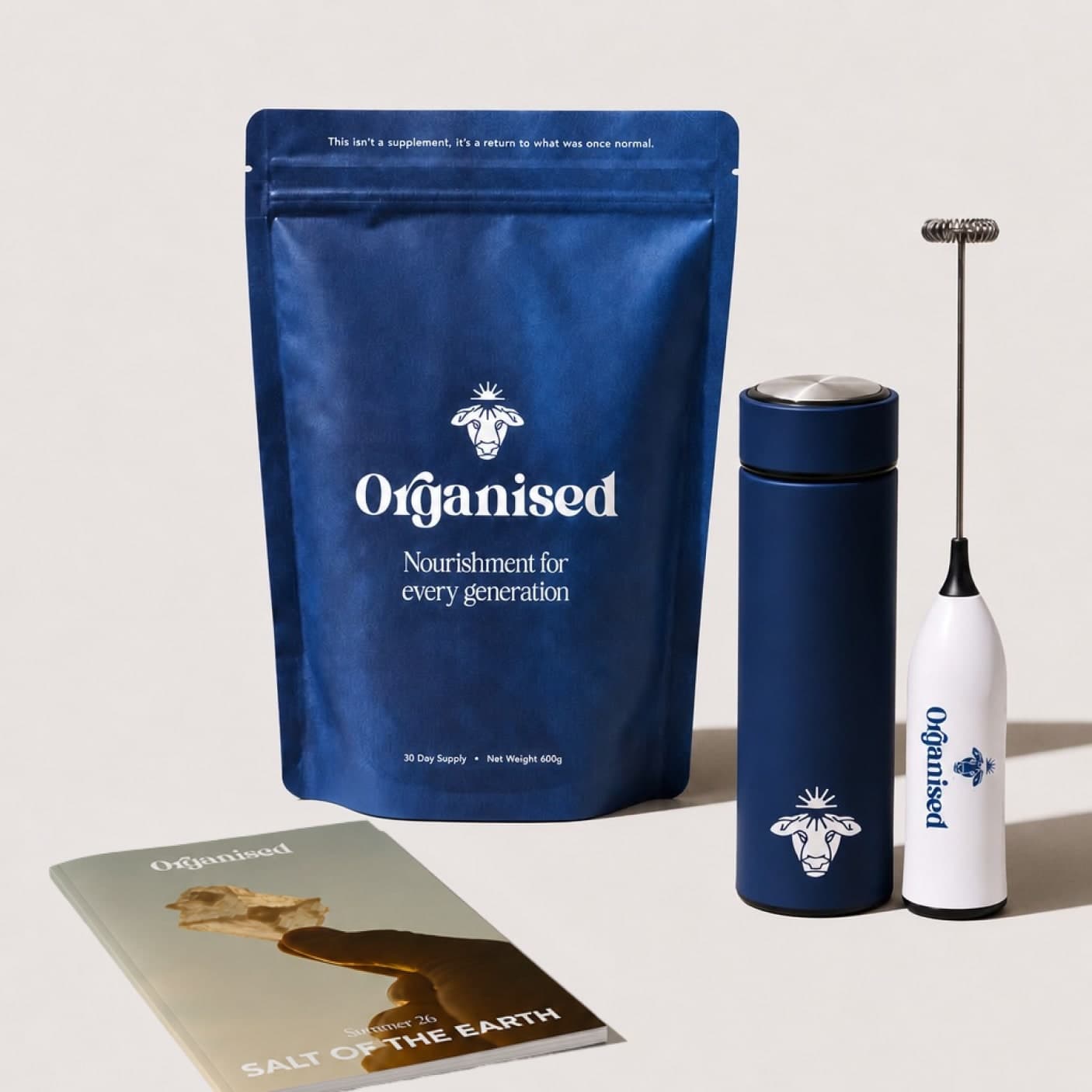
Daily blend
100,000+ thriving families4.9 on Trustpilot
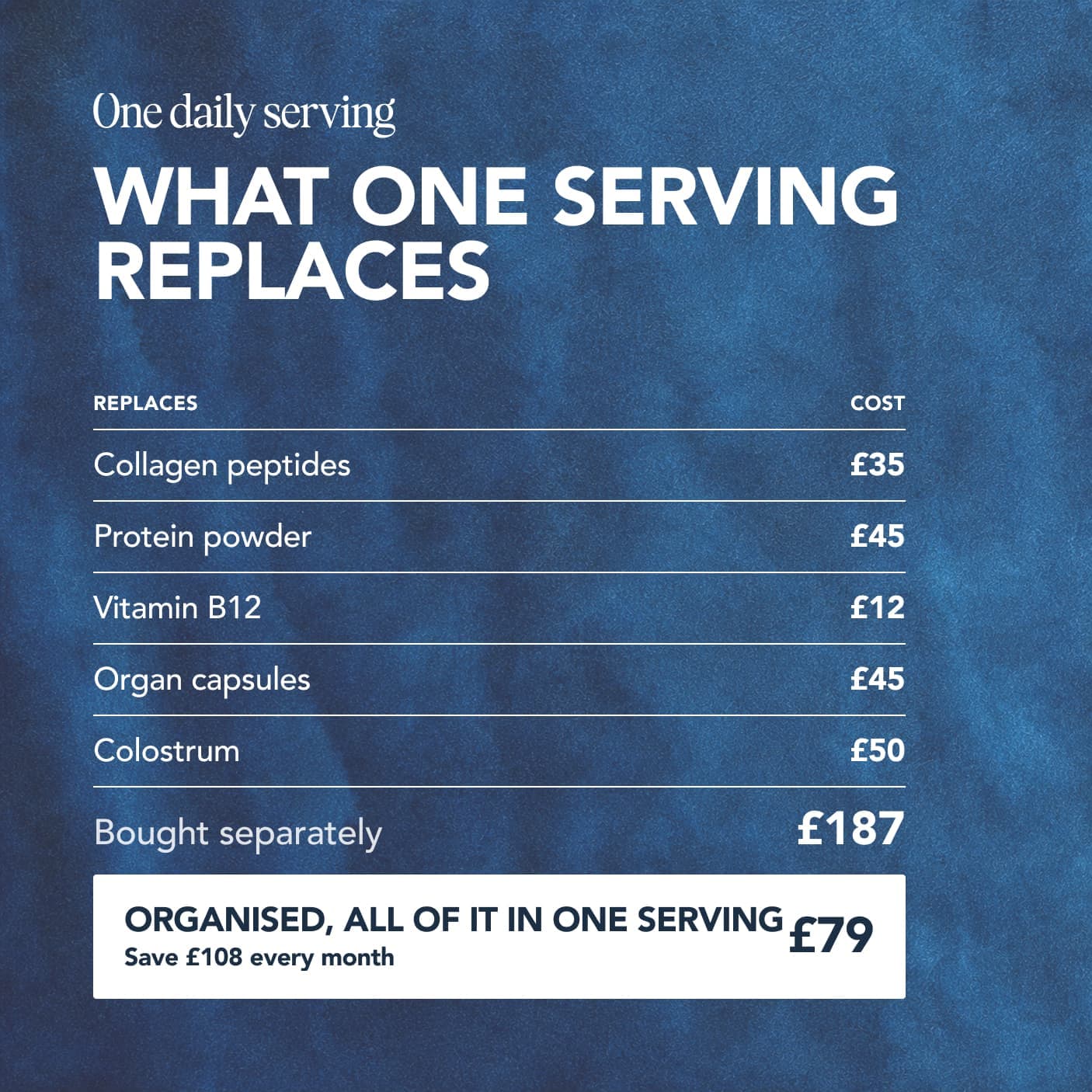
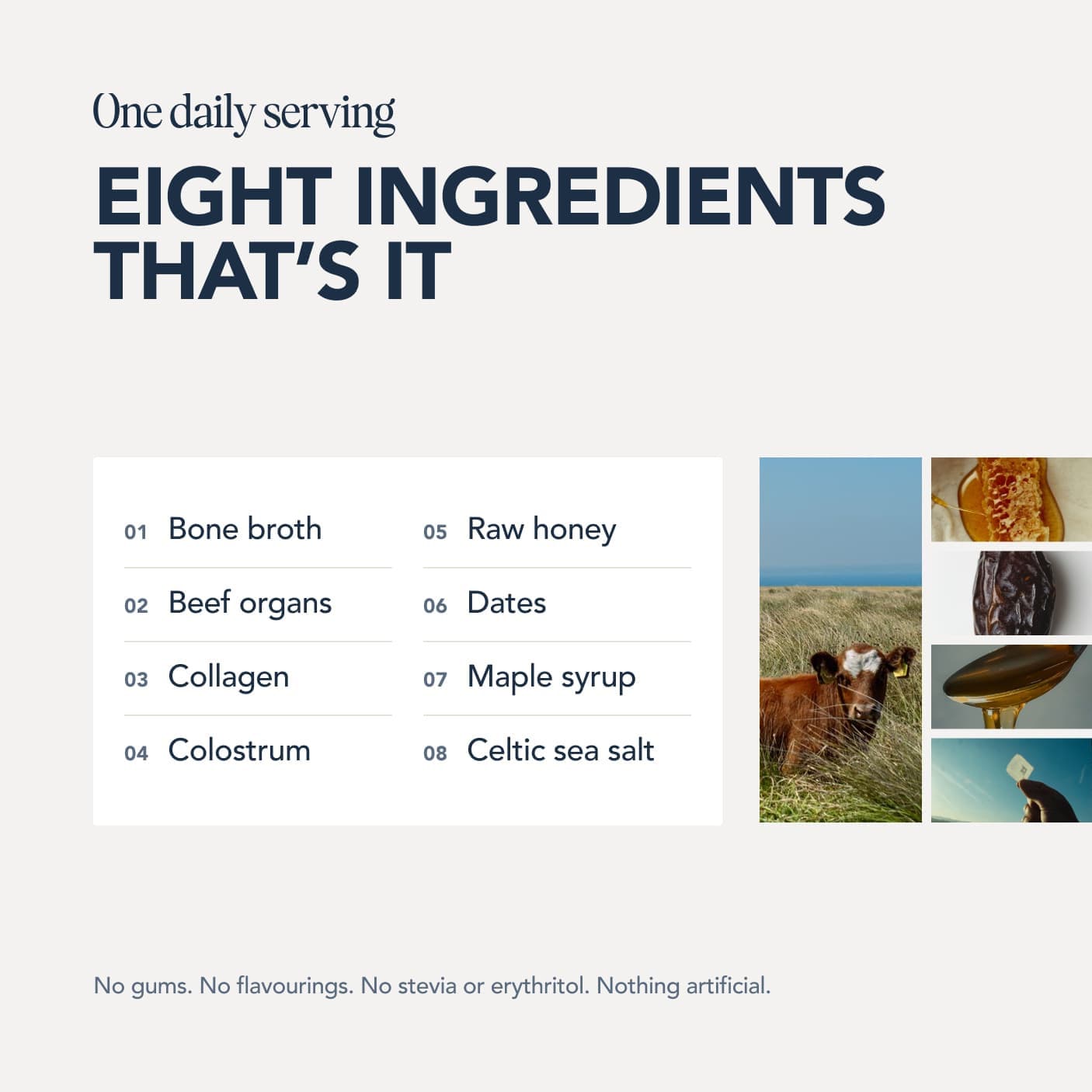
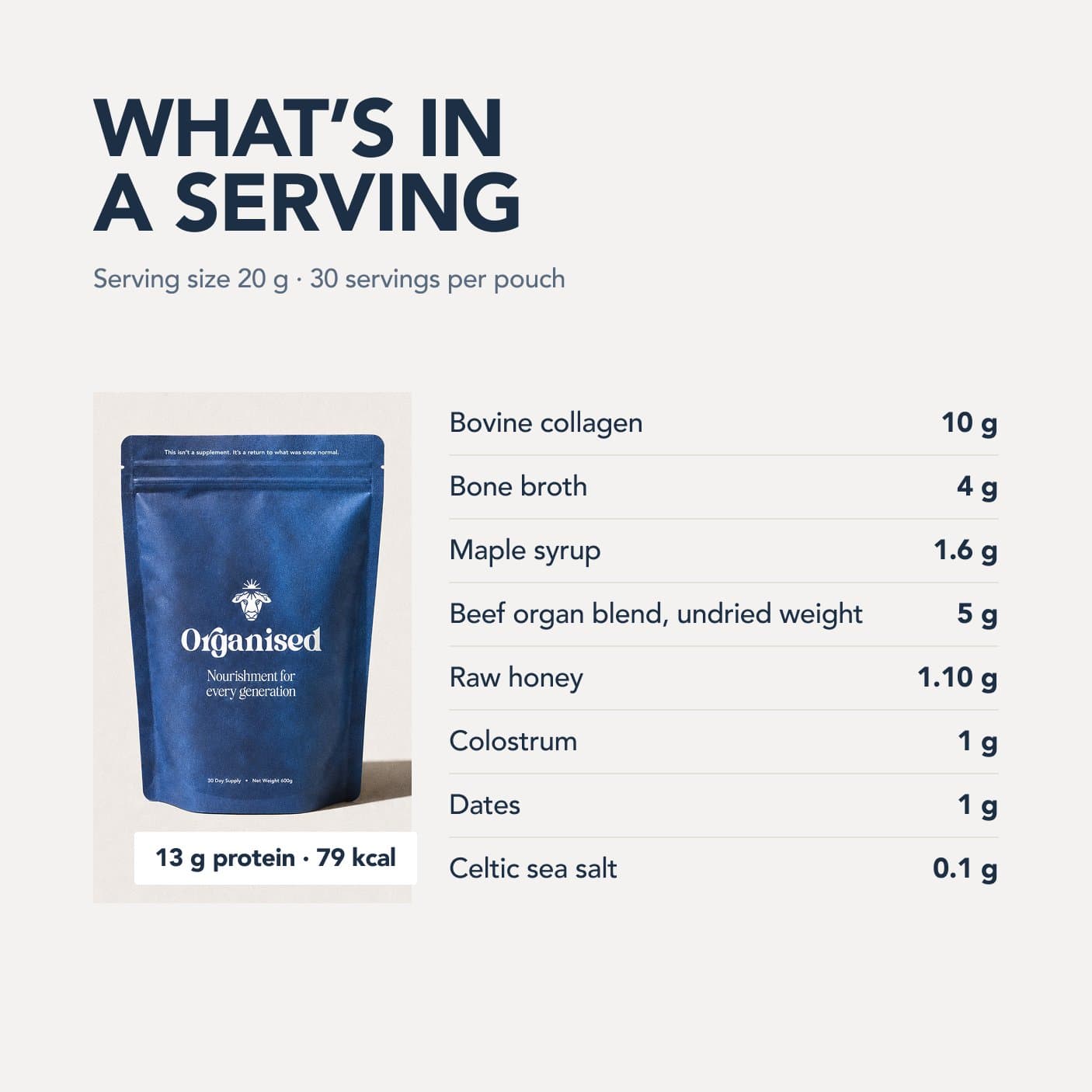
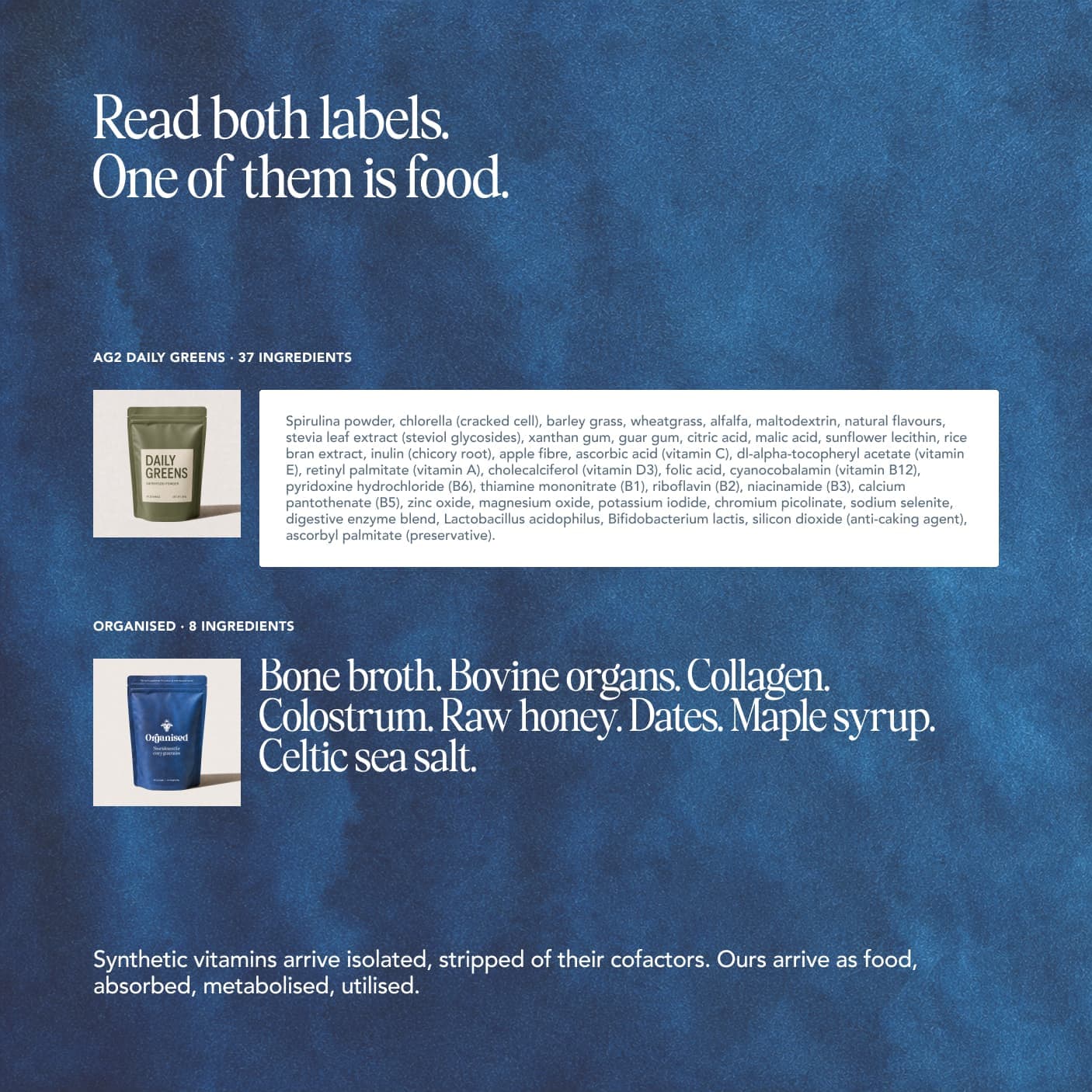
Eight real ingredients built around grass-fed beef organs, collagen and colostrum. Nothing synthetic added.
Free with your first order, worth £38. Plus £10 off the pouch with a subscription.
Free UK shipping · Made in England · 100 day money back guarantee on your first pouch · Skip, pause or cancel anytime
When to use each
Use whey if your goal is muscle. You're training hard, you need efficient protein for synthesis, and you want to preserve lean mass. Whey is cost-effective and it's delivered this particular result for decades.
Use colostrum if you're dealing with gut health issues. You have permeability, food sensitivities, digestive complaints, or compromised immunity. Colostrum delivers the IgG and growth factors that directly address intestinal repair.
Use both if you have both problems. You can take whey for recovery and training, and colostrum in a separate dose for gut healing. They don't compete. They're working on different tissues.
Muscle problem? Whey. Gut problem? Colostrum. Both problems? Use them both, at different times.
And here's the uncomfortable honest part. If your gut is genuinely permeable, a shake isn't going to fix it. Colostrum is helpful, but it's not a substitute for removing seed oils, lowering chronically elevated cortisol, and eating real whole foods. Supplementation amplifies a solid foundation. It doesn't replace one.
Neither whey nor colostrum is the better option in a vacuum. They're both useful for their specific purposes. The real error is treating them as interchangeable, or expecting one to solve a problem the other is designed to address. You need whey for muscle. You need colostrum for intestinal repair. Know which problem you're actually solving, and reach for the right tool.
References
Every source below was checked on 27 August 2026. Each PubMed, PMC and DOI identifier was resolved against NCBI or Crossref, and what it opens is printed under the citation, so you can see the link goes where the citation says without leaving the page. Where a citation and its identifier disagreed, the citation was corrected to the record or the reference was deleted along with the sentence marker that pointed at it, and where the resolved paper turned out not to support the sentence, the sentence was cut back to what it does support. Borrowed authority is worse than none, because it looks like rigour.
- Stelwagen K, Carpenter E, Haigh B, Hodgkinson A, Wheeler TT. Immune components of bovine colostrum and milk. Journal of Animal Science. 2009;87(suppl_13):3-9. https://pubmed.ncbi.nlm.nih.gov/18952725/Checked 27 August 2026: PMID 18952725 opens Stelwagen K, Carpenter E, Haigh B et al, Immune components of bovine colostrum and milk. J Anim Sci 2009;87(13 Suppl):3-9. PubMed indexes it as: Review.
- Wakabayashi H, Yamauchi K, Takase M. Lactoferrin research, technology and applications. International Dairy Journal. 2006;16(11):1241-1251. See also clinical applications review: https://pmc.ncbi.nlm.nih.gov/articles/PMC11279796/Checked 27 August 2026: PMC11279796 opens Yalçıntaş YM, Duman H, López JMM et al, Revealing the Potency of Growth Factors in Bovine Colostrum. Nutrients 2024;16(14). PubMed indexes it as: Review.The authors' own declaration, from the record: The authors declare no conflicts of interest.
- Playford RJ, Macdonald CE, Johnson WS. Colostrum and milk-derived peptide growth factors for the treatment of gastrointestinal disorders. American Journal of Clinical Nutrition. 2000;72(1):5-14. https://pubmed.ncbi.nlm.nih.gov/10871554/Checked 27 August 2026: PMID 10871554 opens Playford RJ, Macdonald CE, Johnson WS, Colostrum and milk-derived peptide growth factors for the treatment of gastrointestinal disorders. Am J Clin Nutr 2000;72(1):5-14. PubMed indexes it as: Review.
- Devries MC, Phillips SM. Supplemental protein in support of muscle mass and health: advantage whey. Journal of Food Science. 2015;80(S1):A8-A15. https://pubmed.ncbi.nlm.nih.gov/25757896/Checked 27 August 2026: PMID 25757896 opens Devries MC, Phillips SM, Supplemental protein in support of muscle mass and health: advantage whey. J Food Sci 2015;80 Suppl 1:A8-A15. PubMed indexes it as: Review.
- Bagwe S, Tharappel LJP, Kaur G, Buttar HS. Bovine colostrum: an emerging nutraceutical. Journal of Complementary and Integrative Medicine. 2015;12(3):175-185. See also: https://pubmed.ncbi.nlm.nih.gov/25781716/Checked 27 August 2026: PMID 25781716 opens Bagwe S, Tharappel LJ, Kaur G et al, Bovine colostrum: an emerging nutraceutical. J Complement Integr Med 2015;12(3):175-85. PubMed indexes it as: Comparative Study, Review.
Who wrote and reviewed this guide
Niall Kiddle
Author · Founder, Organised
Niall is the founder of Organised. He started the company in 2024 after fixing his own health the slow way: in 2022 he swapped a cupboard of synthetic supplements for real food, raw milk, organ meats, bone broth and honey, and felt the difference within months.
Areas of expertise: Ancestral nutrition, Organ meats, Whole-food supplementation, Gut health, Regenerative sourcing
Read Niall's full profile
Pedro Rodrigues
Reviewer · Agronomist (farming and sourcing only)
Pedro is the agronomist Organised works with on farming and sourcing. His job on the guides is to keep the science honest: he reviews what we publish about soil health, regenerative agriculture, grazing and the way food is actually produced.
Areas of expertise: Regenerative agriculture, Agronomy, Soil health, Grass-fed farming, Food sourcing
Reviewed this guide on
Read Pedro's full profileMore on vs & comparisons
View allBrowse the guides library
All guidesKeep reading
Organised
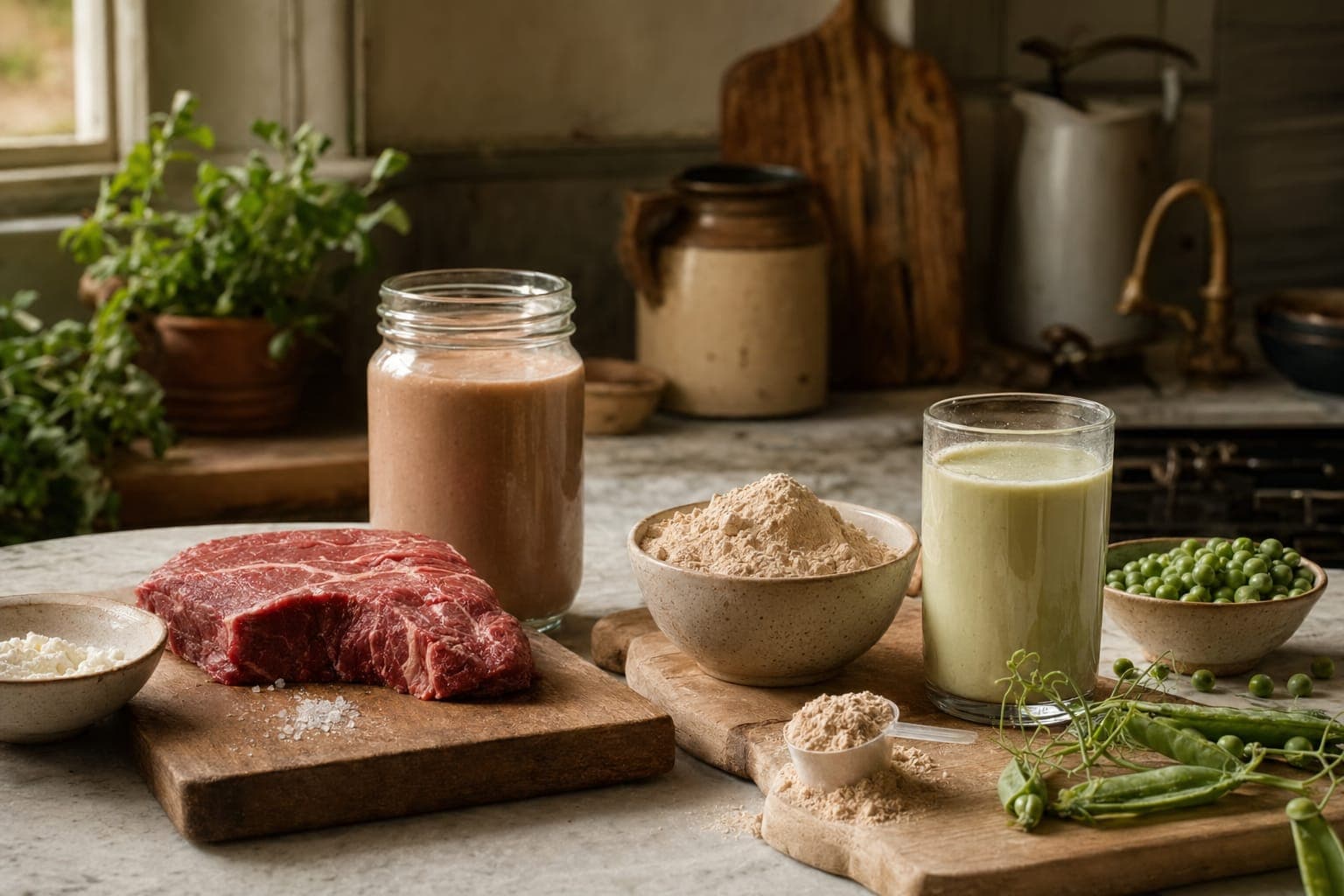
Grass-Fed Beef Protein vs Pea Protein: A Complete Comparison
Compare grass-fed beef protein vs pea protein fairly. Beef has complete amino acids and a 1.23 DIAAS, while pea lacks methionine at 0.7. See the full picture.

Organised
Colostrum vs Glutamine for Gut Health
Colostrum contains IgG and growth factors. Glutamine fuels enterocytes. They work through different mechanisms. Here's the honest comparison.
Organised
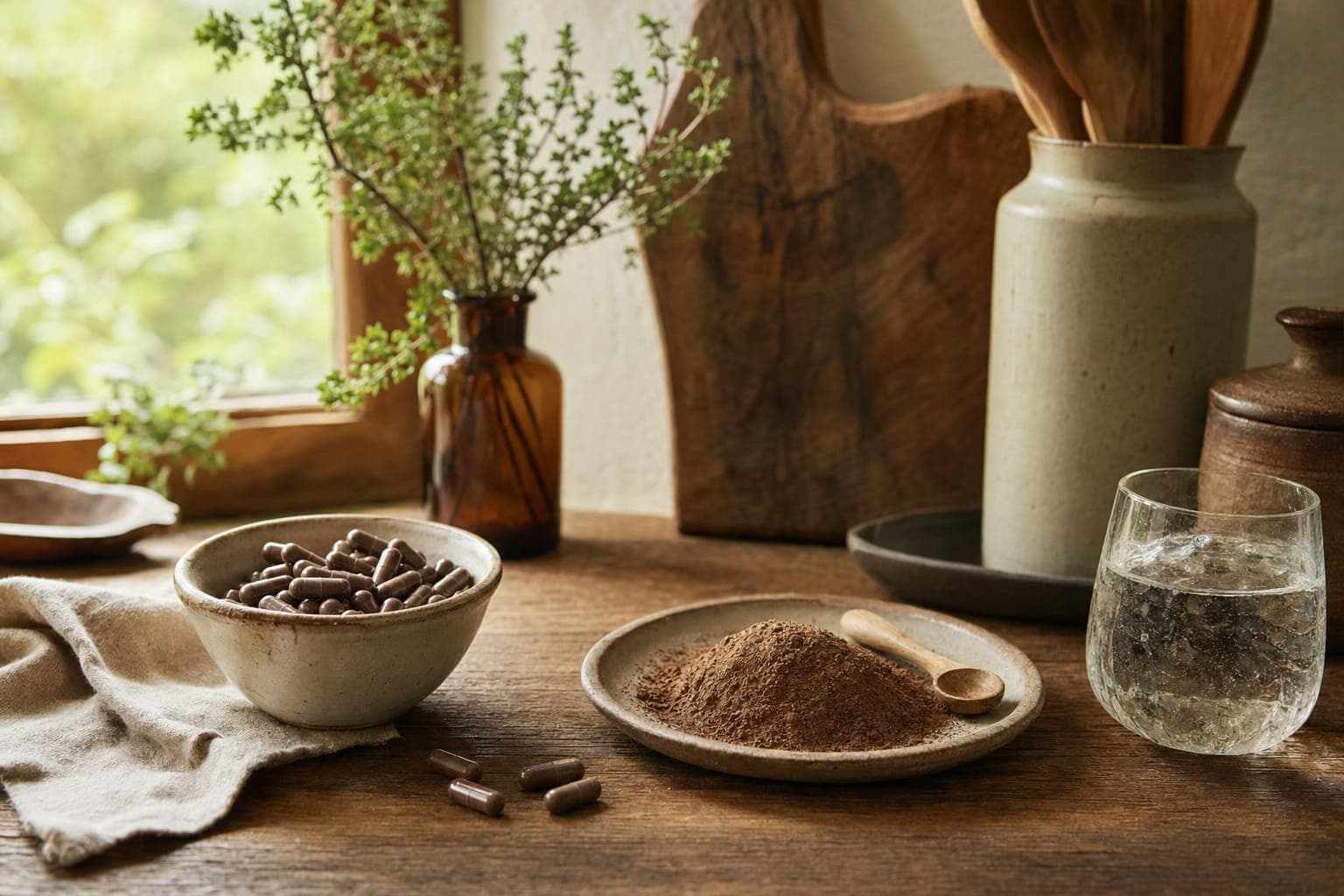
Organ Meat Capsules vs Organ Meat Powder: What's More Effective?
Compare organ meat capsules vs powder: capsules are convenient and shelf-stable, powder offers flexible dosing at lower cost, and bioavailability is similar.
Real food, made effortless
Try OrganisedA few ways to use it
All recipes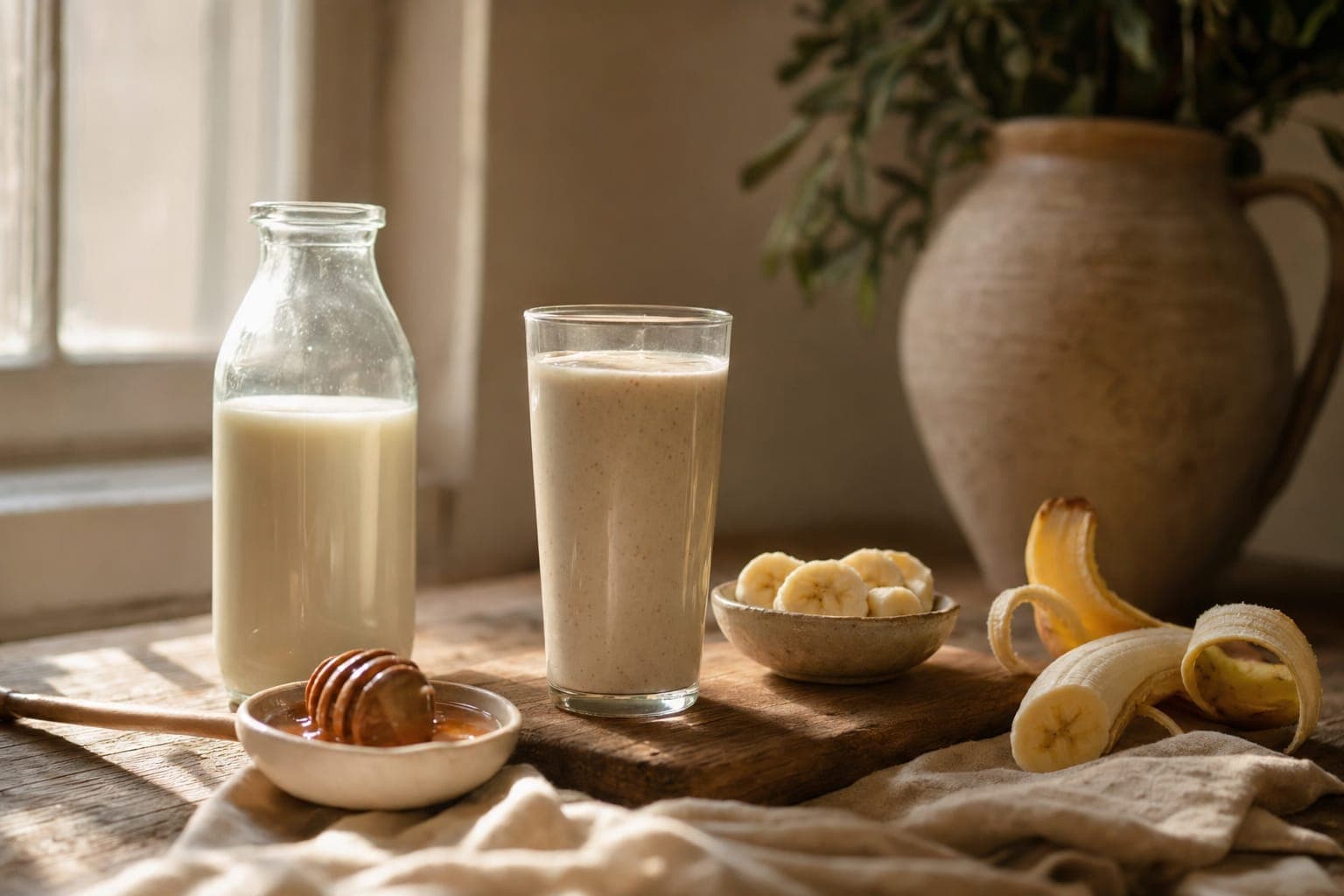
The Perfect Organised Morning Shake: Our Favourite Recipe
Our signature morning shake: Organised, raw milk, banana, honey. Simple, nourishing, and optimised for an empty stomach.

Organised Smoothie Bowl Recipes for Every Season
Four seasonal smoothie bowl recipes using Organised. Berry in summer, apple-cinnamon in autumn, tropical in spring, warming chocolate in winter.
Matcha Latte Gummies with Collagen and Gelatine
Make visually stunning matcha latte gummies infused with collagen and gelatine. Simple recipe for gut-healing sweets you'll actually want to eat.


 Join over 100,000+ members
Build a better food system with us
The Organised community is thousands of people choosing real food and backing the farmers who grow it, all of us trying to leave the world a little better than we found it. If that is what you care about too, you belong here.