Grass-Fed Beef Protein vs Pea Protein: A Complete Comparison
Pea protein is cheaper and doesn't require raising cattle. Beef is complete and your body absorbs it more efficiently. One isn't the villain, and one isn't the saviour. They're just different choices with different trade-offs.

By Niall Kiddle, Founder, Organised

Reviewed by Pedro Rodrigues, Agronomist (farming and sourcing only) ·
5 min read · Published · Updated · 3 cited sources
Makers of the Organised Daily blend, a grass-fed beef organ supplement from regenerative UK farms
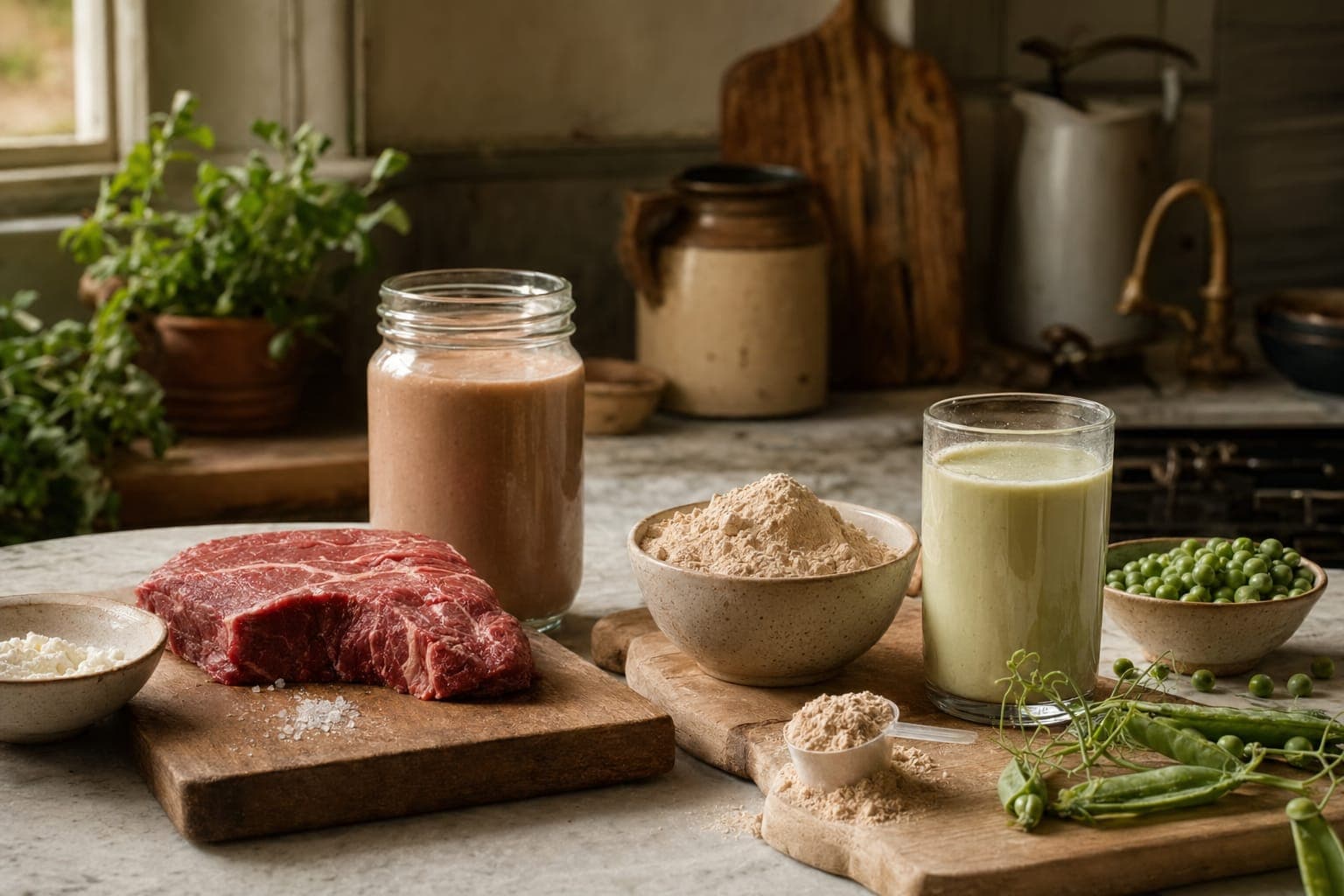
The comparison gets politically charged fast. Environmental advocates argue pea protein is the answer to sustainable protein. Meat advocates argue nothing matches animal protein. Reality sits between them, and understanding the actual nutritional differences helps you decide what makes sense for your body and your values.
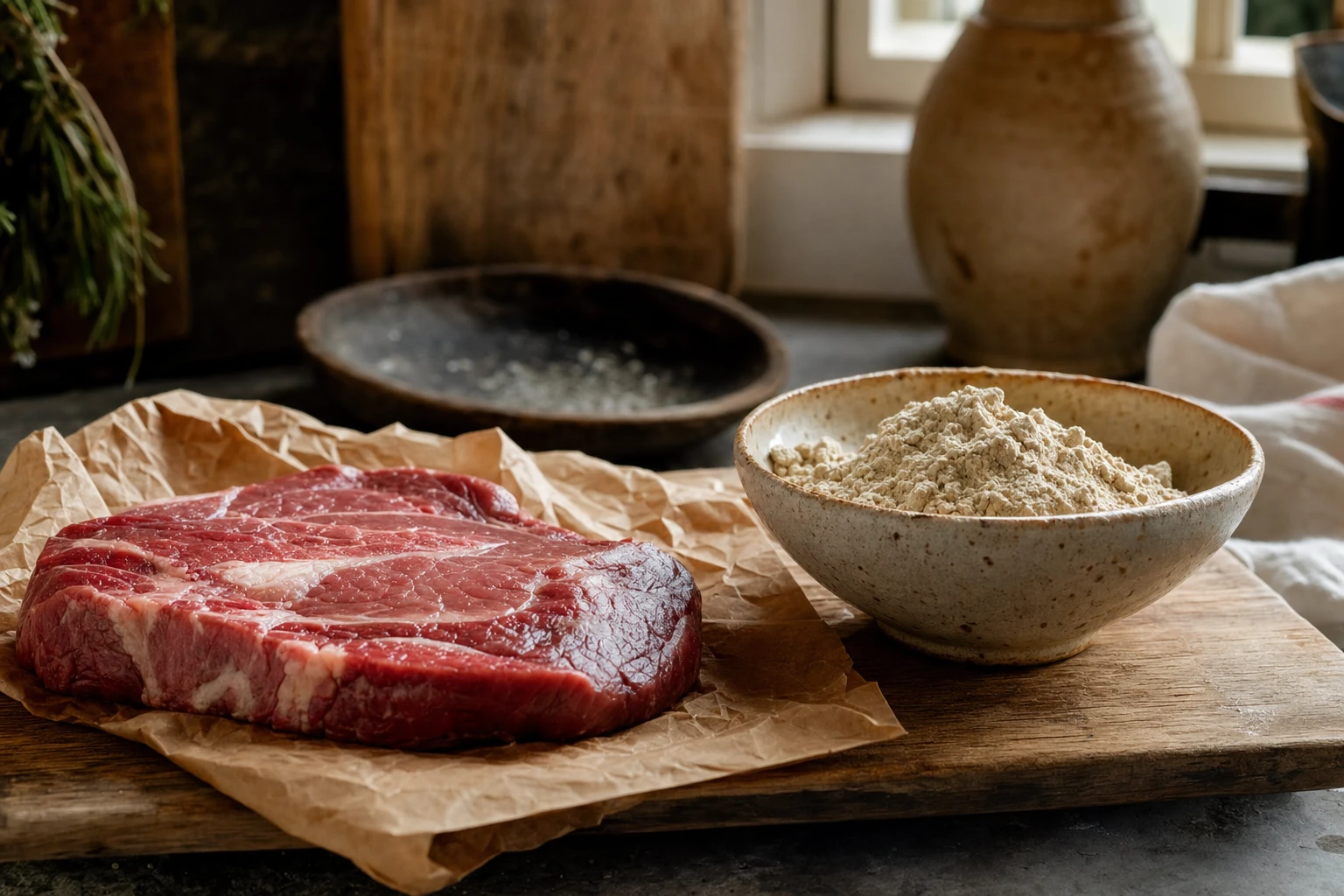
The amino acid difference matters
Beef is a complete protein. It contains all nine essential amino acids in amounts your body needs.1 One 200-gram steak delivers roughly 50 grams of protein with excellent ratios of leucine, methionine, lysine, and tryptophan.
Pea protein is incomplete. It's low in methionine and tryptophan, two essential amino acids your body cannot synthesise. To make pea protein adequate as a sole protein source, you'd need to eat enough of it to cover both the missing methionine and the total amino acid requirement. That requires a larger serving and clever food combining with methionine-rich sources like seeds or grains.
This isn't a dealbreaker if you're eating real food. A serving of pea protein with sesame seeds, whole grains, or in a meal with other protein sources covers the gap. But if you're relying on pea protein powder as your sole protein for a meal, you're not getting the full essential amino acid profile your body needs.
Beef has all nine essential amino acids in the right ratios. Pea protein requires food combining to be complete.
How your body digests each source
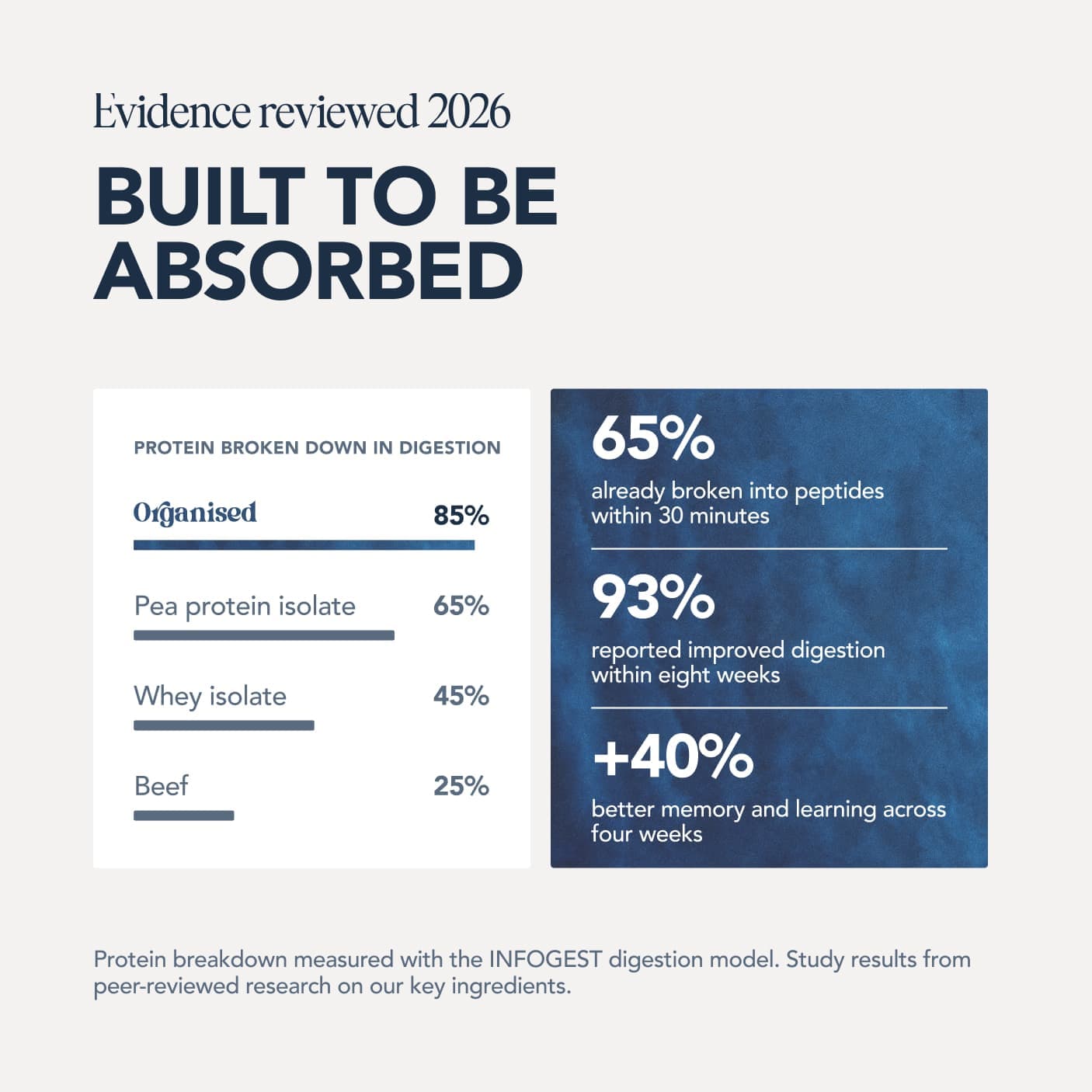
Digestibility-Corrected Amino Acid Score (DIAAS) measures how completely your digestive system can break down and absorb amino acids from a protein source. Beef scores around 1.1 to 1.2, while pea protein scores around 0.7.2
This gap exists because of peptide bonds in plant proteins and because your stomach acid and digestive enzymes are optimised to break down animal protein. Plant proteins have tougher cell walls and require more enzymatic effort to disassemble.
Practically, this means that a 25-gram serving of pea protein delivers roughly 17 to 18 grams of usable amino acids. A 25-gram serving of beef delivers 30 to 31 grams of truly usable protein. If you're training hard and trying to build muscle, this difference compounds.
Cooking and processing can improve pea protein digestibility slightly, which is why isolates score better than concentrates. But even optimised pea protein still underperforms whole animal protein.
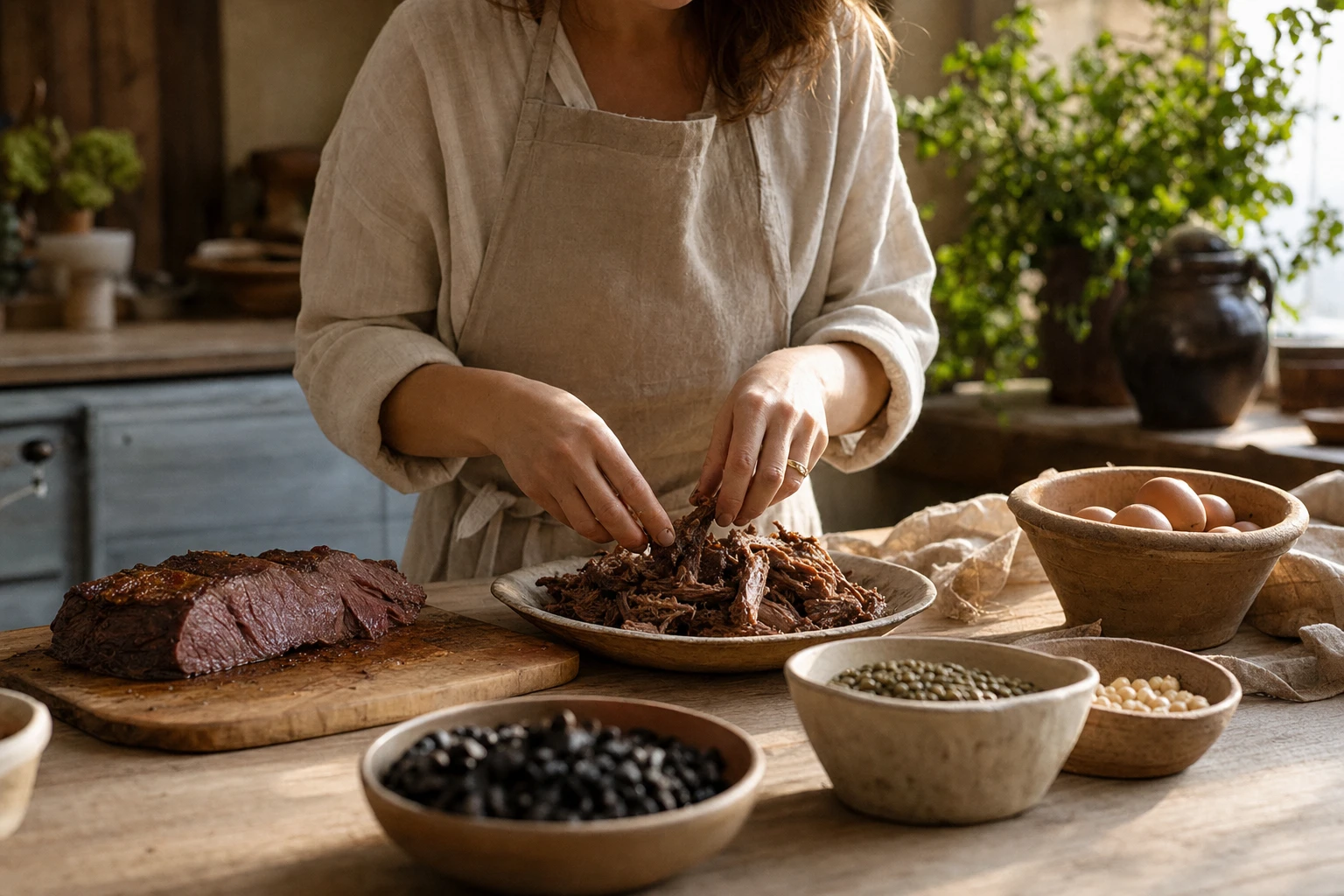
Anti-nutrients and absorption
Pea protein contains phytates and lectins, compounds that suppress mineral absorption and can irritate the digestive tract. Processing removes some, but not all. If you have a sensitive gut, pea protein can cause bloating or mild inflammation. Your intestines have to work harder to break it down.
Beef contains zero anti-nutrients. Your gut recognises it immediately as a food it's evolved to digest. No inflammation risk, no mineral-blocking compounds, no processing required.
For someone with compromised gut health, dysbiosis, or food sensitivities, beef is the safer choice. For someone with a robust digestive system who isn't sensitive to plant proteins, pea protein is tolerable, though still requiring extra digestive effort.
Beef has no anti-nutrients. Pea protein contains phytates and lectins that suppress absorption and can irritate sensitive guts.
The mineral absorption difference matters too. A 200-gram beef steak delivers iron, zinc, and selenium in their most bioavailable forms. Pea protein delivers these minerals too, but the presence of anti-nutrients suppresses how much you actually absorb. You get less mineral value from the same weight of pea protein.
Get guides like this, free
Two short reads a week on real food, nutrition, and the farms behind it.
By signing up you agree to receive emails from us. No spam, unsubscribe anytime.
The environmental argument
This is where the comparison gets honest. Growing pea protein requires less water, less land, and produces lower carbon emissions than raising cattle. If environmental impact is your concern, pea protein is a more efficient choice.
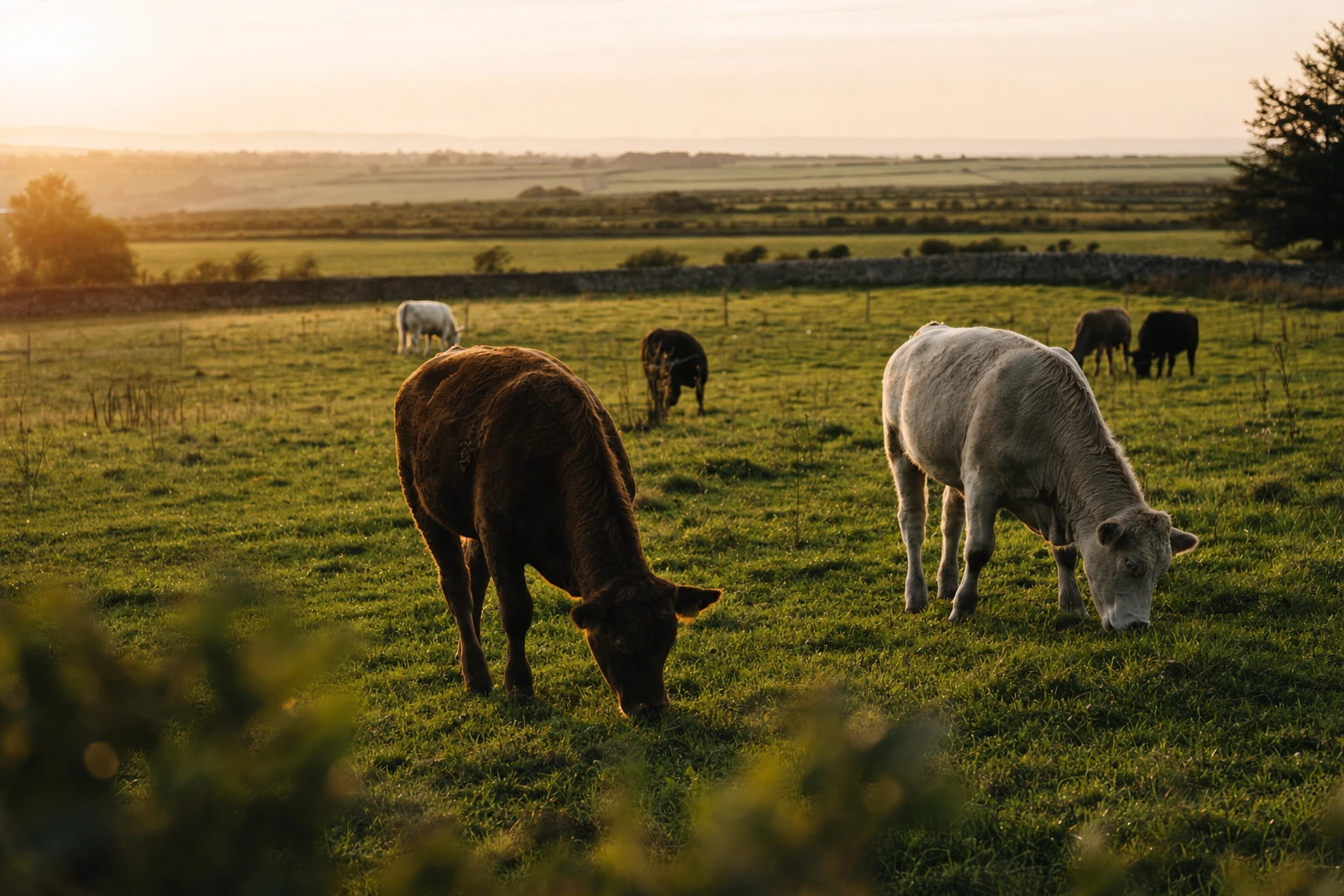
However, the argument isn't as clean as it sounds. Pea monoculture farming depletes soil, requires pesticides, and creates its own environmental damage. Grass-fed beef, when raised regeneratively on pasture, can improve soil health and sequester carbon under appropriate management.3 The environmental impact depends entirely on how the beef is raised.
Factory-farmed conventional beef is environmentally costly. Grass-fed regenerative beef is often a net environmental positive. Pea protein farming is less resource-intensive than conventional beef but comes with its own soil and pesticide costs that rarely get discussed.
If you care about environmental impact, the answer is eat grass-fed beef in smaller quantities, supplemented with pea protein when beef is unavailable or unaffordable. It's not a binary choice.

1 of 9
Daily blend
100,000+ thriving families4.9 on Trustpilot
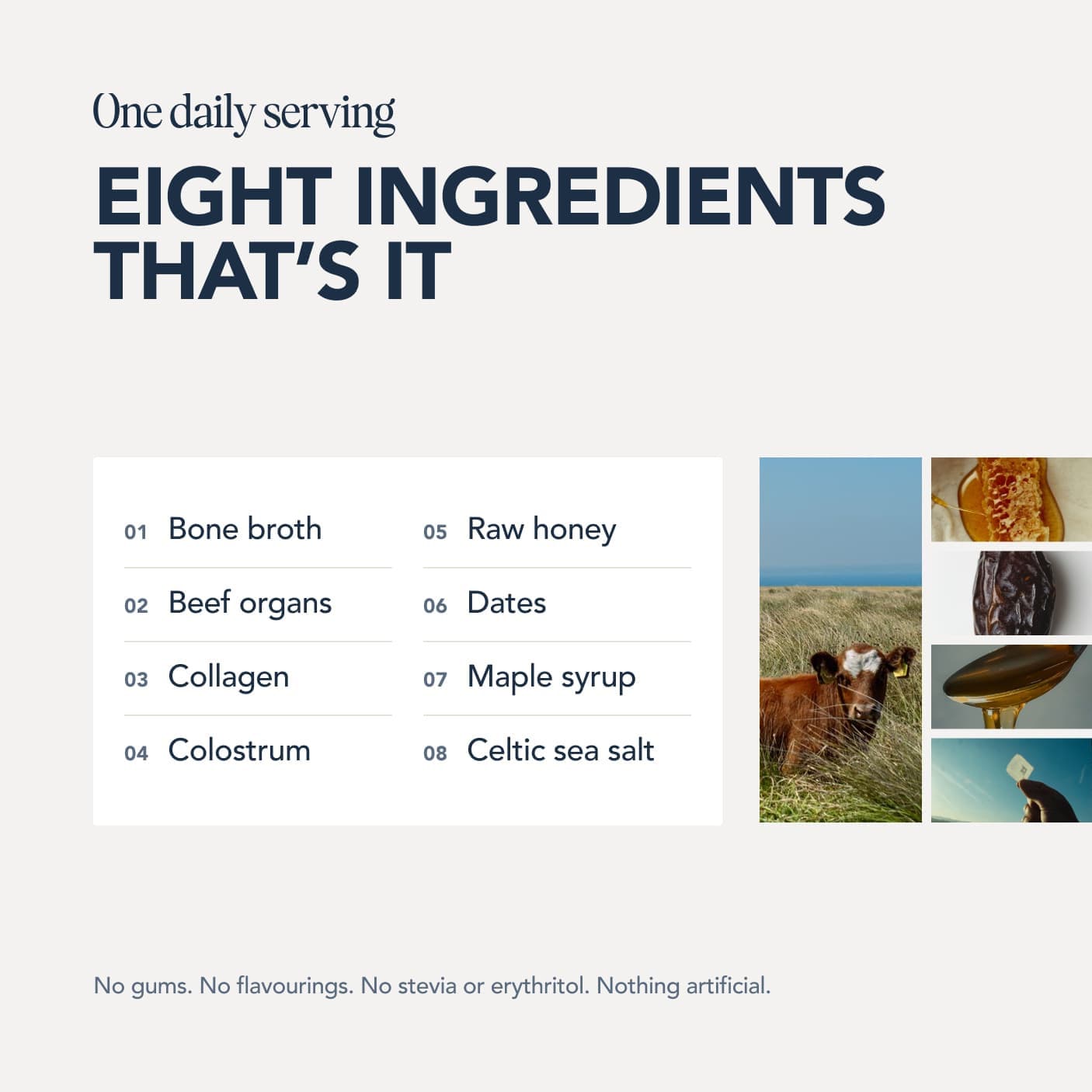
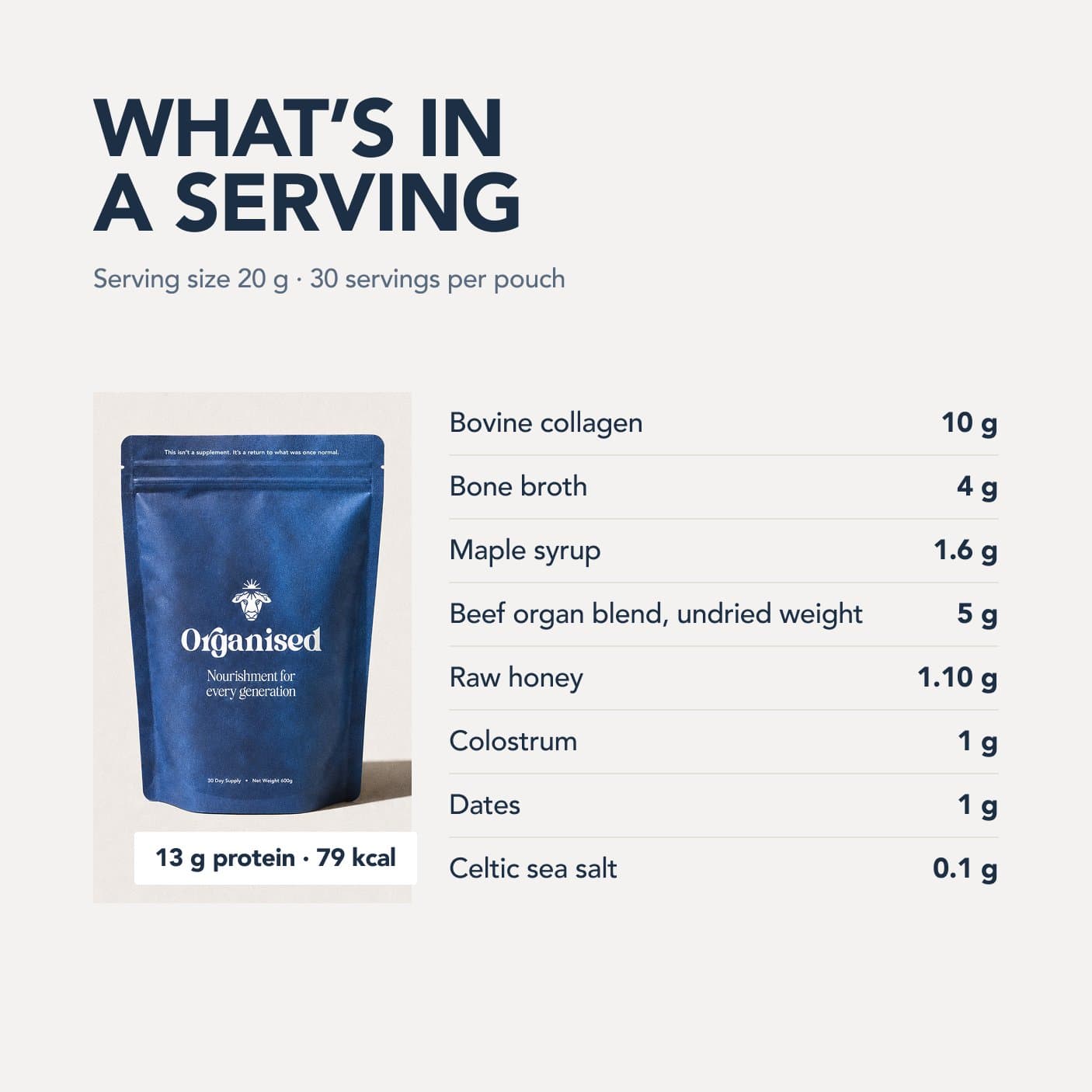
Eight real ingredients built around grass-fed beef organs, collagen and colostrum. Nothing synthetic added.
Free with your first order, worth £38. Plus £10 off the pouch with a subscription.
Free UK shipping · Made in England · 100 day money back guarantee on your first pouch · Skip, pause or cancel anytime
Which one to choose
If you're training hard and your primary goal is muscle protein synthesis, grass-fed beef is more efficient. You get complete amino acids, superior DIAAS, zero anti-nutrients, and better mineral bioavailability. The cost is higher, but the nutritional output is higher too.
If you're on a tight budget and you can tolerate plant proteins, pea protein can be part of your protein strategy. It works better when combined with other proteins or amino acid sources, not as a sole source. Mixing pea protein with whey, or eating it with grains that contain methionine, makes it nutritionally complete.
If you care about environmental impact, eat grass-fed beef in smaller quantities, and supplement with pea protein. Neither is perfect. Neither is the enemy. Real environmental sustainability comes from eating less overall, choosing quality over quantity, and supporting regenerative farming systems.
Beef for muscle and bioavailability. Pea protein for budget and environmental offset. Both have genuine value.
The uncomfortable truth is that both choices involve trade-offs. Pea protein is cheaper and less resource-intensive. Beef is more efficiently absorbed and nutritionally complete. Your body cares more about bioavailability than your conscience cares about carbon footprints, but that doesn't mean environmental impact isn't worth considering.
The best protein source is the one you actually eat consistently. If you can afford grass-fed beef, eat it. If you can't, pea protein is better than no protein at all. Neither is the perfect answer. Both solve a real problem, just at different costs to your body and the planet.
References
Every source below was checked on 27 August 2026. Each PubMed, PMC and DOI identifier was resolved against NCBI or Crossref, and what it opens is printed under the citation, so you can see the link goes where the citation says without leaving the page. Where a citation and its identifier disagreed, the citation was corrected to the record or the reference was deleted along with the sentence marker that pointed at it, and where the resolved paper turned out not to support the sentence, the sentence was cut back to what it does support. Borrowed authority is worse than none, because it looks like rigour.
- Williams P. Nutritional composition of red meat. Nutr Diet. https://onlinelibrary.wiley.com/doi/10.1111/j.1747-0080.2007.00197.x [accessed May 2026].Checked 27 August 2026: doi:10.1111/j.1747-0080.2007.00197.x opens WILLIAMS P, Nutritional composition of red meat Nutrition & Dietetics 2007;64(s4).
- FAO. Dietary protein quality evaluation in human nutrition. Report of an FAO Expert Consultation. https://www.fao.org/3/i3124e/i3124e.pdf [accessed May 2026].
- Stanley PL, Rowntree JE, Beede DK, et al. Impacts of soil carbon sequestration on life cycle greenhouse gas emissions in Midwestern USA beef finishing systems. Agric Syst. https://www.sciencedirect.com/science/article/pii/S0308521X17310338 [accessed May 2026].
Who wrote and reviewed this guide
Niall Kiddle
Author · Founder, Organised
Niall is the founder of Organised. He started the company in 2024 after fixing his own health the slow way: in 2022 he swapped a cupboard of synthetic supplements for real food, raw milk, organ meats, bone broth and honey, and felt the difference within months.
Areas of expertise: Ancestral nutrition, Organ meats, Whole-food supplementation, Gut health, Regenerative sourcing
Read Niall's full profile
Pedro Rodrigues
Reviewer · Agronomist (farming and sourcing only)
Pedro is the agronomist Organised works with on farming and sourcing. His job on the guides is to keep the science honest: he reviews what we publish about soil health, regenerative agriculture, grazing and the way food is actually produced.
Areas of expertise: Regenerative agriculture, Agronomy, Soil health, Grass-fed farming, Food sourcing
Reviewed this guide on
Read Pedro's full profileMore on vs & comparisons
View allBrowse the guides library
All guidesKeep reading

Organised
Heme Iron Supplements vs Whole Food Iron: Absorption Compared
Heme iron supplements absorb 2-3x better than non-heme iron, but whole food liver builds ferritin sustainably. Comparing absorption, cost, and real results.
Organised
Is Colostrum Better Than Whey for Gut Health?
Compare colostrum vs whey for gut health. Colostrum brings IgG and growth factors for the gut lining, whey builds muscle. Here is the honest breakdown.

Organised
Colostrum vs Glutamine for Gut Health
Colostrum contains IgG and growth factors. Glutamine fuels enterocytes. They work through different mechanisms. Here's the honest comparison.
Real food, made effortless
Try OrganisedA few ways to use it
All recipes
Organ Bolognese: The Family Dinner That Heals
Practical organ meat recipe using fresh beef liver and heart. Family-friendly bolognese that bridges supplements to whole food.

Organised Protein Pancakes: A Weekend Favourite
A high-protein pancake recipe using beef protein, eggs, and raw milk. Cooked in cast iron, naturally sweetened with banana and honey. Real food breakfast.
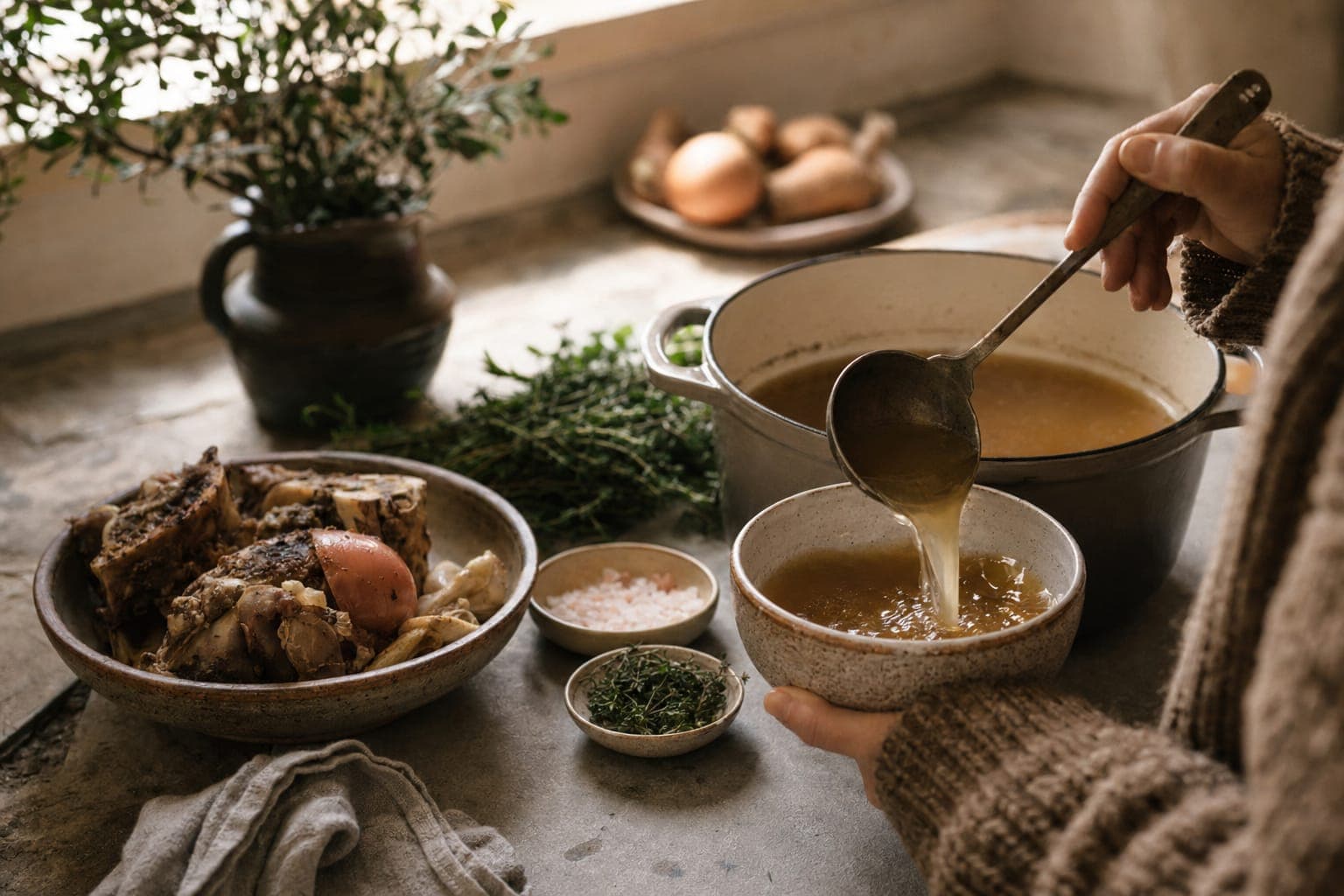
Bone Broth from Scratch: A Step-by-Step Guide
Step-by-step guide to making bone broth at home. Stovetop, slow cooker, and Instant Pot methods. Rich in collagen and gut-healing minerals.


 Join over 100,000+ members
Build a better food system with us
The Organised community is thousands of people choosing real food and backing the farmers who grow it, all of us trying to leave the world a little better than we found it. If that is what you care about too, you belong here.