Heme Iron Supplements vs Whole Food Iron: Absorption Compared
You can be eating iron every single day and still be chronically deficient. The problem isn't always the food. It's whether your body can actually absorb what you're eating. That's where heme iron changes the game.
By Niall Kiddle, Founder, Organised

Reviewed by Pedro Rodrigues, Agronomist (farming and sourcing only) ·
5 min read · Published · Updated · 3 cited sources
Makers of the Organised Daily blend, a grass-fed beef organ supplement from regenerative UK farms
Iron deficiency is wildly common, and for good reason. The iron you eat isn't like calcium or vitamin C. It has to pass through gatekeepers. Your stomach acid, your digestive enzymes, your intestinal permeability all determine whether iron actually makes it into your bloodstream or just passes through.
Why most people's iron stays stubbornly low
Non-heme iron, which comes from plants and some animal foods, faces a brutal absorption problem. Your body absorbs somewhere between 2 and 20 percent of the non-heme iron you eat.1 The massive range exists because absorption depends on what else is on your plate. Phytates in grains, oxalates in leafy greens, tannins in tea and coffee, even calcium, all suppress iron absorption.2
If you're a vegetarian or vegan eating iron from fortified grains or leafy greens, you're fighting these absorption blockers every single meal. Which is why so many people on plant-heavy diets end up with depleted ferritin despite thinking they're covering their bases.
Non-heme iron absorption can be anywhere from 2 to 20 percent. Heme iron absorption stays consistent at 15 to 35 percent, regardless of what else you're eating.
Heme iron is different. It comes from the haemoglobin and myoglobin in animal tissue. Red meat, organ meats, and fish contain it. Your body has dedicated absorption pathways for heme iron that bypass the usual gatekeepers. You absorb roughly 15 to 35 percent of heme iron you consume, a two to three-fold advantage over non-heme sources.1
Heme iron vs non-heme iron absorption
The absorption difference matters more than most people realise. When you eat a steak, your body pulls heme iron straight through specialised heme carrier protein pathways.1 Phytates don't block it. Calcium doesn't interfere. What you eat is what you get.
With non-heme iron, your body has to work harder. Iron gets absorbed through a more general transporter, and dozens of dietary factors suppress it. A cup of tea after your spinach salad can cut iron absorption by 50 percent.3 Coffee does worse.
Heme iron polypeptide supplements (e.g. Proferrin), made from beef blood polypeptides or concentrated from organ meat extracts, replicate this absorption advantage. Spatone is sometimes confused with these but is actually iron-rich spring water containing ferrous sulphate (a non-heme iron source) rather than heme iron. The genuine heme-iron polypeptide supplements maintain absorption rates similar to whole-food heme iron.
Non-heme supplements, by contrast, have the same problem as non-heme food. Your body still absorbs them poorly. Ferrous sulphate and ferrous gluconate, common supplement forms, get absorbed at roughly the same low rates as plant iron. Some people find them easier to tolerate, but better toleration doesn't mean better absorption.

How ferritin responds to each approach
Ferritin is the storage form of iron. It's what your blood test actually measures when someone checks your iron status. Low ferritin means your iron reserves are depleted, even if serum iron looks okay on paper.
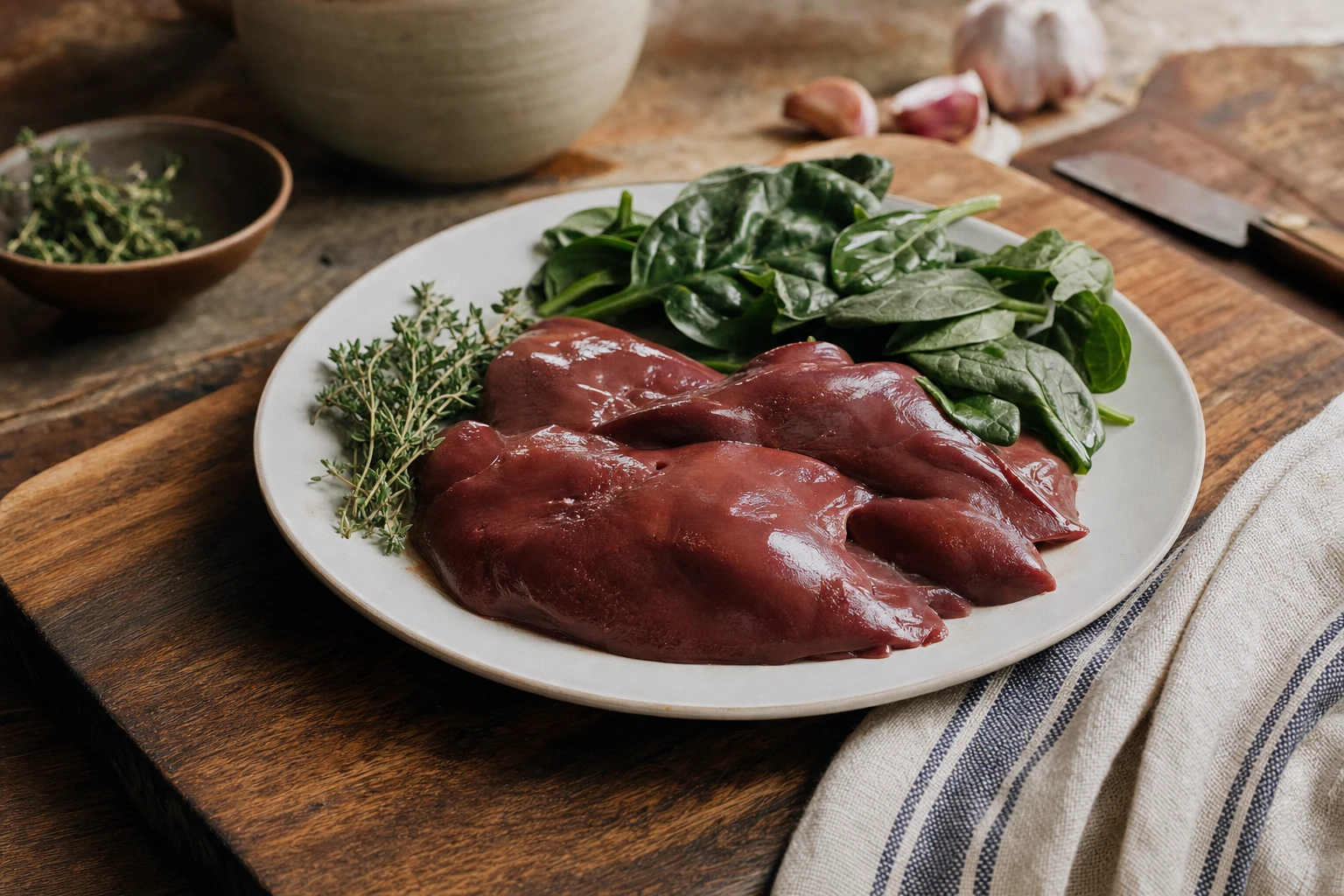
Whole food heme iron builds ferritin more sustainably and more reliably than supplements. When you eat liver or beef regularly, ferritin rises steadily because your body is getting a constant, bioavailable source. Red meat eaters with adequate intake almost never develop iron deficiency.
Heme iron supplements can raise ferritin quickly, especially in the first few months. But they work best as a bridge, not as a permanent replacement for food. If you can't stomach liver or red meat, a heme polypeptide supplement can correct a deficiency faster than non-heme supplements ever could.
Whole food liver raises ferritin sustainably. Supplements raise it faster but work best as temporary support.
Non-heme supplements, whether from fortified plant sources or synthetic forms, can raise ferritin, but the effect is slower and less reliable. You need higher doses, and you need to time them carefully to avoid food interactions.
Get guides like this, free
Two short reads a week on real food, nutrition, and the farms behind it.
By signing up you agree to receive emails from us. No spam, unsubscribe anytime.
The cost-benefit trade-off
Liver is cheaper than most heme supplements. A kilogram of beef liver costs less than a month's supply of polypeptide capsules, and delivers more iron per pound. If you can eat liver, you should. The cost per unit of absorbed iron is unbeatable.
Red meat runs second. It's more expensive than liver but still affordable, and iron absorption is excellent. Steak and mince from grass-fed sources cost more, but the nutrient density, particularly in iron and B12, justifies the price.
Heme iron supplements fill the gap for people who genuinely cannot eat organ meat. They're more expensive than food but cheaper than suffering through iron deficiency indefinitely. A one-month supply of a decent polypeptide supplement runs 20 to 30 pounds, depending on dose and brand.
Non-heme supplements are the cheapest upfront, which is why they're everywhere. But the real cost is measured in effectiveness. If you end up taking double the dose because absorption is so poor, or you stop because constipation is unbearable, you've lost the savings.
1 of 9
Daily blend
100,000+ thriving families4.9 on Trustpilot
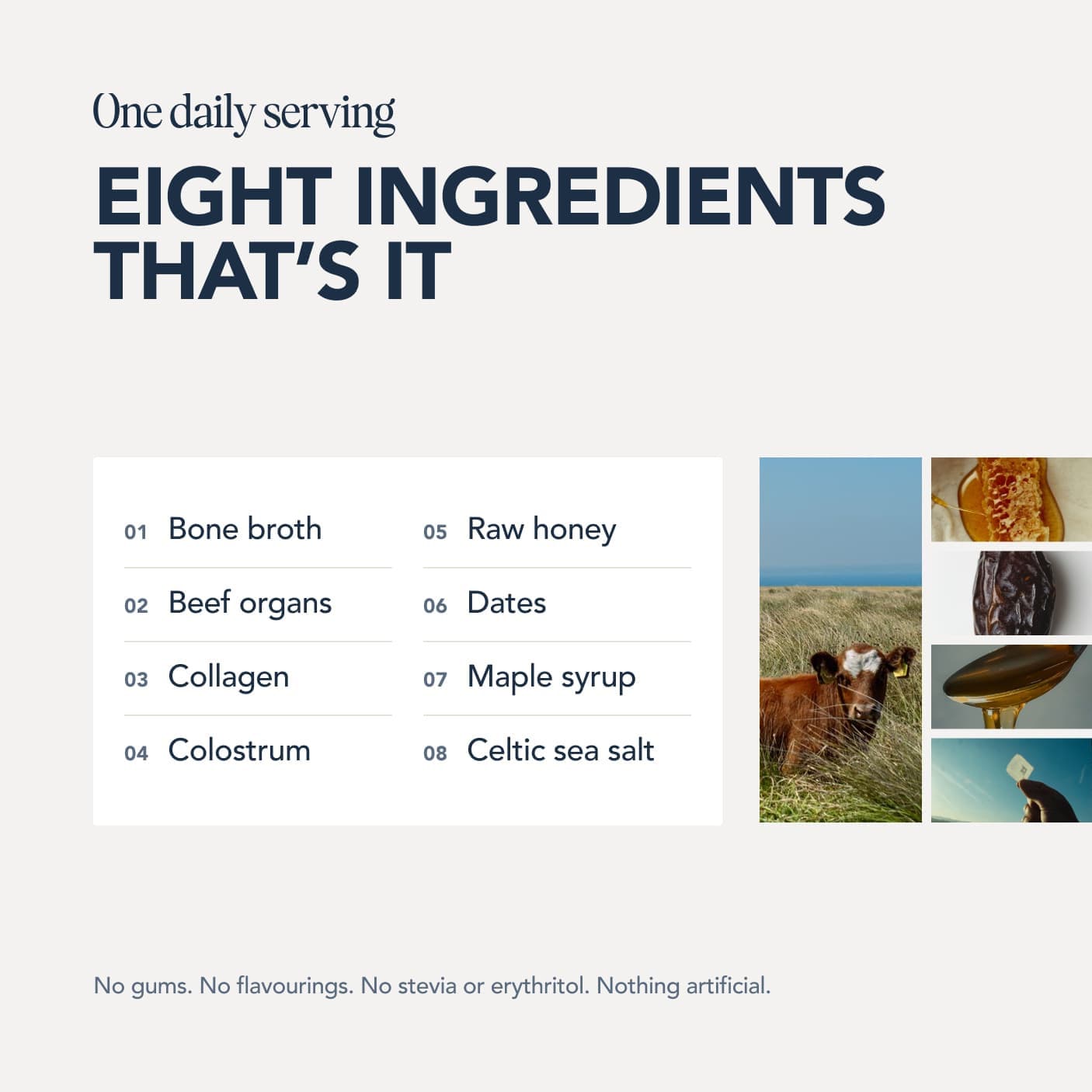
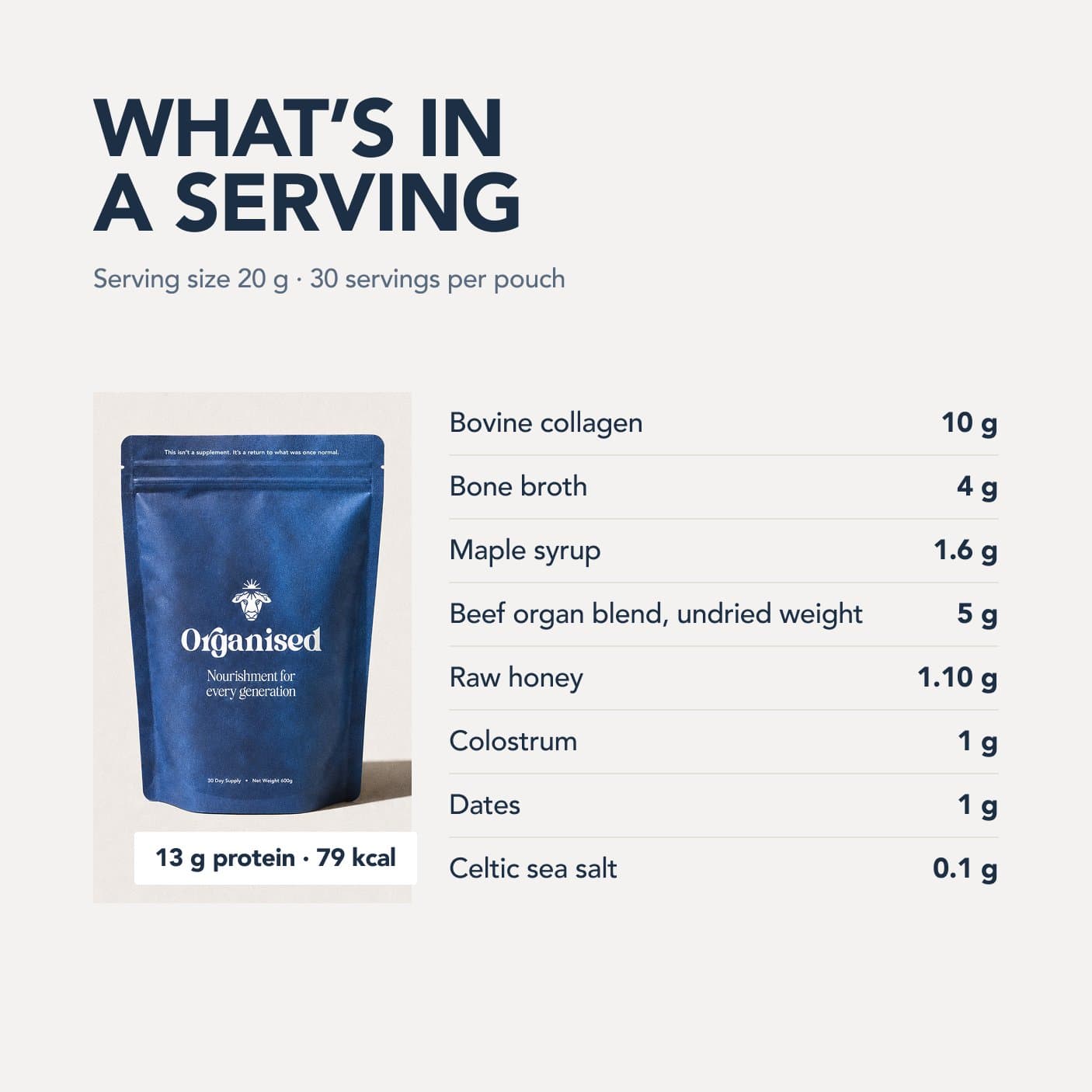
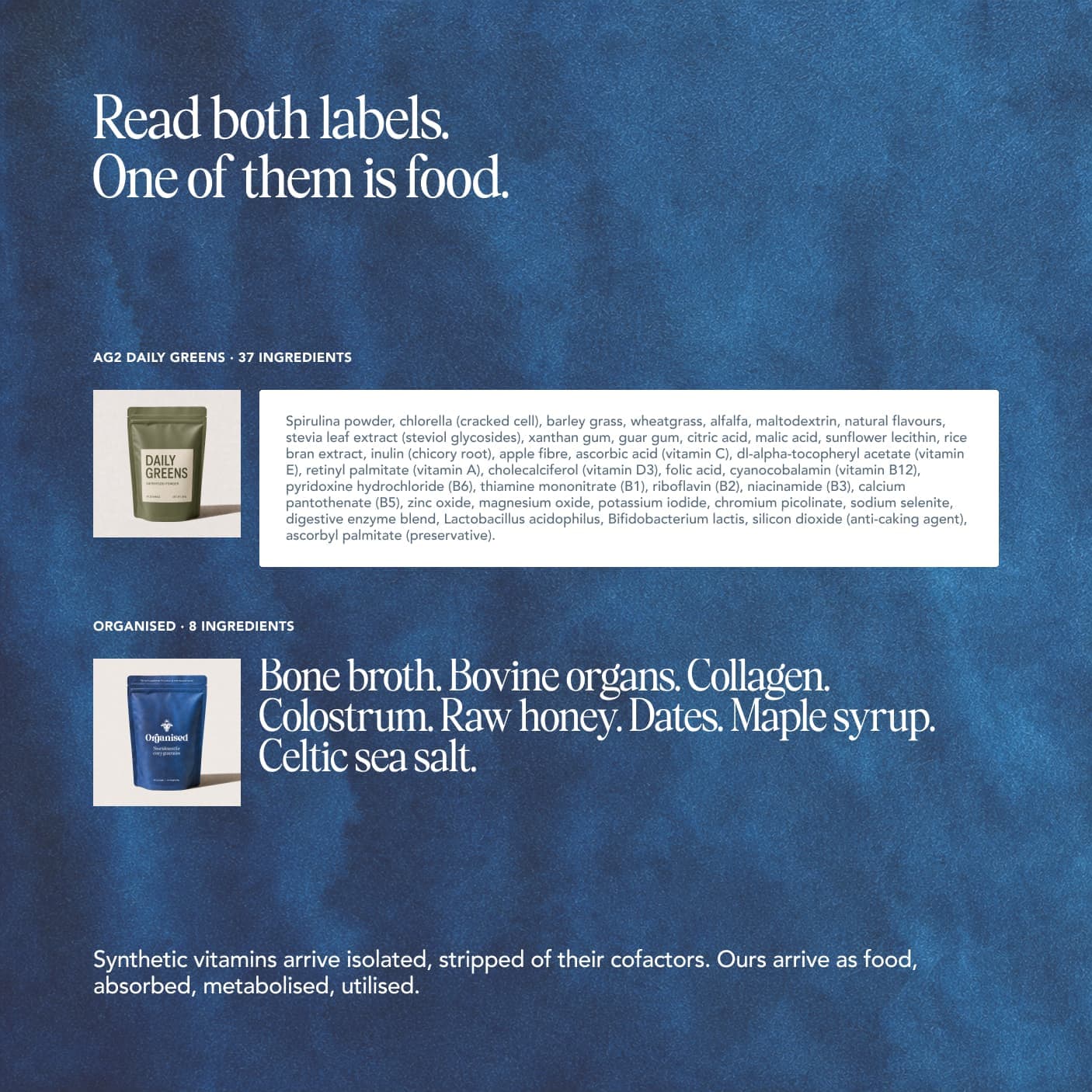
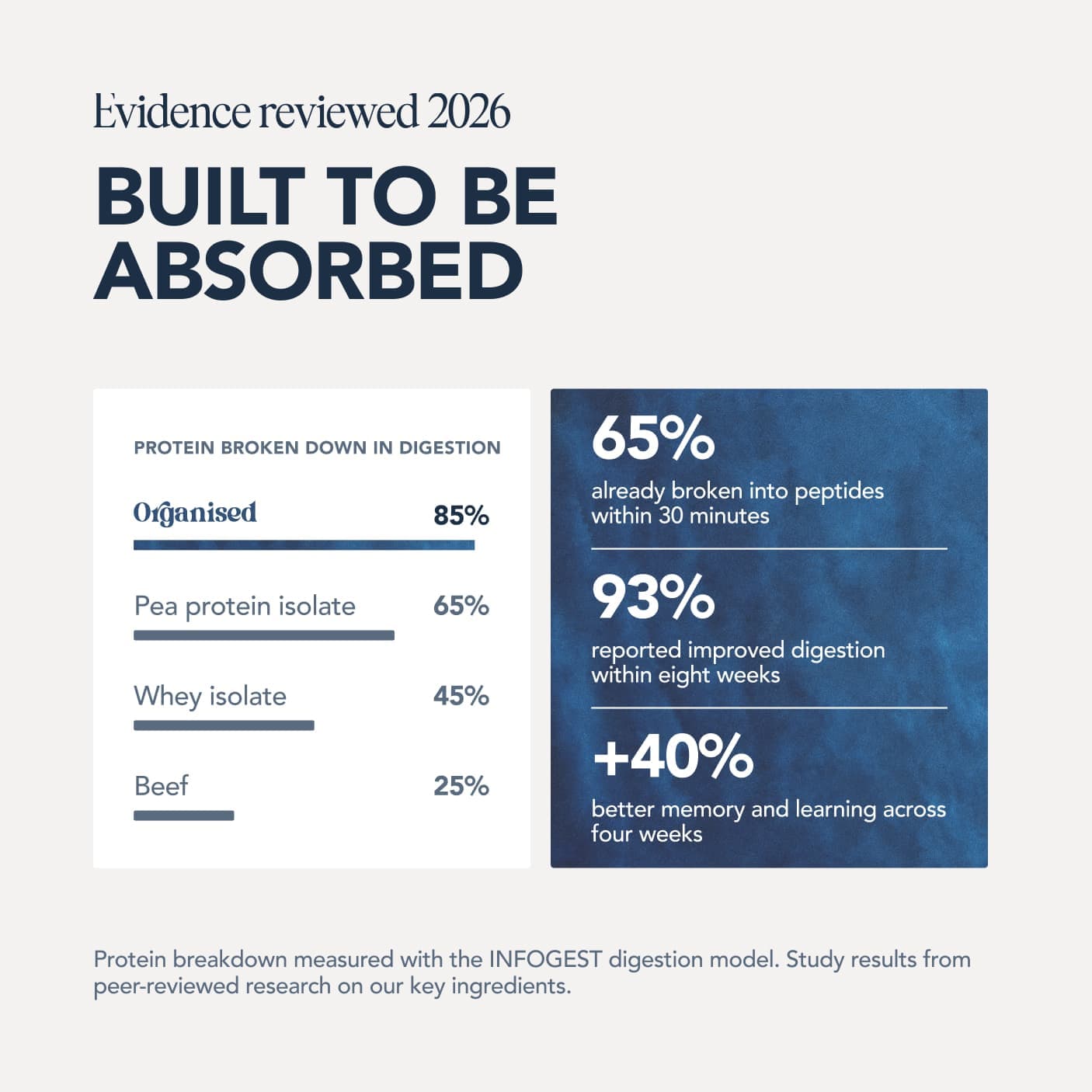
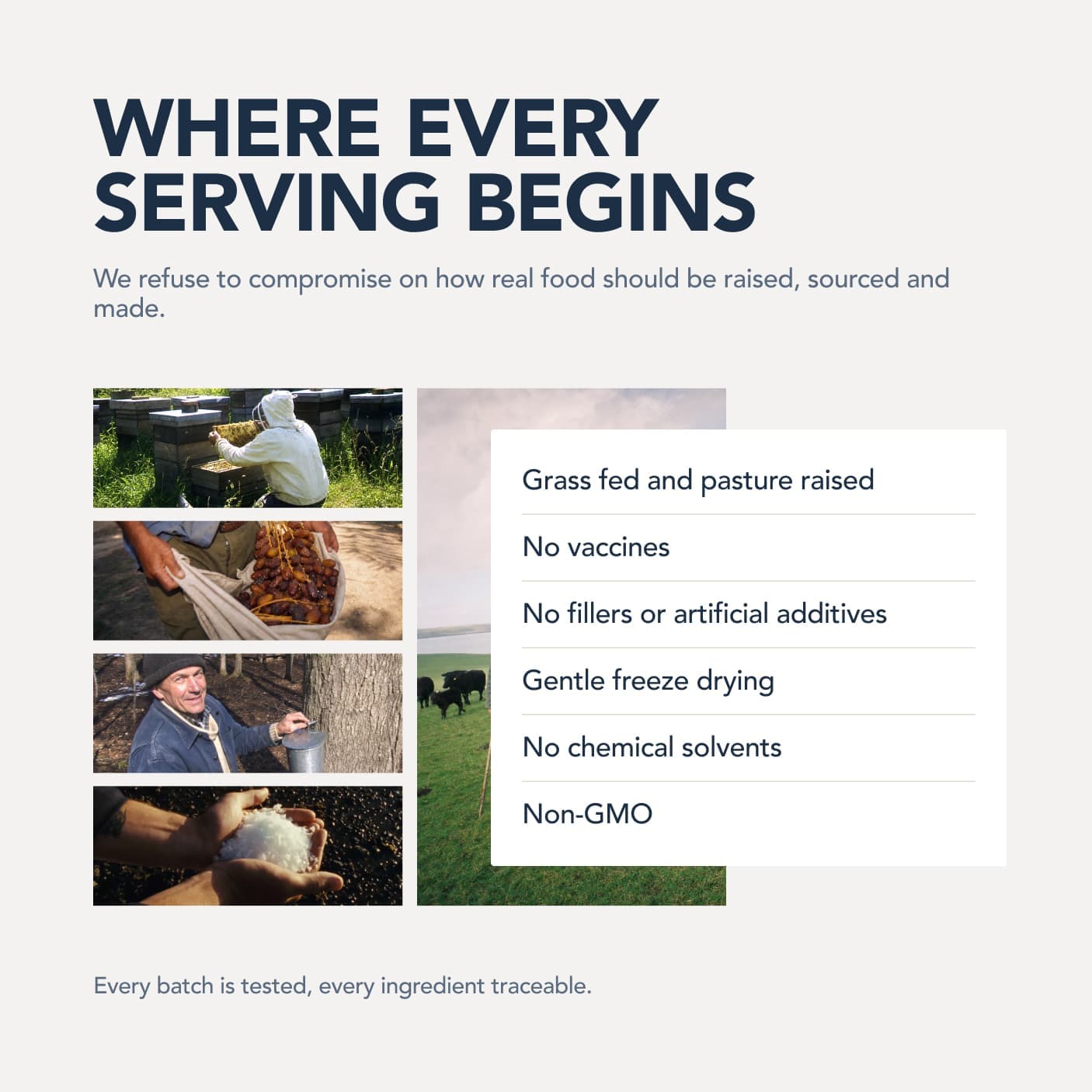
Eight real ingredients built around grass-fed beef organs, collagen and colostrum. Nothing synthetic added.
Free with your first order, worth £38. Plus £10 off the pouch with a subscription.
Free UK shipping · Made in England · 100 day money back guarantee on your first pouch · Skip, pause or cancel anytime
Which one to choose
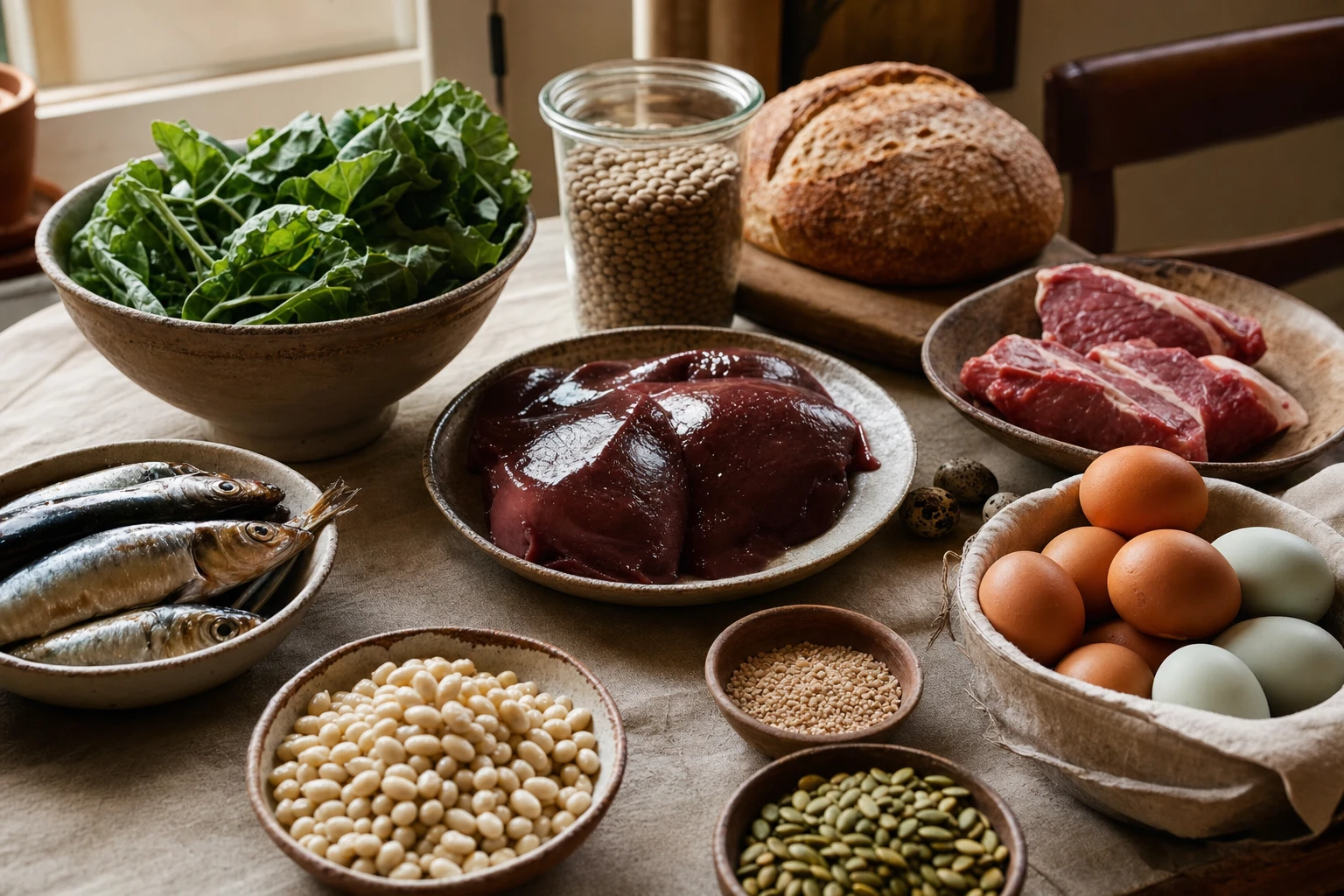
Start with food. Liver twice a week, beef or lamb on other days. This alone will correct most iron deficiencies within three to four months, especially if you're eating adequate vitamin C to enhance absorption, and avoiding large amounts of tea or coffee during meals.
If you cannot tolerate whole food liver, heme iron supplements are worth trying. They work faster than non-heme alternatives and have fewer gastrointestinal side effects for most people.
Liver or beef first. Heme supplements if food is impossible. Non-heme supplements only if heme is unavailable.
Non-heme supplements might work if you're only mildly deficient and you're willing to be patient. But if your ferritin is genuinely low, you'll get faster, more reliable results from heme sources.
The uncomfortable truth is this. Your body recognises the difference between heme and non-heme iron. Evolution spent hundreds of thousands of years optimising how we absorb iron from meat. That advantage doesn't disappear when you pour powder into a capsule. If iron deficiency has been holding you back, heme iron, whether from food or supplement, is the shortcut your body actually recognises.
References
Every source below was checked on 27 August 2026. Each PubMed, PMC and DOI identifier was resolved against NCBI or Crossref, and what it opens is printed under the citation, so you can see the link goes where the citation says without leaving the page. Where a citation and its identifier disagreed, the citation was corrected to the record or the reference was deleted along with the sentence marker that pointed at it, and where the resolved paper turned out not to support the sentence, the sentence was cut back to what it does support. Borrowed authority is worse than none, because it looks like rigour.
- National Institutes of Health Office of Dietary Supplements. Iron - Health Professional Fact Sheet. NIH ODS Iron.
- Hurrell R, Egli I. Iron bioavailability and dietary reference values. Am J Clin Nutr. PubMed PMID: 20200263.Checked 27 August 2026: PMID 20200263 opens Hurrell R, Egli I, Iron bioavailability and dietary reference values. Am J Clin Nutr 2010;91(5):1461S-1467S.
- Hurrell RF et al. Inhibition of non-haem iron absorption in man by polyphenolic-containing beverages. Br J Nutr. PubMed PMID: 10999016.Checked 27 August 2026: PMID 10999016 opens Hurrell RF, Reddy M, Cook JD, Inhibition of non-haem iron absorption in man by polyphenolic-containing beverages. Br J Nutr 1999;81(4):289-95. PubMed indexes it as: Clinical Trial, Comparative Study.
Who wrote and reviewed this guide
Niall Kiddle
Author · Founder, Organised
Niall is the founder of Organised. He started the company in 2024 after fixing his own health the slow way: in 2022 he swapped a cupboard of synthetic supplements for real food, raw milk, organ meats, bone broth and honey, and felt the difference within months.
Areas of expertise: Ancestral nutrition, Organ meats, Whole-food supplementation, Gut health, Regenerative sourcing
Read Niall's full profile
Pedro Rodrigues
Reviewer · Agronomist (farming and sourcing only)
Pedro is the agronomist Organised works with on farming and sourcing. His job on the guides is to keep the science honest: he reviews what we publish about soil health, regenerative agriculture, grazing and the way food is actually produced.
Areas of expertise: Regenerative agriculture, Agronomy, Soil health, Grass-fed farming, Food sourcing
Reviewed this guide on
Read Pedro's full profileMore on vs & comparisons
View allBrowse the guides library
All guidesKeep reading
Organised
Organ Meat Capsules vs Organ Meat Powder: What's More Effective?
Compare organ meat capsules vs powder: capsules are convenient and shelf-stable, powder offers flexible dosing at lower cost, and bioavailability is similar.
Organised
Grass-Fed Beef Protein vs Pea Protein: A Complete Comparison
Compare grass-fed beef protein vs pea protein fairly. Beef has complete amino acids and a 1.23 DIAAS, while pea lacks methionine at 0.7. See the full picture.
Organised
Colostrum vs Glutamine for Gut Health
Colostrum contains IgG and growth factors. Glutamine fuels enterocytes. They work through different mechanisms. Here's the honest comparison.
Real food, made effortless
Try OrganisedA few ways to use it
All recipes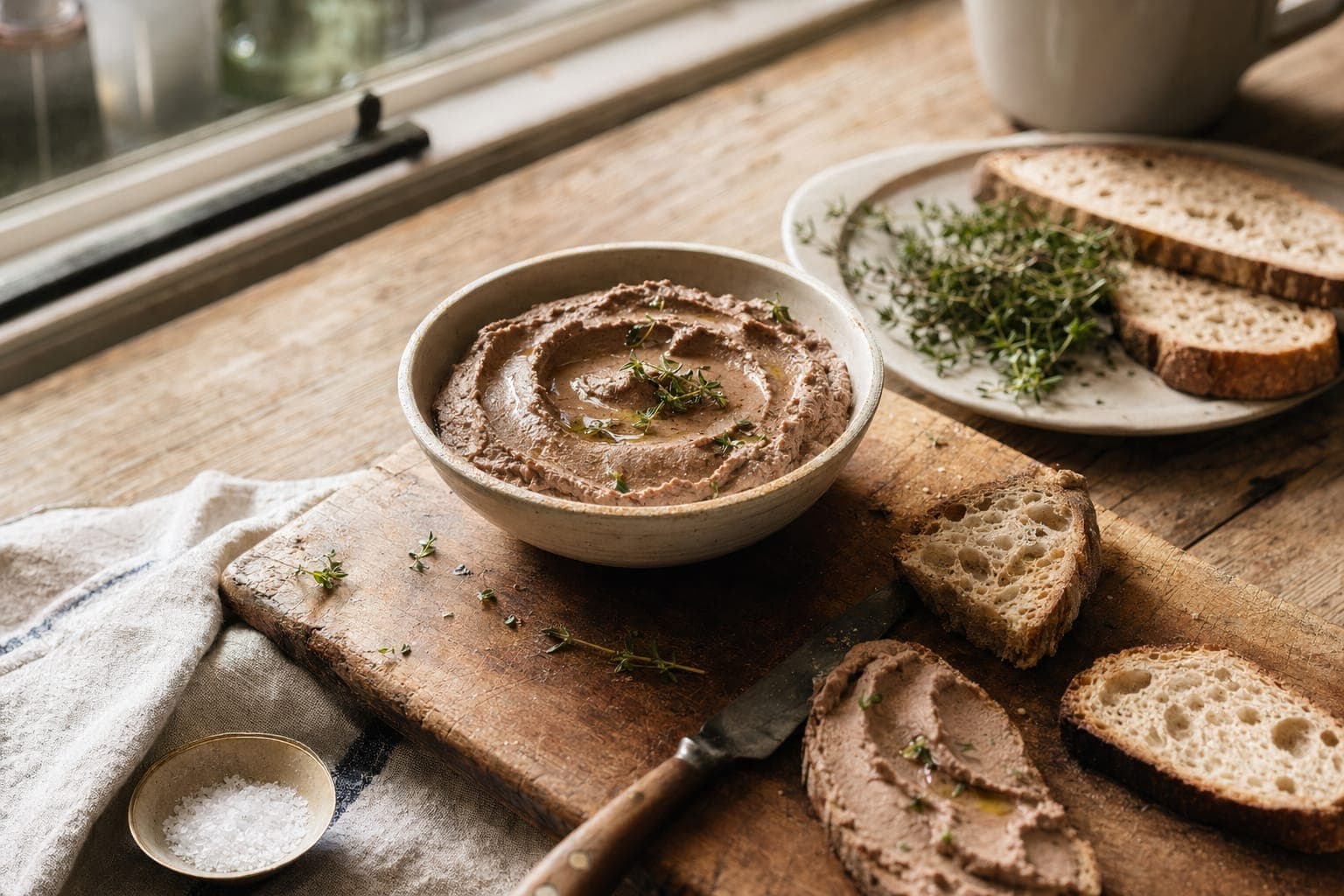
Liver Pate for Beginners: A Gentle Introduction to Organ Meats
Simple liver pate recipe to start eating organ meats. Chicken liver, butter, and herbs. Gentle introduction to nutrient-dense whole foods.
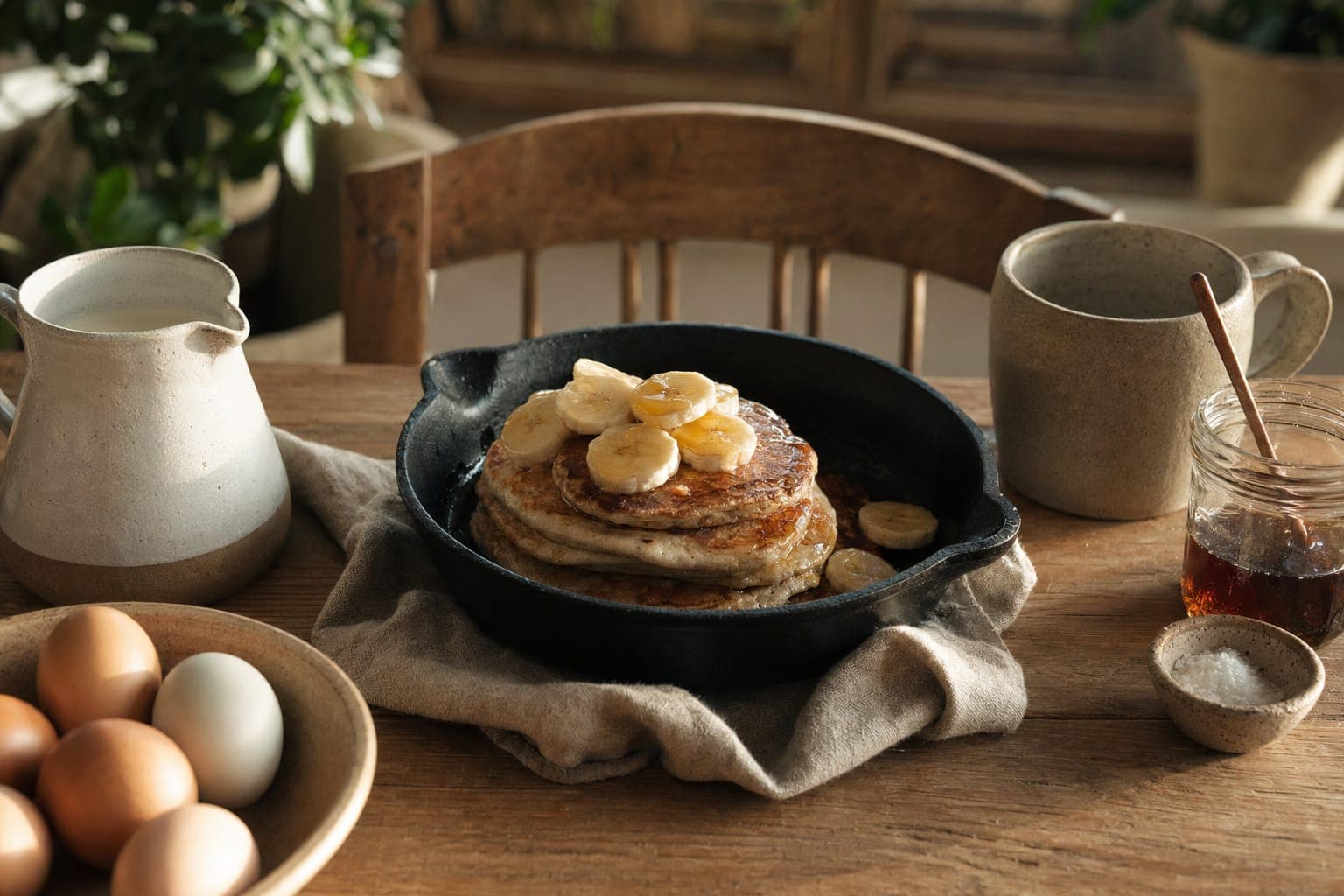
Organised Protein Pancakes: A Weekend Favourite
A high-protein pancake recipe using beef protein, eggs, and raw milk. Cooked in cast iron, naturally sweetened with banana and honey. Real food breakfast.
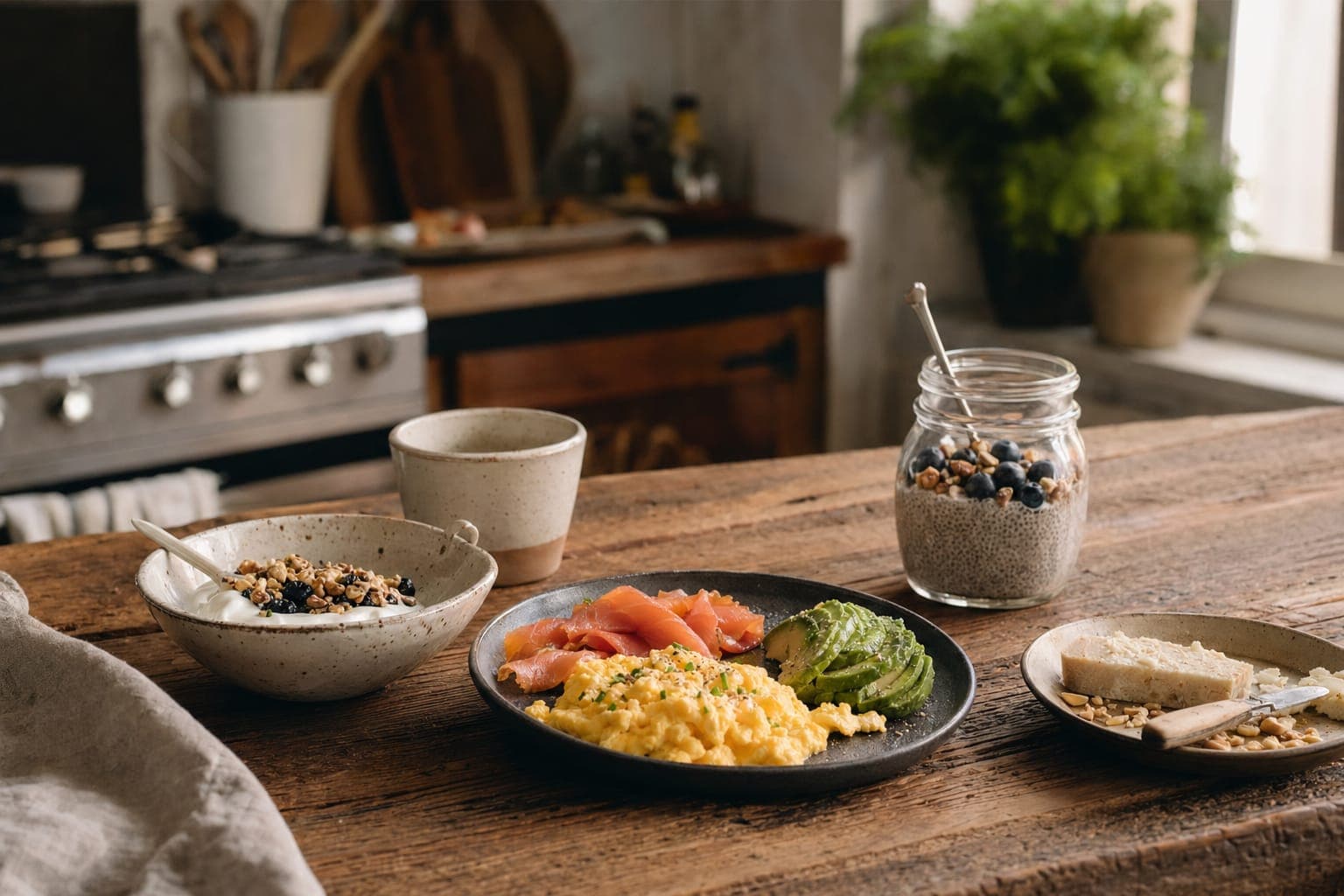
5-Minute High-Protein Breakfasts Using Organised
Quick, high-protein breakfast ideas using Organised. Five recipes you can make in minutes with real food. No fussing around.


 Join over 100,000+ members
Build a better food system with us
The Organised community is thousands of people choosing real food and backing the farmers who grow it, all of us trying to leave the world a little better than we found it. If that is what you care about too, you belong here.