Organ Bolognese: The Family Dinner That Heals
Most people encounter organs through supplements. Capsules. Dried powder. But organs were never meant to be convenience foods. They were meant to be cooked, slowly, with wine and tomato and time. This bolognese is that version. It bridges the gap between supplement and real food.
By Niall Kiddle, Founder, Organised

Reviewed by Pedro Rodrigues, Agronomist (farming and sourcing only) ·
6 min read · Published · Updated · 2 cited sources
Makers of the Organised Daily blend, a grass-fed beef organ supplement from regenerative UK farms
Why organ meat bolognese
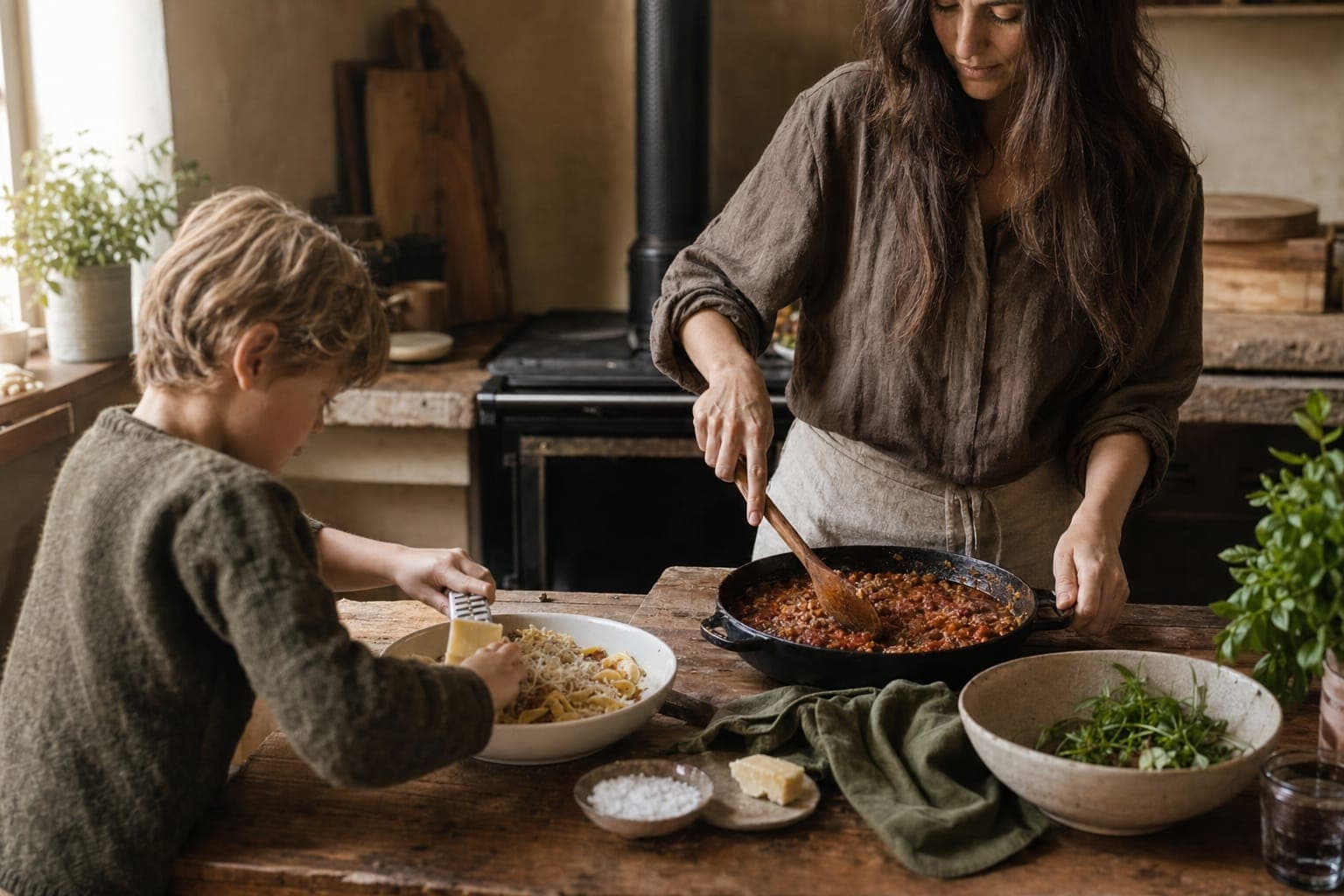
Bolognese is where flavour hides complexity. The long simmer, the wine, the tomato, the herbs, they all work together to make the meat almost disappear into the sauce. Organ meat, which some people find intimidating, becomes just another ingredient in something that tastes like proper food.
A pound of beef liver contains more iron, B12, copper, and retinol than most supplements deliver in a month.1 A pound of beef heart contains taurine, carnitine, CoQ10, and selenoprotein.2 But unlike capsules, cooking it transforms the texture, makes it familiar, makes it something you'd actually want to eat.
This recipe works for families. Adults eat it and don't think twice. Children who would never accept organ pills happily eat bolognese if it's made well.
Choosing your organs
Use beef liver and beef heart. Ask your butcher. They almost always have them frozen. They're cheap, often under £5 per kilogram.
Fresh is better than frozen, but frozen works. If frozen, defrost in the fridge overnight. The texture won't be as clean, but the flavour survives defrosting fine.
You need roughly 400g of organs for four servings. That's usually 300g liver and 100g heart, though any ratio works. More liver if you want more iron. More heart if you want more mineral breadth.
The recipe
For four servings:
- Beef liver: 300g, chopped into small pieces
- Beef heart: 100g, chopped finely
- Onions: 2 large, diced small
- Garlic: 4 cloves, minced
- Tinned tomatoes: 400g (one tin)
- Tomato paste: 1 tablespoon
- Red wine: 150ml (or beef broth)
- Butter or tallow: 2 tablespoons
- Bay leaf: 1
- Thyme: small sprig
- Sea salt and pepper: to taste
Cooking method
- Heat butter in a large, heavy pot over medium-high heat. Add diced onions. Cook for 5 minutes until softening.
- Add minced garlic. Cook for 1 minute until fragrant.
- Add chopped liver and heart. Brown the meat on all sides, 5-8 minutes. This is crucial, don't skip this step.
- Add tomato paste. Stir for 1 minute to coat the meat.
- Add red wine. Scrape the bottom of the pot, bringing up any browned bits. Simmer for 3 minutes until the wine is partially reduced.
- Add tinned tomatoes, bay leaf, thyme. Stir well.
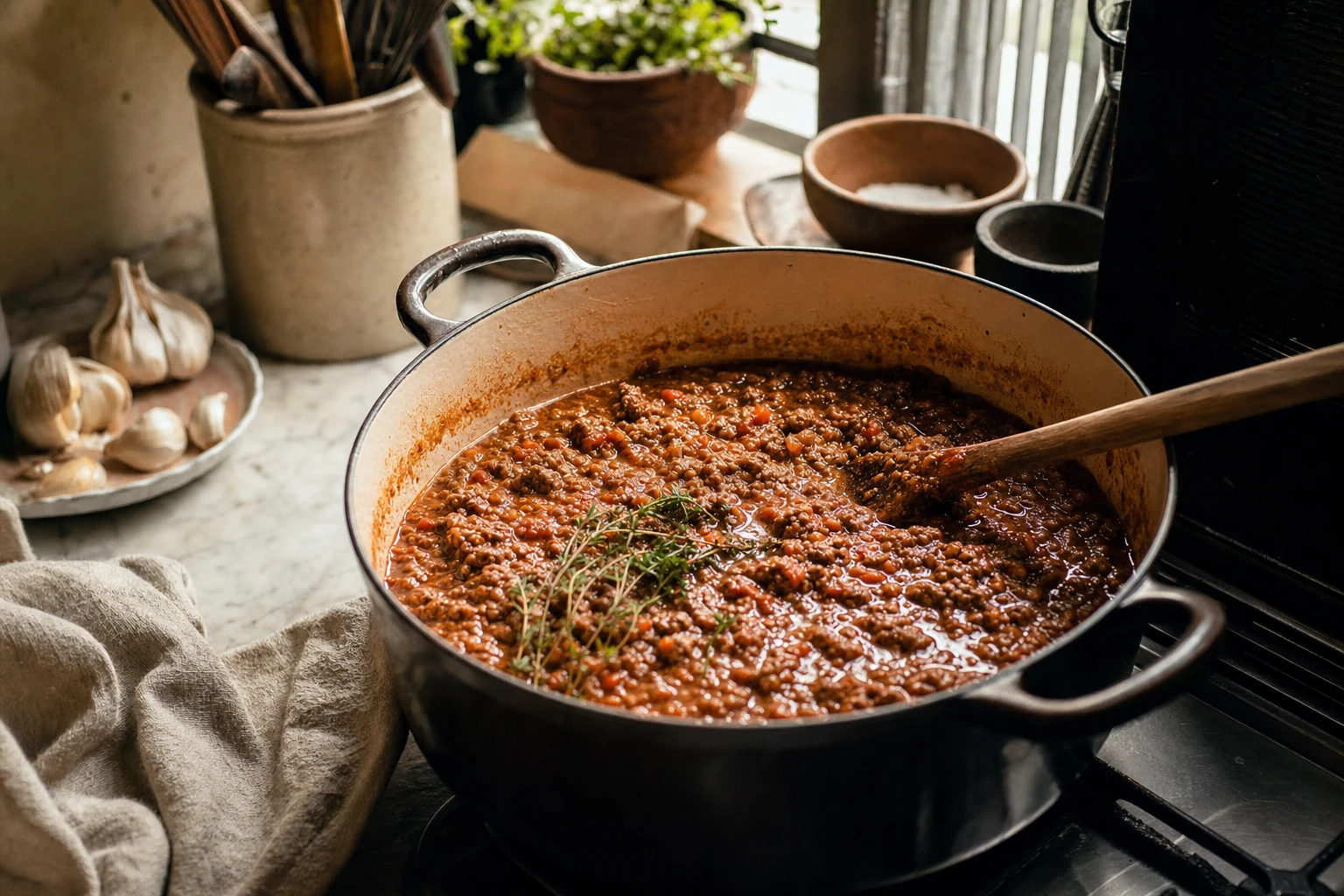
- Reduce heat to low. Simmer gently for 45 minutes, stirring occasionally. The sauce should be thick and rich.
- Taste. Season with sea salt and pepper. If it tastes too livery (metallic), add a pinch more salt or a tiny splash of honey, this helps.
The long simmer is essential. It breaks down the organ meat, mellows it, integrates it into the sauce. Rushed bolognese tastes livery and harsh. Patient bolognese tastes extraordinary.
Serving suggestions
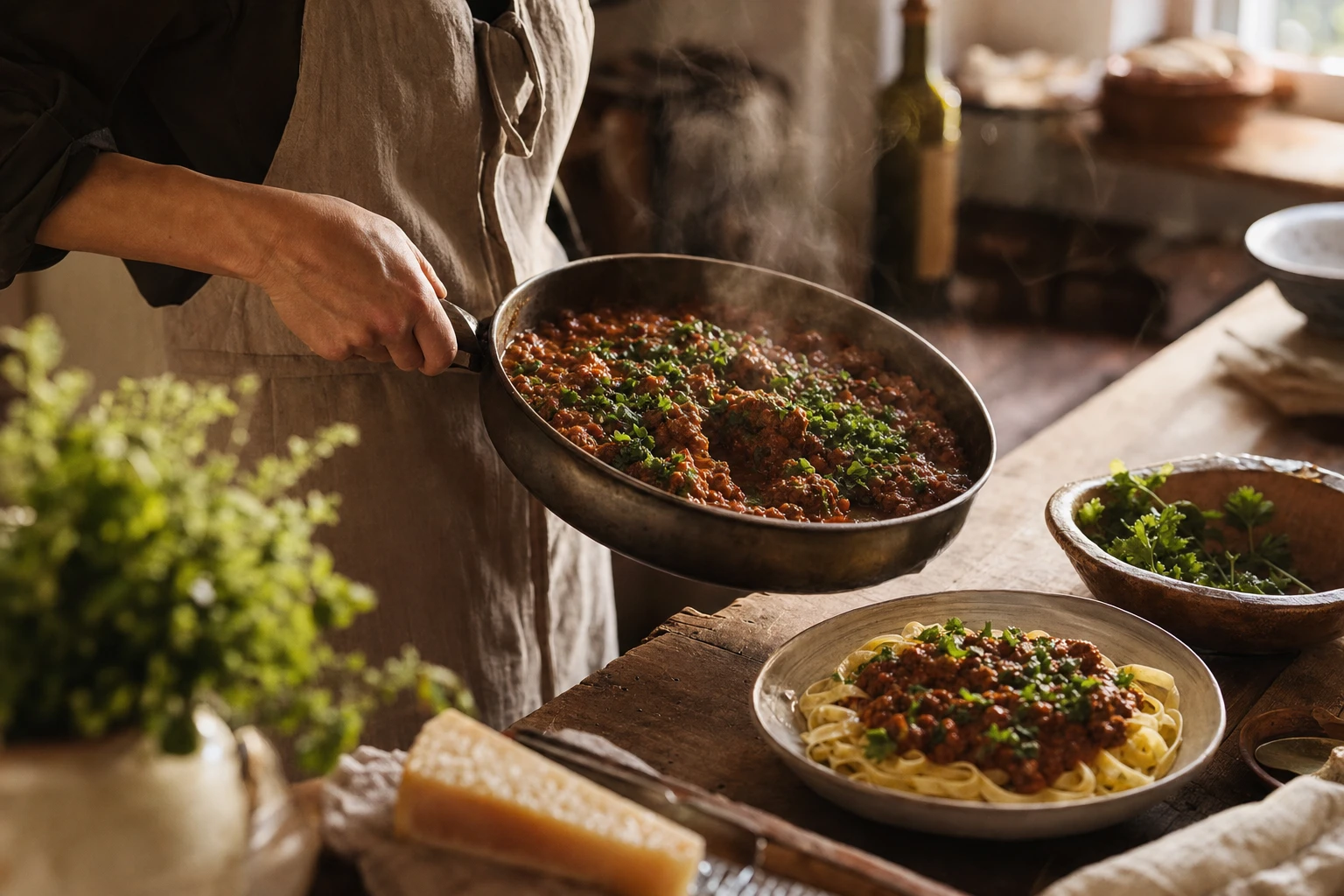
Serve over pasta, sourdough is ideal, or good quality dried pasta. Or over white rice if you want something lighter. Or as a base for polenta, topped with grated cheese.
Top with fresh parsley, a grating of aged cheese, a tiny bit of raw cream if you have it.
Serve with a side of bitter greens dressed in olive oil and lemon, the bitterness balances the richness of the meat and the sauce.
Notes for resistant eaters
If you're introducing organ meat to someone sceptical, this is the recipe. The texture becomes almost invisible after 45 minutes of cooking. The flavour integrates with tomato and wine. It tastes like a very good bolognese, not like you're eating something strange.
If someone still resists: start with 200g organs and 200g regular ground beef. Blend it. It's less nutritious but eases the transition. Increase the organ ratio over several meals. By the fourth time they've eaten it, resistance usually drops.
Storing and reheating
Bolognese stores beautifully in the fridge for five days in a sealed container. Freeze it in portions for up to three months. The flavour actually improves after a day or two as the spices continue to deepen.
To reheat, defrost overnight in the fridge, then warm gently over medium heat, stirring occasionally. Add a splash of water or stock if it's thickened too much. Never rush the reheating. Low and slow preserves the texture and flavour.
Get recipes and routines, free
Two short reads a week of simple, nutrient-dense recipes and daily routines.
By signing up you agree to receive emails from us. No spam, unsubscribe anytime.
Variations and meat swaps
If you can't find both liver and heart, liver alone works beautifully. Some people prefer 100% liver for maximum iron density. Others swap in beef kidney (25-30% of the total organ content) for additional copper and selenium. The flavour shifts slightly but the mechanism stays the same.
Want to introduce organs gradually? Start with 200g organs and 200g lean ground beef. Blend them together before cooking. The beef carries the familiar flavour whilst the organs contribute their micronutrients quietly. Over four meals, increase the organ ratio by 50g at a time. By the fourth bolognese, you're at 100% organ meat and nobody notices the transition.
Pork liver works but tastes slightly different, more delicate. Chicken liver is milder still. If you're working with poultry, add an extra bay leaf and a small splash of red wine vinegar to round out the flavour.
Timing and preparation hacks
If 45 minutes of simmering feels too long, you can prepare the bolognese in two stages. Brown the organs and aromatics in the morning, let them cool, then finish the sauce in the evening by adding tomatoes, wine, and herbs. The second simmer only needs 20 minutes because the organs are already broken down.
Using a slow cooker? Cook on low for three hours instead of simmering. The result is slightly softer organs and deeper flavour. No browned-meat crust forms, so the initial browning step is even more important. Don't skip it.


1 of 9
Daily blend
100,000+ thriving families4.9 on Trustpilot
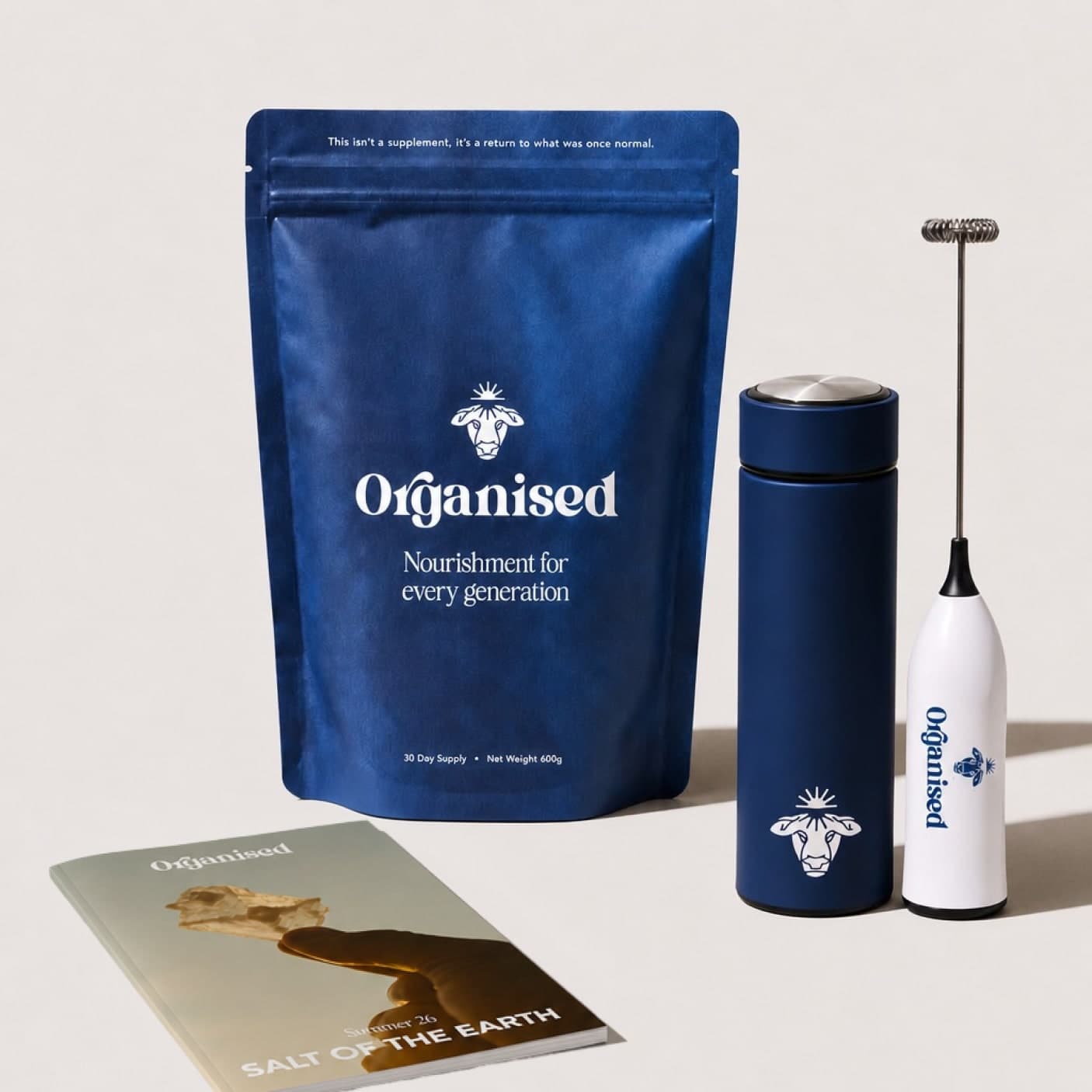
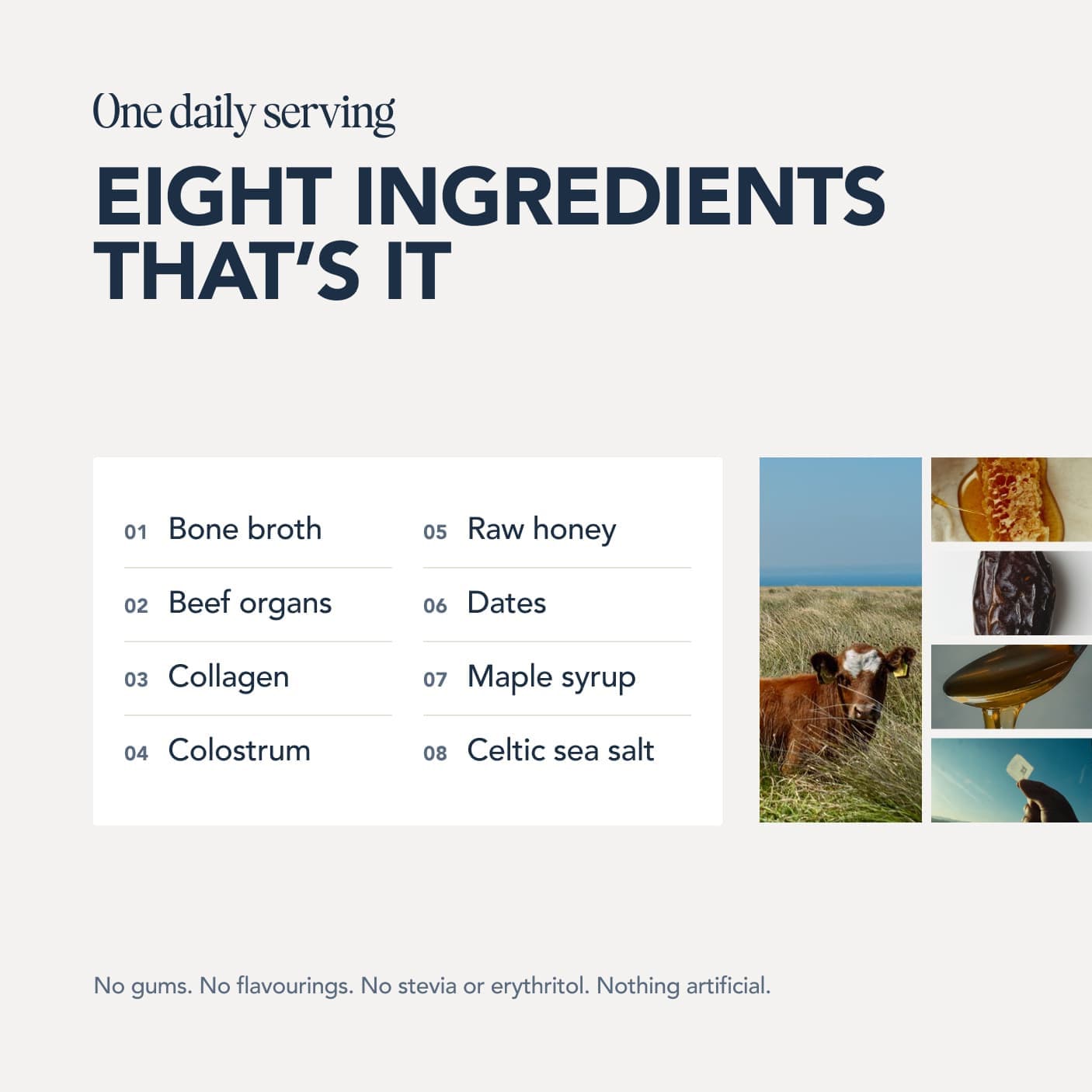
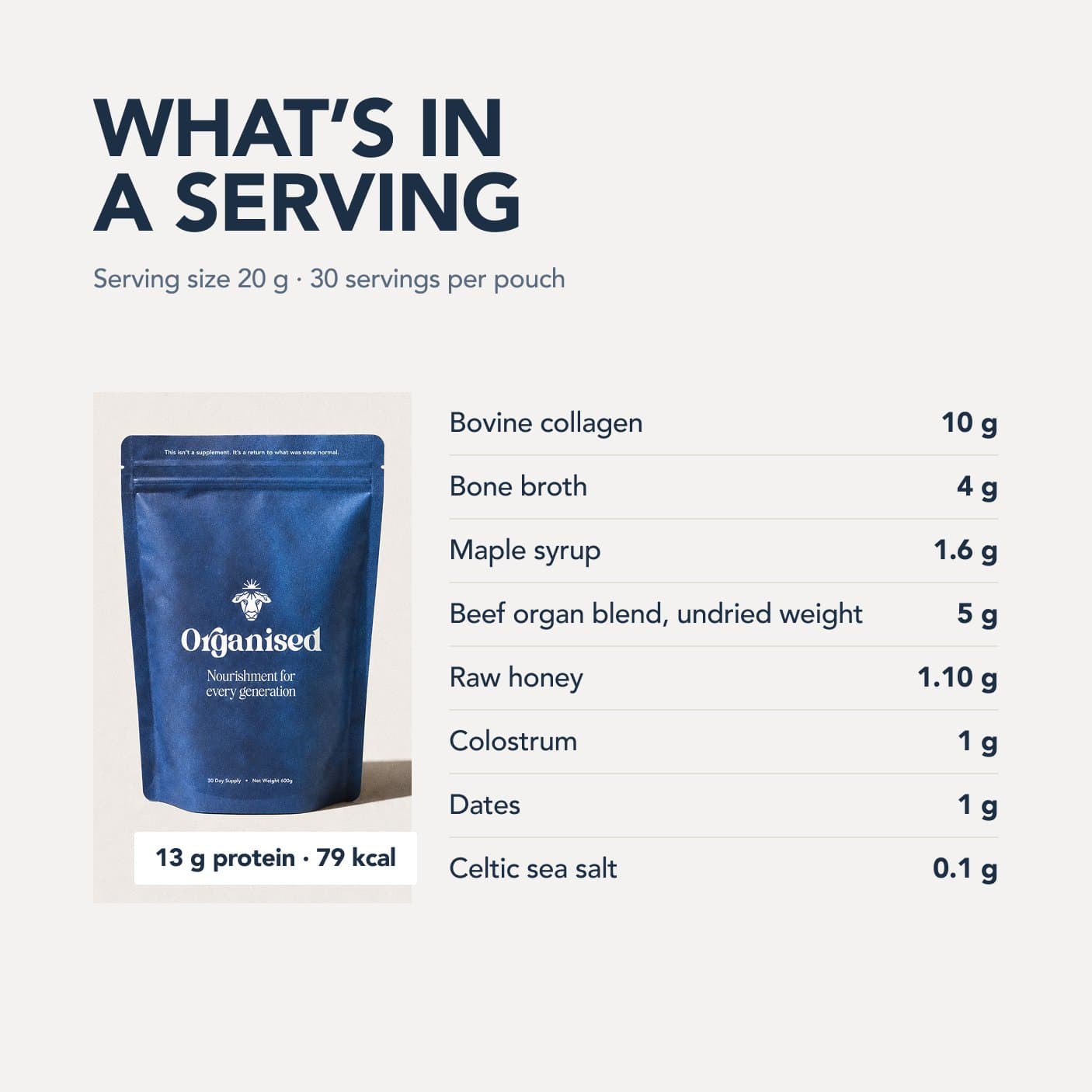
Eight real ingredients built around grass-fed beef organs, collagen and colostrum. Nothing synthetic added.
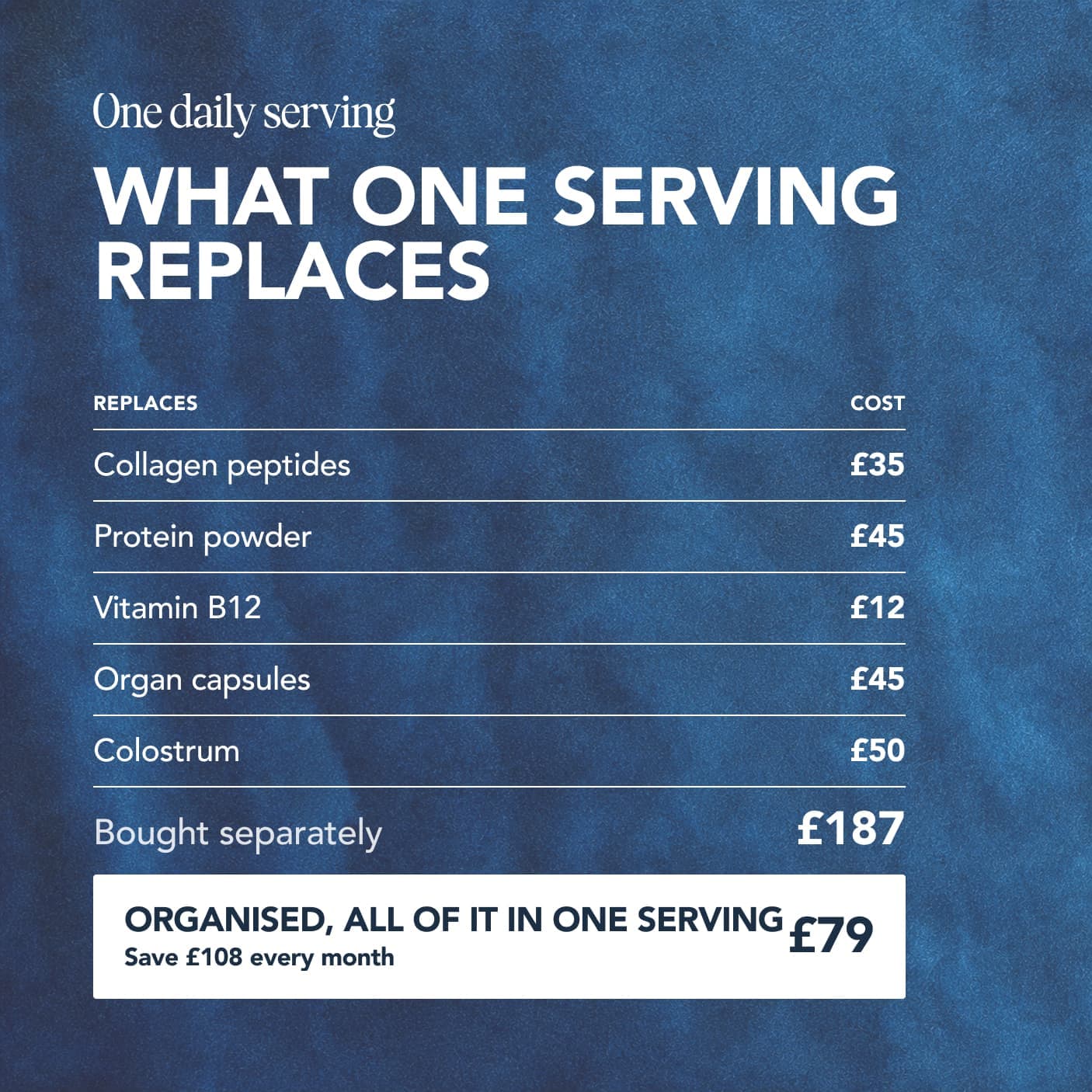
Free with your first order, worth £38. Plus £10 off the pouch with a subscription.

Free UK shipping · Made in England · 100 day money back guarantee on your first pouch · Skip, pause or cancel anytime
Serving variations
Serve over fresh pasta (tagliatelle or pappardelle hold the sauce well), dried pasta (spaghetti or rigatoni work), or without pasta at all. Spooned over creamy polenta with grated cheese becomes a richer, more luxurious meal. Over white rice with a side of pickled vegetables becomes lighter and brighter.
Add grated parmesan, a tiny dollop of crème fraiche, or a handful of fresh basil if serving immediately. All three work with organs. The acid (from parmesan, from basil's astringency) cuts the richness and lightens the whole dish.
If you're serving this to people sceptical about organ meat, don't announce it. Serve it hot, let them eat, and only mention the ingredients once they've formed their own opinion. Most people don't taste the organs if the presentation is confident and the sauce is excellent.
Troubleshooting livery taste
If the bolognese tastes strongly metallic or livery, you're likely overcooking the organs or the tomato balance is off. Reduce the simmer time by ten minutes next time and add an extra 100g tinned tomatoes to dilute the intensity. A tiny pinch of sugar or honey counteracts metallic notes beautifully.
Older organ meat tastes stronger. If you're using organs you've frozen for more than three months, expect a more assertive flavour. Use the adjustment tactics above.
Organ meat from grain-fed cattle tastes different from grass-fed. Grass-fed is richer and more mineral-forward. Grain-fed is milder. Know your source and adjust seasoning accordingly.
The bottom line
This bolognese delivers more nutrition per gram than almost any meal. It tastes normal. It's affordable. It takes 50 minutes. Make it on a Sunday, eat it twice, freeze the rest. Your family will eat organs without knowing they're eating organs. Which is entirely the point. This isn't a health food pretending to be normal. It's genuinely normal food, made with whole-animal ingredients that happen to be extraordinarily nourishing.
References
Every source below was checked on 27 August 2026. Each PubMed, PMC and DOI identifier was resolved against NCBI or Crossref, and what it opens is printed under the citation, so you can see the link goes where the citation says without leaving the page. Where a citation and its identifier disagreed, the citation was corrected to the record or the reference was deleted along with the sentence marker that pointed at it, and where the resolved paper turned out not to support the sentence, the sentence was cut back to what it does support. Borrowed authority is worse than none, because it looks like rigour.
- National Institutes of Health, Office of Dietary Supplements. Vitamin A and Carotenoids: Fact Sheet for Health Professionals. https://ods.od.nih.gov/factsheets/VitaminA-HealthProfessional/ See also Iron, B12 and Copper fact sheets [accessed May 2026].
- Pravst I, Zmitek K, Zmitek J. Coenzyme Q10 contents in foods and fortification strategies. Critical Reviews in Food Science and Nutrition. 2010;50(4):269-280. https://pubmed.ncbi.nlm.nih.gov/20301015/Checked 27 August 2026: PMID 20301015 opens Pravst I, Zmitek K, Zmitek J, Coenzyme Q10 contents in foods and fortification strategies. Crit Rev Food Sci Nutr 2010;50(4):269-80. PubMed indexes it as: Review.
Who wrote and reviewed this guide
Niall Kiddle
Author · Founder, Organised
Niall is the founder of Organised. He started the company in 2024 after fixing his own health the slow way: in 2022 he swapped a cupboard of synthetic supplements for real food, raw milk, organ meats, bone broth and honey, and felt the difference within months.
Areas of expertise: Ancestral nutrition, Organ meats, Whole-food supplementation, Gut health, Regenerative sourcing
Read Niall's full profile
Pedro Rodrigues
Reviewer · Agronomist (farming and sourcing only)
Pedro is the agronomist Organised works with on farming and sourcing. His job on the guides is to keep the science honest: he reviews what we publish about soil health, regenerative agriculture, grazing and the way food is actually produced.
Areas of expertise: Regenerative agriculture, Agronomy, Soil health, Grass-fed farming, Food sourcing
Reviewed this guide on
Read Pedro's full profileMore on recipes
View all- 10 Ways to Use Organised That Aren't Just a Shake
- 5-Minute High-Protein Breakfasts Using Organised
- Ancestral Breakfast Ideas from Around the World
- Bone Broth from Scratch: A Step-by-Step Guide
- Collagen-Rich Beef Stew: Slow-Cooked Nourishment
- Energy Balls with Organised, Dates and Raw Honey
- Gut-Healing Marshmallows with Collagen and Raw Honey
- How to Make Bone Marrow Butter
- How to Make Your Own Gelatine Gummies
- Liver Pate for Beginners: A Gentle Introduction to Organ Meats
- Matcha Latte Gummies with Collagen and Gelatine
- Organised Chia Pudding with Raw Honey and Berries
Browse the guides library
All guidesKeep reading
Recipes & routines
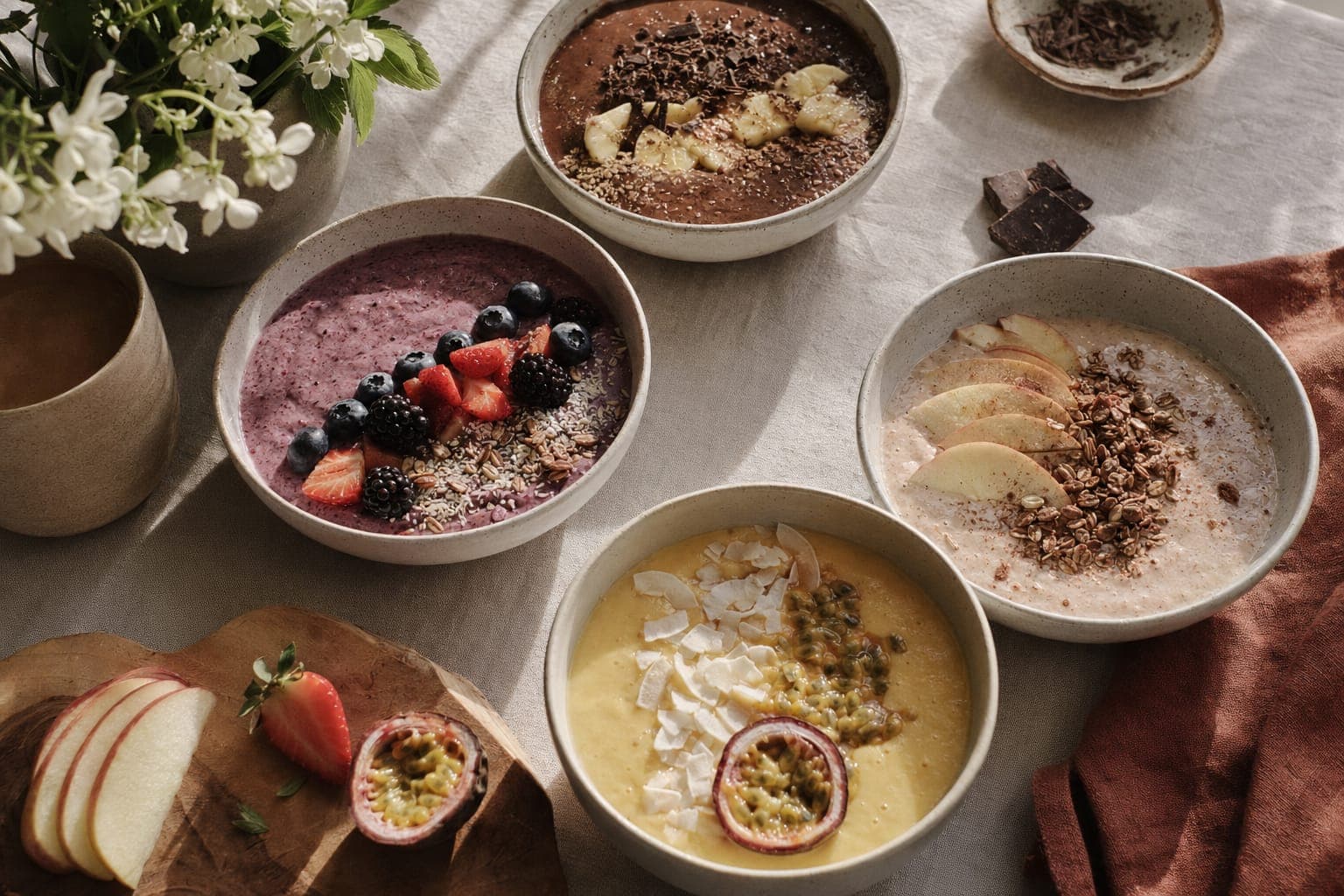
Organised Smoothie Bowl Recipes for Every Season
Four seasonal smoothie bowl recipes using Organised. Berry in summer, apple-cinnamon in autumn, tropical in spring, warming chocolate in winter.
Recipes & routines
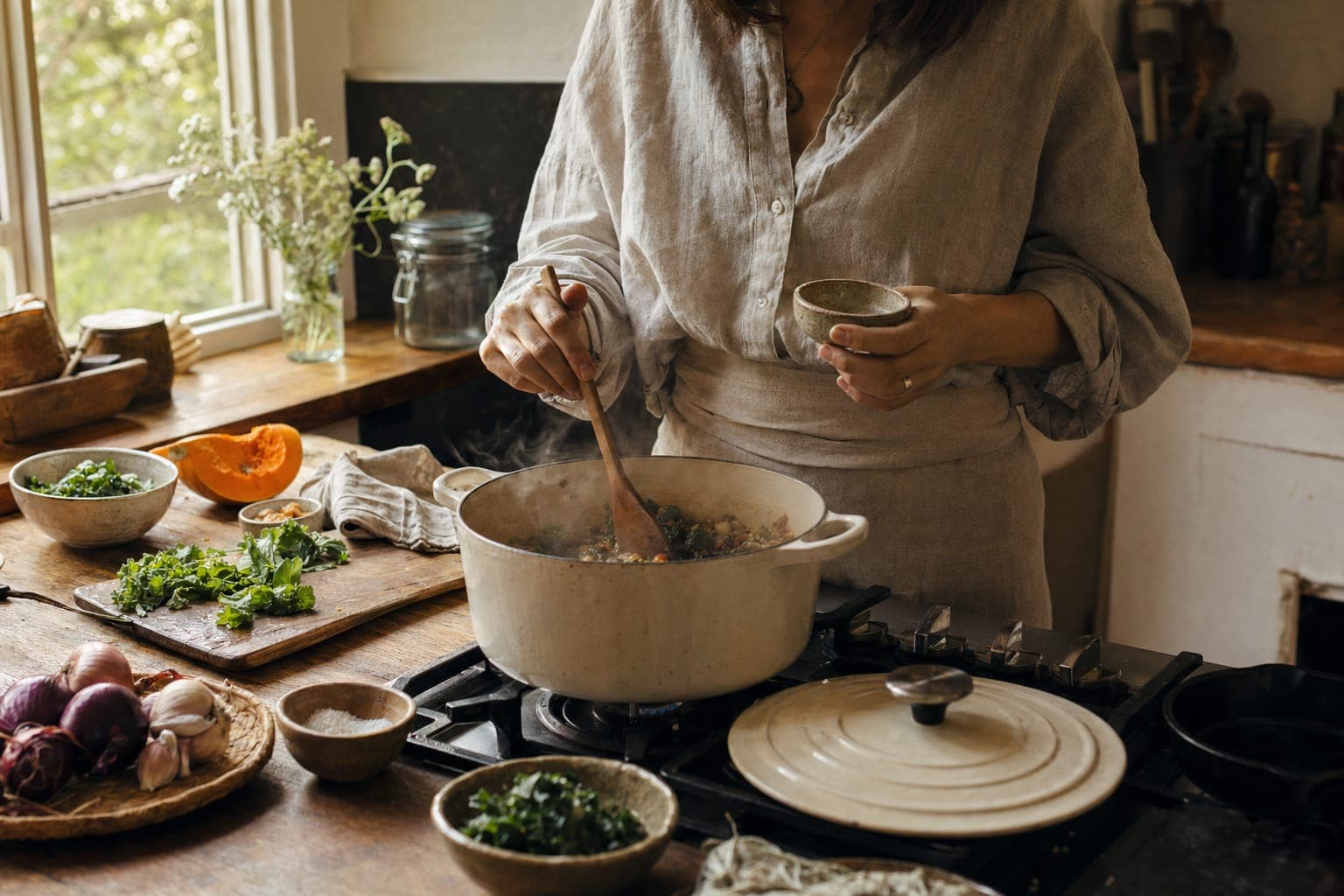
Can You Cook with Organised?
Can you cook with Organised? Yes. Which nutrients survive heat and which don't. Complete guide to using Organised in hot foods.
Recipes & routines
How Much Organised Should I Take Per Day?
How much Organised to take per day: two heaped tablespoons (20g), once a day as standard, with headroom for athletes. Plus children's servings and pregnancy.
Real food, made effortless
Add it to my routineA few ways to use it
All recipes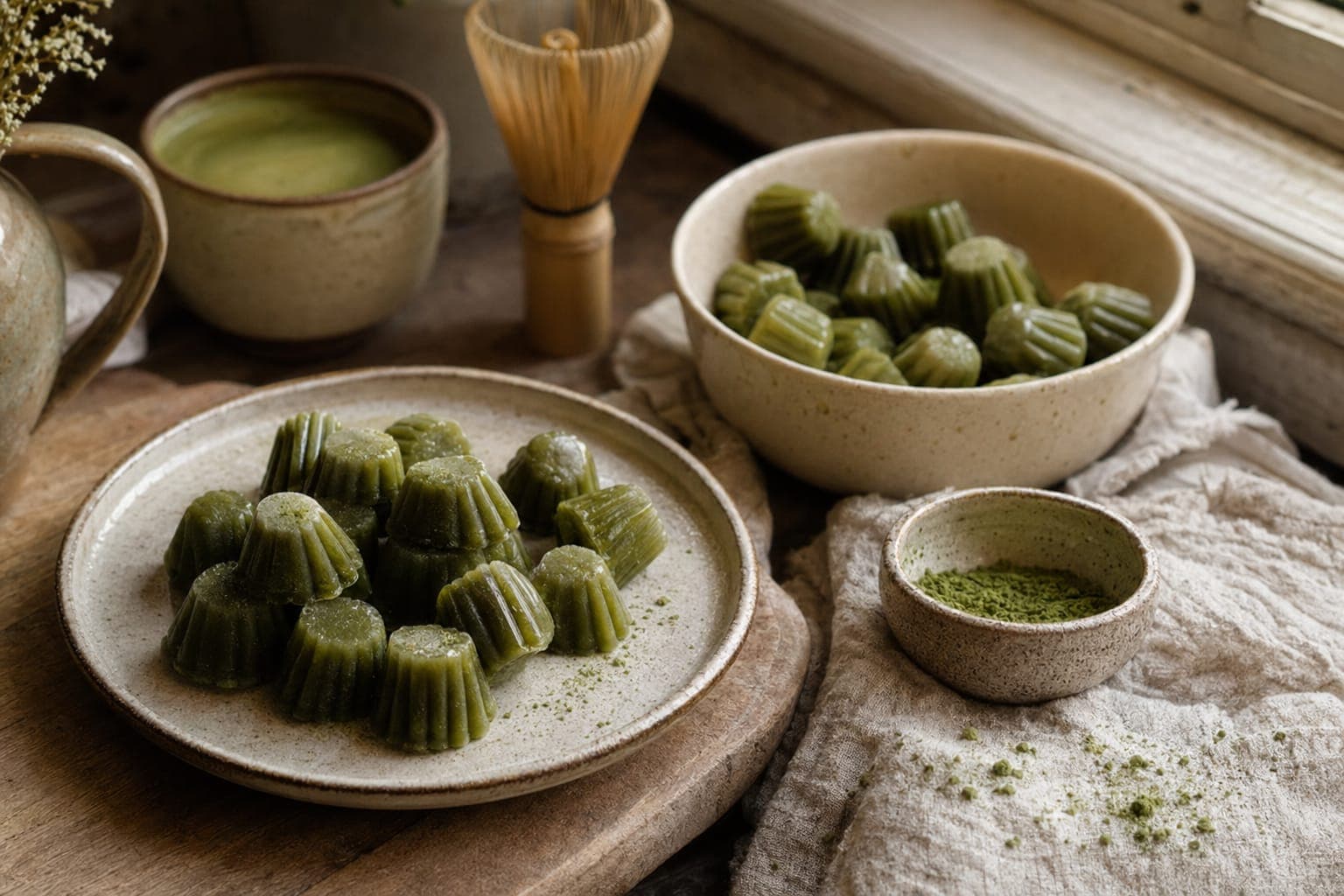
Matcha Latte Gummies with Collagen and Gelatine
Make visually stunning matcha latte gummies infused with collagen and gelatine. Simple recipe for gut-healing sweets you'll actually want to eat.
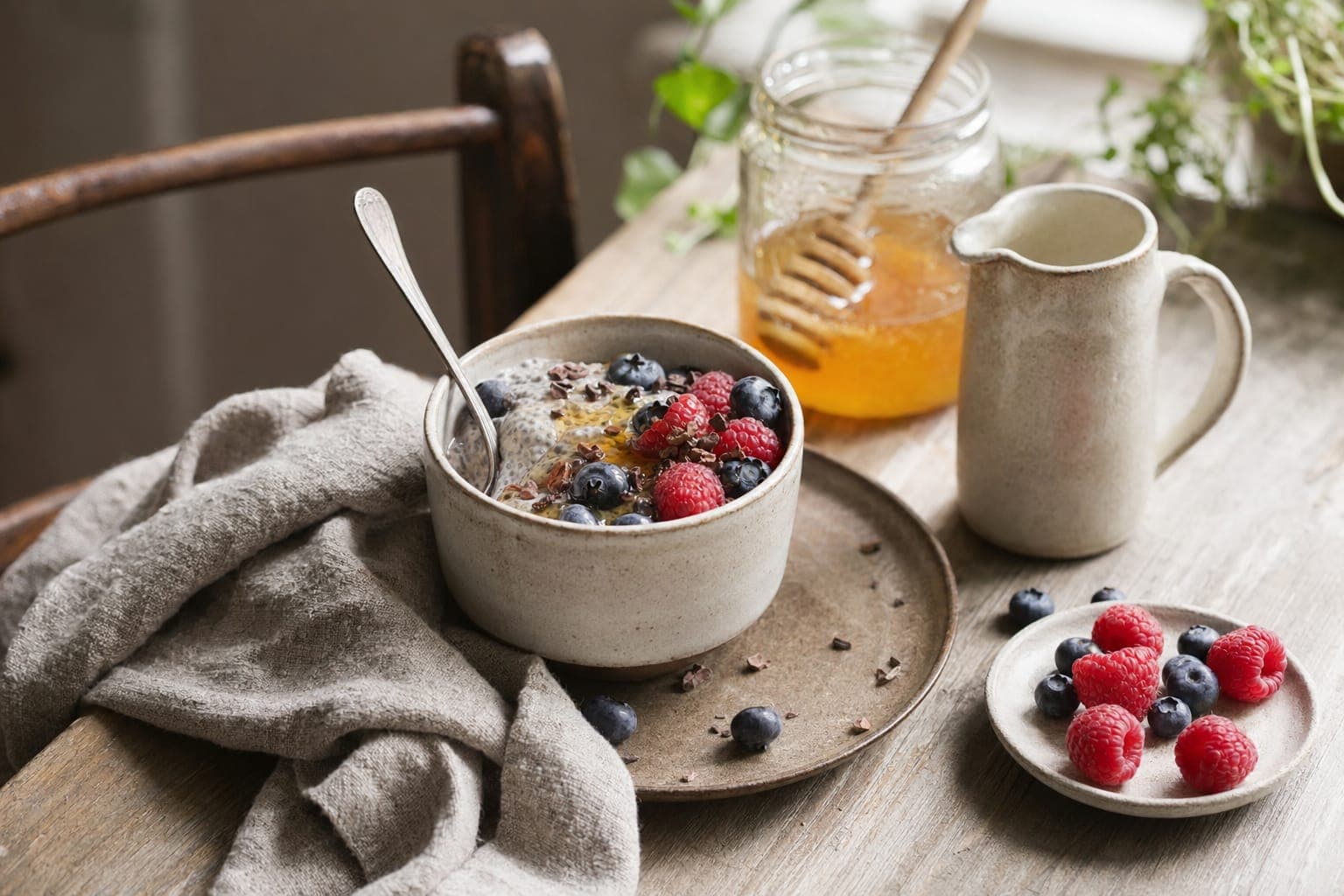
Organised Chia Pudding with Raw Honey and Berries
A no-cook chia seed pudding made with raw milk, collagen, berries, and raw honey. Prep it the night before and eat for breakfast.
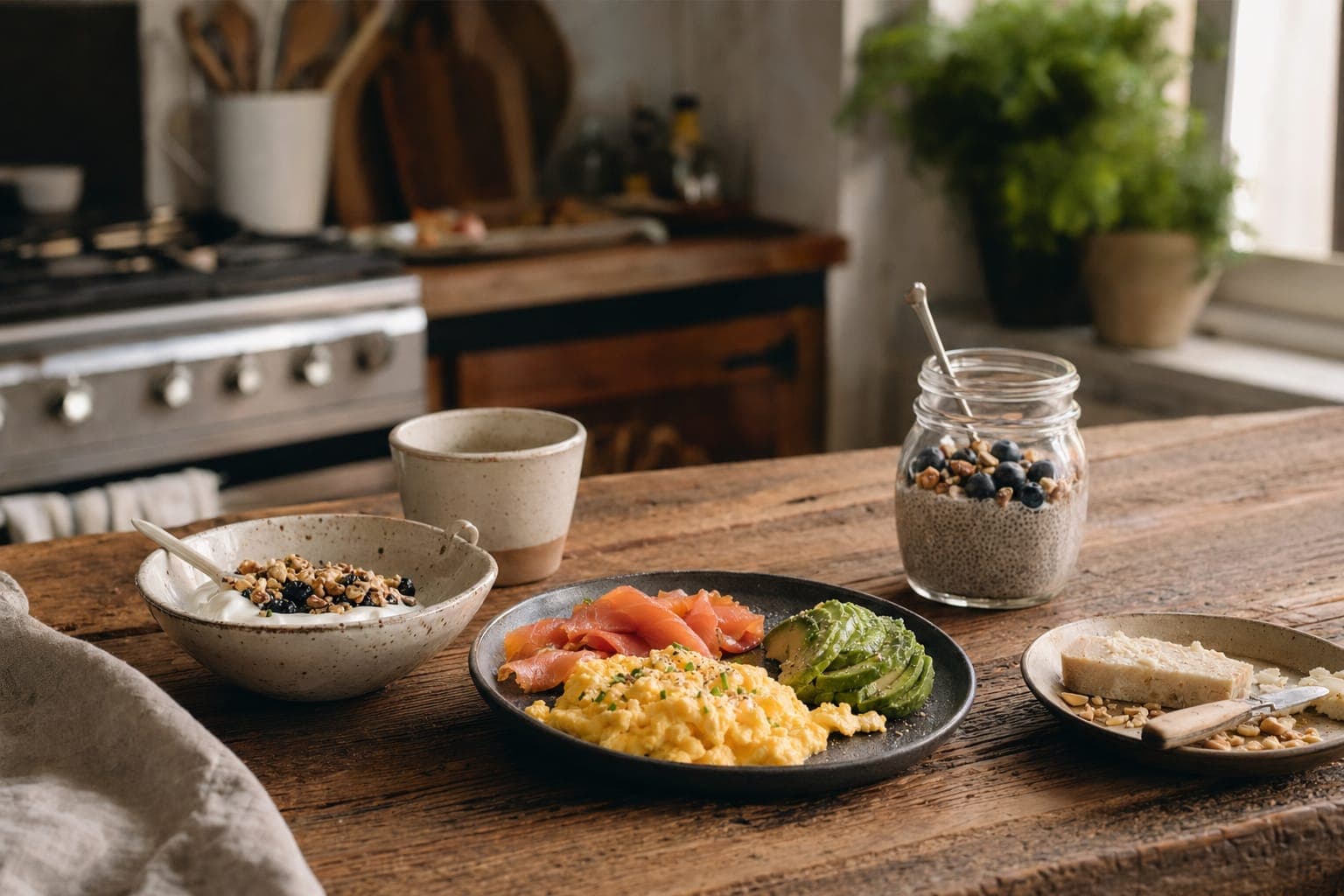
5-Minute High-Protein Breakfasts Using Organised
Quick, high-protein breakfast ideas using Organised. Five recipes you can make in minutes with real food. No fussing around.


 Join over 100,000+ members
Build a better food system with us
The Organised community is thousands of people choosing real food and backing the farmers who grow it, all of us trying to leave the world a little better than we found it. If that is what you care about too, you belong here.