Do You Really Need 5 a Day? What the Evidence Says
Eat five portions of fruit and vegetables every day. It's been drummed into you since childhood. It's on packaging. It's in health guidelin. It feels like gospel, so obviously established, so scientifically supported. But here's the thing: the 5-a-day recommendation wasn't born from rigorous research. It was born from a marketing campaign designed for public health messaging. And when you actually examine the evidence, the picture is far more nuanced.
By Niall Kiddle, Founder, Organised

Reviewed by Pedro Rodrigues, Agronomist (farming and sourcing only) ·
5 min read · Published · Updated · 3 cited sources
Makers of the Organised Daily blend, a grass-fed beef organ supplement from regenerative UK farms
Understanding where this guidance came from helps you make better decisions about your own diet without guilt or obligation.
Where 5 a day actually came from
The World Health Organization has recommended consumption of at least 400 g of fruit and vegetables per day for general health protection.1 The 400-gram figure wasn't derived from precise research identifying an optimal threshold. It wasn't based on identifying that 400 grams produces a specific health outcome whilst 399 grams doesn't.
The number was chosen for practical reasons: it seemed achievable to most people in developed nations, it was memorable (five a day rolls off the tongue more easily than 'four hundred grams'), and it was measurable. It was designed as a public health target, something you could market to millions of people and track compliance with.
The NHS picked it up in the UK in the late 1990s. Various fruit and vegetable lobby groups embraced it enthusiastically. It became a mantra, repeated endlessly in health education materials. And because it was repeated so often from official sources, it acquired the weight of established science. Most people assume 5-a-day is the result of decades of rigorous research proving that this specific quantity prevents disease. It isn't.
In fact, there's no biological reason why 5 is the magic number. It's arbitrary. Well-intentioned, but arbitrary.
The 5-a-day recommendation was a practical public health target for messaging, not the result of research establishing it as the optimal threshold for health.
What research on fruit and vegetables actually shows
A meta-analysis by Aune et al. of prospective cohort studies found a dose-response association between fruit and vegetable intake and lower mortality, with diminishing returns above 5 servings/day.2 But the relationship is often weak, and confounding factors muddy the picture considerably.
Here's the fundamental issue: people who eat more vegetables also tend to exercise more, sleep better, smoke less, drink less alcohol, have higher incomes and education levels, and have more access to healthcare. Separating the effect of vegetables from the effect of overall health consciousness is nearly impossible in observational research. It's like trying to isolate the effect of brushing teeth whilst the person also flosses, visits the dentist, and doesn't smoke.
When you control statistically for these confounders, the independent effect of vegetable intake on mortality and disease risk becomes much smaller than the crude associations suggest. Eating vegetables is associated with better health, but much of that association is because healthy people eat more vegetables, not because vegetables are the sole driver of health.
Additionally, much of the guidance around fruit and vegetables is based on observational evidence from cohort studies. Observational studies are vulnerable to reverse causality and confounding. They suggest associations. They don't prove causation. If you see that people who eat more broccoli have lower cancer rates, you can't conclude that broccoli caused the lower cancer rates. Maybe they also exercise more. Maybe they don't smoke. Maybe they're wealthier and have access to better healthcare.
Nutrient density matters more than quantity
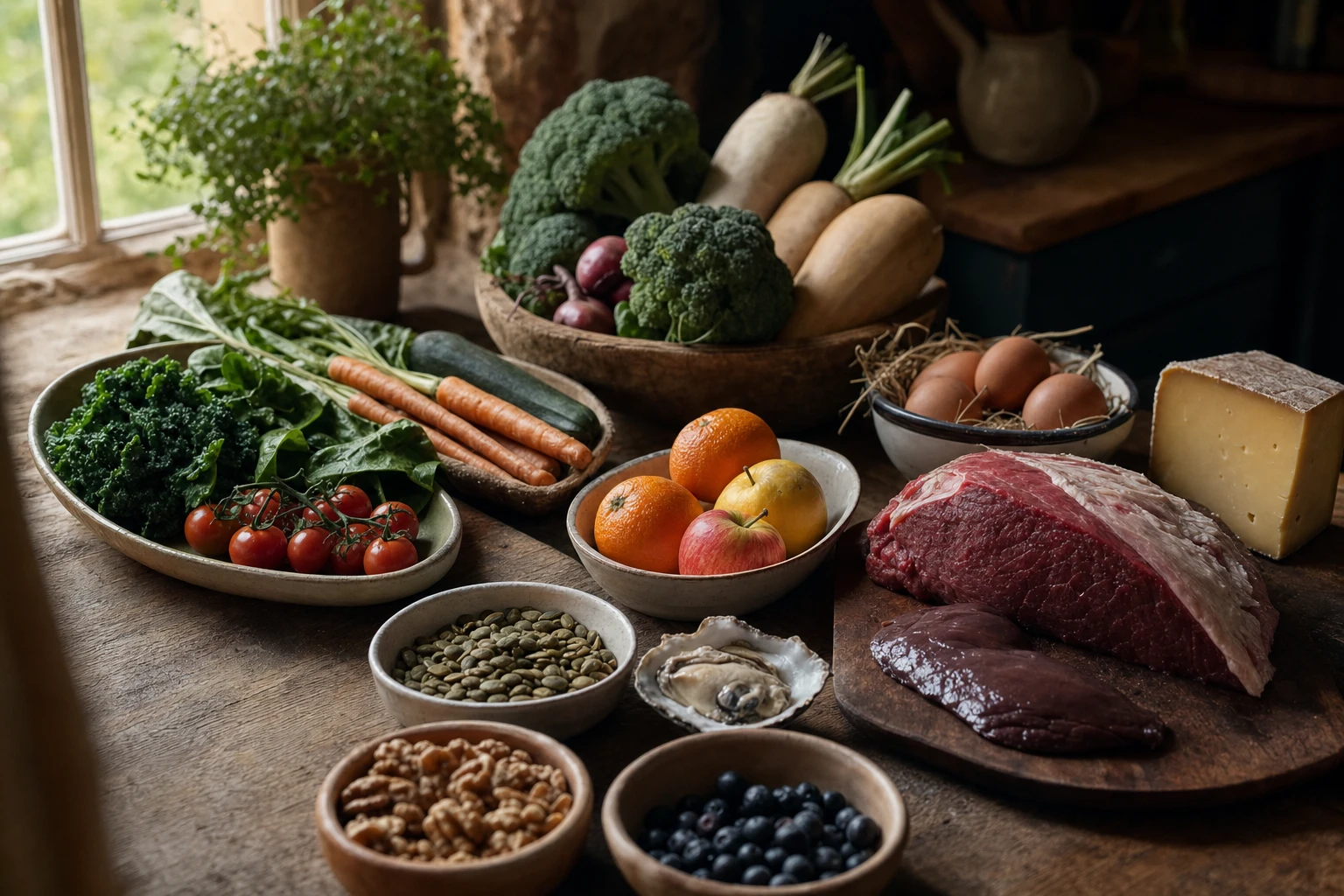
Here's what the evidence genuinely supports: nutrient density correlates with health. But nutrient density isn't evenly distributed across all plant foods. A portion of spinach contains vastly more bioavailable micronutrients than a portion of iceberg lettuce. A kilogram of broccoli contains more useful minerals than a kilogram of bananas. A serving of organ meats contains more micronutrients than five servings of most vegetables.
If you're eating five portions of highly nutrient-dense vegetables like broccoli, spinach, and cabbage, you're getting vastly more micronutrients than someone eating five portions of watery vegetables like cucumbers and lettuces. Yet both count equally toward the 5-a-day target. The metric is meaningless if nutrient density varies by an order of magnitude.
The evidence actually supports this: as long as your diet contains an adequate diversity of nutrient-dense foods (whether plant or animal), you do well. The specific quantity of plant foods matters far less than the nutrient density of everything you're eating. Someone eating two portions of nutrient-dense vegetables plus three portions of organ meats might be eating better than someone eating five portions of weak vegetables and no animal foods.
Nutrient density matters far more than portion count. A diet with fewer portions of highly dense foods beats a diet with more portions of dilute foods.
Get the science, plainly, free
Two short reads a week on what the research actually says about nutrition.
By signing up you agree to receive emails from us. No spam, unsubscribe anytime.
The polyphenol problem
Plants contain polyphenols including flavonoids, phenolic acids and stilbenes, which exert antioxidant and anti-inflammatory effects in vitro and in some clinical settings.3 This is genuinely valuable. Some research suggests polyphenol intake contributes meaningfully to plant-based disease protection. But here's the nuance that the 5-a-day messaging completely misses: polyphenol content varies wildly between plant foods and between varieties of the same plant.
A portion of blueberries contains orders of magnitude more polyphenols than an equivalent portion of white rice. A dark leafy green contains vastly more than a pale lettuce. A portion of red wine contains more polyphenols than a portion of white wine. A cup of green tea contains more polyphenols than a cup of apple juice. Yet you could eat five portions of low-polyphenol foods and be significantly less protected than someone eating two portions of high-polyphenol foods.
The evidence suggests that polyphenol intake (not vegetable quantity) predicts health outcomes. One portion of a polyphenol-rich food like dark chocolate or blueberries is worth multiple portions of a polyphenol-poor food like white potatoes or iceberg lettuce.
This isn't an argument against vegetables. It's an argument for choosing vegetables intelligently. Dark leafy greens deliver more nutrition than pale ones. Colourful vegetables deliver more polyphenols than beige ones. A diet with three portions of highly nutrient-dense vegetables beats a diet with five portions of nutritionally dilute ones.
1 of 9
Daily blend
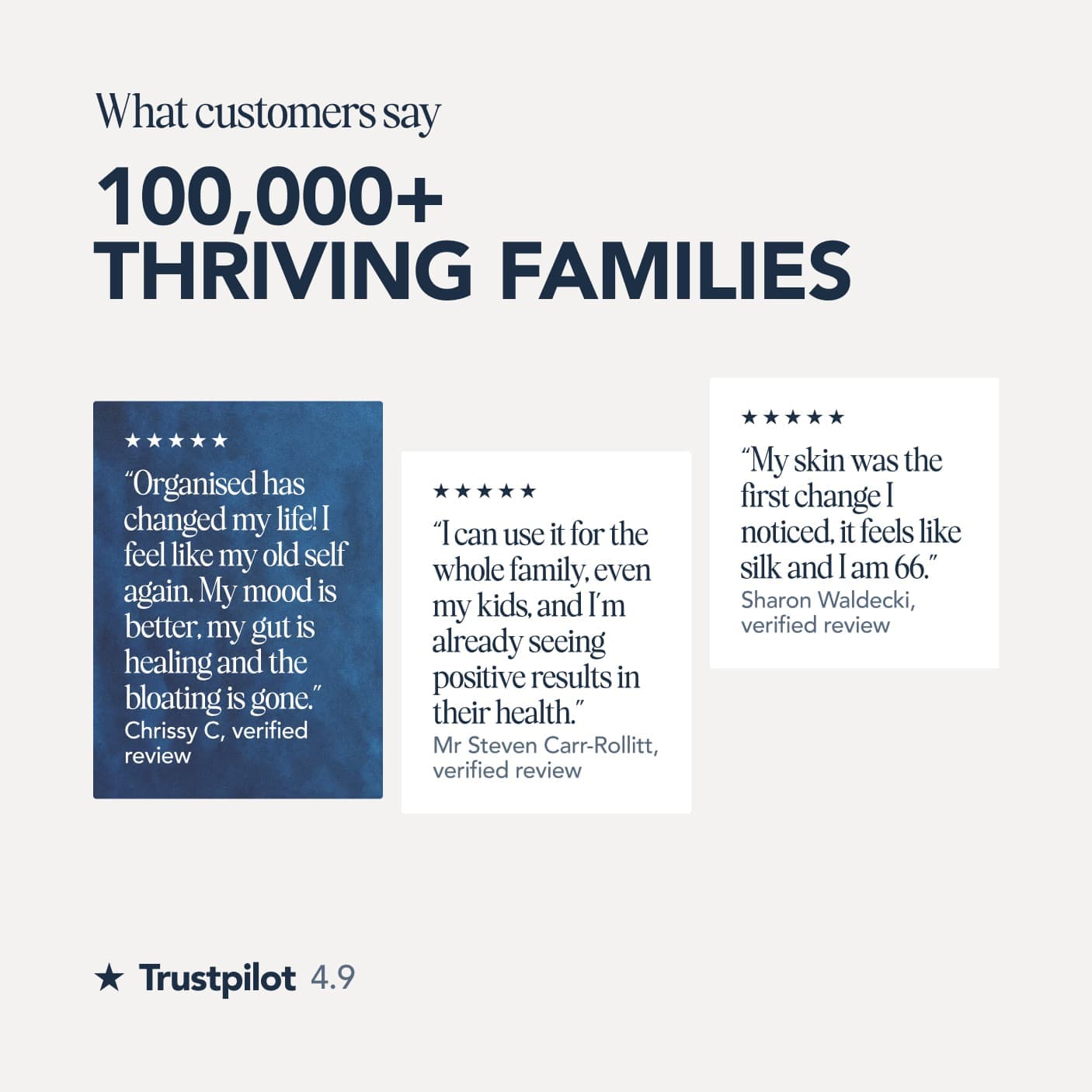
100,000+ thriving families4.9 on Trustpilot
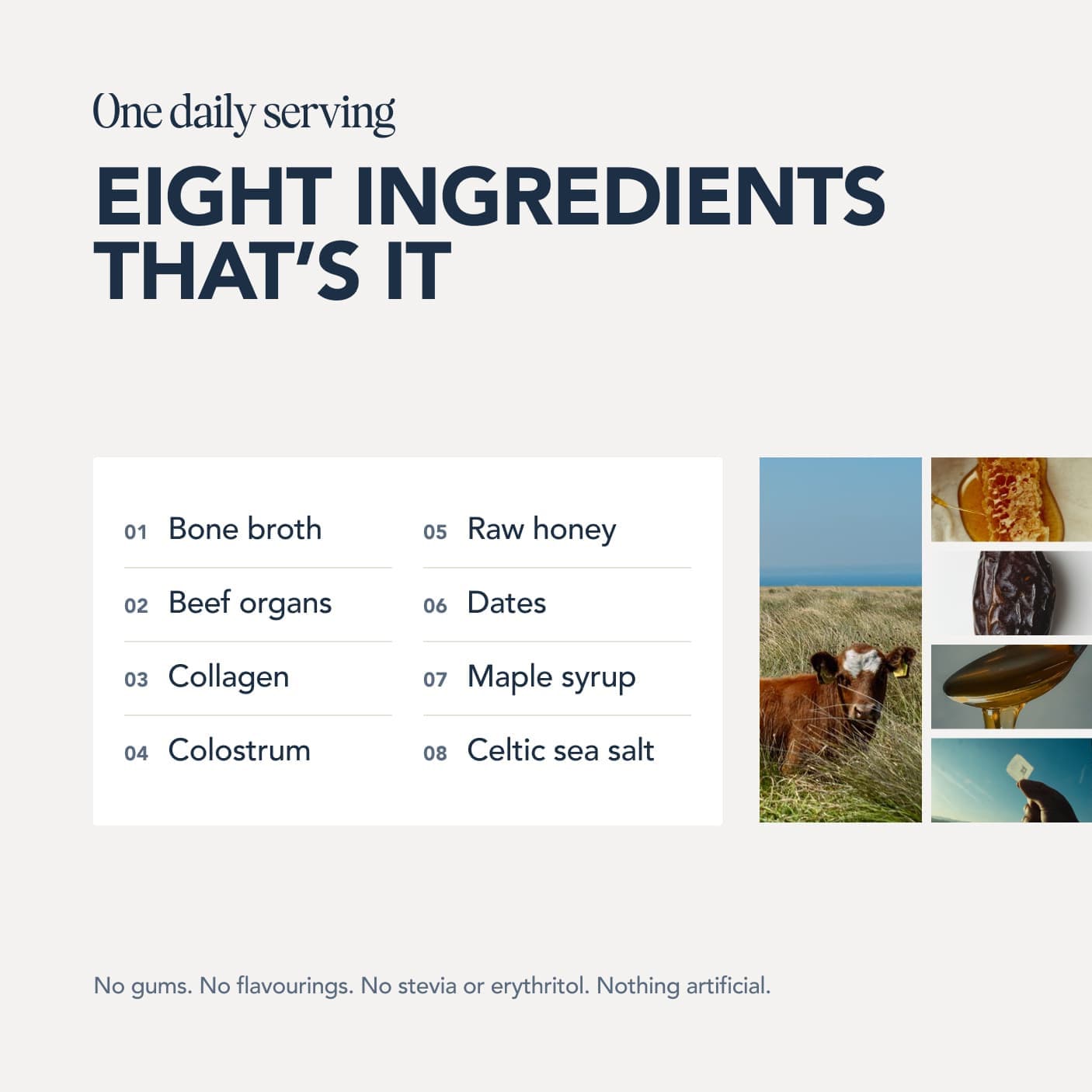
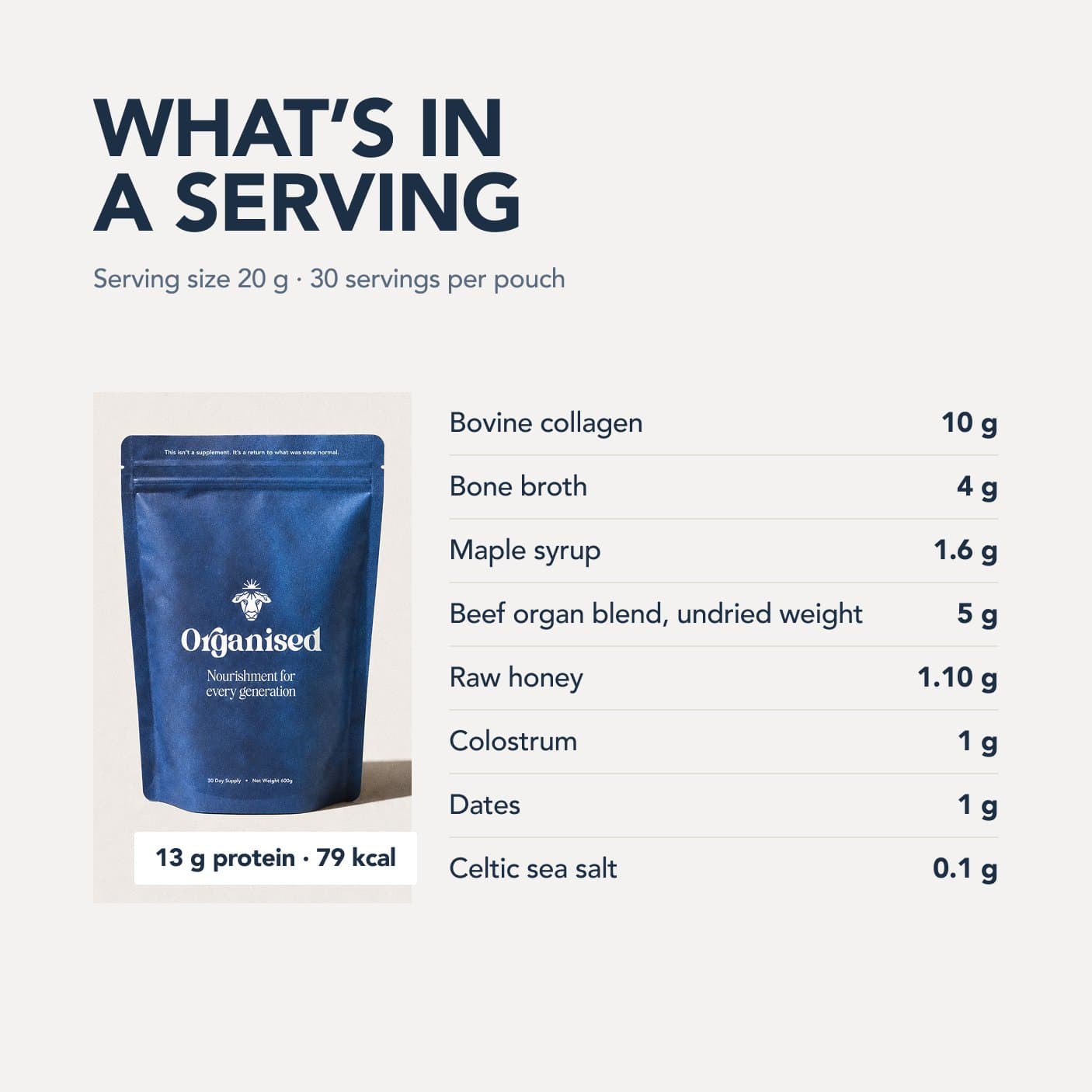
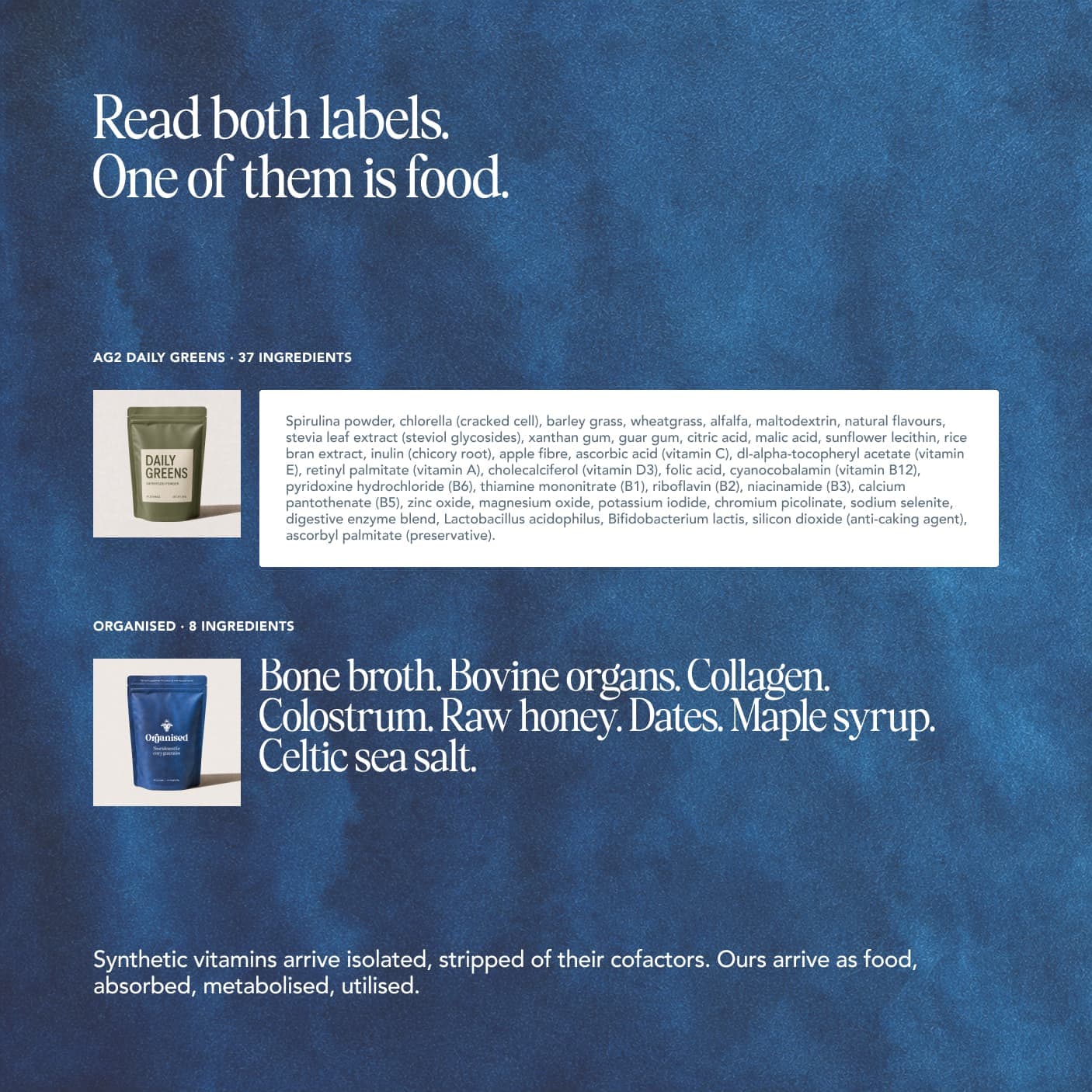
Eight real ingredients built around grass-fed beef organs, collagen and colostrum. Nothing synthetic added.
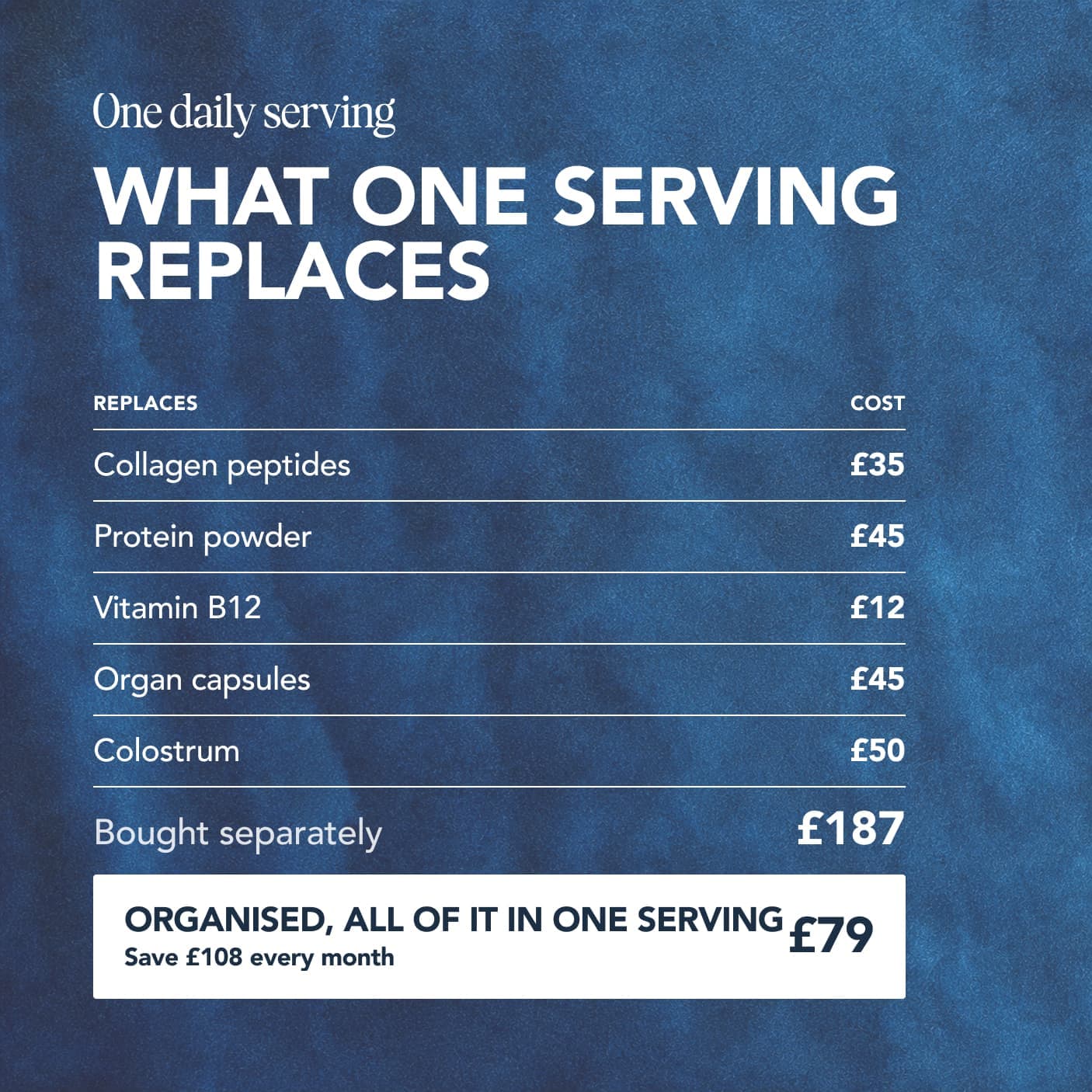
Free with your first order, worth £38. Plus £10 off the pouch with a subscription.

Free UK shipping · Made in England · 100 day money back guarantee on your first pouch · Skip, pause or cancel anytime
The practical reality
If you're eating mostly whole foods, getting adequate protein from animal sources, and including some plant diversity, you're probably fine whether you hit exactly five portions or three portions or seven. What matters isn't the number. It's the nutrient density and the diversity.
If you're eating three portions of nutrient-dense vegetables, healthy fats, quality protein from animals or legumes, and some polyphenol-rich foods like berries or dark chocolate, you're likely doing better nutritionally than someone eating five portions of dilute, low-polyphenol vegetables with no animal foods.
The point of the 5-a-day recommendation was sensible: encourage people to eat more plant foods. But the specific number 5 acquired a level of precision it doesn't deserve. You don't fail at health if you eat four portions. You don't unlock additional benefits at six. You're not morally superior if you hit five.
What actually matters: eat vegetables and fruit you genuinely enjoy. Aim for diversity and colour. Prioritise nutrient density over portion count. Pair them with adequate protein, healthy fat, and micronutrient-dense animal foods if you eat them. And stop worrying about hitting an arbitrary daily target that was never based on optimal science.
References
Every source below was checked on 27 August 2026. Each PubMed, PMC and DOI identifier was resolved against NCBI or Crossref, and what it opens is printed under the citation, so you can see the link goes where the citation says without leaving the page. Where a citation and its identifier disagreed, the citation was corrected to the record or the reference was deleted along with the sentence marker that pointed at it, and where the resolved paper turned out not to support the sentence, the sentence was cut back to what it does support. Borrowed authority is worse than none, because it looks like rigour.
- World Health Organization. Healthy diet fact sheet. who.int
- Aune D, et al. Fruit and vegetable intake and the risk of cardiovascular disease, total cancer and all-cause mortality - a systematic review and dose-response meta-analysis of prospective studies. Int J Epidemiol. 2017;46(3):1029-1056. PMID 28338764Checked 27 August 2026: PMID 28338764 opens Aune D, Giovannucci E, Boffetta P et al, Fruit and vegetable intake and the risk of cardiovascular disease, total cancer and all-cause mortality-a systematic review and dose-response meta-analysis of prospective studies. Int J Epidemiol 2017;46(3):1029-1056. PubMed indexes it as: Meta-Analysis, Systematic Review.
- Del Rio D, et al. Dietary (poly)phenolics in human health: structures, bioavailability, and evidence of protective effects against chronic diseases. Antioxid Redox Signal. 2013;18(14):1818-92. PMC3619154Checked 27 August 2026: PMC3619154 opens Del Rio D, Rodriguez-Mateos A, Spencer JP et al, Dietary (poly)phenolics in human health: structures, bioavailability, and evidence of protective effects against chronic diseases. Antioxid Redox Signal 2013;18(14):1818-92. PubMed indexes it as: Review.
Who wrote and reviewed this guide
Niall Kiddle
Author · Founder, Organised
Niall is the founder of Organised. He started the company in 2024 after fixing his own health the slow way: in 2022 he swapped a cupboard of synthetic supplements for real food, raw milk, organ meats, bone broth and honey, and felt the difference within months.
Areas of expertise: Ancestral nutrition, Organ meats, Whole-food supplementation, Gut health, Regenerative sourcing
Read Niall's full profile
Pedro Rodrigues
Reviewer · Agronomist (farming and sourcing only)
Pedro is the agronomist Organised works with on farming and sourcing. His job on the guides is to keep the science honest: he reviews what we publish about soil health, regenerative agriculture, grazing and the way food is actually produced.
Areas of expertise: Regenerative agriculture, Agronomy, Soil health, Grass-fed farming, Food sourcing
Reviewed this guide on
Read Pedro's full profileMore on debunking
View all- Are Organ Meats High in Purines? What Gout Sufferers Need to Know
- Cholesterol in Organ Meats: Should You Be Worried?
- Does Red Meat Cause Cancer? A Nuanced Look at the Evidence
- Is Too Much Protein Bad for Your Kidneys? Separating Fact from Fear
- Liver Doesn't Store Toxins: Debunking the Biggest Organ Meat Myth
- The Real Reason Your Doctor Says 'Eat Less Red Meat'
- The Saturated Fat Myth: What Modern Research Actually Shows
Browse the guides library
All guidesKeep reading
Science
Peptides in Organ Meats: Beyond Vitamins and Minerals
Organ meats contain bioactive peptides (carnosine, anserine, glutathione) that muscle meat lacks. Learn why whole organs are nutritionally different.
Science
The Gut Microbiome and Mental Health: What We Know So Far
Your gut bacteria may shape mood, anxiety, and mental clarity. See what emerging research on the gut-brain axis suggests about the microbiome link.

Science
The Connection Between Nutrition and Autoimmune Disease
Autoimmune disease is not just genetic. Nutrition affects gut barrier integrity, molecular mimicry, and immune tolerance. Learn the mechanisms.
Real food, made effortless
See the blendA few ways to use it
All recipes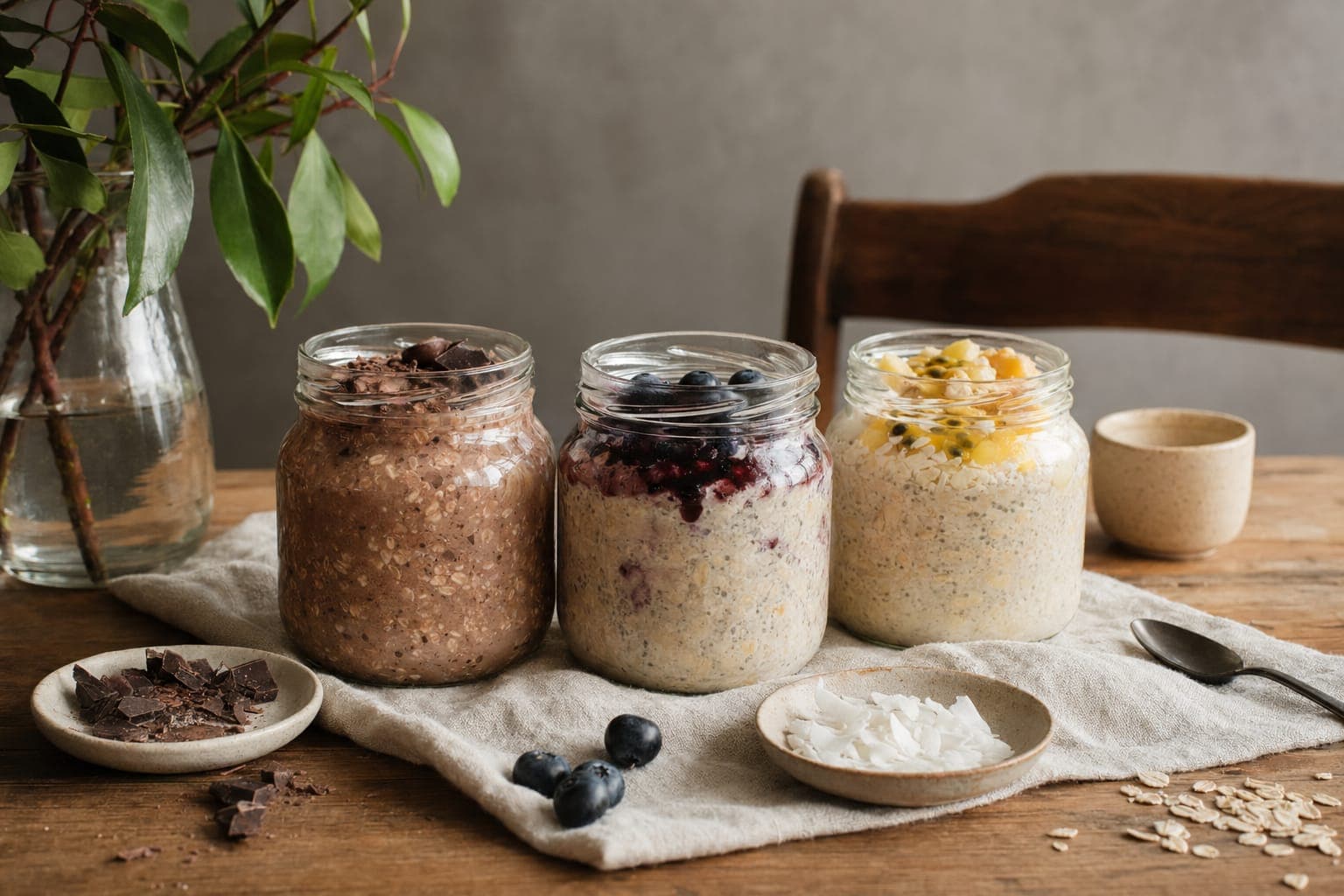
Organised Overnight Oats: 3 Variations
Three delicious overnight oats variations with Organised. Chocolate, berry, tropical flavours. Make them Sunday, eat them all week.

Organised Protein Pancakes: A Weekend Favourite
A high-protein pancake recipe using beef protein, eggs, and raw milk. Cooked in cast iron, naturally sweetened with banana and honey. Real food breakfast.
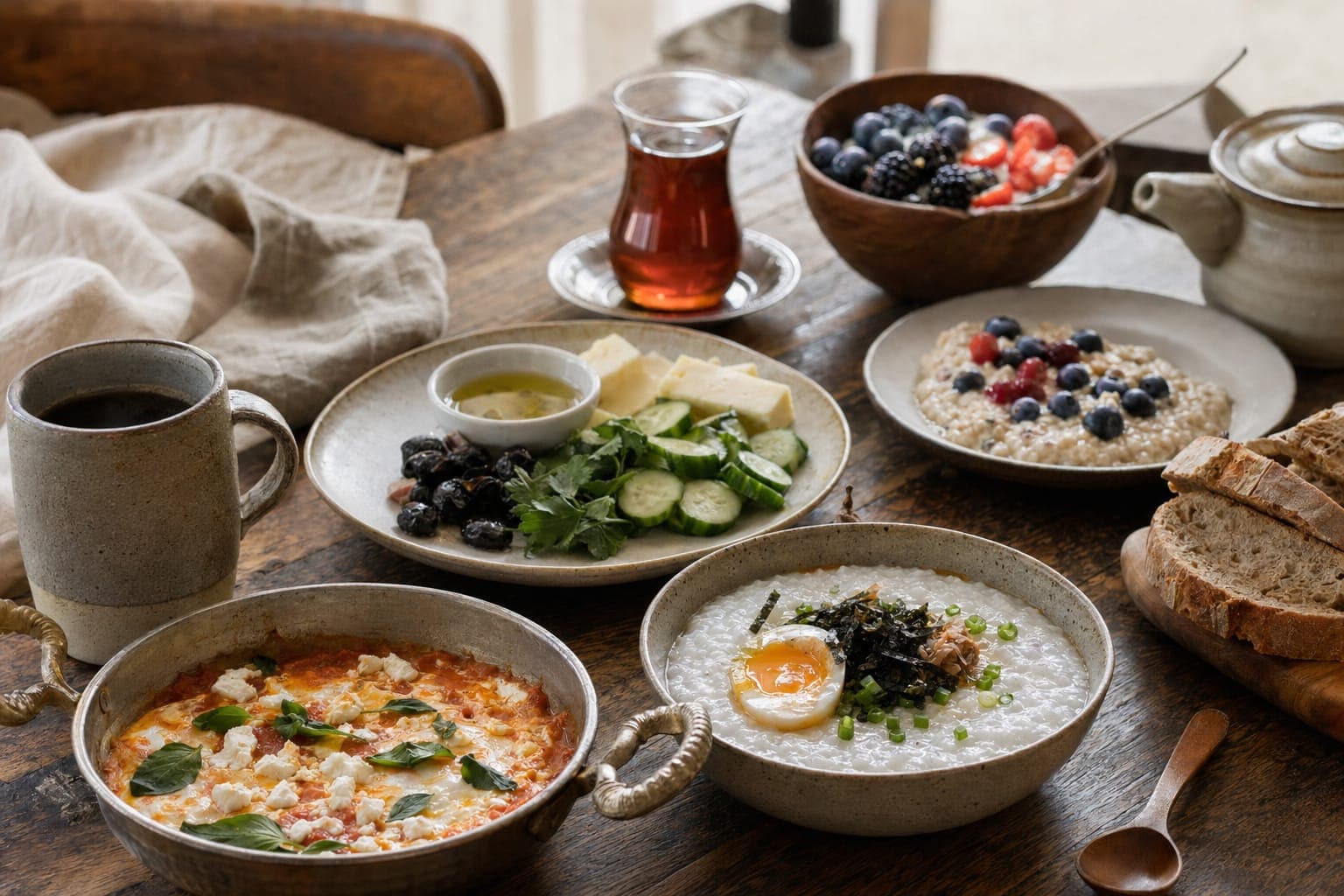
Ancestral Breakfast Ideas from Around the World
Traditional breakfast recipes from cultures that got nutrition right. Japanese, Turkish, Scottish, and more. Whole-food breakfast inspiration.


 Join over 100,000+ members
Build a better food system with us
The Organised community is thousands of people choosing real food and backing the farmers who grow it, all of us trying to leave the world a little better than we found it. If that is what you care about too, you belong here.