Peptides in Organ Meats: Beyond Vitamins and Minerals
You probably know organ meats are nutrient-dense. Liver has more folate than any plant. Kidney has more selenium than Brazil nuts. But there's a whole class of compounds in organ meats that nobody talks about. Bioactive peptides. These short chains of amino acids do things whole foods cannot buy. They're anti-inflammatory, antioxidant, and they work in ways your cells recognise immediately.
By Niall Kiddle, Founder, Organised

Reviewed by Pedro Rodrigues, Agronomist (farming and sourcing only) ·
6 min read · Published · Updated · 2 cited sources
Makers of the Organised Daily blend, a grass-fed beef organ supplement from regenerative UK farms
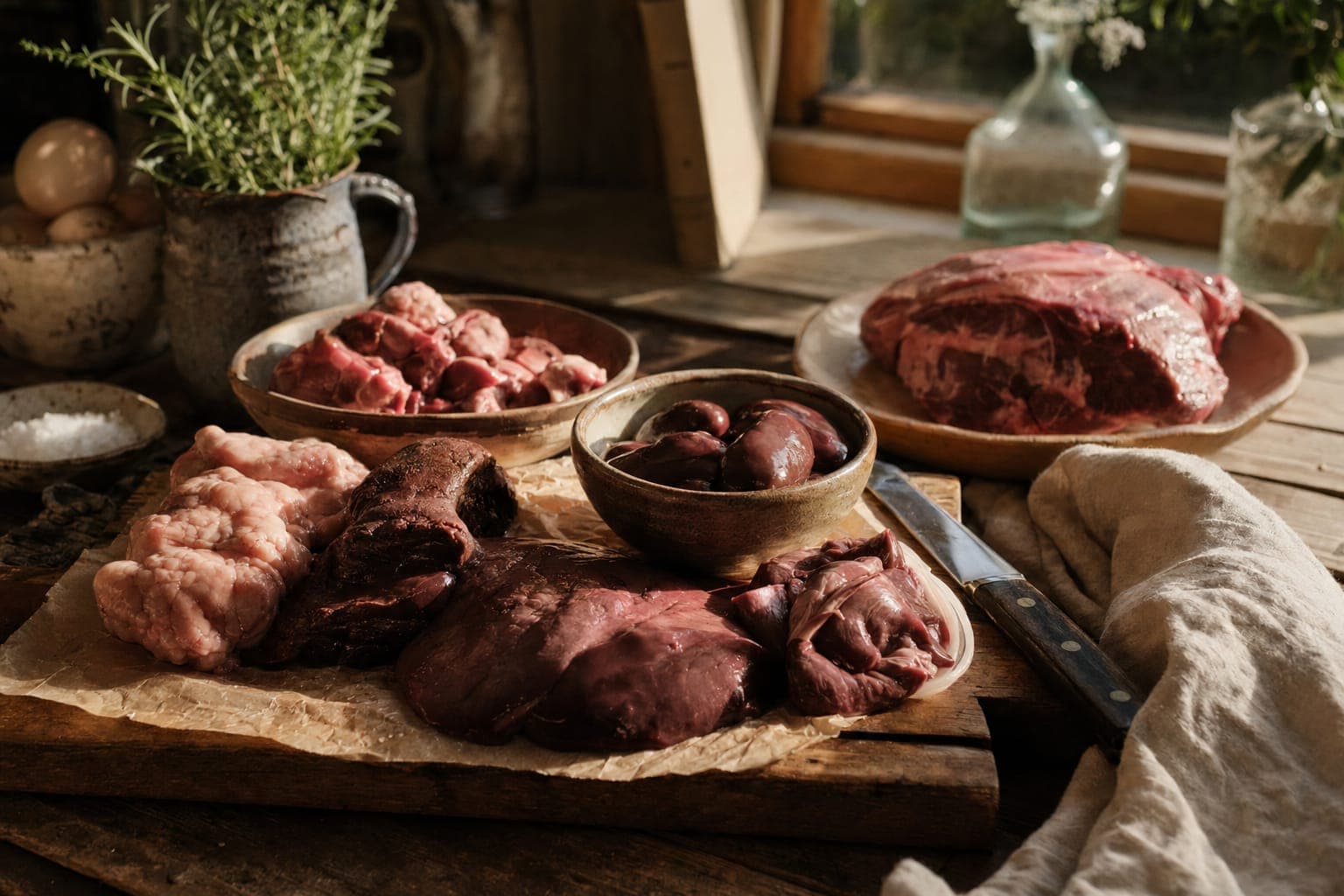
The vitamin and mineral story of organ meats is well-known. But the peptide story is where organ meats truly become exceptional.
What bioactive peptides are
Peptides are short chains of amino acids, usually fewer than fifty amino acids linked together. Most of what we eat is broken down into individual amino acids or very short peptides by digestion. But some peptides are small and stable enough to survive digestion and be absorbed intact.
When these peptides enter your bloodstream, they don't just provide amino acids. They trigger specific cellular signals. They reduce inflammation. They stabilise blood sugar. They antioxidise tissue. They do things that a free amino acid cannot do.
This is why whole foods matter in ways that single nutrients cannot explain. The peptide isn't the same as the sum of its amino acids. The peptide is a signalling molecule. It's a communication between the food and your body. Your cells recognise it and respond.
Carnosine: the anti-ageing antioxidant
Carnosine is a dipeptide composed of beta-alanine and histidine.1 It's found in extraordinarily high concentrations in red meat and organ meat, particularly in dark-coloured muscle like heart and slow-twitch fibres.
Carnosine is a profound antioxidant. It scavenges free radicals. It reduces inflammation. It protects neurons from oxidative damage. It buffers lactic acid during exercise. It's involved in muscle contraction and recovery. For an athlete or anyone training hard, carnosine is genuinely important.
The dose matters. Liver contains carnosine. Muscle meat contains more. Heart contains the most. Skeletal and cardiac muscle from beef provide carnosine in the range of roughly 200-500 mg per 100g.1 Your body can synthesise carnosine from histidine and alanine, but synthesis is limited. For people doing intense work (physical or cognitive), dietary carnosine makes a measurable difference in recovery and resilience.
Age matters too. Carnosine levels decline with age. Older people synthesise it more slowly. For people over fifty, dietary carnosine becomes increasingly important. It's one of the reasons elderly people eating organ meats consistently show better recovery from illness and injury than those eating muscle meat alone. The peptide matters.
Anserine: carnosine's partner compound
Anserine is similar to carnosine, a tripeptide (three amino acids) composed of histidine, alanine, and alanine. It's found in similar concentrations to carnosine in muscle tissue, particularly poultry and fish.
Anserine works synergistically with carnosine. It's also an antioxidant. It reduces inflammation. It supports muscle function. The two compounds together create a buffering system that keeps your muscle tissue resilient to exercise stress and metabolic damage.
Together, carnosine and anserine form what's called the carnosine buffering system. It's most active in fast-twitch fibres, the muscle fibres you use for sprinting, jumping, and explosive power. It's also found in the brain, where it protects against cognitive ageing. This isn't trivial. This is genuine biological protection.
Carnosine and anserine are not vitamins. They are peptide signalling molecules that your body recognises and uses directly. No plant provides them. No supplement fully replicates them.
Glutathione: the master antioxidant
Glutathione is a tripeptide made of glycine, cysteine, and glutamic acid (glutamate).2 Glutathione is the most abundant intracellular thiol antioxidant in mammalian cells.2 It recycles other antioxidants like vitamins C and E. It detoxifies heavy metals. It's involved in immune function and cell repair.
Your body makes glutathione from its constituent amino acids. But when glutathione levels drop (from stress, ageing, or toxin exposure), dietary intake matters.
Organ meats, particularly liver and kidney, contain glutathione and more importantly, they contain the precursor amino acids cysteine and glycine that your body uses to manufacture glutathione. Bone broth is rich in glycine. Liver is rich in cysteine. Together, they provide the raw materials for glutathione synthesis. The combination is more powerful than either alone.
This is why people eating organ meats show lower oxidative stress markers, even when controlling for vitamins and minerals. The peptide precursors matter.
Why organ meats contain these compounds
Organs are metabolically active. They're doing work. They're burning energy. The heart beats 100,000 times a day. The liver detoxifies constantly. The kidneys filter your blood continuously. These organs need extraordinary antioxidant and energy-buffering capacity.
Muscle meat provides energy. Organs provide defence against the energy depletion. This is why organs contain such high concentrations of carnosine, anserine, and glutathione precursors. They need them. They built them for their own survival.
When you eat an organ, you're getting not just the nutrients the organ stored, but the compounds the organ built to survive its own metabolic demands. Your heart gets the compounds it needs to beat reliably. Your brain gets the compounds it needs to stay sharp. Your muscles get the compounds they need to recover.
Get the science, plainly, free
Two short reads a week on what the research actually says about nutrition.
By signing up you agree to receive emails from us. No spam, unsubscribe anytime.
Comparing organs to muscle meat
Muscle meat is excellent. It's rich in amino acids, in iron, in B vitamins. But muscle meat is primarily fuel. Organs are fuel plus defence plus signalling.
- Carnosine content: Heart and kidney are 10 to 20 times higher than muscle meat
- Anserine content: Similar distribution, organs significantly higher than muscles
- Glutathione precursors: Liver and kidney contain far more cysteine and glycine per gram than muscle
- Overall antioxidant capacity: Organs are dramatically higher in measurable antioxidant activity
- Nutrient density (vitamins/minerals): Organs are 5 to 100 times higher depending on the nutrient
This is why traditional food cultures reserved organs for valued members of the group. Not because they had more total calories (muscle meat has more). But because organs provided something muscle meat could not. They were the compounds of longevity and resilience.
If you're eating only muscle meat, you're getting amino acids and energy. If you're eating organ meats, you're getting signalling molecules that actually direct your body toward healing and resilience. It's a different kind of nutrition entirely.
Peptides versus whole amino acids: why structure matters
This is the critical distinction that most nutritional discussions miss. A carnosine molecule is not the same as its constituent amino acids (histidine and alanine). Once your body breaks carnosine down into individual amino acids, the signalling is lost. The molecule has lost its voice.
This is why supplementing with isolated histidine and alanine doesn't replicate eating carnosine-rich foods. Your body can synthesise carnosine from these amino acids, yes. But the synthesis is slow, especially as you age. Dietary carnosine enters your blood intact, crosses your blood-brain barrier intact, and signals your cells before it's ever broken apart.
It's the difference between sending a message via email and sending it via handwritten letter. Both convey information. But the handwritten letter carries something the email cannot. Context. Relationship. A sense of intention. Bioactive peptides are the handwritten letters. Isolated amino acids are the email. Both have their place. But they're not equivalent.

1 of 9
Daily blend
100,000+ thriving families4.9 on Trustpilot
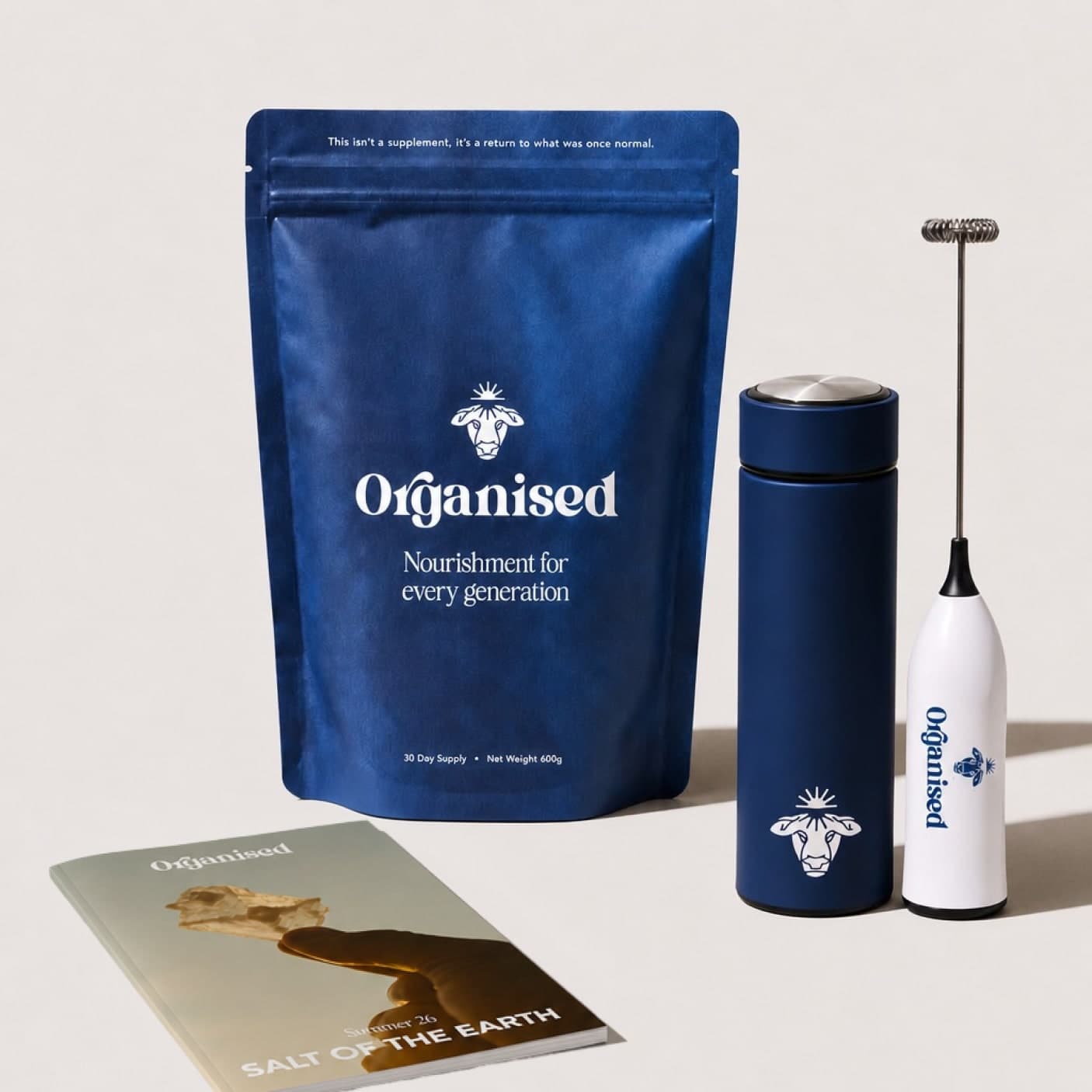
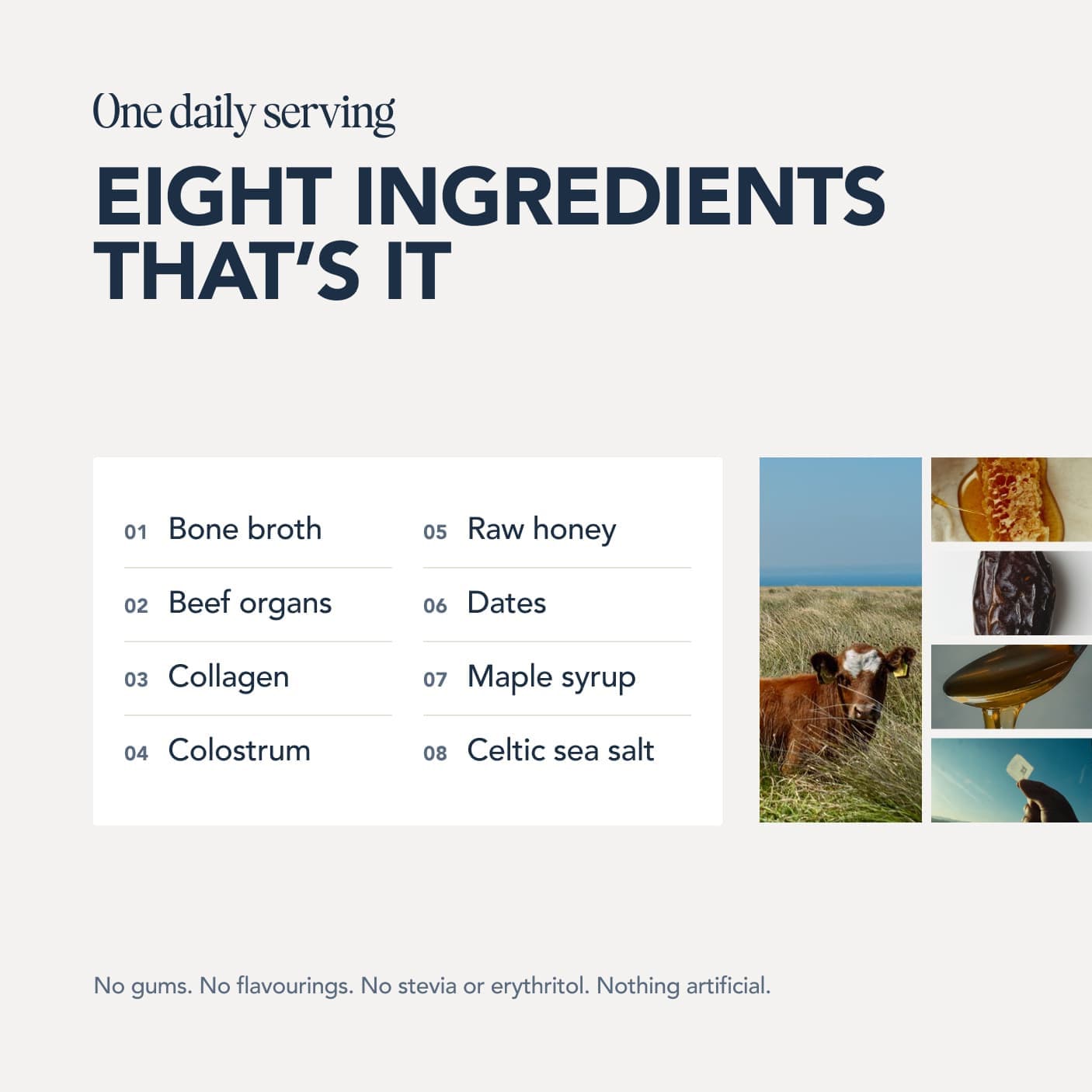
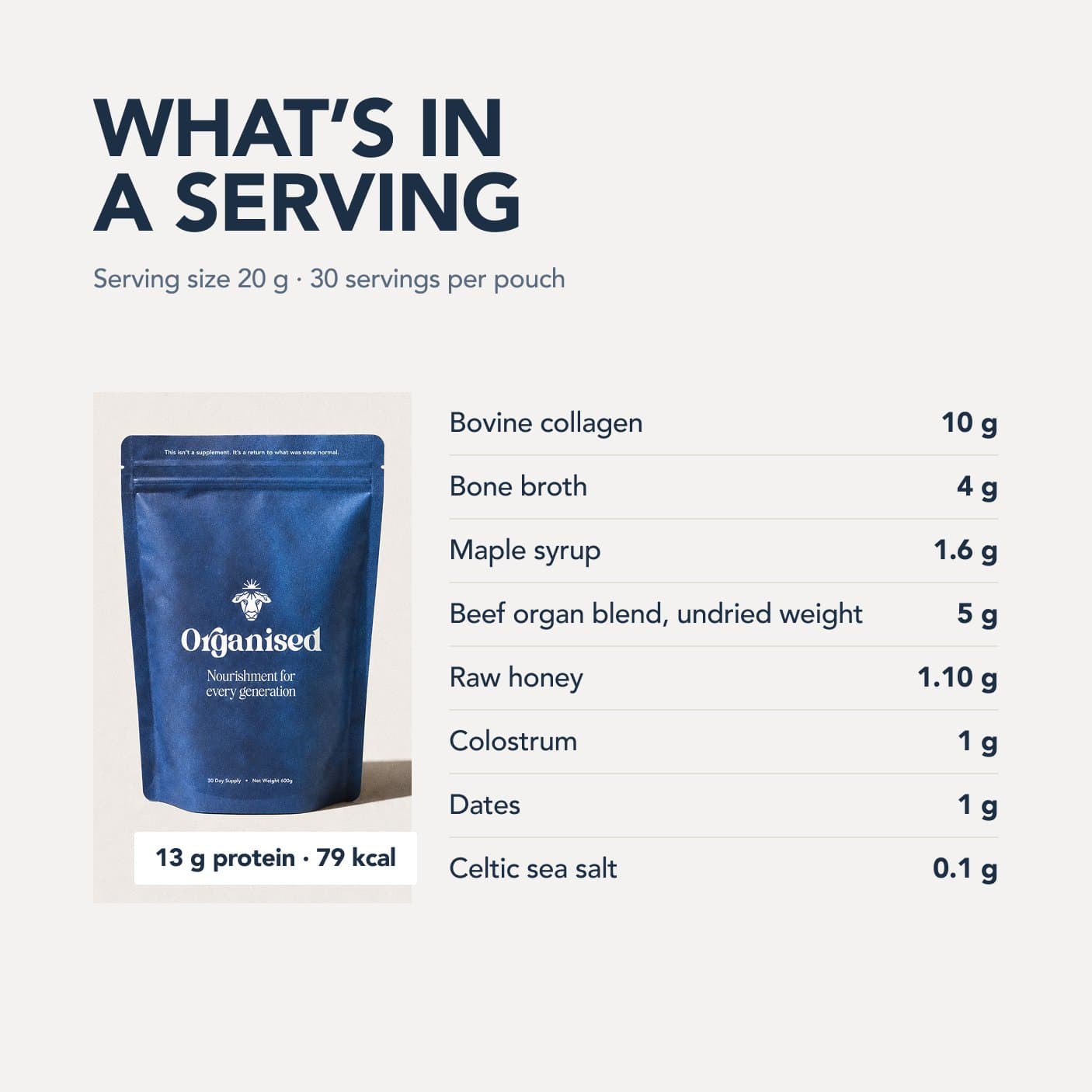
Eight real ingredients built around grass-fed beef organs, collagen and colostrum. Nothing synthetic added.
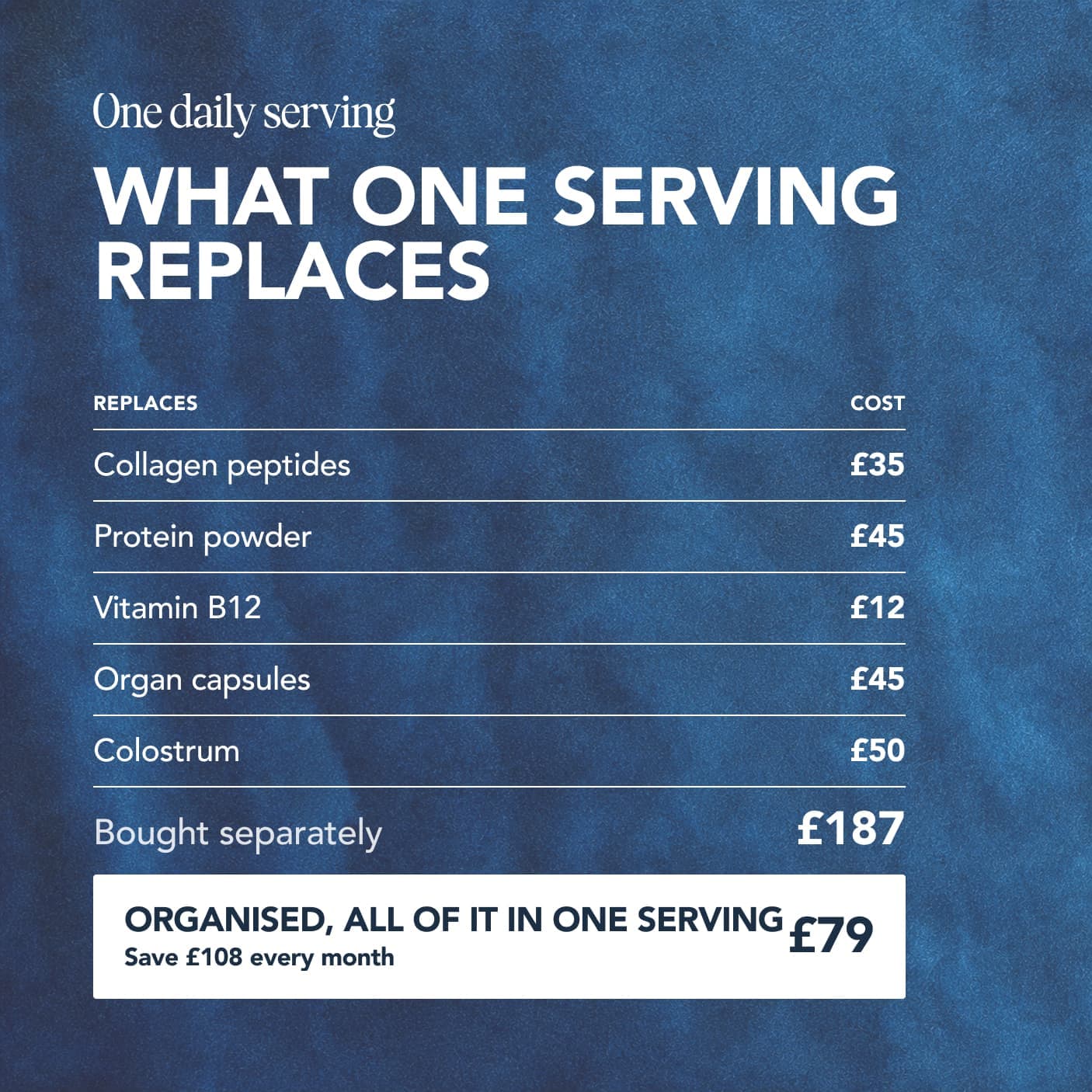
Free with your first order, worth £38. Plus £10 off the pouch with a subscription.

Free UK shipping · Made in England · 100 day money back guarantee on your first pouch · Skip, pause or cancel anytime
The problem with trying to quantify peptide intake
Scientists love measuring things. They measured carnosine content in organ meats. They measured anserine. They created databases. But databases can't capture the full story because foods aren't databases. They're complex matrices of hundreds of compounds.
Organ meats contain not just carnosine and anserine. They contain conjugated linoleic acid, phospholipids, trace minerals in their most bioavailable forms, compounds we haven't even named yet. When you eat organ meat, you're getting a package deal. A bundle of signalling molecules and structural nutrients that work synergistically.
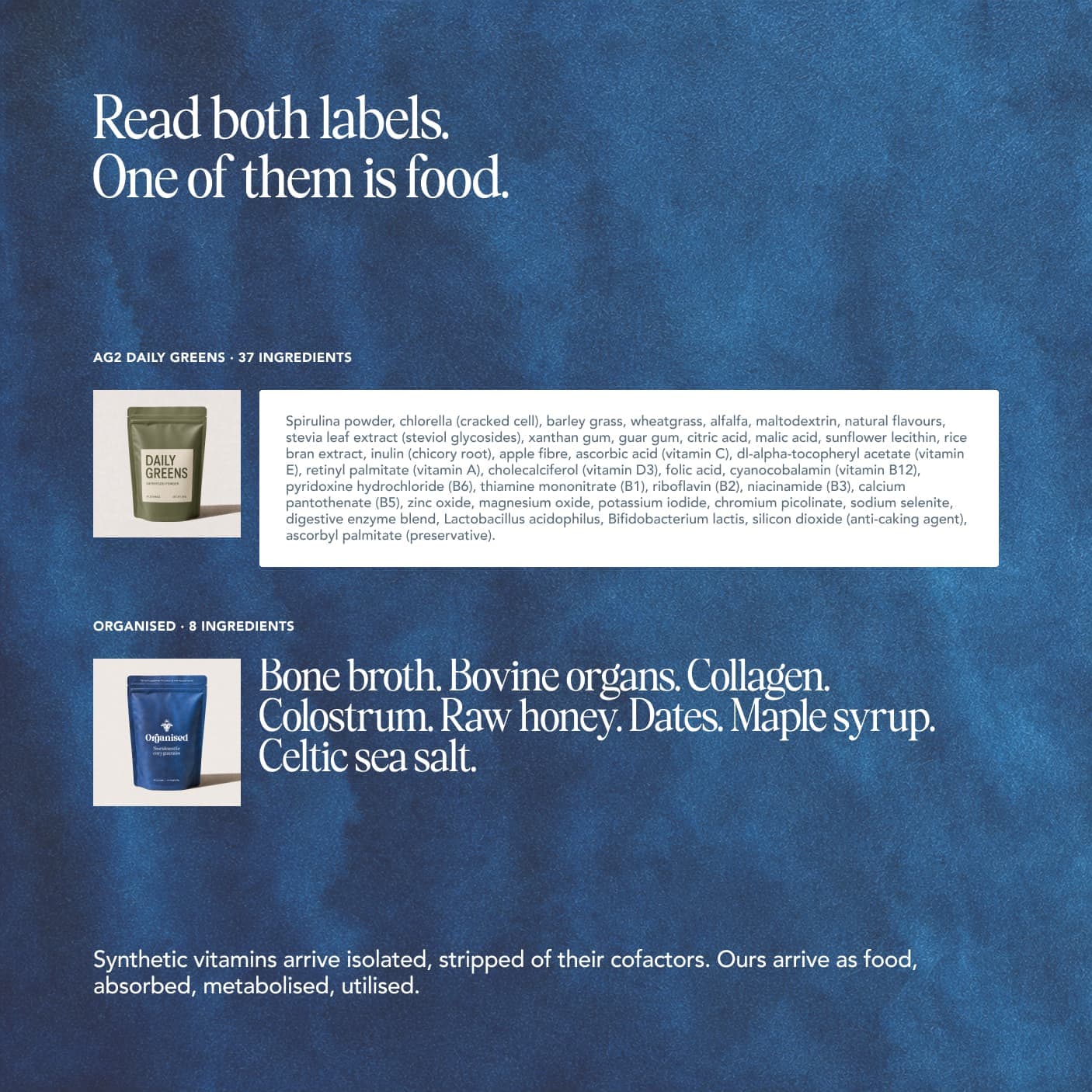
Trying to isolate carnosine and supplement it is like trying to replicate the taste of a perfect tomato by taking lycopene tablets. You can measure lycopene. It's real. But the tomato is more than lycopene. So is organ meat more than carnosine.

The return of ancestral eating patterns
Every traditional human culture that survived long-term, that didn't develop epidemic degenerative disease, ate organ meats. Not as a delicacy. As a regular part of the diet. The Inuit ate seal organs. The Masai ate organ meat from their cattle. Mediterranean cultures ate liver and kidney. This wasn't accident. This was biology.
Your ancestors knew, without understanding peptides or amino acids or carnosine, that organs were different from muscle. Organs tasted different. Organs made you feel different. The intelligence was embodied in the food tradition, passed down through generations.
Modern nutrition is finally catching up to what traditional peoples already knew. Organs aren't just nutrient-dense. They're pharmacologically active. They contain bioactive compounds that muscle meat lacks. They're not optional. They're foundational.
If you want to truly nourish yourself, organ meats aren't a supplement. They're a food category you cannot skip.
References
Every source below was checked on 27 August 2026. Each PubMed, PMC and DOI identifier was resolved against NCBI or Crossref, and what it opens is printed under the citation, so you can see the link goes where the citation says without leaving the page. Where a citation and its identifier disagreed, the citation was corrected to the record or the reference was deleted along with the sentence marker that pointed at it, and where the resolved paper turned out not to support the sentence, the sentence was cut back to what it does support. Borrowed authority is worse than none, because it looks like rigour.
- Boldyrev AA, Aldini G, Derave W. Physiology and pathophysiology of carnosine. Physiol Rev. 2013;93(4):1803-45. PMID 24137022Checked 27 August 2026: PMID 24137022 opens Boldyrev AA, Aldini G, Derave W, Physiology and pathophysiology of carnosine. Physiol Rev 2013;93(4):1803-45. PubMed indexes it as: Review.
- Wu G, et al. Glutathione metabolism and its implications for health. J Nutr. 2004;134(3):489-92. PMID 14988435Checked 27 August 2026: PMID 14988435 opens Wu G, Fang YZ, Yang S et al, Glutathione metabolism and its implications for health. J Nutr 2004;134(3):489-92. PubMed indexes it as: Review.
Who wrote and reviewed this guide
Niall Kiddle
Author · Founder, Organised
Niall is the founder of Organised. He started the company in 2024 after fixing his own health the slow way: in 2022 he swapped a cupboard of synthetic supplements for real food, raw milk, organ meats, bone broth and honey, and felt the difference within months.
Areas of expertise: Ancestral nutrition, Organ meats, Whole-food supplementation, Gut health, Regenerative sourcing
Read Niall's full profile
Pedro Rodrigues
Reviewer · Agronomist (farming and sourcing only)
Pedro is the agronomist Organised works with on farming and sourcing. His job on the guides is to keep the science honest: he reviews what we publish about soil health, regenerative agriculture, grazing and the way food is actually produced.
Areas of expertise: Regenerative agriculture, Agronomy, Soil health, Grass-fed farming, Food sourcing
Reviewed this guide on
Read Pedro's full profileBrowse the guides library
All guidesKeep reading
Science
You Can't Get All Your Nutrients from Plants Alone: Here's the Science
Explore nutrients that plants cannot provide: B12, heme iron, retinol, creatine, carnosine, K2. A nuanced look at plant-based diet limitations without dogma.
Science
The Gut Lining: How It Works and How to Protect It
Understand how your gut lining works. Learn about enterocytes, tight junctions, zonulin, and practical ways to protect your intestinal barrier with food.

Science
Are Seed Oils Bad? Everything You Need To Know
You pick up a “healthy” granola, flip the packet and there it is in the small print, sunflower oil, rapeseed oil, “vegetable oil”. Everywhere you look,
Real food, made effortless
See the blendA few ways to use it
All recipes
Collagen-Rich Beef Stew: Slow-Cooked Nourishment
Beef stew that delivers collagen from connective tissue and bone broth. Winter comfort food that actually nourishes. Simple slow cooker recipe.
How to Make Your Own Gelatine Gummies
A simple recipe for homemade gelatine gummies using grass-fed gelatine, fresh juice, and raw honey. Better than shop-bought, kids love them.
10 Ways to Use Organised That Aren't Just a Shake
Move beyond the basic shake. Discover 10 creative ways to use Organised in smoothie bowls, oats, yoghurt, baking, and more.


 Join over 100,000+ members
Build a better food system with us
The Organised community is thousands of people choosing real food and backing the farmers who grow it, all of us trying to leave the world a little better than we found it. If that is what you care about too, you belong here.