Copper and Iron: Why These Minerals Must Be in Balance
You've heard about iron deficiency. You've probably heard about zinc. But there's a mineral almost nobody talks about, and when it's out of balance with iron, your entire mineral metabolism breaks down. That mineral is copper. And it's quietly governing how your body handles one of the most critical metals you possess.
By Niall Kiddle, Founder, Organised

Reviewed by Pedro Rodrigues, Agronomist (farming and sourcing only) ·
7 min read · Published · Updated · 3 cited sources
Makers of the Organised Daily blend, a grass-fed beef organ supplement from regenerative UK farms
Copper doesn't have the press. It never makes headlines. But when it goes missing, the fallout is severe. And because it works so intimately with iron, getting one right whilst ignoring the other means you're fighting with one hand tied behind your back.
The copper-iron partnership you didn't know existed
Copper and iron are partners. Specifically, copper is the tool that moves iron around your body.
Here's how it works. You eat iron. It arrives in your intestines. For your body to actually use that iron, it needs to cross the intestinal wall and enter your bloodstream. That crossing requires ceruloplasmin, a copper-dependent protein.1
Ceruloplasmin is the iron ferryman. Without it, iron gets stuck in your gut or stuck in your tissues. It cannot circulate properly. You can eat iron all day. If your ceruloplasmin is low, your body sees almost none of it.
This is where most iron supplementation fails. People take iron pills, their iron tests improve marginally, they feel no better. The missing piece is often copper. Without copper, the iron has nowhere to go. The system breaks down at the foundational level.
What happens when copper runs low
Copper deficiency is rare in modern life. But it happens. It happens more often than most doctors realise.
When copper drops, iron transport breaks down. Your blood work might show iron levels, but that iron is sitting useless in your tissues, unavailable to your cells. You develop anaemia despite normal iron numbers. You feel exhausted. You lose hair. Your immune system falters.
Copper deficiency also breaks bone formation. Copper enzymes are essential for cross-linking collagen, the protein that gives bone its architecture.1 Without copper, bone density drops even if you're drinking enough calcium and getting enough vitamin D.
The nervous system suffers too. Copper enzymes manufacture myelin, the insulation on your nerves. Low copper eventually leads to neurological symptoms. Tremor, weakness, balance problems. These mimic neurological disease, but the cause is simply copper deficiency.
You can have normal iron levels and still be anaemic if copper is low. The iron is there. Your body just cannot use it.
Where does copper come from? Liver is the richest source, followed by shellfish, organ meats, nuts, and seeds. The dose matters less than consistency. A small amount of copper from liver, regularly, keeps levels steady. The challenge is that people trying to fix anaemia often remove the foods highest in copper without realising what they're doing.
Zinc: the copper blocker nobody expects
Here's where it gets complicated. Zinc is essential. Everyone knows this. But too much zinc actively blocks copper absorption. This is one of the most overlooked mineral interactions in nutrition.
Zinc and copper compete for absorption in the intestine.2 They use the same transporters. If zinc floods in, copper gets locked out. This happens not just acutely but over weeks and months. People taking high-dose zinc supplements for immunity, for skin, for anything, inadvertently deplete their copper. The effect is insidious and hard to trace.
The symptoms of zinc excess look like copper deficiency because that's often what it creates. Anaemia, hair loss, immune dysfunction, bone problems. But the cause is too much zinc, not too little copper, though both are usually true by the time symptoms appear.
This is why the ratio matters. Your body needs roughly 8 to 15 milligrams of zinc to 1 milligram of copper.1 That's the traditional ratio. Stray far from it and problems follow. Most modern diets are heavy in zinc (meat, dairy, nuts, seeds) and light in copper. The imbalance compounds with every zinc supplement taken.
Iron overload without the copper to process it
Here's the darker scenario. Someone develops iron overload. Ferritin climbs. Iron accumulates in tissues. They feel ill. The standard advice is to reduce iron intake, donate blood, or take chelators.
But if copper is also low, the situation worsens dramatically. Copper is required to load iron into ferritin safely. Without copper, iron sits loose in tissues, generating oxidative damage and inflammation. It's not just too much iron. It's iron without the mineral infrastructure to handle it. The iron becomes toxic.
The fix is often not to blindly reduce iron. It's to restore copper first. Once ceruloplasmin rises, iron gets shuttled into safe storage. Ferritin rises, but iron damage drops. The tissue iron becomes inert rather than reactive. The person feels better not because iron is lower, but because iron is being managed properly.
Iron overload without copper is dangerous. Iron overload with copper is manageable. The mineral partner matters as much as the mineral itself.
Where to find copper in real food
Copper is found concentrated in:
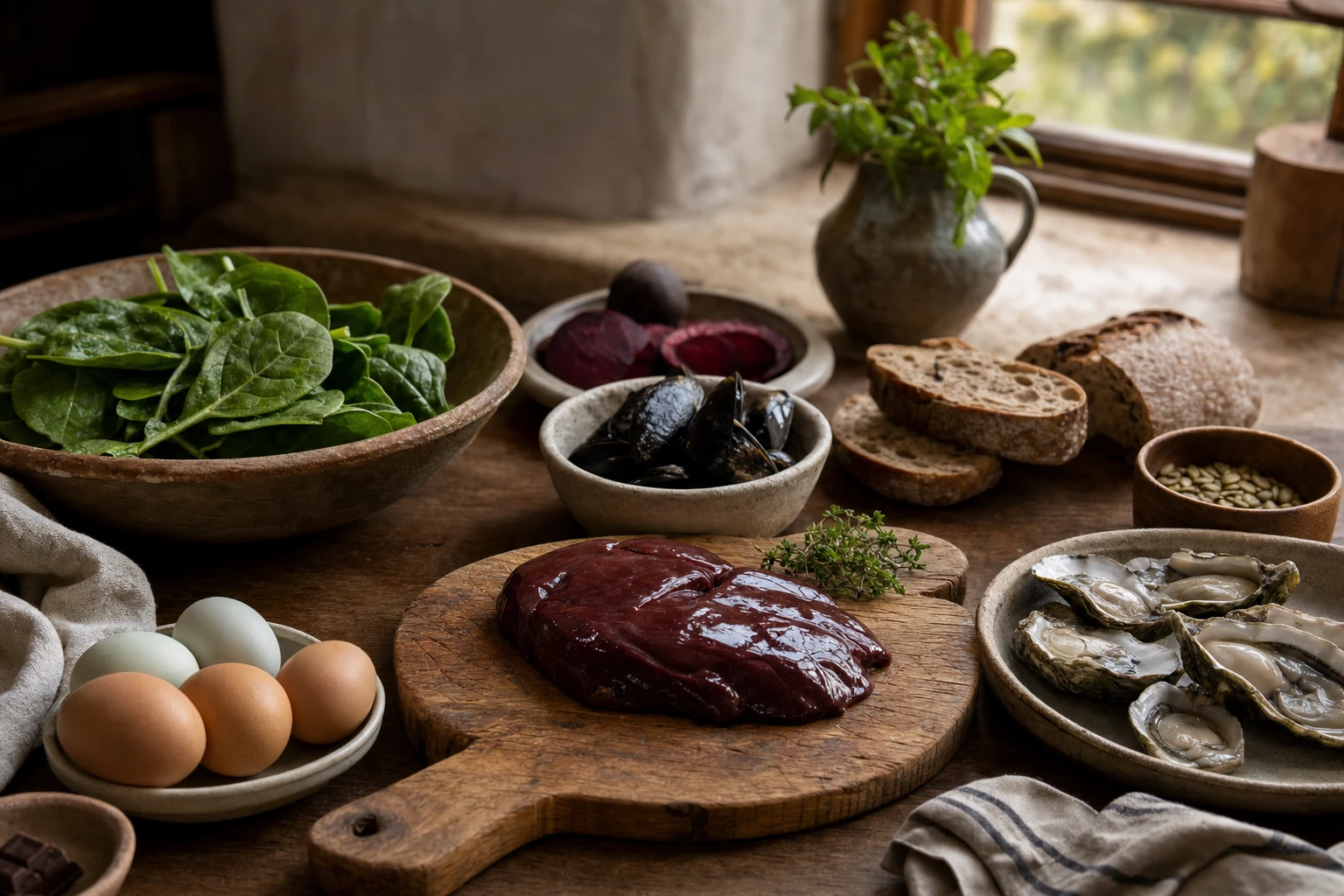
- Liver (the most copper-dense food available, roughly 10 to 15 mg per 100g)
- Oysters and mussels (shellfish are copper-rich and highly absorbable)
- Dark chocolate and cacao (surprisingly high in copper, though sugar content matters)
- Nuts and seeds (walnuts, cashews, sunflower seeds all contain meaningful amounts)
- Mushrooms (especially dried shiitake, which concentrates minerals)
- Whole grains (though only if your gut can absorb them well)
The single most reliable source is liver, in small amounts regularly. A 50-gram serving of liver twice a week handles copper needs for most people. It's not about megadosing. It's about consistency and choosing foods that work.
Get the science, plainly, free
Two short reads a week on what the research actually says about nutrition.
By signing up you agree to receive emails from us. No spam, unsubscribe anytime.
Getting the ratio right
The goal isn't perfect ratios. It's avoiding extremes and recognising when minerals work in concert. Most people aren't tracking copper and zinc to decimal points. But you can shift behaviour to restore balance.
If you're taking zinc supplements, stop, or drop the dose to below 30 milligrams daily. If you're not eating liver, start. A small portion twice weekly. If your iron is stubborn despite supplementation, check your copper. If your hair is falling out and your immune system is weak, the culprit might not be iron or zinc. It might be the partner mineral nobody thought to measure.
The minerals your body uses most are often in conversation with each other. Fix one in isolation, and the other pulls you into the wall. This is true of copper and iron, iron and zinc, calcium and magnesium, sodium and potassium. They're not independent actors. They're an ecosystem. Start treating them that way and your mineral status transforms.
The test you should be asking for
Most doctors test iron and ferritin. Many test zinc. Very few test copper. But copper is measurable. Serum copper, ceruloplasmin levels, and copper to zinc ratios are all available tests, usually through standard NHS pathology. If you're struggling with anaemia despite iron supplementation, or if you're losing hair and your immune system is weak, ask your GP for a copper panel. The test exists. It's not expensive. And it often reveals the missing piece that explains months of frustration.
The challenge is that doctors rarely think to order it. Copper deficiency is rare in their experience, so rare it's almost fictional. But rare isn't impossible. And for the person whose symptoms resolve once copper is restored, the test is revelation.
If testing isn't available or if you want to start fixing the problem before you have test results, the pragmatic approach is this: add liver to your diet twice weekly. A small portion, 50 grams, contains 5 to 8 milligrams of copper. That's more than most people consume in weeks. After four to six weeks of consistent liver consumption, energy changes. Hair stops falling. Immune function improves. The shift is often noticeable.
1 of 9
Daily blend
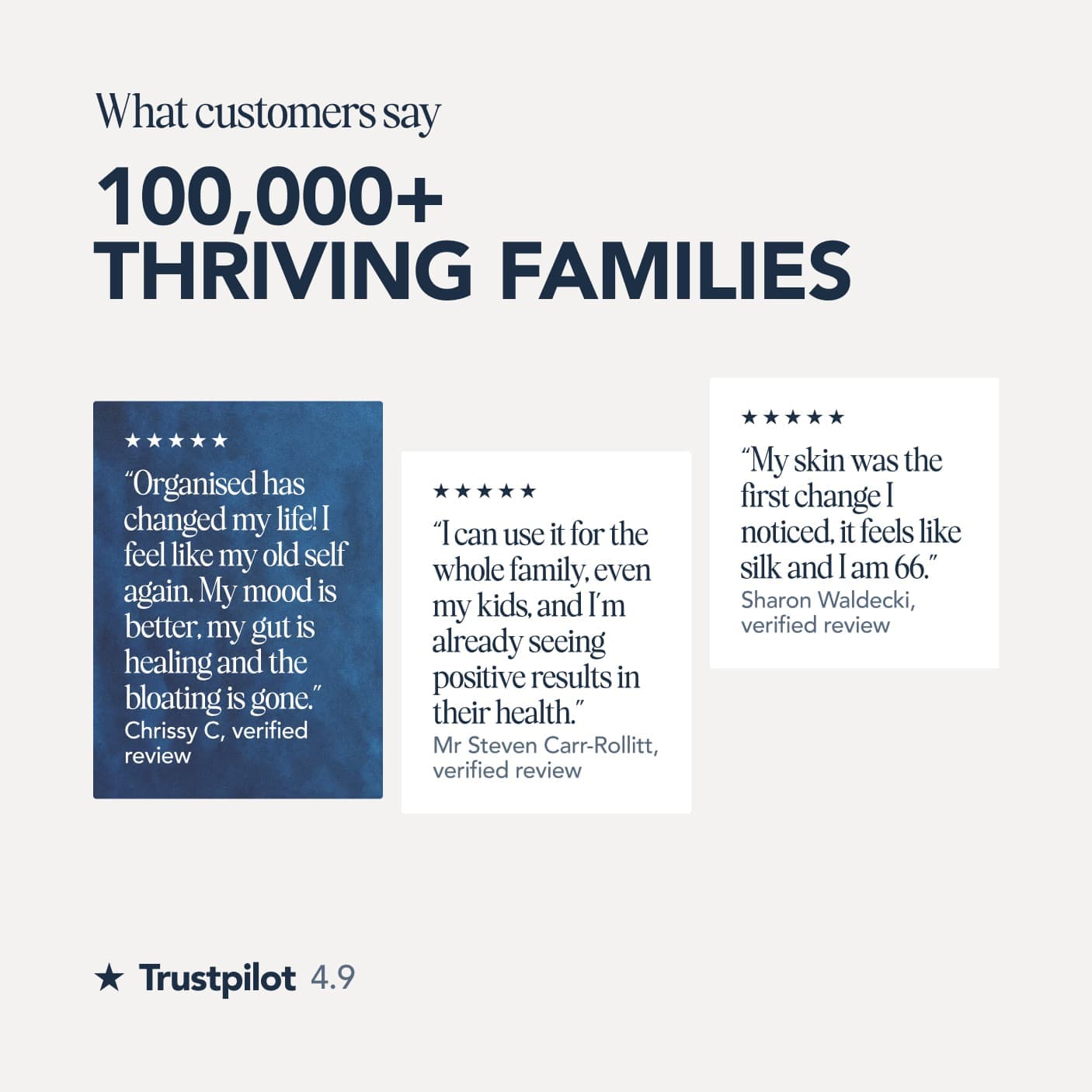
100,000+ thriving families4.9 on Trustpilot
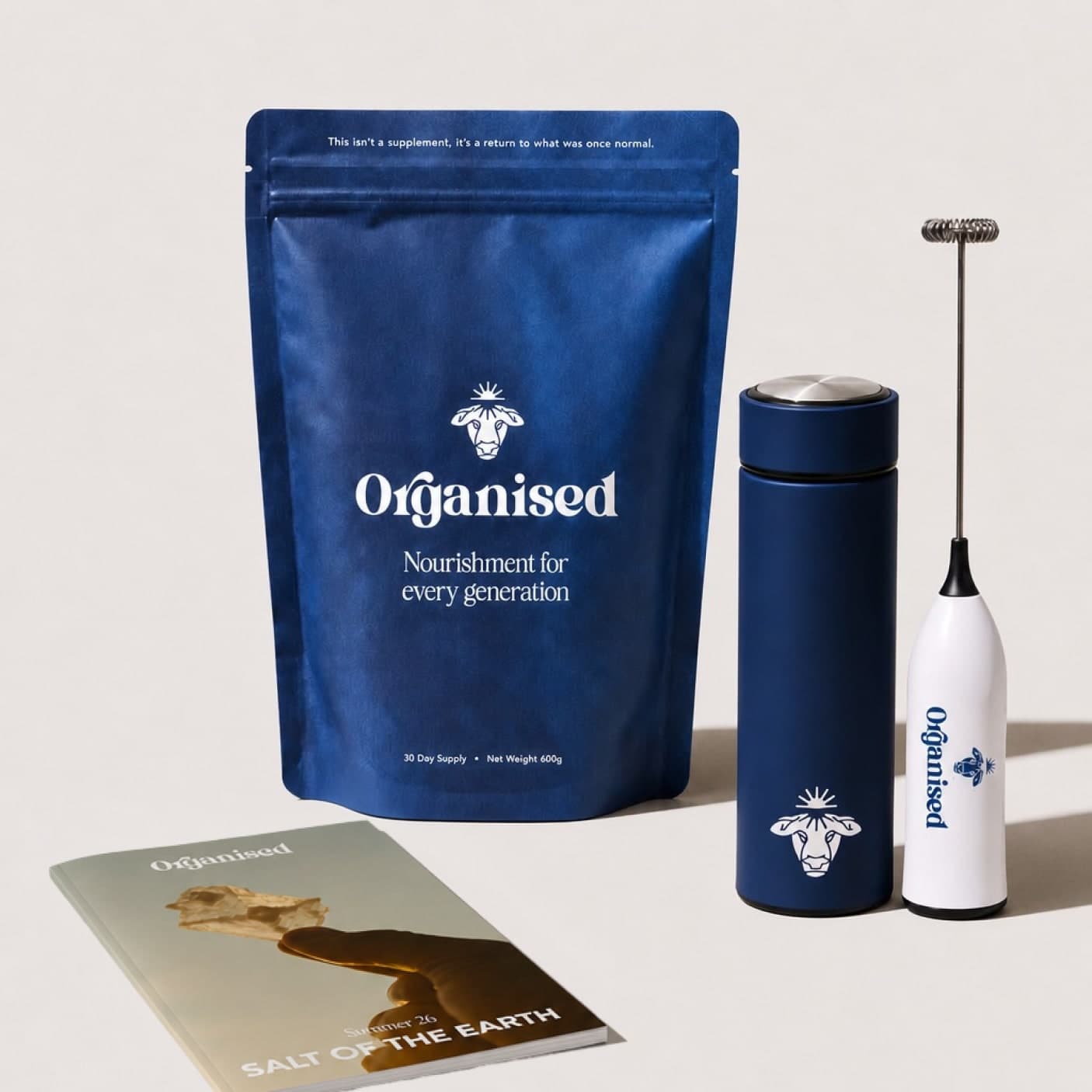
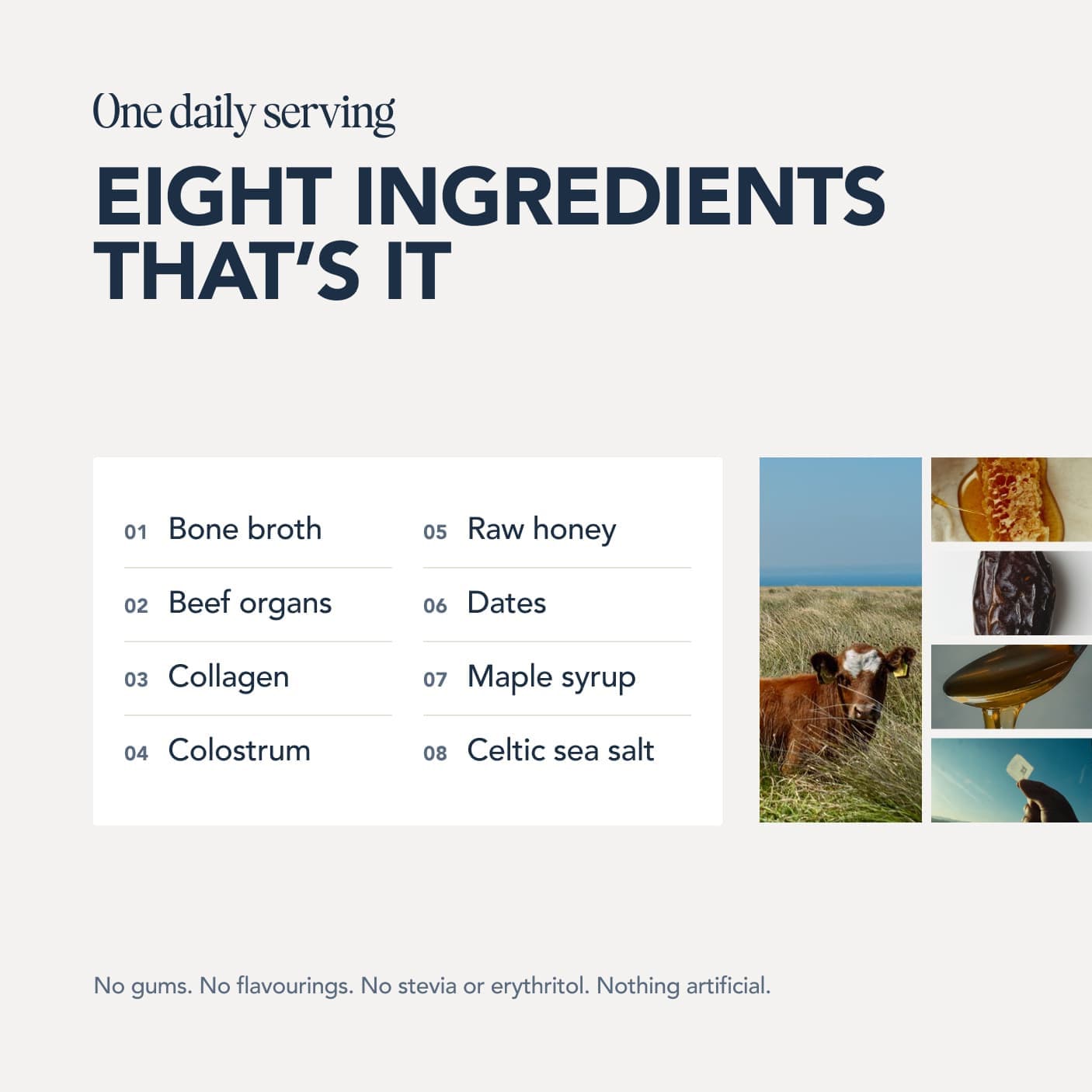
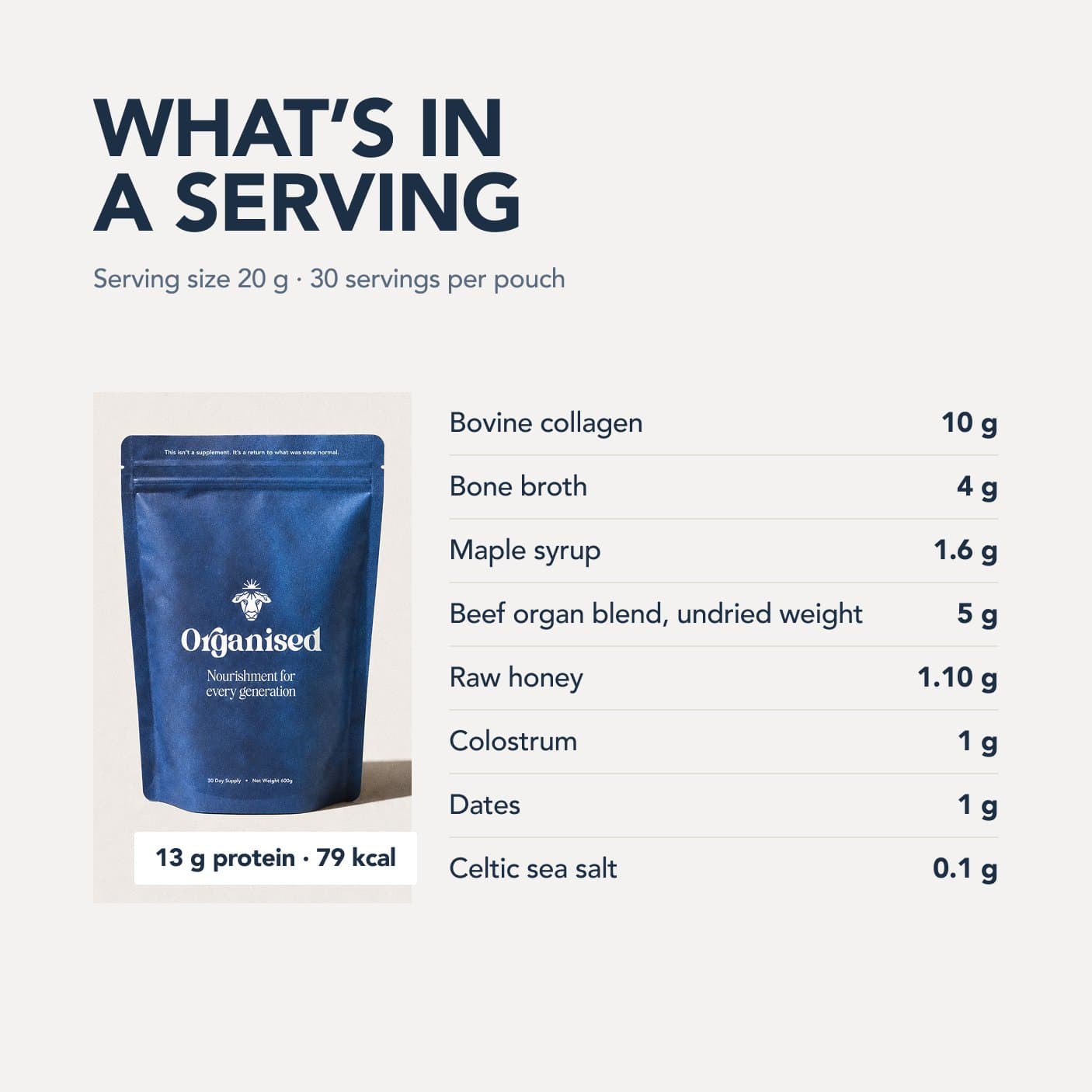
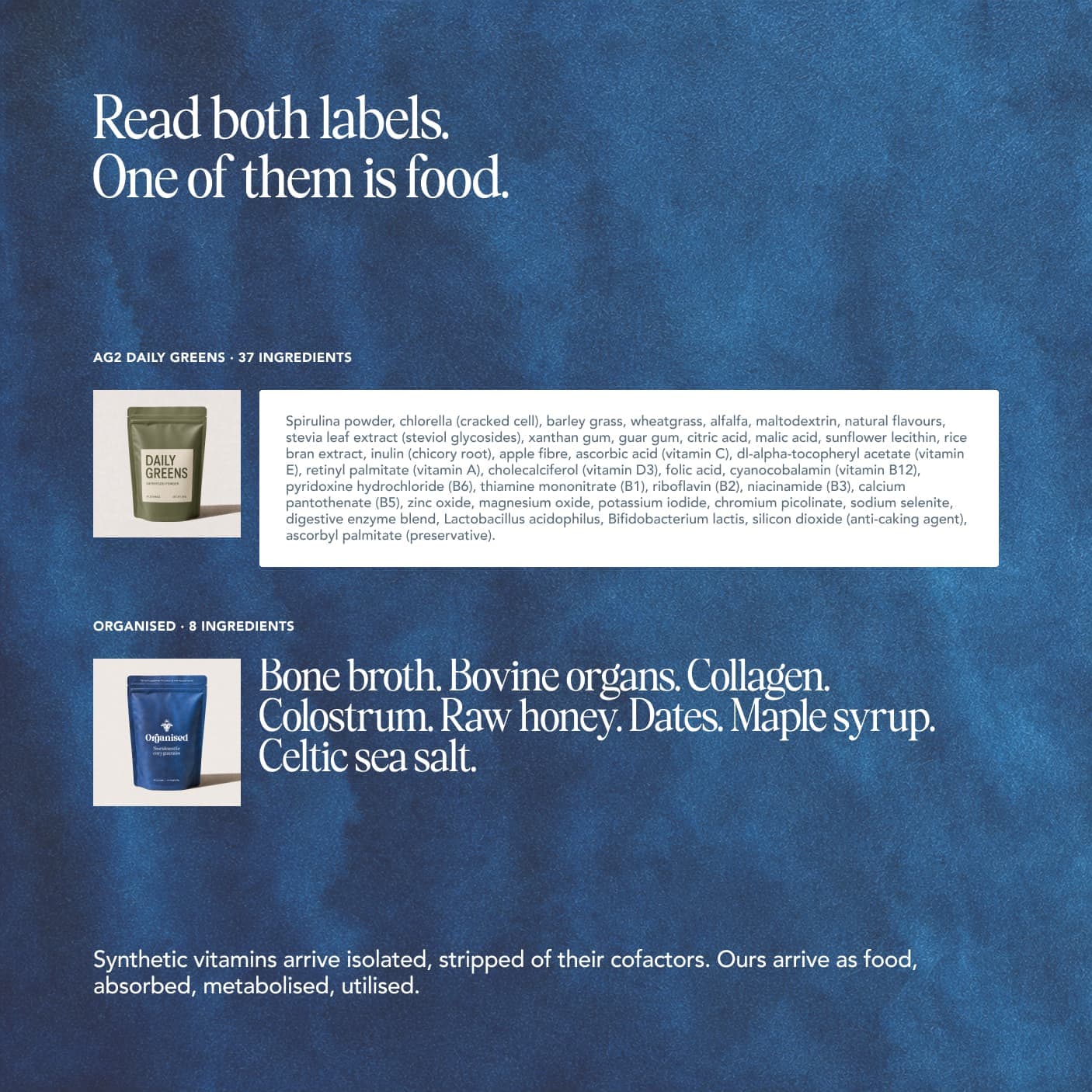
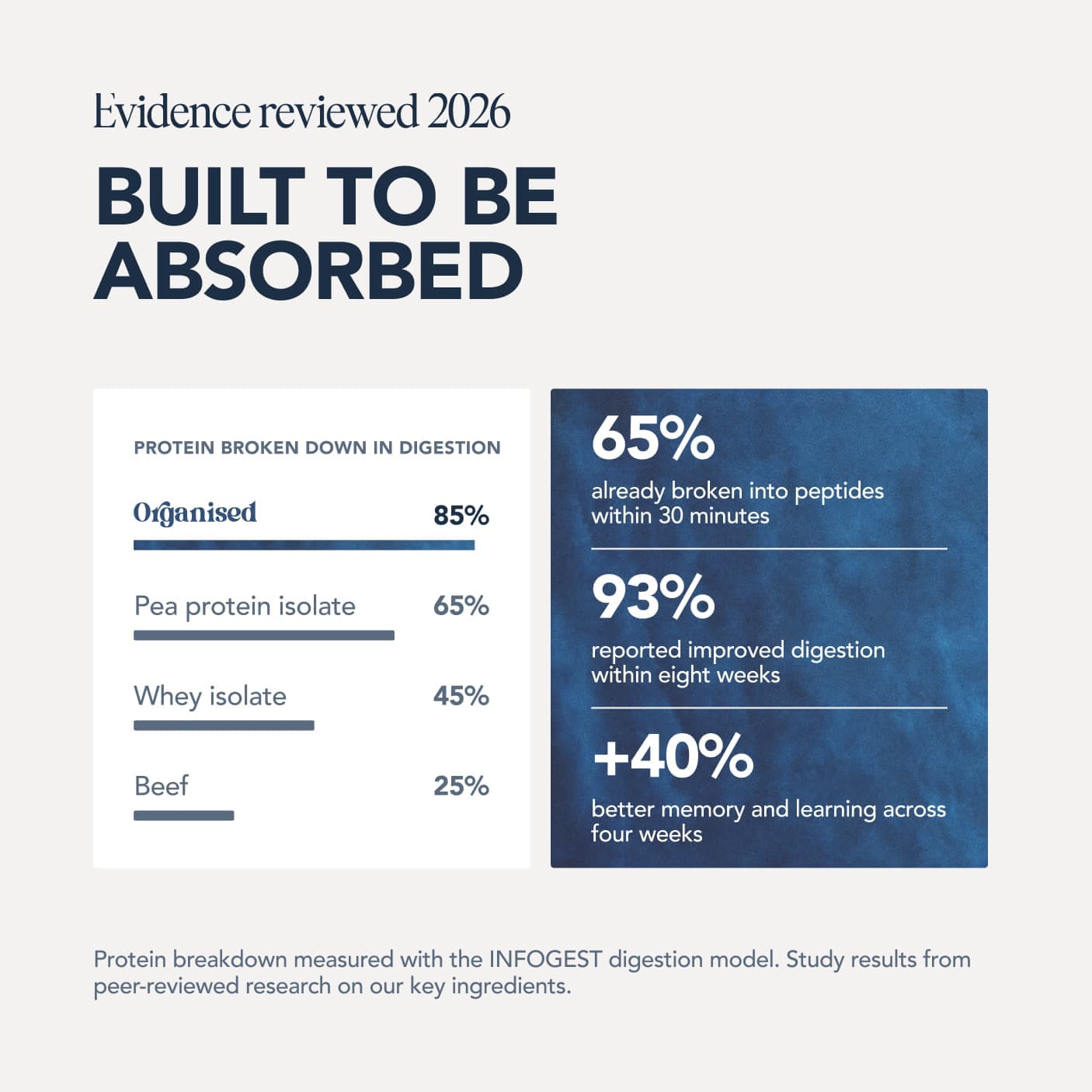
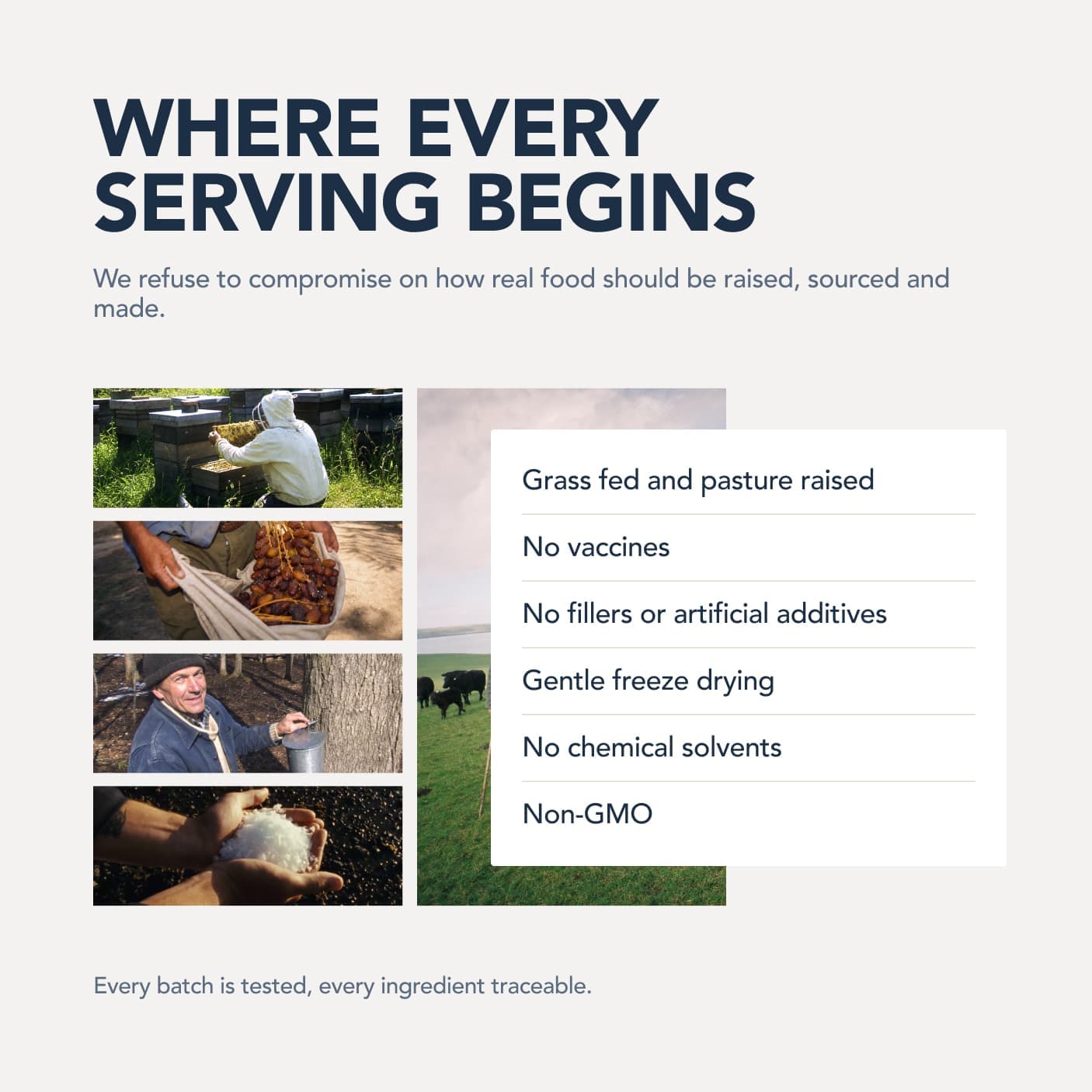
Eight real ingredients built around grass-fed beef organs, collagen and colostrum. Nothing synthetic added.
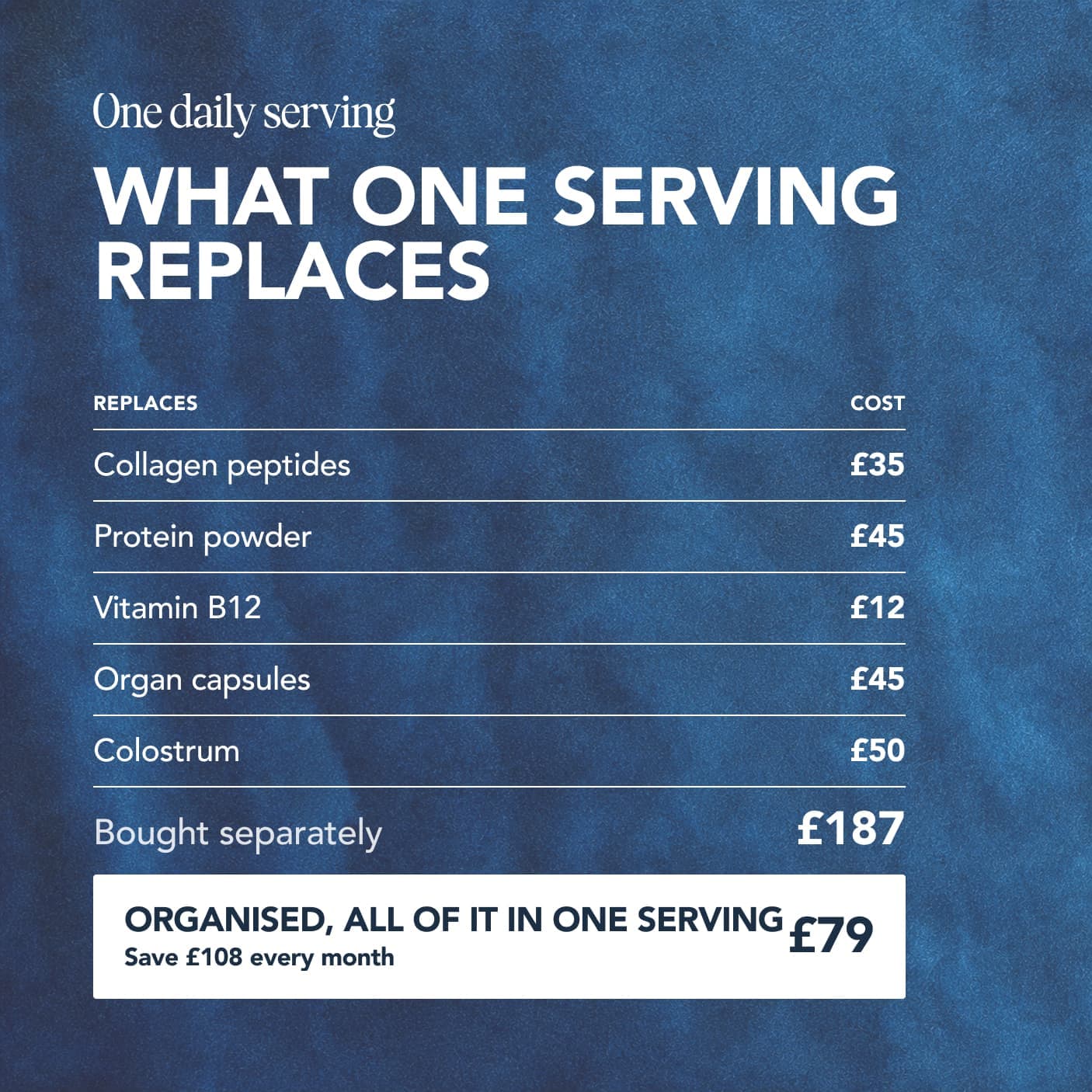
Free with your first order, worth £38. Plus £10 off the pouch with a subscription.
Free UK shipping · Made in England · 100 day money back guarantee on your first pouch · Skip, pause or cancel anytime
Copper toxicity: the opposite problem
Copper deficiency gets overlooked. But copper excess is equally real, and it's less well understood. Copper accumulates in tissues when it cannot be excreted properly. This happens in conditions like Wilson's disease, where a genetic mutation breaks the protein that removes excess copper. But it also happens gradually in people who don't have the genetic disease.3
Too much copper causes its own problems. Neurological symptoms, mood disturbances, joint pain. Some researchers believe copper excess is involved in depression and anxiety in ways the mainstream hasn't caught up to yet. The evidence is growing.
Zinc, once again, is the partner that modulates. High zinc reduces copper absorption and increases copper excretion. So the goal isn't high copper. It's the right ratio. Not so much zinc that copper gets depleted. Not so little zinc that copper accumulates. The middle ground is where your body thrives.

Copper and your nervous system
Here's a piece most nutritionists don't connect. Copper is essential for myelin formation, but it's also essential for neurotransmitter synthesis. Dopamine, noradrenaline, and serotonin all require copper-dependent enzymes for their synthesis. Low copper doesn't just cause physical symptoms. It causes mood symptoms. Depression, anxiety, low motivation.
People who've had their mood transform once copper was restored often describe it as the first time in years they felt like themselves. The change isn't placebo. The change is biochemistry. Your nervous system was starving for a mineral you never thought to measure.
If you're stuck on antidepressants that aren't quite working, or if your energy and mood are persistently low despite good sleep and stress management, copper status is worth exploring. It's one of the overlooked pieces in mental health that sits at the intersection of nutrition, neurobiology, and psychiatry.
References
Every source below was checked on 27 August 2026. Each PubMed, PMC and DOI identifier was resolved against NCBI or Crossref, and what it opens is printed under the citation, so you can see the link goes where the citation says without leaving the page. Where a citation and its identifier disagreed, the citation was corrected to the record or the reference was deleted along with the sentence marker that pointed at it, and where the resolved paper turned out not to support the sentence, the sentence was cut back to what it does support. Borrowed authority is worse than none, because it looks like rigour.
- National Institutes of Health, Office of Dietary Supplements. Copper — Health Professional Fact Sheet.
- National Institutes of Health, Office of Dietary Supplements. Zinc — Health Professional Fact Sheet.
- European Association for the Study of the Liver (EASL). EASL Clinical Practice Guidelines: Wilson's disease. Journal of Hepatology, 2012. PMID 22340672.Checked 27 August 2026: PMID 22340672 opens European Association for Study of Liver, EASL Clinical Practice Guidelines: Wilson's disease. J Hepatol 2012;56(3):671-85. PubMed indexes it as: Practice Guideline.
Who wrote and reviewed this guide
Niall Kiddle
Author · Founder, Organised
Niall is the founder of Organised. He started the company in 2024 after fixing his own health the slow way: in 2022 he swapped a cupboard of synthetic supplements for real food, raw milk, organ meats, bone broth and honey, and felt the difference within months.
Areas of expertise: Ancestral nutrition, Organ meats, Whole-food supplementation, Gut health, Regenerative sourcing
Read Niall's full profile
Pedro Rodrigues
Reviewer · Agronomist (farming and sourcing only)
Pedro is the agronomist Organised works with on farming and sourcing. His job on the guides is to keep the science honest: he reviews what we publish about soil health, regenerative agriculture, grazing and the way food is actually produced.
Areas of expertise: Regenerative agriculture, Agronomy, Soil health, Grass-fed farming, Food sourcing
Reviewed this guide on
Read Pedro's full profileBrowse the guides library
All guidesKeep reading
Science
You Can't Get All Your Nutrients from Plants Alone: Here's the Science
Explore nutrients that plants cannot provide: B12, heme iron, retinol, creatine, carnosine, K2. A nuanced look at plant-based diet limitations without dogma.
Science
Peptides in Organ Meats: Beyond Vitamins and Minerals
Organ meats contain bioactive peptides (carnosine, anserine, glutathione) that muscle meat lacks. Learn why whole organs are nutritionally different.
Science
Are Organ Meats High in Purines? What Gout Sufferers Need to Know
Not all organ meats are high in purines. Learn which organs you can safely eat with gout and which ones to avoid, based on actual purine content.
Real food, made effortless
See the blendA few ways to use it
All recipes
Organised Protein Pancakes: A Weekend Favourite
A high-protein pancake recipe using beef protein, eggs, and raw milk. Cooked in cast iron, naturally sweetened with banana and honey. Real food breakfast.
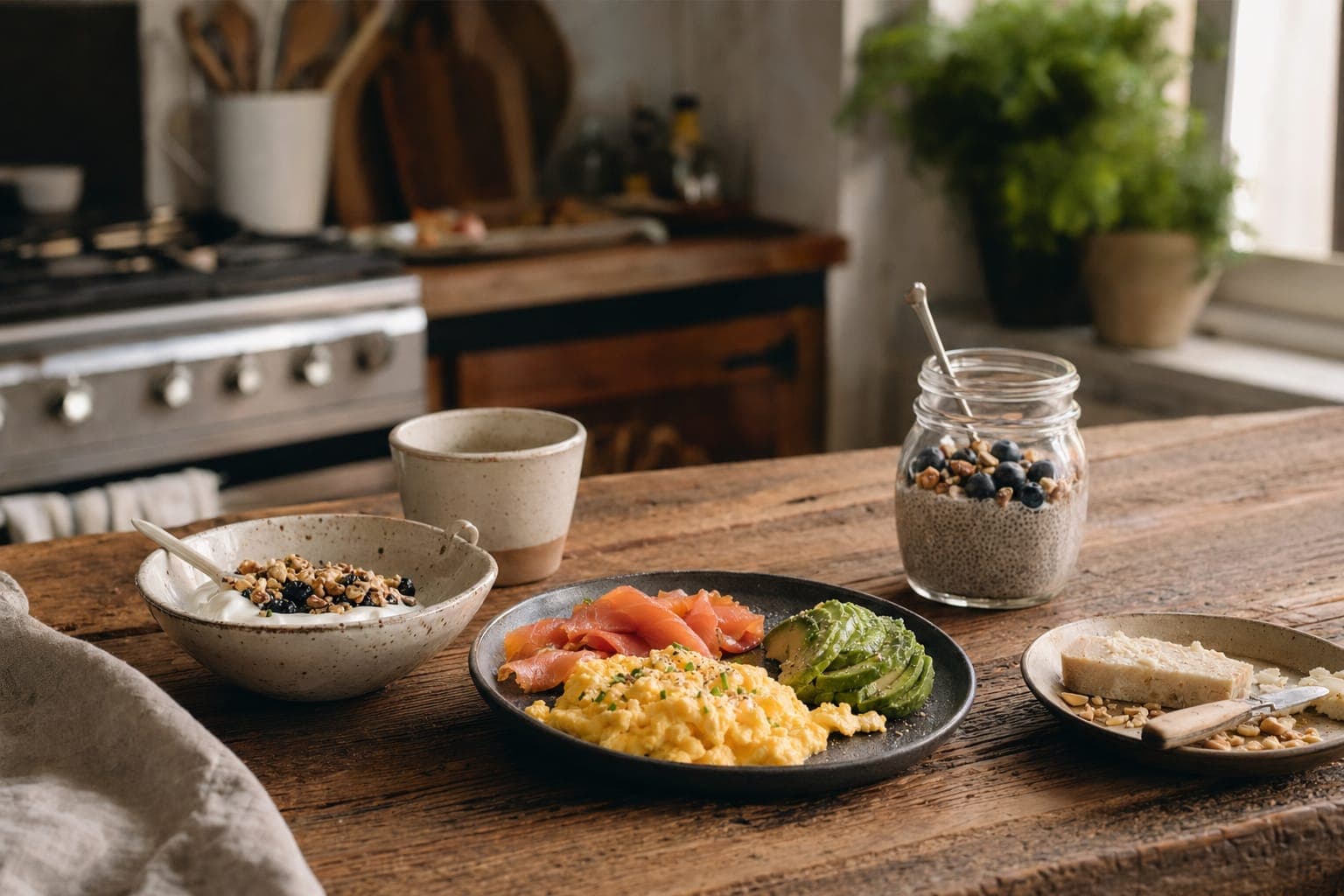
5-Minute High-Protein Breakfasts Using Organised
Quick, high-protein breakfast ideas using Organised. Five recipes you can make in minutes with real food. No fussing around.
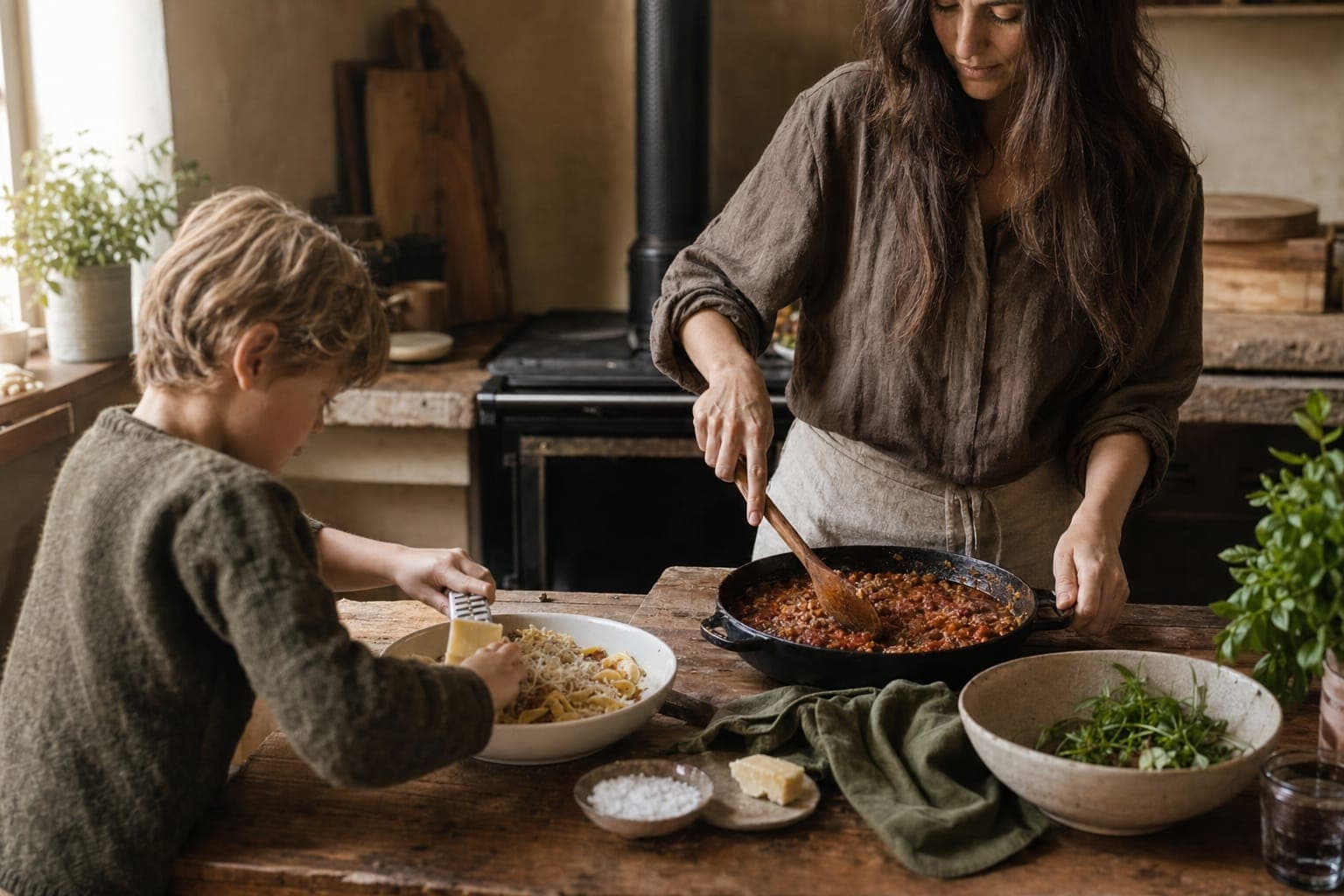
Organ Bolognese: The Family Dinner That Heals
Practical organ meat recipe using fresh beef liver and heart. Family-friendly bolognese that bridges supplements to whole food.


 Join over 100,000+ members
Build a better food system with us
The Organised community is thousands of people choosing real food and backing the farmers who grow it, all of us trying to leave the world a little better than we found it. If that is what you care about too, you belong here.