You Can't Get All Your Nutrients from Plants Alone: Here's the Science
This isn't a takedown of plant-based eating. This is about honesty. There are nutrients your body requires that plants simply don't provide in usable forms. You can eat plants. You can thrive on mostly plants. But you cannot get all your nutrients from plants alone. Some things are found only in animals. Understanding which is the difference between thriving on a plant-based diet and gradually becoming deficient without realising it.
By Niall Kiddle, Founder, Organised

Reviewed by Pedro Rodrigues, Agronomist (farming and sourcing only) ·
6 min read · Published · Updated · 5 cited sources
Makers of the Organised Daily blend, a grass-fed beef organ supplement from regenerative UK farms
The mainstream story is simple: eat plants, feel good. The scientific story is messier. Some nutrients plants provide poorly or not at all. And when you remove animal foods entirely, you're betting that supplementation can fully replace them. Sometimes it can. Sometimes it cannot.
Vitamin B12: the non-negotiable animal nutrient
Let's start with the hardest truth. Vitamin B12 is found almost exclusively in animal foods. There is no meaningful plant source.1 Plants don't make B12. Animals store it from bacterial sources or synthesise it themselves. If you eat no animals, you get no B12 unless you supplement.
B12 is essential for brain development, nervous system function, energy production, and red blood cell formation. Deficiency develops silently and can take years to manifest. By the time symptoms appear (fatigue, neuropathy, cognitive decline, anaemia), damage has often accumulated substantially.
Supplementation works, but it requires consistency and correct dosing. Many plant-based people discover years into their diet that they're deficient because supplementation is easy to skip or get wrong. The challenge isn't that B12 supplementation is ineffective. It's that it requires vigilance that many people don't maintain. The safest plant-based approach is to accept that B12 supplementation isn't optional. It's necessary.
Iron: not all iron is equal
Plants contain iron. But iron from plants behaves differently from iron from meat.
Heme iron (from animal sources) is highly absorbable. Your body absorbs a substantially higher fraction of heme iron than non-heme iron from plants.2, depending on what else you're eating. Vitamin C, certain spices, and acidity improve absorption. Phytates, tannins, and oxalates (abundant in plants) block it severely.
You can optimise plant-based iron absorption. Pair iron-rich plants with vitamin C. Cook in cast iron. Avoid tea and coffee with meals. But the starting point is worse. You're fighting harder to absorb less. And the variance is huge. One person might absorb 20 per cent, another 3 per cent, depending on their individual physiology.
Additionally, plant-based iron doesn't automatically regulate absorption well. Your body tightly controls how much heme iron it absorbs based on current stores. Non-heme iron? Not the same. People on plant-based diets often show either deficiency or excessive iron, depending on the combination of foods and supplements they're taking. The regulation system doesn't work as well.
Retinol: why beta-carotene conversion fails
Your body needs vitamin A for vision, immune function, and skin health. Plants provide beta-carotene, a precursor that theoretically converts to vitamin A.
Theoretically is the operative word. Children convert as little as 3 to 6 per cent of the beta-carotene they eat into usable vitamin A. Conversion is variable across individuals.3
More troubling, the conversion rate depends on genetics, gut health, thyroid function, and whether you've eaten fat with the plant. A substantial proportion of the population carry BCMO1 genetic variants that reduce beta-carotene to retinol conversion efficiency.3 If you're unlucky genetically, you're trying to get vitamin A from a plant source that converts at 2 to 3 per cent efficiency. That's nearly useless.
Animal sources provide preformed vitamin A (retinol), which requires no conversion. Liver is extraordinarily rich in it. Eggs contain it. Dairy contains it. If you're plant-based, you're entirely reliant on conversion efficiency from plants, hoping your genetics are good, and planning for the possibility that you're not getting enough. The gamble is real.
Creatine: the nutrient your brain desperately needs
Creatine isn't just for muscles. Your brain uses creatine. Your mitochondria use it. It's a primary energy shuttle in cells that work hard (brain, muscle, immune cells).
Creatine is found almost exclusively in animal meat.4 Your body can synthesise some from arginine and glycine, but the amount is modest and varies with genetics. If you eat no meat, you're relying on endogenous synthesis, which often doesn't meet demand.
This becomes particularly relevant if you're training hard, if you're older, or if you're pregnant or breastfeeding. All of these states increase creatine demand. Plant-based people in these categories often experience energy crashes, slower cognitive function, or weaker recovery. Creatine supplementation helps, but it's another supplement required on top of B12.
Carnosine and anserine: muscle and brain antioxidants
Carnosine and anserine are dipeptides found almost exclusively in animal muscle. They're powerful antioxidants, particularly in fast-twitch muscle fibres and in the brain.
Carnosine buffers lactic acid during intense exercise. It protects neurons from oxidative damage. It supports muscle recovery. It's found in meat, fish, and poultry. Plants don't provide it.
Your body can synthesise carnosine from beta-alanine and histidine, but synthesis is modest. For athletes and for people doing intense cognitive work, dietary carnosine from animal sources is significantly different from relying on synthesis alone. The gap is real and measurable.
This matters more than people realise. Plant-based athletes often recover more slowly, experience more muscle soreness, and see smaller strength gains despite similar training, partly because they lack dietary carnosine. It's not the only factor, but it's a consistent one.
Get the science, plainly, free
Two short reads a week on what the research actually says about nutrition.
By signing up you agree to receive emails from us. No spam, unsubscribe anytime.
Vitamin K2: mostly found in animal foods
Vitamin K2 exists in the fermented plant foods. Natto (fermented soybeans) is extraordinarily rich in K2. But most plant sources provide it poorly or in the wrong form.
K2 is a family of molecules. MK-4 is found primarily in animal products; MK-7 is found in fermented foods such as natto.5 MK-4, the form your body uses most readily, is made by animals from dietary K1 or synthesised de novo. You don't get much MK-4 from plants.
K2 is essential for bone mineralisation, cardiovascular health, and preventing arterial calcification. Deficiency is associated with increased fracture risk and calcified arteries. Plant-based people relying solely on natto and other fermented sources often show suboptimal K2 status without realising it.
B12, heme iron, retinol, creatine, carnosine, and K2 are difficult or impossible to get from plants in sufficient quantities. This is not ideology. It is biochemistry.
A nuanced take
This is not an argument against plant-based eating. This is an argument for honesty about the trade-offs.
If you choose to eat plants, you can do so very healthily. But you're making a trade-off. You're removing your most bioavailable sources of certain critical nutrients. You then need to either accept supplementation (B12 is non-negotiable, but K2, creatine, and others might be wise), or you need to be very deliberate about including the small number of animal foods that fill these gaps.
Some plant-based people include eggs. Some include fish. Some include dairy. Those choices dramatically improve nutrient status without requiring supplementation. Others are fully plant-based and supplement comprehensively. Both approaches can work if done thoughtfully.
What doesn't work is assuming that a plant-based diet without supplementation provides equal nutrition to an omnivorous one. The science doesn't support this. The evidence suggests that careful, supplemented plant-based eating can be adequate, sometimes. But it's harder, it's less forgiving, and it requires knowledge that most people don't have or maintain long-term.
If you're plant-based or considering it, know what you're trading. Know which nutrients are difficult to obtain. Know whether you're willing to supplement, and be consistent if you do. The plant-based people who thrive are those who acknowledge these limitations and address them systematically, not those who pretend they don't exist.

1 of 9
Daily blend
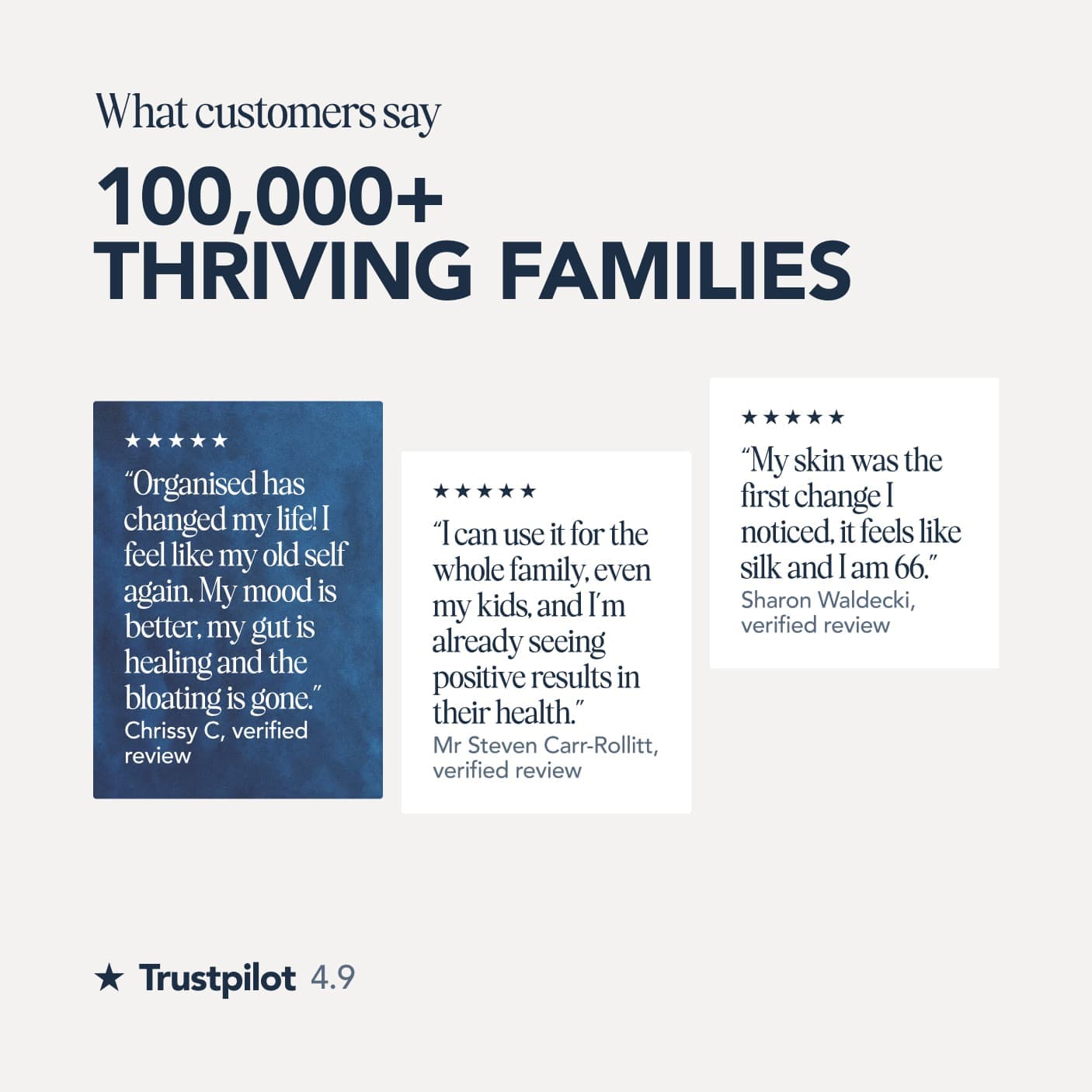
100,000+ thriving families4.9 on Trustpilot
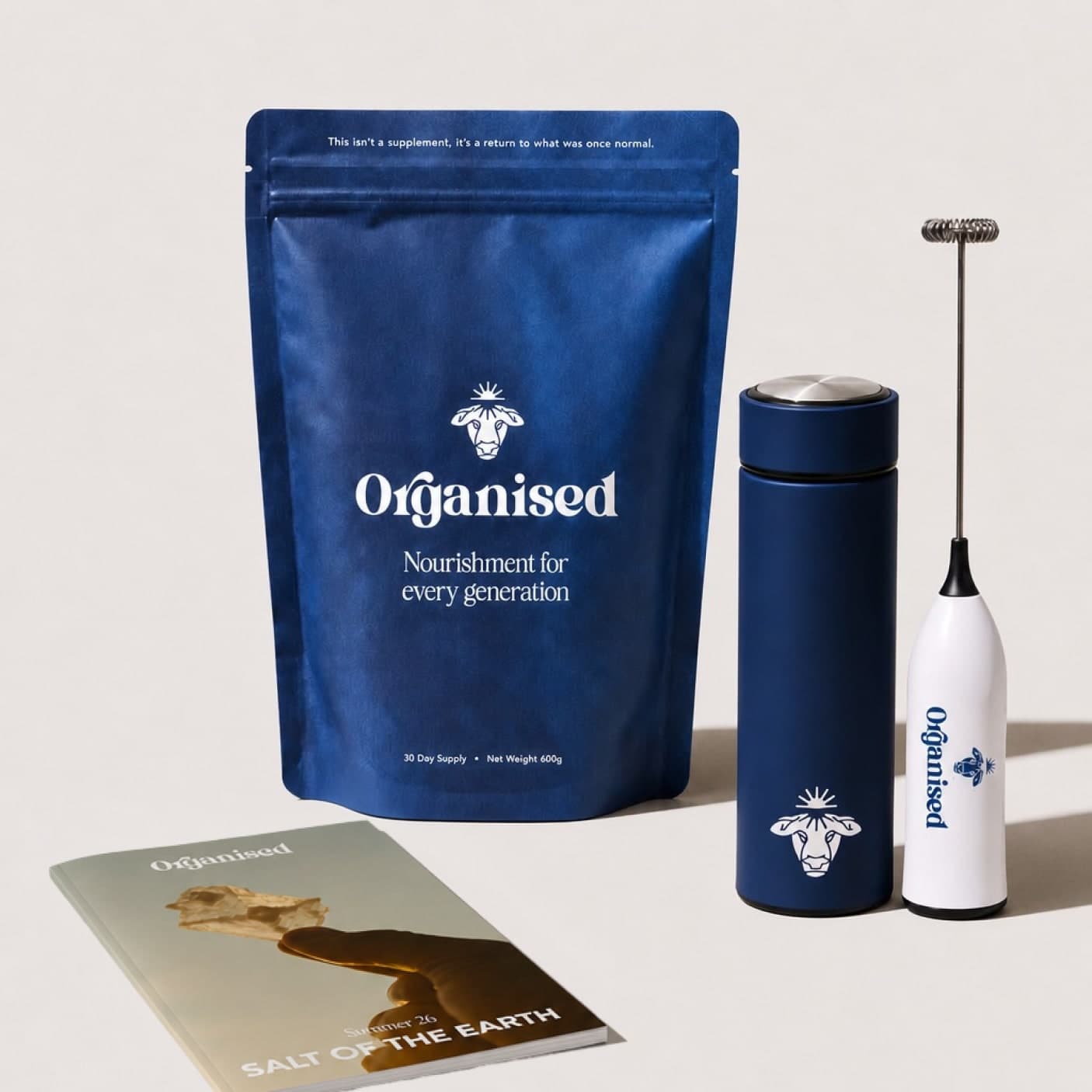
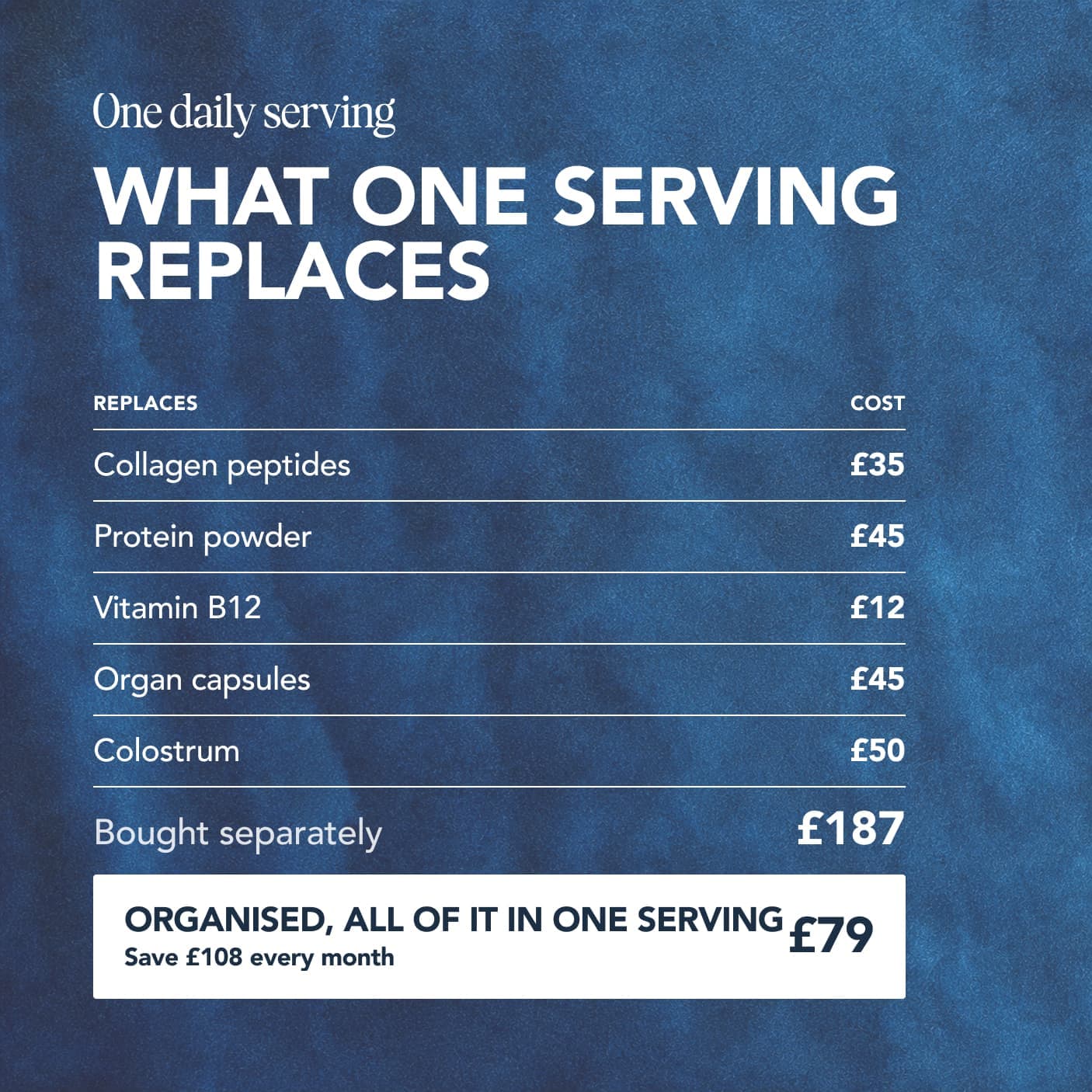
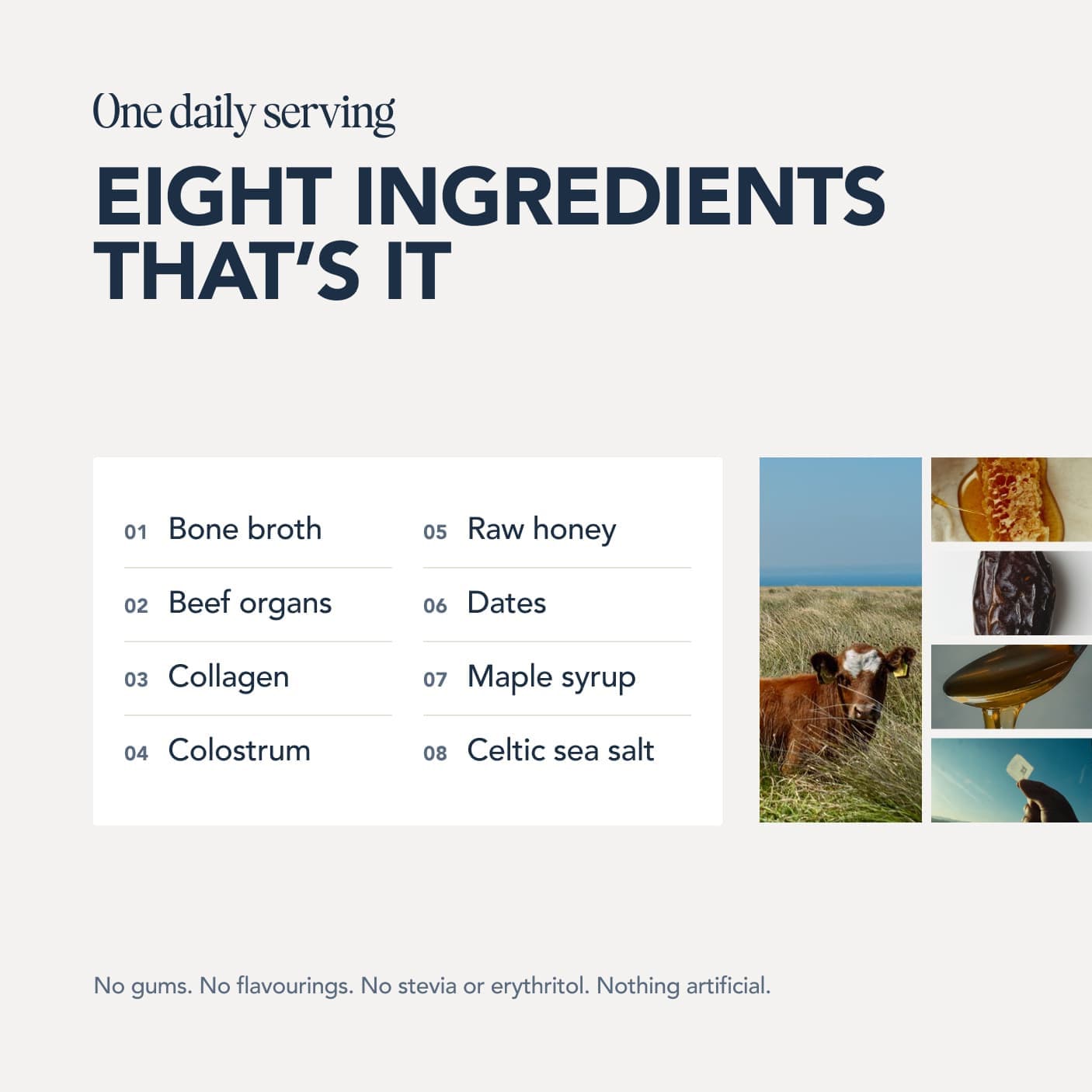
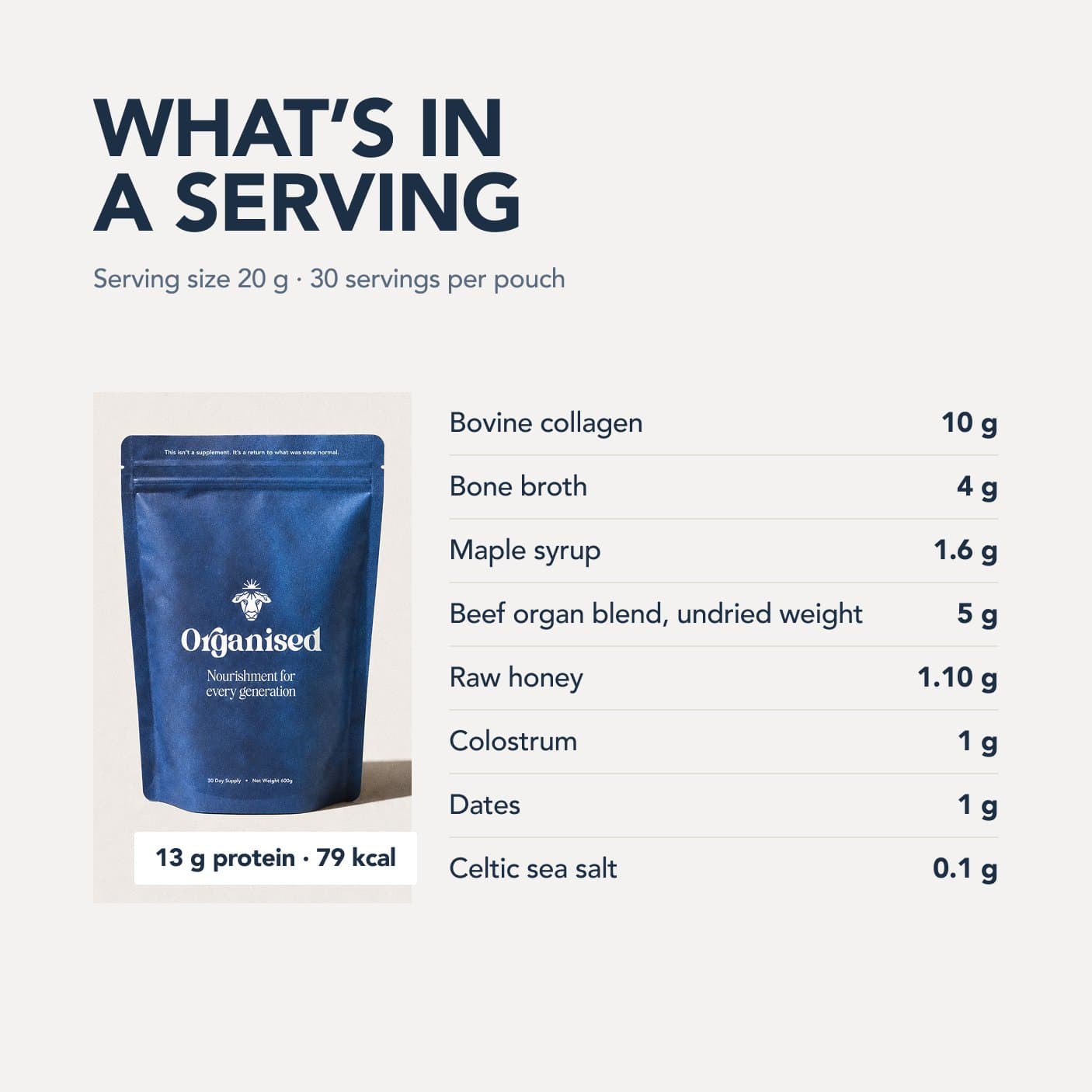
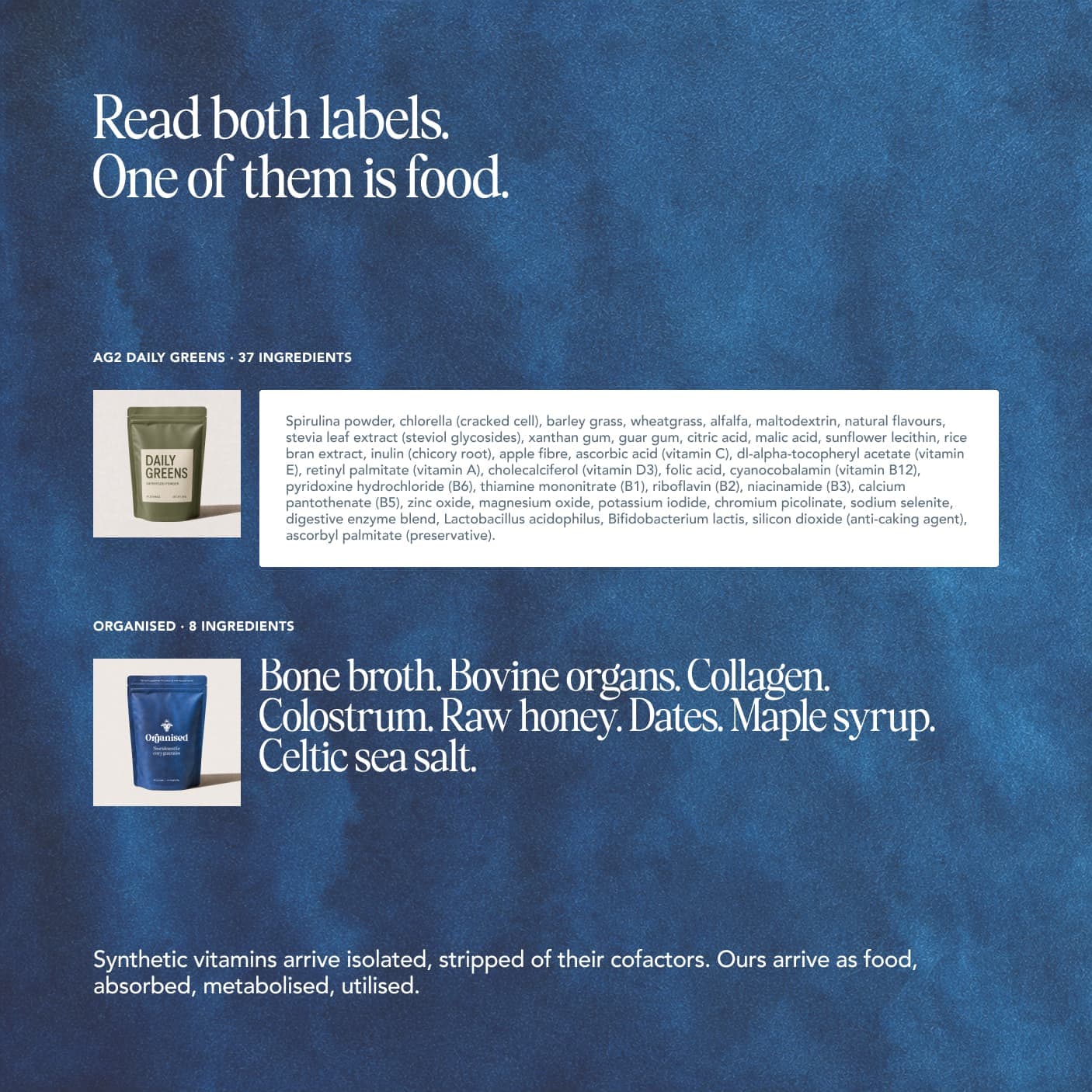
Eight real ingredients built around grass-fed beef organs, collagen and colostrum. Nothing synthetic added.
Free with your first order, worth £38. Plus £10 off the pouch with a subscription.
Free UK shipping · Made in England · 100 day money back guarantee on your first pouch · Skip, pause or cancel anytime
Testing and monitoring on a plant-based diet
If you're committed to plant-based eating, supplement strategically, and monitor your status. B12 is non-negotiable. Get your level tested annually. Iron, zinc, and vitamin D status should also be checked every 12 to 18 months. If you're showing deficiency signs, address them immediately, not after a year of progressive decline.
Consider working with a nutritionist who understands both plant-based nutrition and bioavailability. They can help you optimise supplementation and identify foods and preparation methods that improve absorption.
The plant-based people who thrive long-term are those who treat their diet with the same rigour they'd apply to medication. They test. They supplement. They adjust. They don't pretend that nutrient density is equal across all food sources. They work with reality.
References
Every source below was checked on 27 August 2026. Each PubMed, PMC and DOI identifier was resolved against NCBI or Crossref, and what it opens is printed under the citation, so you can see the link goes where the citation says without leaving the page. Where a citation and its identifier disagreed, the citation was corrected to the record or the reference was deleted along with the sentence marker that pointed at it, and where the resolved paper turned out not to support the sentence, the sentence was cut back to what it does support. Borrowed authority is worse than none, because it looks like rigour.
- National Institutes of Health, Office of Dietary Supplements. Vitamin B12: Fact Sheet for Health Professionals.
- National Institutes of Health, Office of Dietary Supplements. Iron: Fact Sheet for Health Professionals.
- Lietz G et al. Single nucleotide polymorphisms upstream from the β-carotene 15,15\'-monooxygenase gene influence provitamin A conversion efficiency in female volunteers. J Nutr. 2012;142(1):161S-5S. PMID: 22113863.Checked 27 August 2026: PMID 22113863 opens Lietz G, Oxley A, Leung W et al, Single nucleotide polymorphisms upstream from the β-carotene 15,15'-monoxygenase gene influence provitamin A conversion efficiency in female volunteers. J Nutr 2012;142(1):161S-5S.
- Brosnan ME, Brosnan JT. The role of dietary creatine. Amino Acids. 2016;48(8):1785-91. PMID: 26874700.Checked 27 August 2026: PMID 26874700 opens Brosnan ME, Brosnan JT, The role of dietary creatine. Amino Acids 2016;48(8):1785-91. PubMed indexes it as: Review.
- National Institutes of Health, Office of Dietary Supplements. Vitamin K: Fact Sheet for Health Professionals.
Who wrote and reviewed this guide
Niall Kiddle
Author · Founder, Organised
Niall is the founder of Organised. He started the company in 2024 after fixing his own health the slow way: in 2022 he swapped a cupboard of synthetic supplements for real food, raw milk, organ meats, bone broth and honey, and felt the difference within months.
Areas of expertise: Ancestral nutrition, Organ meats, Whole-food supplementation, Gut health, Regenerative sourcing
Read Niall's full profile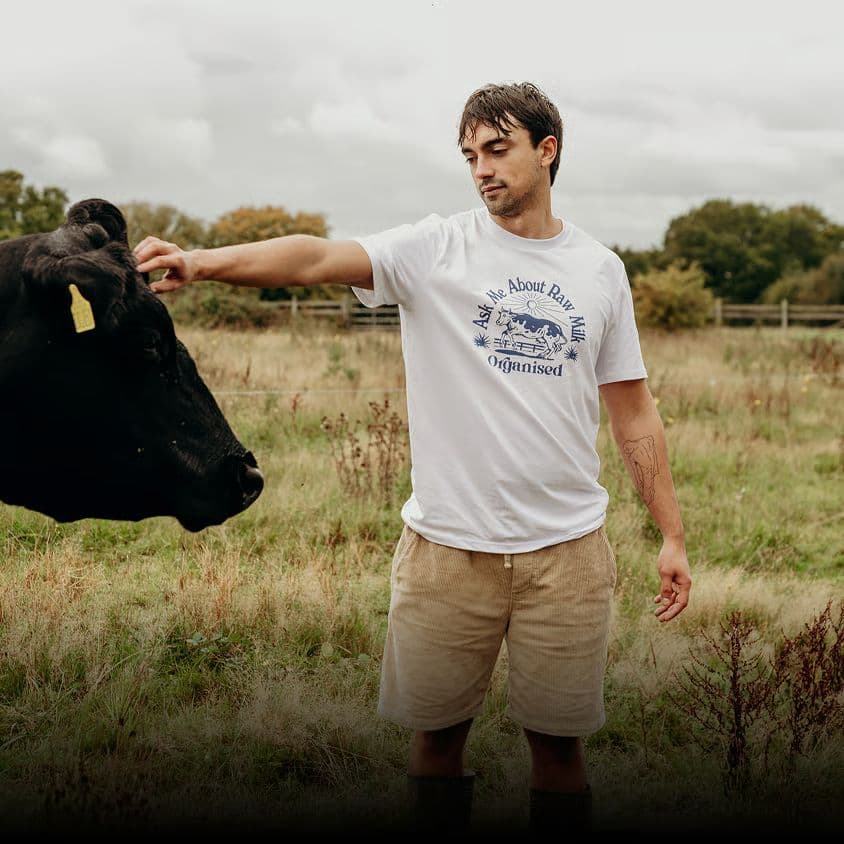
Pedro Rodrigues
Reviewer · Agronomist (farming and sourcing only)
Pedro is the agronomist Organised works with on farming and sourcing. His job on the guides is to keep the science honest: he reviews what we publish about soil health, regenerative agriculture, grazing and the way food is actually produced.
Areas of expertise: Regenerative agriculture, Agronomy, Soil health, Grass-fed farming, Food sourcing
Reviewed this guide on
Read Pedro's full profileBrowse the guides library
All guidesKeep reading

Science
How to Read a Nutritional Study Without Being Misled
Learn how to read nutritional studies without being misled. Tell apart observational and RCT research, and spot confounders, funding and healthy user bias.
Science
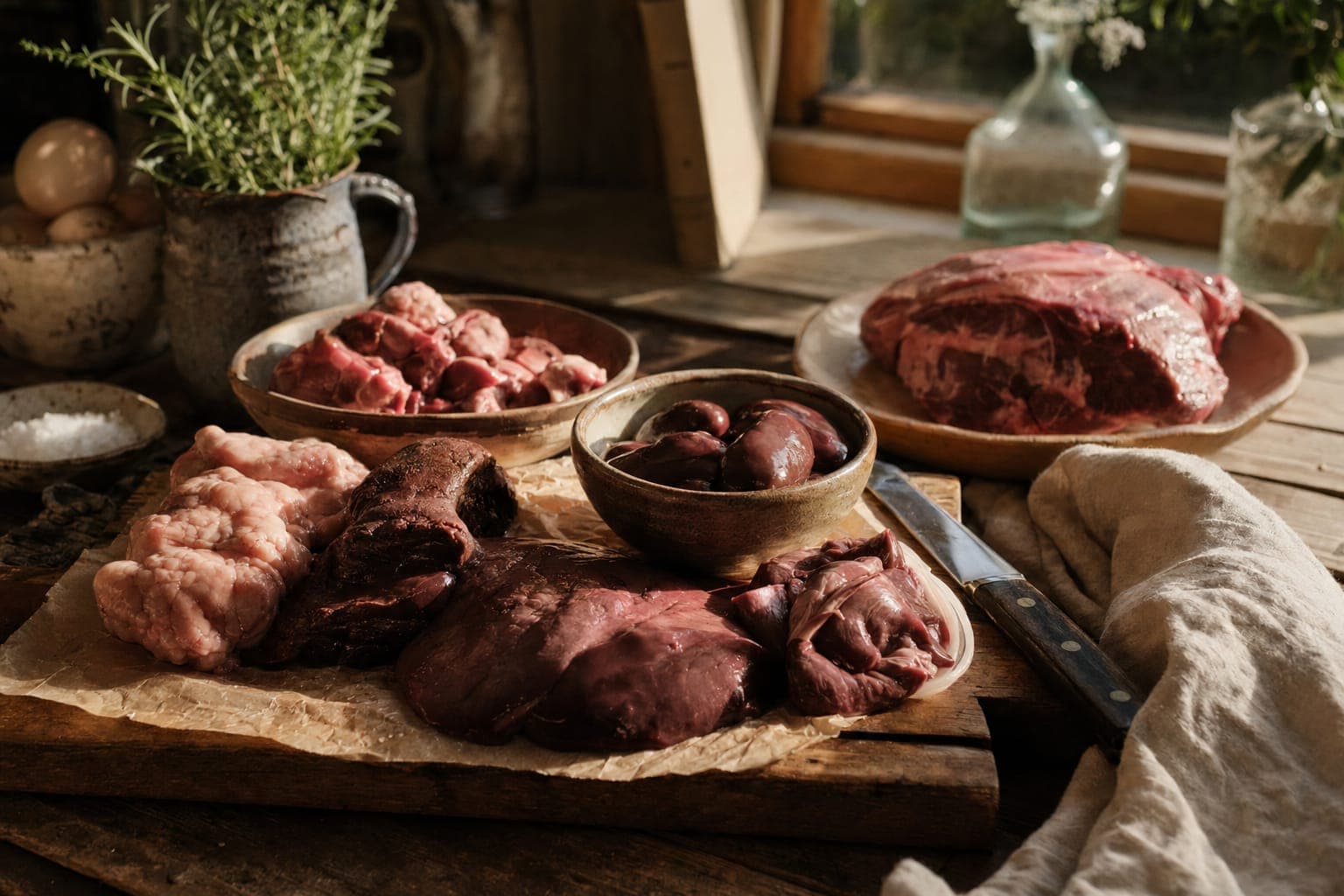
Peptides in Organ Meats: Beyond Vitamins and Minerals
Organ meats contain bioactive peptides (carnosine, anserine, glutathione) that muscle meat lacks. Learn why whole organs are nutritionally different.
Science
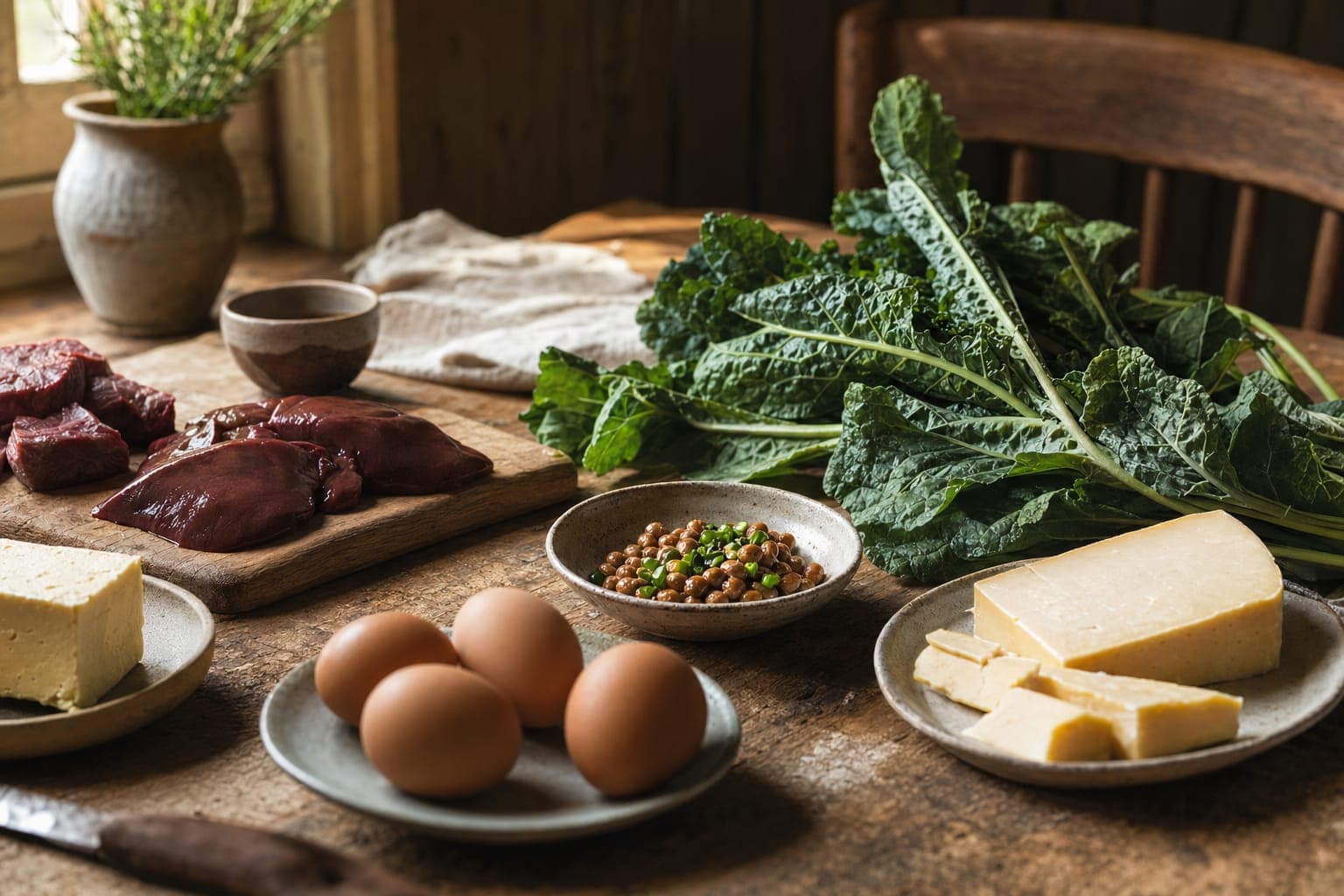
Vitamin K2: The Nutrient Nobody Talks About
Learn about vitamin K2, the nutrient that directs calcium to bone and away from arteries. Discover MK-4, MK-7, and the best food sources.
Real food, made effortless
See the blendA few ways to use it
All recipes
Organised Protein Pancakes: A Weekend Favourite
A high-protein pancake recipe using beef protein, eggs, and raw milk. Cooked in cast iron, naturally sweetened with banana and honey. Real food breakfast.
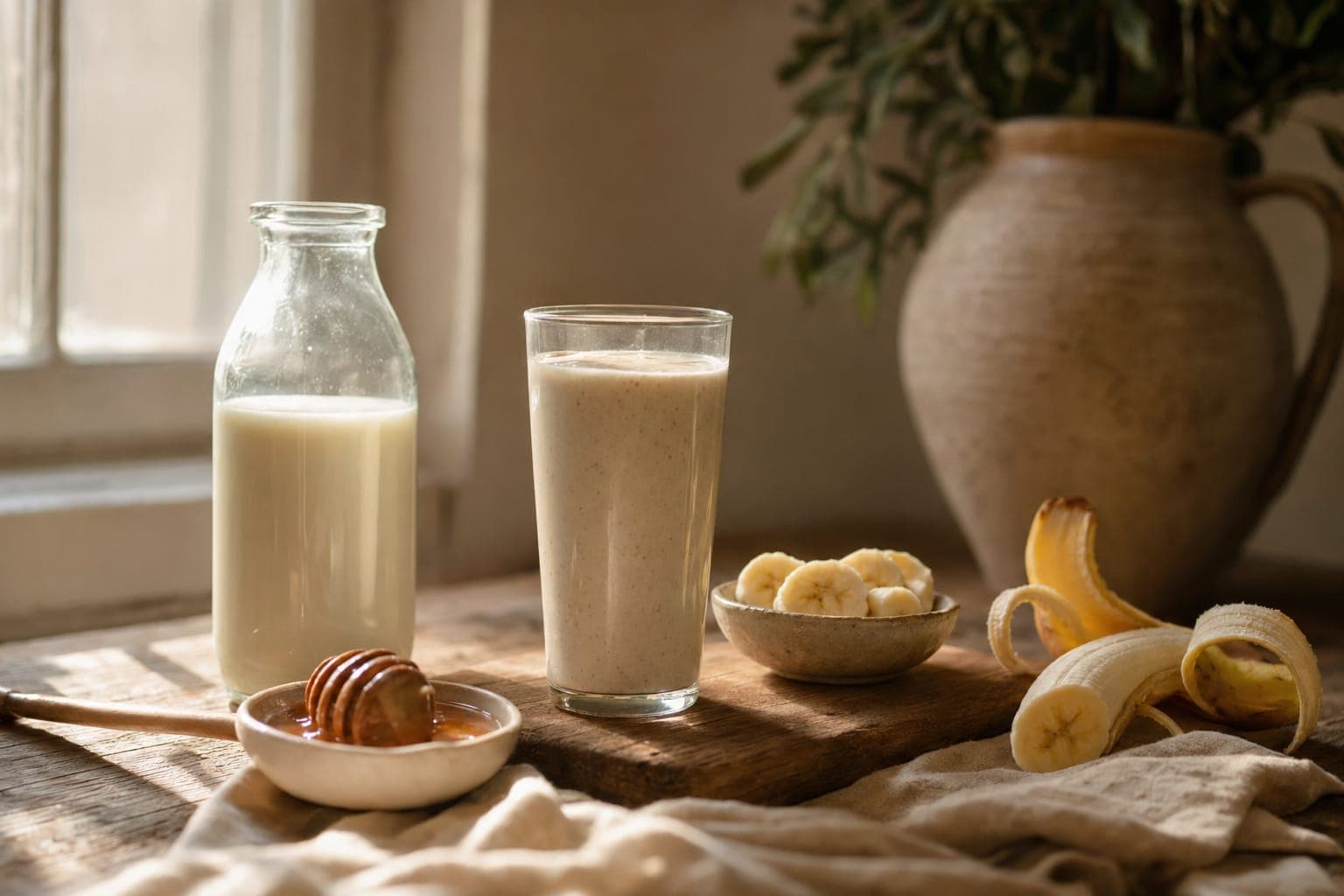
The Perfect Organised Morning Shake: Our Favourite Recipe
Our signature morning shake: Organised, raw milk, banana, honey. Simple, nourishing, and optimised for an empty stomach.
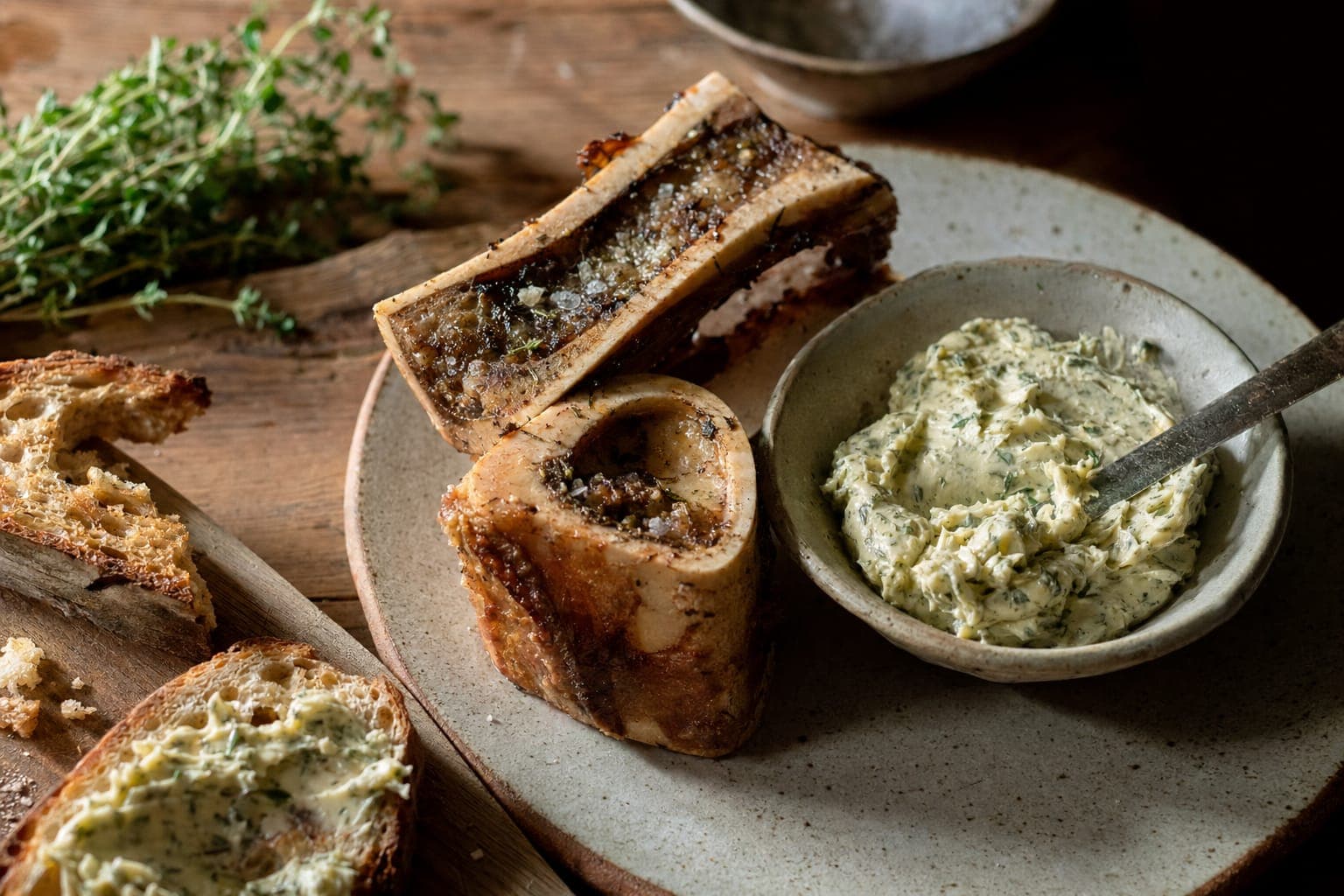
How to Make Bone Marrow Butter
Roast grass-fed marrow bones, scoop the marrow, and mix with butter and herbs. A nutrient-dense spread with fat-soluble vitamins.


 Join over 100,000+ members
Build a better food system with us
The Organised community is thousands of people choosing real food and backing the farmers who grow it, all of us trying to leave the world a little better than we found it. If that is what you care about too, you belong here.