The Gut Lining: How It Works and How to Protect It
Your gut lining is thinner than a human hair. It separates everything you eat from your bloodstream. And it's responsible for deciding what gets in and what gets left out. When it fails, you don't just get digestive discomfort. You get inflammation, allergies, autoimmunity, and chronic disease. Understanding how it works is understanding one of your body's most critical defences.
By Niall Kiddle, Founder, Organised

Reviewed by Pedro Rodrigues, Agronomist (farming and sourcing only) ·
8 min read · Published · Updated · 5 cited sources
Makers of the Organised Daily blend, a grass-fed beef organ supplement from regenerative UK farms
Most people have never heard of their gut lining. Most people also don't realise that almost every chronic disease they know starts with a compromised gut barrier. Leaky gut isn't a fringe concept. It's real, and it's foundational.

What your gut lining actually is
Your gut lining isn't a sieve. It's a living, selective filter made of roughly 37 trillion cells working in concert.
The surface layer is called the epithelium. It's only one cell thick. That's it. Between you and everything you eat, there's one layer of cells. These cells are called enterocytes, and they're some of the most hardworking cells in your body. They absorb nutrients, manufacture hormones, regulate immune signals, and form a barrier all at once.
Enterocytes don't work alone. Beneath them lies a network of immune cells, bacteria, and support structures. Above them sits the mucus layer, a gel-like barrier that gives the gut lining extra protection. This mucus is produced by specialised cells called goblet cells. Healthy goblet cell function is the difference between a fortified gut and a vulnerable one.
The whole system sits on a basement membrane, a structural layer that holds everything in place. Above that sits the microbiome, trillions of bacteria that either protect this lining or attack it, depending on their composition. The architecture is elegant and precisely balanced.
The gatekeepers: enterocytes and tight junctions
Enterocytes are the actual gatekeepers. Each one is connected to its neighbours via tight junctions, molecular locks that hold the cells together and control what passes between them.
Think of tight junctions as a security checkpoint. Nutrients can be absorbed through the enterocytes themselves (transcellular absorption). But some molecules slip between the cells, through the spaces sealed by tight junctions (paracellular absorption). This is where selectivity happens.
Under normal conditions, tight junctions are selective. Small, fully digested molecules get through. Large molecules, bacteria, and undigested food particles don't. The barrier is permeable to what you need and impermeable to what would cause damage.
But tight junctions aren't fixed. They're dynamic structures, opening and closing based on signals from your immune system, your nervous system, and your microbiota. A stressed enterocyte signals its neighbours to tighten. A well-fed, calm enterocyte allows for normal selective permeability. Your gut is literally responding to your state.
Tight junctions are not weak. They are selective. The difference between a healthy barrier and a leaky one isn't about strength. It's about control.
When the gates break: zonulin and permeability
Here's where it gets complicated. A protein called zonulin regulates tight junction permeability. High zonulin means tight junctions open. Low zonulin means they close.1
Zonulin is triggered by certain foods (wheat gluten, certain bacterial infections, lipopolysaccharides from gram-negative bacteria) and by stress.2 When triggered, zonulin levels spike, tight junctions open, and large particles leak through the barrier into the bloodstream.
Your immune system sees these particles and mounts an attack. Inflammation follows. Antibodies form. The immune system becomes hypervigilant. Over time, this hypervigilance spreads to other tissues. You develop food sensitivities. Your skin becomes reactive. Your joints ache. Autoimmunity takes root.
This is leaky gut, not as metaphor but as literal mechanism. The junctions have become uncontrolledly permeable. Substances that should never cross the barrier are crossing it. And every crossing triggers immune activation.
The problem is that once this cycle starts, it feeds itself. Inflammation damages enterocytes. Damaged enterocytes produce more zonulin. More zonulin opens more tight junctions. The barrier becomes progressively more compromised. Without intervention, it spirals.
What damages the barrier
Certain foods trigger zonulin release. Gluten is the most famous, but it's not alone. Lectins in legumes, saponins in nightshades, lipopolysaccharides from bacterial overgrowth, and certain industrial additives all have this effect.
Stress damages the barrier through multiple mechanisms. Chronic cortisol suppresses mucus production. It redirects blood away from digestion. It shifts the microbiome toward inflammatory species. Psychological stress quite literally erodes your gut barrier over time.
Dysbiosis (bacterial imbalance) damages it too. Healthy bacteria produce butyrate, which feeds enterocytes and maintains tight junctions.4 When dysbiosis develops, butyrate-producing bacteria decline, enterocytes starve, and tight junctions weaken. The barrier weakens from the inside out.
Processed foods damage it. Emulsifiers, artificial sweeteners, and seed oils alter the microbiota and trigger low-grade inflammation. NSAIDs (painkillers) damage it directly. Alcohol damages it. High fructose damages it. The modern food environment is, in many ways, an assault on barrier integrity.
What heals it
The good news is that the gut lining has remarkable capacity to repair itself. Enterocytes turn over every three to five days.3 If you stop the assault, healing begins immediately.
This starts with removing the trigger foods. For most people, that means removing seed oils, refined carbohydrates, and processed foods. For some, it means removing gluten temporarily. For others with more severe dysbiosis, it might mean removing all grains and legumes until the barrier is sufficiently intact.
Bone broth is the classic gut-healing food, and for good reason. It contains collagen, which breaks down into gelatin and glycine. Glycine is a primary fuel for enterocytes. It signals healing. Bone broth, sipped regularly, feeds the cells that make up your barrier.
Bone broth, glutamine, and gelatinous cuts of meat feed your enterocytes directly. These foods aren't fancy. They're foundational.
Glutamine, an amino acid found in bone broth and in muscle meat, is another primary fuel for enterocytes.5 It's so essential that during stress, your body prioritises glutamine production for the gut over almost everything else. This is why adding glutamine-rich foods accelerates healing significantly.
Fermented foods heal the microbiota. Sauerkraut, kefir, aged cheese, sourdough (if you're not gluten-sensitive). These aren't probiotics in a bottle. These are living bacteria and their metabolic byproducts, which feed beneficial species and suppress pathogenic ones. They're functional foods that literally reshape your microbiome.
Gelatinous cuts of meat (bone-in chicken, beef cheeks, short ribs, oxtail) provide collagen and minerals. Cook them slowly in water, and you've made bone broth in essence. The collagen breaks down, the minerals leach in, and you've got a healing food that your ancestors knew intuitively.
Get the science, plainly, free
Two short reads a week on what the research actually says about nutrition.
By signing up you agree to receive emails from us. No spam, unsubscribe anytime.
Building resilience through food
Once the barrier is healed, maintenance is straightforward. Eat foods that feed your enterocytes (bone broth, collagen, glycine), eat foods that feed your beneficial bacteria (fermented foods, soluble fibre from well-cooked vegetables), and avoid foods that trigger zonulin (industrial seed oils, gluten if you're sensitive, highly processed foods).
This isn't about perfection. It's about direction. The barrier is either getting stronger or weaker based on the patterns of what you eat. Heal it once, and you've bought yourself resilience. You can tolerate occasional inflammatory foods without catastrophe. You can handle stress without your gut shutting down. You've given yourself a buffer.
Your gut lining is the interface between you and the world. Every nutrient you absorb crosses it. Every toxin you're exposed to threatens it. Understanding how it works isn't esoteric knowledge. It's the foundation of understanding why your health is failing or succeeding. Protect it, and almost everything else becomes easier.
The timeline of barrier healing
One of the most hopeful things about the gut barrier is that it heals. You don't need supplements. You don't need to completely overhaul your life. You need to stop the assault and give your body time to repair itself.
Enterocytes turn over every three to five days.3 That means if you remove the trigger food (gluten, most commonly), your barrier begins repairing within days. You won't feel the repair happening immediately. But at a cellular level, the work has started.
The first phase of healing, days one to five, is removal of the irritant. Your zonulin levels drop. Tight junctions begin tightening. The inflammation that was being continuously triggered starts to settle. Many people notice improvements in this phase: clearer skin, better energy, reduced bloating.
The second phase, weeks two to six, is active enterocyte repair and microbiota recovery. Bone broth, glutamine, and fermented foods are doing their work. Butyrate-producing bacteria are recovering. The barrier is becoming more selective again, more intact. This phase is where you start feeling genuinely better. Digestion improves. Nutrient absorption improves. Energy stabilises.
The third phase, weeks six to twelve, is stabilisation and resilience-building. Your barrier is now robust enough to handle occasional inflammatory foods without catastrophe. Your microbiota diversity is recovering. Your immune system is calming down. By three months of consistent gut-healing practices, most people report a transformation that feels almost unbelievable.
Your gut barrier can heal completely in twelve weeks if you stop damaging it and start feeding it. This isn't theoretical. This is what the cellular biology shows.


1 of 9
Daily blend
100,000+ thriving families4.9 on Trustpilot
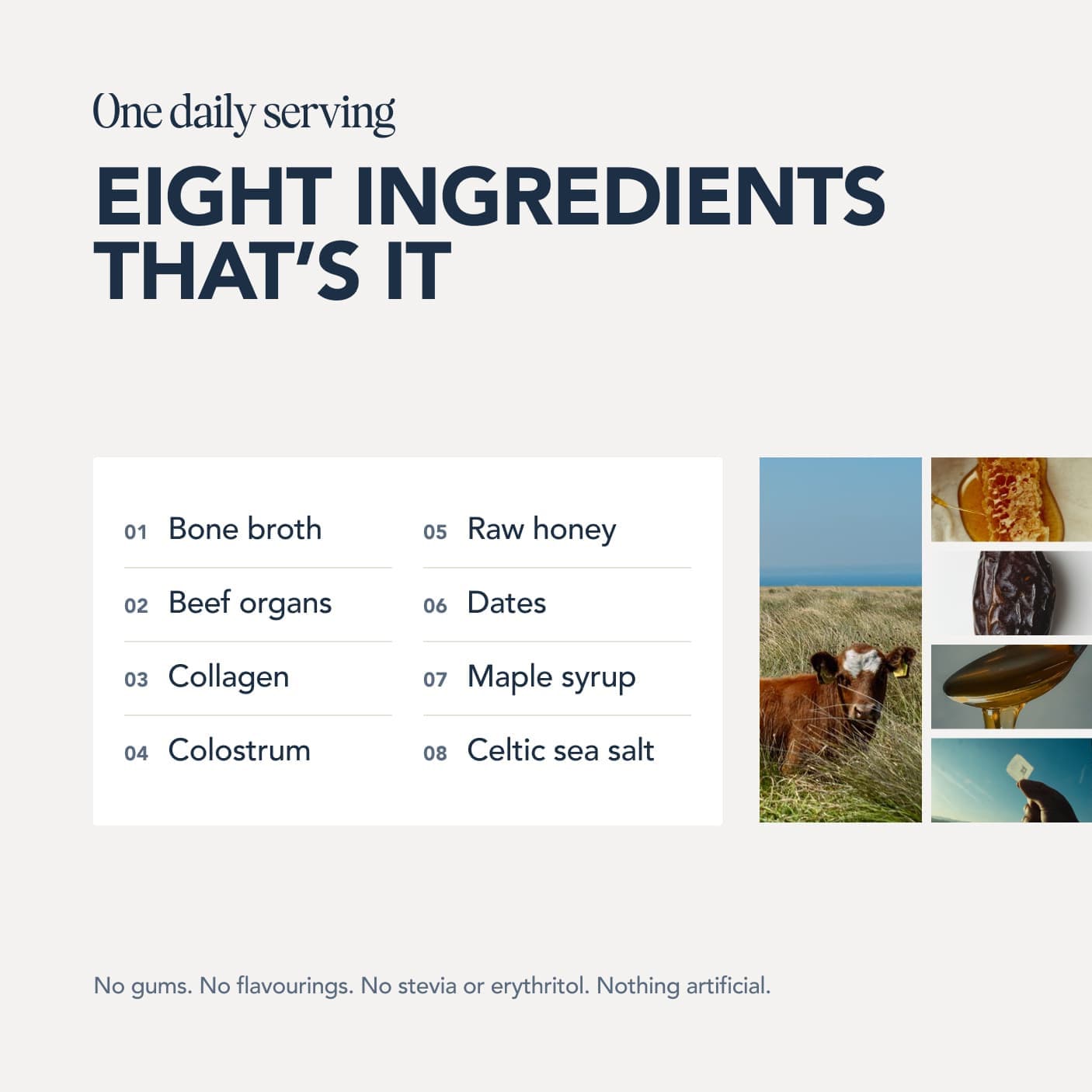
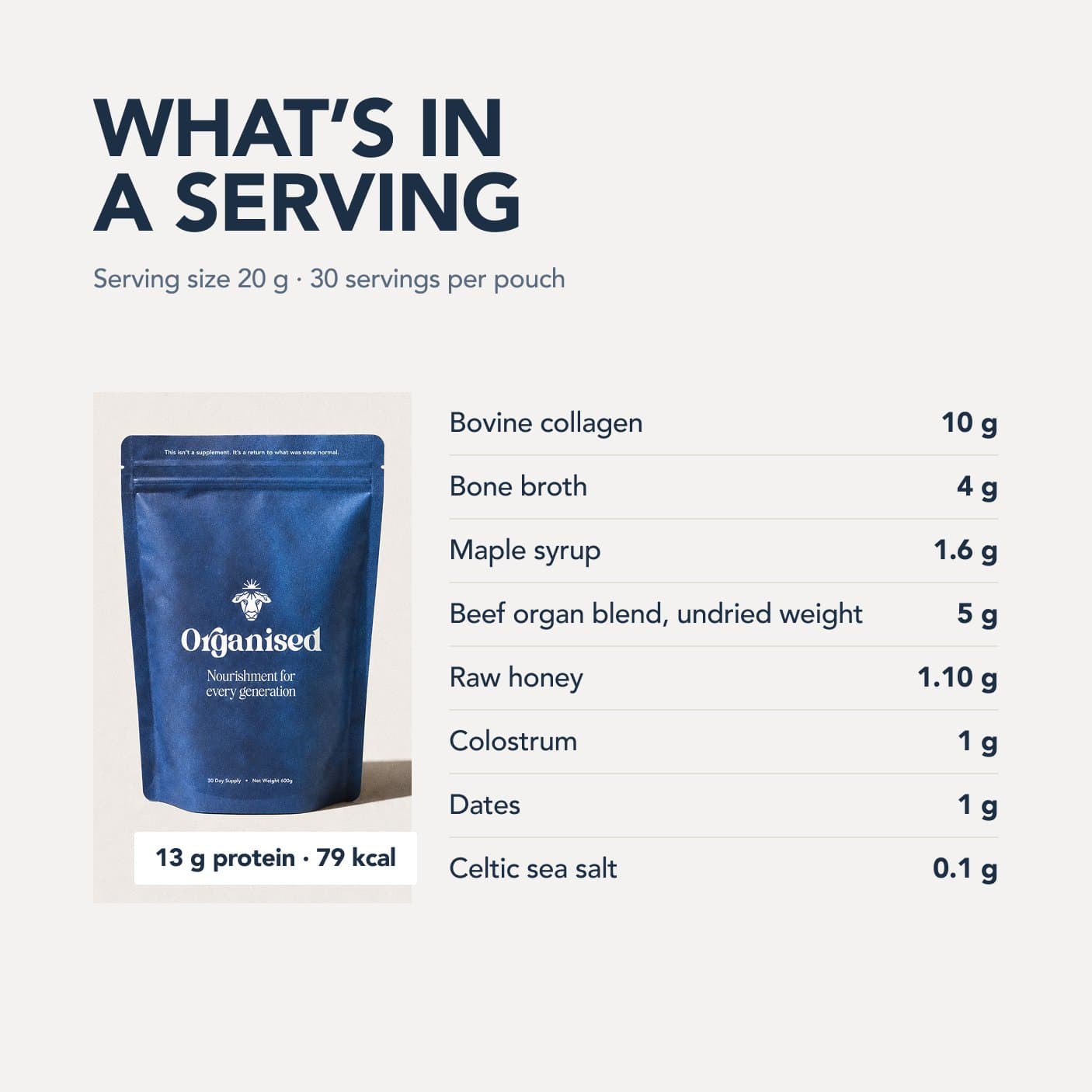
Eight real ingredients built around grass-fed beef organs, collagen and colostrum. Nothing synthetic added.
Free with your first order, worth £38. Plus £10 off the pouch with a subscription.
Free UK shipping · Made in England · 100 day money back guarantee on your first pouch · Skip, pause or cancel anytime
The barrier and mental health
Here's something most people don't realise. Your gut barrier and your blood-brain barrier are linked. If your gut is leaky, your blood-brain barrier often becomes leaky too. If your microbiota are dysbiotic, they're producing inflammatory signals that cross into your brain.
Depression, anxiety, brain fog, and ADHD symptoms all correlate with gut barrier integrity. This isn't psychology. This is neurobiology. Your microbiota manufacture neurotransmitters. They produce metabolites that affect your mood and cognition. Heal your gut, and your mental health often shifts with it.
The mechanism is clear. Dysbiotic bacteria produce lipopolysaccharides, inflammatory molecules that cross the leaky barrier into your bloodstream and, eventually, your brain. Your immune system mounts a response. Neuroinflammation develops. Mood and cognition suffer. This isn't subtle. This is measurable, provable biology.
If you've been struggling with your mood or cognition, and antidepressants or supplements haven't been fully effective, investigate your gut. Remove the inflammatory foods. Heal the barrier. Add fermented foods. The shift in how you feel is often remarkable and happens in ways that no psychiatric medication alone could achieve.
References
Every source below was checked on 27 August 2026. Each PubMed, PMC and DOI identifier was resolved against NCBI or Crossref, and what it opens is printed under the citation, so you can see the link goes where the citation says without leaving the page. Where a citation and its identifier disagreed, the citation was corrected to the record or the reference was deleted along with the sentence marker that pointed at it, and where the resolved paper turned out not to support the sentence, the sentence was cut back to what it does support. Borrowed authority is worse than none, because it looks like rigour.
- Fasano A. Zonulin and its regulation of intestinal barrier function: the biological door to inflammation, autoimmunity, and cancer. Physiol Rev. PMC3384703.Checked 27 August 2026: PMC3384703 opens Fasano A, Zonulin, regulation of tight junctions, and autoimmune diseases. Ann N Y Acad Sci 2012;1258(1):25-33. PubMed indexes it as: Review.
- Drago S et al. Gliadin, zonulin and gut permeability: Effects on celiac and non-celiac intestinal mucosa and intestinal cell lines. Scand J Gastroenterol. PubMed PMID: 16635908.Checked 27 August 2026: PMID 16635908 opens Drago S, El Asmar R, Di Pierro M et al, Gliadin, zonulin and gut permeability: Effects on celiac and non-celiac intestinal mucosa and intestinal cell lines. Scand J Gastroenterol 2006;41(4):408-19.
- Barker N. Adult intestinal stem cells: critical drivers of epithelial homeostasis and regeneration. Nat Rev Mol Cell Biol. PubMed PMID: 24326621.Checked 27 August 2026: PMID 24326621 opens Barker N, Adult intestinal stem cells: critical drivers of epithelial homeostasis and regeneration. Nat Rev Mol Cell Biol 2014;15(1):19-33. PubMed indexes it as: Review.
- Hamer HM et al. Review article: the role of butyrate on colonic function. Aliment Pharmacol Ther. PubMed PMID: 17973645.Checked 27 August 2026: PMID 17973645 opens Hamer HM, Jonkers D, Venema K et al, Review article: the role of butyrate on colonic function. Aliment Pharmacol Ther 2008;27(2):104-19. PubMed indexes it as: Review.
- Kim MH, Kim H. The Roles of Glutamine in the Intestine and Its Implication in Intestinal Diseases. Int J Mol Sci. PMC5454963.Checked 27 August 2026: PMC5454963 opens Kim MH, Kim H, The Roles of Glutamine in the Intestine and Its Implication in Intestinal Diseases. Int J Mol Sci 2017;18(5). PubMed indexes it as: Review.The authors' own declaration, from the record: The authors declare no conflict of interest.
Corrections
What this page used to say, and why it no longer says it. Corrections are dated and are never removed, because deleting the record of an error is a second error. Every guide we have corrected is listed at our corrections log.
- 27 August 2026. Reference 1 named Fasano's Physiological Reviews paper on zonulin but linked a different Fasano paper in a different journal. It now links the paper it names.
Who wrote and reviewed this guide
Niall Kiddle
Author · Founder, Organised
Niall is the founder of Organised. He started the company in 2024 after fixing his own health the slow way: in 2022 he swapped a cupboard of synthetic supplements for real food, raw milk, organ meats, bone broth and honey, and felt the difference within months.
Areas of expertise: Ancestral nutrition, Organ meats, Whole-food supplementation, Gut health, Regenerative sourcing
Read Niall's full profile
Pedro Rodrigues
Reviewer · Agronomist (farming and sourcing only)
Pedro is the agronomist Organised works with on farming and sourcing. His job on the guides is to keep the science honest: he reviews what we publish about soil health, regenerative agriculture, grazing and the way food is actually produced.
Areas of expertise: Regenerative agriculture, Agronomy, Soil health, Grass-fed farming, Food sourcing
Reviewed this guide on
Read Pedro's full profileBrowse the guides library
All guidesKeep reading

Science
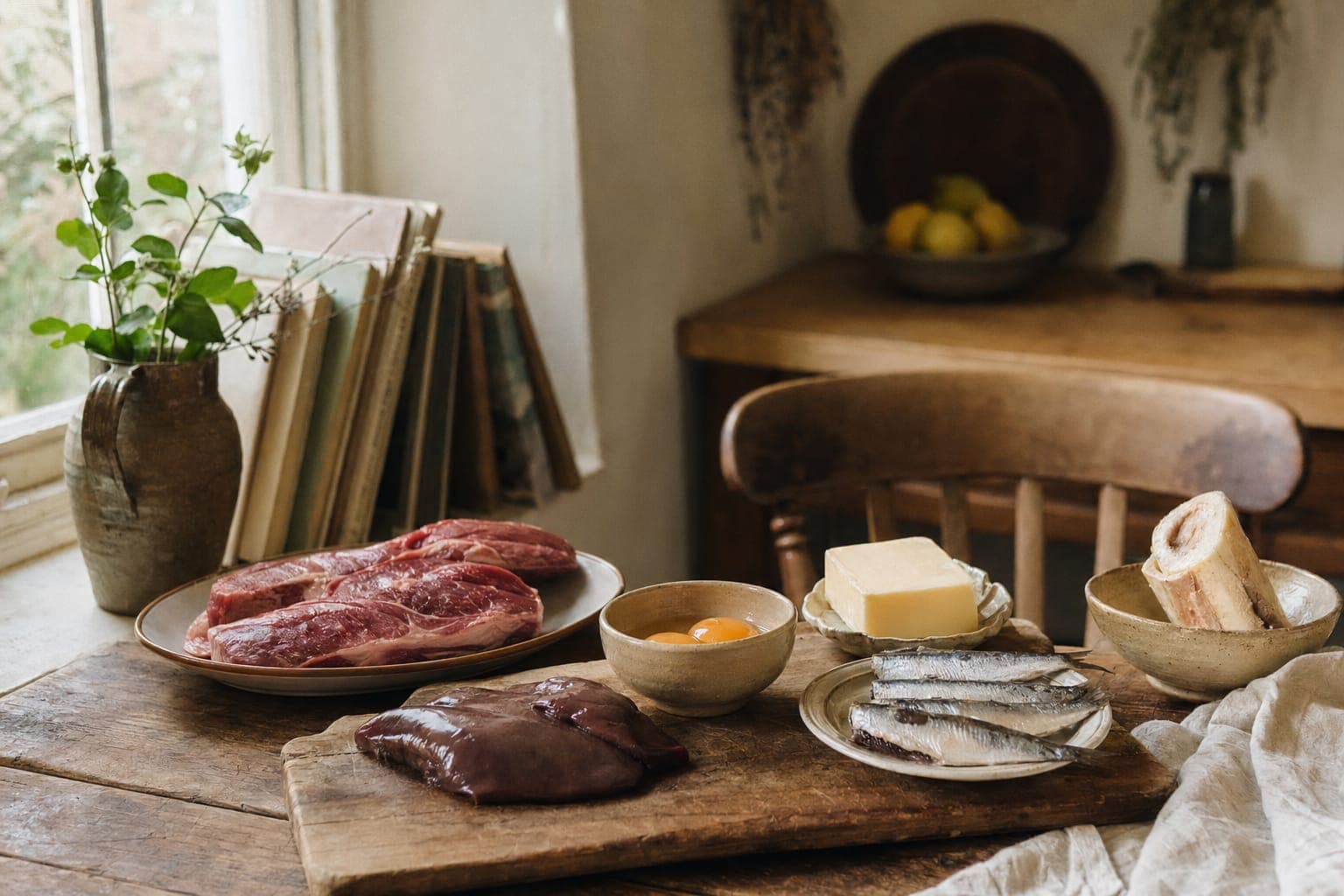
How to Read a Nutritional Study Without Being Misled
Learn how to read nutritional studies without being misled. Tell apart observational and RCT research, and spot confounders, funding and healthy user bias.
Science
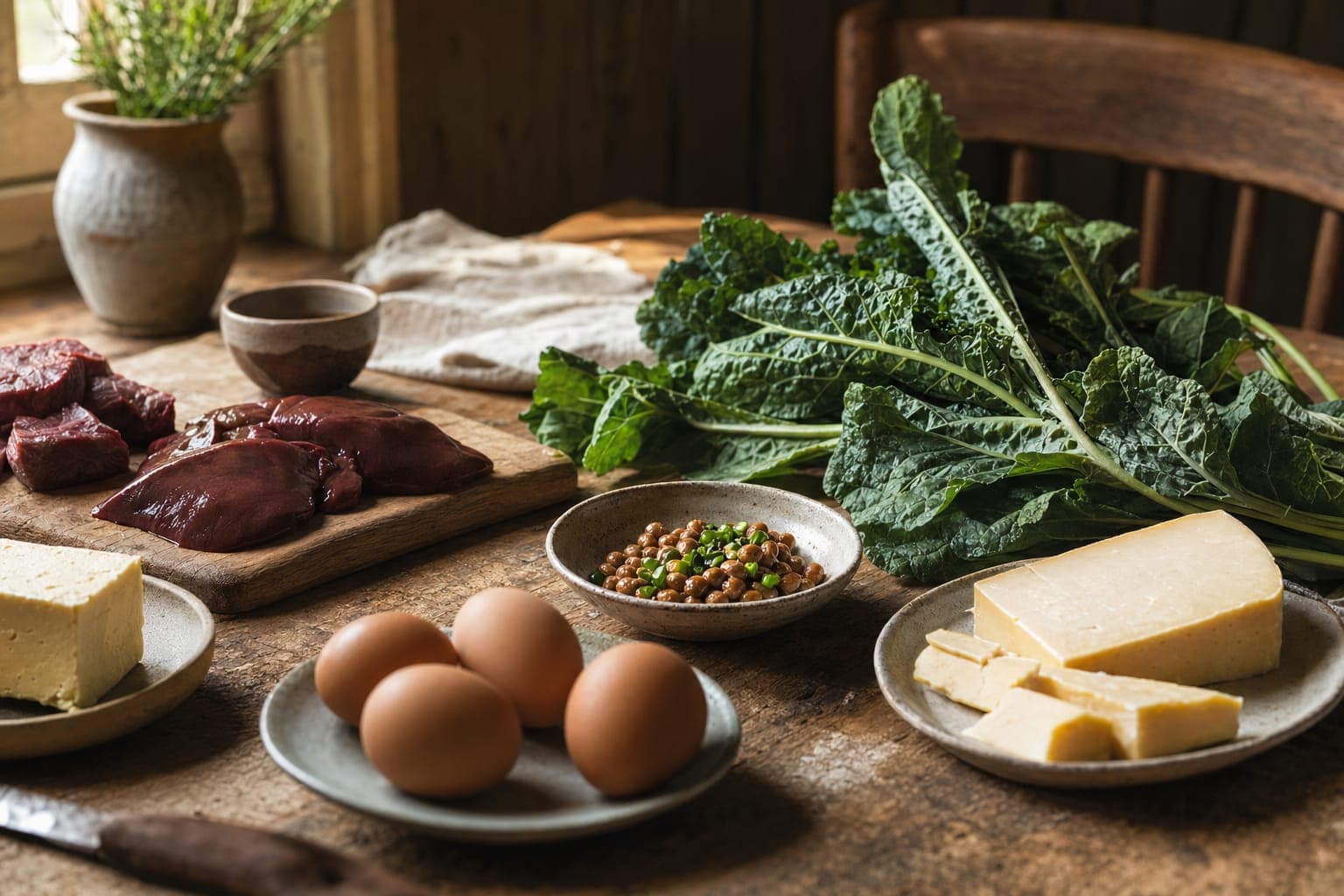
You Can't Get All Your Nutrients from Plants Alone: Here's the Science
Explore nutrients that plants cannot provide: B12, heme iron, retinol, creatine, carnosine, K2. A nuanced look at plant-based diet limitations without dogma.
Science
Vitamin K2: The Nutrient Nobody Talks About
Learn about vitamin K2, the nutrient that directs calcium to bone and away from arteries. Discover MK-4, MK-7, and the best food sources.
Real food, made effortless
See the blendA few ways to use it
All recipes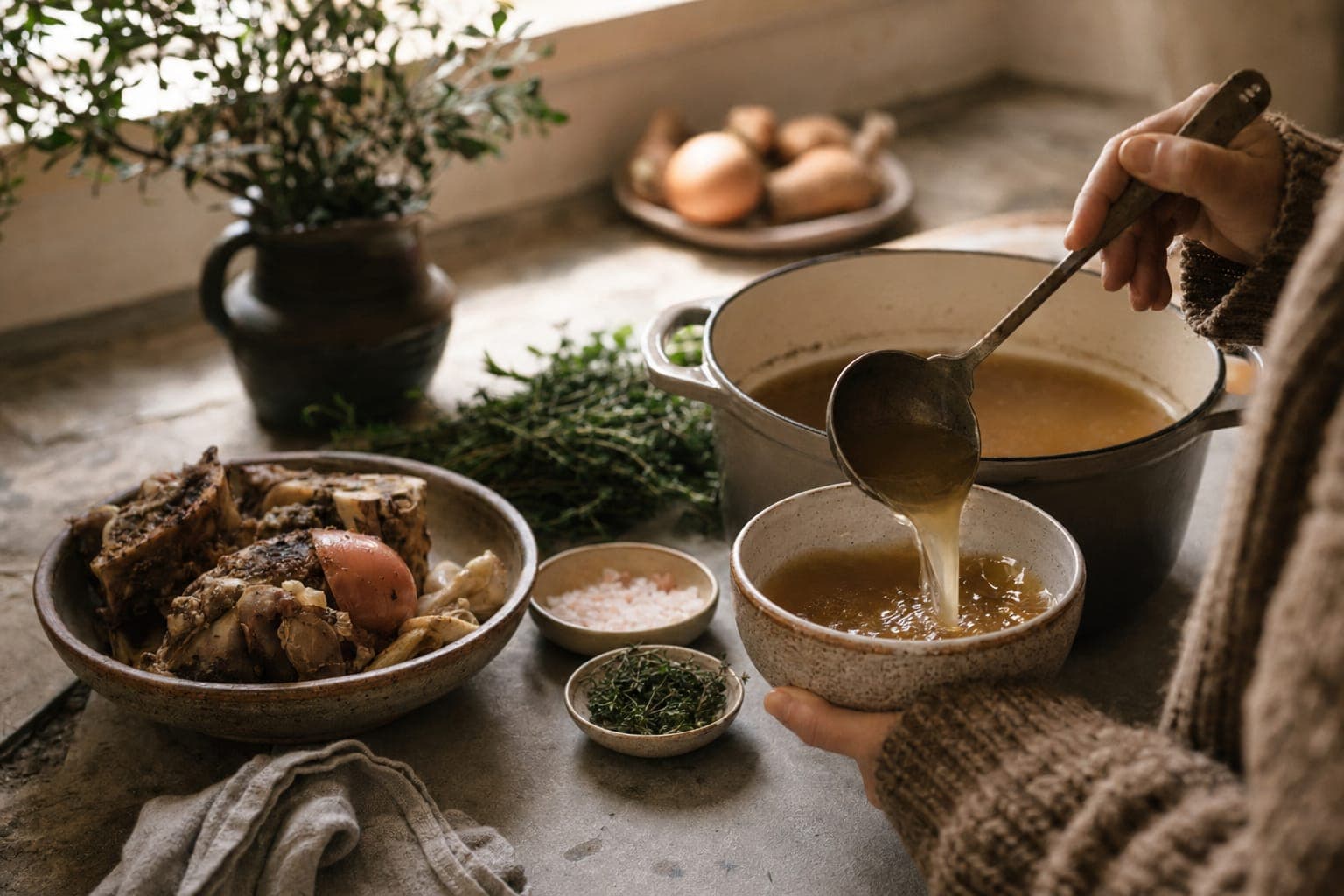
Bone Broth from Scratch: A Step-by-Step Guide
Step-by-step guide to making bone broth at home. Stovetop, slow cooker, and Instant Pot methods. Rich in collagen and gut-healing minerals.
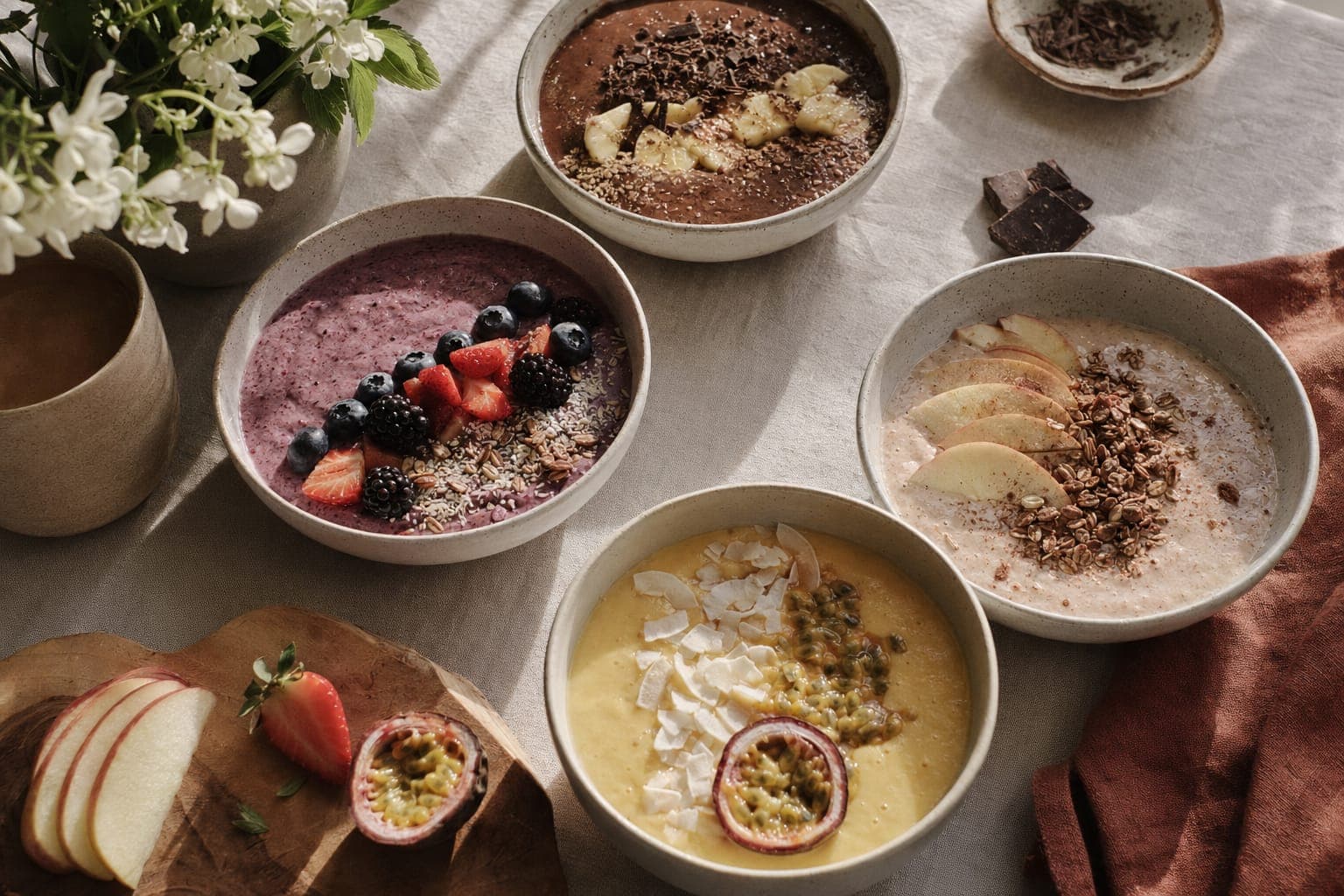
Organised Smoothie Bowl Recipes for Every Season
Four seasonal smoothie bowl recipes using Organised. Berry in summer, apple-cinnamon in autumn, tropical in spring, warming chocolate in winter.
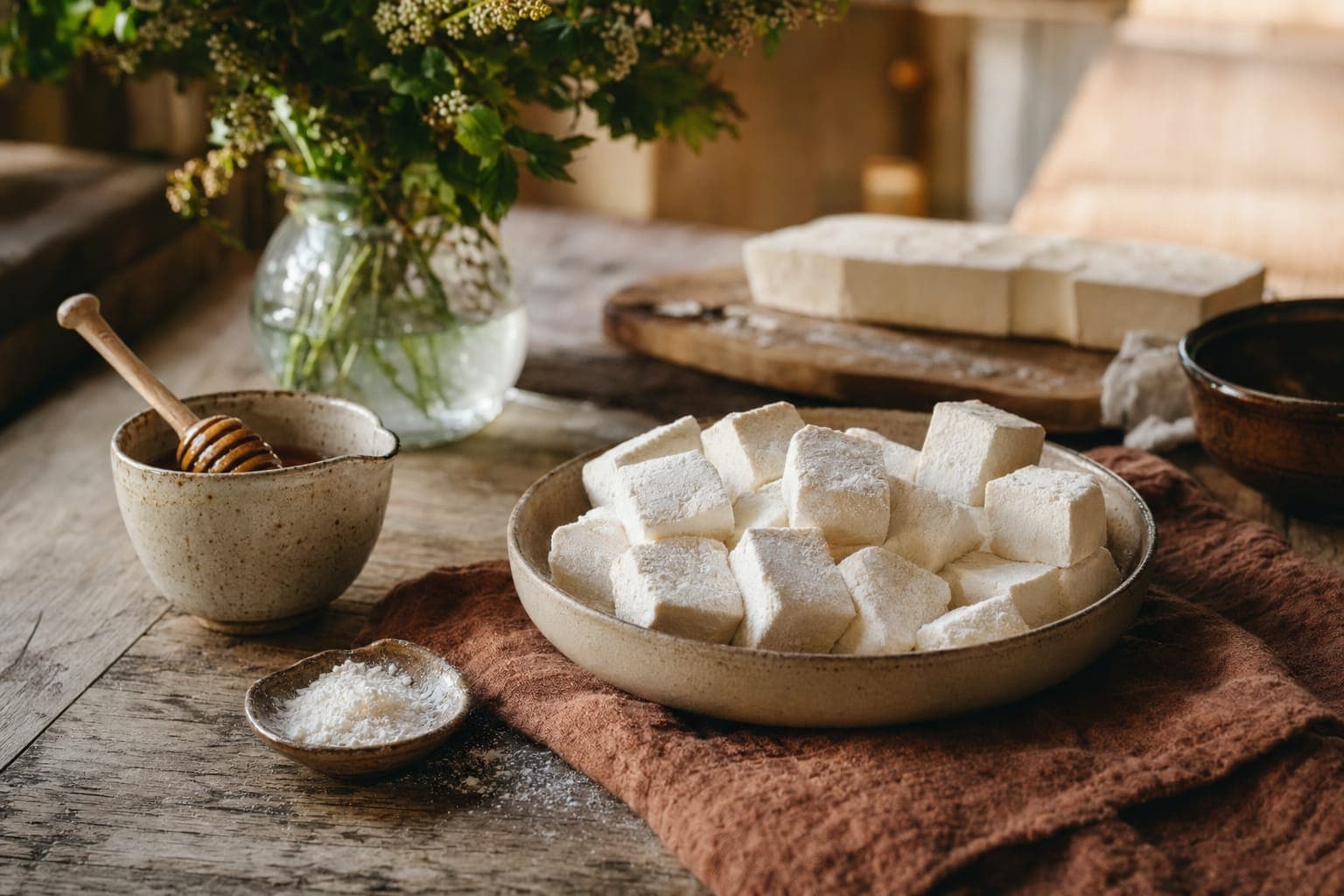
Gut-Healing Marshmallows with Collagen and Raw Honey
Learn to make gut-healing marshmallows with collagen and raw honey. A shareable treat that sneaks nutrition into every bite. Easy recipe with video tips.


 Join over 100,000+ members
Build a better food system with us
The Organised community is thousands of people choosing real food and backing the farmers who grow it, all of us trying to leave the world a little better than we found it. If that is what you care about too, you belong here.