Is Collagen Just Expensive Protein? What the Science Says
When people say collagen is just expensive protein, they've never actually looked at what collagen does. It's not the same as chicken breast, and your body knows the difference.
By Niall Kiddle, Founder, Organised

Reviewed by Pedro Rodrigues, Agronomist (farming and sourcing only) ·
6 min read · Published · Updated · 5 cited sources
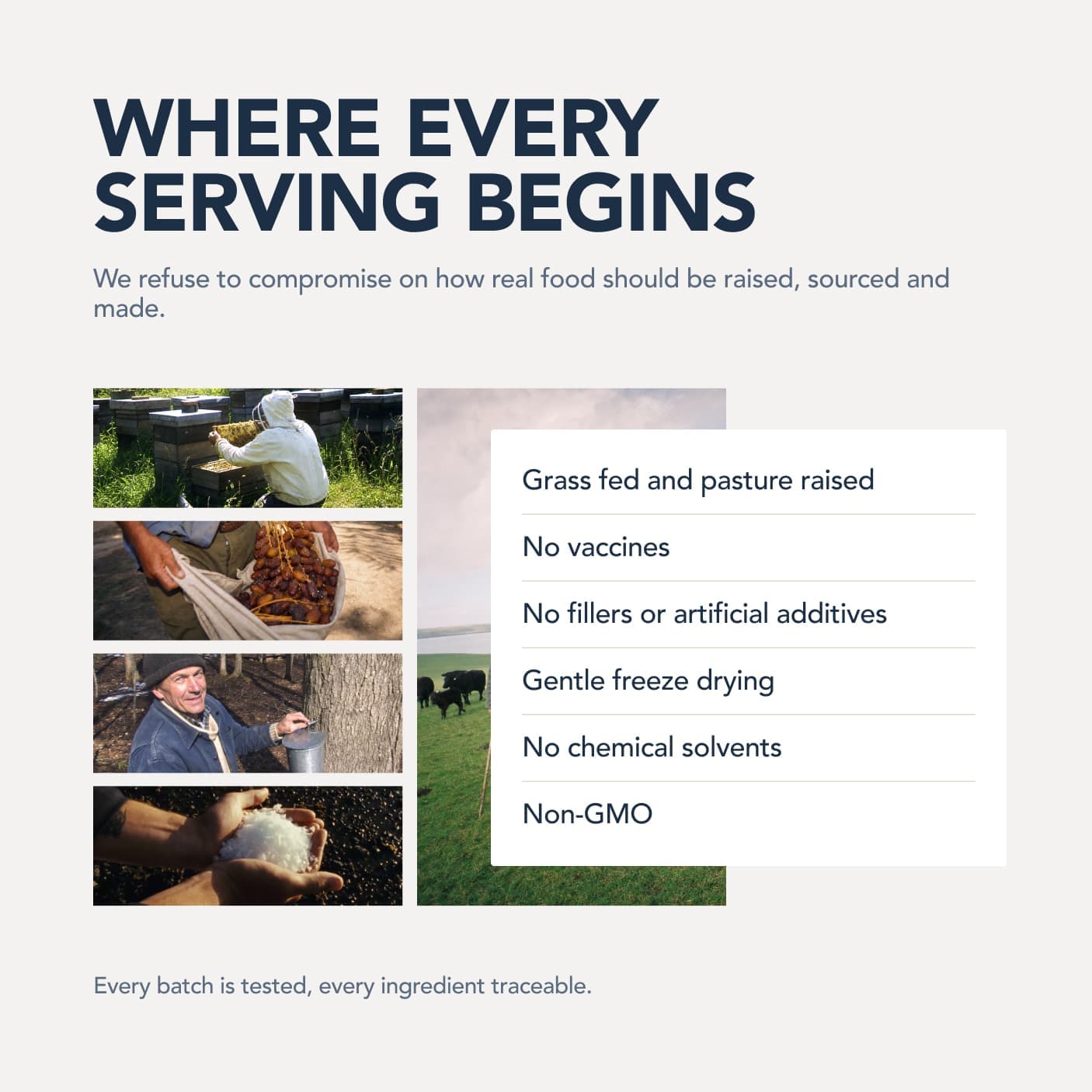
Makers of the Organised Daily blend, a grass-fed beef organ supplement from regenerative UK farms
What makes collagen different from other proteins
Collagen is a protein, yes. But the amino acid composition of collagen is so profoundly different from other proteins that calling it "just protein" misses the entire point. Collagen is roughly one third glycine, one tenth proline, and one tenth hydroxyproline.1 That's 50 per cent of the amino acid content in just three amino acids.
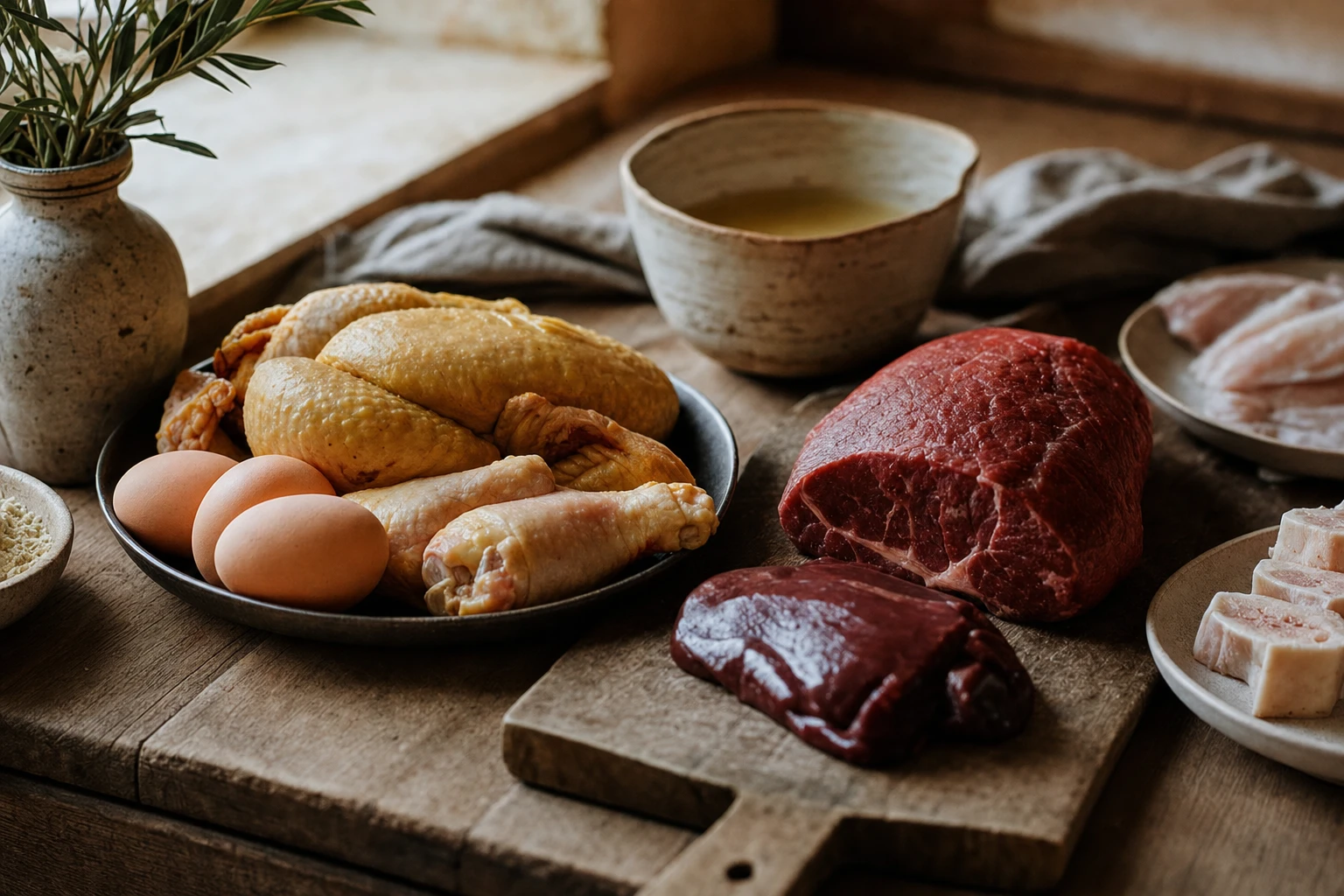
Now compare that to chicken breast. Chicken is rich in leucine, isoleucine, valine, tryptophan. It's a complete protein with balanced amino acids. Collagen is not a complete protein. Collagen is radically asymmetrical in its composition. It's like comparing a sports car to a lorry. Both have wheels and an engine, but they're built for completely different jobs.
Your body doesn't treat collagen the way it treats chicken. Your body has specific things it does with high glycine, proline-rich protein that it doesn't do with branched-chain amino acid rich protein.
Collagen's unique amino acid profile is the reason your body responds to it differently than it does to generic protein.
The amino acid profile that changes everything
Let's be specific about what those amino acids do. Collagen is about 30 per cent glycine. Glycine is the smallest amino acid, and it's essentially absent from muscle meat. It's found in connective tissue, skin, bone, cartilage. It's the amino acid your body preferentially uses to synthesise collagen itself.
When you eat collagen, you're providing your body with the building block it needs to repair and synthesise the collagen that's aging in your joints, your skin, your tendons, your arteries. Muscle meat doesn't do this. Muscle meat has amino acids that build muscle, not connective tissue.
Collagen is also rich in proline and hydroxyproline. These amino acids stabilise the collagen triple helix structure itself. They're not found in meaningful amounts in muscle meat. If you're trying to repair arthritic knees or improve skin elasticity or strengthen your tendons, generic protein is not the same as collagen protein.
Additionally, collagen is remarkably low in tryptophan and lacks it almost entirely. Tryptophan is a competitor with other amino acids for absorption across the blood-brain barrier. High tryptophan foods shift your serotonin synthesis. Collagen doesn't interfere with that pathway. For some people managing mood or sleep, this matters.
Why glycine matters more than you've been told
Glycine is the most underrated amino acid in modern nutrition. Your body uses it to synthesise creatine, glutathione, and haem, the oxygen-carrying component of blood. Glycine is central to collagen synthesis. It supports sleep quality via GABA pathways. It reduces inflammation in the gut.
Most modern diets are dramatically deficient in glycine. You get glycine from bone broth, from connective tissue, from skin, from organ meats, from gelatinous cuts of meat. You get almost none from the lean muscle meat that dominates supermarket shelves. A person eating only chicken breast and minced beef is systematically deficient in glycine.
When you supplement collagen or drink bone broth, you're not just getting protein. You're correcting a dietary imbalance that's quietly undermining your connective tissue, your gut barrier, your sleep, and your resilience to inflammation. You're reintroducing an amino acid your ancestors got from nose-to-tail eating and bone broths, but modern food systems have largely removed.
Collagen supplementation is not about fancy marketing. It's about restoring an amino acid your body needs but your diet probably lacks.
Collagen sources and when supplementation makes sense
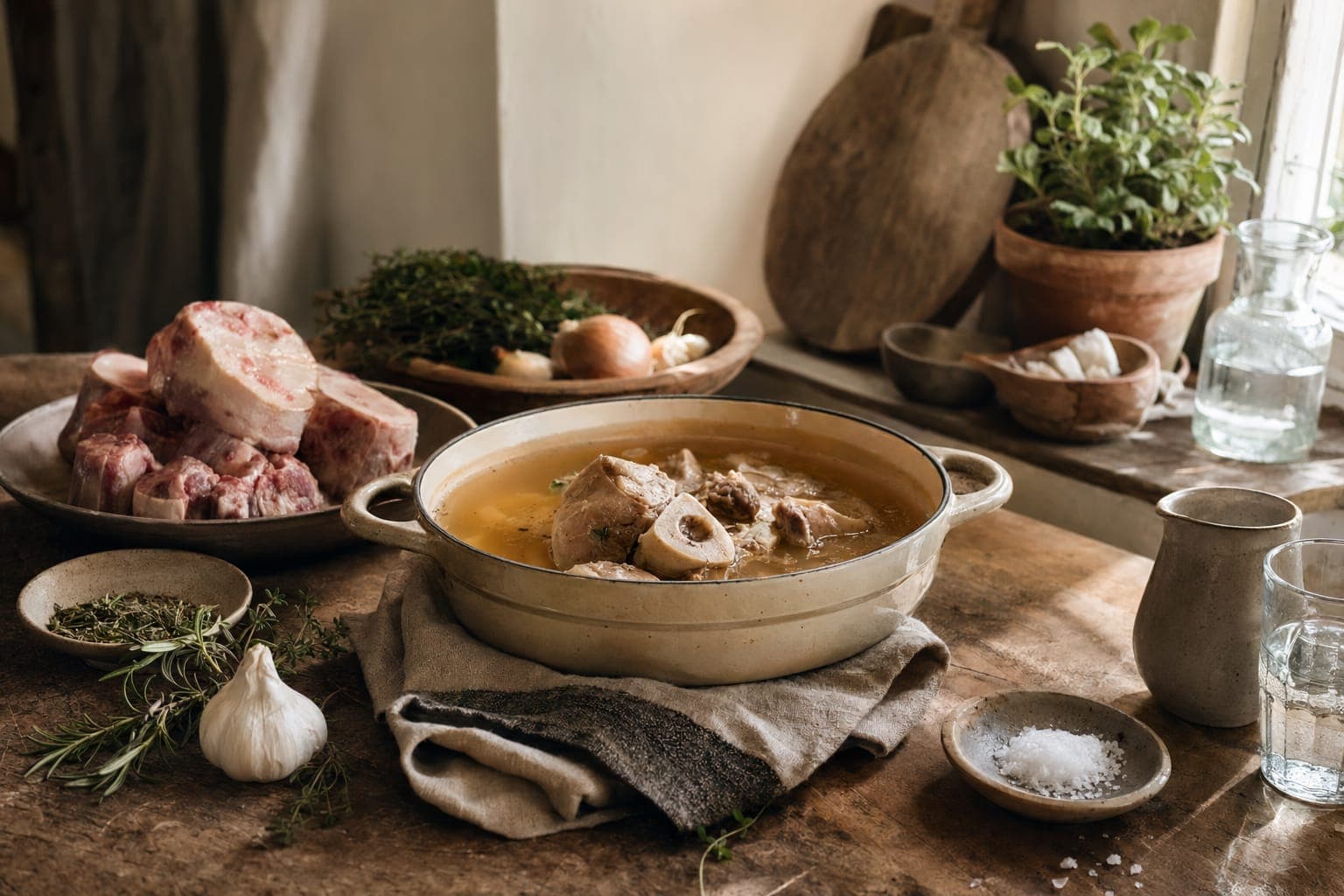
The best collagen comes from real food. Bone broth, made from bones and joints simmered for 12 to 48 hours, is the gold standard. The gelatin that sets when it cools is hydrolysed collagen, and it's bioavailable and complete. Gelatinous cuts of meat (osso buco, beef cheeks, pork belly with skin), chicken feet, fish skin, and whole animals prepared nose-to-tail are all excellent sources.
If you're eating these foods regularly, supplementation may be redundant. If you're not, a grass-fed collagen powder or marine collagen supplement can fill the gap. Collagen peptides (hydrolysed collagen) are more bioavailable than whole collagen powder. They're absorbed more efficiently and get into circulation faster.
Typical effective doses are 10 to 20 grams daily. Take it consistently for eight weeks before expecting noticeable changes in joint comfort, skin elasticity, or sleep quality. It's not a supplement that works in a week.

Get the science, plainly, free
Two short reads a week on what the research actually says about nutrition.
By signing up you agree to receive emails from us. No spam, unsubscribe anytime.
The research supporting collagen supplementation
The scepticism around collagen supplementation often comes from a reasonable place. How can you eat protein and have it specifically benefit your joints or skin? Wouldn't your stomach just break it down into individual amino acids?
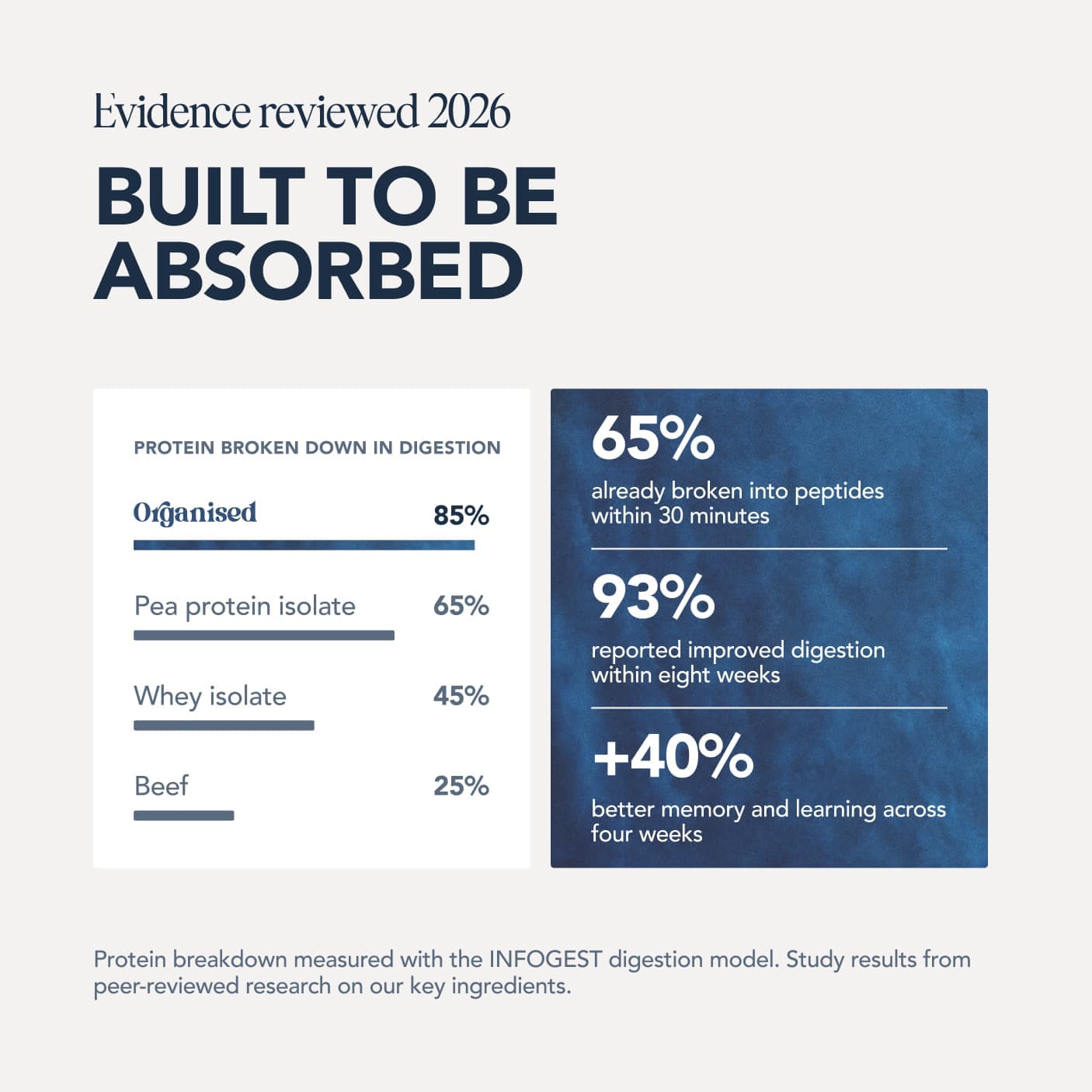
The answer is yes and no. Your stomach does digest collagen, but collagen peptides (the hydrolysed form) are small enough to be absorbed as dipeptides and tripeptides rather than individual amino acids.5 These short peptide chains have different bioavailability than free amino acids. They reach your bloodstream and tissues more efficiently.
Research supports this. Studies show that ingested collagen peptides accumulate in the skin, tendons, and joints. A 2019 study in Nutrients found that individuals taking 10 grams of collagen peptides daily showed measurable improvements in skin elasticity after eight weeks.2 Another study showed that athletes taking collagen plus vitamin C experienced faster recovery from tendinous injuries than controls.3
For joint health, research suggests 10 to 20 grams daily reduces joint pain in osteoarthritis.4 The mechanism appears to involve both the amino acid composition (glycine, proline, hydroxyproline) and potentially specific collagen-derived peptides that signal to fibroblasts to increase collagen synthesis.
This isn't marketing. It's biochemistry. Your body doesn't treat a collagen peptide the way it treats a glass of whey protein, and the research increasingly confirms it.
Collagen peptides don't just provide amino acids. They provide specific short-chain peptides that your body preferentially directs toward connective tissue repair and maintenance.
Practical markers that you need more collagen
Not everyone needs collagen supplementation equally. Some indicators suggest you might benefit more than others.
Joint pain or stiffness, particularly in knees, hips, or shoulders, is an obvious signal. Your joints are degrading faster than they're being repaired. Collagen supplementation (plus strength training and adequate vitamin C for collagen synthesis) addresses the repair side of that equation.
Poor skin quality, dryness, loss of elasticity, slow wound healing, suggests collagen is declining. Skin collagen starts degrading noticeably in your 20s and 30s. Topical collagen creams are largely ineffective (collagen molecules are too large to penetrate skin). Oral collagen peptides work from the inside, providing the building blocks and signalling molecules your skin uses to synthesise new collagen.
Tendon or ligament issues (tendinitis, tennis elbow, golfer's elbow) respond remarkably well to collagen supplementation combined with loading. Your tendons are mostly collagen. If you're not providing adequate substrate and signalling, they heal slowly or incompletely.
Gut health issues are another indicator. Glycine supports your gut barrier. L-glutamine (which you can synthesise from glutamate and glycine) is fuel for intestinal cells. A person with chronic gut inflammation who starts taking collagen regularly often reports improved digestion and reduced bloating. Again, it's not magic. It's providing an amino acid your body needs for tissue repair and your diet probably lacks.
If you're experiencing any of these, collagen supplementation is worth trying for eight weeks. The investment is small. The potential benefit for someone truly deficient in glycine is substantial.
1 of 9
Daily blend
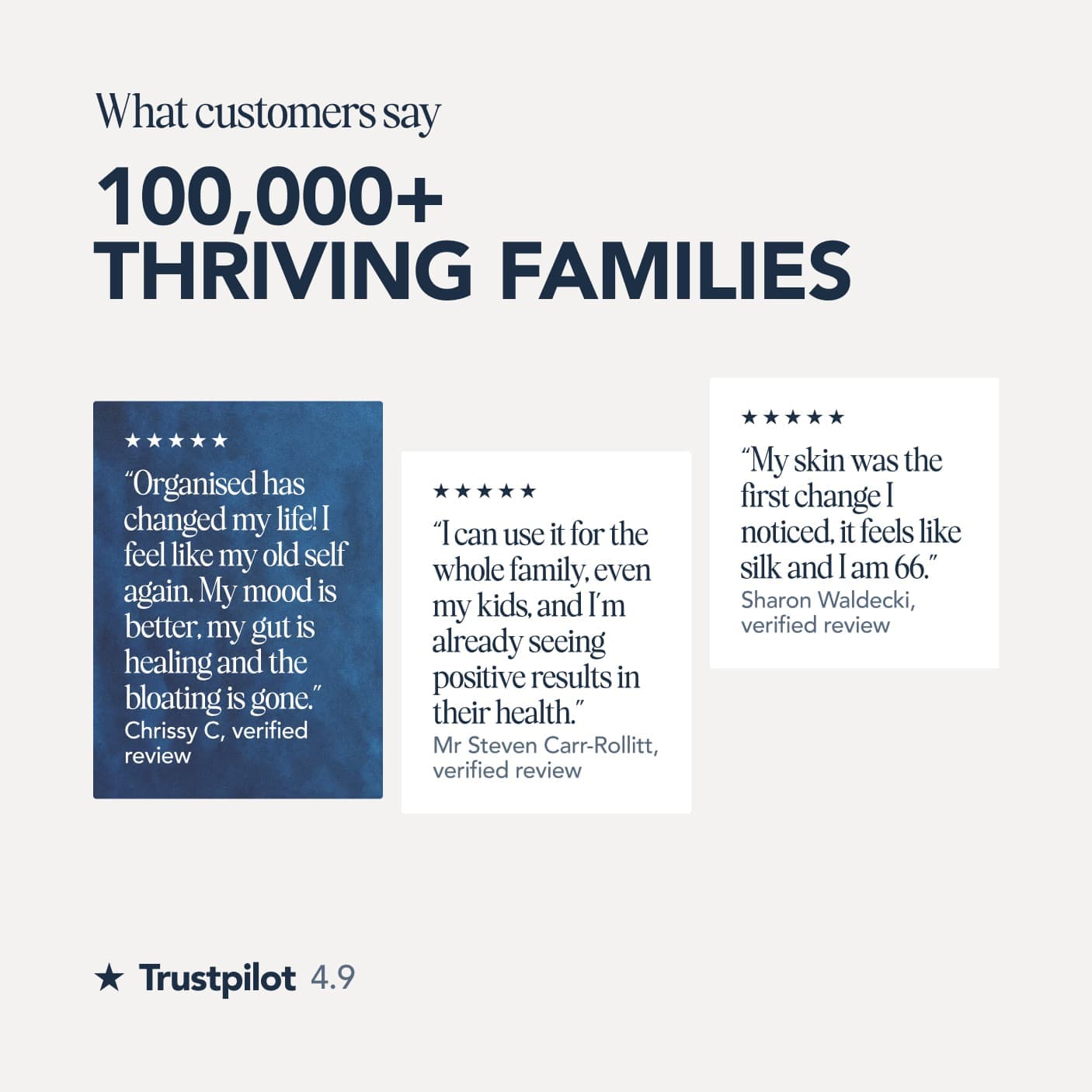
100,000+ thriving families4.9 on Trustpilot
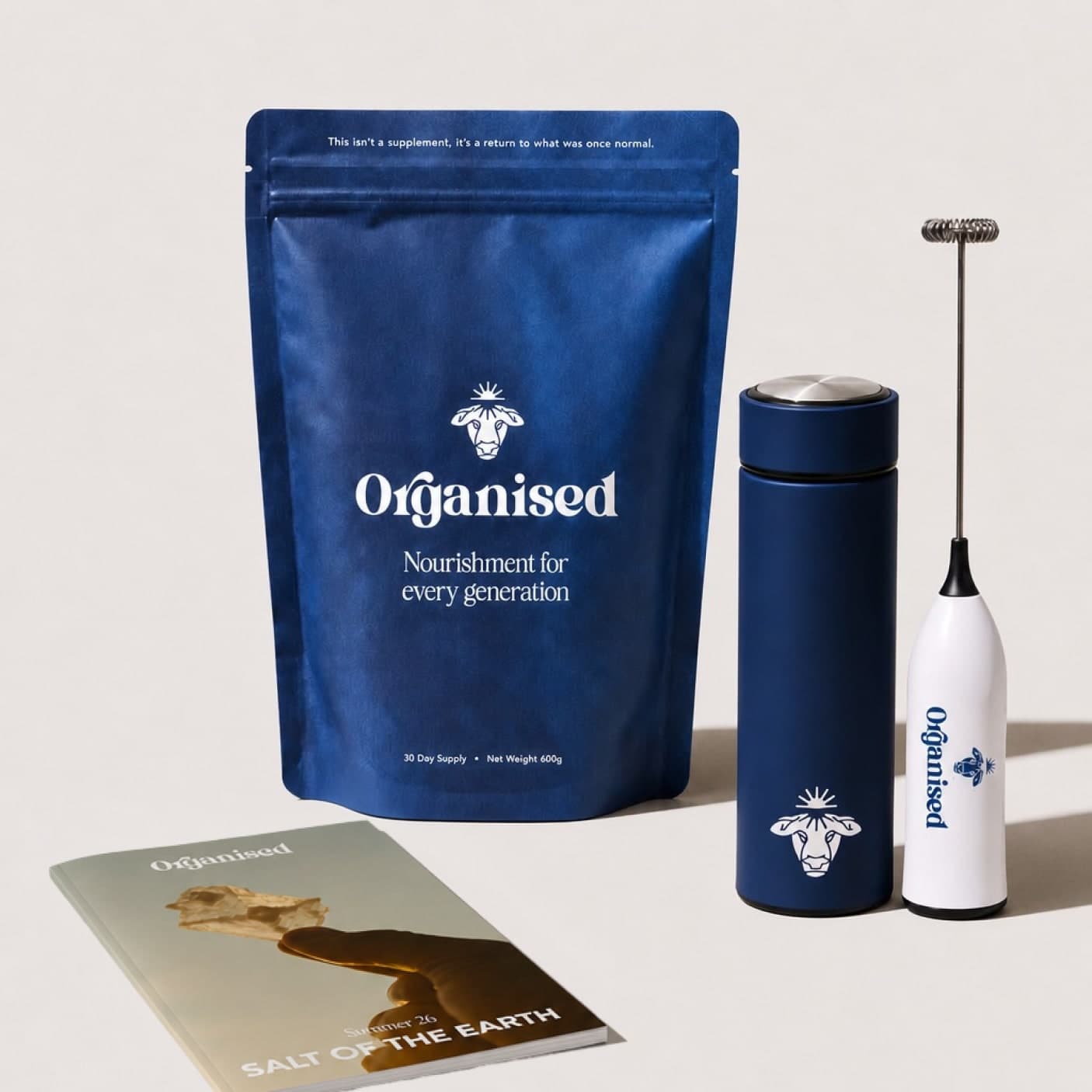
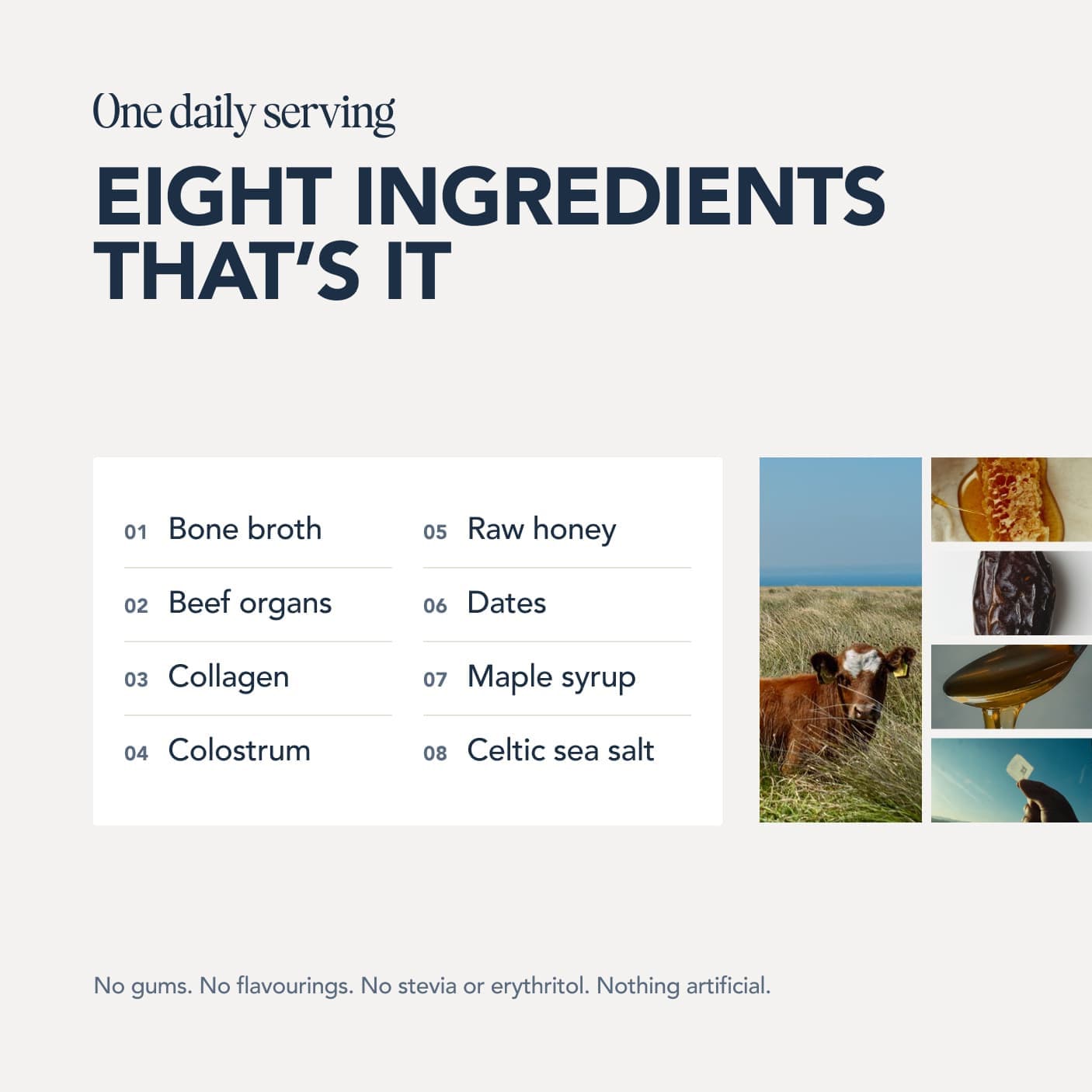
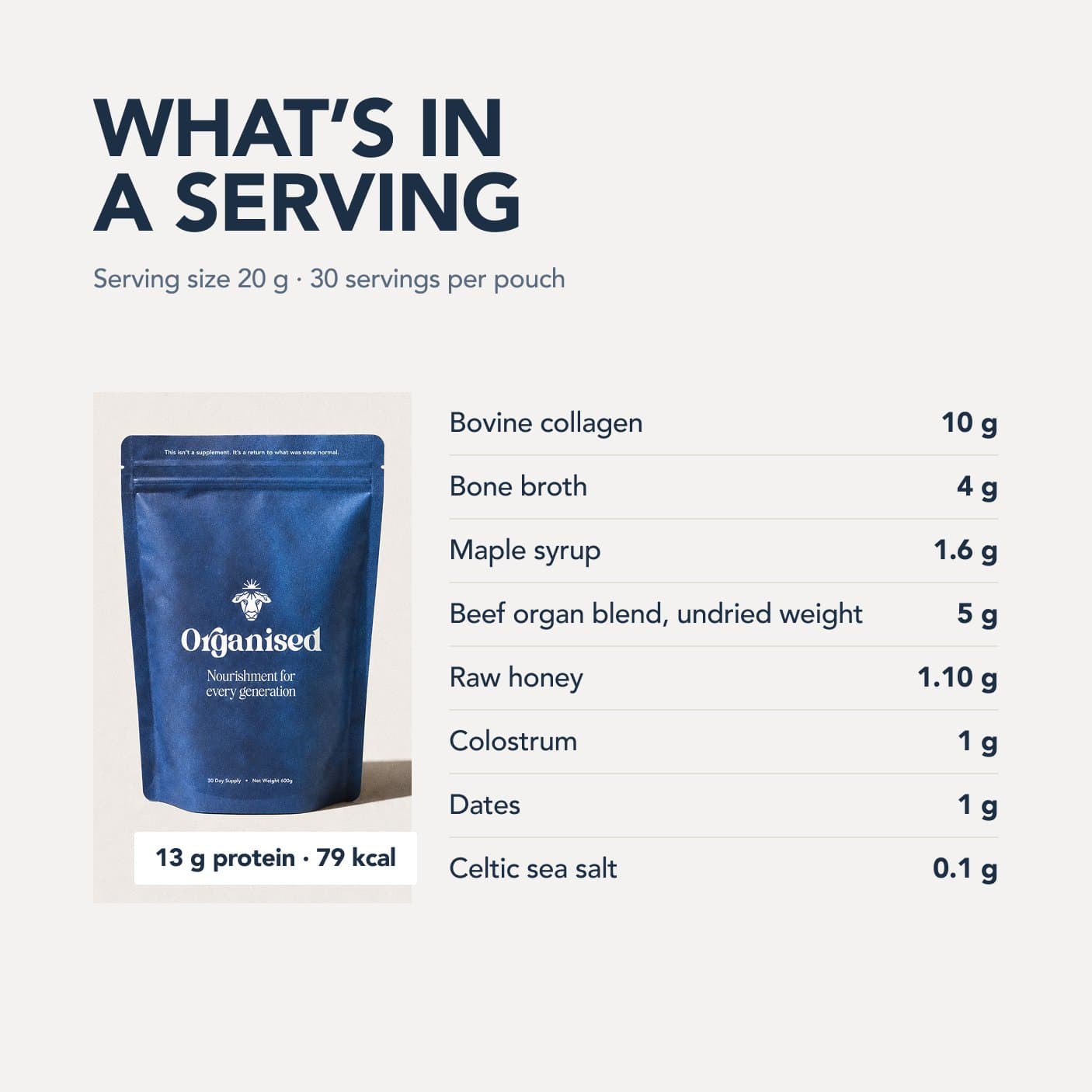
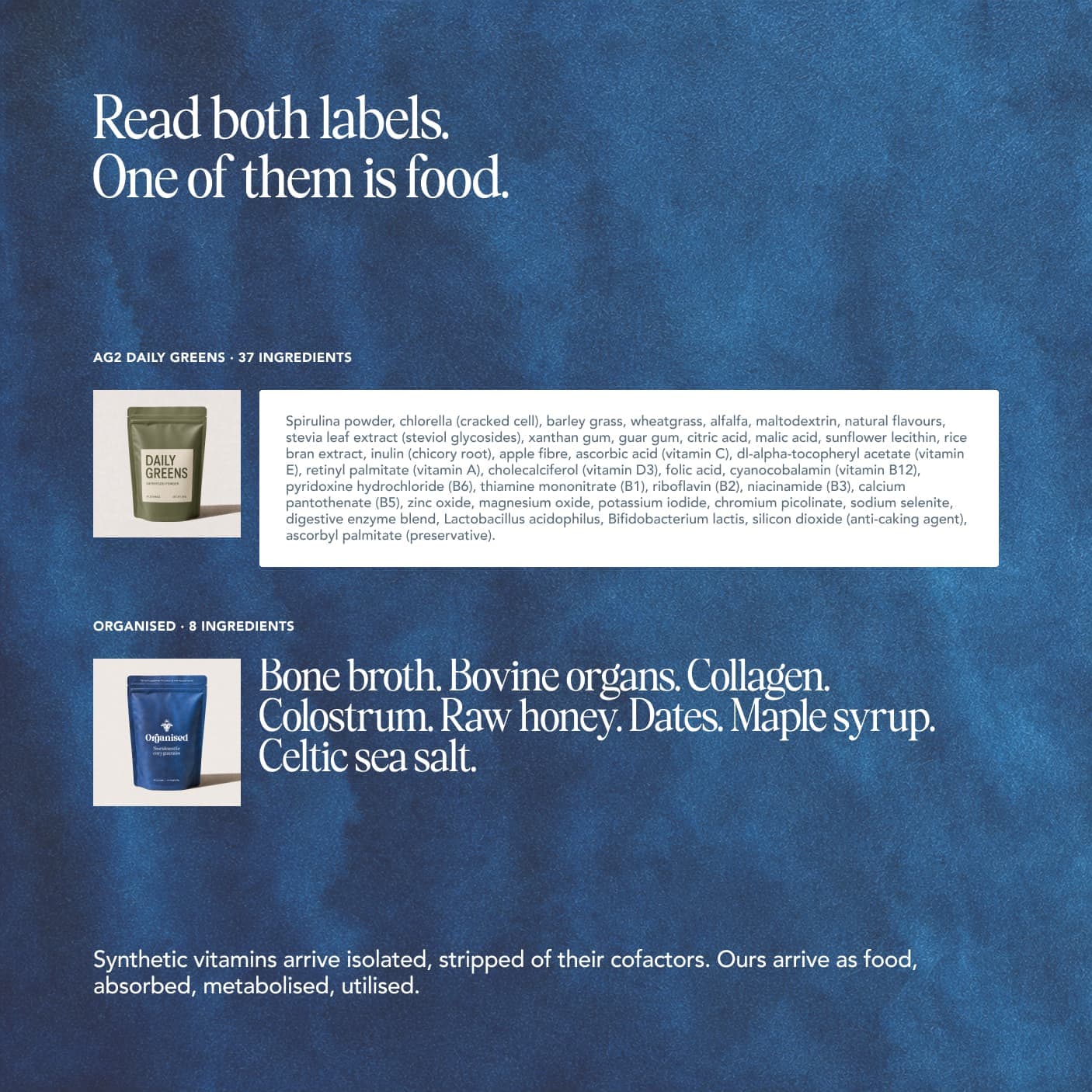
Eight real ingredients built around grass-fed beef organs, collagen and colostrum. Nothing synthetic added.
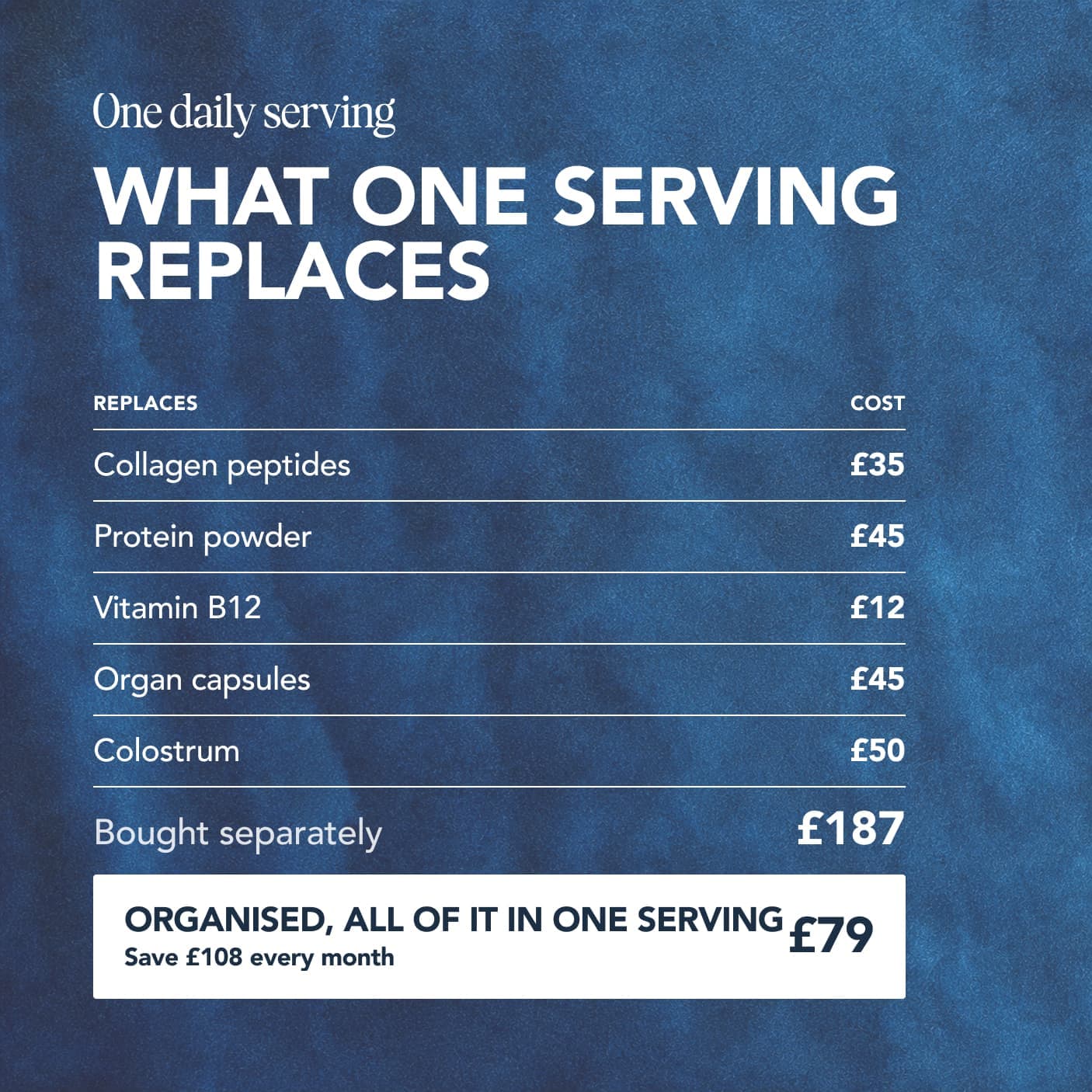
Free with your first order, worth £38. Plus £10 off the pouch with a subscription.
Free UK shipping · Made in England · 100 day money back guarantee on your first pouch · Skip, pause or cancel anytime
The bottom line
Collagen is not just expensive protein. It's a profoundly different protein with an amino acid profile specifically designed to build and repair connective tissue. If you're eating nose-to-tail, with regular bone broth and gelatinous cuts, you're fine without supplementation. If you're living on lean muscle meat, skin-on chicken thighs occasionally, and no broth, collagen supplementation is a sensible investment in the connective tissue that supports your joints, your skin, and your resilience as you age. The science backs it. The amino acid profile explains why.
References
Every source below was checked on 27 August 2026. Each PubMed, PMC and DOI identifier was resolved against NCBI or Crossref, and what it opens is printed under the citation, so you can see the link goes where the citation says without leaving the page. Where a citation and its identifier disagreed, the citation was corrected to the record or the reference was deleted along with the sentence marker that pointed at it, and where the resolved paper turned out not to support the sentence, the sentence was cut back to what it does support. Borrowed authority is worse than none, because it looks like rigour.
- Ricard-Blum S. The Collagen Family. Cold Spring Harbor Perspectives in Biology, 2011. PMC3003457.Checked 27 August 2026: PMC3003457 opens Ricard-Blum S, The collagen family. Cold Spring Harb Perspect Biol 2011;3(1):a004978. PubMed indexes it as: Review.
- Bolke L et al. A Collagen Supplement Improves Skin Hydration, Elasticity, Roughness, and Density. Nutrients, 2019. PMID 31627309.Checked 27 August 2026: PMID 31627309 opens Bolke L, Schlippe G, Gerß J et al, A Collagen Supplement Improves Skin Hydration, Elasticity, Roughness, and Density: Results of a Randomized, Placebo-Controlled, Blind Study. Nutrients 2019;11(10). PubMed indexes it as: Randomized Controlled Trial.The authors' own declaration, from the record: The authors declare no conflict of interest. The sponsor had no influence on execution, analysis and interpretation of the data.
- Shaw G et al. Vitamin C-enriched gelatin supplementation before intermittent activity augments collagen synthesis. American Journal of Clinical Nutrition, 2017. PMID 27852613.Checked 27 August 2026: PMID 27852613 opens Shaw G, Lee-Barthel A, Ross ML et al, Vitamin C-enriched gelatin supplementation before intermittent activity augments collagen synthesis. Am J Clin Nutr 2017;105(1):136-143. PubMed indexes it as: Randomized Controlled Trial.
- Clark KL et al. 24-Week study on the use of collagen hydrolysate as a dietary supplement in athletes with activity-related joint pain. Current Medical Research and Opinion, 2008. PMID 18416885.Checked 27 August 2026: PMID 18416885 opens Clark KL, Sebastianelli W, Flechsenhar KR et al, 24-Week study on the use of collagen hydrolysate as a dietary supplement in athletes with activity-related joint pain. Curr Med Res Opin 2008;24(5):1485-96. PubMed indexes it as: Randomized Controlled Trial.
- Iwai K et al. Identification of food-derived collagen peptides in human blood after oral ingestion of gelatin hydrolysates. Journal of Agricultural and Food Chemistry, 2005. PMID 16076145.Checked 27 August 2026: PMID 16076145 opens Iwai K, Hasegawa T, Taguchi Y et al, Identification of food-derived collagen peptides in human blood after oral ingestion of gelatin hydrolysates. J Agric Food Chem 2005;53(16):6531-6.
Who wrote and reviewed this guide
Niall Kiddle
Author · Founder, Organised
Niall is the founder of Organised. He started the company in 2024 after fixing his own health the slow way: in 2022 he swapped a cupboard of synthetic supplements for real food, raw milk, organ meats, bone broth and honey, and felt the difference within months.
Areas of expertise: Ancestral nutrition, Organ meats, Whole-food supplementation, Gut health, Regenerative sourcing
Read Niall's full profile
Pedro Rodrigues
Reviewer · Agronomist (farming and sourcing only)
Pedro is the agronomist Organised works with on farming and sourcing. His job on the guides is to keep the science honest: he reviews what we publish about soil health, regenerative agriculture, grazing and the way food is actually produced.
Areas of expertise: Regenerative agriculture, Agronomy, Soil health, Grass-fed farming, Food sourcing
Reviewed this guide on
Read Pedro's full profileMore on nutrient deep-dives
View allBrowse the guides library
All guidesKeep reading
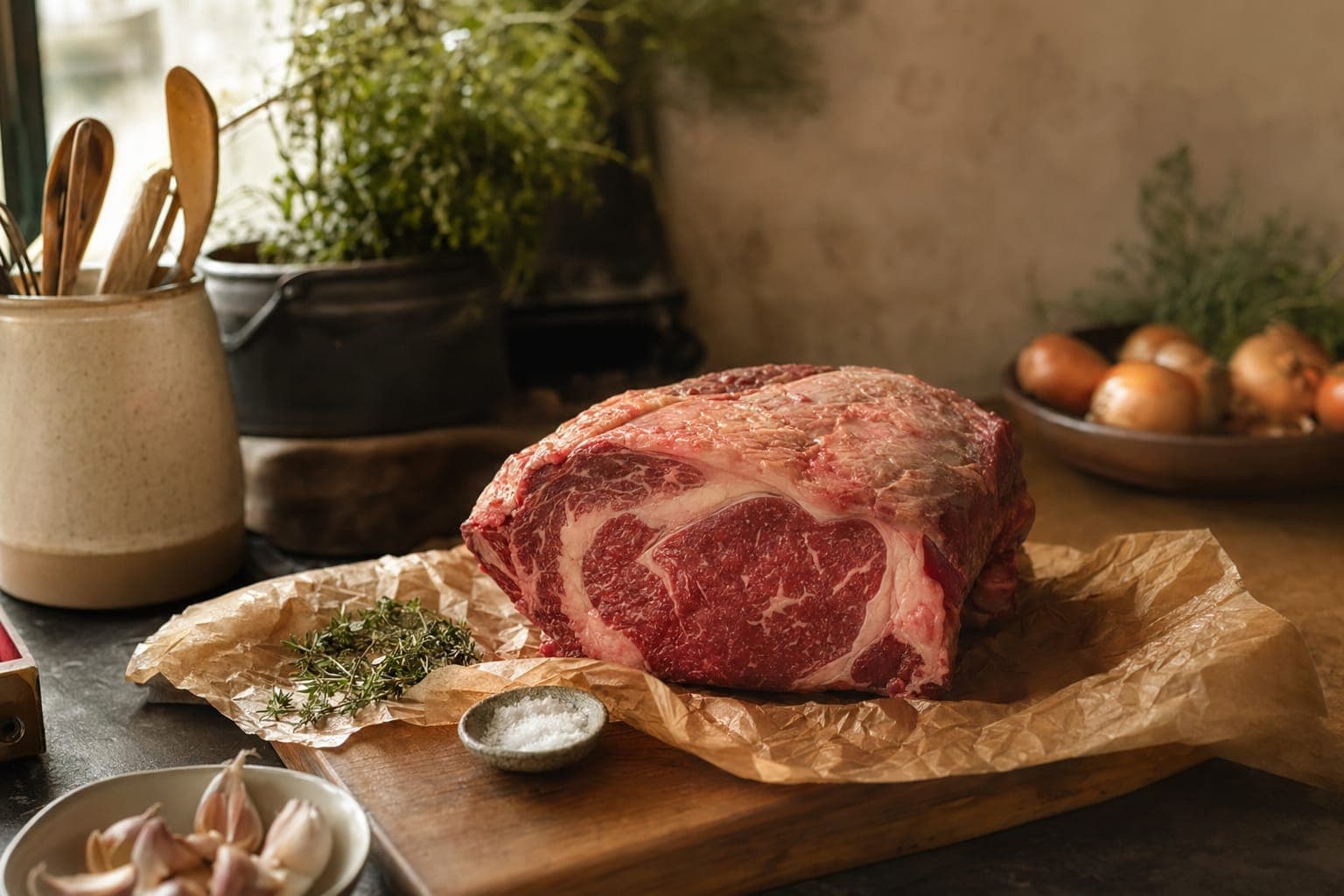
Farming
British Beef: Why Quality Matters More Than Origin Alone
British beef has a good climate for grass-fed cattle, but the label itself isn't a quality guarantee. Learn what to actually look for.

Life stage
Pregnancy Prep: Nutritional Foundations to Lay Before Conceiving
What to eat before pregnancy. Folate, iodine, B12, fat-soluble vitamins. The 3-6 month window that determines your baby's start.
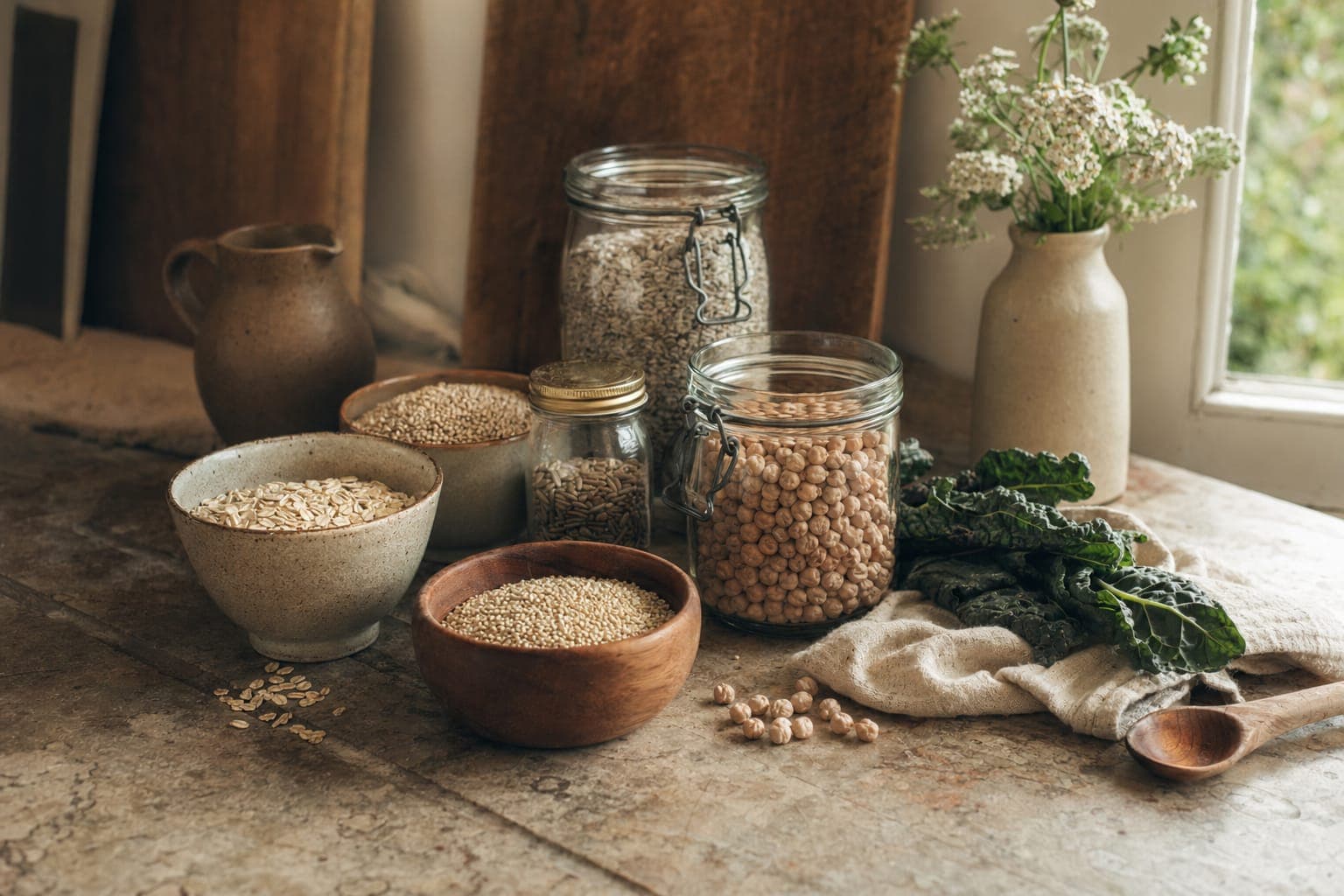
Science
The Fibre Myth: Do We Really Need as Much as We're Told?
Explore the fibre myth. Learn about SCFAs, why more fibre isn't always better, context-dependent dosing, and the history of cereal industry marketing.
Real food, made effortless
See the blendA few ways to use it
All recipes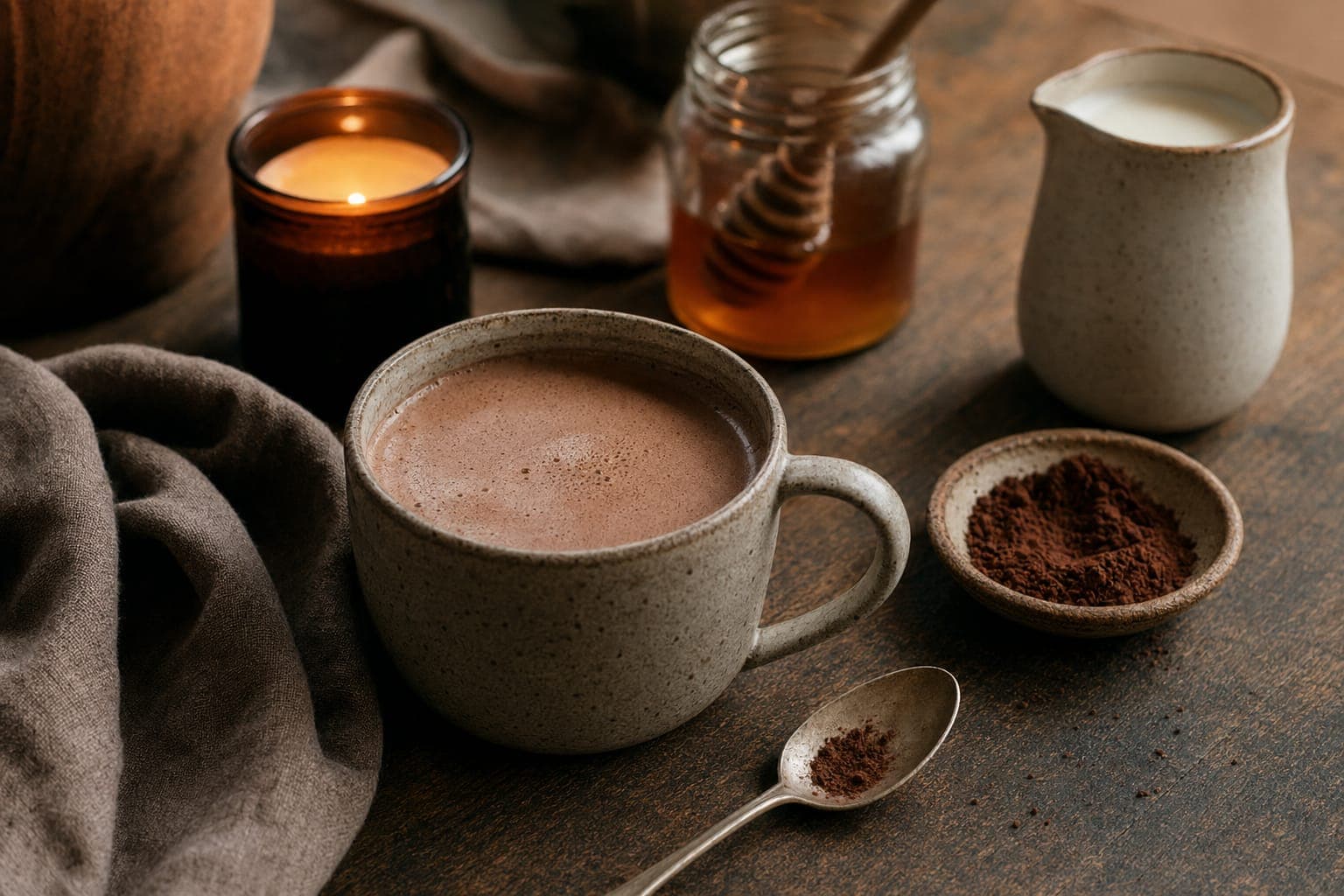
Raw Milk Hot Chocolate with Collagen
A nourishing evening hot chocolate made with raw milk, grass-fed collagen, raw cacao, and honey. A nighttime ritual that supports sleep and gut health.
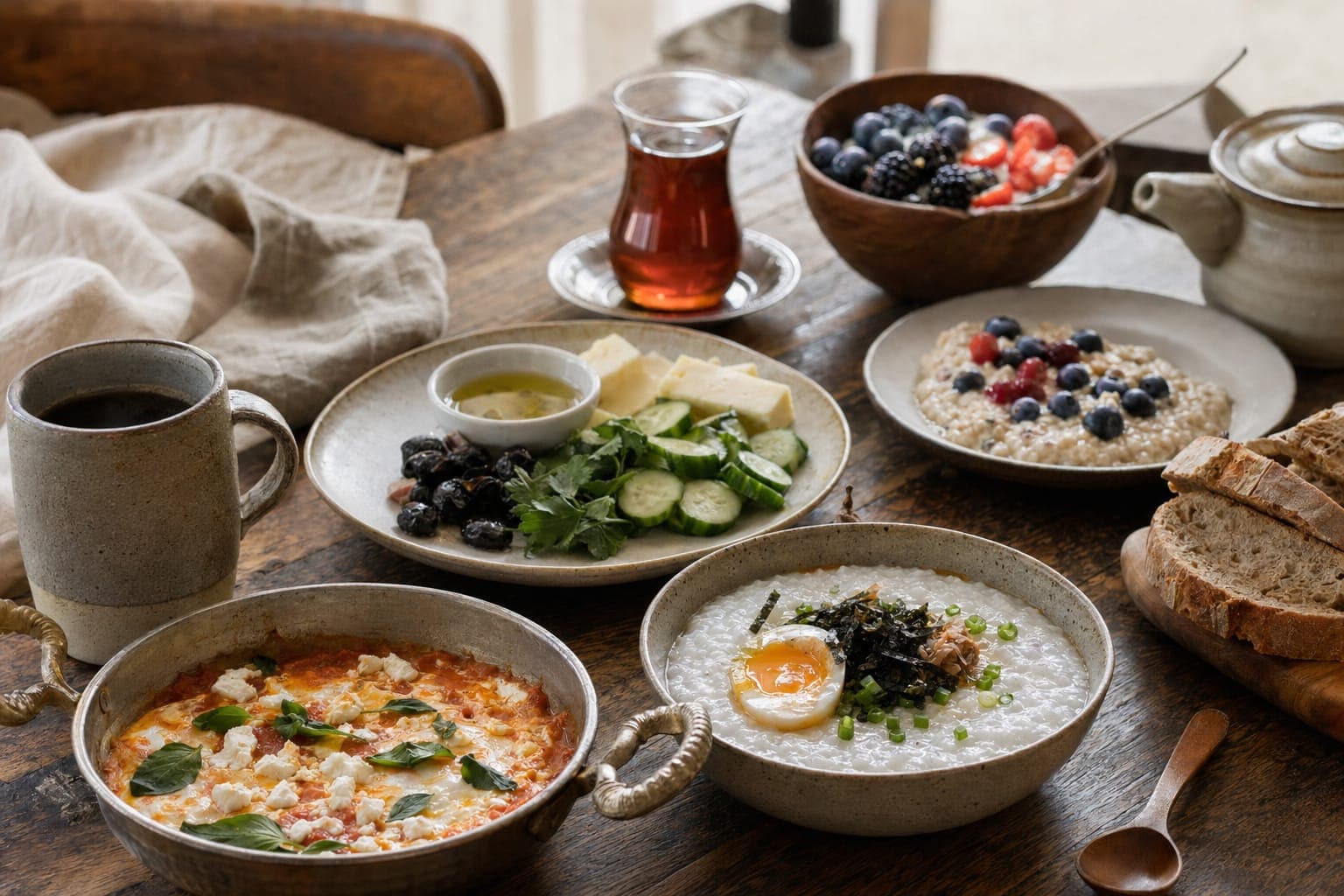
Ancestral Breakfast Ideas from Around the World
Traditional breakfast recipes from cultures that got nutrition right. Japanese, Turkish, Scottish, and more. Whole-food breakfast inspiration.
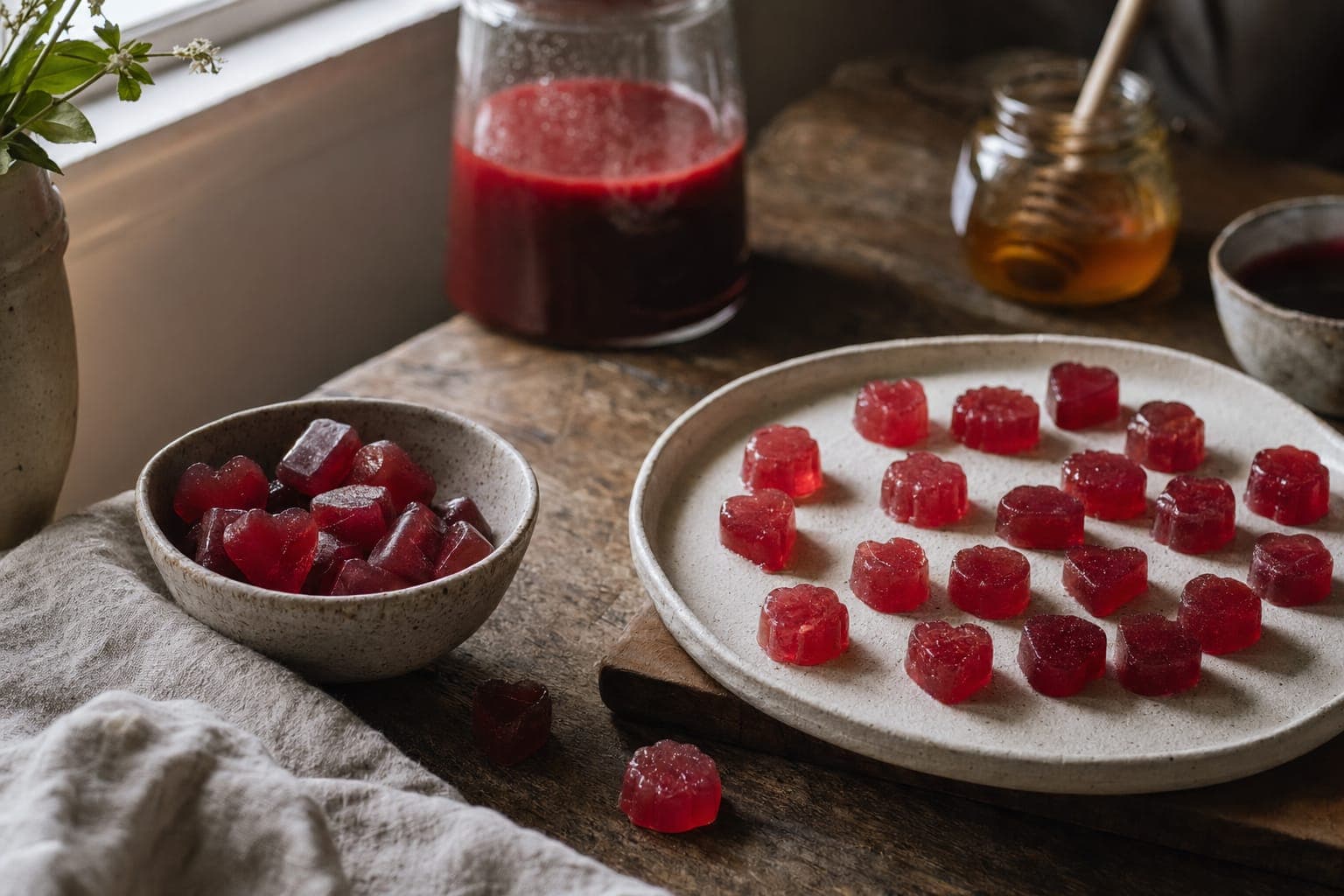
How to Make Your Own Gelatine Gummies
A simple recipe for homemade gelatine gummies using grass-fed gelatine, fresh juice, and raw honey. Better than shop-bought, kids love them.


 Join over 100,000+ members
Build a better food system with us
The Organised community is thousands of people choosing real food and backing the farmers who grow it, all of us trying to leave the world a little better than we found it. If that is what you care about too, you belong here.