British Beef: Why Quality Matters More Than Origin Alone
A "Product of Britain" label looks good on the package. But knowing beef is British tells you nothing about how the animal lived, what it ate, or how good the meat actually is.
By Niall Kiddle, Founder, Organised

Reviewed by Pedro Rodrigues, Agronomist (farming and sourcing only) ·
5 min read · Published · Updated · 4 cited sources
Makers of the Organised Daily blend, a grass-fed beef organ supplement from regenerative UK farms
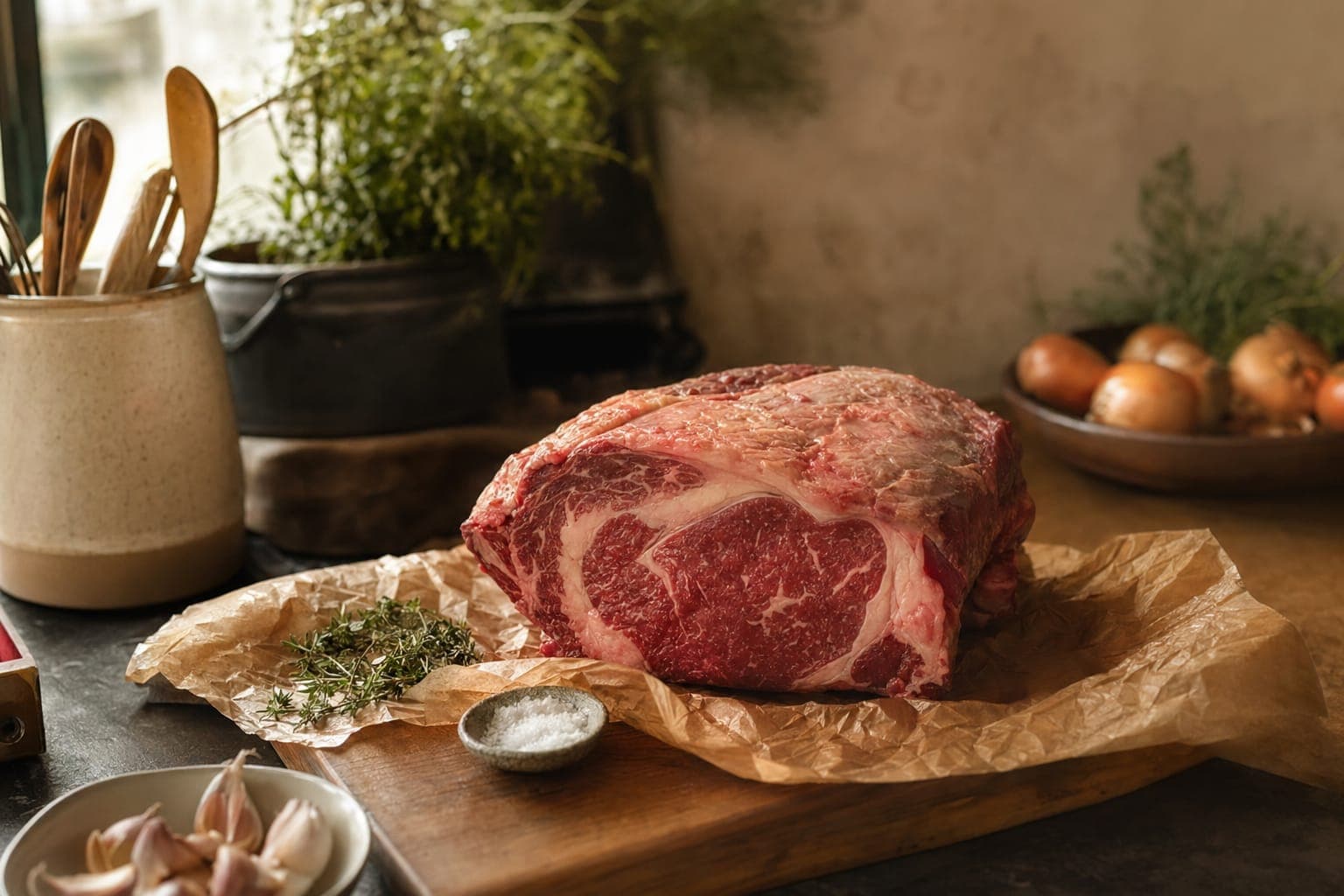
Britain does have genuine advantages for beef production. The climate is cool and wet, perfect for grass growth. Pasture-based farming is the norm, not the exception. But advantages are not guarantees. A British origin label can hide a lot of mediocrity.
The British climate advantage
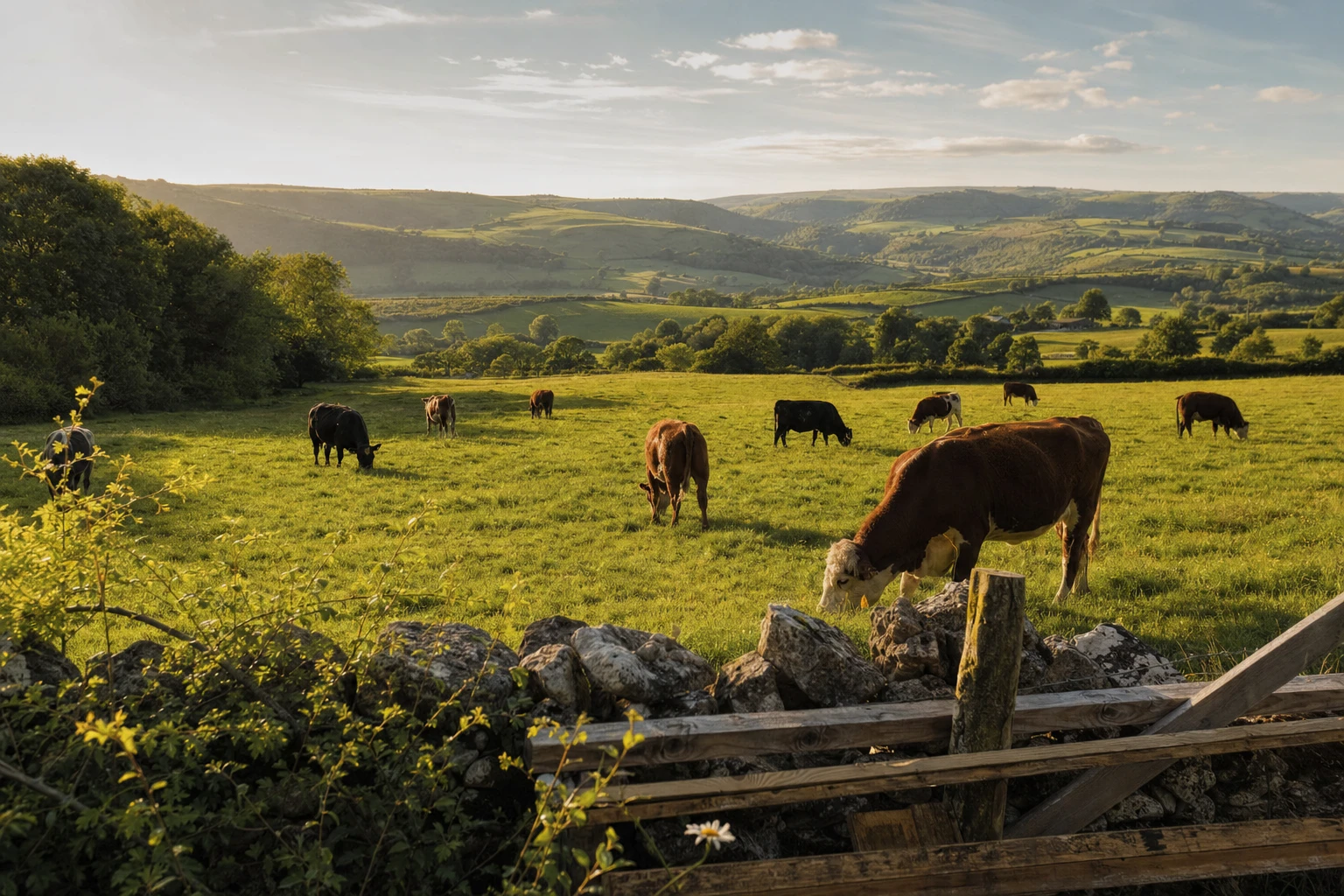
The UK climate is ideal for grass-fed cattle. Cool, temperate, wet enough that grass grows year-round.4 Cattle can graze outdoors most of the year. Unlike Australia or South Africa, where cattle often need to be in feedlots during dry seasons, British cattle can genuinely live on grass.
This is a real advantage. A British-raised, grass-fed cow has spent most of its life outdoors eating grass. Compare that to an animal in a hot climate that spent its first three years in a feedlot eating grain. The British cow has an inherent quality advantage just from the environment.
But this advantage is wasted if the producer doesn't respect it. An animal can be raised in the UK, on grass nominally, but still be treated poorly, stressed at slaughter, or finished on grain in the final months. The British climate doesn't force quality. It just allows it.
Britain's grass climate is a gift. But a gift wasted is just a miss-used resource.
Why local matters less than you think
There's a sentimental appeal to buying local. Supporting British farmers. Reducing food miles. These are real values. But they don't automatically equal quality.
A cow raised in Scotland on poor-quality pasture, stressed before slaughter, is still inferior to an animal from Europe raised on superb pasture with calm handling and low-stress slaughter, even if that European beef travelled 500 kilometres to reach you.
The quality of the meat matters more than the distance the meat travelled. If you have to choose between British beef from a conventional producer and imported beef from a regenerative farm, the imported option is likely the better choice.
That said, Britain does have exceptional producers. The advantage is that you can find both: beef that's both locally produced and genuinely high-quality. But the local label alone doesn't guarantee that.
What Red Tractor actually guarantees
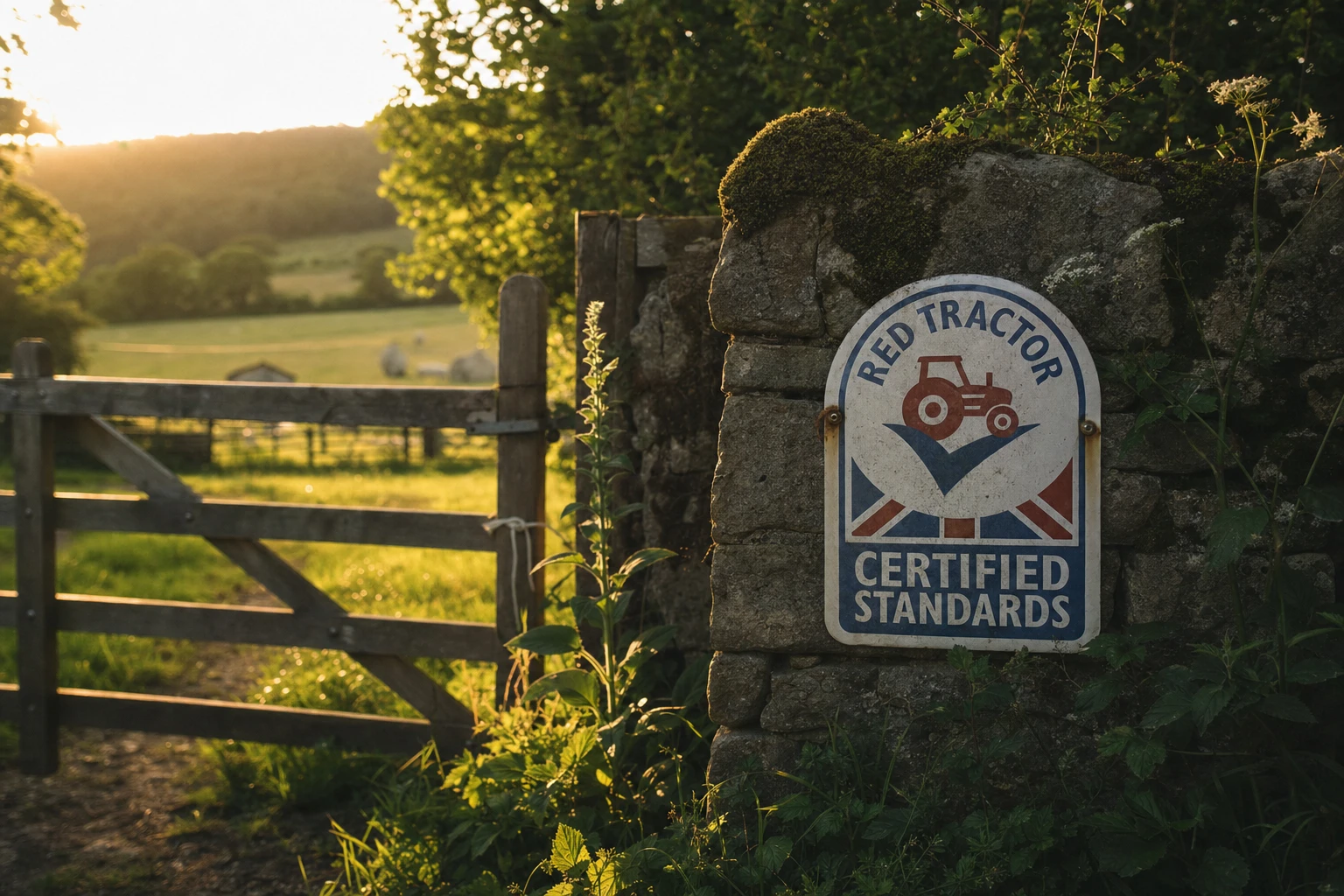
Red Tractor is a farm assurance scheme operated in the UK. It sets baseline standards for animal welfare, food safety, and traceability.2 If a product carries the Red Tractor mark, it means the farm has been audited and meets those baseline standards.
The key word is baseline. Red Tractor sets minimum acceptable standards, not excellence standards. A Red Tractor beef is not sub-standard. It's meeting the floor. But it's not necessarily anything special either.
The standards cover animal welfare basics: space requirements, access to water, protection from extreme temperatures. They cover food safety. They ensure traceability so if there's a problem, the farm can be identified. This is all good. But it doesn't tell you if the animal lived a good life. It tells you it wasn't obviously abused.
Red Tractor is useful as a baseline check. If a producer doesn't have it, that's a minor red flag. But having it doesn't mean the beef is exceptional. It means the farm is competent and meets UK standards.
Farm assurance standards have limits
Beyond Red Tractor, there are other UK schemes: RSPCA Assured, Pasture for Life. These set higher standards than Red Tractor. RSPCA Assured requires outdoor access. Pasture for Life requires animals to be grass-fed year-round, with no grain finishing.3
These schemes are more meaningful than Red Tractor alone. A Pasture for Life certified beef is genuinely grass-fed. An RSPCA Assured product has real outdoor access requirements. But even these certifications don't tell you about the individual farm's practices or the quality of the handling at slaughter.
A farm can be certified and still be mediocre. It can pass the audit and still not represent the best that beef can be. Certification is a signal, but it's not a full picture.
Get farming and sourcing guides, free
Two short reads a week on regenerative farming and where real food comes from.
By signing up you agree to receive emails from us. No spam, unsubscribe anytime.
Grass-fed is not one thing
Grass-fed means the animal ate grass, not grain. But it doesn't specify quality. A cow eating poor-quality, monoculture pasture is technically grass-fed. So is a cow eating diverse, regeneratively managed pasture.
The difference matters enormously. Grass-fed from a monoculture pasture is nutritionally superior to grain-fed, but it's still compromised. Grass-fed from a diverse, well-managed pasture is orders of magnitude more nutrient-dense.
When you're looking at grass-fed beef, dig deeper. Ask about the pasture quality. Ask about diversity. Ask if the farm does mob grazing or rotational grazing. Ask what species are in the pasture mix. A producer who can answer these questions confidently is the one worth buying from.
Grass-fed is a start. But the quality of the grass matters as much as the fact that it was grass.
The finishing period matters most
A common practice is to grass-feed a calf until 18 or 24 months, then finish it on grain for the last 3 to 6 months before slaughter. This produces beef with better marbling (fat distribution) than pure grass-fed, and it's slightly cheaper to produce. But it's a compromise.
The finishing period on grain changes the fatty acid profile. It increases omega-6 and decreases omega-3.1 It changes the vitamin and mineral composition. The beef is no longer truly grass-fed, even if 75% of the animal's life was on grass.
Pure grass-finished beef, where the animal eats nothing but grass and hay from birth to slaughter, is rarer and slightly more expensive. But it's nutritionally superior. If you're paying for grass-fed, confirm that it's also grass-finished. The labelling can be misleading.
1 of 9
Daily blend
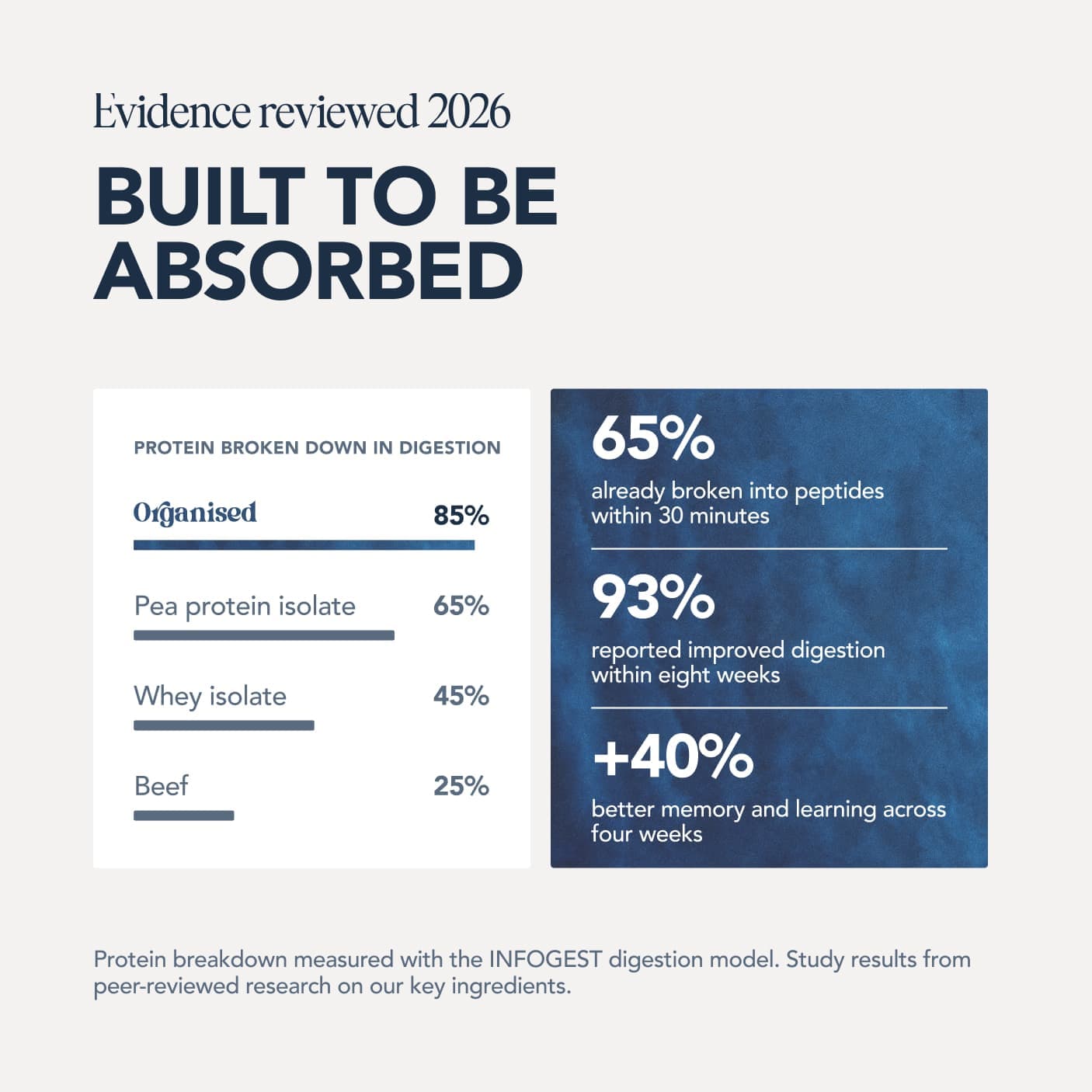
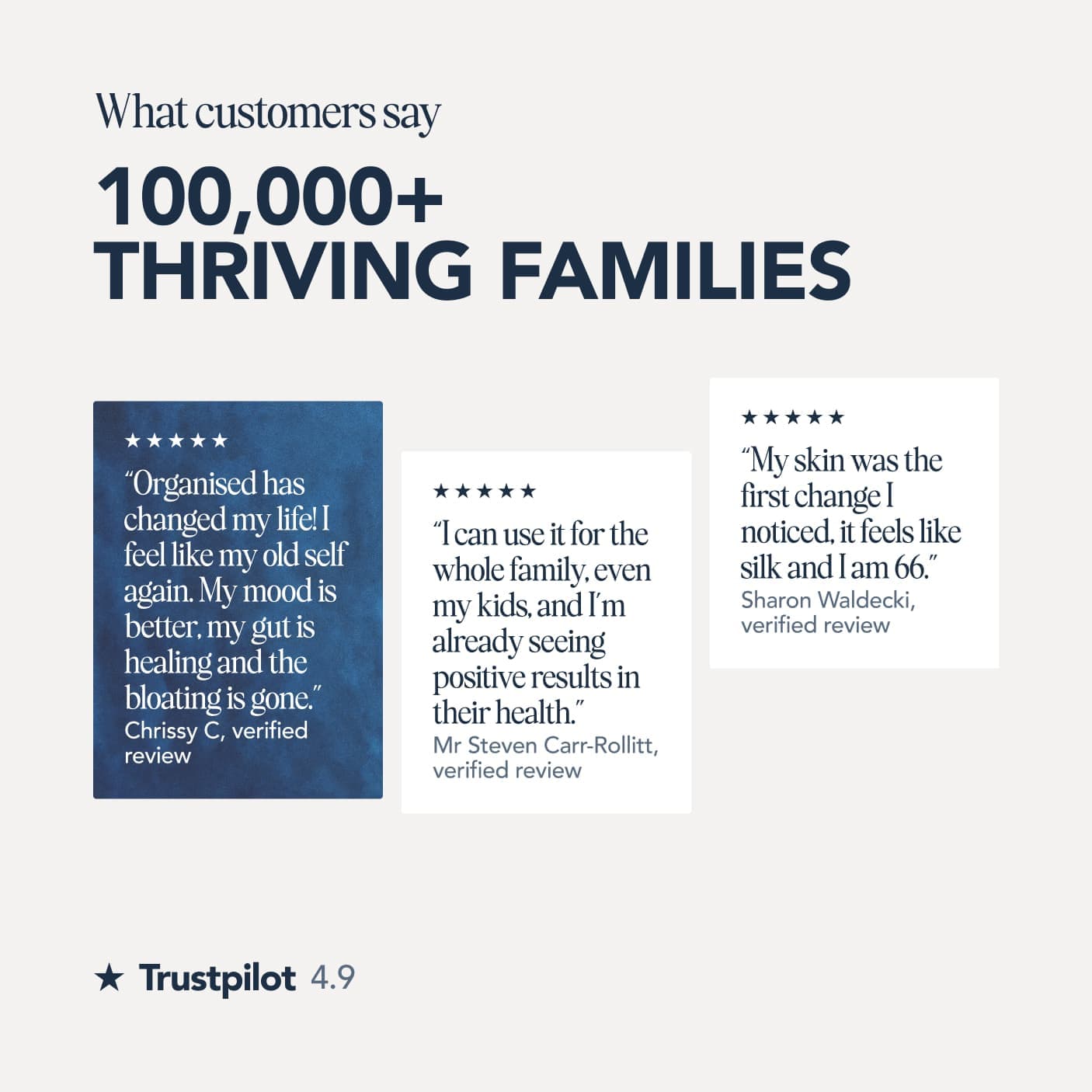
100,000+ thriving families4.9 on Trustpilot
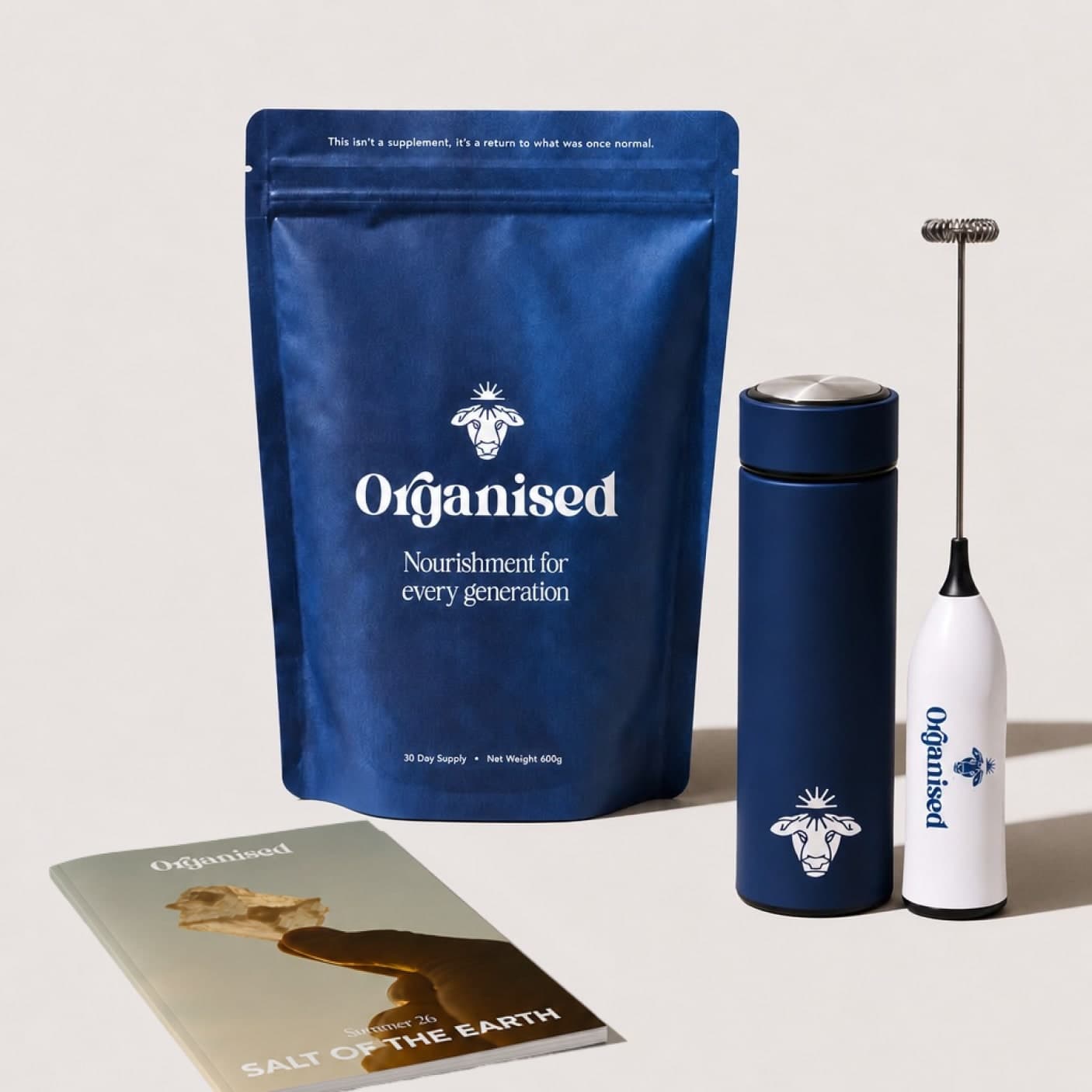
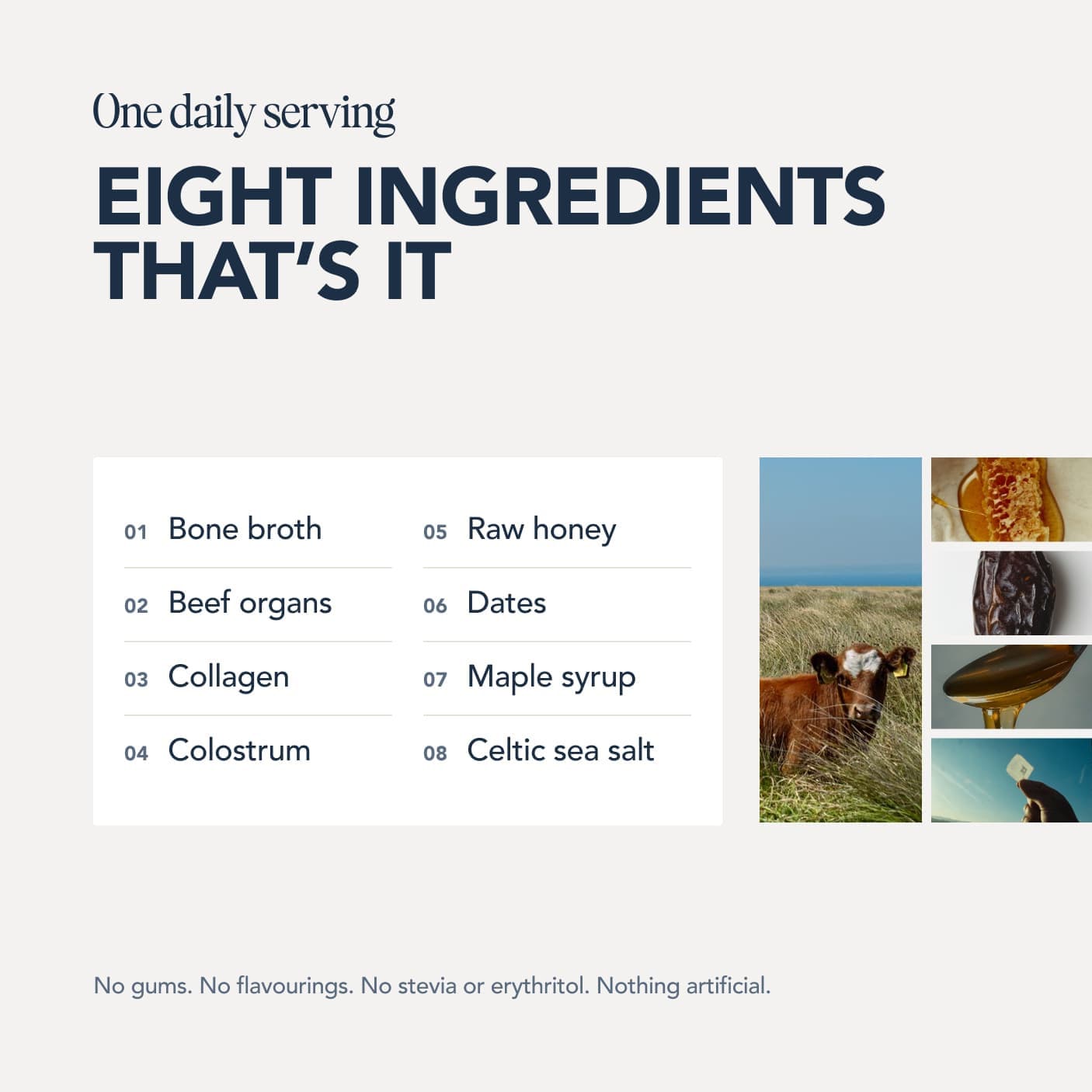
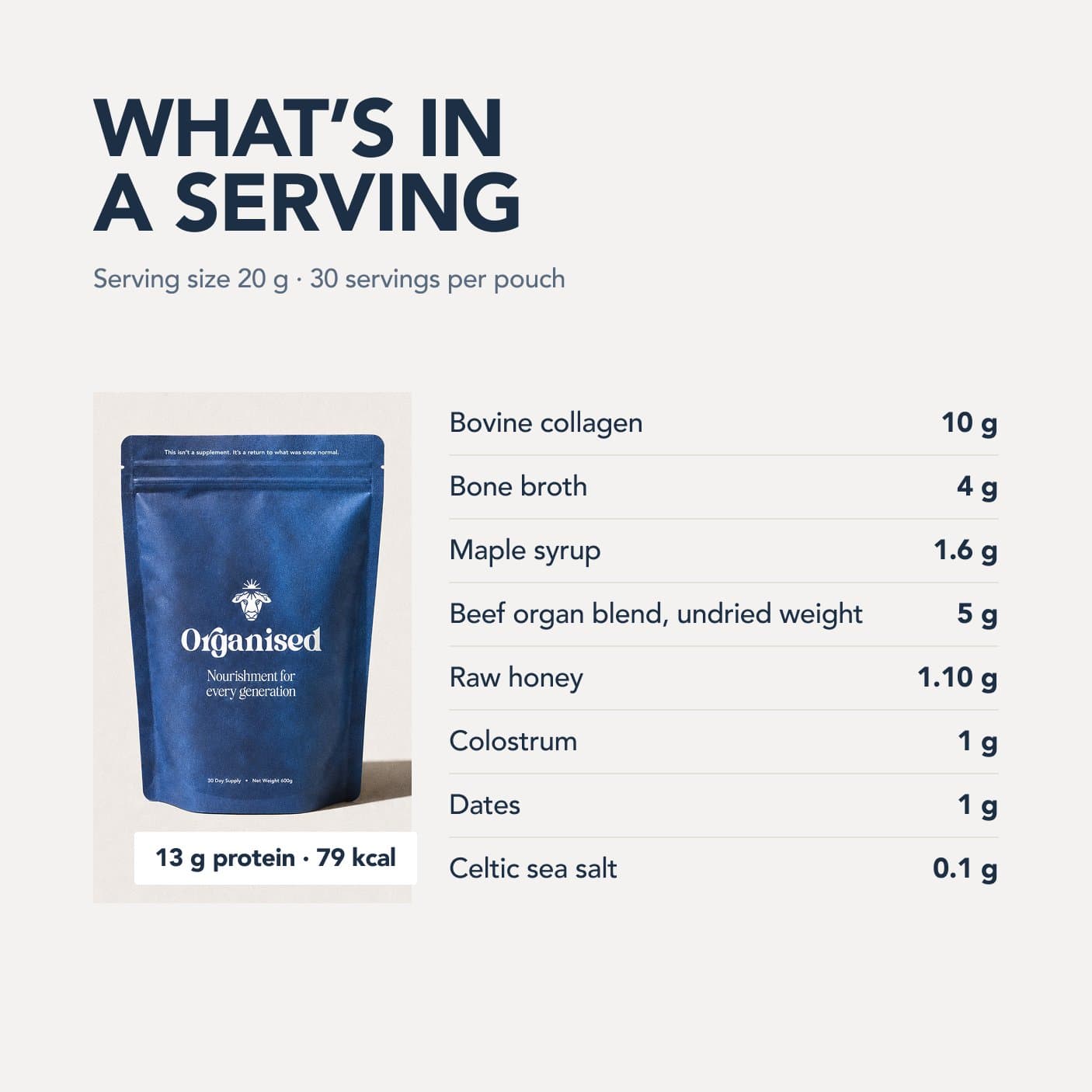
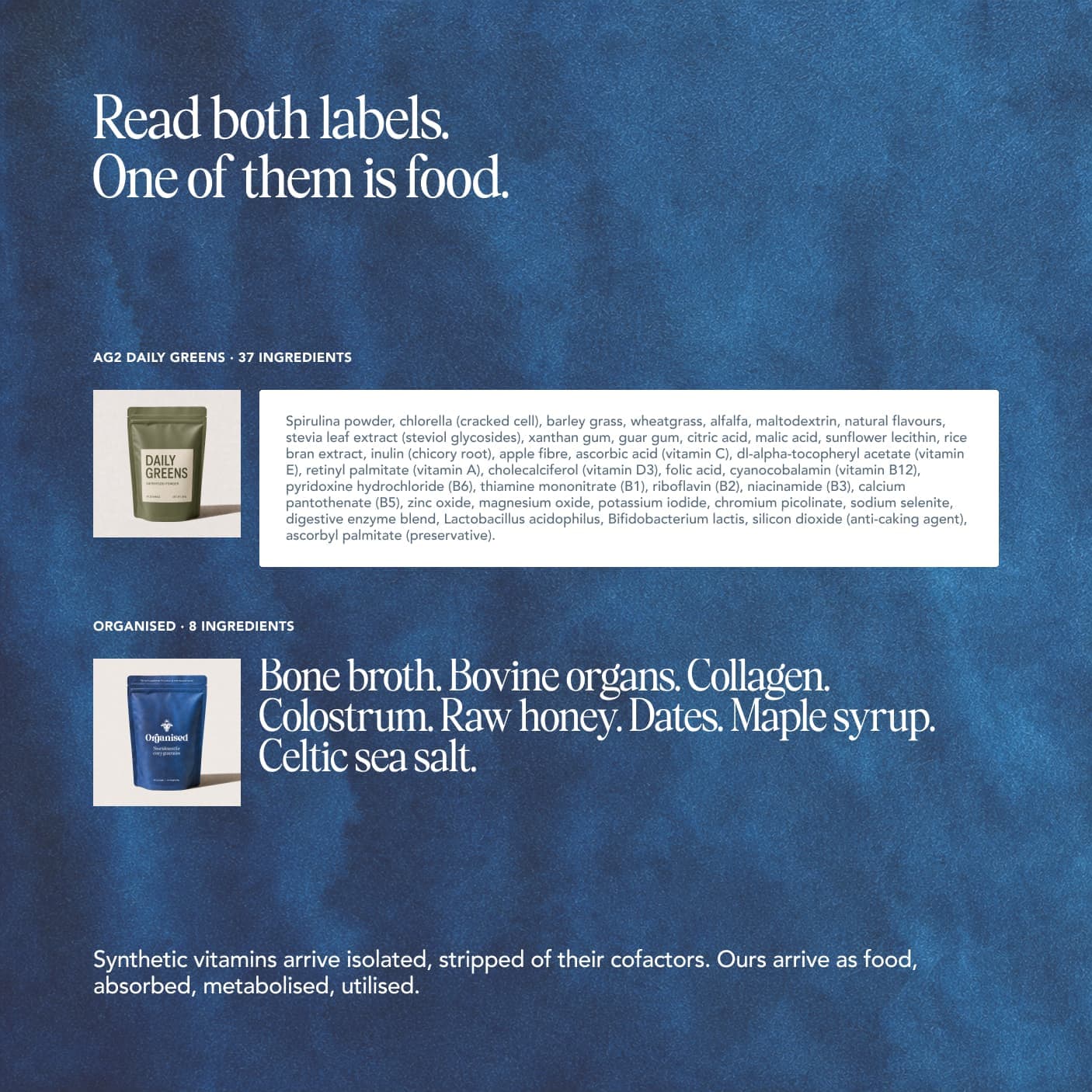
Eight real ingredients built around grass-fed beef organs, collagen and colostrum. Nothing synthetic added.
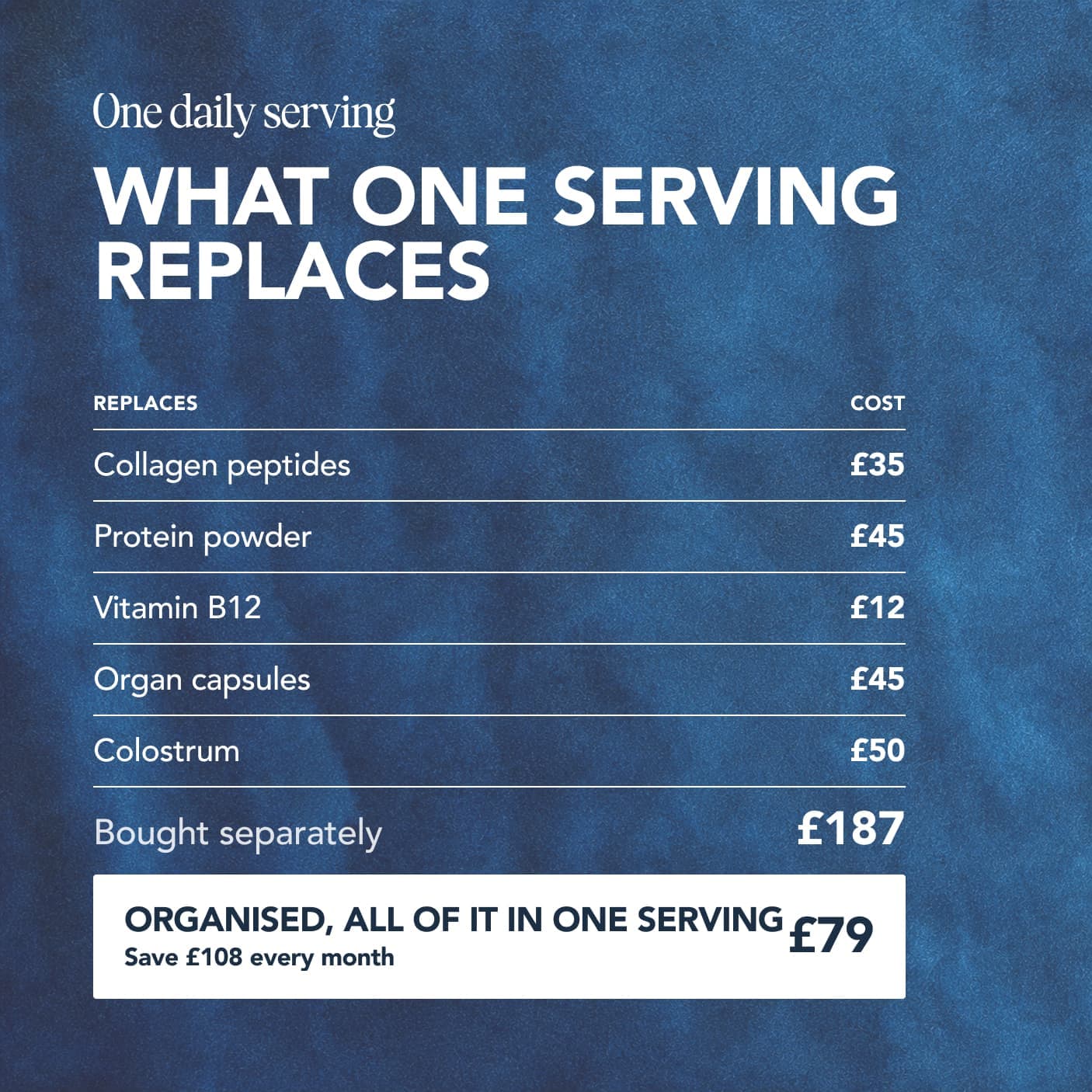
Free with your first order, worth £38. Plus £10 off the pouch with a subscription.
Free UK shipping · Made in England · 100 day money back guarantee on your first pouch · Skip, pause or cancel anytime
The scale of the farm matters
A small farm where the farmer knows each animal by sight, moves the cattle carefully, and brings them to slaughter with minimal stress is producing meat of higher quality than an industrial operation with thousands of animals, minimal individual attention, and high-stress processing.
Scale doesn't automatically mean worse, but there's a threshold beyond which individual animal welfare becomes logistically difficult. A farm with 50 cattle can know each one. A farm with 5,000 cannot.
Look for producers on smaller, family-run operations. Ask about herd size. Ask how the animals are moved and transported. Ask if the farmer knows the abattoir personally and has relationships with the slaughterers. These details matter.
The bottom line
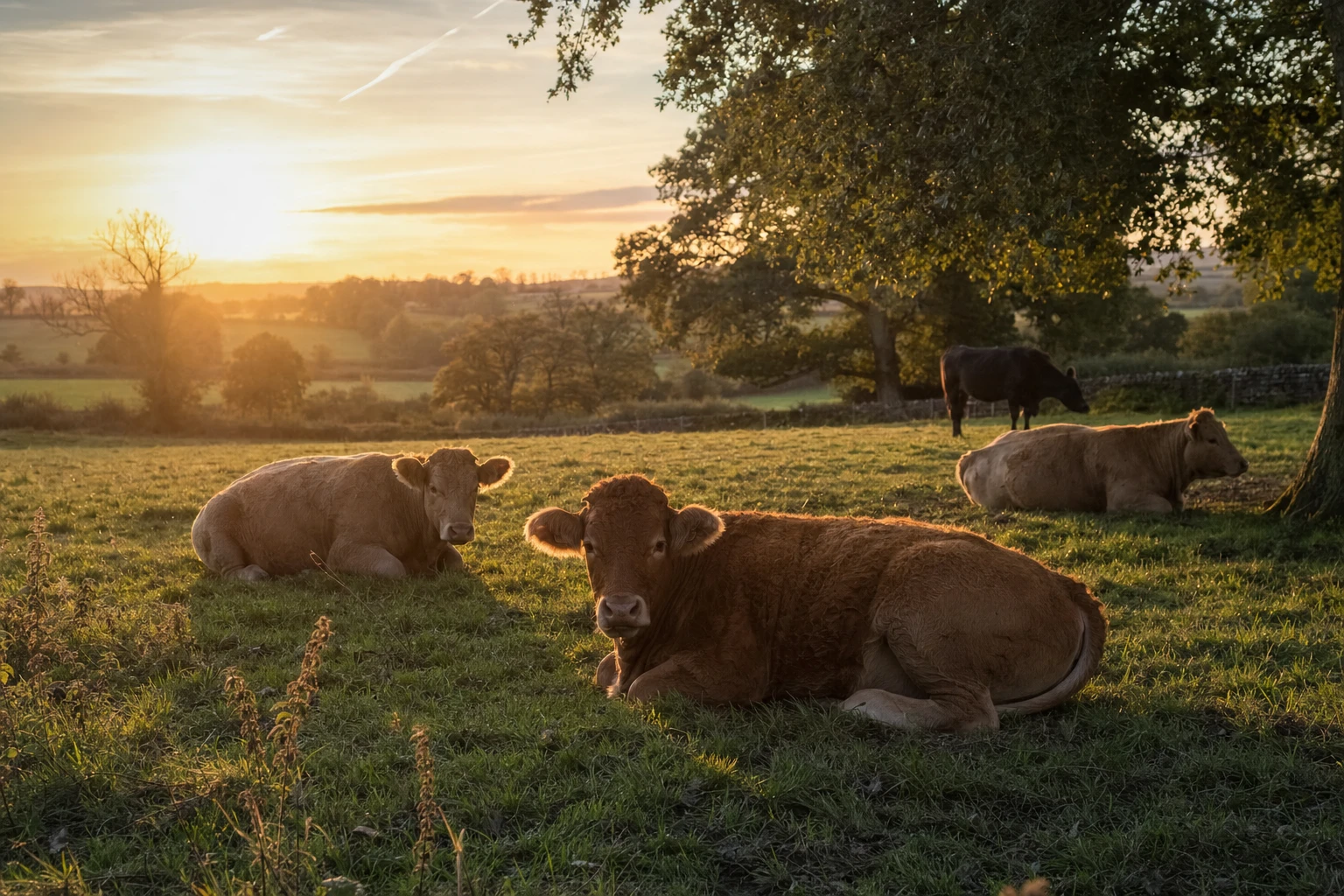
British beef has advantages. The climate, the culture of pasture farming, the regulatory framework. But a British label is not a quality label. It's just geography.
If you're buying British beef, great. You're probably buying from a farm where grass-feeding is economically viable. But push further. Ask about pasture quality. Ask if it's grass-finished or grain-finished. Ask about animal handling. Ask about farm size and producer relationship to the animals. These questions separate good beef from exceptional beef.
The best British beef comes from producers who take every one of these factors seriously. Find them, build a relationship, and buy from them consistently. That's how you get beef worth eating.
References
Every source below was checked on 27 August 2026. Each PubMed, PMC and DOI identifier was resolved against NCBI or Crossref, and what it opens is printed under the citation, so you can see the link goes where the citation says without leaving the page. Where a citation and its identifier disagreed, the citation was corrected to the record or the reference was deleted along with the sentence marker that pointed at it, and where the resolved paper turned out not to support the sentence, the sentence was cut back to what it does support. Borrowed authority is worse than none, because it looks like rigour.
- Daley CA et al. A review of fatty acid profiles and antioxidant content in grass-fed and grain-fed beef. Nutr J. PMC2846864.Checked 27 August 2026: PMC2846864 opens Daley CA, Abbott A, Doyle PS et al, A review of fatty acid profiles and antioxidant content in grass-fed and grain-fed beef. Nutr J 2010;9:10. PubMed indexes it as: Review.
- Red Tractor Assurance Standards. Red Tractor Standards.
- Pasture for Life Association. Standards. Pasture for Life Standards.
- Agriculture and Horticulture Development Board. Grass and forage. AHDB UK.
Who wrote and reviewed this guide
Niall Kiddle
Author · Founder, Organised
Niall is the founder of Organised. He started the company in 2024 after fixing his own health the slow way: in 2022 he swapped a cupboard of synthetic supplements for real food, raw milk, organ meats, bone broth and honey, and felt the difference within months.
Areas of expertise: Ancestral nutrition, Organ meats, Whole-food supplementation, Gut health, Regenerative sourcing
Read Niall's full profile
Pedro Rodrigues
Reviewer · Agronomist (farming and sourcing only)
Pedro is the agronomist Organised works with on farming and sourcing. His job on the guides is to keep the science honest: he reviews what we publish about soil health, regenerative agriculture, grazing and the way food is actually produced.
Areas of expertise: Regenerative agriculture, Agronomy, Soil health, Grass-fed farming, Food sourcing
Reviewed this guide on
Read Pedro's full profileMore on farming & transparency
View all- Biodynamic Farming: What It Means and Why It Matters
- Free Range, Organic, Pasture-Raised: A Quick Reference Guide
- How Stress in Cattle Affects the Quality of Their Organs
- What Is Mob Grazing and How Does It Help the Soil?
- What Is Third-Party Testing and Why Should You Care?
- Why Biodiversity on Farms Matters for Your Food
- Why Ingredient Traceability Matters More Than Marketing Claims
Browse the guides library
All guidesKeep reading
Farming
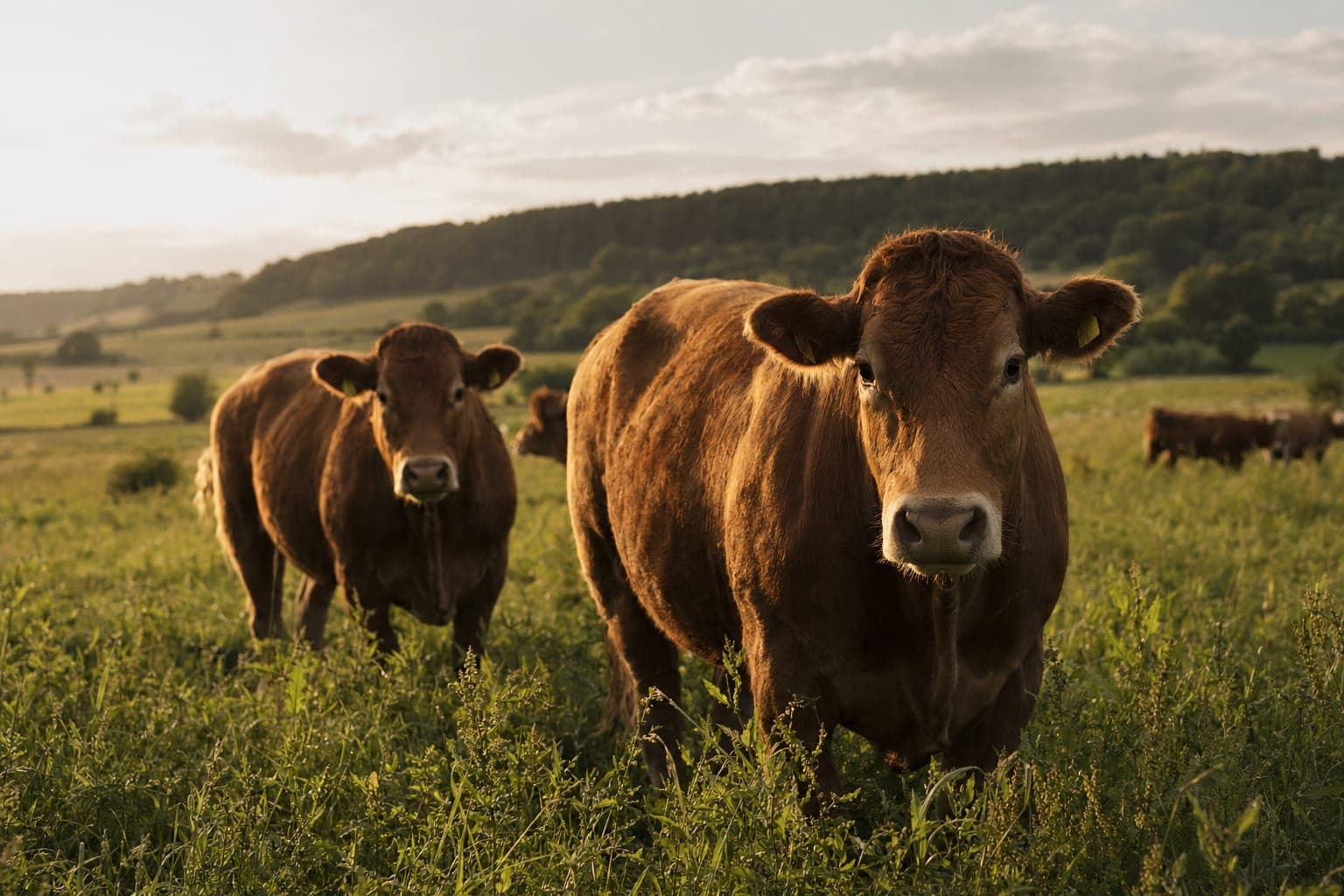
How Stress in Cattle Affects the Quality of Their Organs
Stressed cattle produce lower-quality organs and meat. Learn how animal welfare directly impacts the nutritional value of what you eat.
Farming
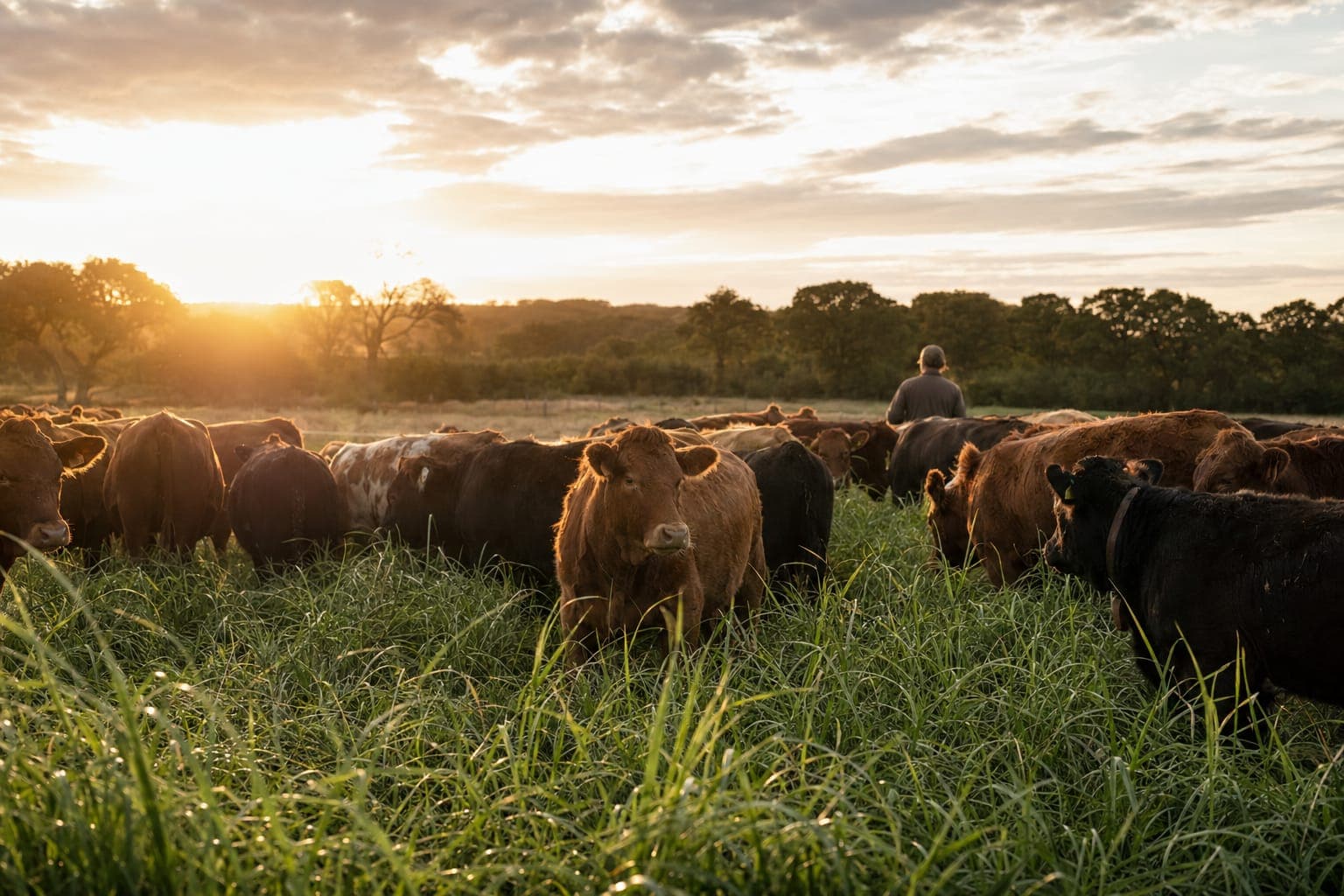
What Is Mob Grazing and How Does It Help the Soil?
Mob grazing mimics natural herd behaviour and rebuilds soil. Learn how high-density, short-duration grazing regenerates the land your food comes from.
Farming
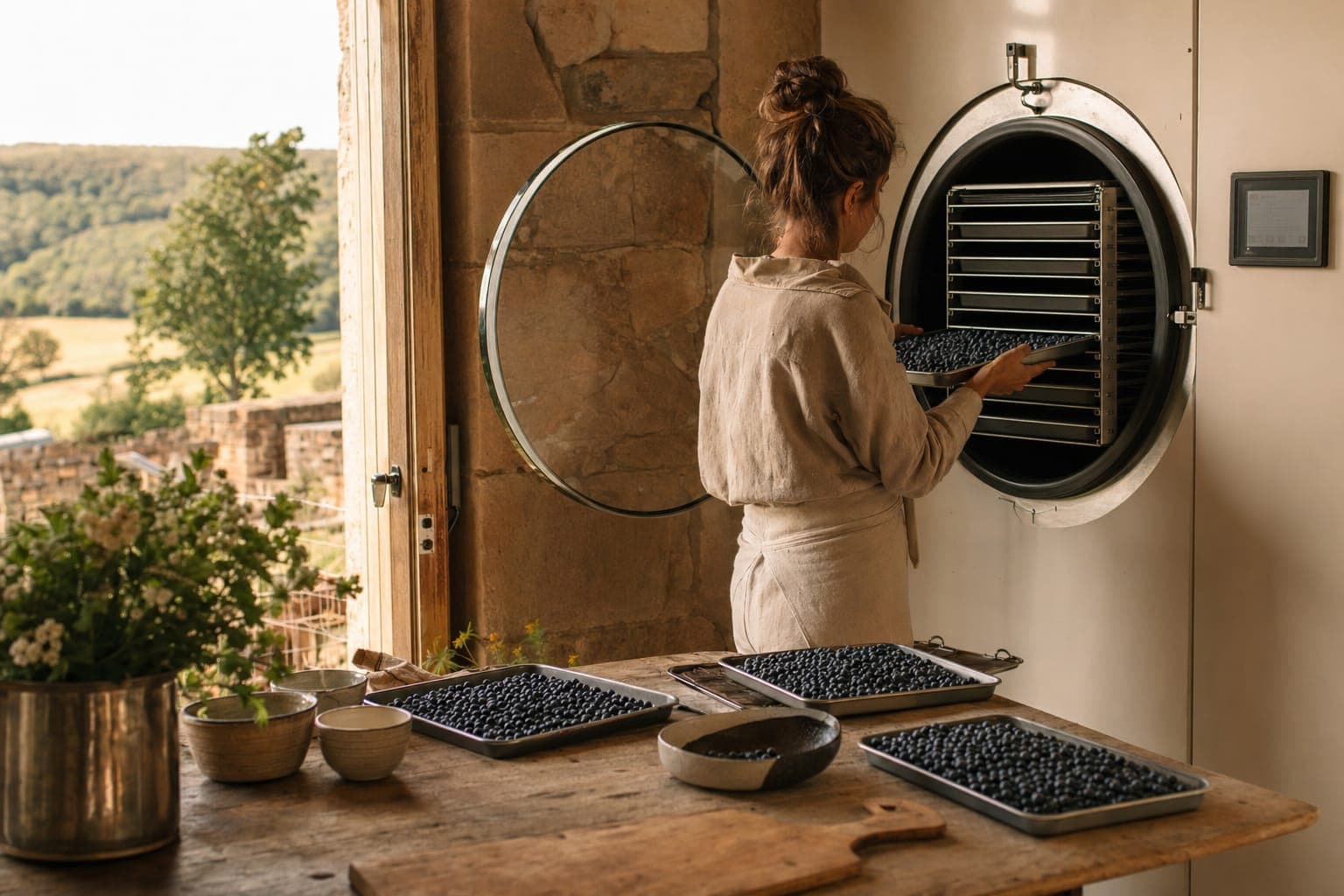
Why Freeze-Drying Preserves More Nutrients Than Other Methods
Learn why freeze-drying preserves vitamin and enzyme content better than spray-drying, heat-drying, or other processing methods used in supplements.
Real food, made effortless
Shop the blendA few ways to use it
All recipes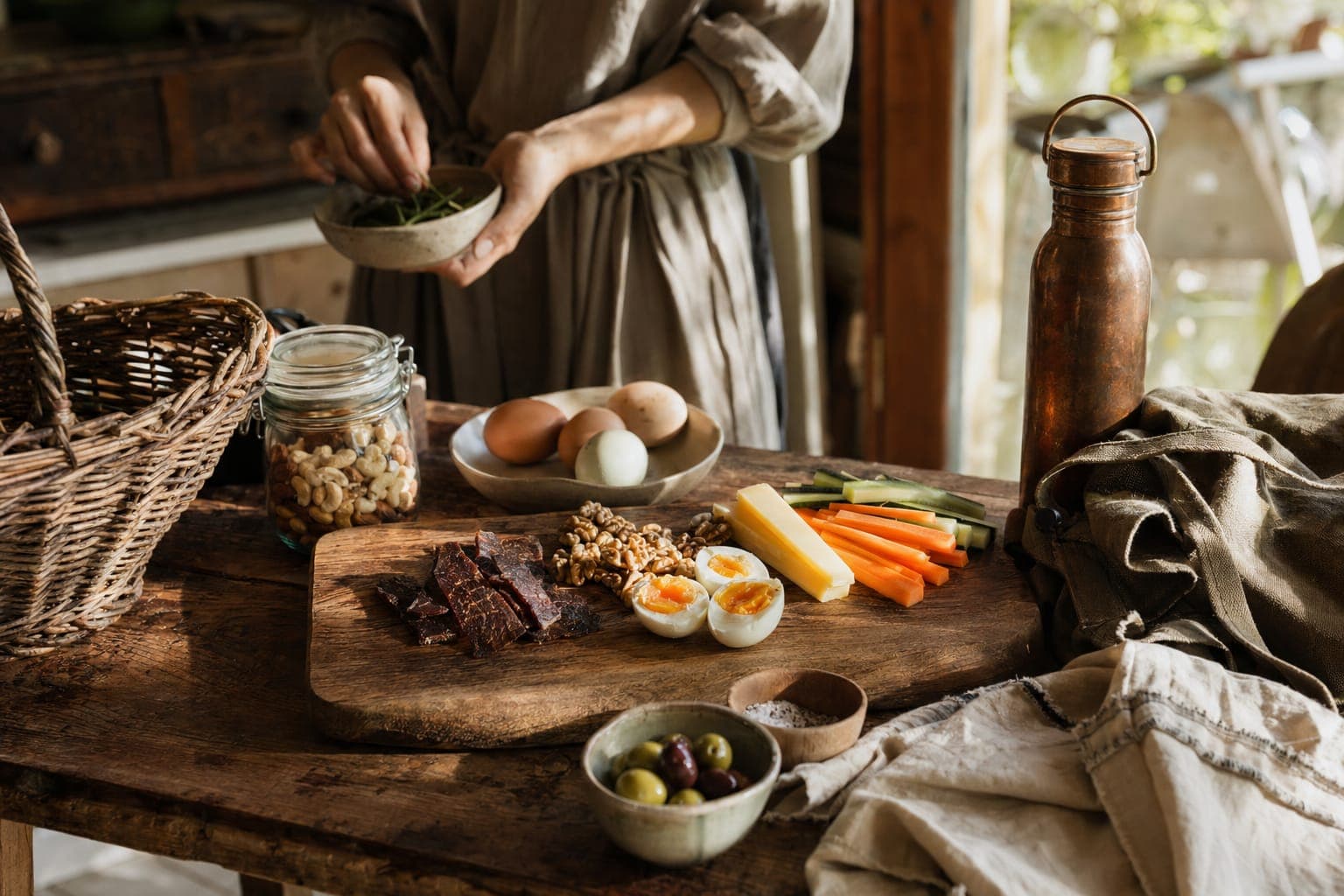
Whole Food Snacks for Busy Days
Practical whole food snacks that travel well and sustain energy. No refined carbs, no seed oils. Real food options for when you're busy.
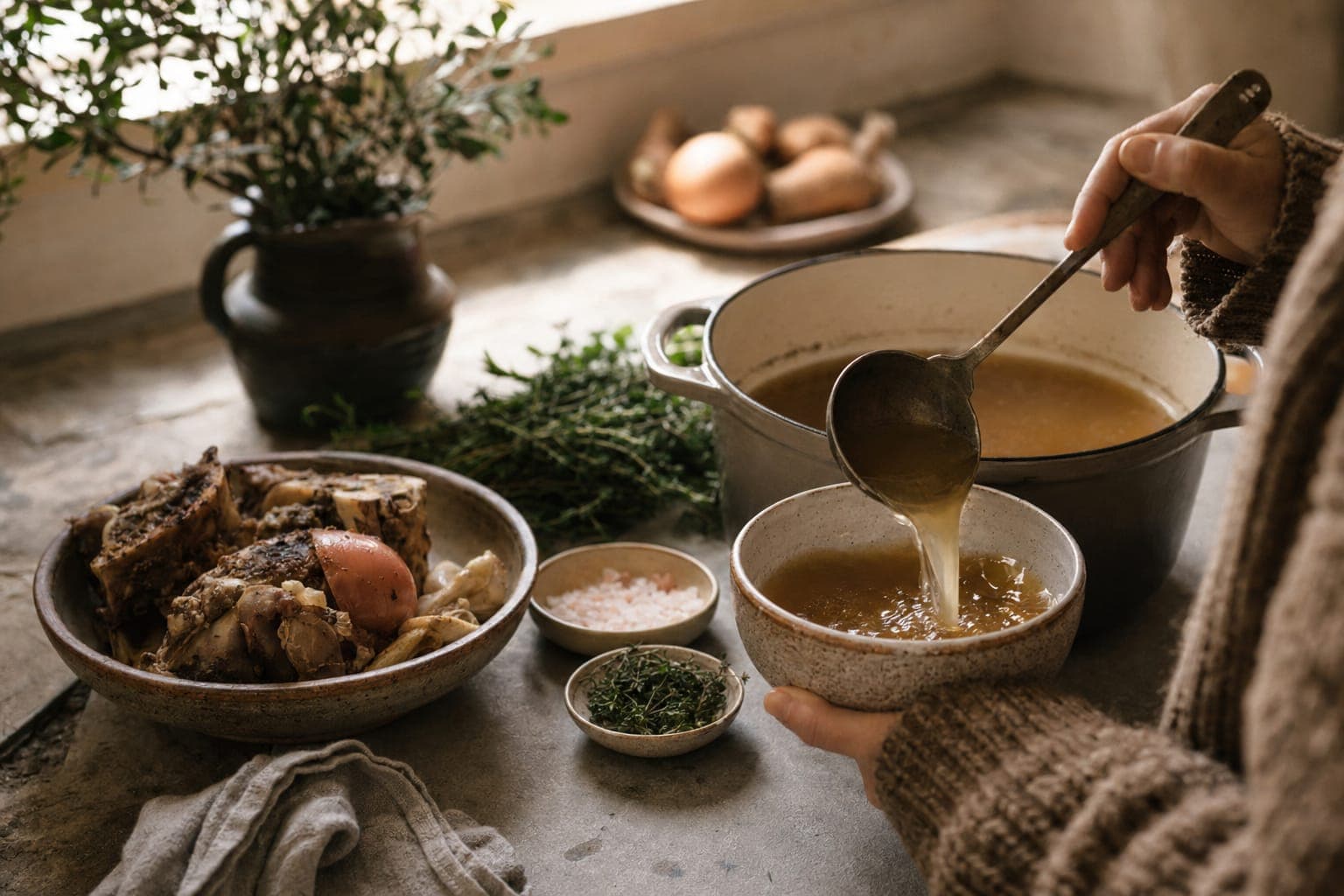
Bone Broth from Scratch: A Step-by-Step Guide
Step-by-step guide to making bone broth at home. Stovetop, slow cooker, and Instant Pot methods. Rich in collagen and gut-healing minerals.
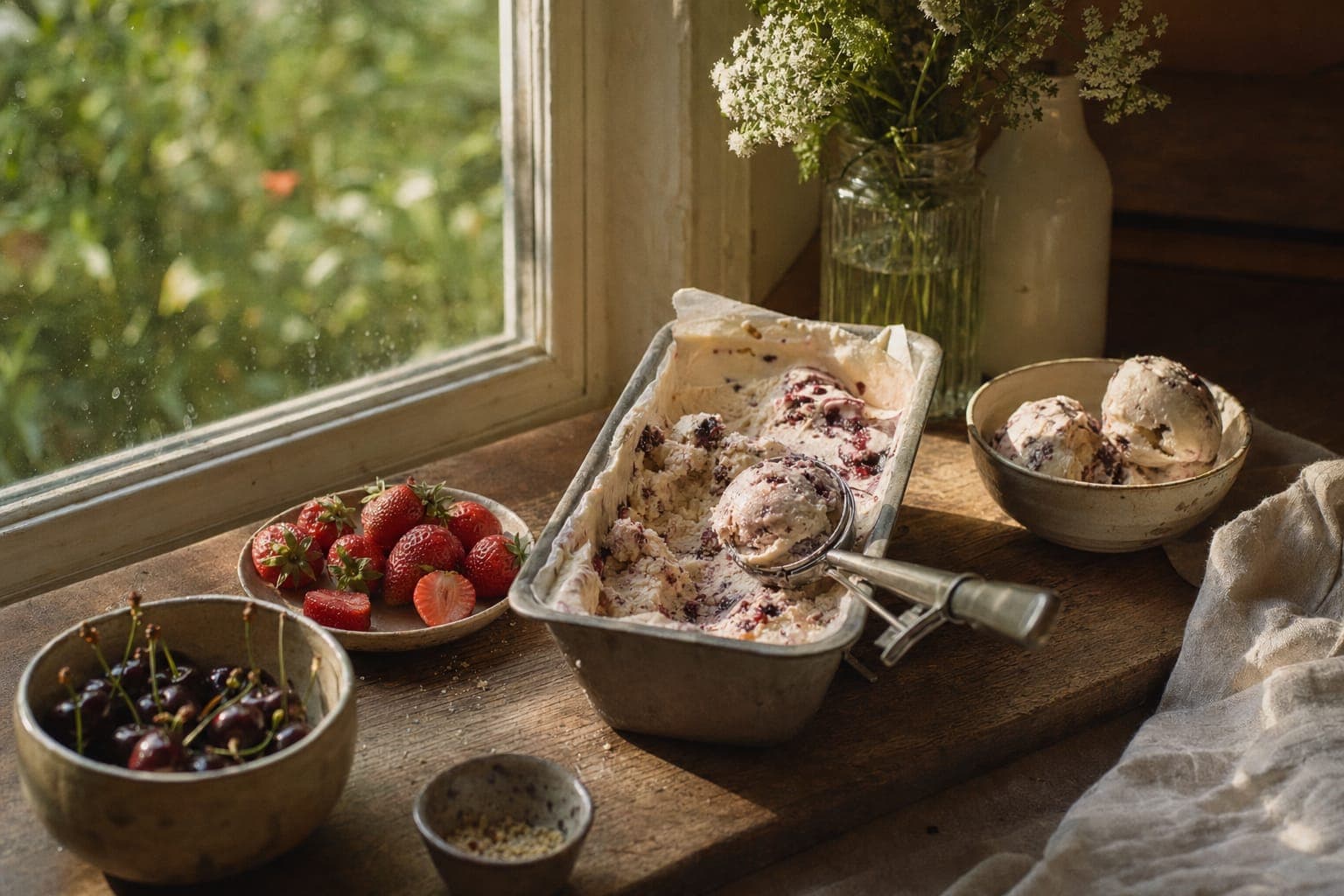
Raw Milk Ice Cream with Organised
Make raw milk ice cream at home with Organised for a seasonal, nutrient-dense treat. Three simple flavours to try whenever the craving strikes.


 Join over 100,000+ members
Build a better food system with us
The Organised community is thousands of people choosing real food and backing the farmers who grow it, all of us trying to leave the world a little better than we found it. If that is what you care about too, you belong here.